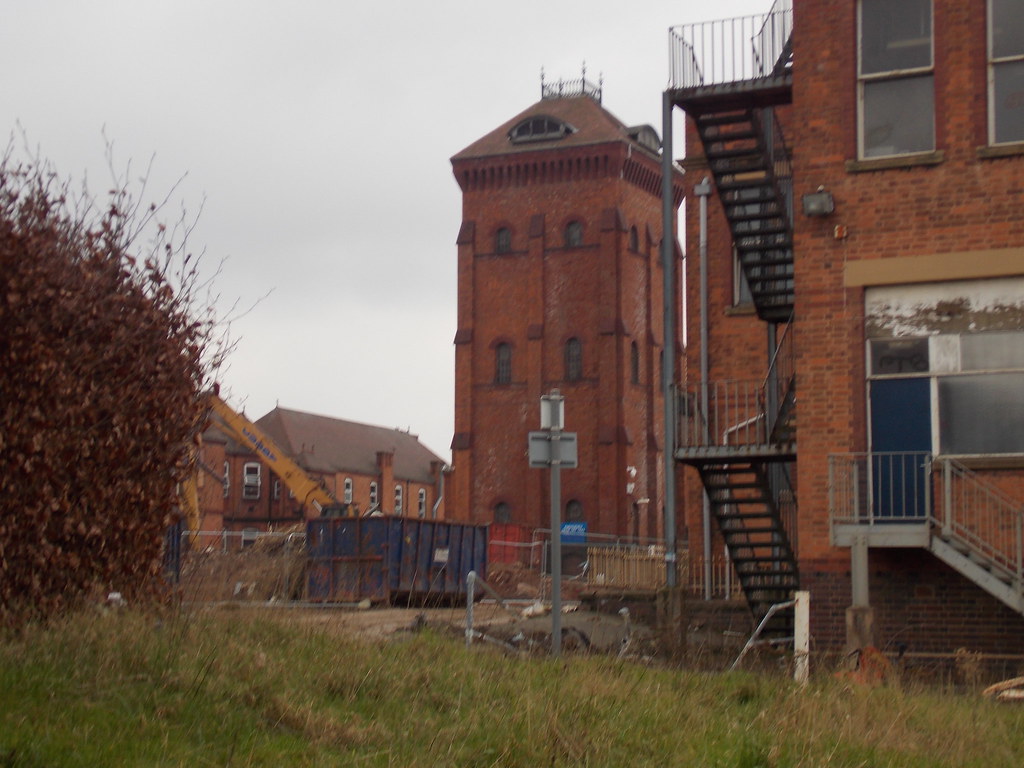
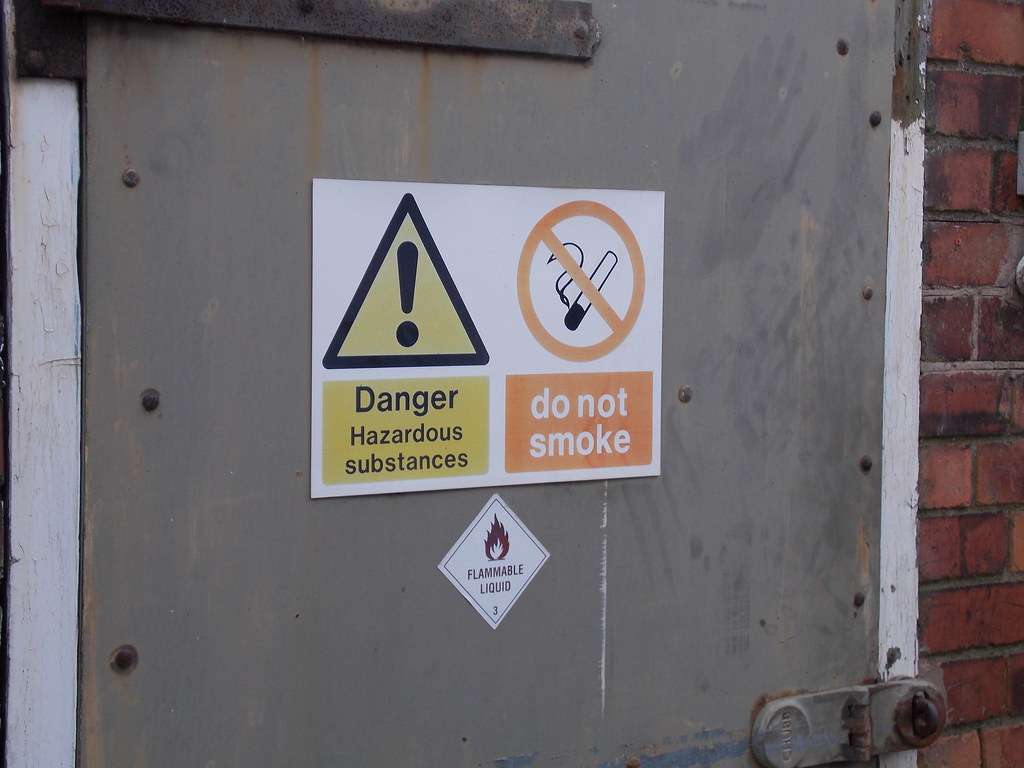
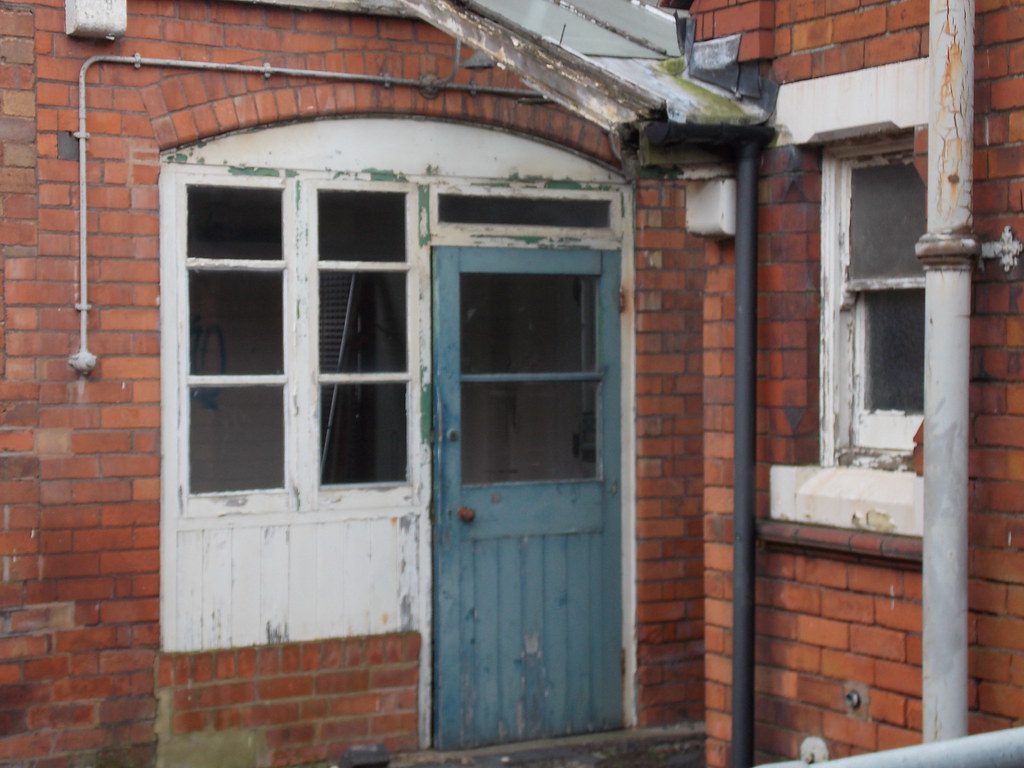
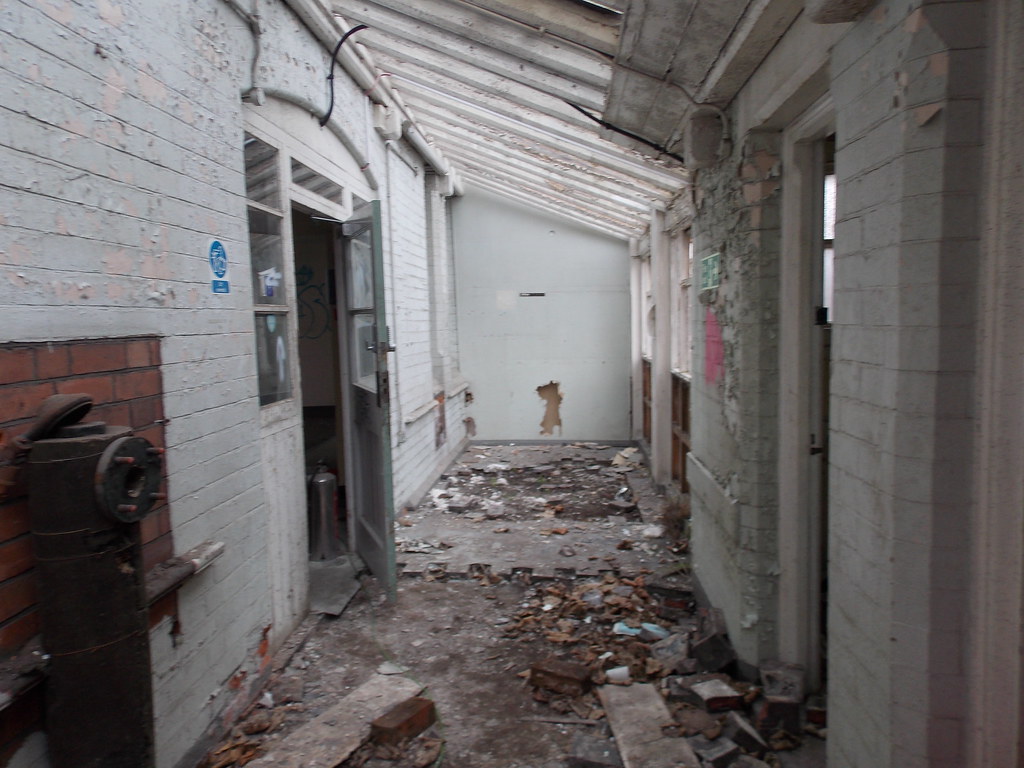
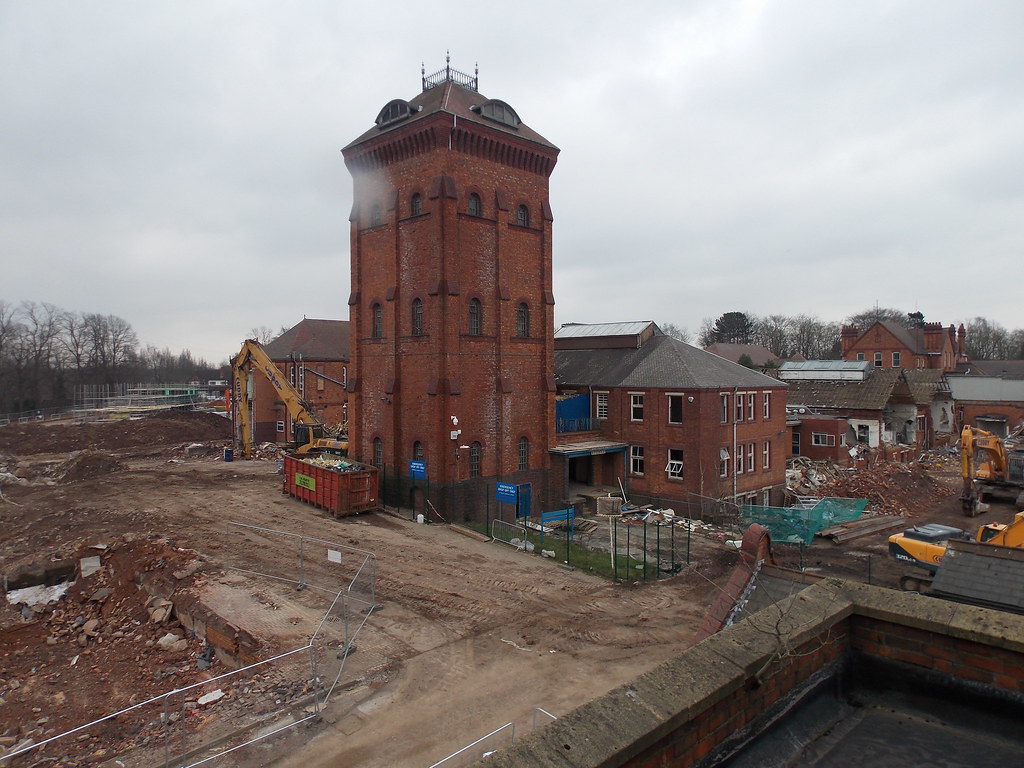
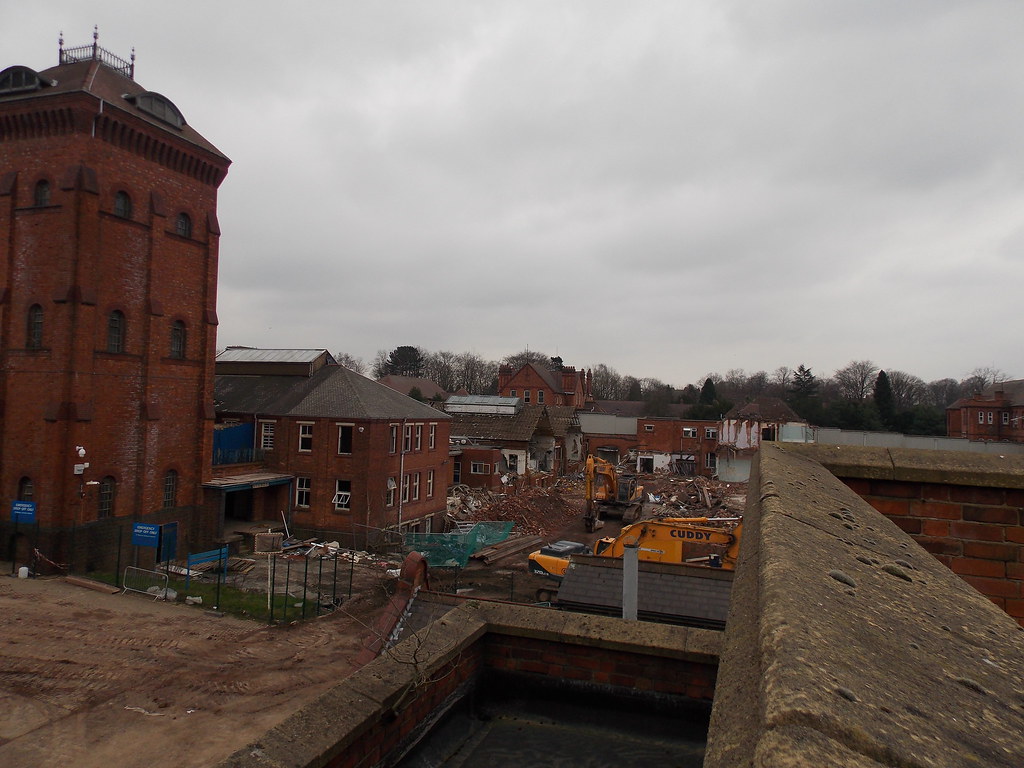
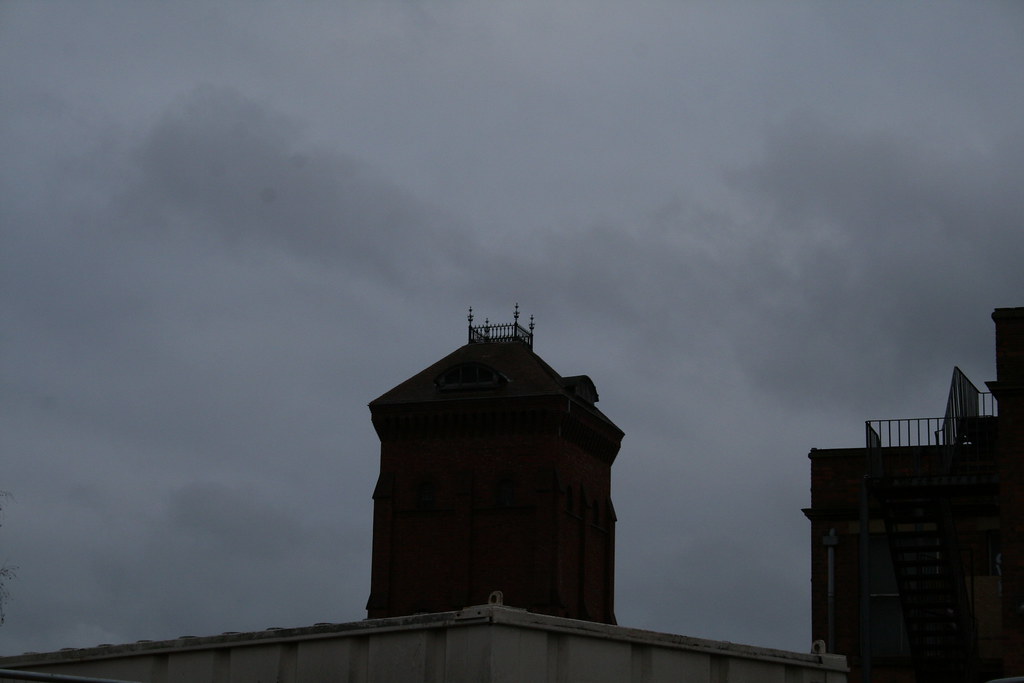
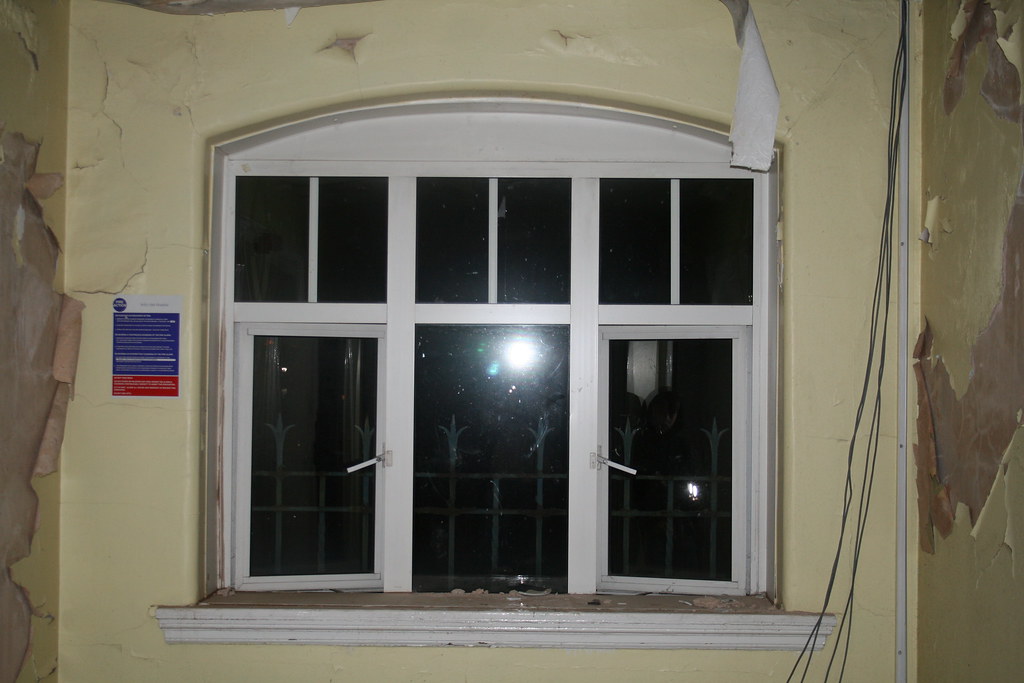
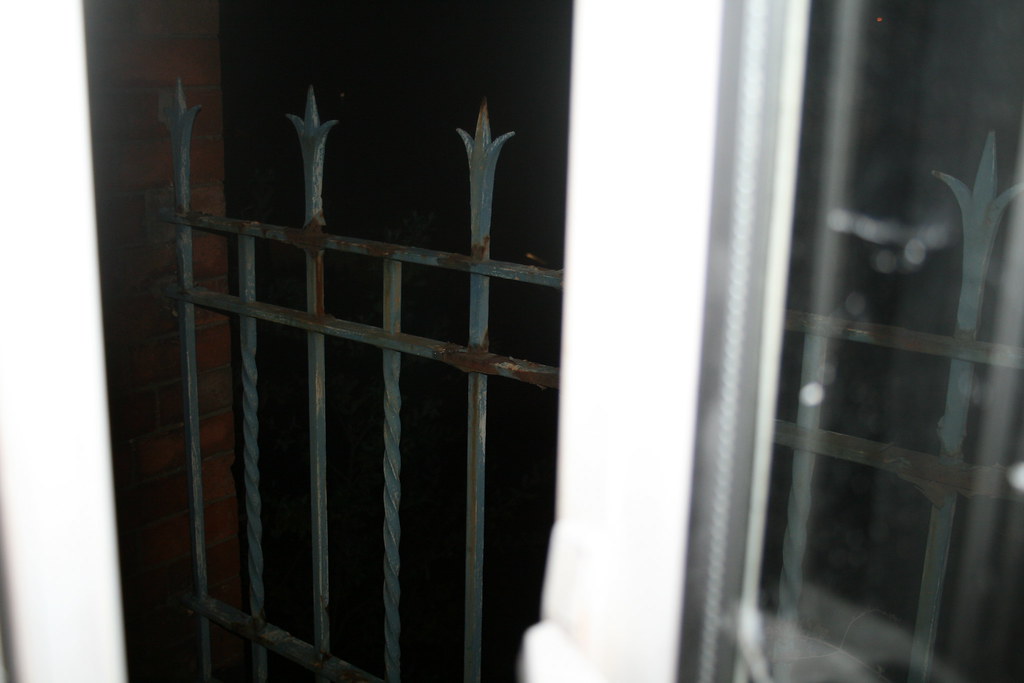
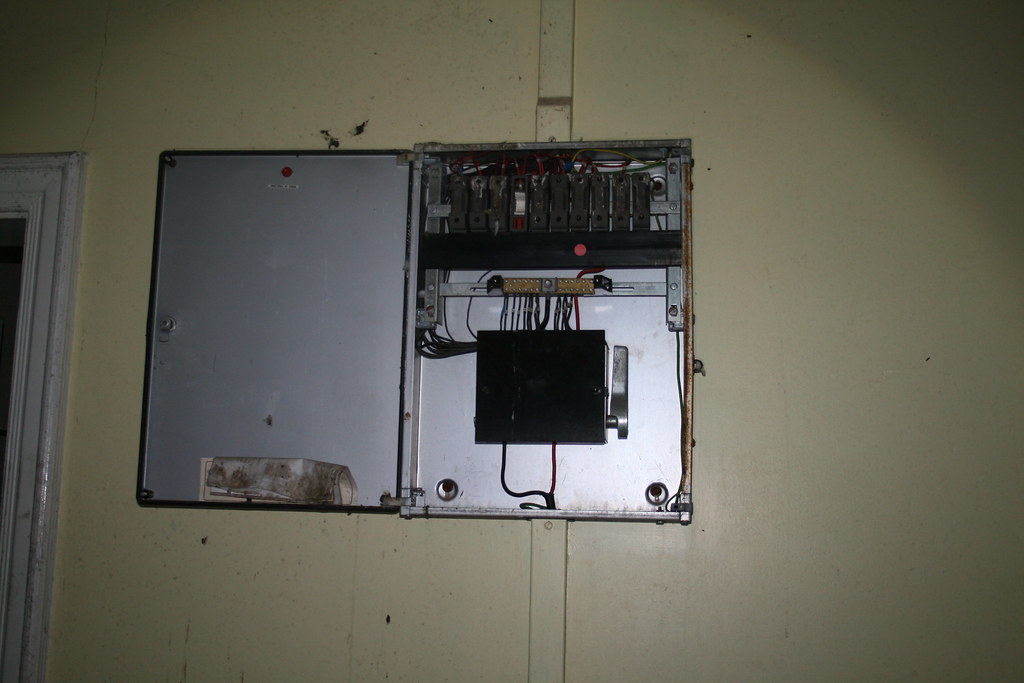
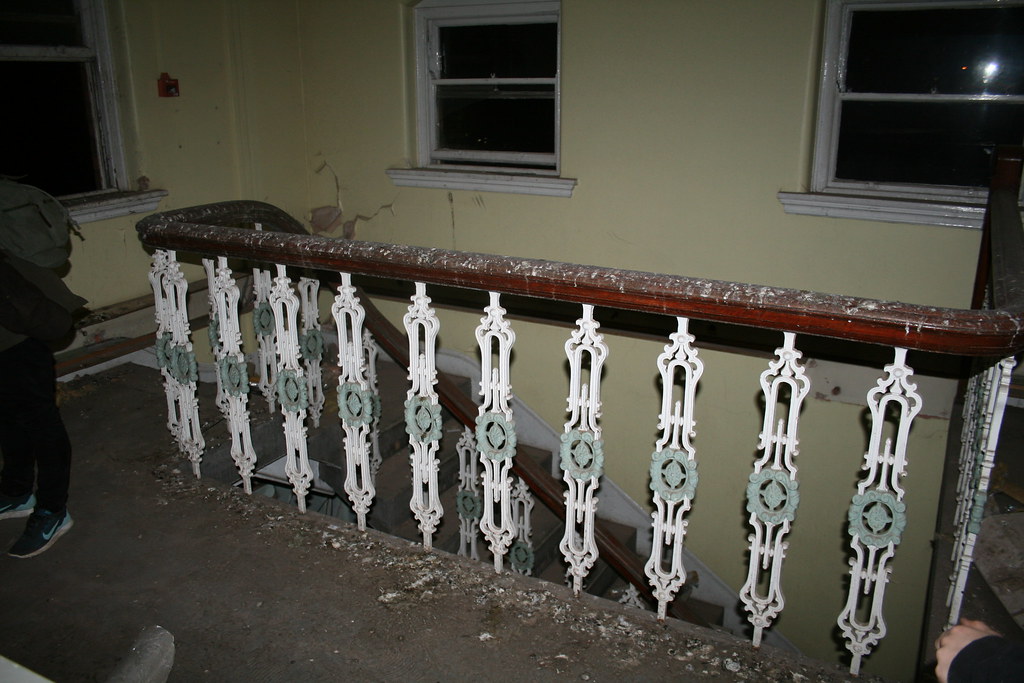
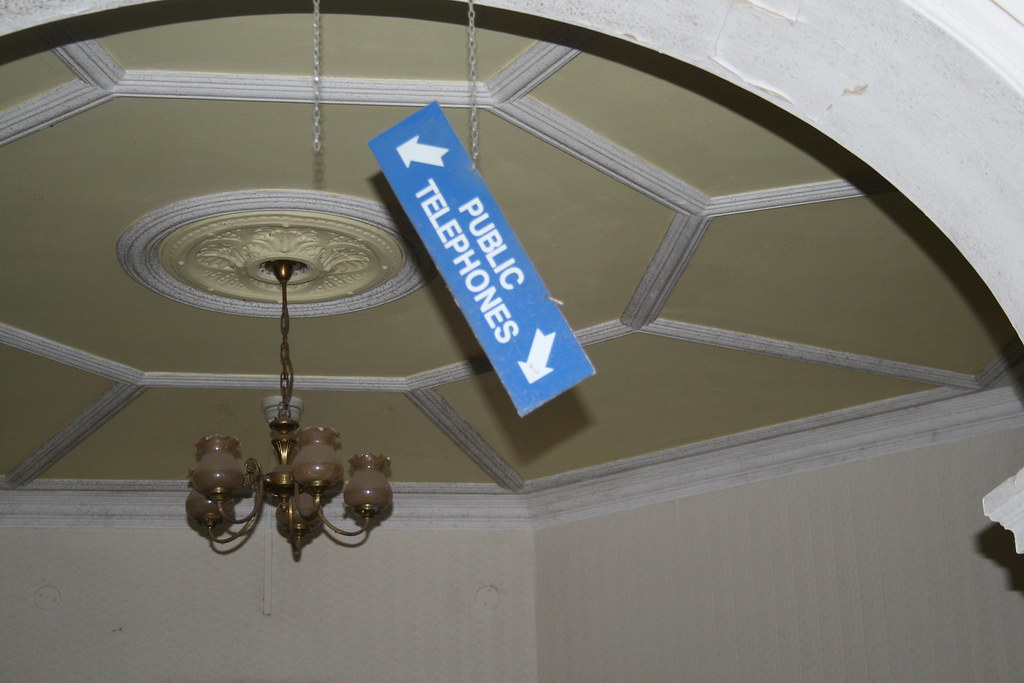
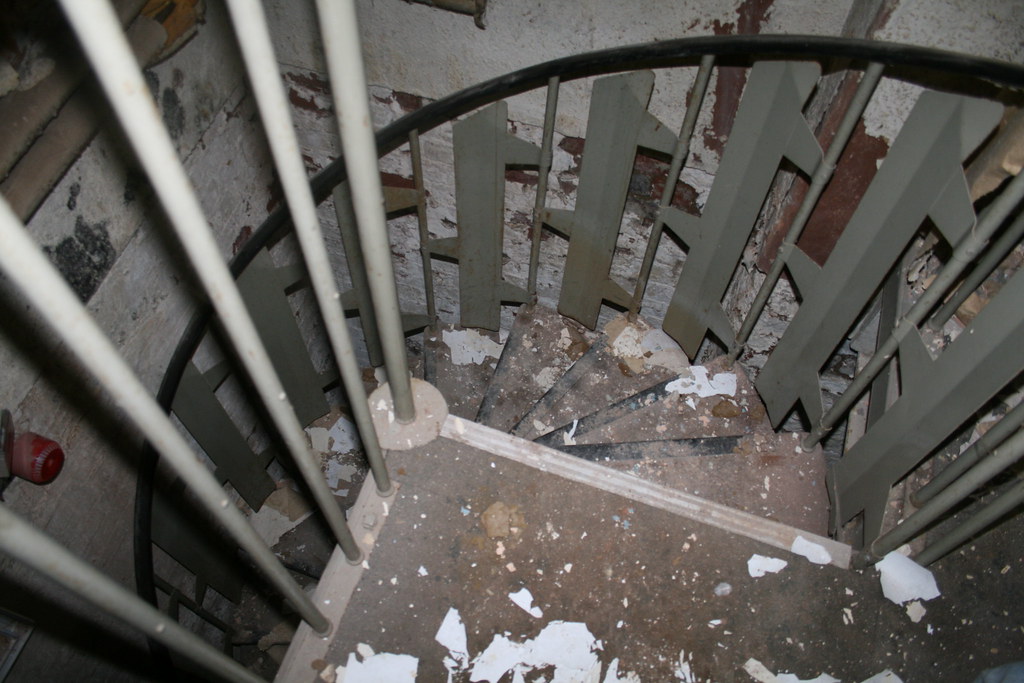
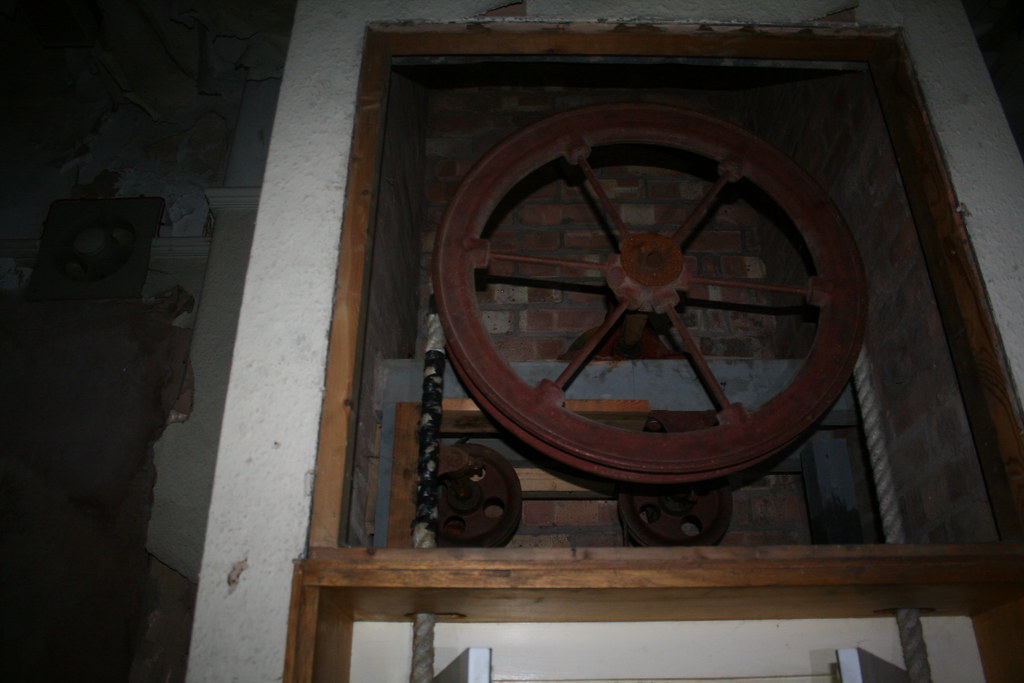
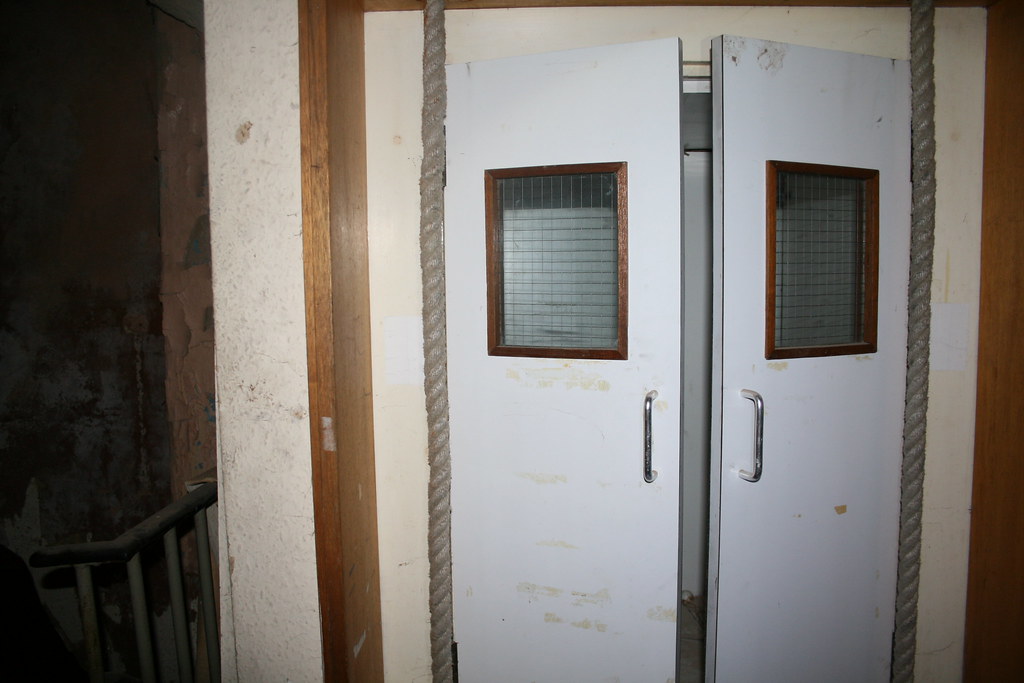
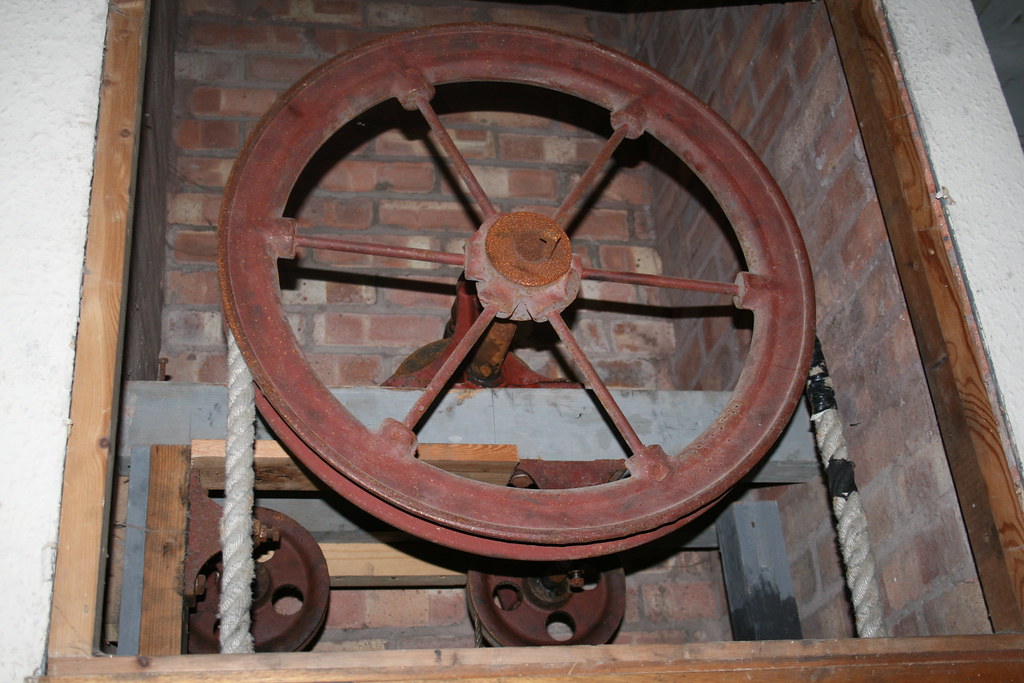
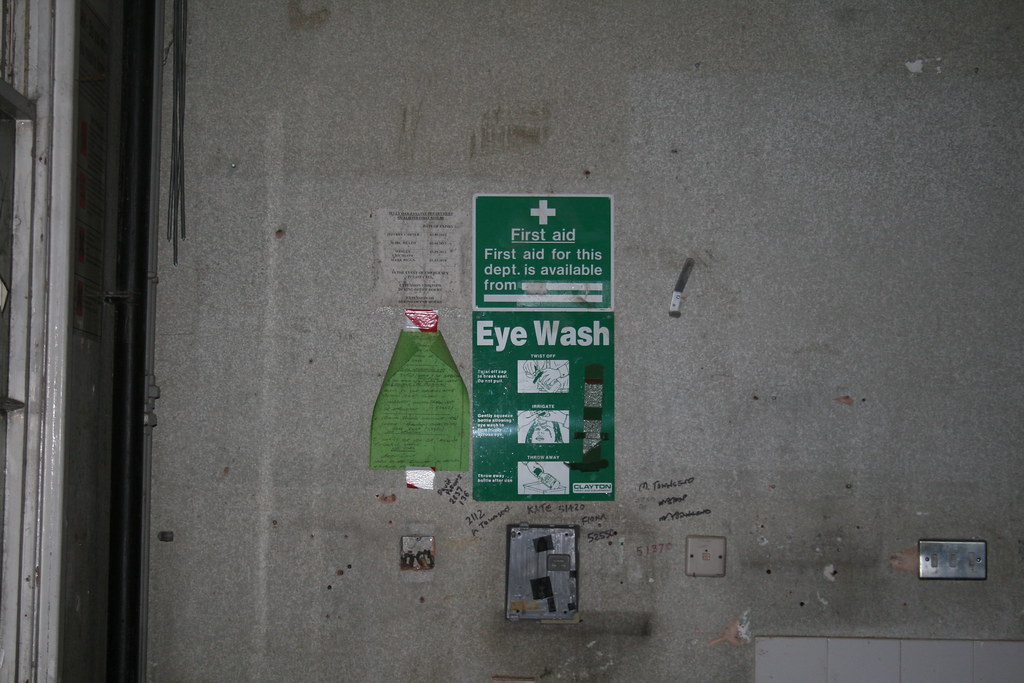
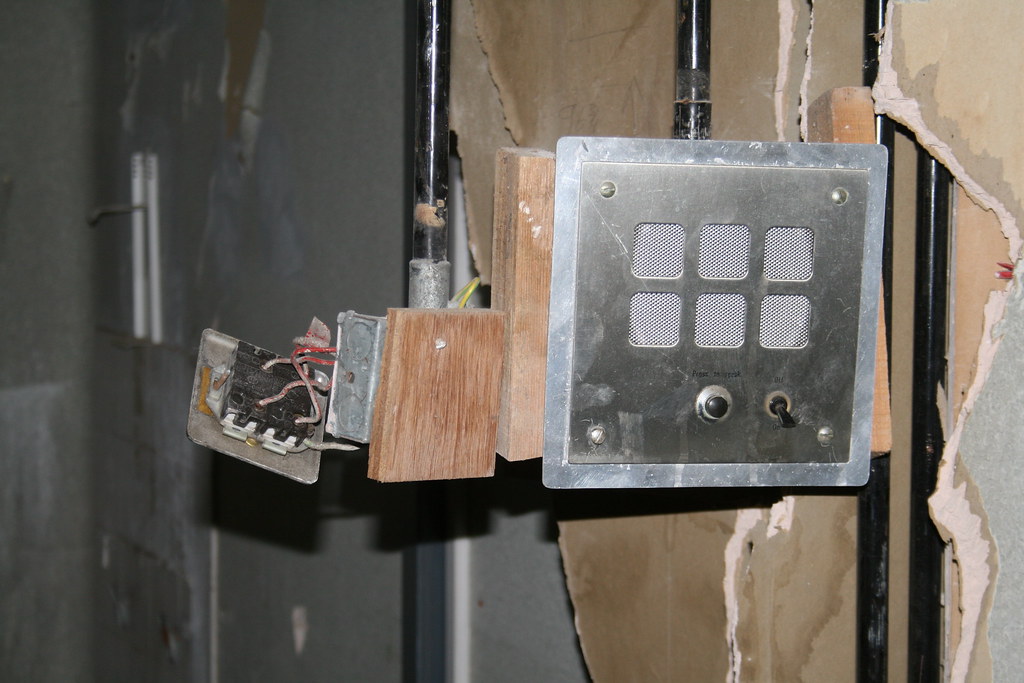
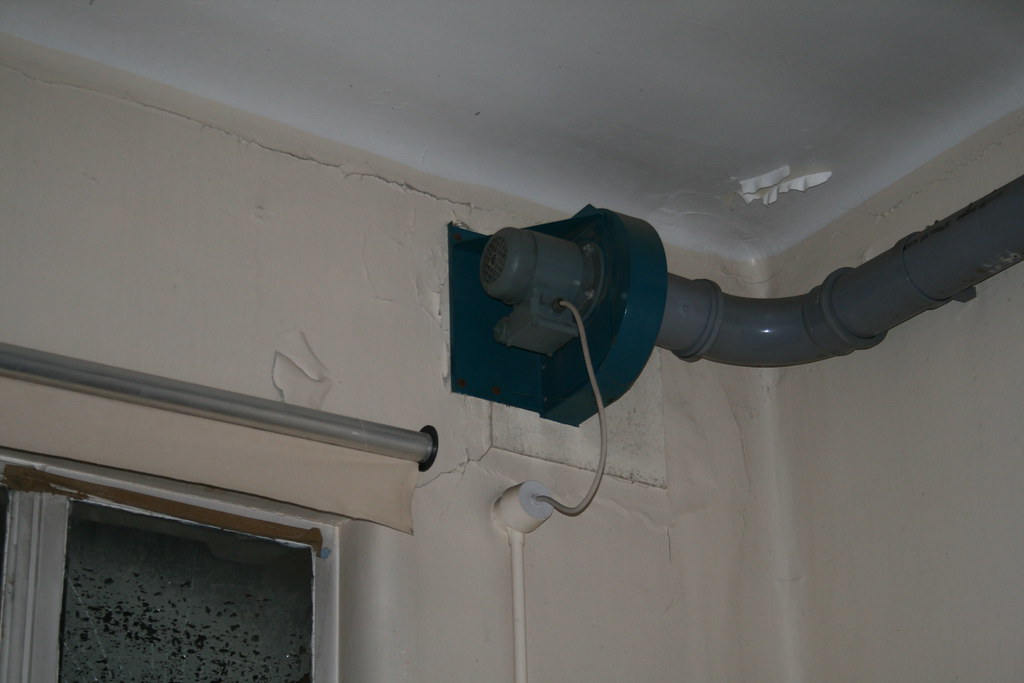
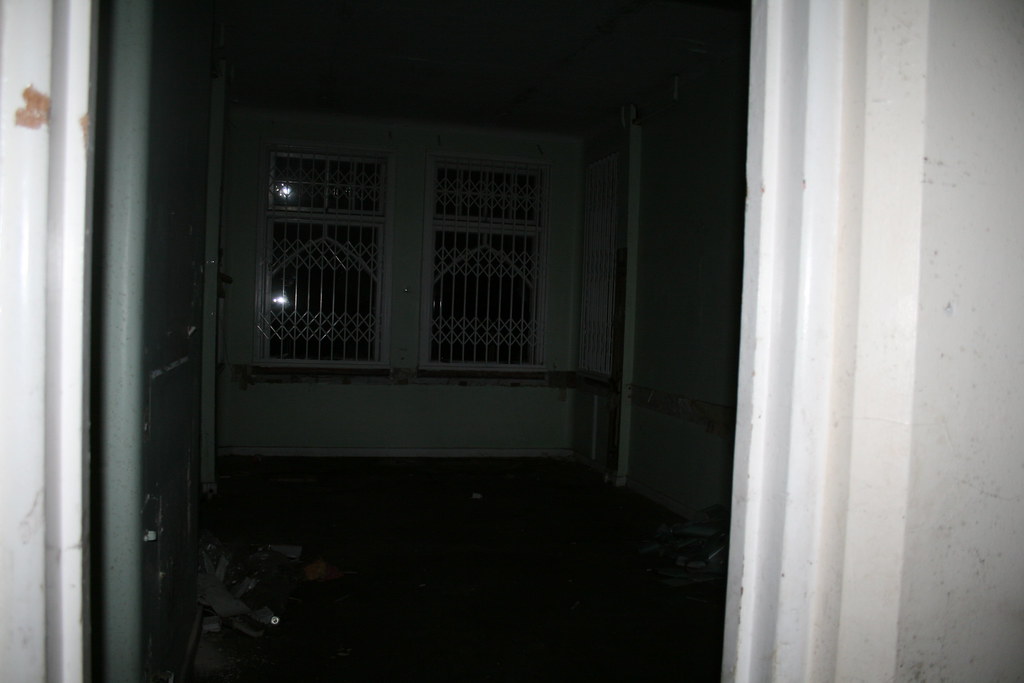
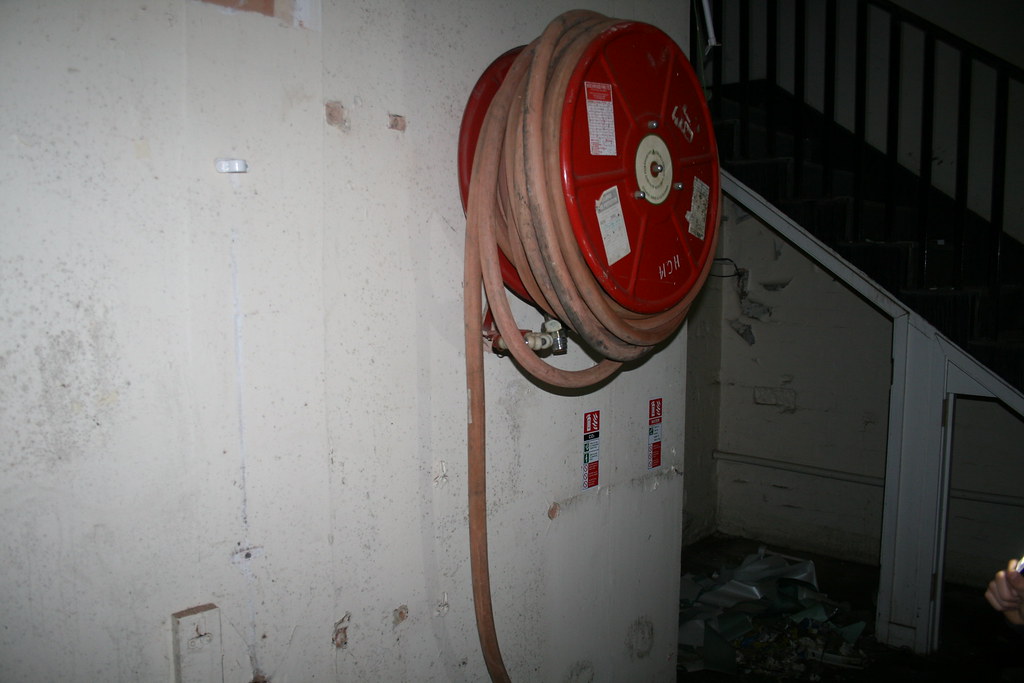
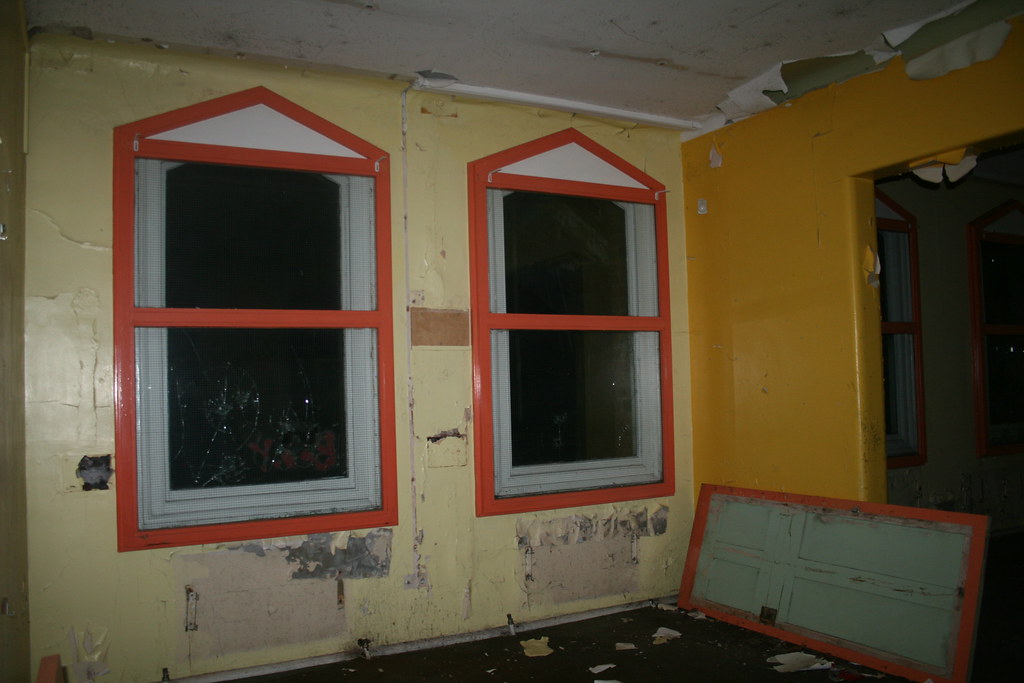
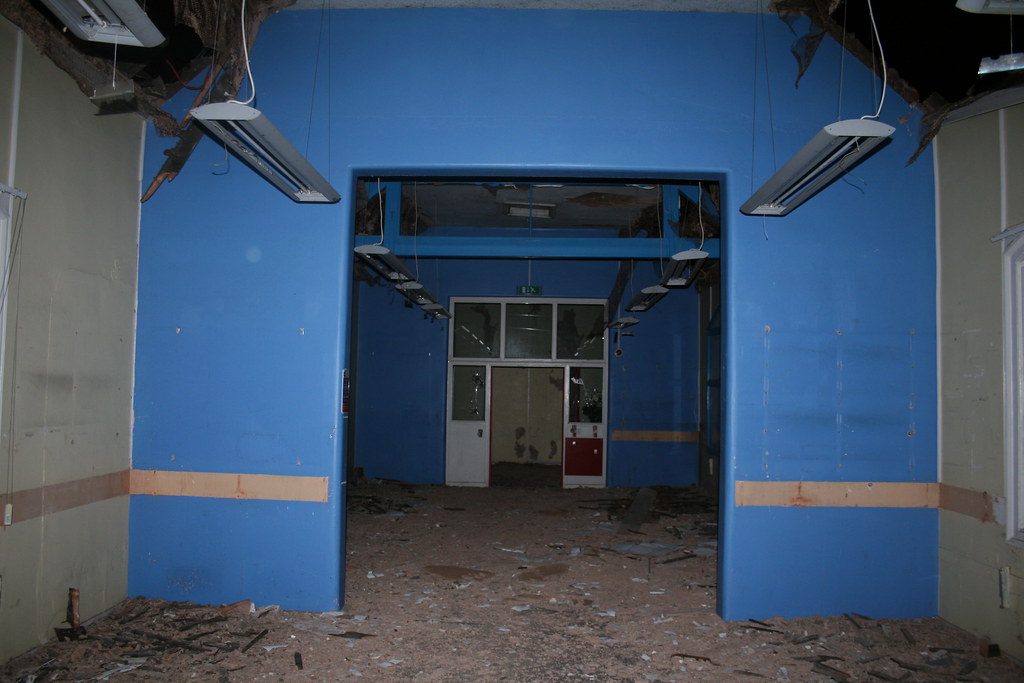
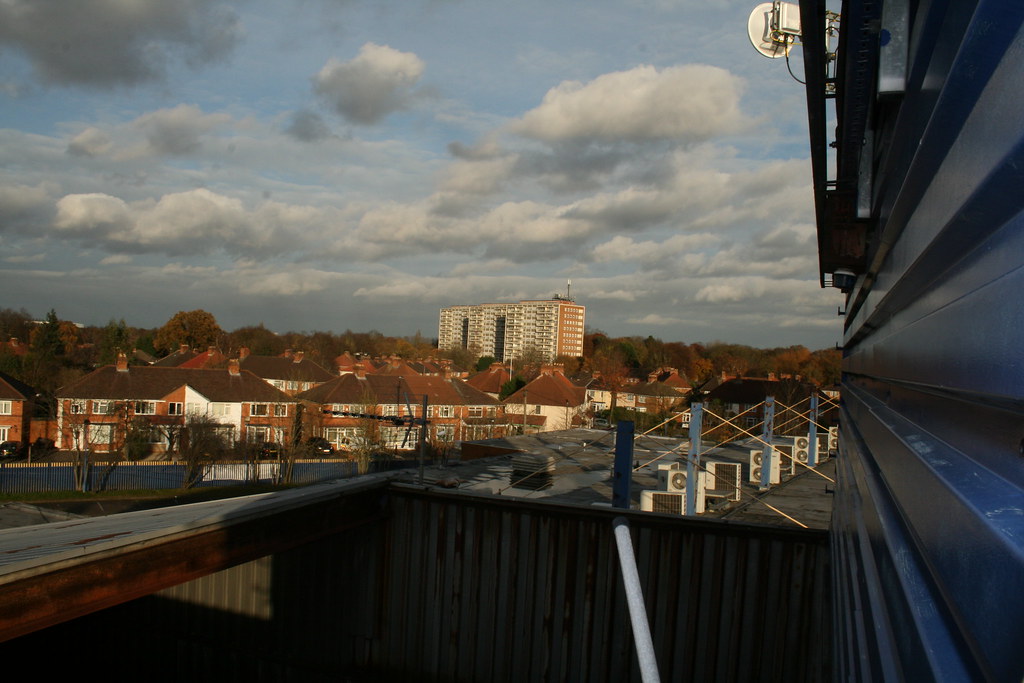
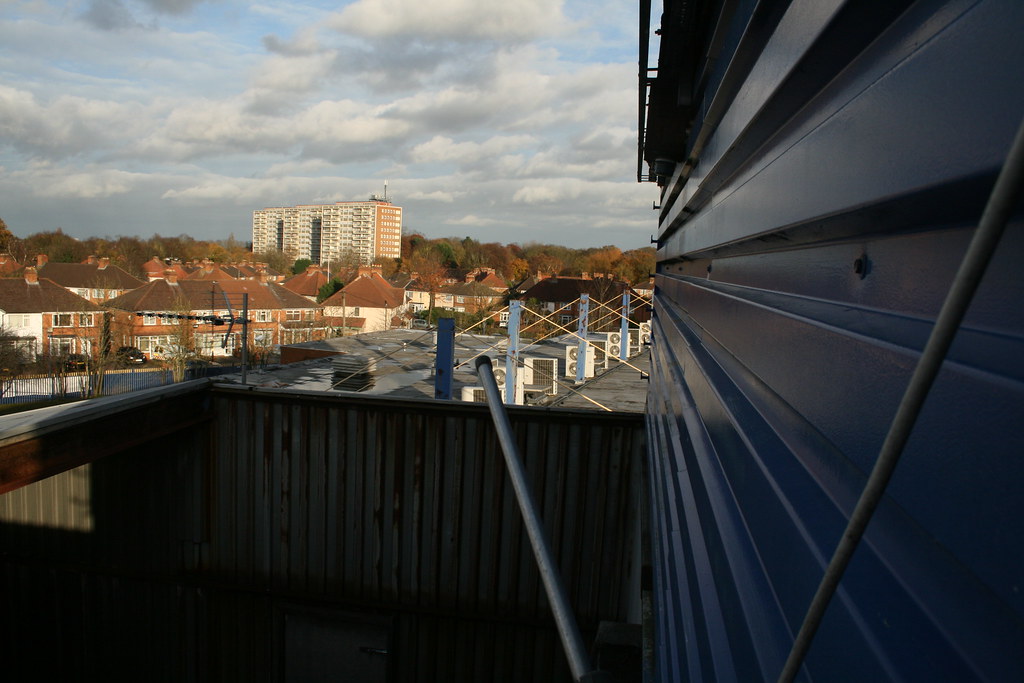
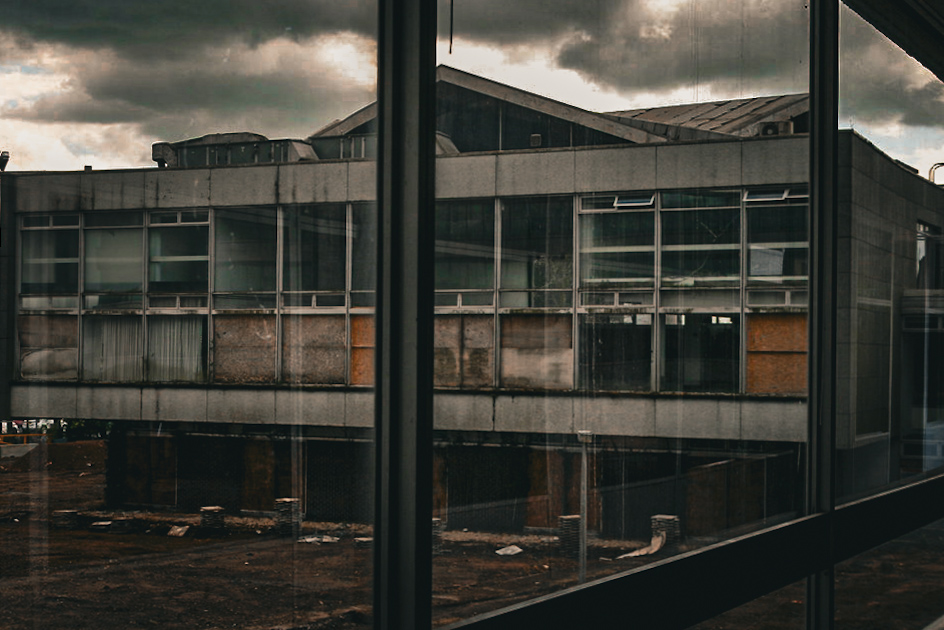
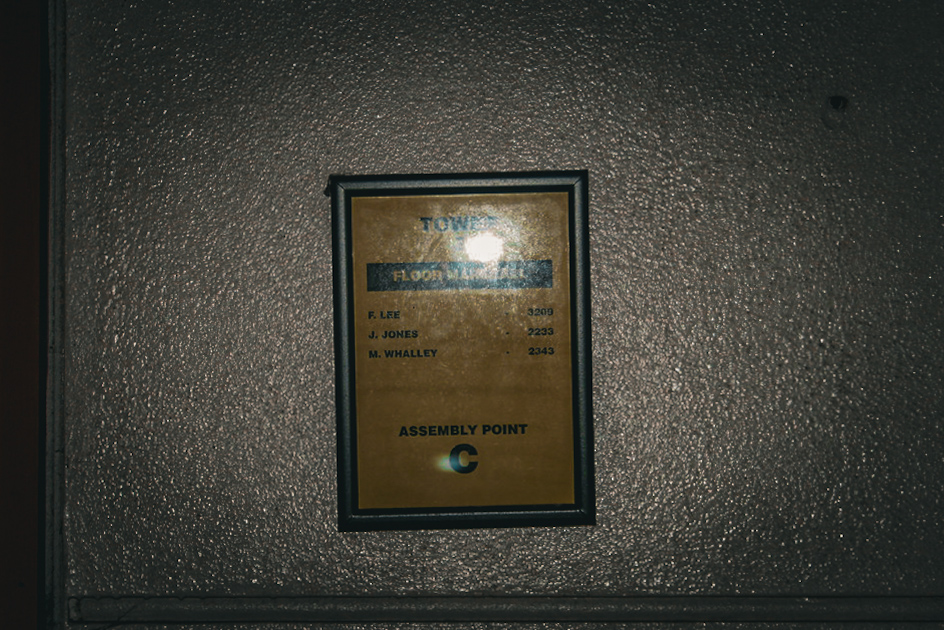
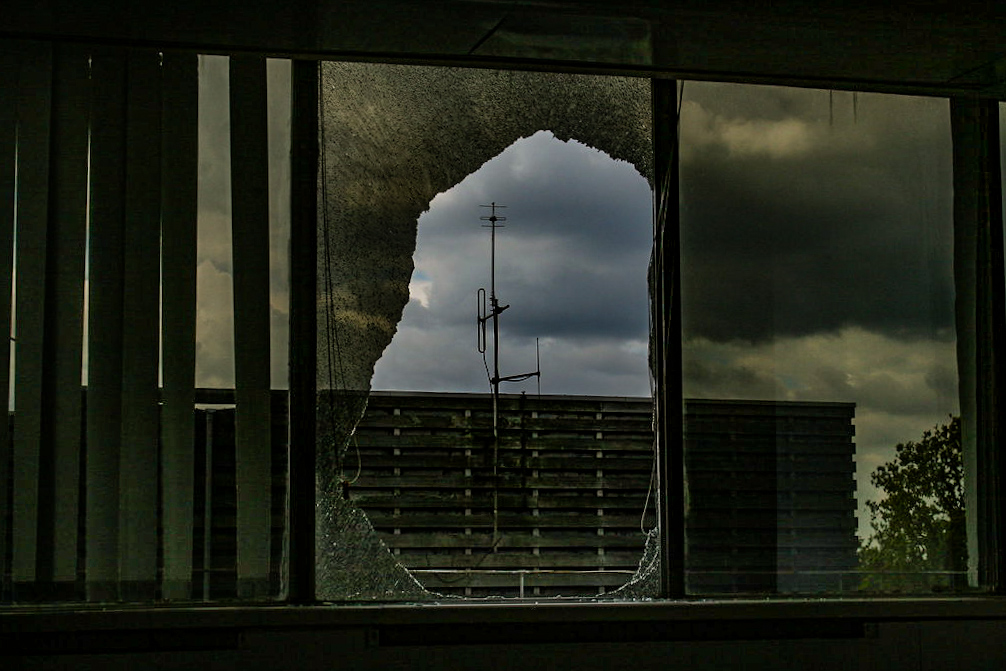
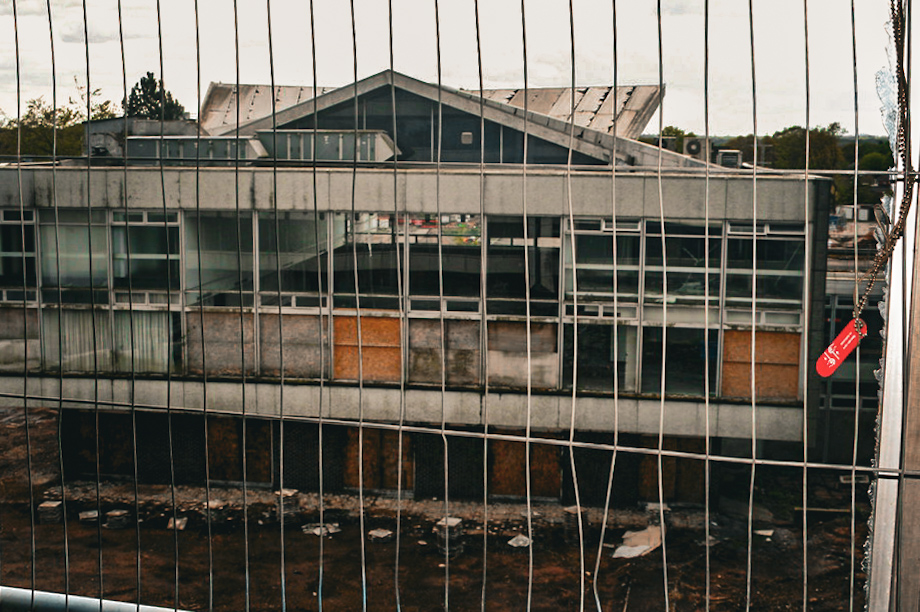
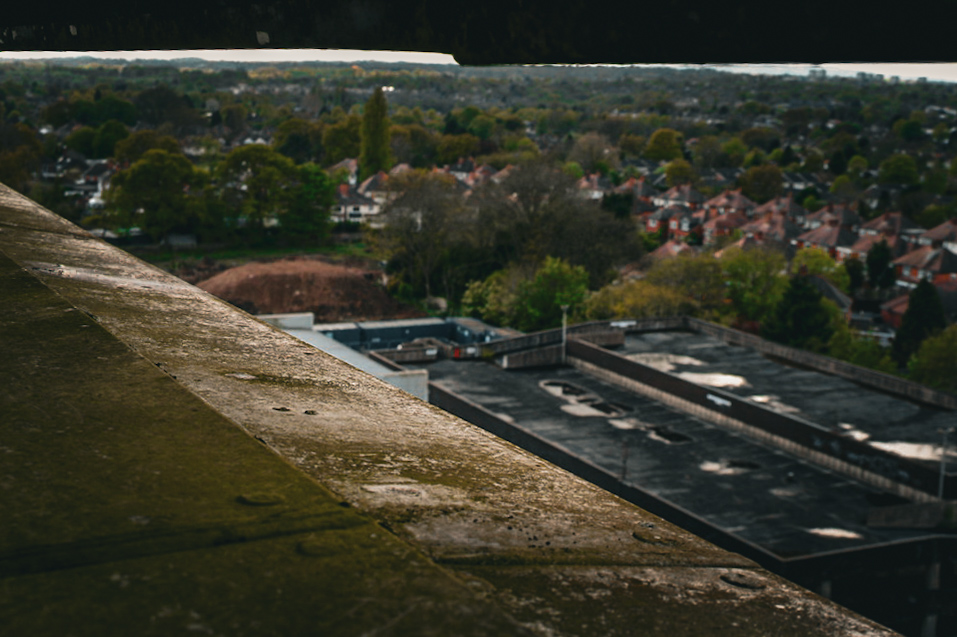
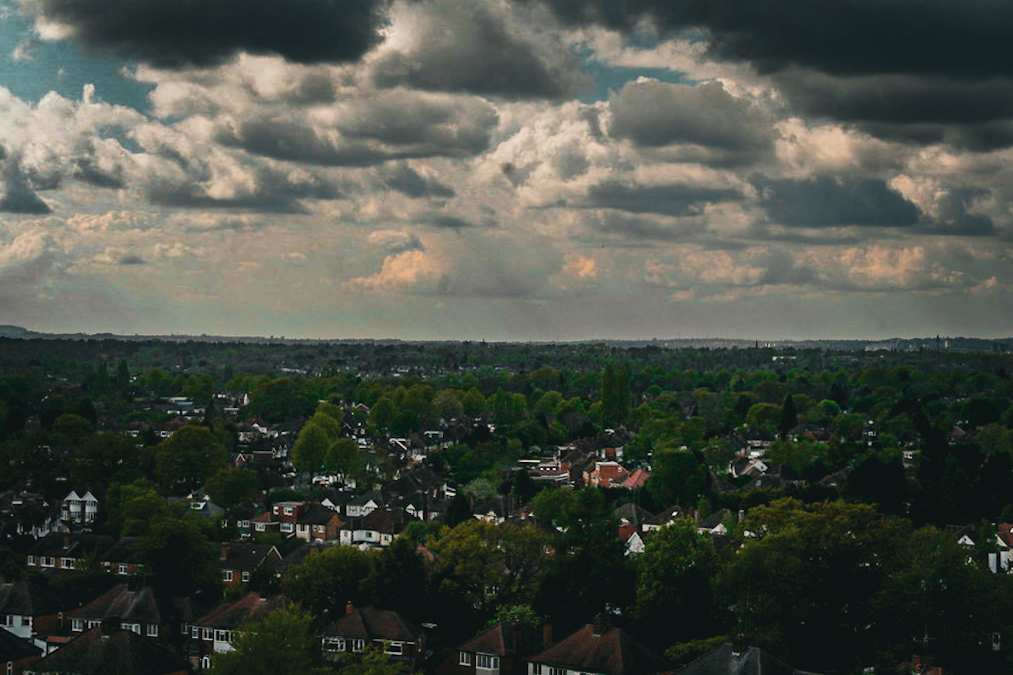
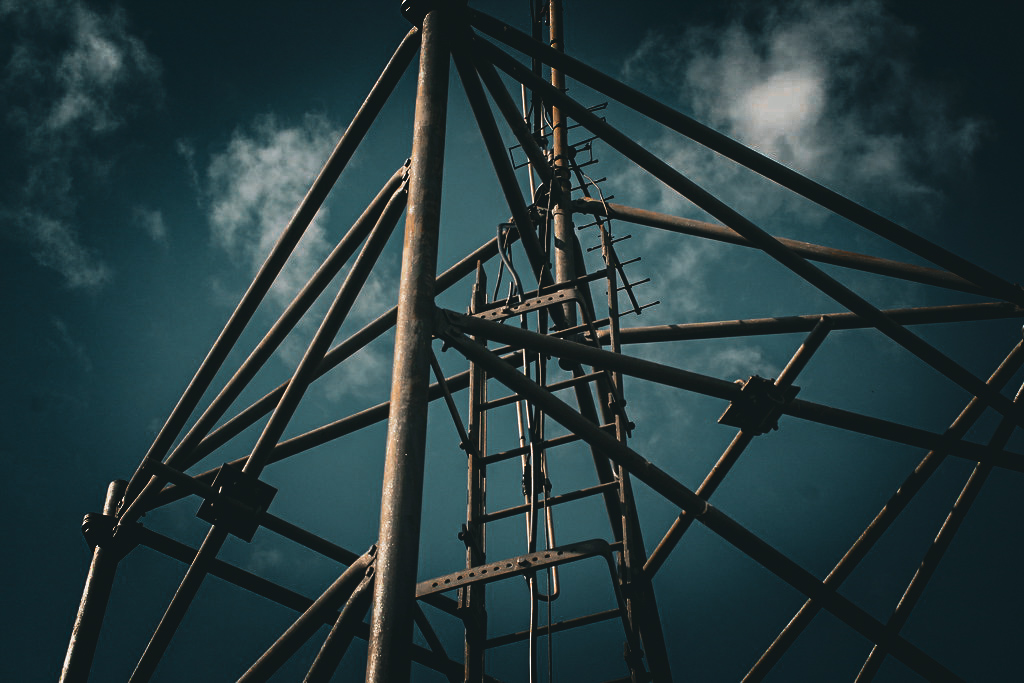
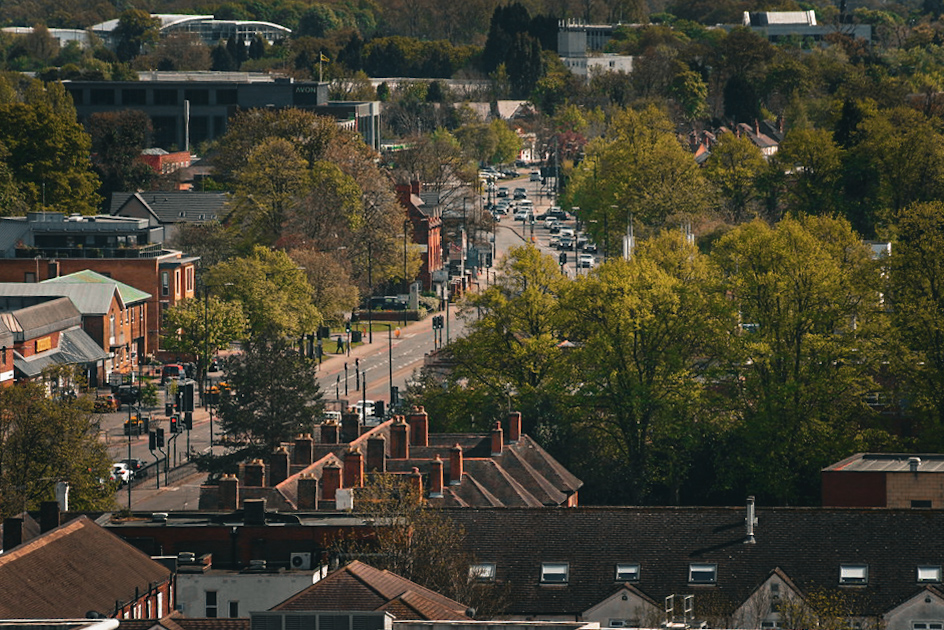
Abandoned Selly Oak Hospital

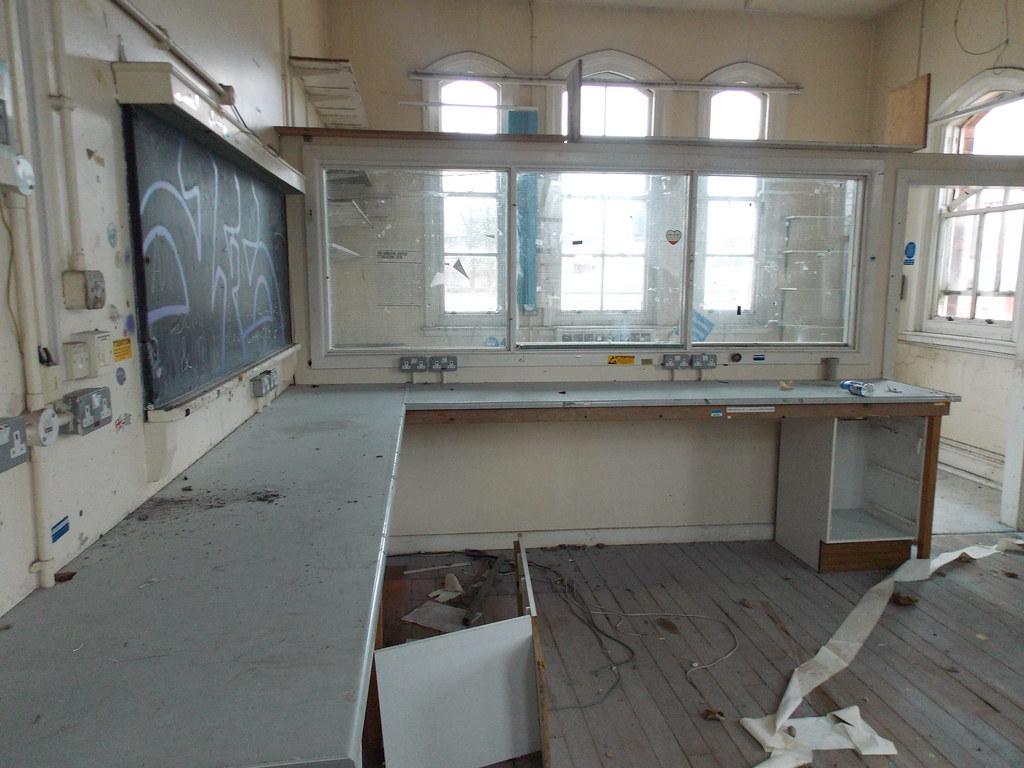
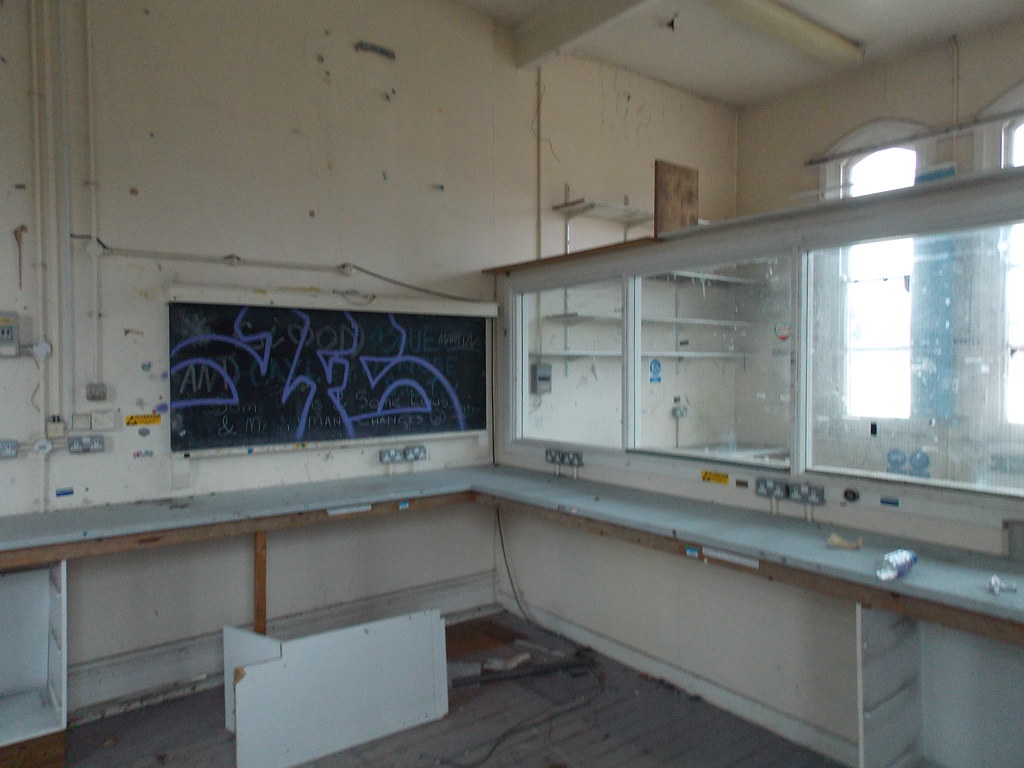
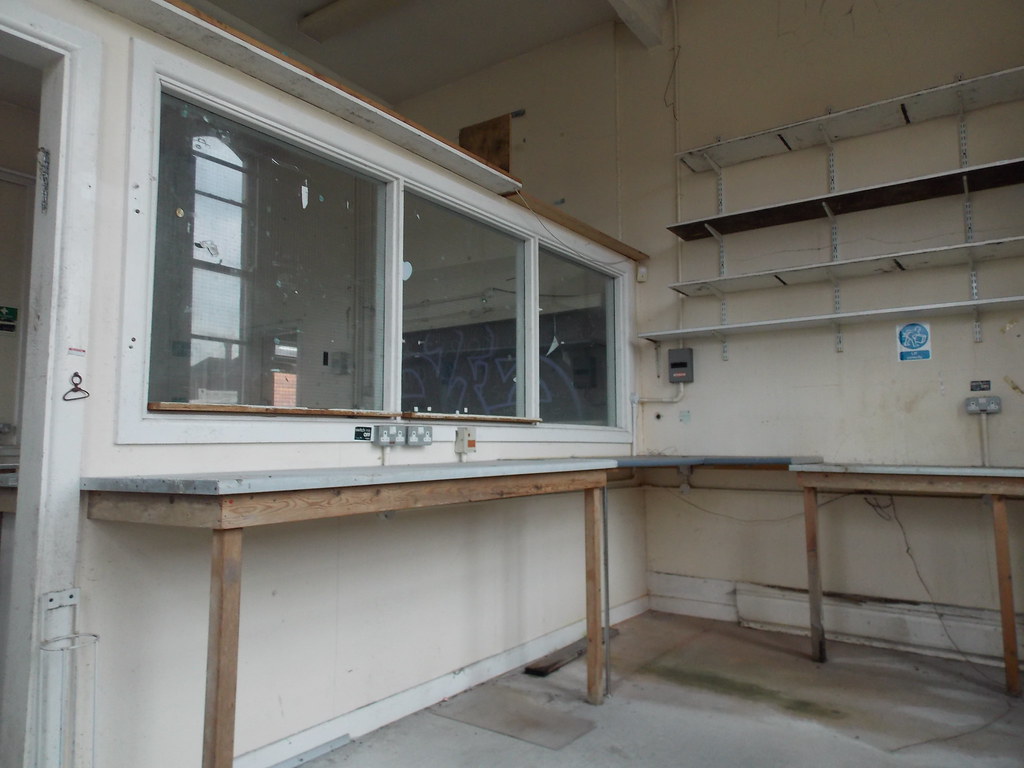
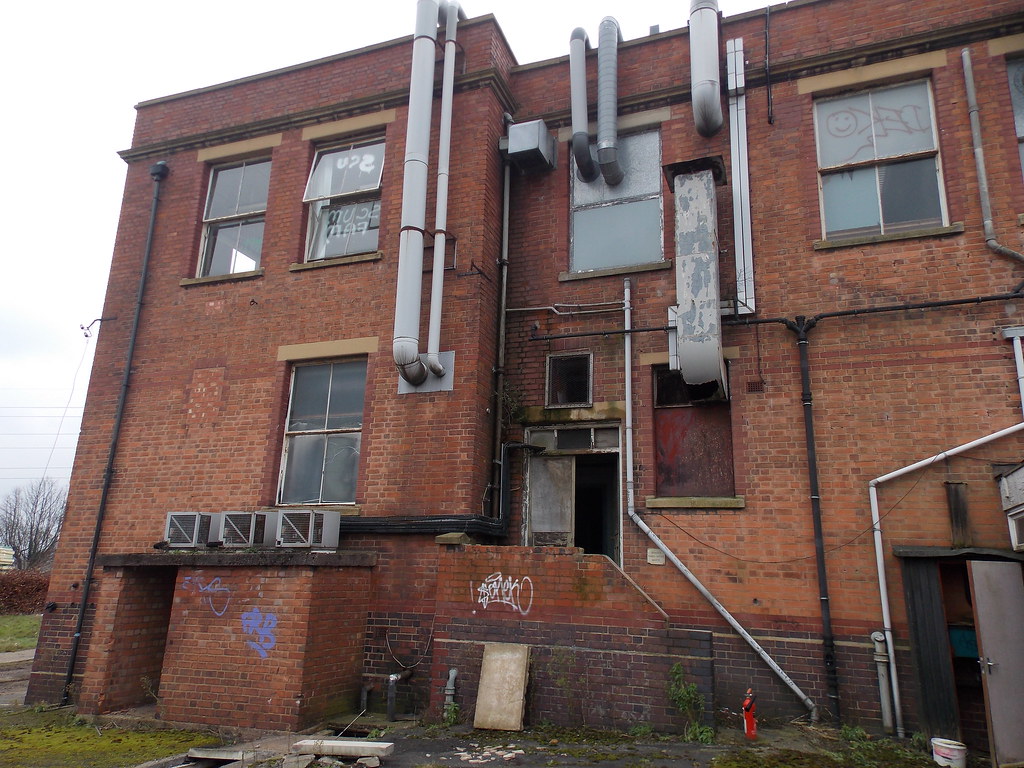
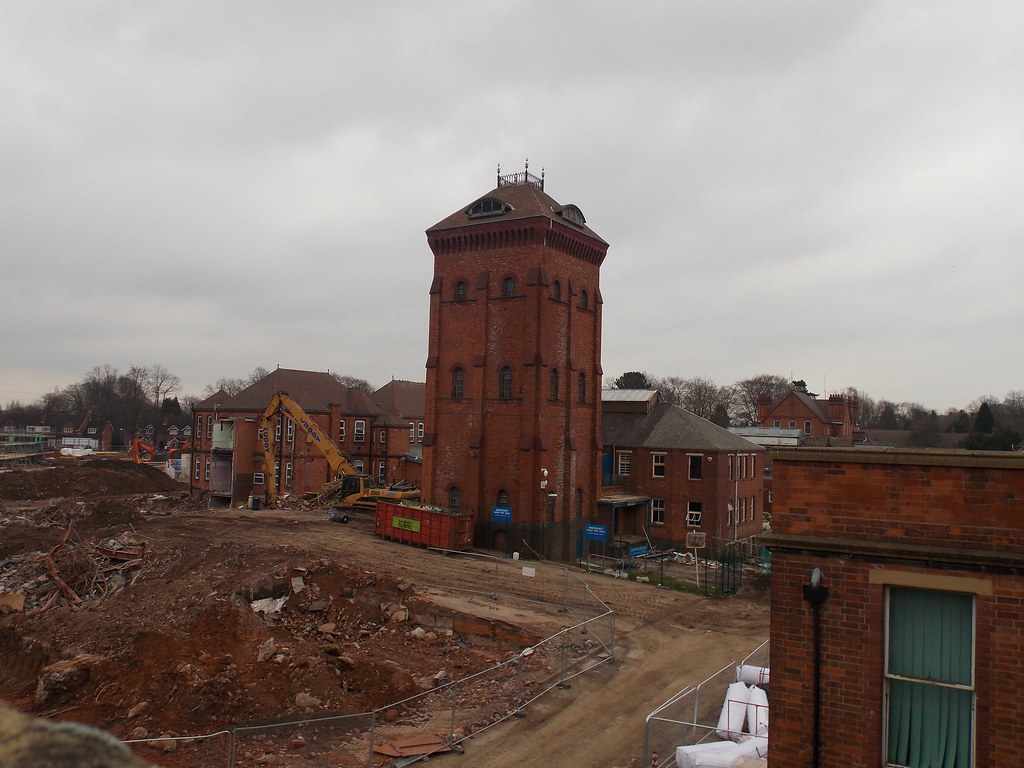
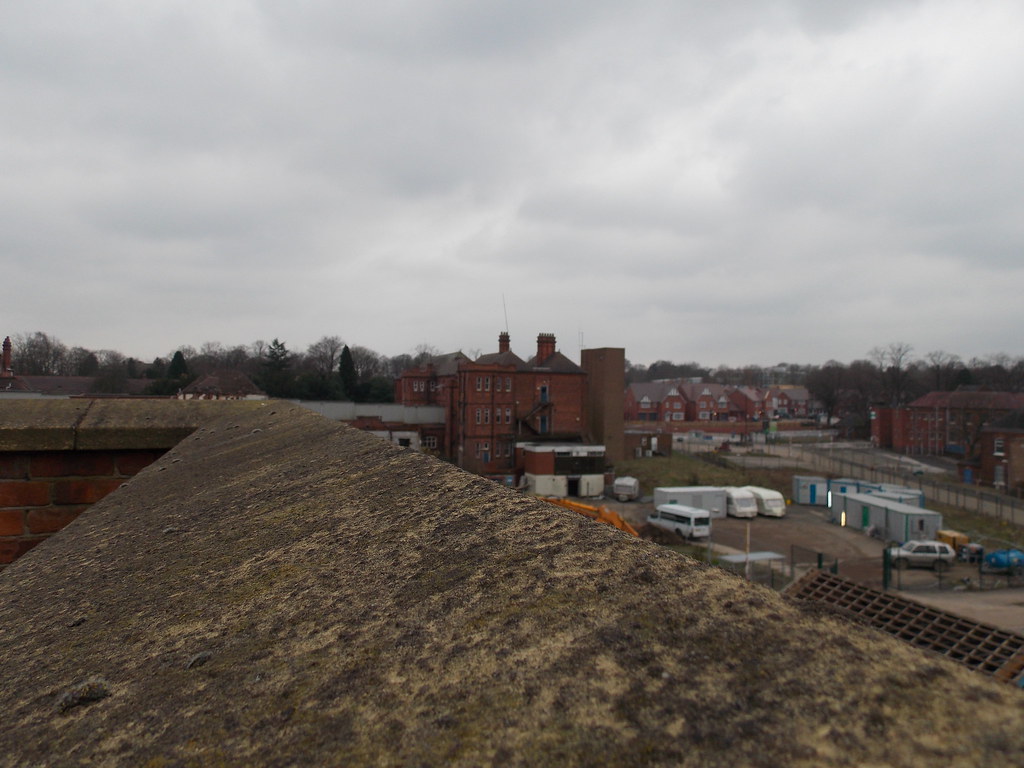
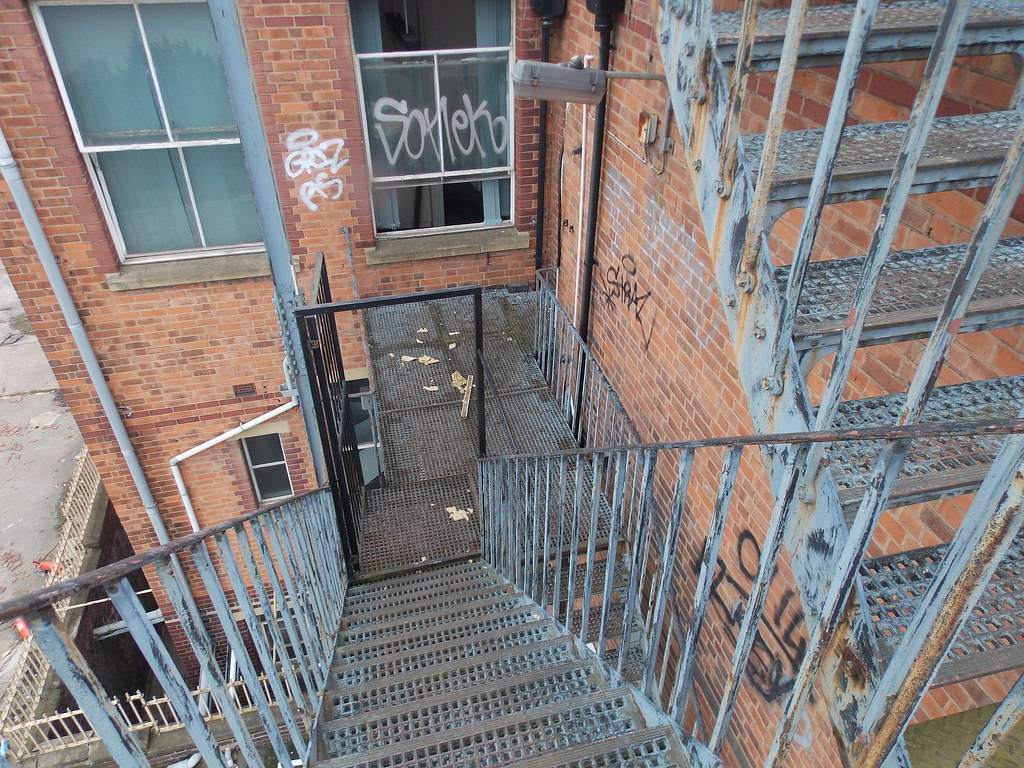
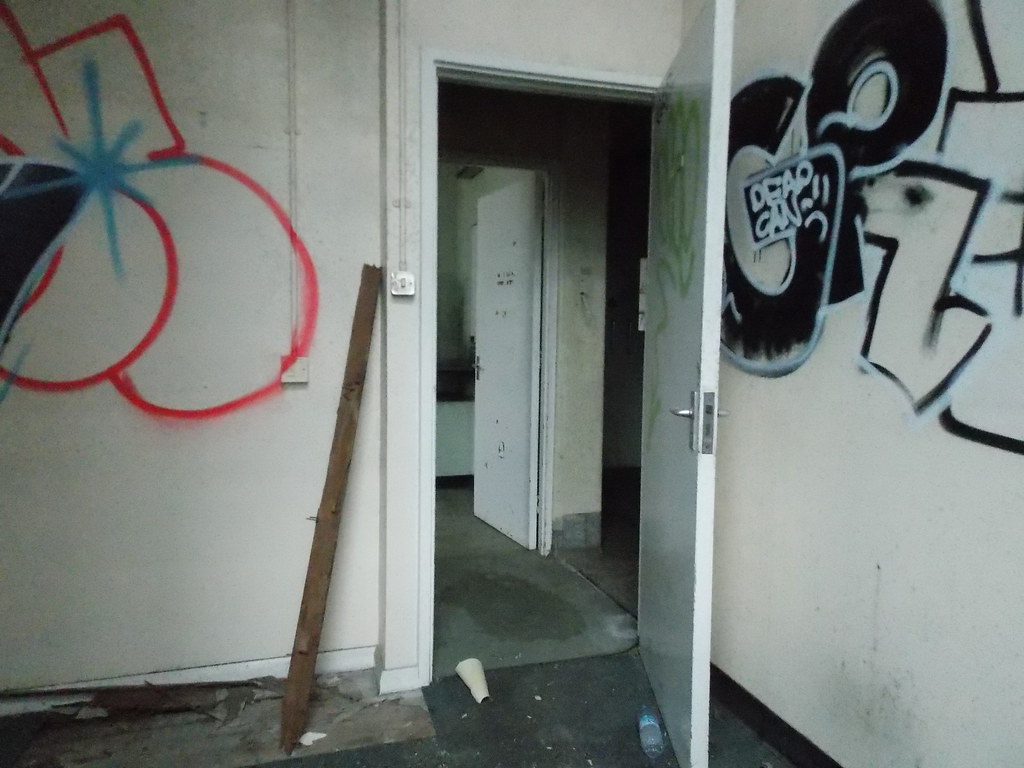
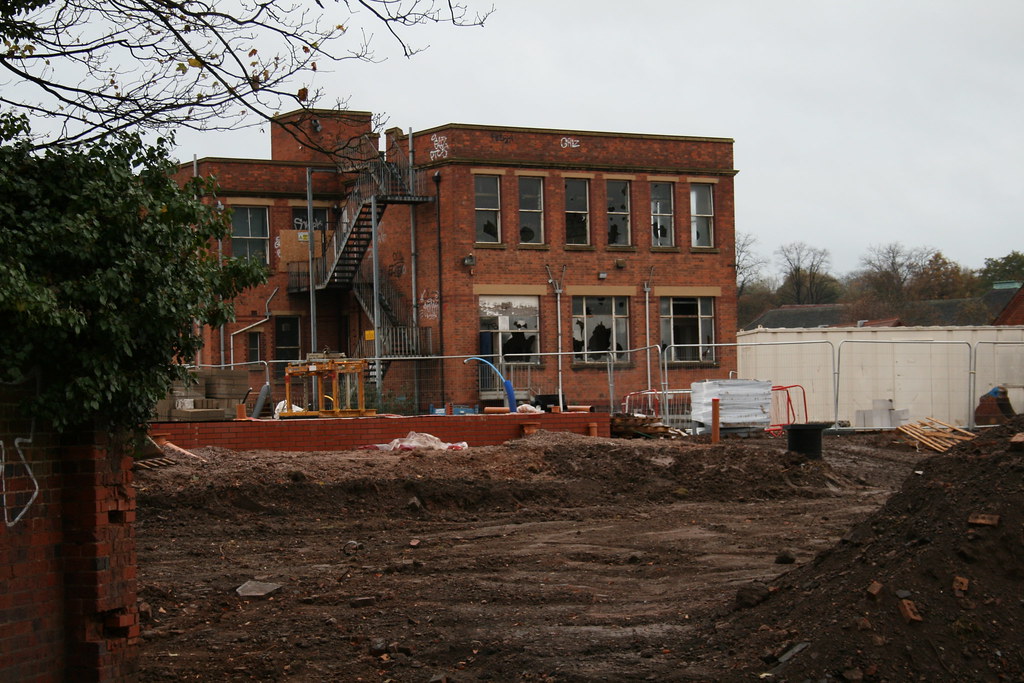
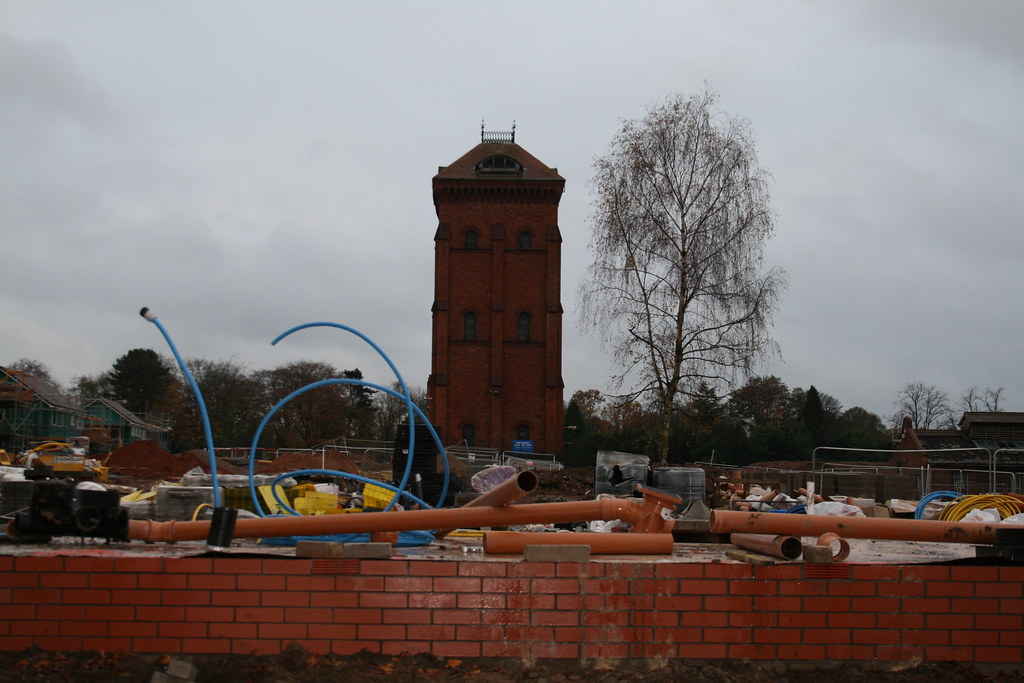
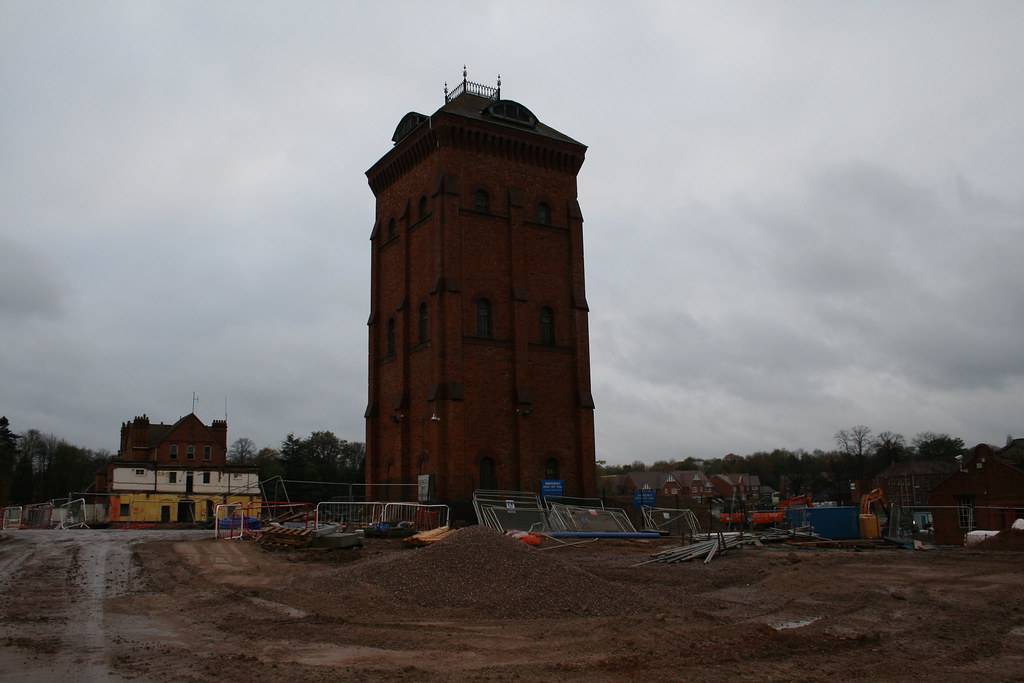
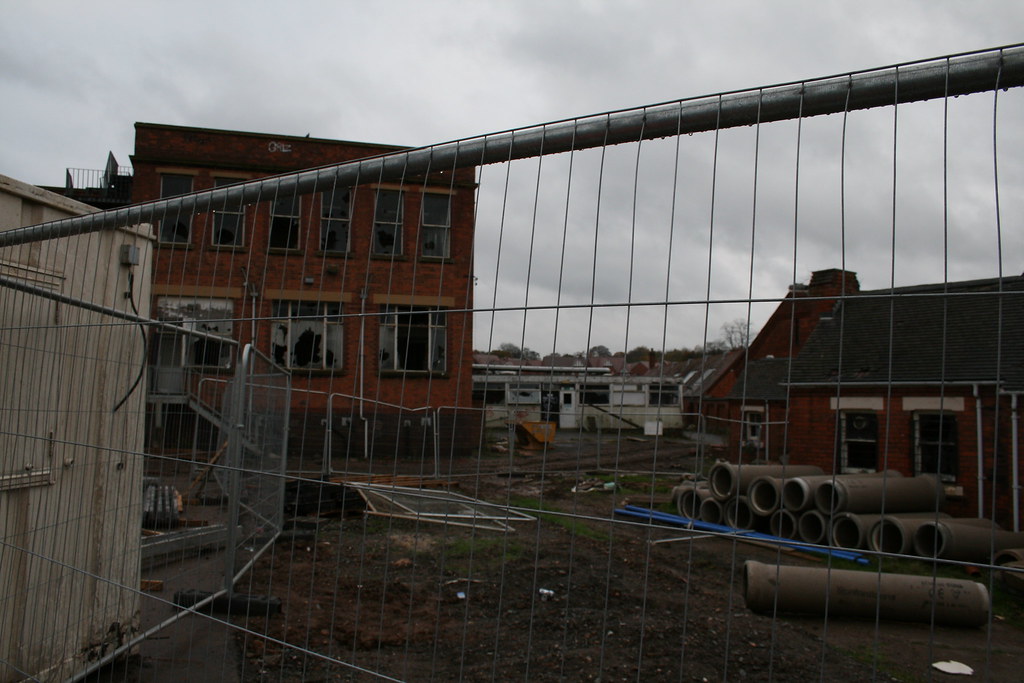
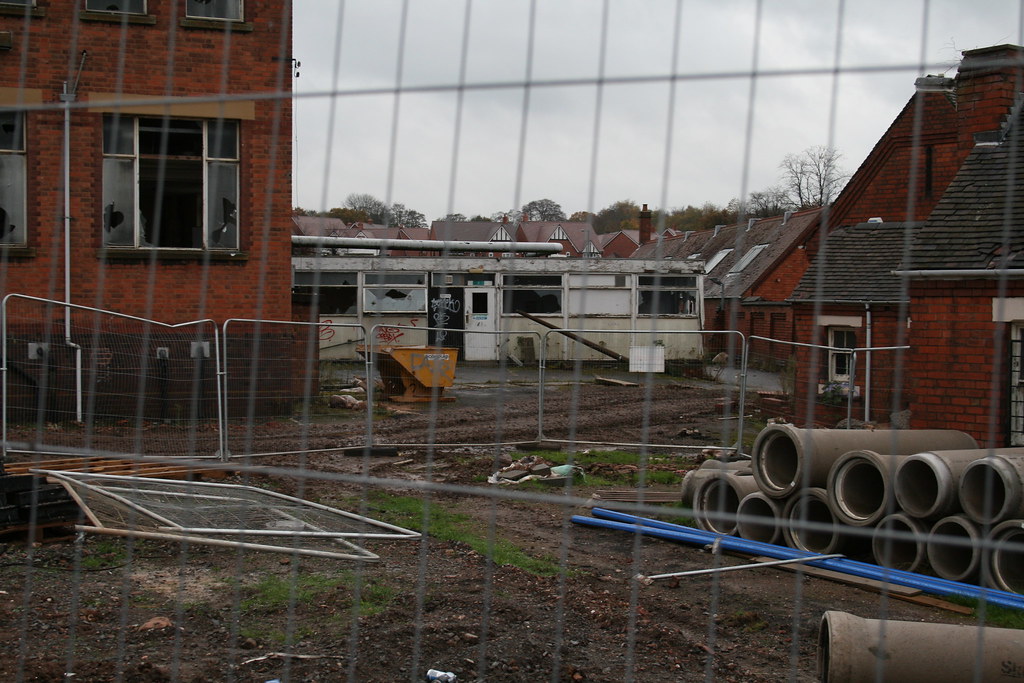
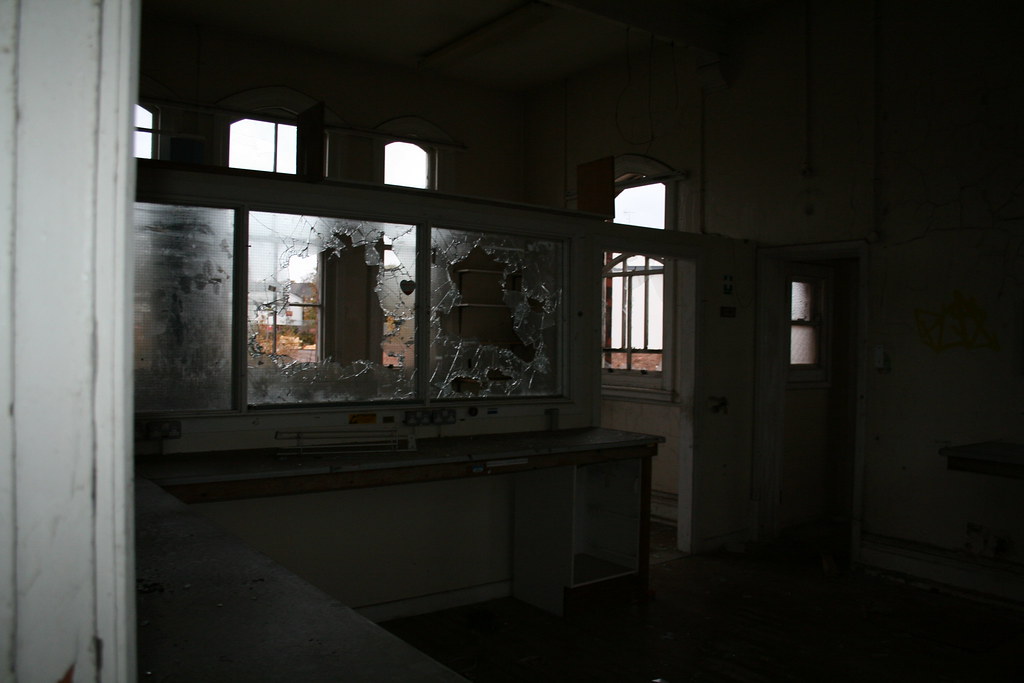
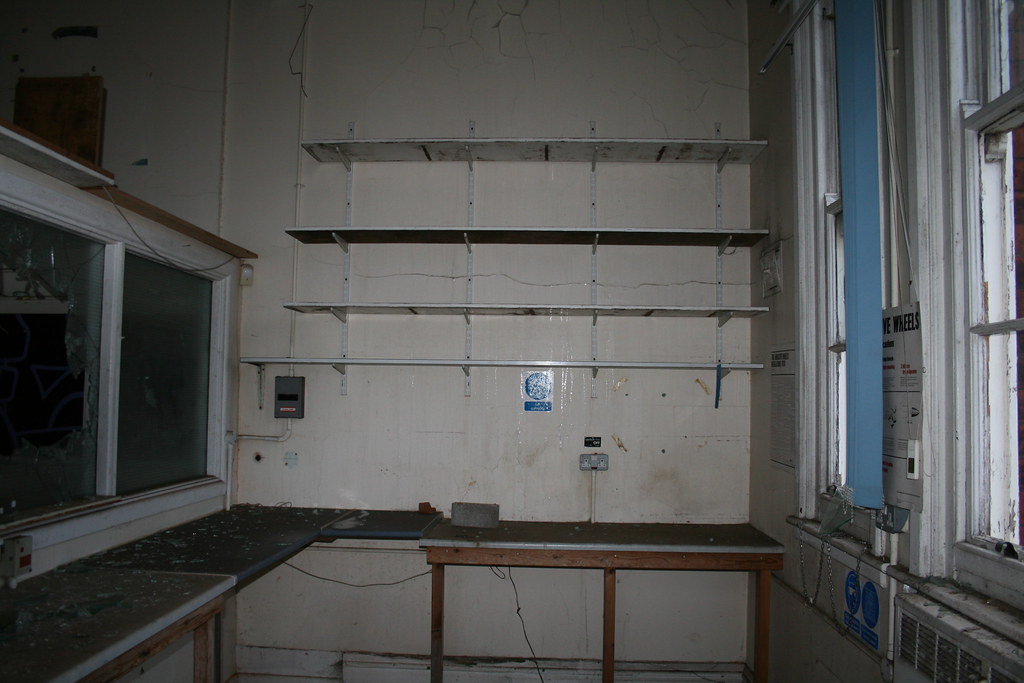
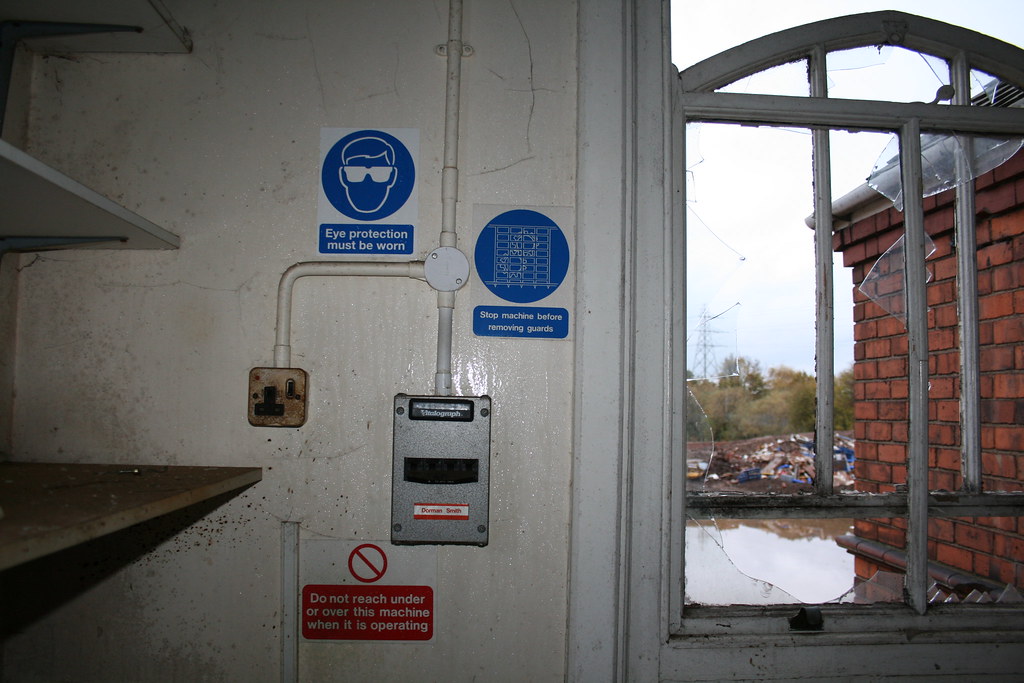
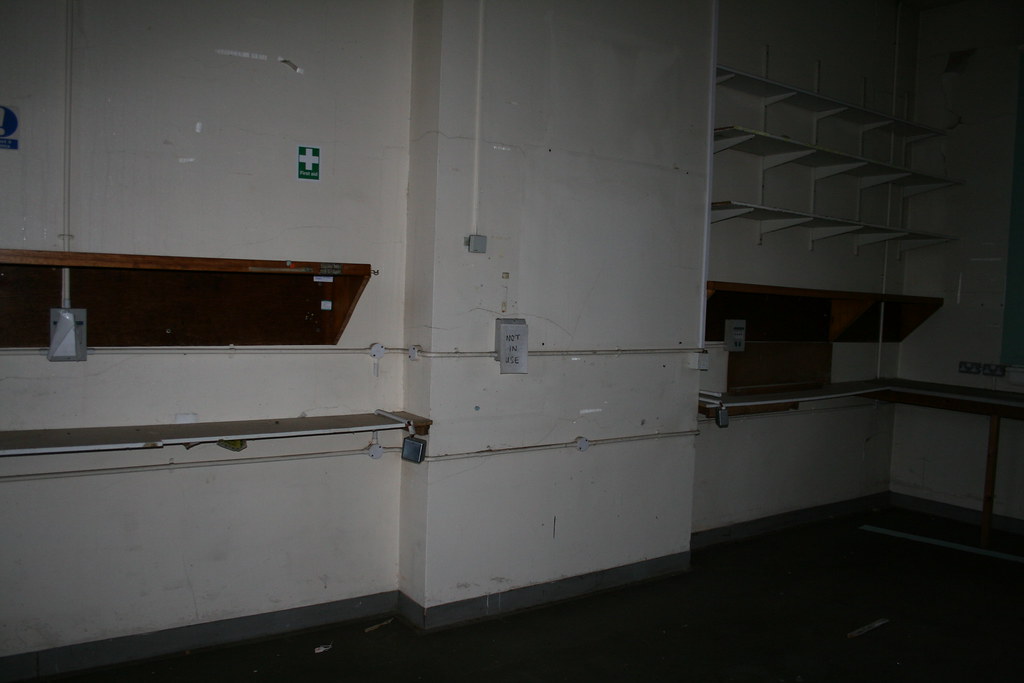
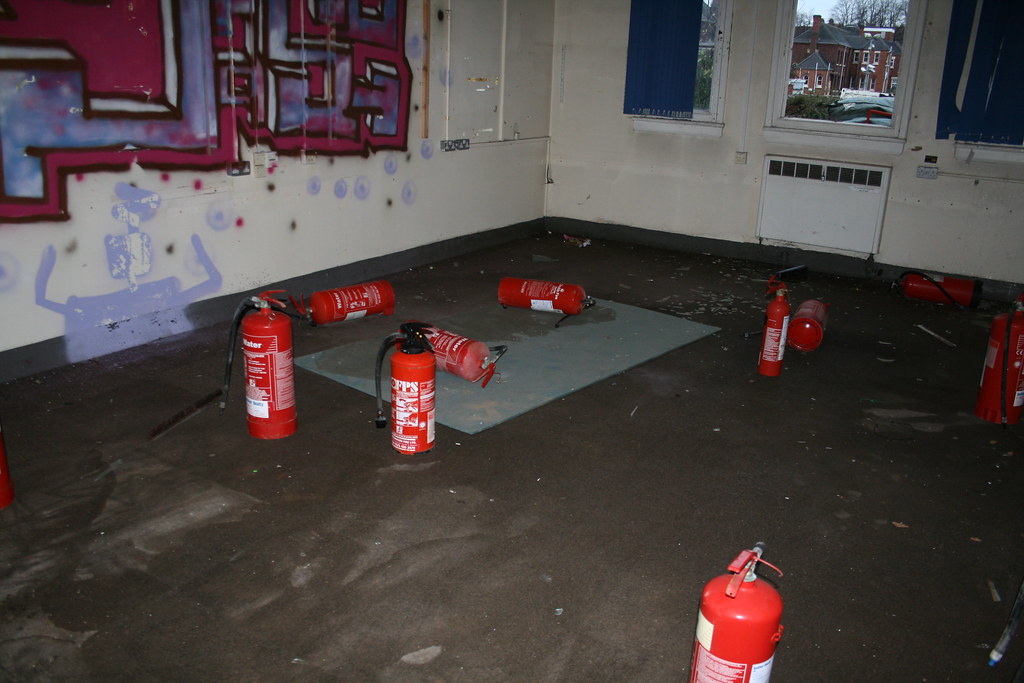
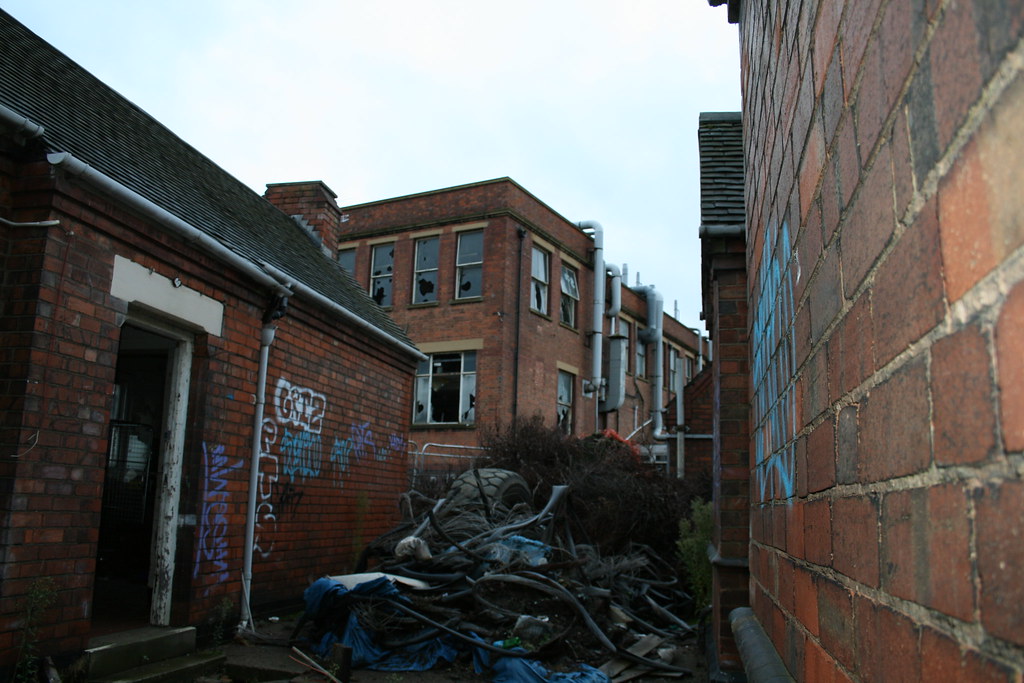
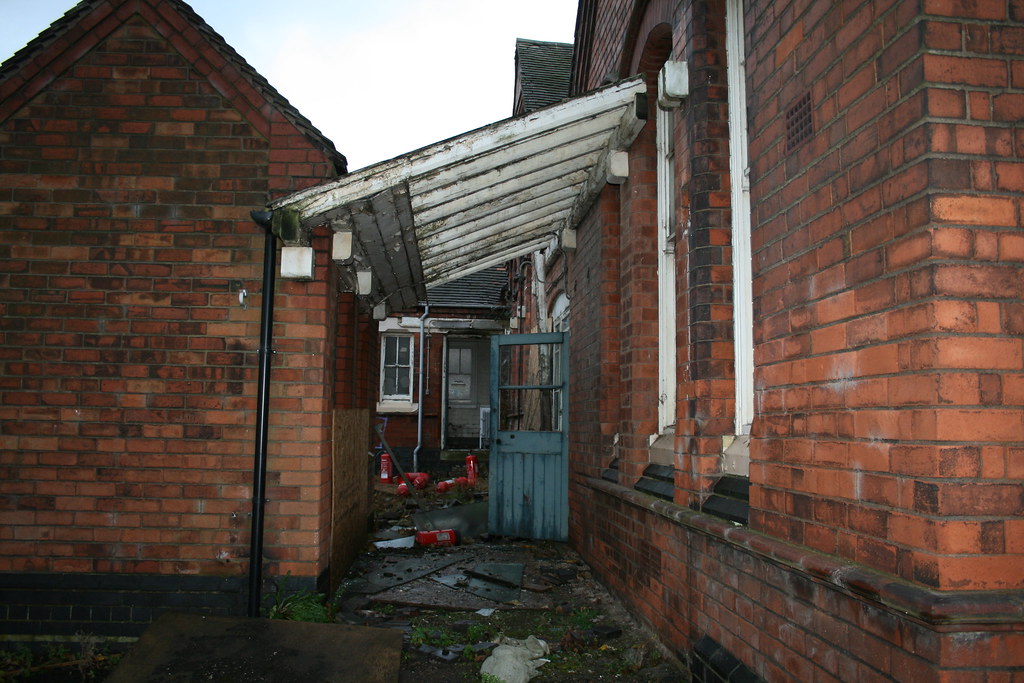
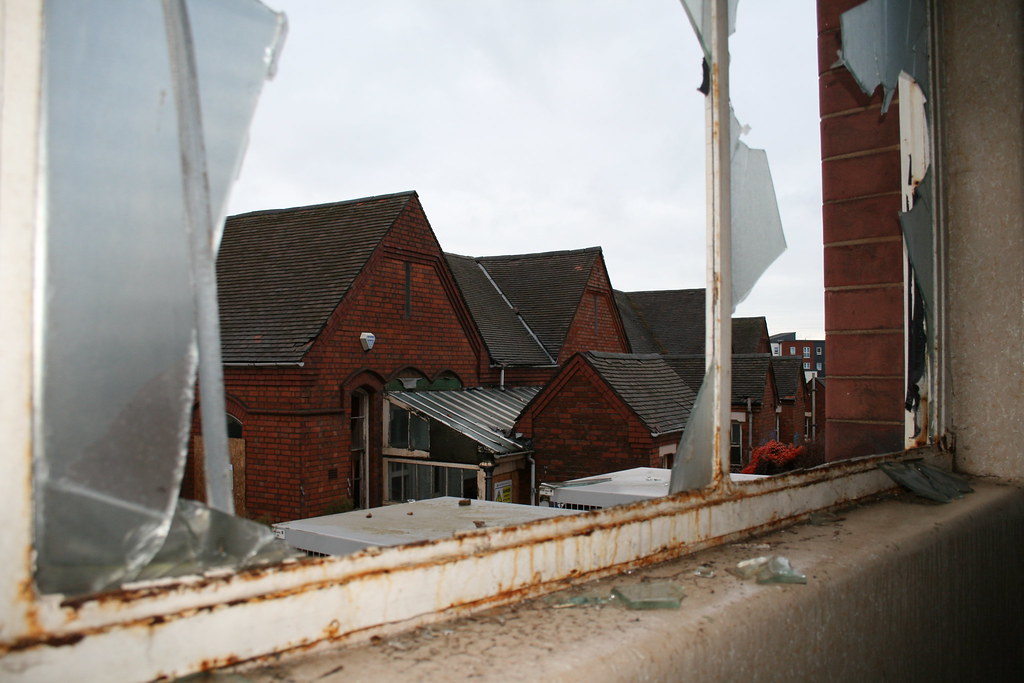
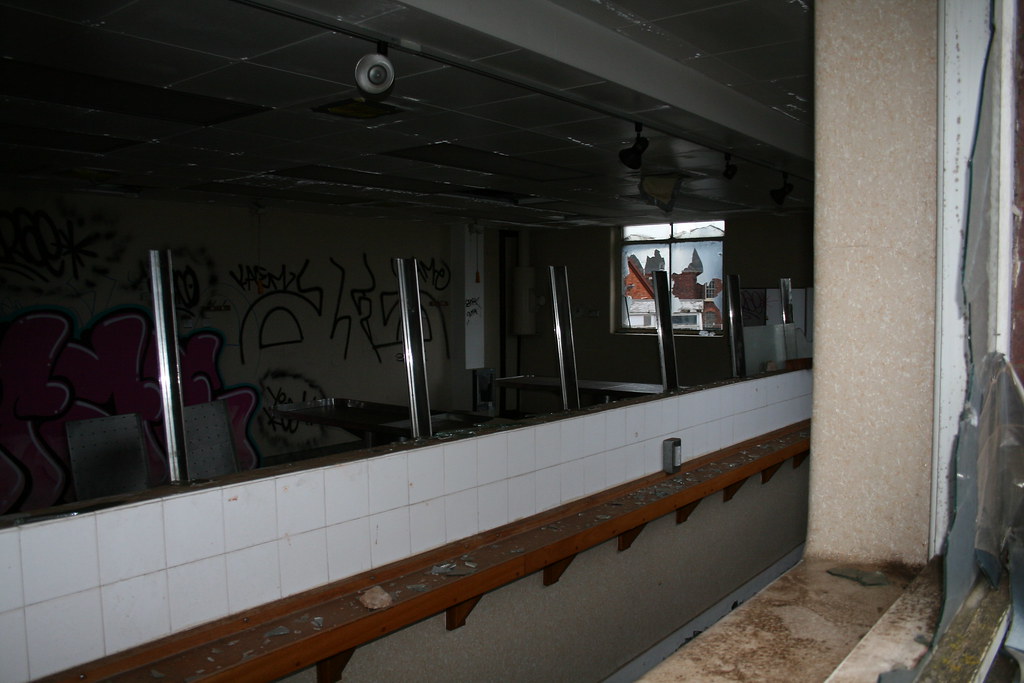
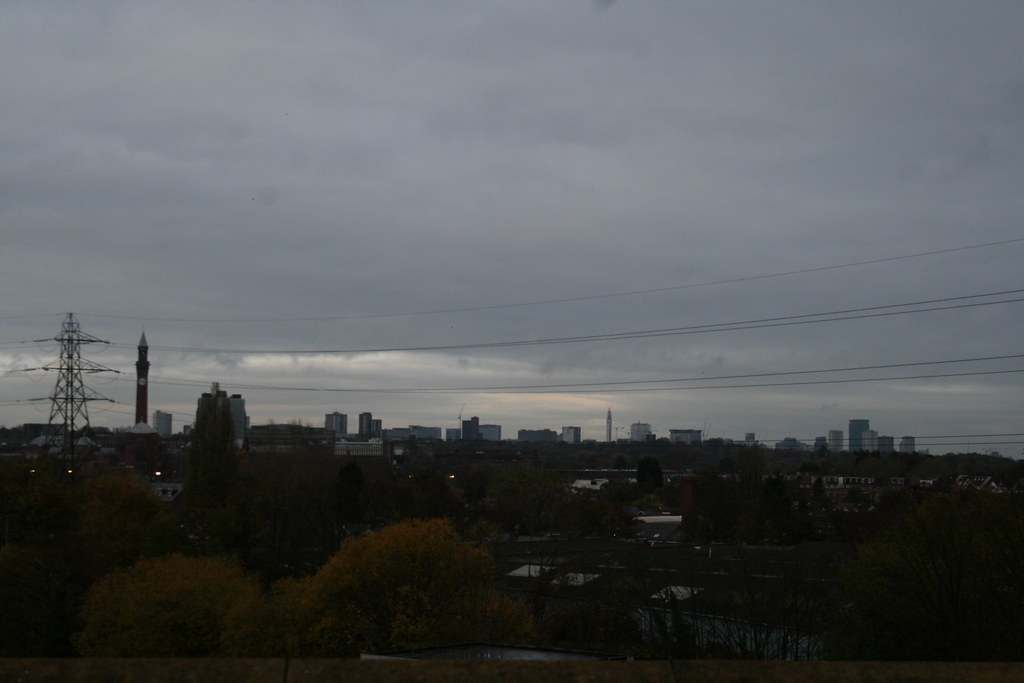
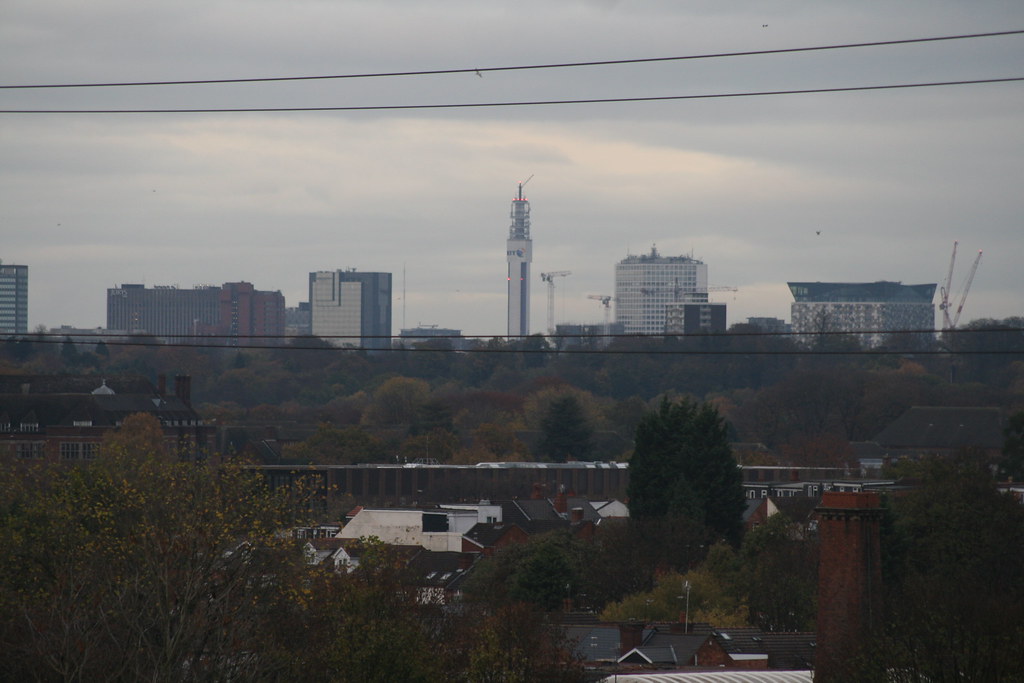
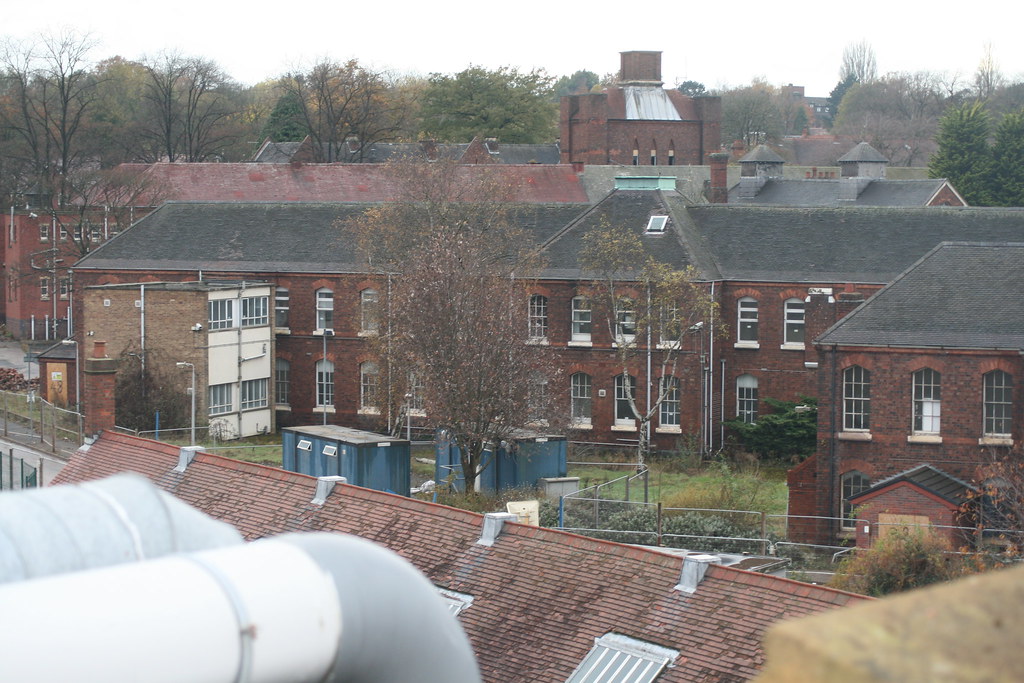
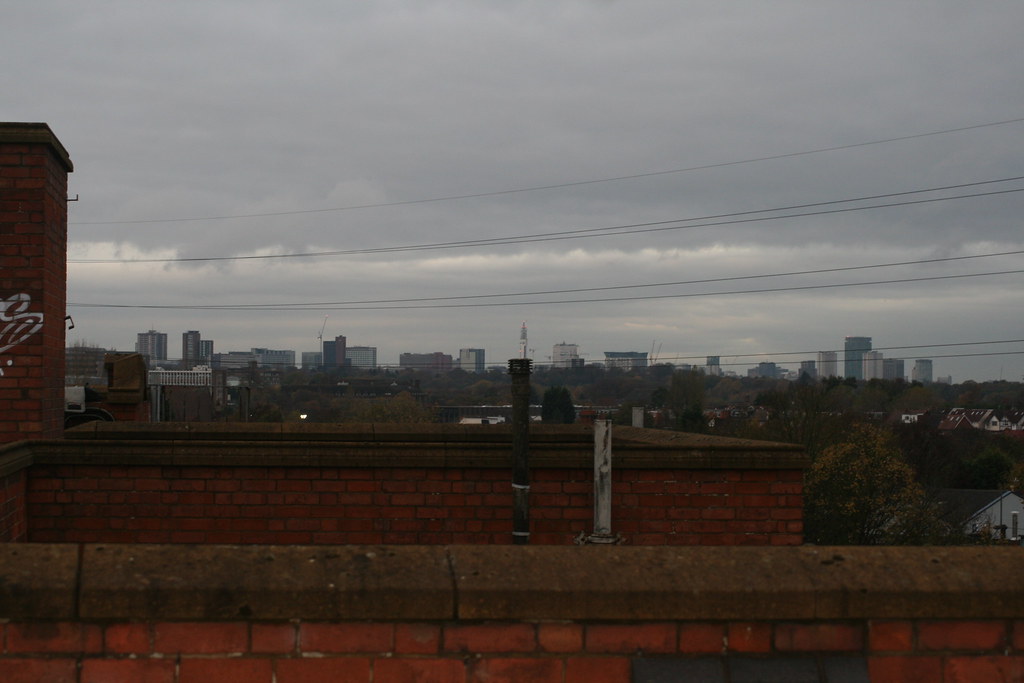
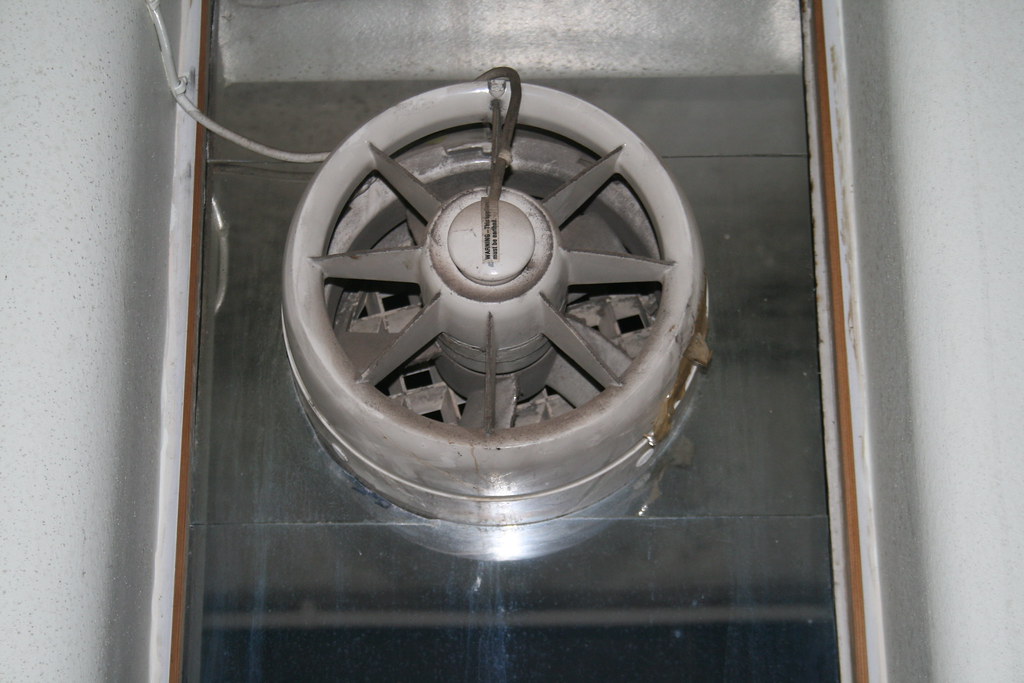
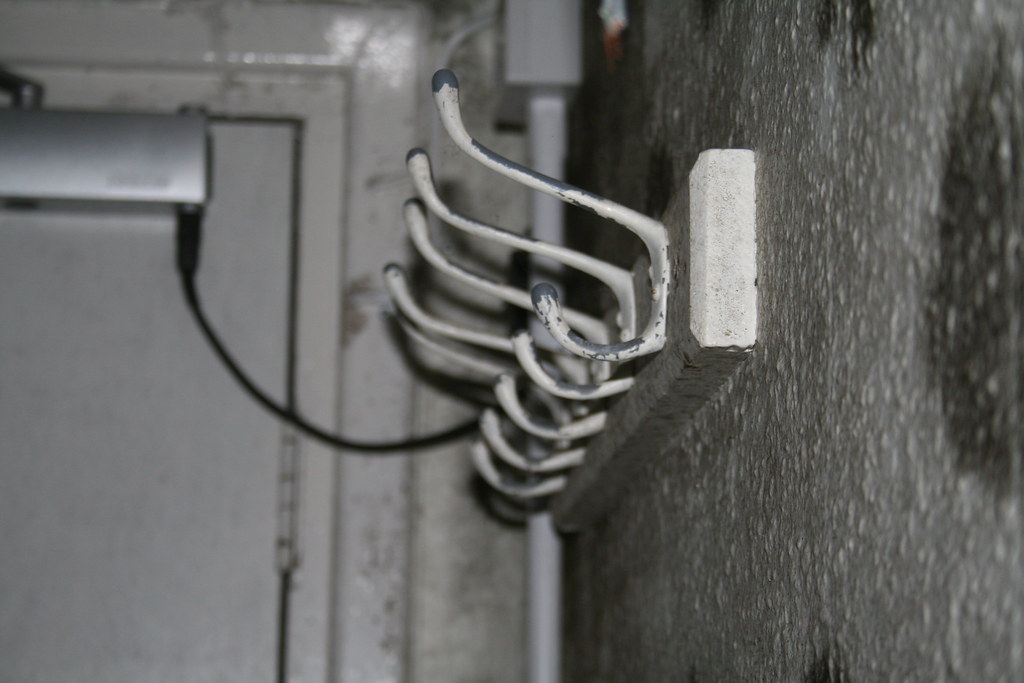
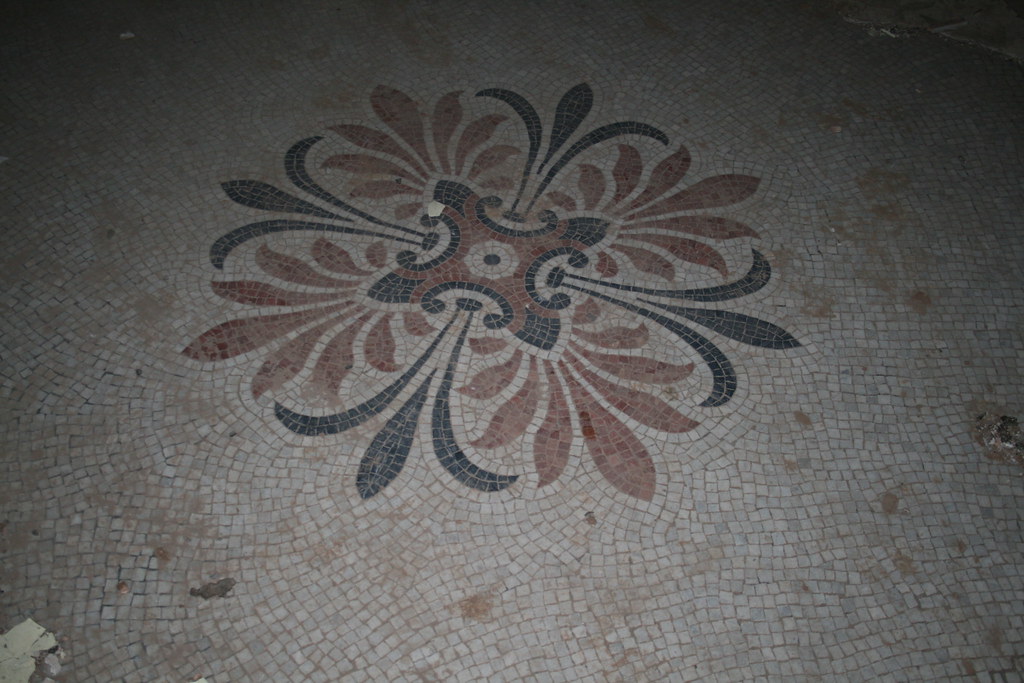
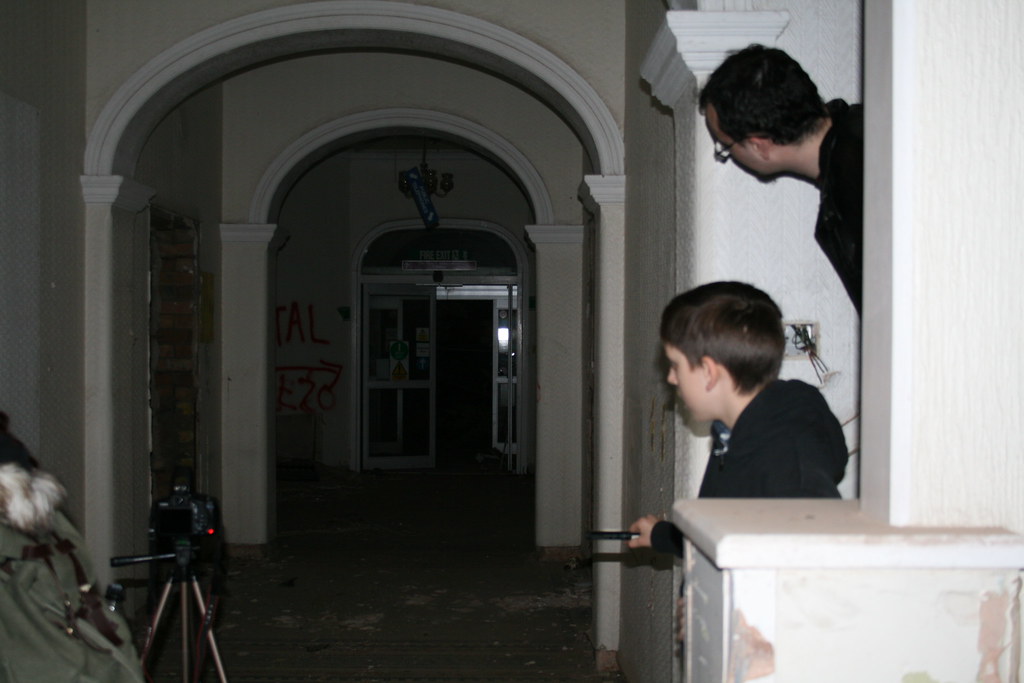
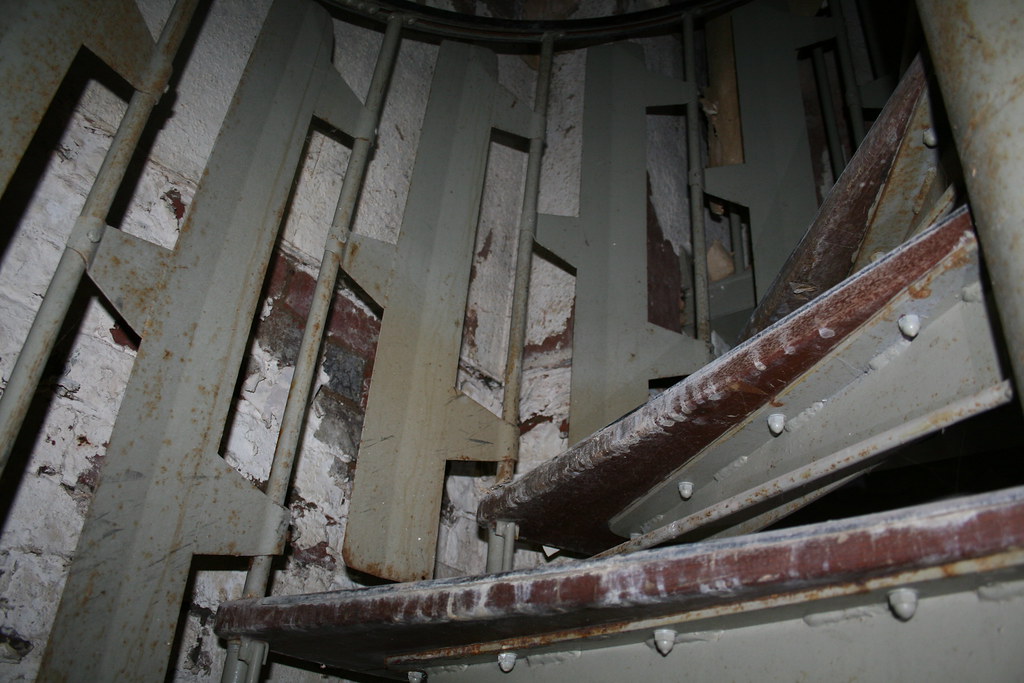
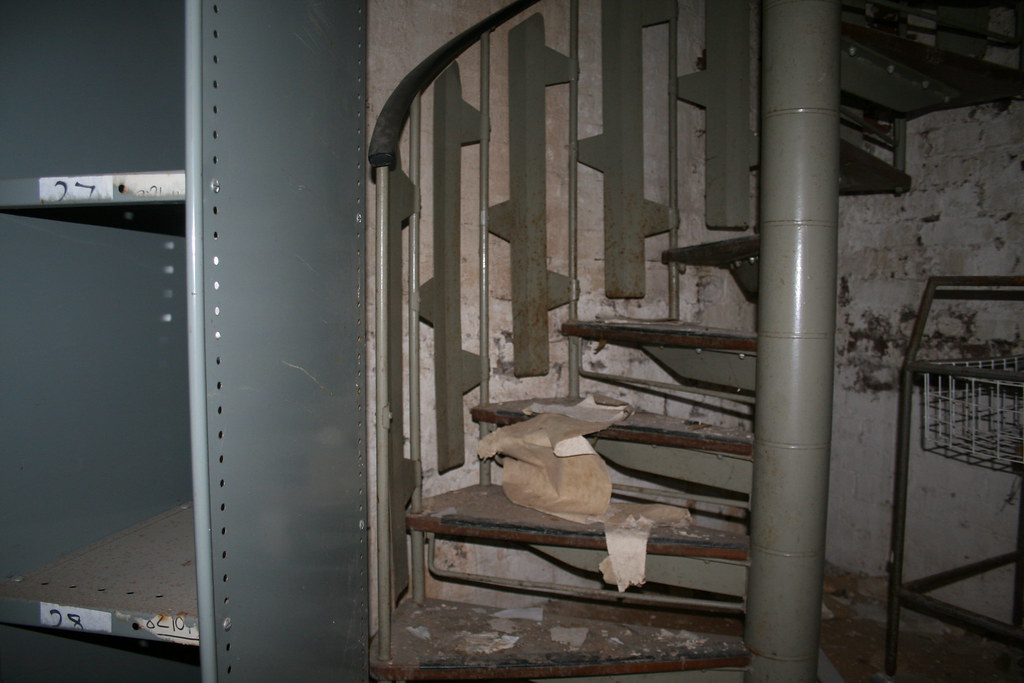
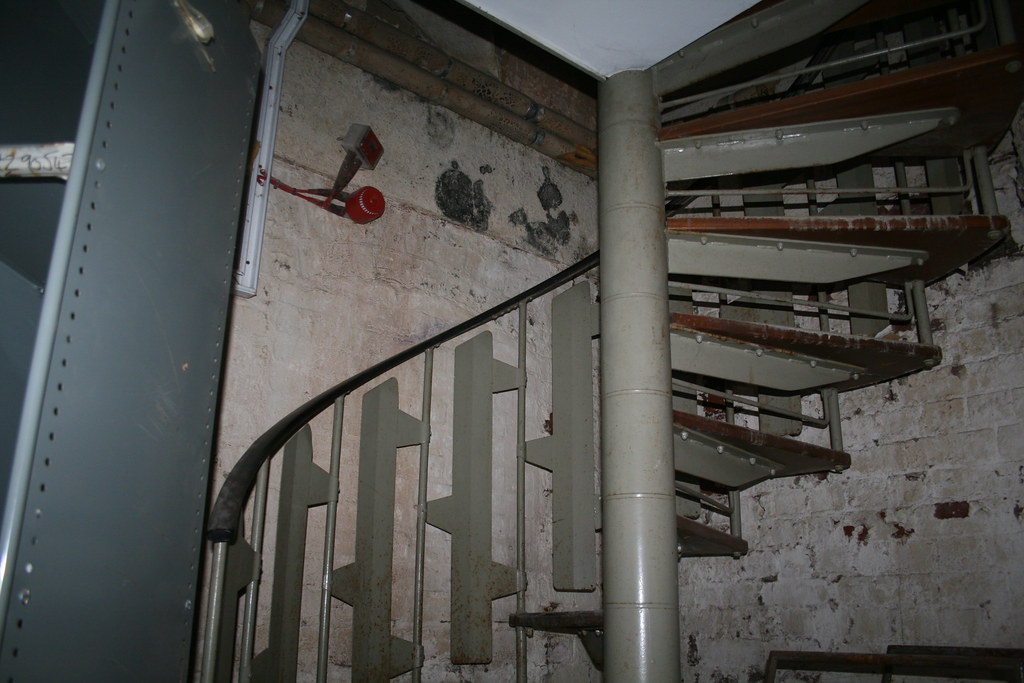
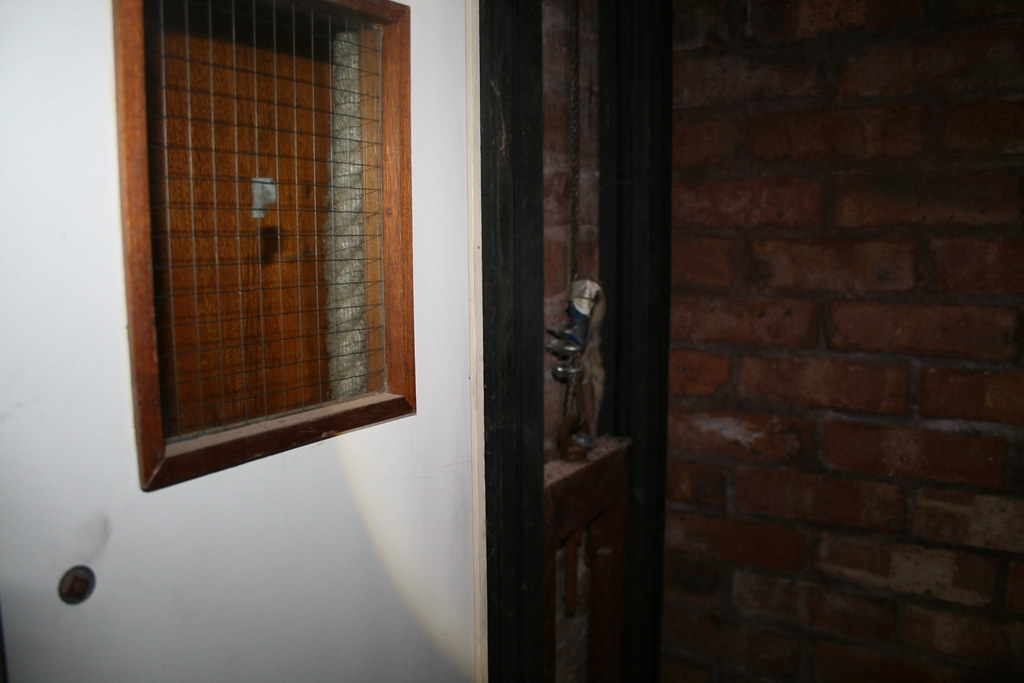
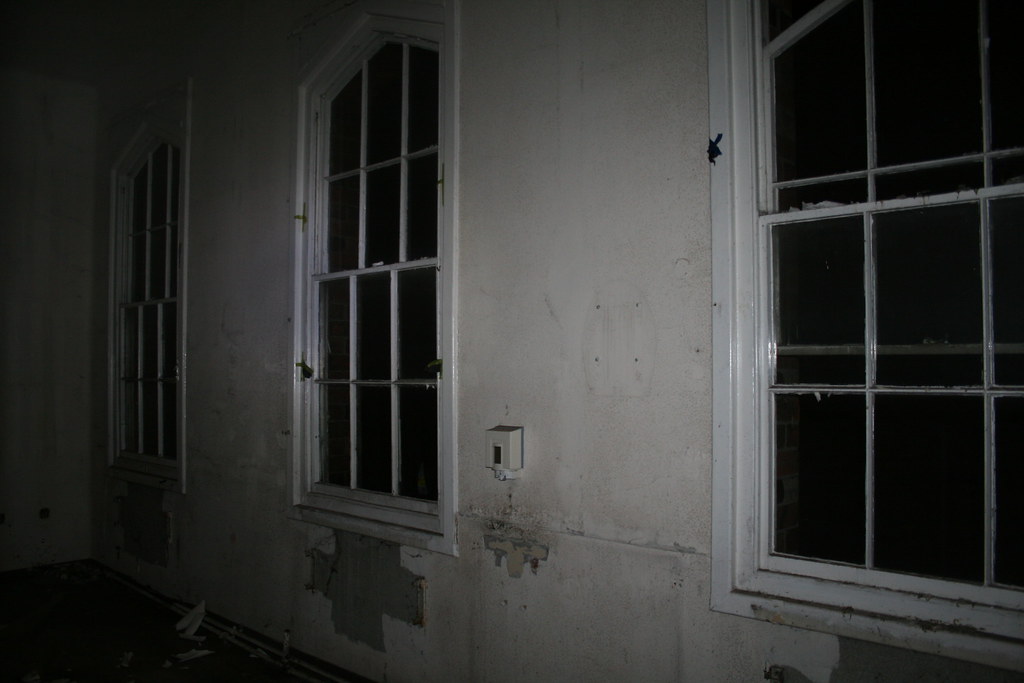
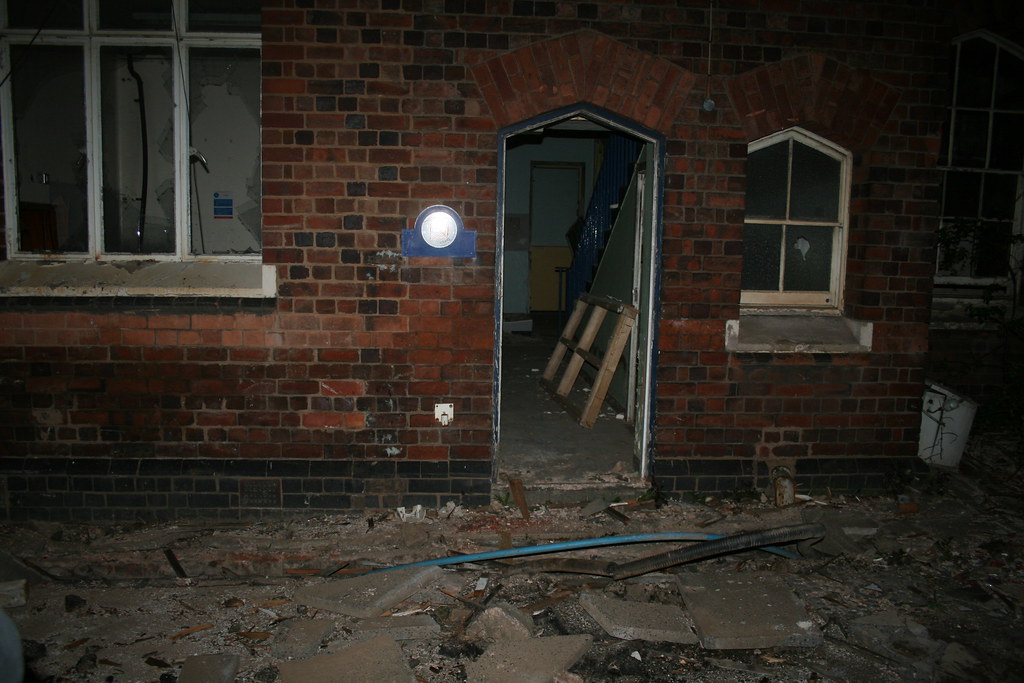
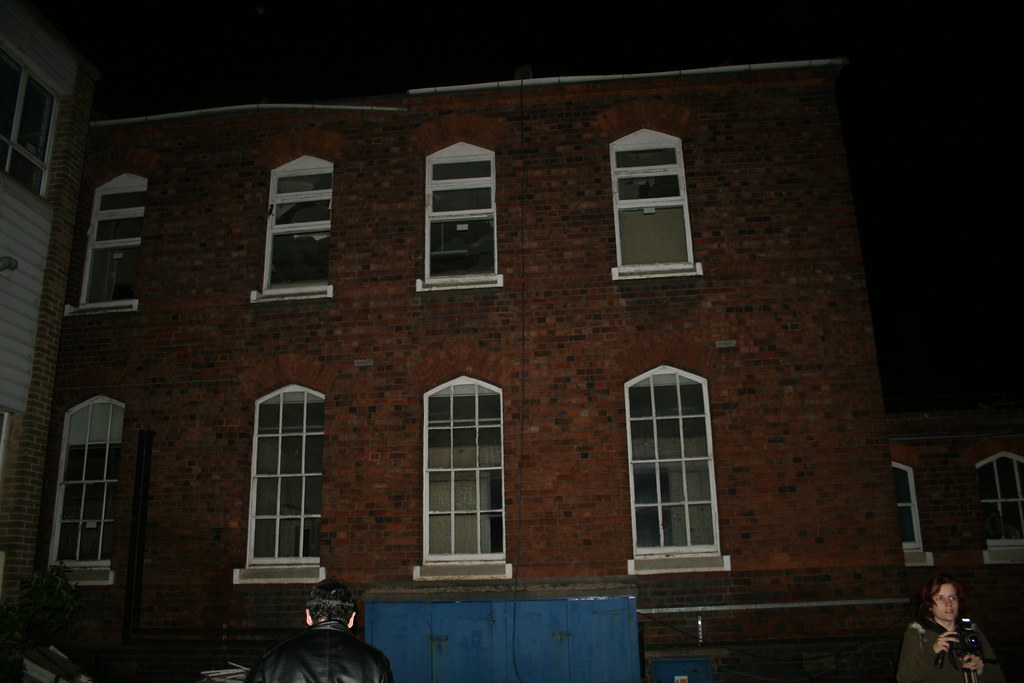
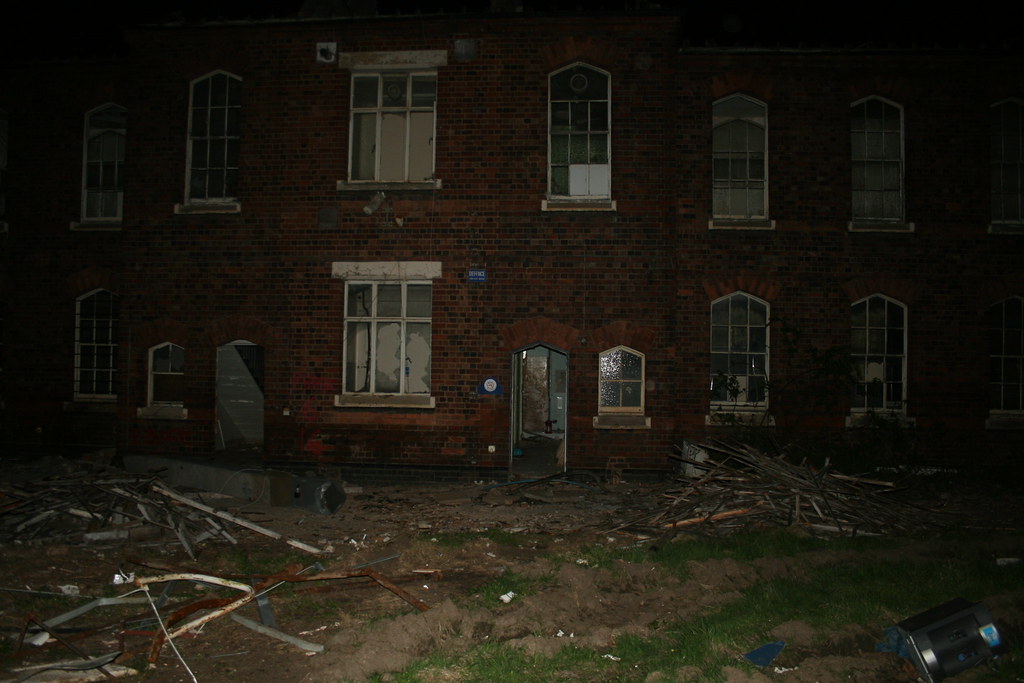
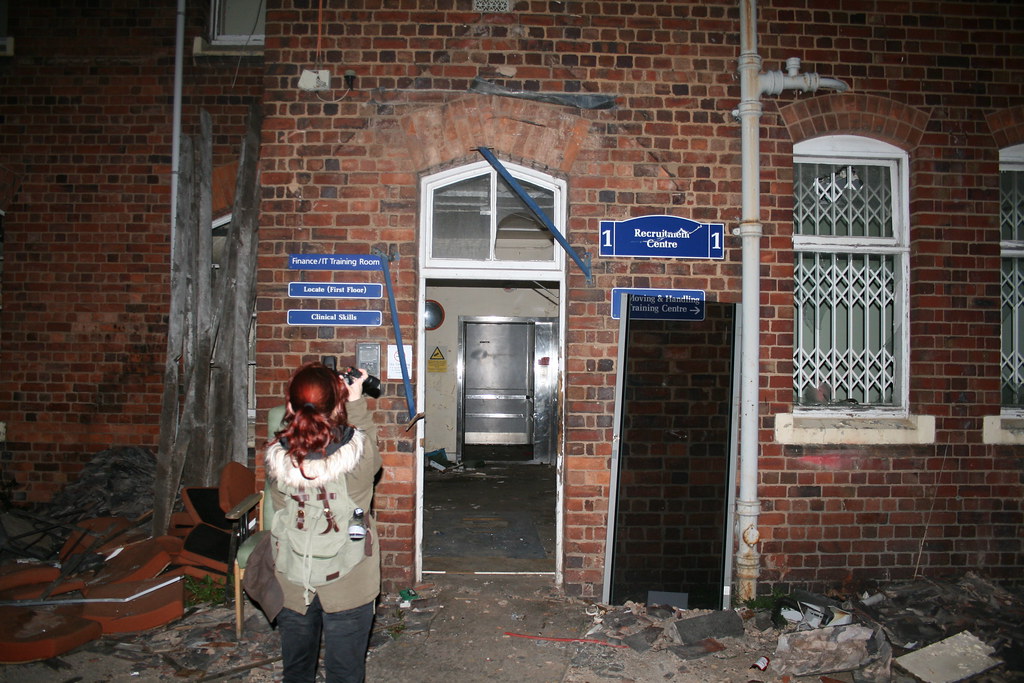
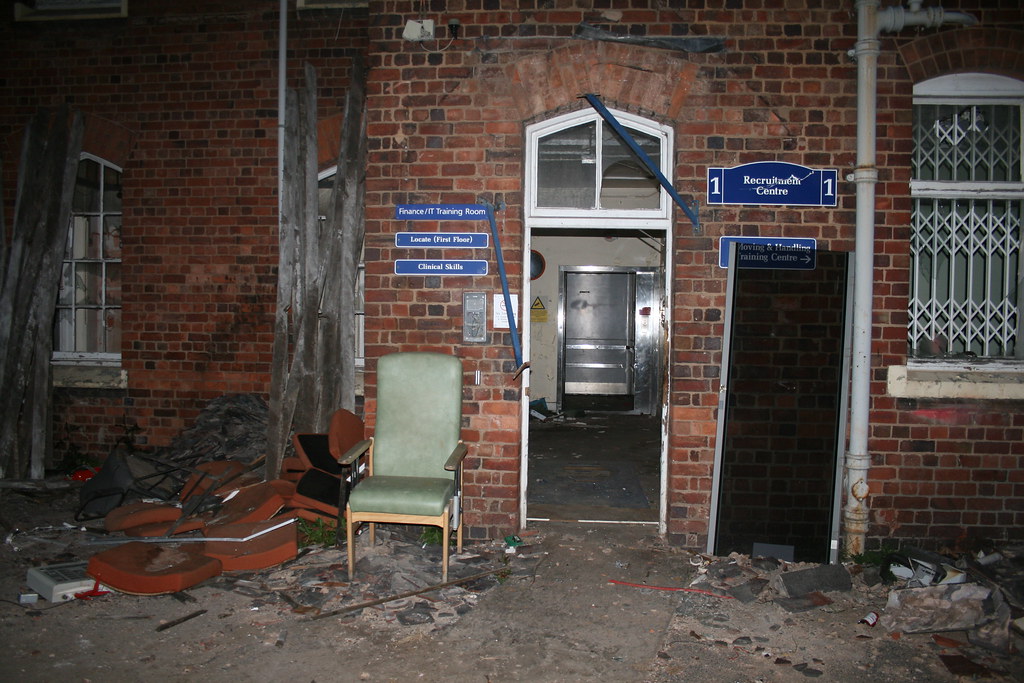
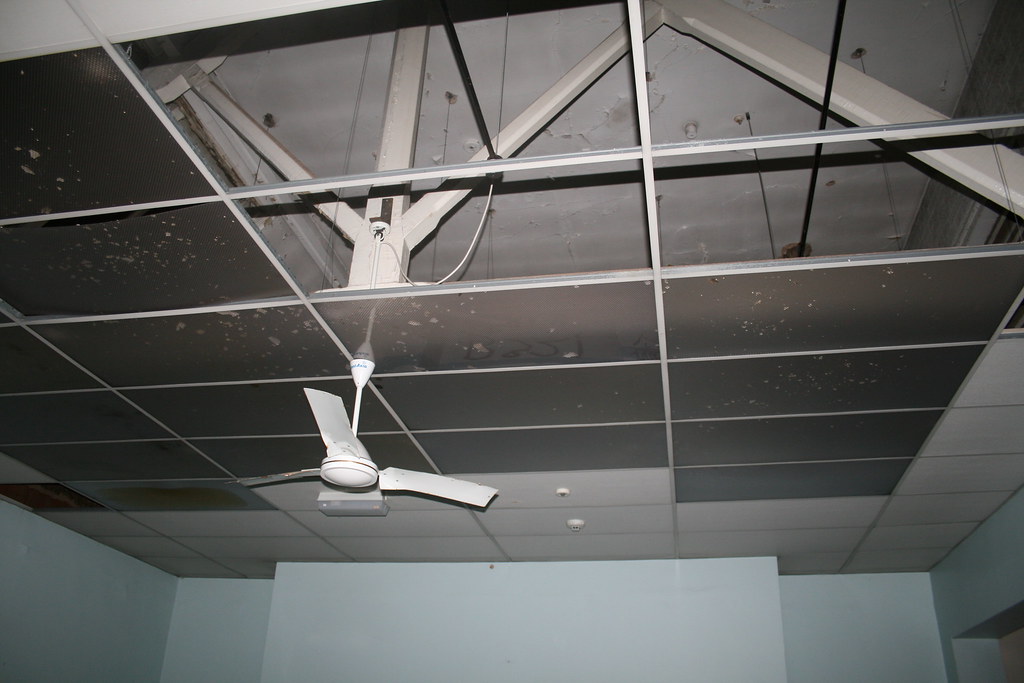
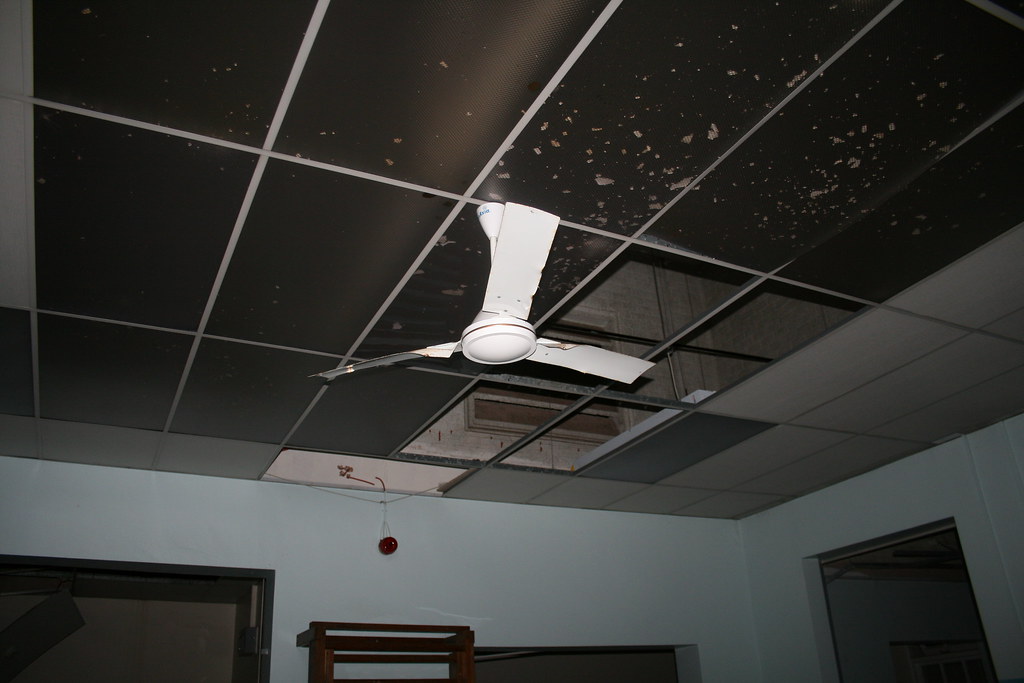
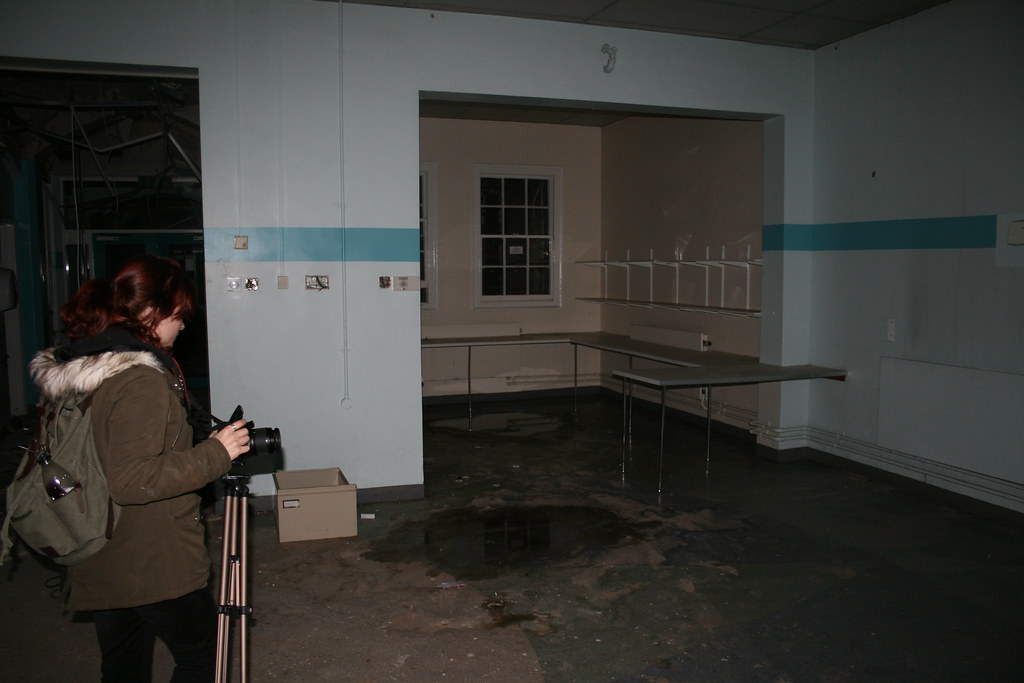
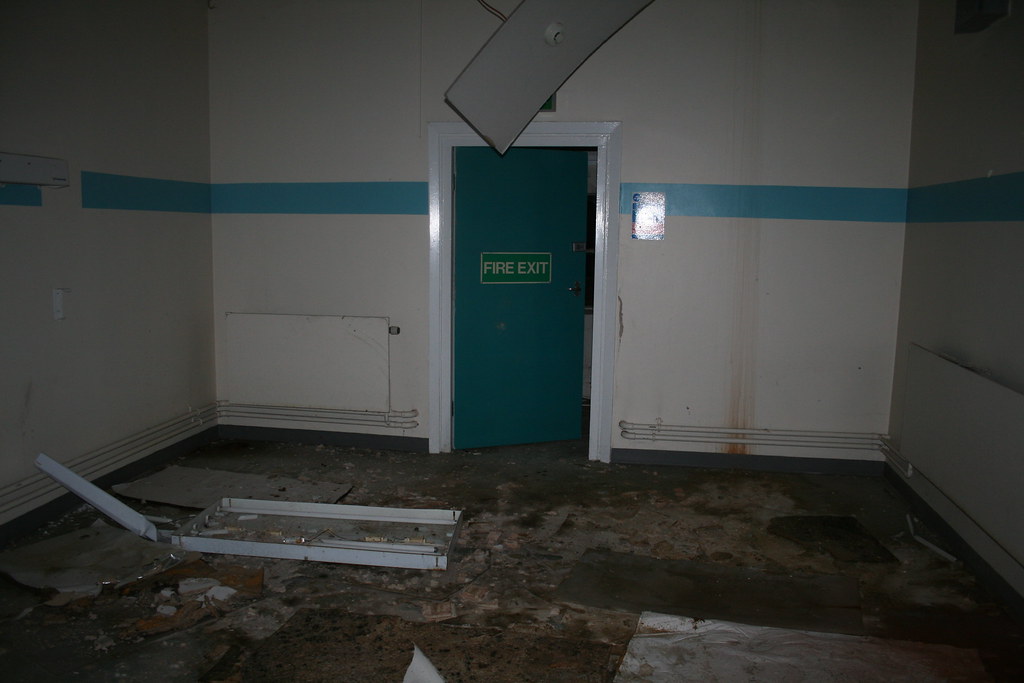
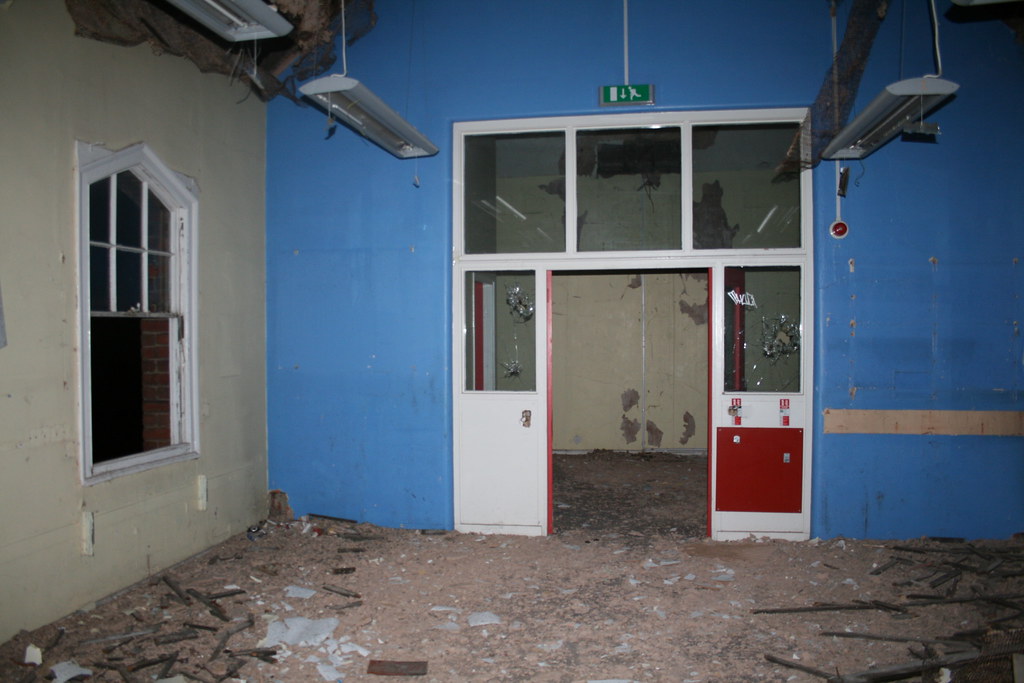
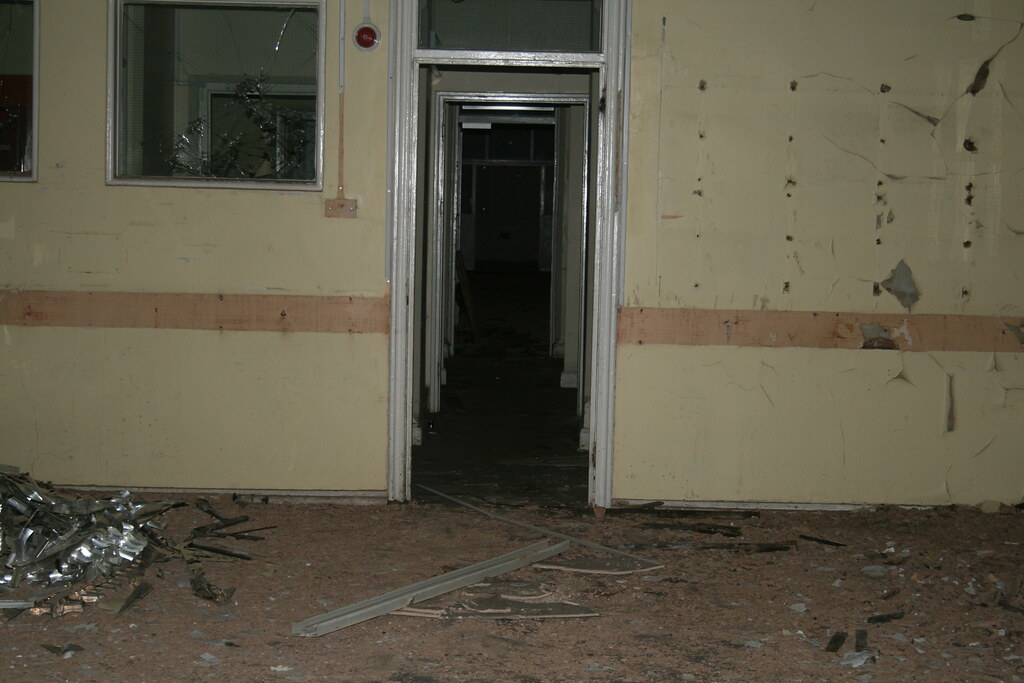
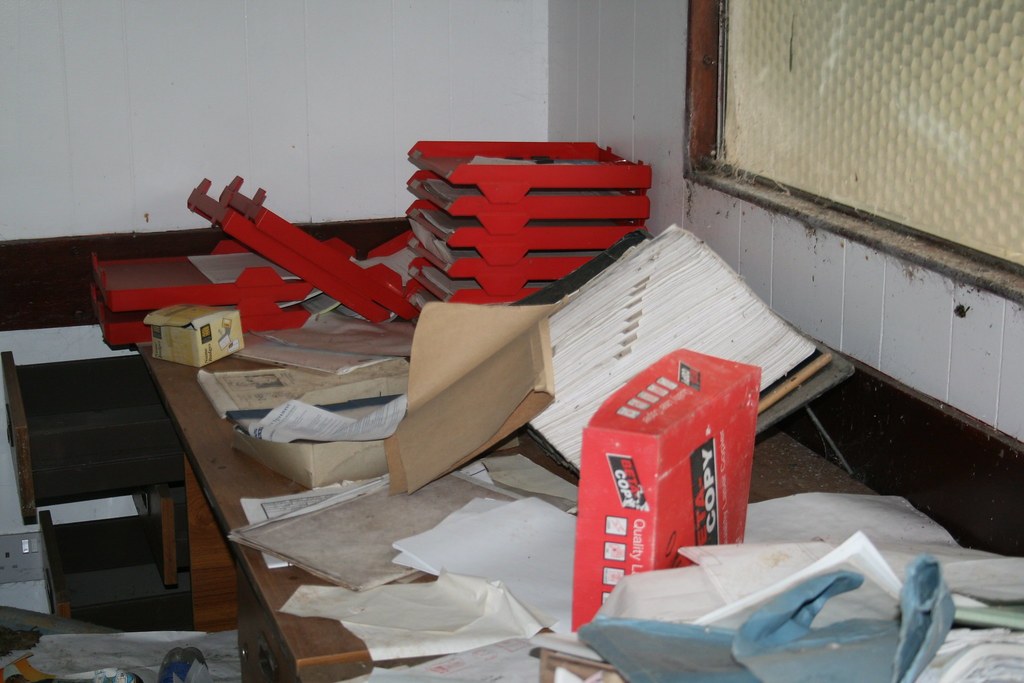
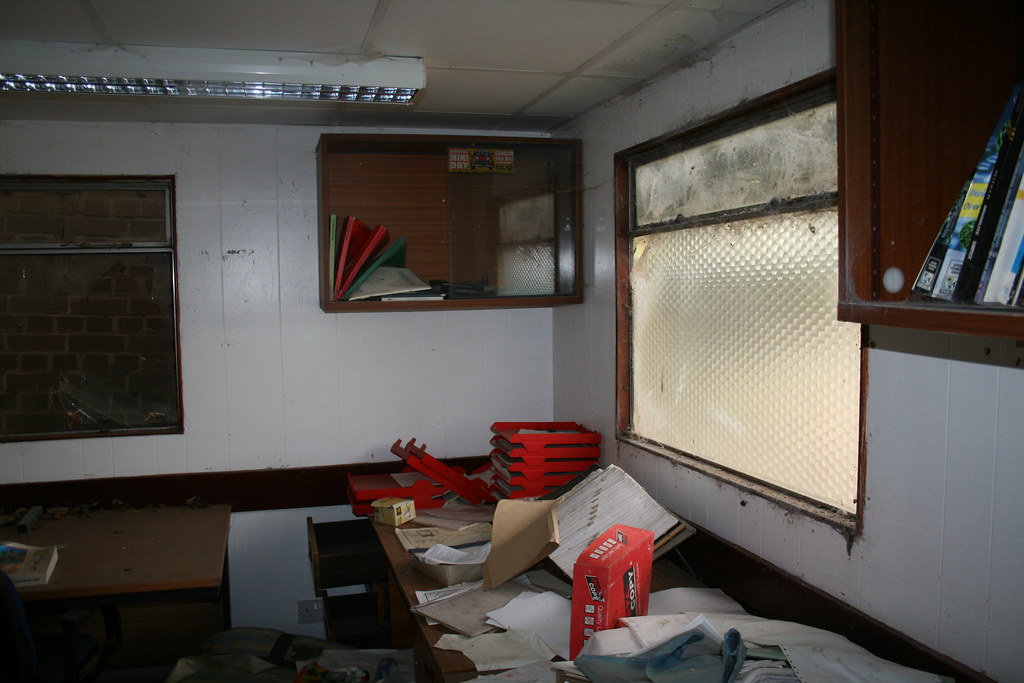
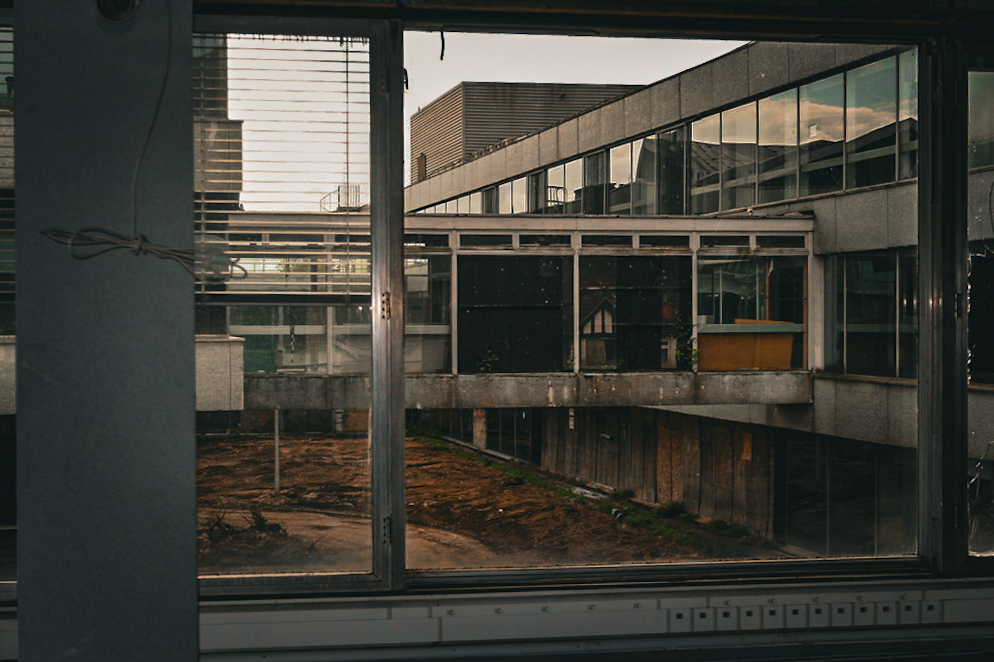
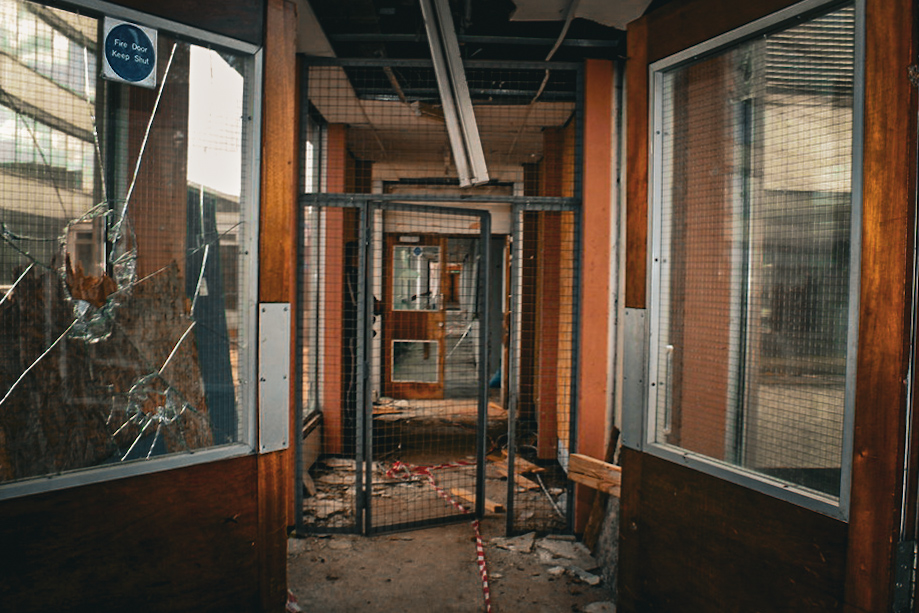
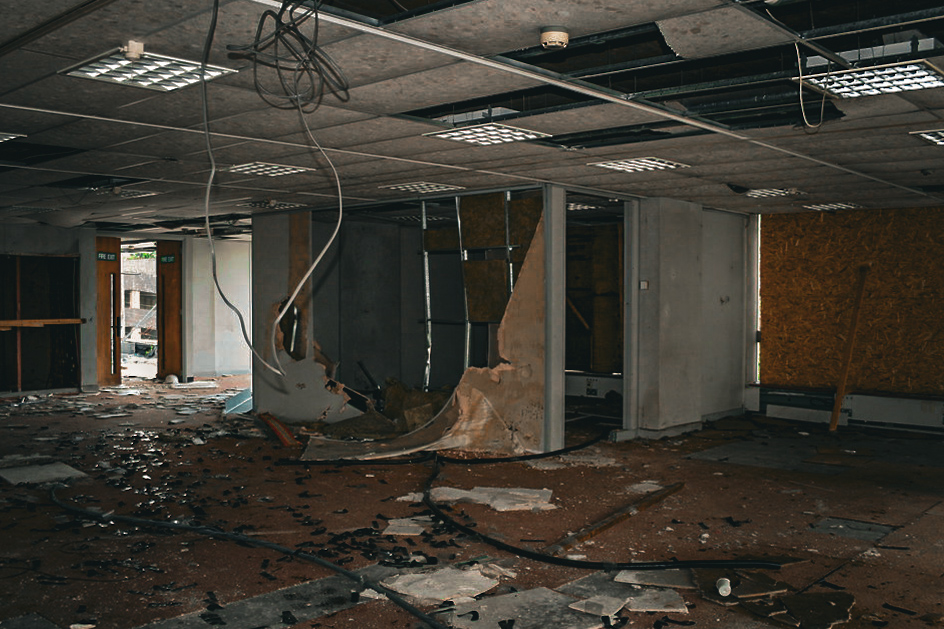
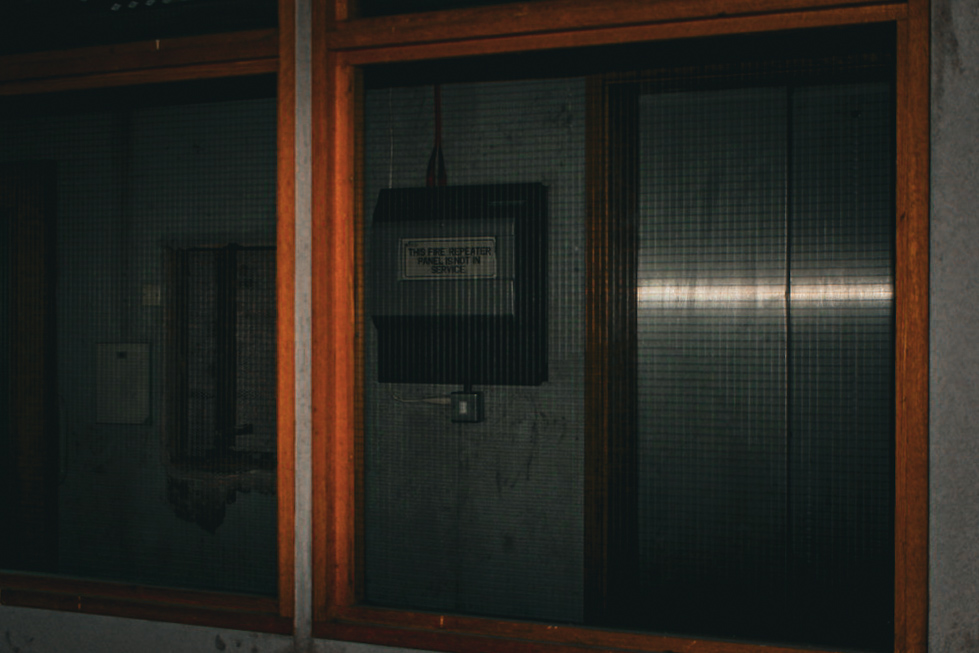
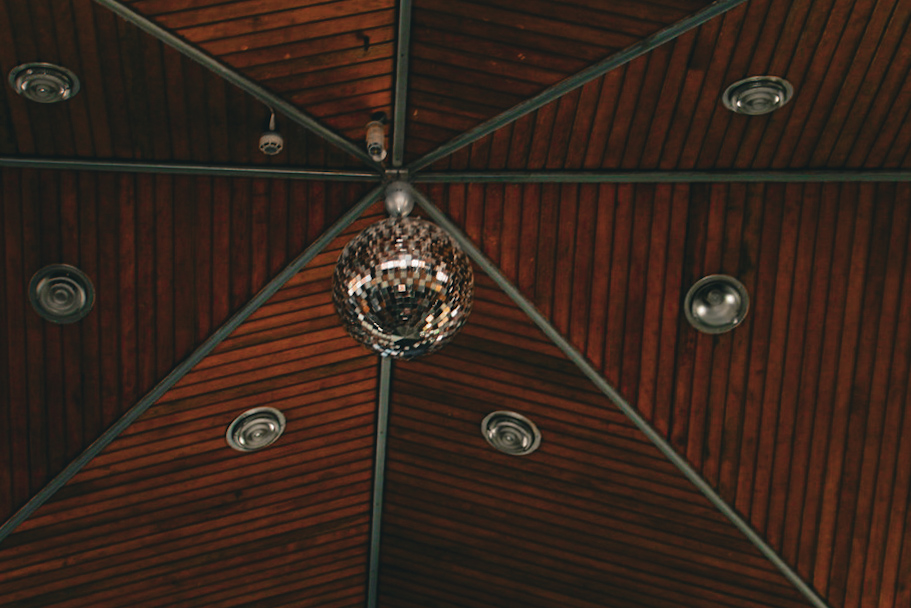
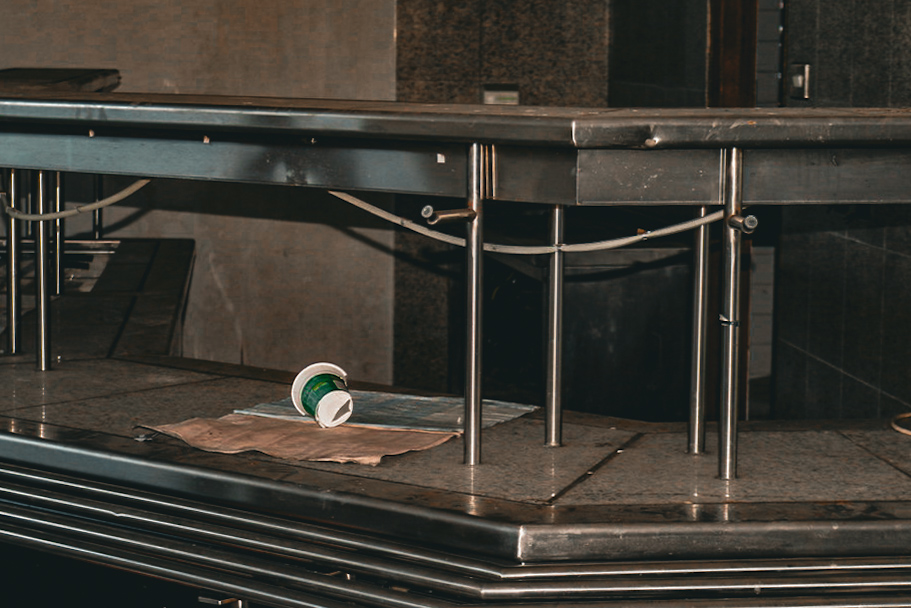
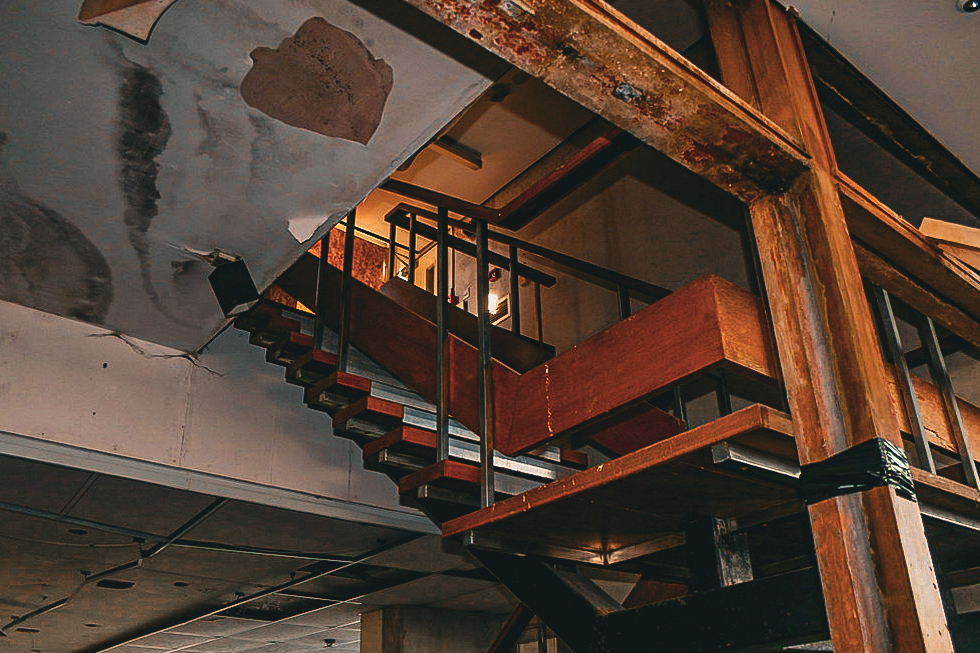
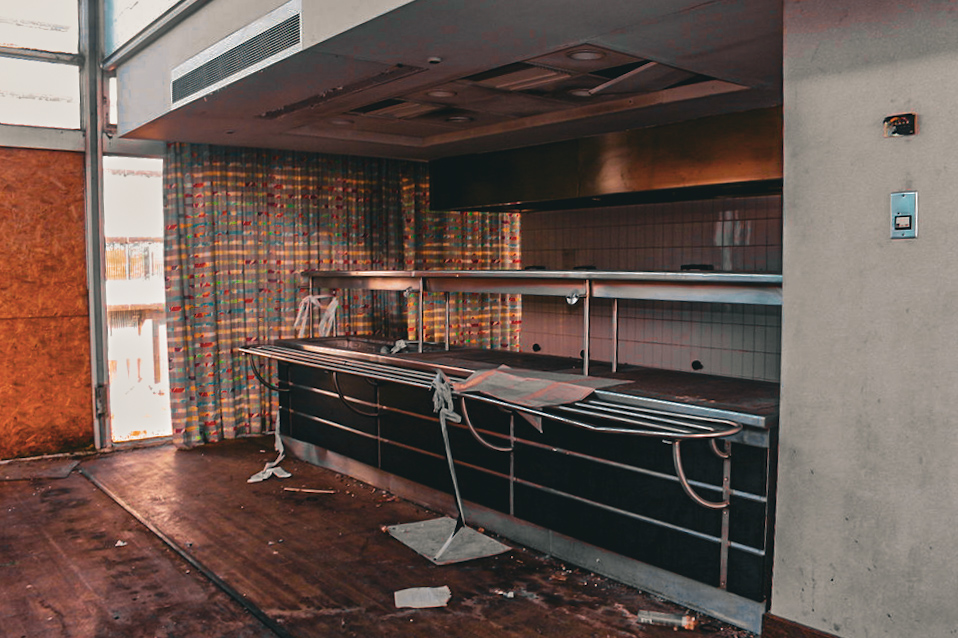
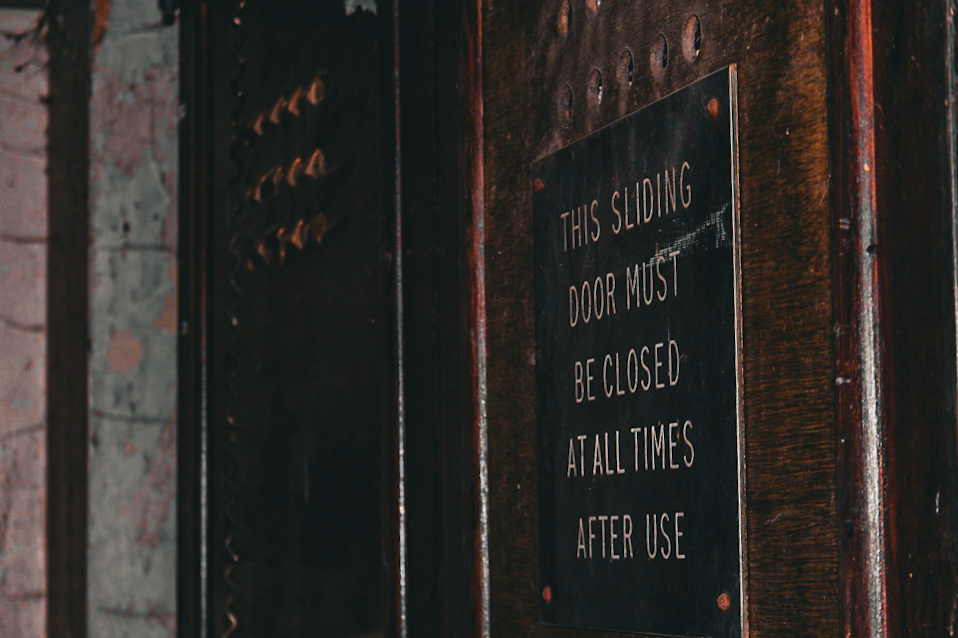
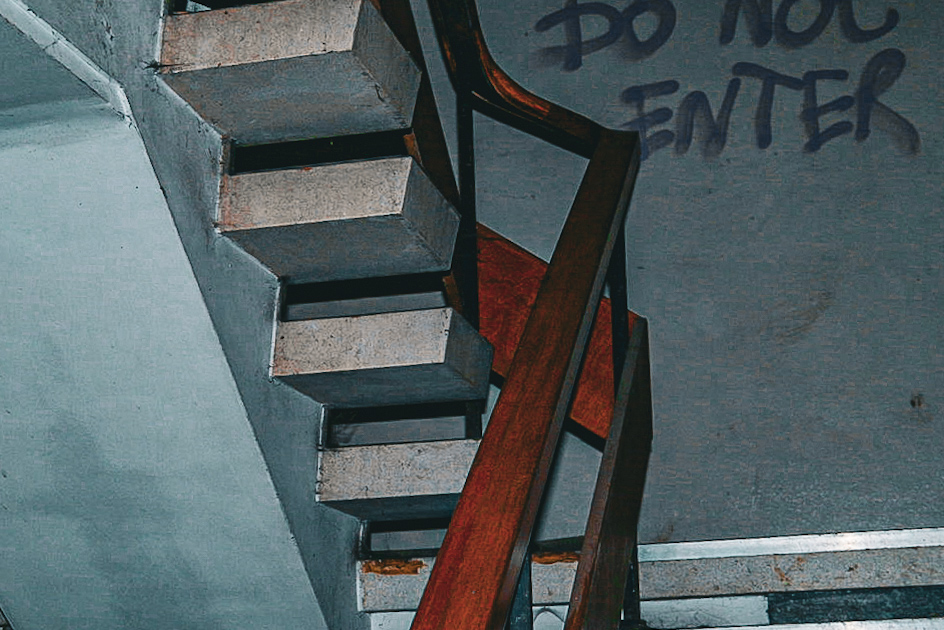
Exploring the abandoned Selly Oak Hospital (2015/2016) before demolition.
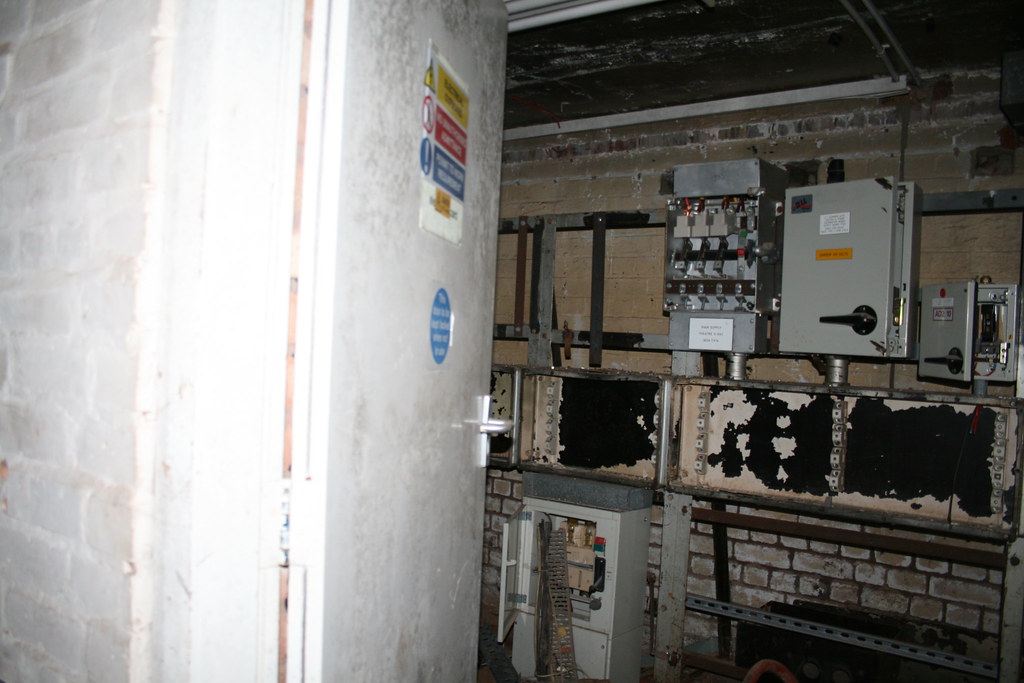
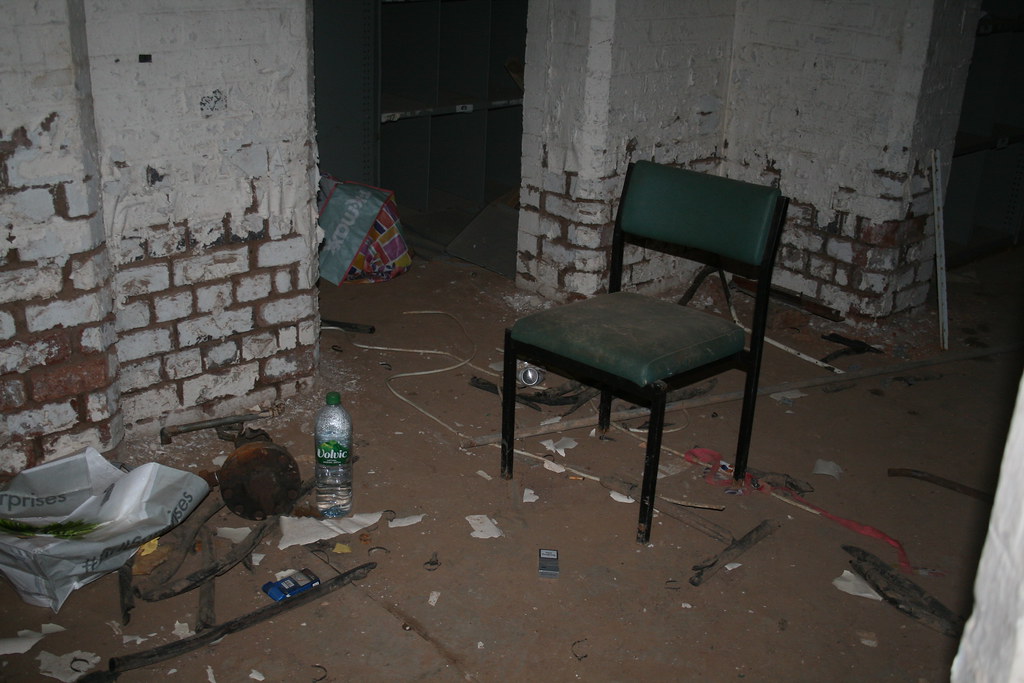
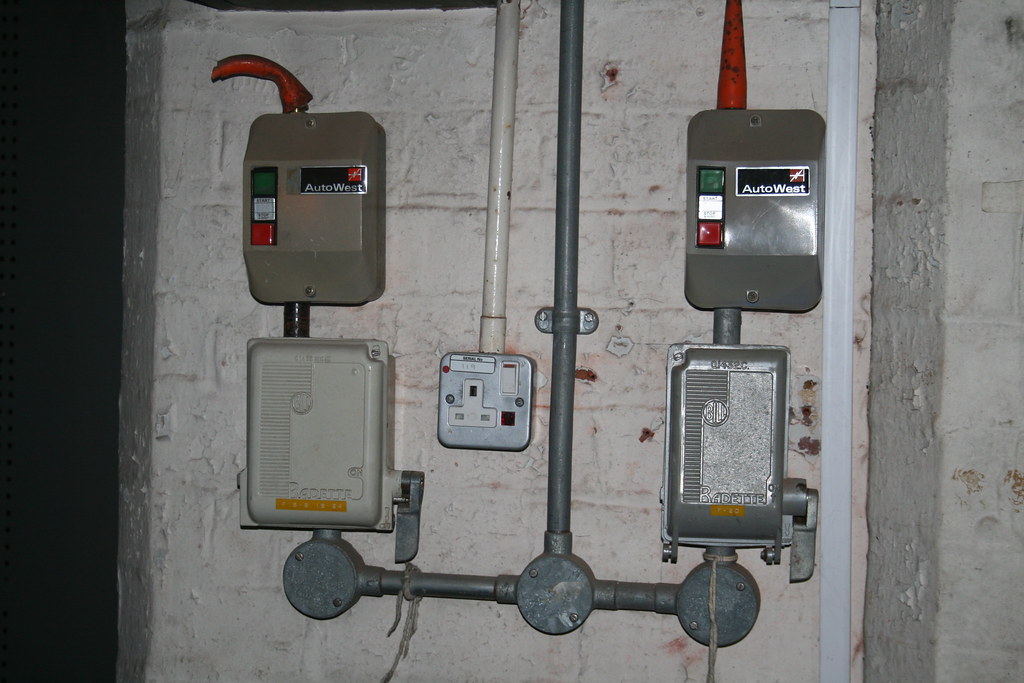
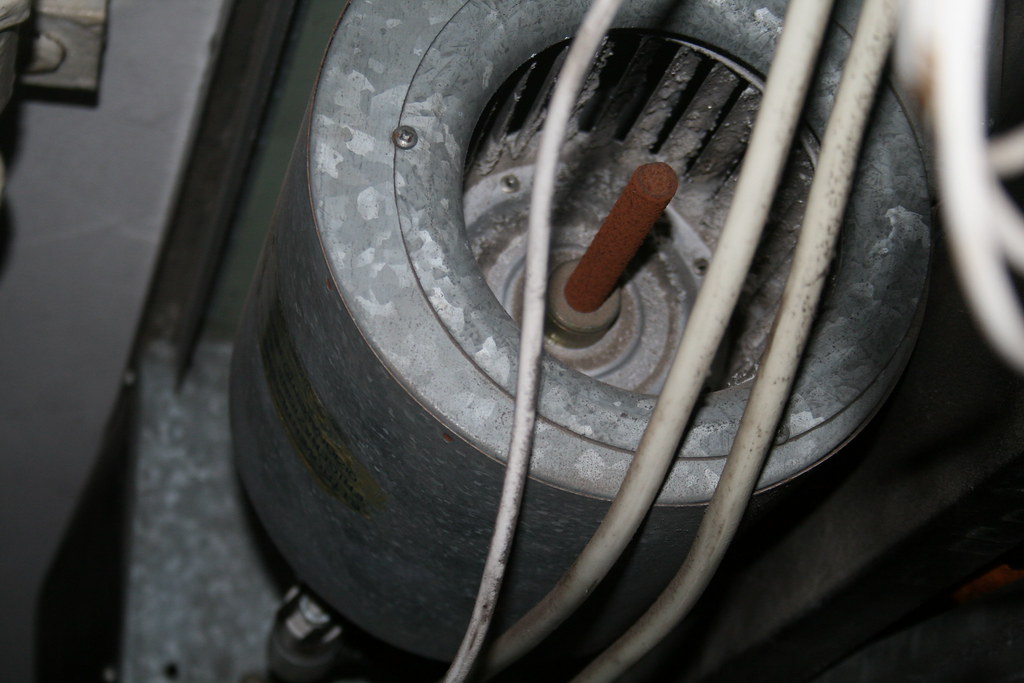
Thanks to Jellyfish for the photos below!

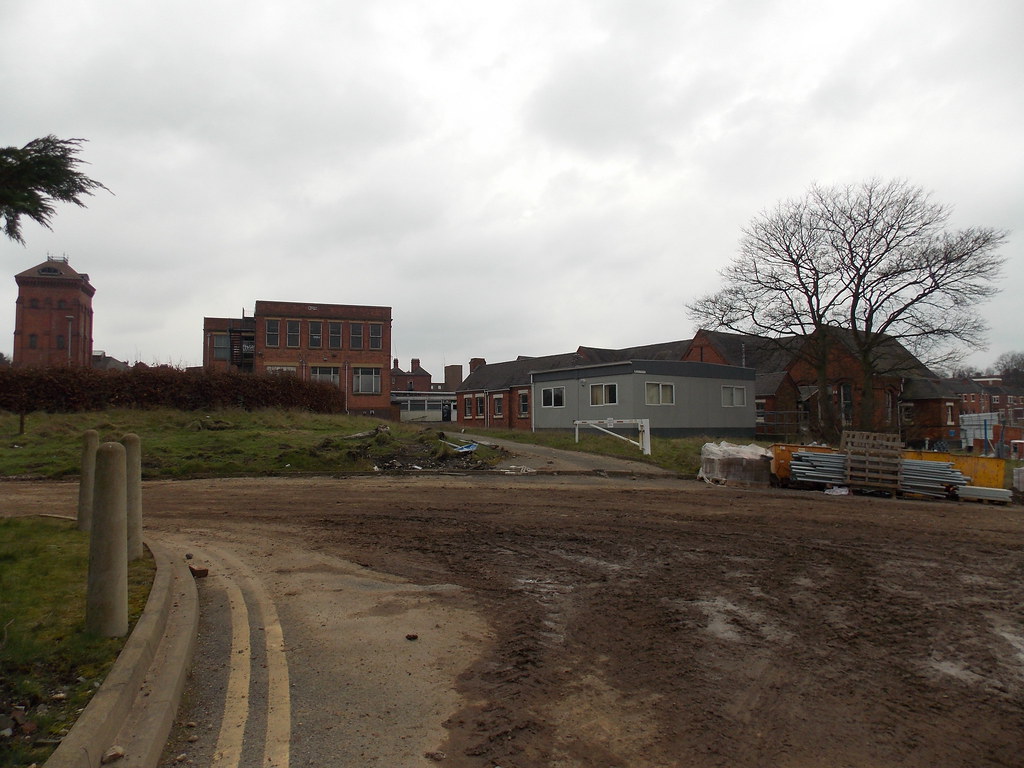
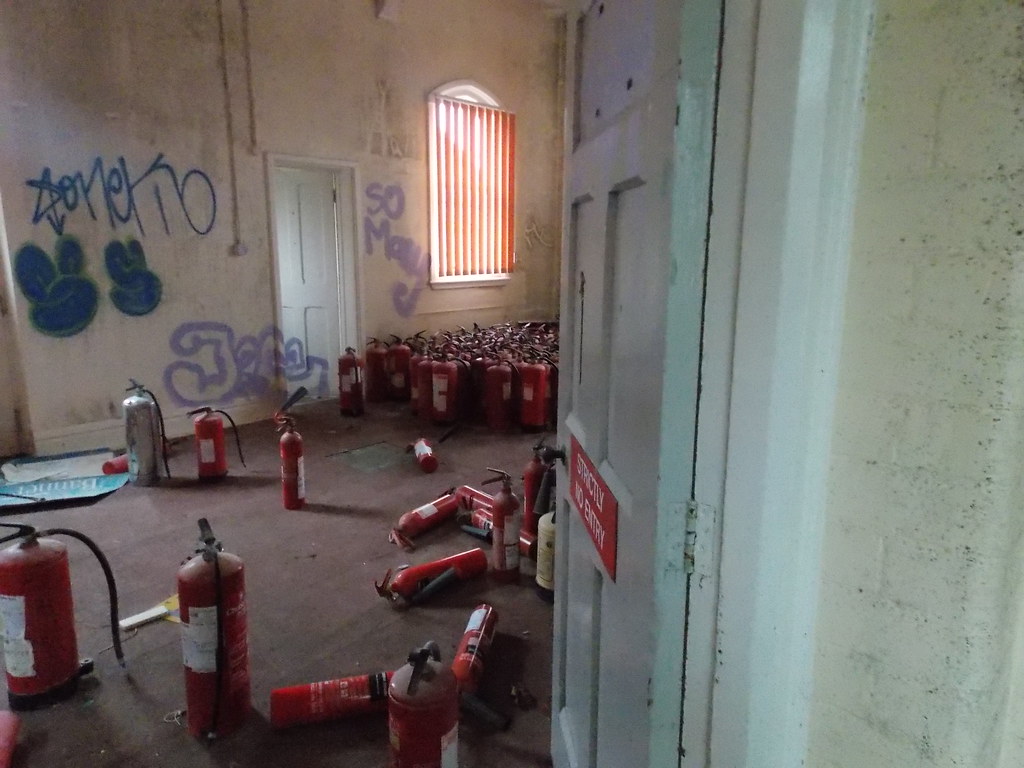
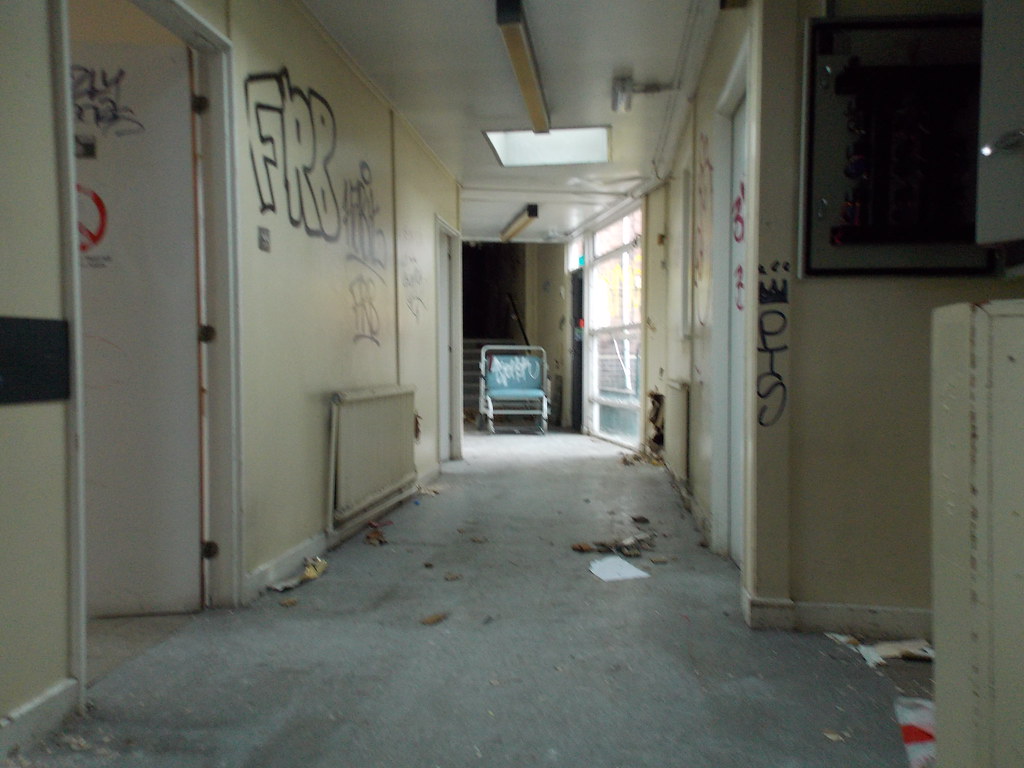
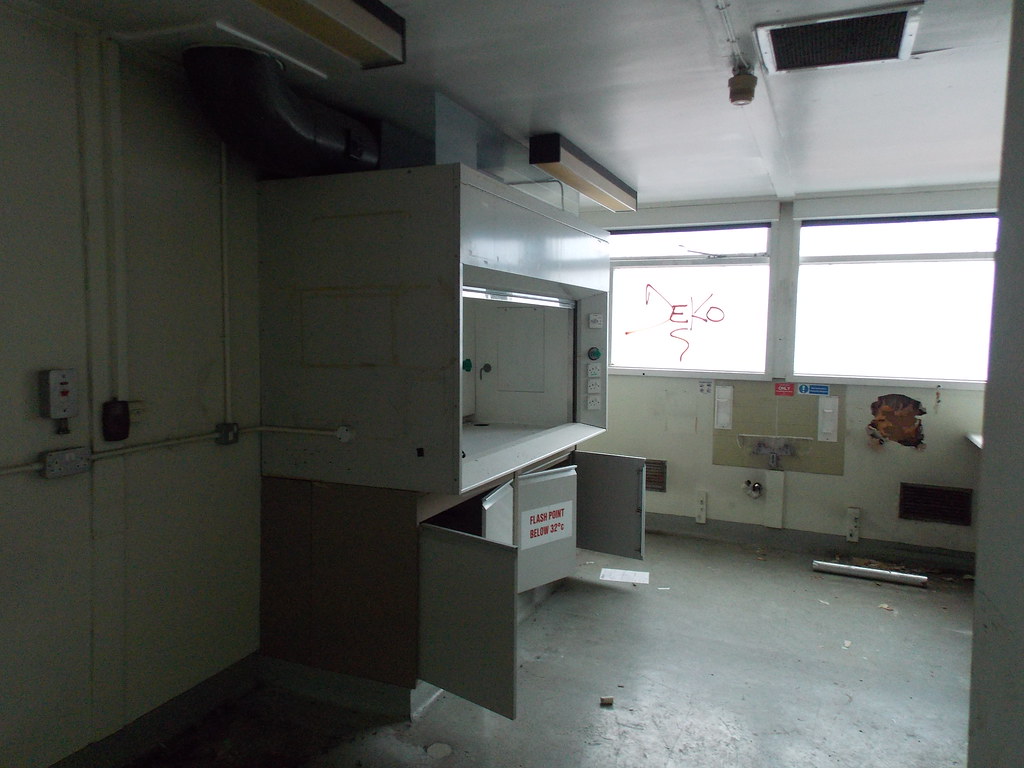
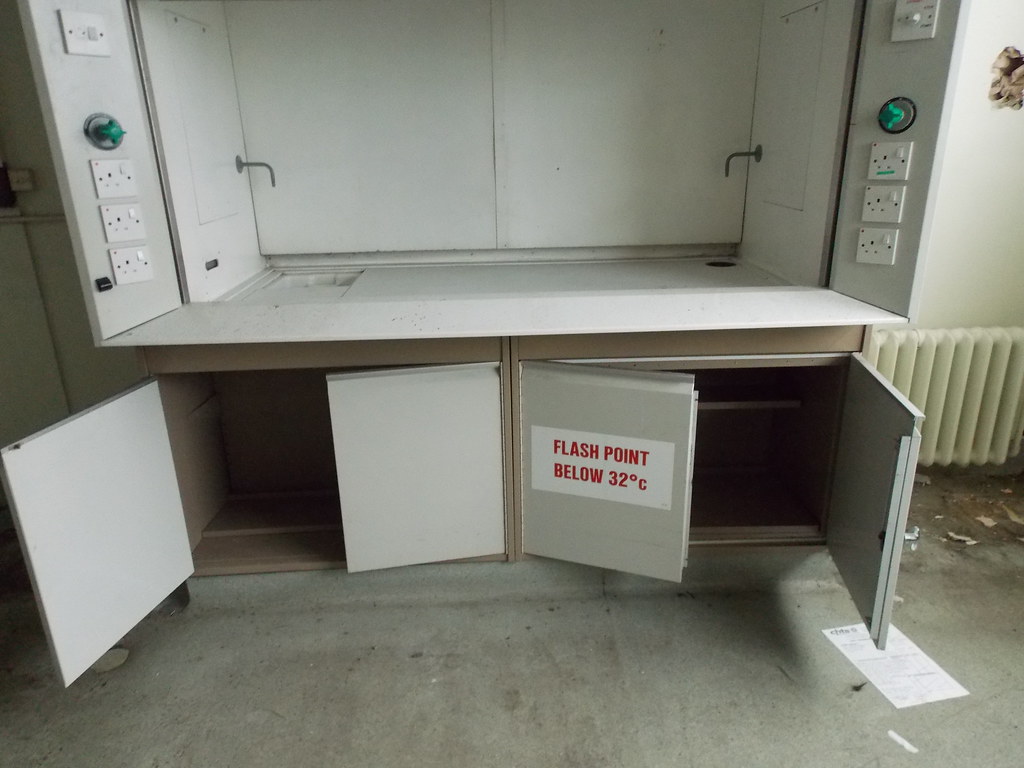
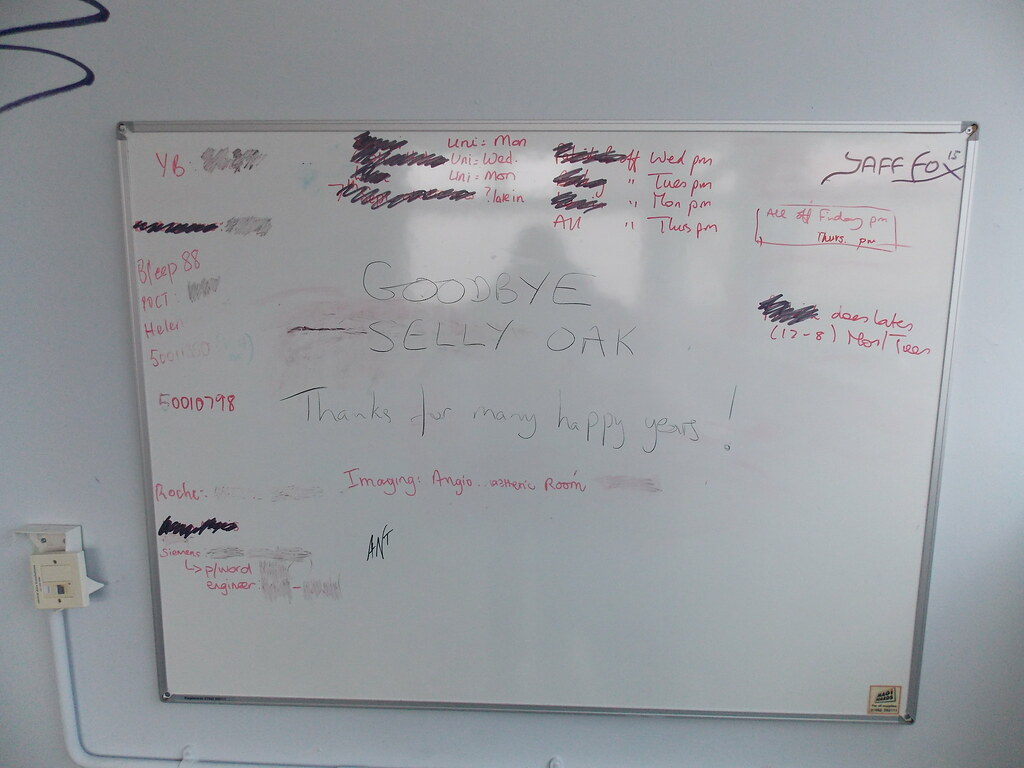
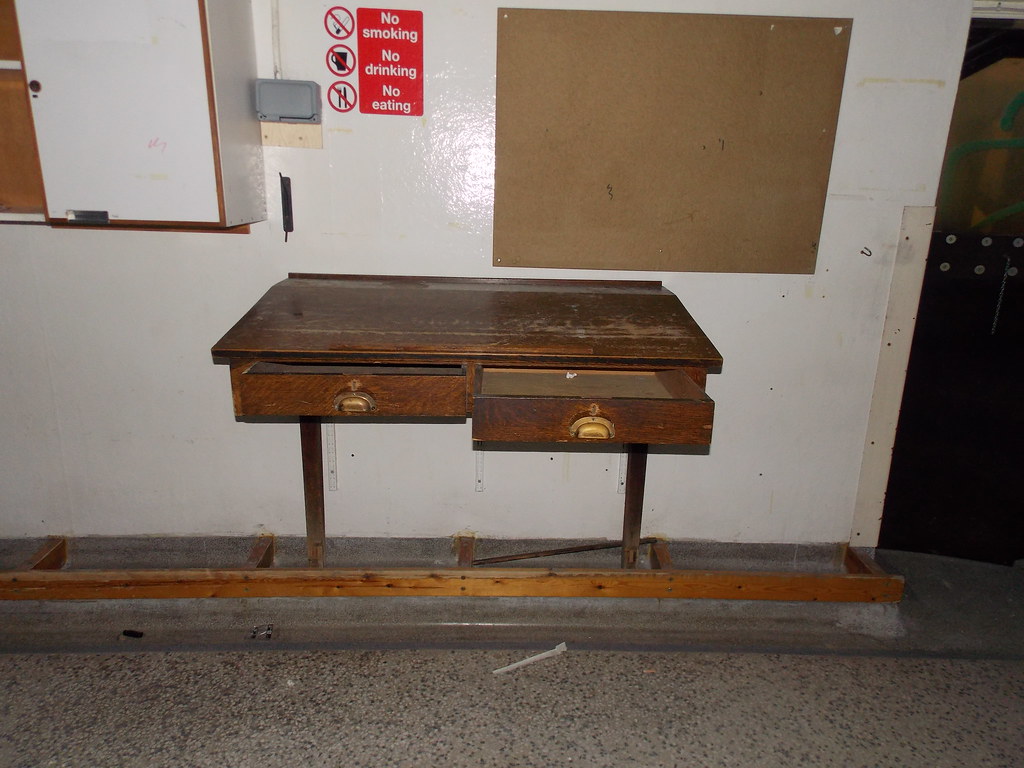
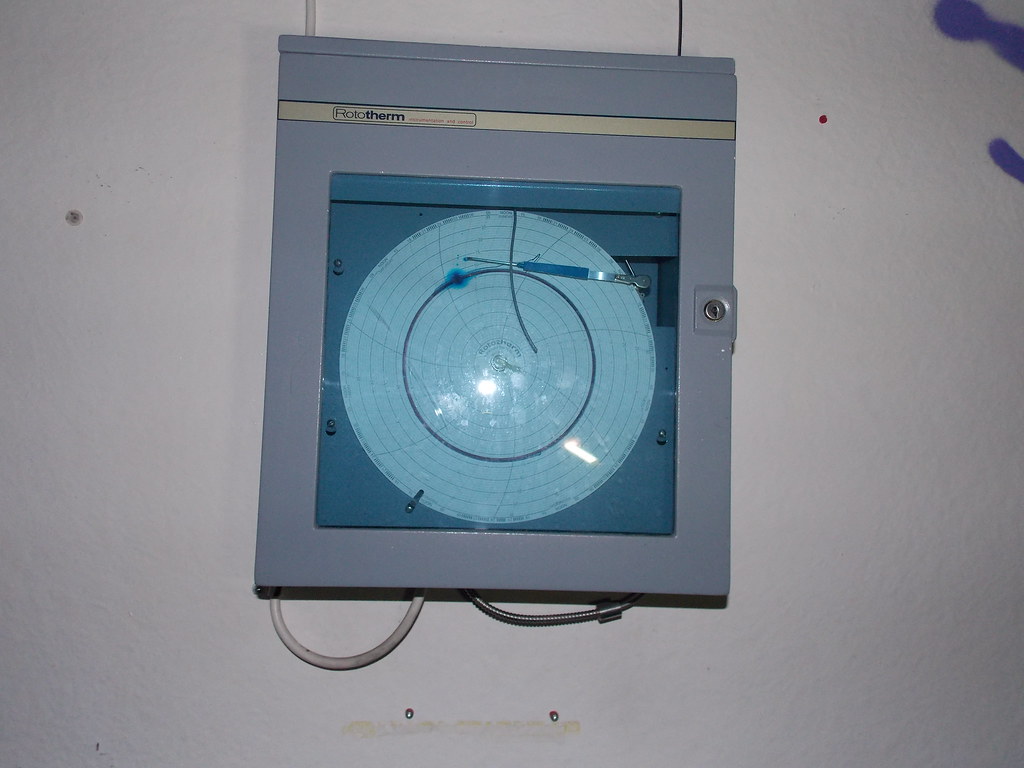
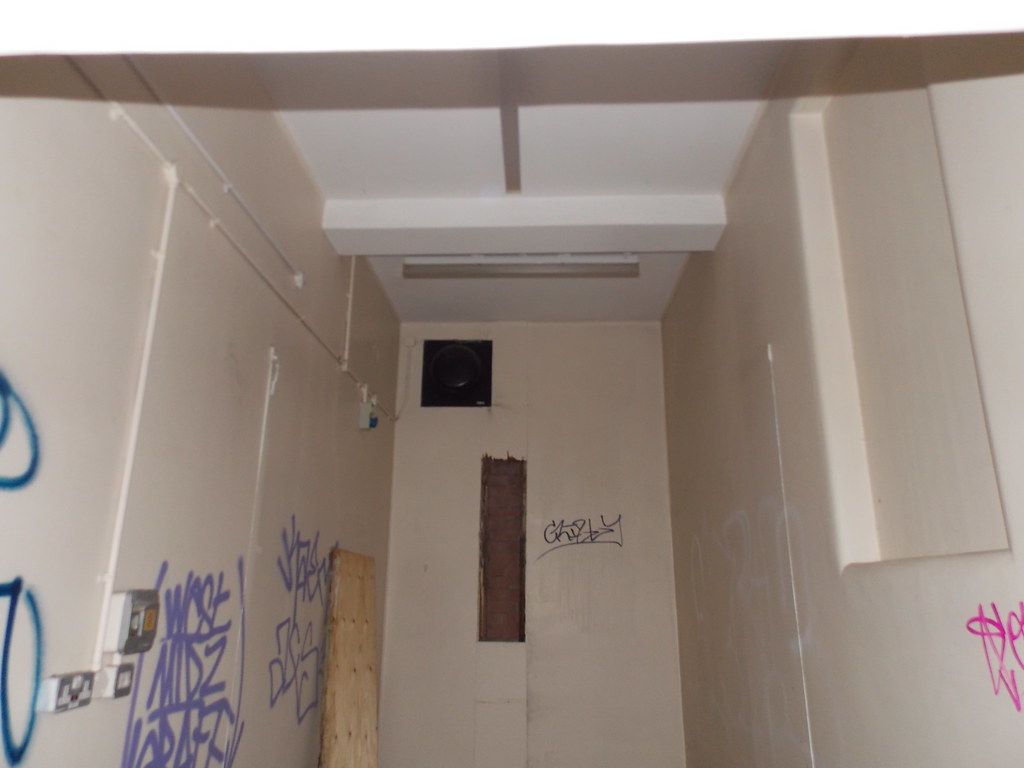
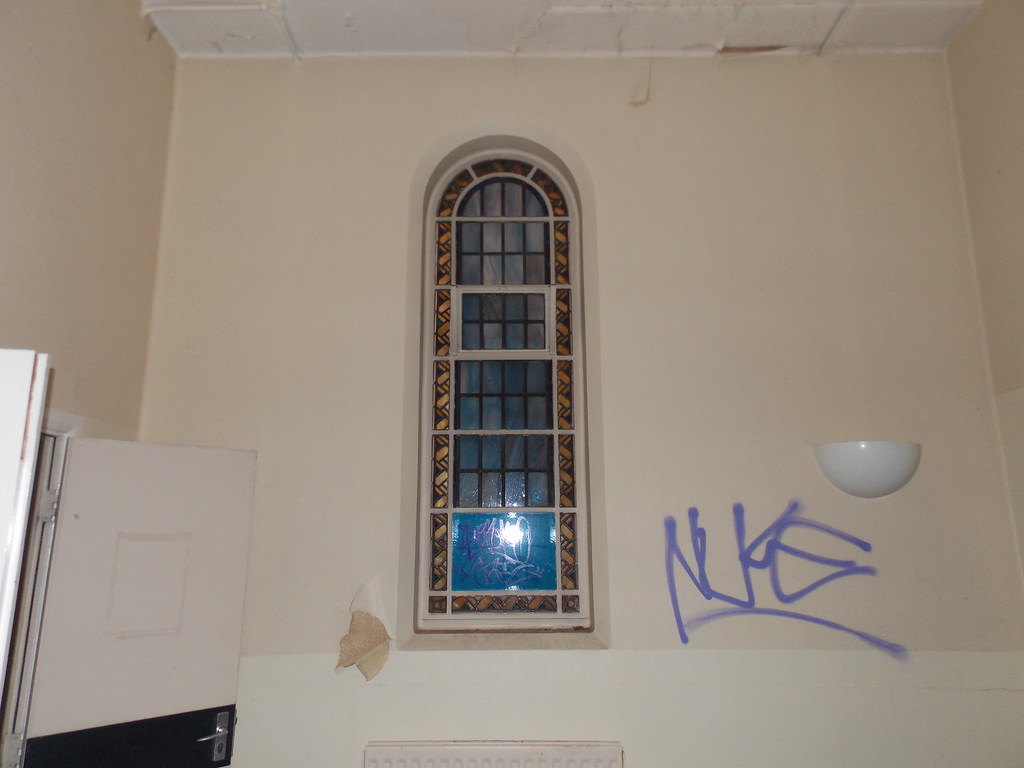
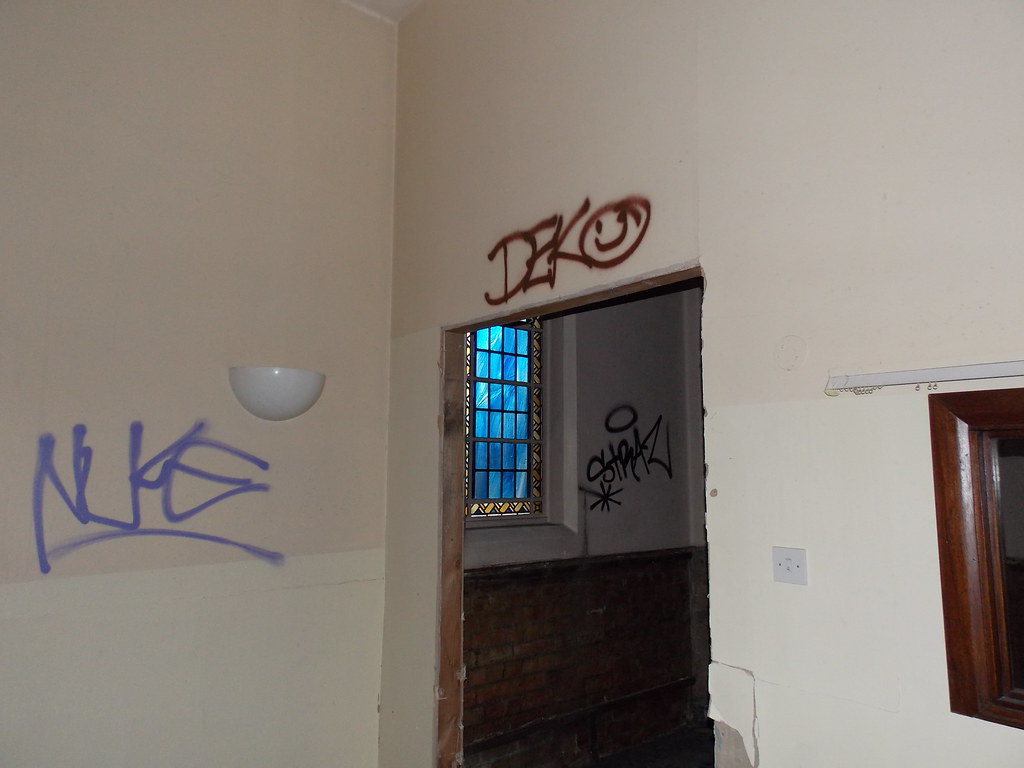
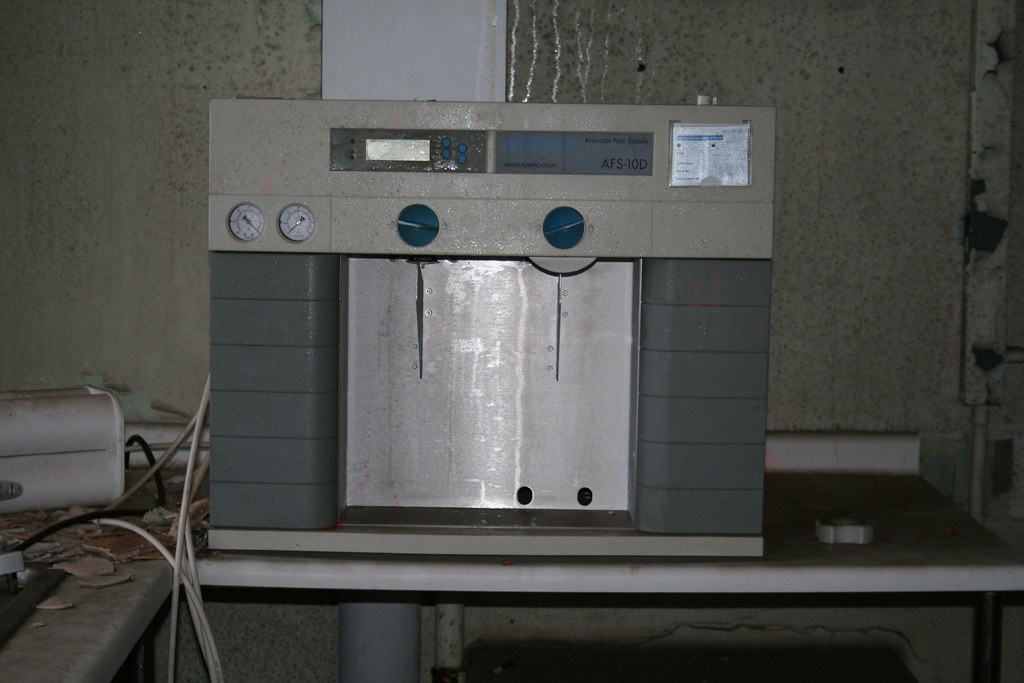
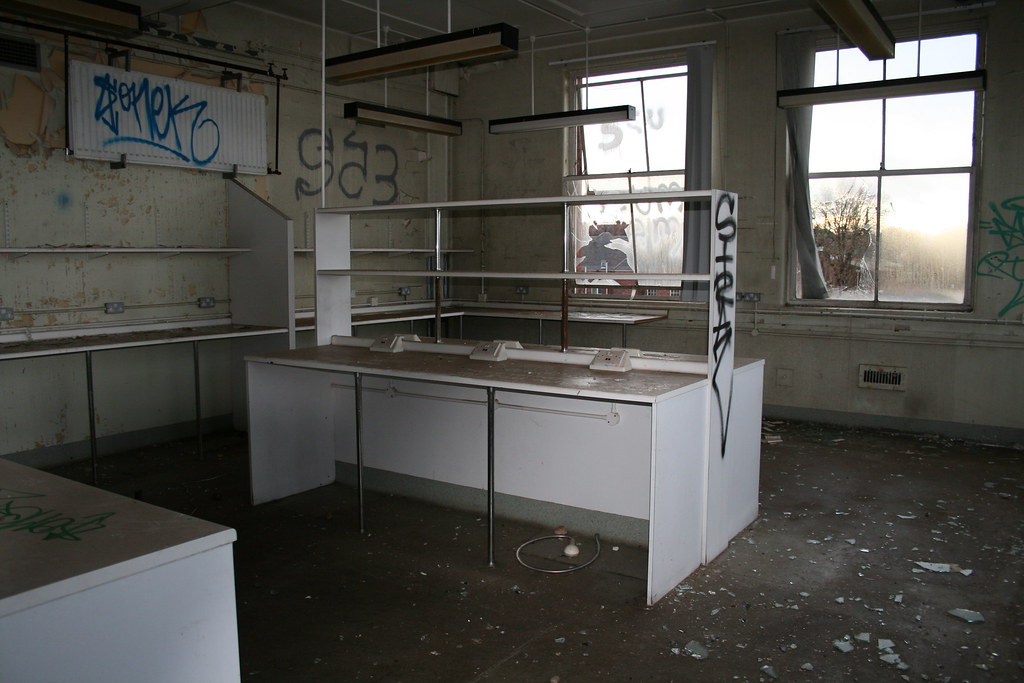
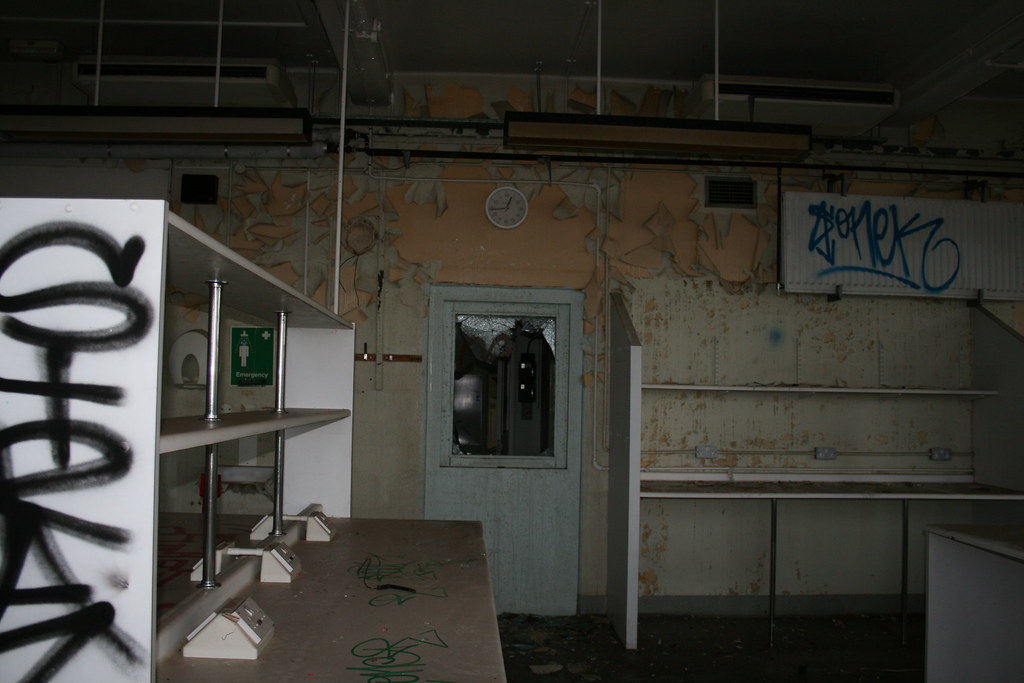
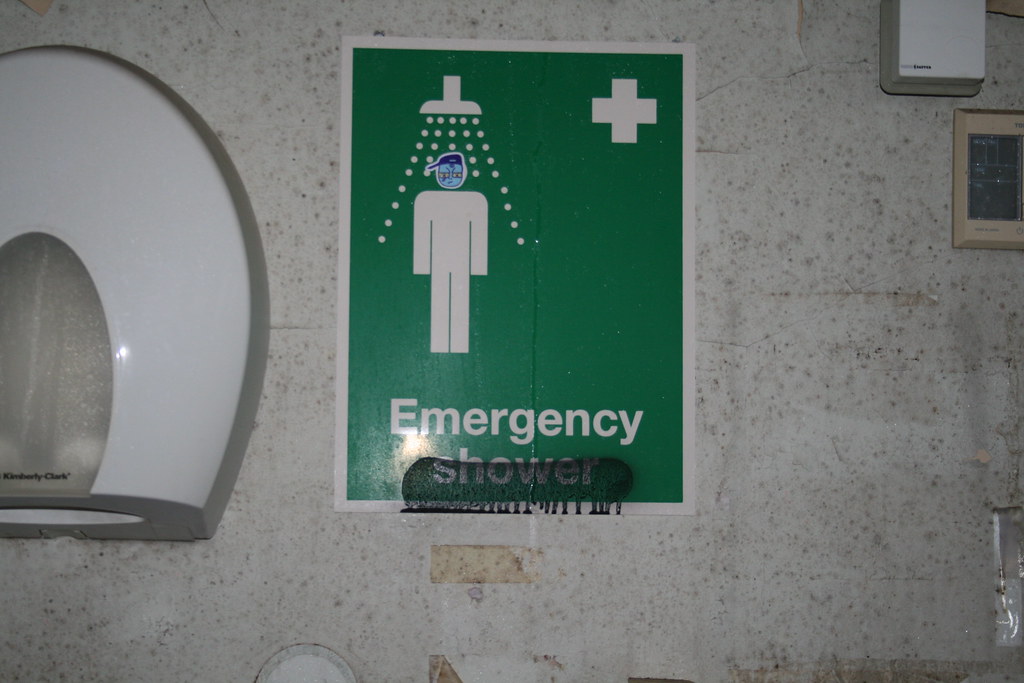
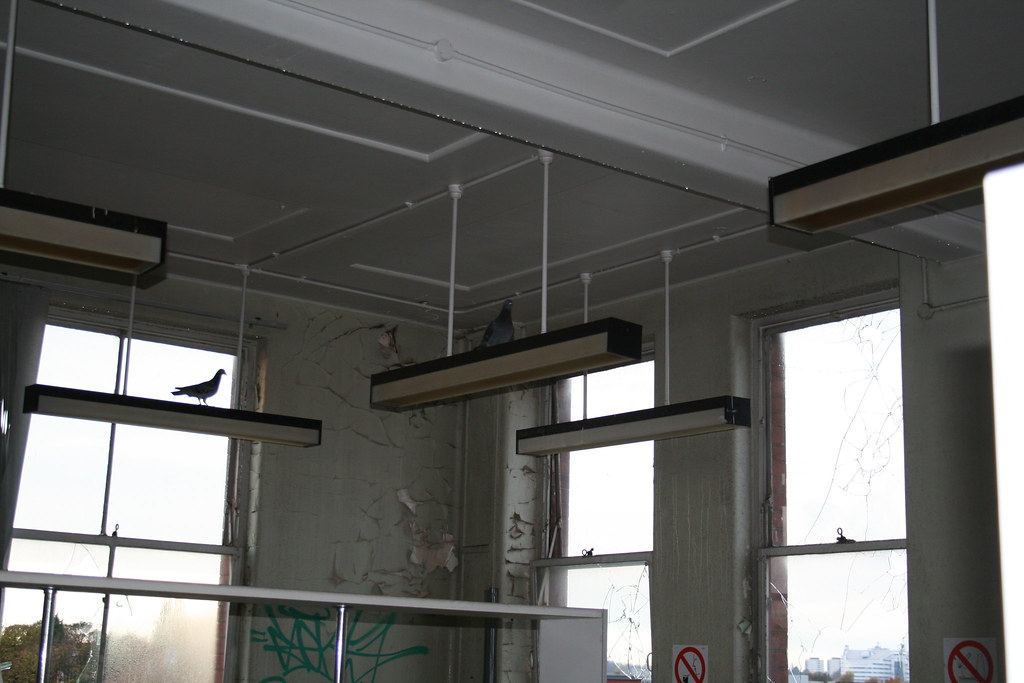
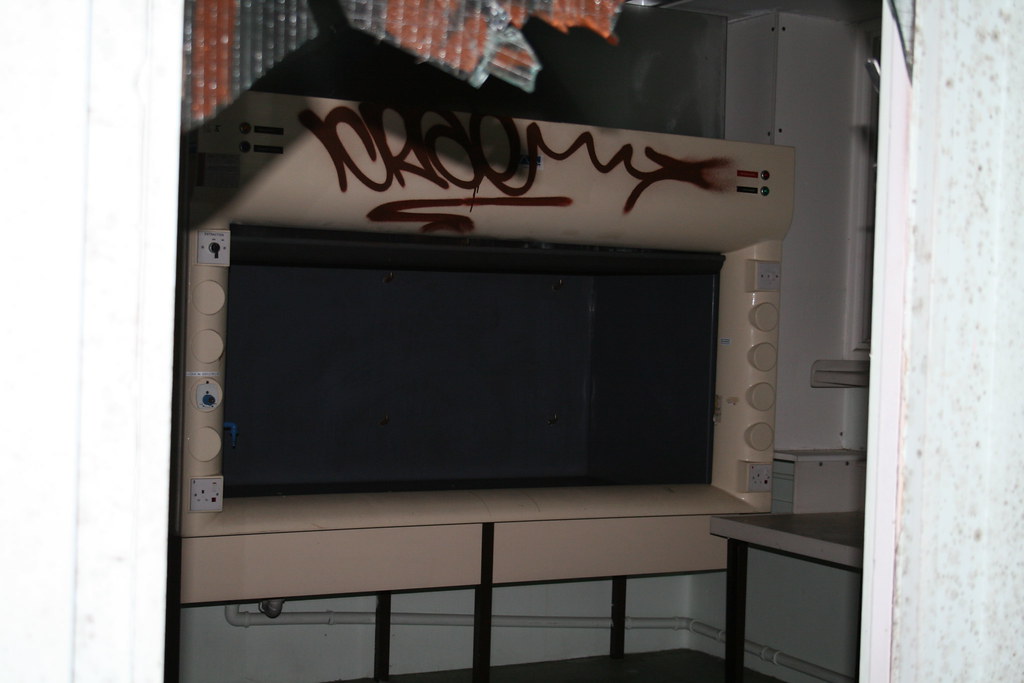
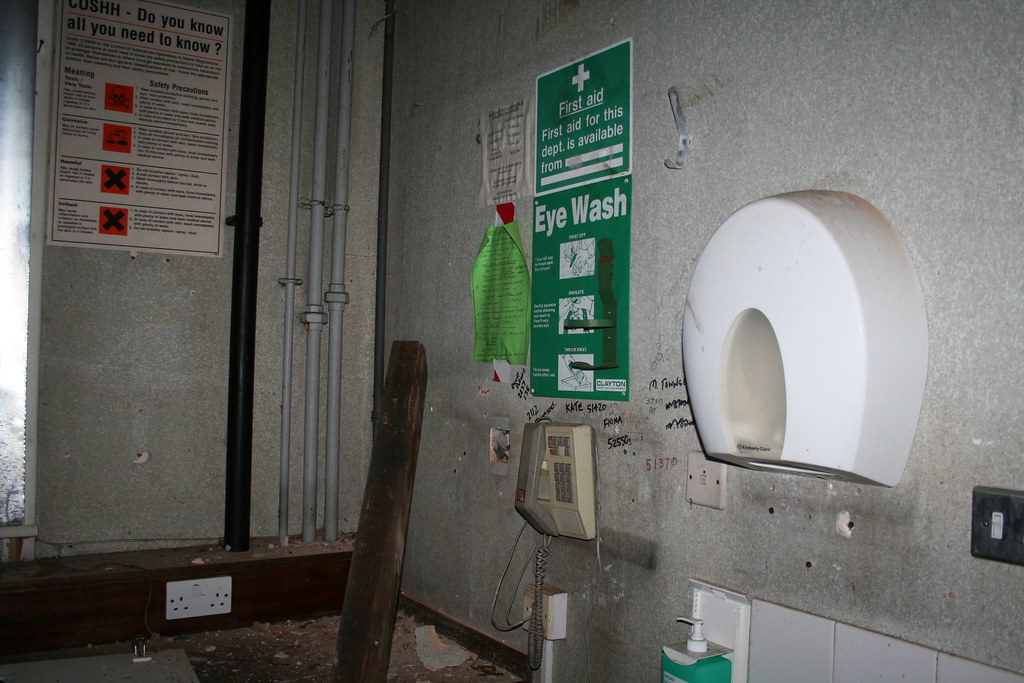
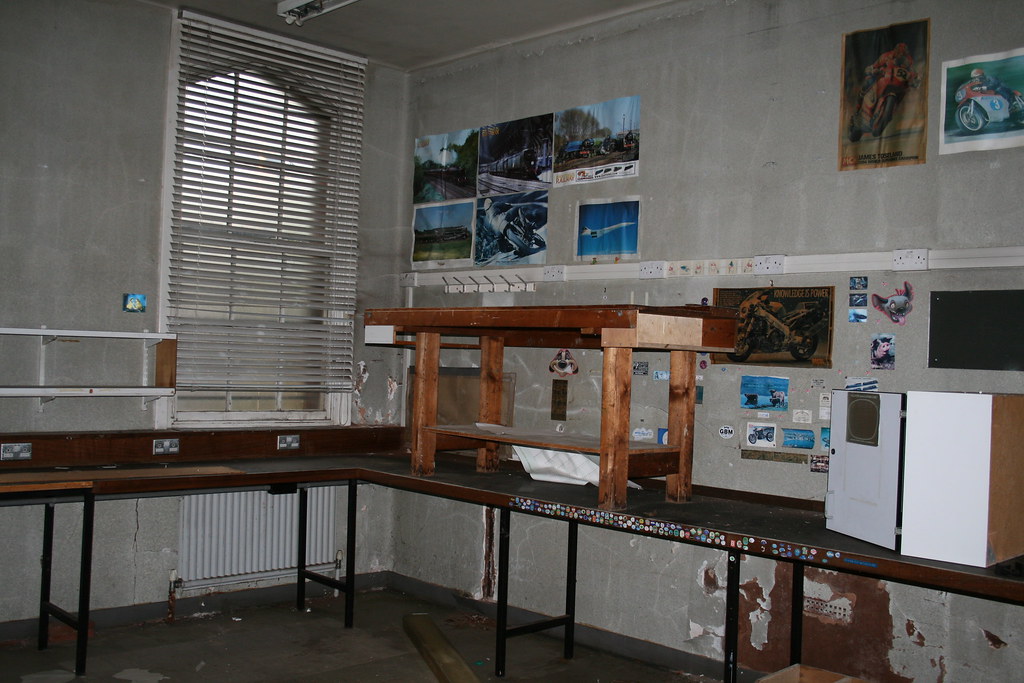
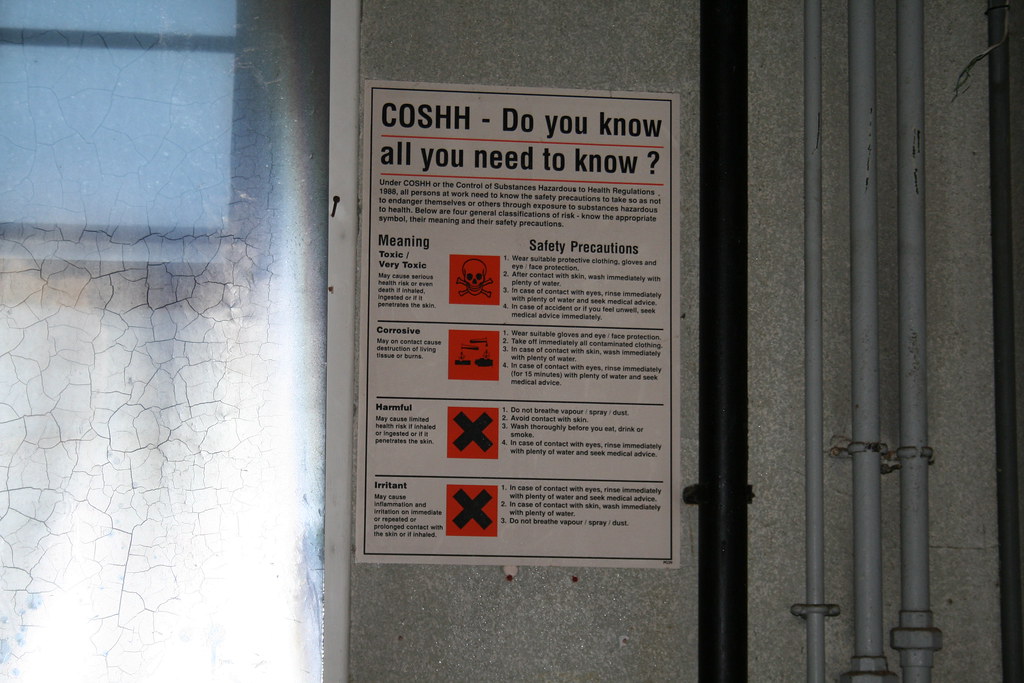
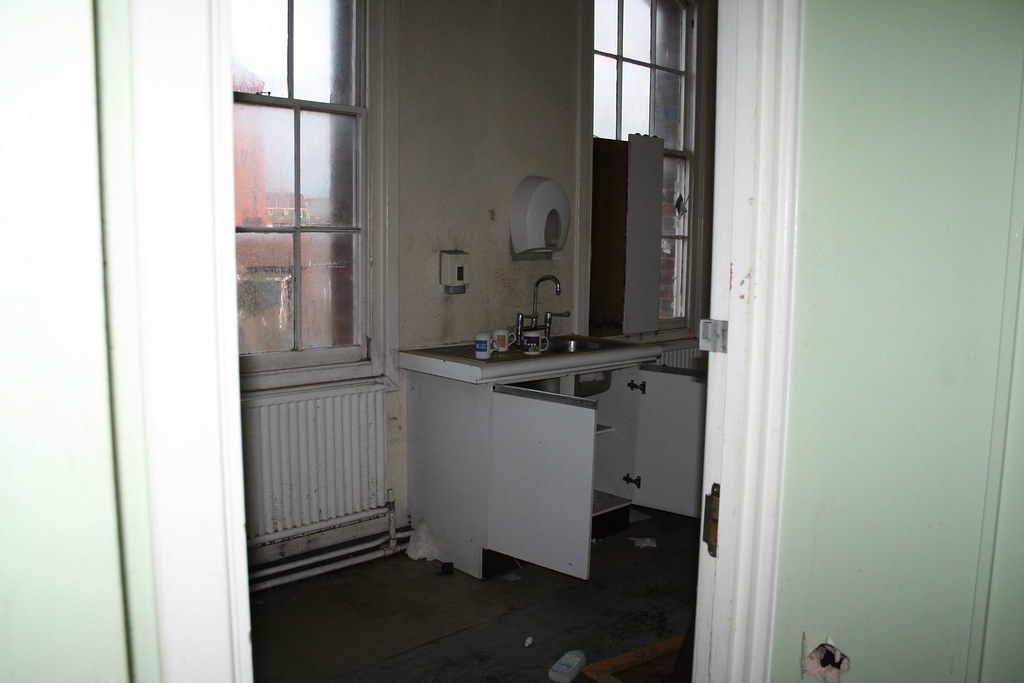
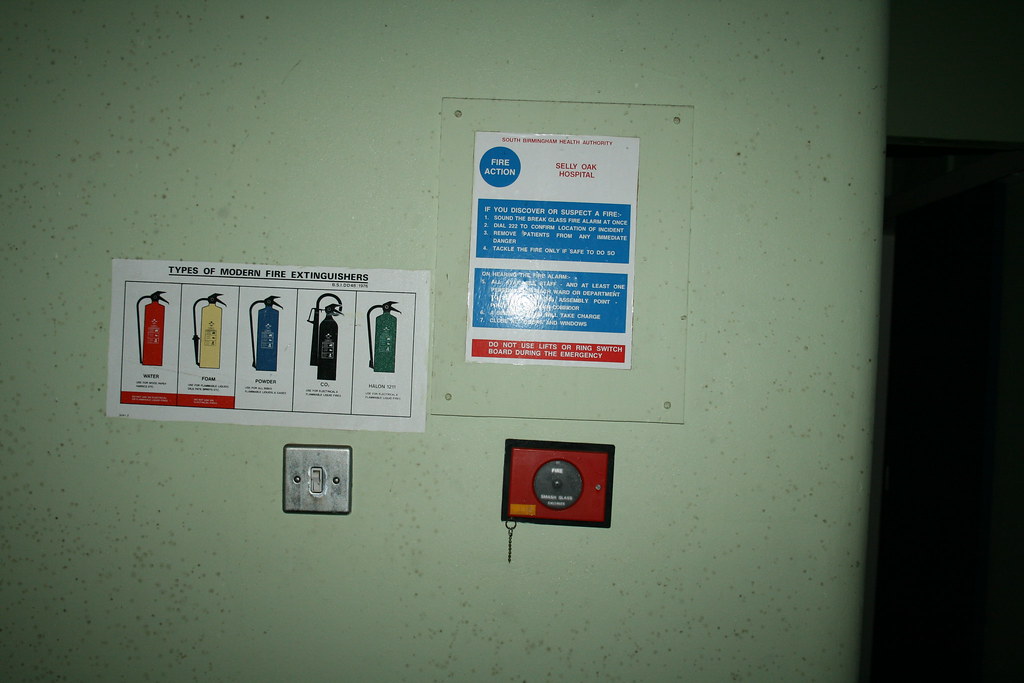
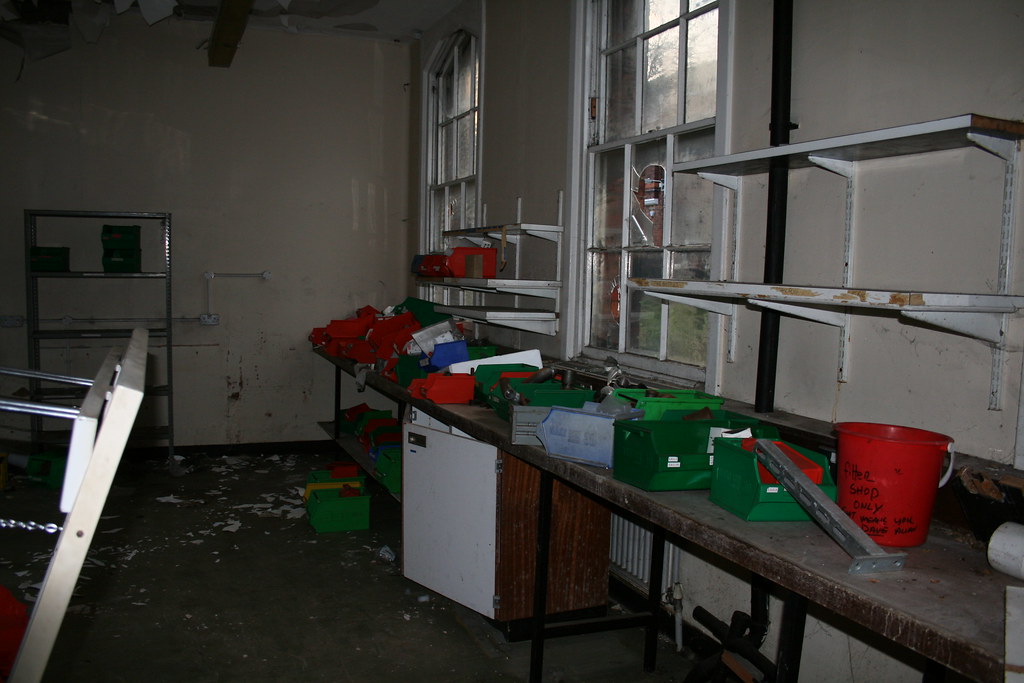
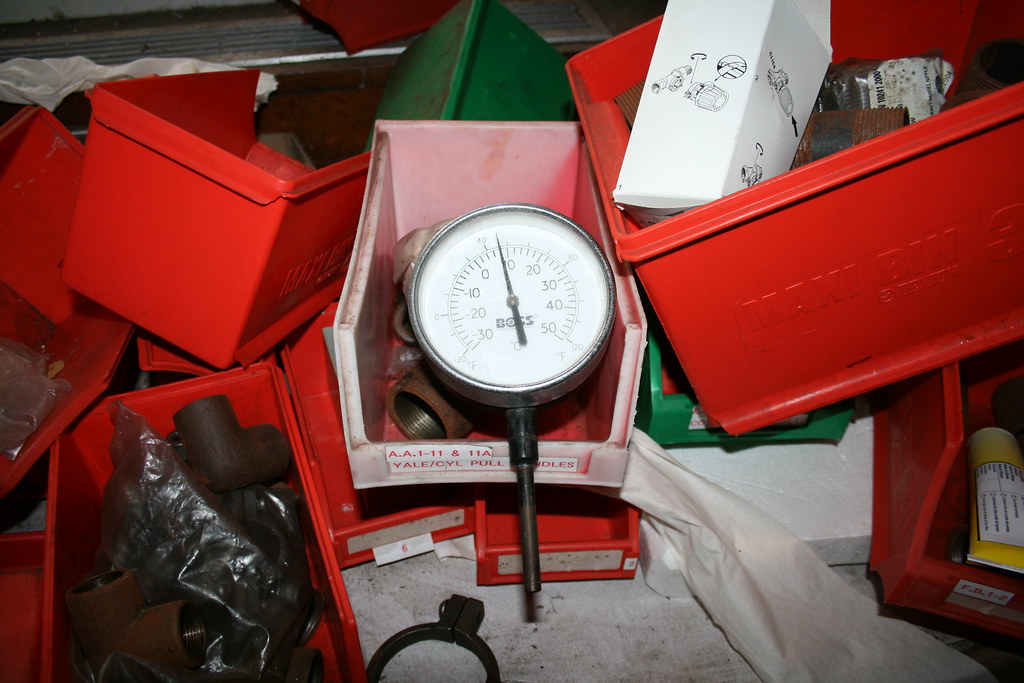
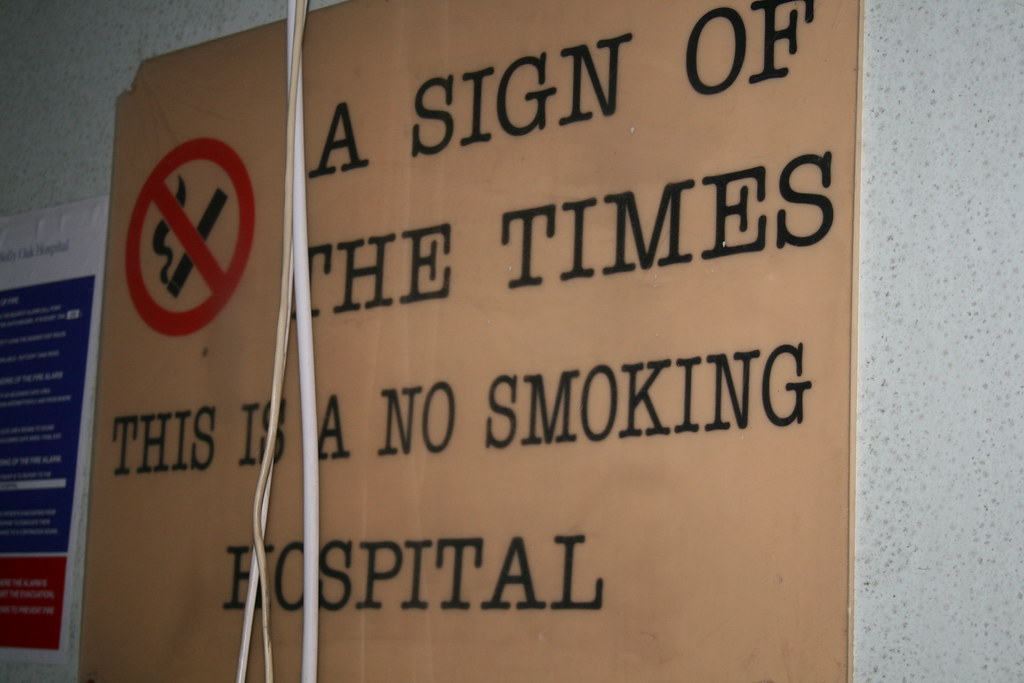
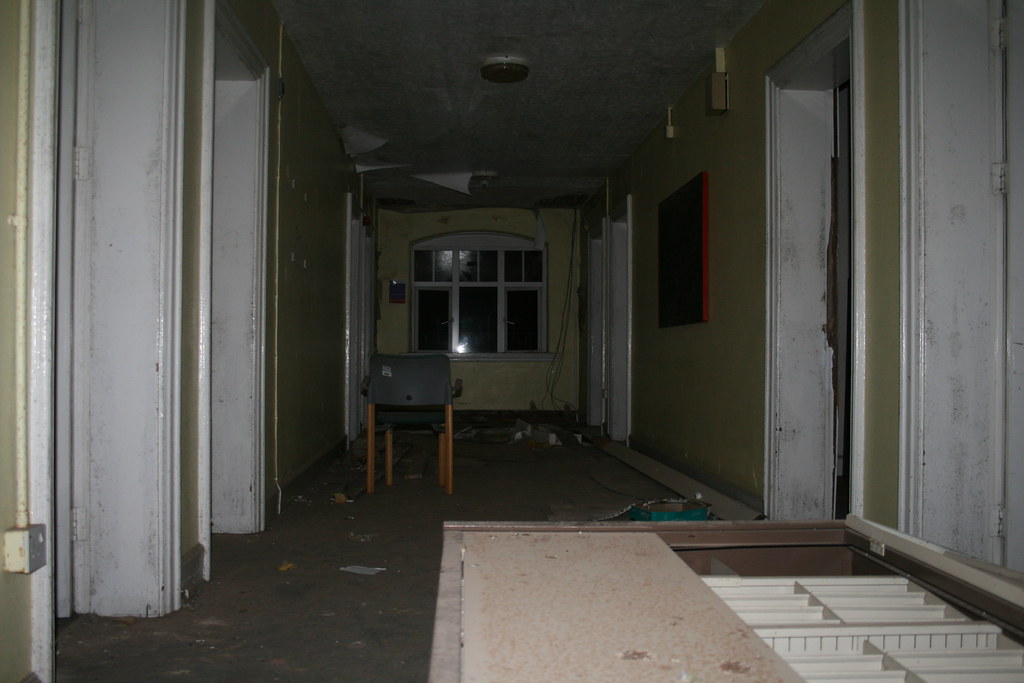
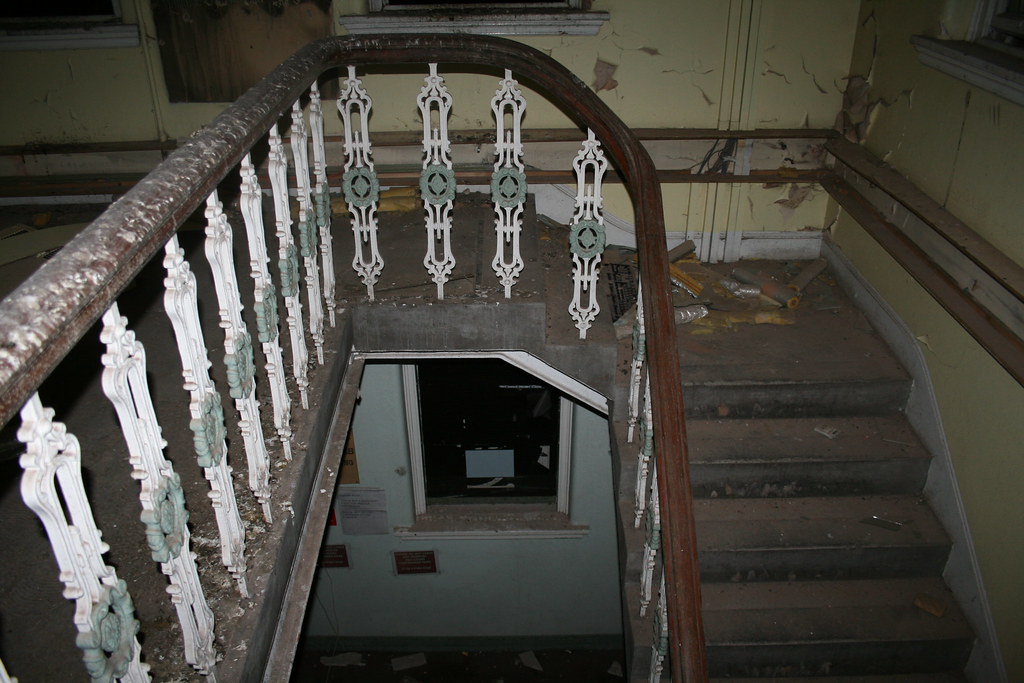
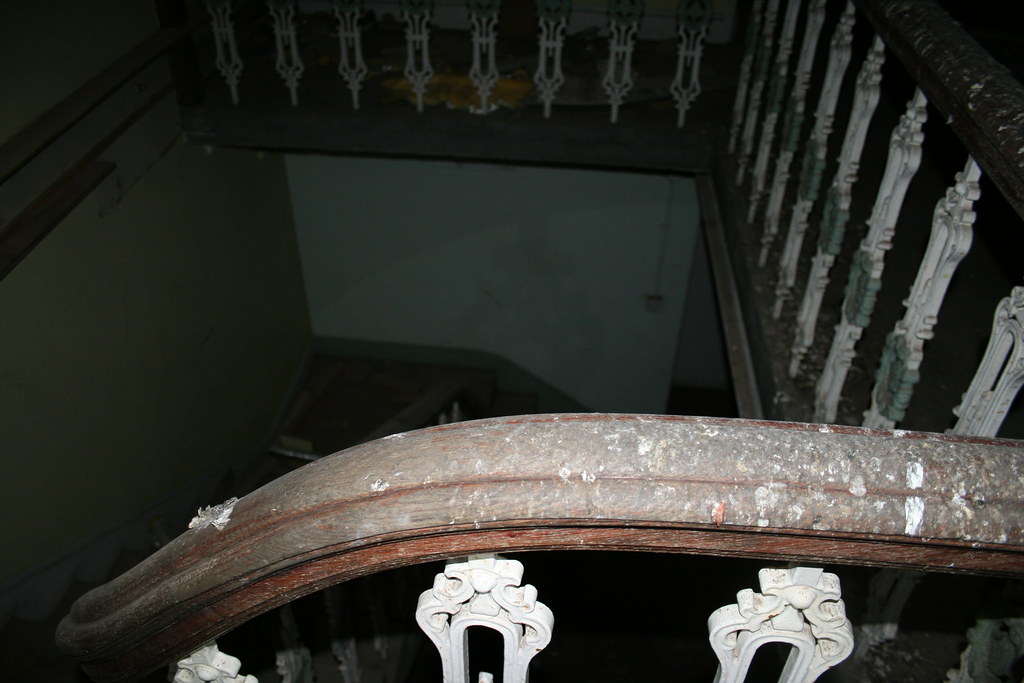
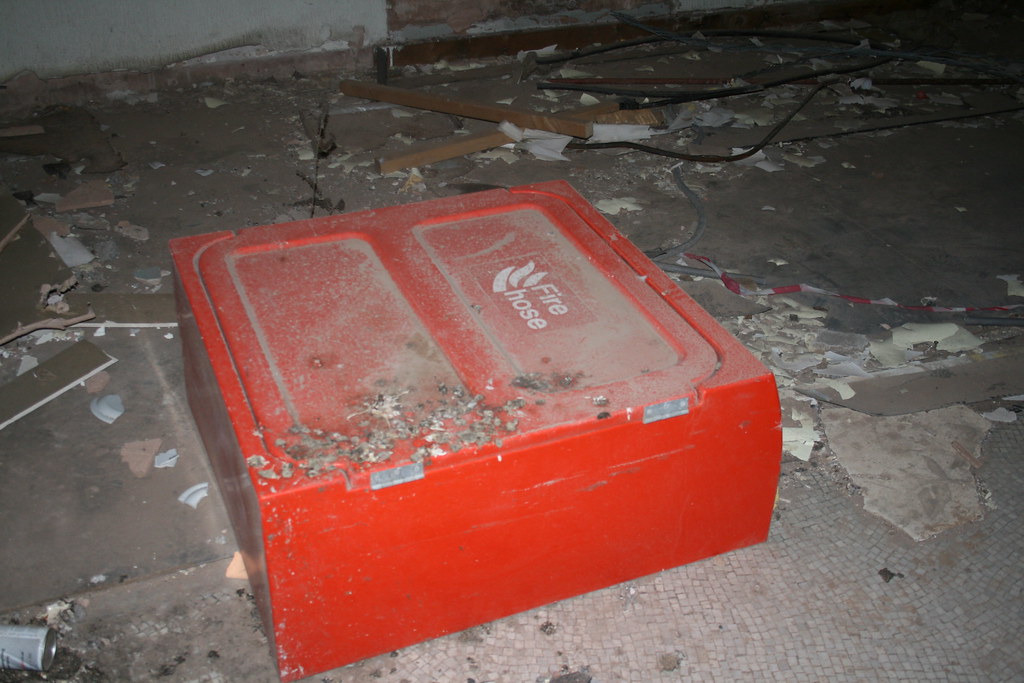
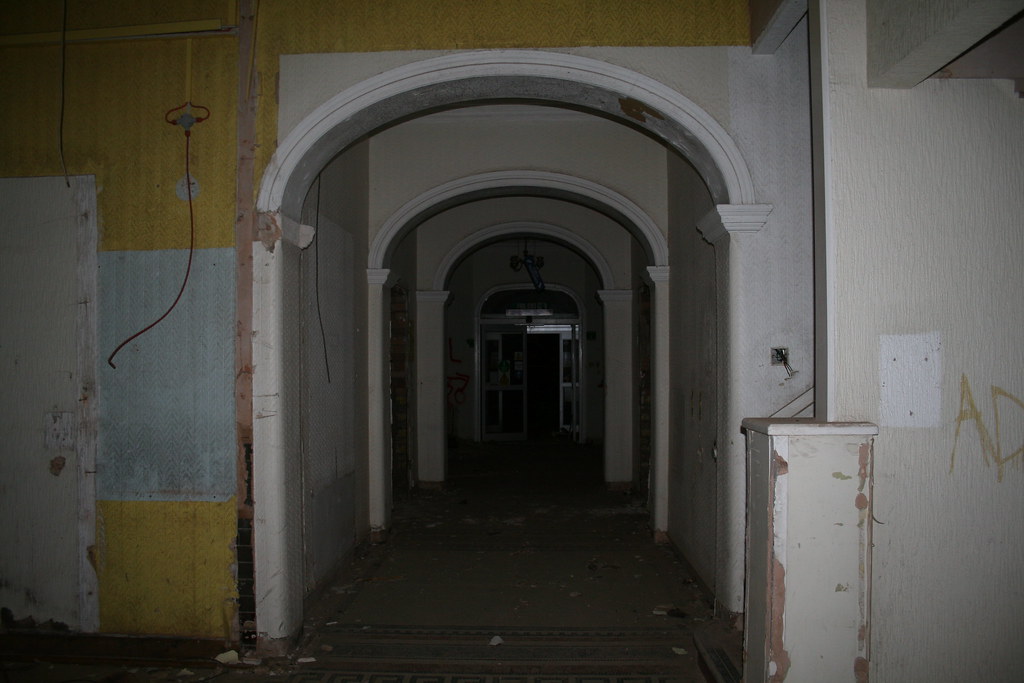
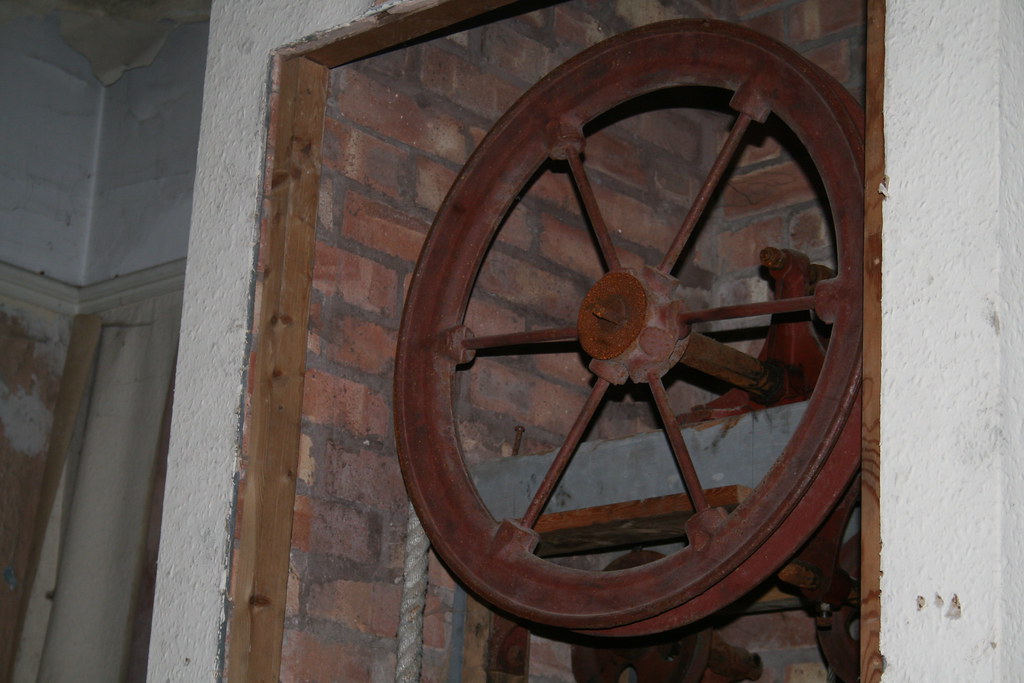
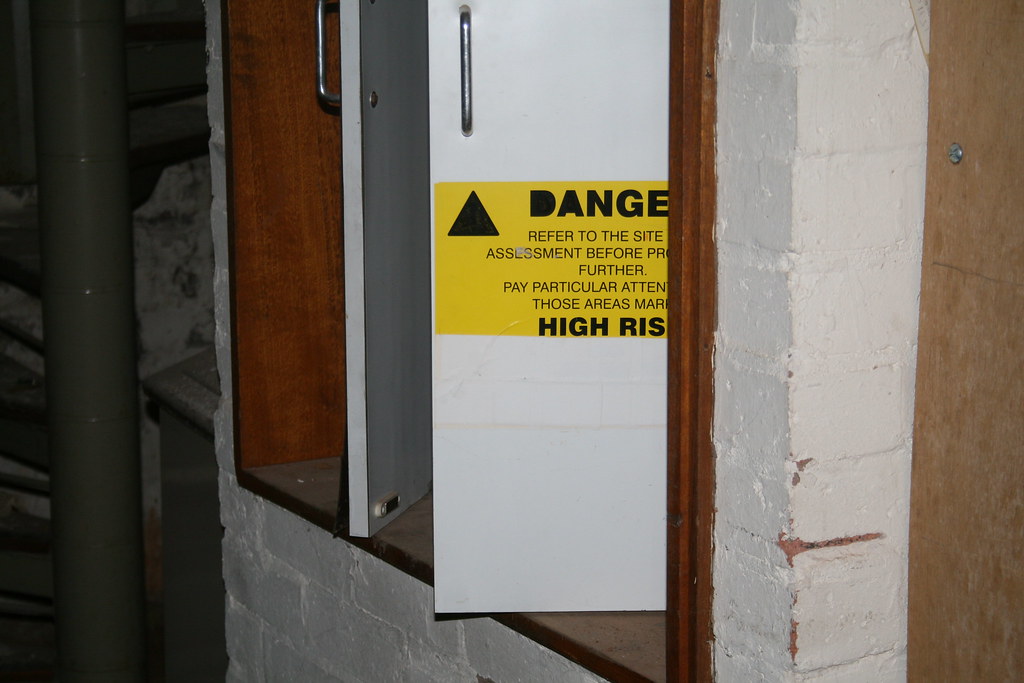
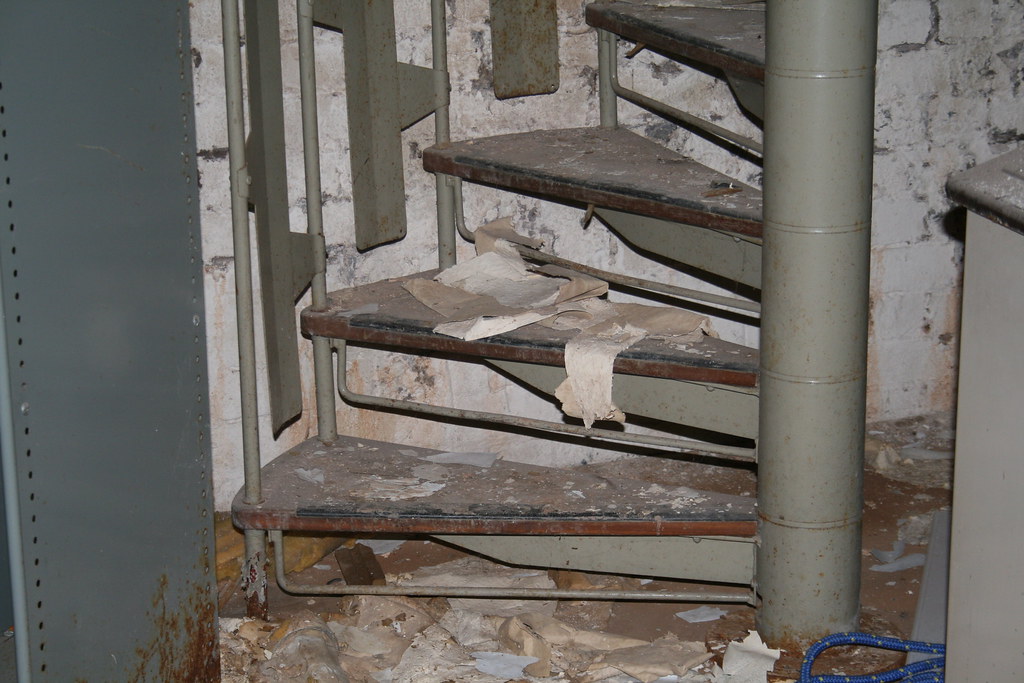
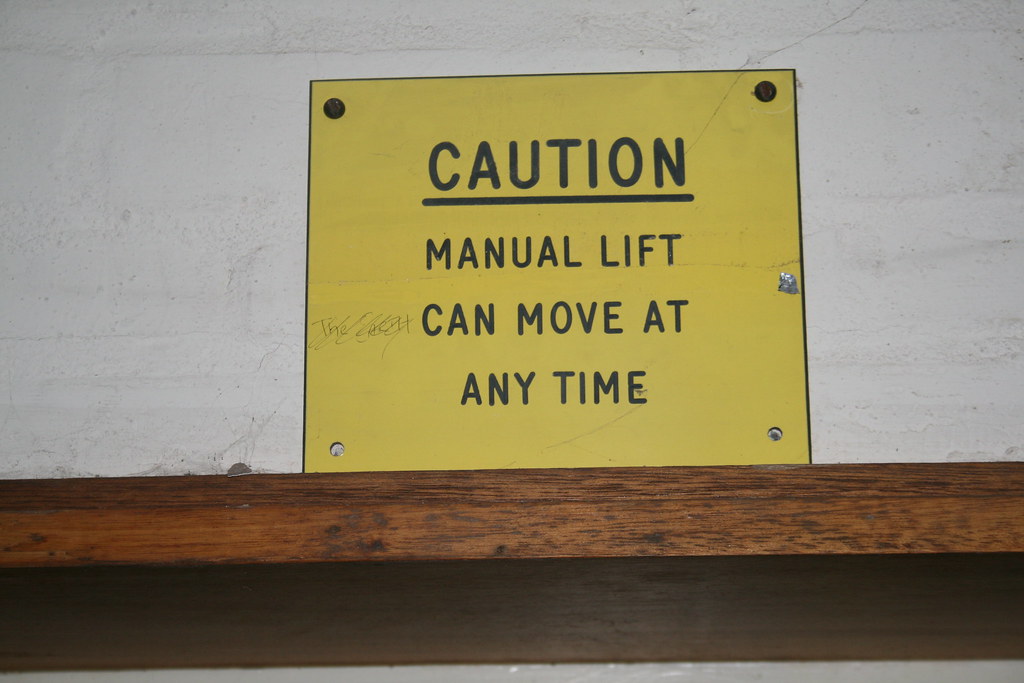
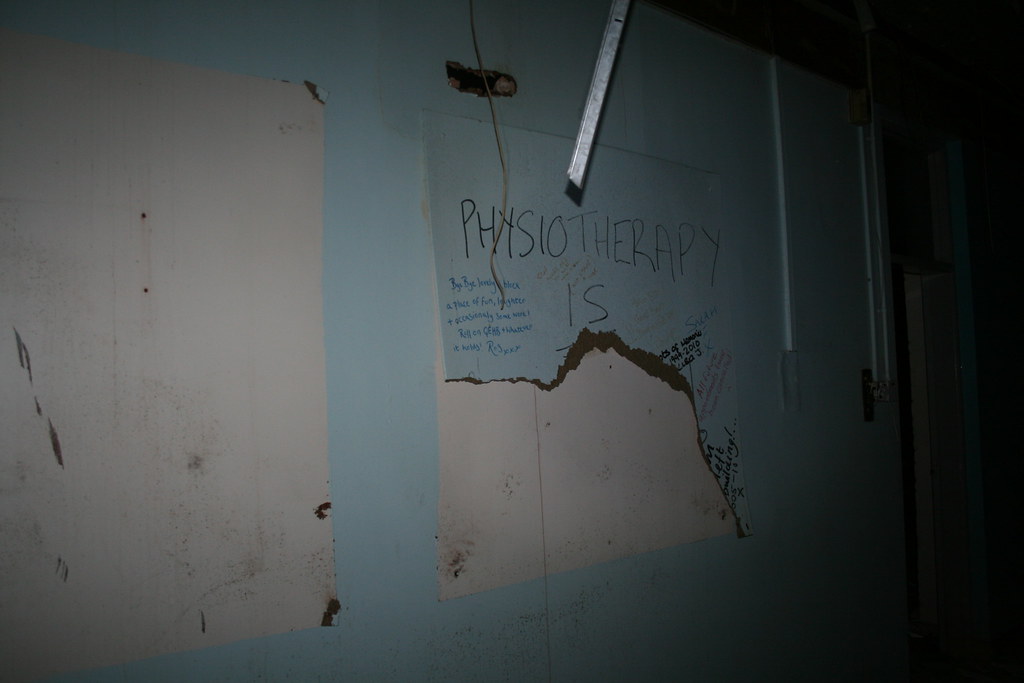
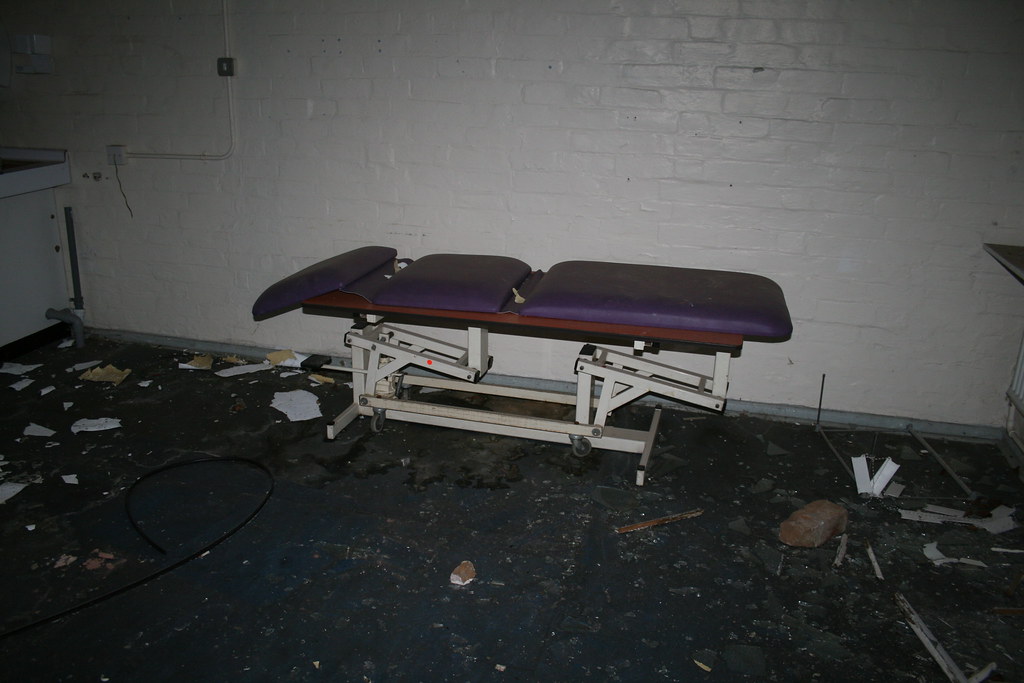
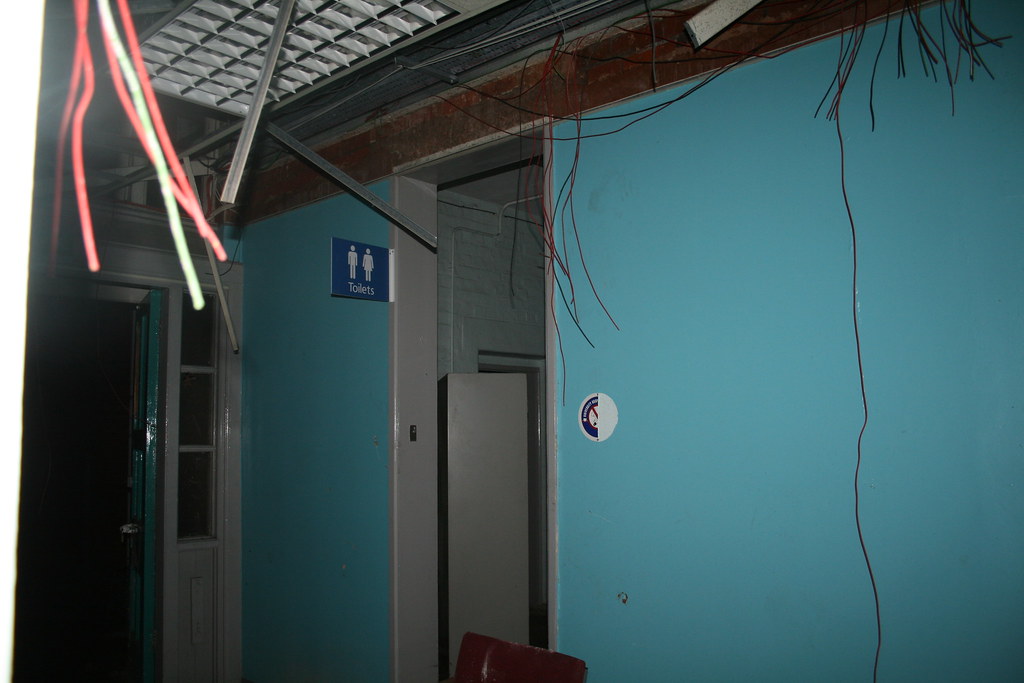
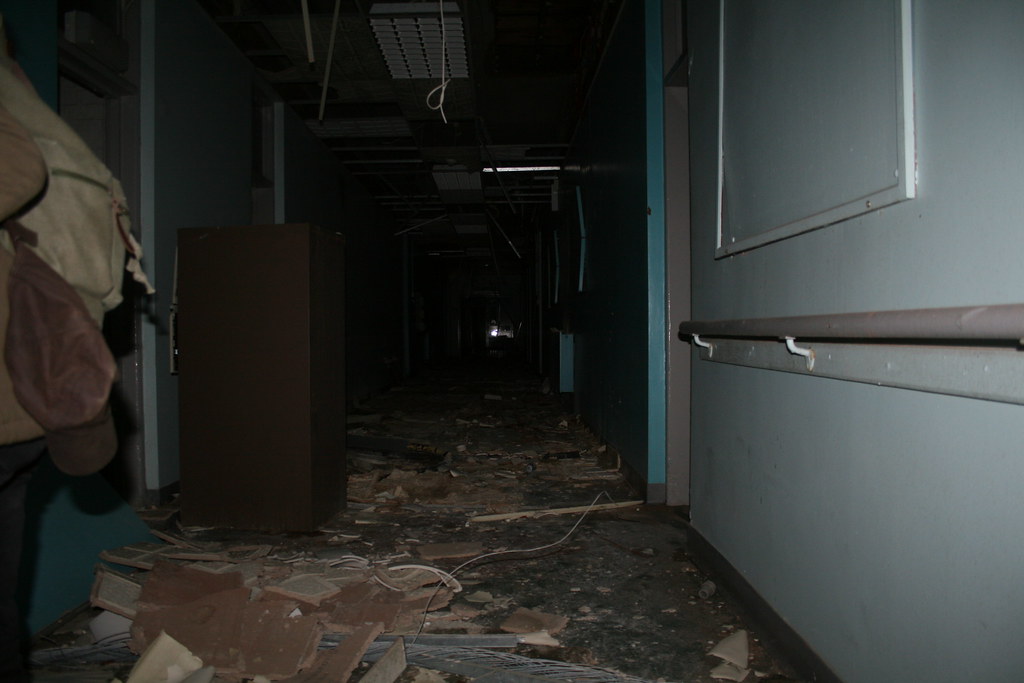
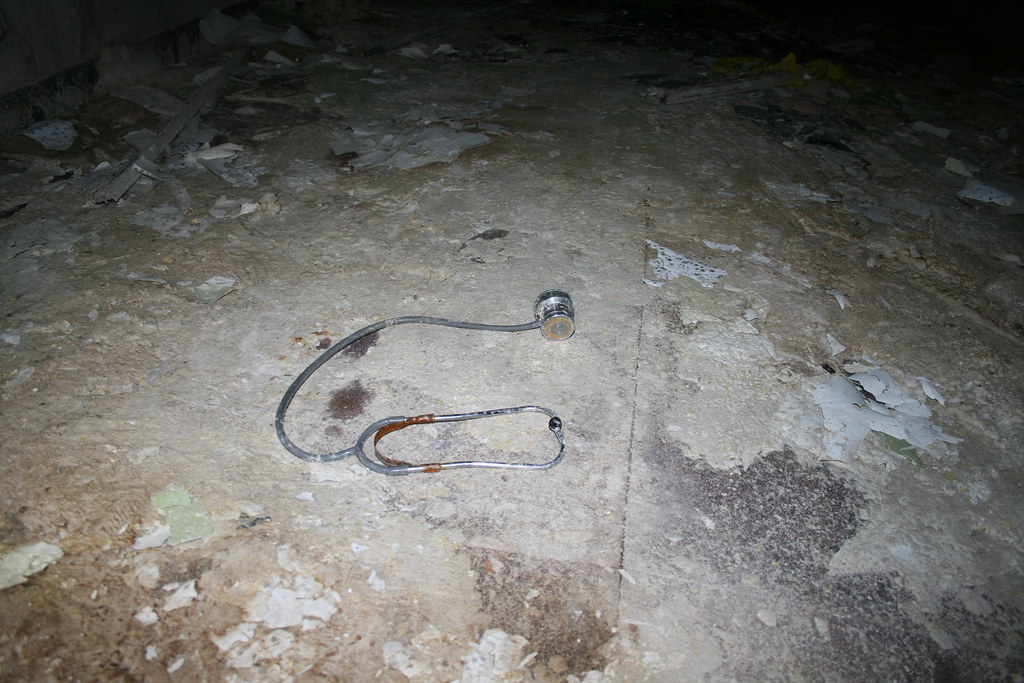
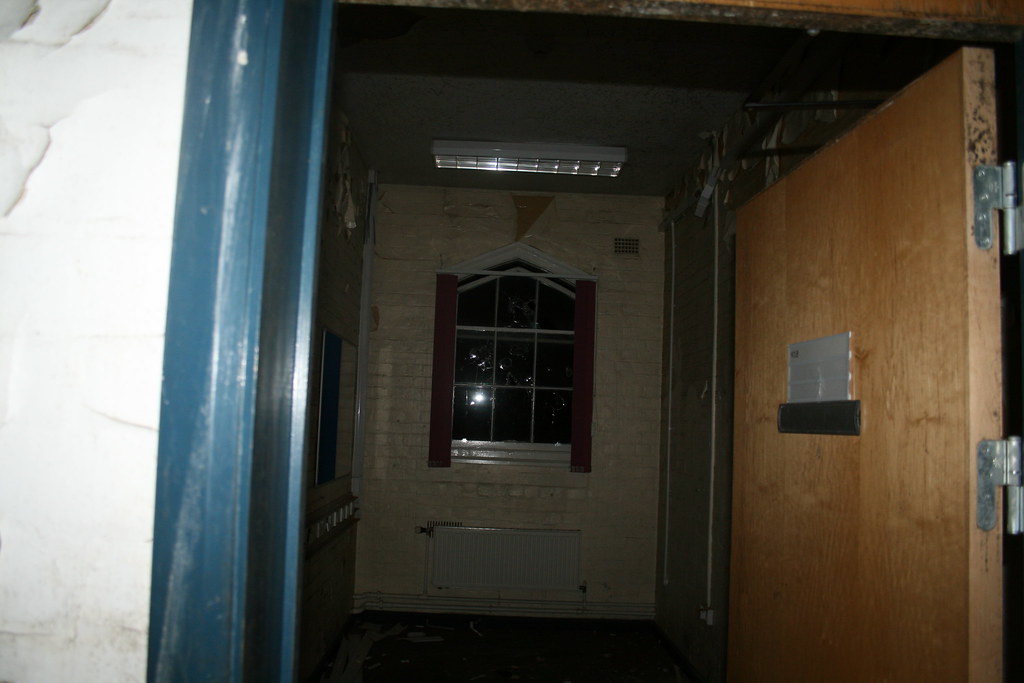
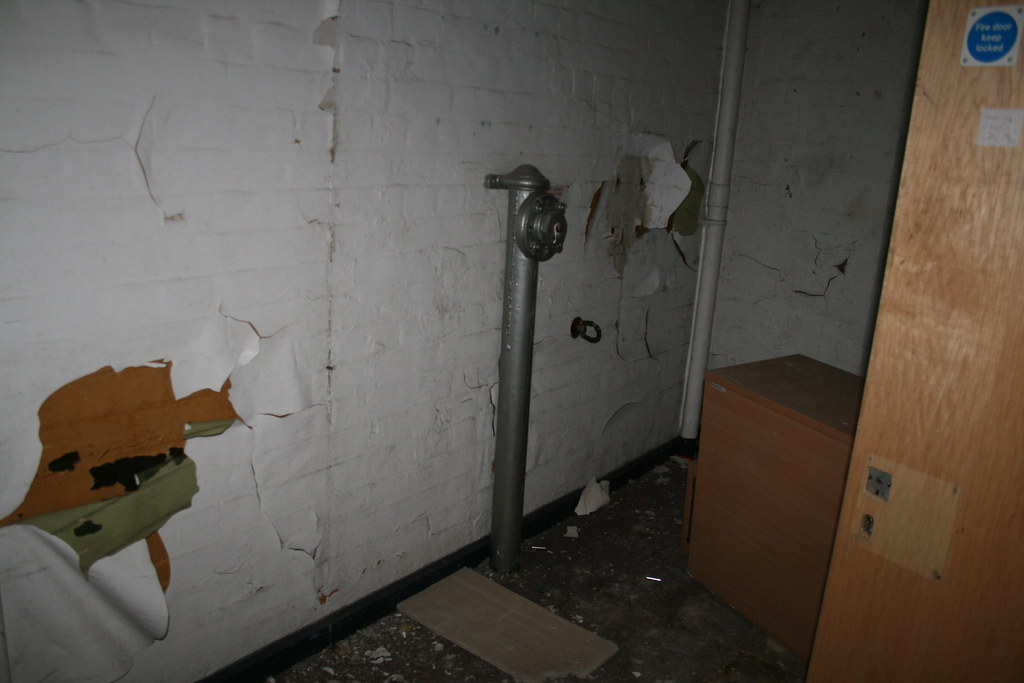
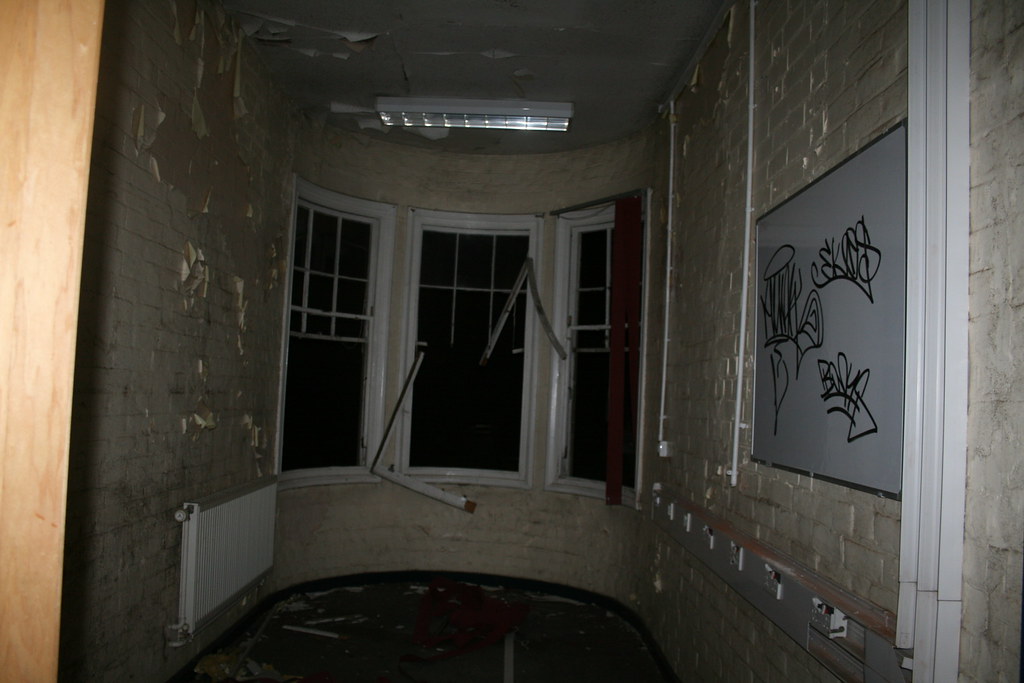
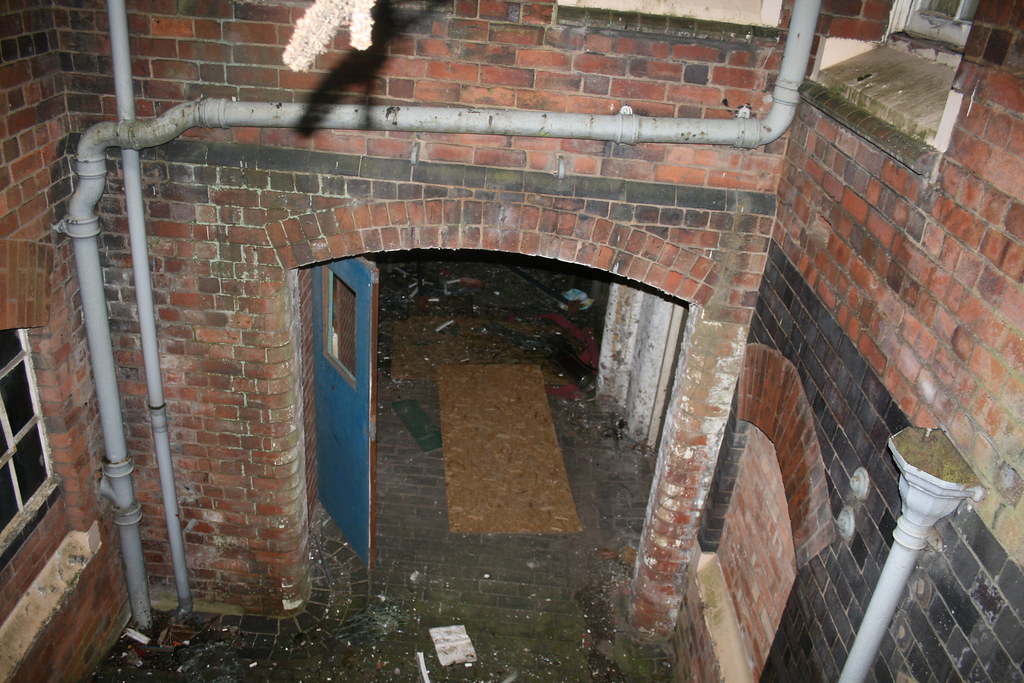
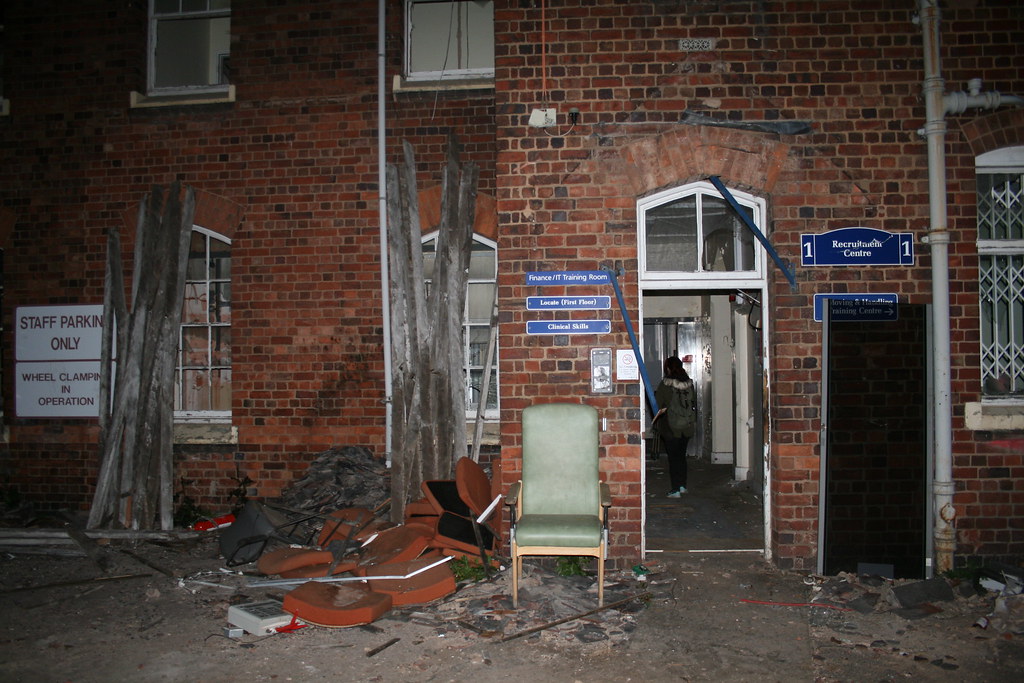
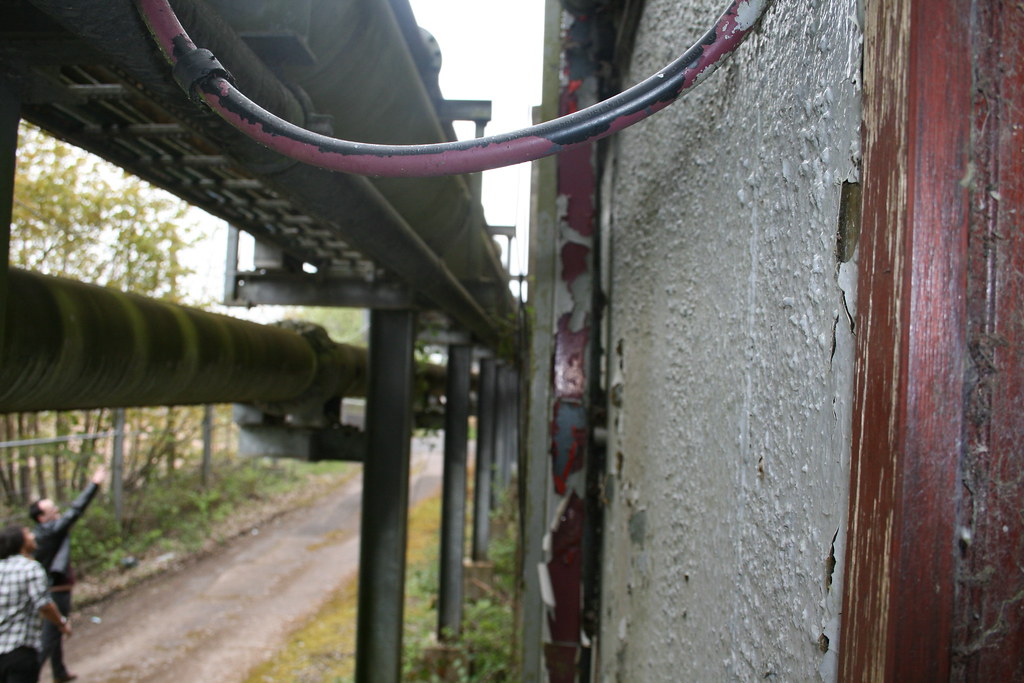
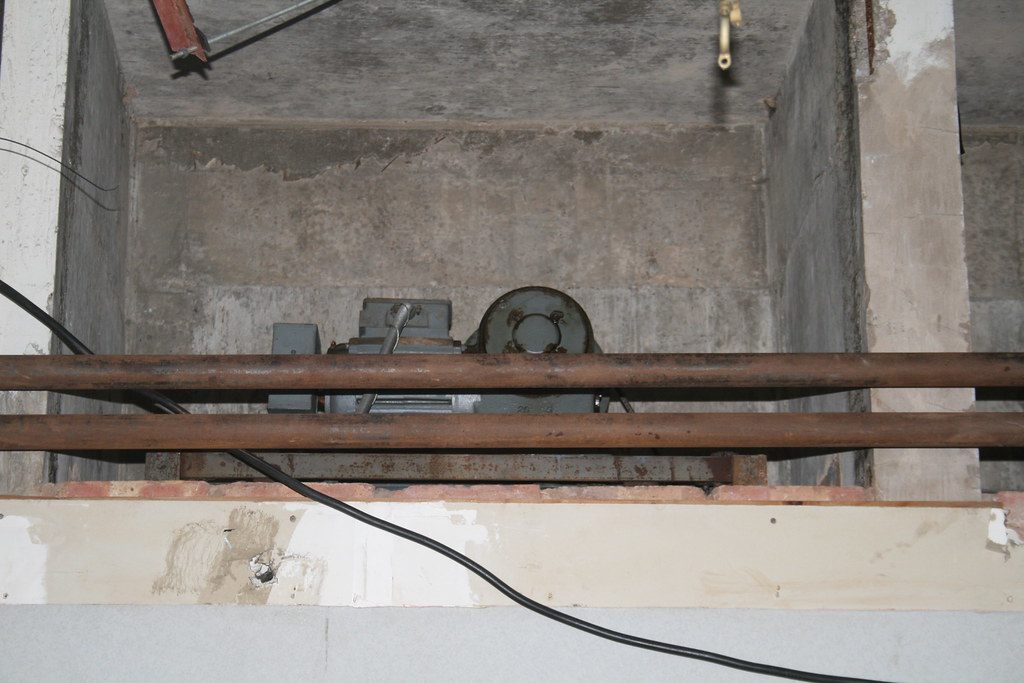
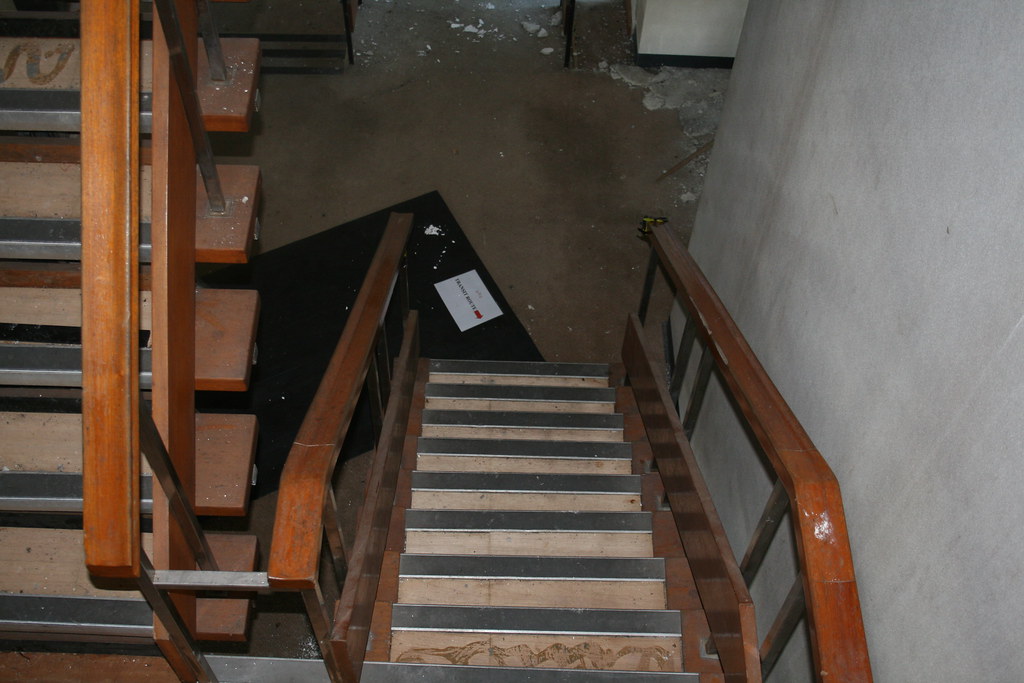
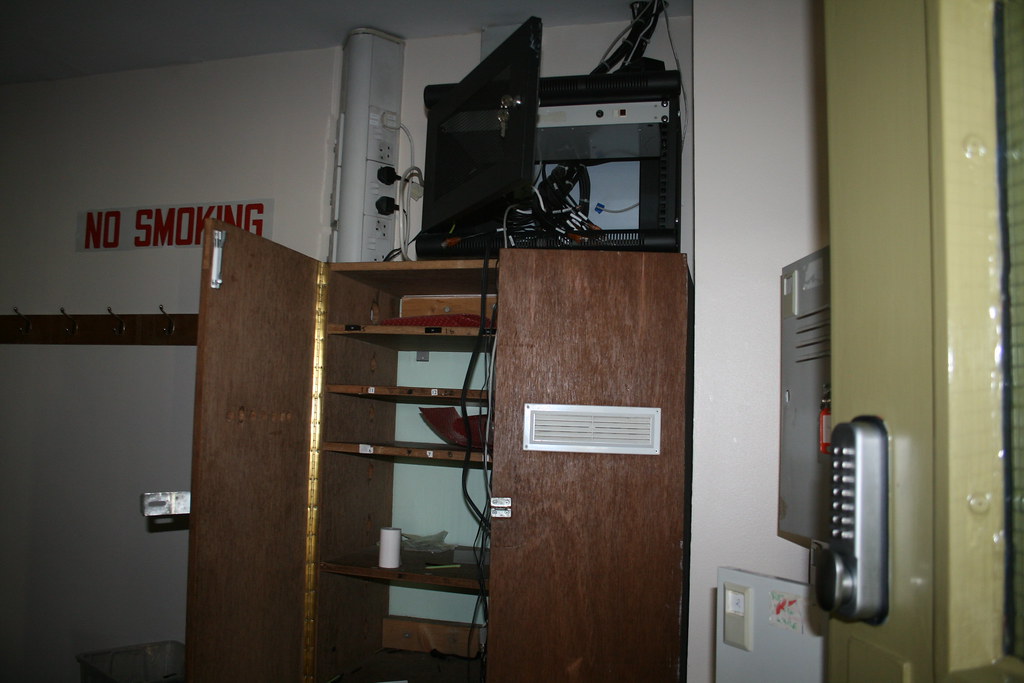
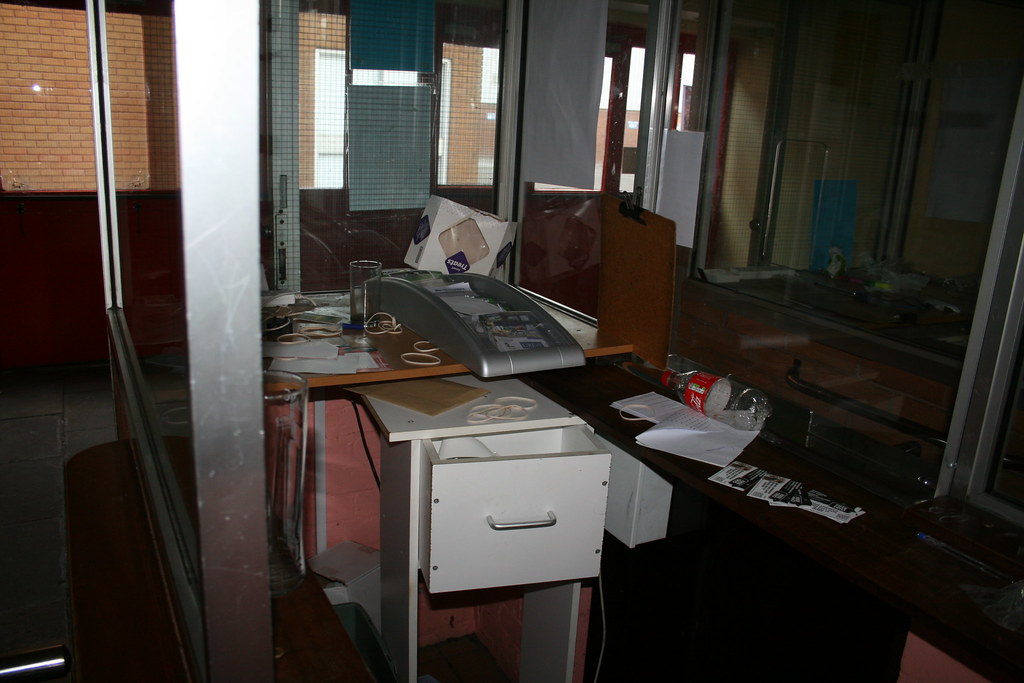
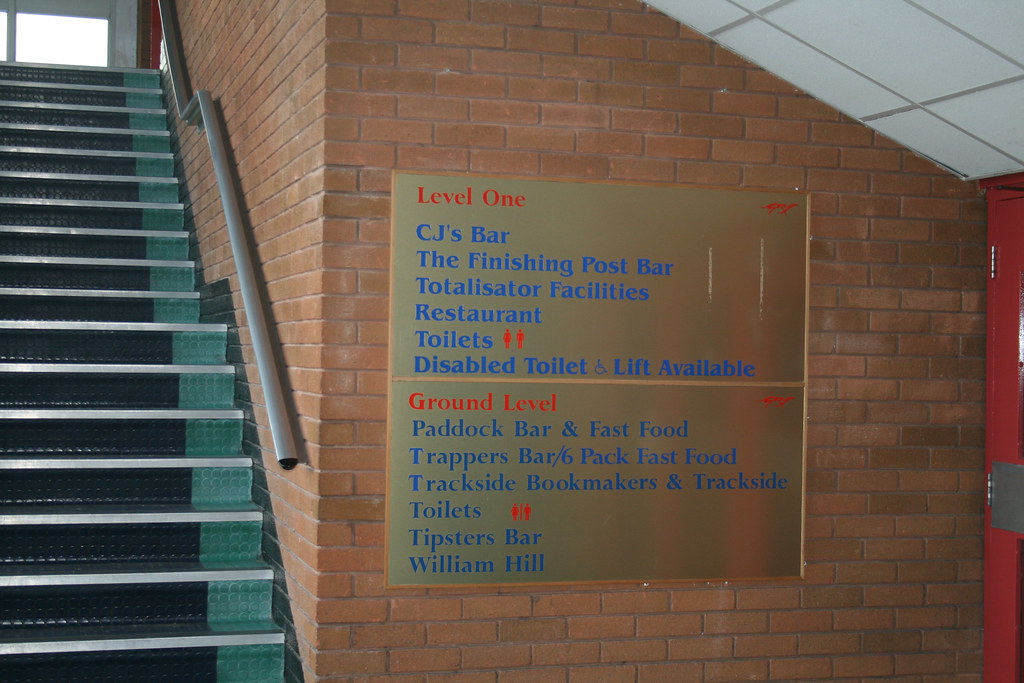
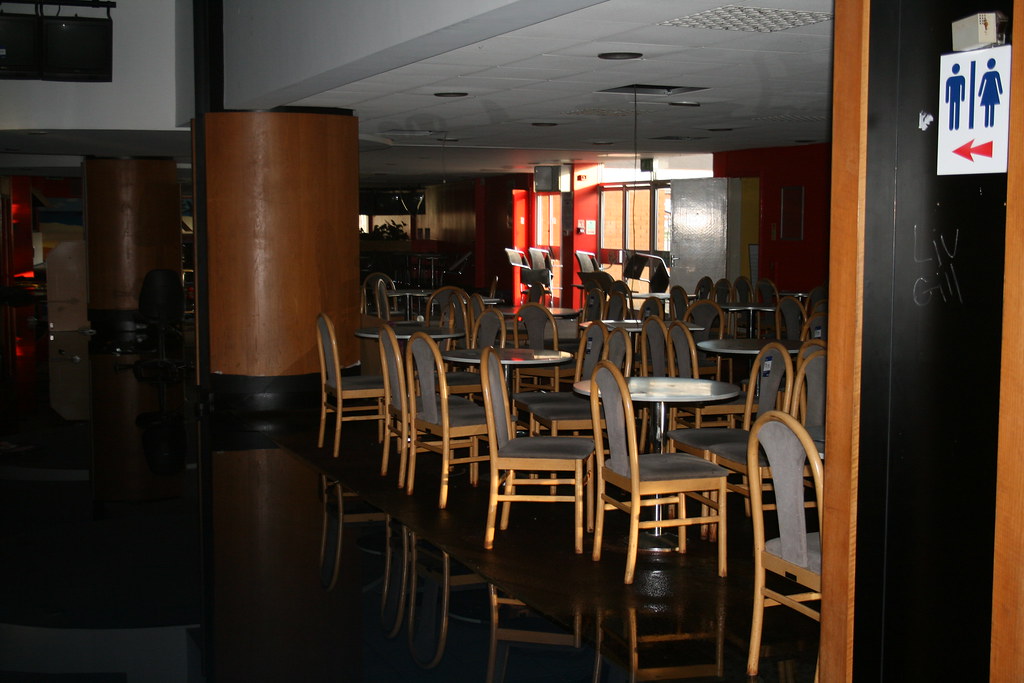
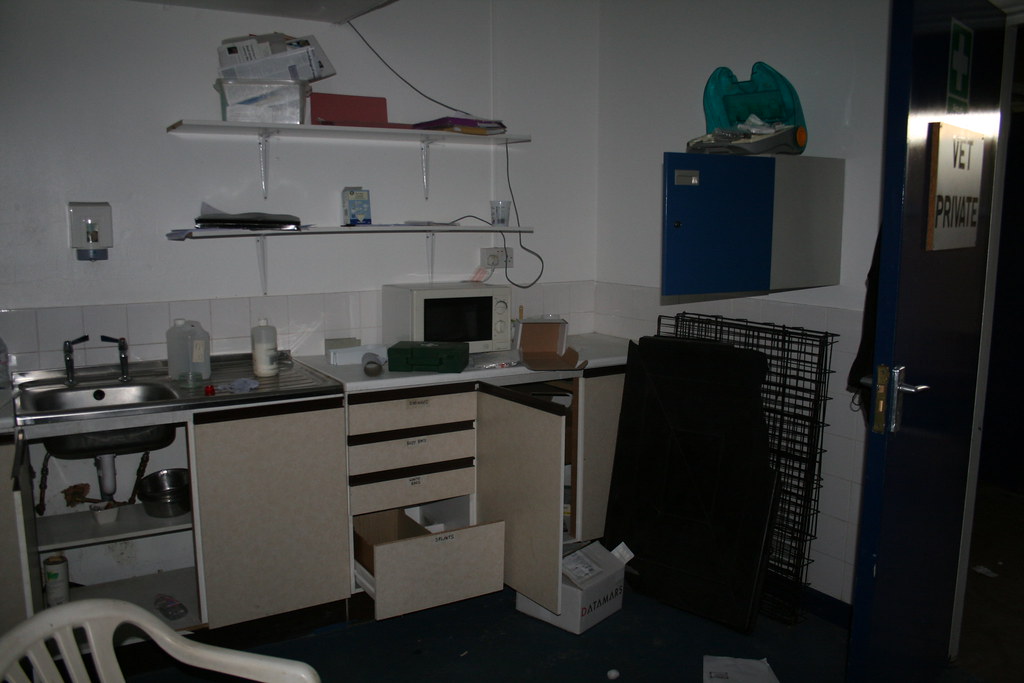
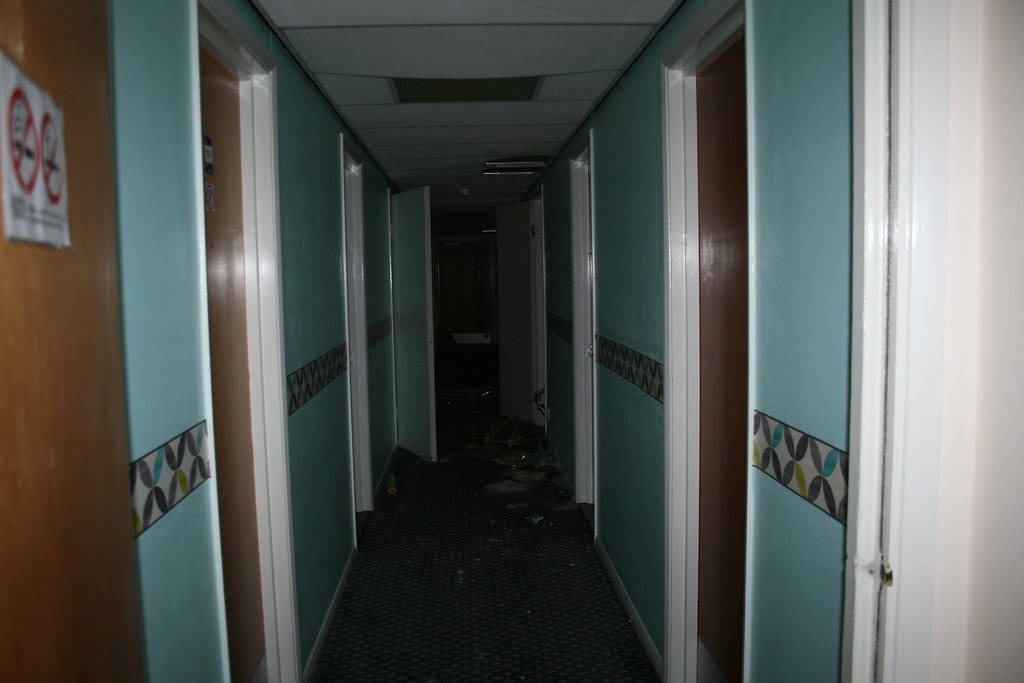
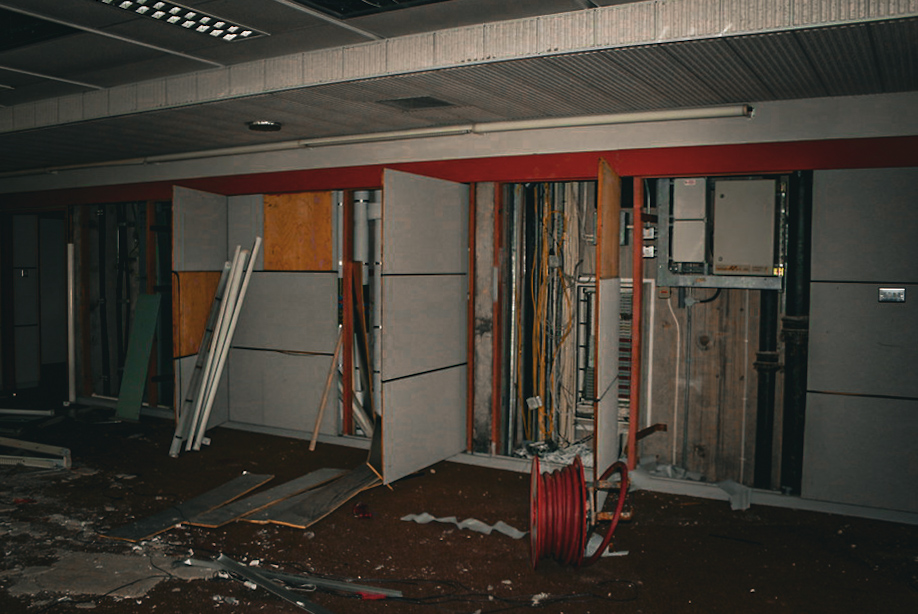
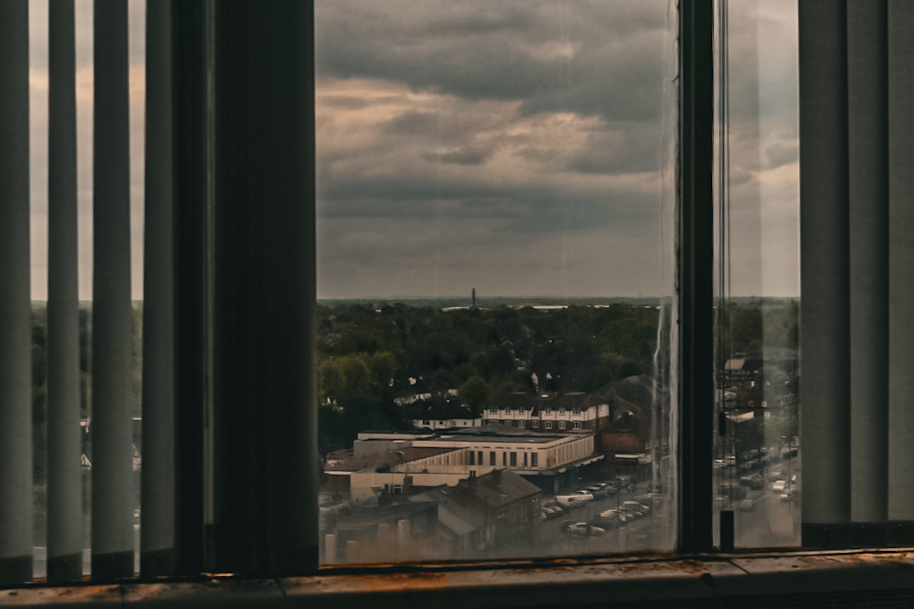
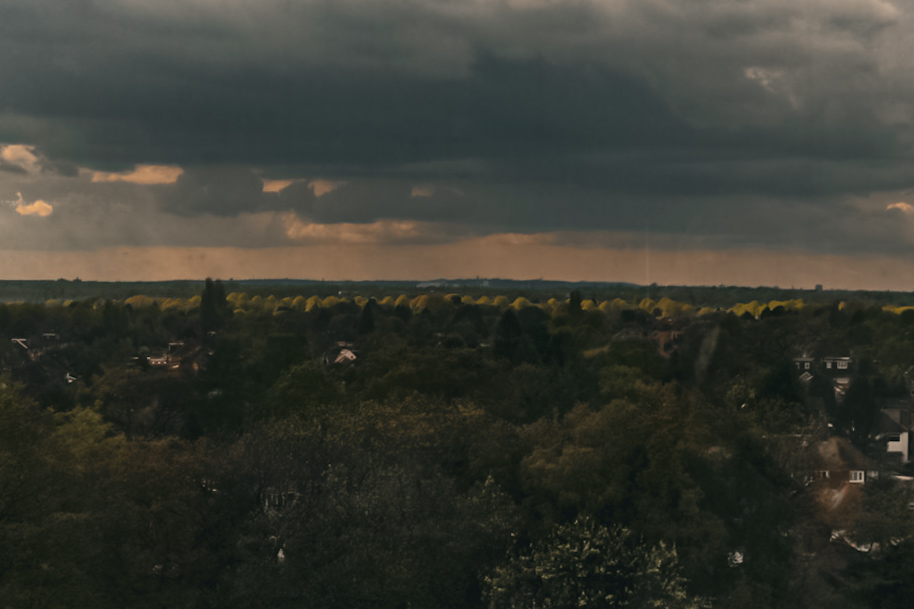
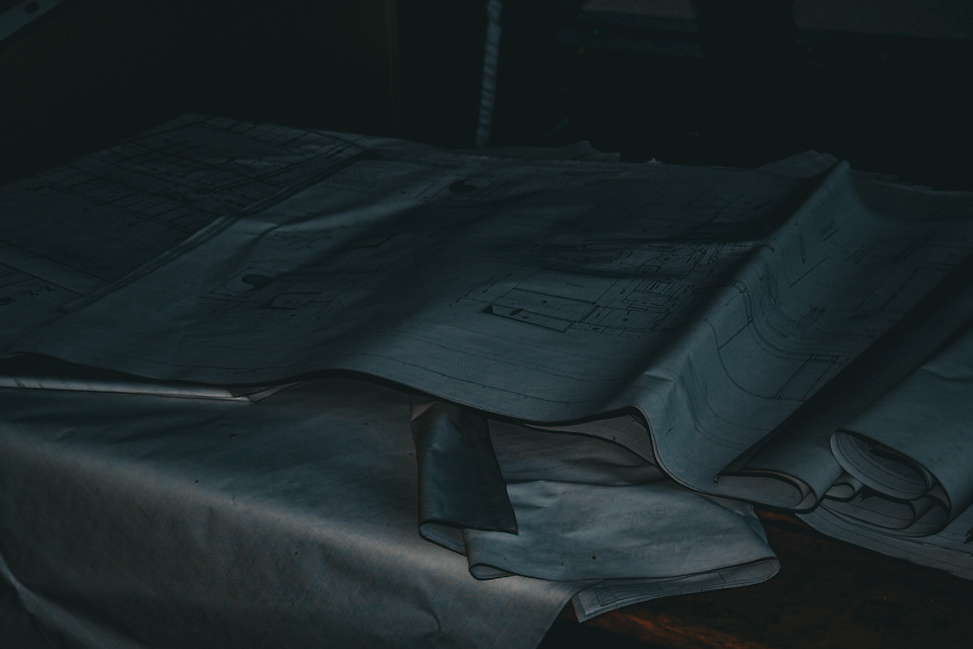
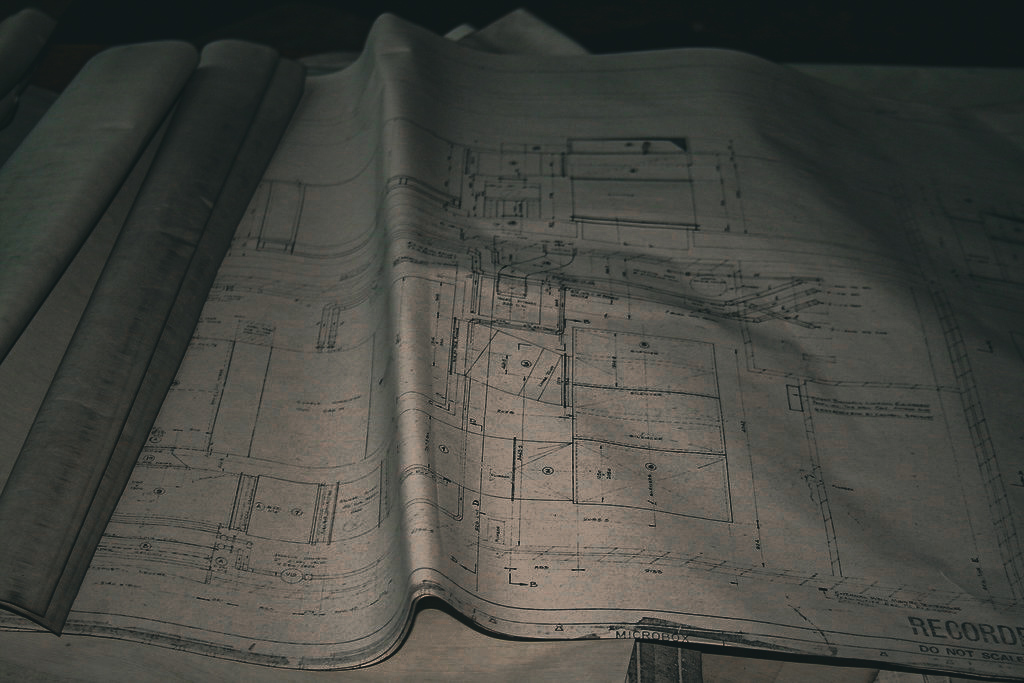
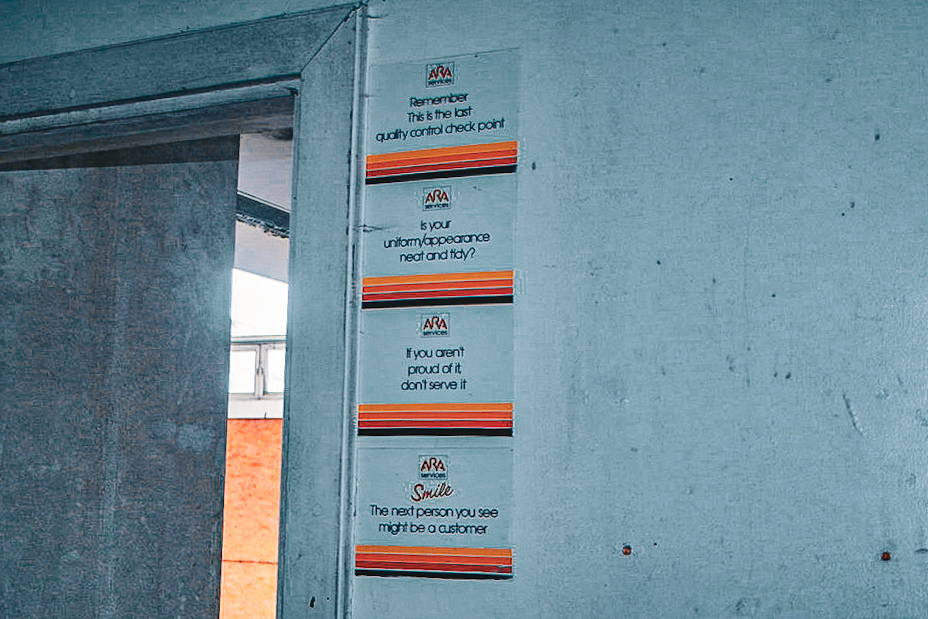
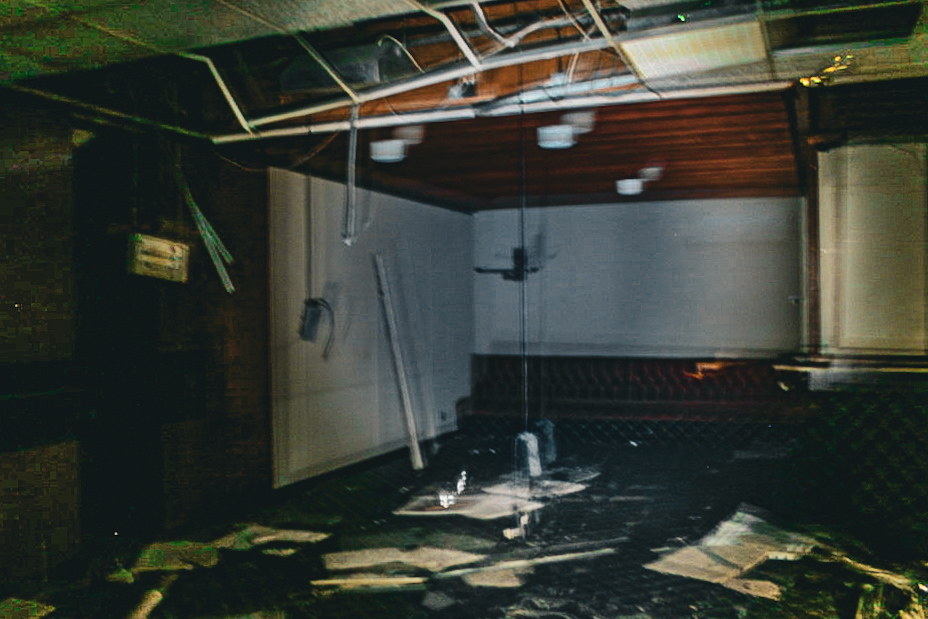
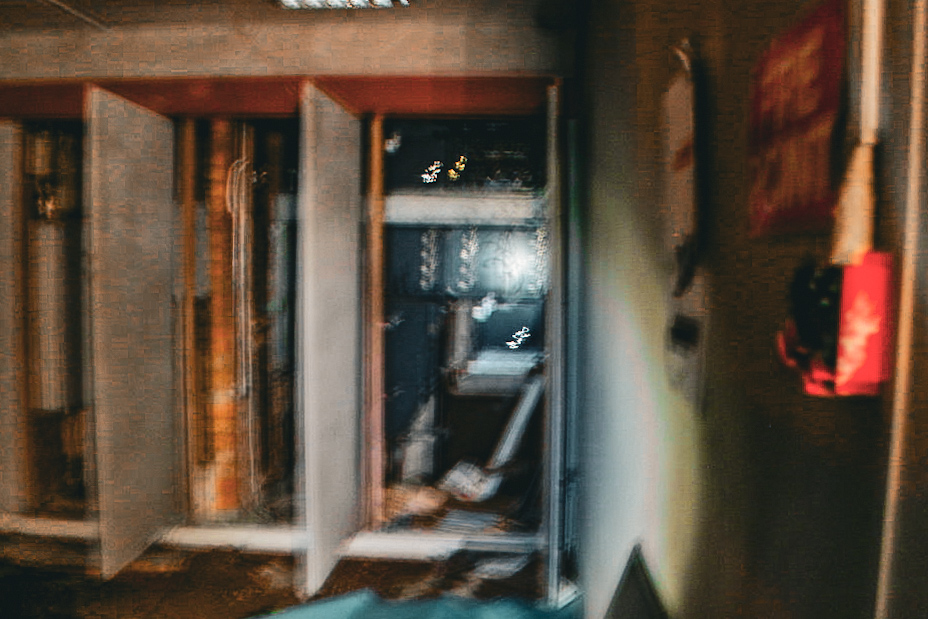
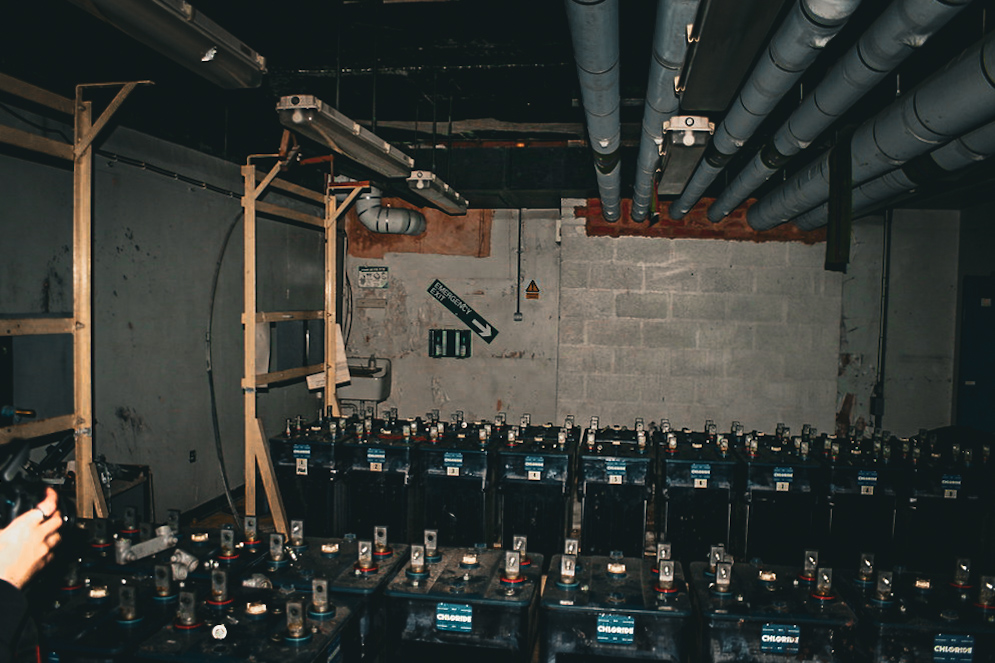
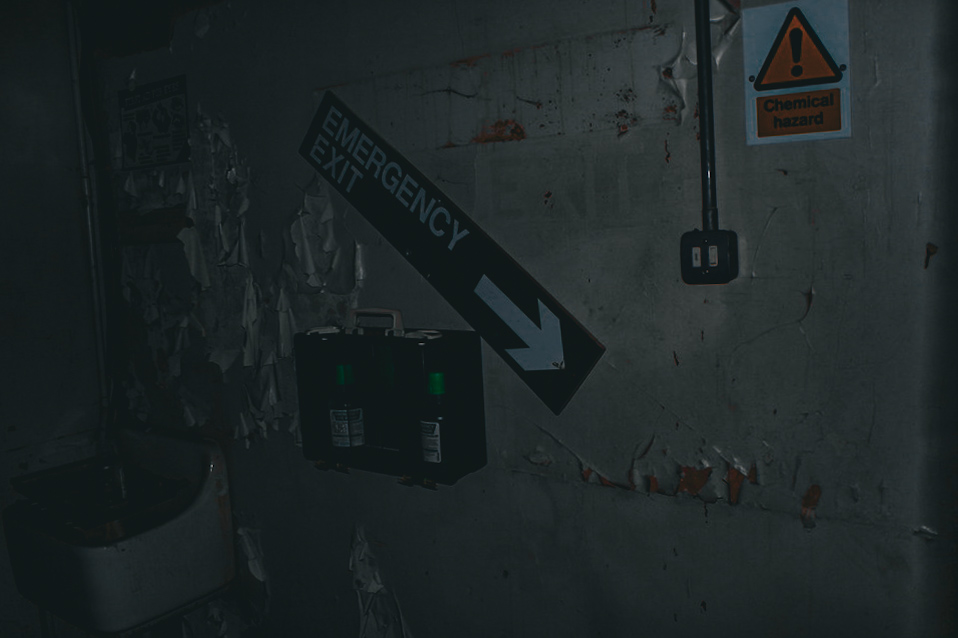
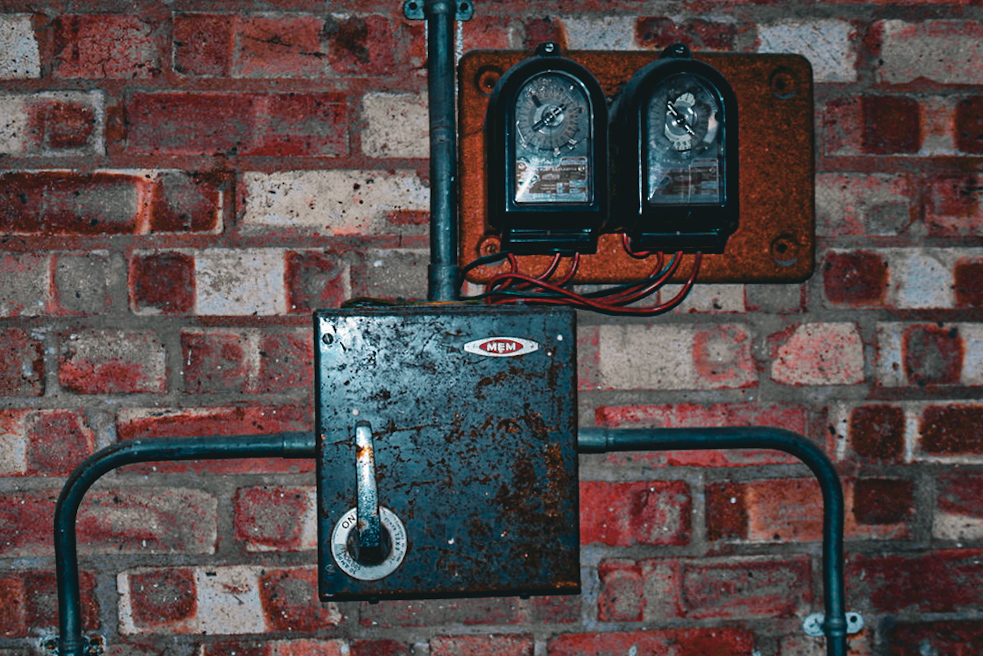
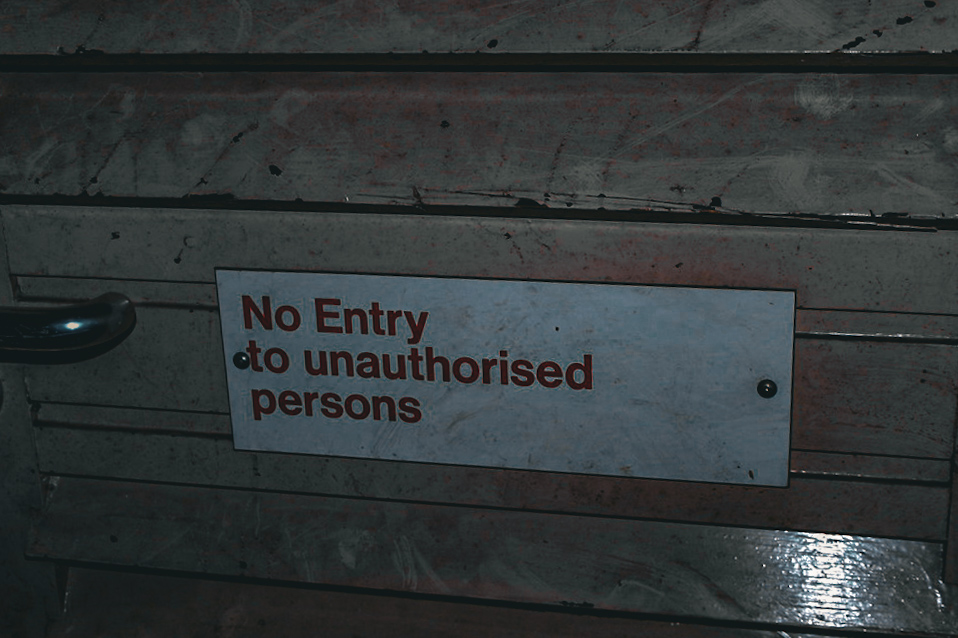
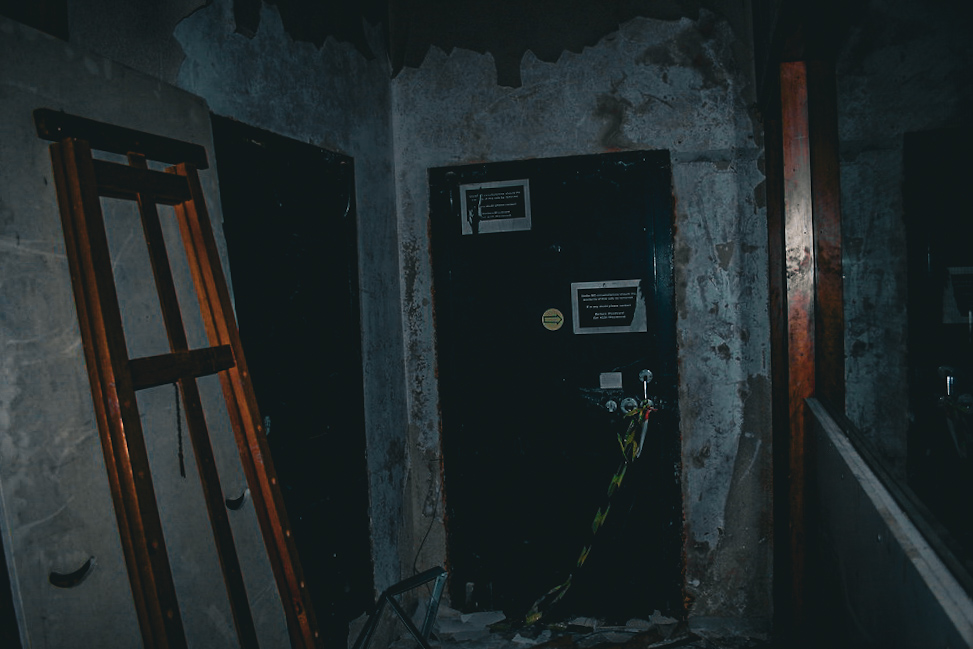
Back in 2015/2016, myself, Jellyfish, and Gibo went on a few visits to the abandoned Selly Oak Hospital not long after it moved to the new Queen Elizabeth Hospital. The first couple of times we tried to explore this place, we were met with security almost immediately.

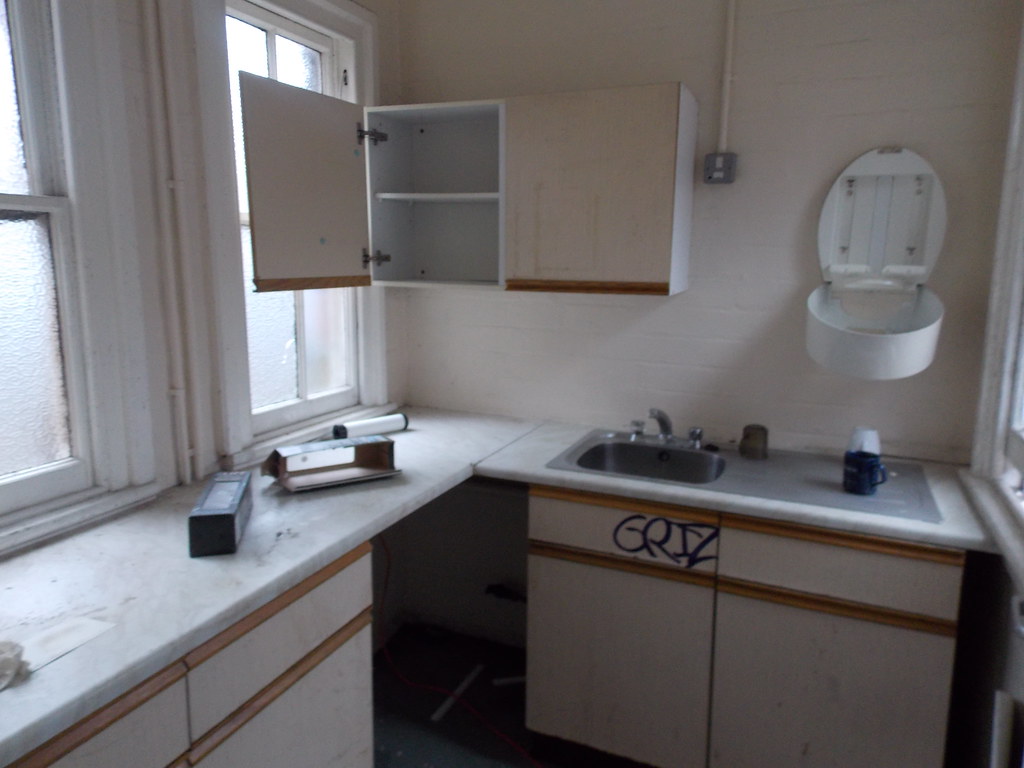
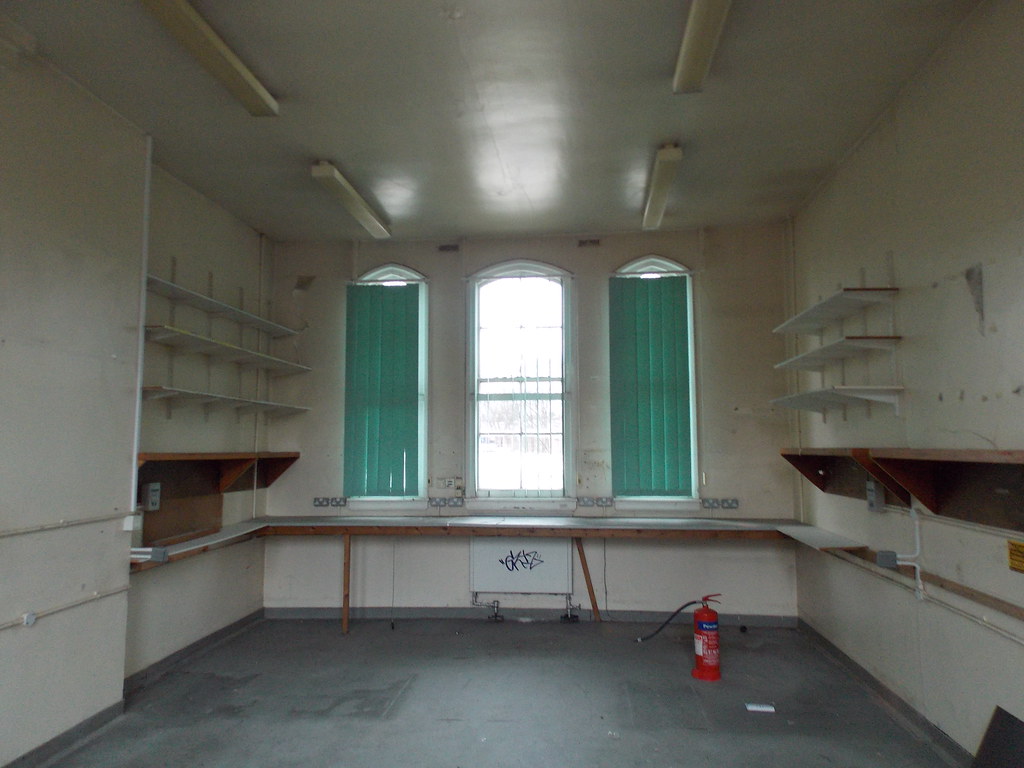
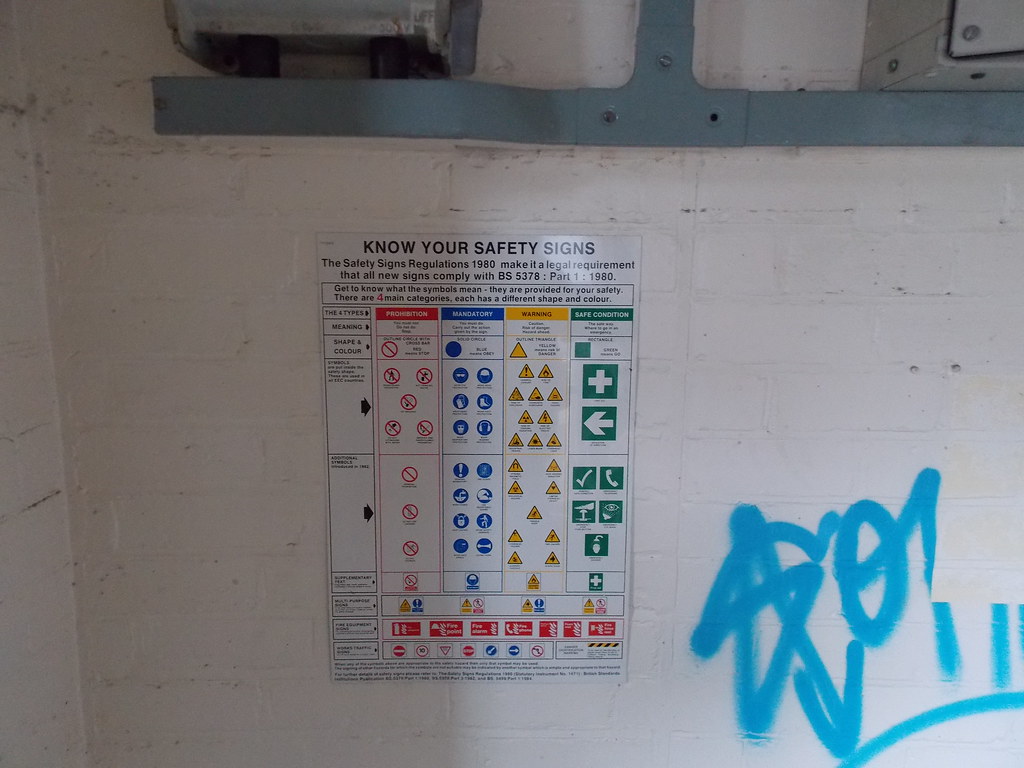
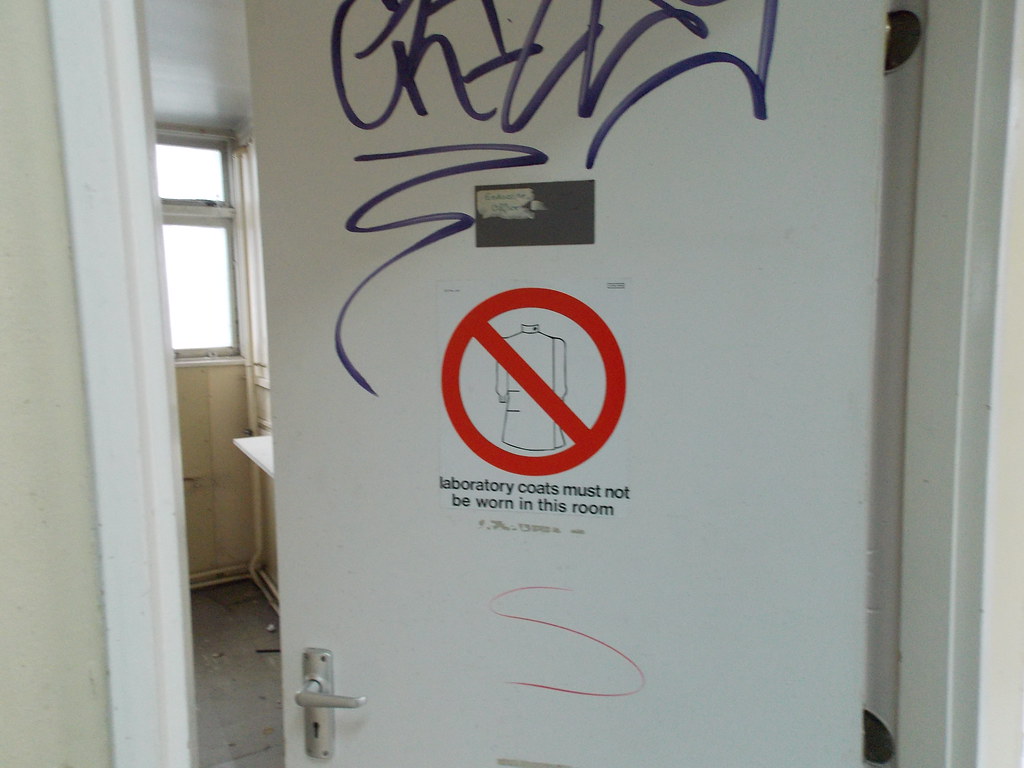
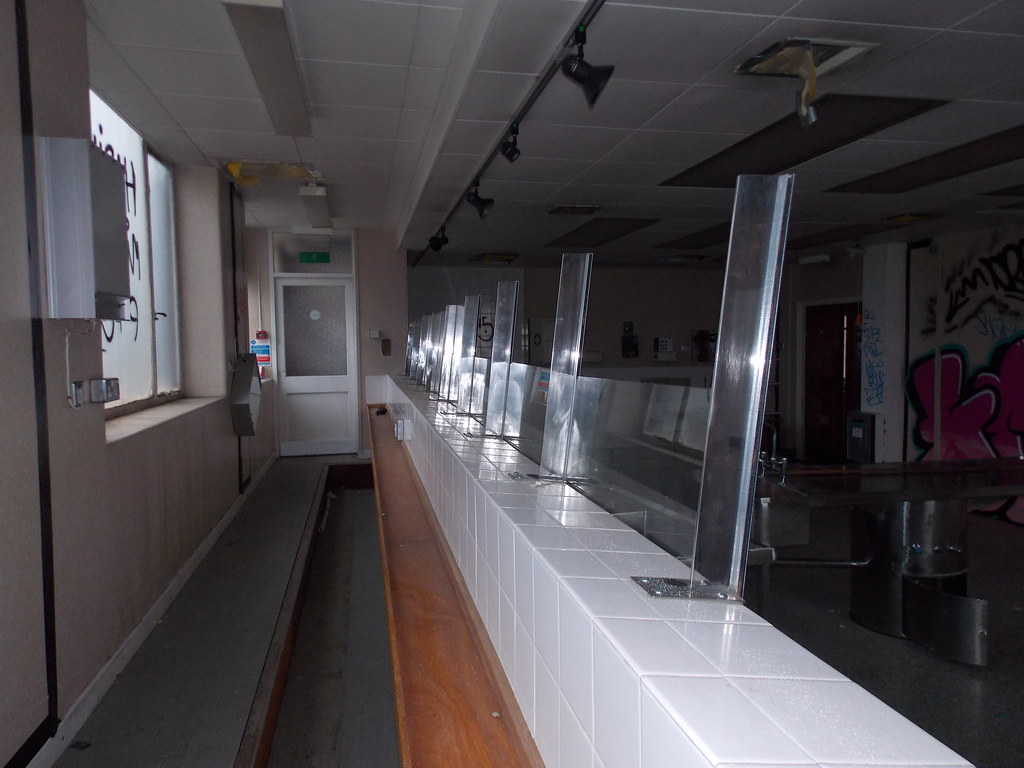
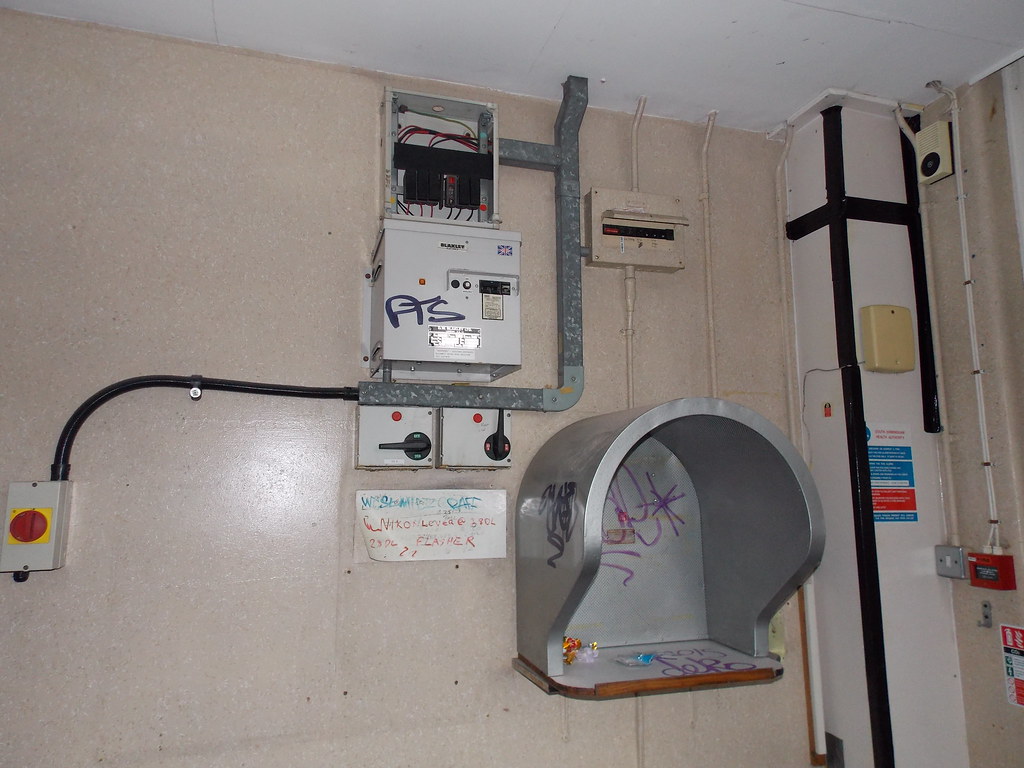
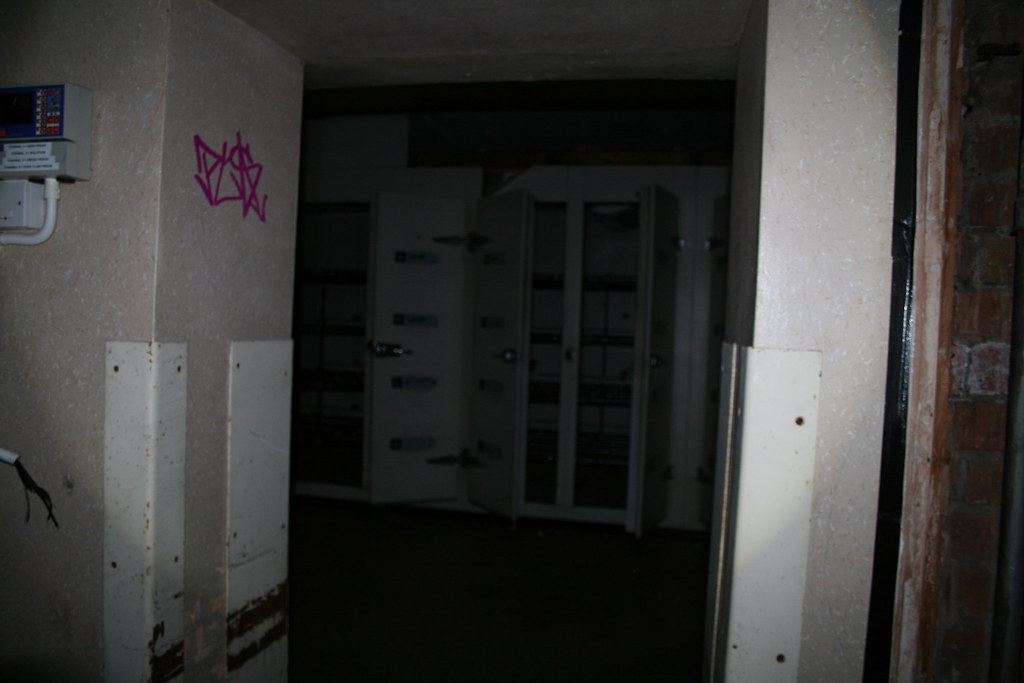
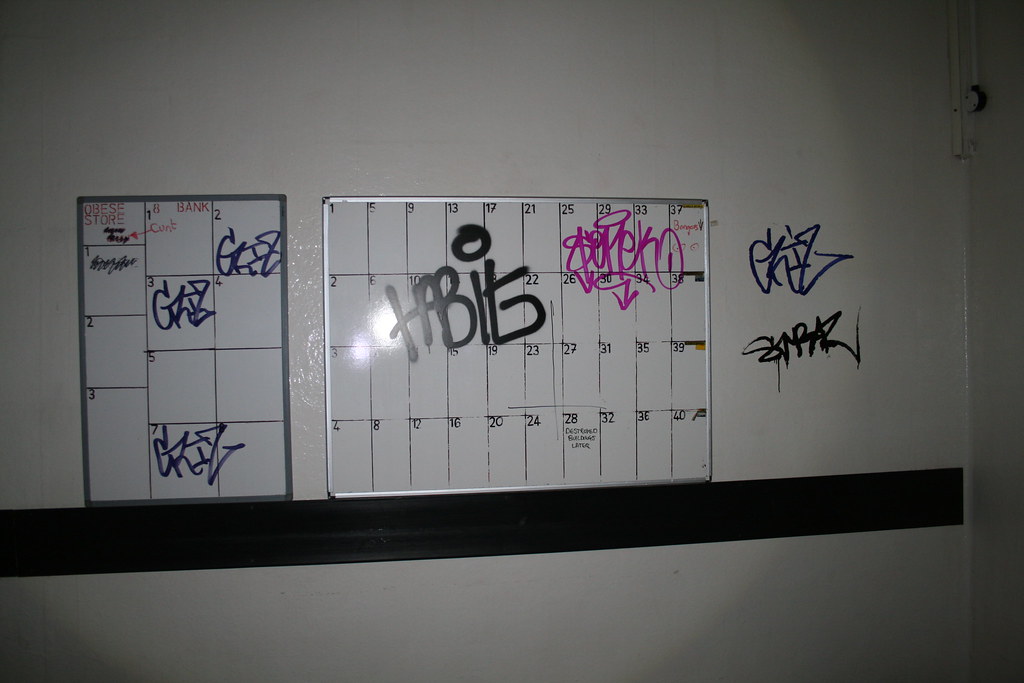
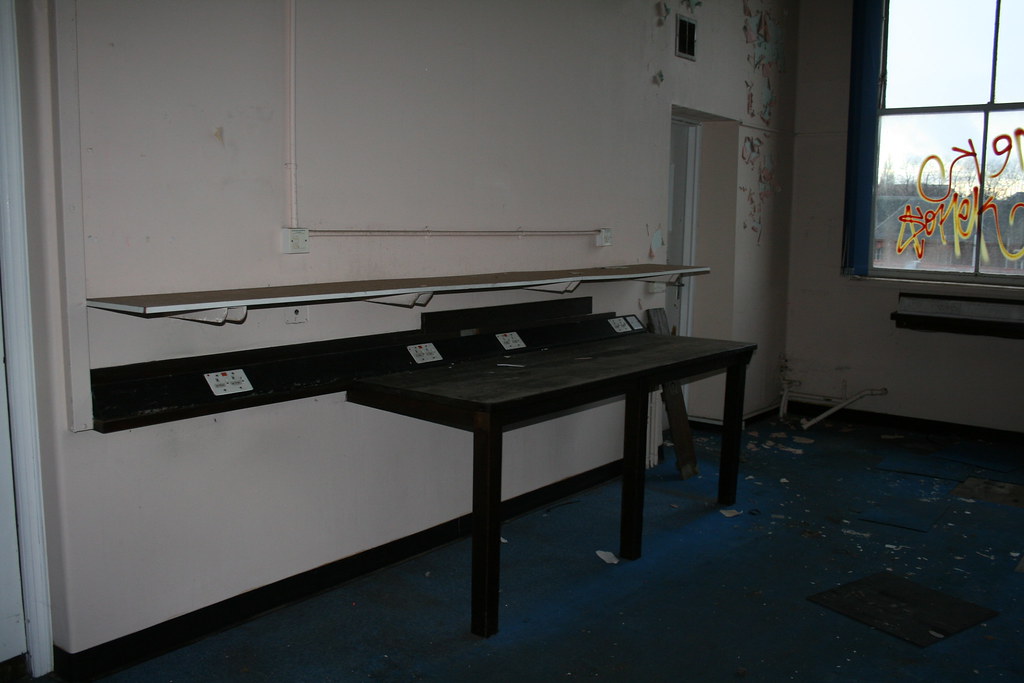
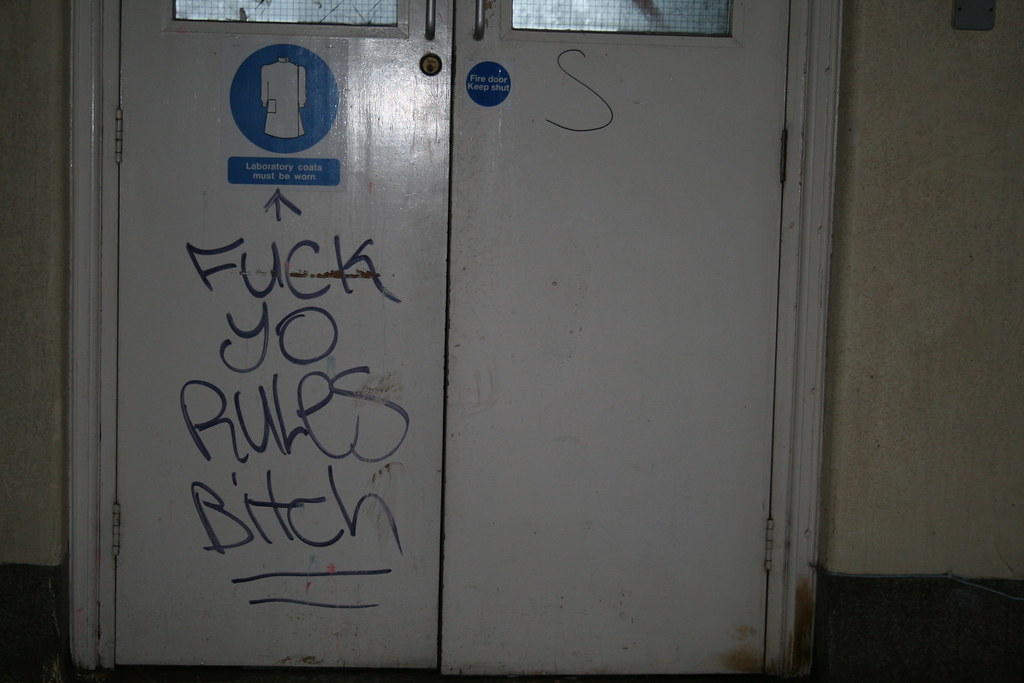
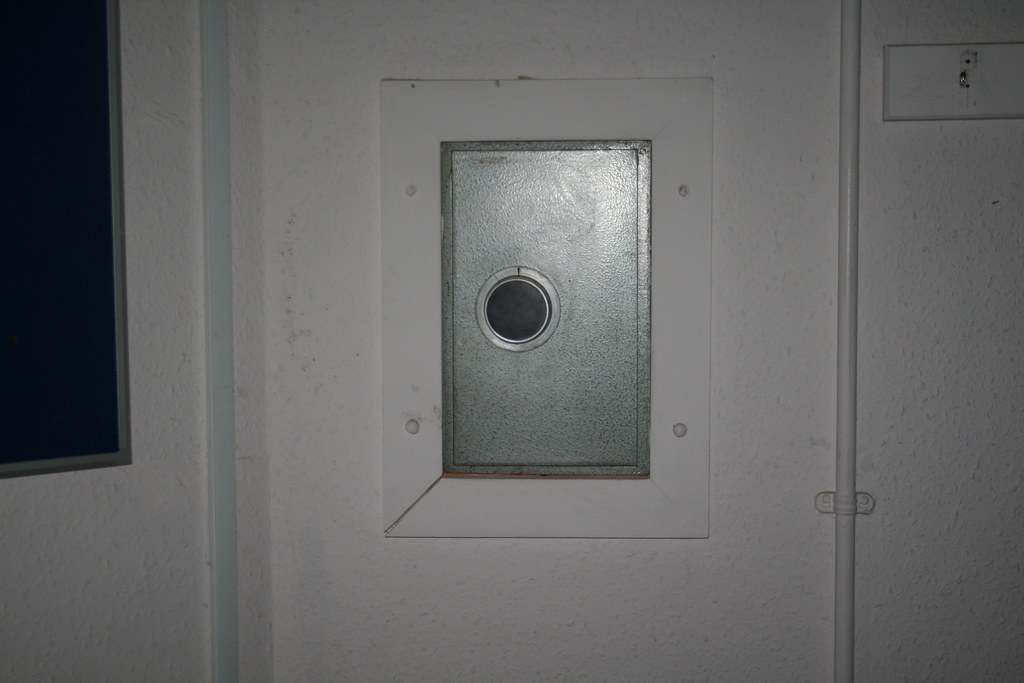
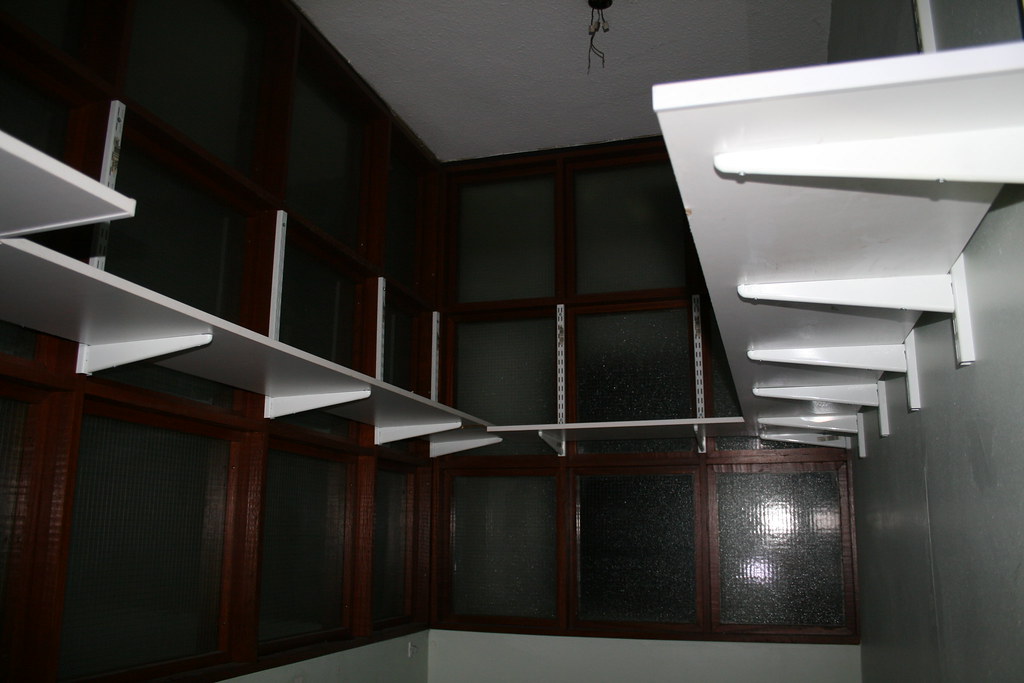
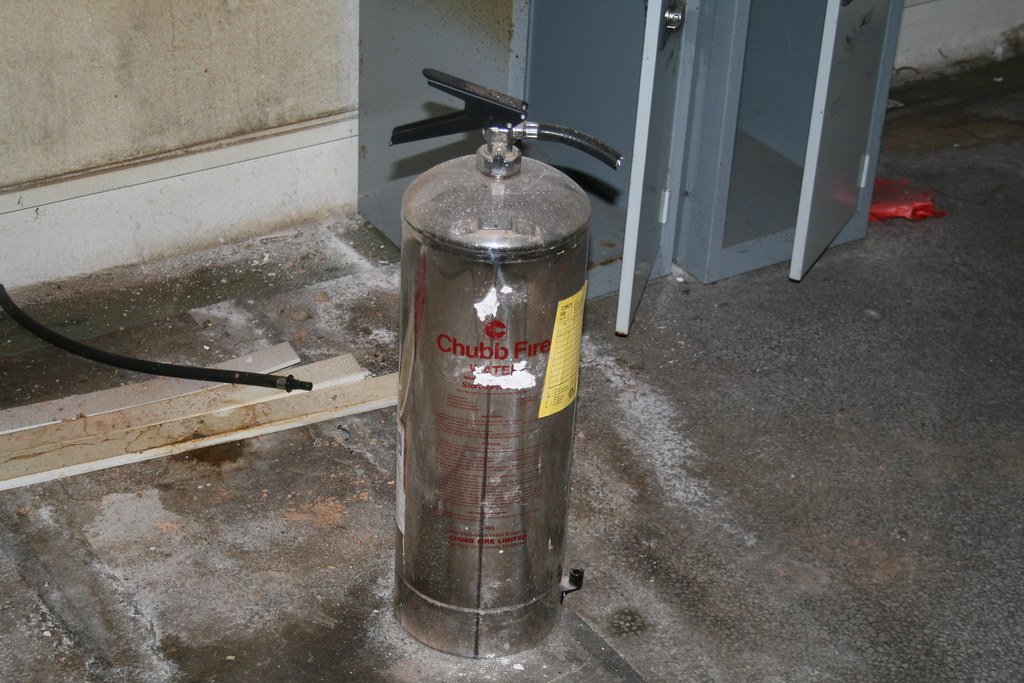
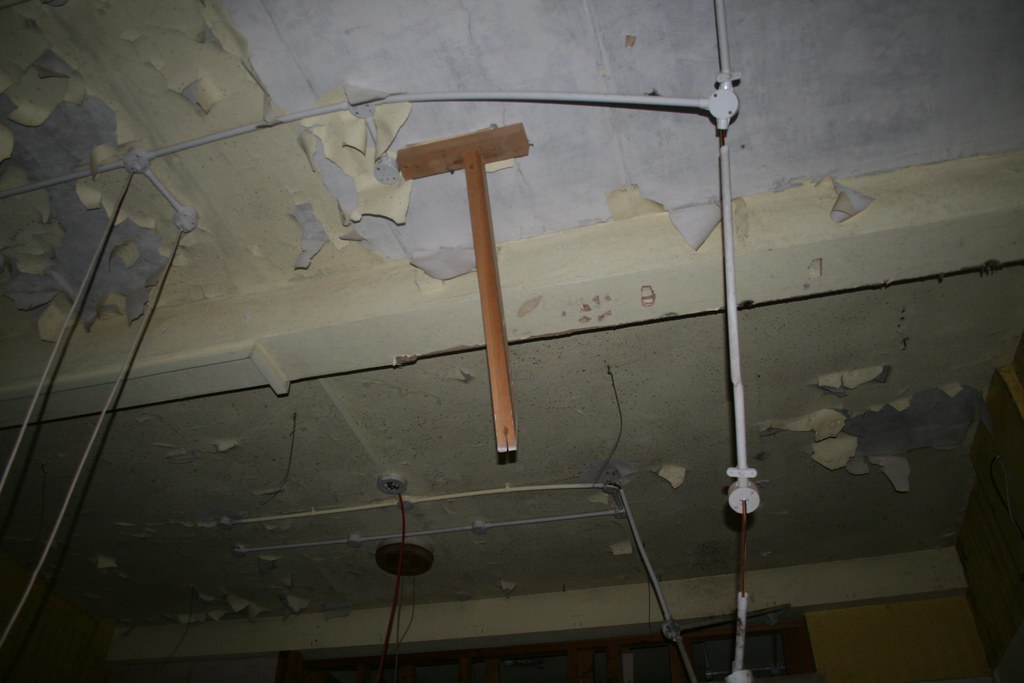
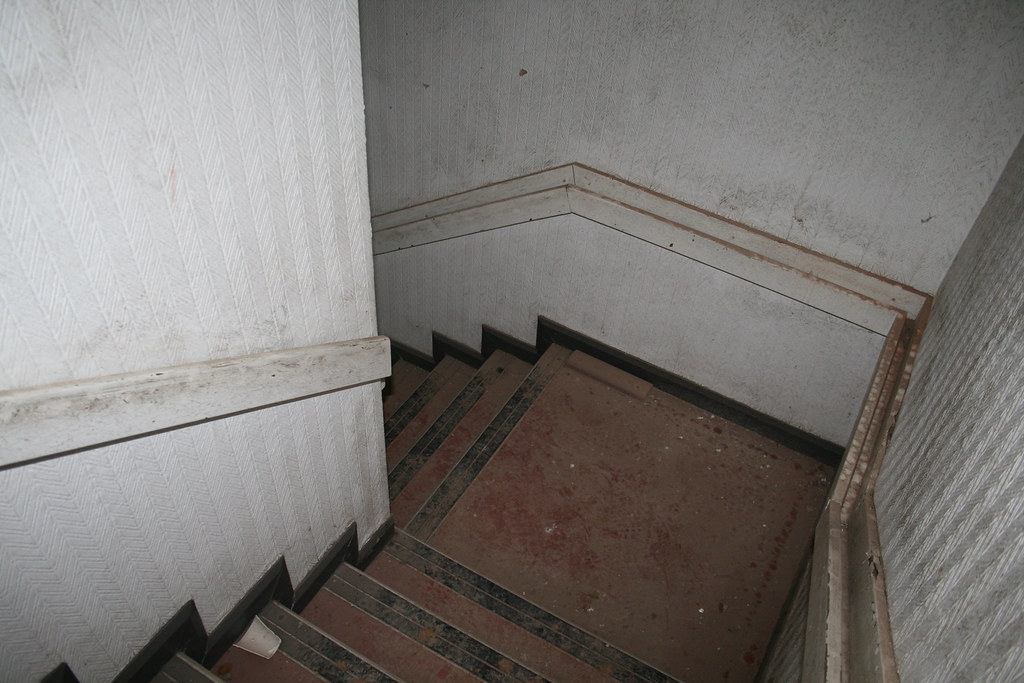
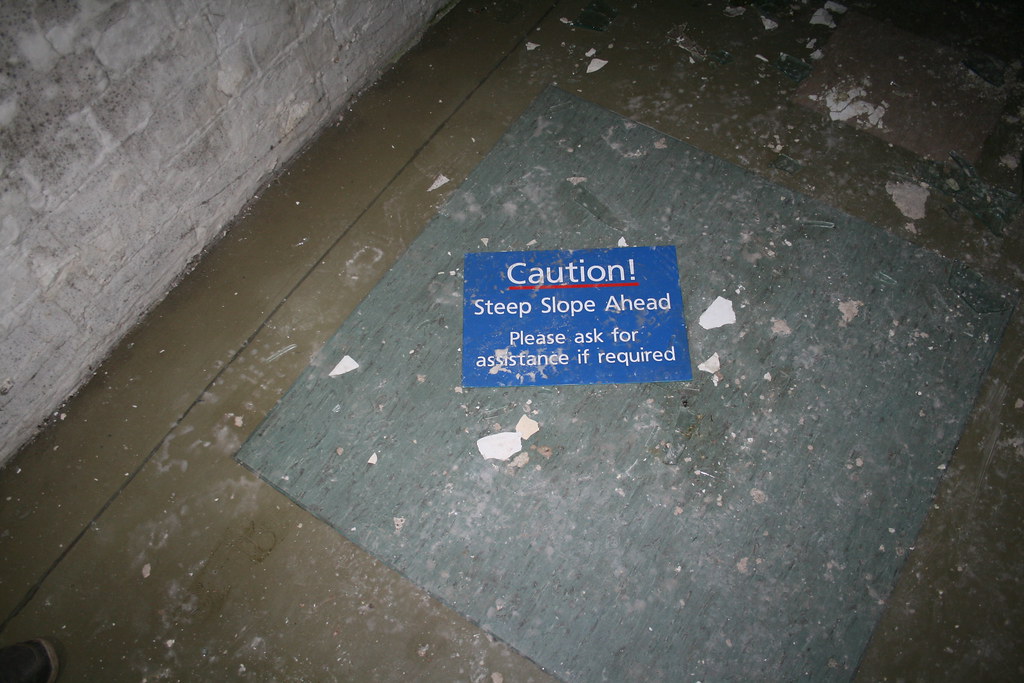
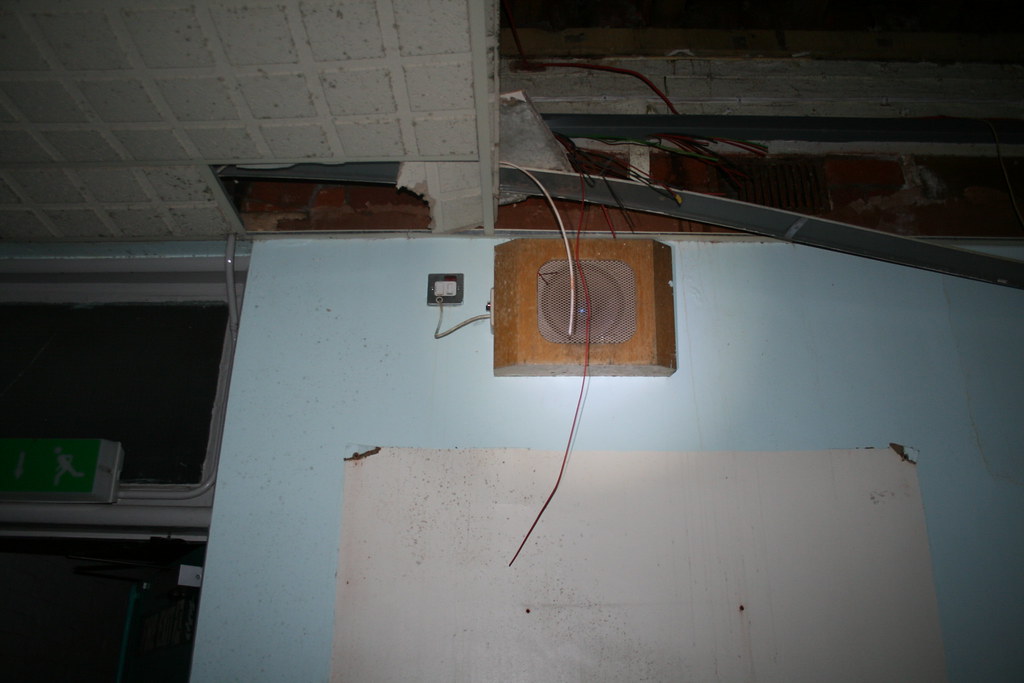
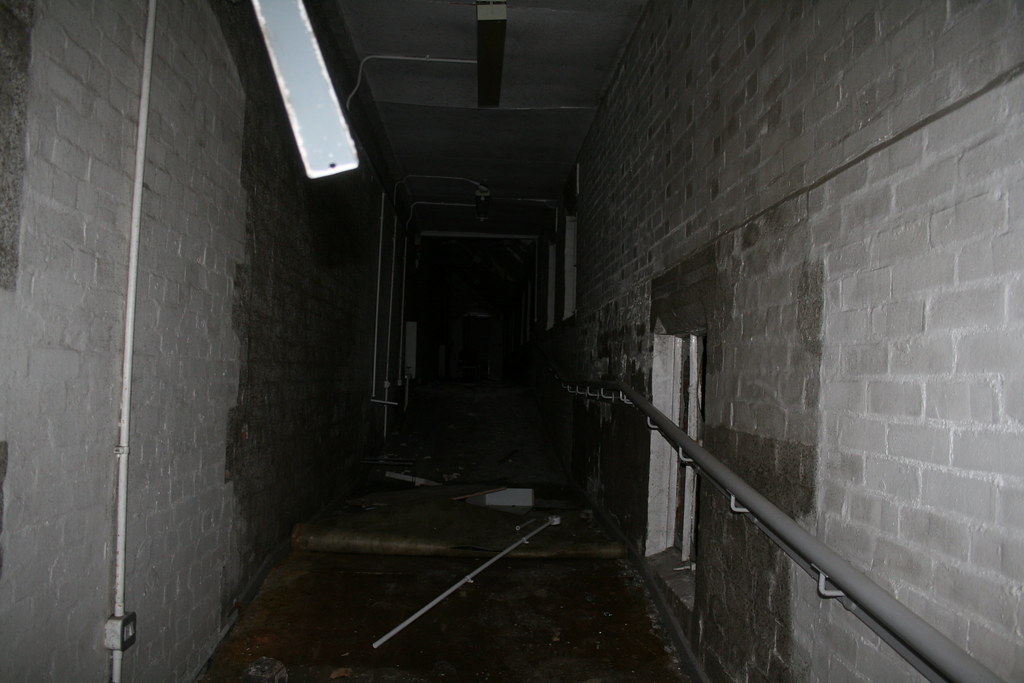
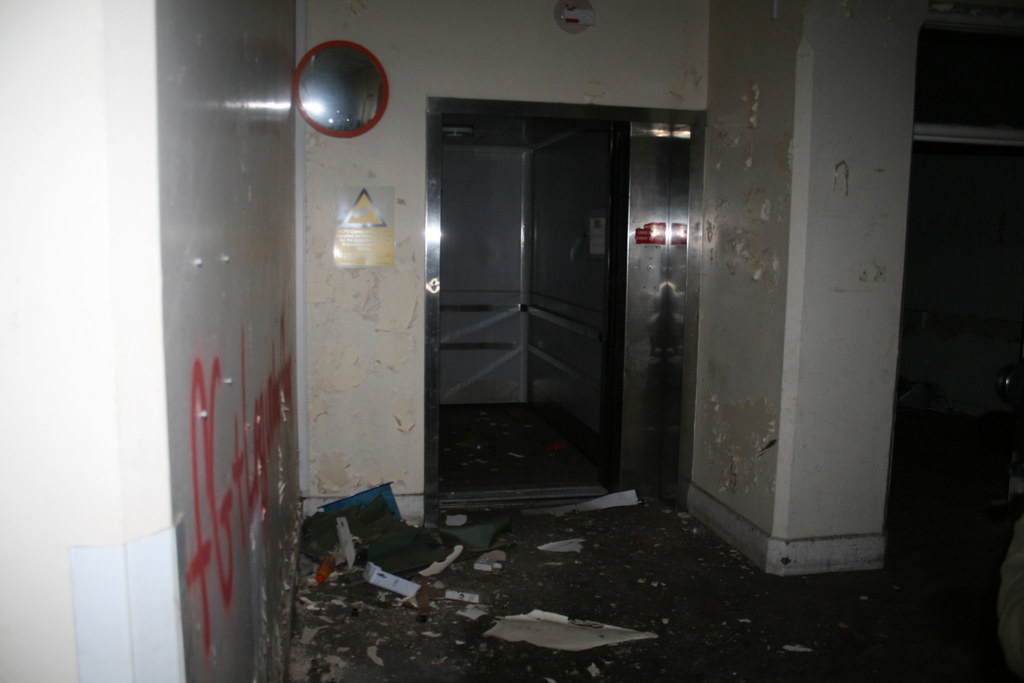
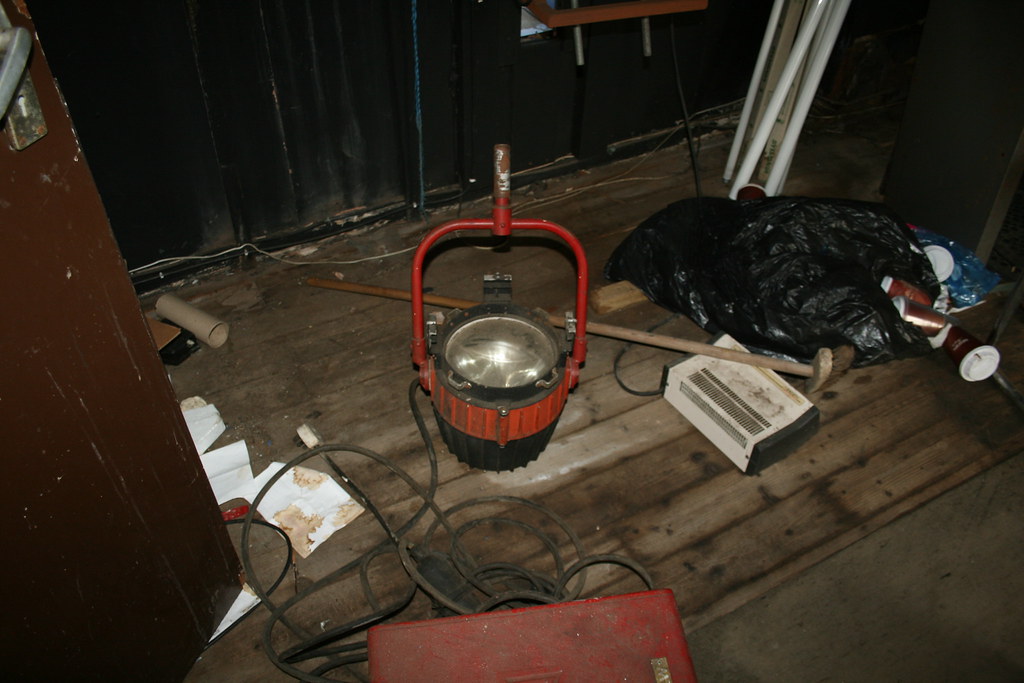
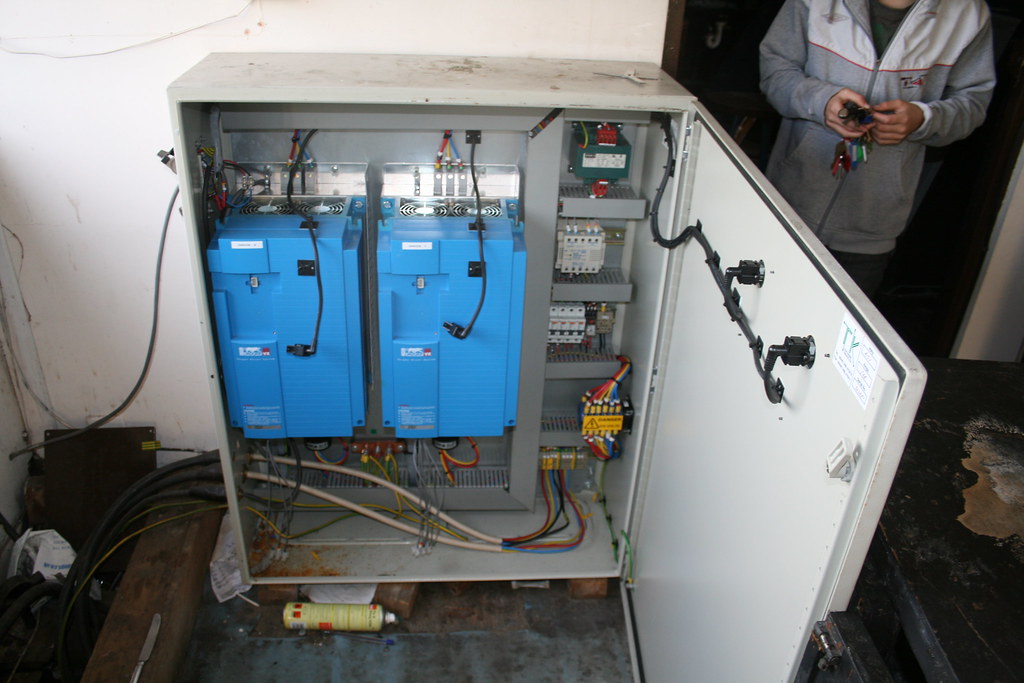
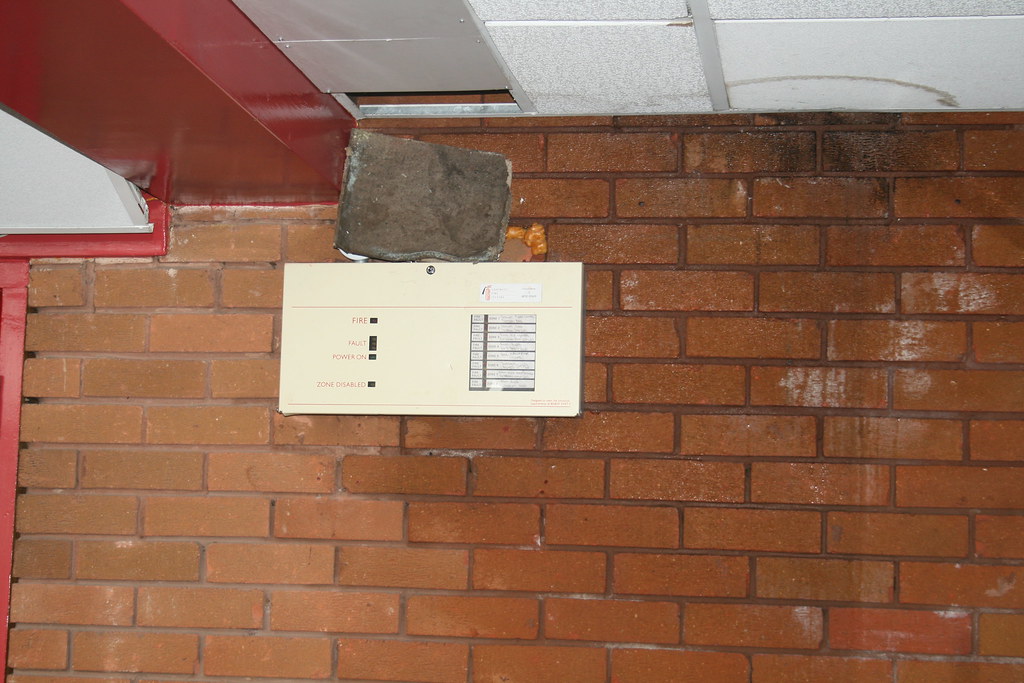
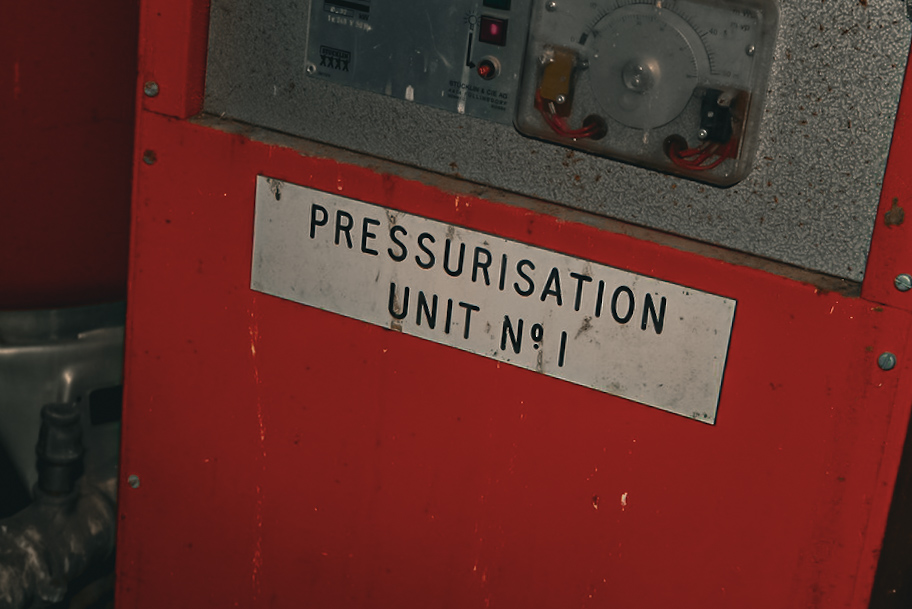
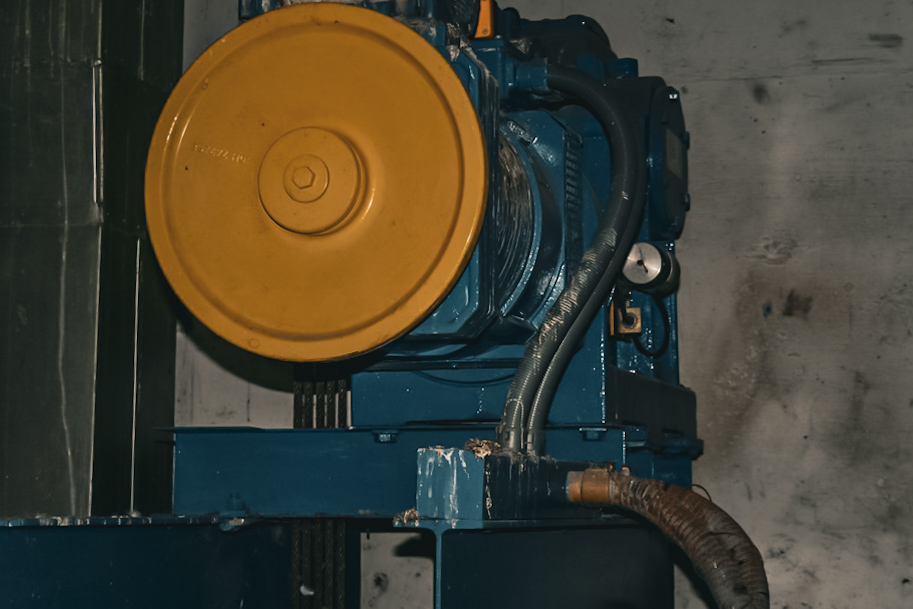
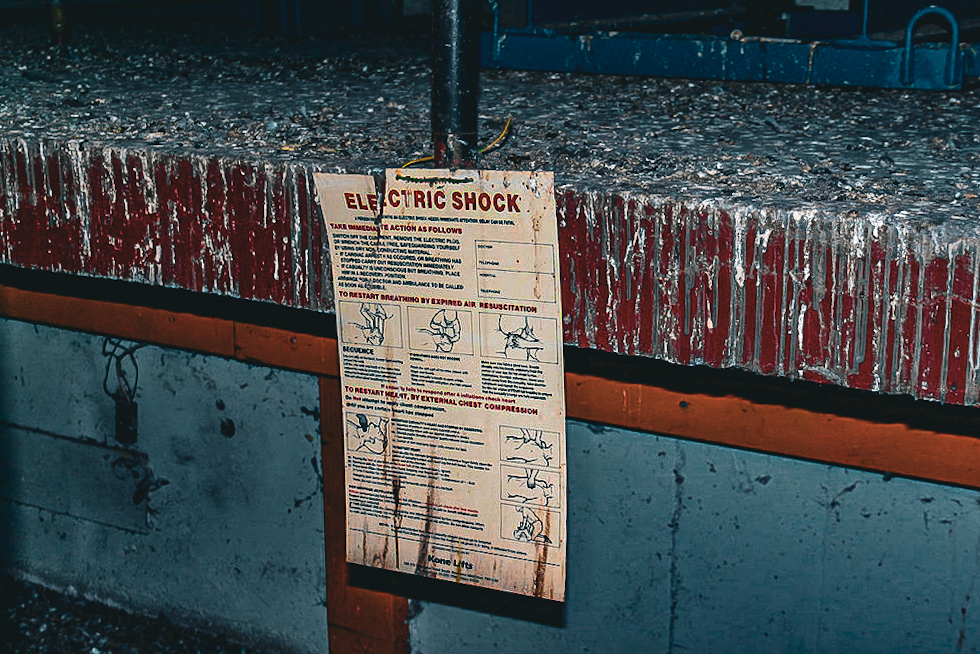
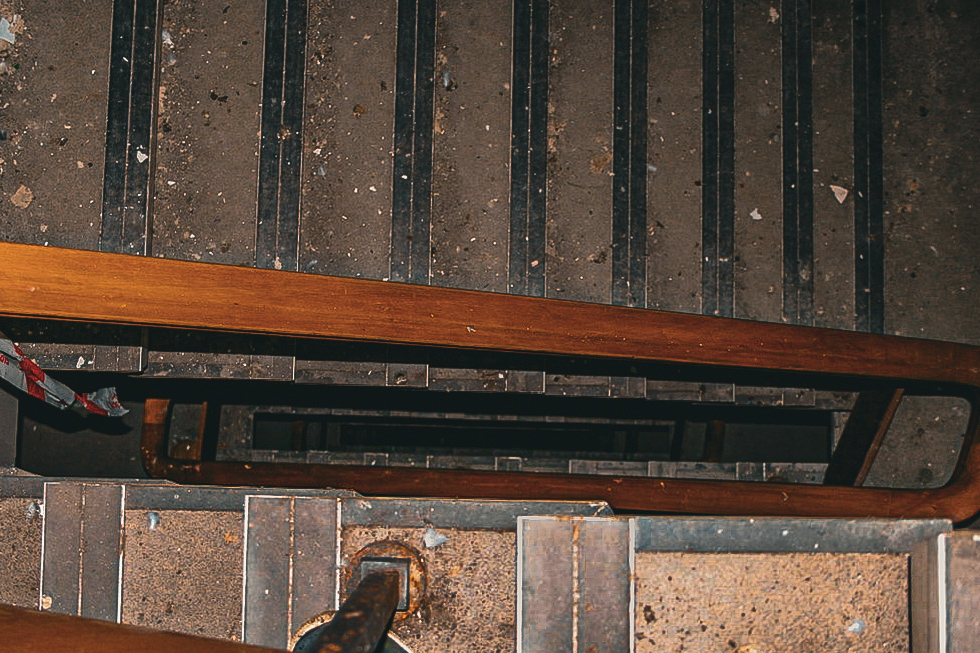
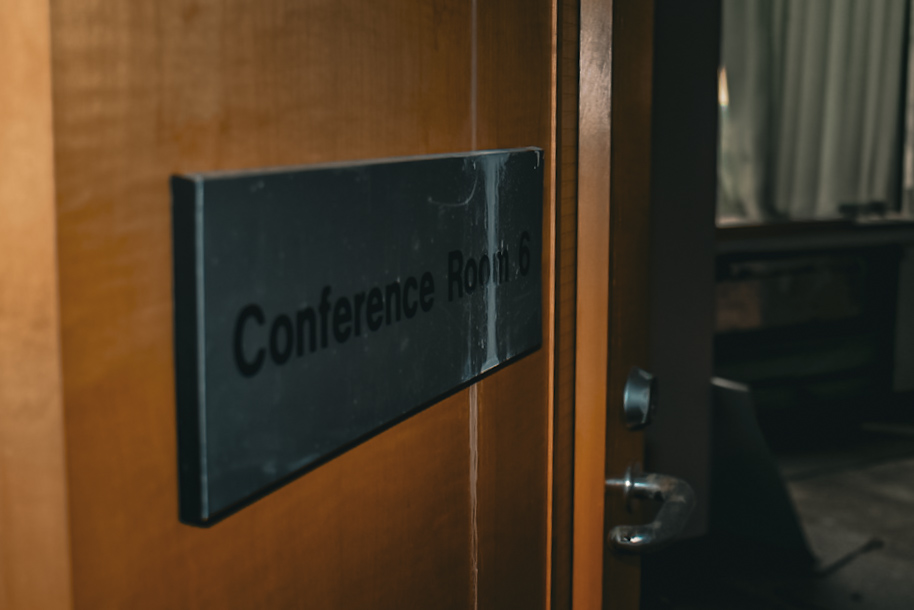
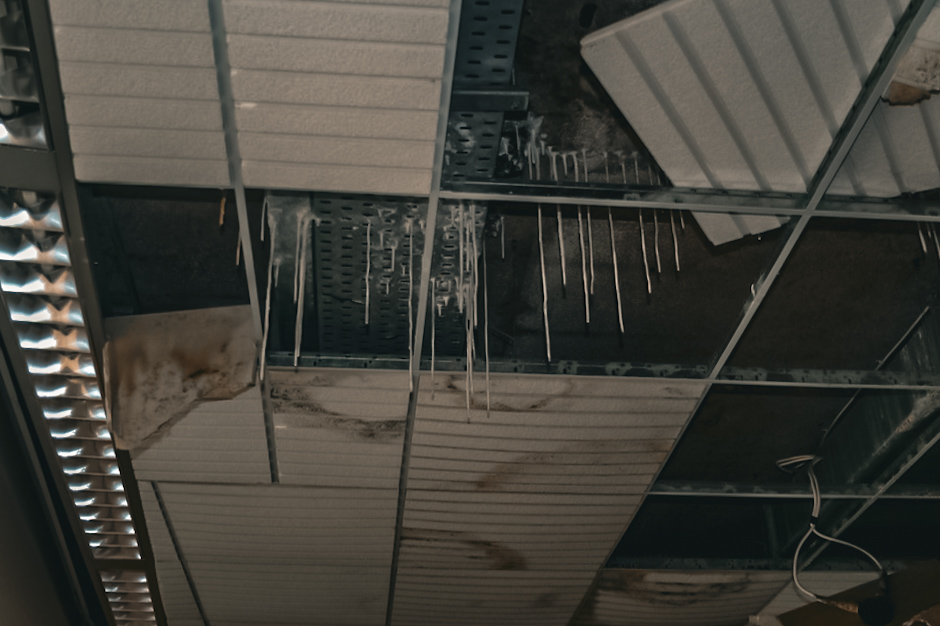
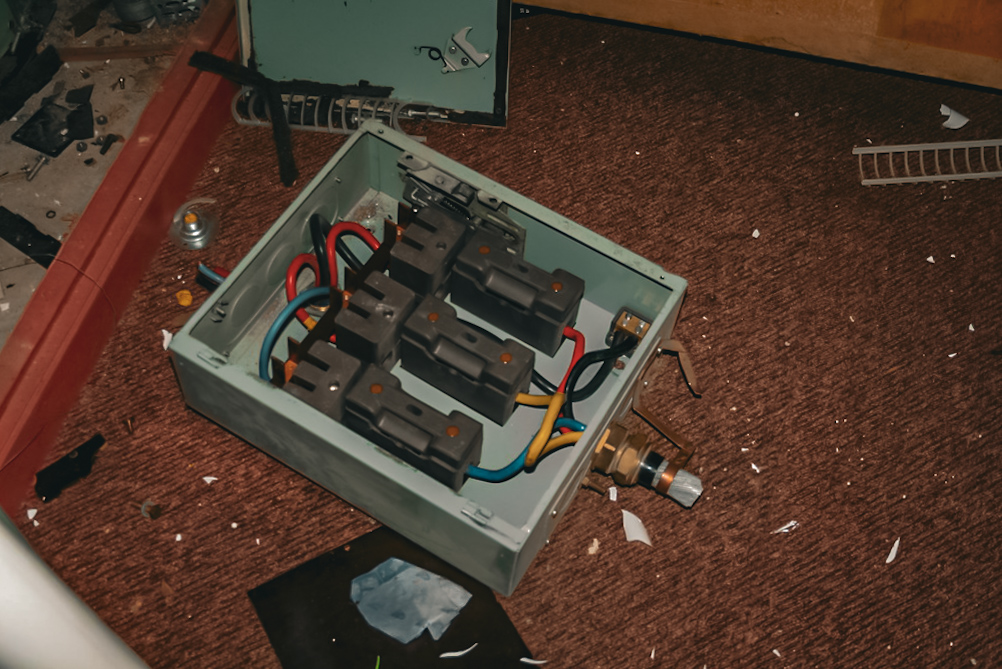
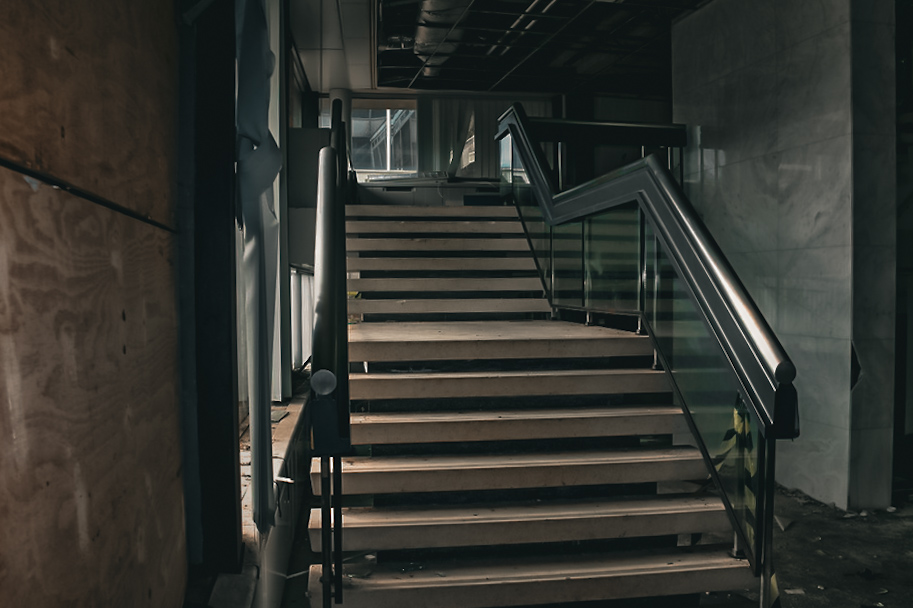
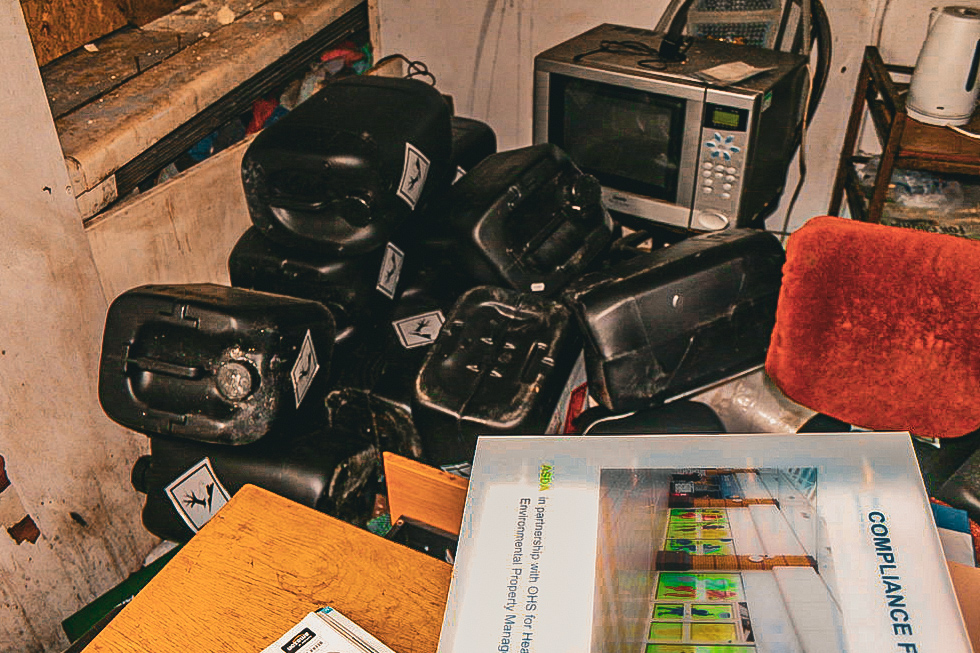
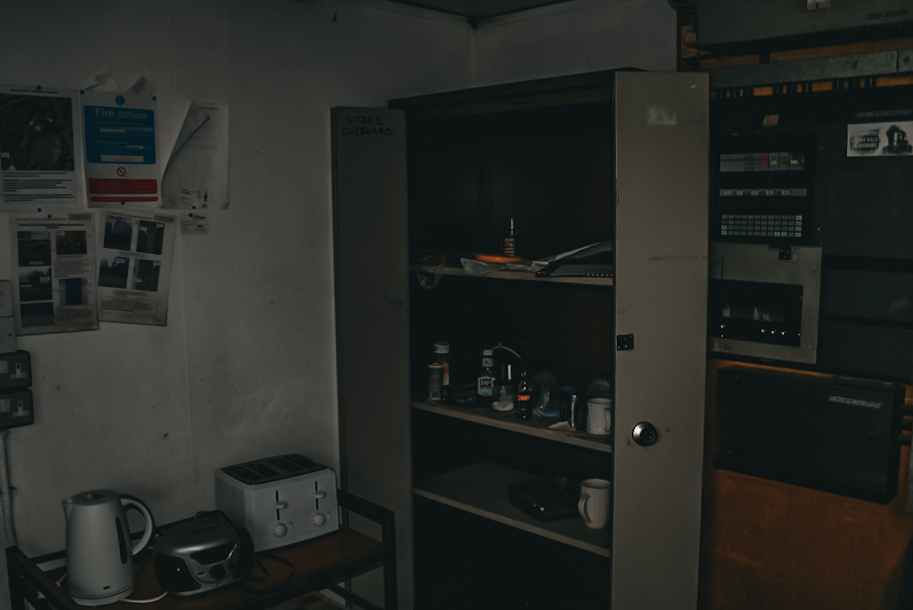
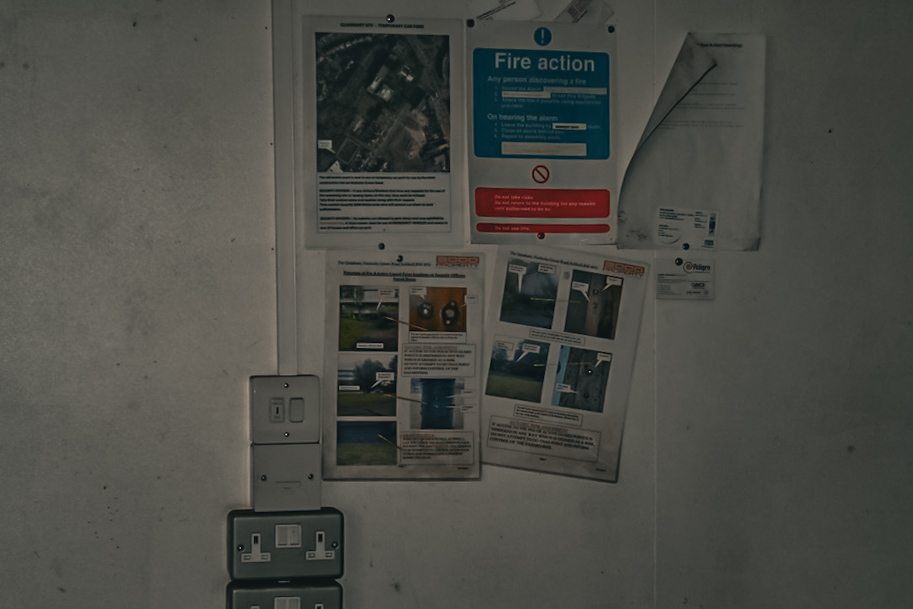
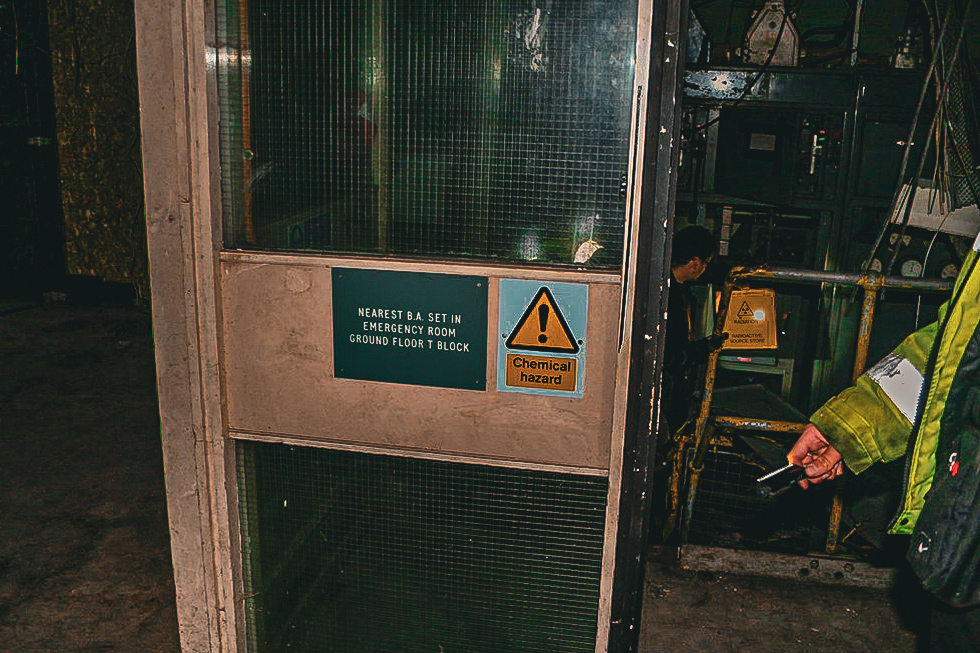
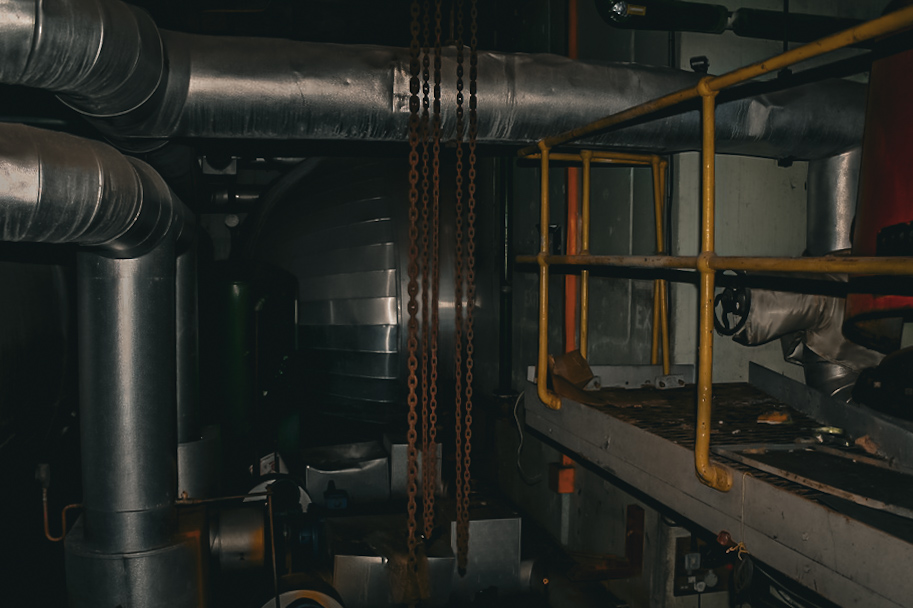
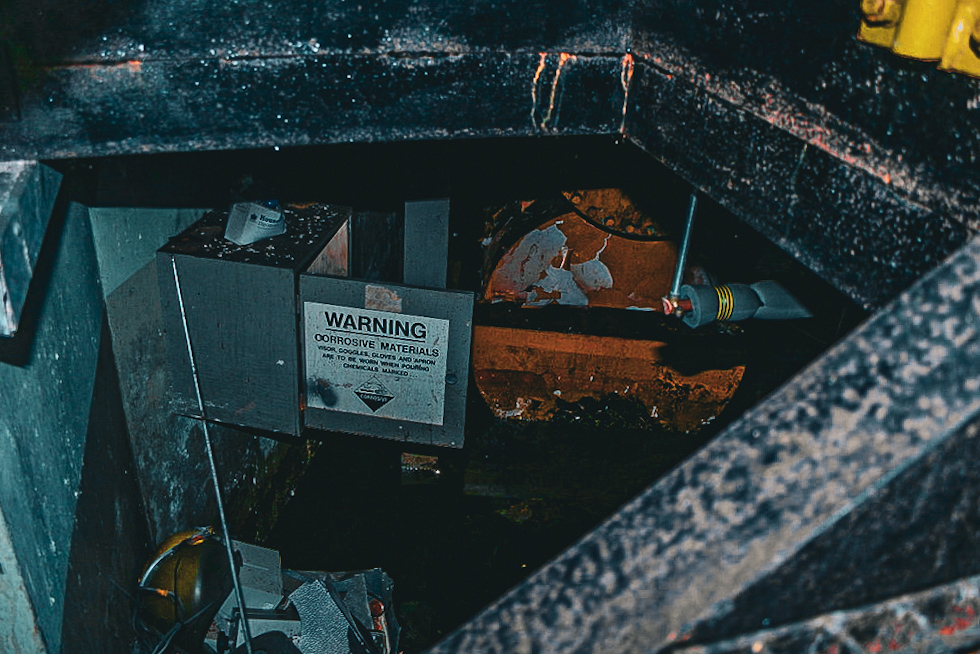
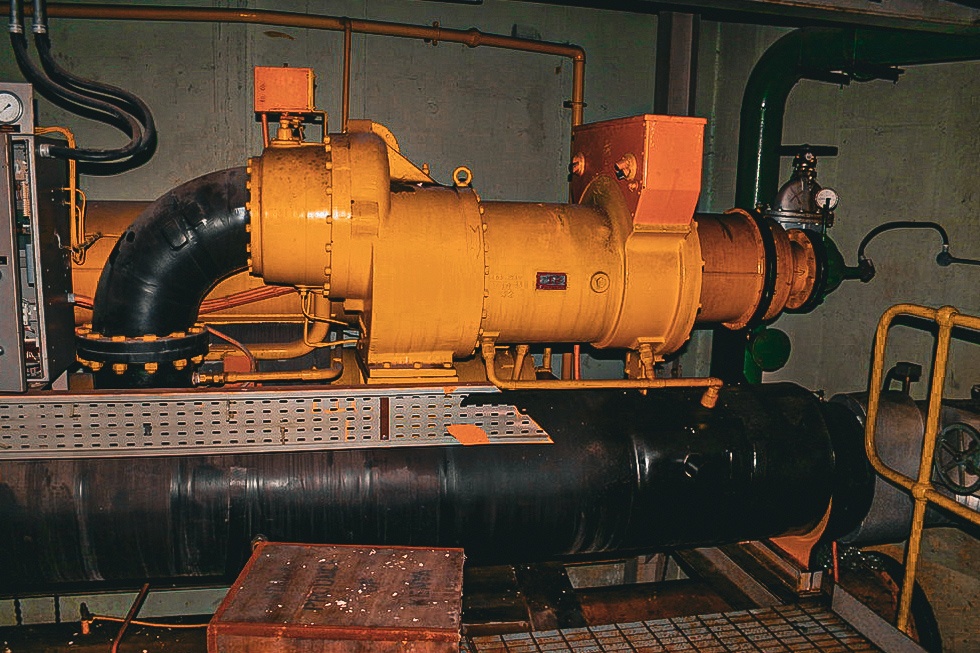
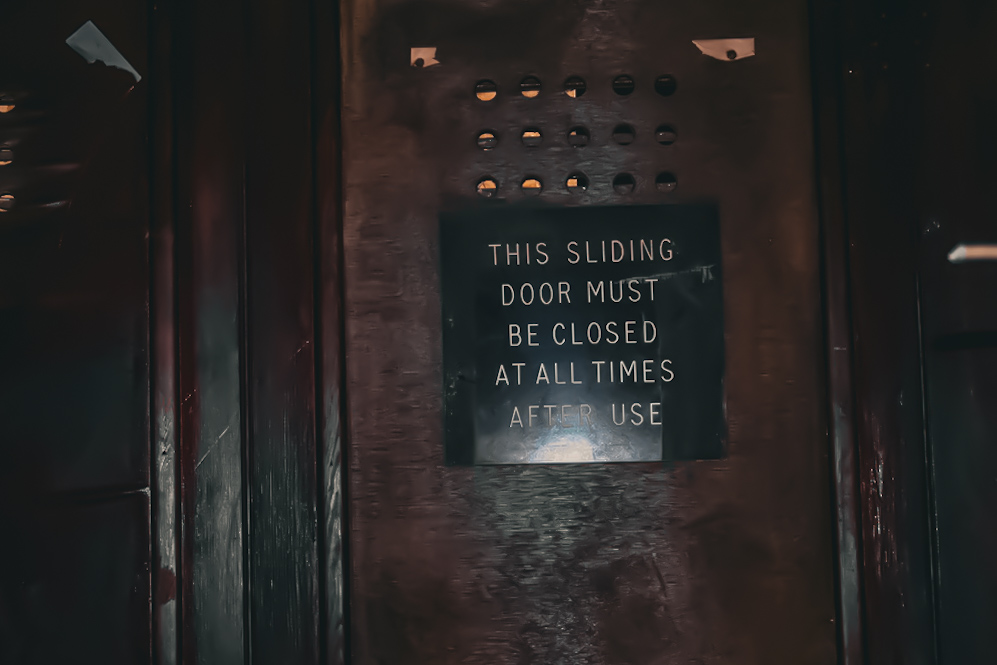
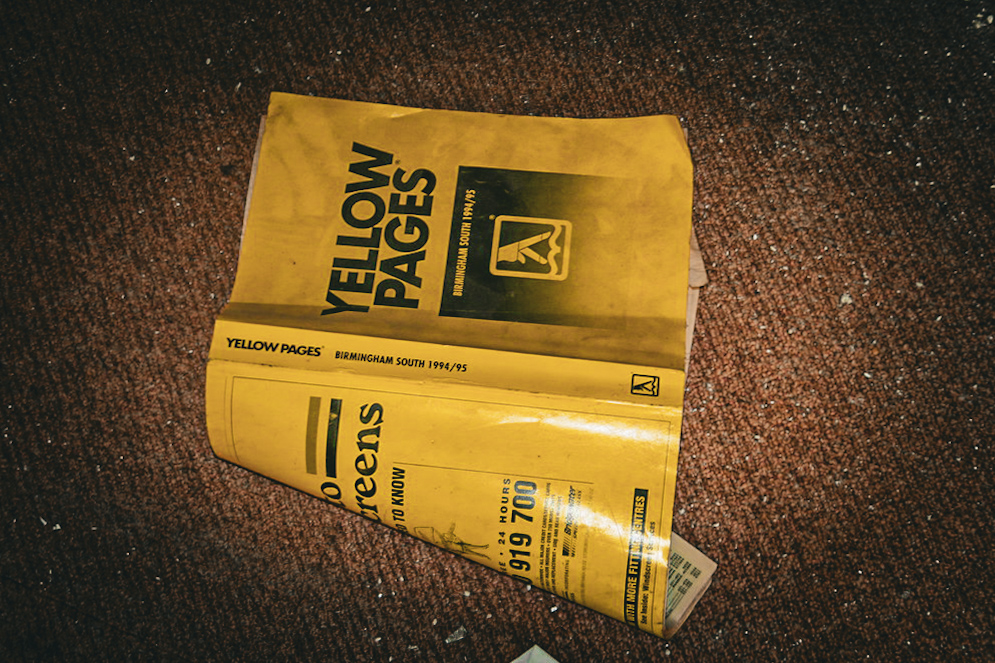
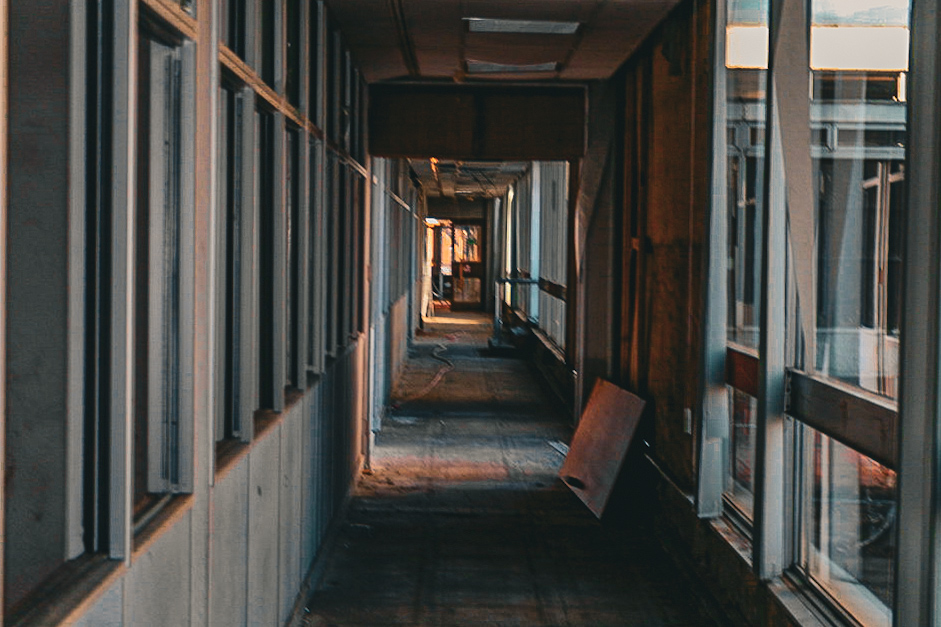
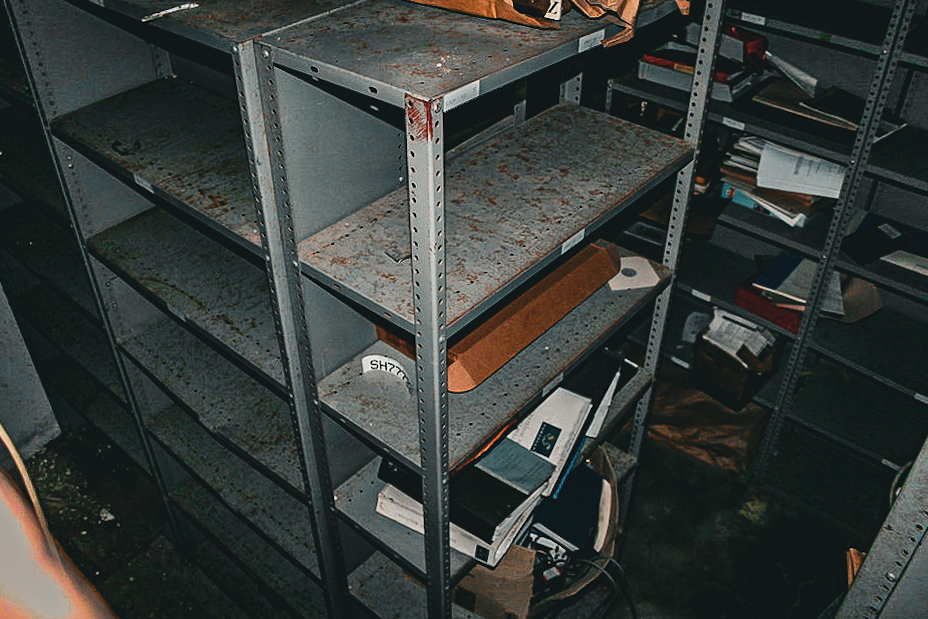
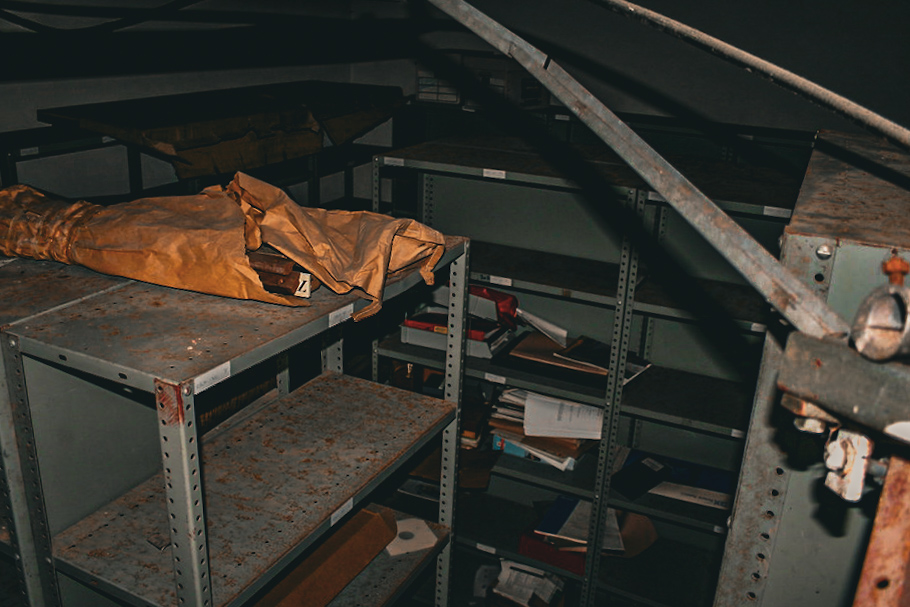
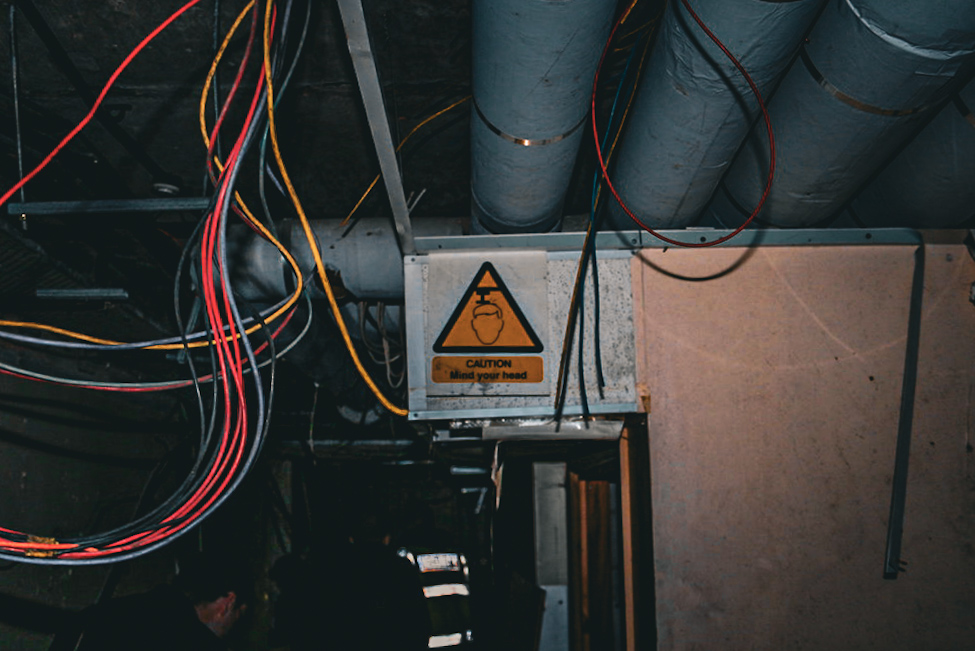
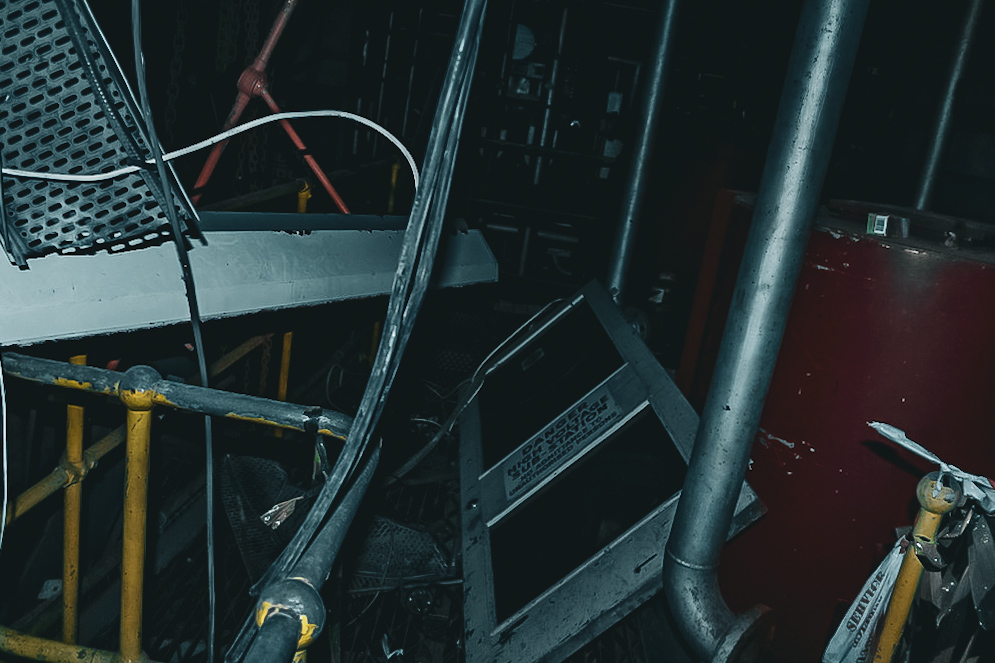
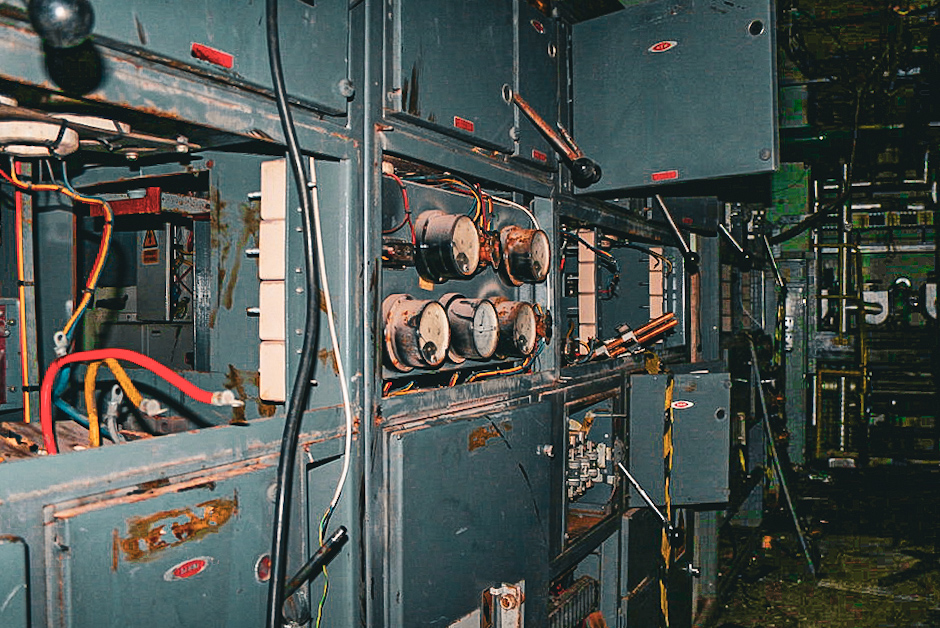
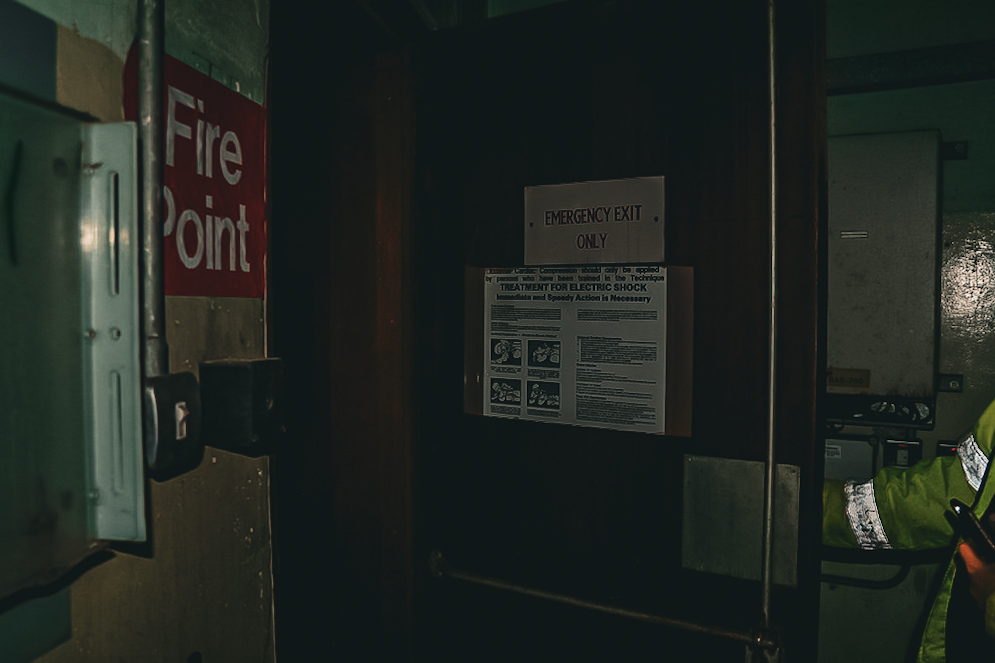
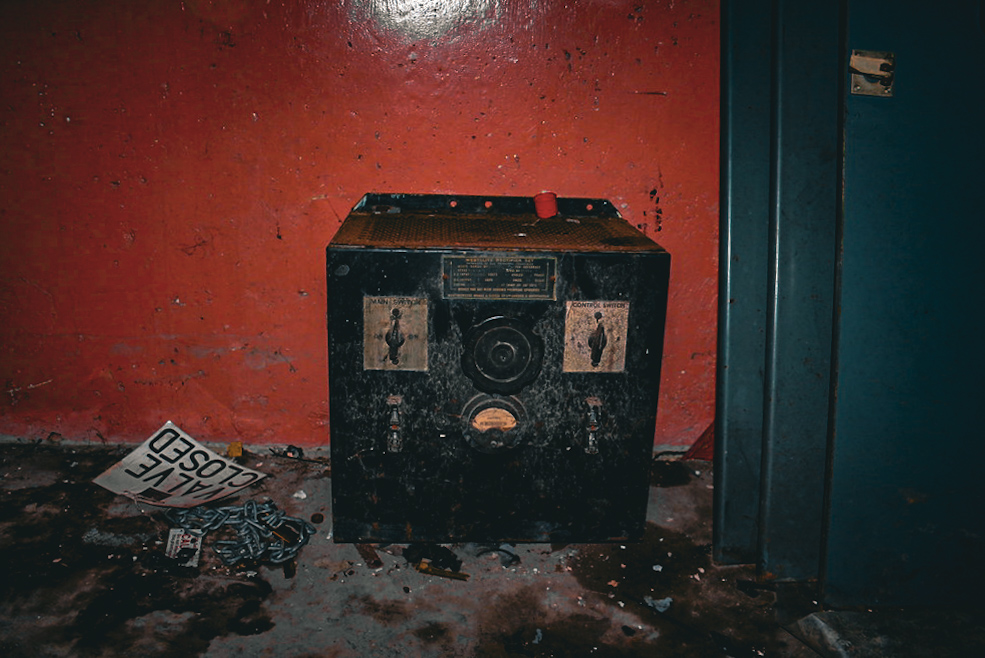
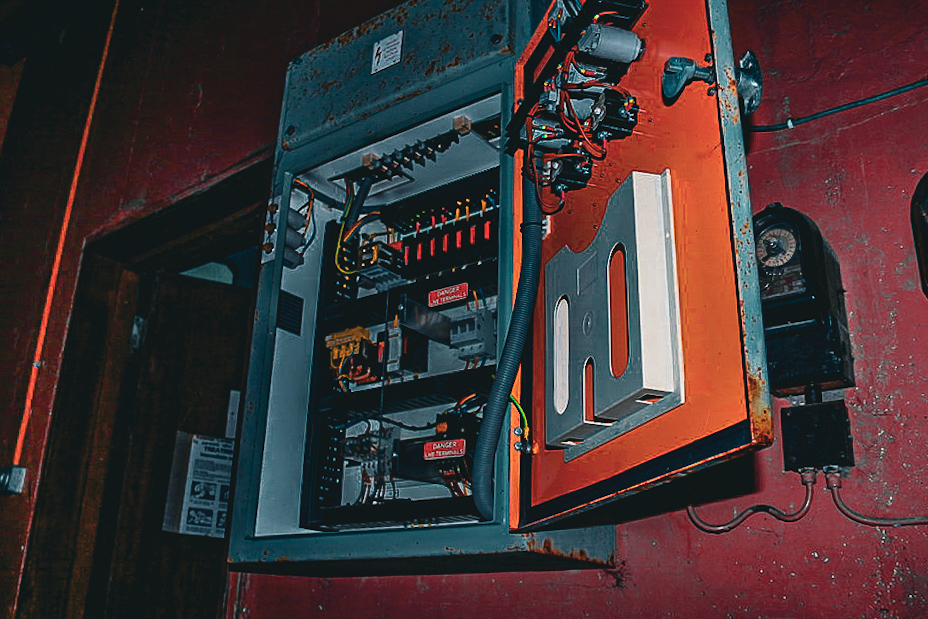
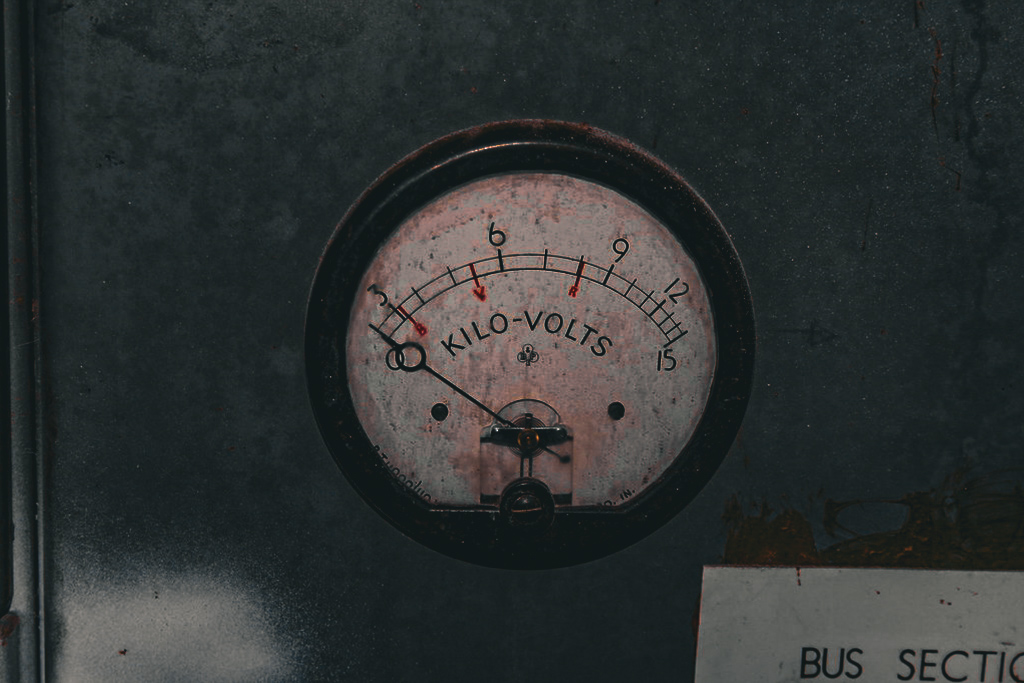
Eventually, we managed to sneak past the security and the security devices on site and made our way into the disused buildings. Not much was left behind by the time we managed to get inside to explore, but what was left behind was crazy!

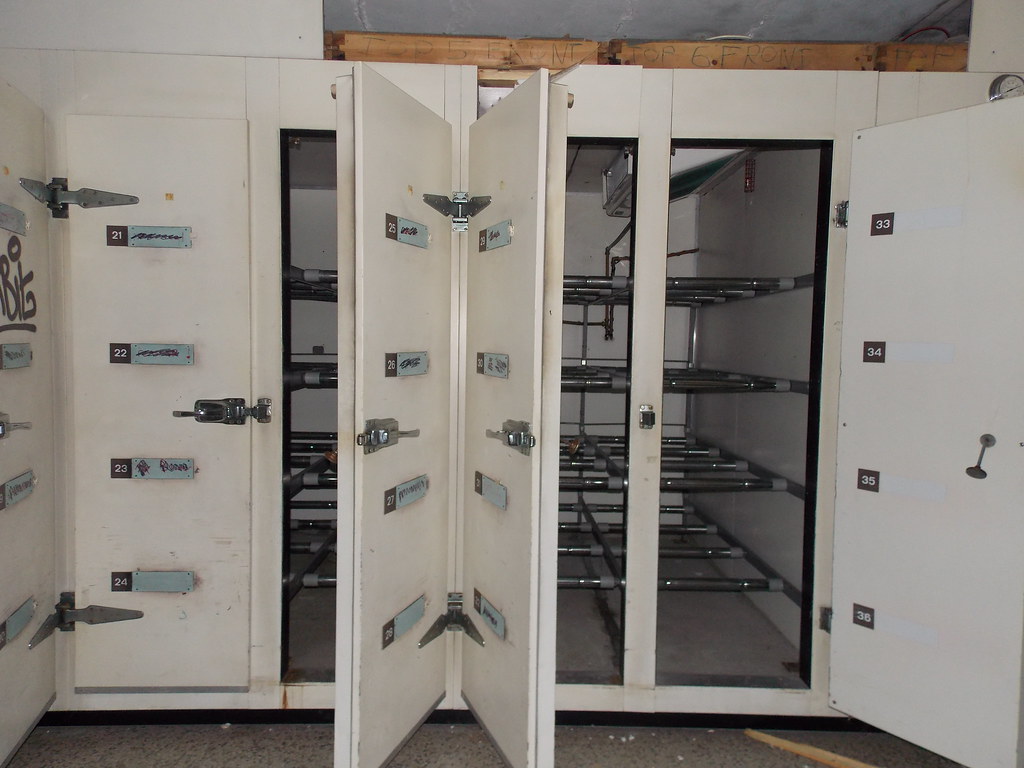
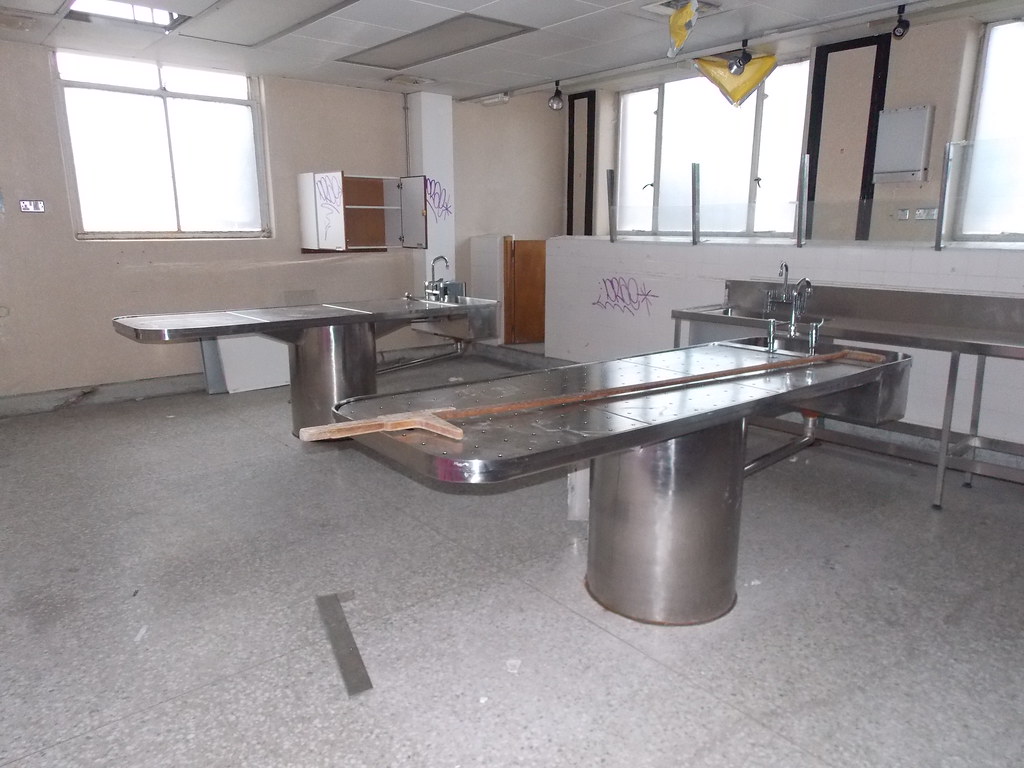
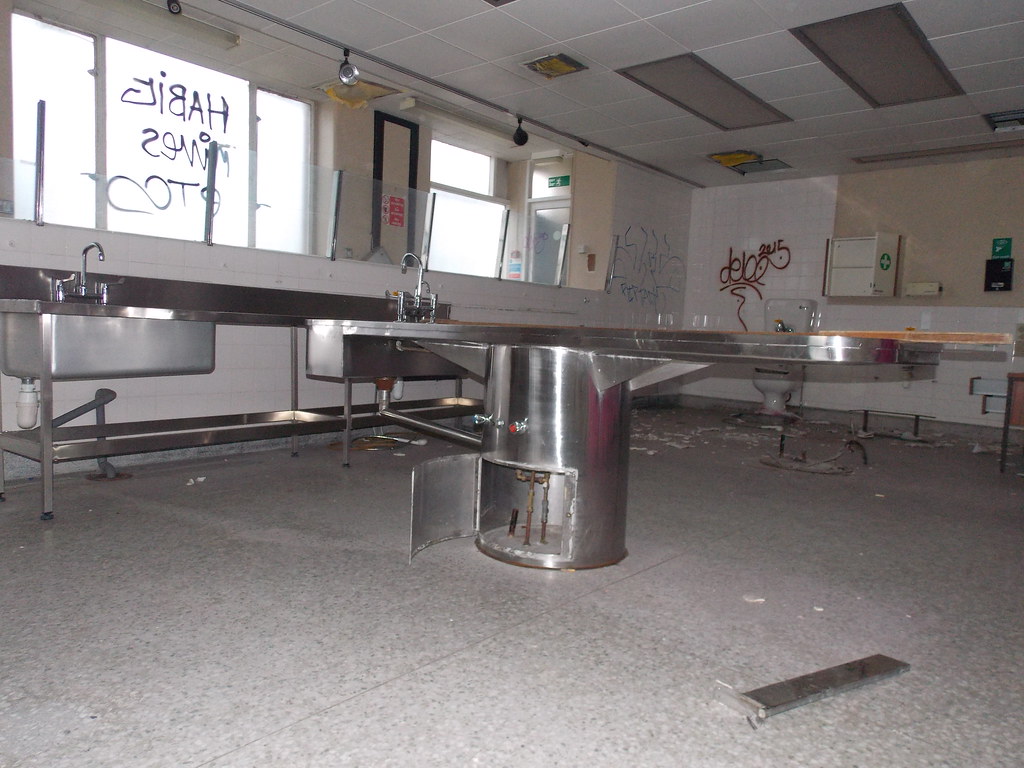
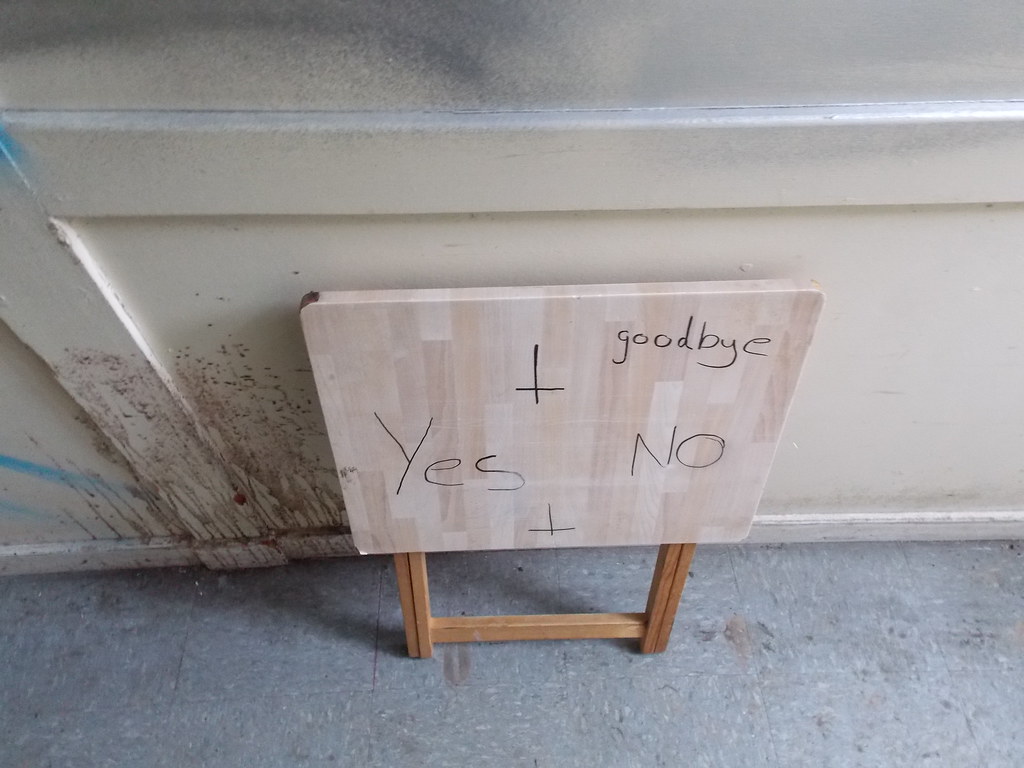
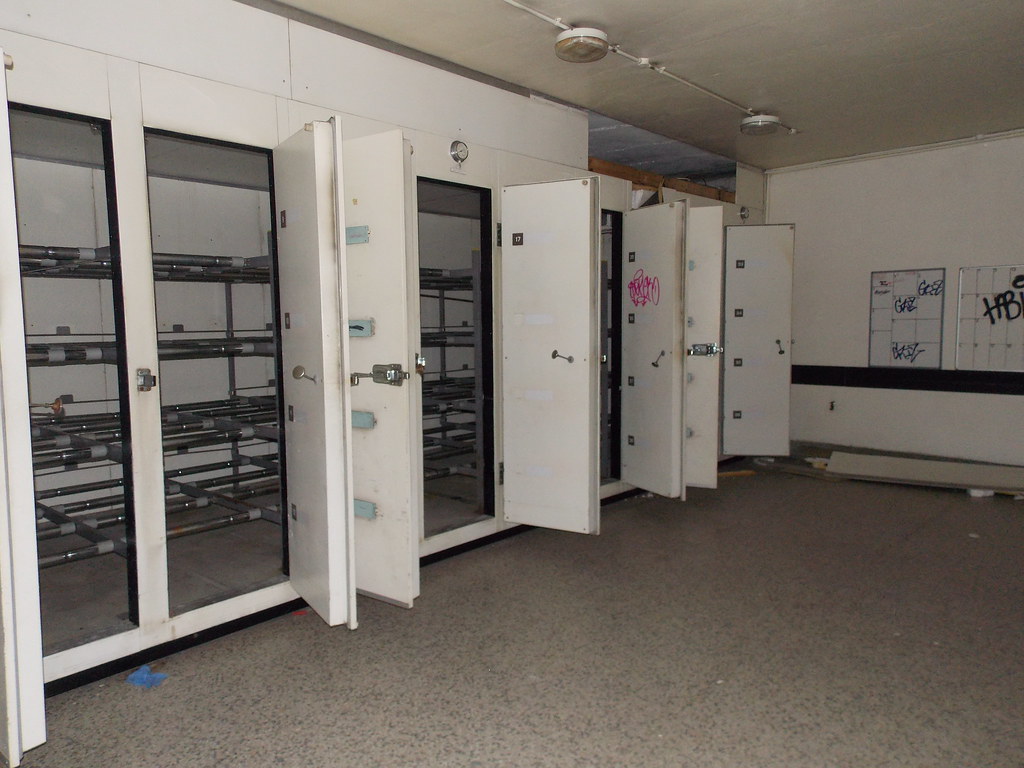
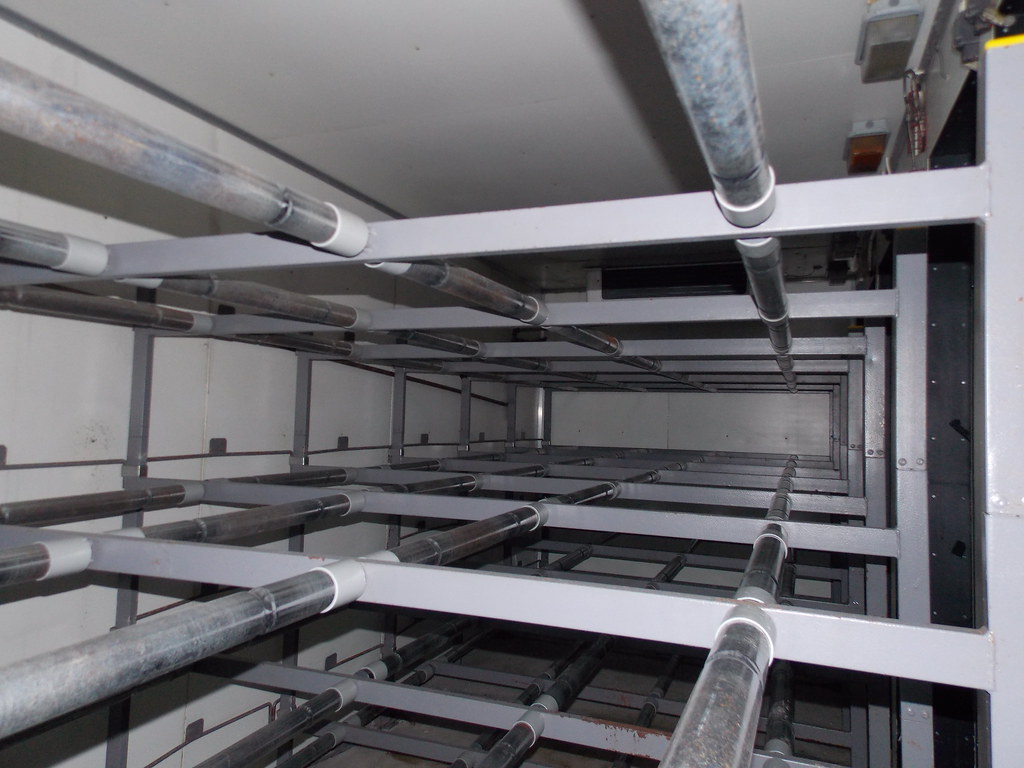
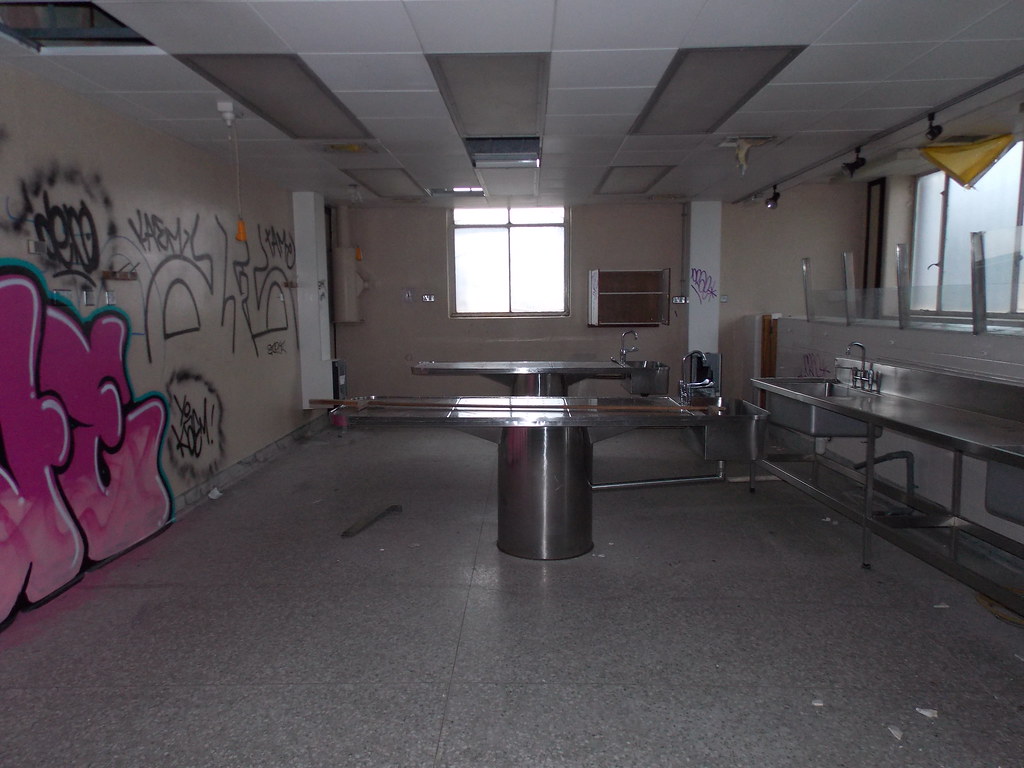
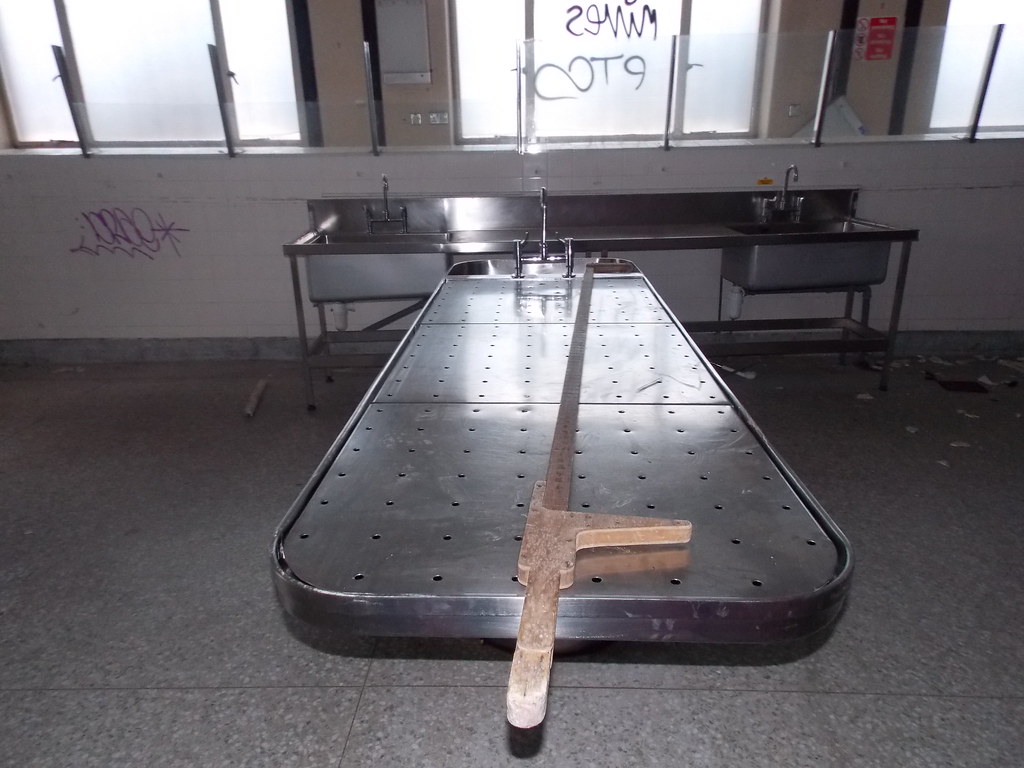
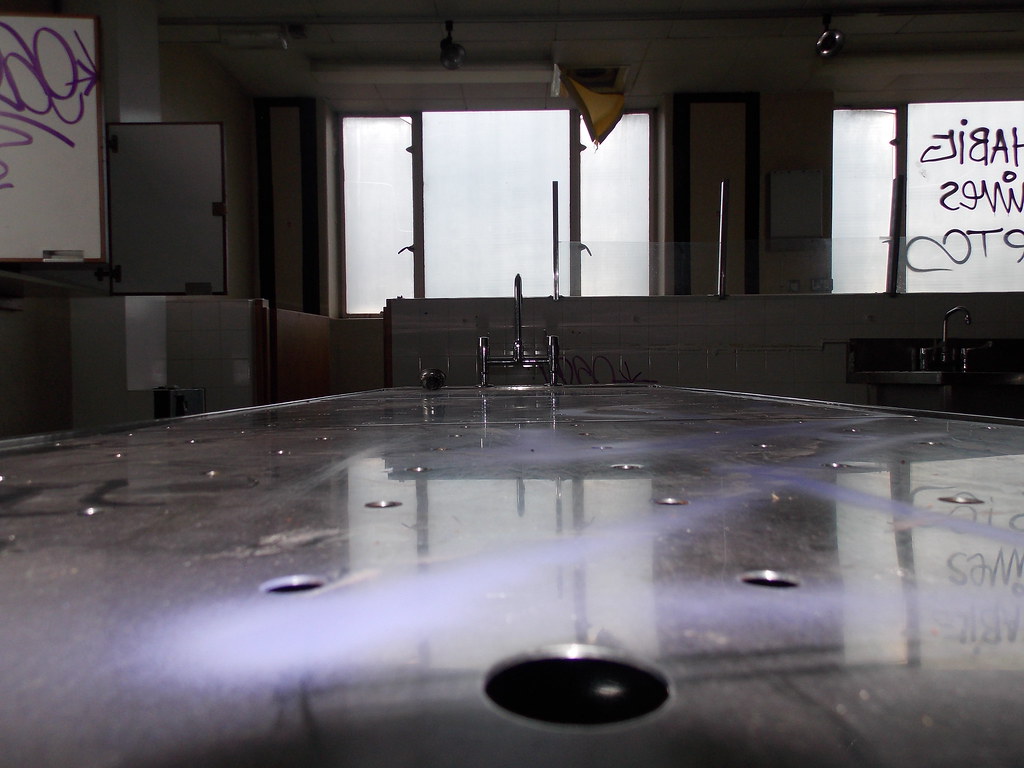
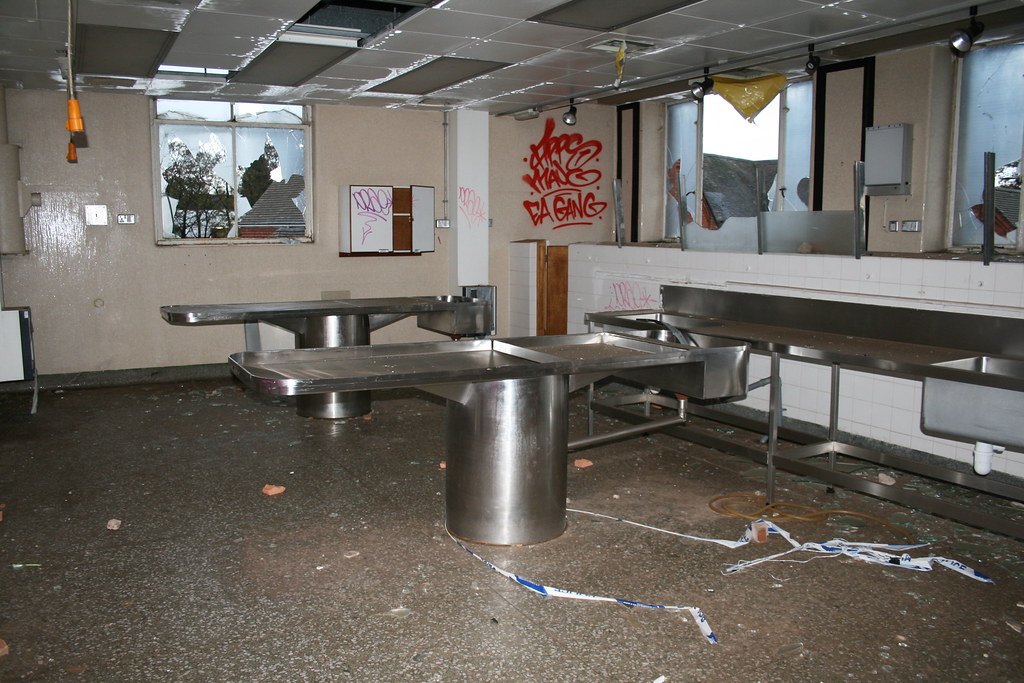
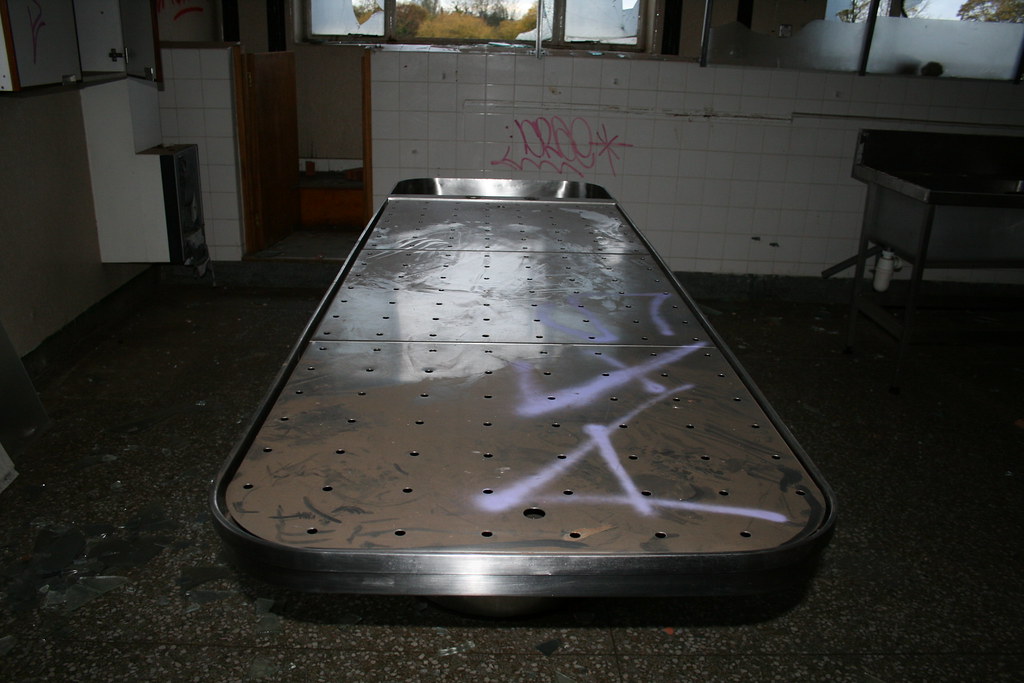
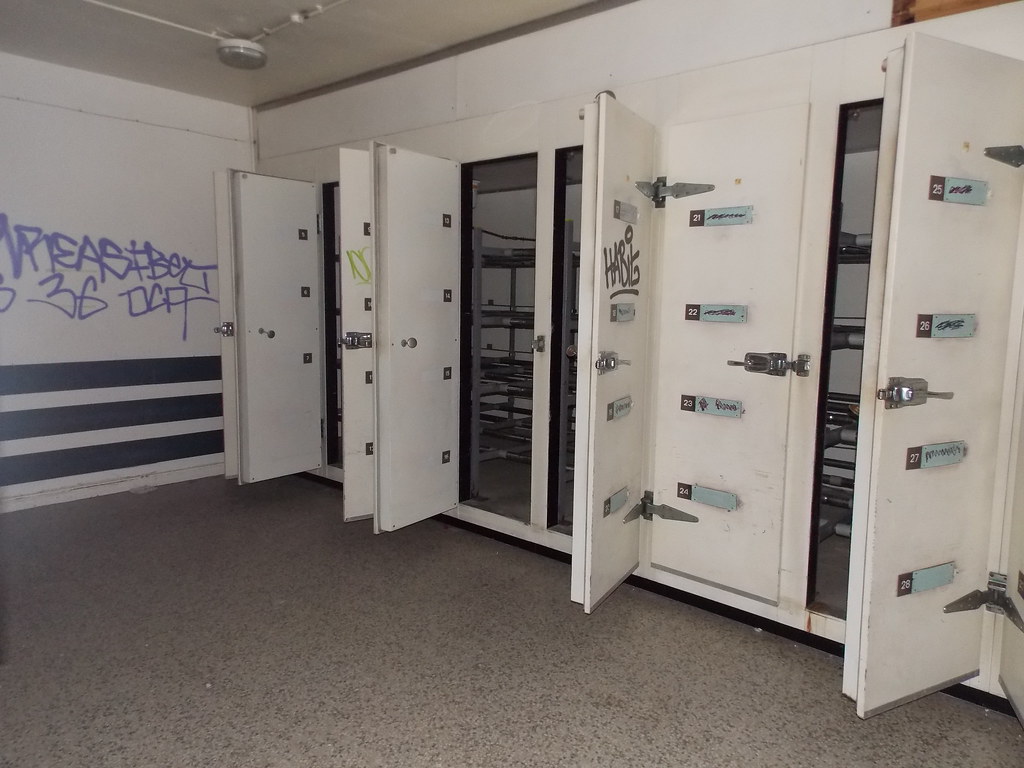
The freakiest part of the explore was when we managed to gain access to the morgue. The utensils and stainless steel bed were still there, and the morgue slab had a Ouija board left on top. That’s when the explore really started getting freaky.

Here’s some history on the now-demolished Selly Oak Hospital.

Origins — From Workhouse to Infirmary
The site originally housed the King’s Norton Union Workhouse, built under the Poor Law Amendment Act 1834 to care for the very poor. Designed by Edward Holmes, it opened around 1870/1872 and could house a few hundred inmates.

In 1897, a purpose-built workhouse infirmary was added (designed by Daniel Arkell), with around 300 beds. It was one of the early infirmaries lit entirely by electric light — unusual at the time.

Transition to Hospital
By 1902–1908, the complex expanded with a new entrance and a large nurses’ home called Woodlands.

In 1911, the workhouse and infirmary were renamed Selly Oak Hospital as King’s Norton became part of Birmingham and the Poor Law system was reorganised.

Over the inter-war years, the hospital modernised: operating theatres, labs, wards, and services expanded, reflecting the shift from a Poor Law institution to a general hospital.

NHS Era and Growth
When the National Health Service was founded in 1948, Selly Oak Hospital and its associated buildings (formerly the workhouse and infirmary) joined the NHS and became a general hospital under Birmingham City Council.

In later decades, it became part of University Hospitals Birmingham NHS Foundation Trust (from 1997) and was linked administratively with the nearby Queen Elizabeth Hospital.

Special Roles and Recognition
From 2001, the hospital was home to the Royal Centre for Defence Medicine, providing specialist care and rehabilitation for military personnel injured in operations in Iraq and Afghanistan.

The hospital also developed strong reputations for trauma and burns care and offered numerous general and specialist services to the West Midlands.

Closure and Aftermath
With the opening of the new Queen Elizabeth Hospital Birmingham starting in 2010, services progressively transferred from Selly Oak.

The hospital formally closed in late 2011/2012, ending its healthcare role after more than a century as a medical institution.

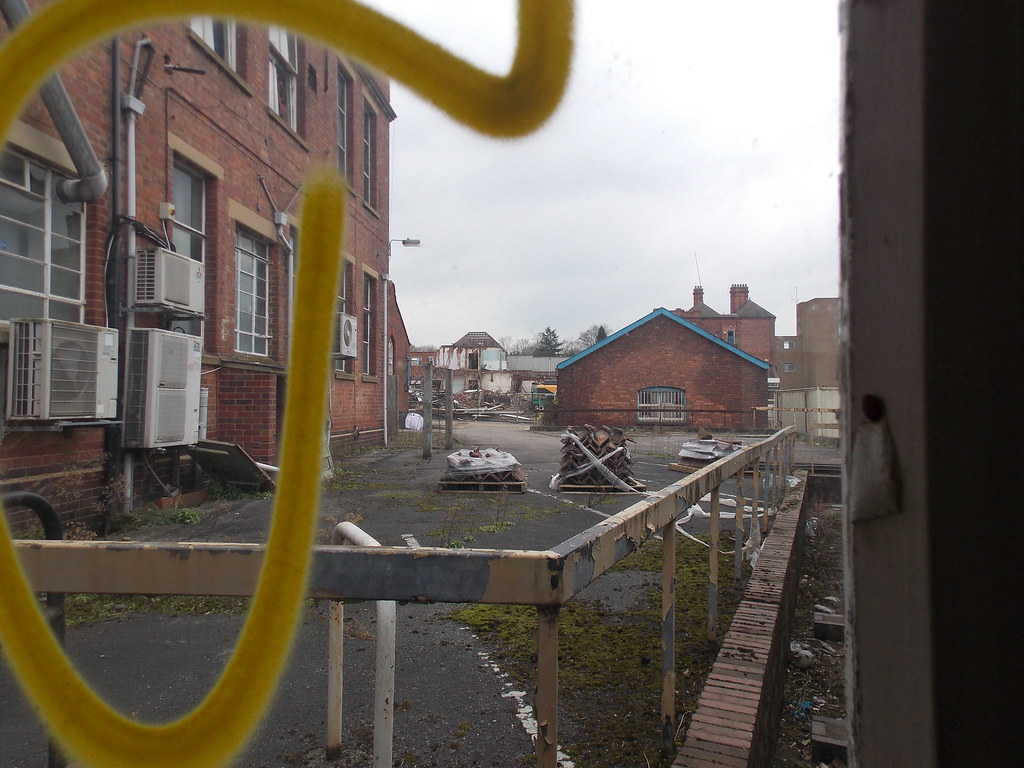
In 2015, the Trust sold the site for redevelopment. Plans were made for around 650 homes, and many of the old buildings have since been demolished or repurposed.

#SellyOakHospital
#BirminghamHistory
#AbandonedPlaces
#UrbanExplorationUK
#LostHospitals

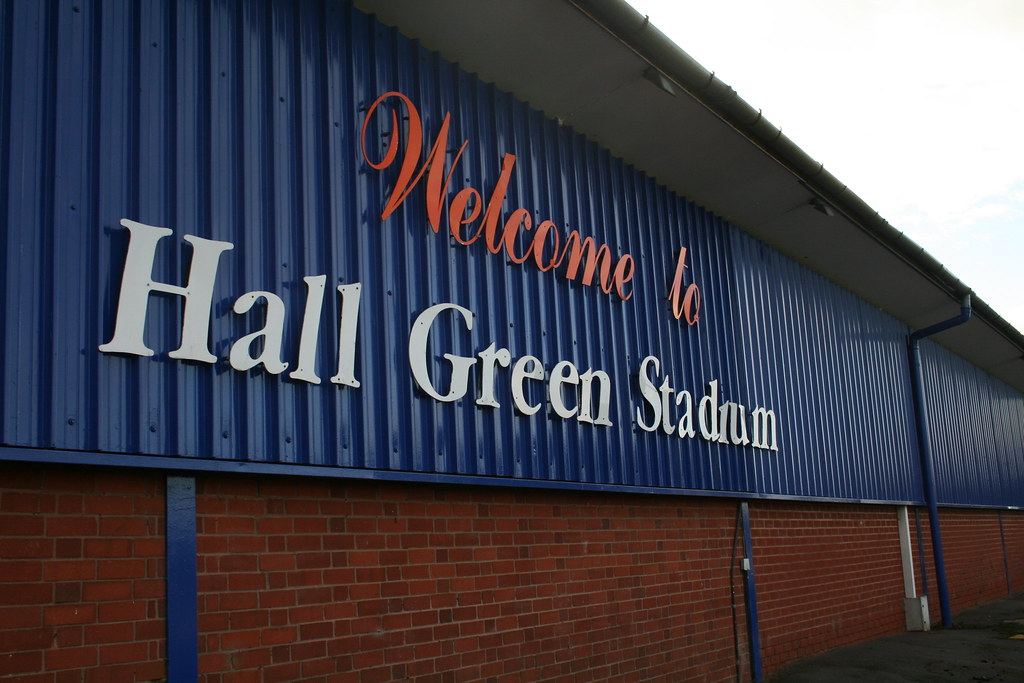
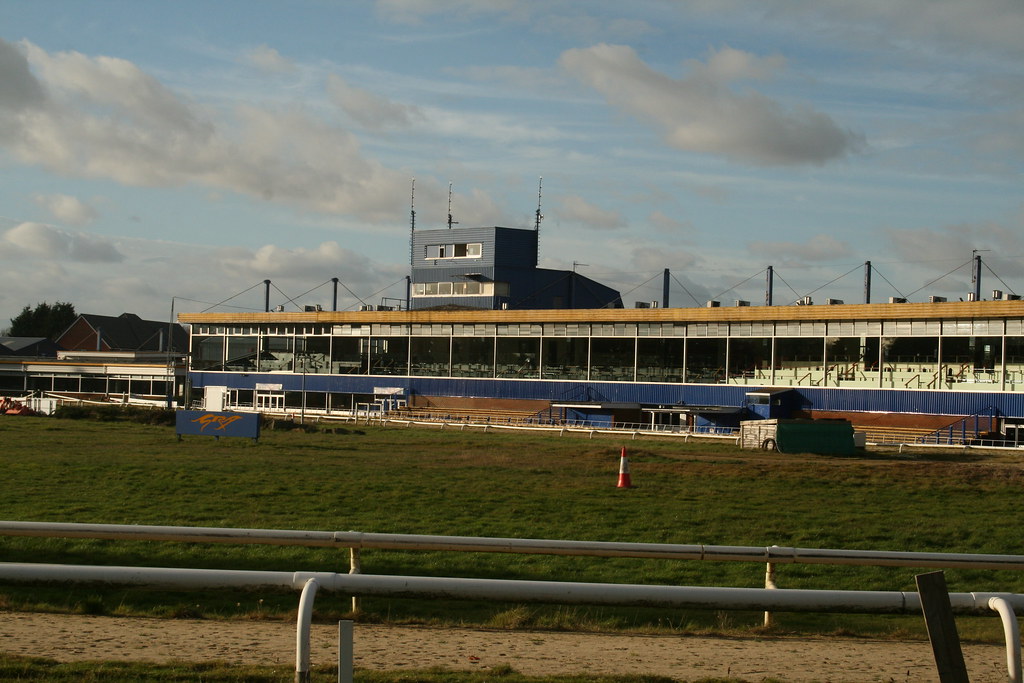
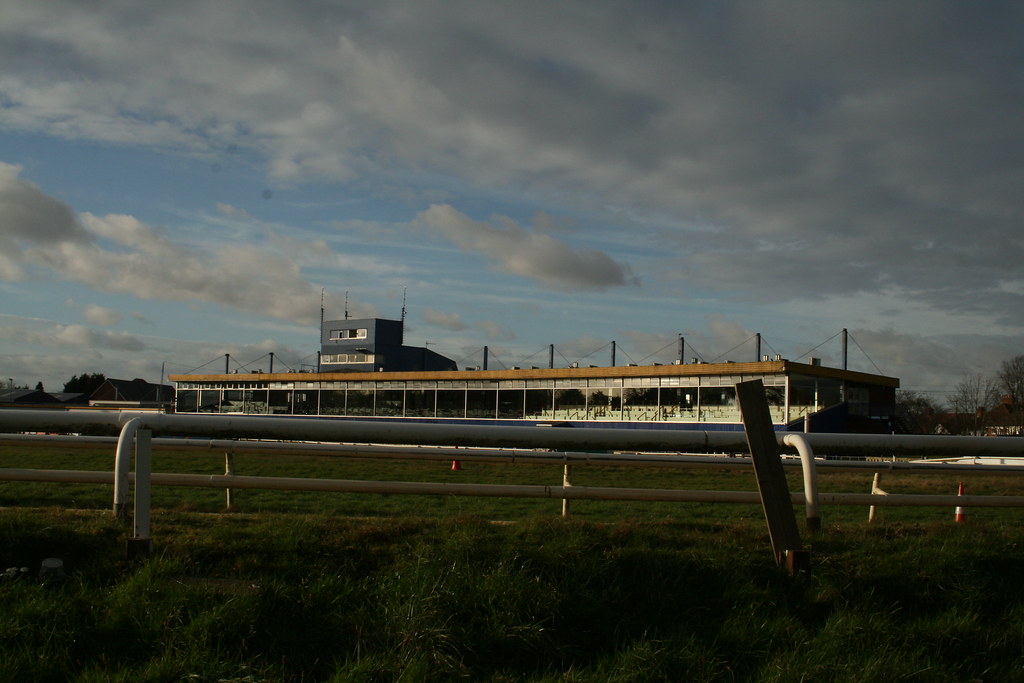
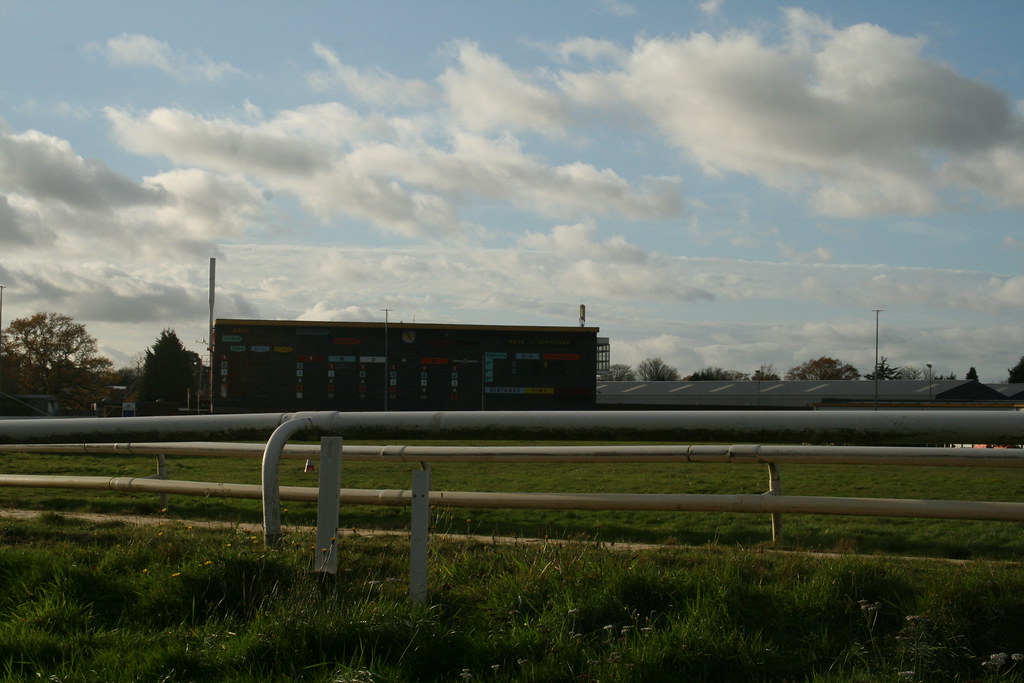
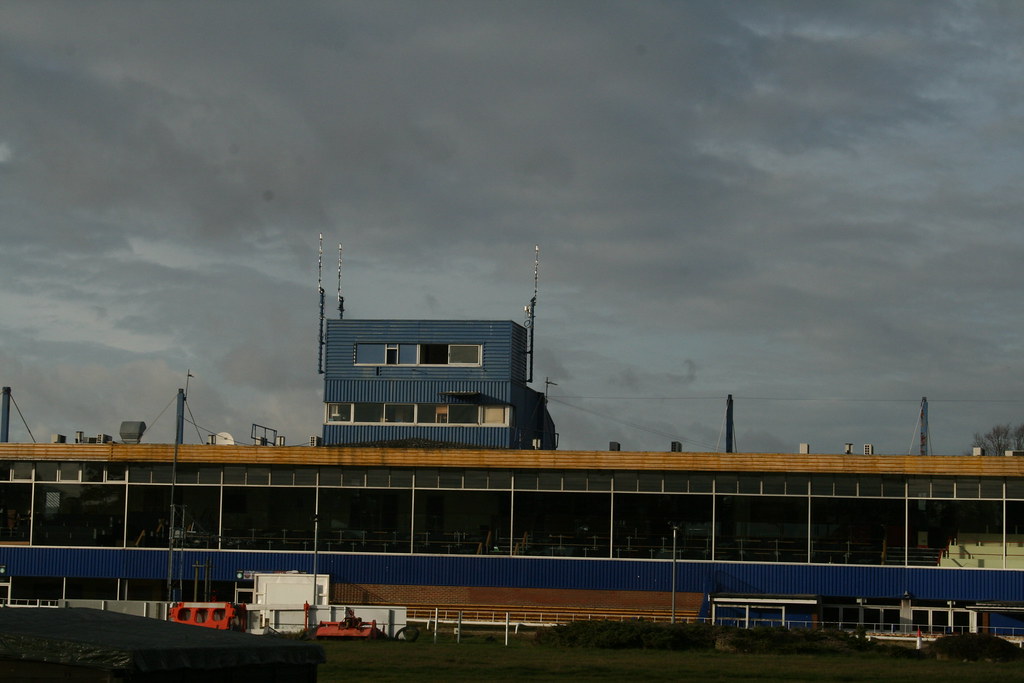
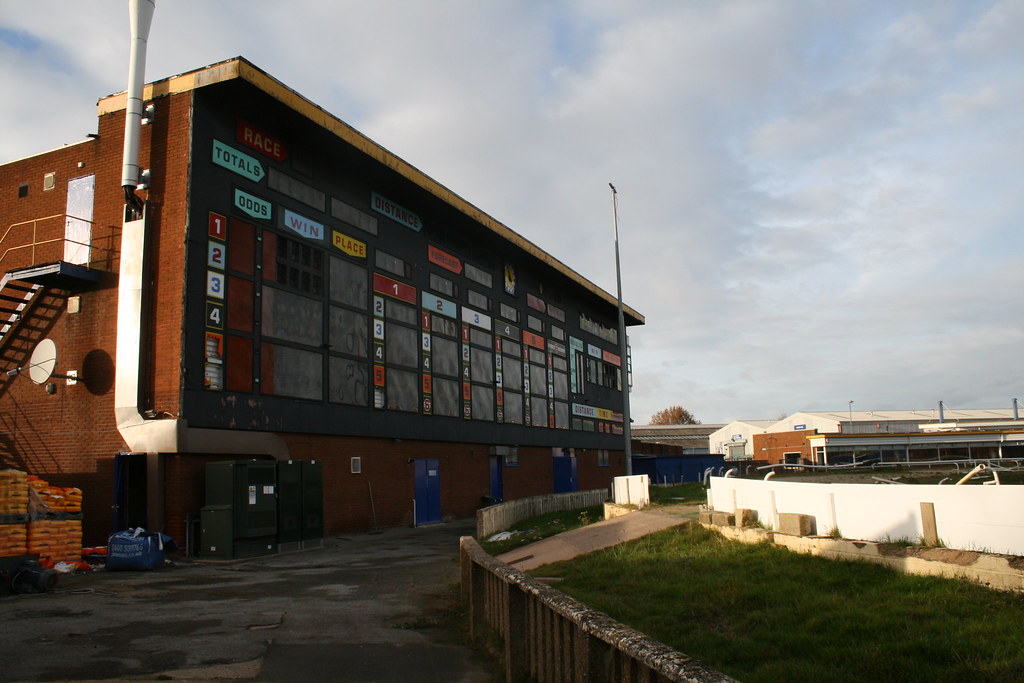
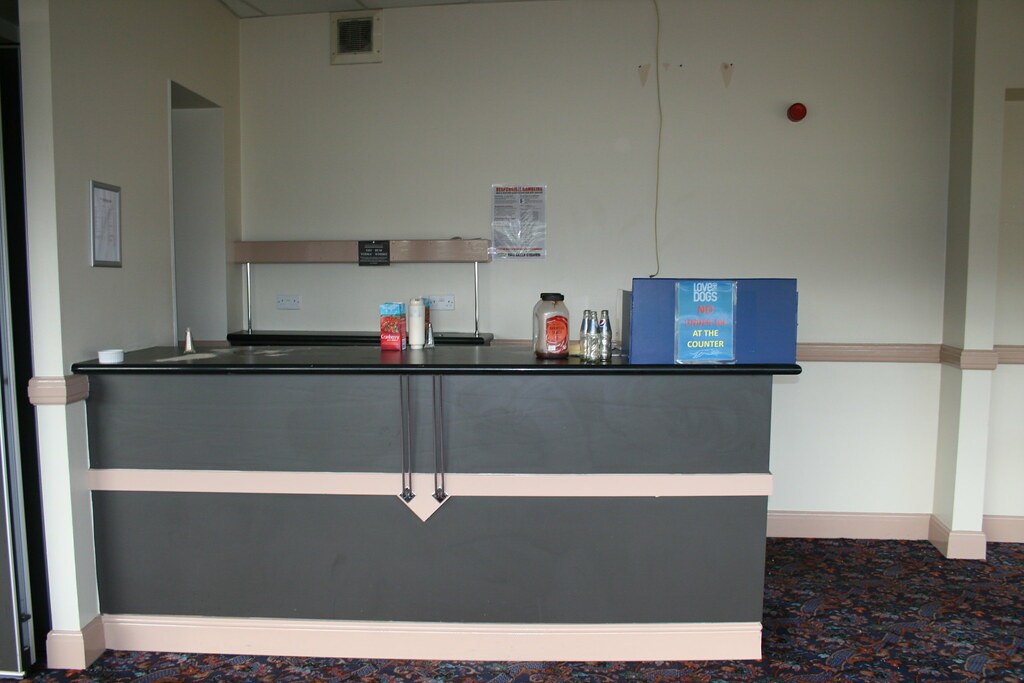
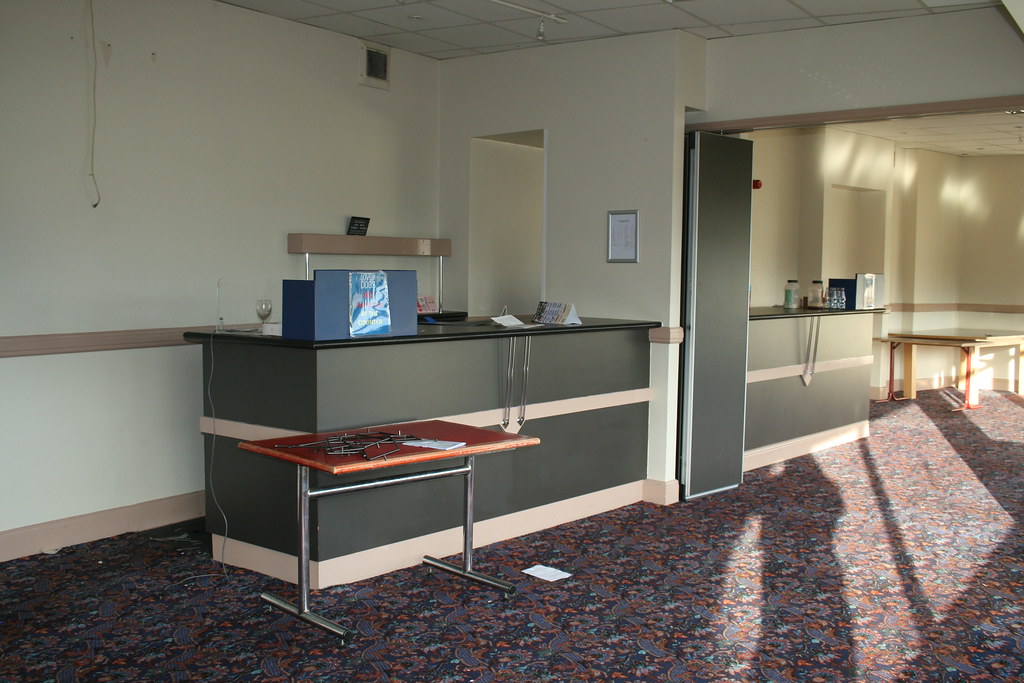
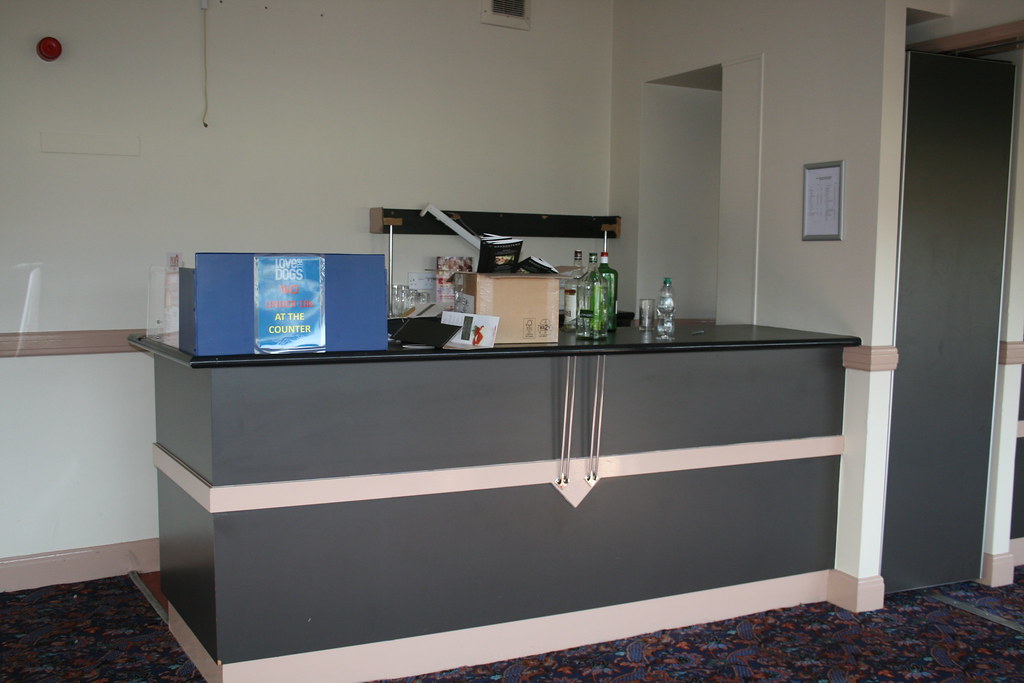
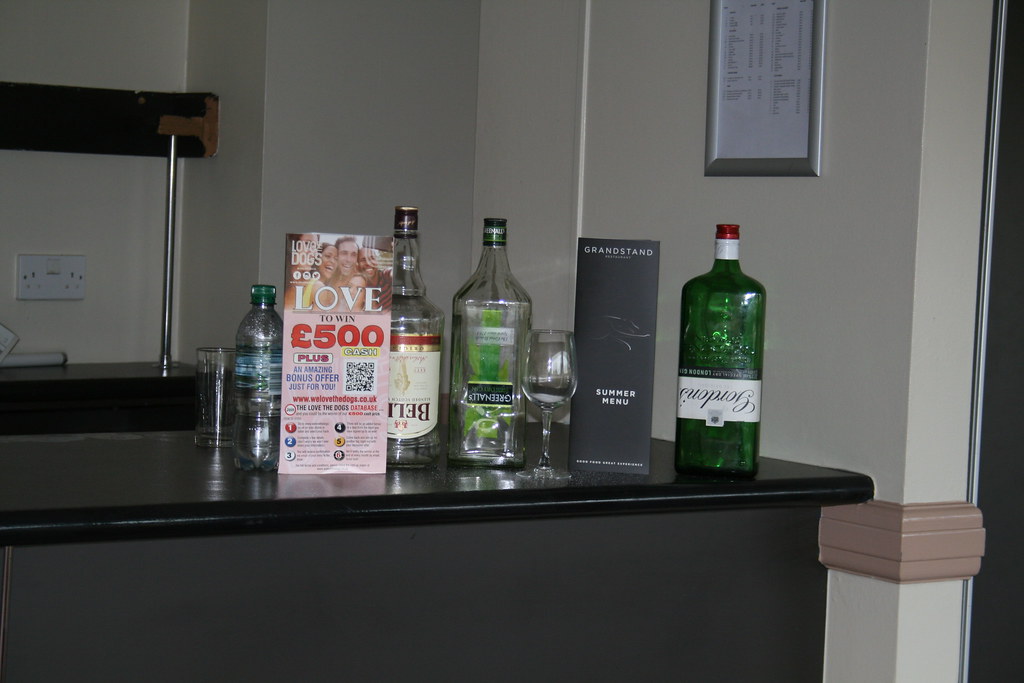
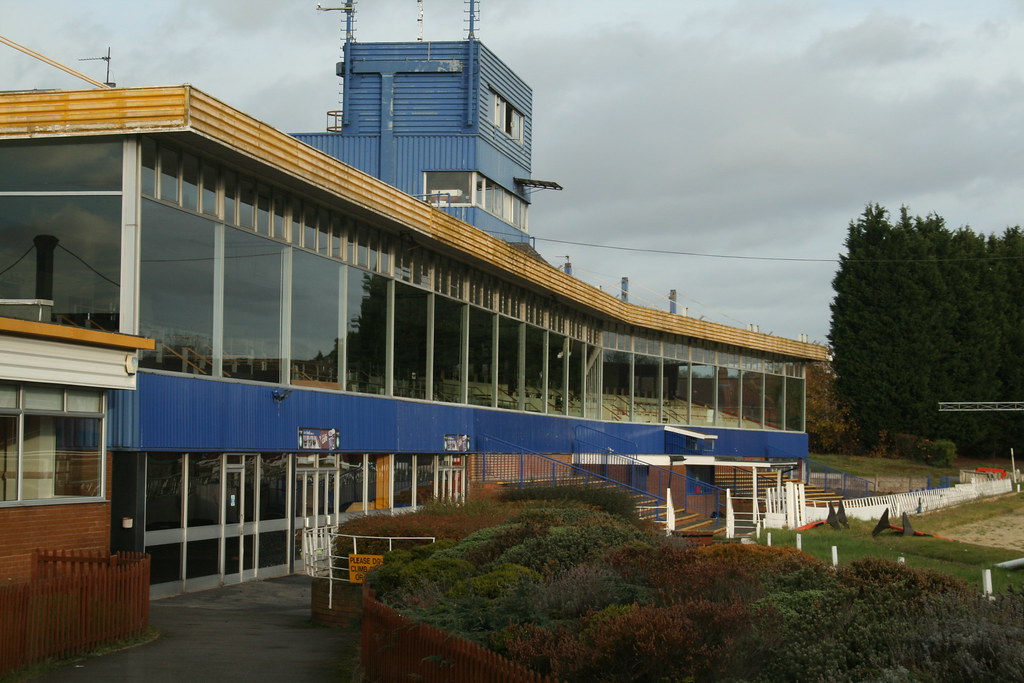
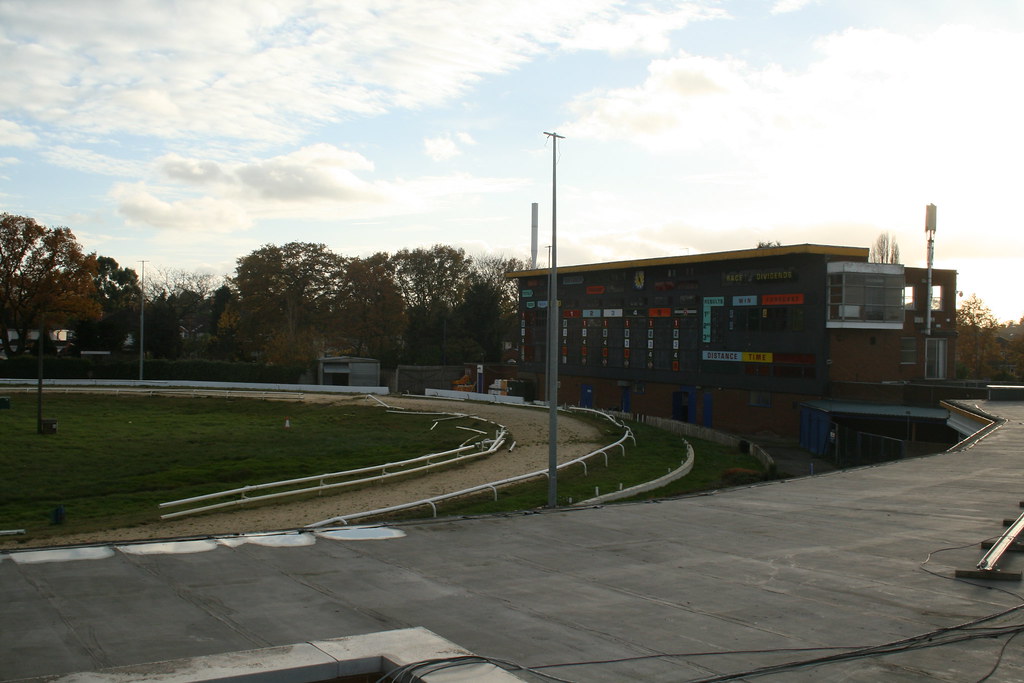
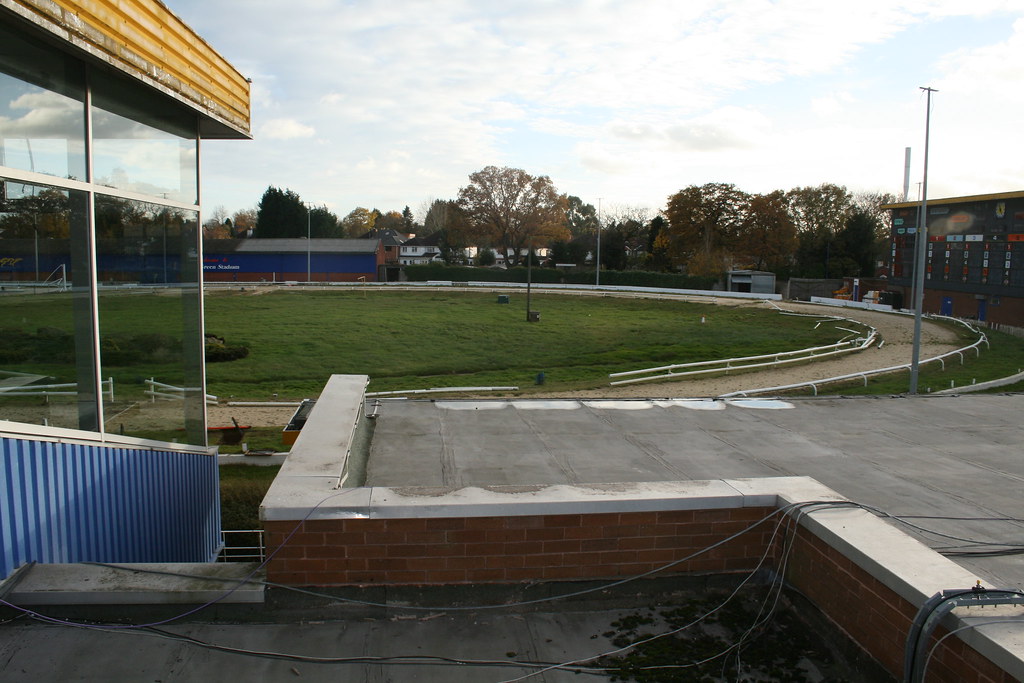
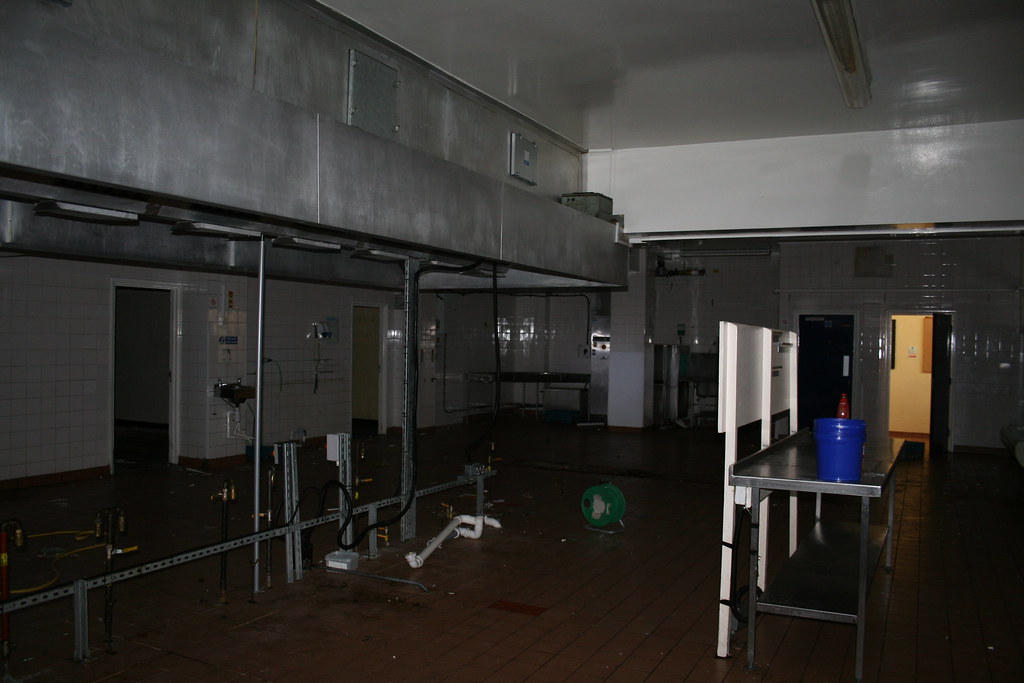
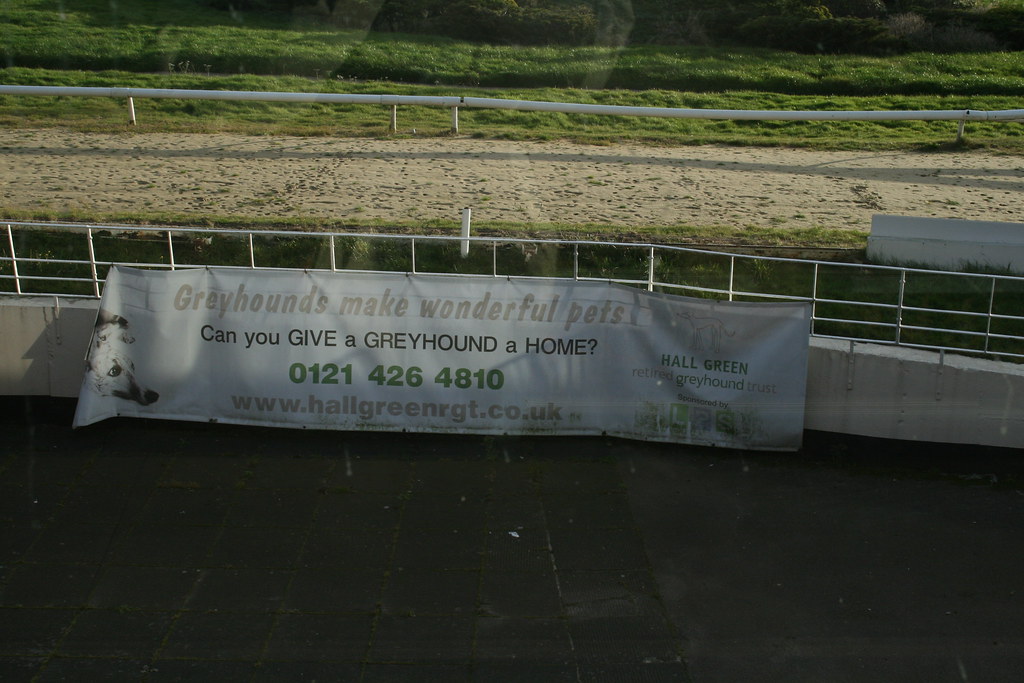
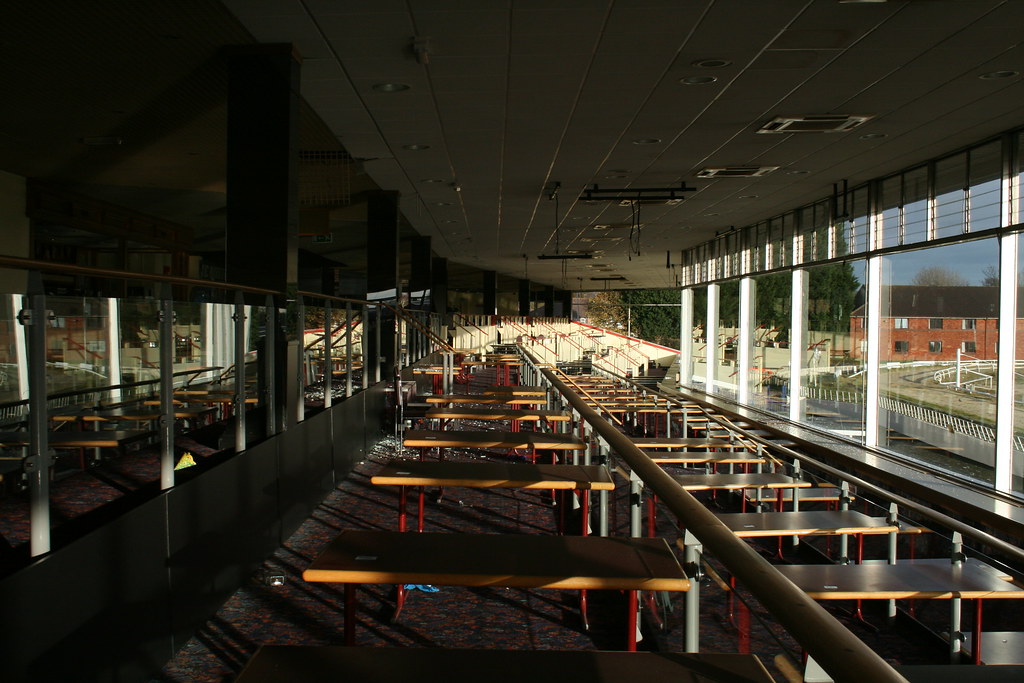
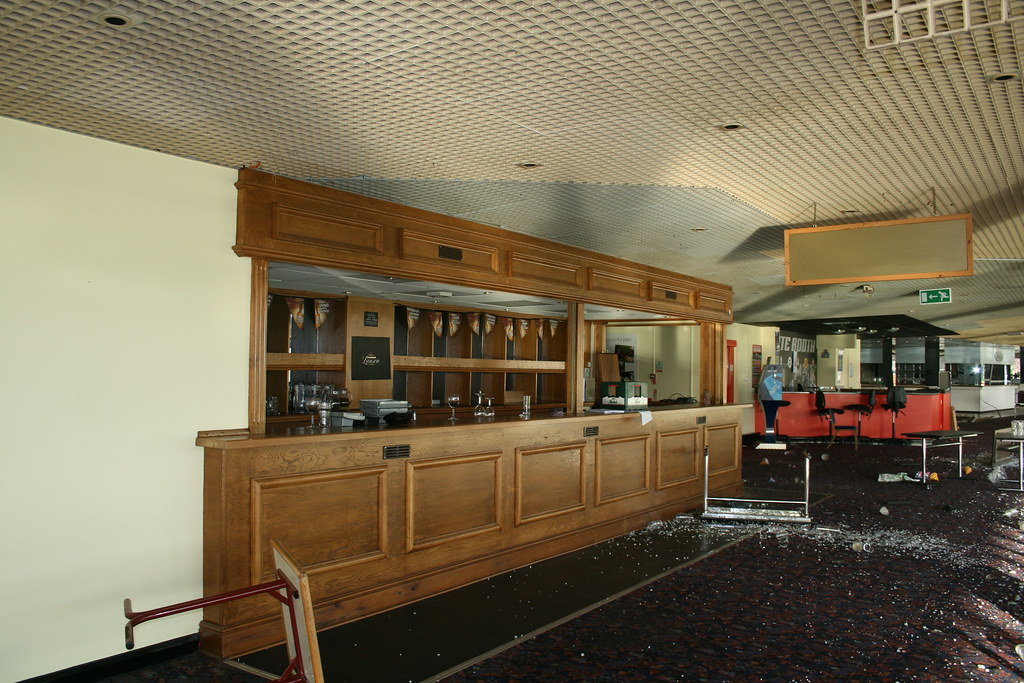
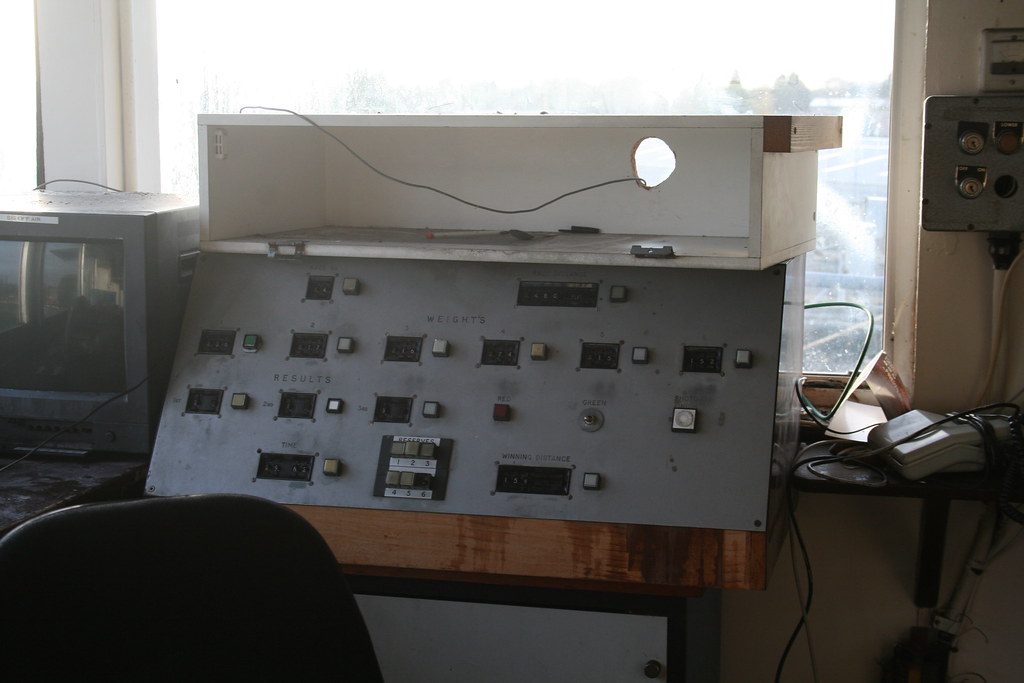
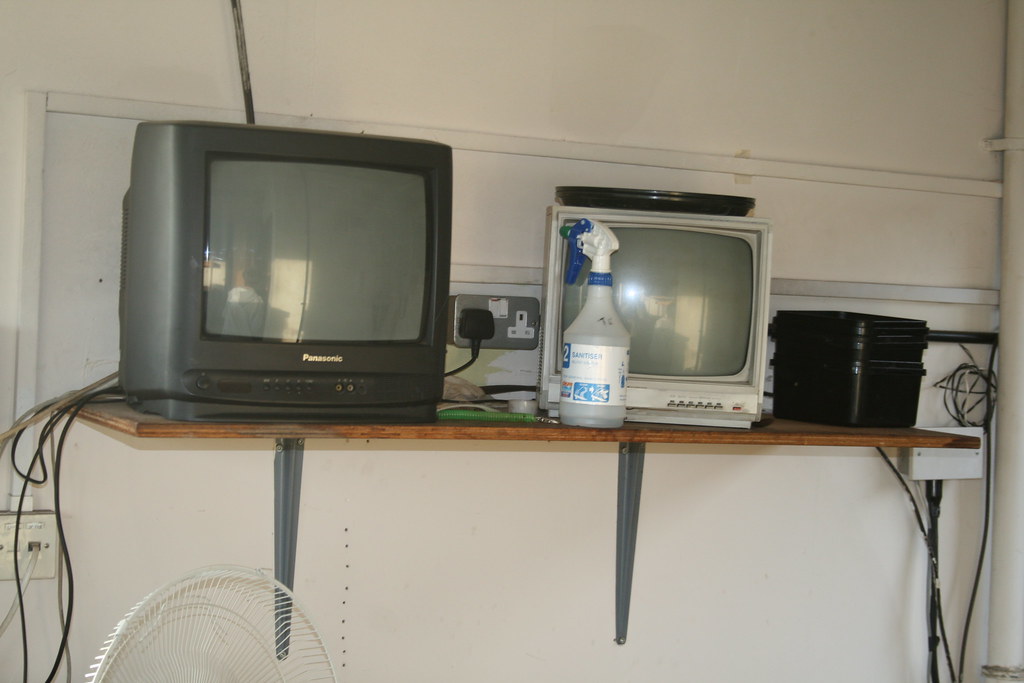
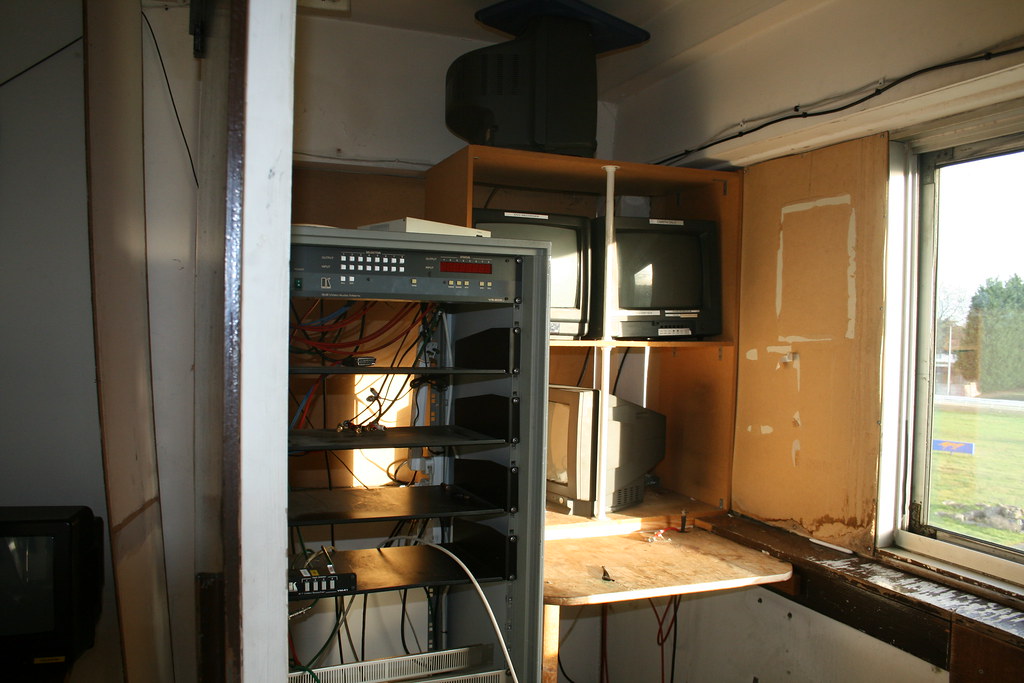
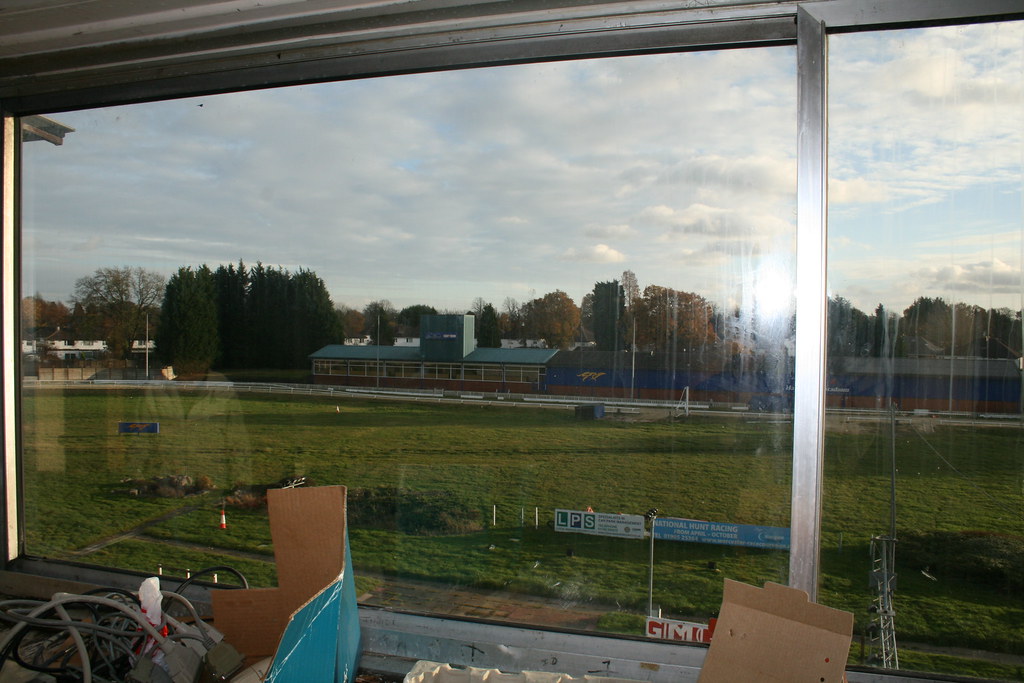
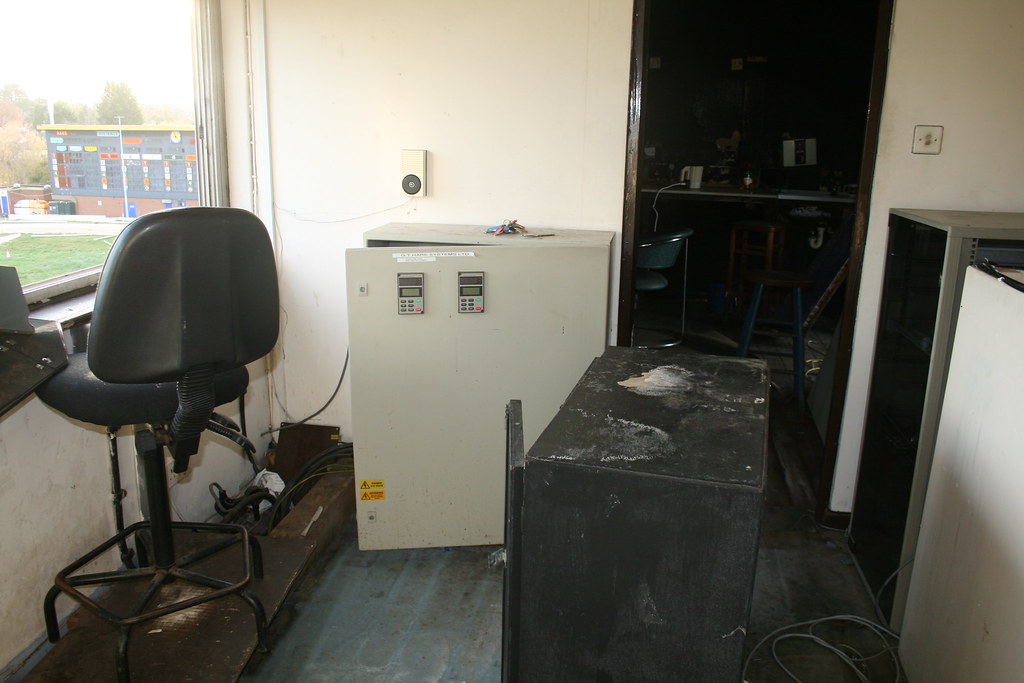
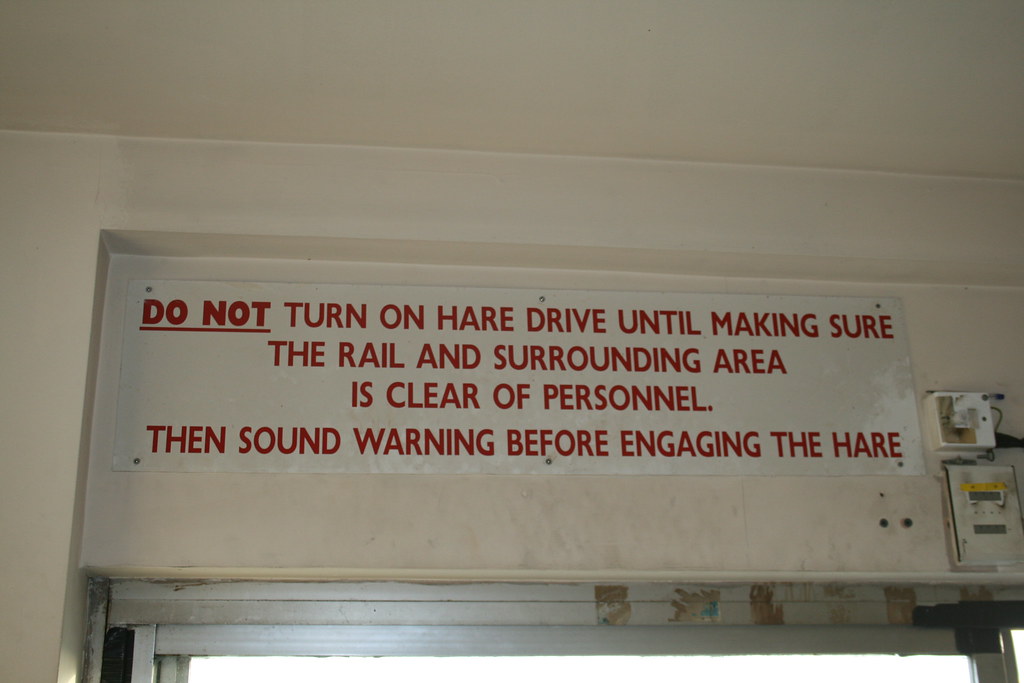
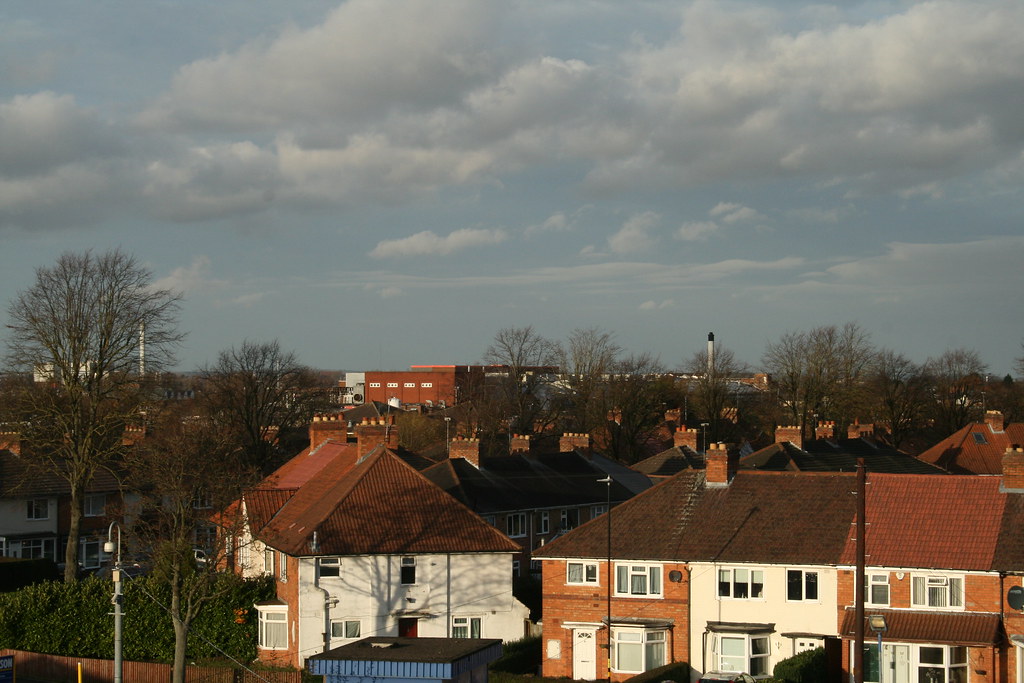
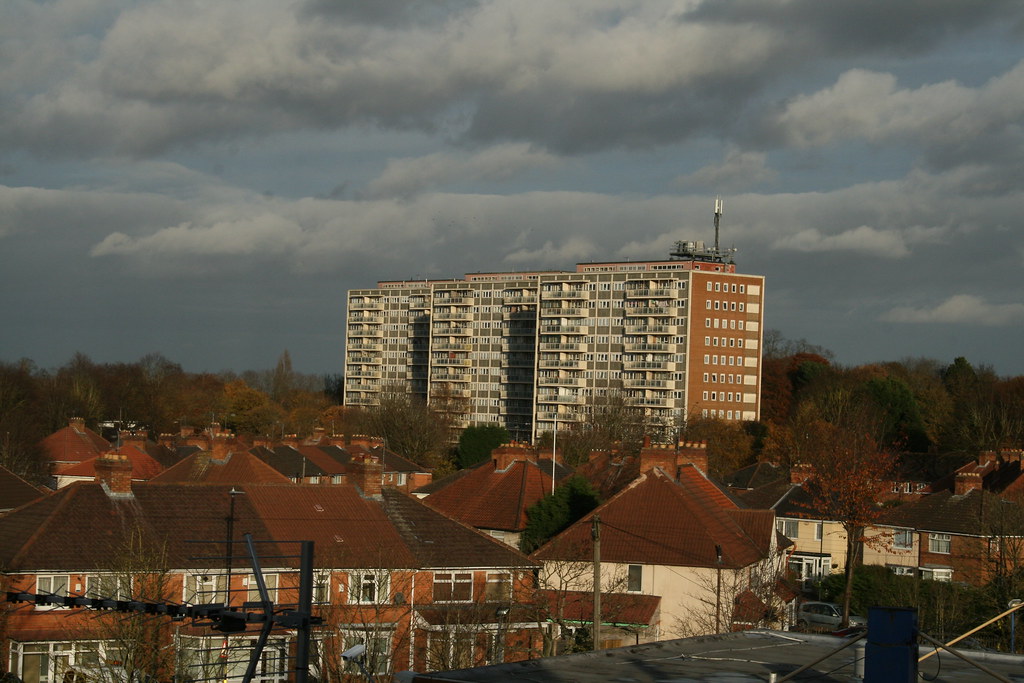
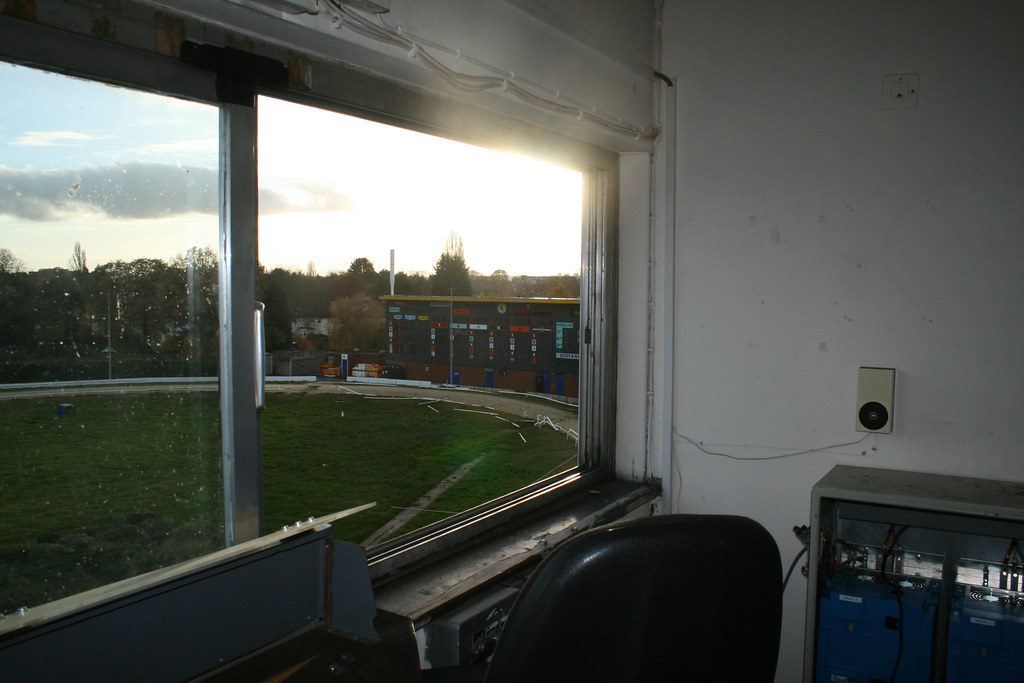
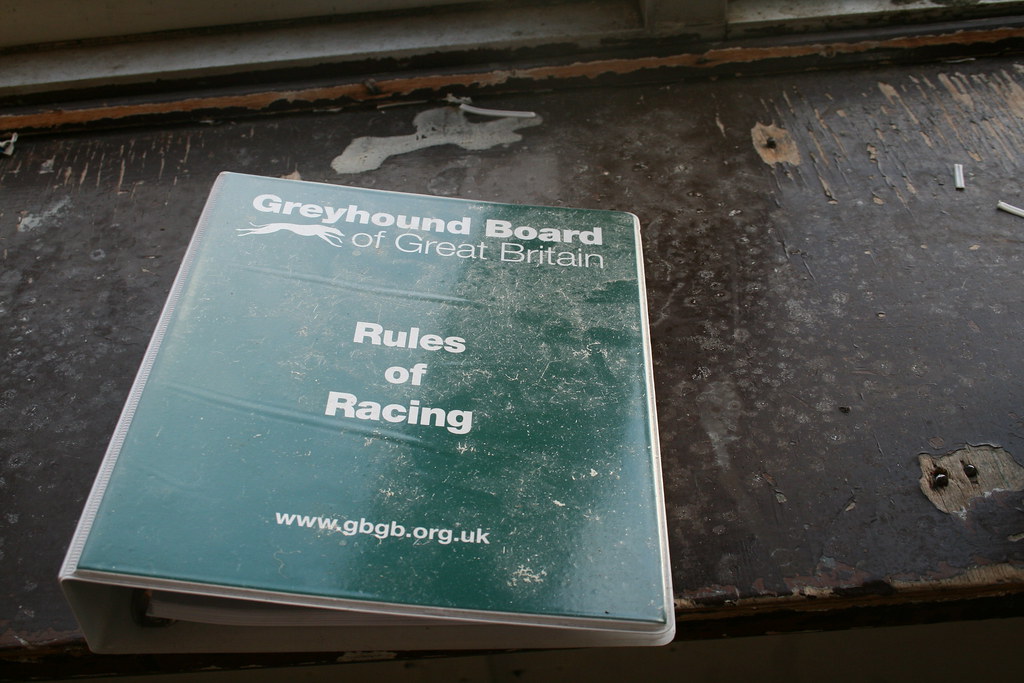
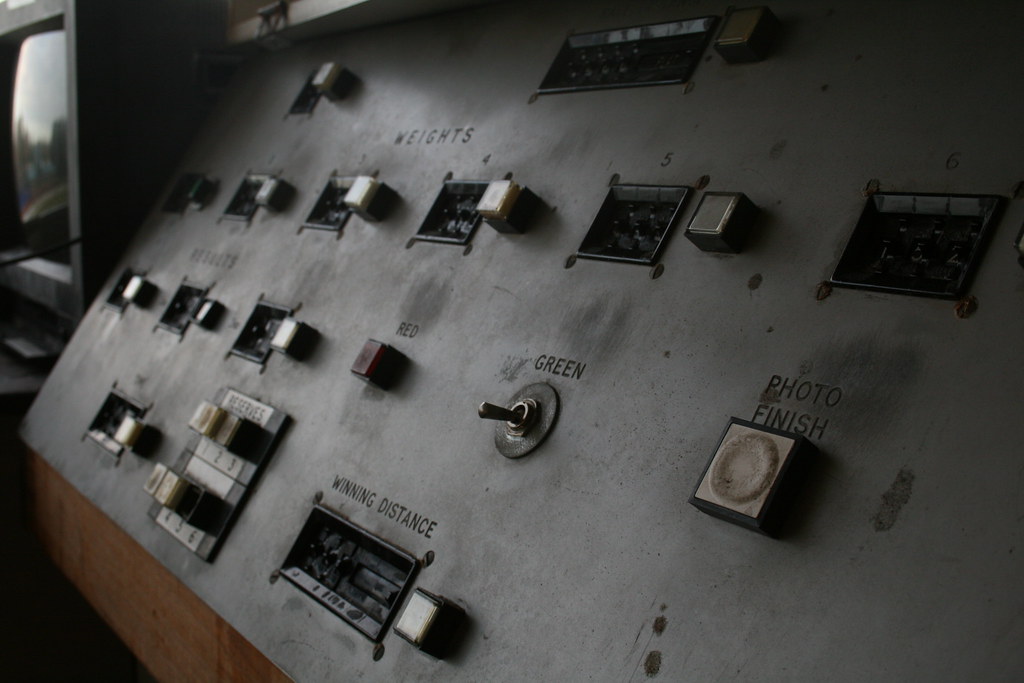
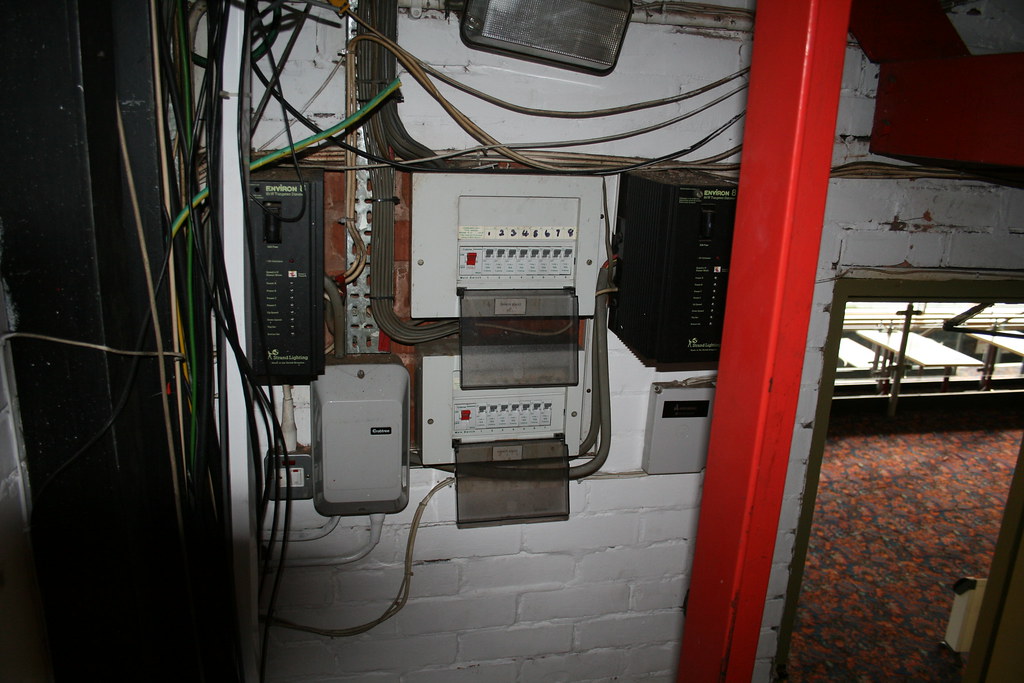
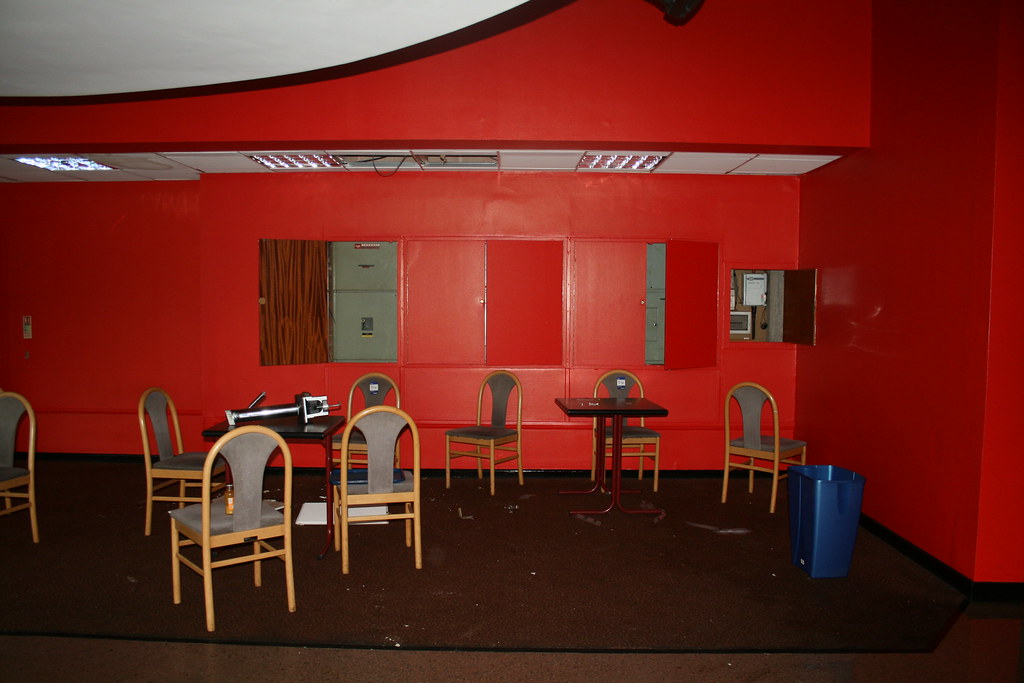
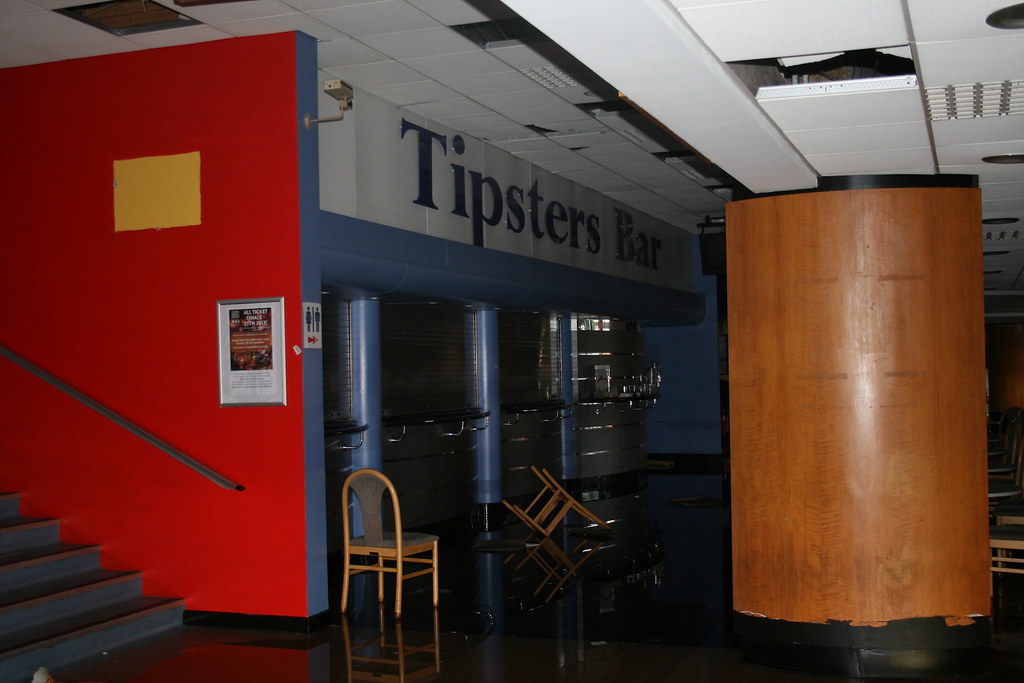
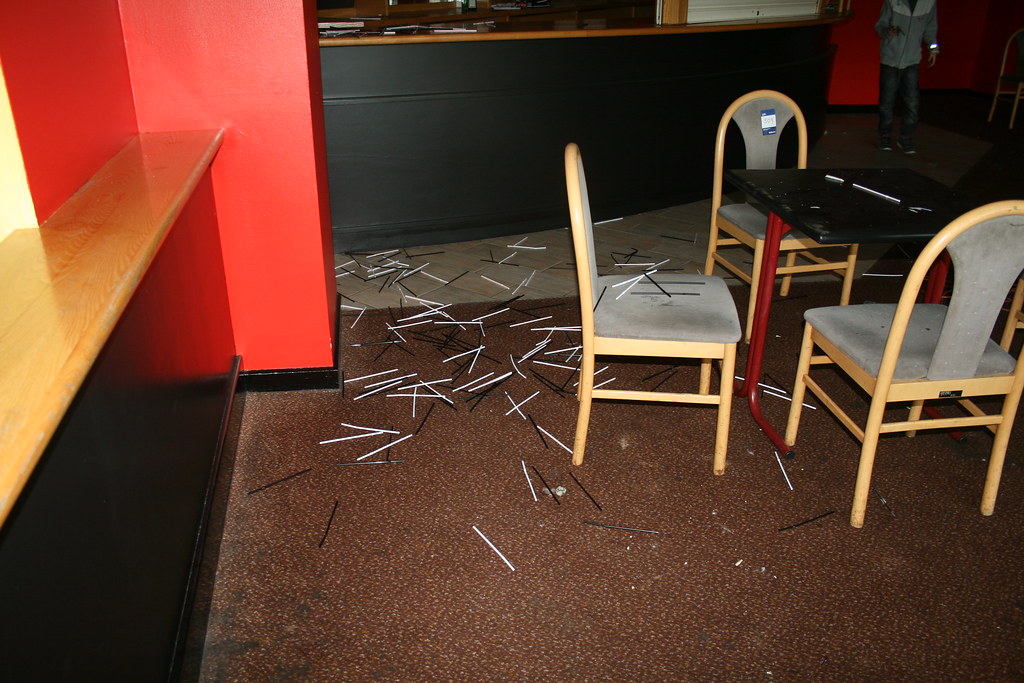
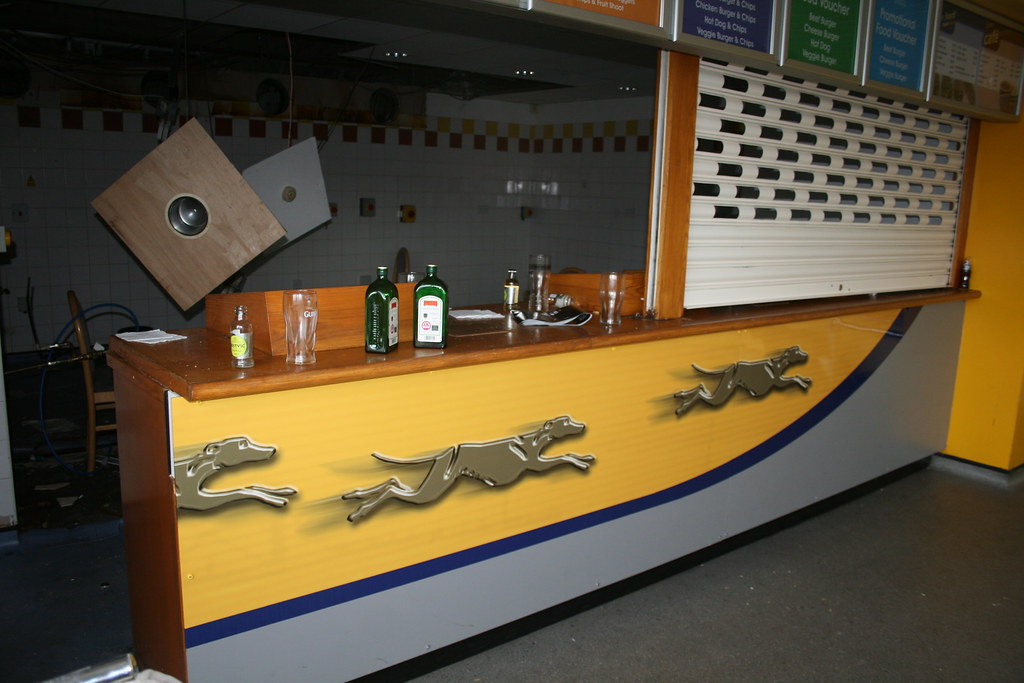
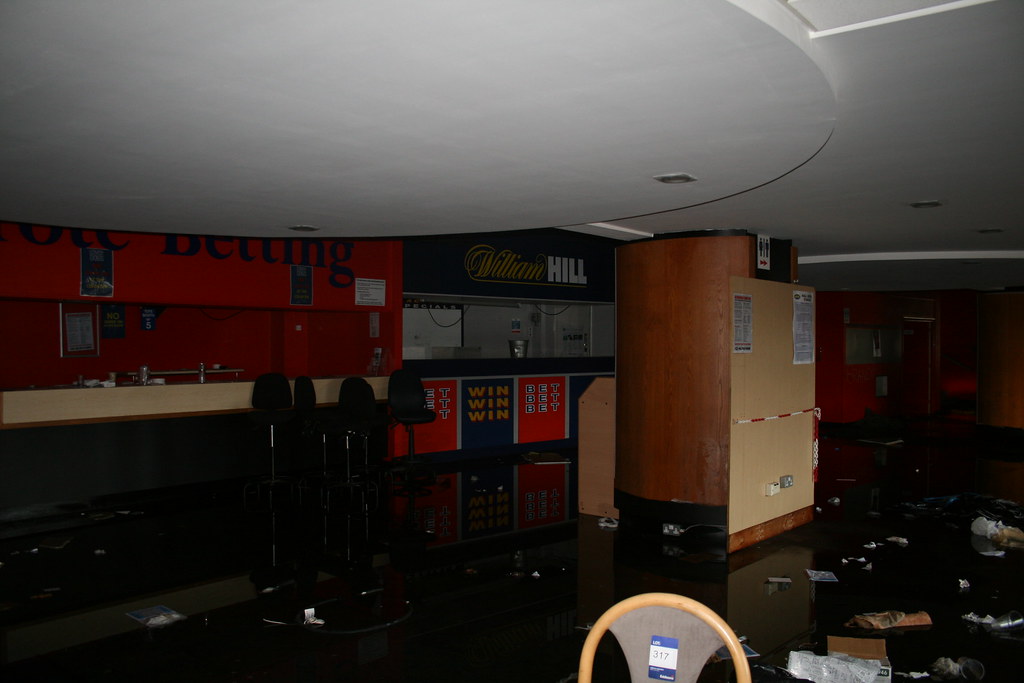
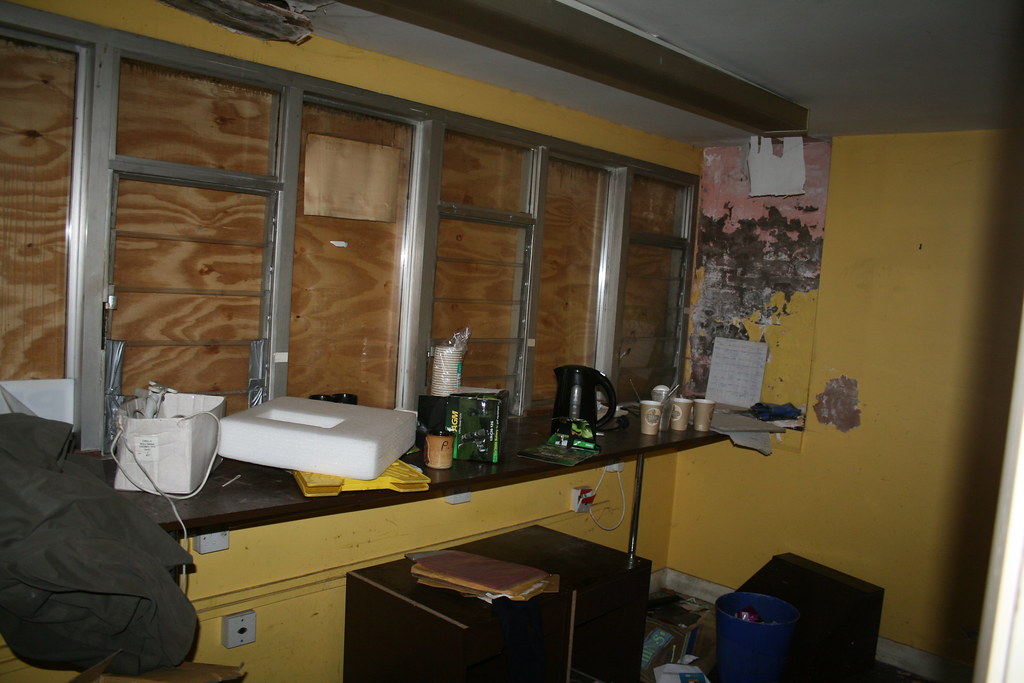
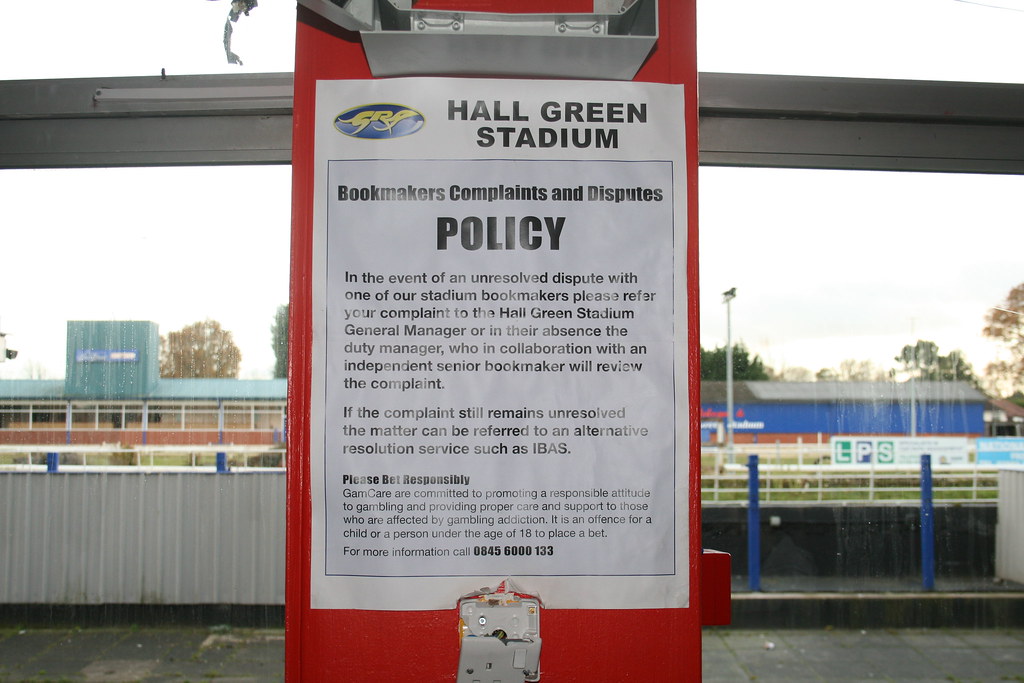
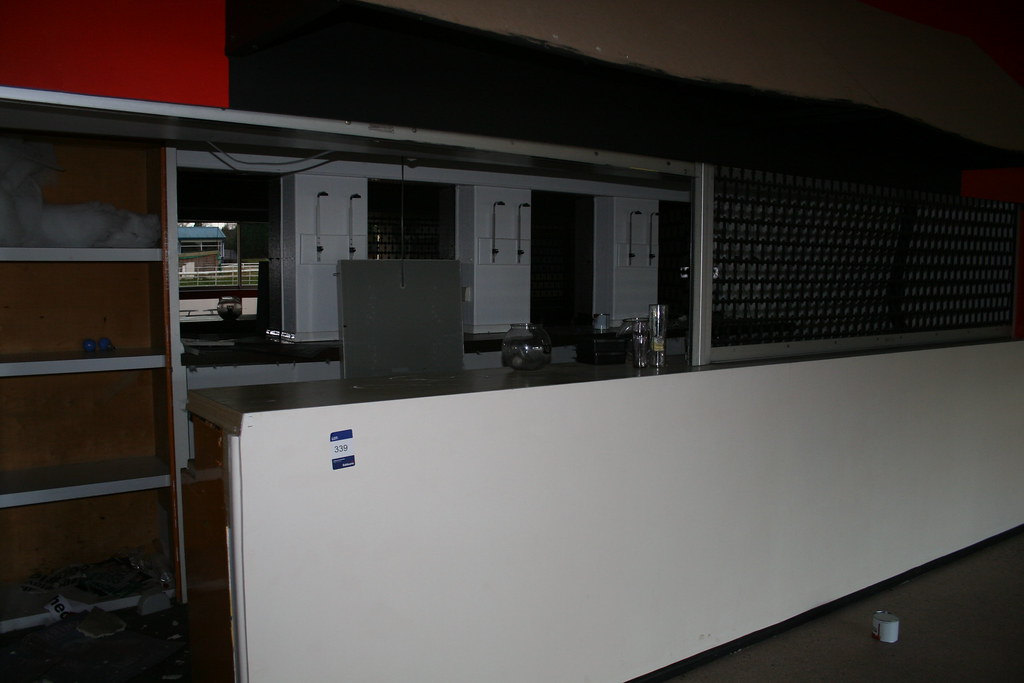
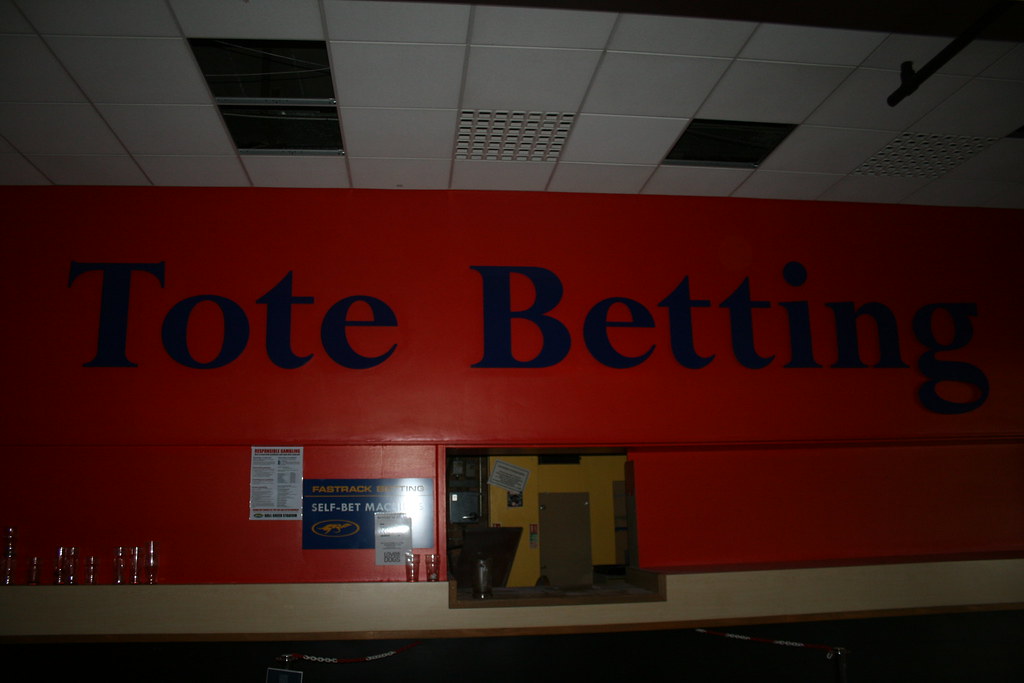
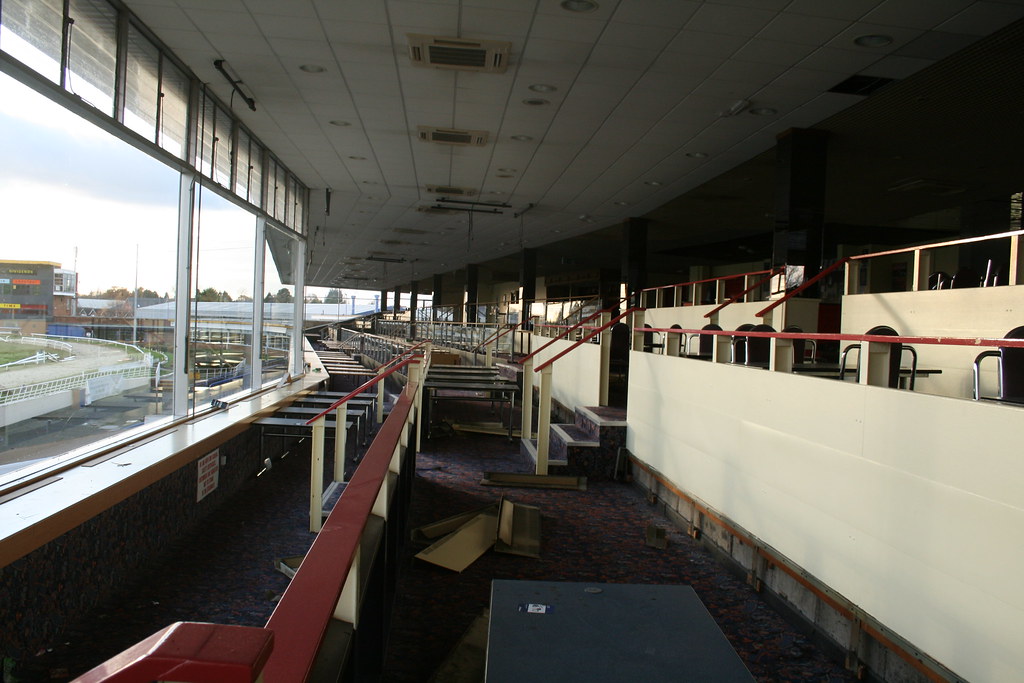
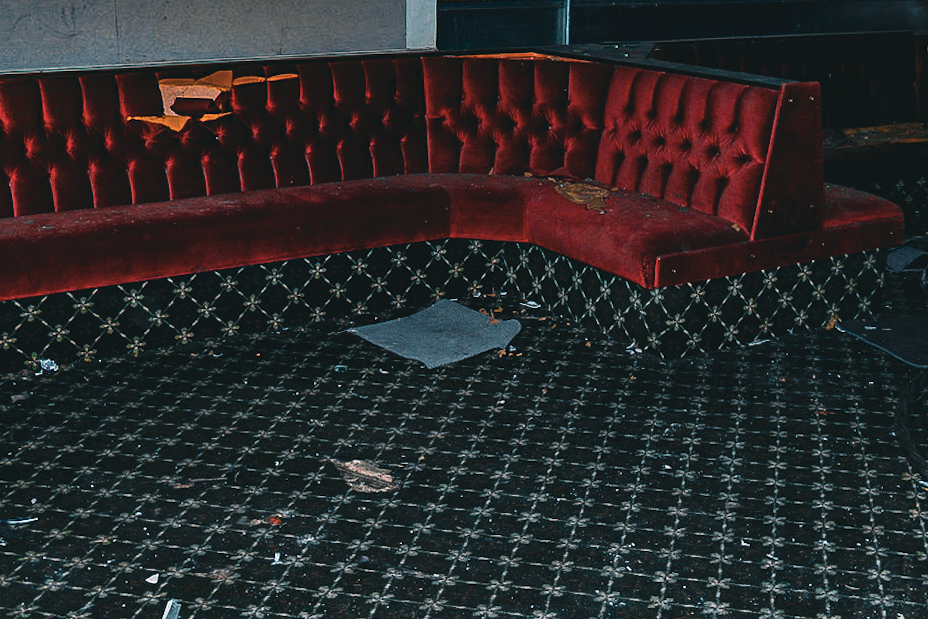
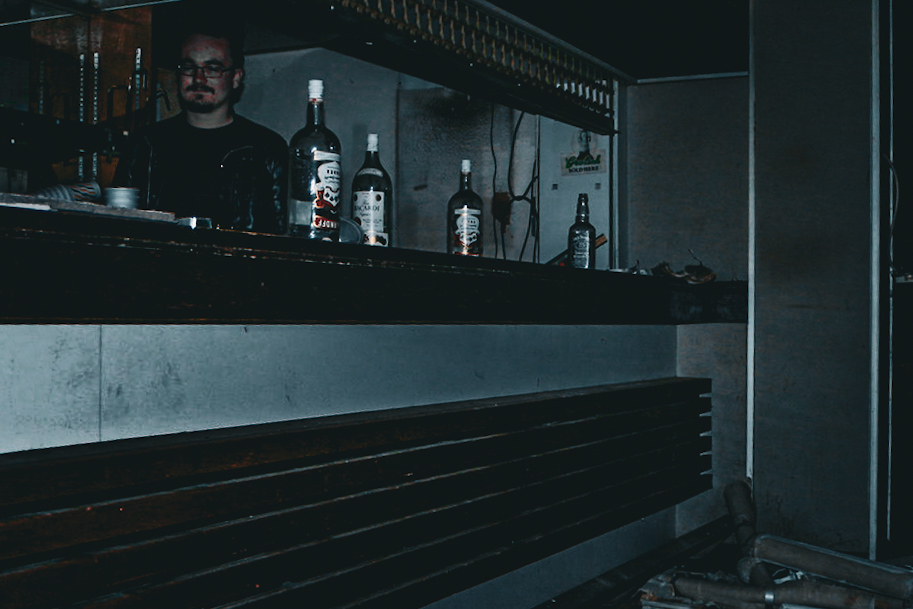
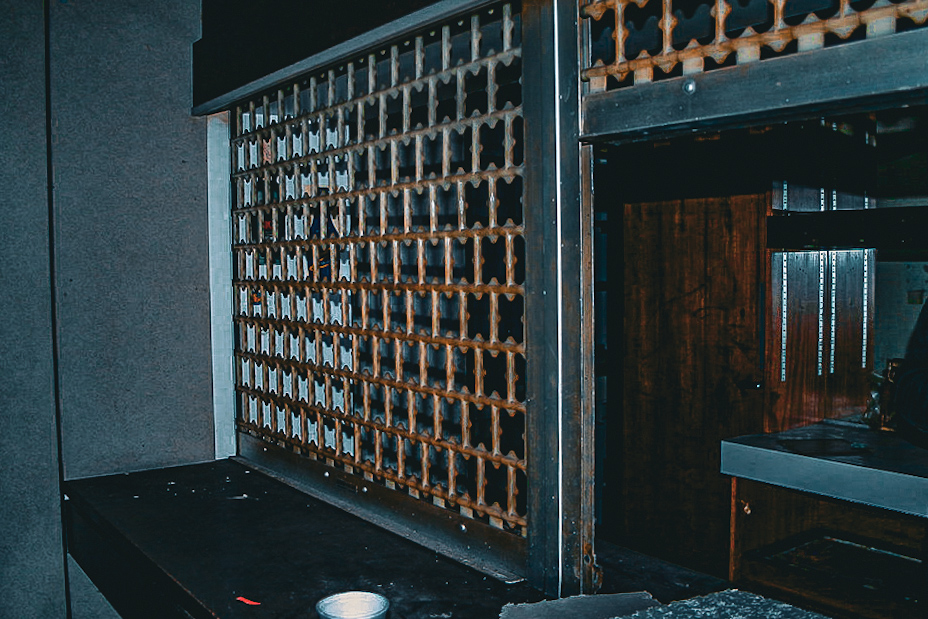
Exploring Hall Greens Abandoned Dogs Stadium (2017)

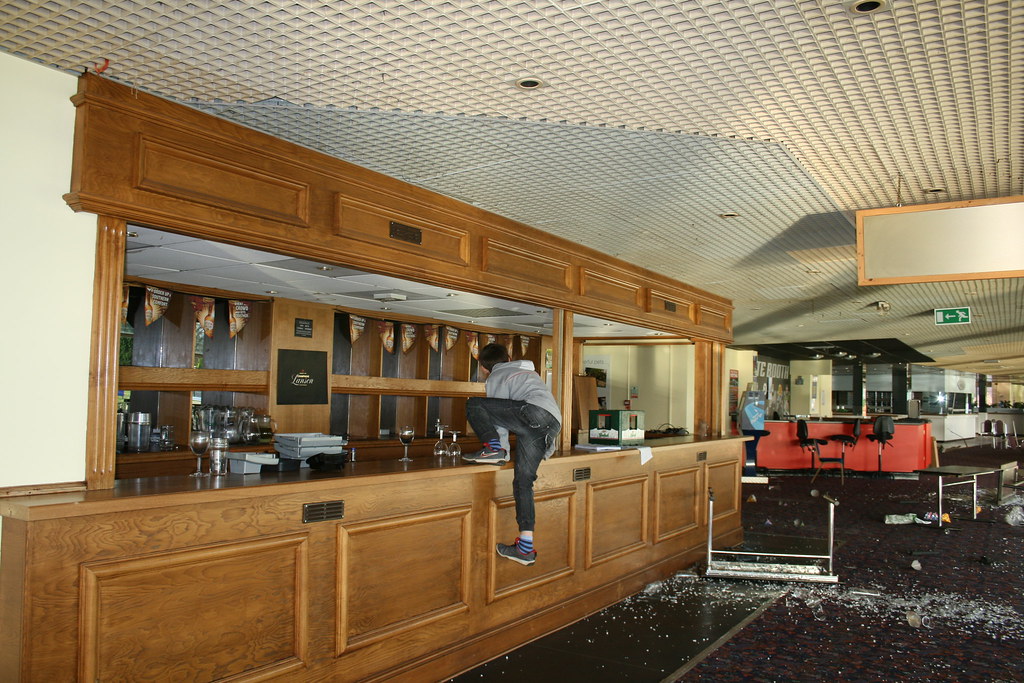
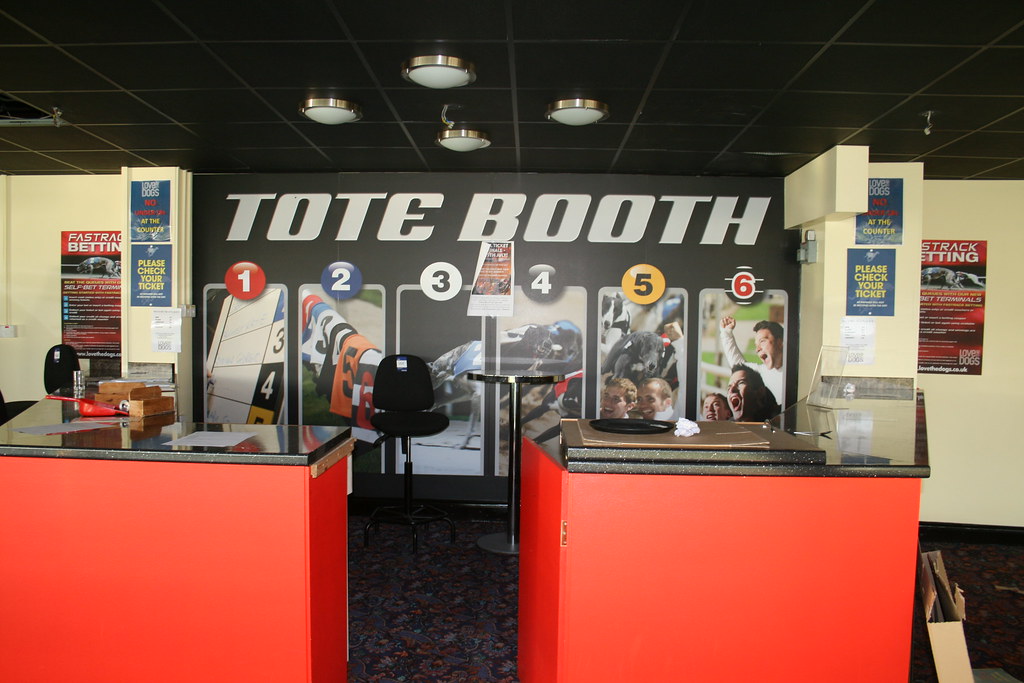
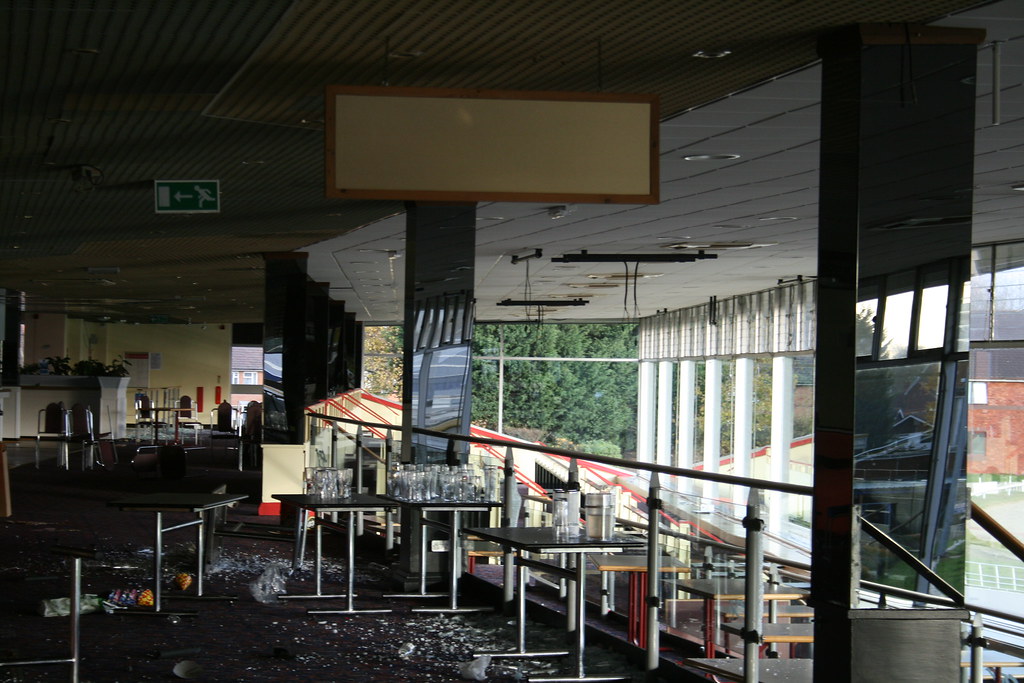
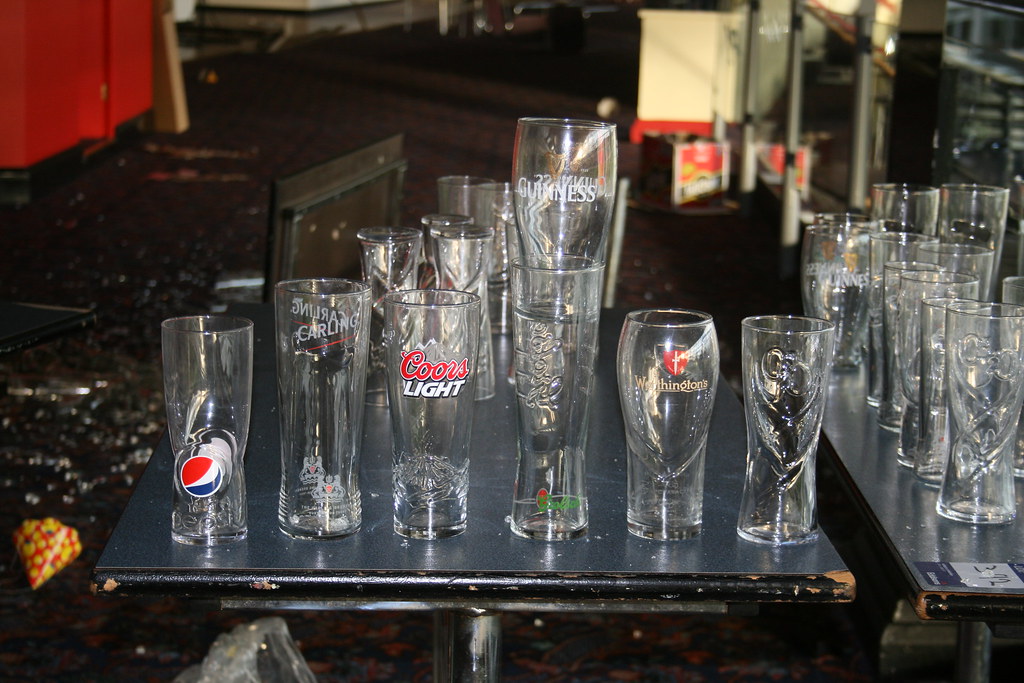
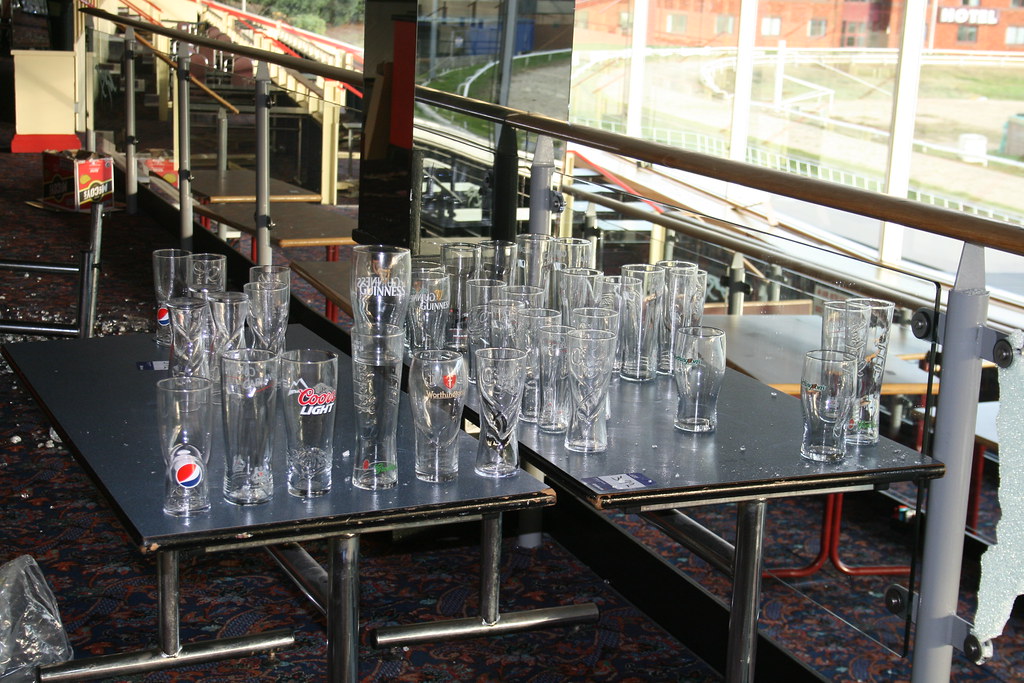
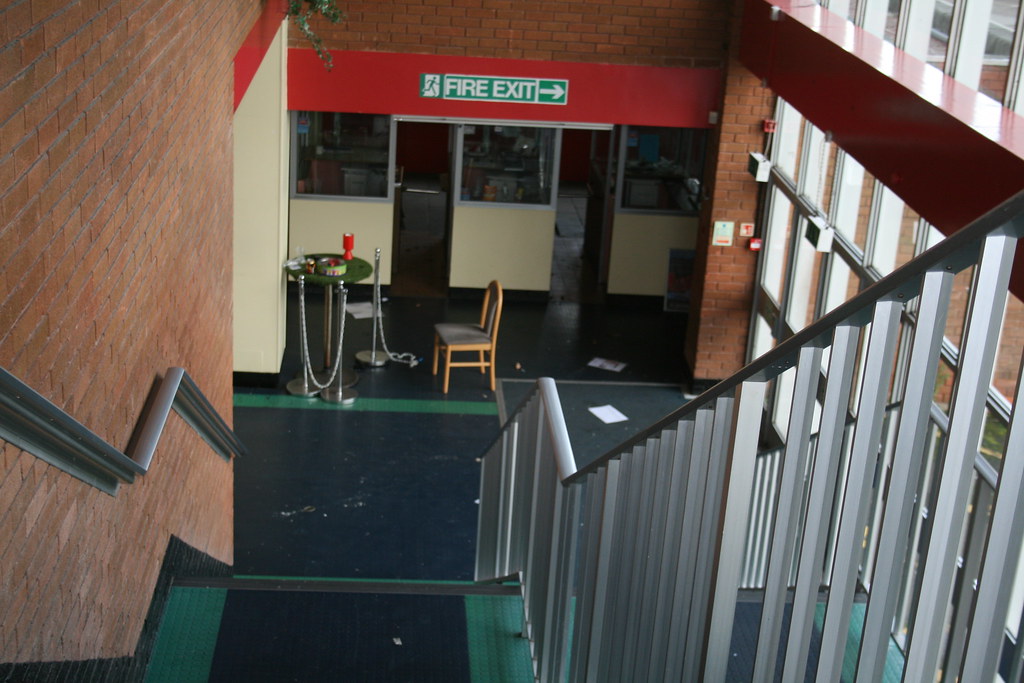
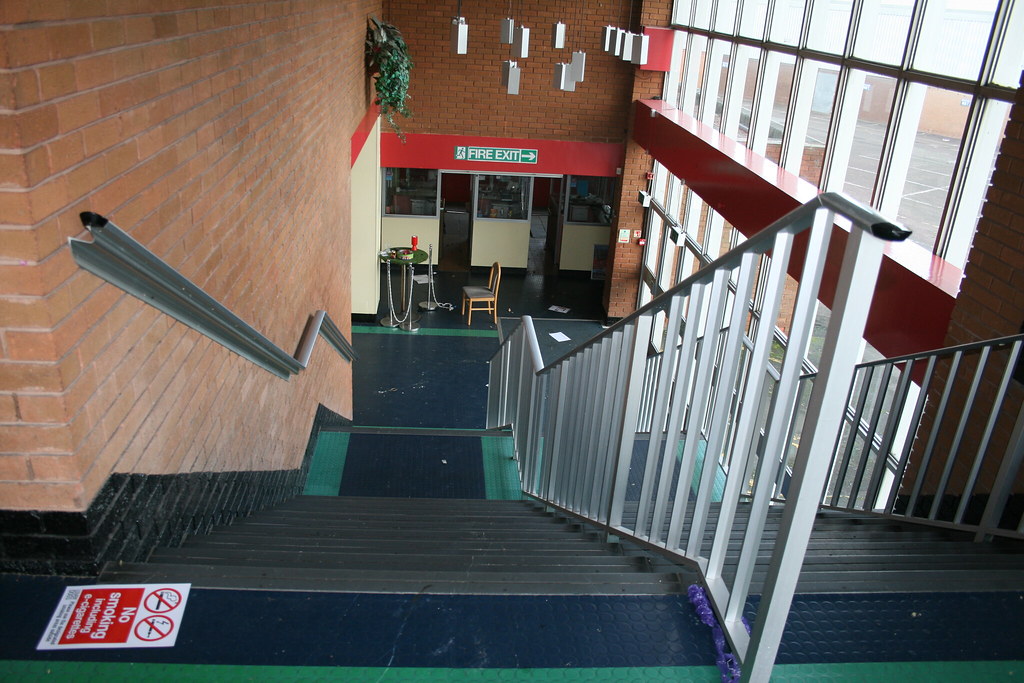
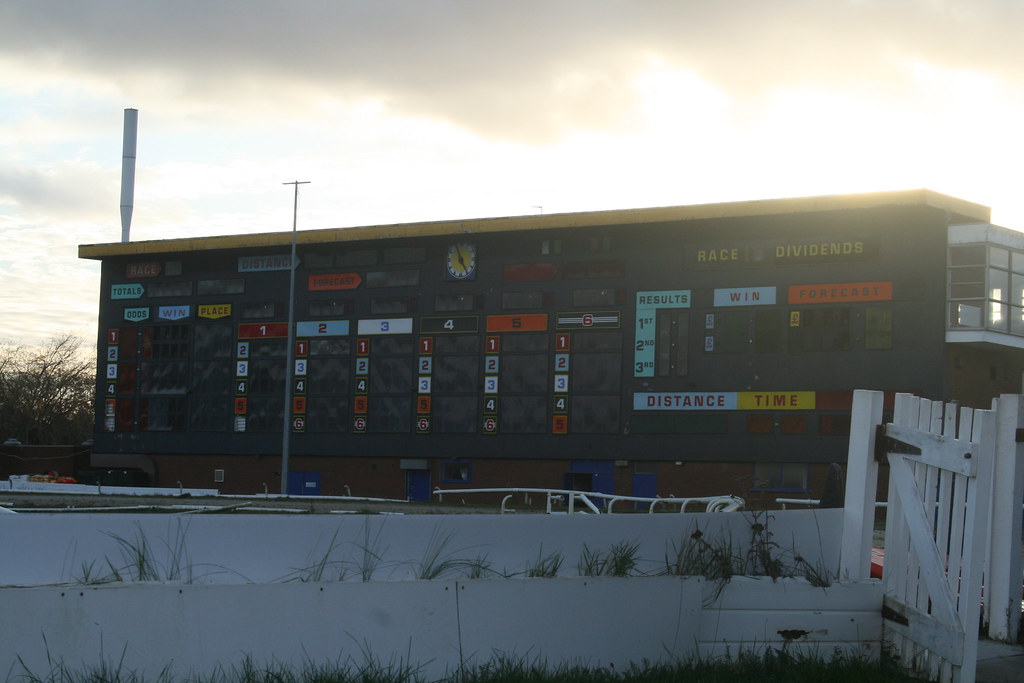
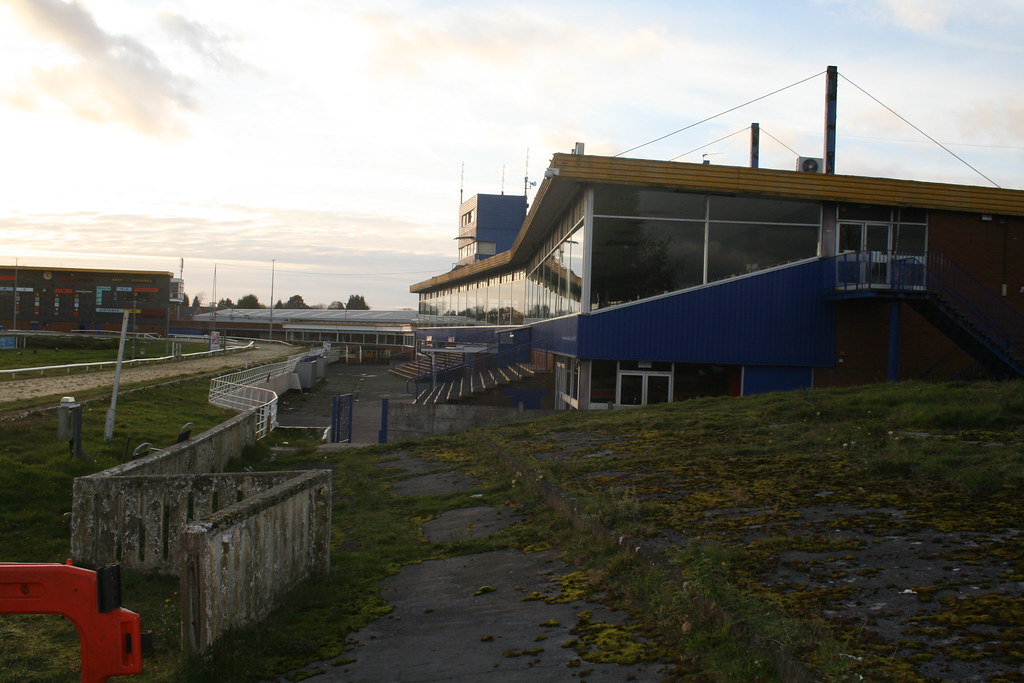
Throwing it right back to 2017, when we explored the abandoned Hall Green Dogs Stadium.

Thanks to Jellyfish on the pics!

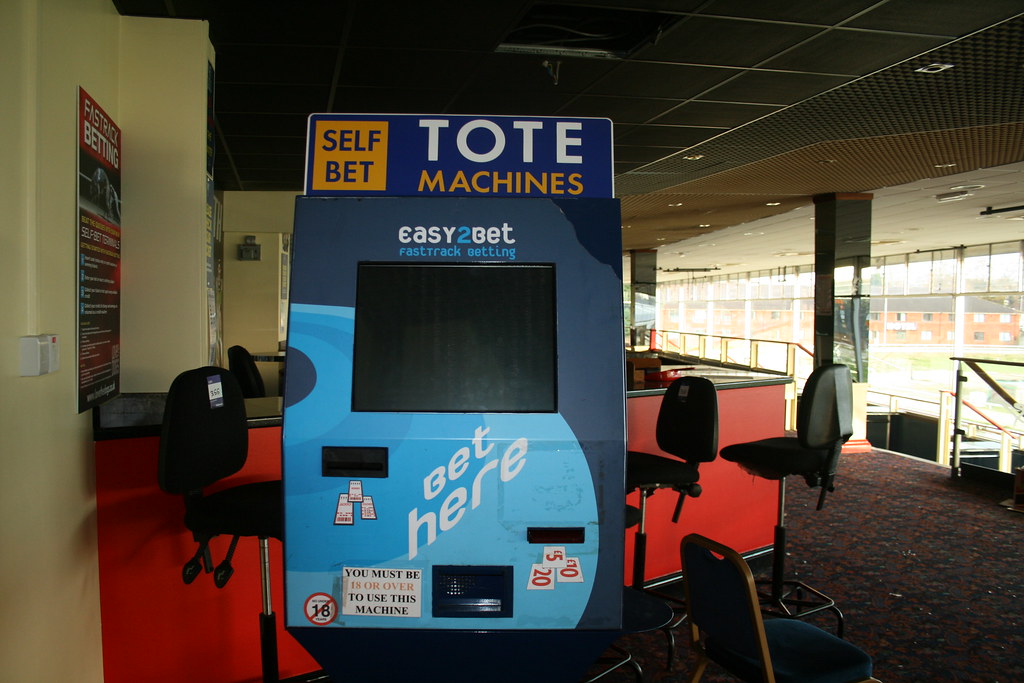
Hall Green Greyhound Stadium opened in 1927, right in the heart of Birmingham, during the golden age of greyhound racing. For decades it was one of the city’s biggest sporting and social venues, drawing thousands through its gates week after week. The stadium wasn’t just about racing — it was about community. Families, workers, regulars with their favourite dogs, the sounds of the crowd, the bookmakers shouting, and the smell of food drifting through the stands.

At its peak, Hall Green was a huge operation. It hosted major races, employed large numbers of local people, and became a landmark for the area. During and after the war years it remained popular, offering people escapism and entertainment at a time when life was far from easy. Generations grew up with memories of nights spent here.

But as the years went on, attendance declined. Changing habits, rising costs, and the slow decline of greyhound racing hit hard. In 2017, after nearly 90 years of racing, Hall Green Dogs finally closed its doors. What was once full of noise and movement was suddenly left behind.

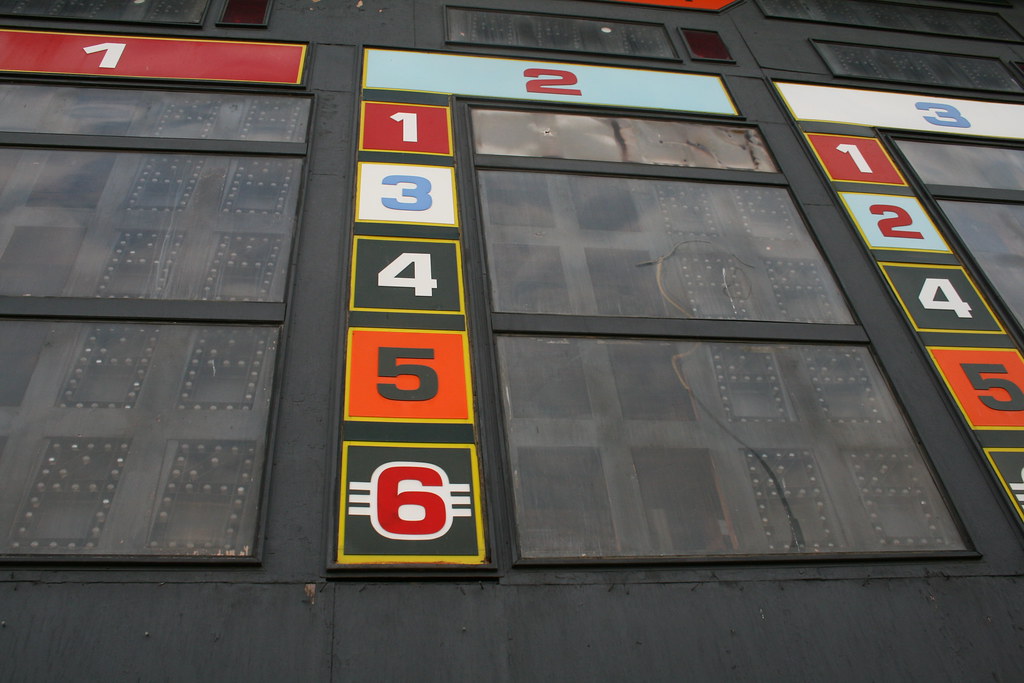
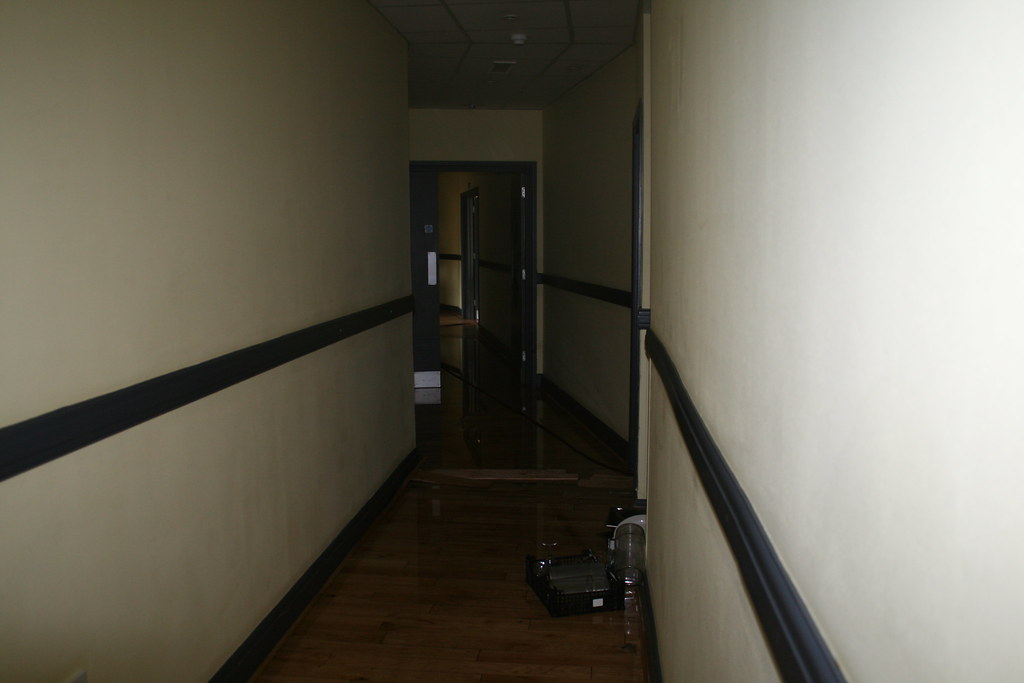
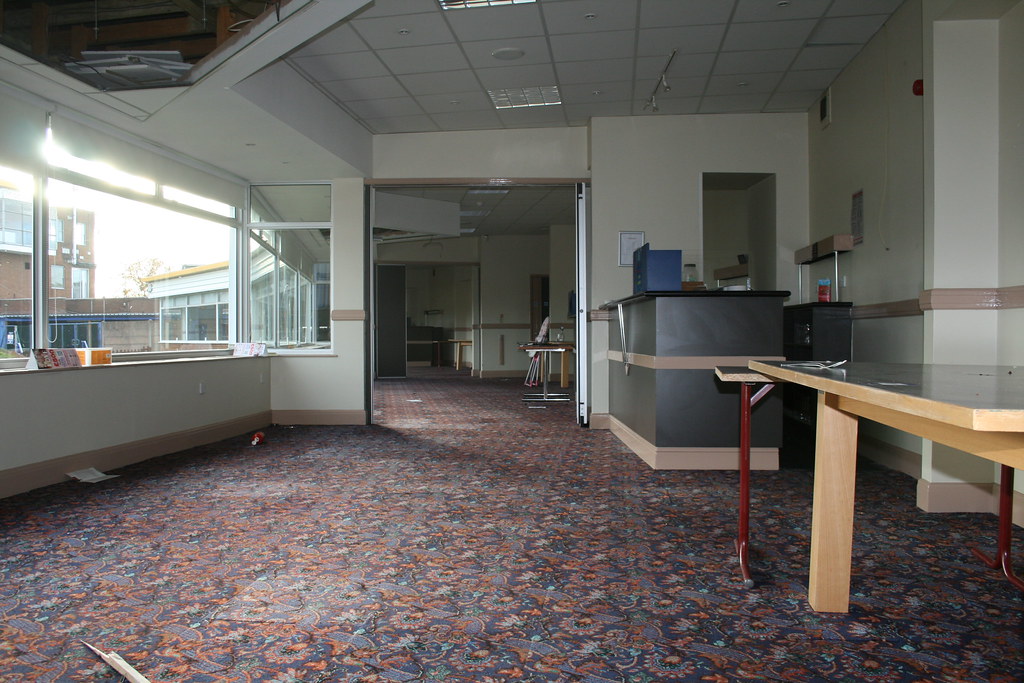
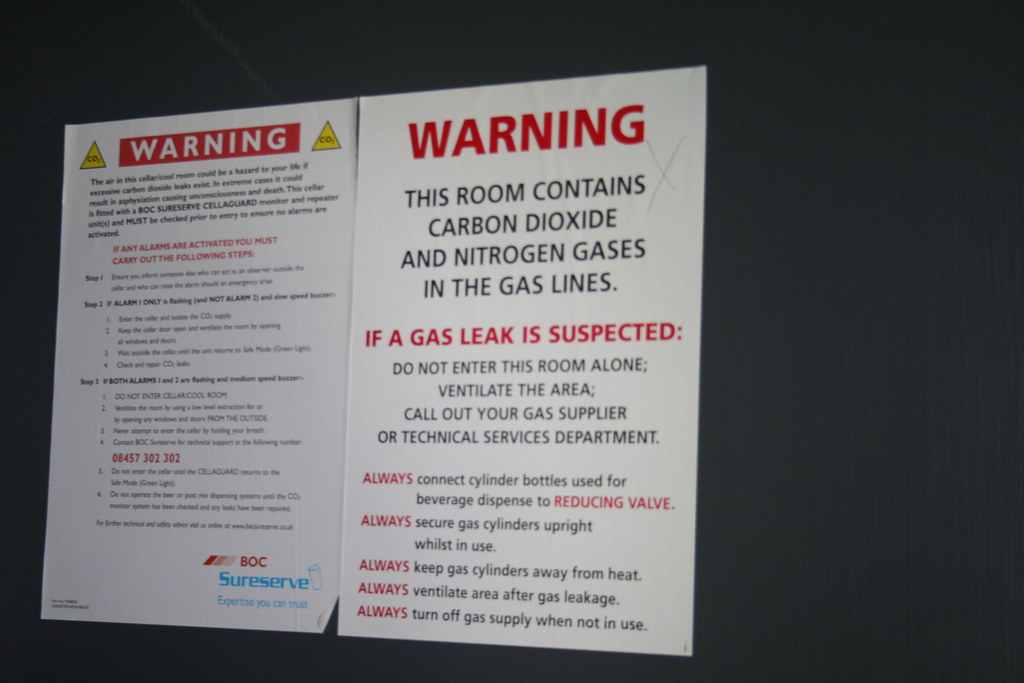
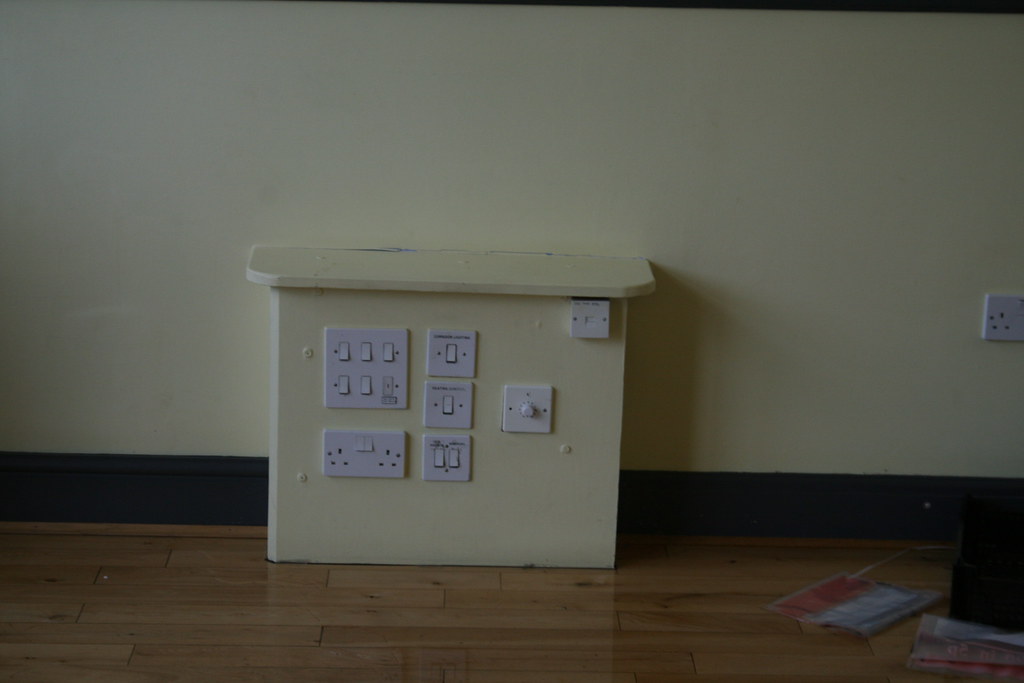
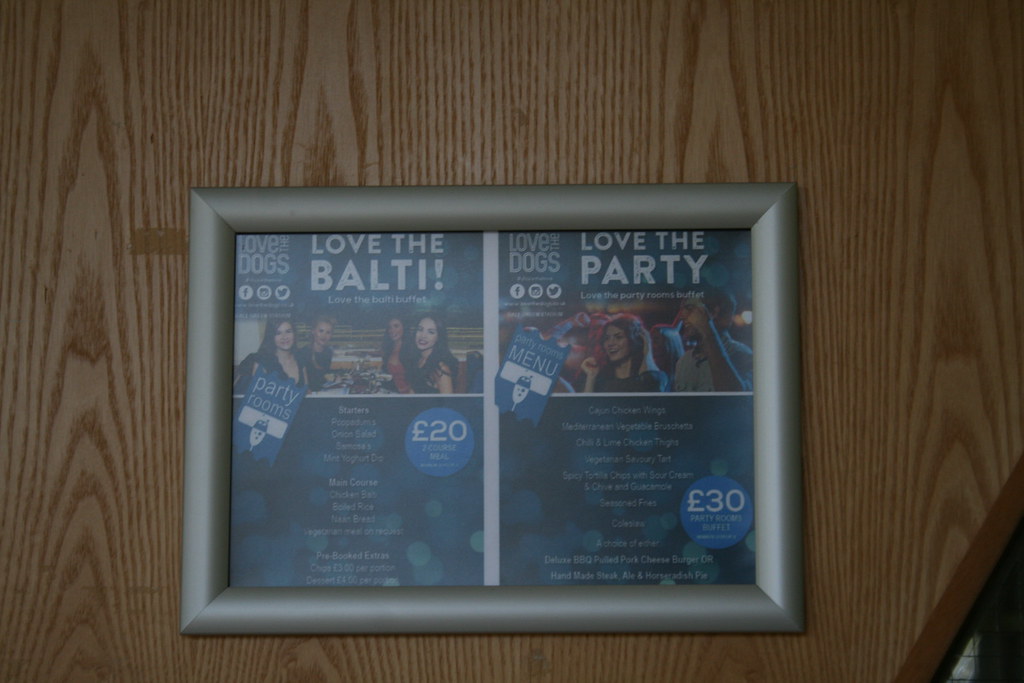
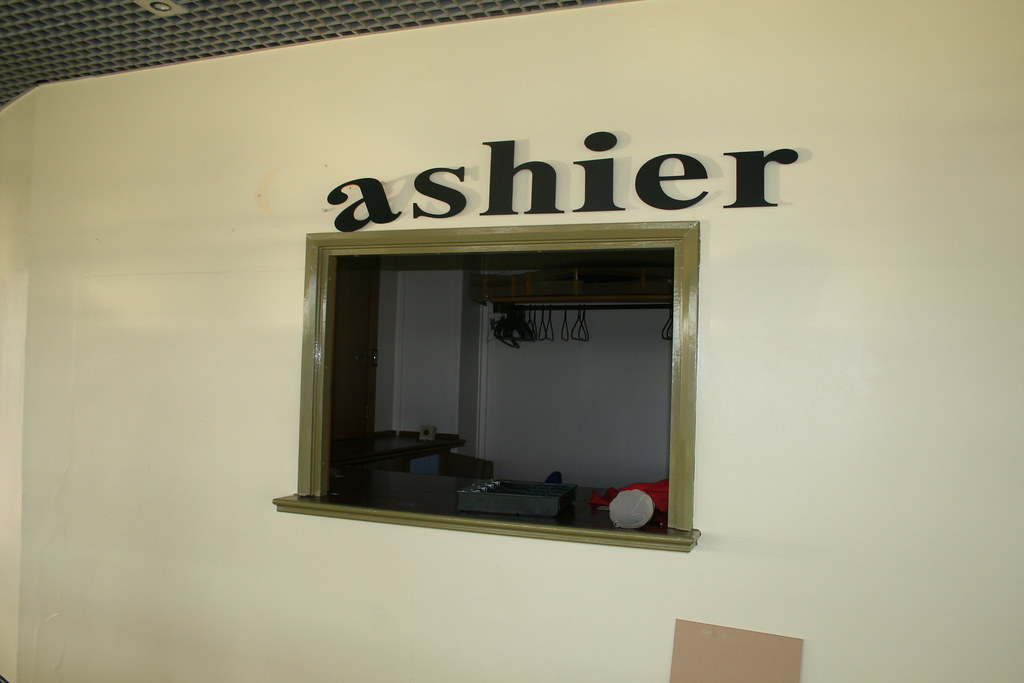
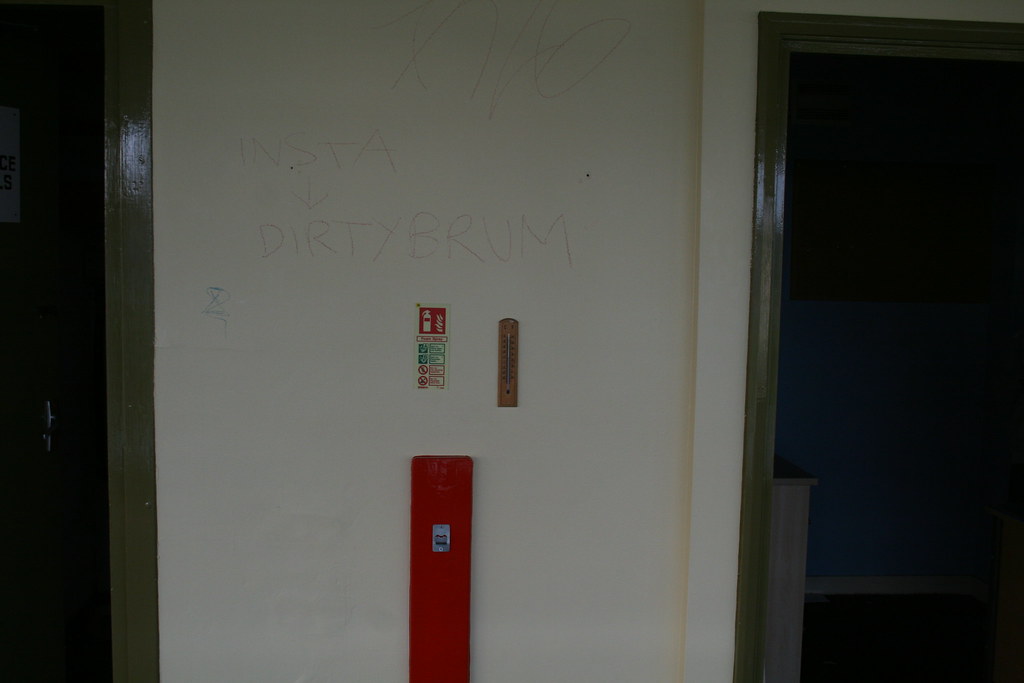
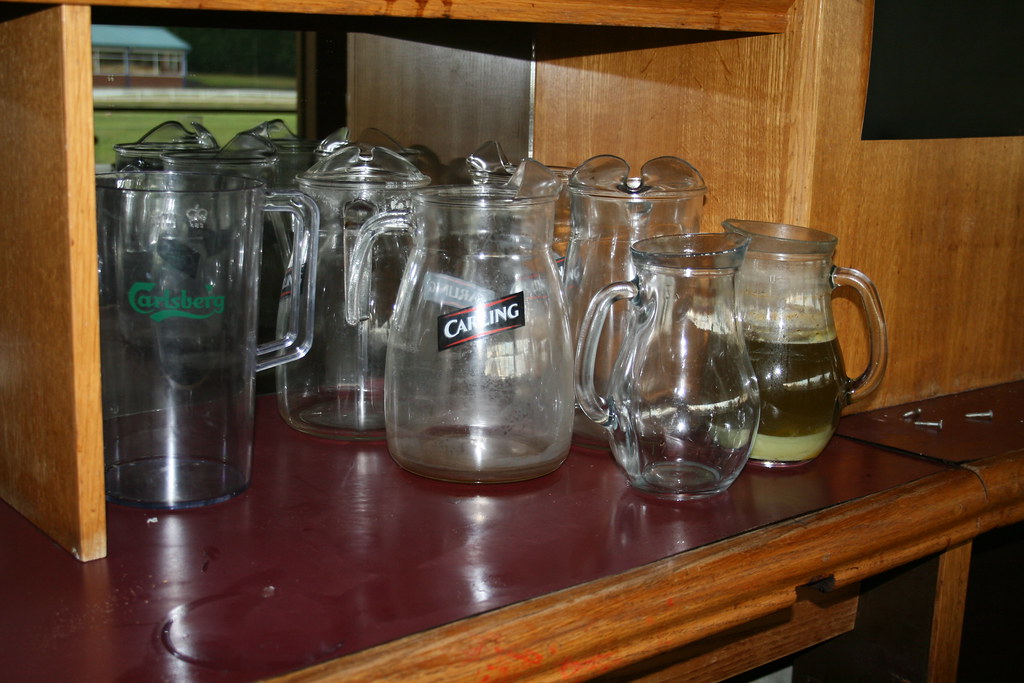
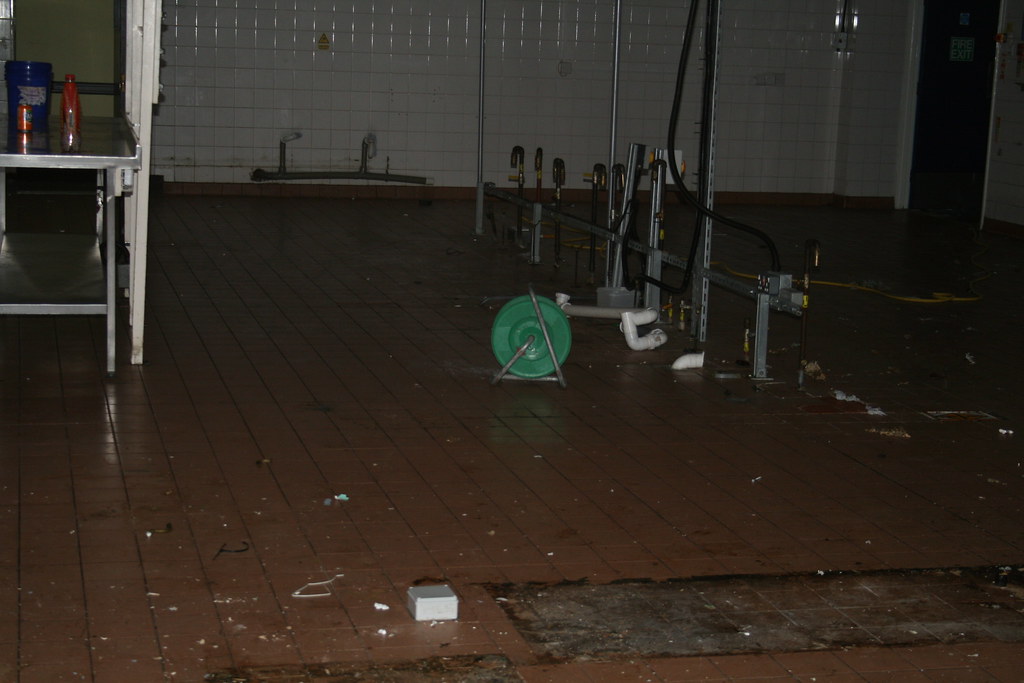
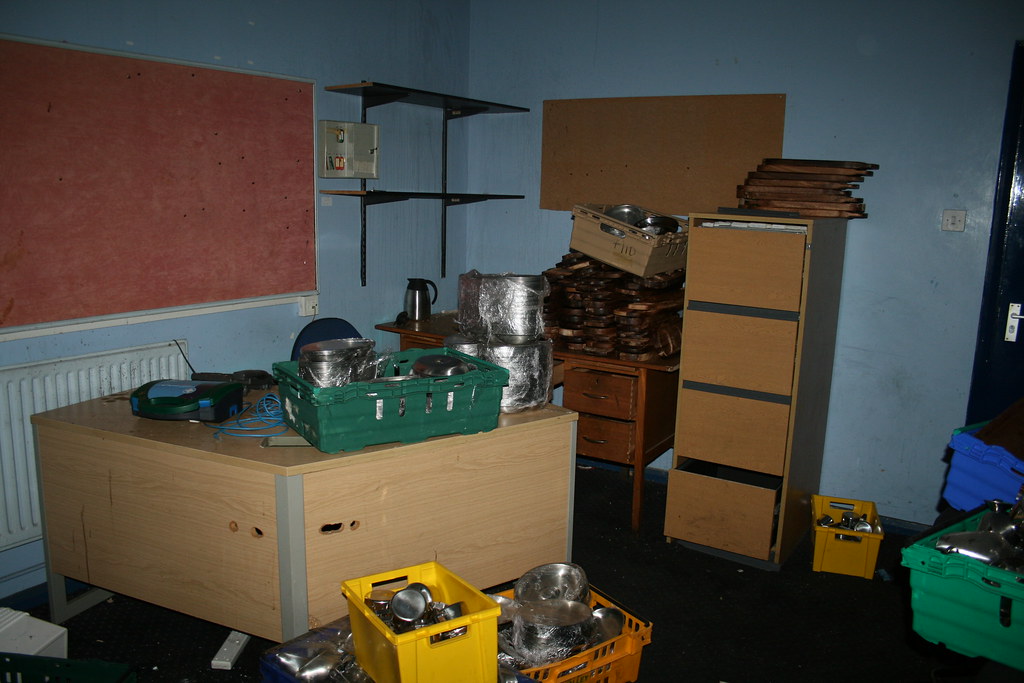
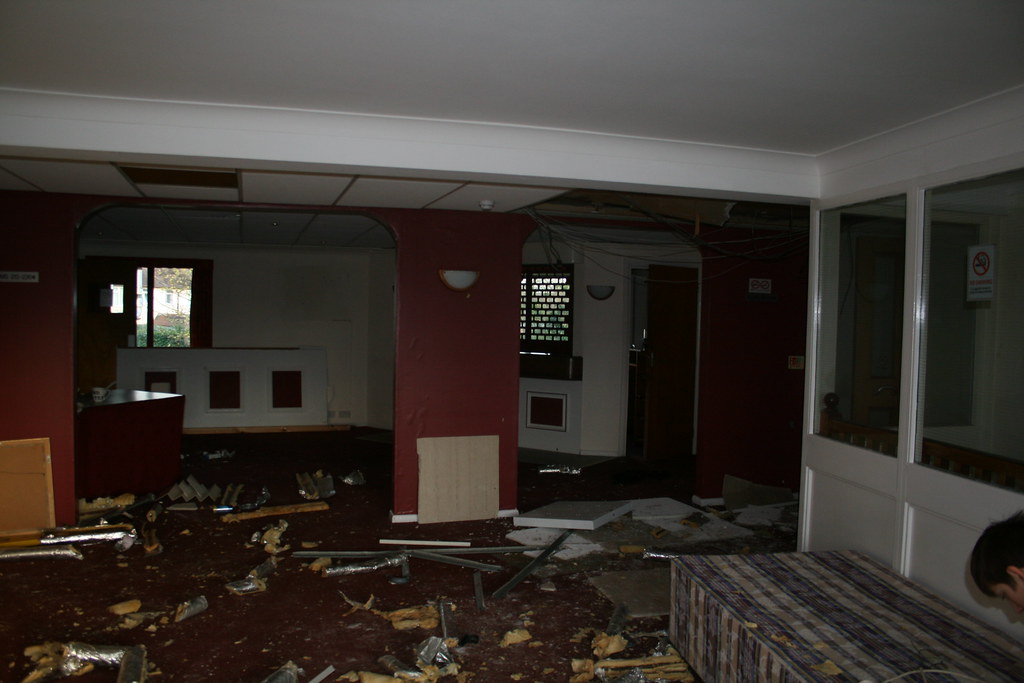
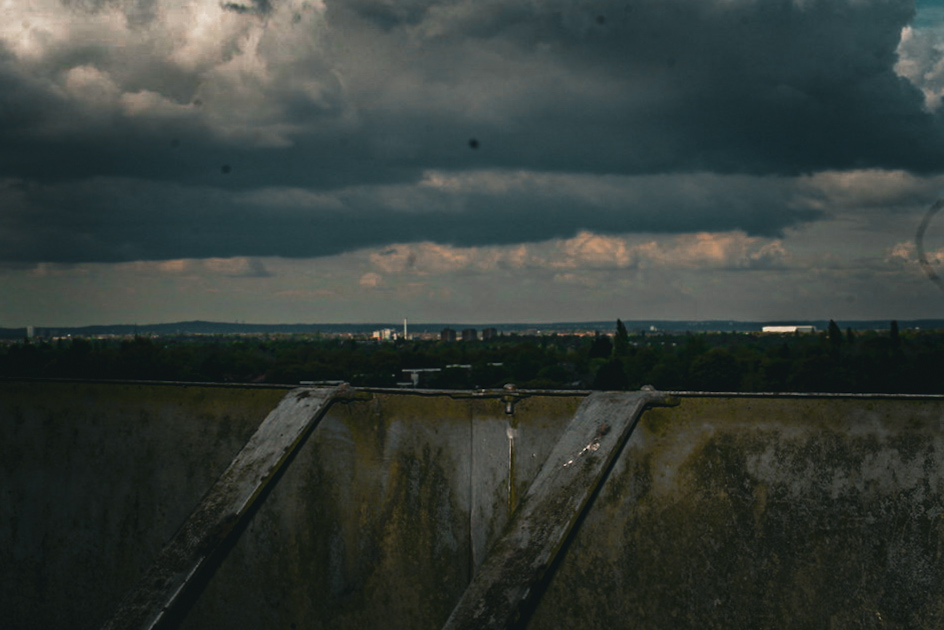
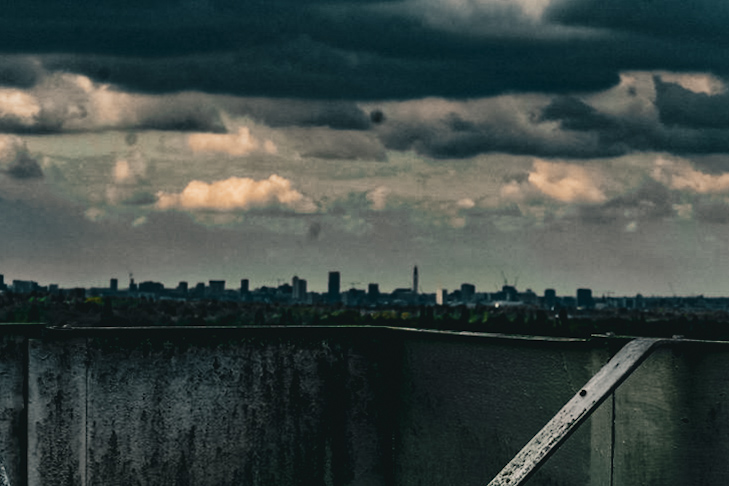
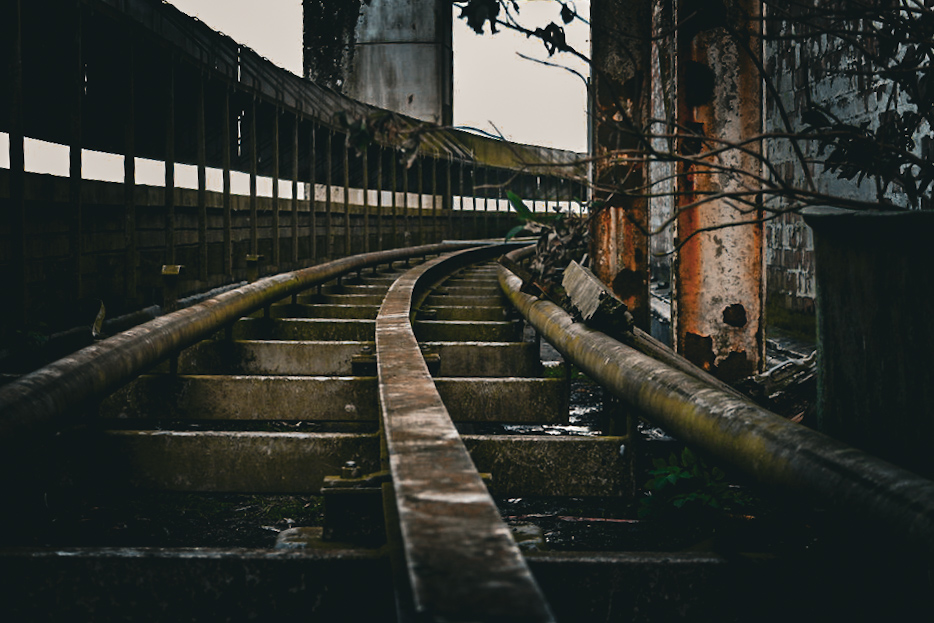
Walking through it abandoned was surreal. Empty stands where crowds once cheered. The track slowly being reclaimed by nature. Old signage, peeling paint, and rooms that felt like they’d been left in a hurry — all frozen in time. You could almost imagine the echoes of the past still hanging in the air.

Places like this remind you how quickly everything can change. From one of Birmingham’s most loved venues to complete silence.

1f4f8 Exploring Hall Greens Abandoned Dogs Stadium (2017) Take nothing but photos, leave nothing but footprints.

#Urbex#AbandonedPlaces#History#Birmingham#DeeExplores#hallgreendogs


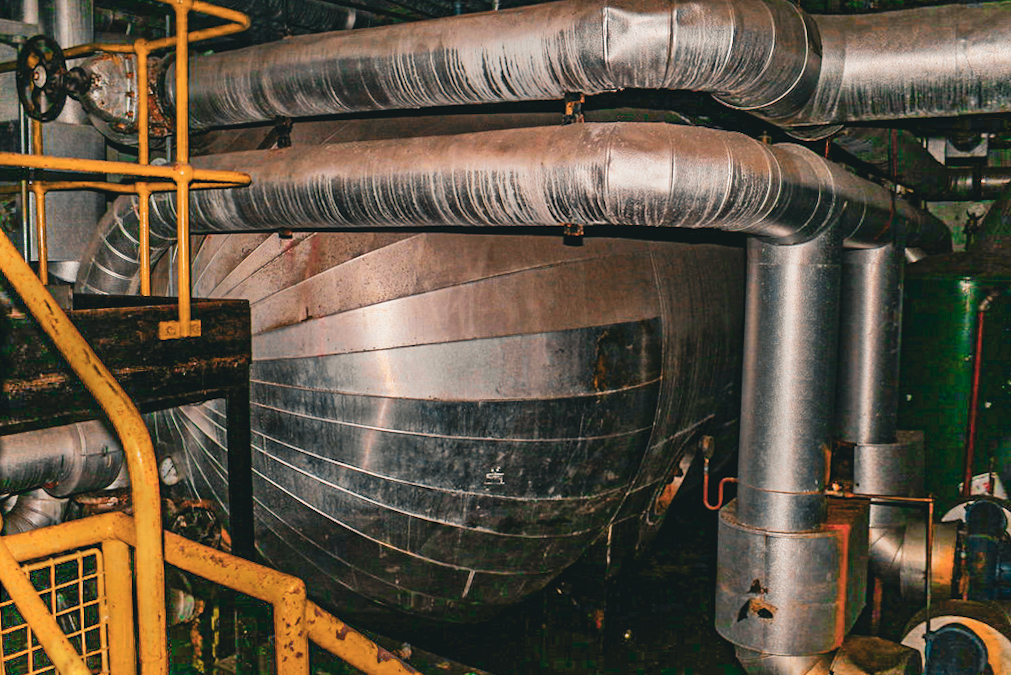
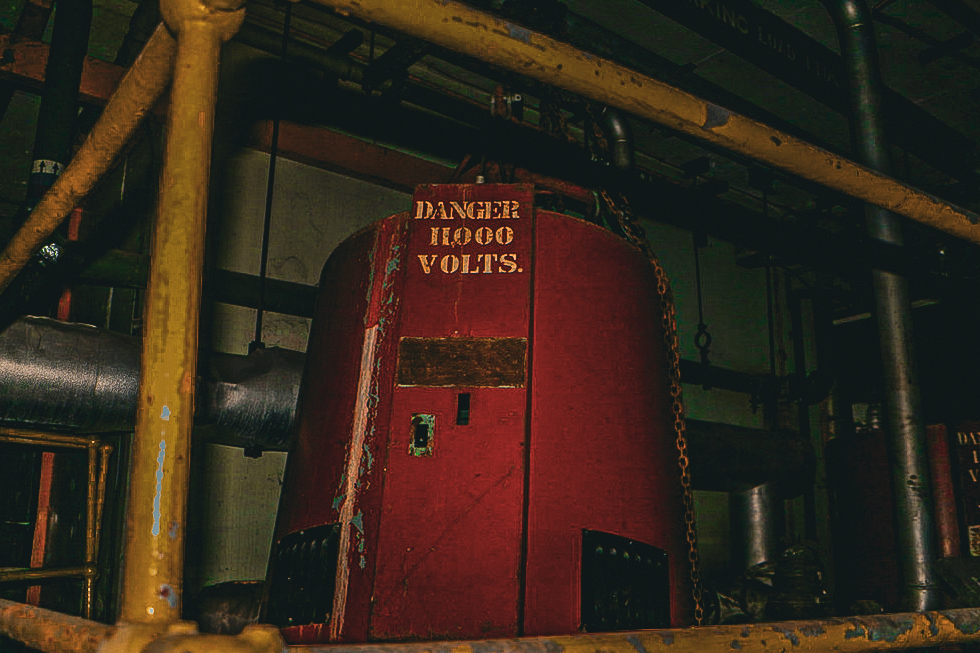
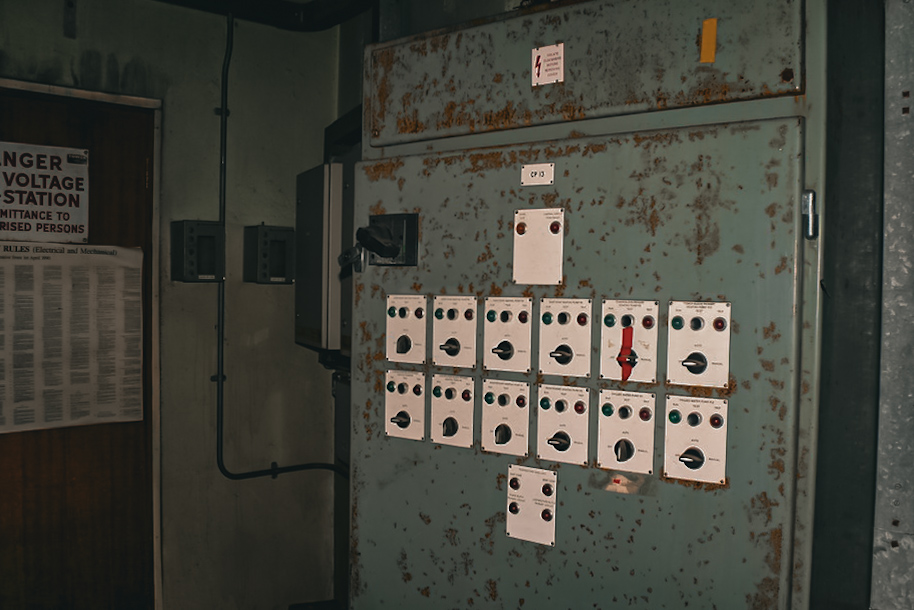
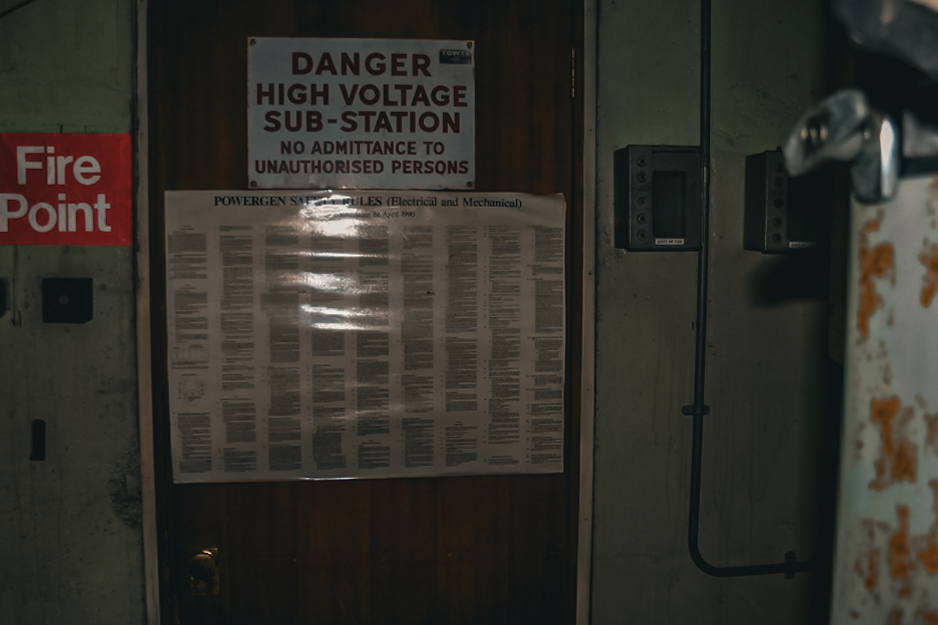
Exploring the Abandoned Powergen, Solihull!

Exploring the Abandoned Powergen, Solihull!

Big thanks to MOD Jelly on the Photographs and MOD Dan2 on editing!

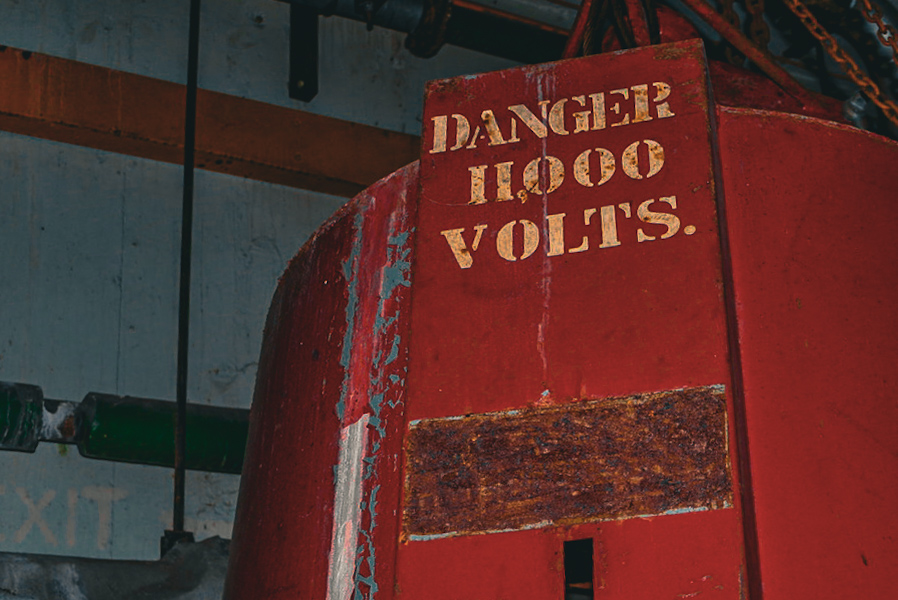
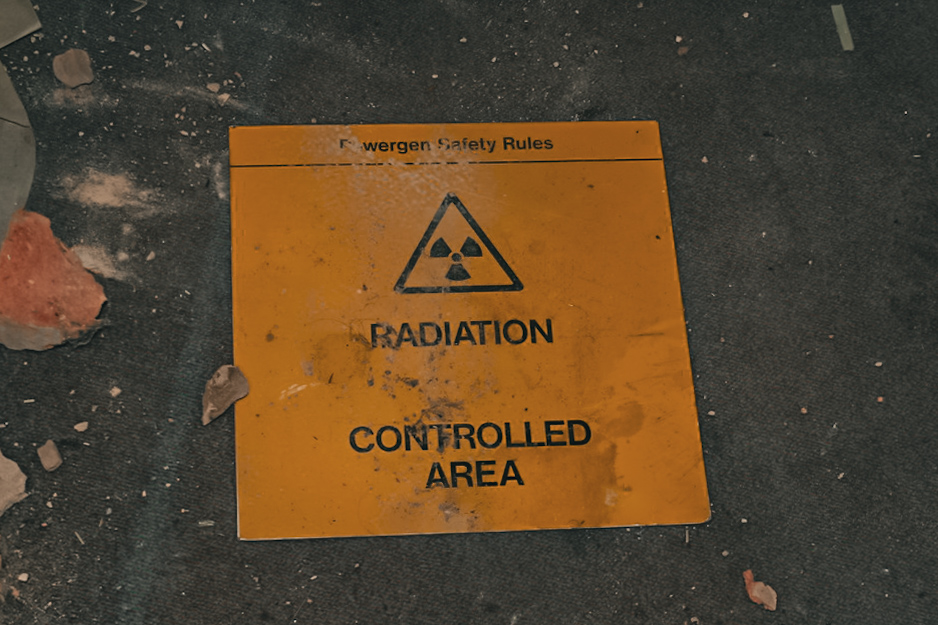
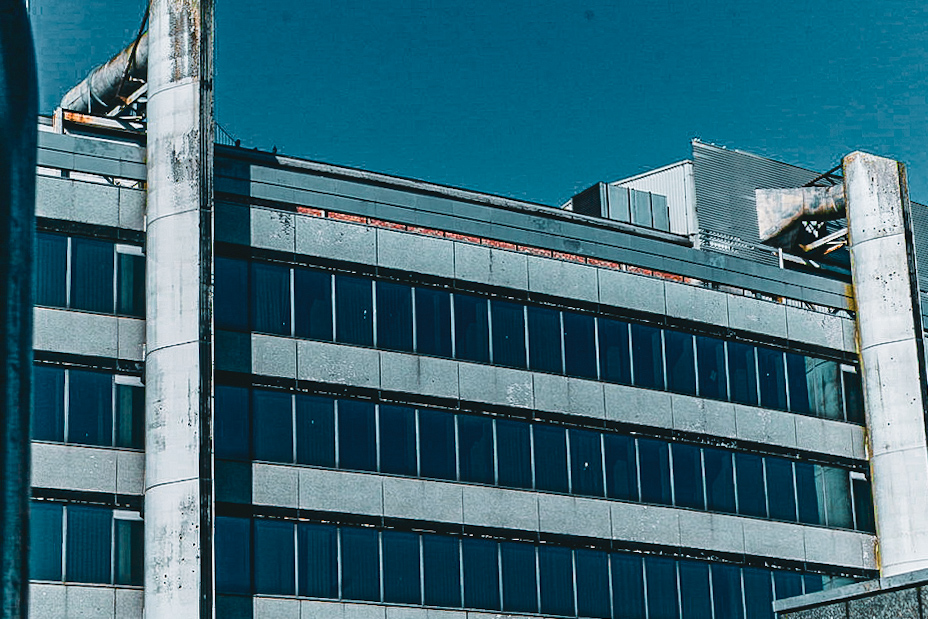
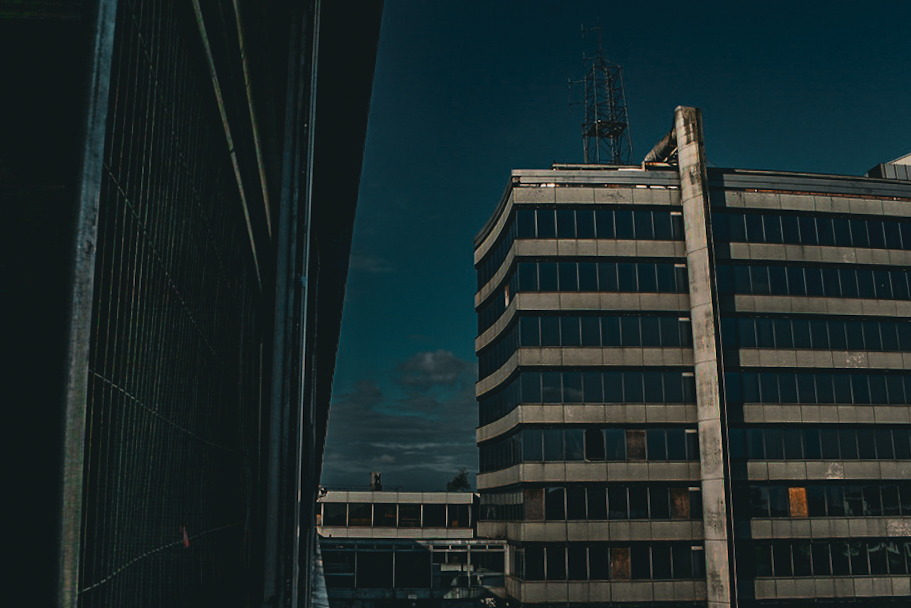
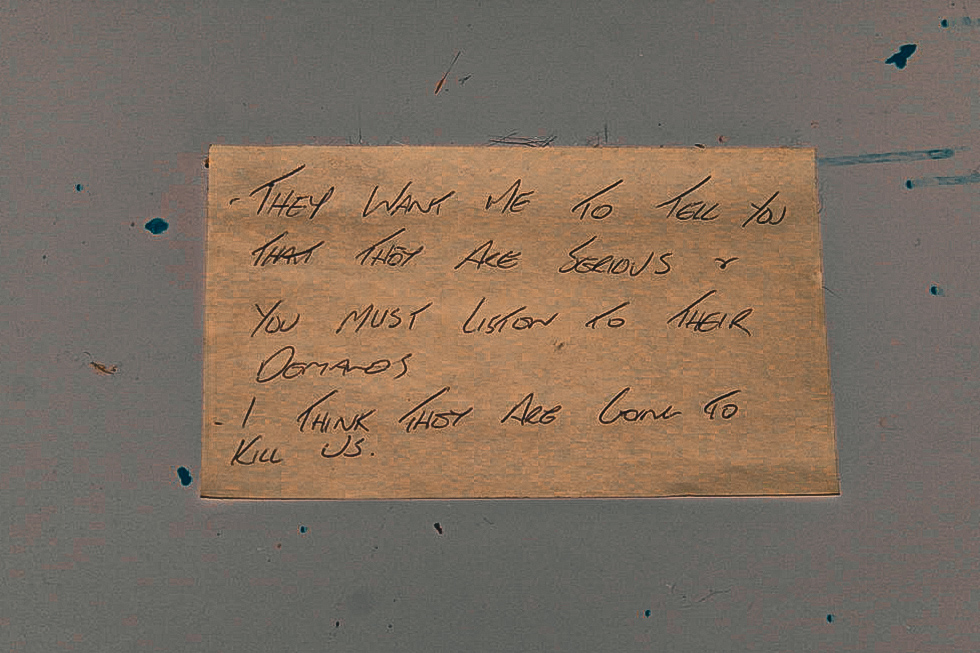
As a kid, I lived opposite this abandoned site for about 13 years, long before I became an explorer. It was obvious that this would definitely be a building I’d explore one day. Some of the history surrounding this building is quite dark. There are rumours online of a tunnel system used by MI5 and MI6, and claims that the 3rd, 4th, and 5th floors of the block were also used by MI5 and MI6. There are multiple reports of people being moved via the tunnels and of individuals being brainwashed at this location. How true this is, I am unsure.
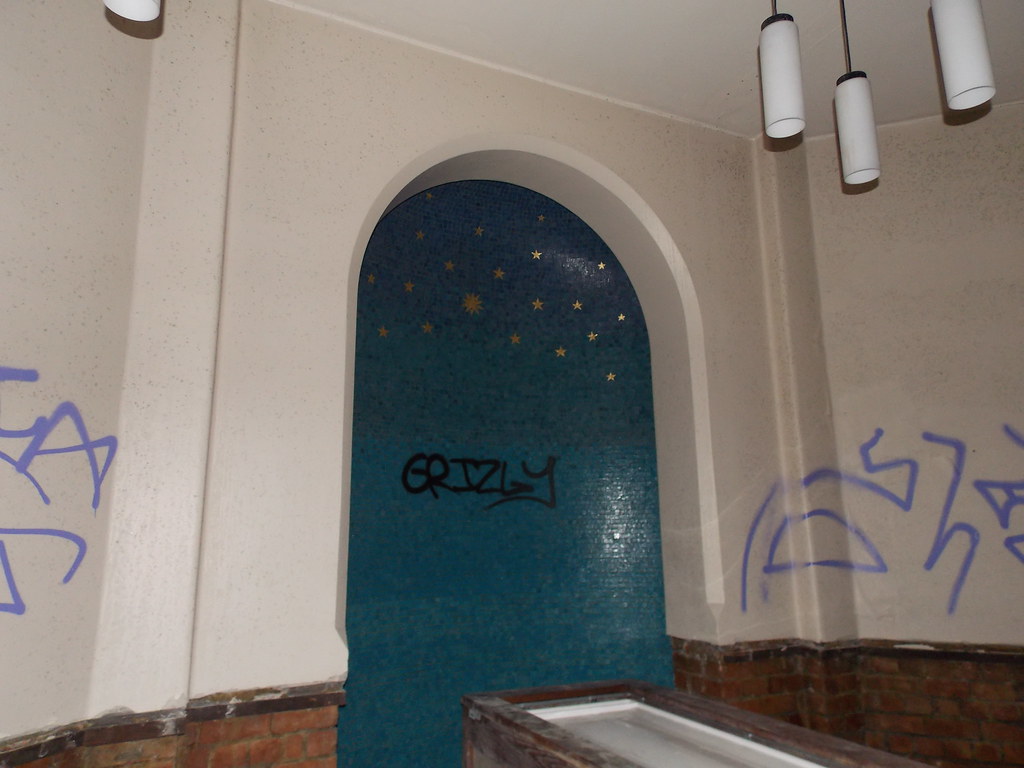
We explored this building back in 2016, and it was not easy at all. With security based inside the building and positioned at the rear, it was challenging to gain entry. We explored this building around 15 times, popping back and forth to try and find out more about what this place was used for. This has to be one of the most interesting explores.

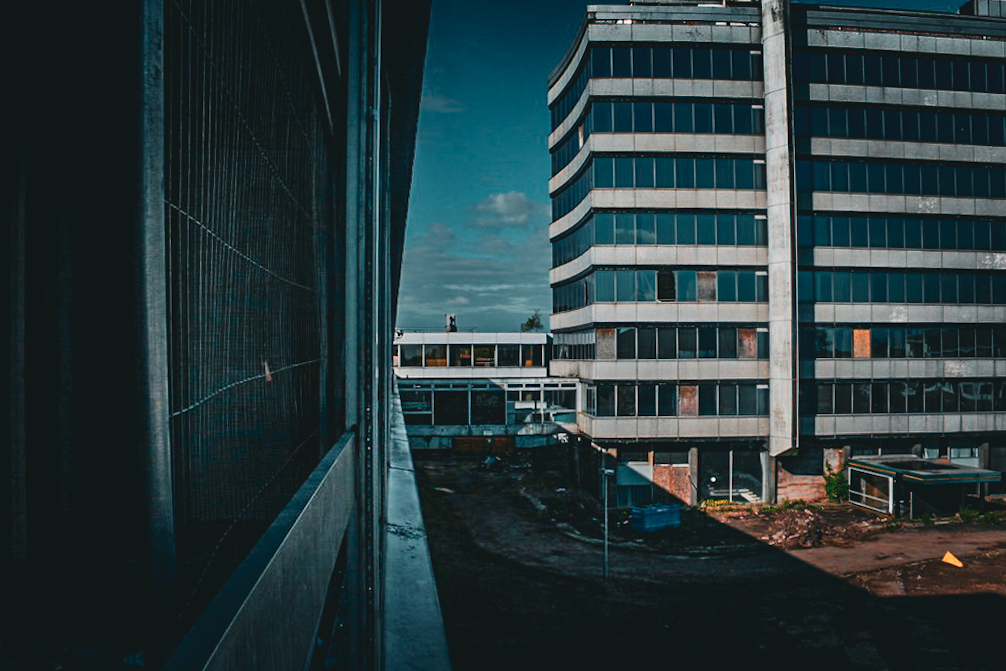
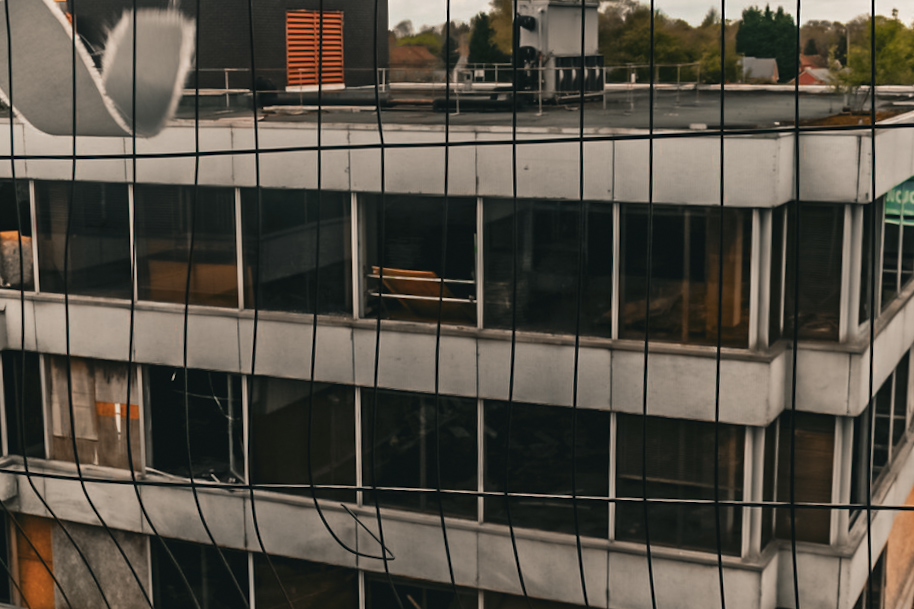
The Powergen building once stood at the junction of Stratford Road and Haslucks Green Road in Shirley, Solihull. It was part of the offices for the Central Electricity Generating Board (CEGB), which later became Powergen — one of the companies formed after the UK electricity industry was privatised.

The building was designed in the 1960s by notable Birmingham architect John Madin, who also designed other major local structures such as the old Birmingham Central Library. Its style reflected the era’s modernist/brutalist trends, making it distinctive but also controversial among local residents.

Powergen vacated the site in the mid-1990s, around 1995, leaving the building largely unused for many years. After closure, the site sat derelict for decades and became a familiar, if slightly eerie, landmark in Shirley.

In 2015, while still abandoned, the building’s decaying appearance made it an ideal filming location for the zombie movie The Girl With All the Gifts (starring Glenn Close). The production used the site’s rugged, abandoned atmosphere to depict a post-apocalyptic setting.

The Powergen building was demolished in 2017 to make way for redevelopment. Today, the site has been transformed into Solihull Retirement Village (also known as Solihull Village) — a modern residential community with homes and facilities for people over 55.


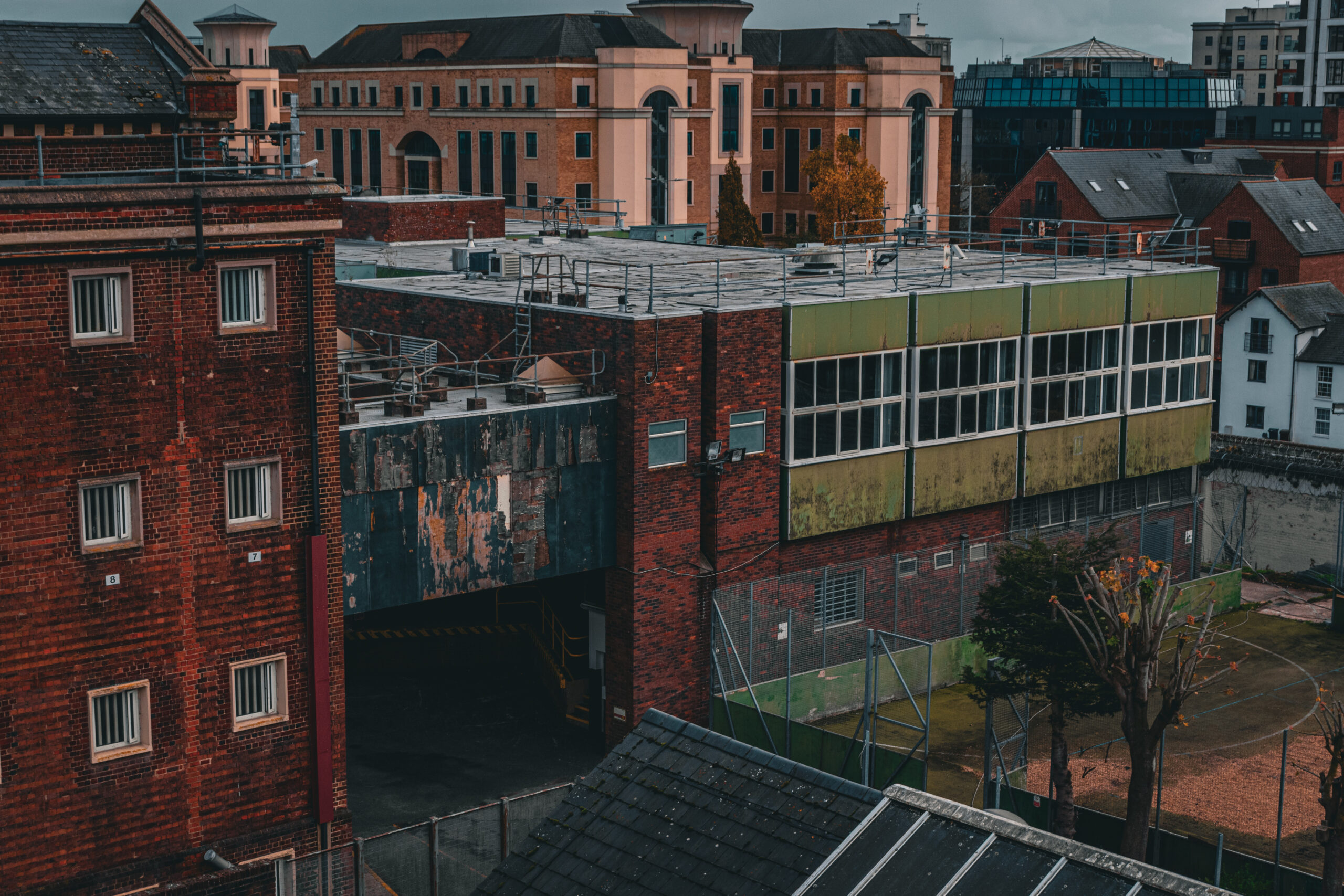
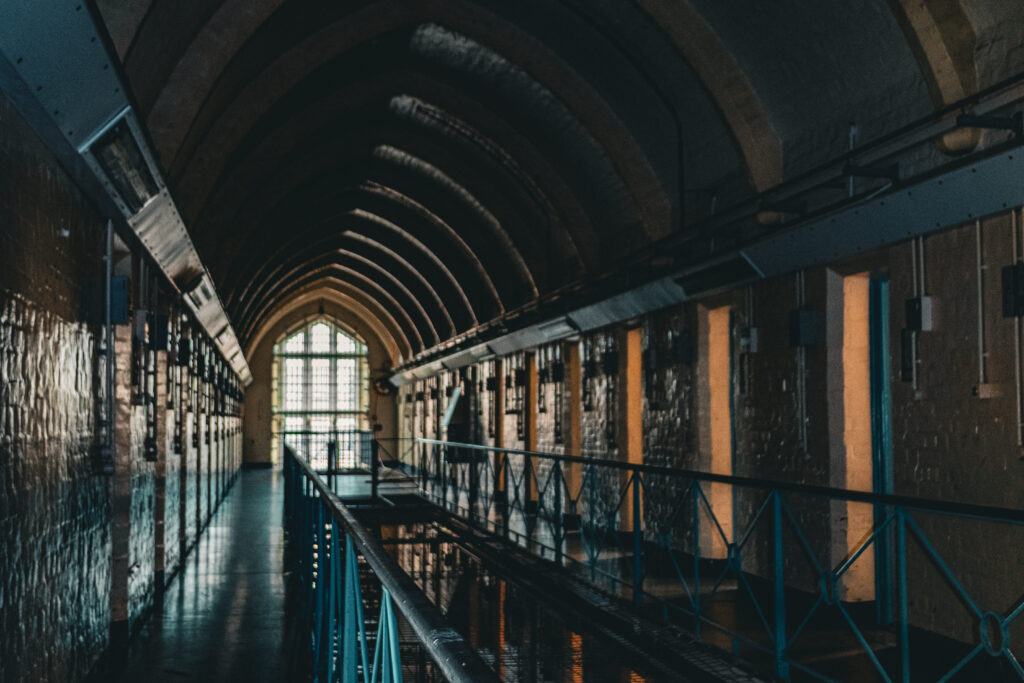
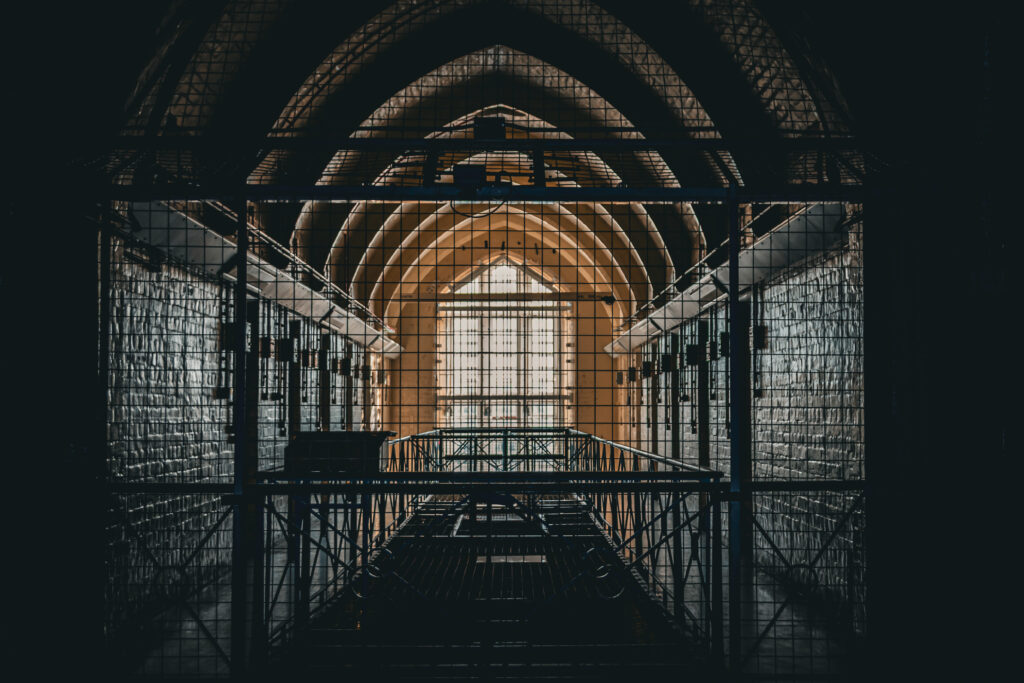
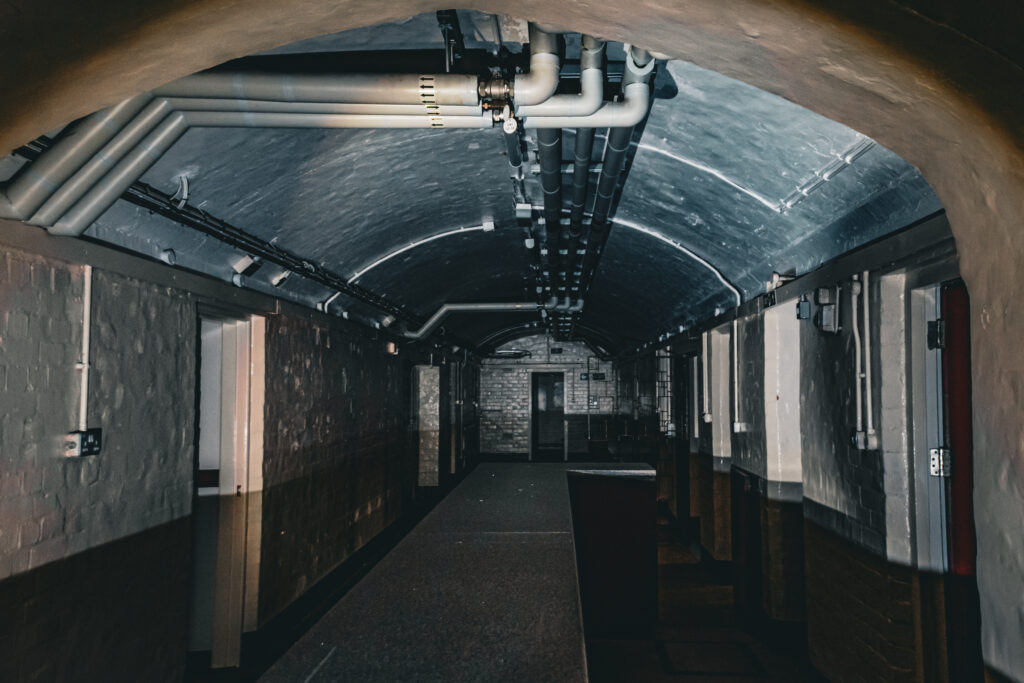
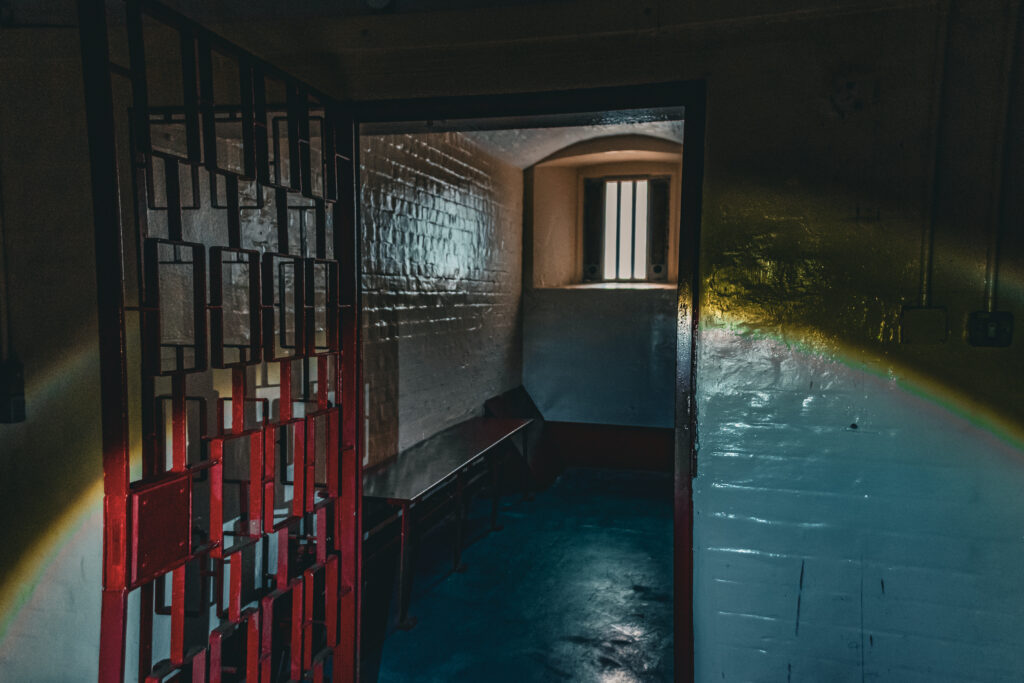
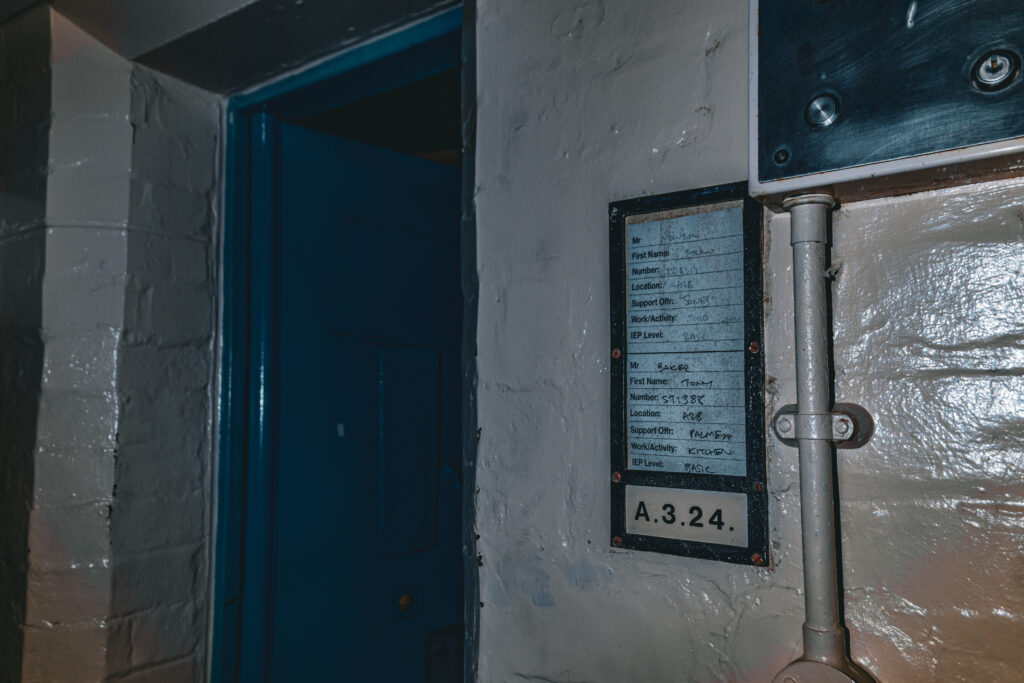
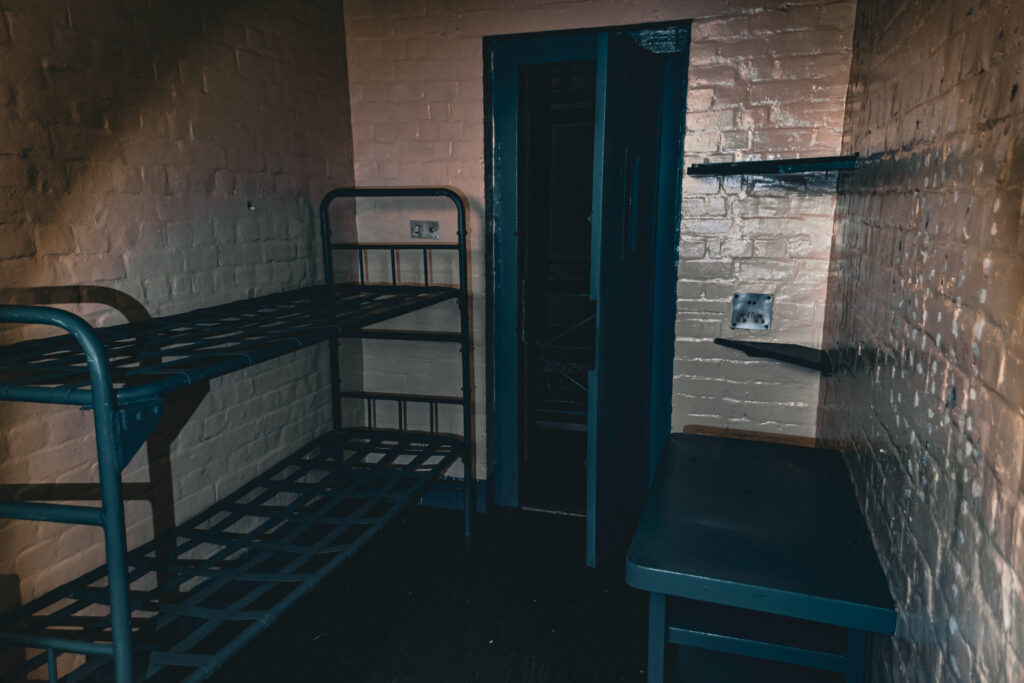
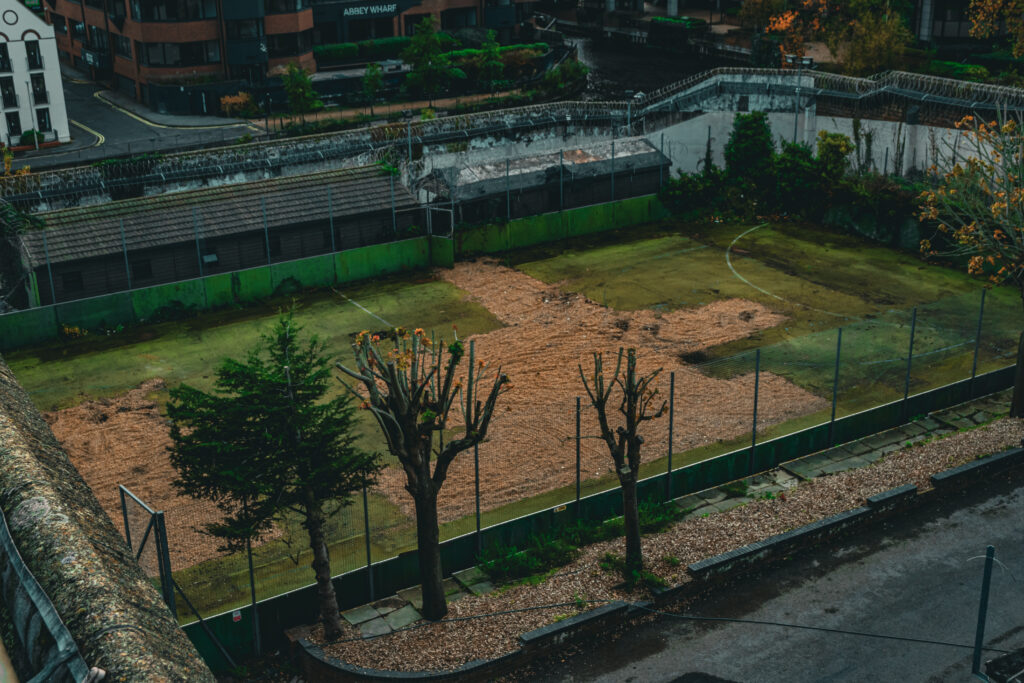
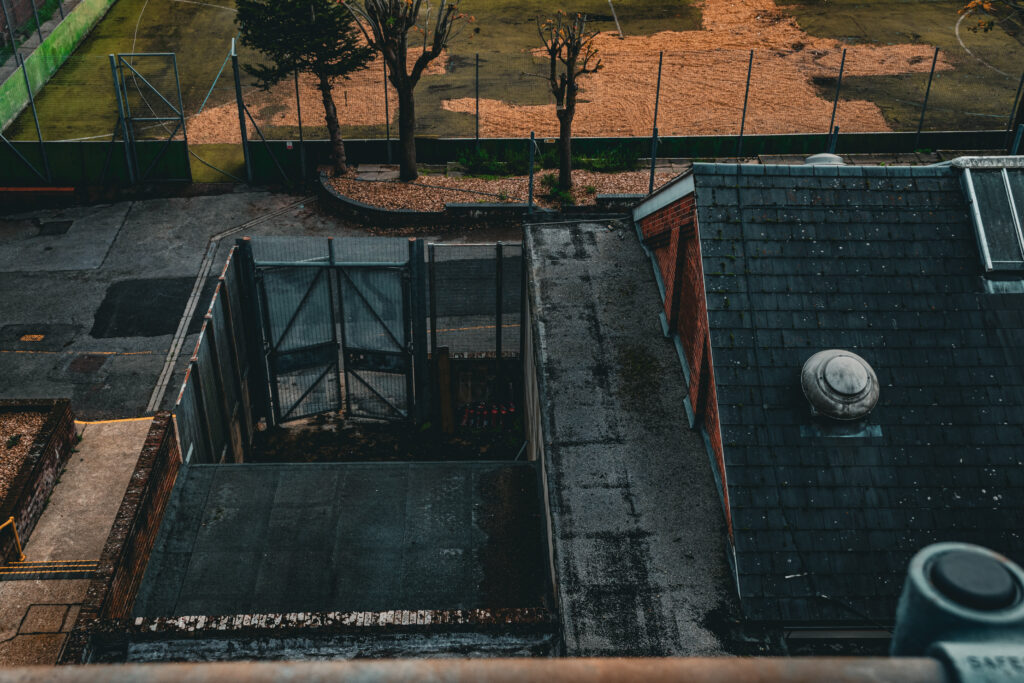
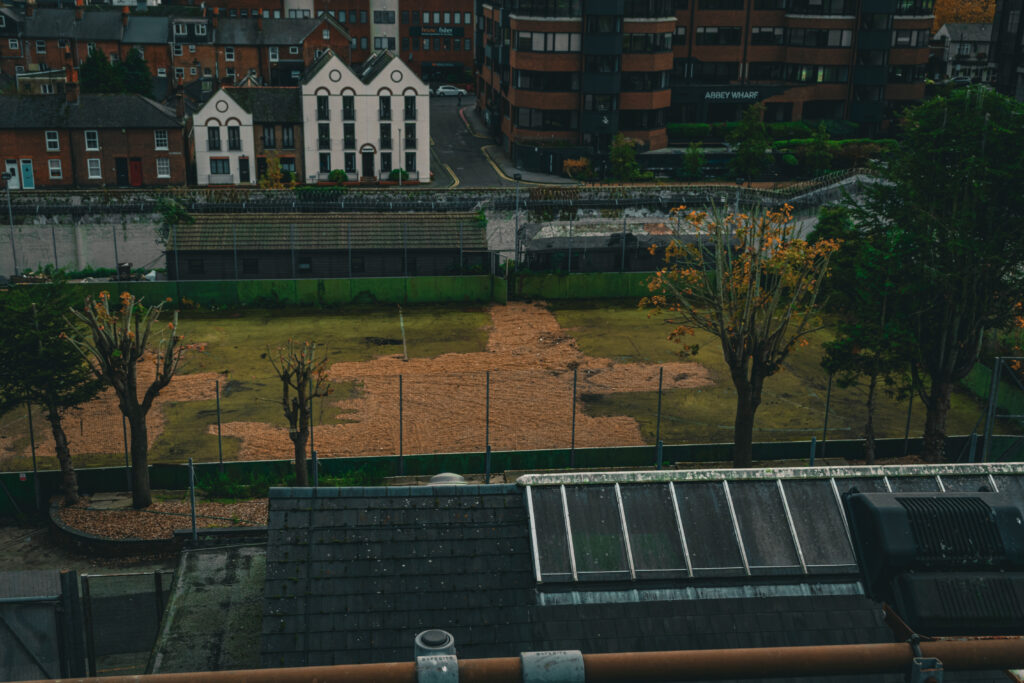
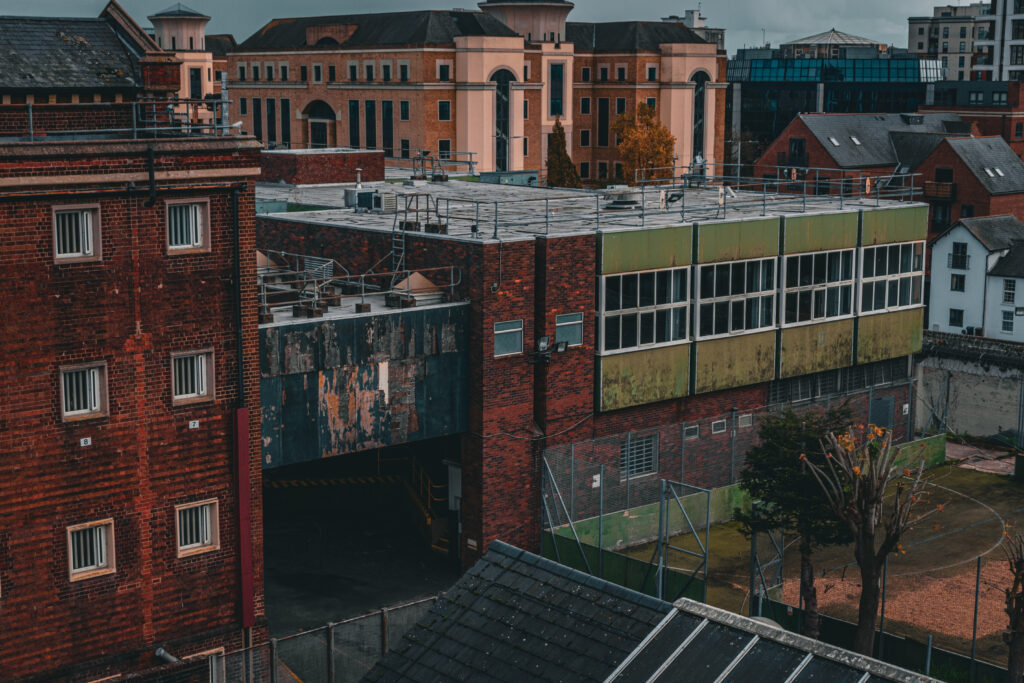
Exploring The Abandoned HMP Reading

Back at the start of November, myself, Brummy Explores, MOD Dan1, MOD Ry, and that one explorer stumbled into an adventure we never expected to have — effectively “breaking into” a prison.

(For the record, we didn’t actually break in… it just sounds cooler.)

We started the day by scouting out the site and quickly noticed a dog unit had been posted on location. Instead of putting us off, it made the explore feel even more intense. We continued searching for the best point on the wall to get over.

Eventually, we found the perfect spot. With that, it was time to commit — no questions, no messing about. One by one we climbed the ladder, sitting on top of the wall while waiting for the last person to get up so we could pull the ladder over and begin exploring the abandoned HMP Reading.

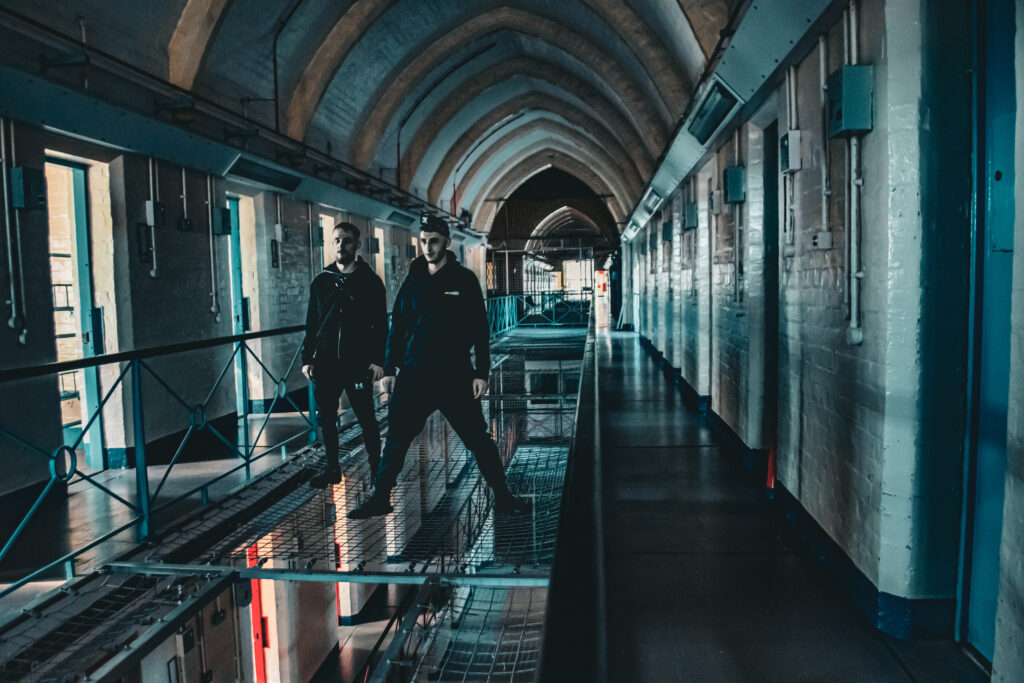
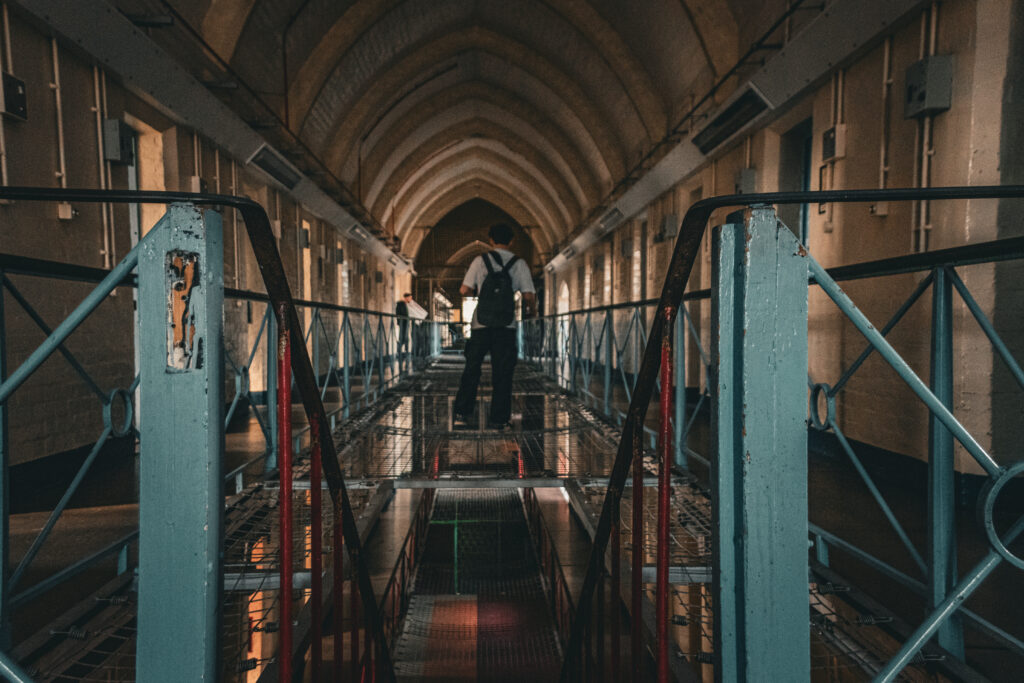
This explore turned out to be one of the best — and eeriest — we’ve ever done. We spent around three hours inside during the morning, taking photos, filming, and imagining what life must have been like for the prisoners, officers, and everyone who worked within those walls.

After exploring every part of the prison we could access, we decided it was time to go, making our “great escape” back over the wall and out.

Later, while passing by again before leaving Reading, we noticed the prison was fully lit — the power was on. Obviously, we had to take advantage of that. So we sent it back inside to capture nighttime shots and experience what a prison feels like after dark.
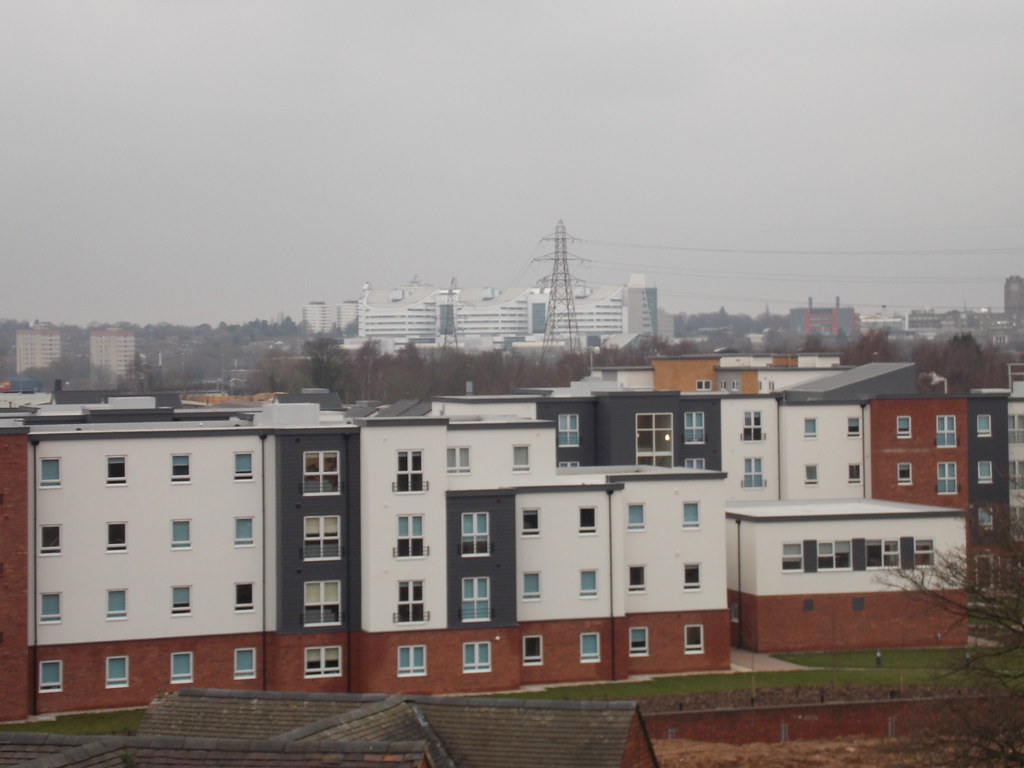
This second explore didn’t last long. We were caught by three security officers and two dogs — and that was our cue to leave, fast.
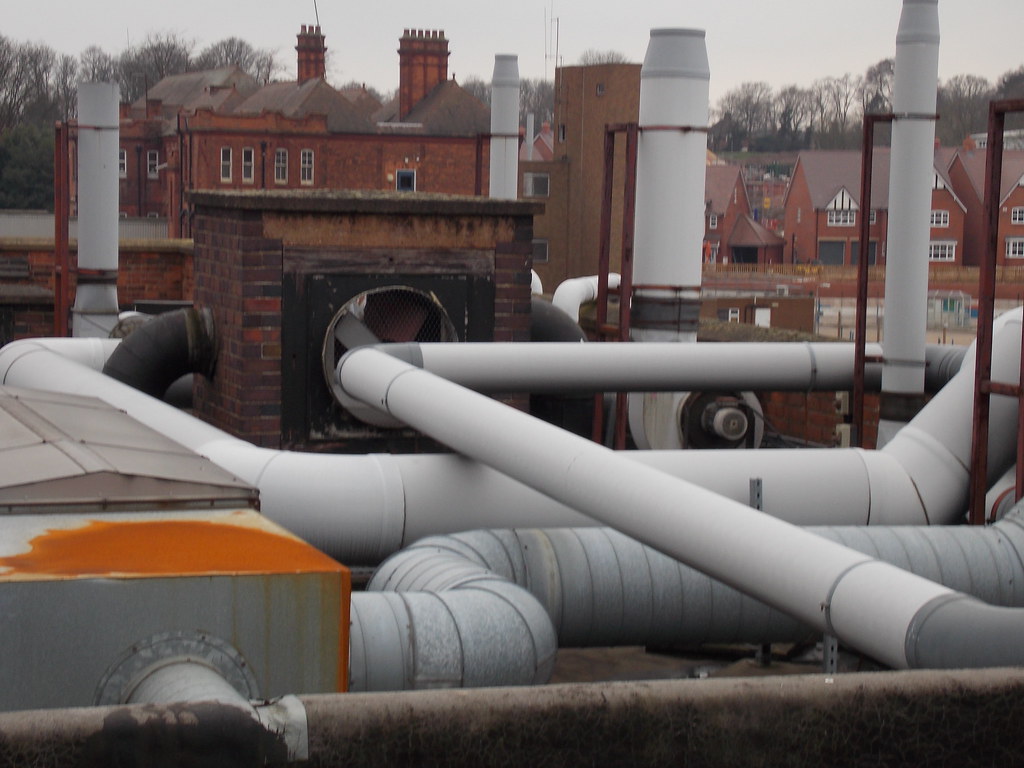
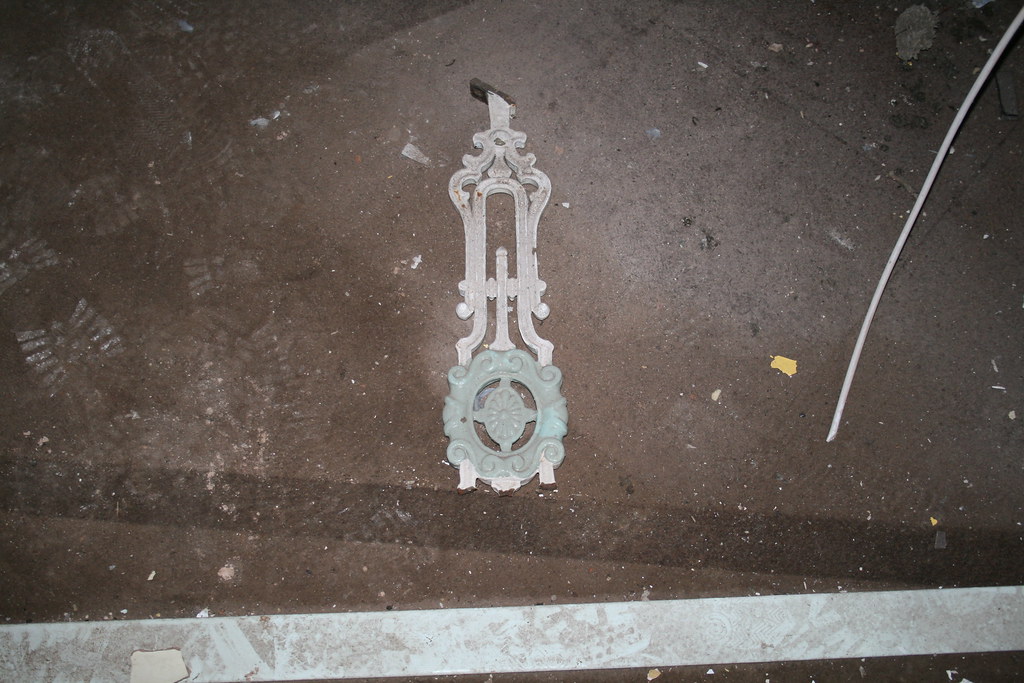
A Bit of History: HMP Reading

HMP Reading, originally known as Reading Gaol, was built in 1844 and designed by architect George Gilbert Scott. The prison became well known for its radial design, based on the “separate system” intended to keep prisoners isolated from one another.

It housed both men and young offenders over the years and is most famously associated with Oscar Wilde, who was imprisoned there from 1895–1897. His experiences later inspired The Ballad of Reading Gaol.

The prison officially closed in 2013, and since then has remained largely unused, occasionally opening for exhibitions, events, and rare public tours. Its imposing Victorian architecture and long history make it a well-known site in UK urban exploration.
Credits

Massive credit to MOD Dan1 for providing the photos from this explore — couldn’t have captured it the same without him.