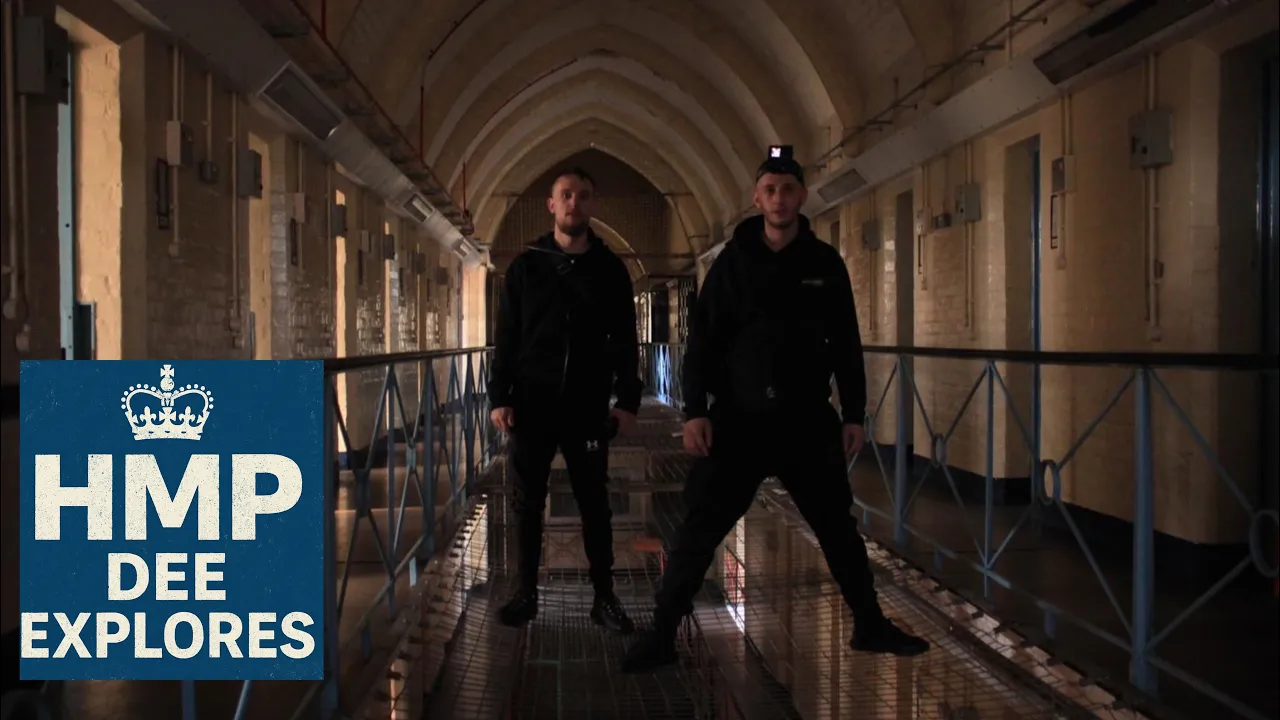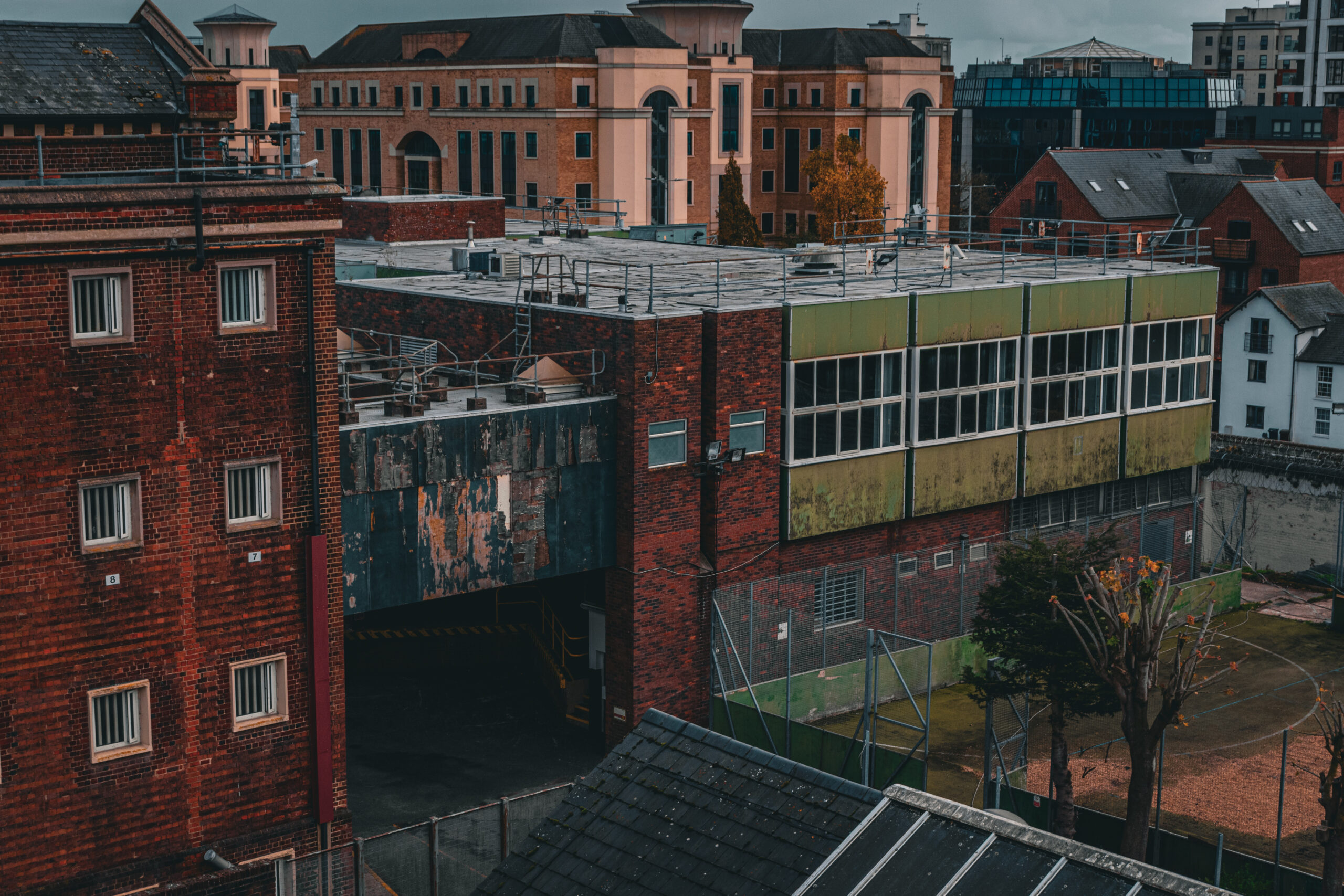

Exploring The Abandoned HMP Reading
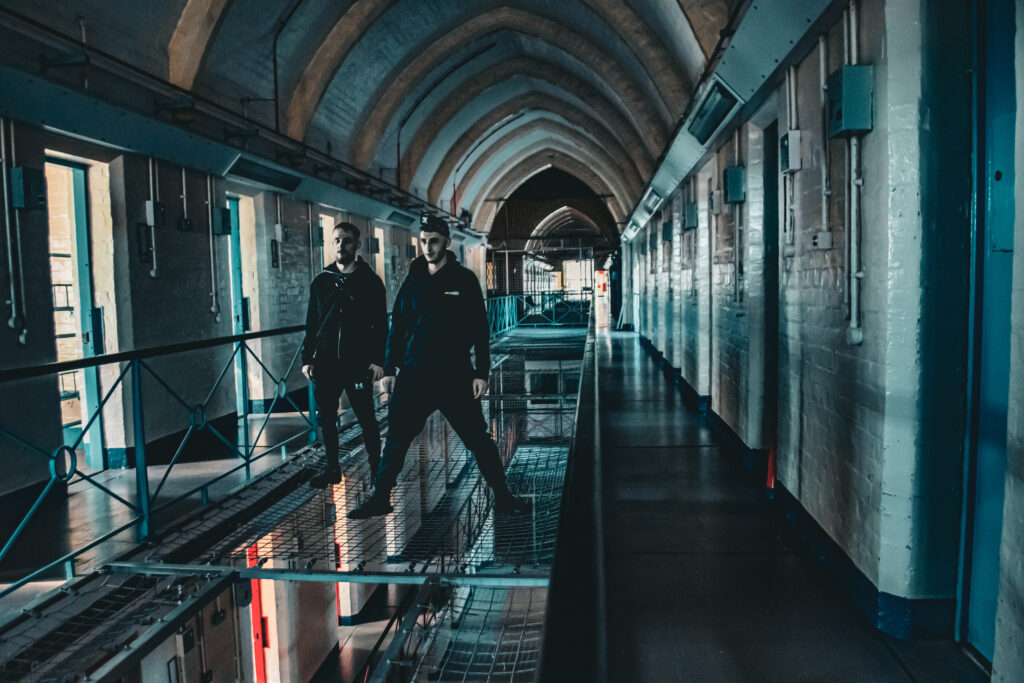
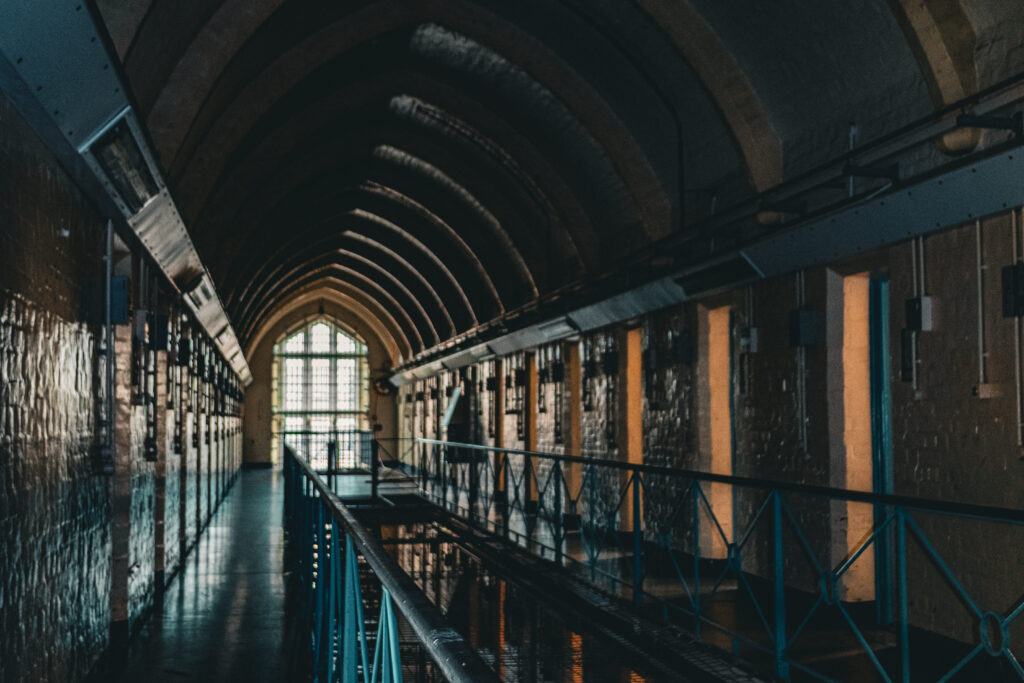
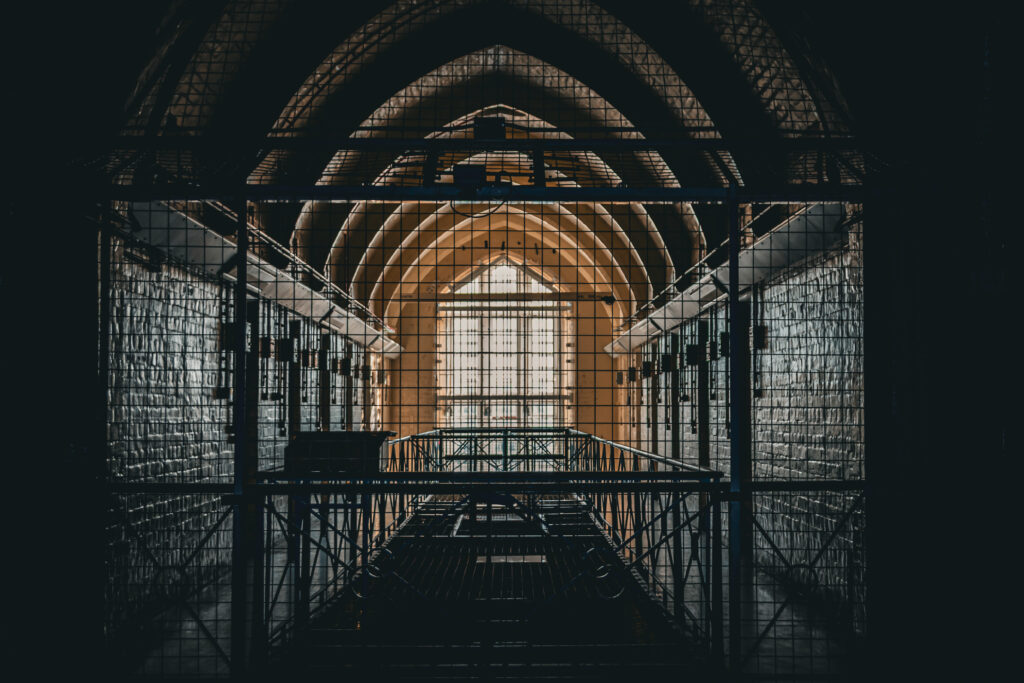
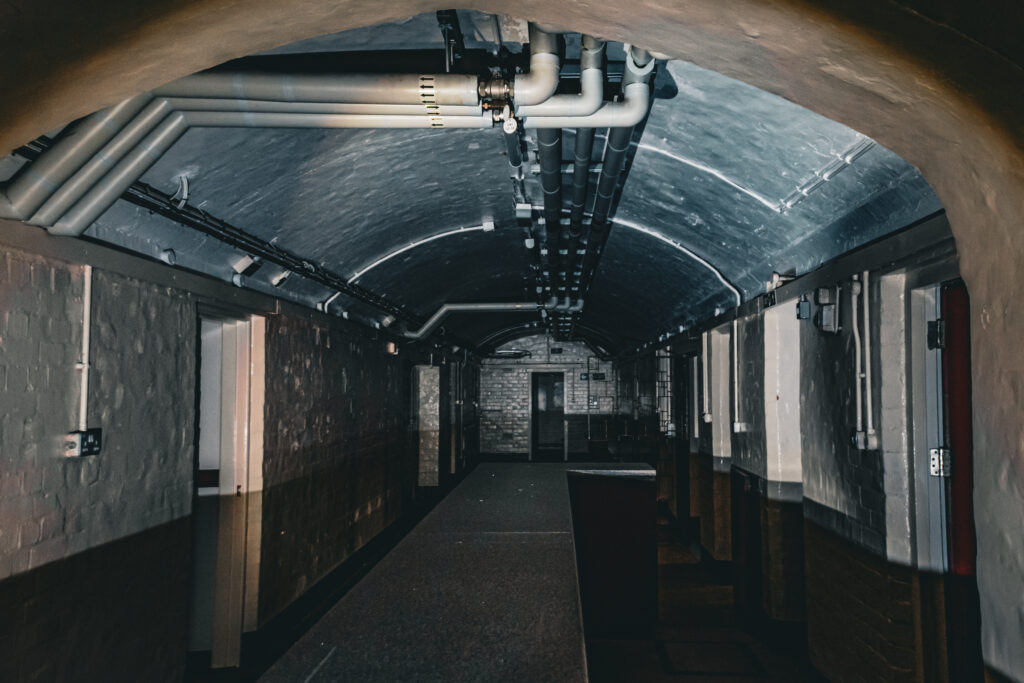
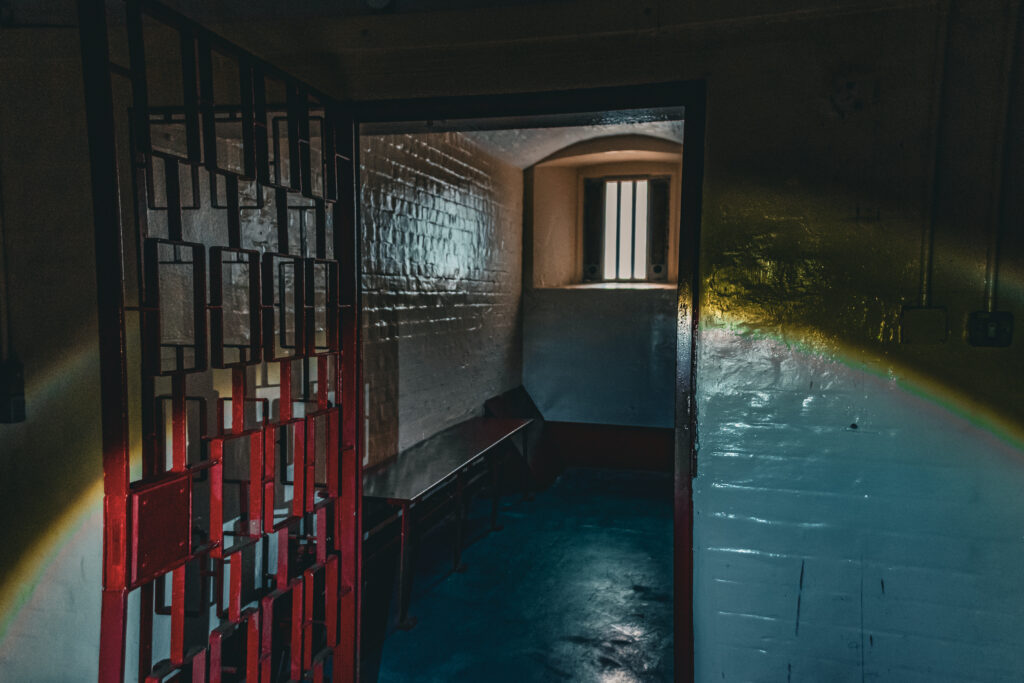
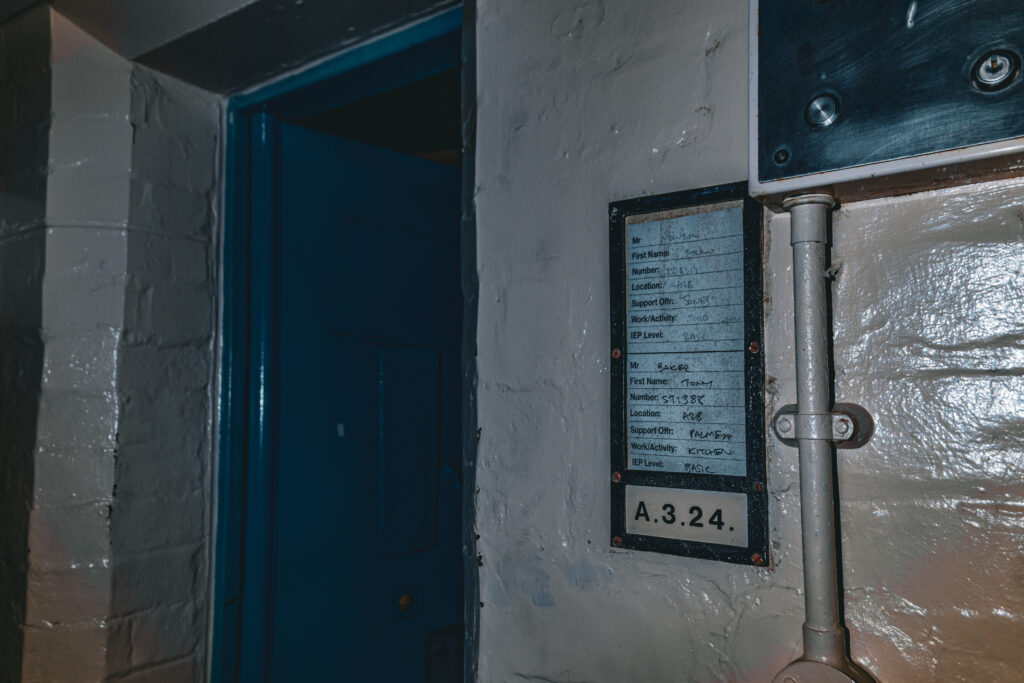
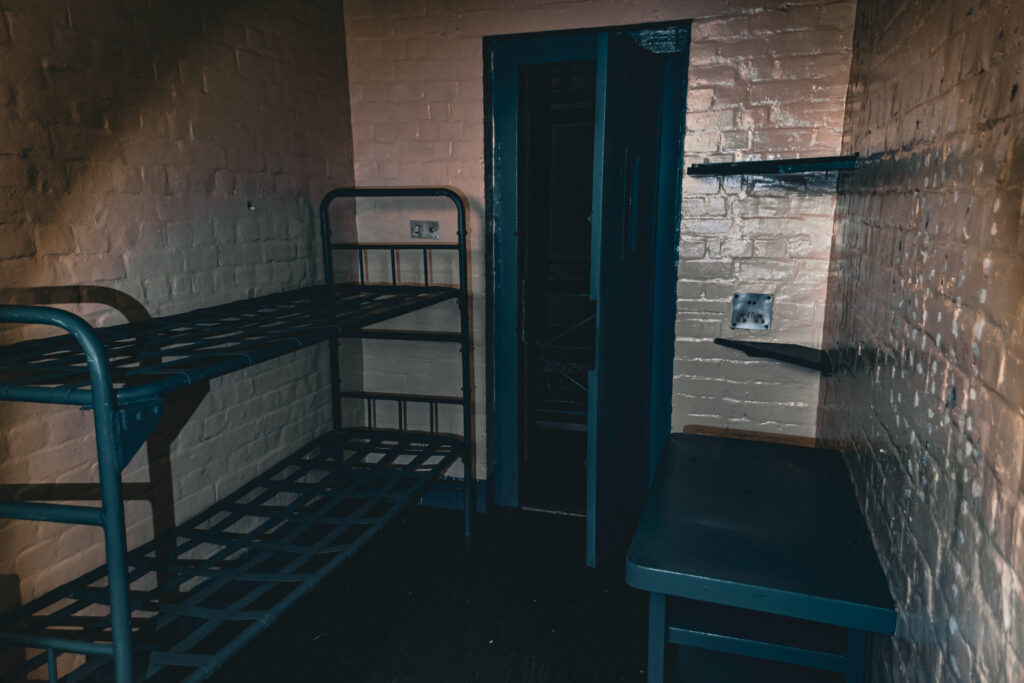
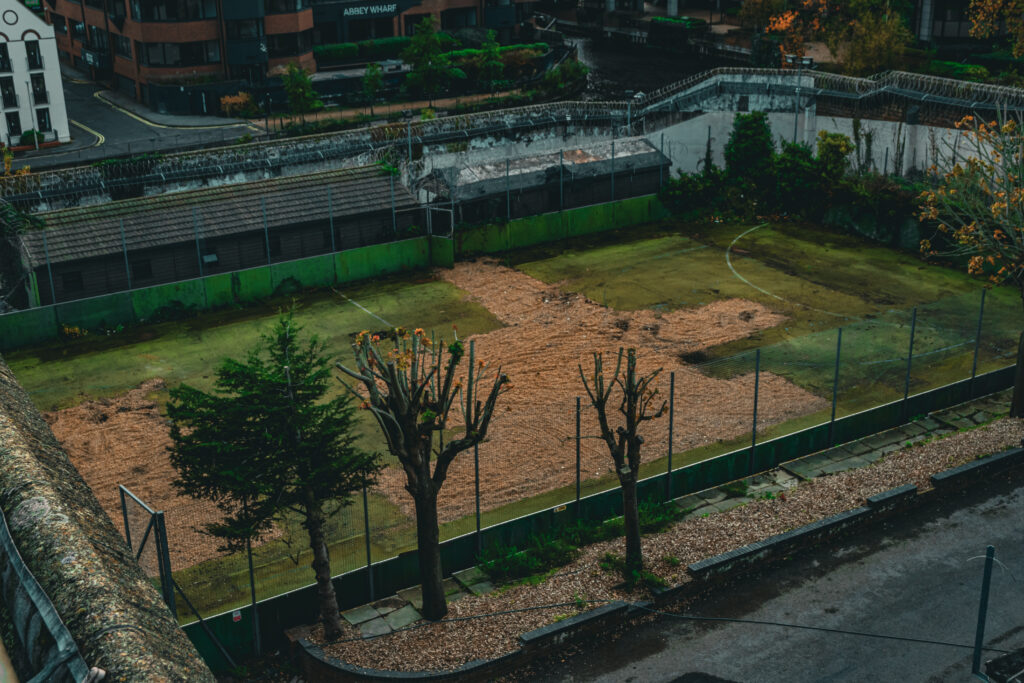
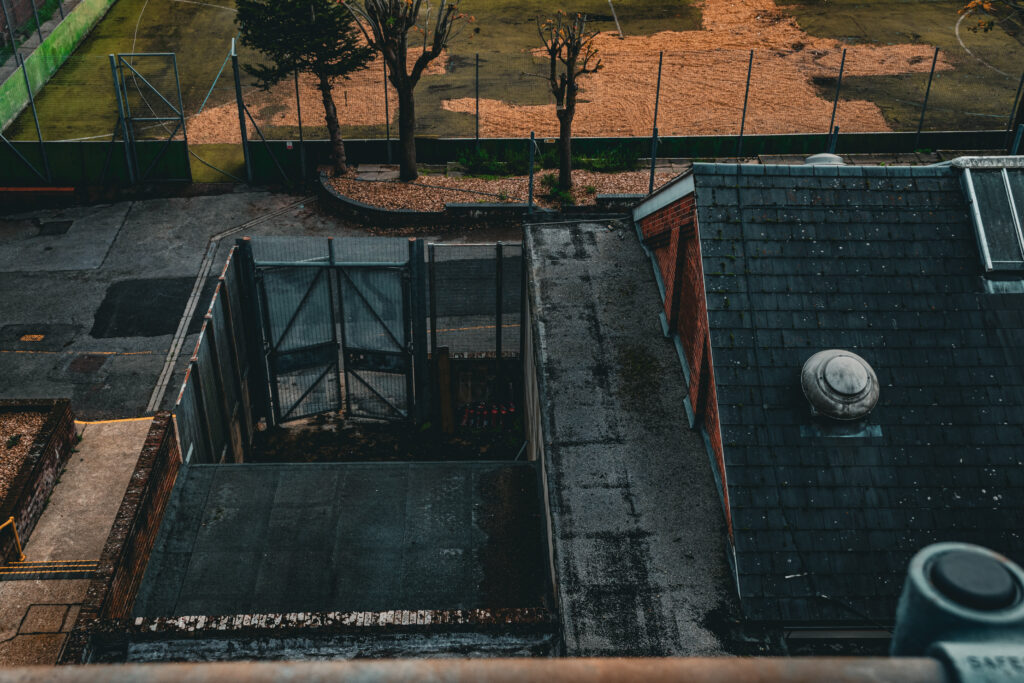
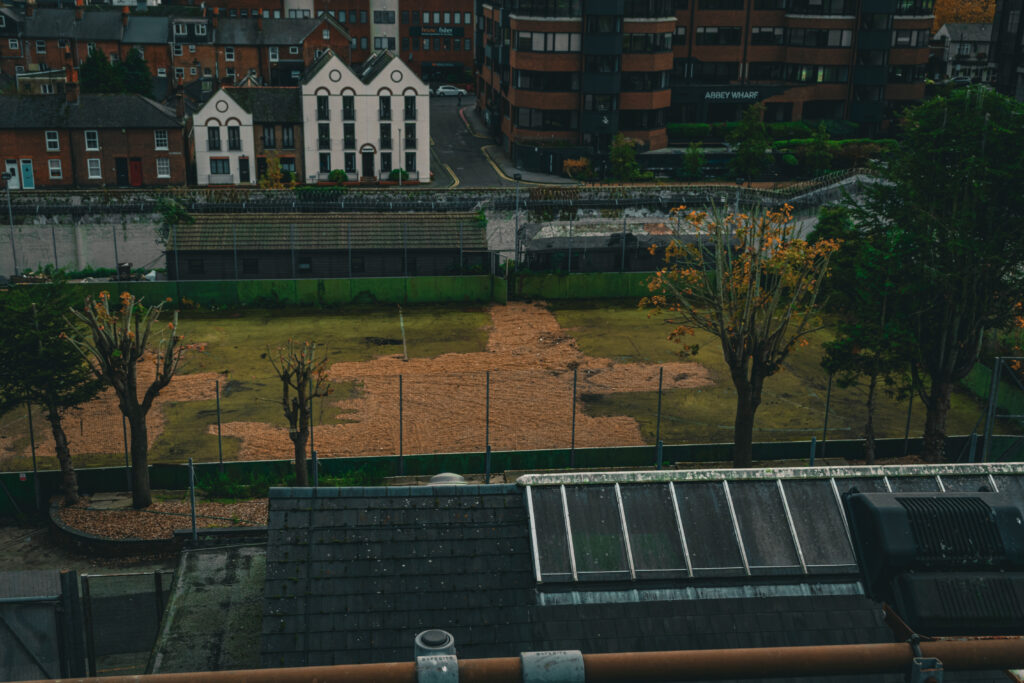
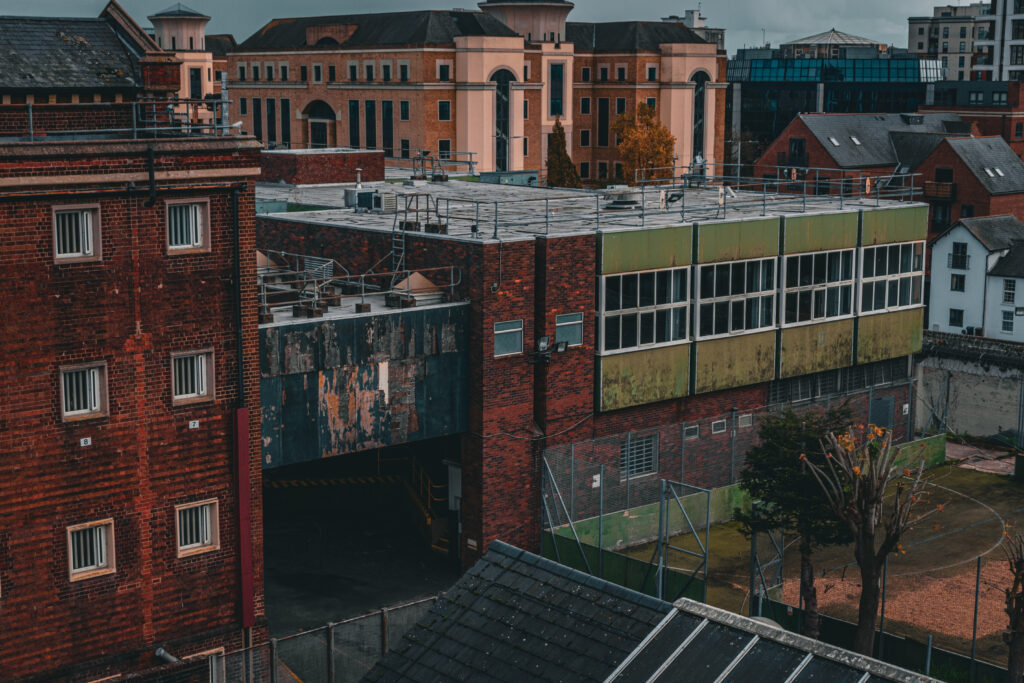
Back at the start of November, myself, Brummy Explores, MOD Dan1, MOD Ry, and that one explorer stumbled into an adventure we never expected to have — effectively “breaking into” a prison.
(For the record, we didn’t actually break in… it just sounds cooler.)
We started the day by scouting out the site and quickly noticed a dog unit had been posted on location. Instead of putting us off, it made the explore feel even more intense. We continued searching for the best point on the wall to get over.
Eventually, we found the perfect spot. With that, it was time to commit — no questions, no messing about. One by one we climbed the ladder, sitting on top of the wall while waiting for the last person to get up so we could pull the ladder over and begin exploring the abandoned HMP Reading.
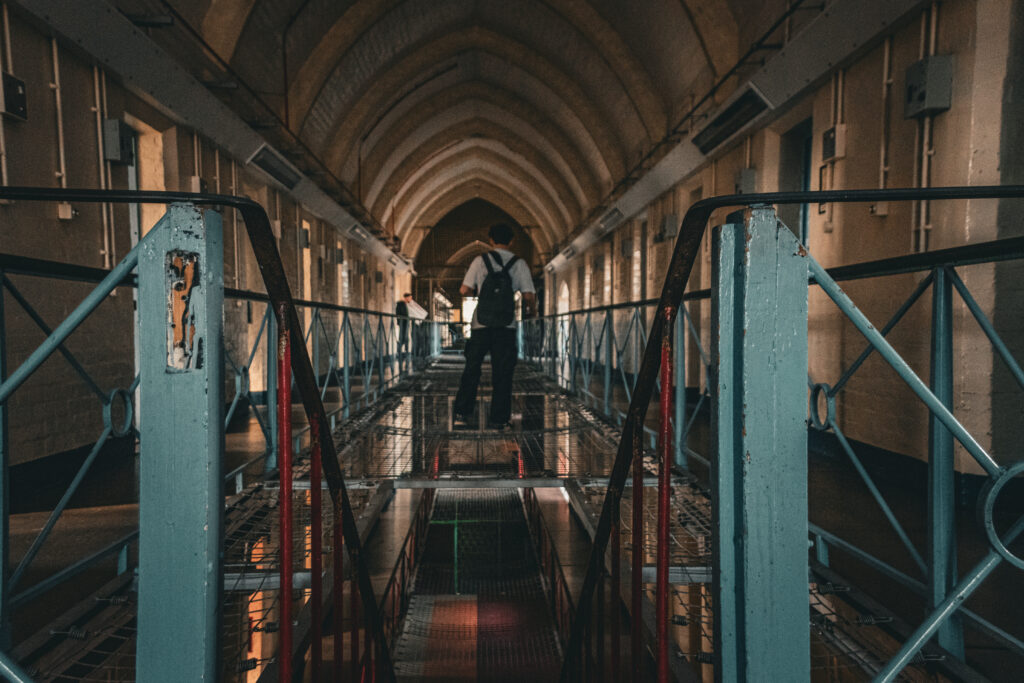
This explore turned out to be one of the best — and eeriest — we’ve ever done. We spent around three hours inside during the morning, taking photos, filming, and imagining what life must have been like for the prisoners, officers, and everyone who worked within those walls.
After exploring every part of the prison we could access, we decided it was time to go, making our “great escape” back over the wall and out.
Later, while passing by again before leaving Reading, we noticed the prison was fully lit — the power was on. Obviously, we had to take advantage of that. So we sent it back inside to capture nighttime shots and experience what a prison feels like after dark.
This second explore didn’t last long. We were caught by three security officers and two dogs — and that was our cue to leave, fast.
A Bit of History: HMP Reading
HMP Reading, originally known as Reading Gaol, was built in 1844 and designed by architect George Gilbert Scott. The prison became well known for its radial design, based on the “separate system” intended to keep prisoners isolated from one another.
It housed both men and young offenders over the years and is most famously associated with Oscar Wilde, who was imprisoned there from 1895–1897. His experiences later inspired The Ballad of Reading Gaol.
The prison officially closed in 2013, and since then has remained largely unused, occasionally opening for exhibitions, events, and rare public tours. Its imposing Victorian architecture and long history make it a well-known site in UK urban exploration.
Credits
Massive credit to MOD Dan1 for providing the photos from this explore — couldn’t have captured it the same without him.