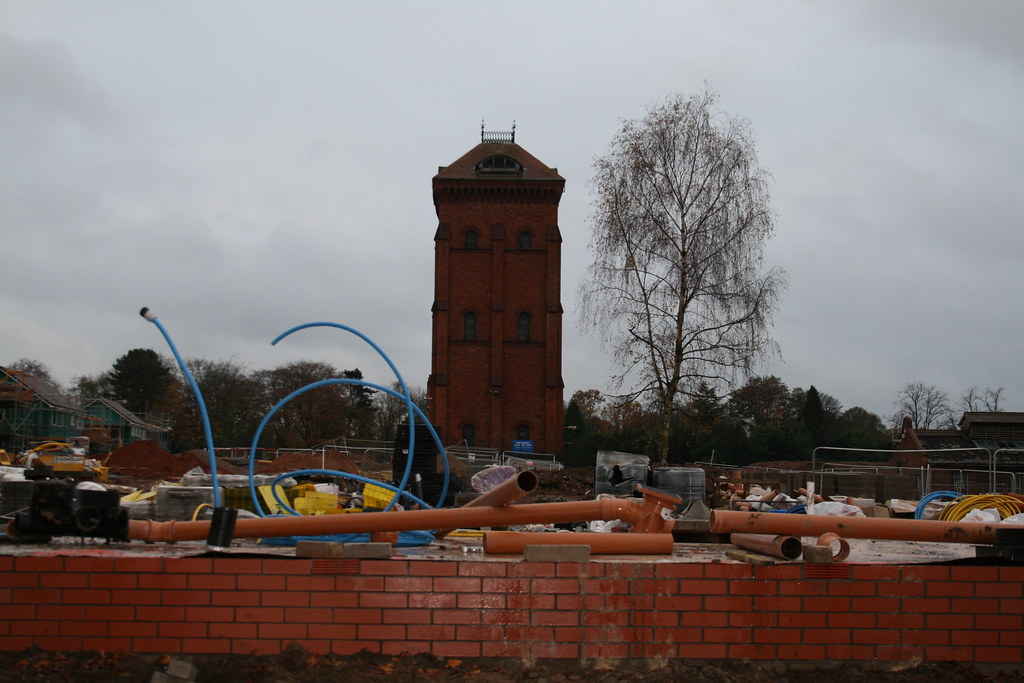
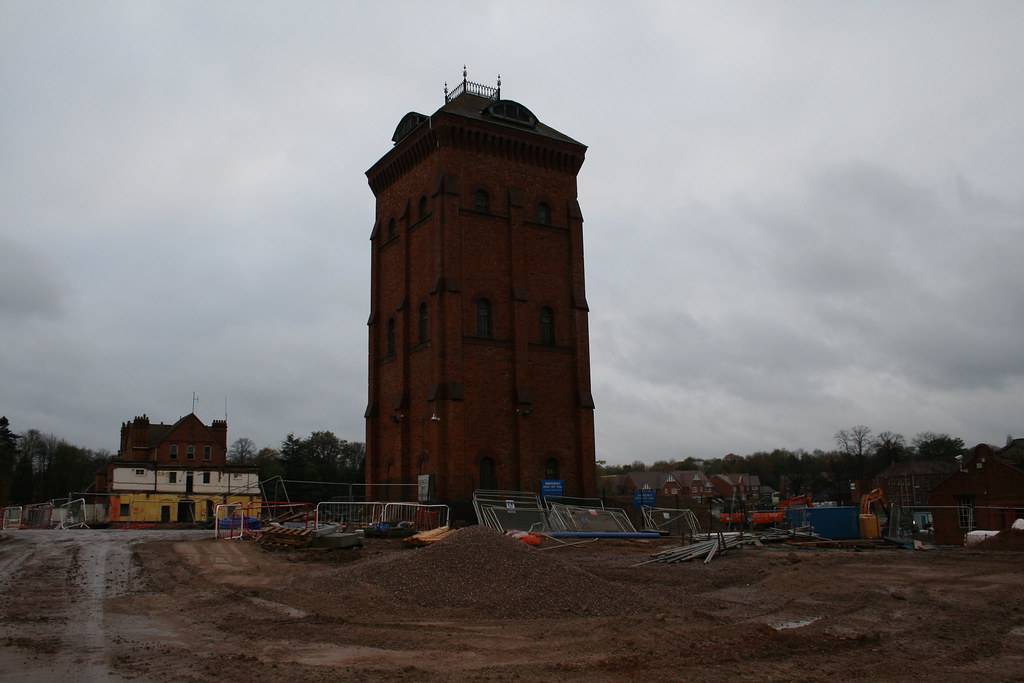
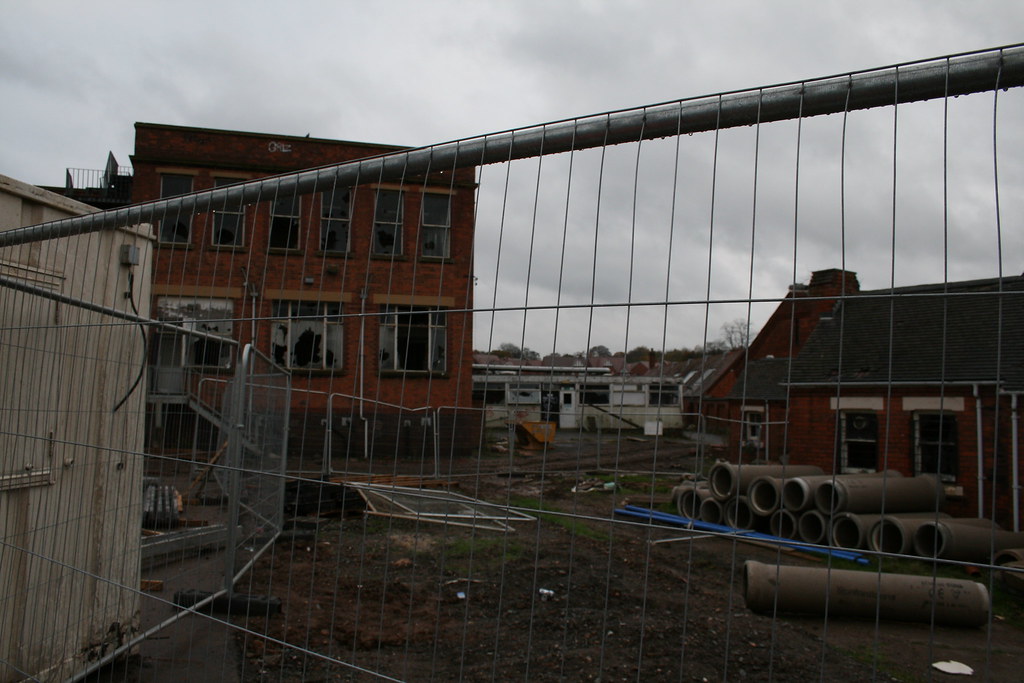
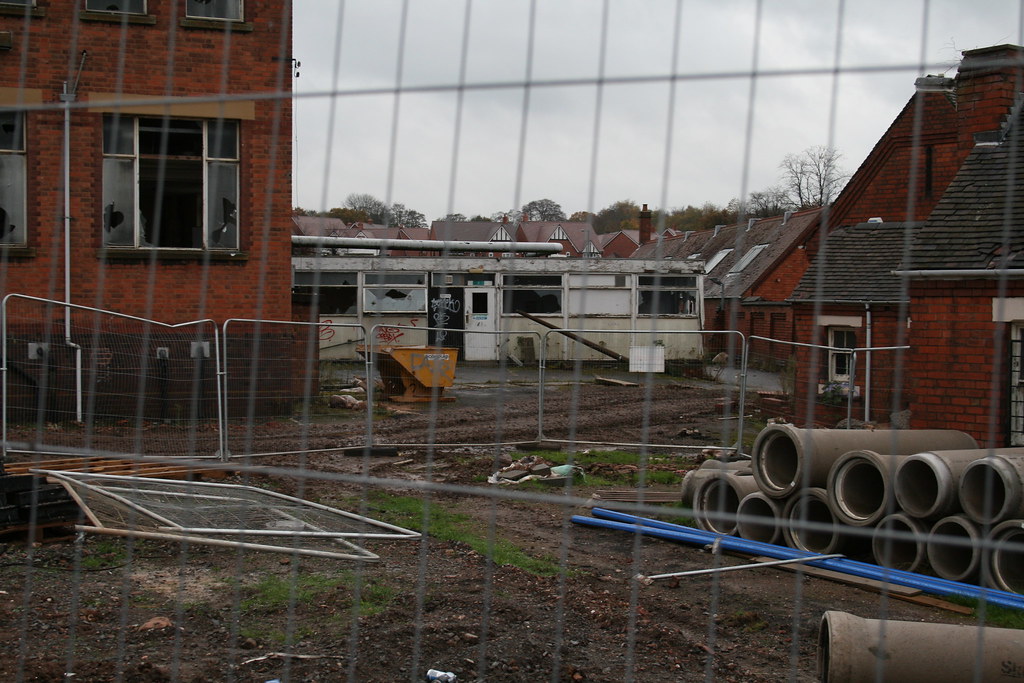
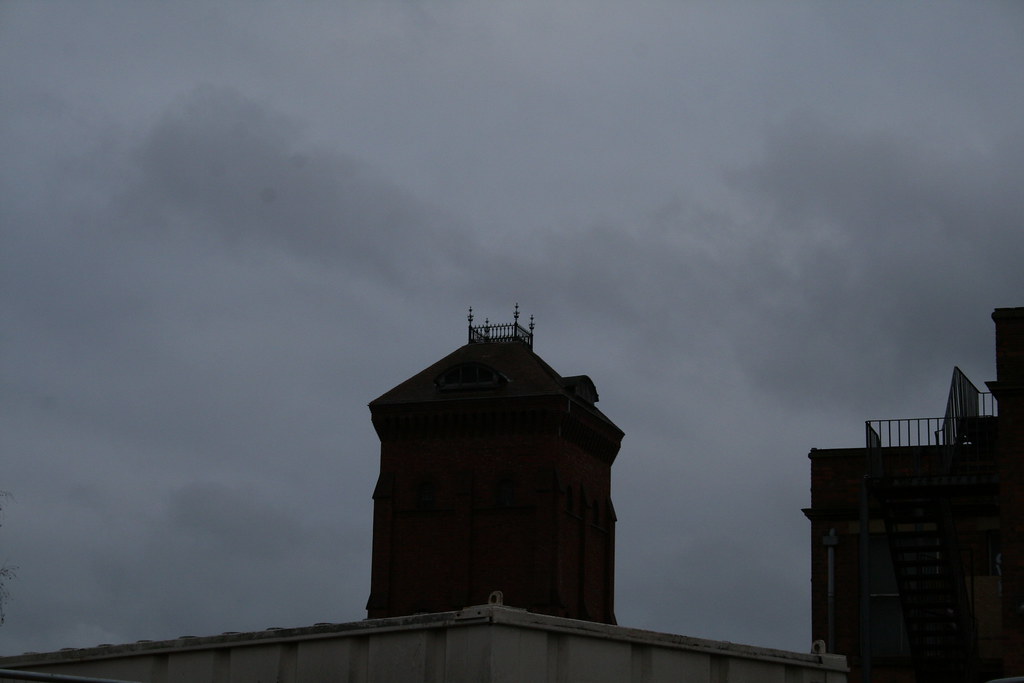
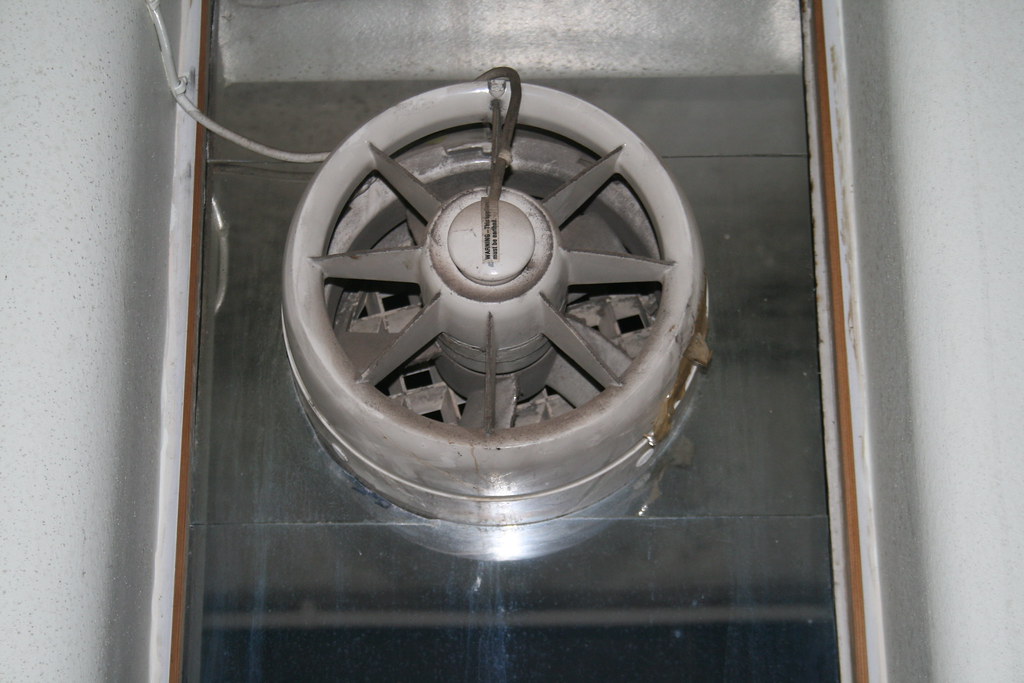
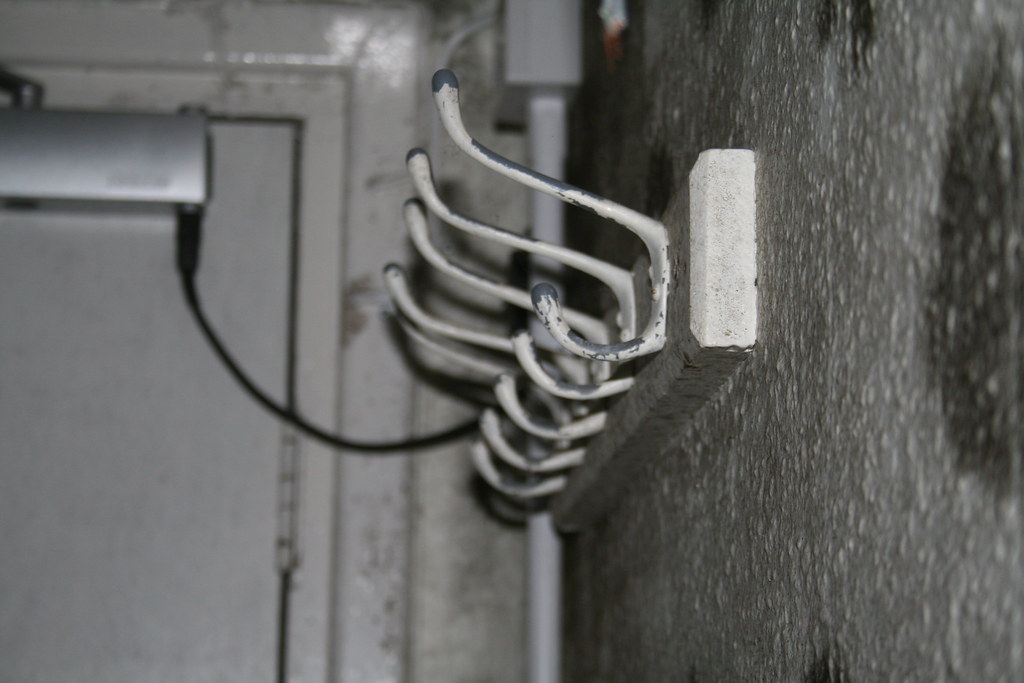
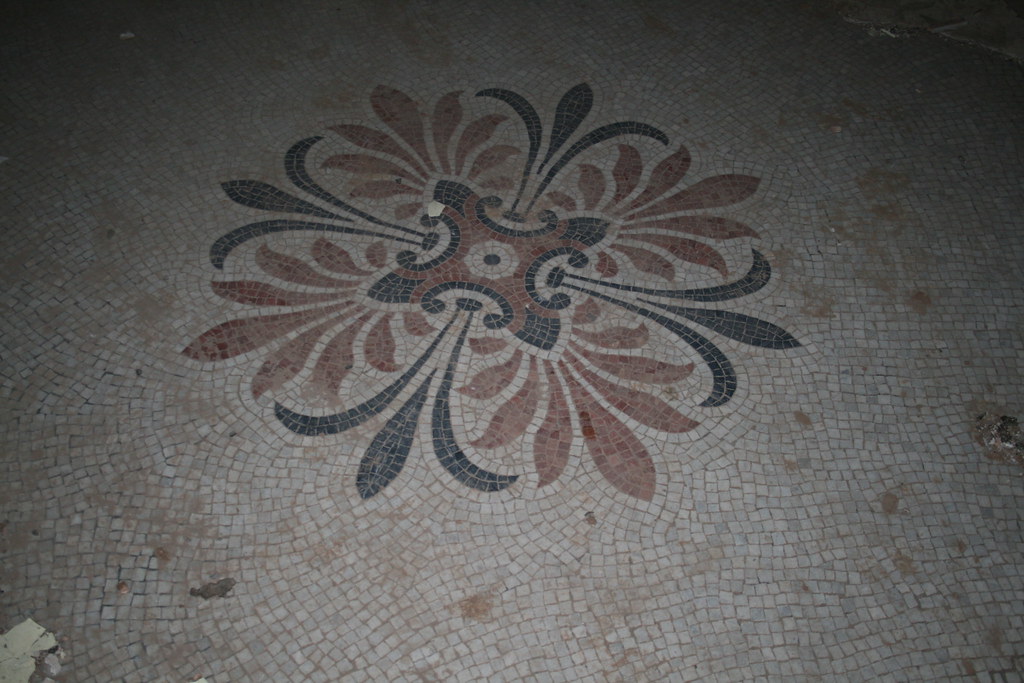
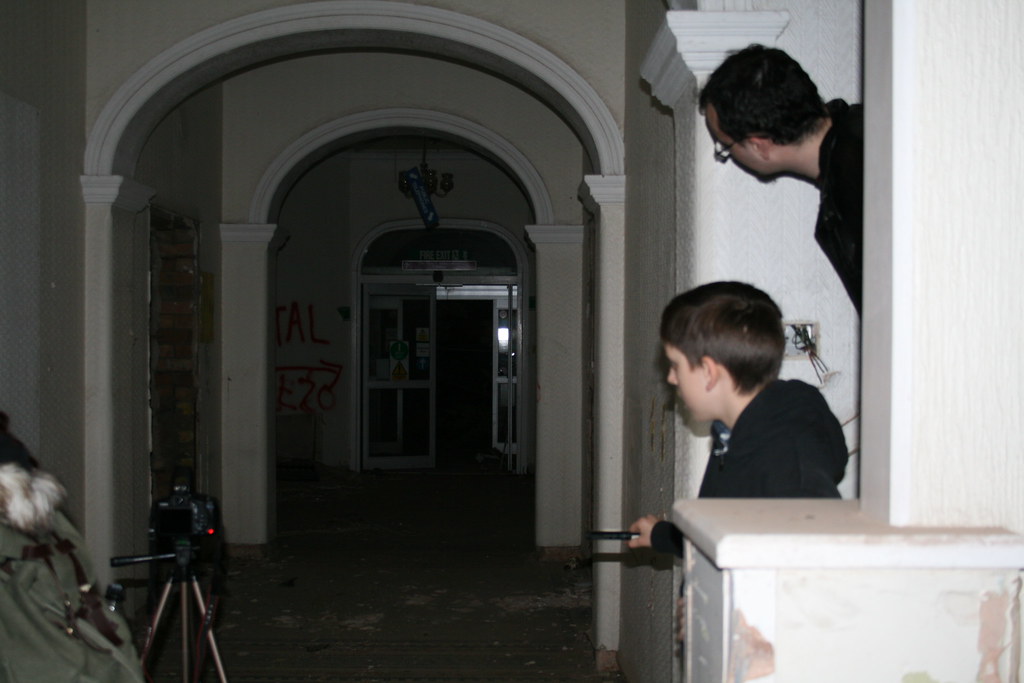
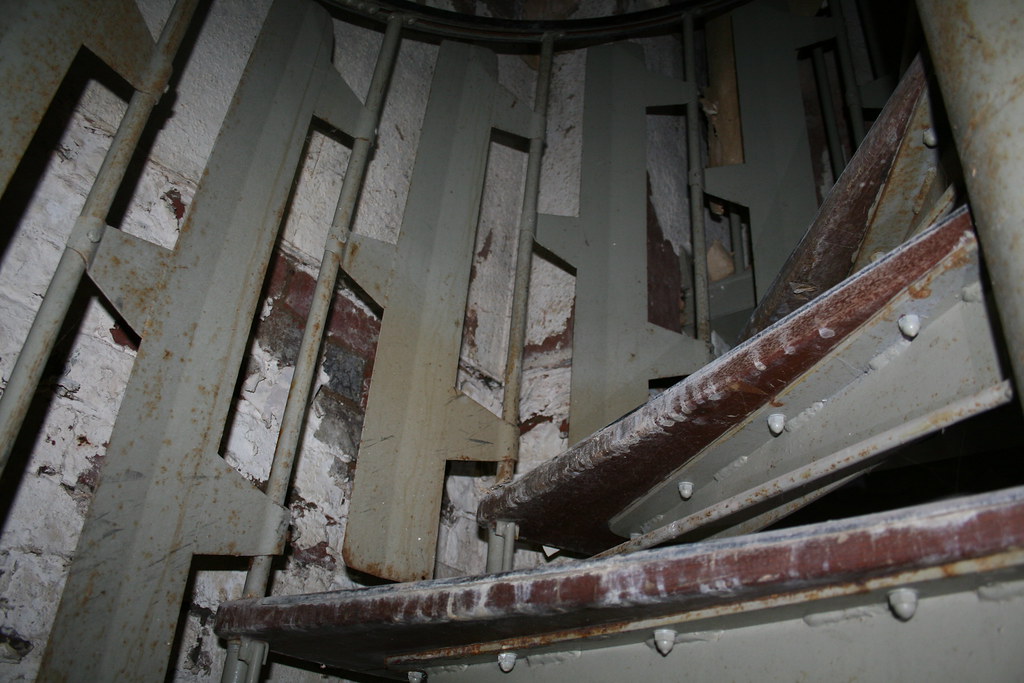
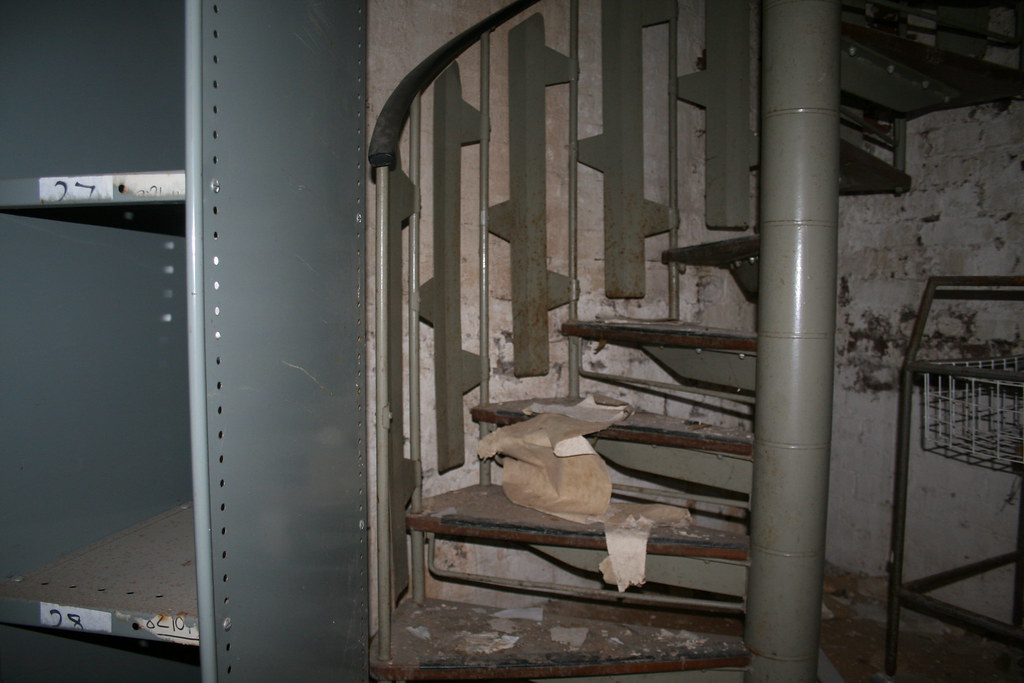
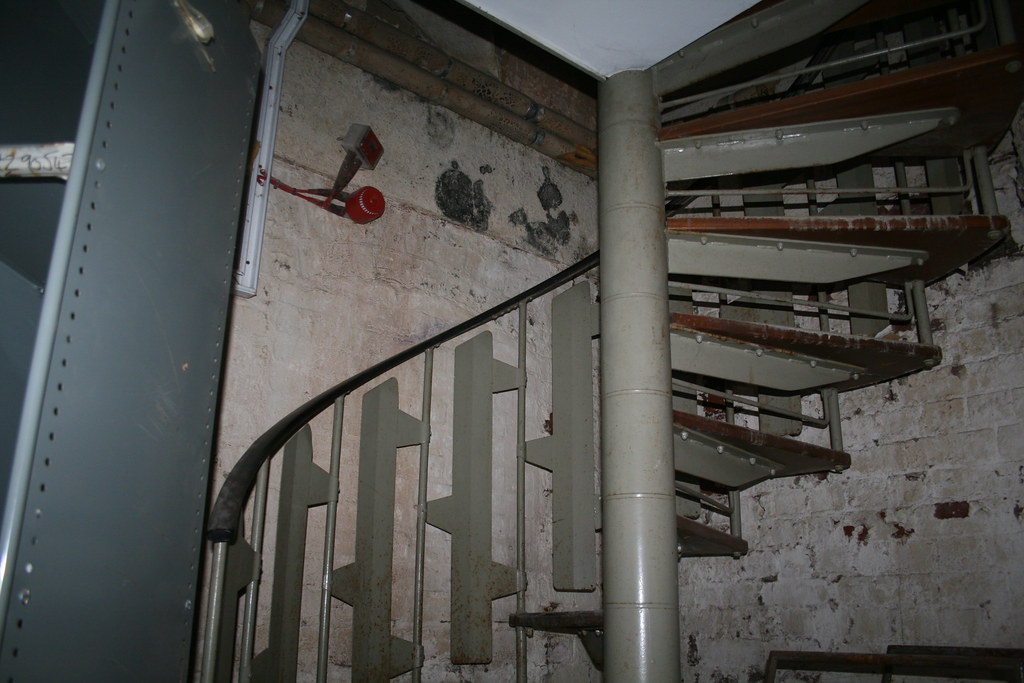
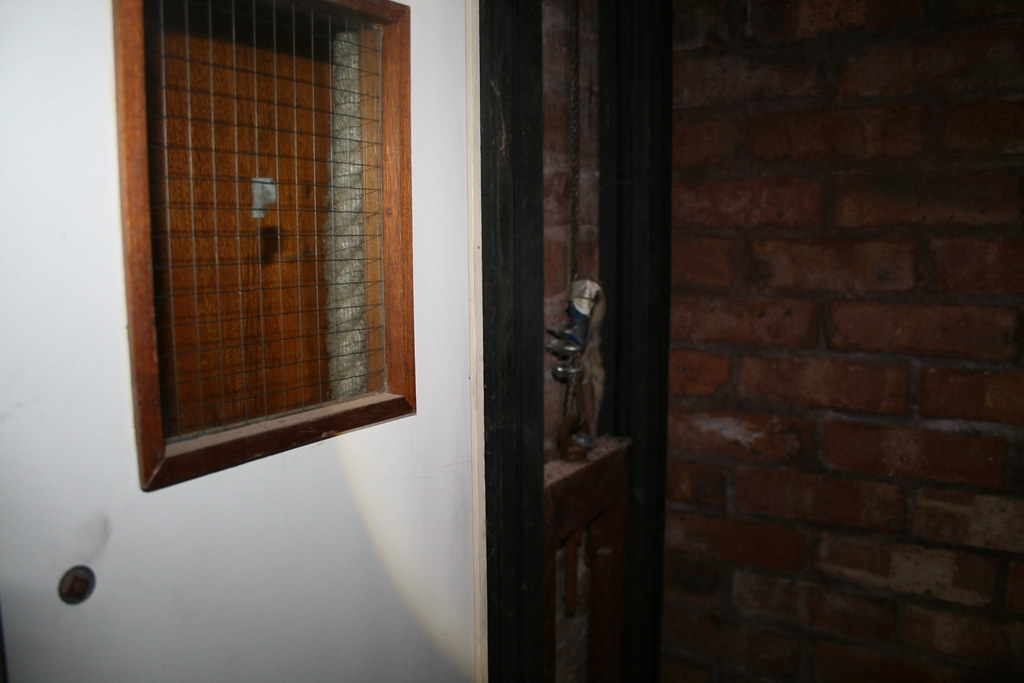
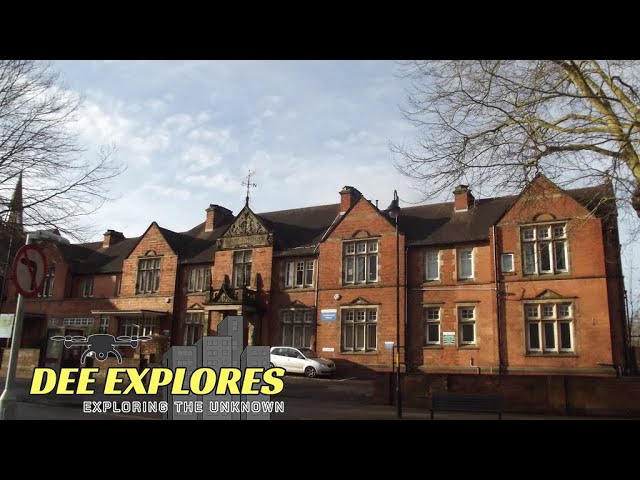
Abandoned Selly Oak Hospital

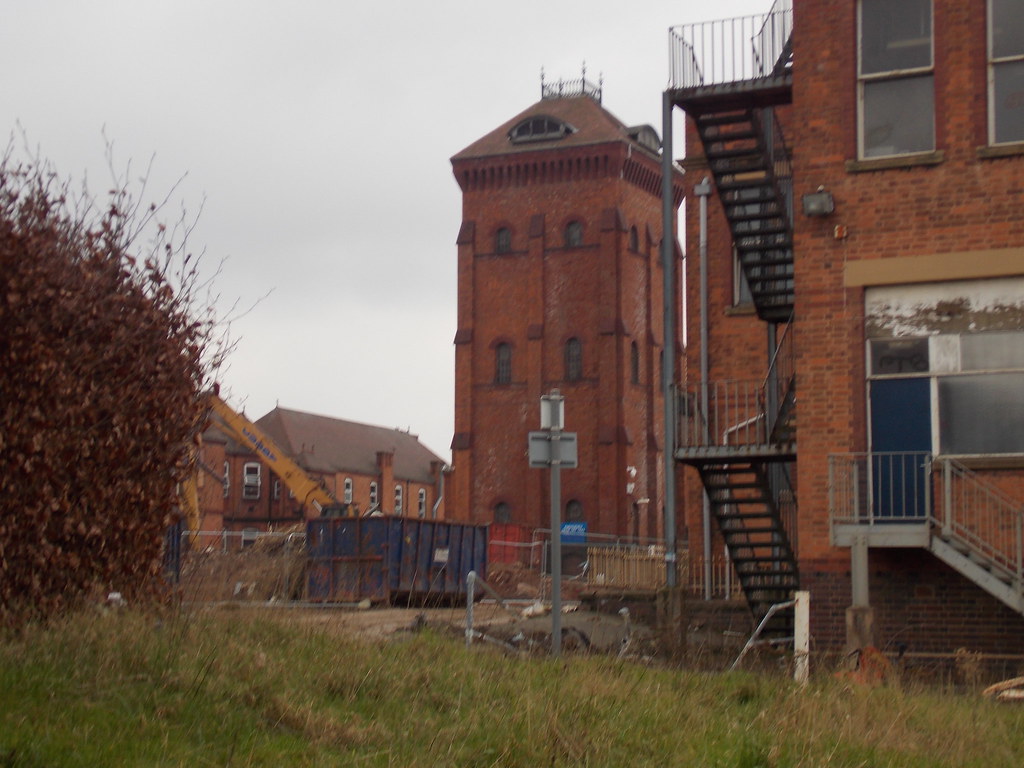
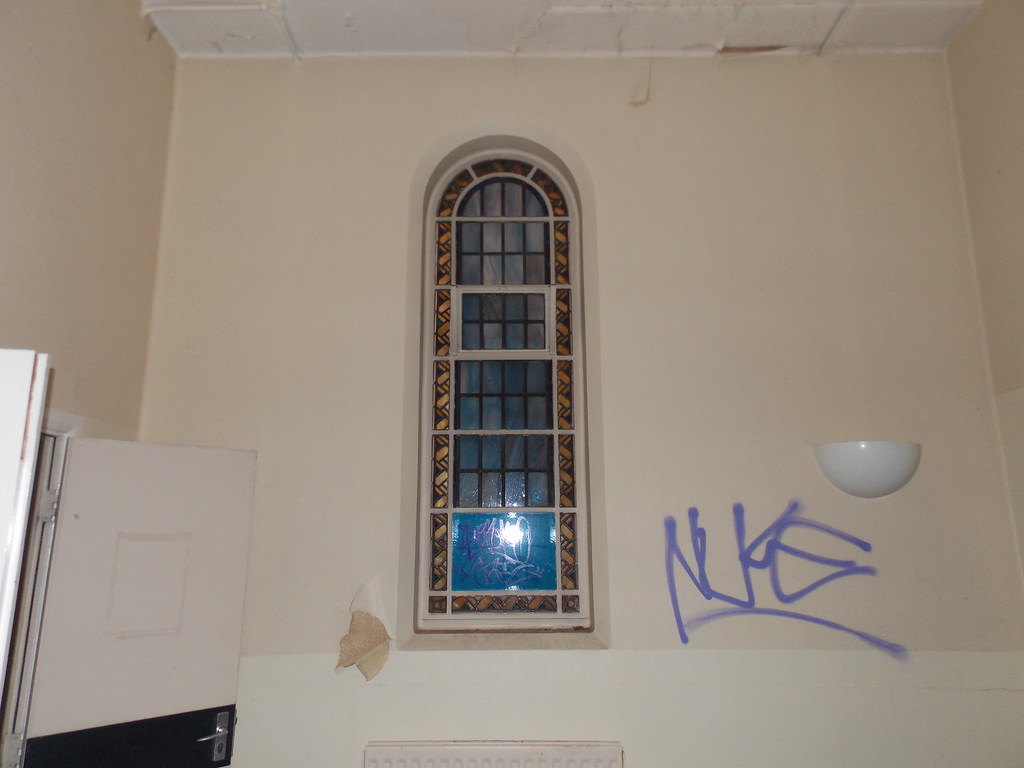
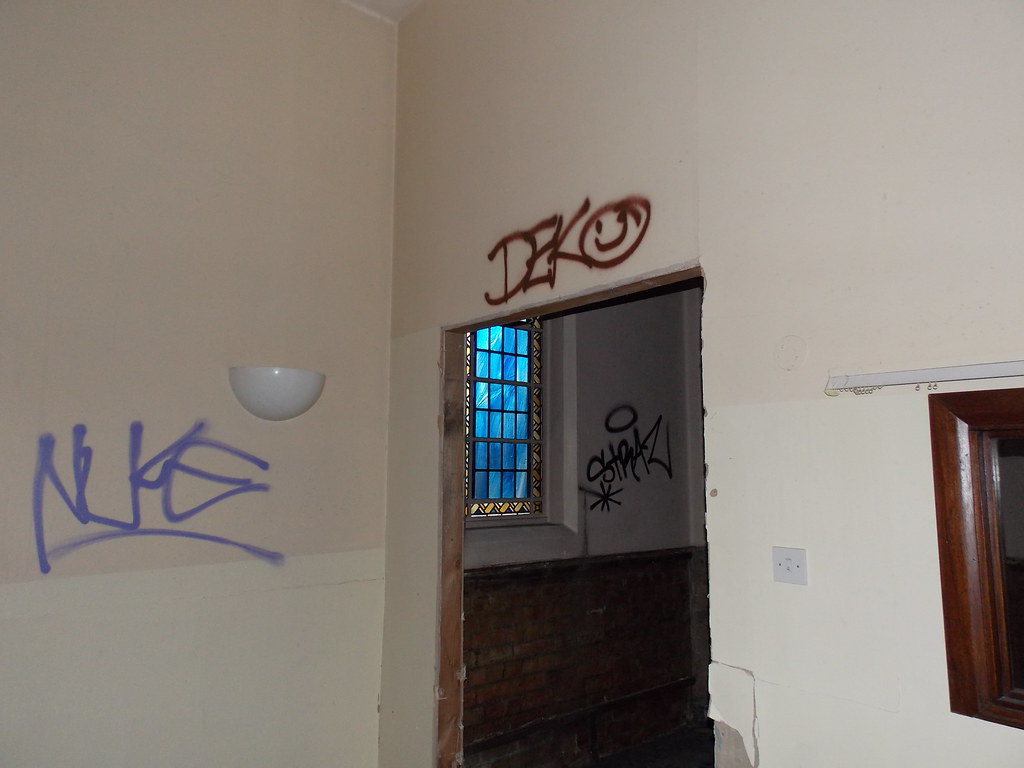
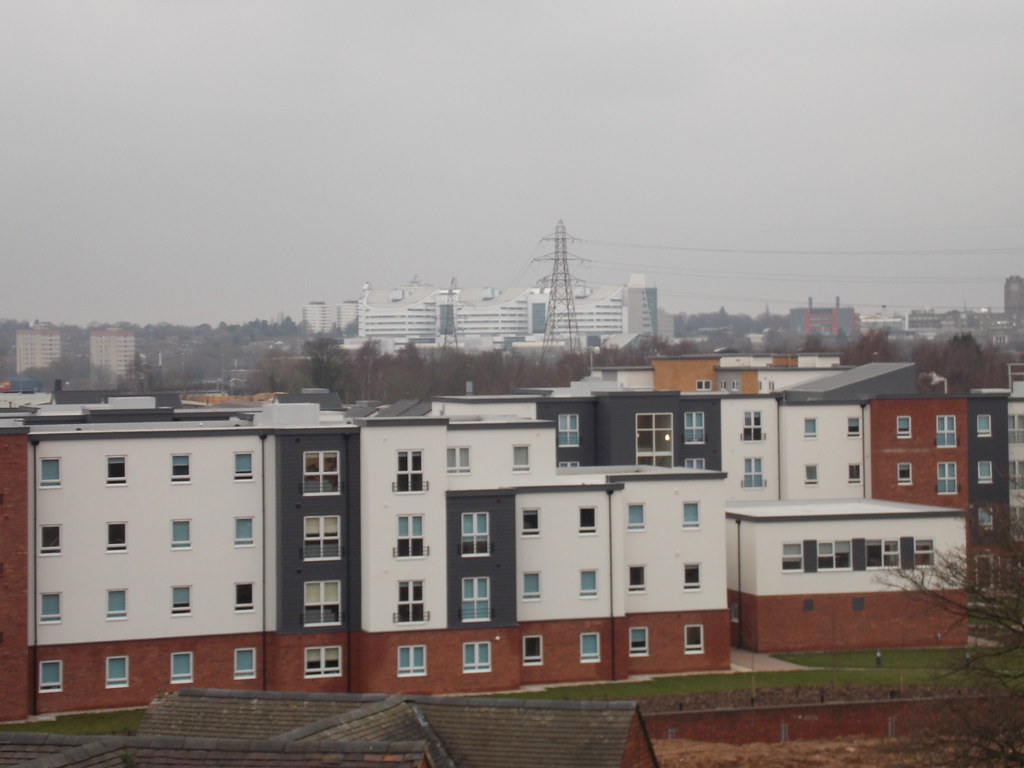
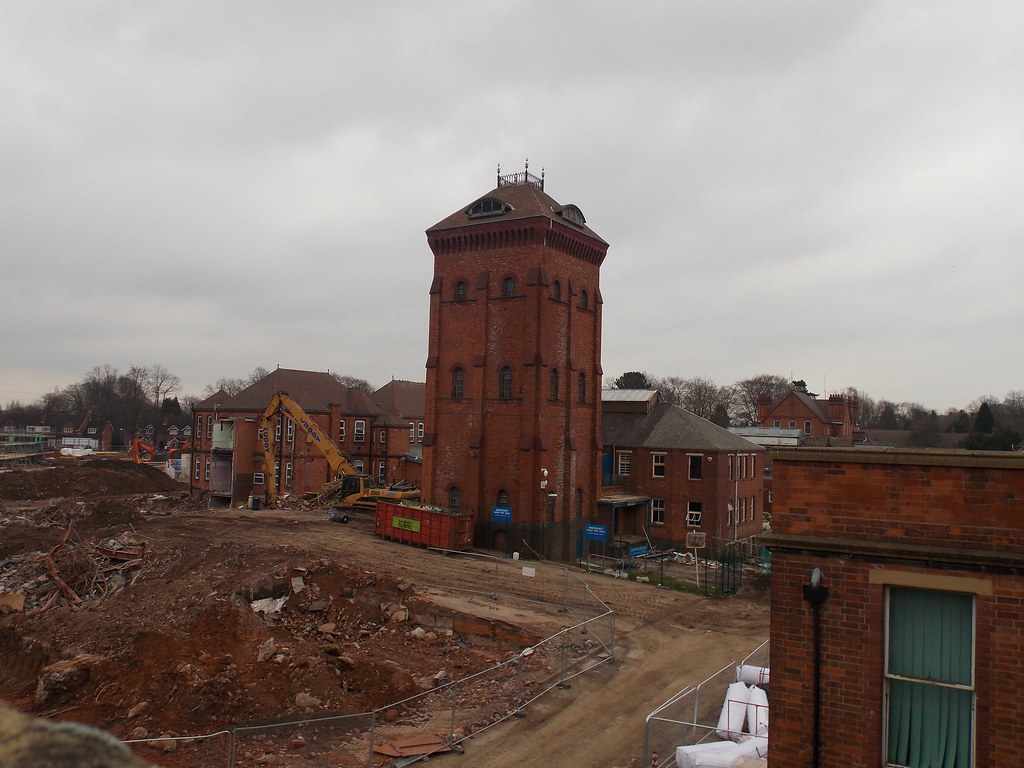
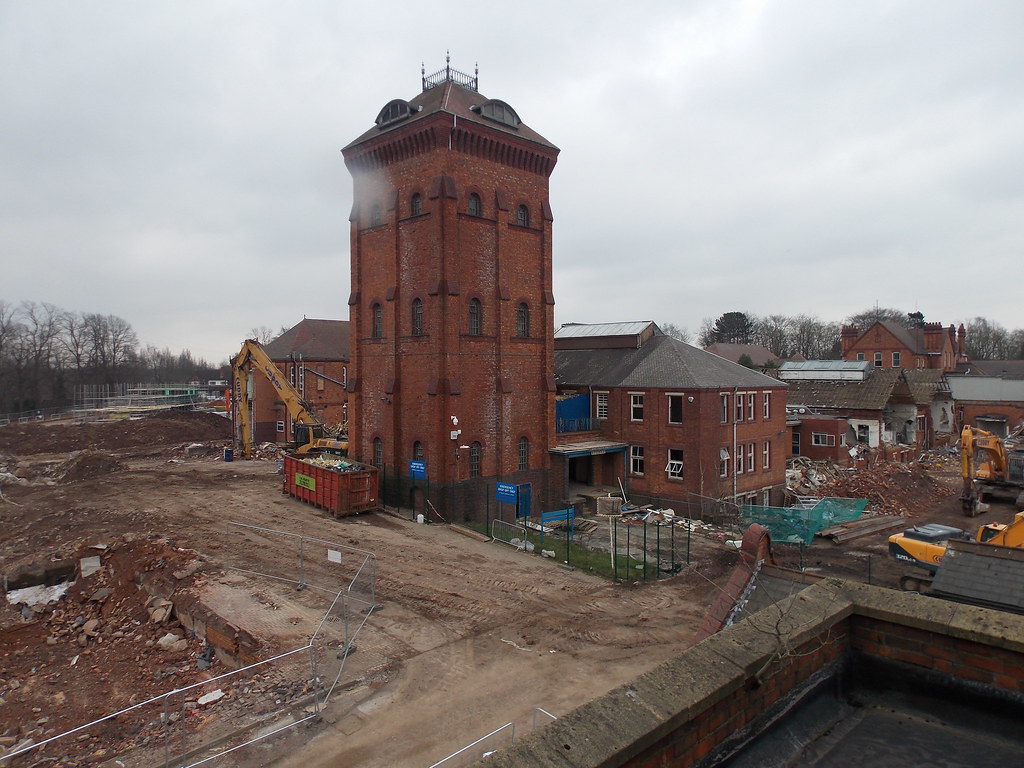
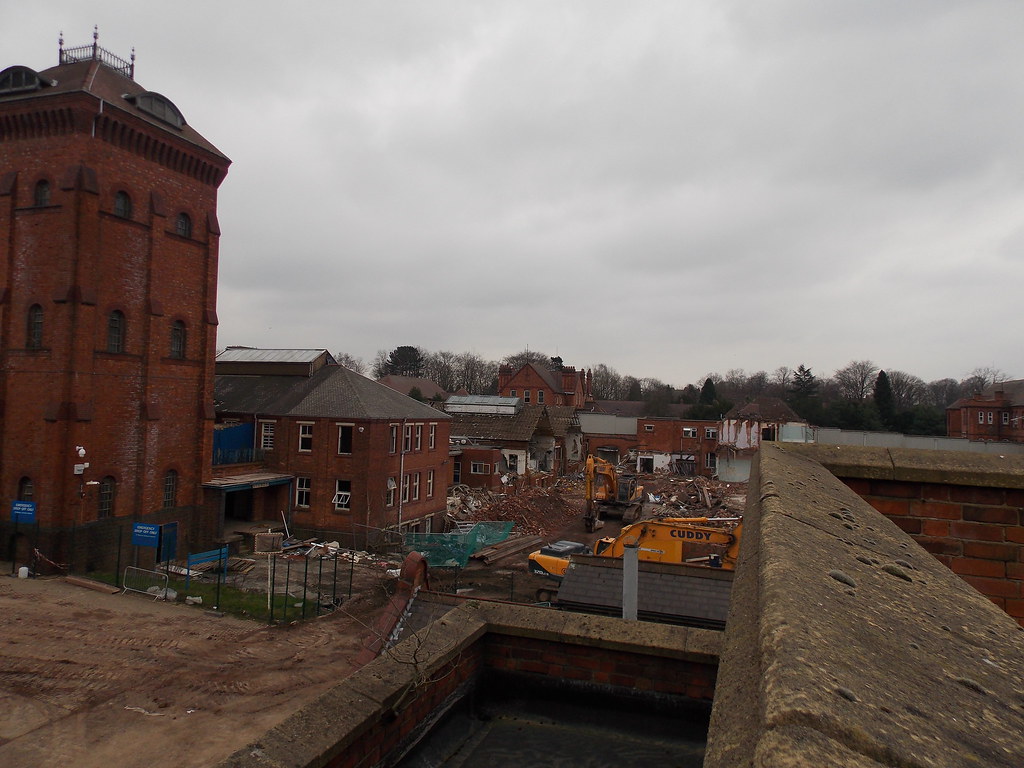
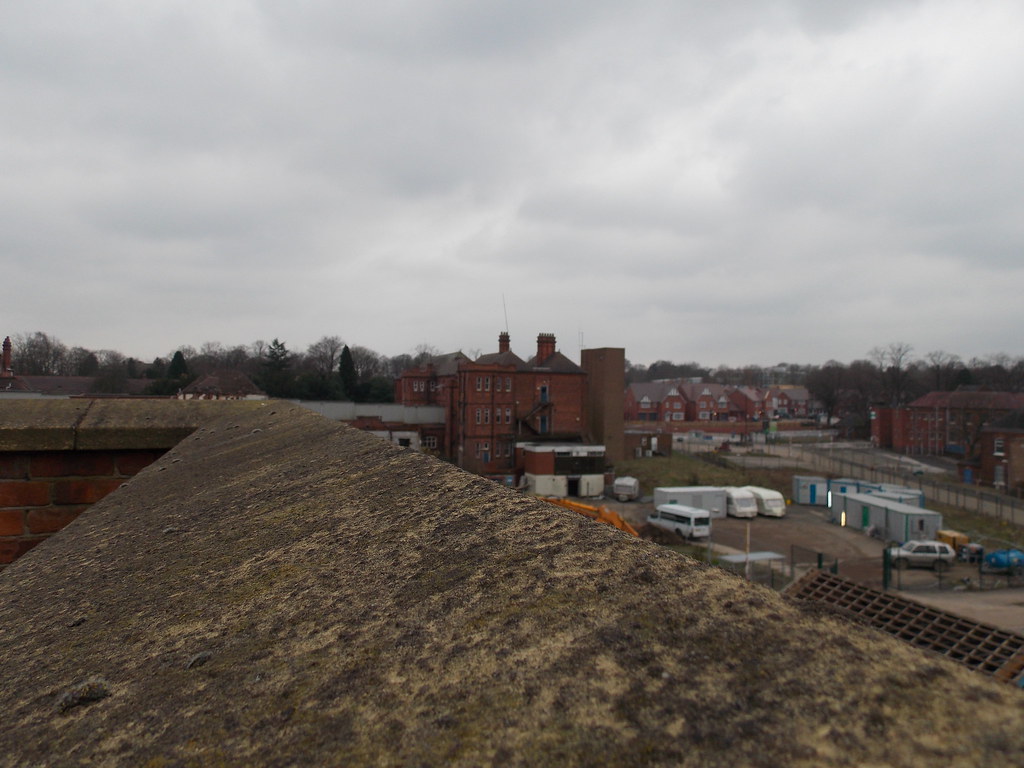
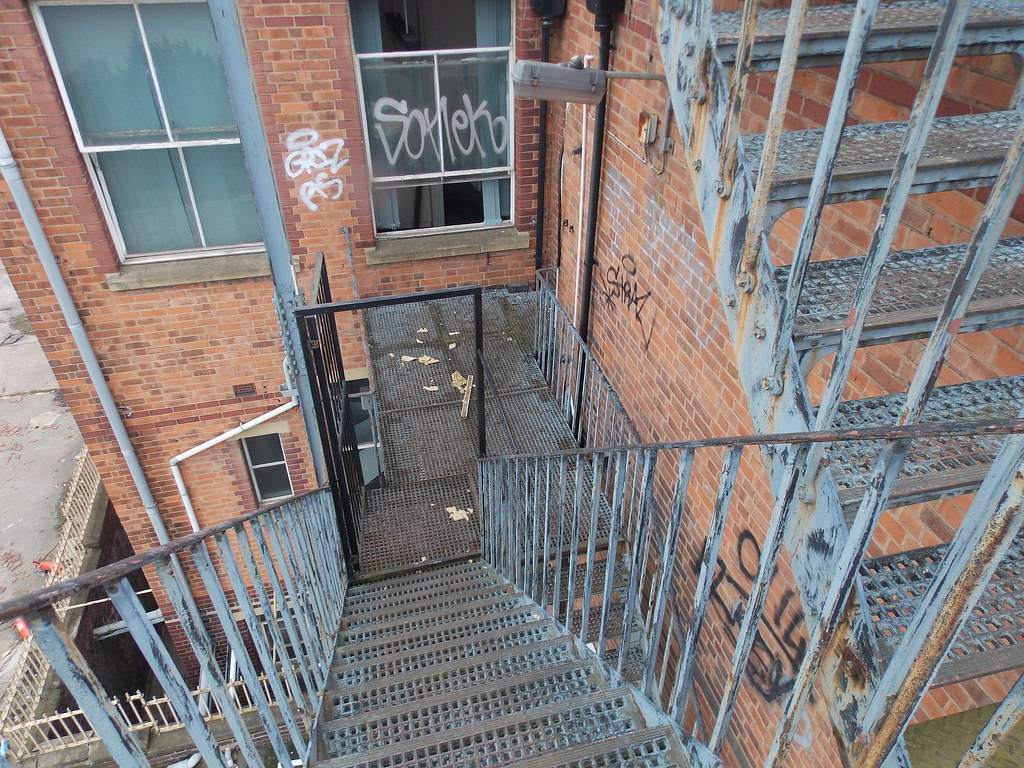
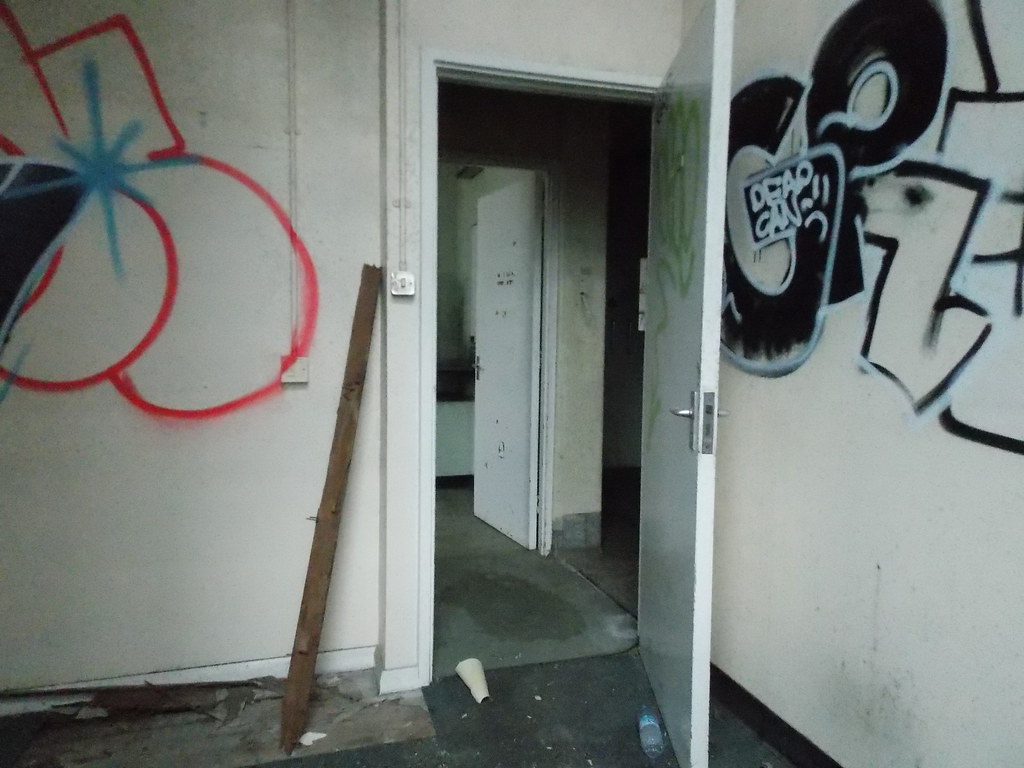
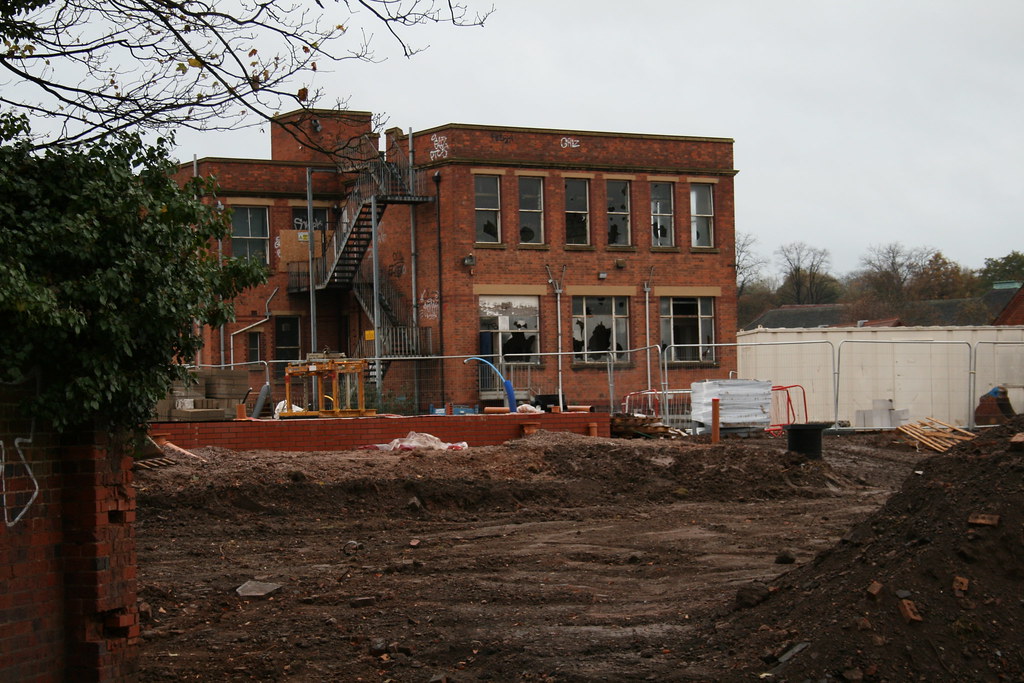
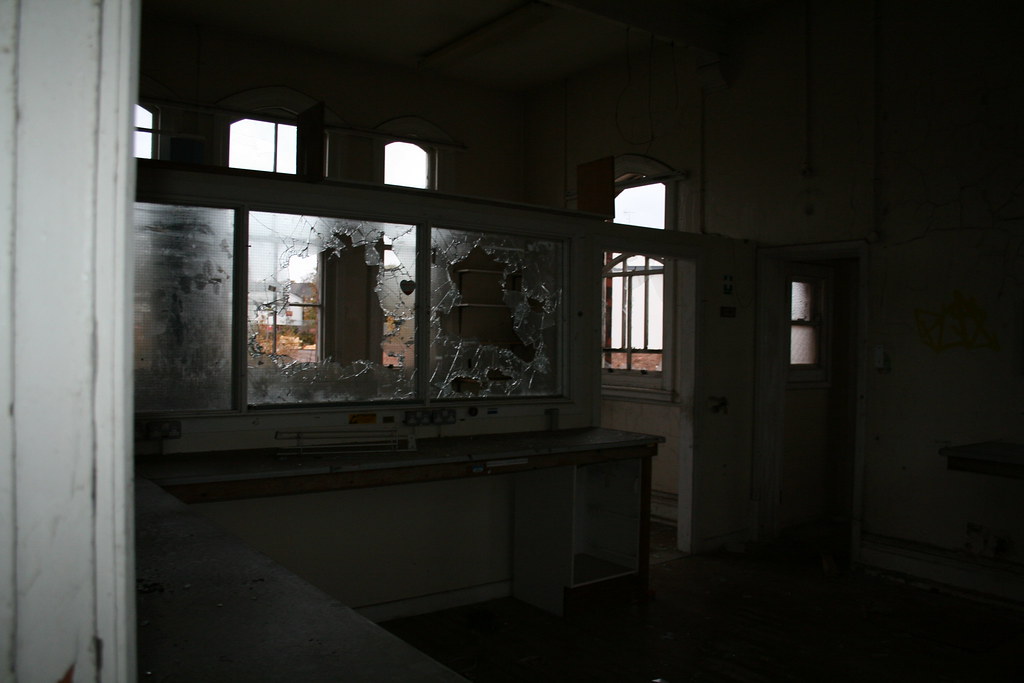
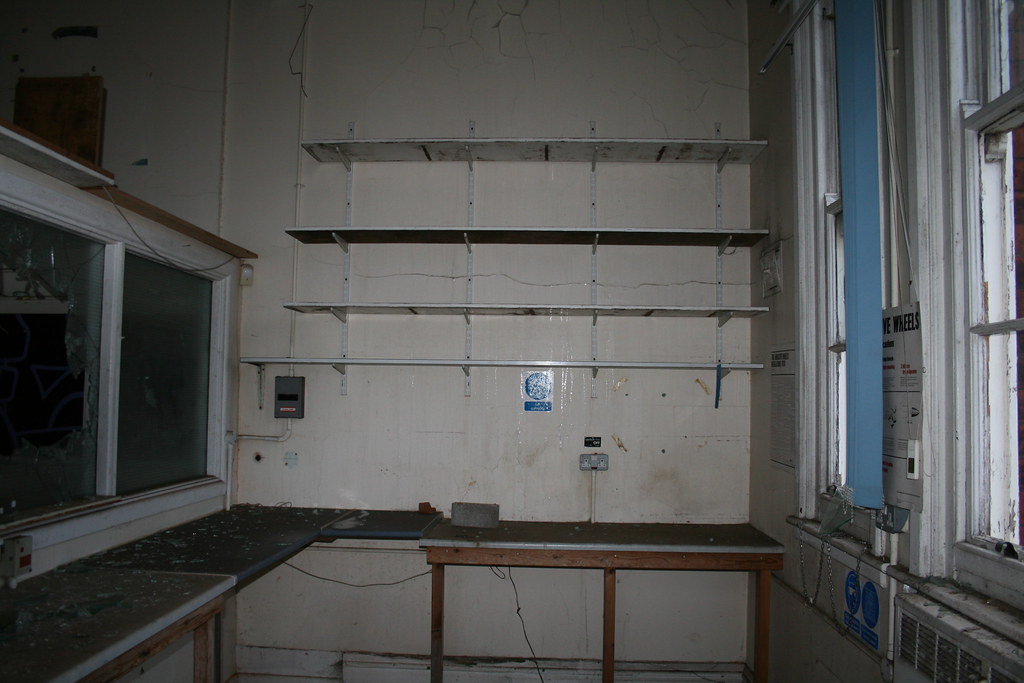
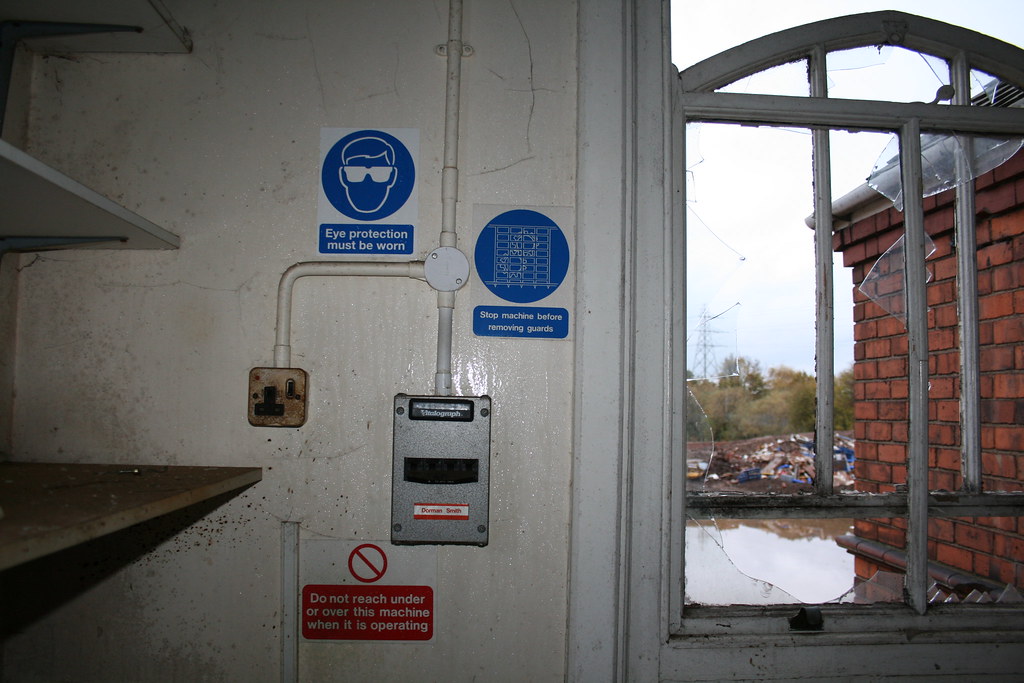
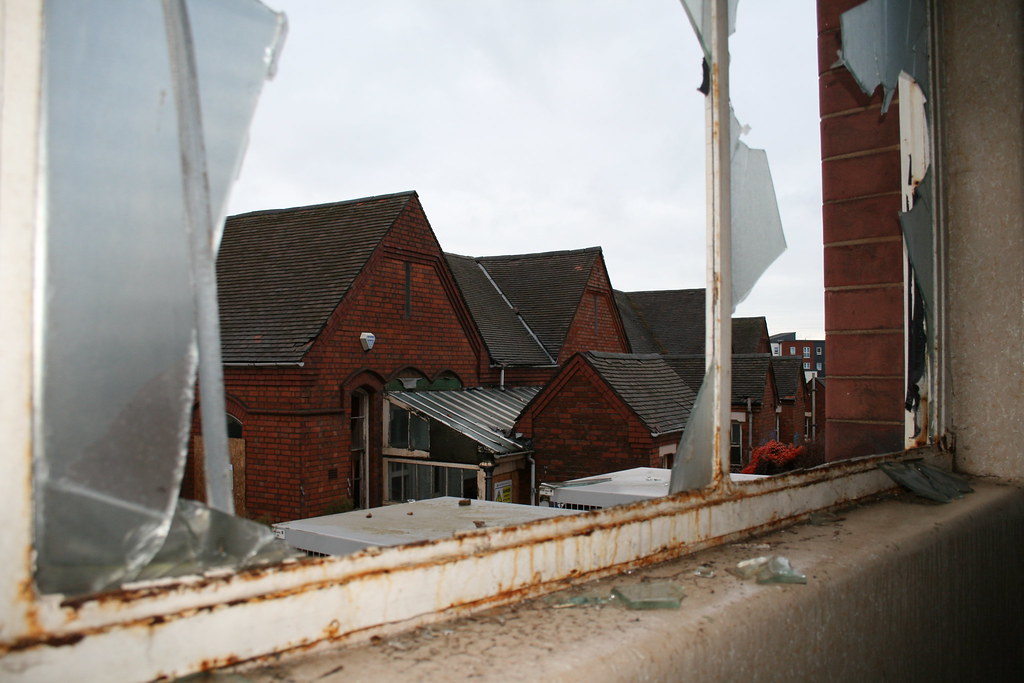
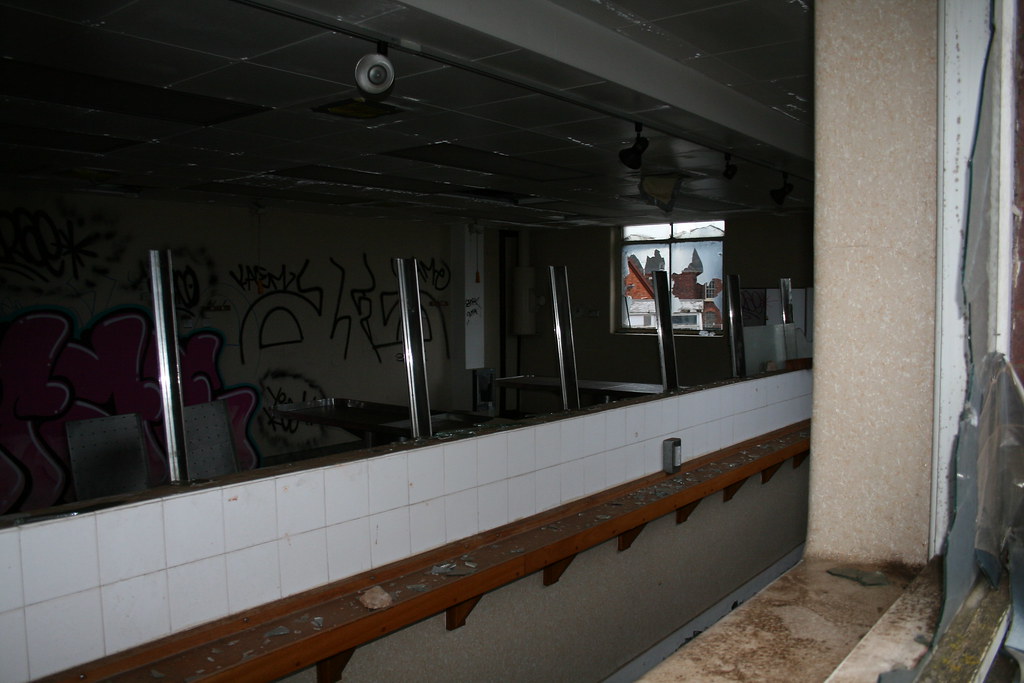
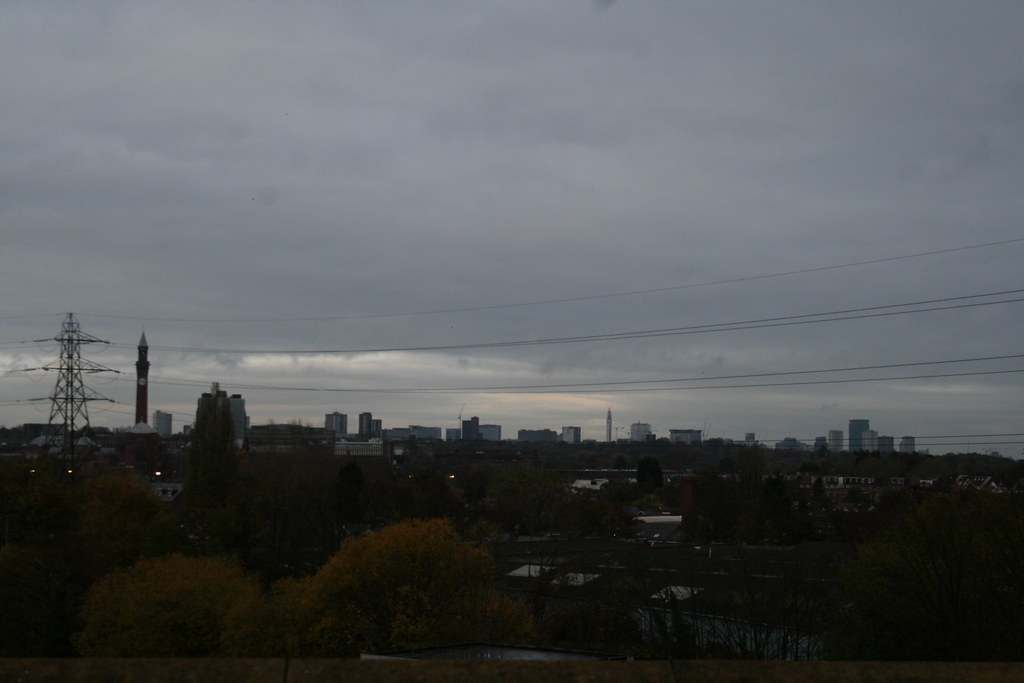
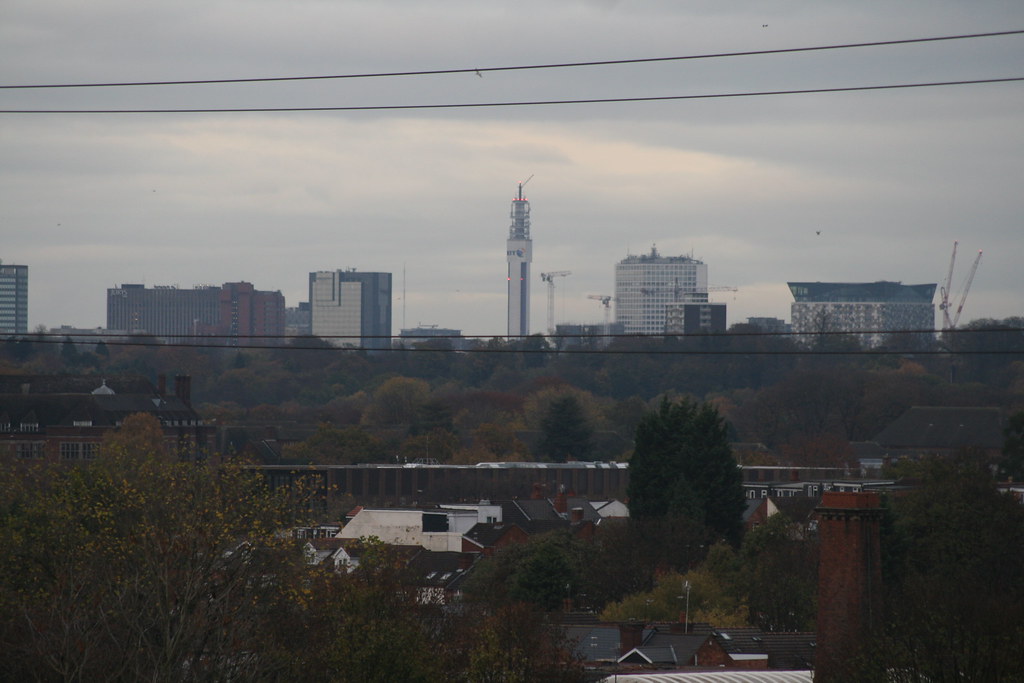
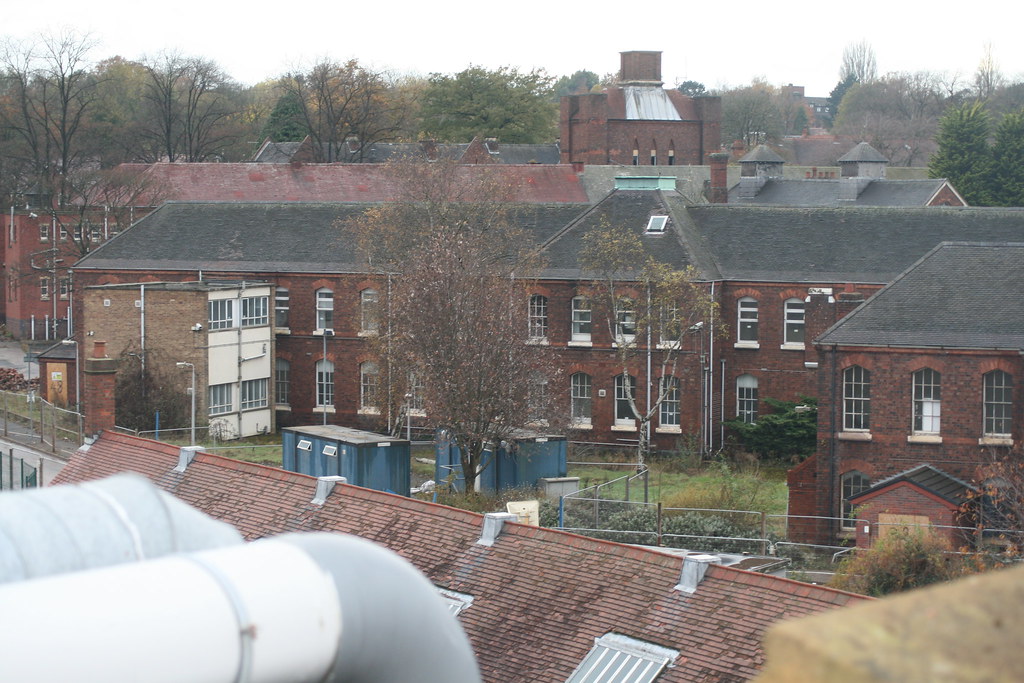
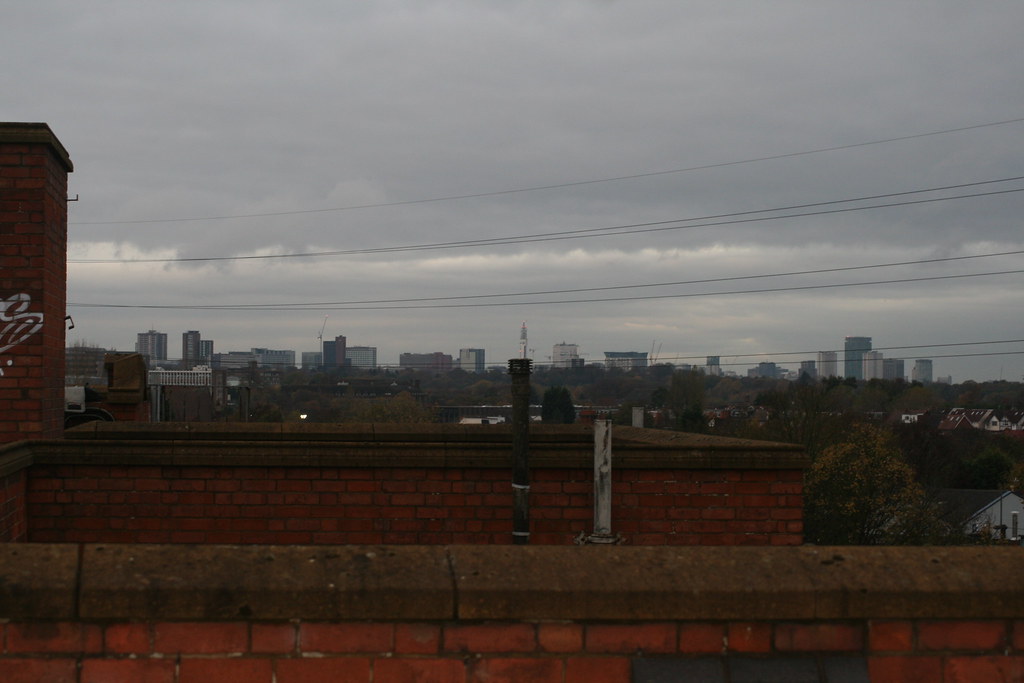
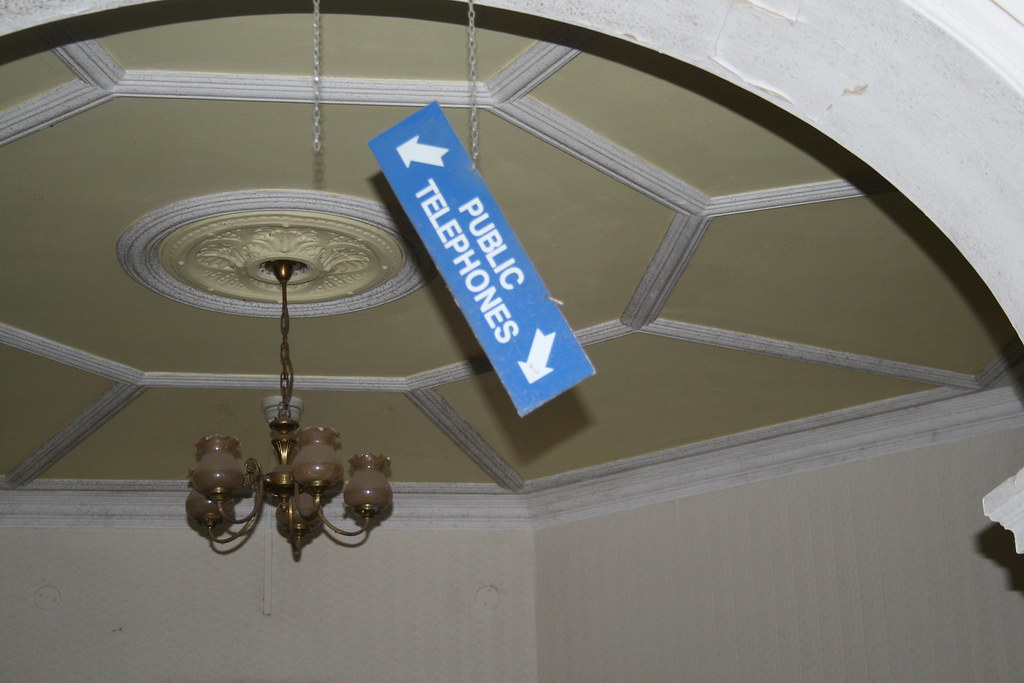
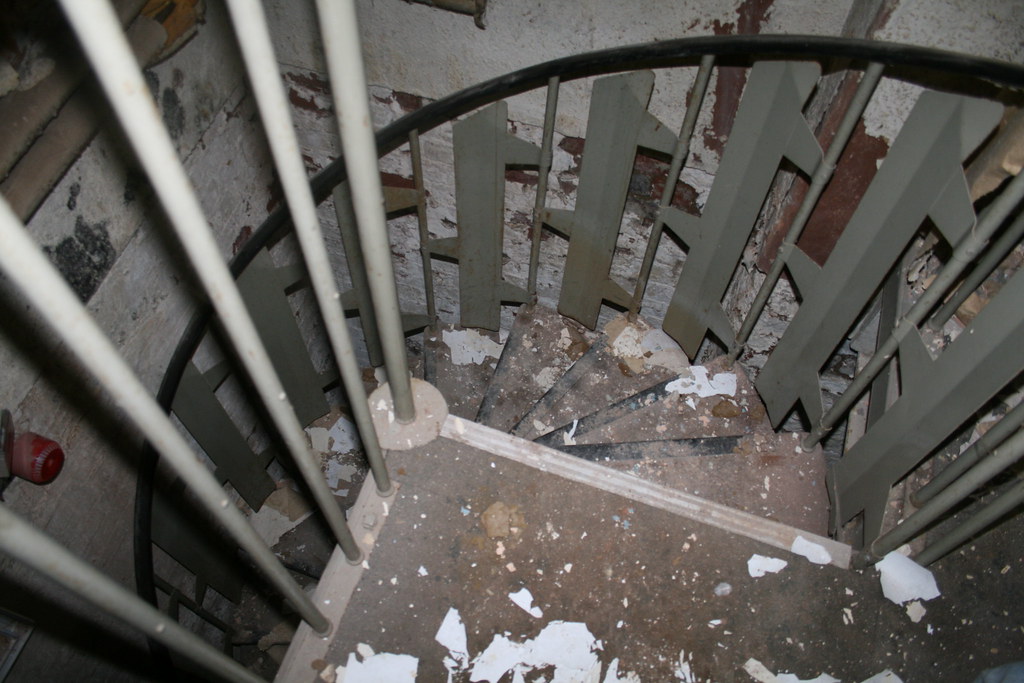
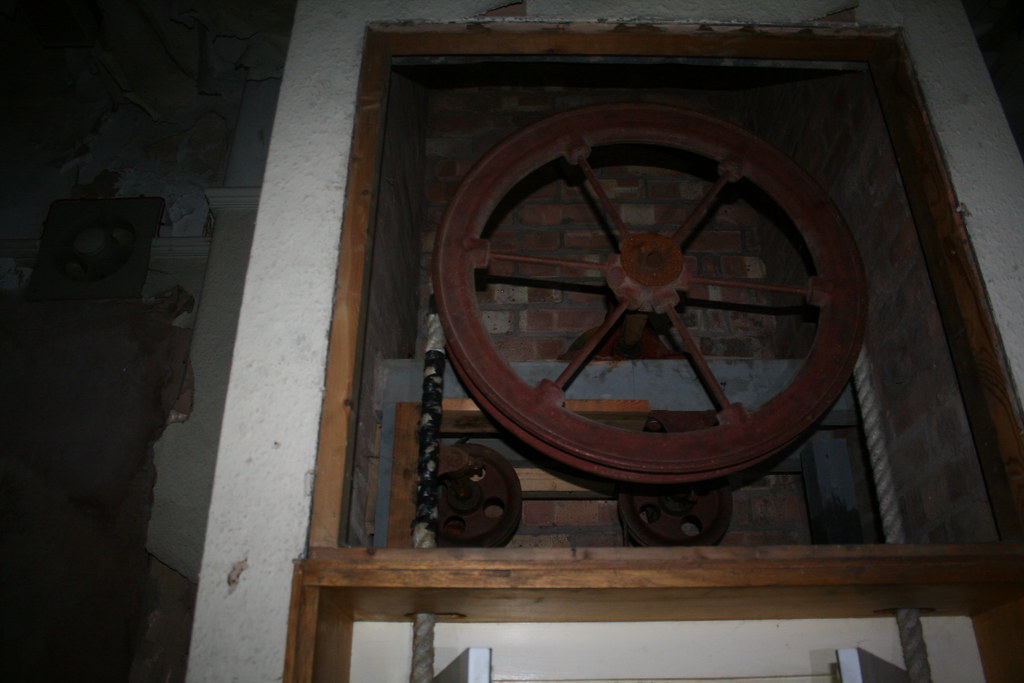
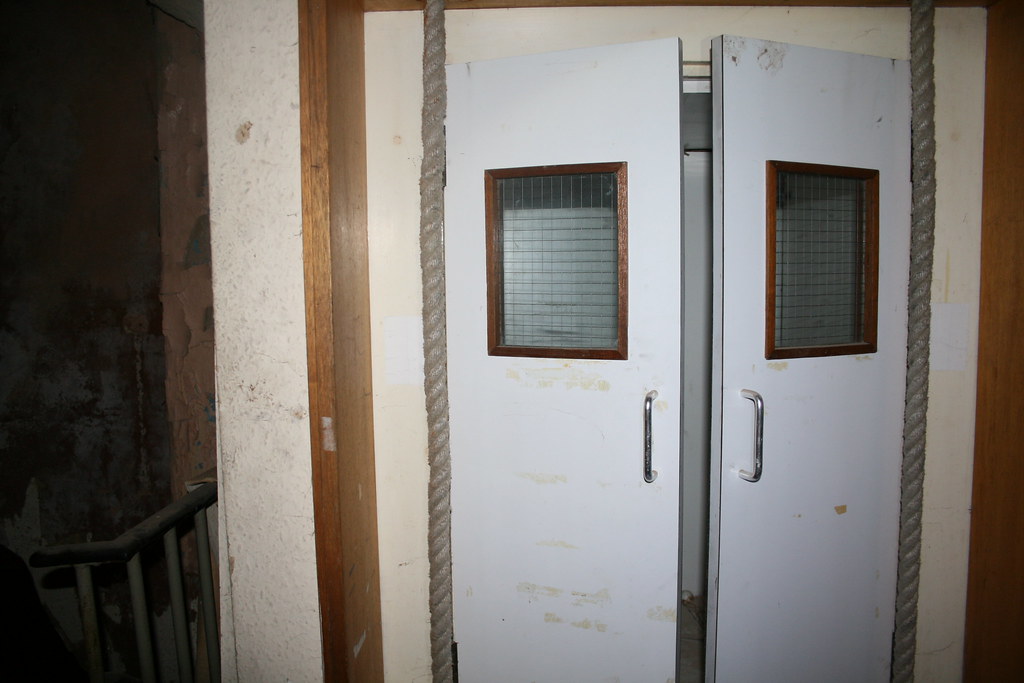
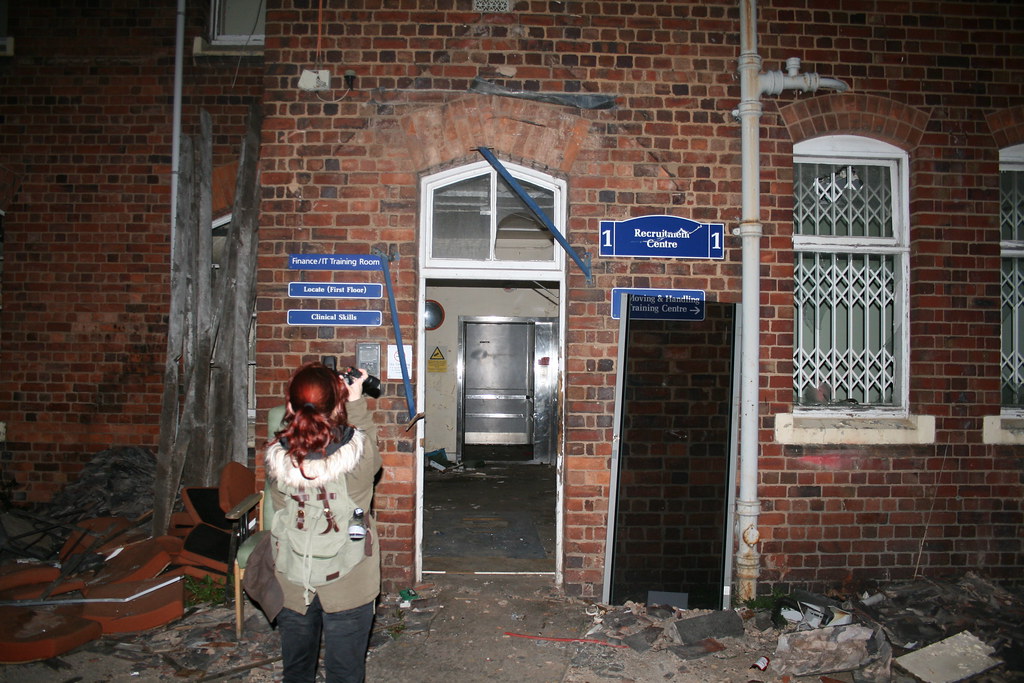
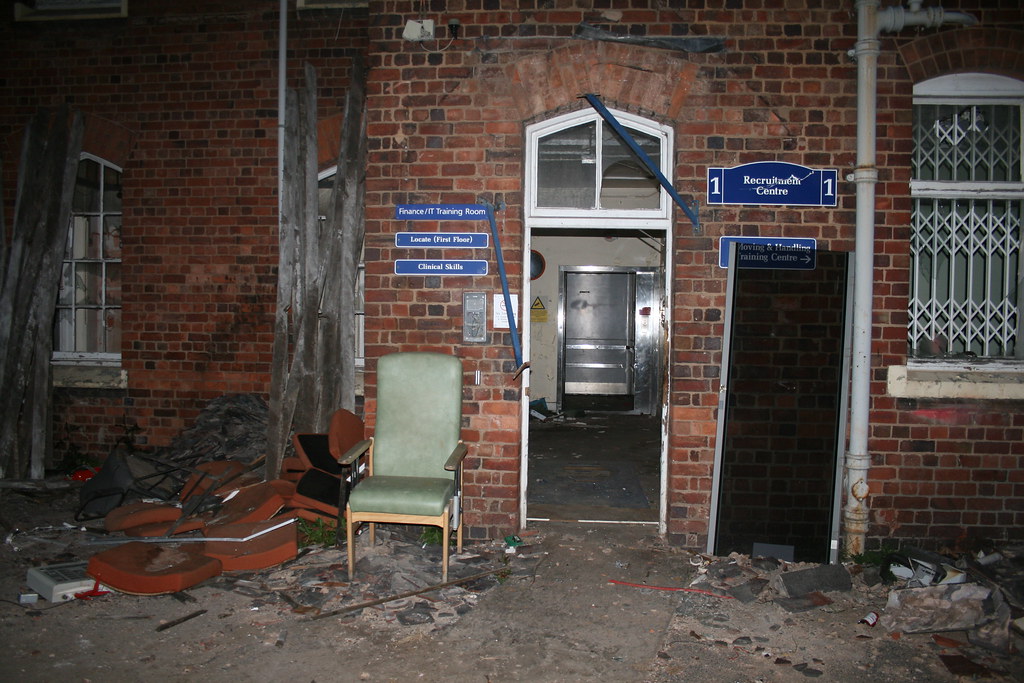
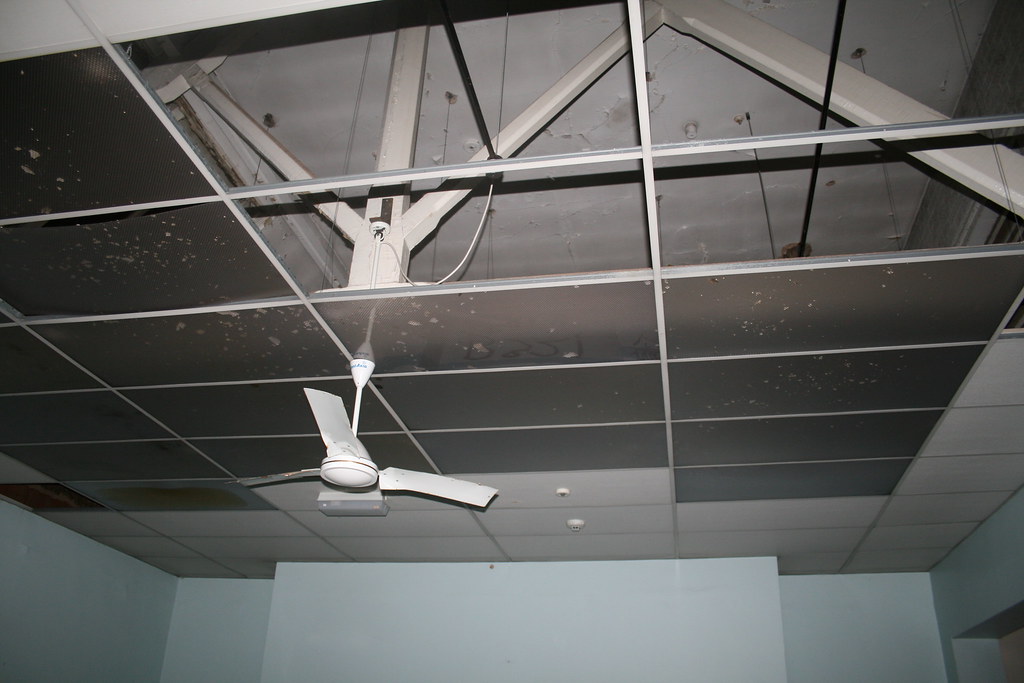
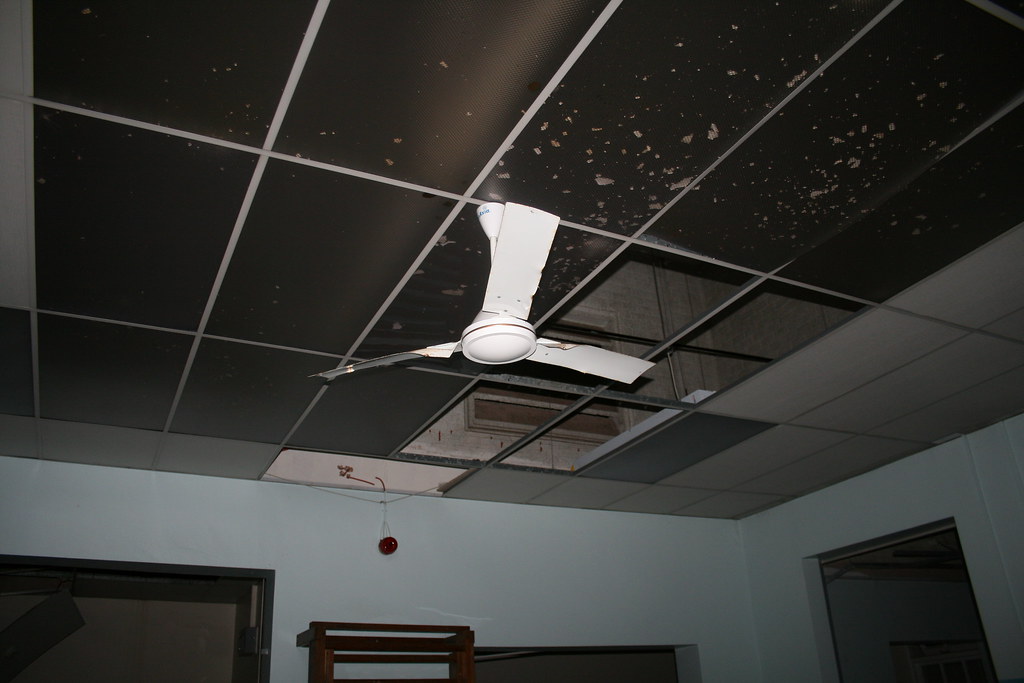
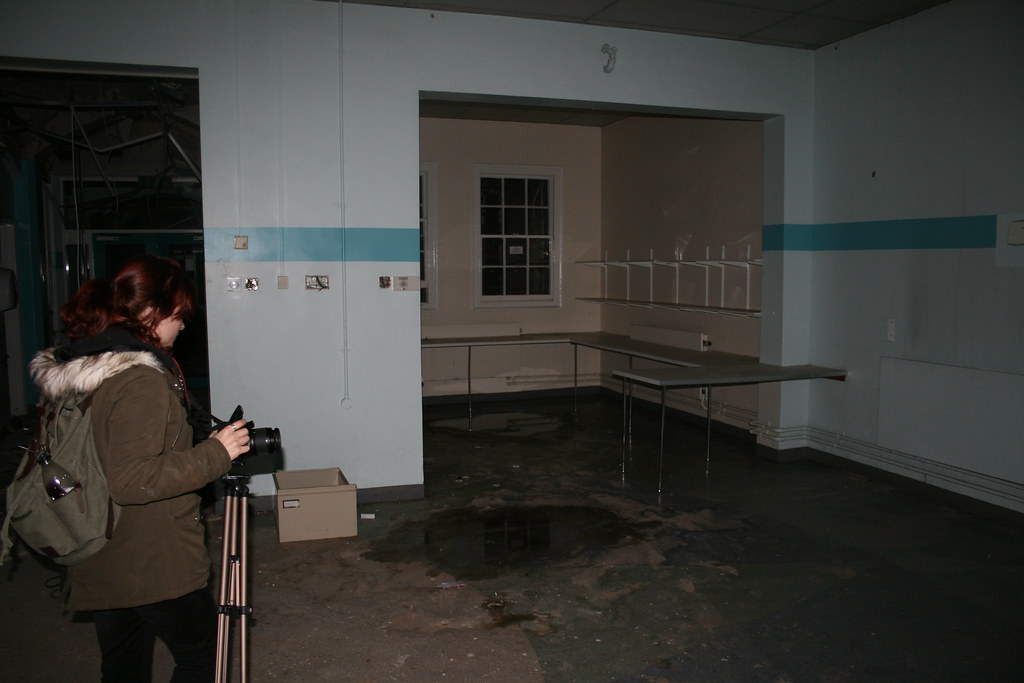
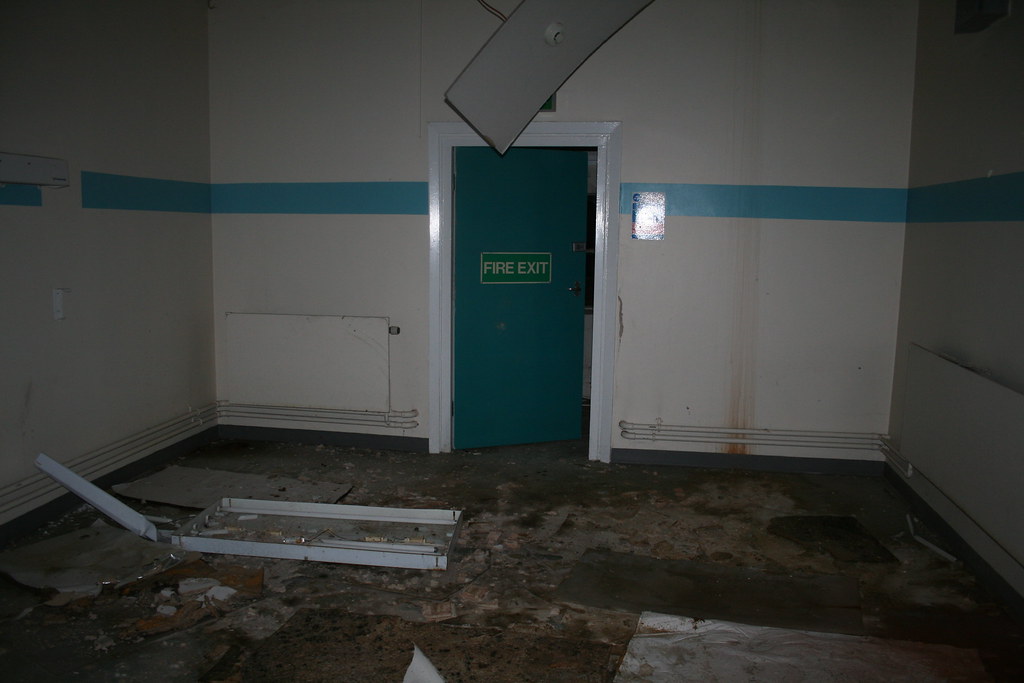
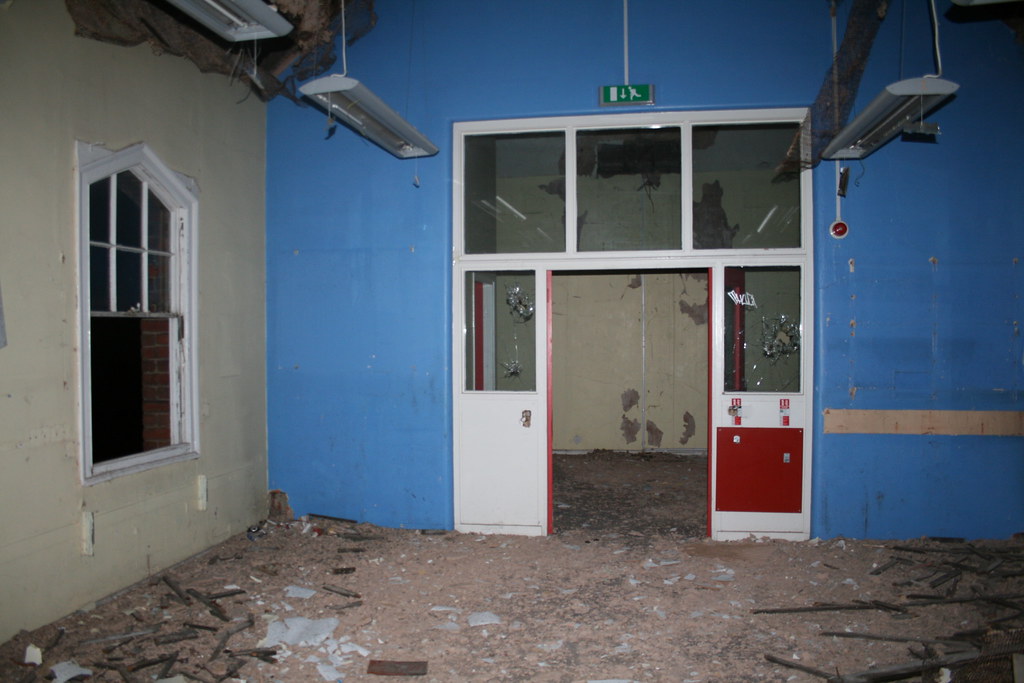
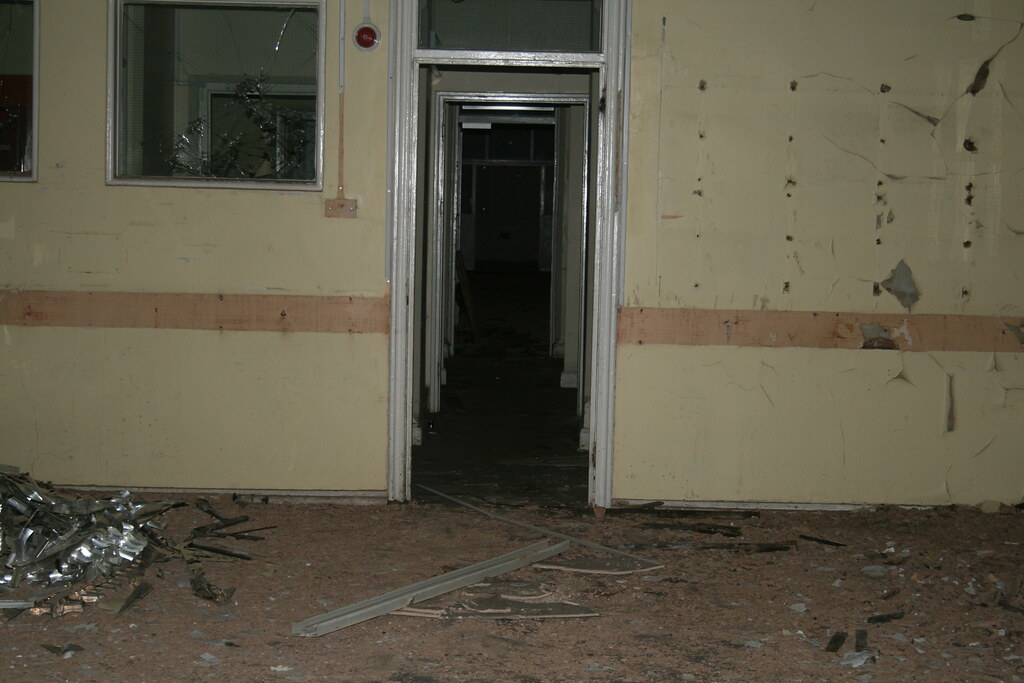
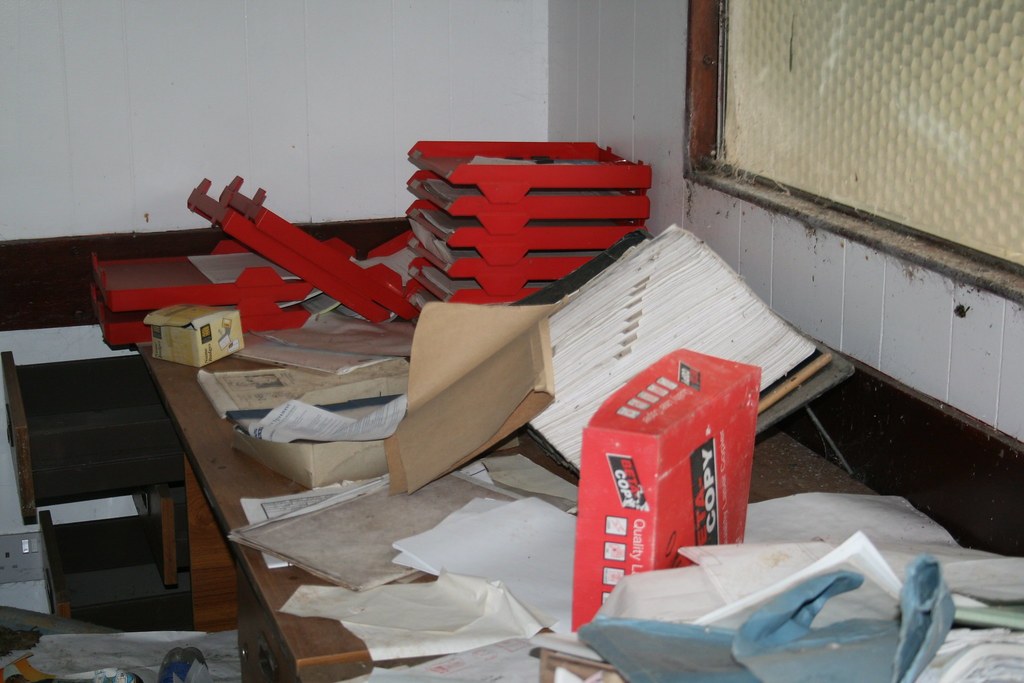
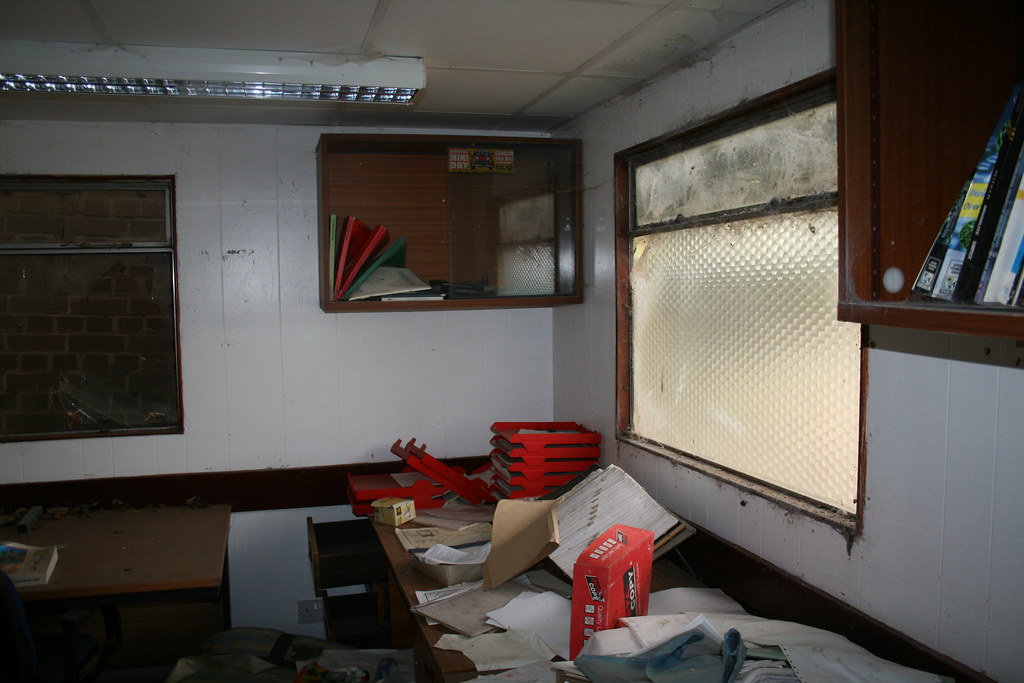
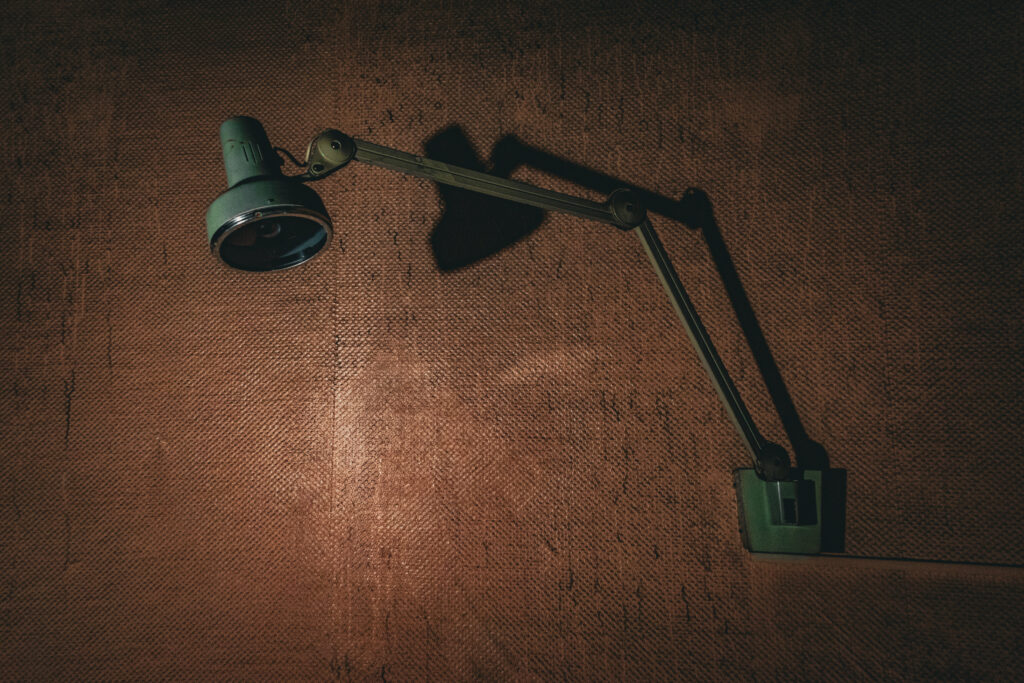
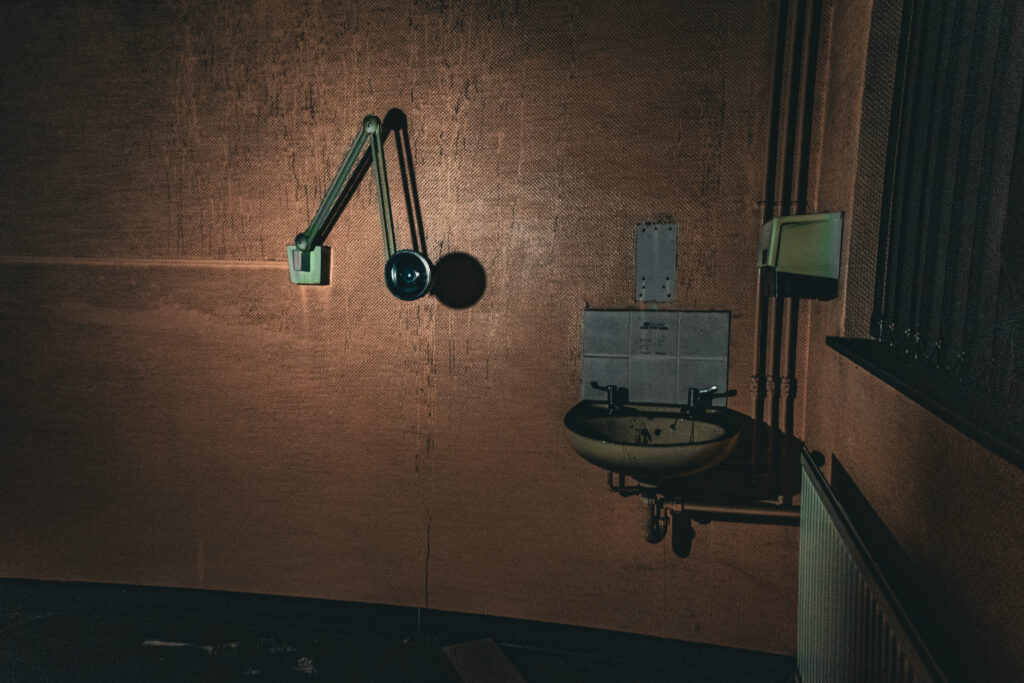
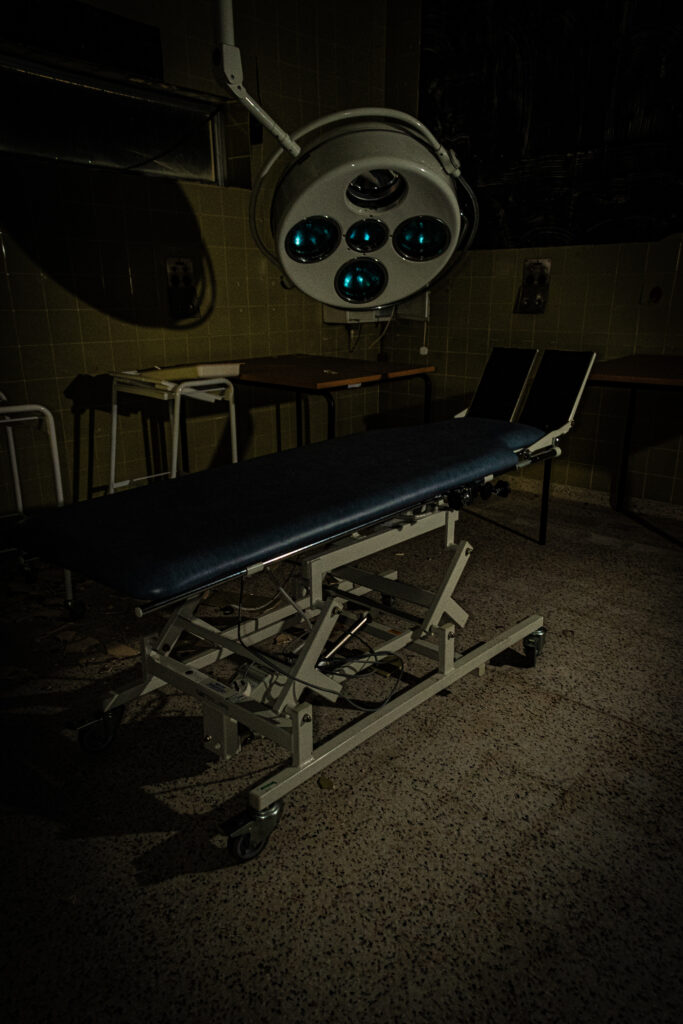
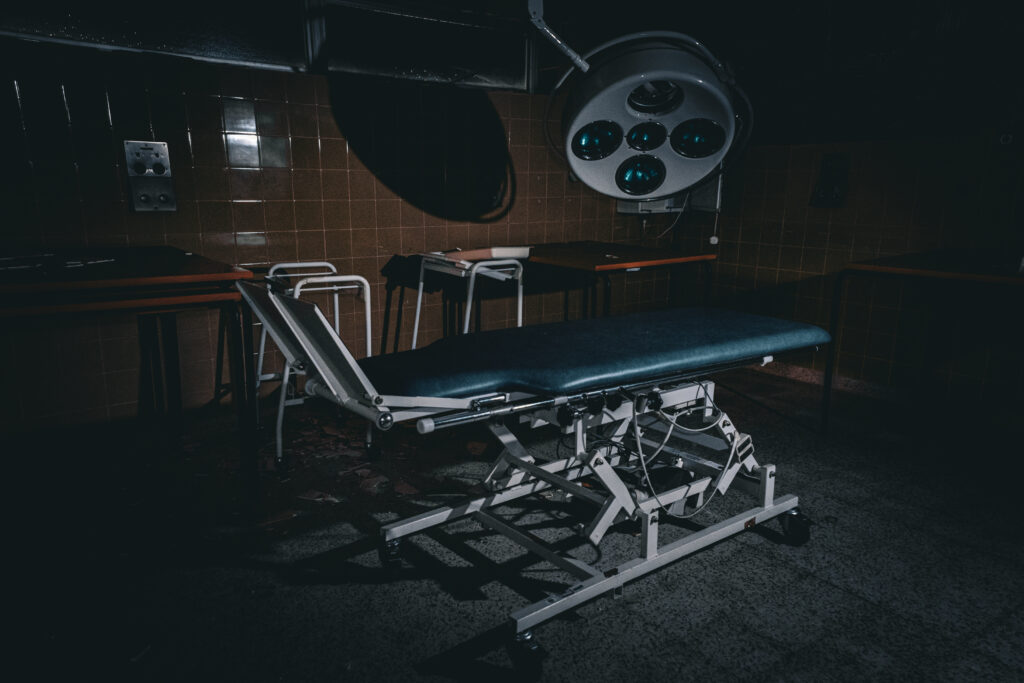
Exploring the abandoned Selly Oak Hospital (2015/2016) before demolition.
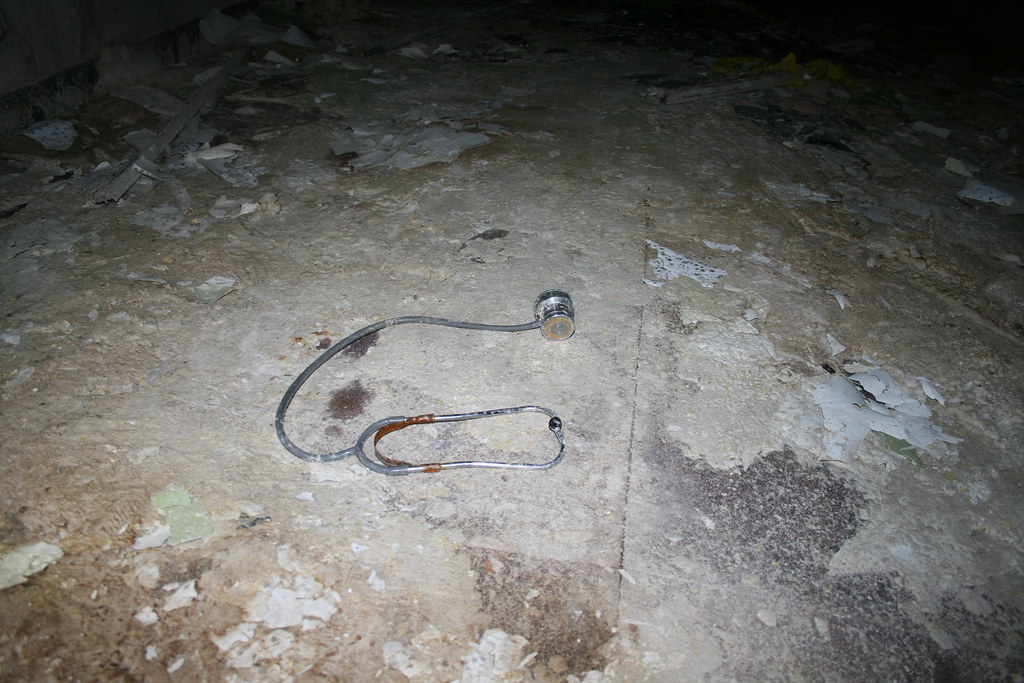
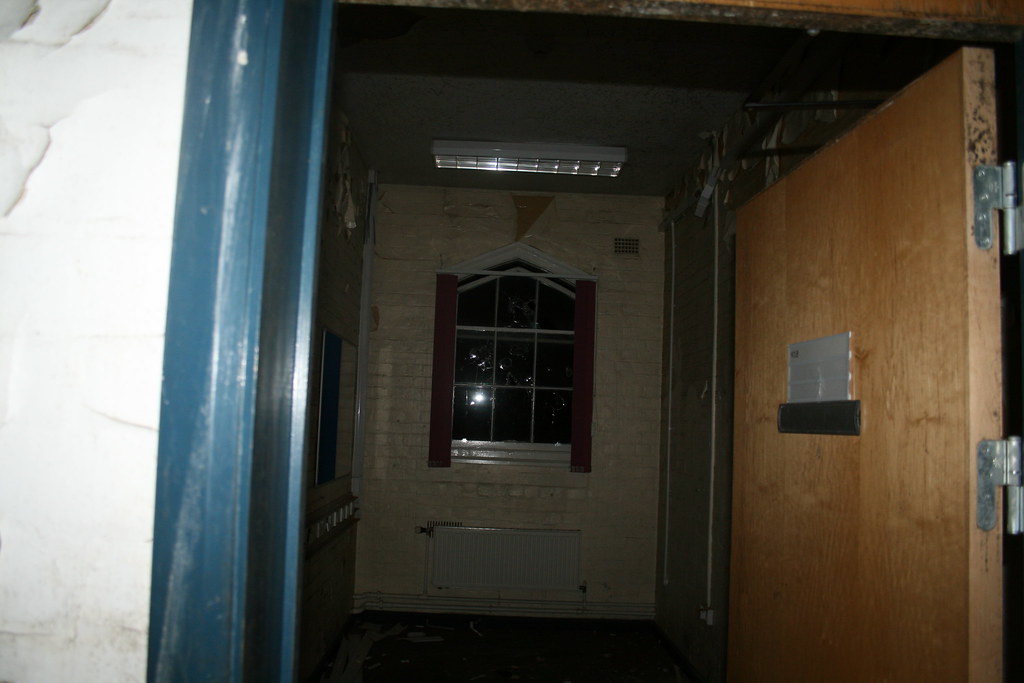
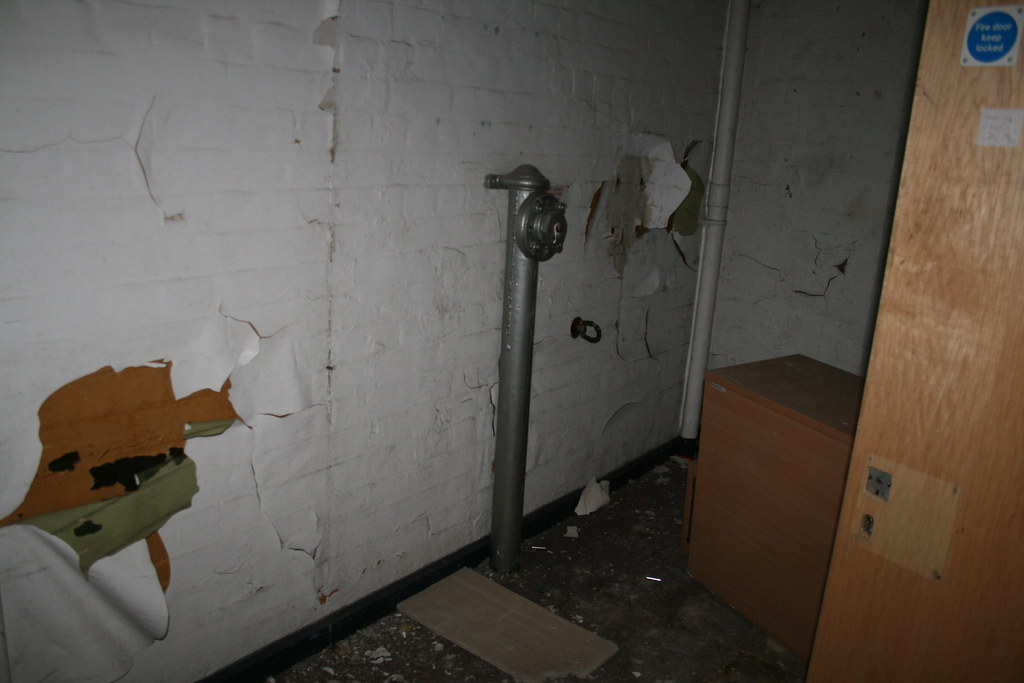
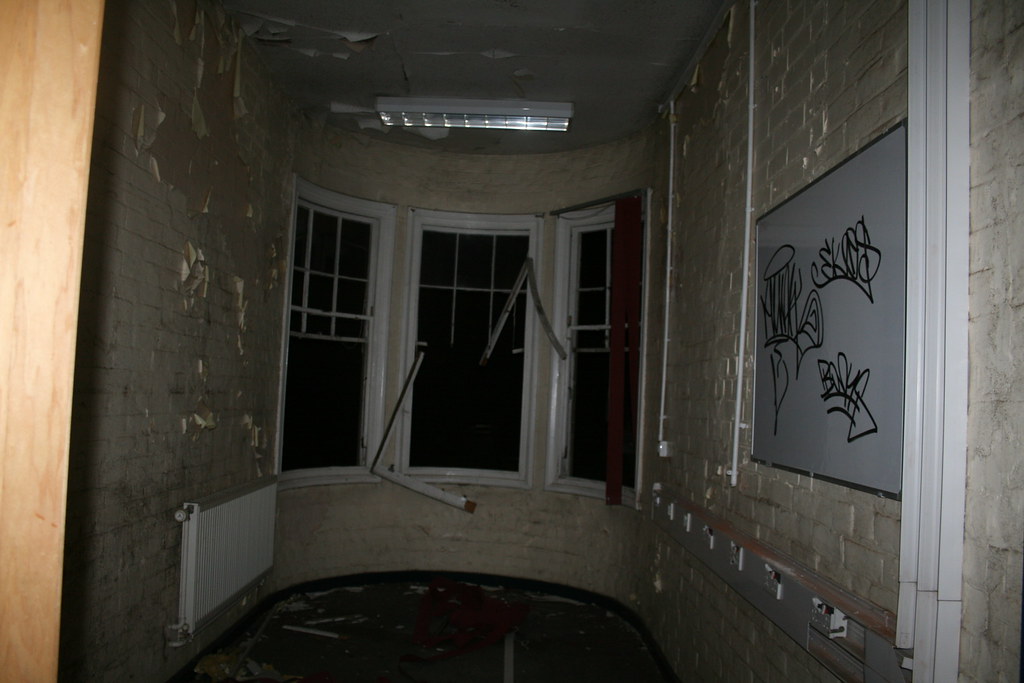
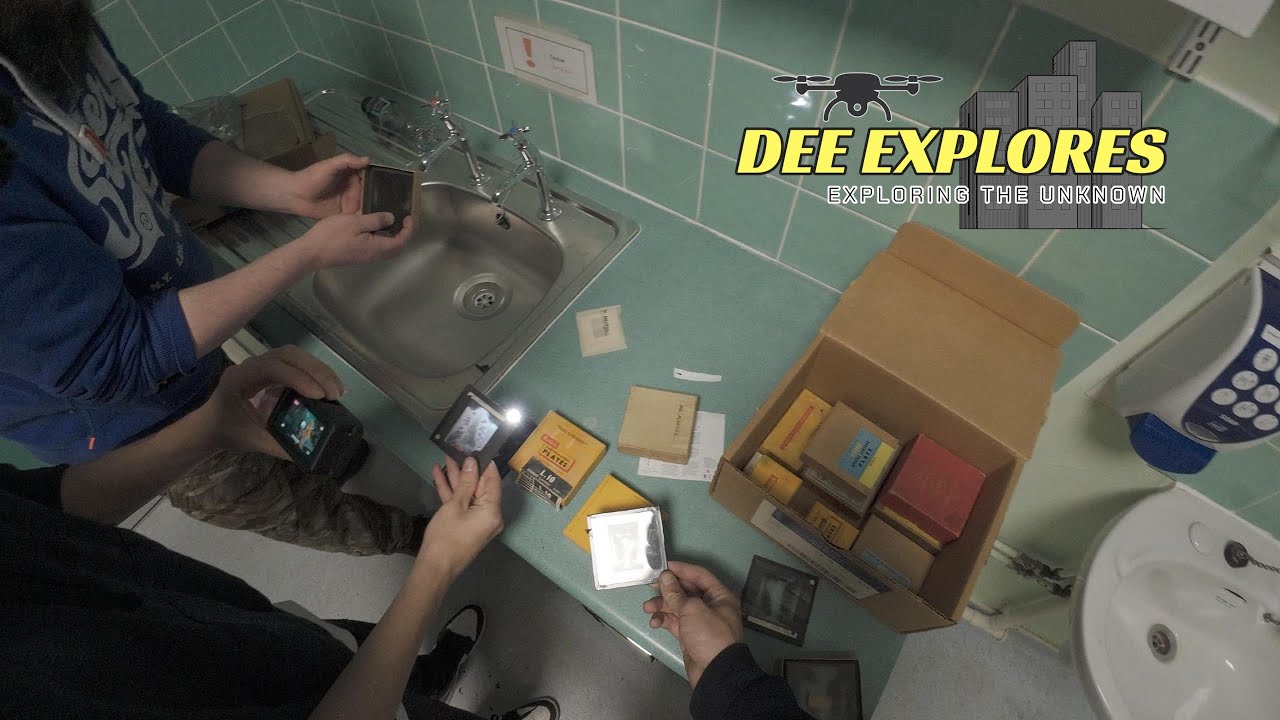
Thanks to Jellyfish for the photos below!

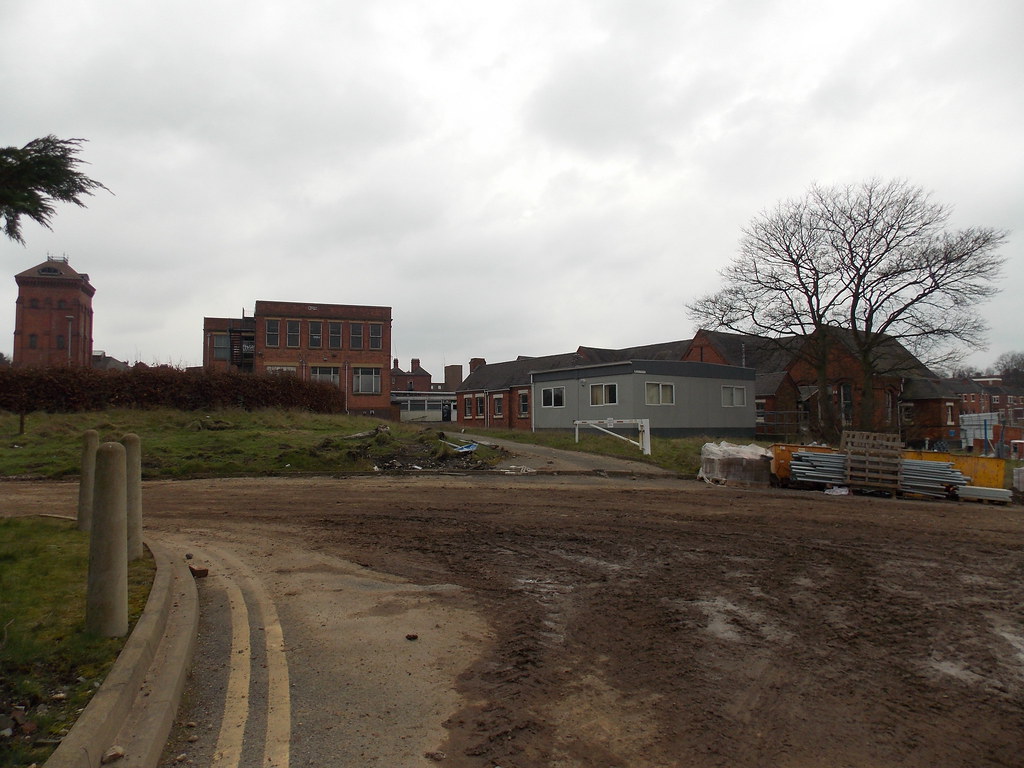
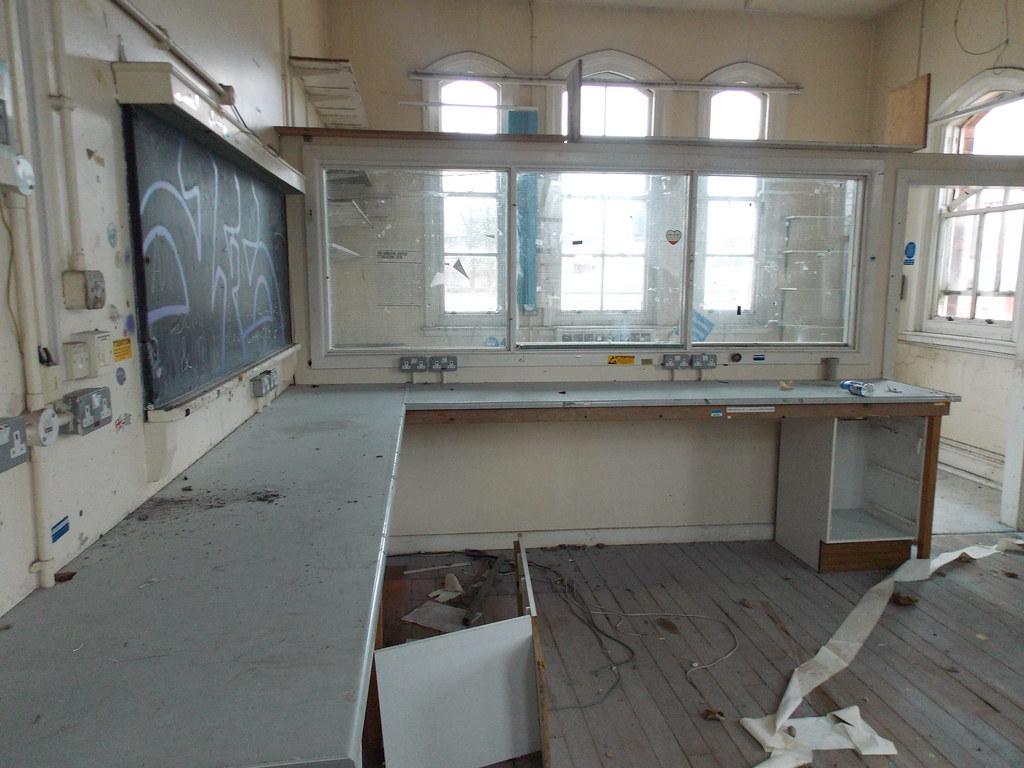
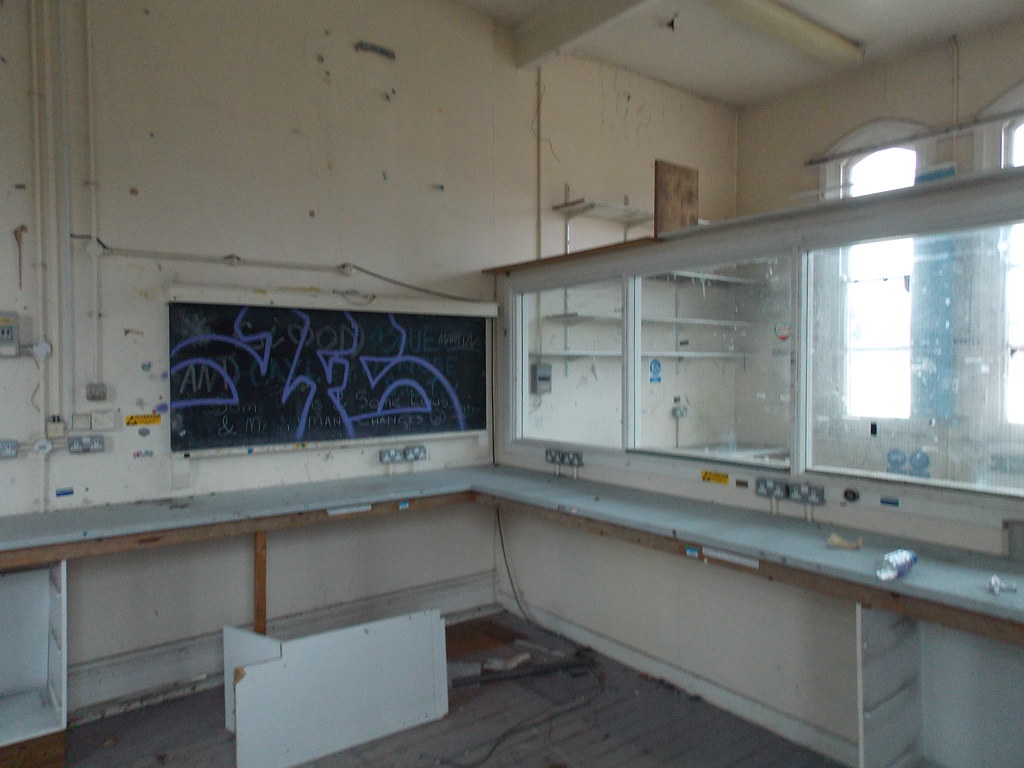
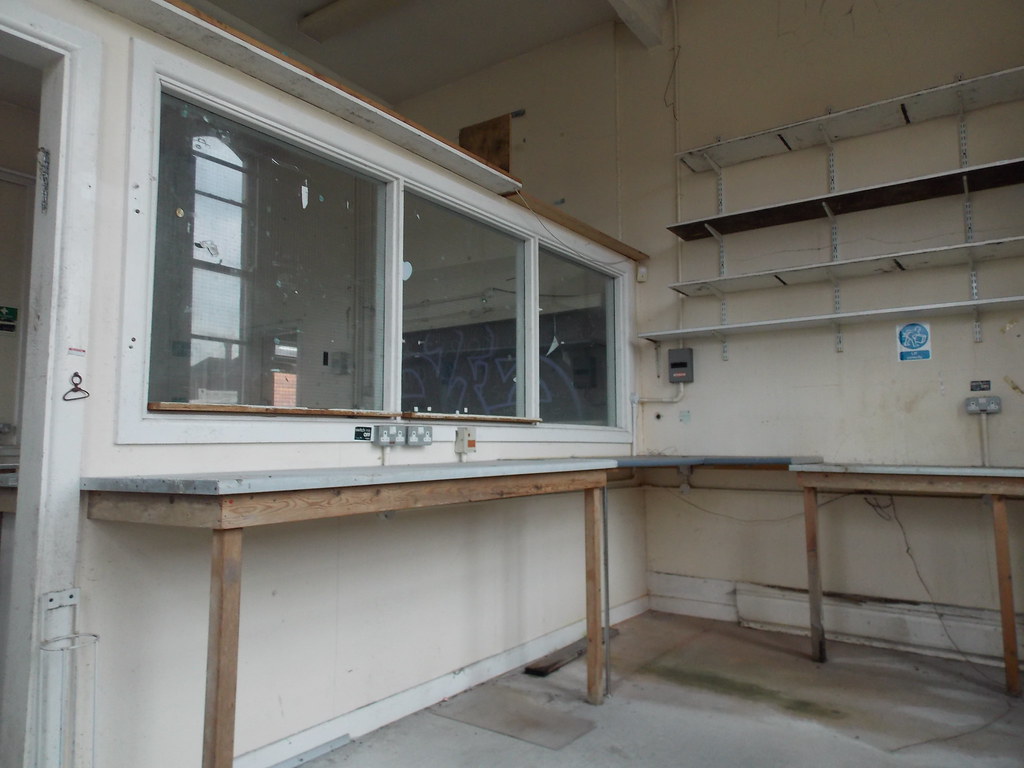
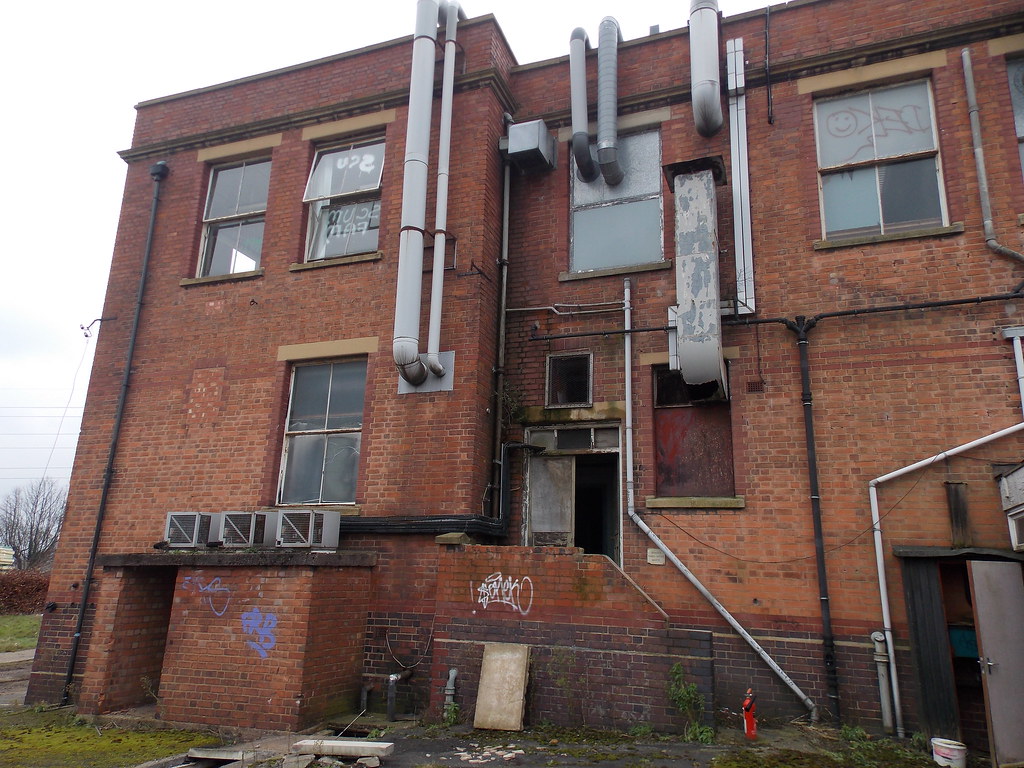
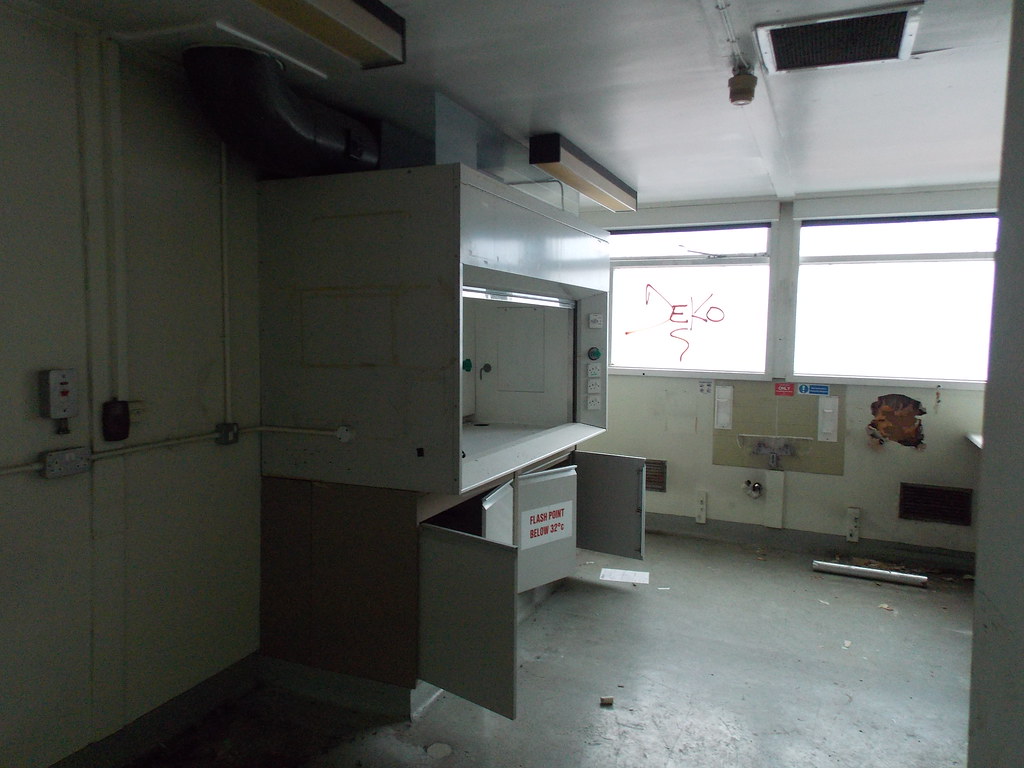
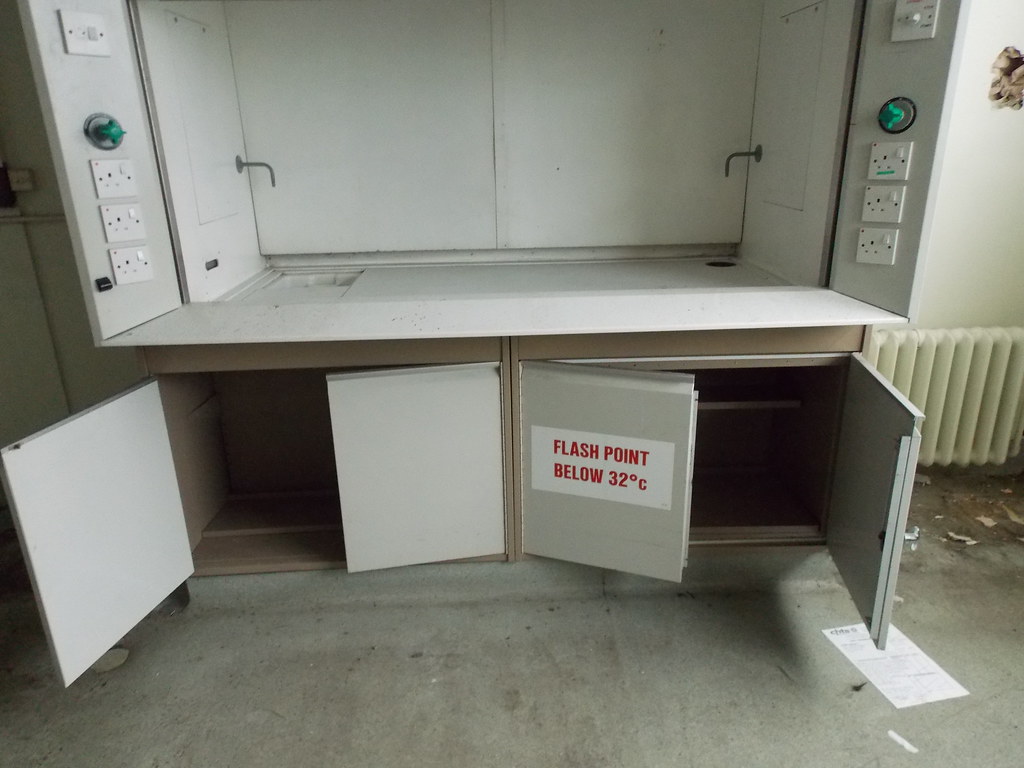
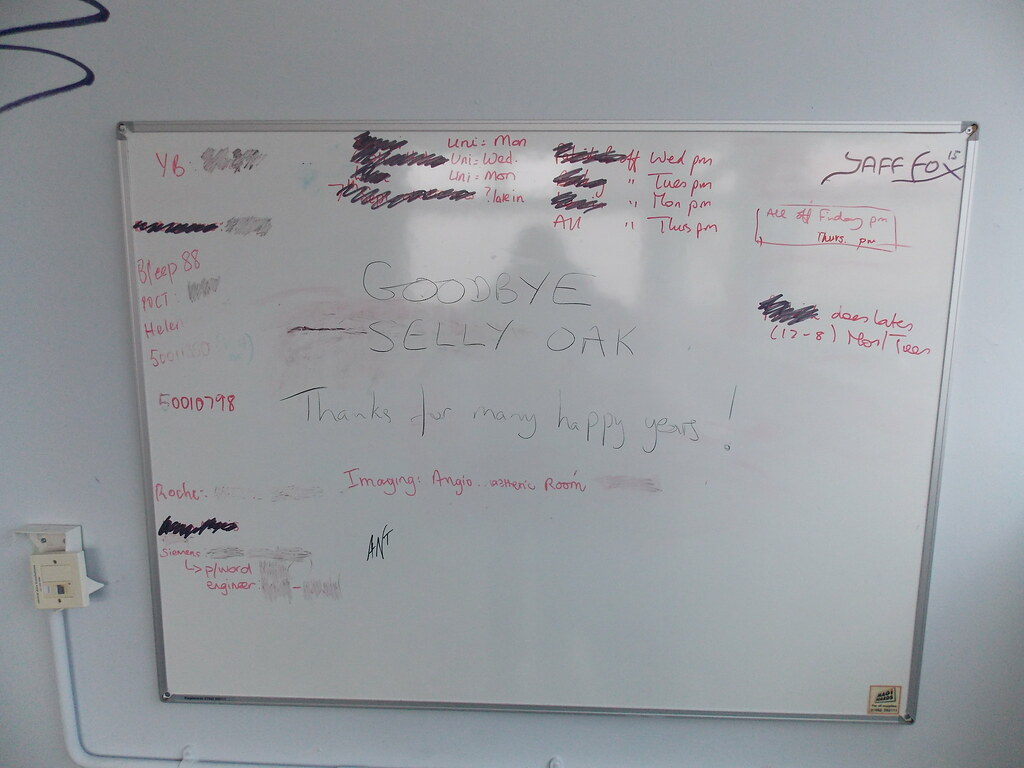
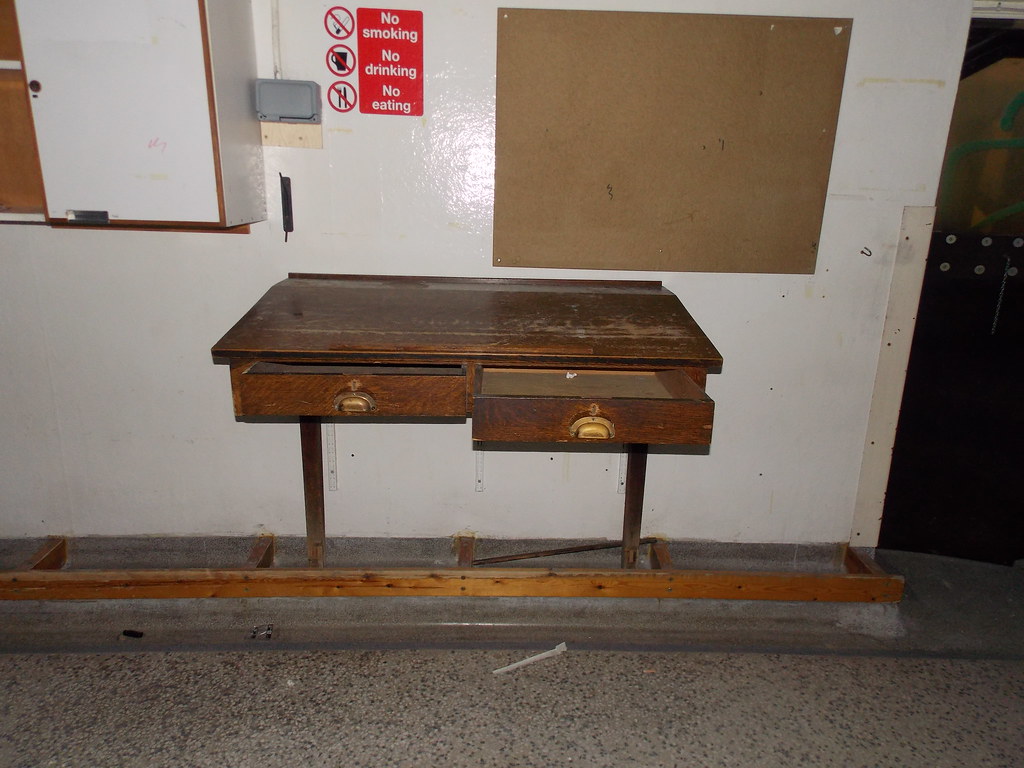
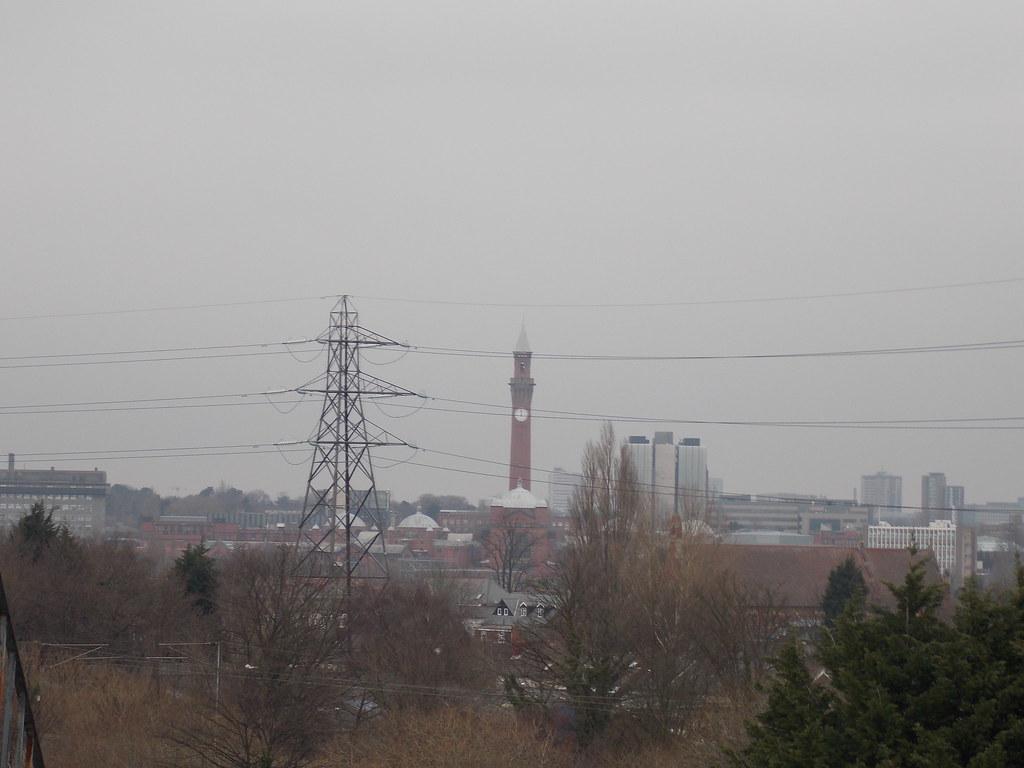
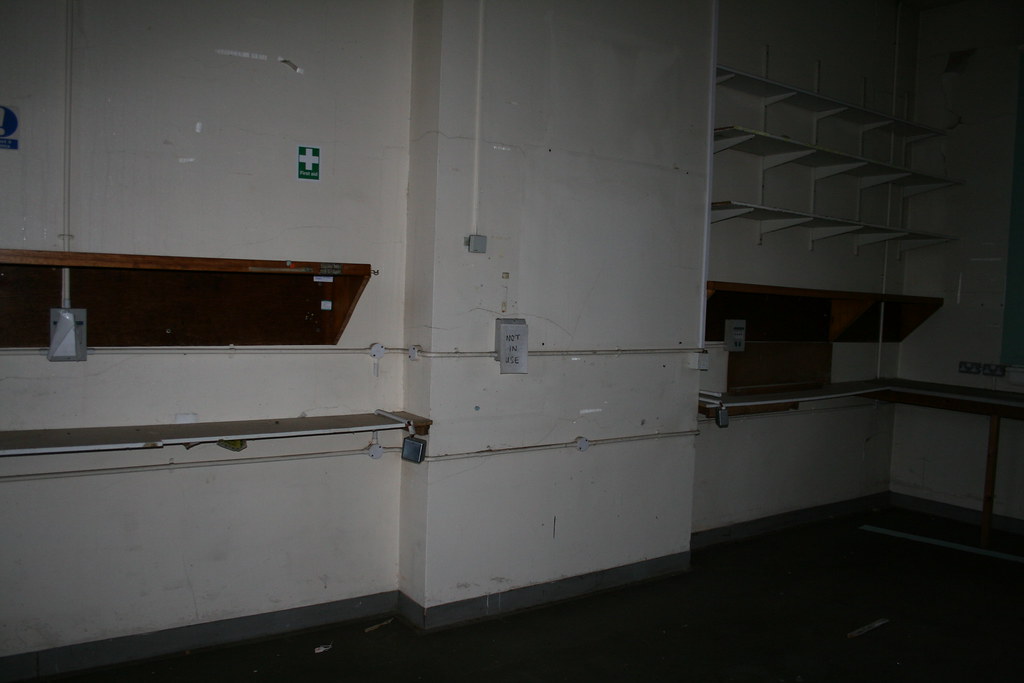
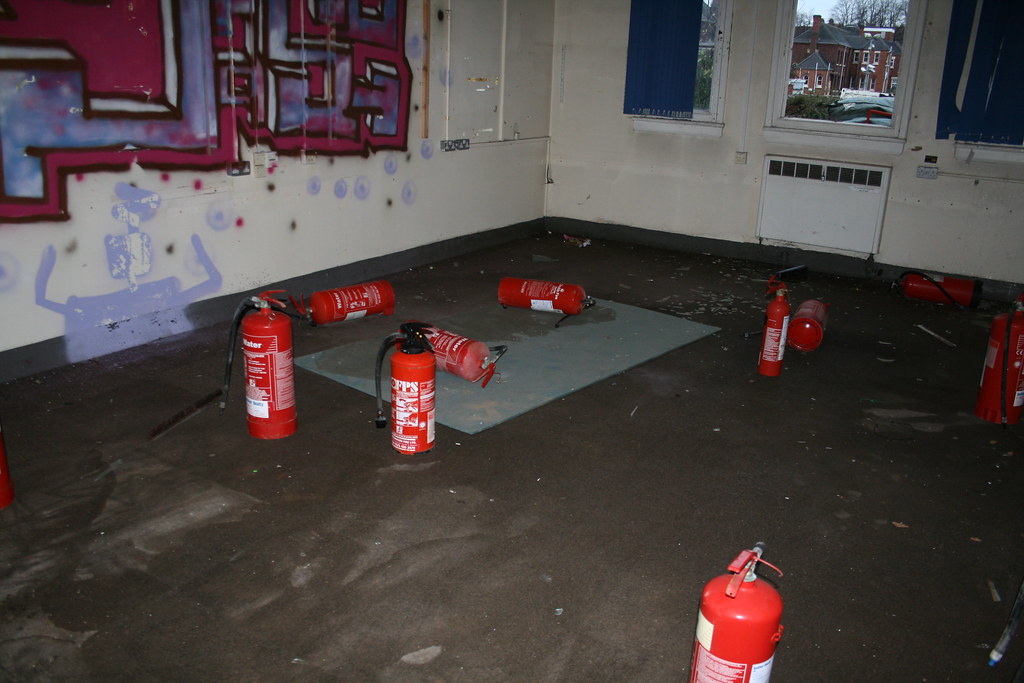
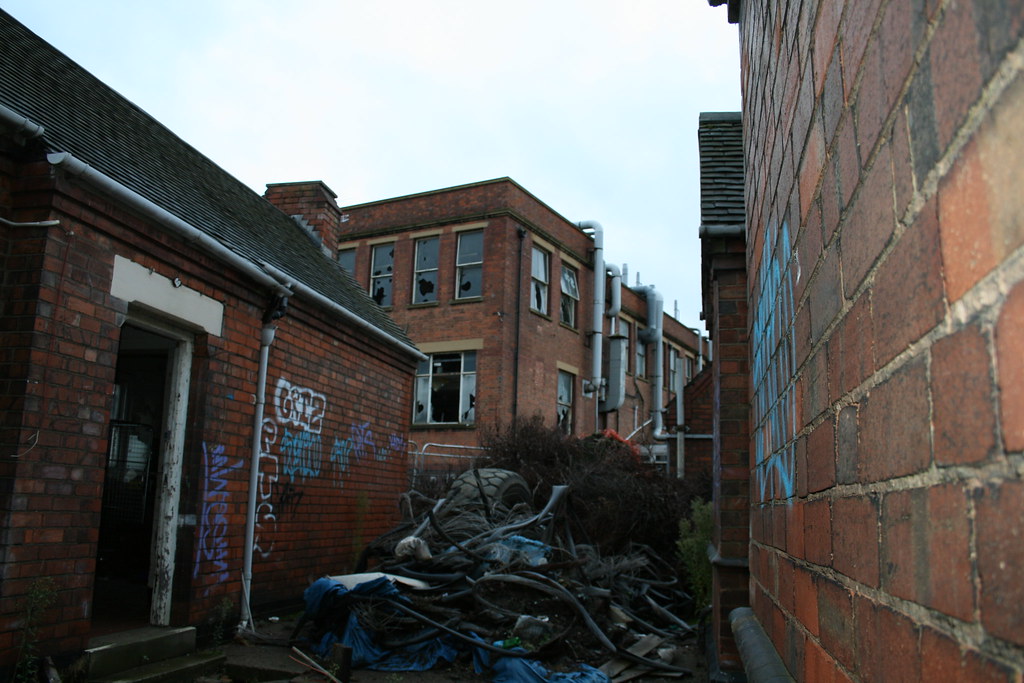
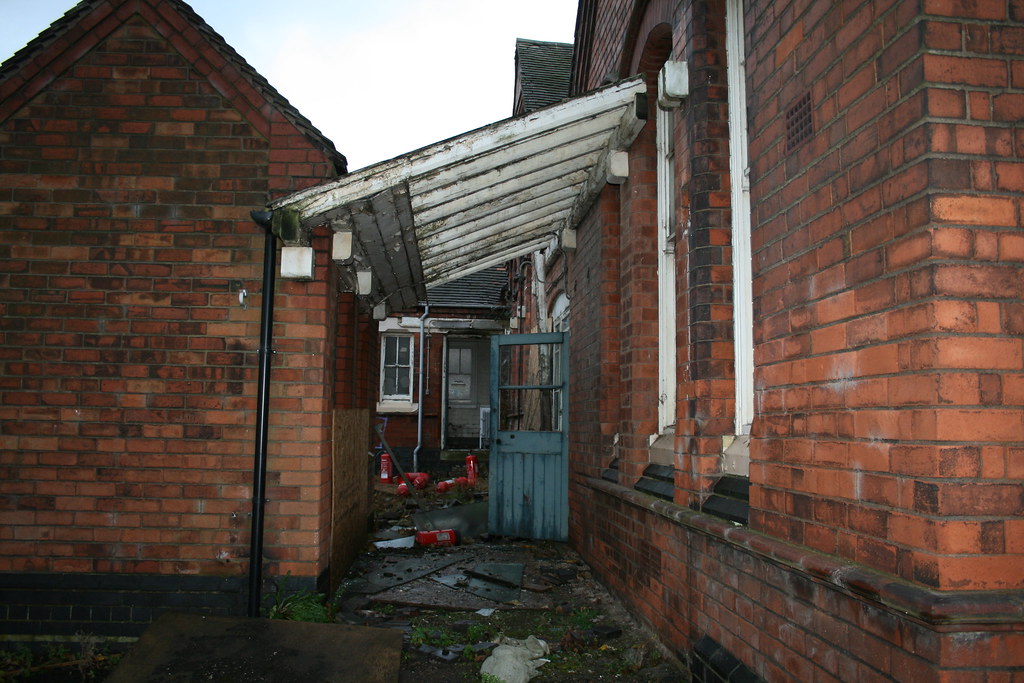
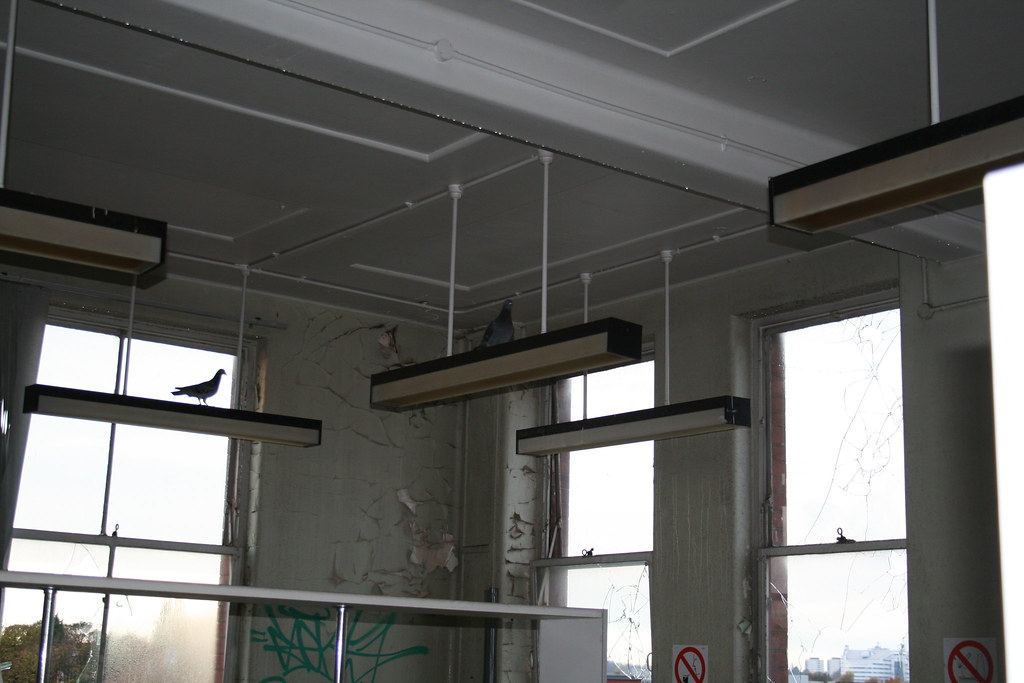
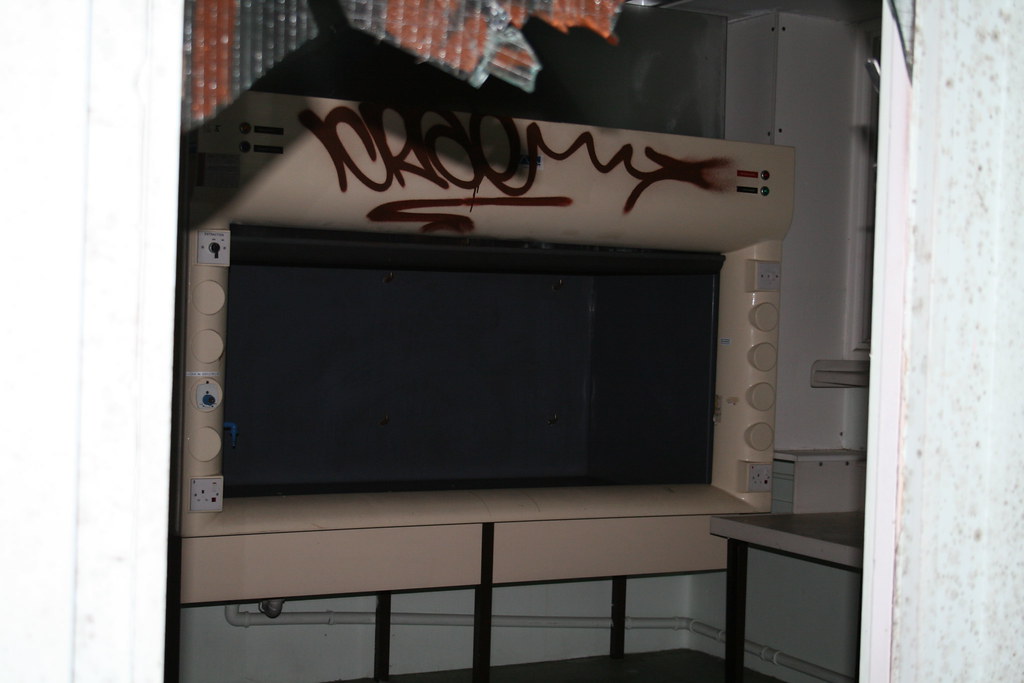
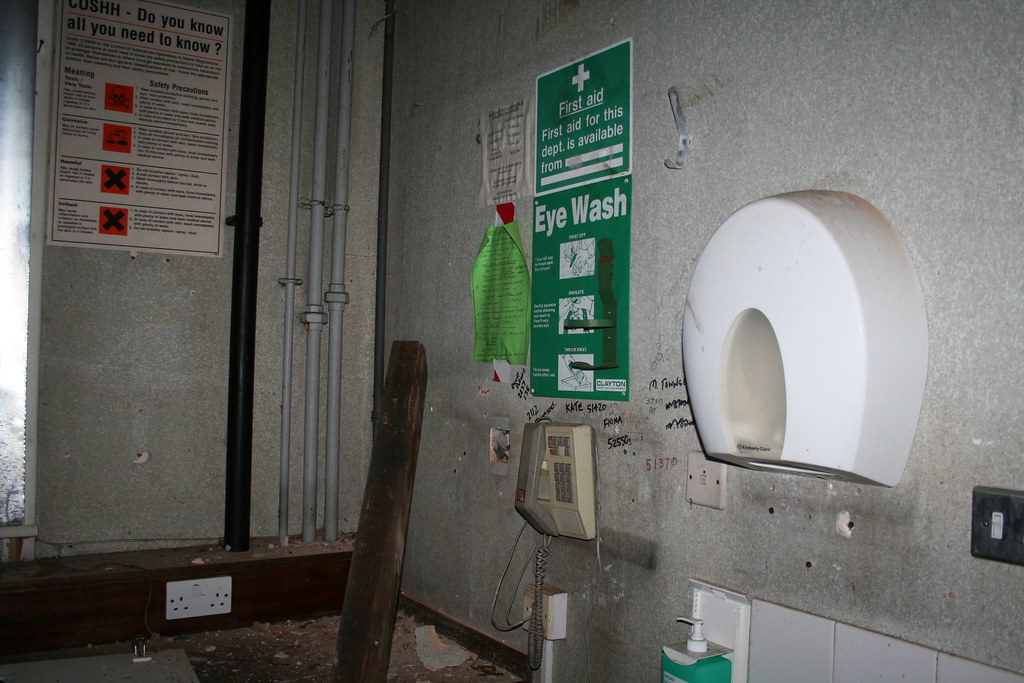
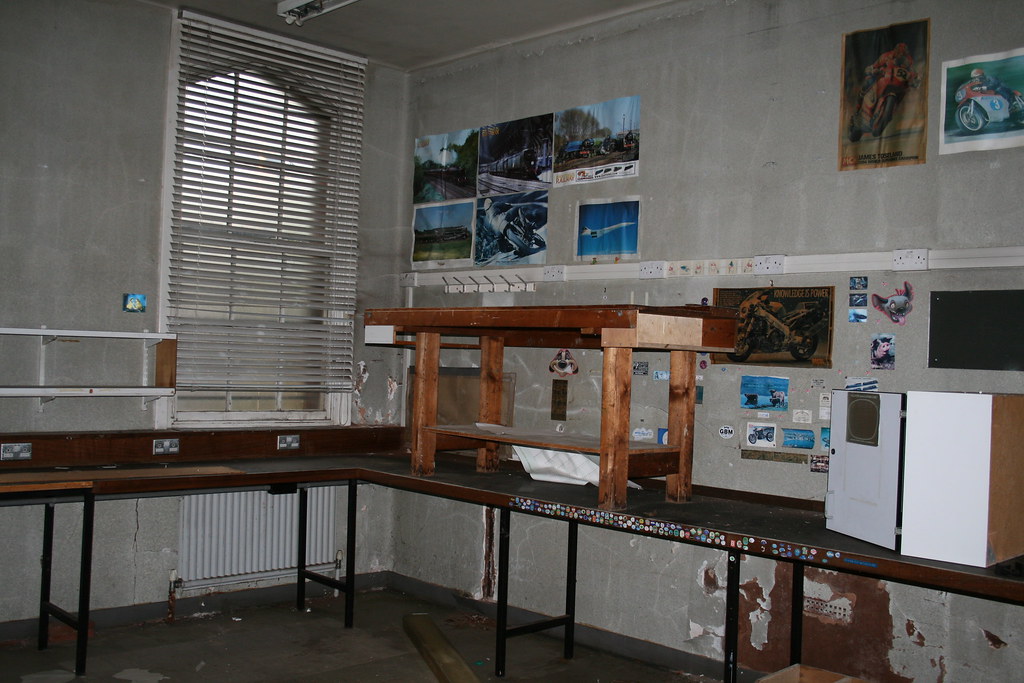
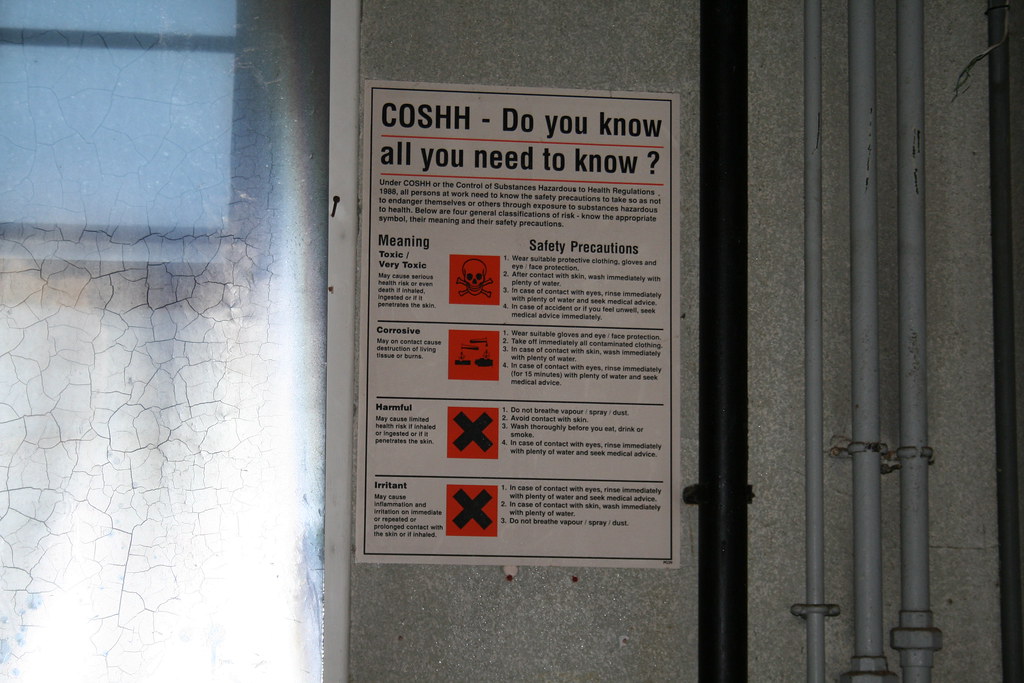
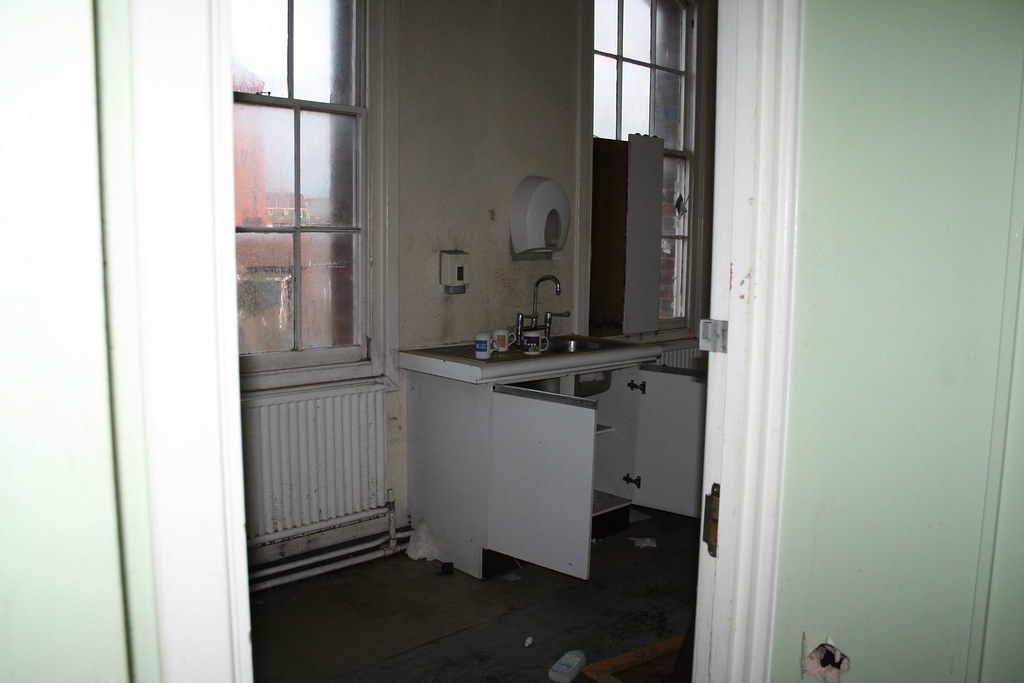
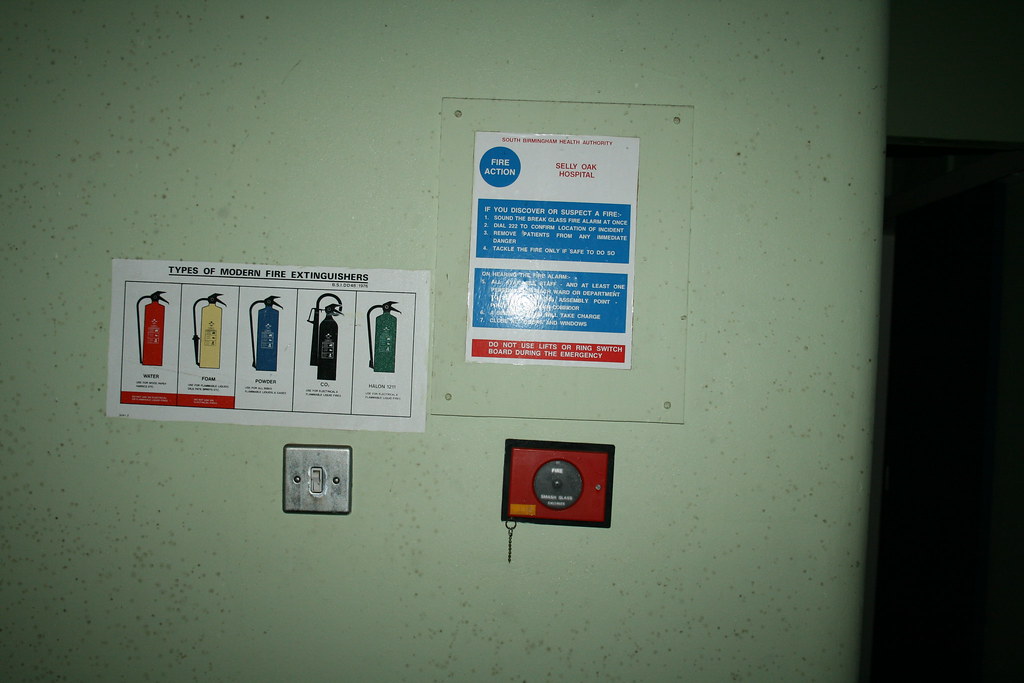
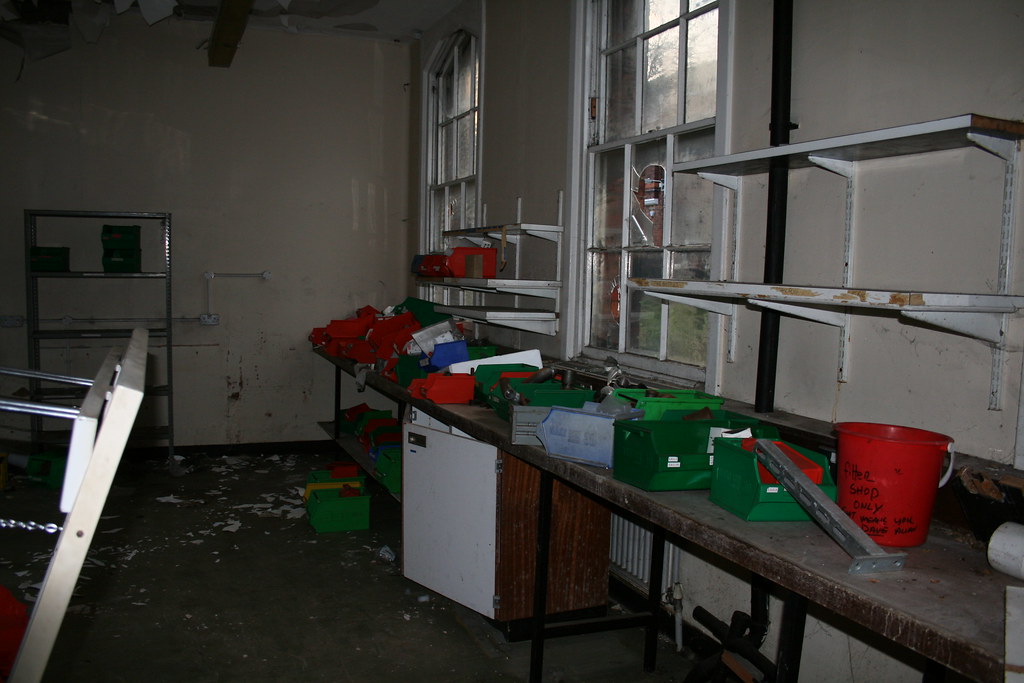
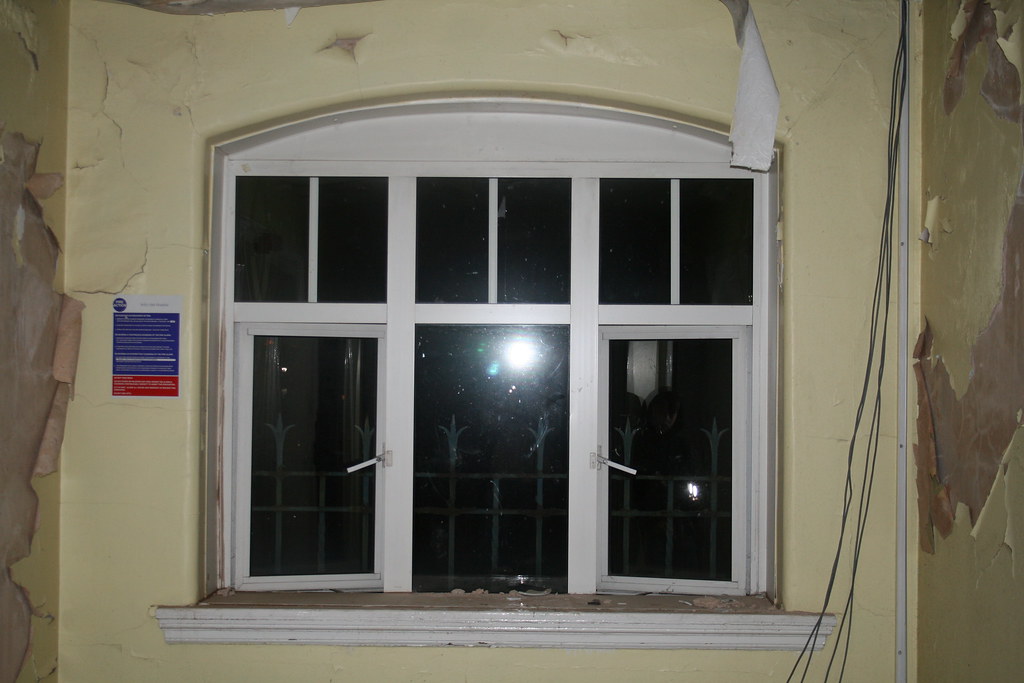
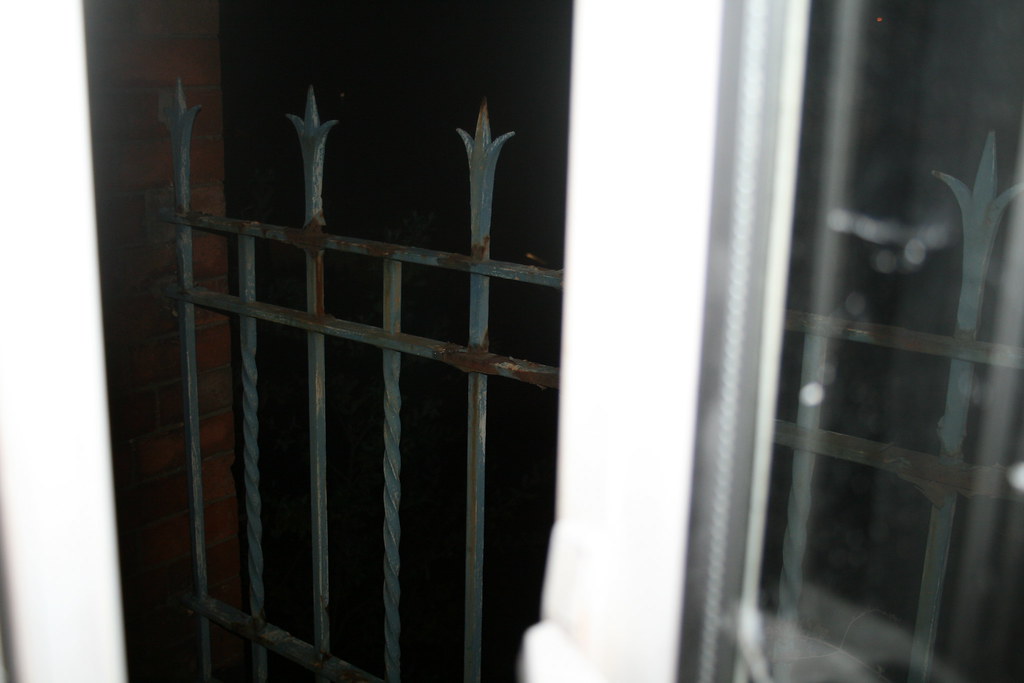
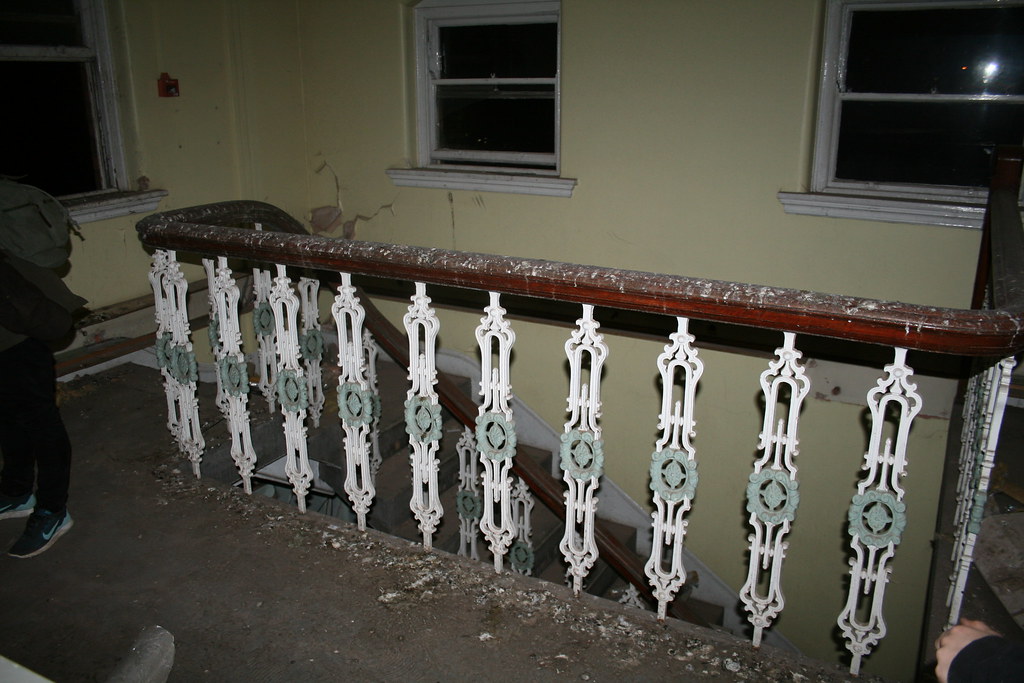
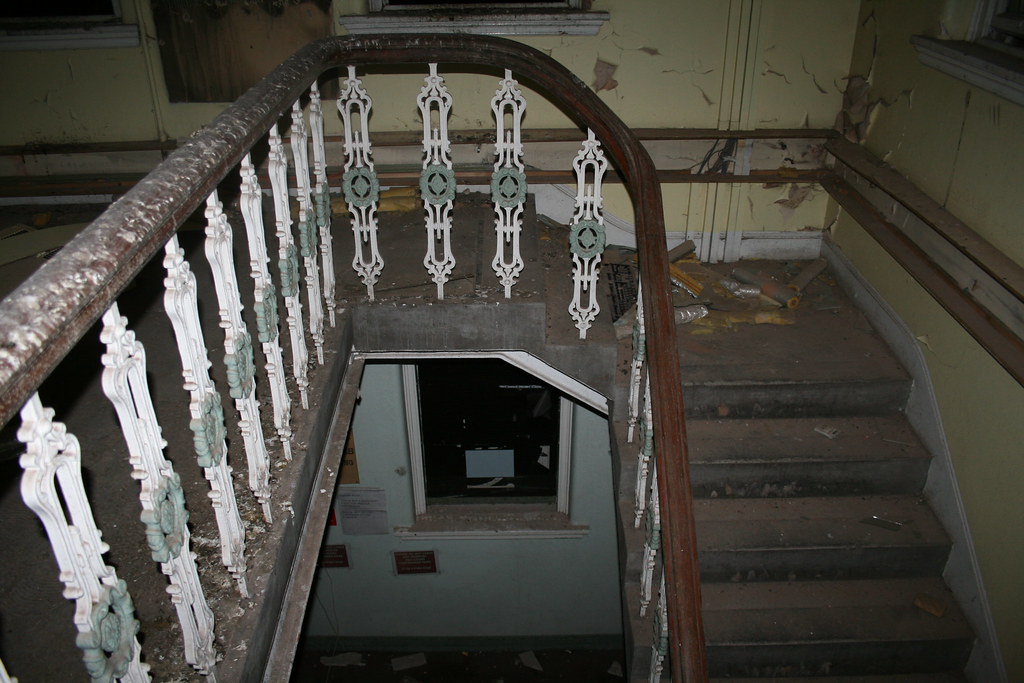
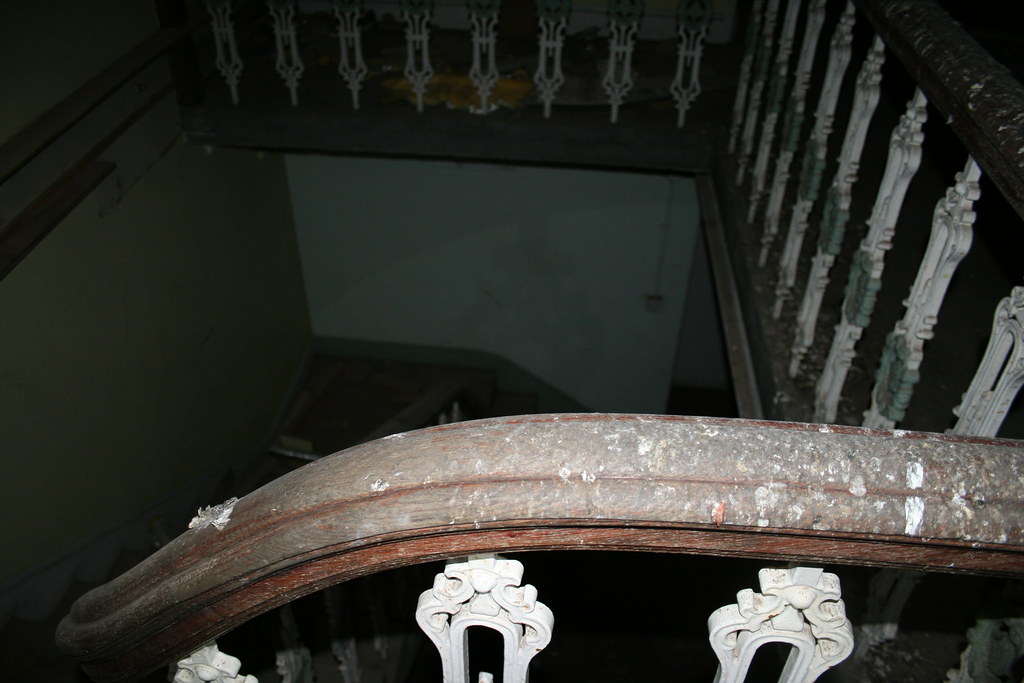
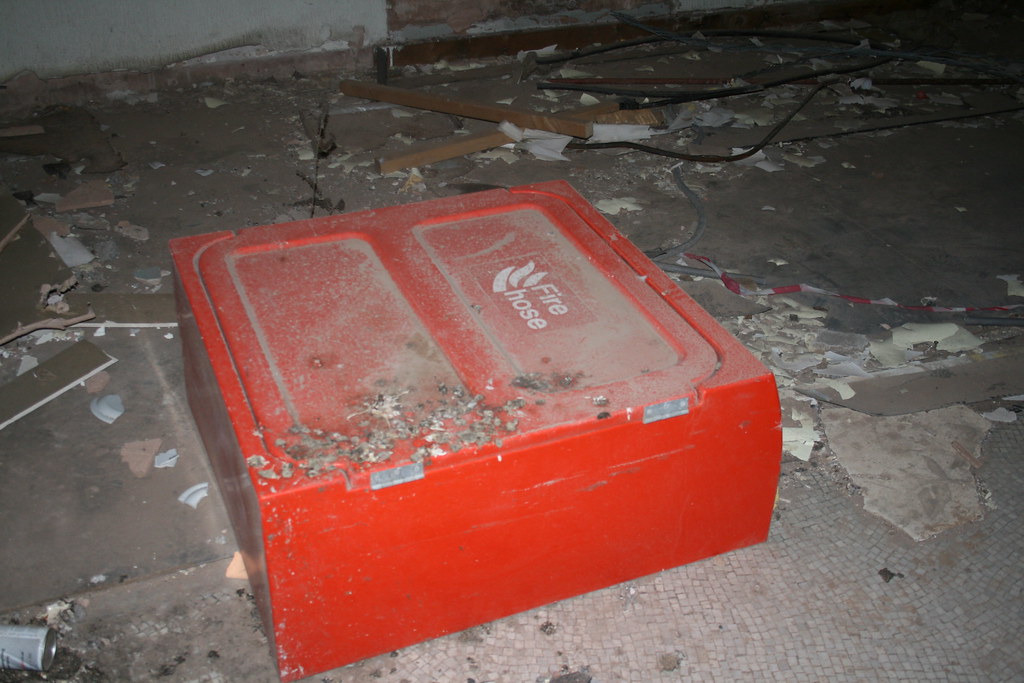
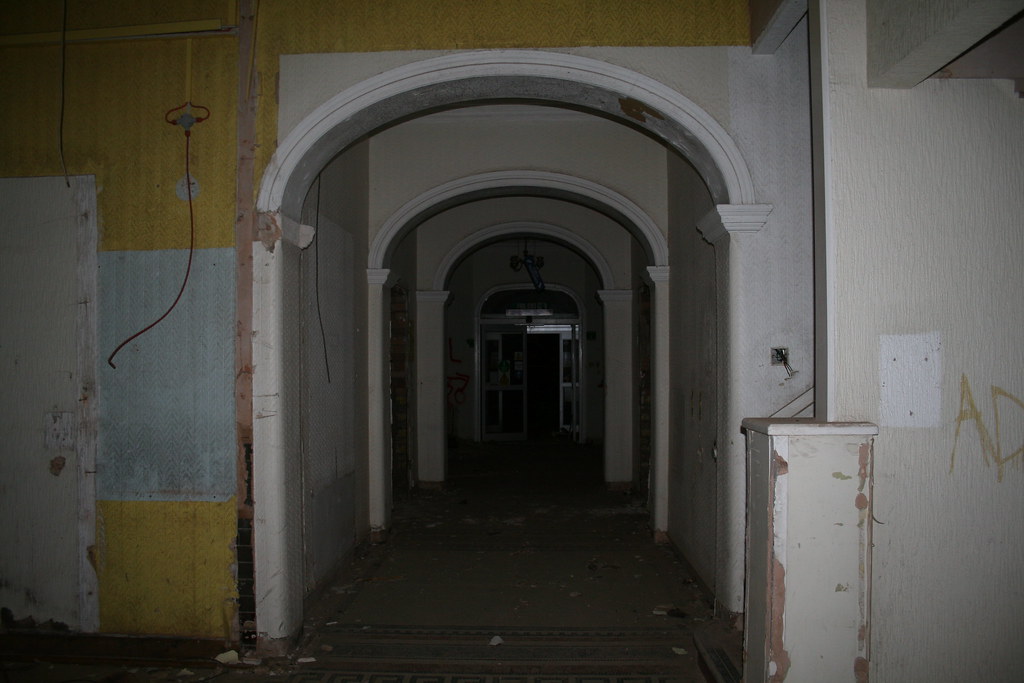
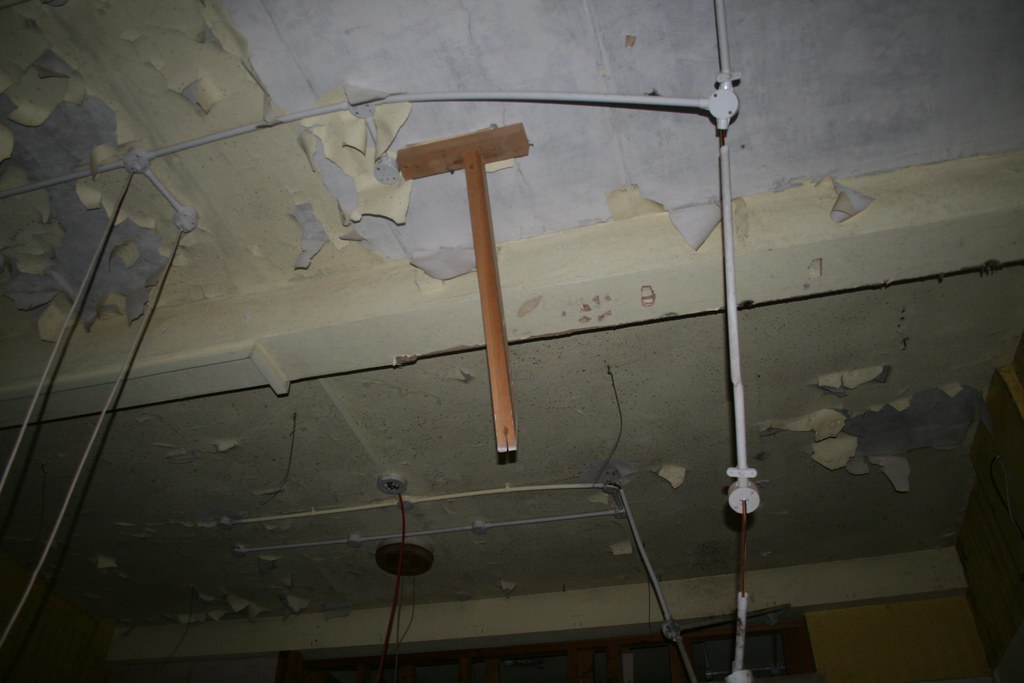
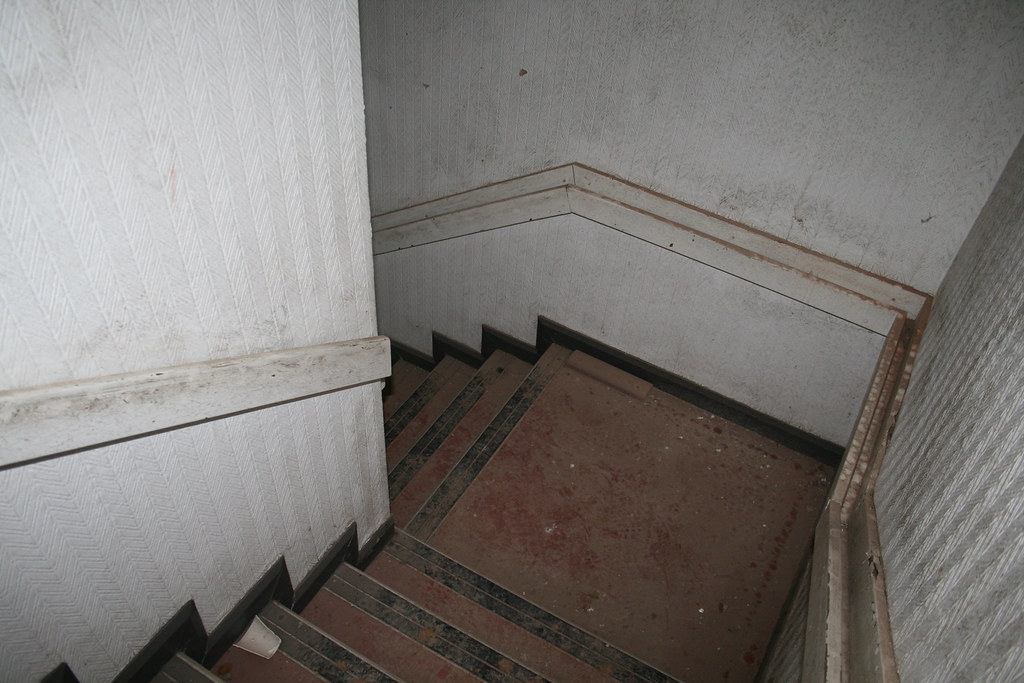
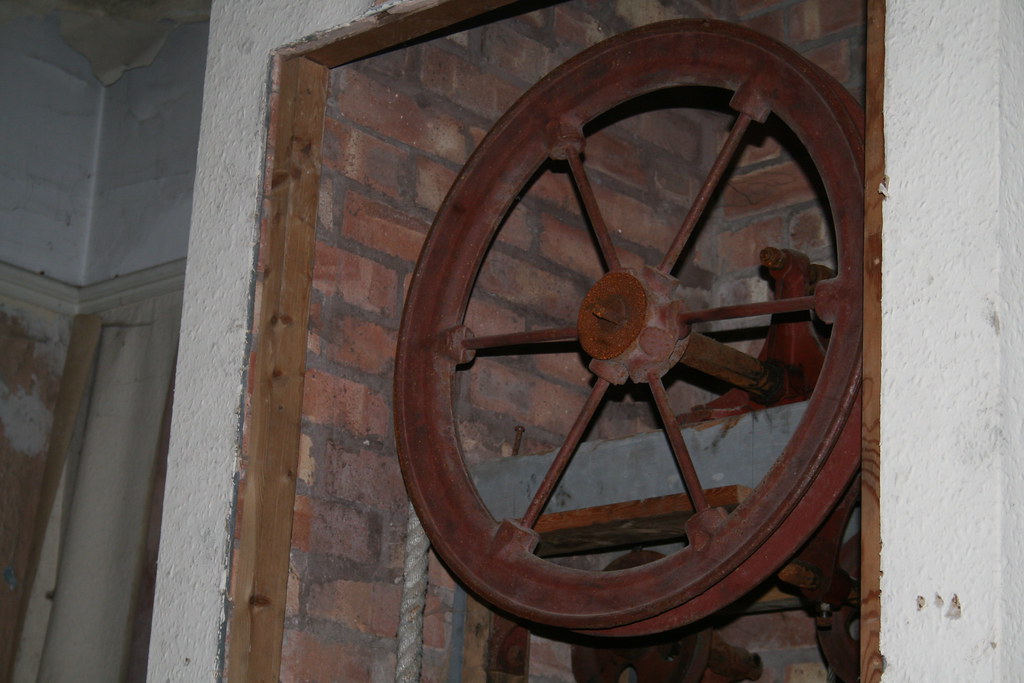
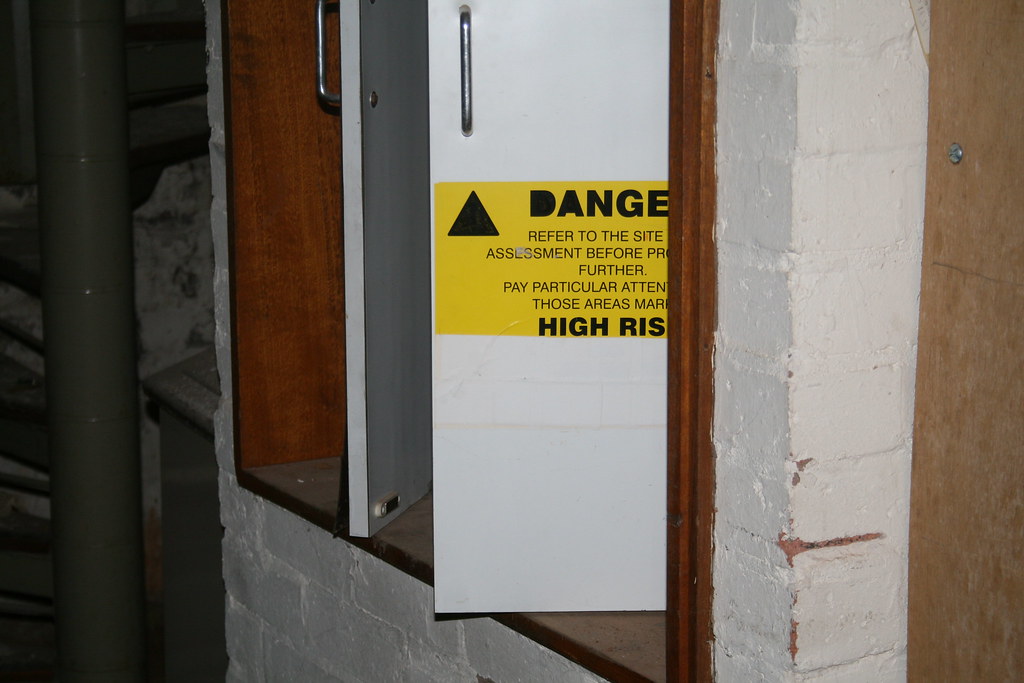
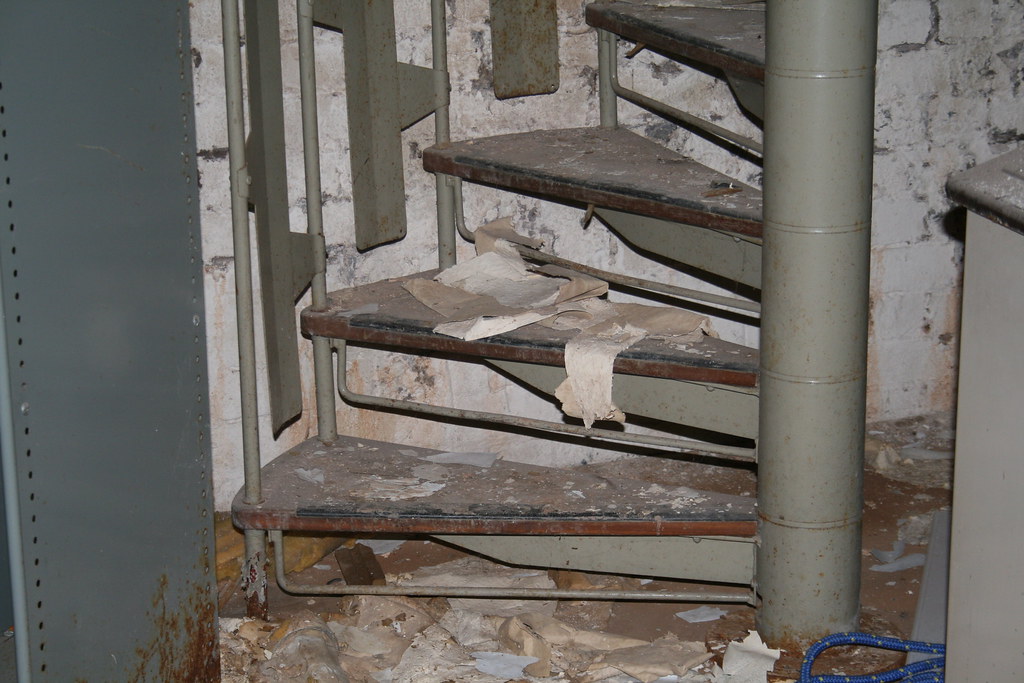
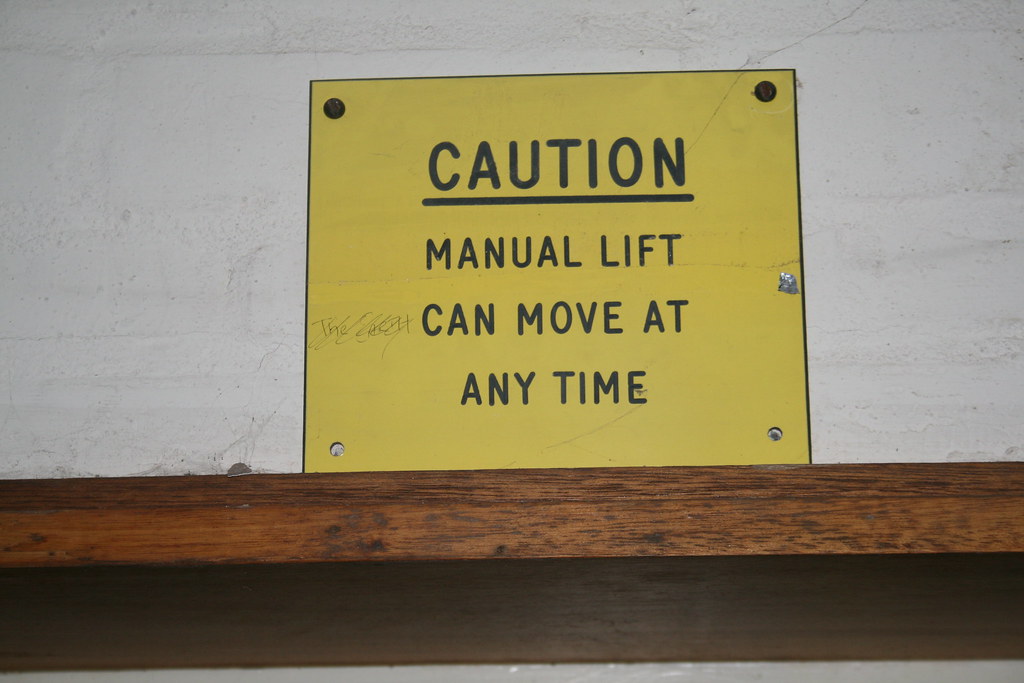
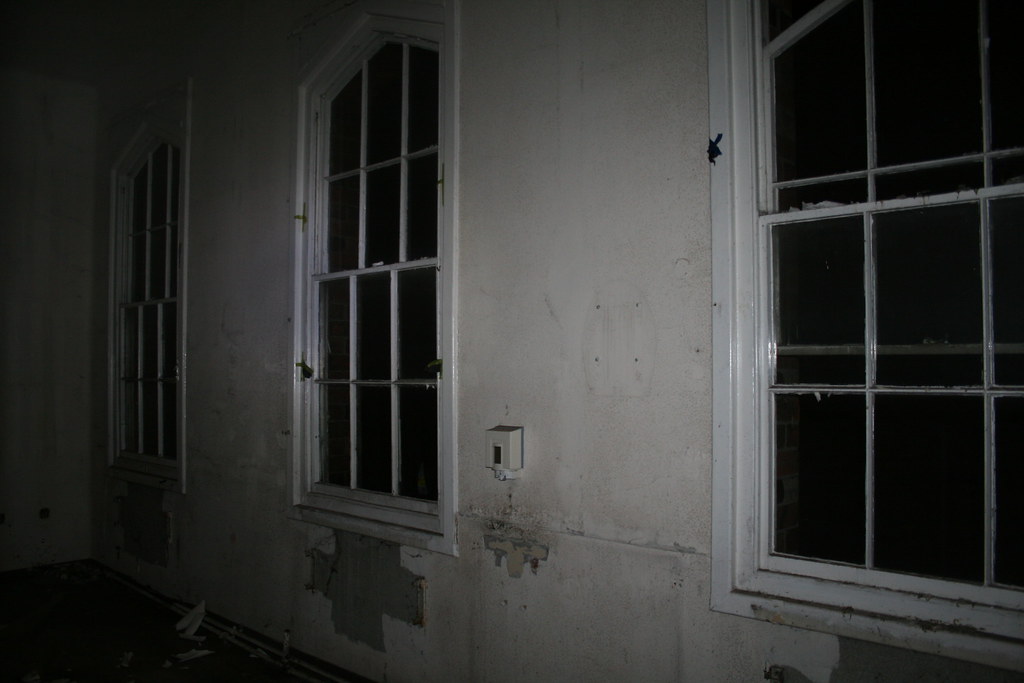
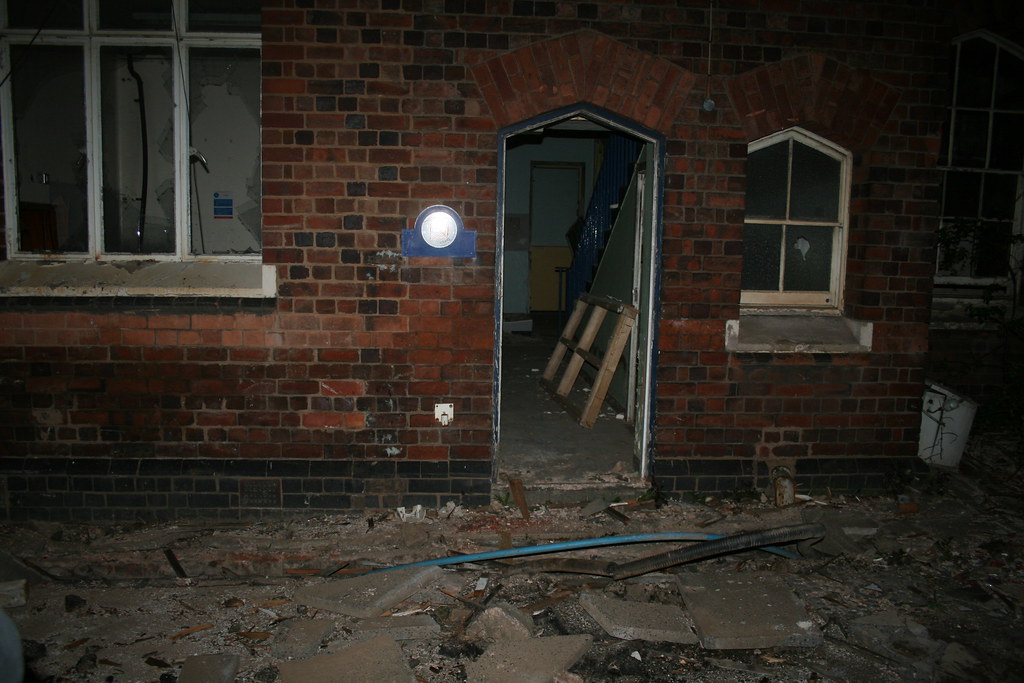
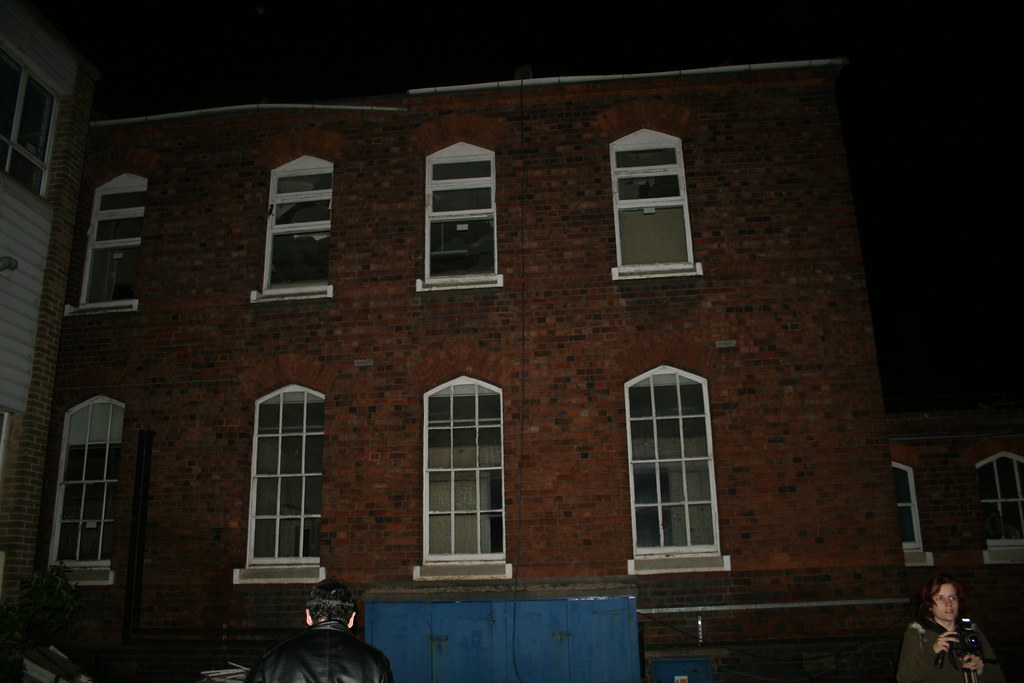
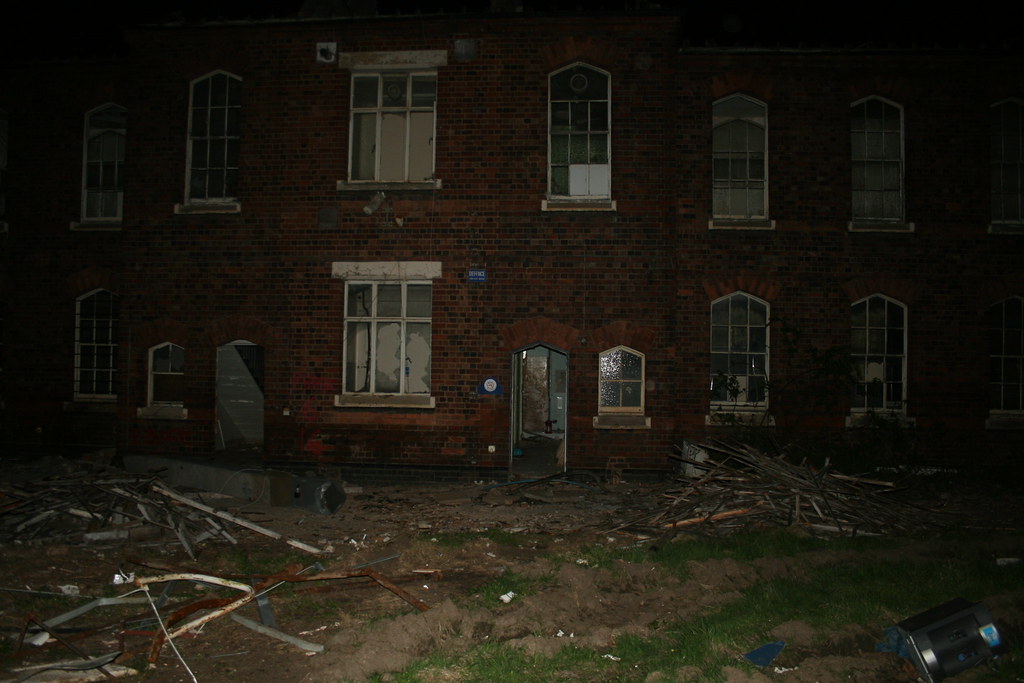
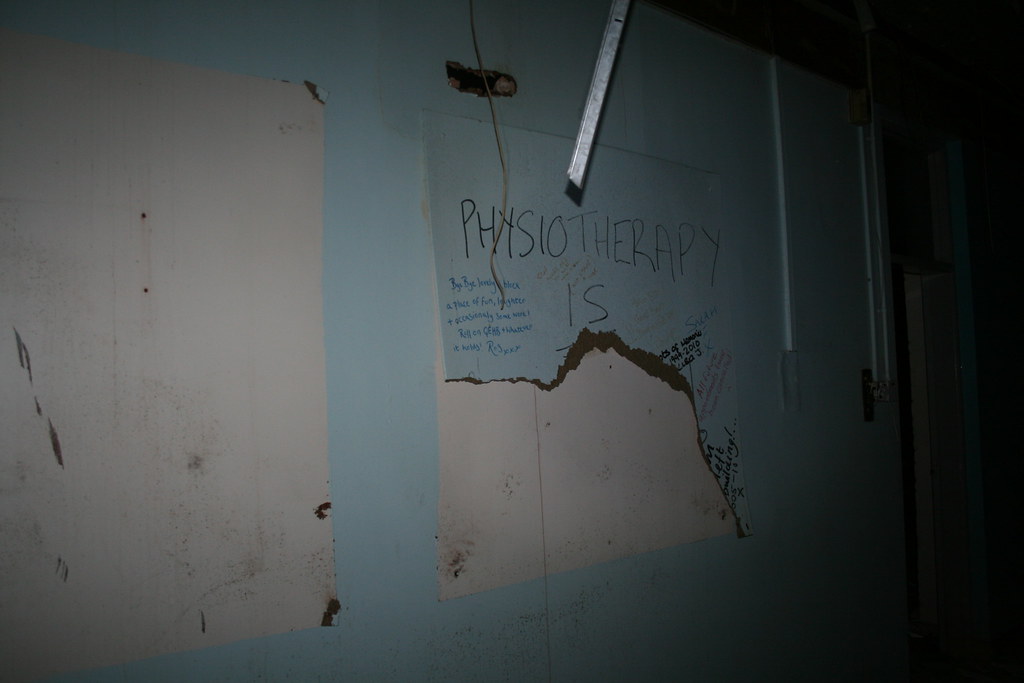
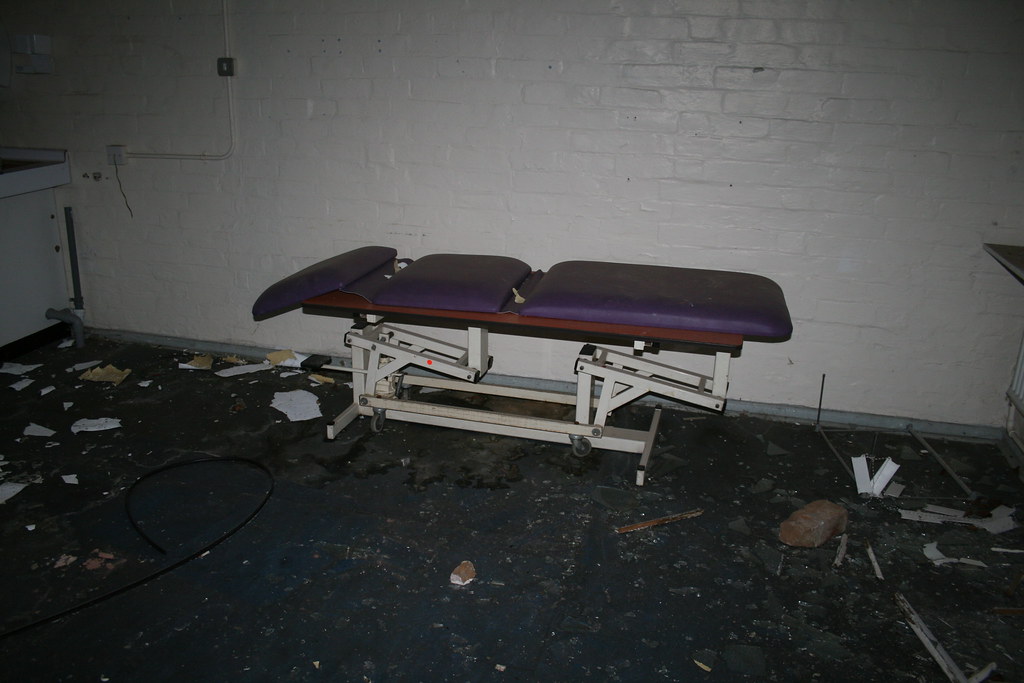
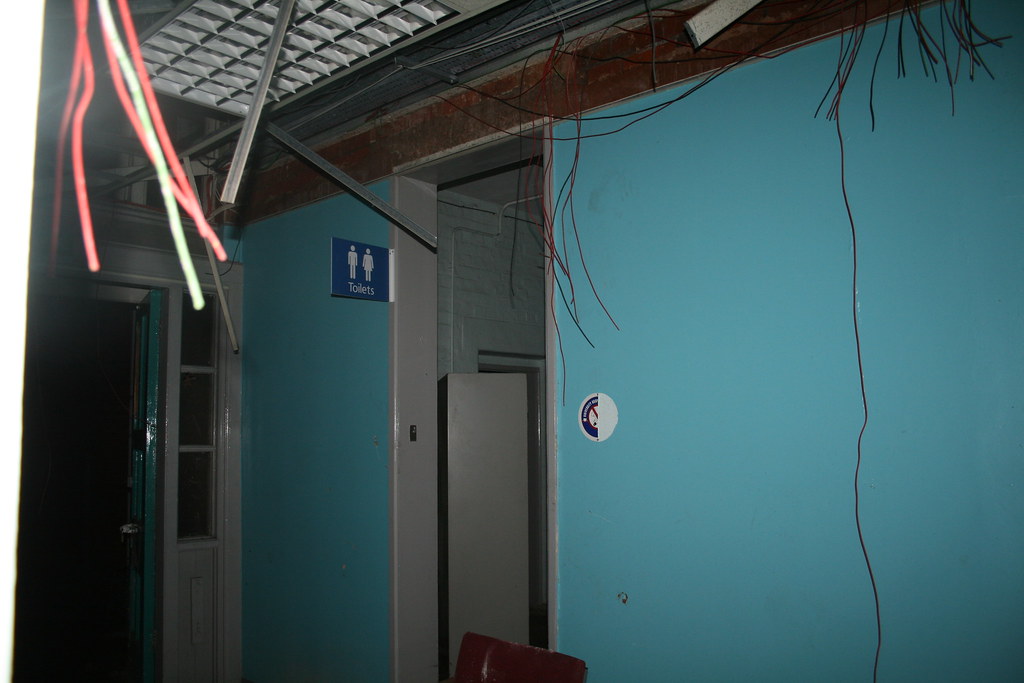
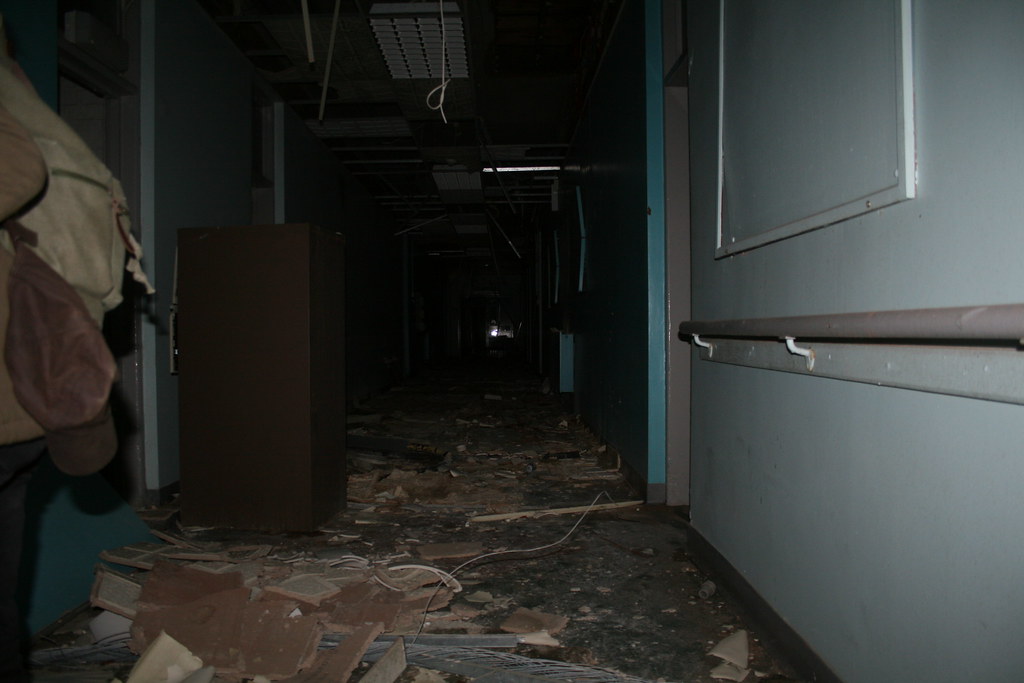
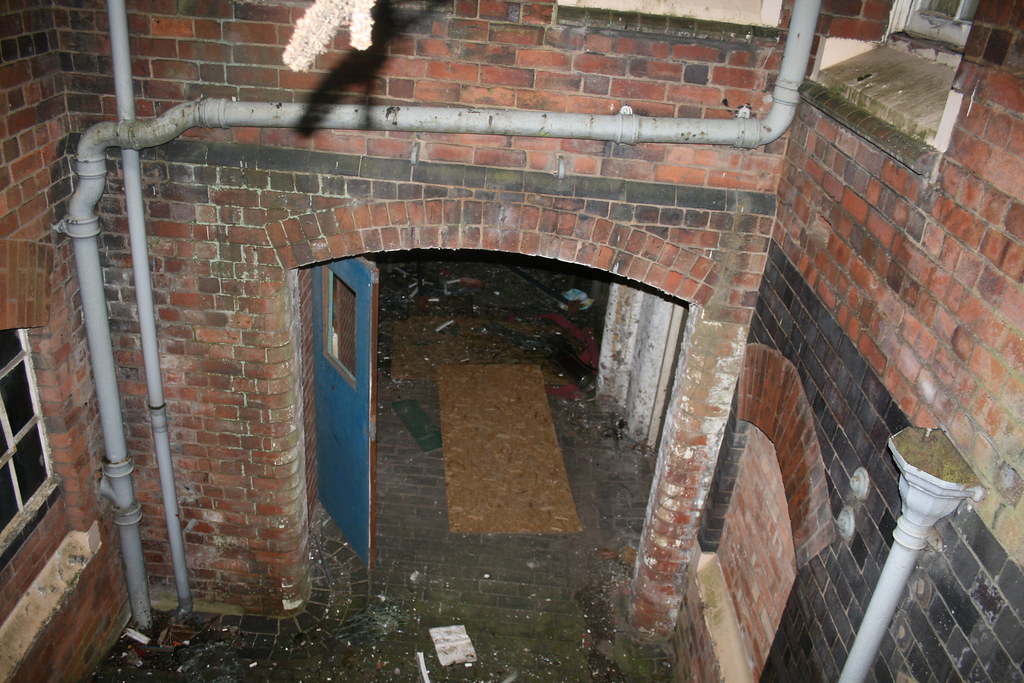
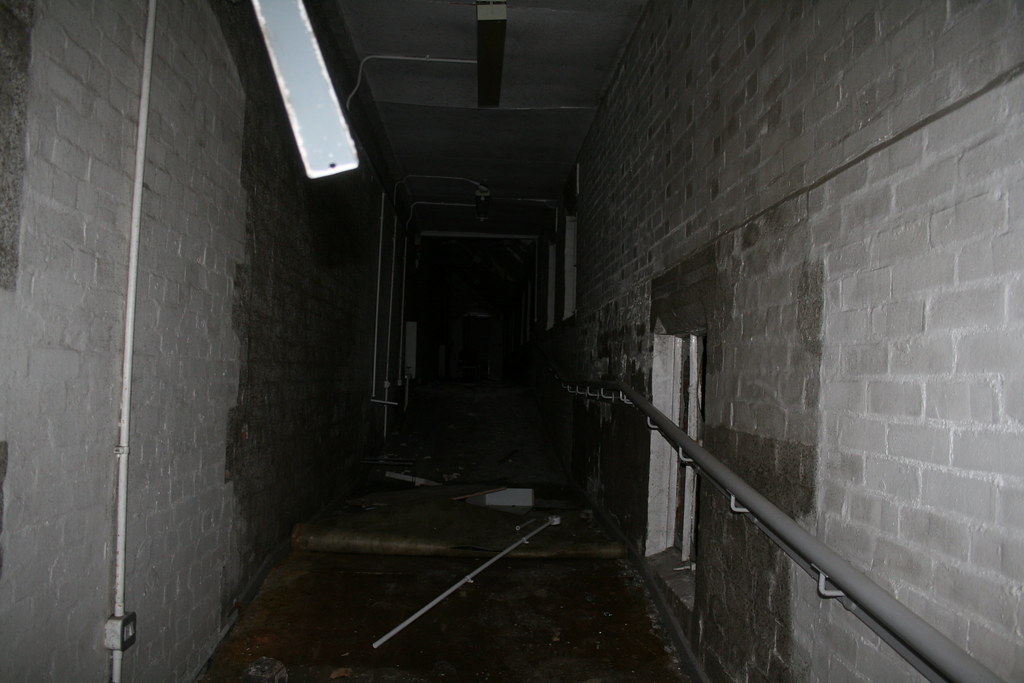
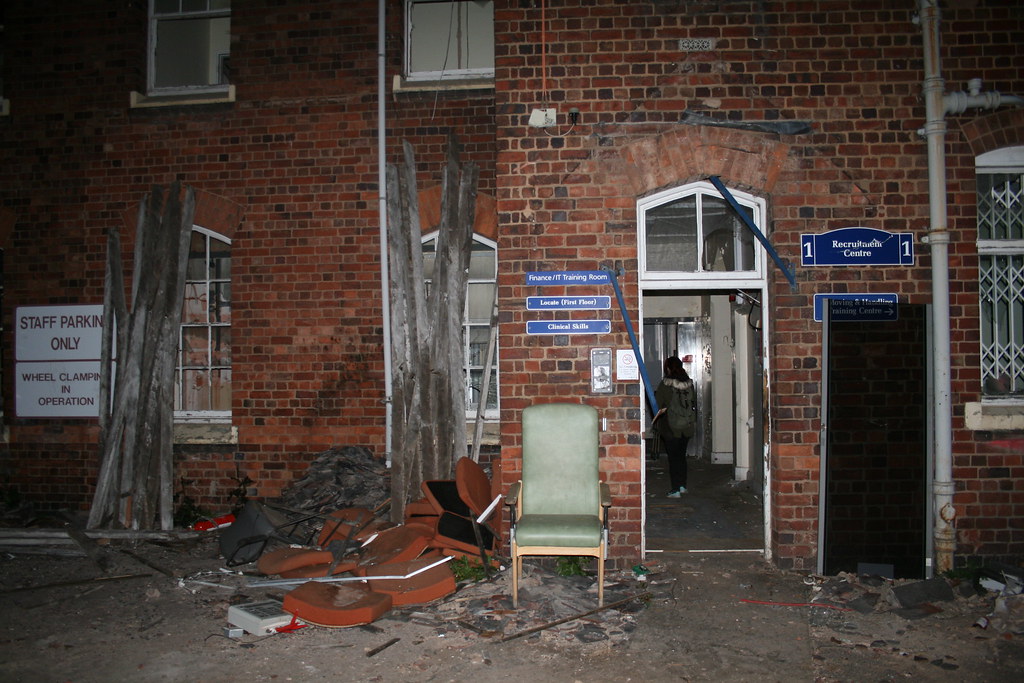
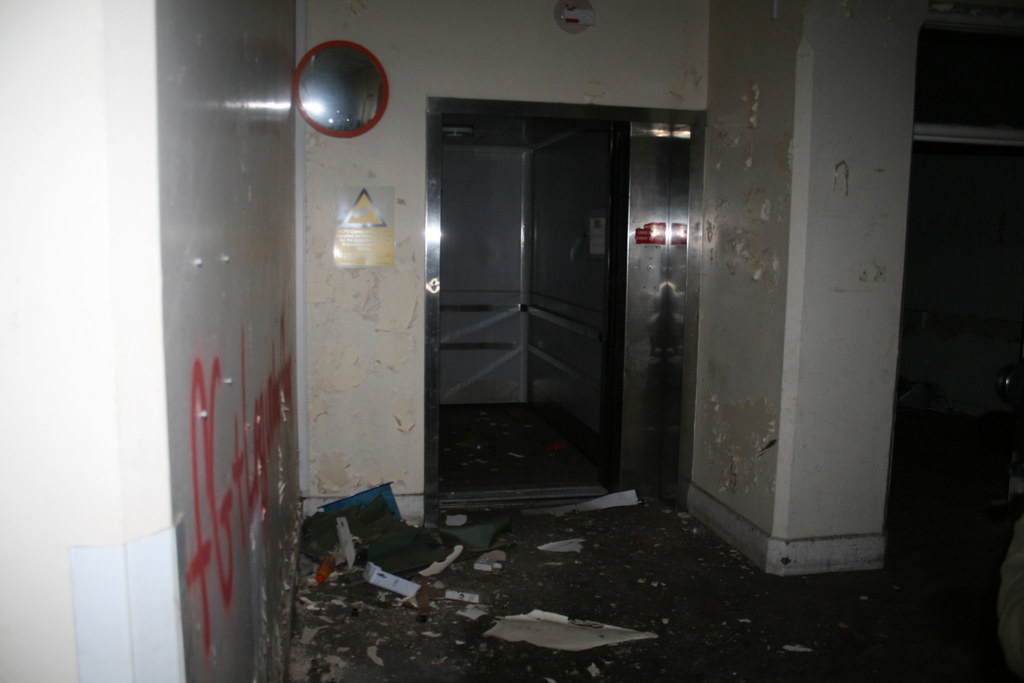
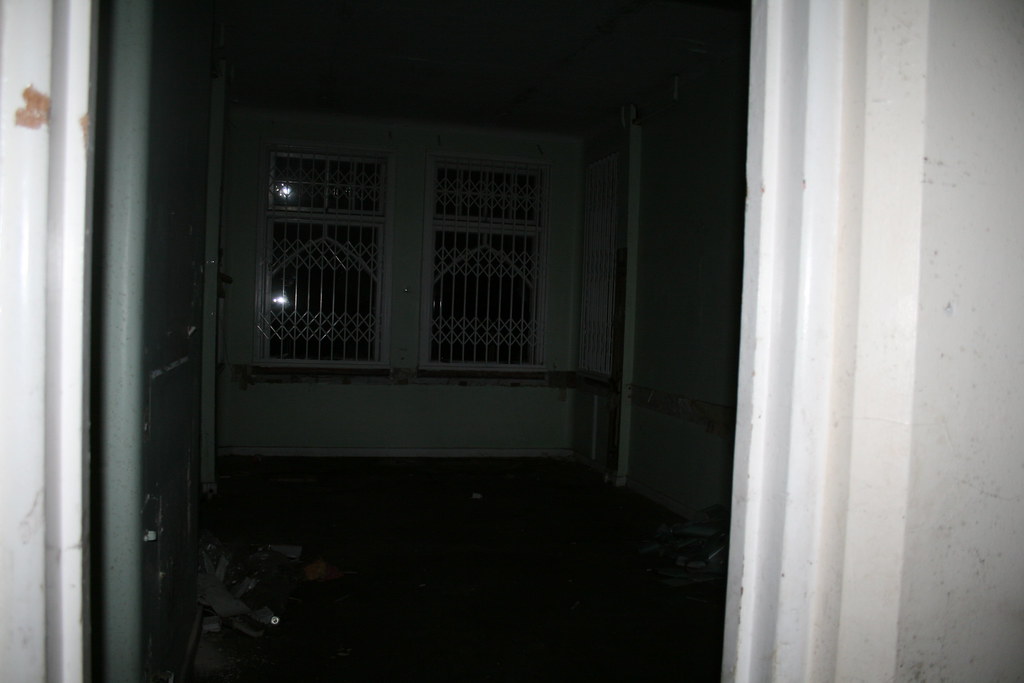
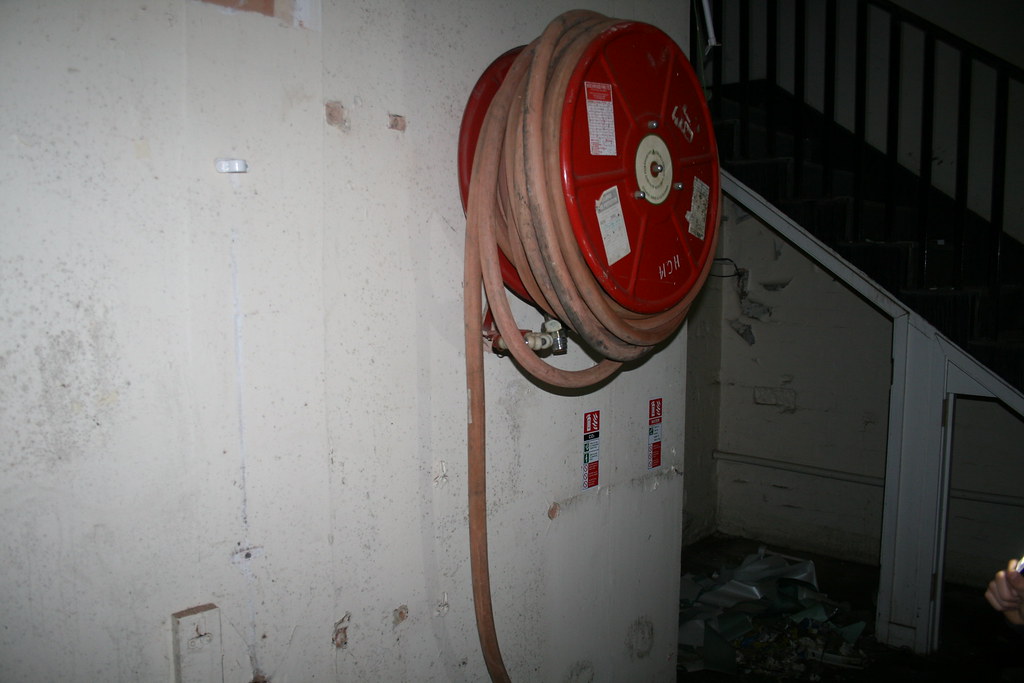
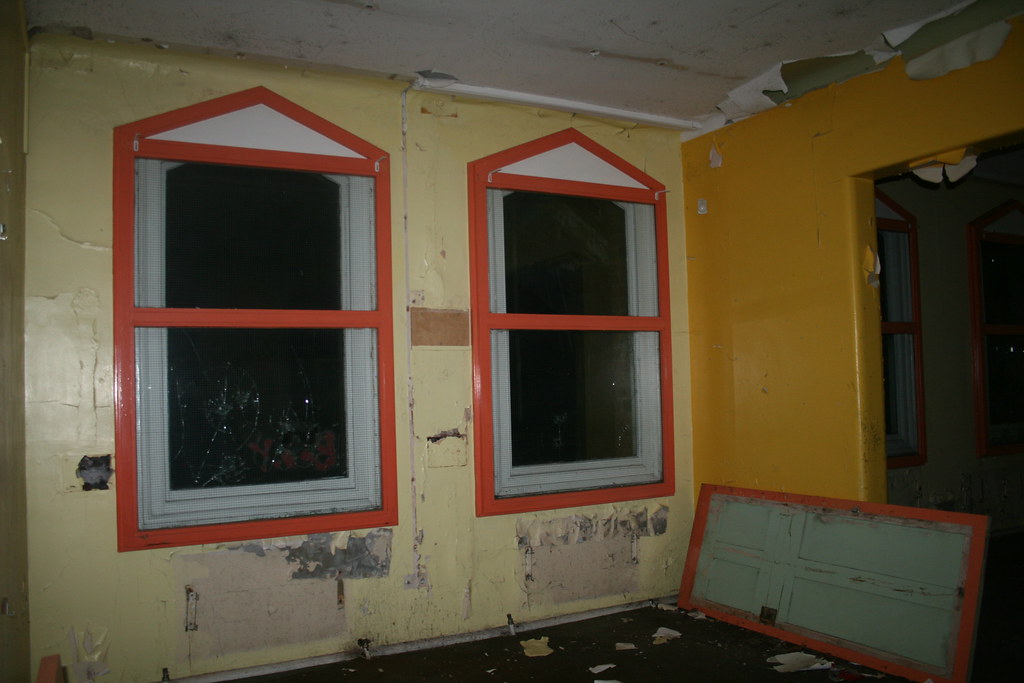
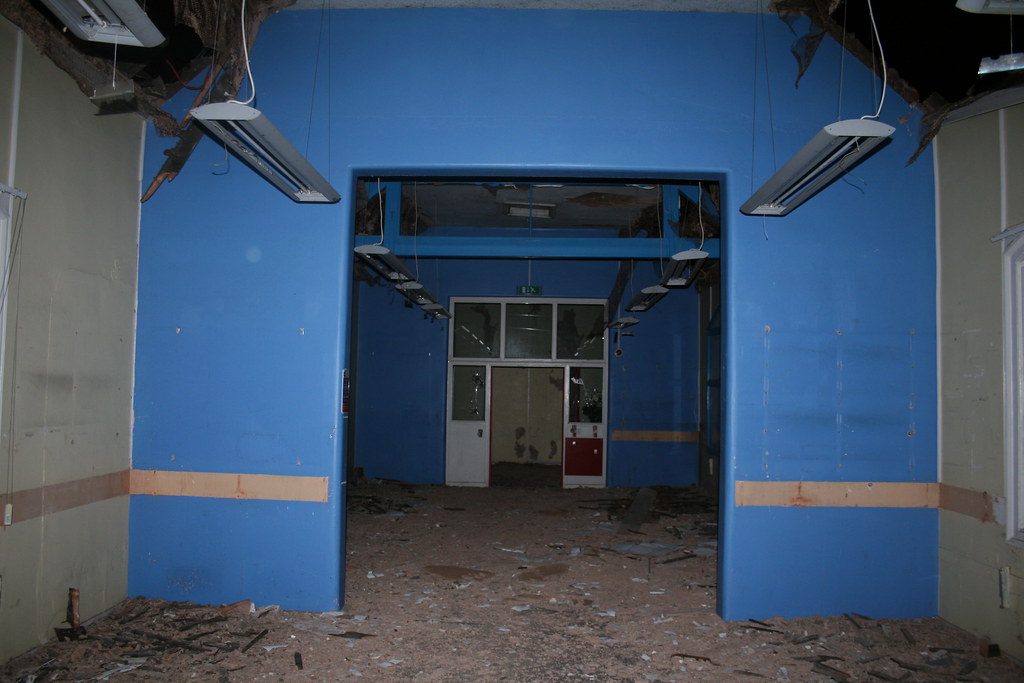
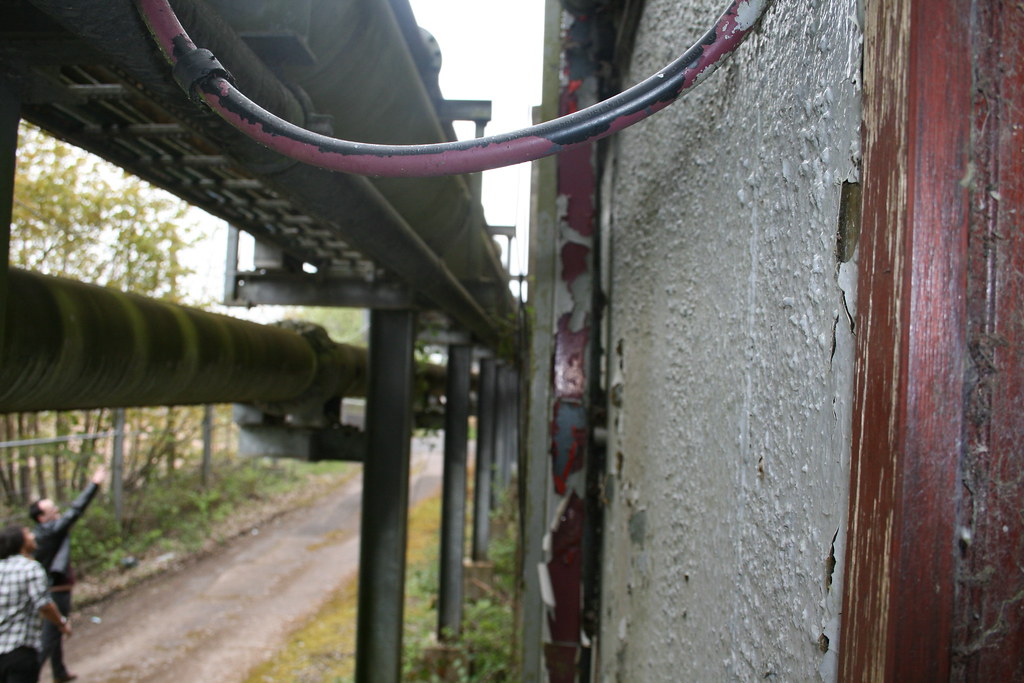
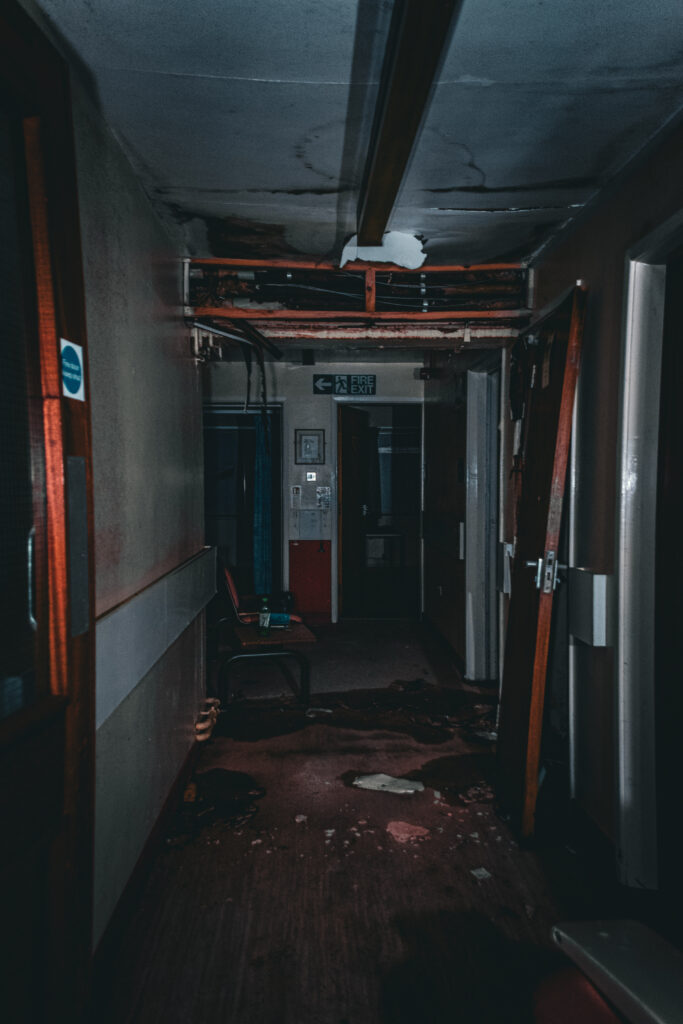
Back in 2015/2016, myself, Jellyfish, and Gibo went on a few visits to the abandoned Selly Oak Hospital not long after it moved to the new Queen Elizabeth Hospital. The first couple of times we tried to explore this place, we were met with security almost immediately.

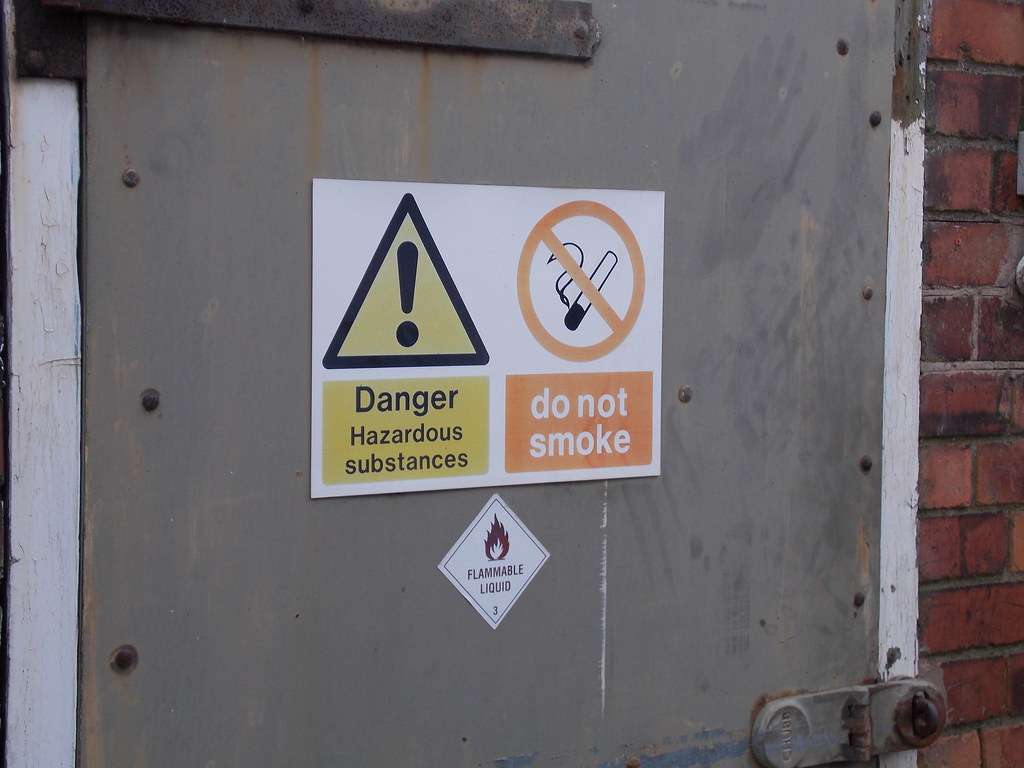
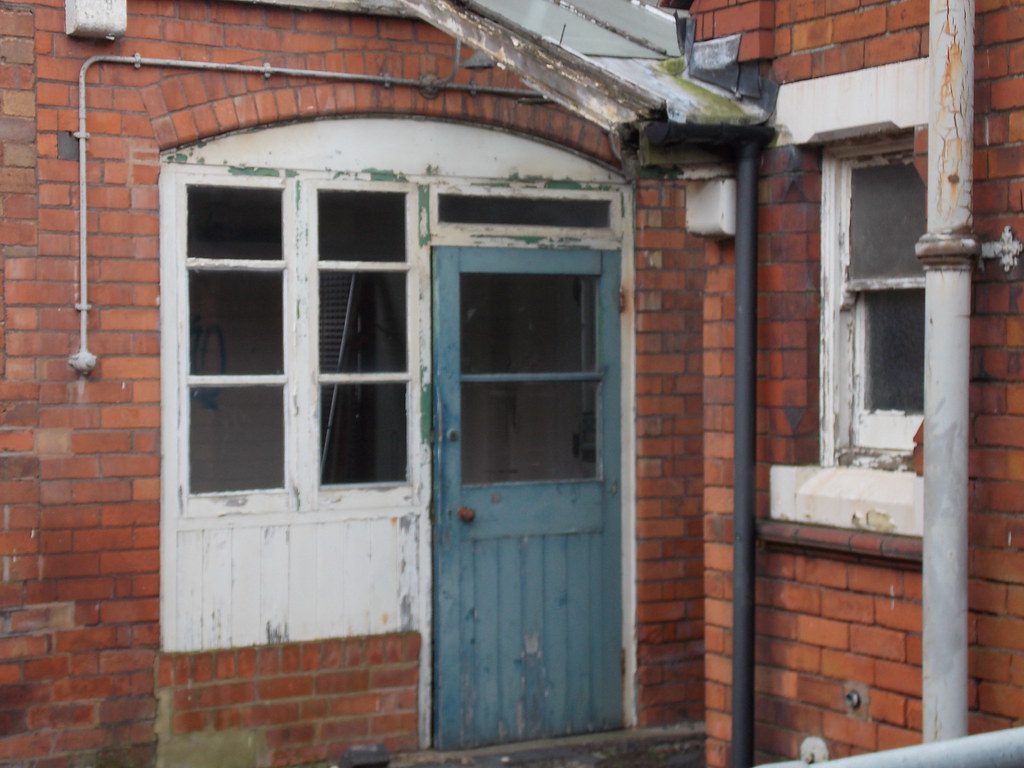
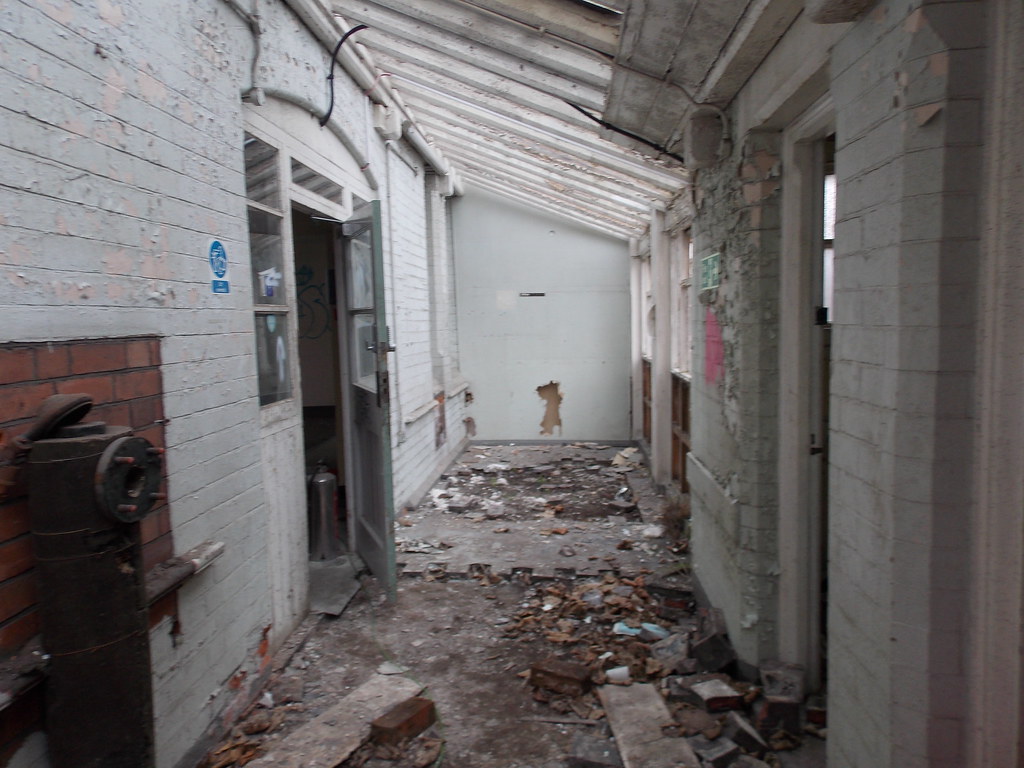
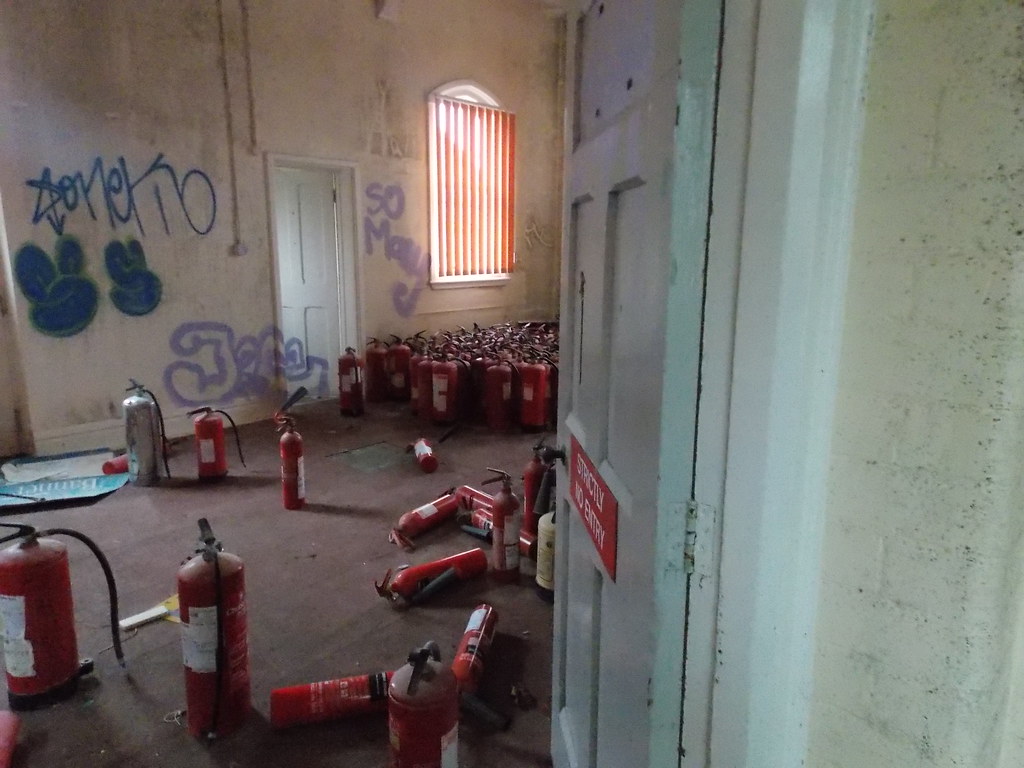
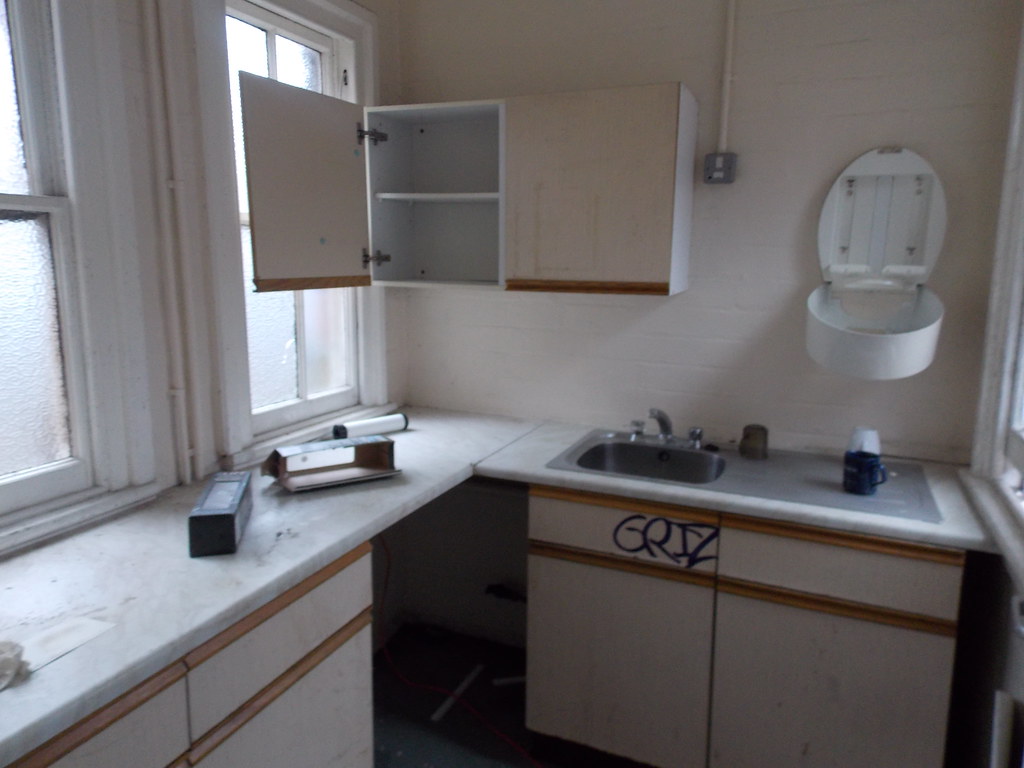
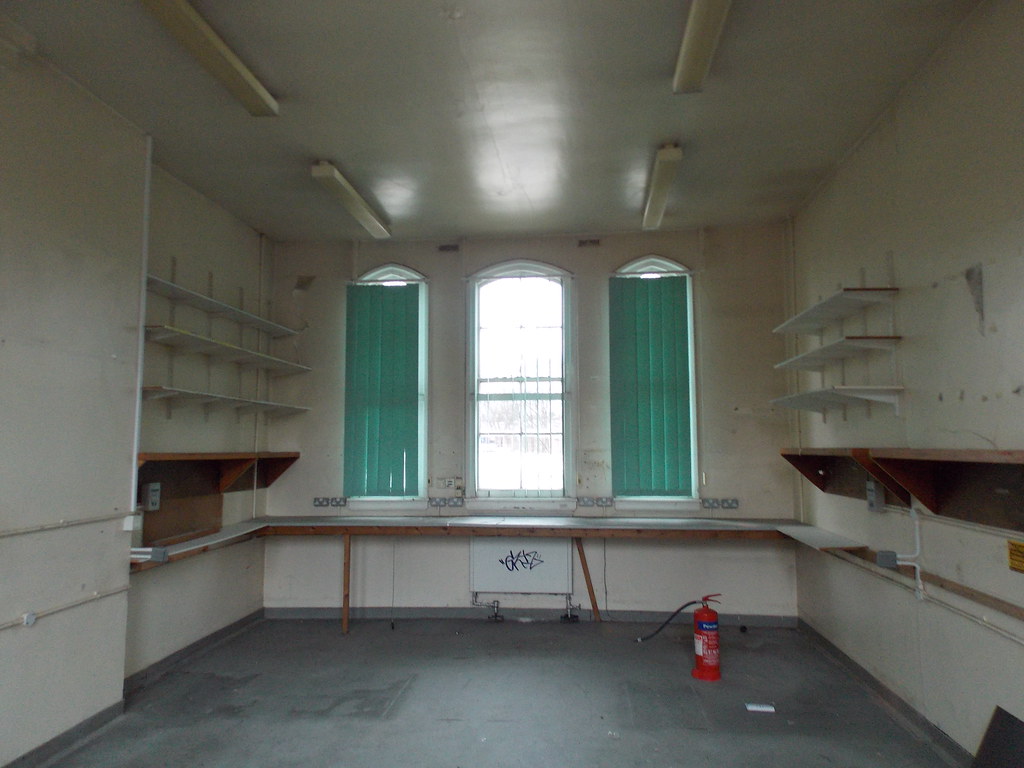
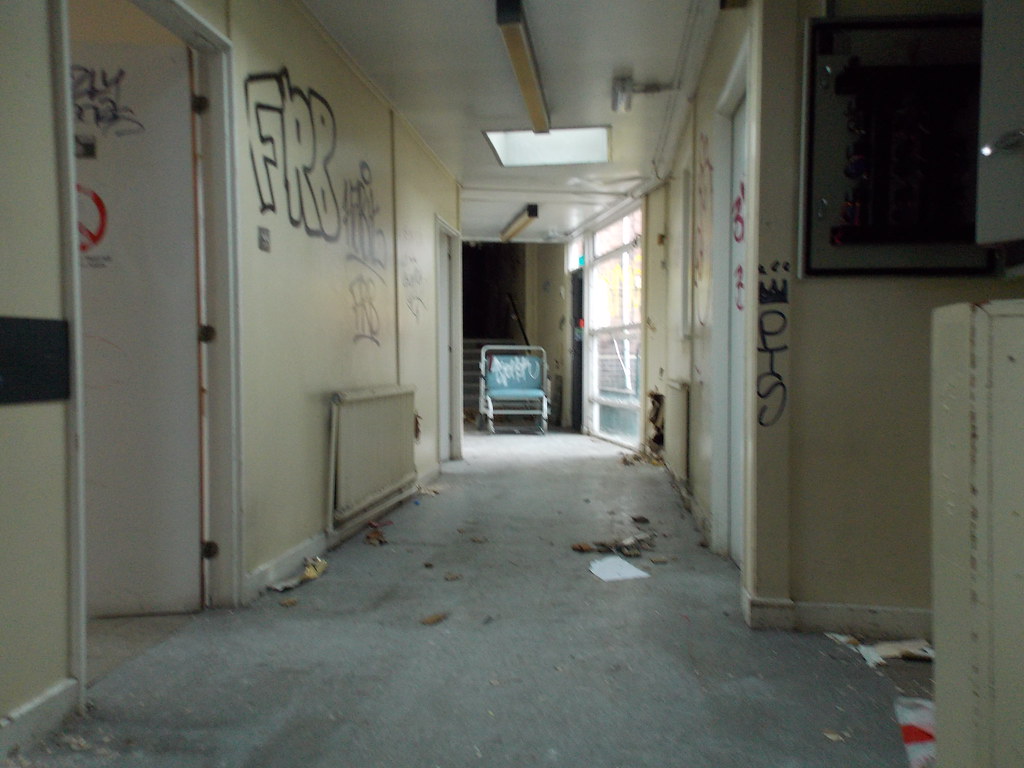
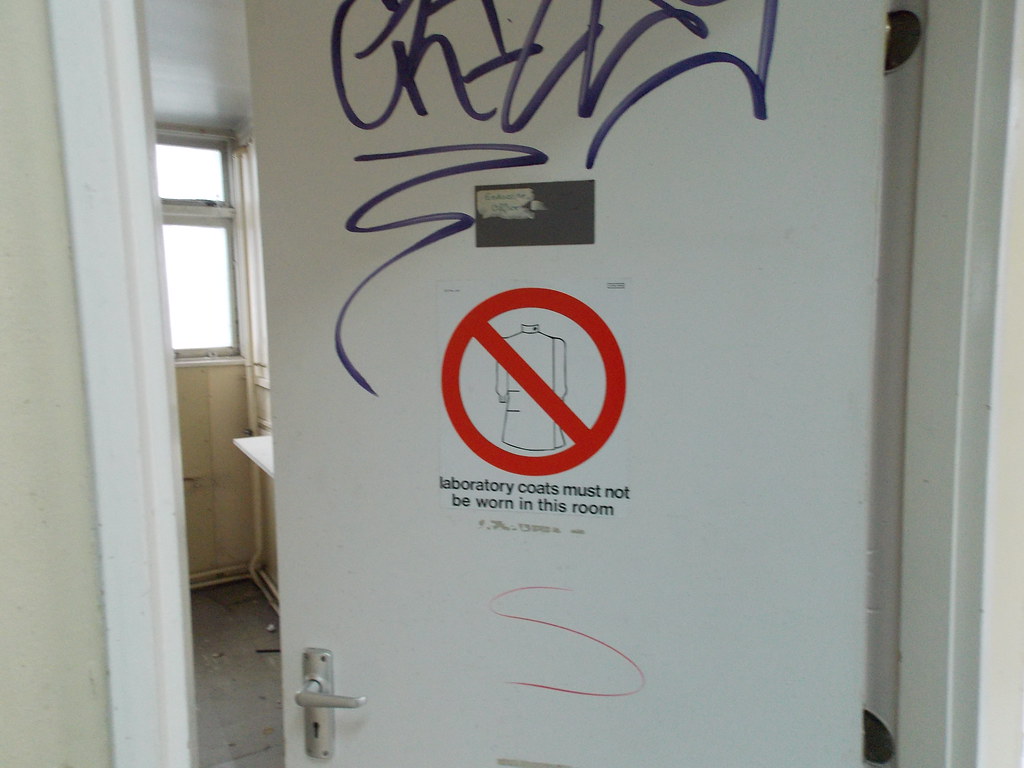
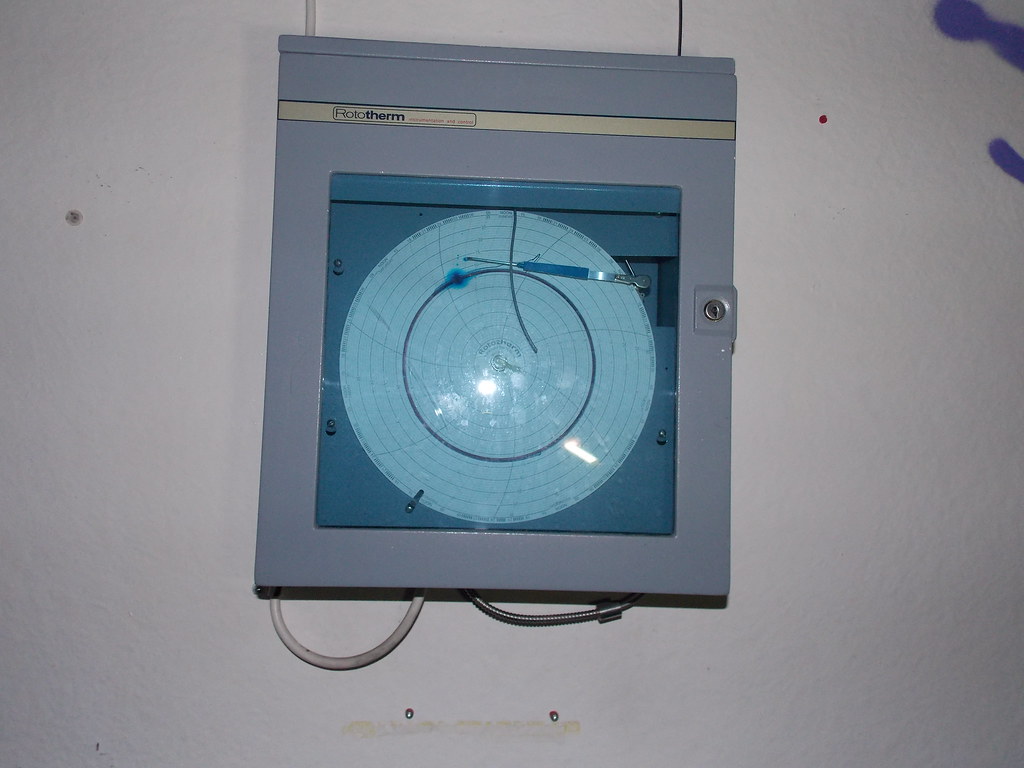
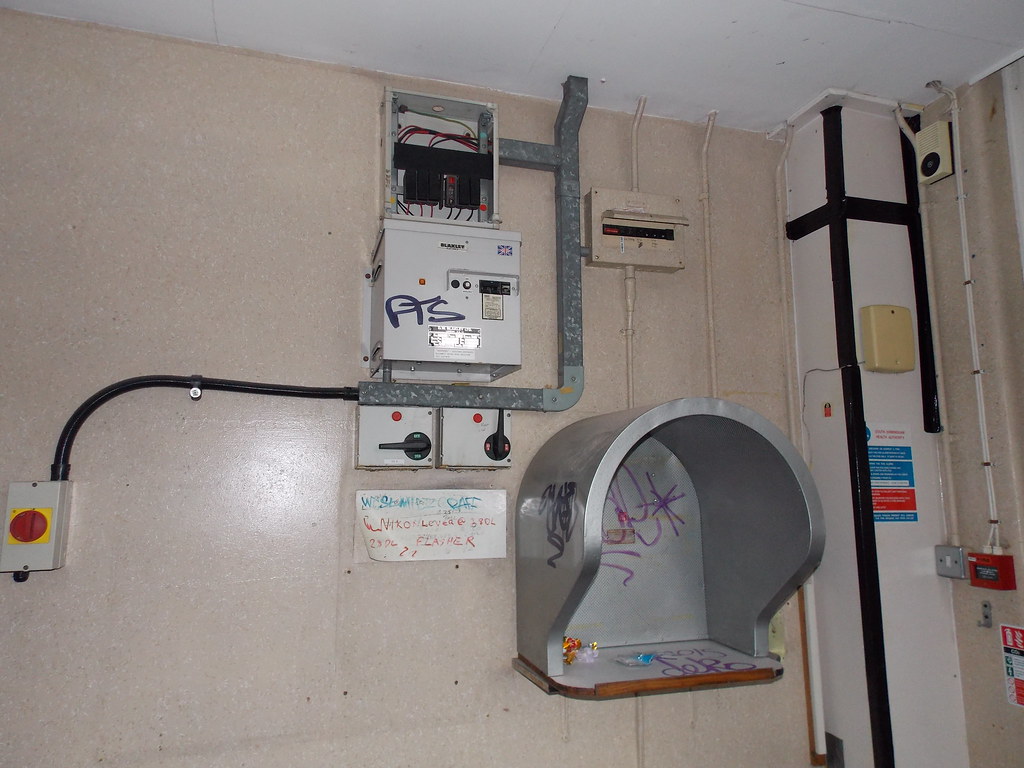
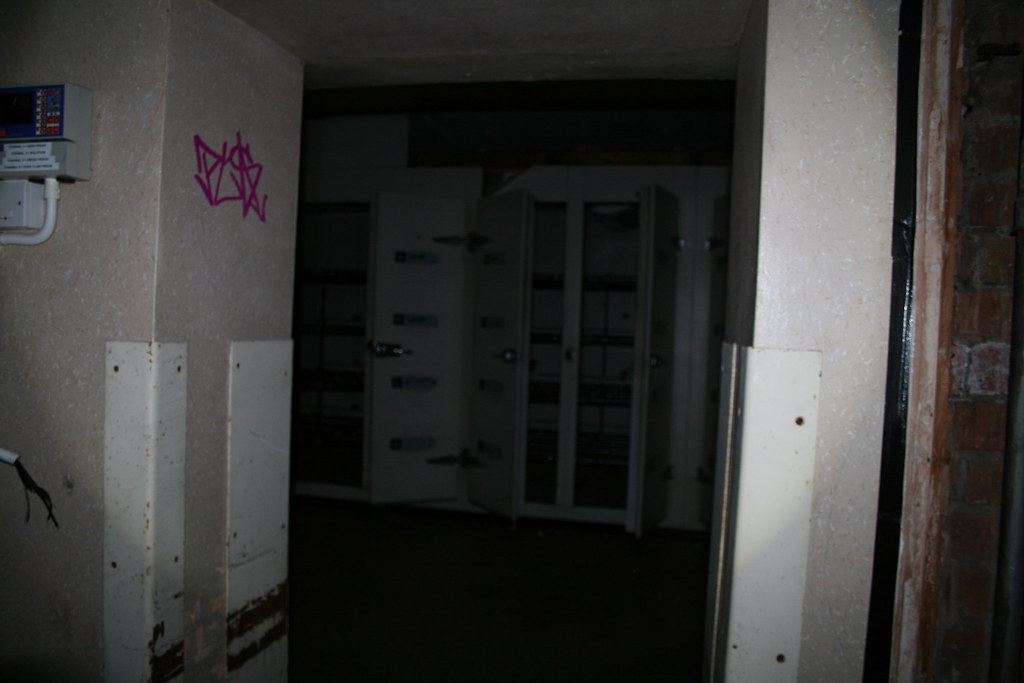
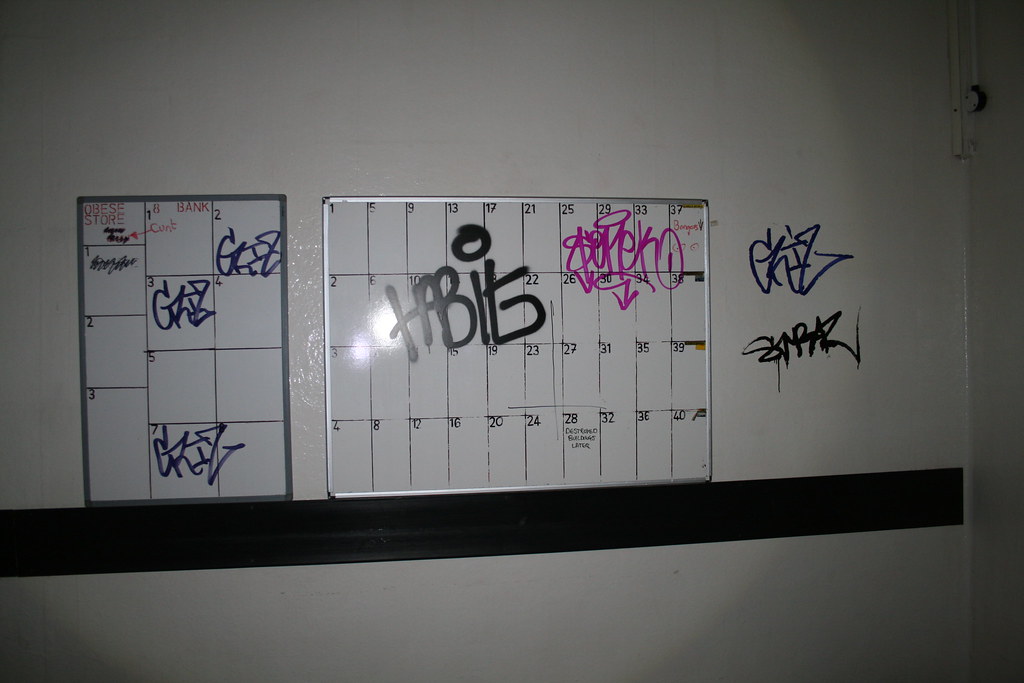
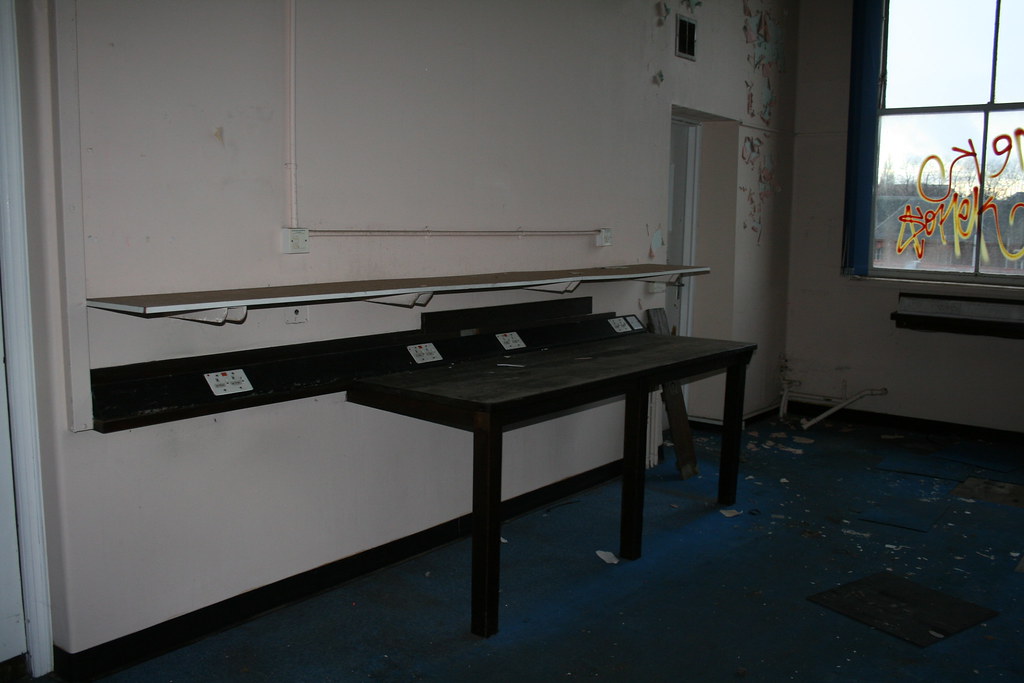
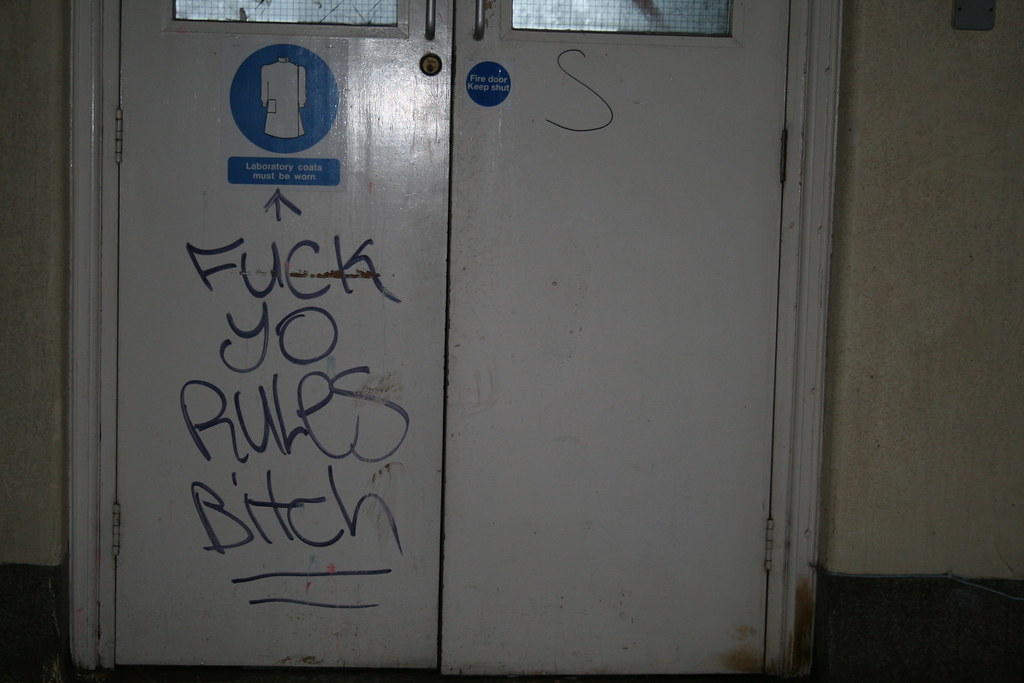
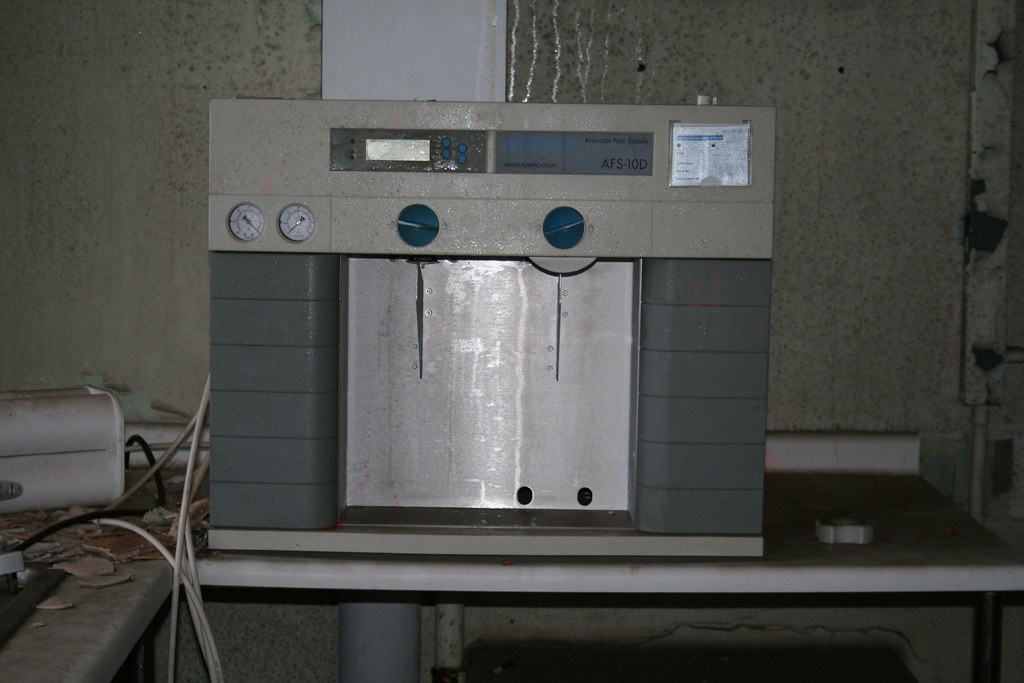
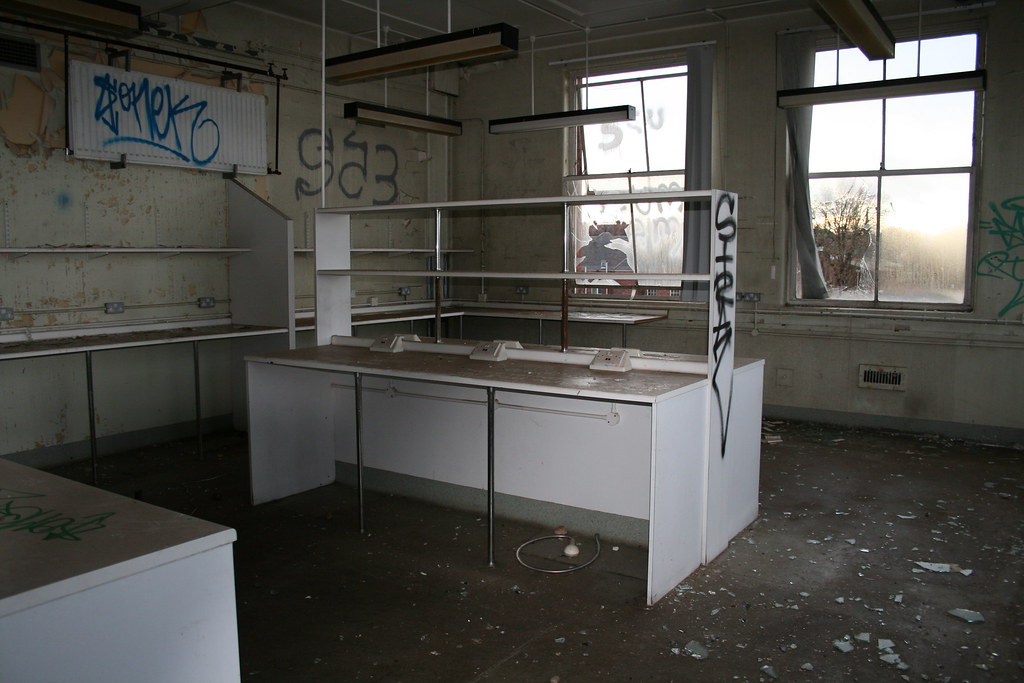
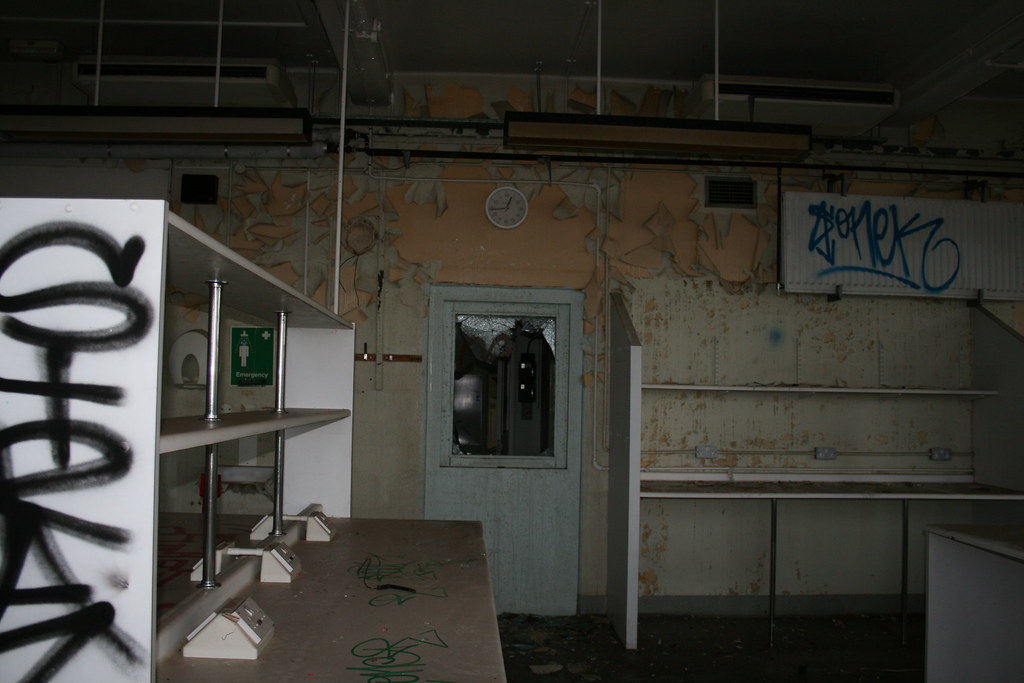
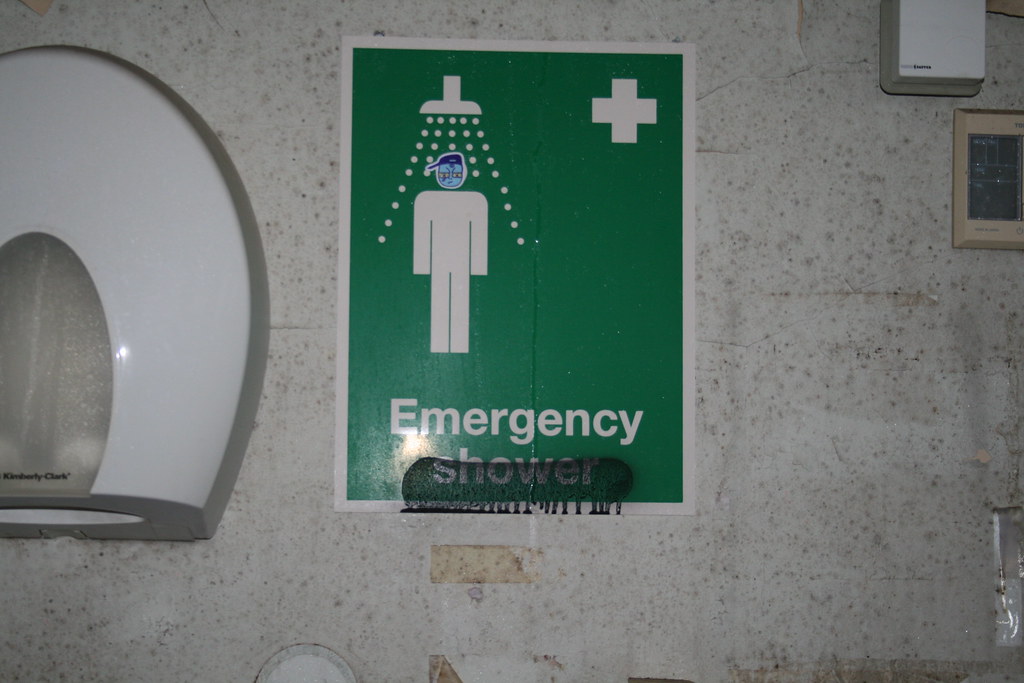
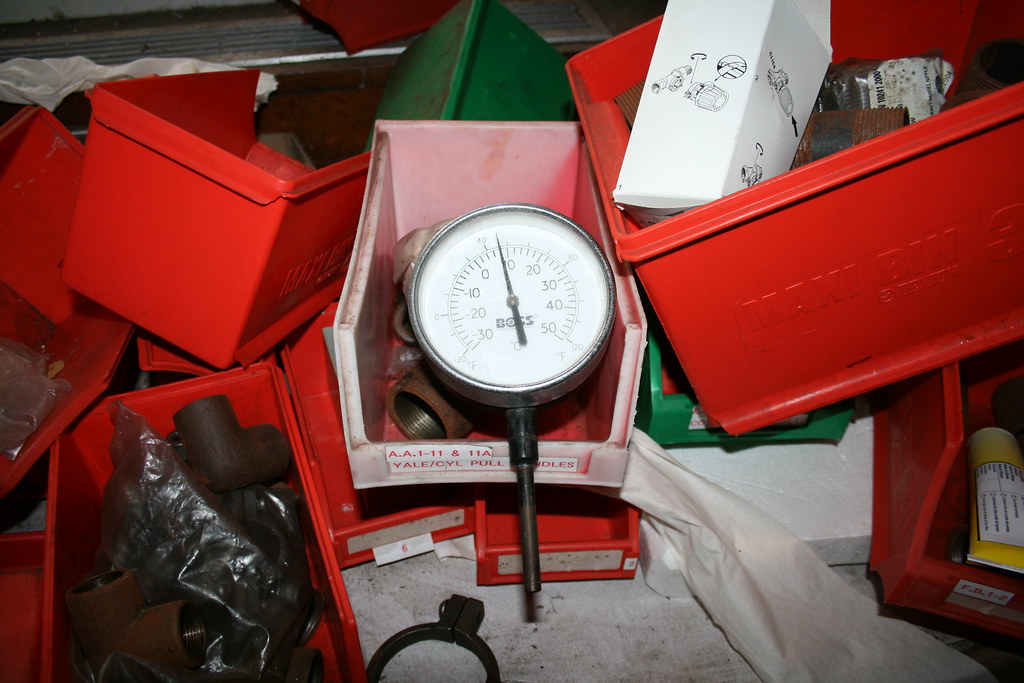
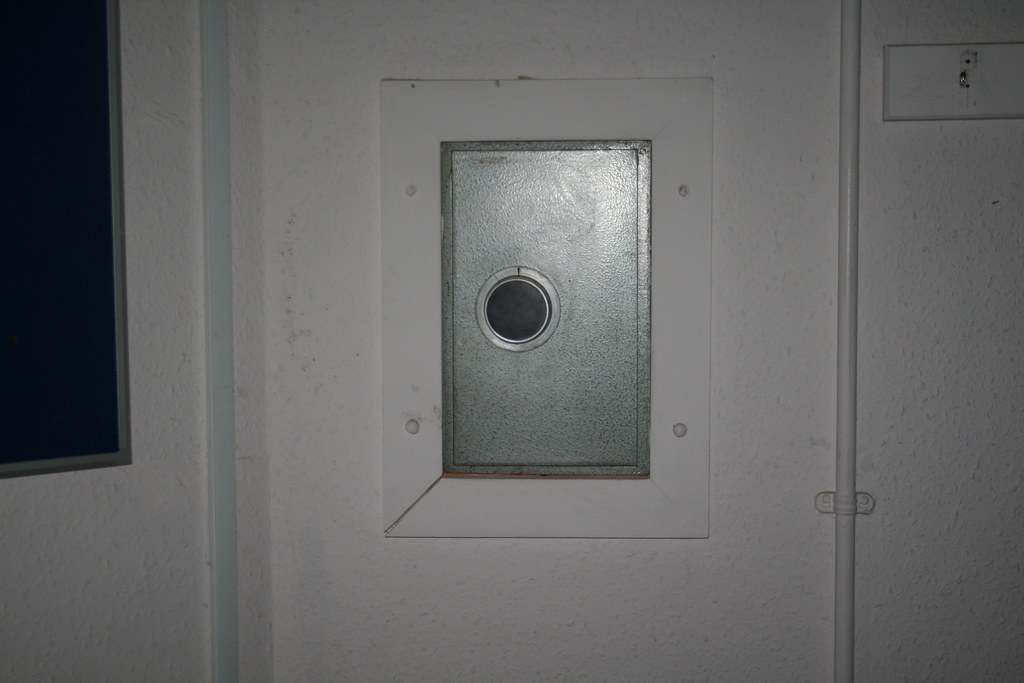
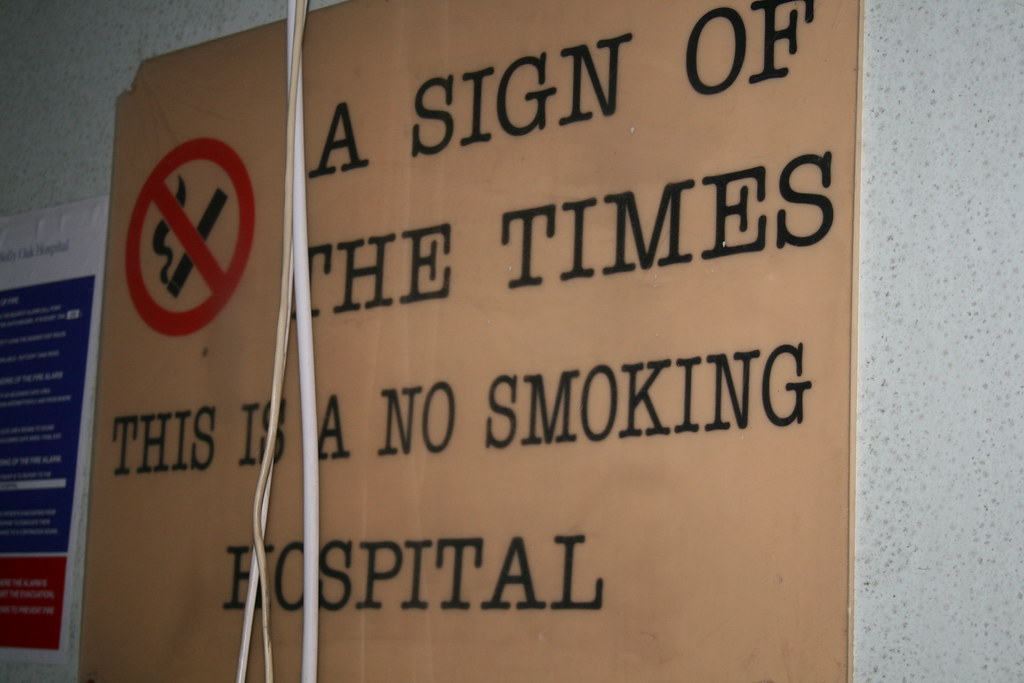
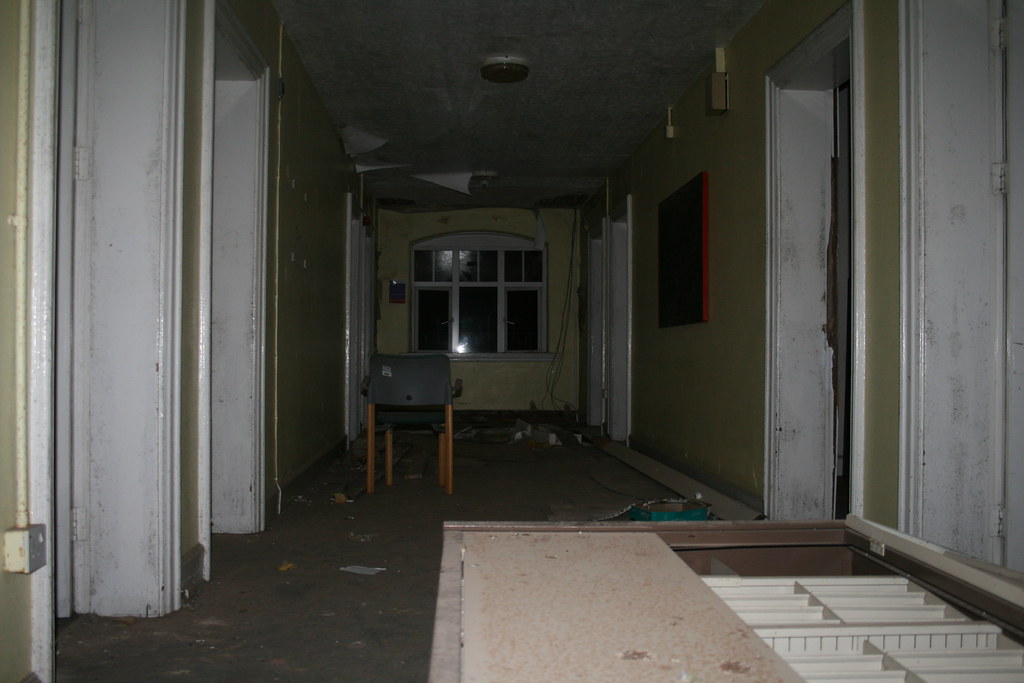
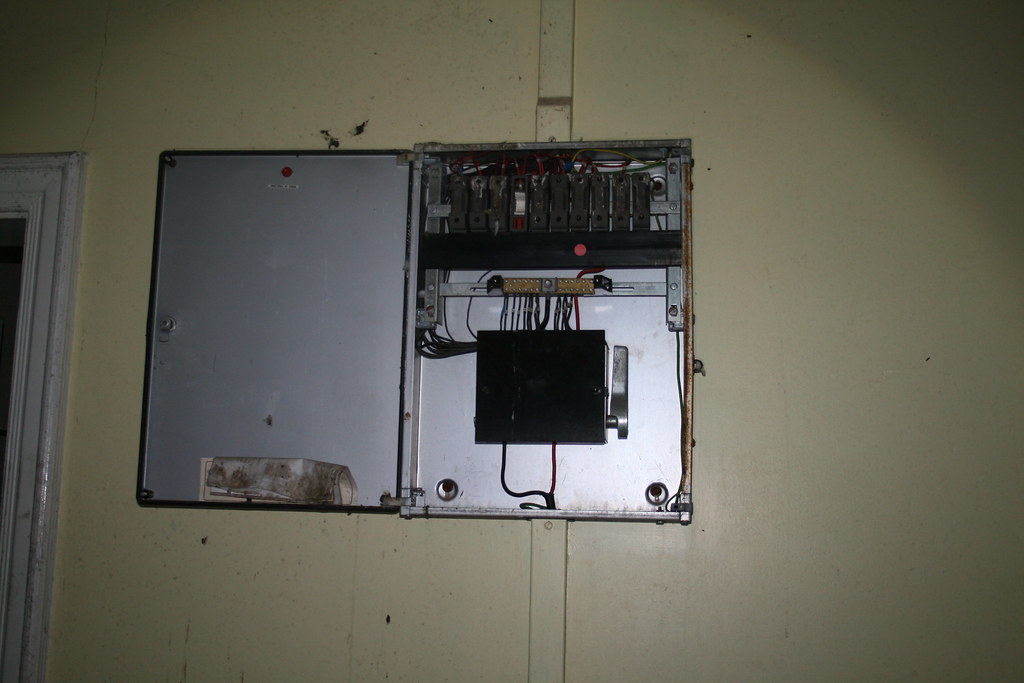
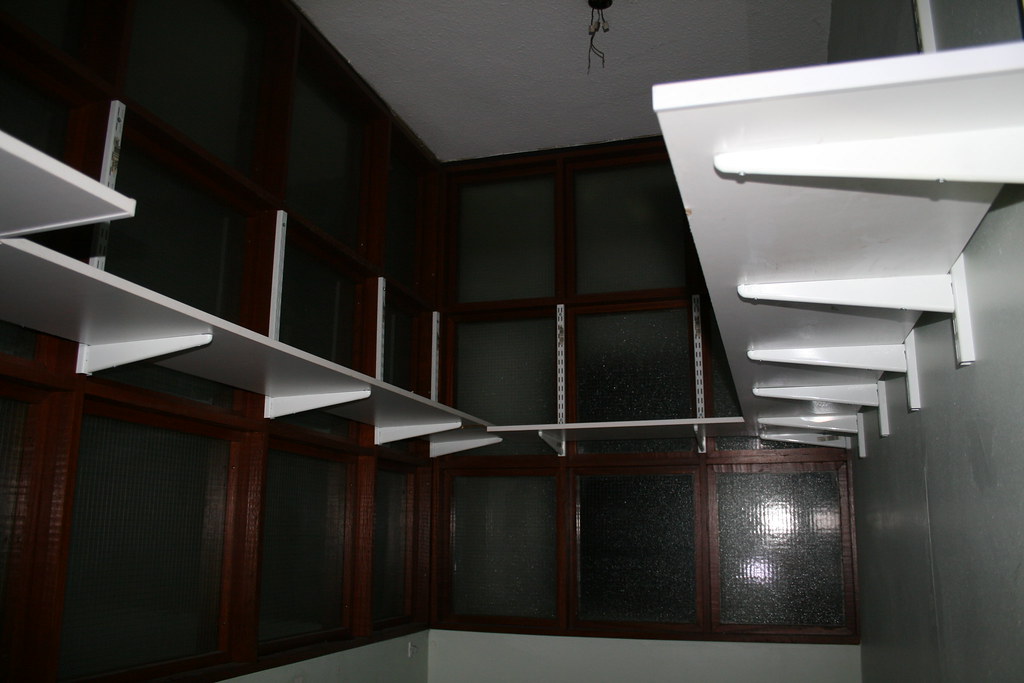
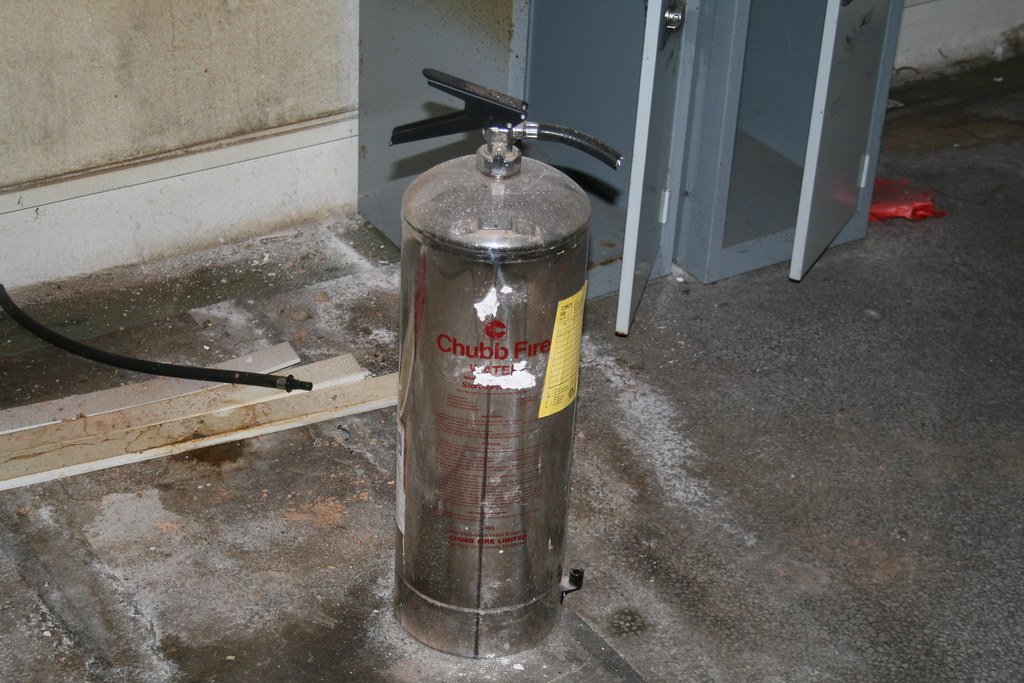
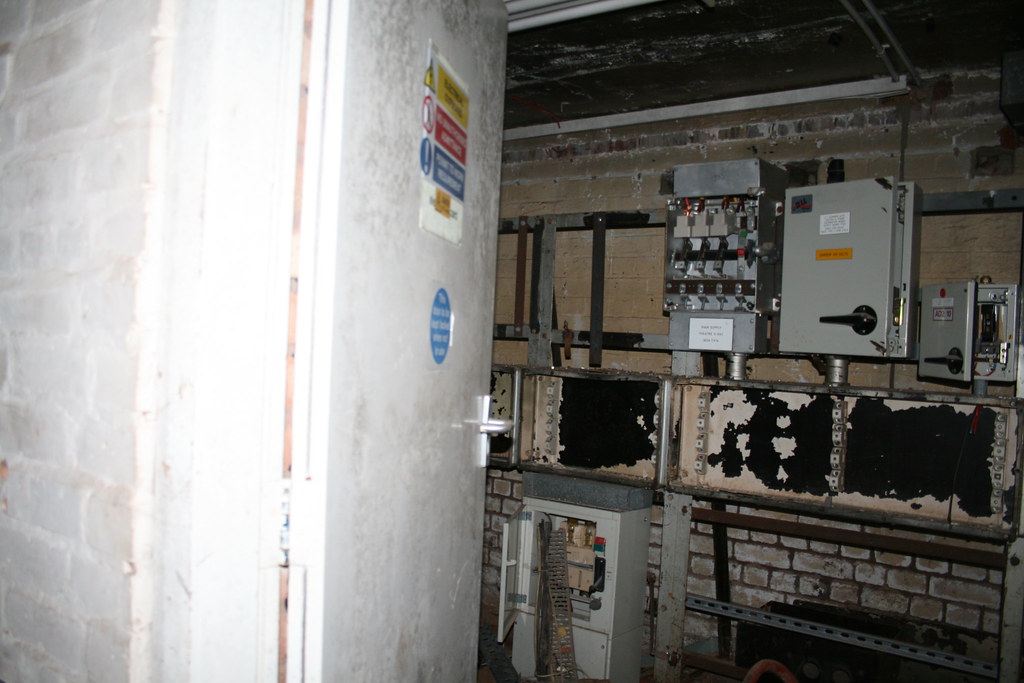
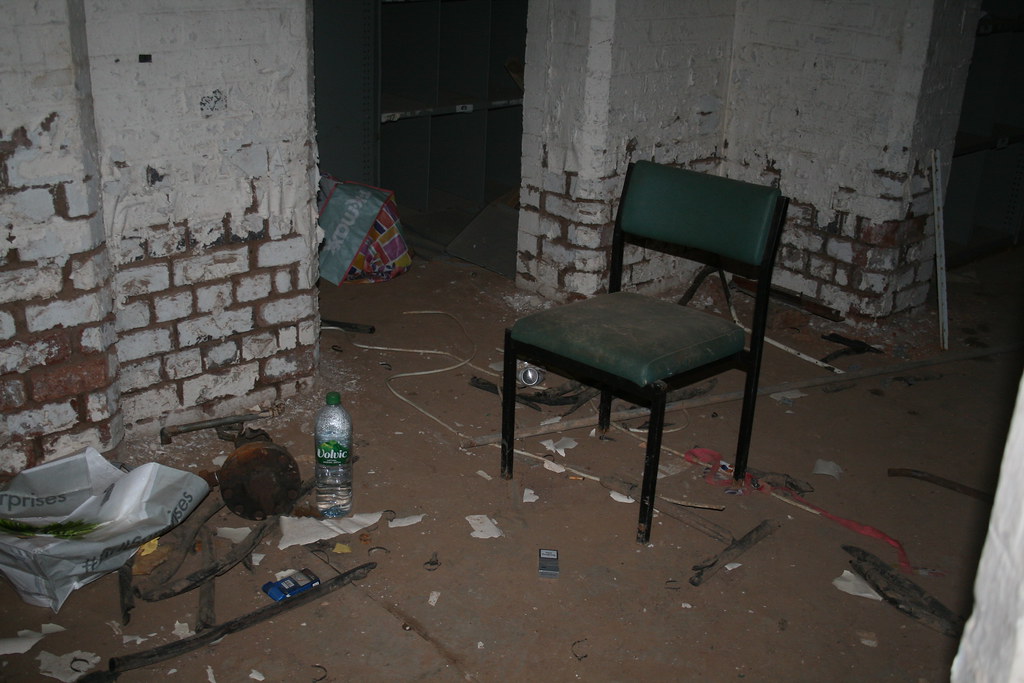
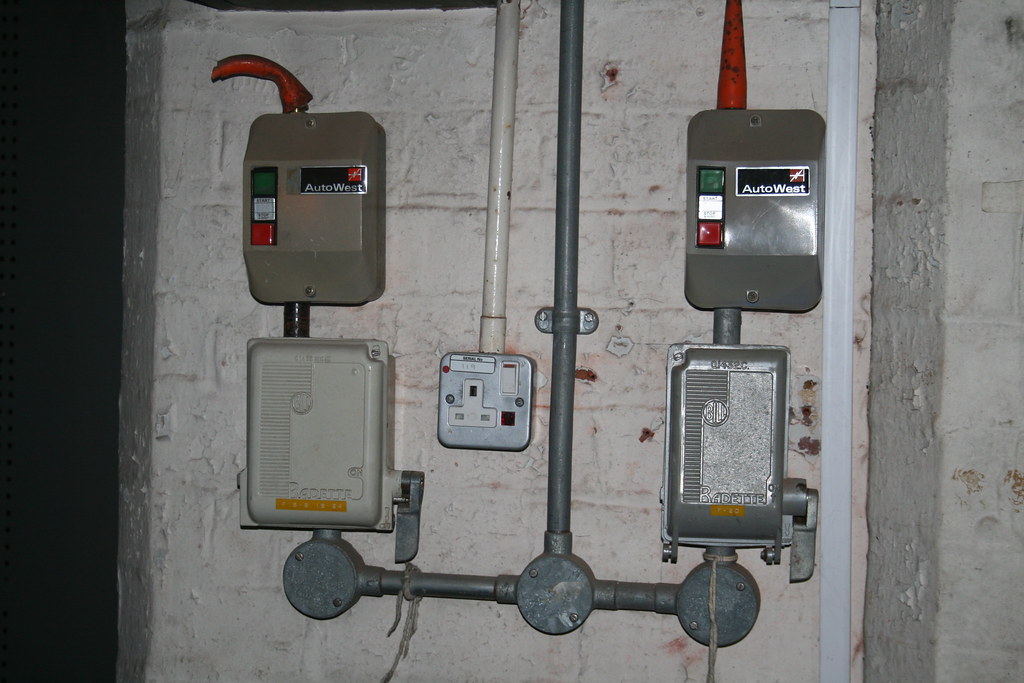
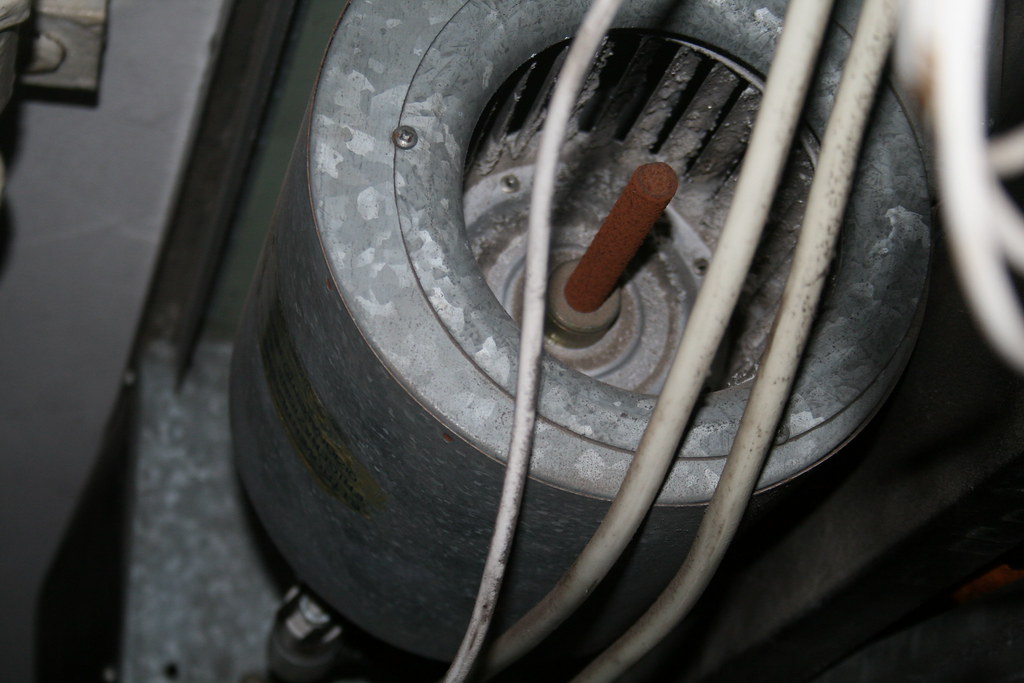
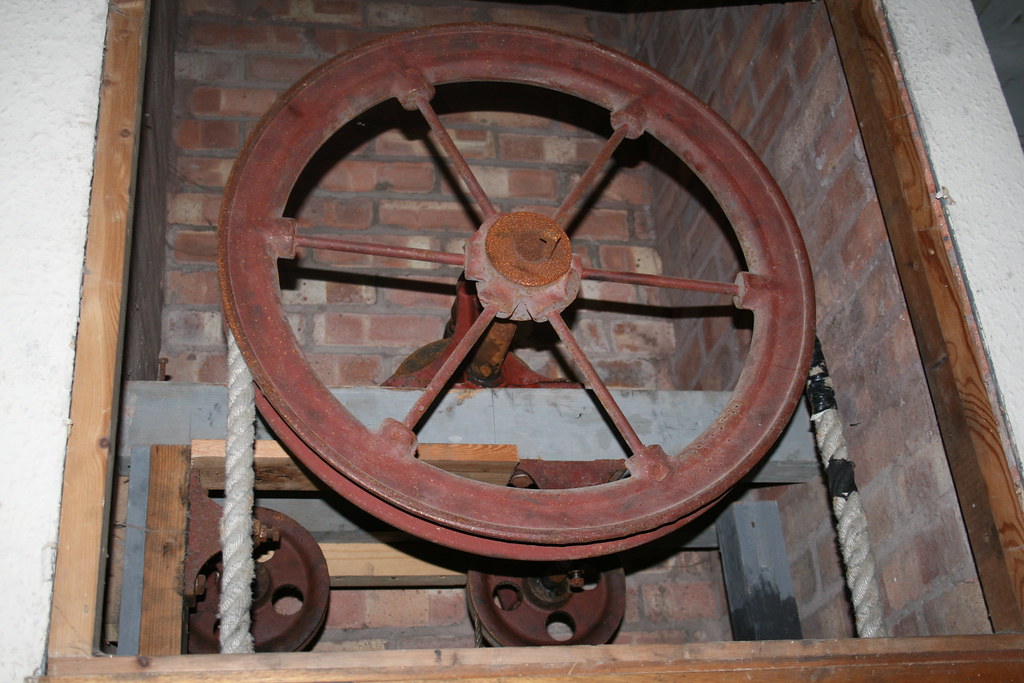
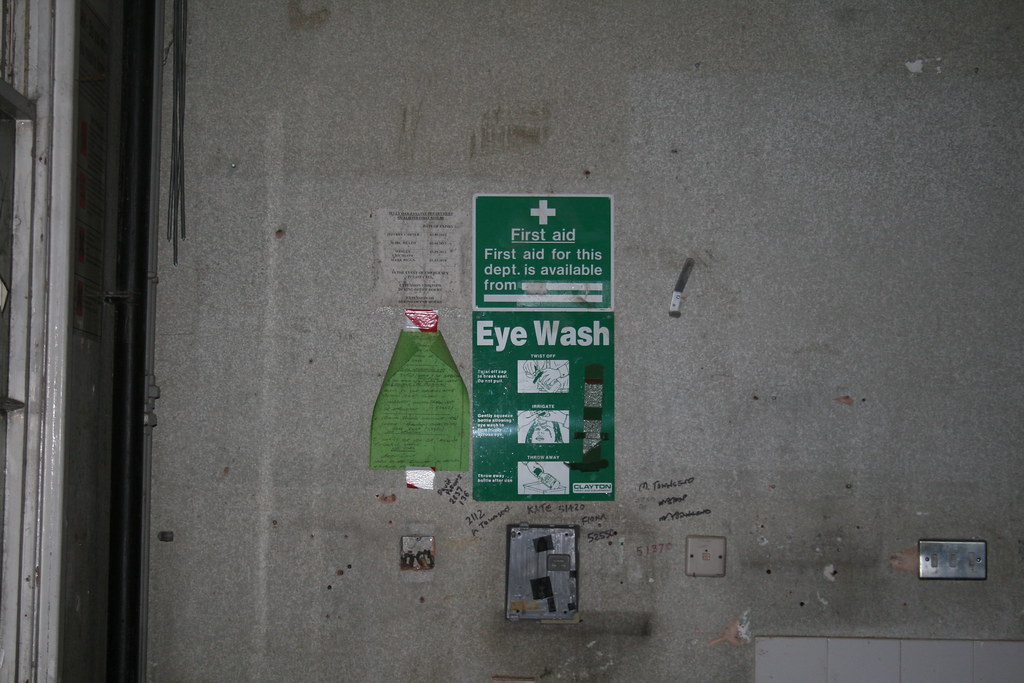
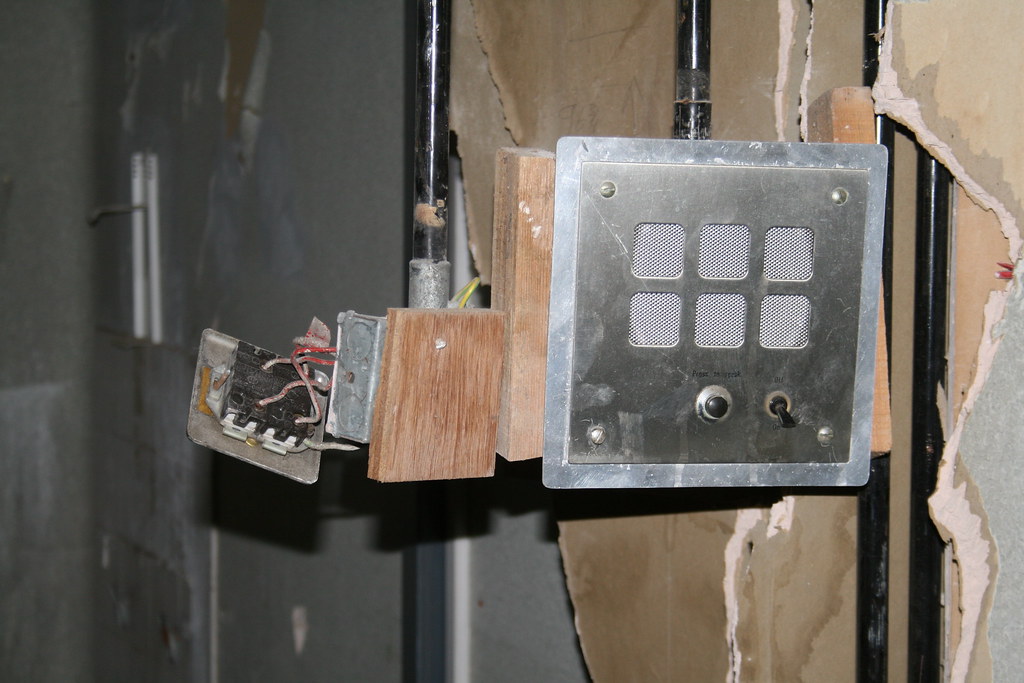
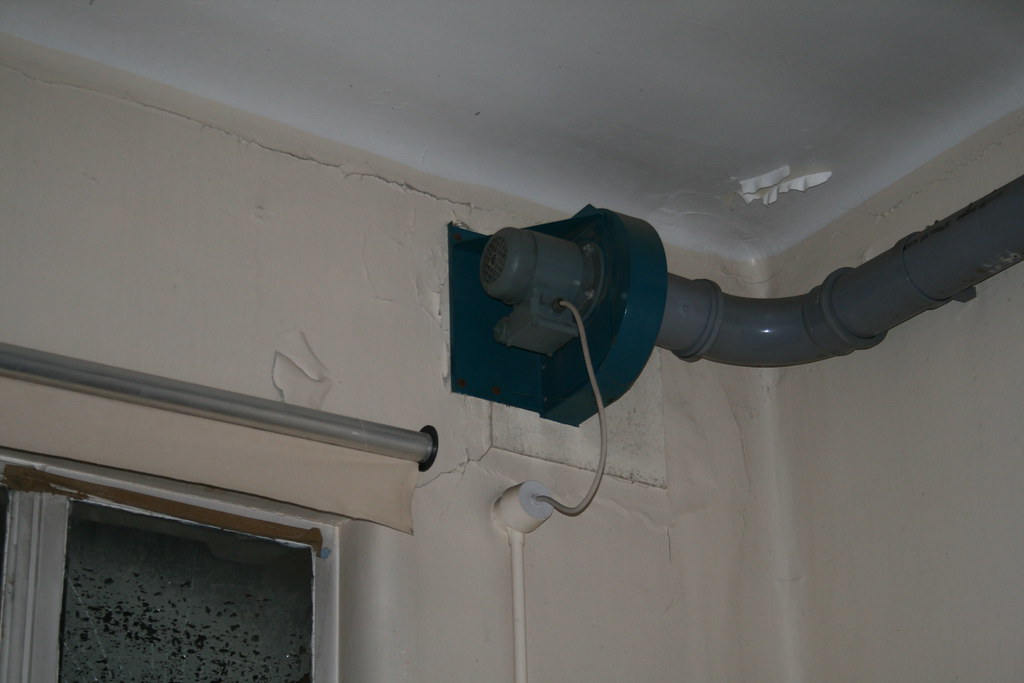
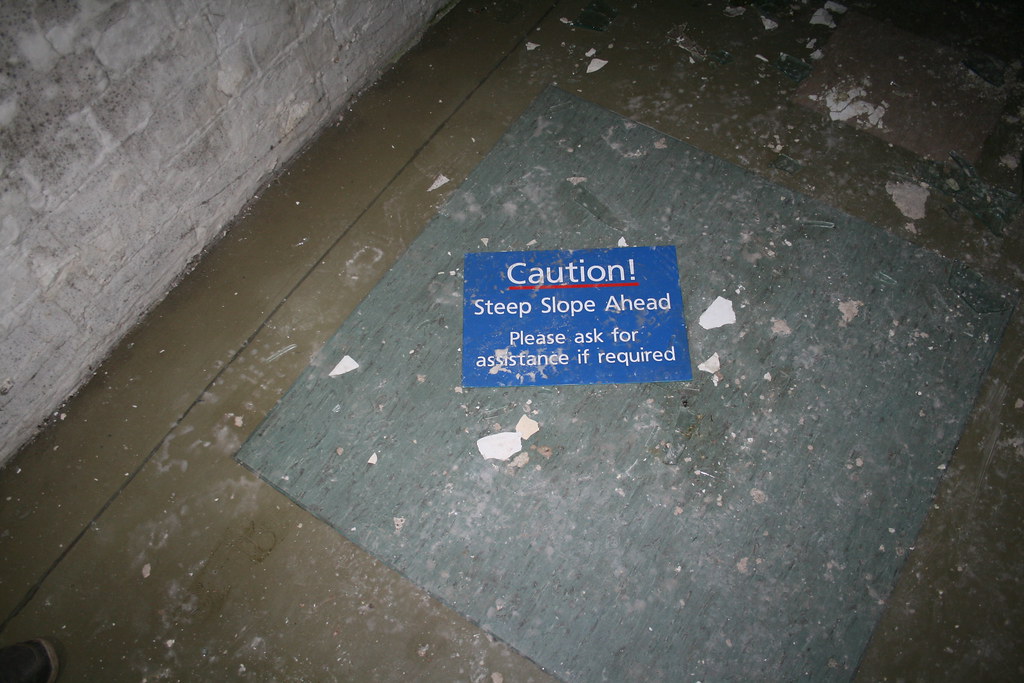
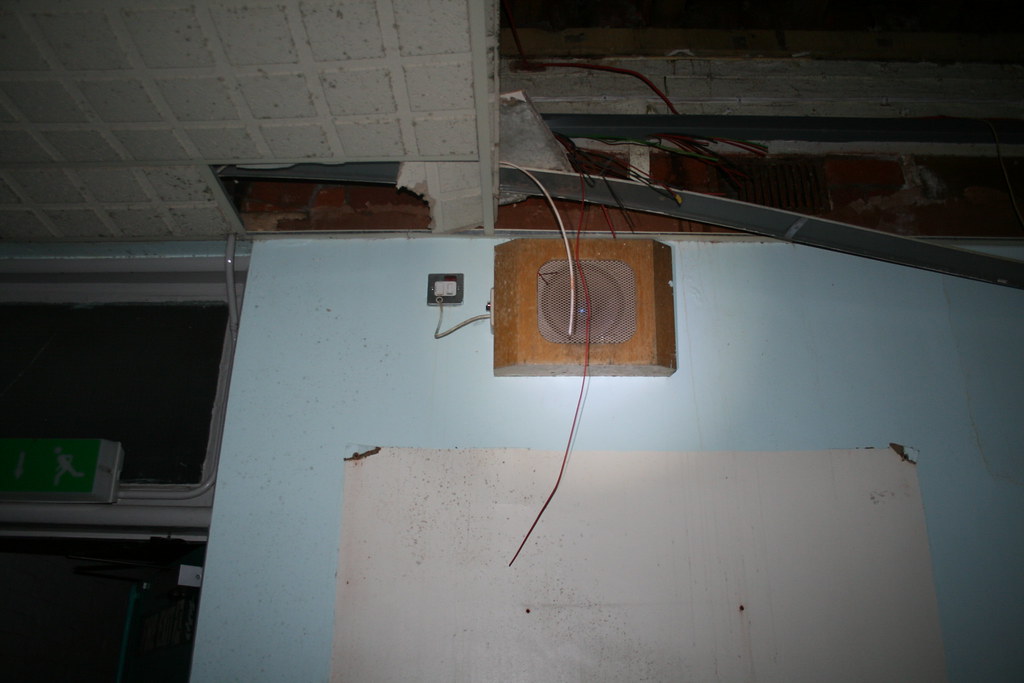
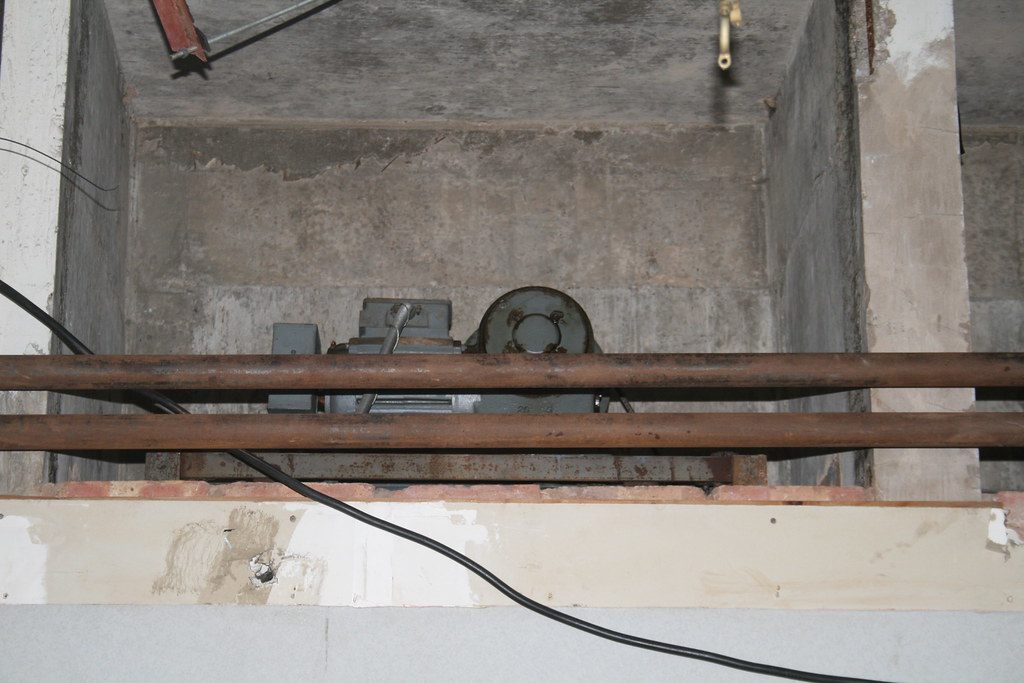
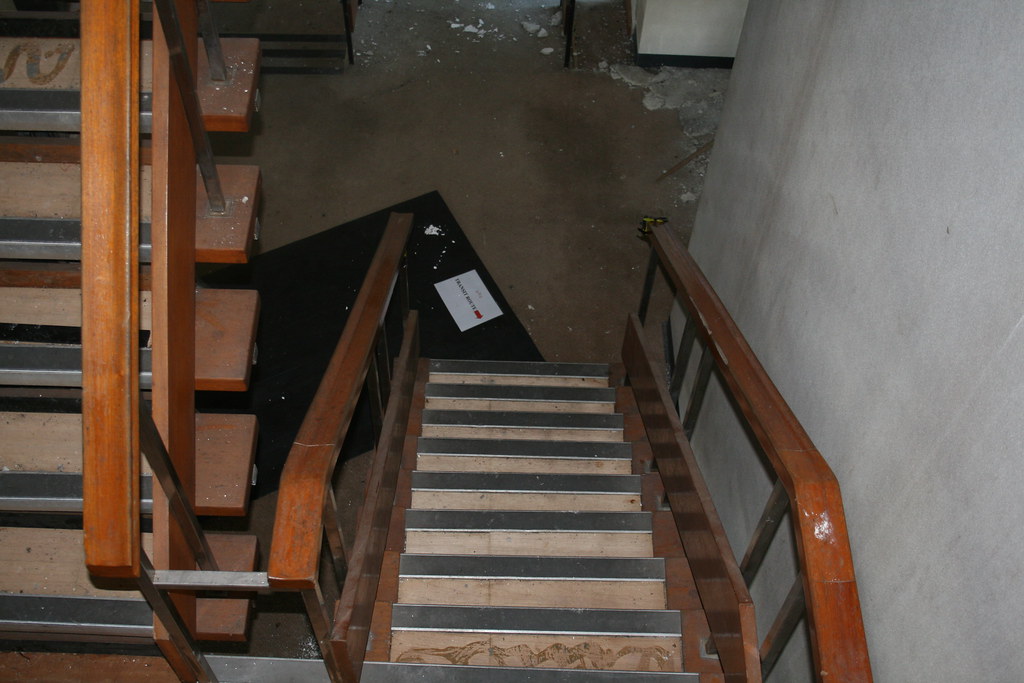
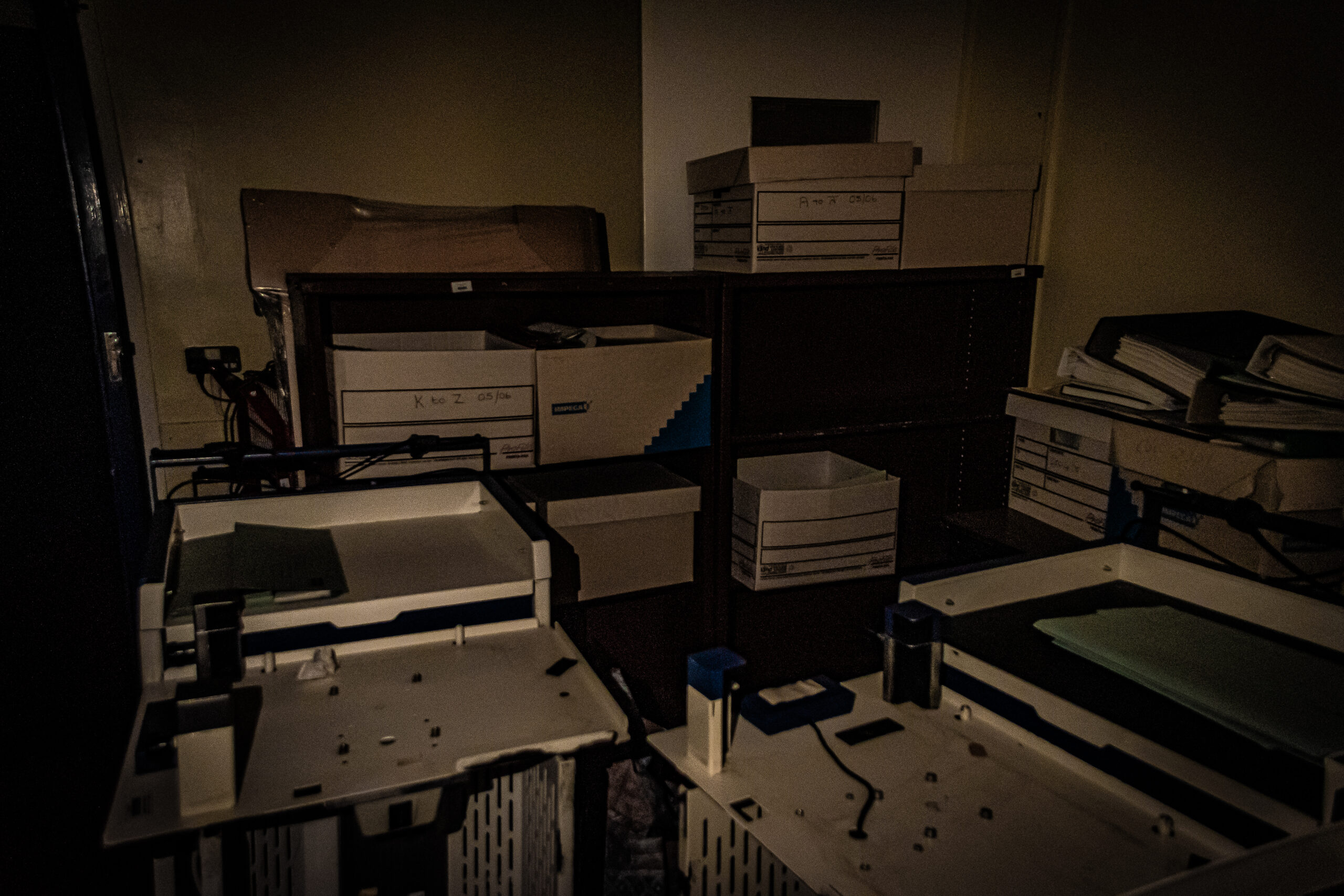
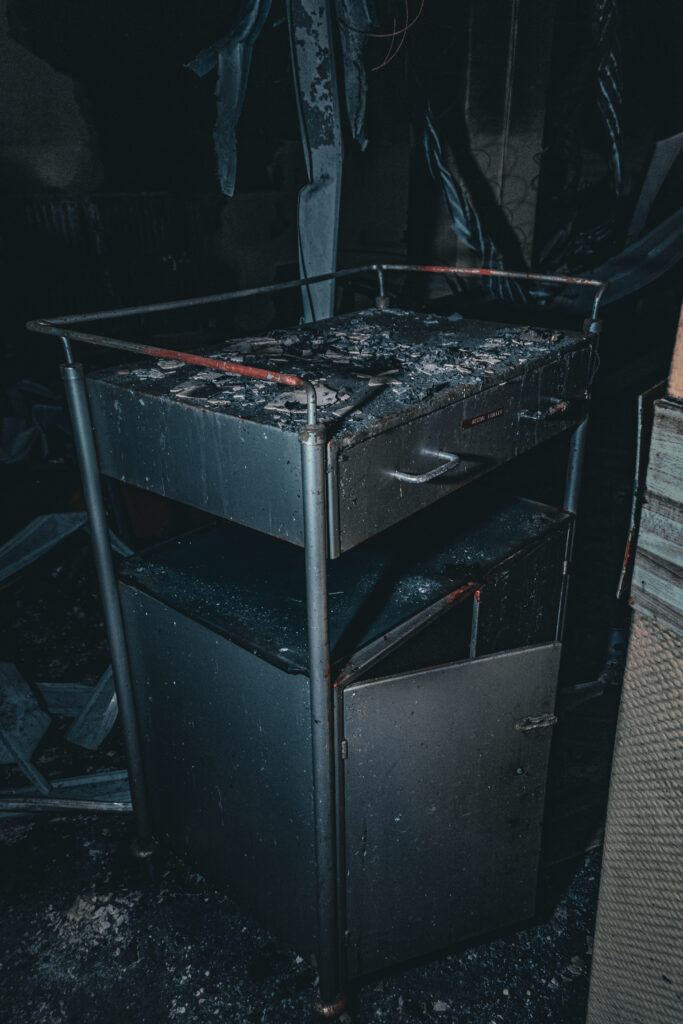
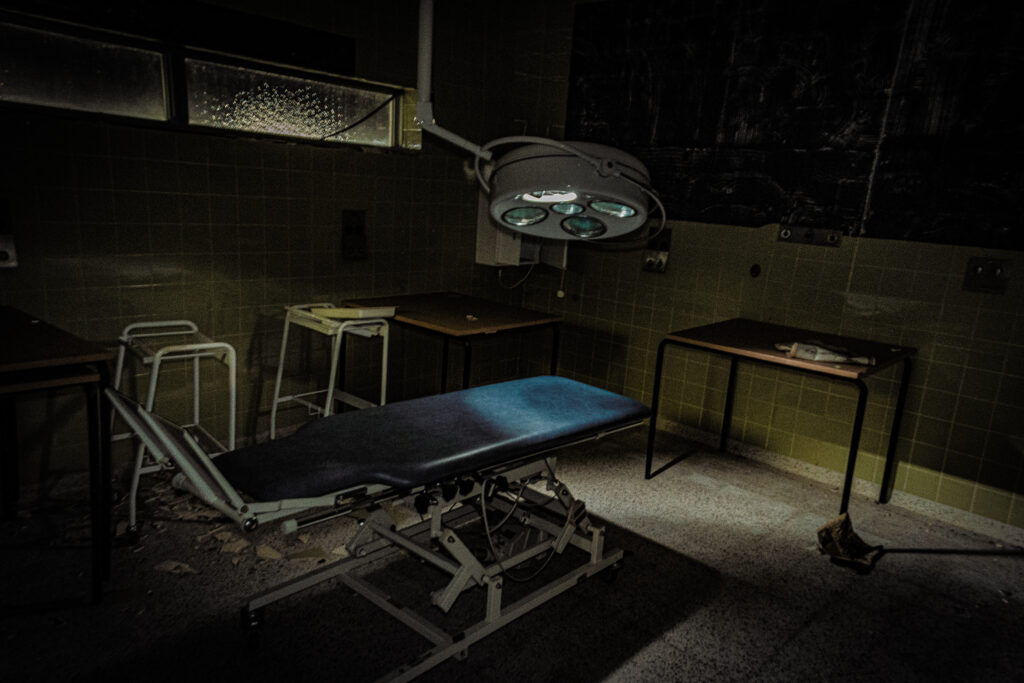
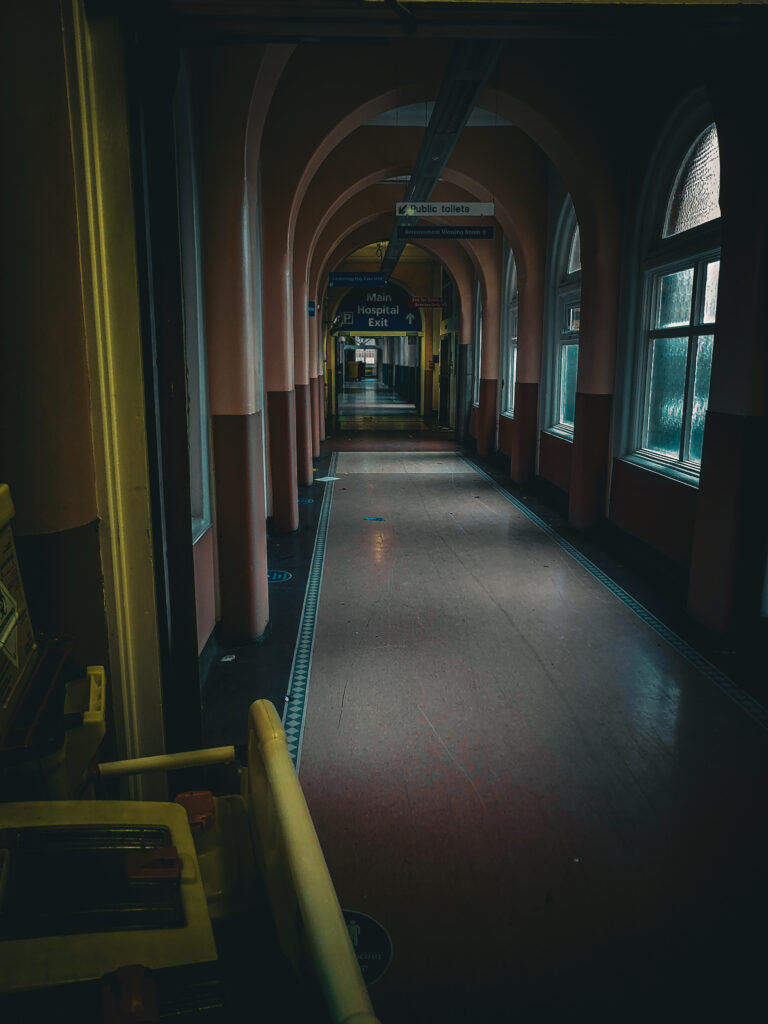
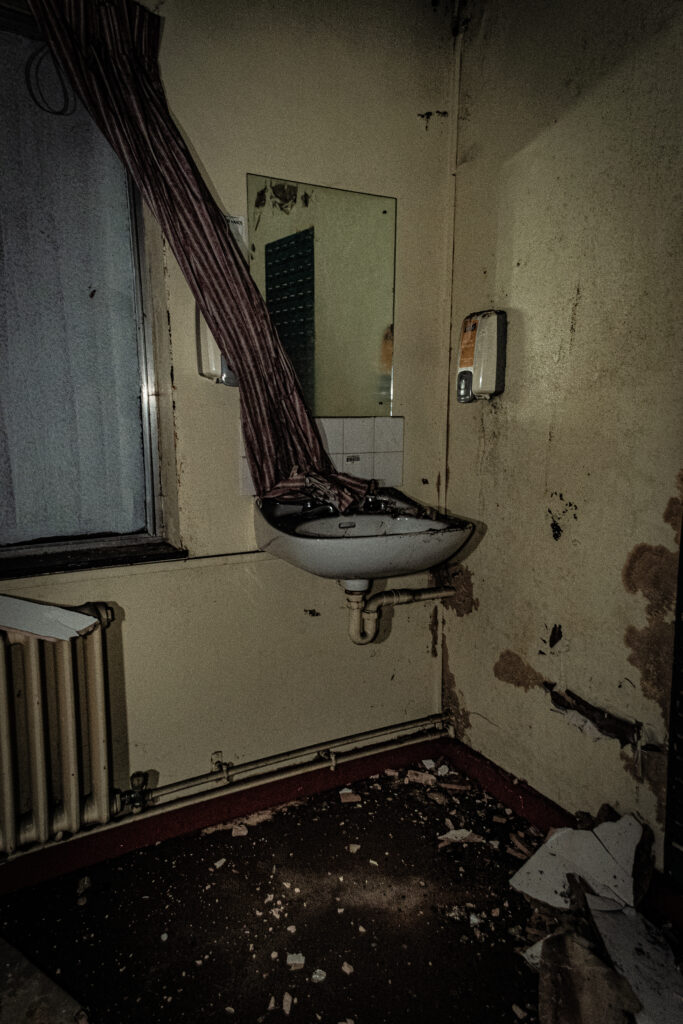
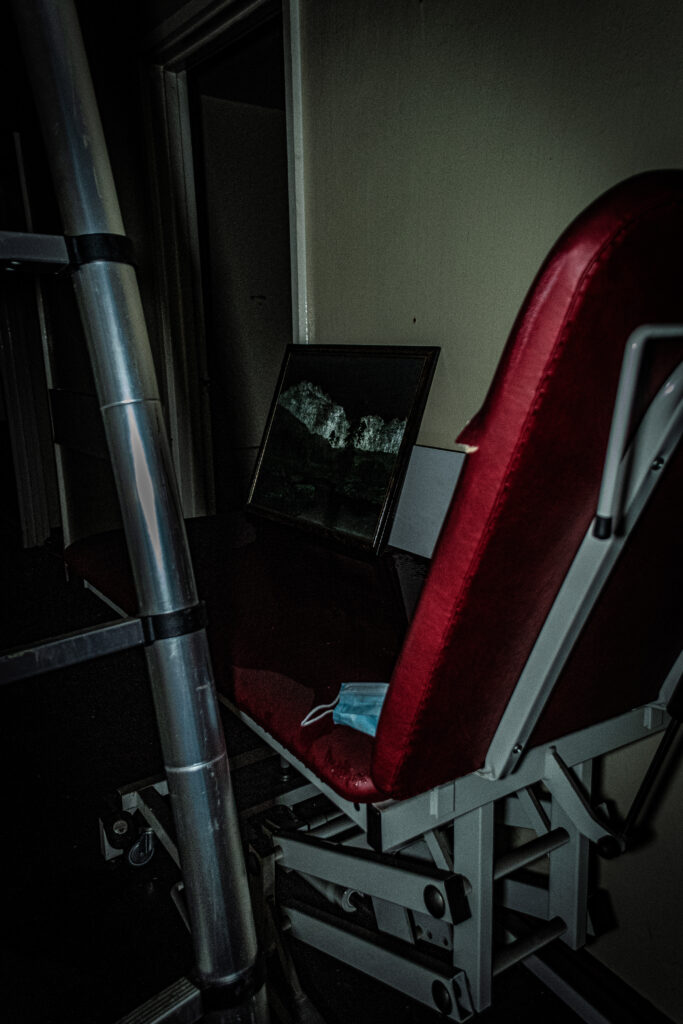
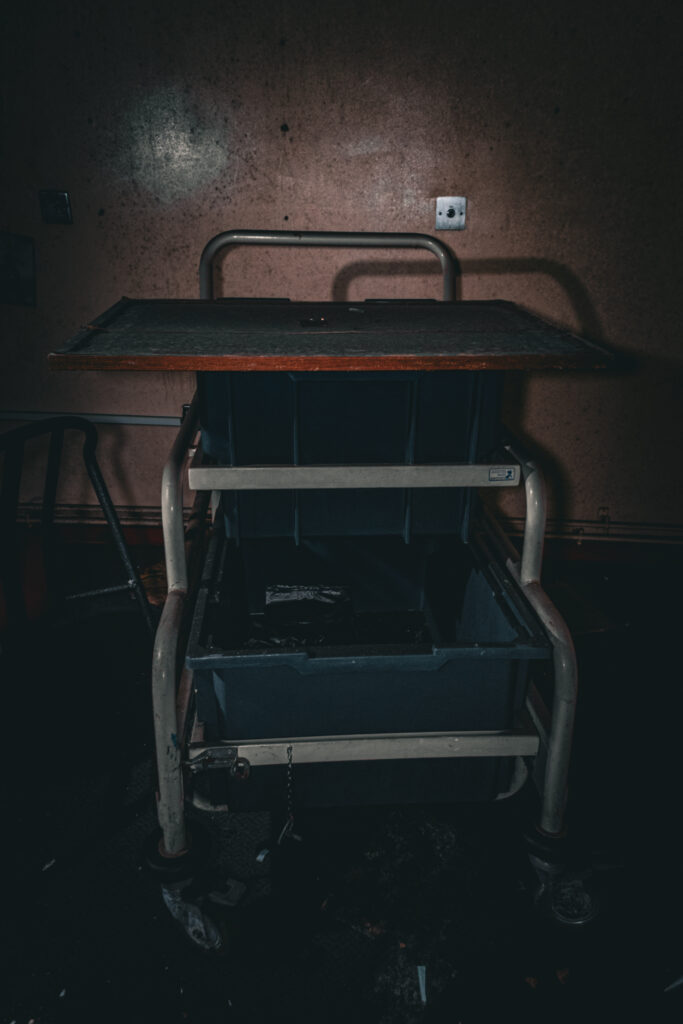
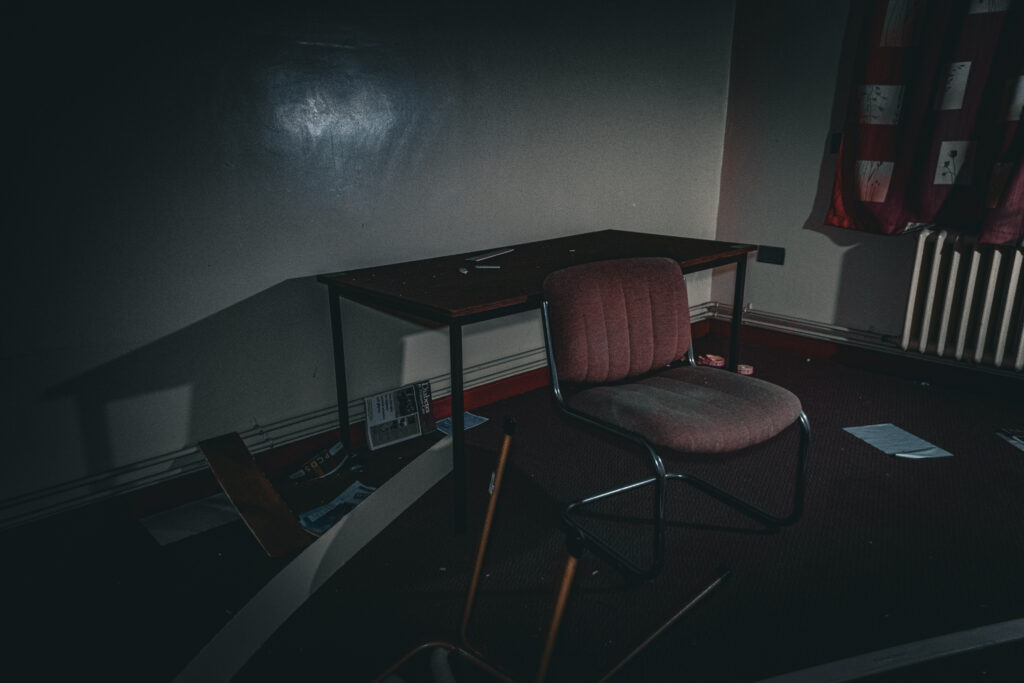
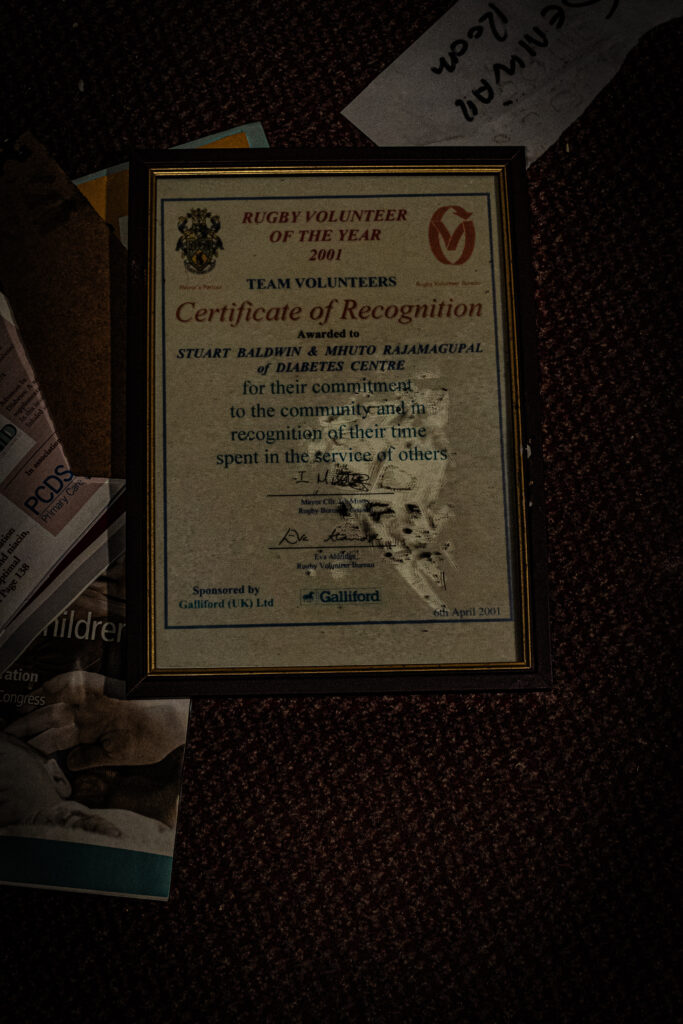
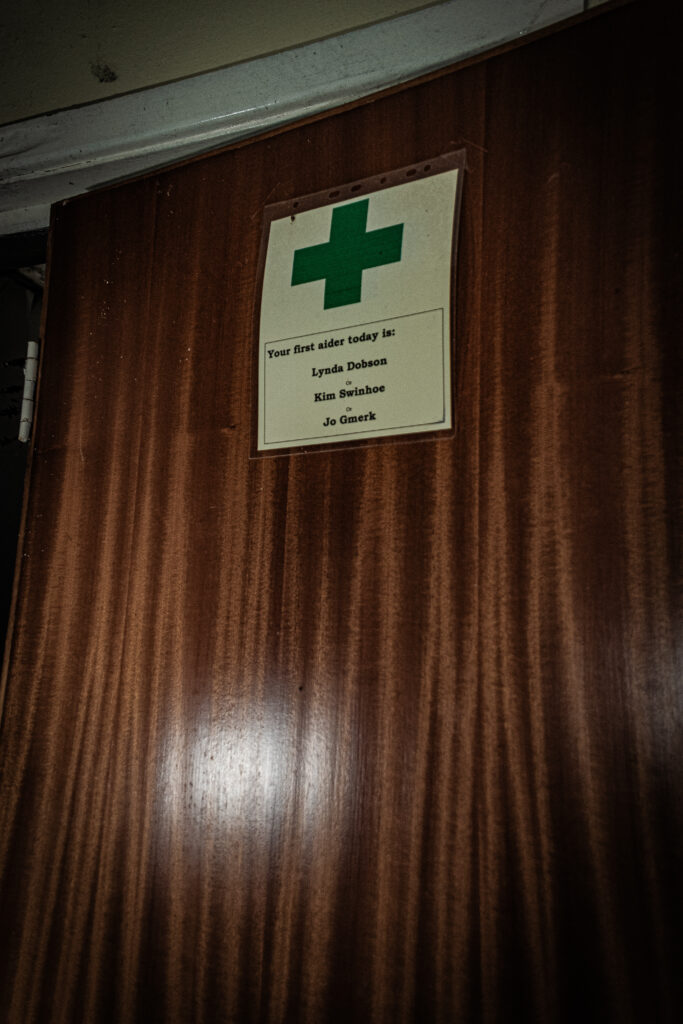
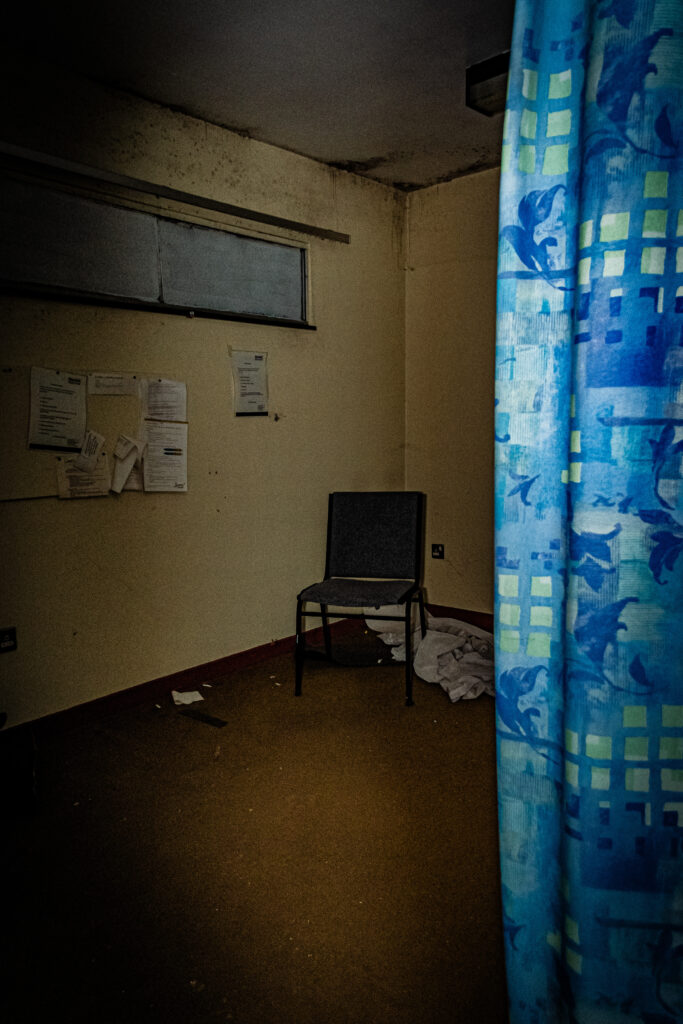
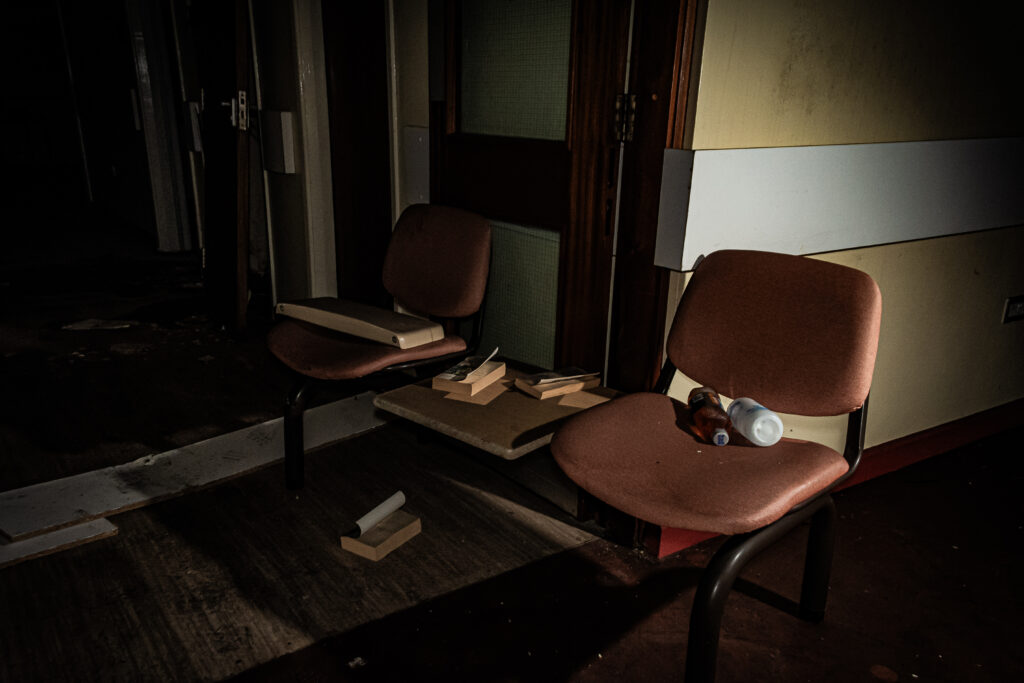
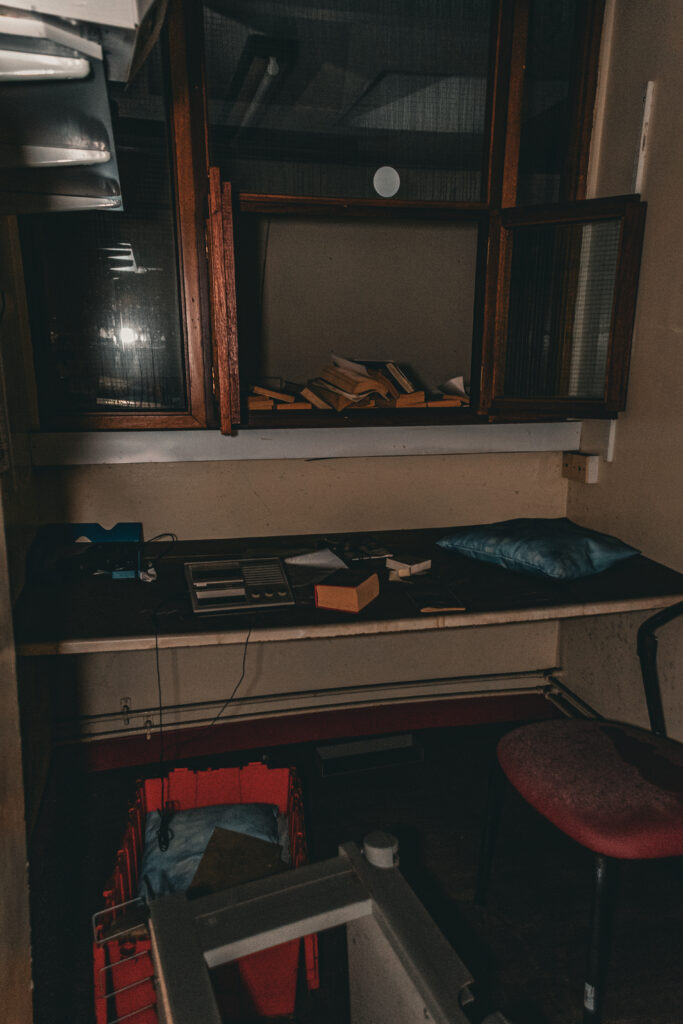
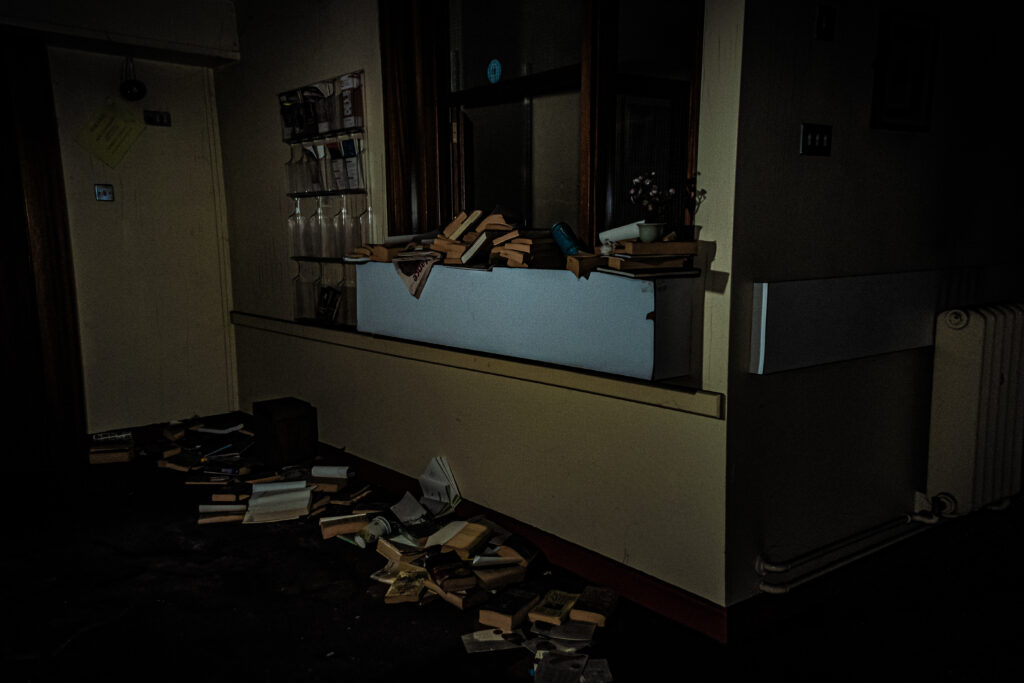
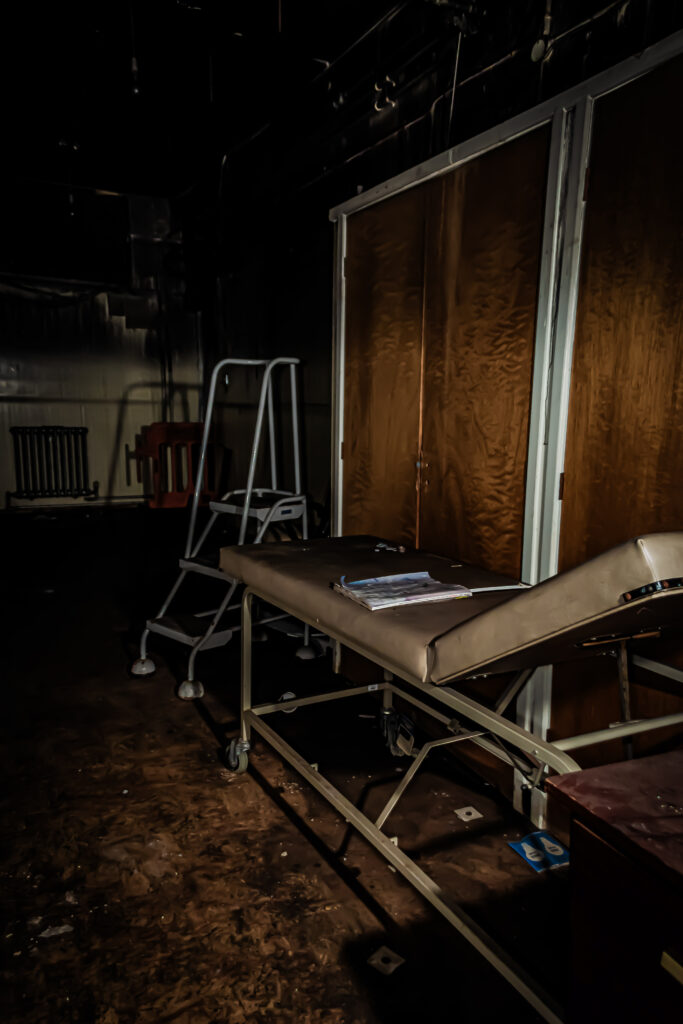
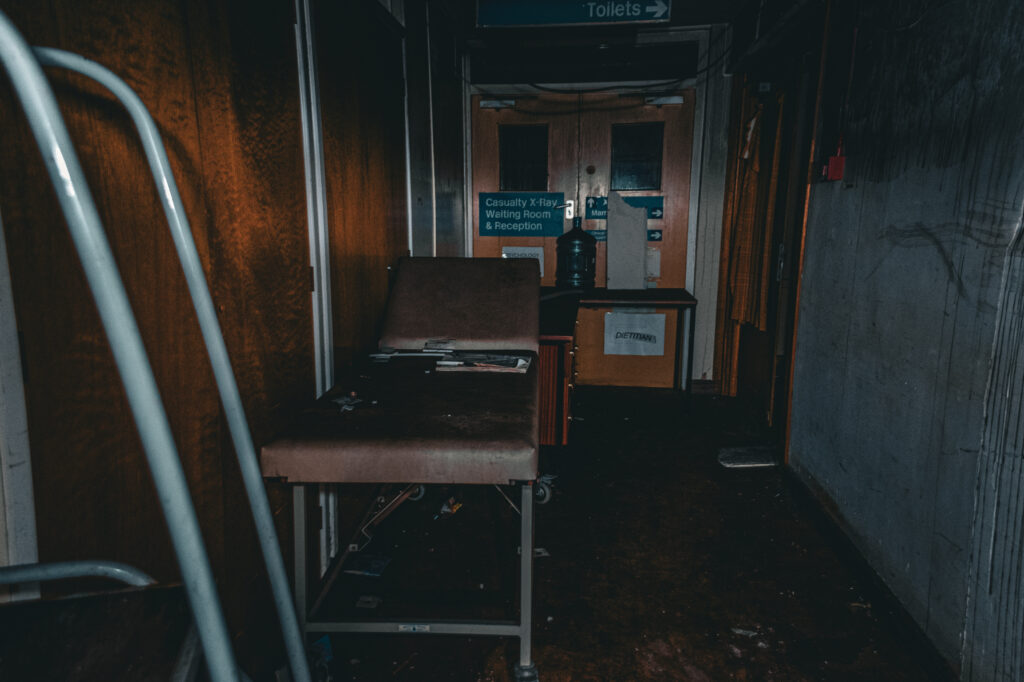
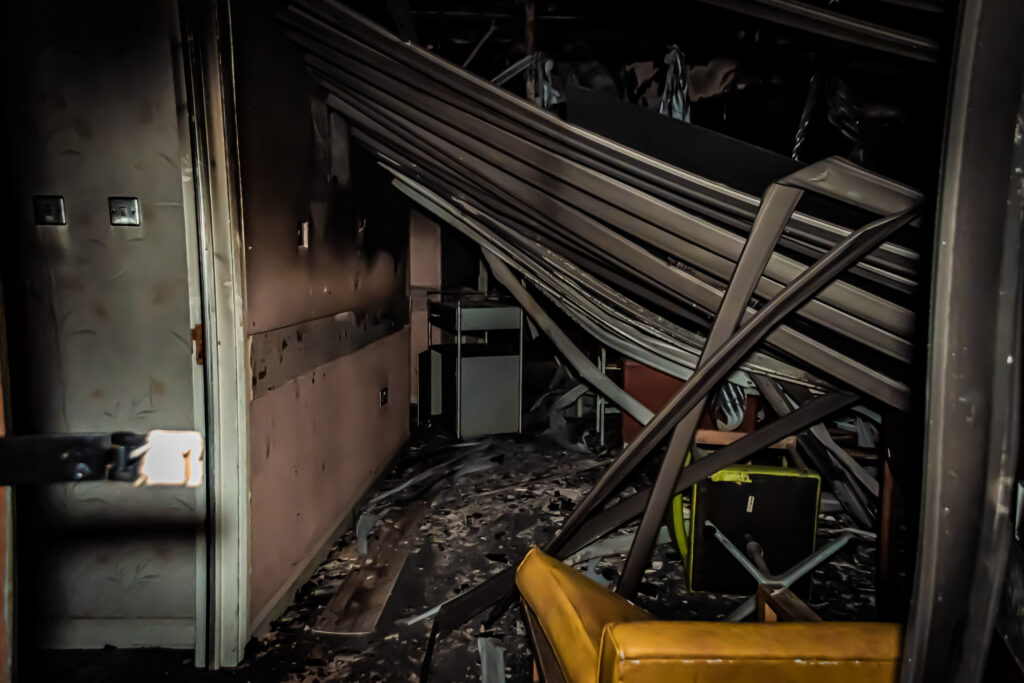
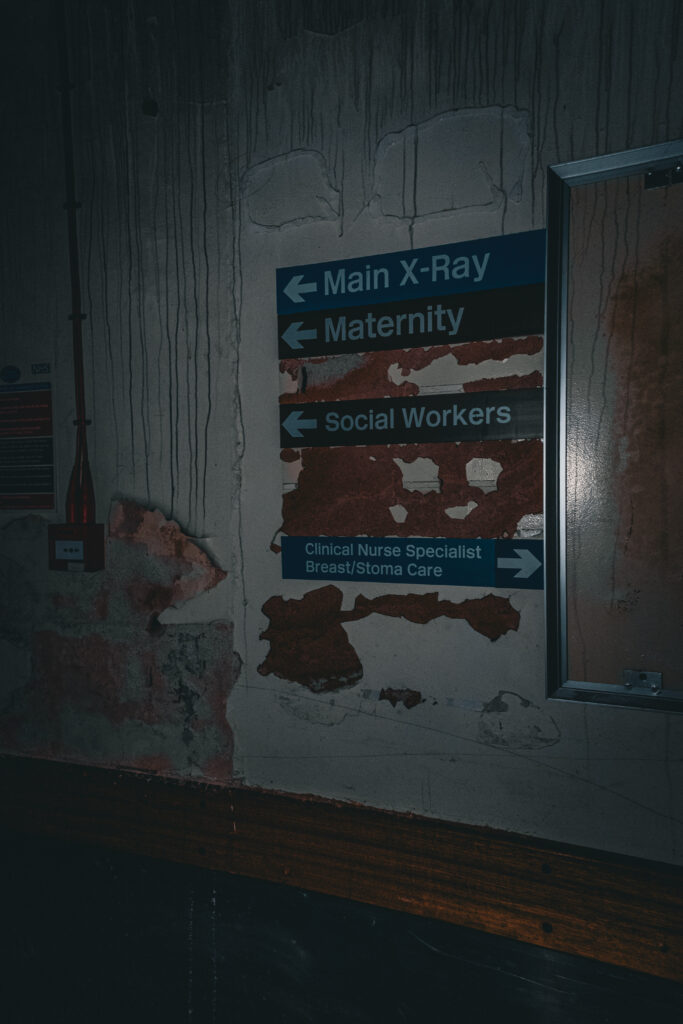
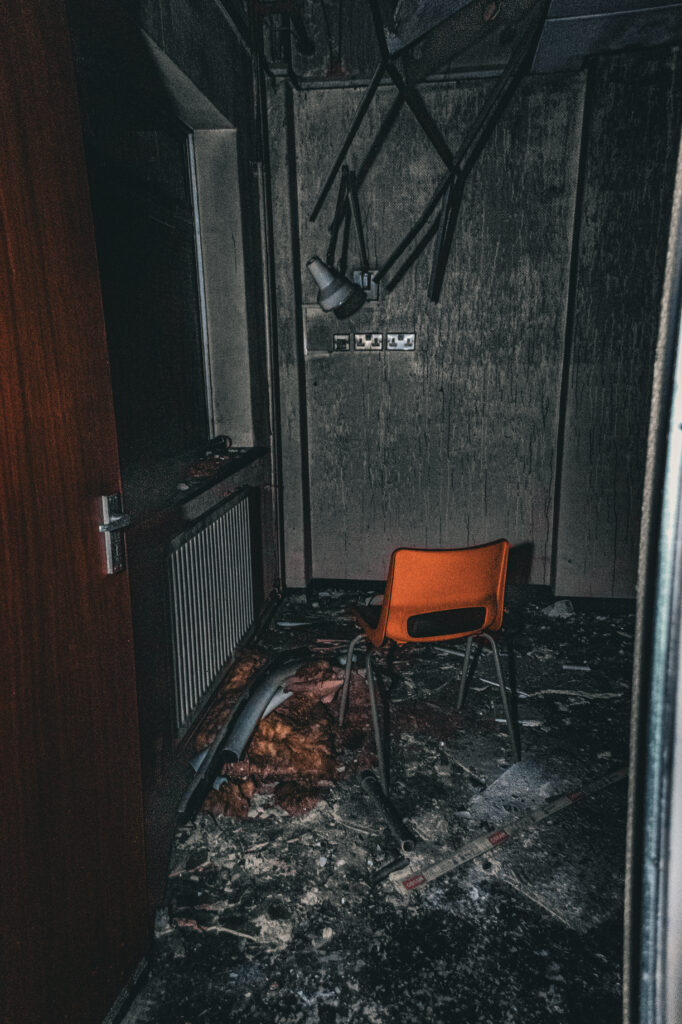
Eventually, we managed to sneak past the security and the security devices on site and made our way into the disused buildings. Not much was left behind by the time we managed to get inside to explore, but what was left behind was crazy!

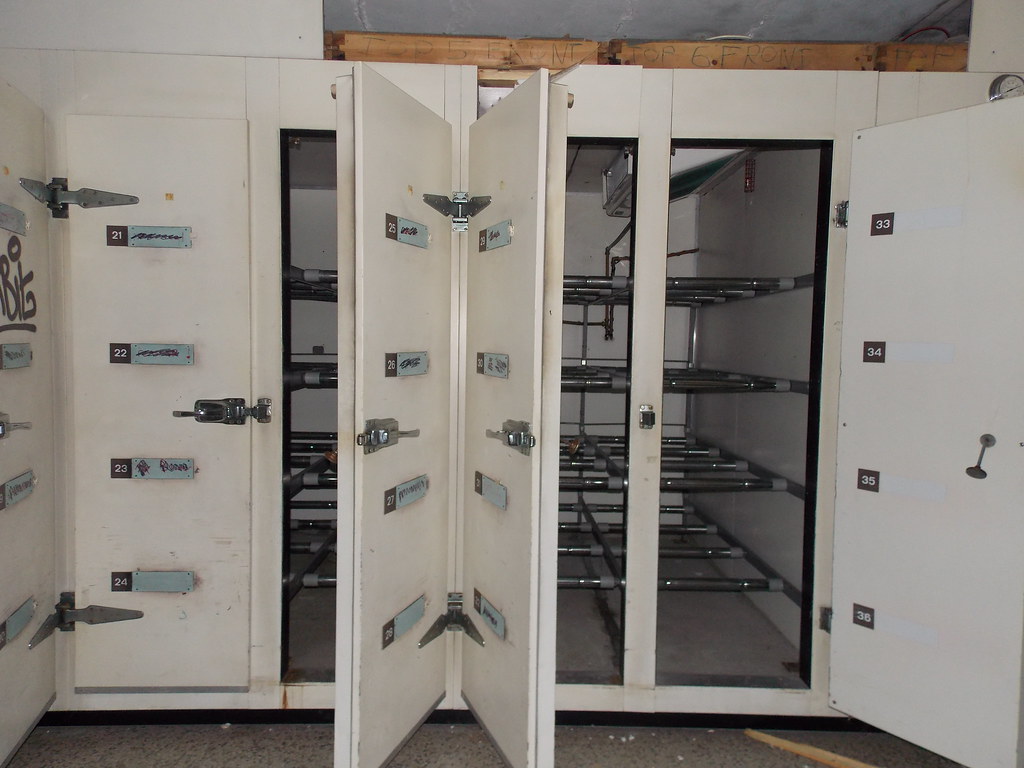
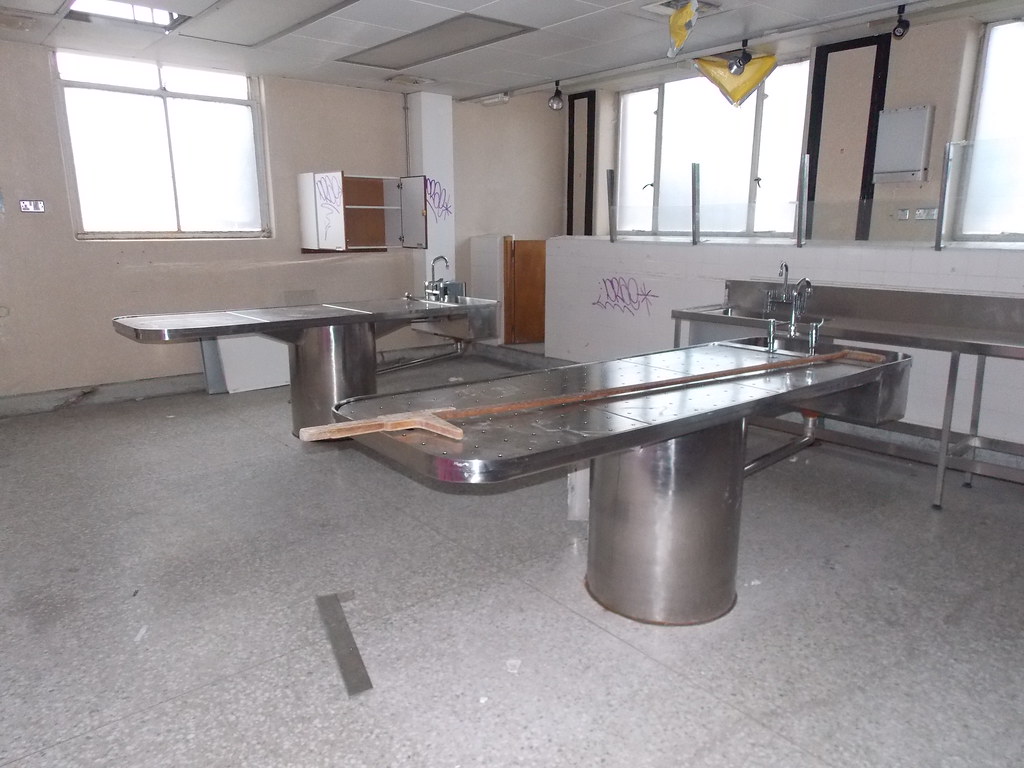
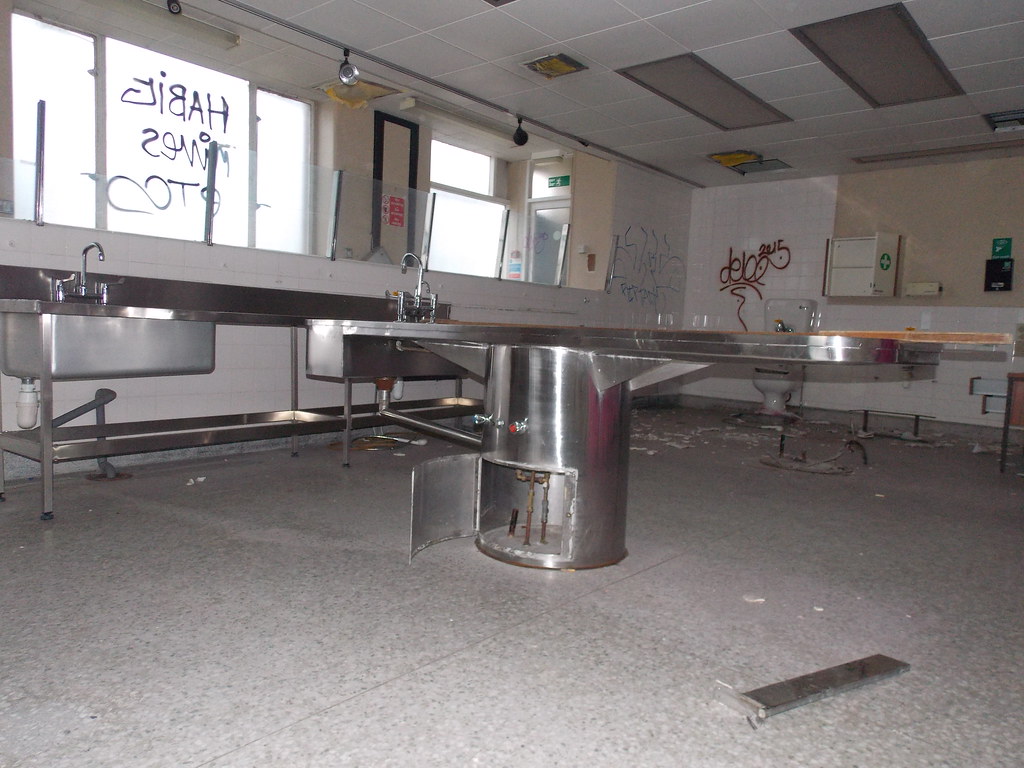
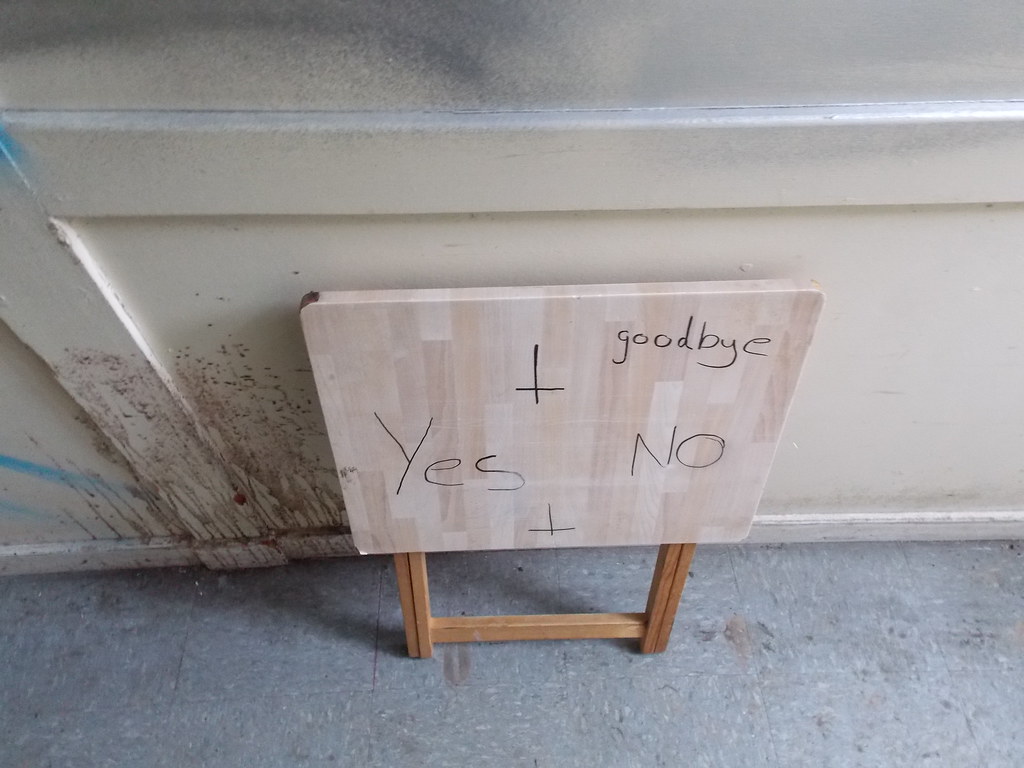
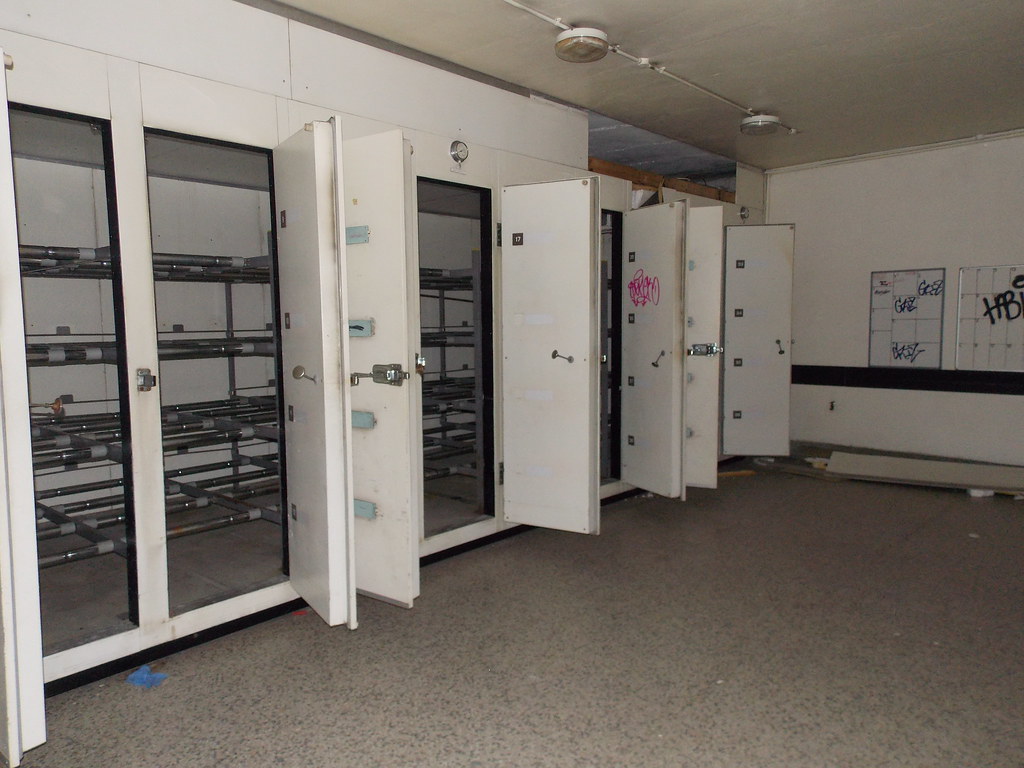
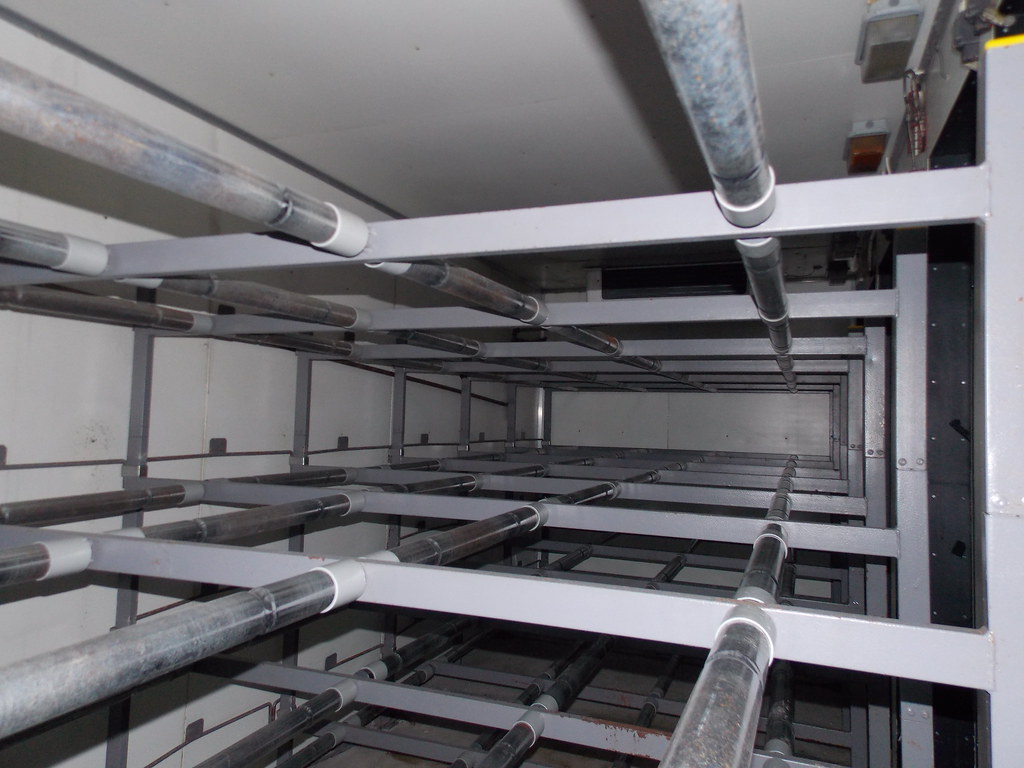
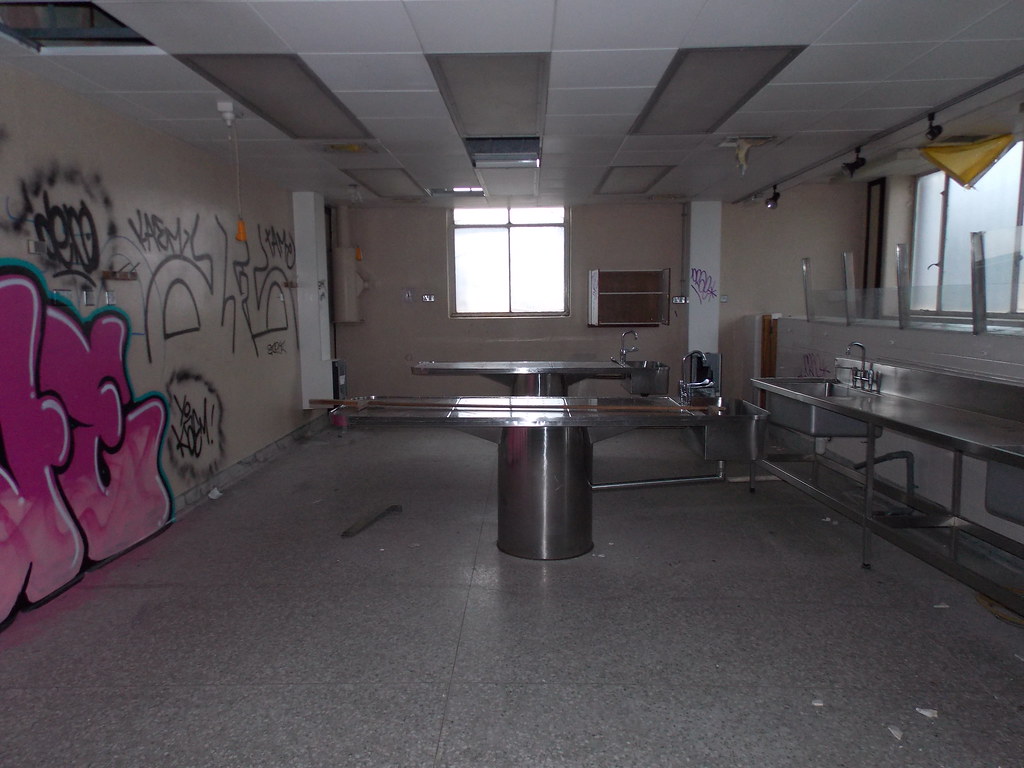
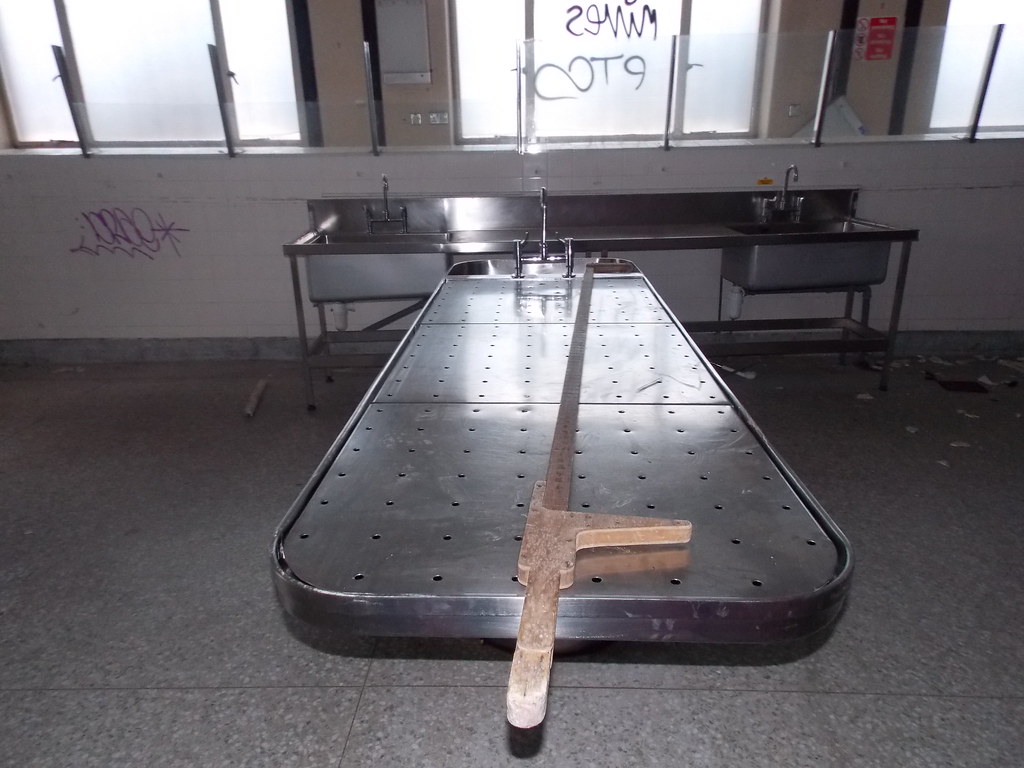
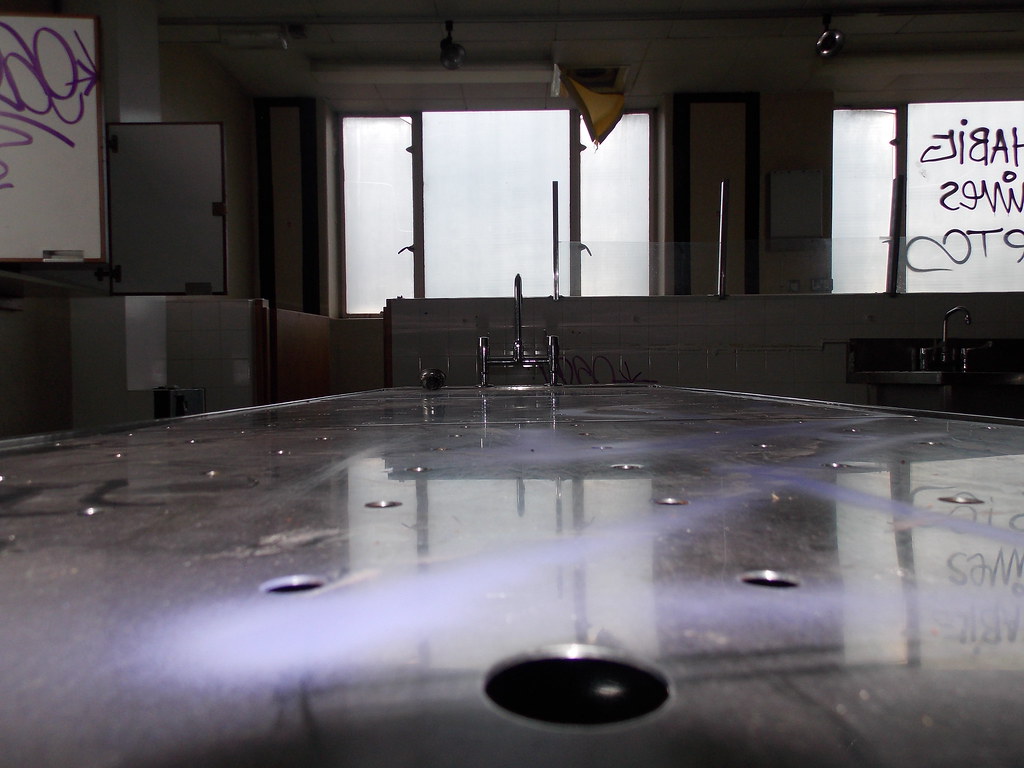
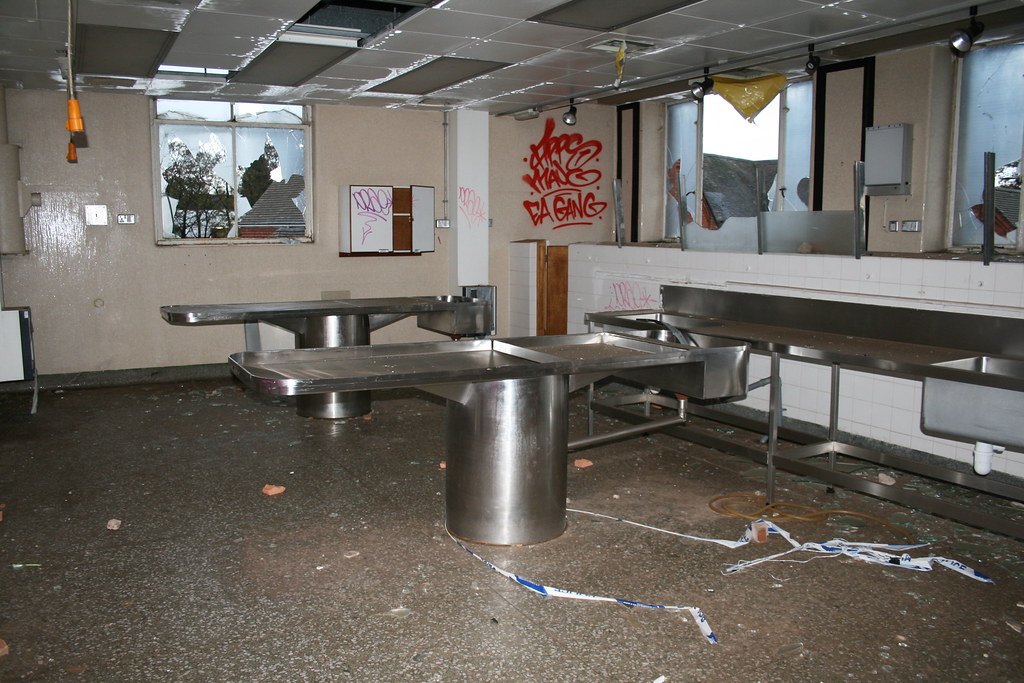
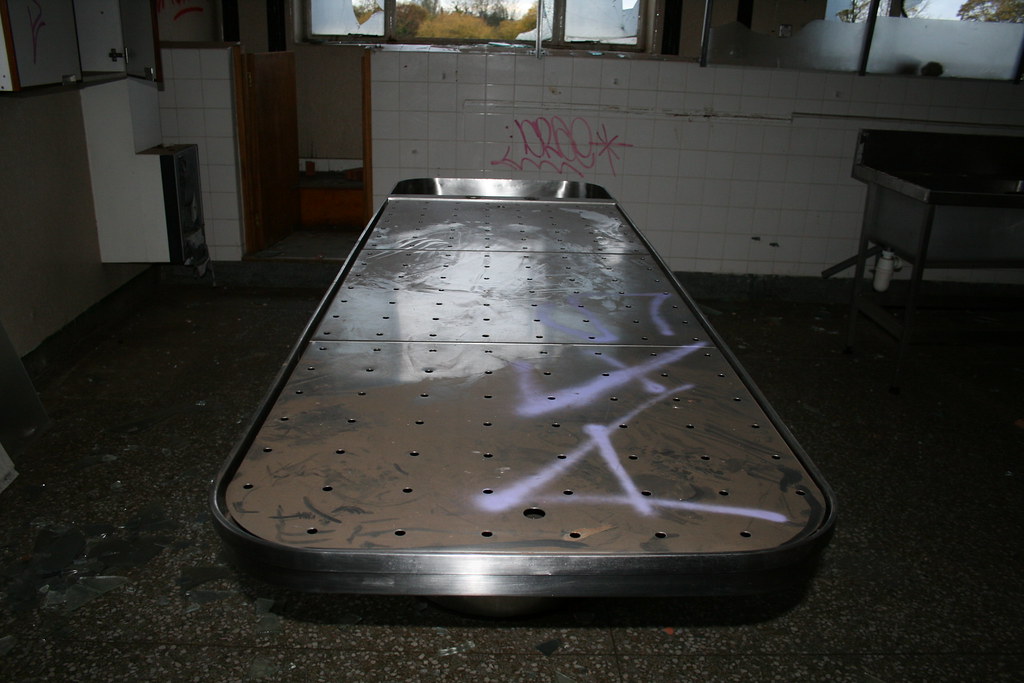
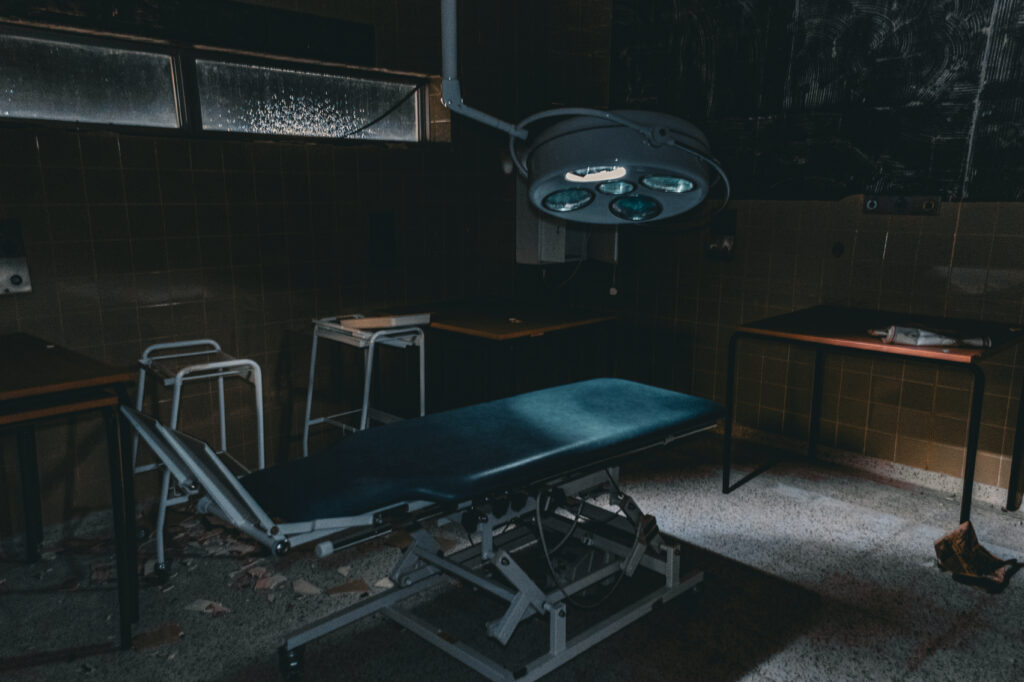
The freakiest part of the explore was when we managed to gain access to the morgue. The utensils and stainless steel bed were still there, and the morgue slab had a Ouija board left on top. That’s when the explore really started getting freaky.

Here’s some history on the now-demolished Selly Oak Hospital.

Origins — From Workhouse to Infirmary
The site originally housed the King’s Norton Union Workhouse, built under the Poor Law Amendment Act 1834 to care for the very poor. Designed by Edward Holmes, it opened around 1870/1872 and could house a few hundred inmates.

In 1897, a purpose-built workhouse infirmary was added (designed by Daniel Arkell), with around 300 beds. It was one of the early infirmaries lit entirely by electric light — unusual at the time.

Transition to Hospital
By 1902–1908, the complex expanded with a new entrance and a large nurses’ home called Woodlands.

In 1911, the workhouse and infirmary were renamed Selly Oak Hospital as King’s Norton became part of Birmingham and the Poor Law system was reorganised.

Over the inter-war years, the hospital modernised: operating theatres, labs, wards, and services expanded, reflecting the shift from a Poor Law institution to a general hospital.

NHS Era and Growth
When the National Health Service was founded in 1948, Selly Oak Hospital and its associated buildings (formerly the workhouse and infirmary) joined the NHS and became a general hospital under Birmingham City Council.

In later decades, it became part of University Hospitals Birmingham NHS Foundation Trust (from 1997) and was linked administratively with the nearby Queen Elizabeth Hospital.

Special Roles and Recognition
From 2001, the hospital was home to the Royal Centre for Defence Medicine, providing specialist care and rehabilitation for military personnel injured in operations in Iraq and Afghanistan.

The hospital also developed strong reputations for trauma and burns care and offered numerous general and specialist services to the West Midlands.

Closure and Aftermath
With the opening of the new Queen Elizabeth Hospital Birmingham starting in 2010, services progressively transferred from Selly Oak.

The hospital formally closed in late 2011/2012, ending its healthcare role after more than a century as a medical institution.

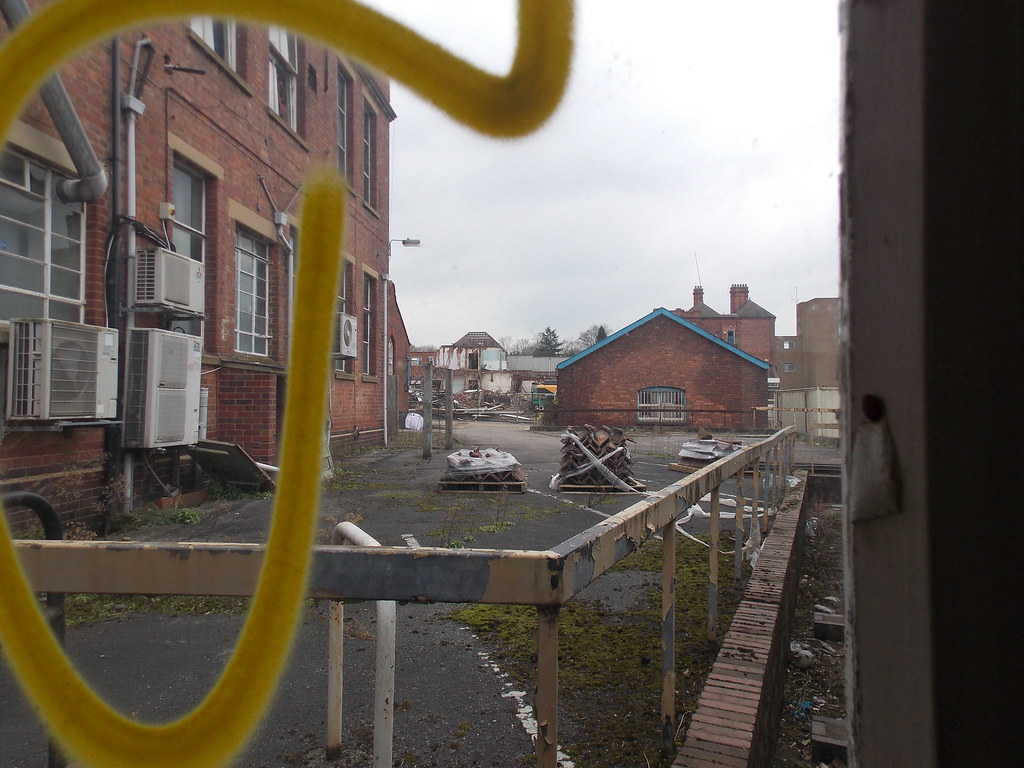
In 2015, the Trust sold the site for redevelopment. Plans were made for around 650 homes, and many of the old buildings have since been demolished or repurposed.

#SellyOakHospital
#BirminghamHistory
#AbandonedPlaces
#UrbanExplorationUK
#LostHospitals
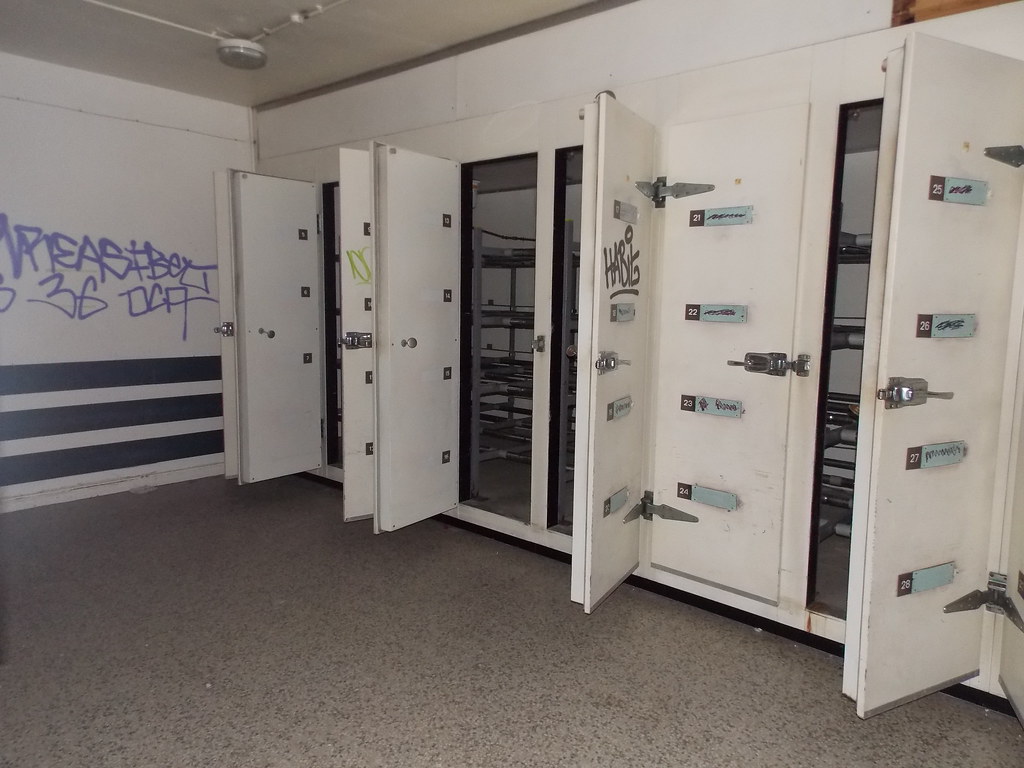

Exploring an Apocalyptical hospital in the UK.

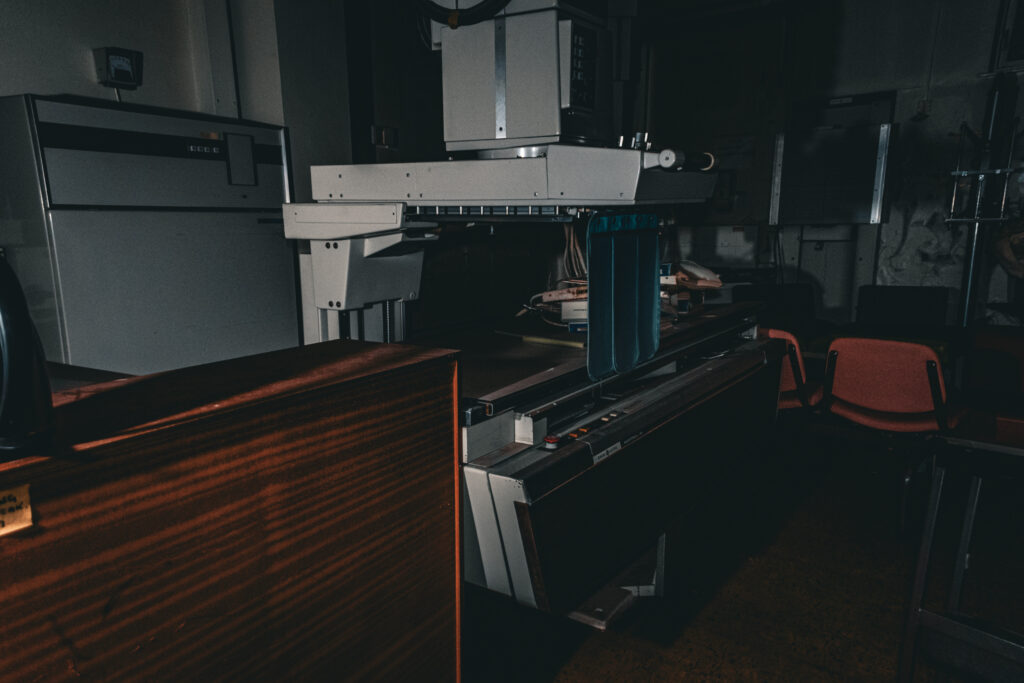
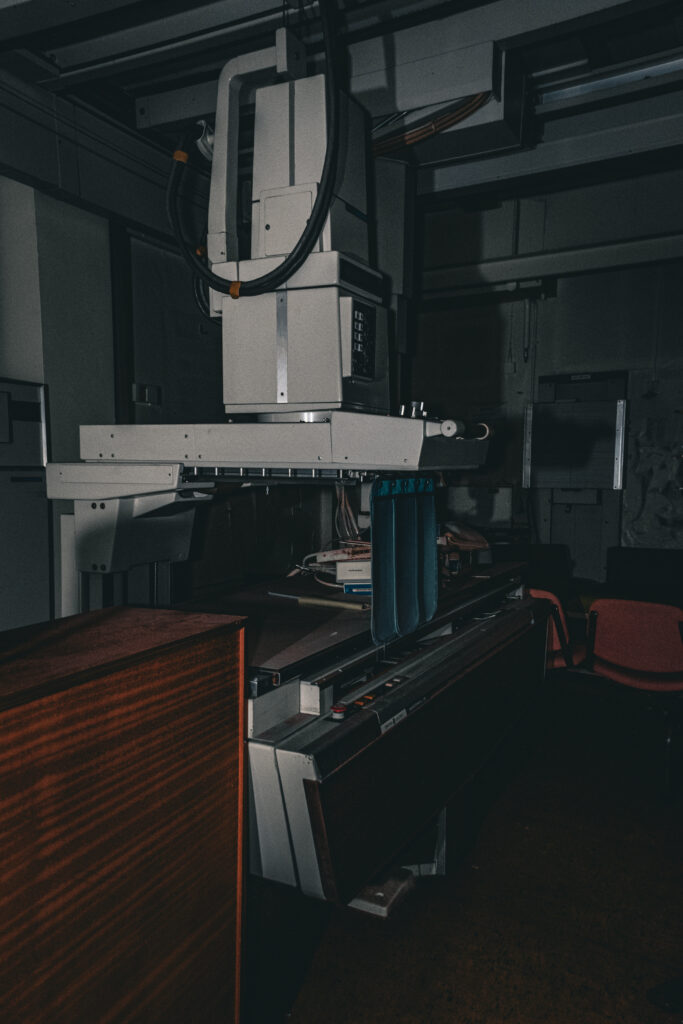
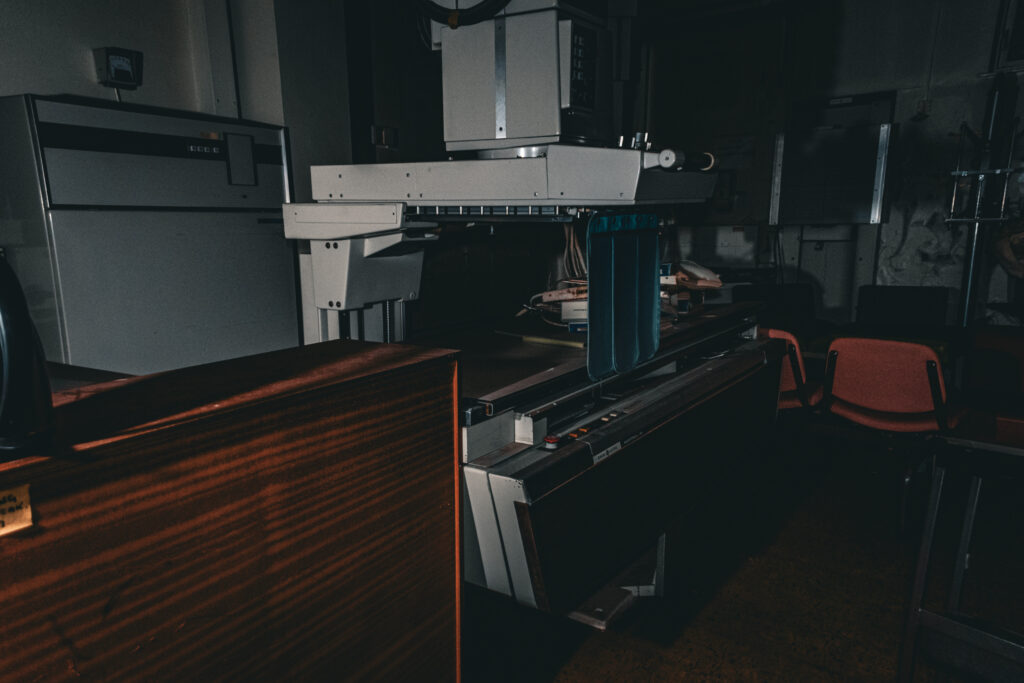
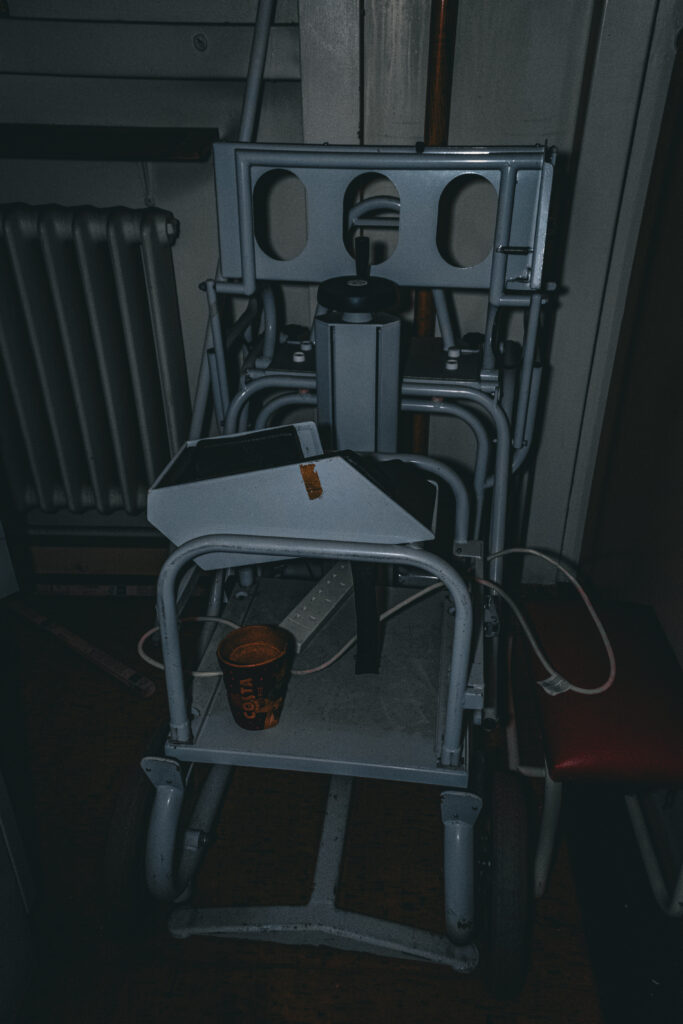
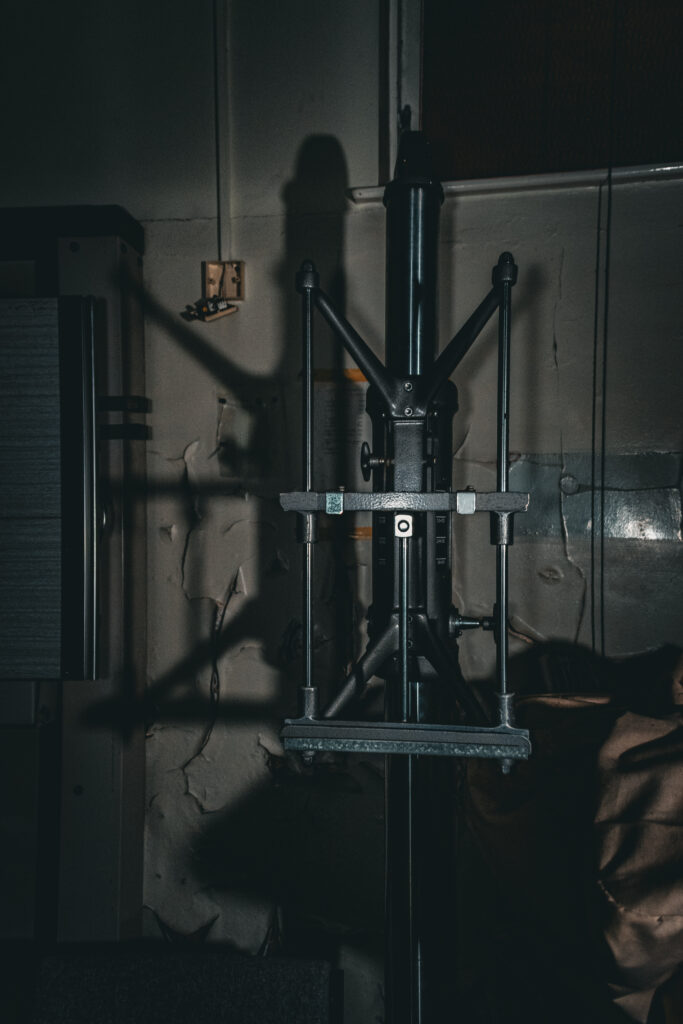
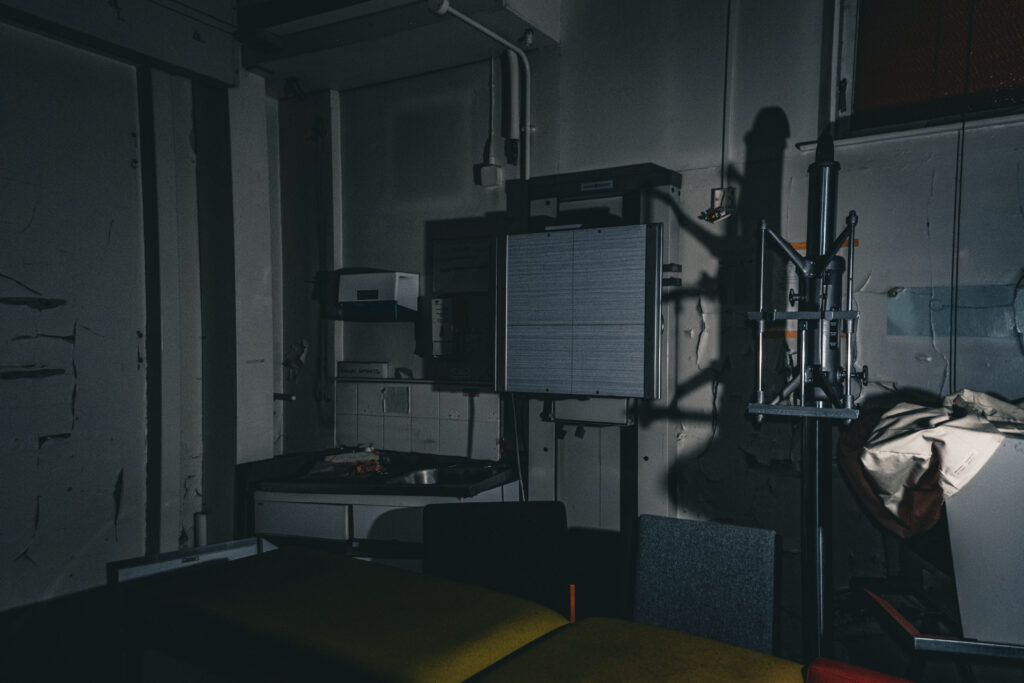
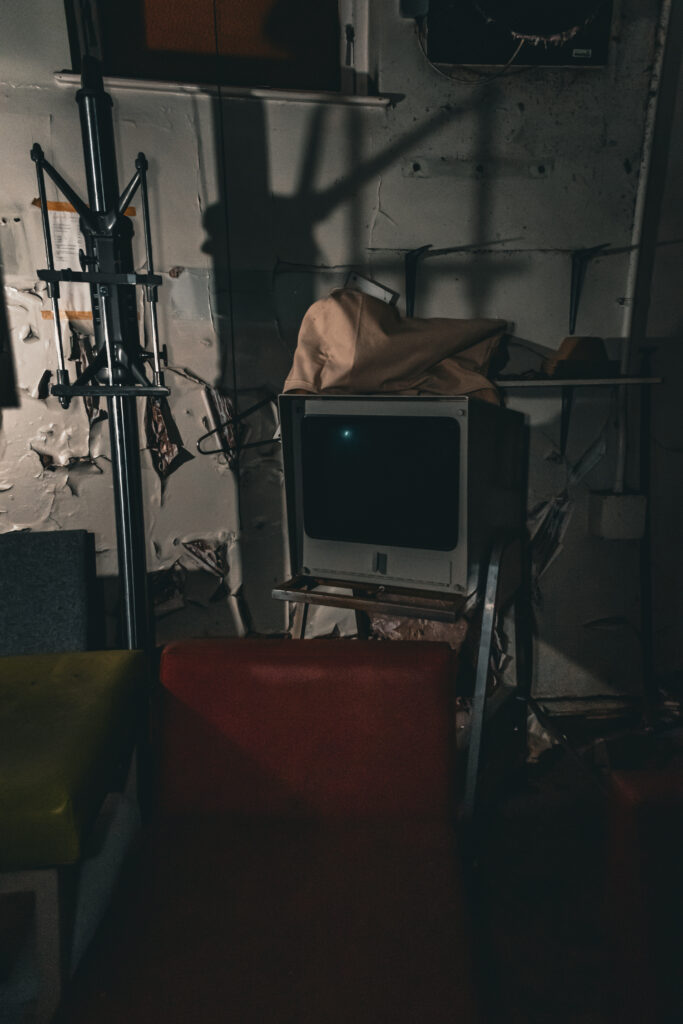
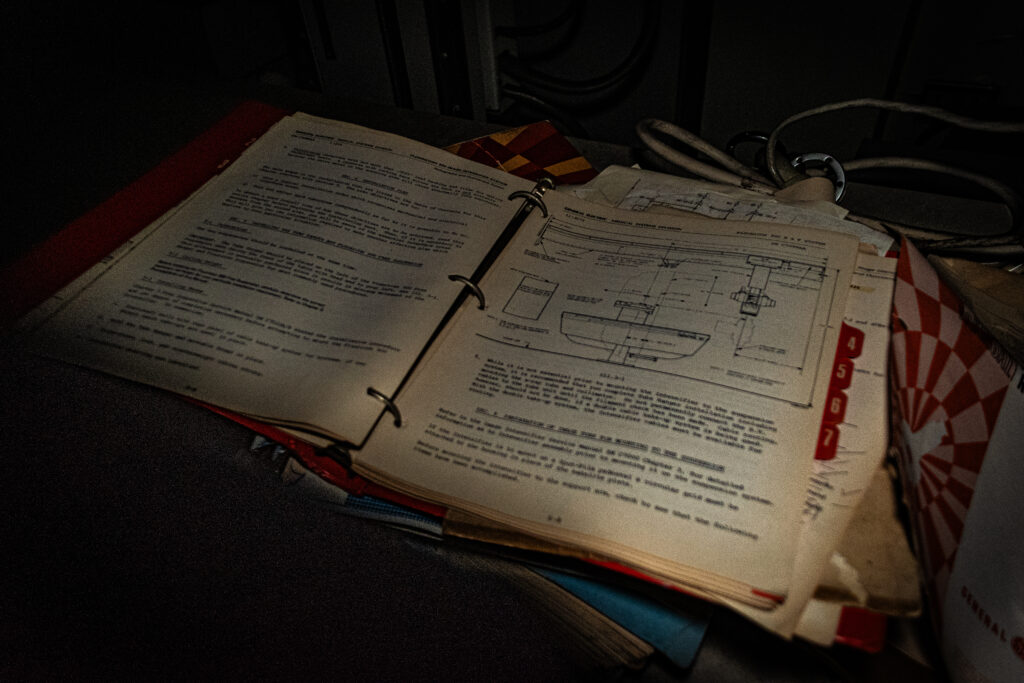
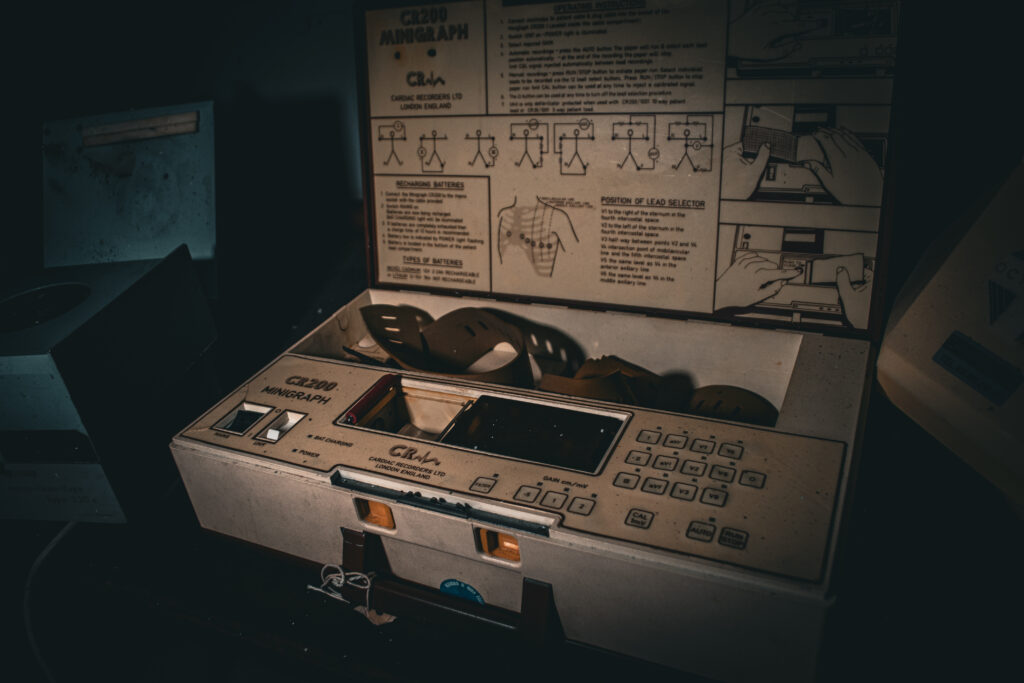
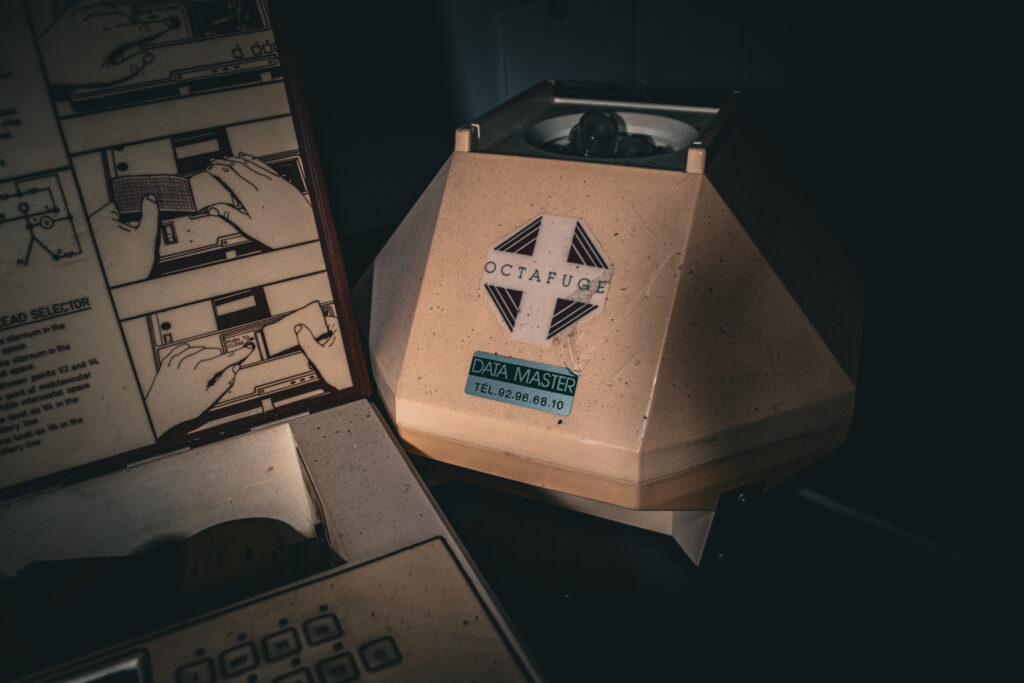
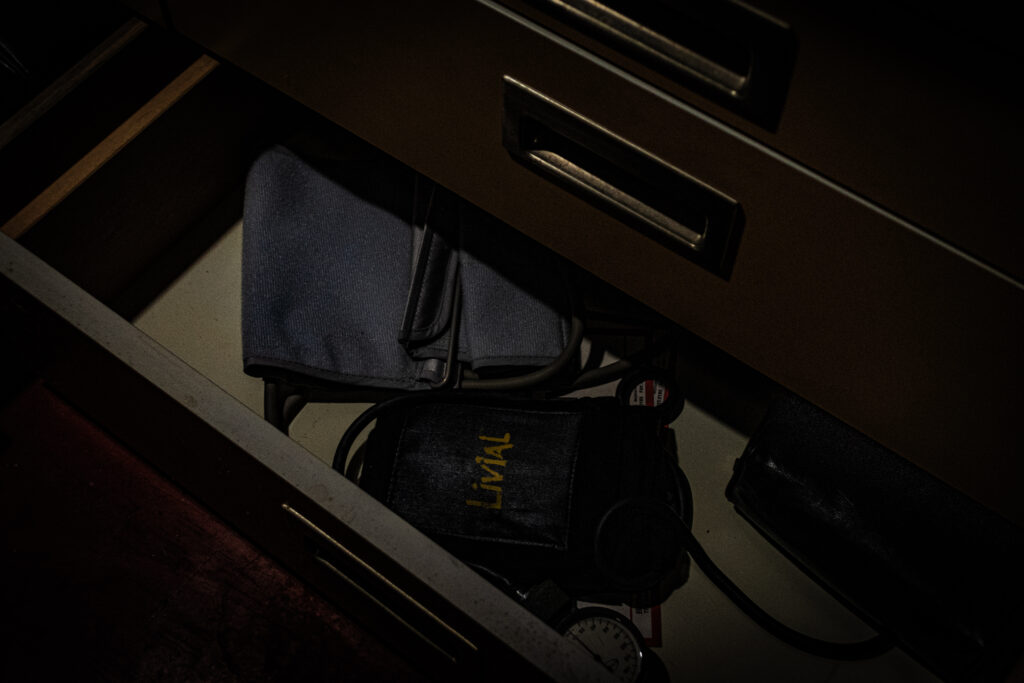
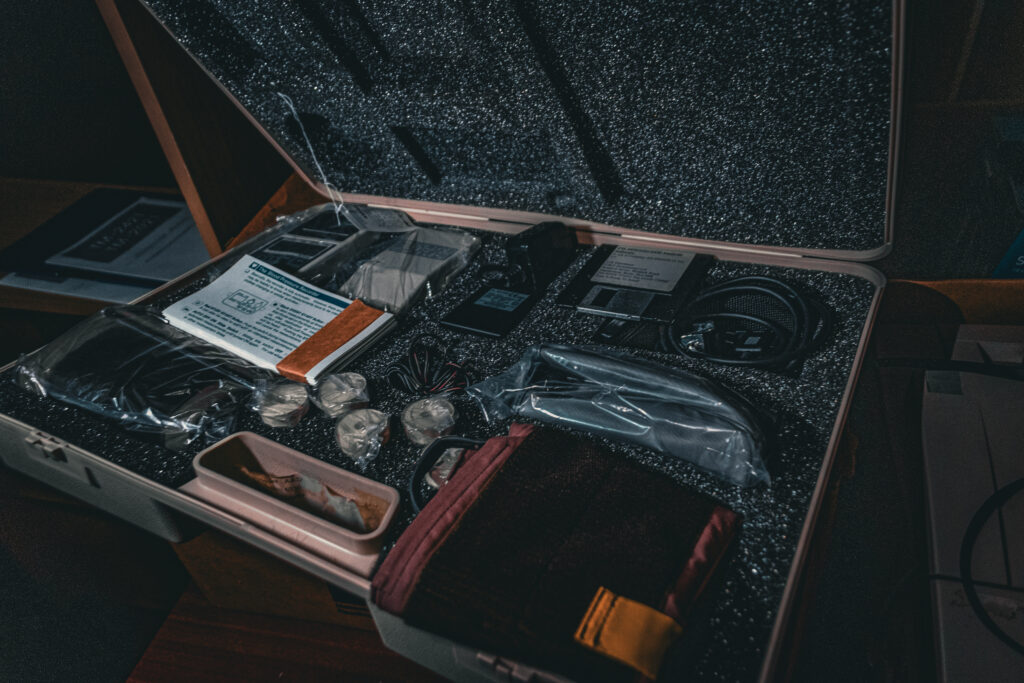
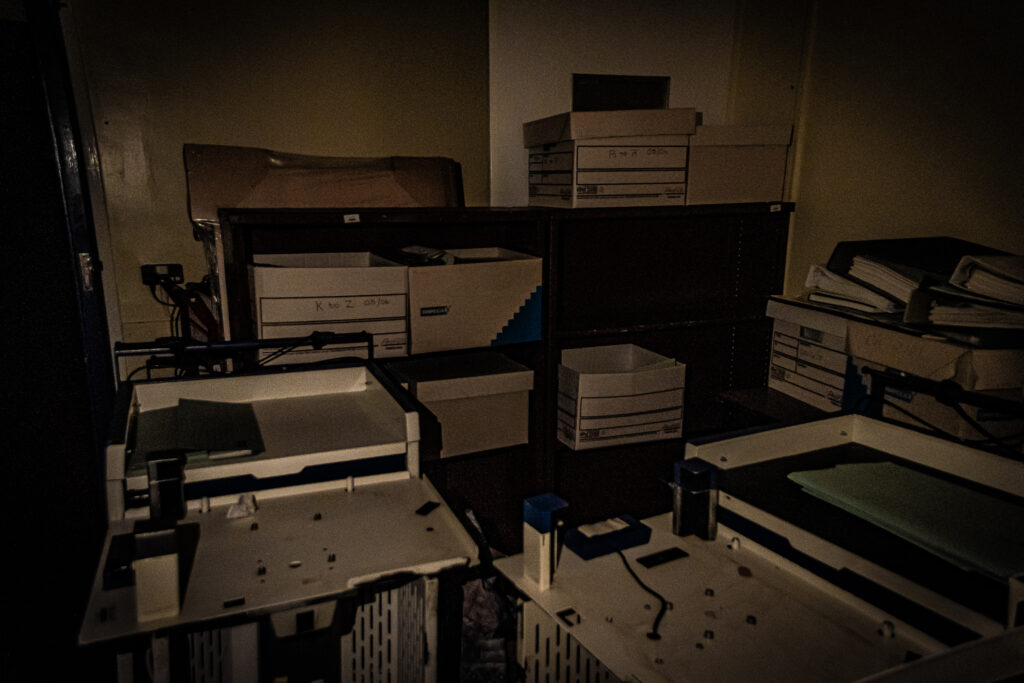
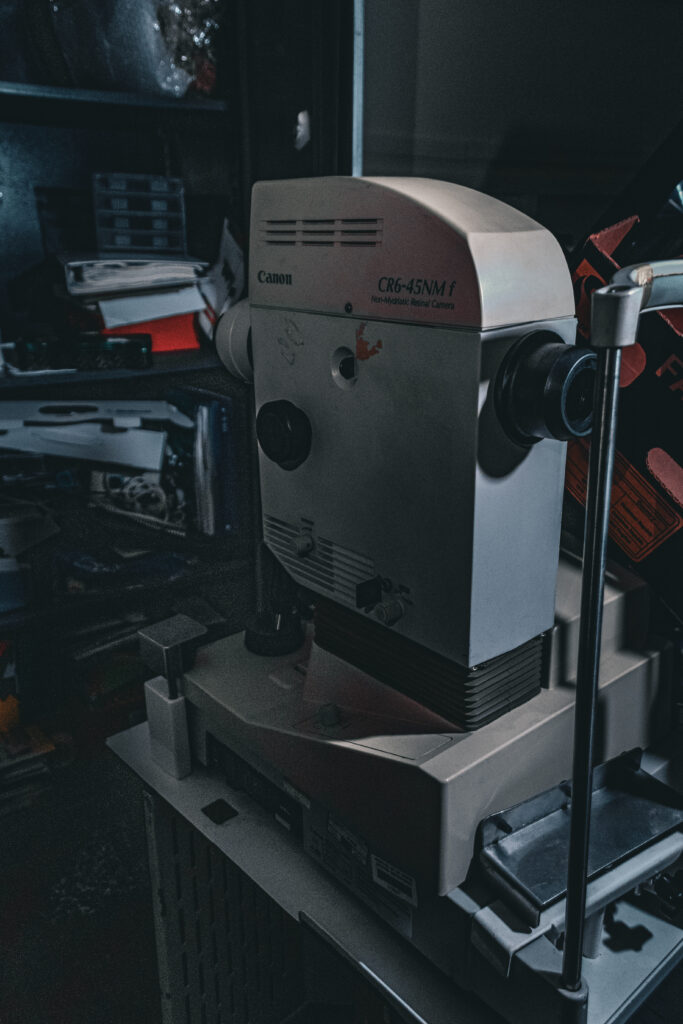
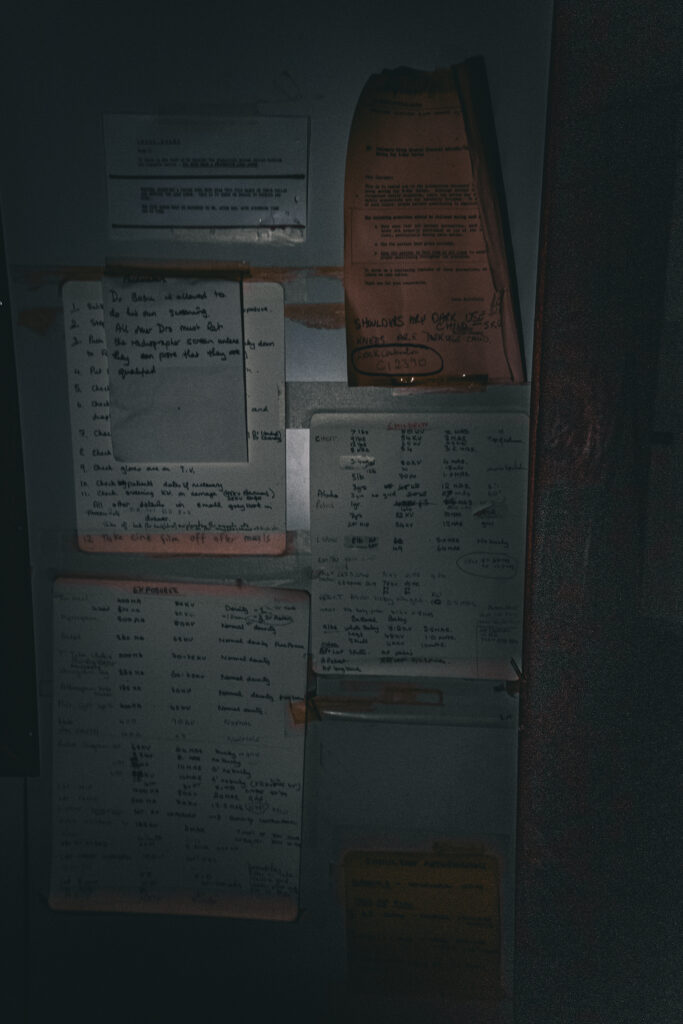
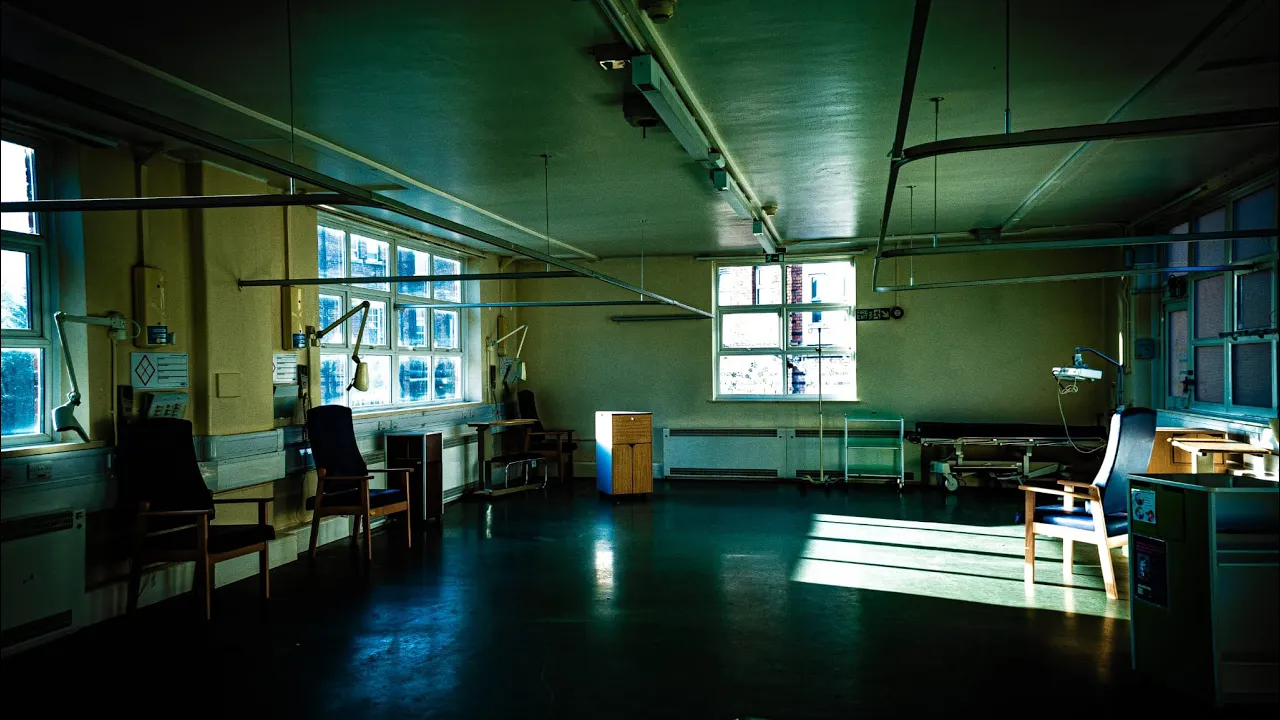
This explore was one of the best hospitals we have come across. From hospital records left behind dating back to the mid-1900s, to old X-ray machines, this place genuinely looked like a zombie apocalypse had happened.
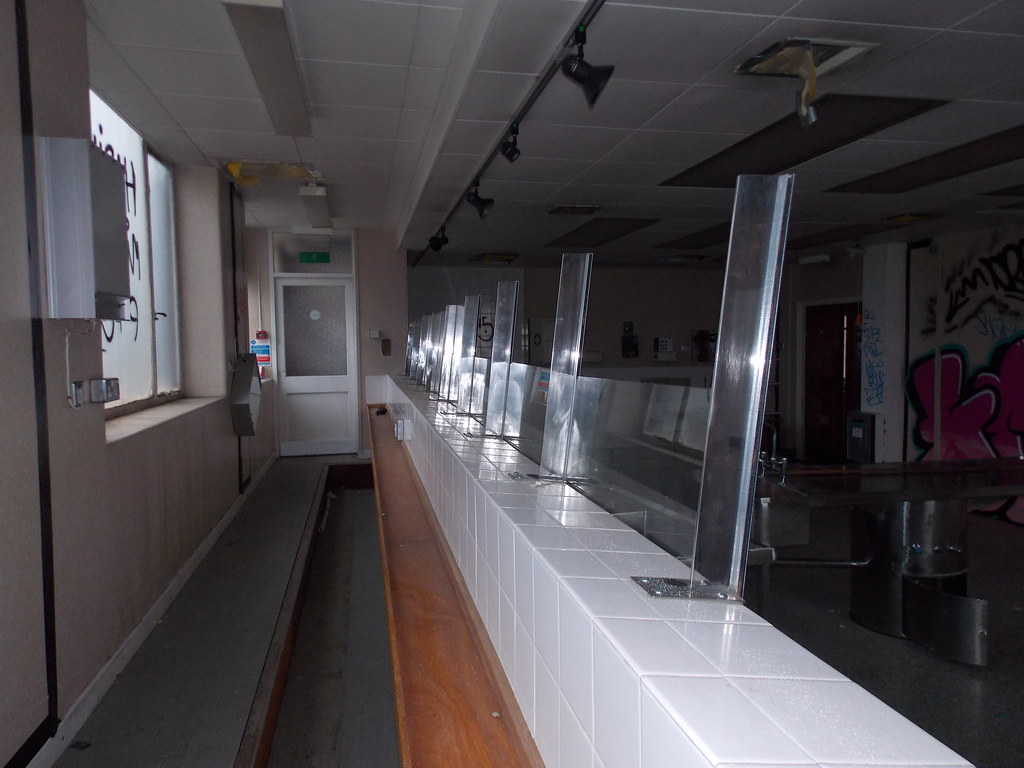
Huge thanks to MOD Dan 2 for the photos — without them, a few short videos! 😄

This explore started with no messing about; we just sent it. There was still an active section of the hospital on site, so we began by dodging cameras and checking windows and doors on the lower floors before climbing up to the roof to find our way in.

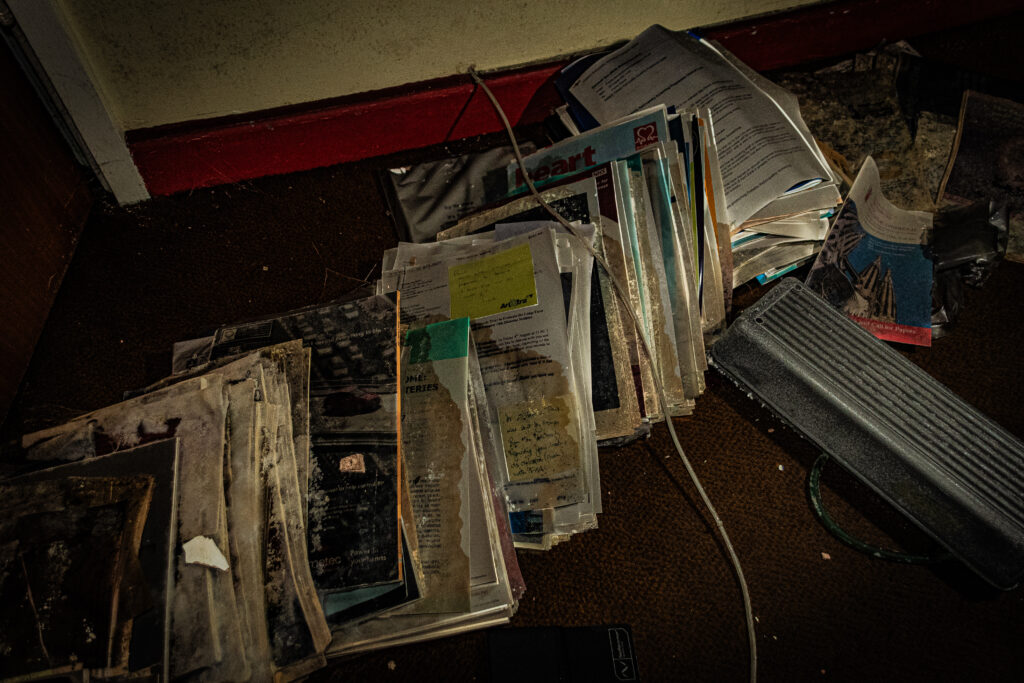
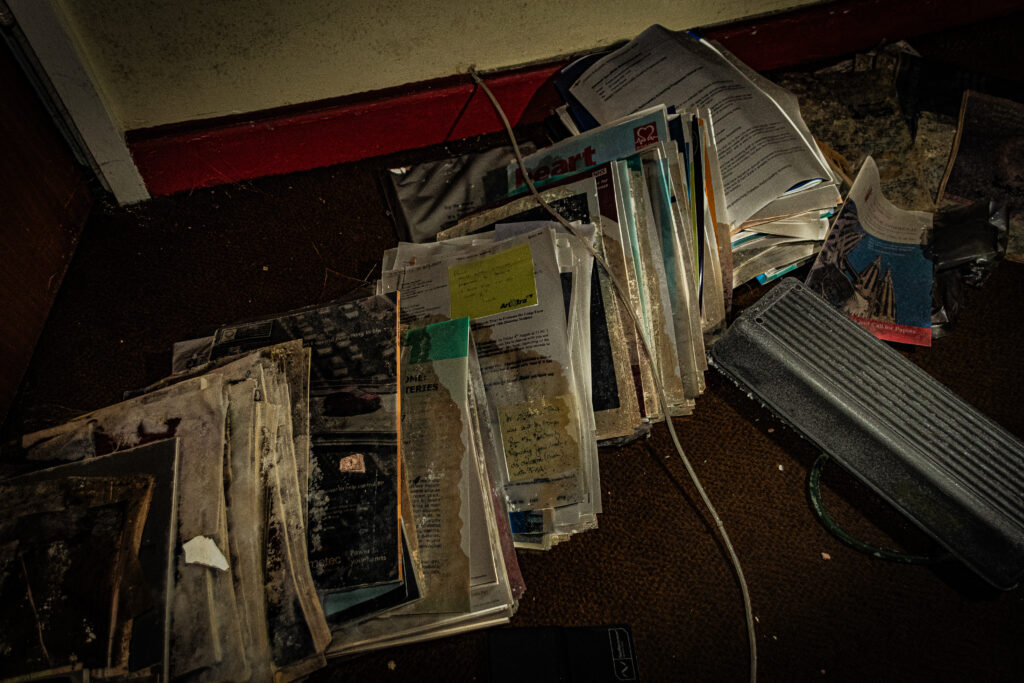
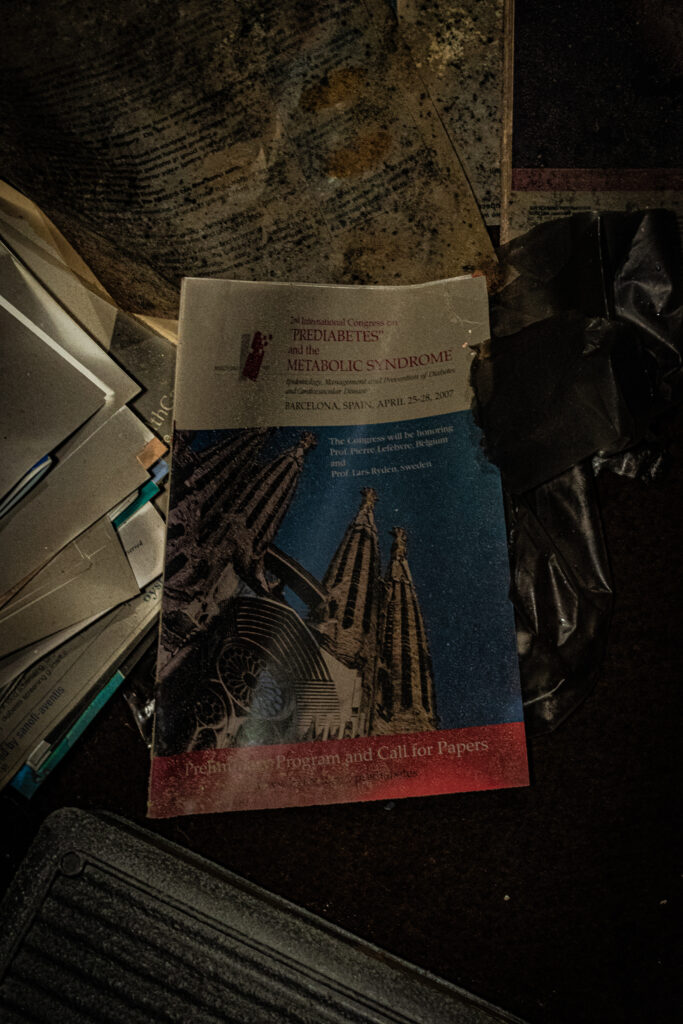
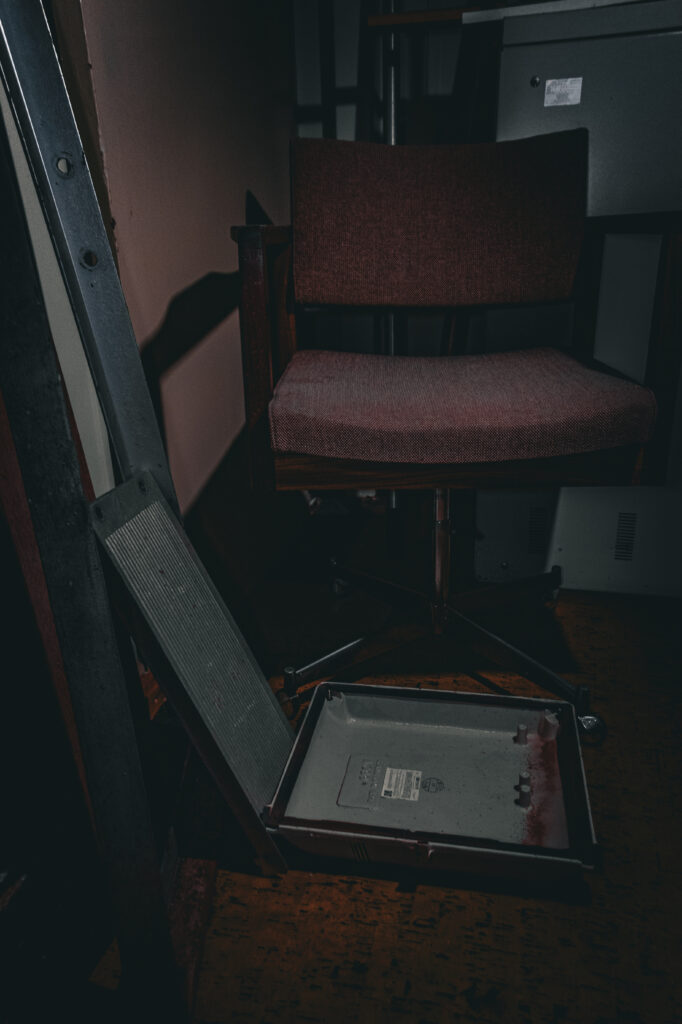
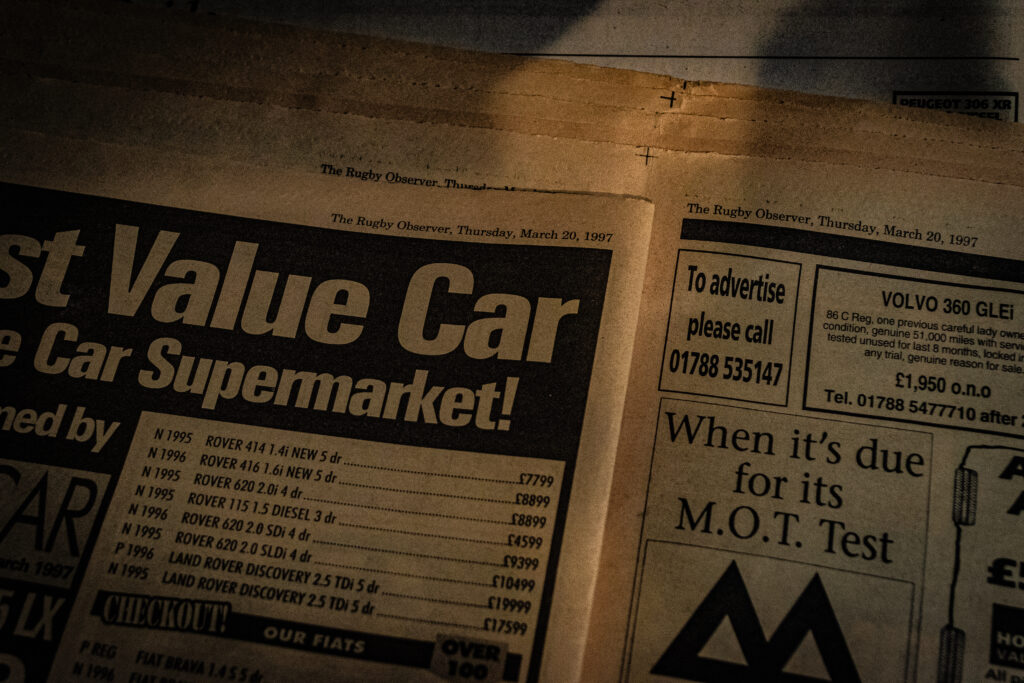
Once we dropped in, this explore was like no other hospital we had ever done. It was a true time-capsule hospital, with mid-1900s paper patient records simply left behind. In one room, there was an old, decaying X-ray machine still lying there.

As we continued exploring, we didn’t get the chance to reach the upper levels, as our explore was cut short by the police arriving with dogs to find us.

Here’s some history on the Hospital –

This hospital has a long history dating back to the mid-19th century, originally established to serve a growing industrial town and its surrounding rural communities. Built during a time when healthcare was rapidly evolving in Britain, the site expanded steadily to meet increasing demand, particularly during periods of war, epidemics, and population growth.

Throughout the late 1800s and early 1900s, the hospital became a key medical centre, offering treatments that were considered advanced for their time. New wards, operating theatres, and specialist departments were added over the decades, reflecting changes in medical practice and technology. During both World Wars, the site played an important role in treating injured service personnel and civilians alike.

By the mid-20th century, the hospital was fully integrated into the newly formed National Health Service, continuing to provide care for generations of local families. However, as healthcare needs changed and newer facilities were built elsewhere, parts of the site became outdated. Gradual downsizing followed, with sections closing and services being relocated.

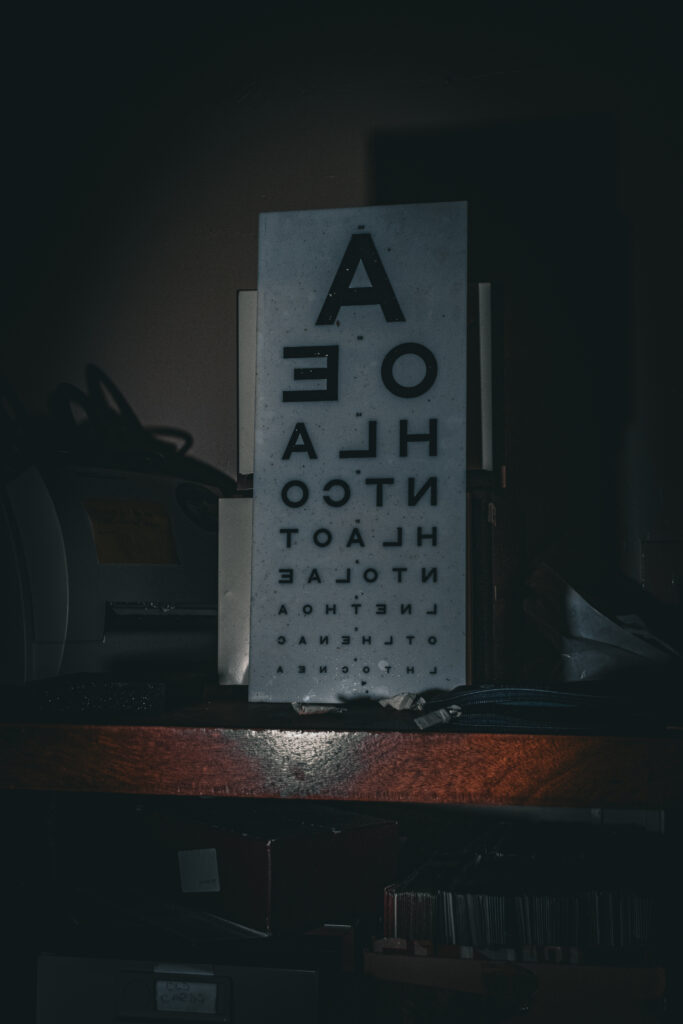
Eventually, the hospital fell silent, leaving behind corridors frozen in time. Paper records, medical equipment, and forgotten rooms now tell the story of decades of care, innovation, and human experience — a true time capsule of Britain’s medical past.

Hope you enjoy these images and the documentation of this hospital. Catch you all on the next explore.

#urbex
#abandonedhospital
#timecapsuleurbex
#forgottenplaces
#decayanddiscovery


Exploring Birmingham City Hospital | Forgotten Tunnels, Wards & Maternity Wing

Join us on an immersive journey through nearly 140 years of medical history at the Dudley Road / City Hospital site in Birmingham.

Beginning in the late 19th century as the infirmary of the Birmingham Union Workhouse, this landmark hospital evolved over decades—expanding its wards, maternity facilities, and even secret tunnels beneath its corridors.

The original building opened around 1887-89, designed with a remarkable layout: a quarter-mile long main corridor with ward blocks radiating out in a configuration inspired by Florence Nightingale’s ward-design principles.

Over the decades the hospital adapted to changing healthcare needs—maternity services, major expansions, innovations in nursing and infection control all marked its legacy.

In November 2024, the final acute services moved to the new Midland Metropolitan University Hospital in Smethwick, bringing to an end a long era of inpatient care on the Dudley Road site.

Now you’ll descend into the hidden corners: the tunnels beneath the wards, the maternity block frozen in time, the wards where countless births and recoveries took place—and reflect on the wider story of a hospital that served a changing city, generation after generation.

Whether you’re drawn in by urban exploration, medical history, or the quiet fascination of abandoned spaces, this full-length video takes you behind the scenes of one of Birmingham’s most storied healthcare institutions.

⚠️ Explore respectfully: what lies behind those doors is history, not just decay. Please observe safety and legacy when filming or viewing such places.


Exploring the Abandoned George Bryan Centre – Haunting Decay of a Forgotten Mental Hospital

Join me as I step inside the eerie and forgotten halls of the George Bryan Centre — once a thriving mental health facility, now left to crumble in silence. In this urban exploration, we uncover decaying wards, haunting reminders of its past, and the chilling atmosphere that lingers in every corner. What secrets lie behind these locked doors?

Location: George Bryan Centre, Tamworth
Closed: 2019 after a devastating fire
Warning: This site is unsafe and off-limits to the public

If you enjoy urban explorations, abandoned places, and forgotten history, don’t forget to like, comment, and subscribe.

#urbex #abandonedplaces #GeorgeBryanCentre #mentalhospital #decay #urbanexploration


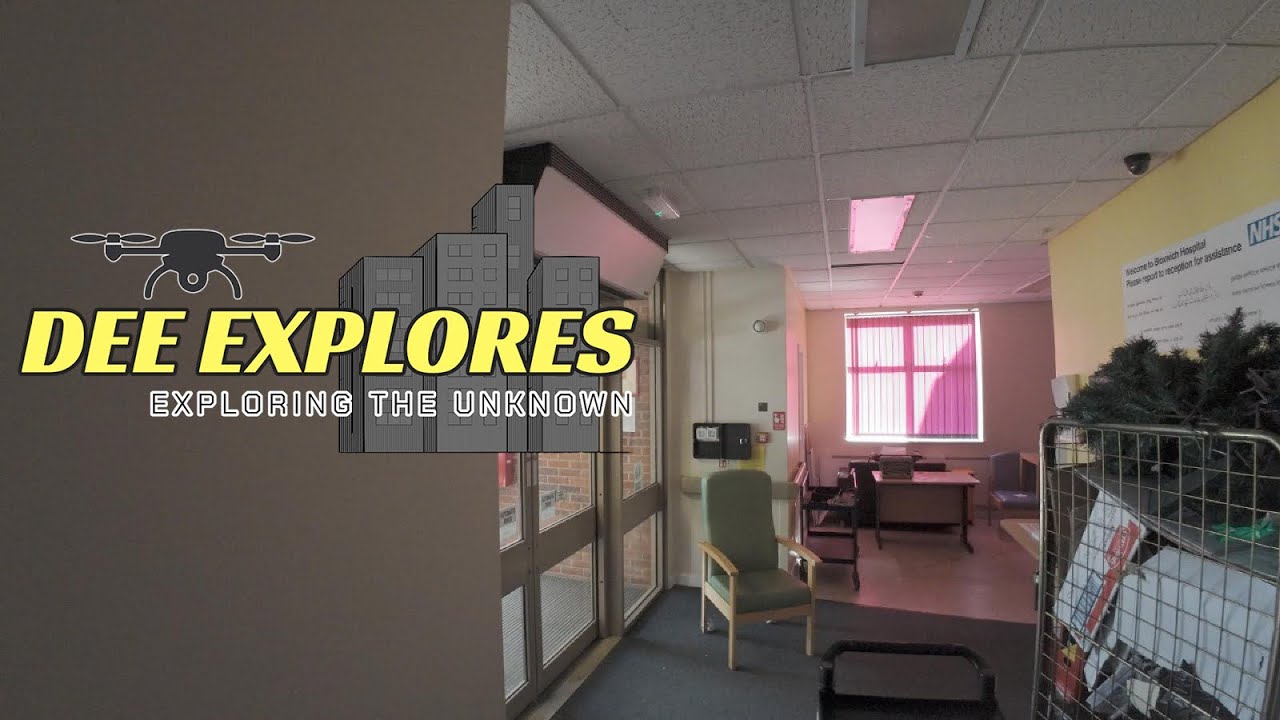
Exploring an Abandoned NHS Health Centre | Maternity, Mental Health & More Left Behind

We explored a long-abandoned NHS Health Centre that once served the community with vital services — from maternity care and mental health support to chronic illness clinics. Now, it’s a haunting shell of its former self.

Inside, we discovered eerily quiet waiting rooms, forgotten medical records, old equipment, and signs of the lives once helped here. It’s a surreal experience walking through a place where so many people once sought care, now completely left to decay.

This urban exploration reveals what’s left behind when a healthcare facility is abandoned — and it’s more than just empty rooms.
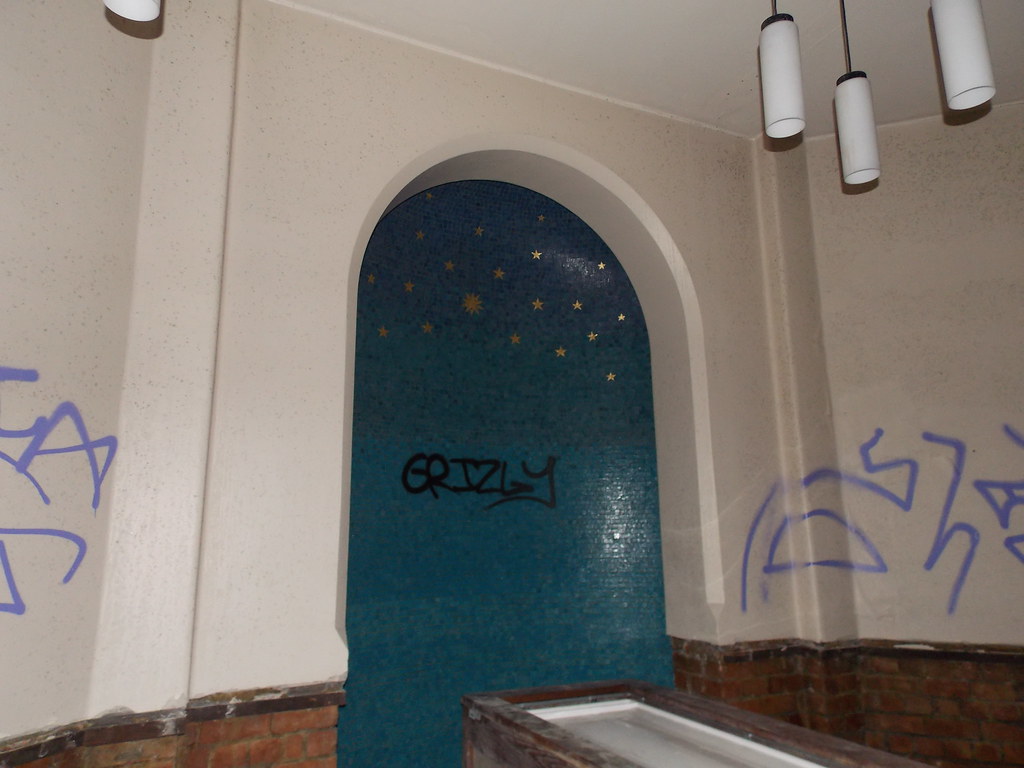
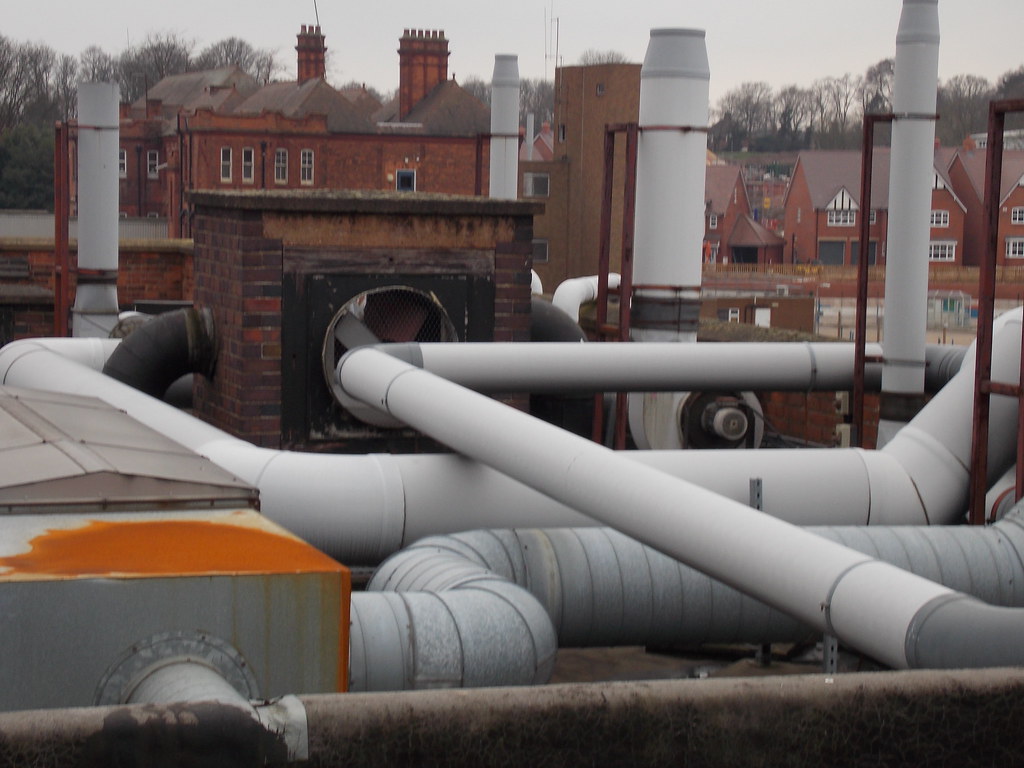
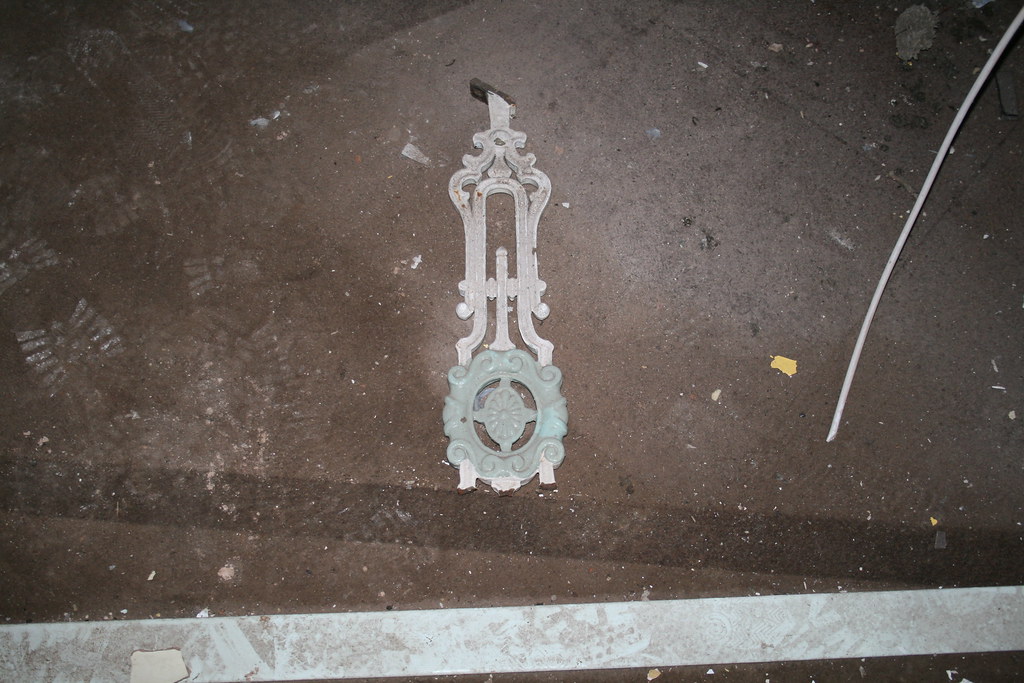
🔎 Urban exploring a forgotten NHS clinic

🏥 Mental health, maternity & chronic care units

⚠️ All footage filmed with respect — no damage, no theft 📍 Location undisclosed to protect the site. If you’re into abandoned buildings and lost places, subscribe for more deep dives into the forgotten corners of the UK.

⚠️ Urban exploration can be dangerous and is done at your own risk. Always respect property laws and never vandalize locations.


Busted at Birmingham’s Abandoned City Hospital | Caught by Security on the Way Out

What started as a routine explore quickly turned into a heart-pounding escape nah not really security were great on this occasion. We ventured deep inside Birmingham’s long-abandoned City Hospital, uncovering eerie corridors, forgotten equipment, and the haunting remnants of its past. Just as we made our way out, we were stopped in our tracks — security had spotted us. This explore didn’t end how we expected…

Join us as we take you through the decaying halls, share what we found inside, and relive the moment we got caught on the way out.