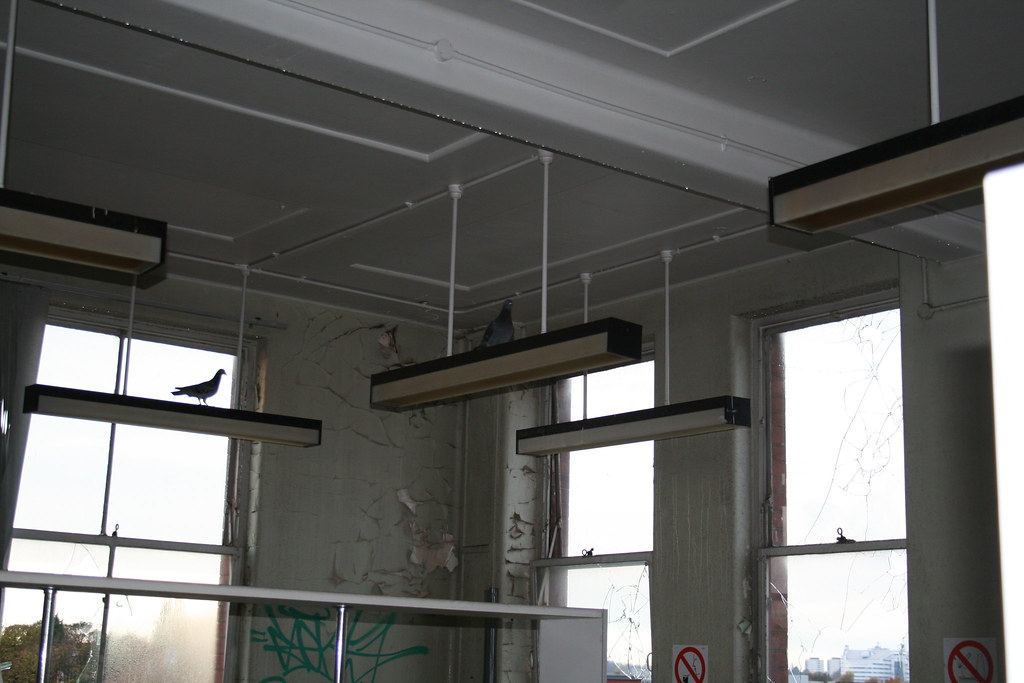
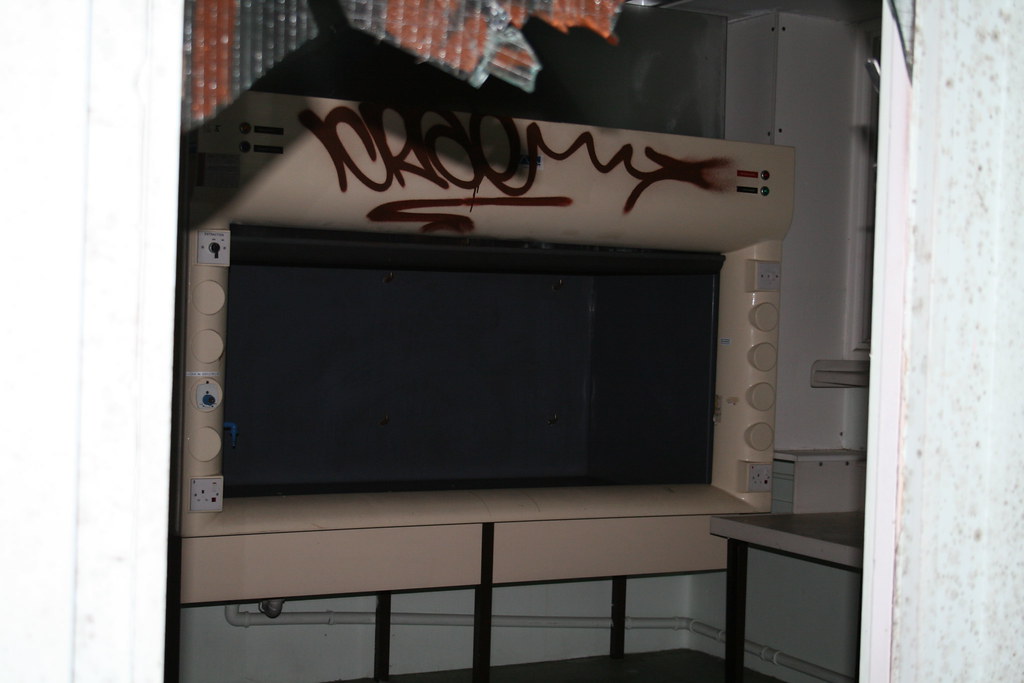
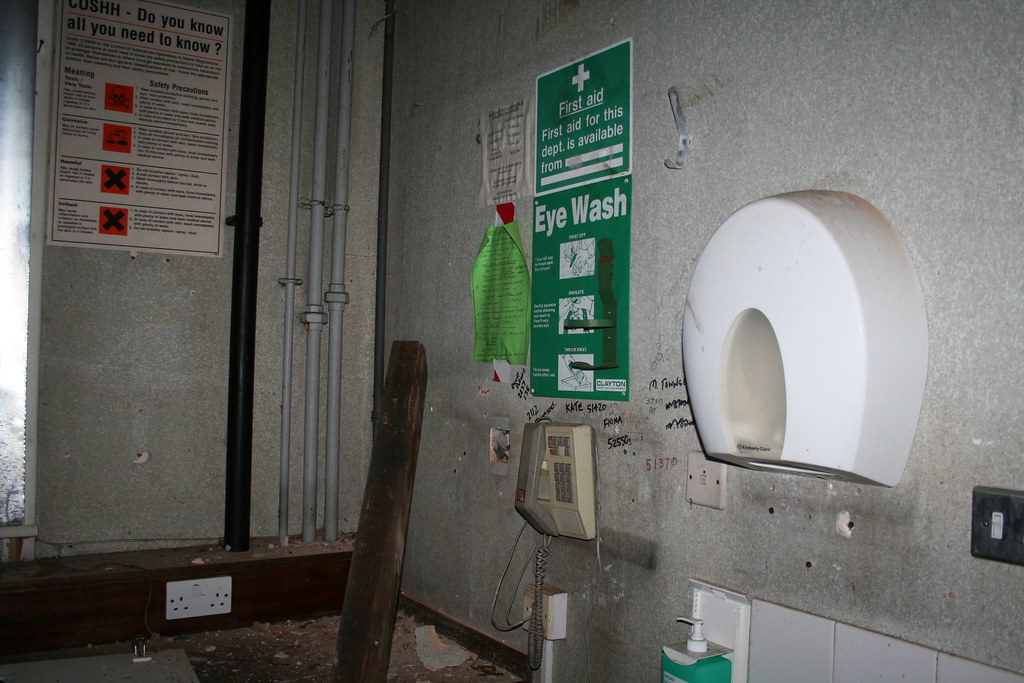
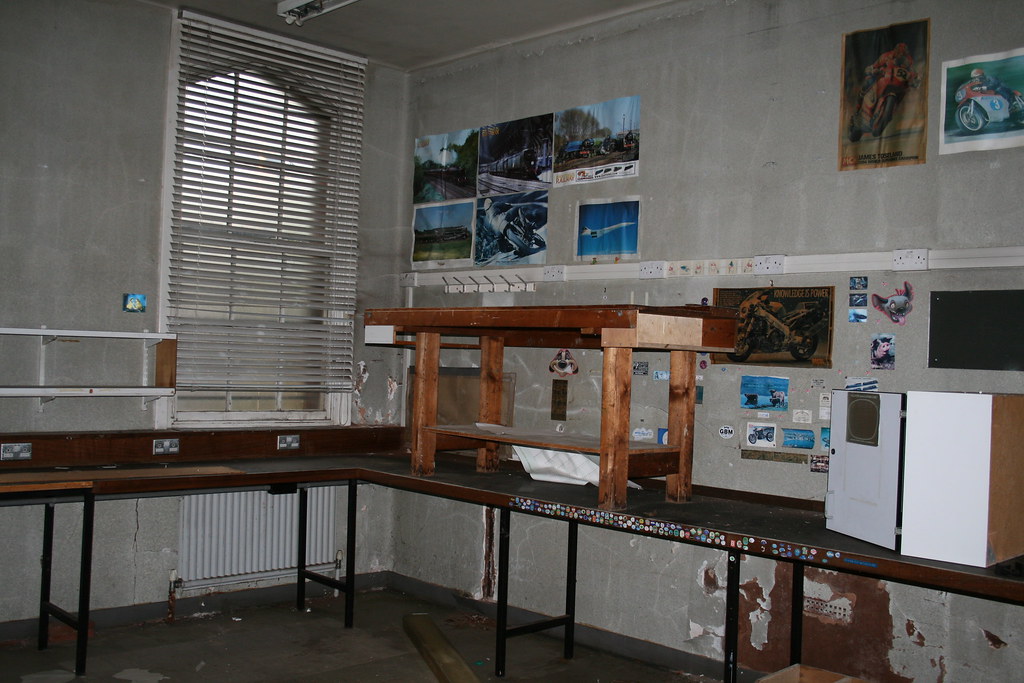
Abandoned Selly Oak Hospital
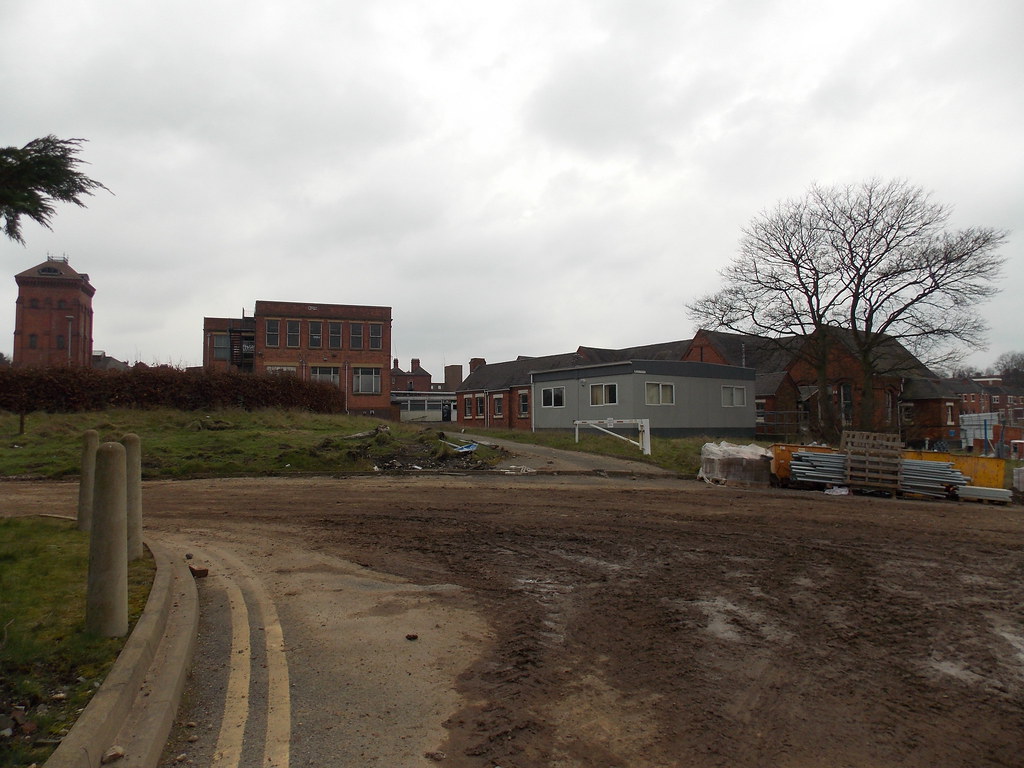
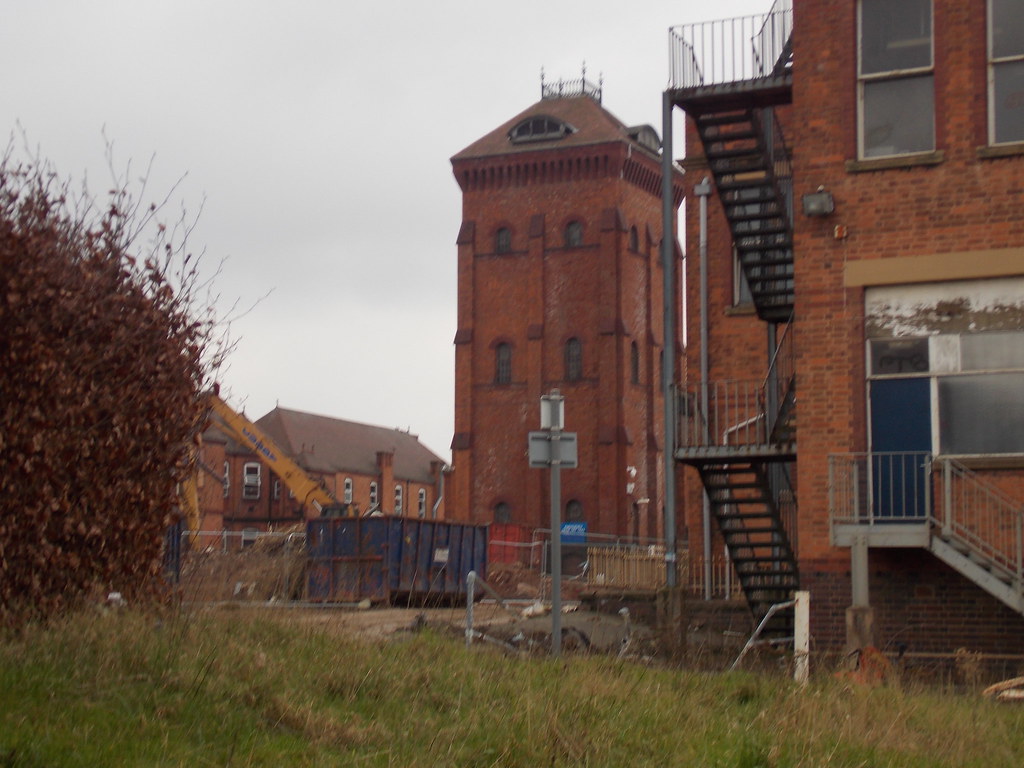
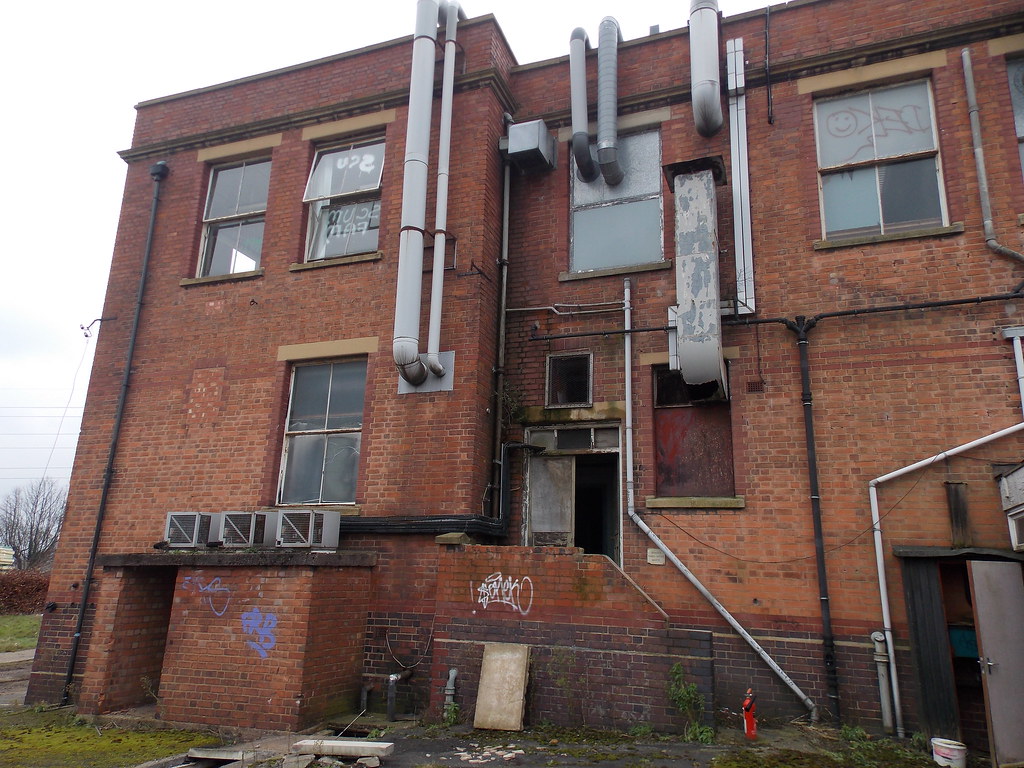
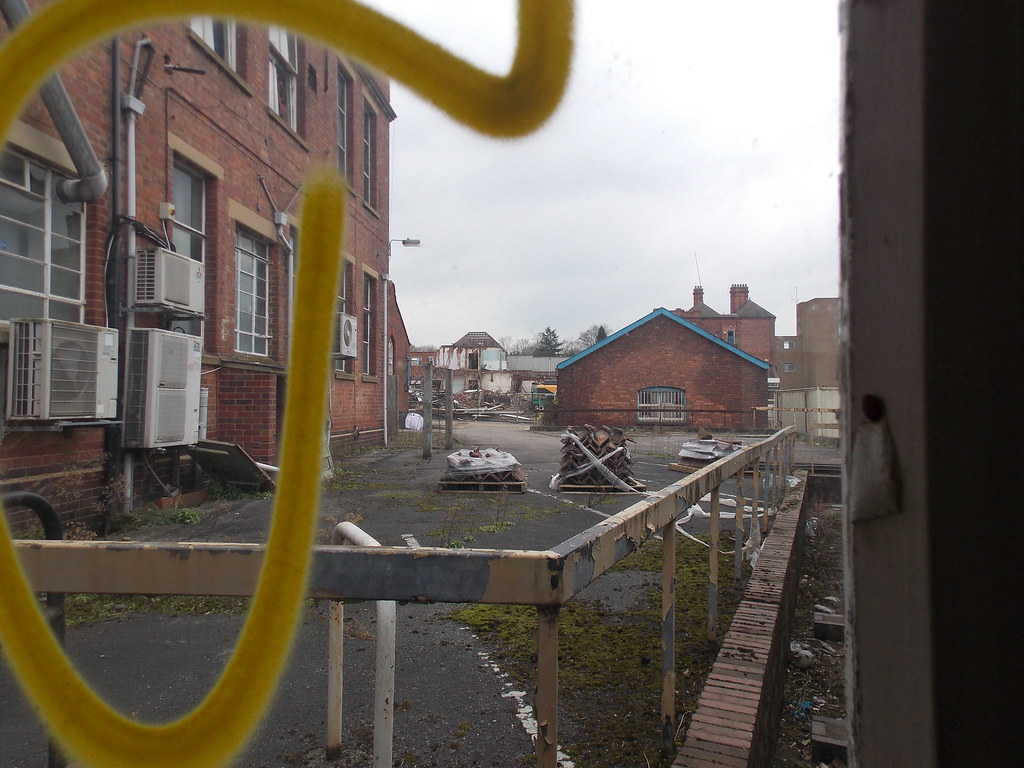
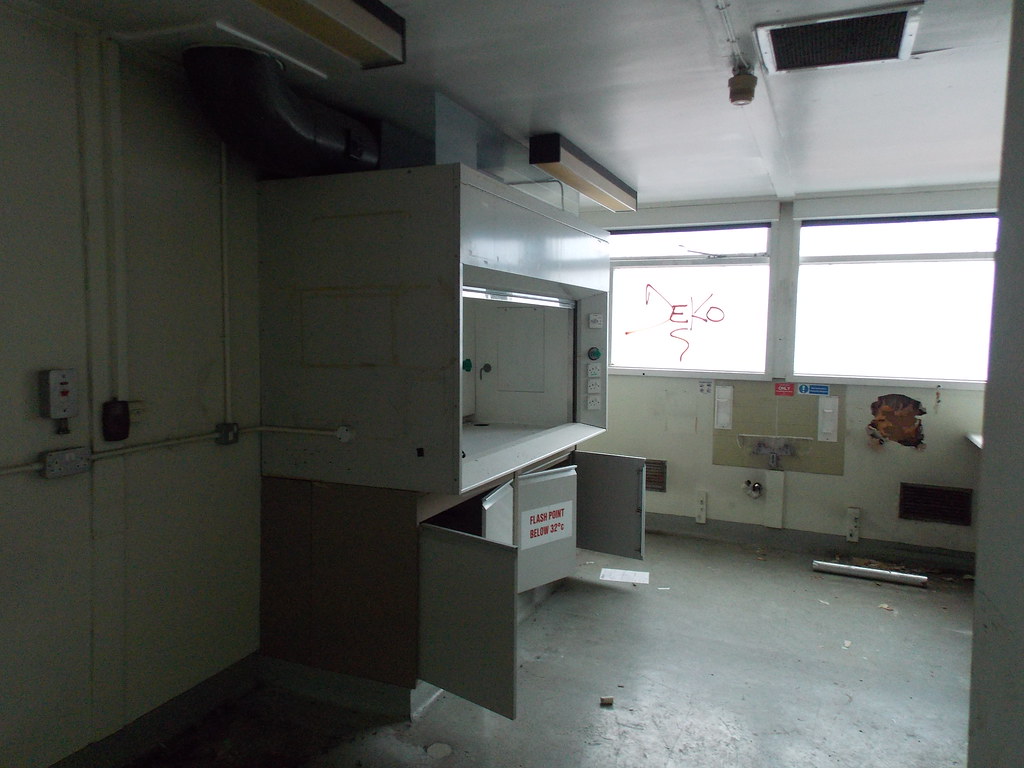
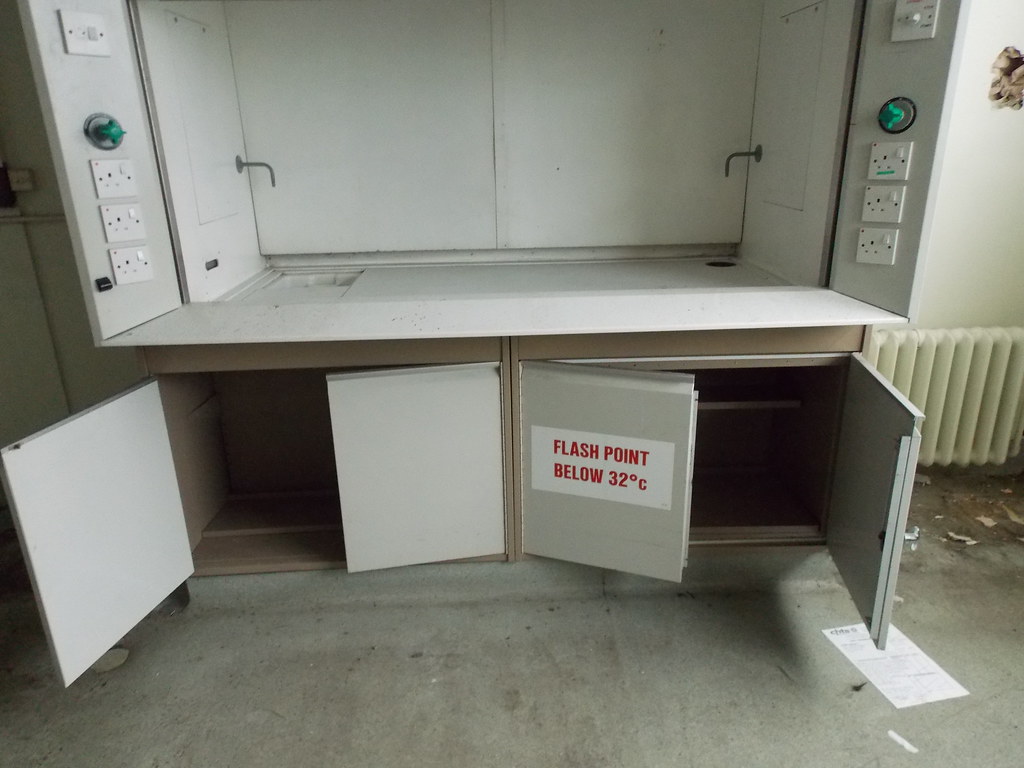
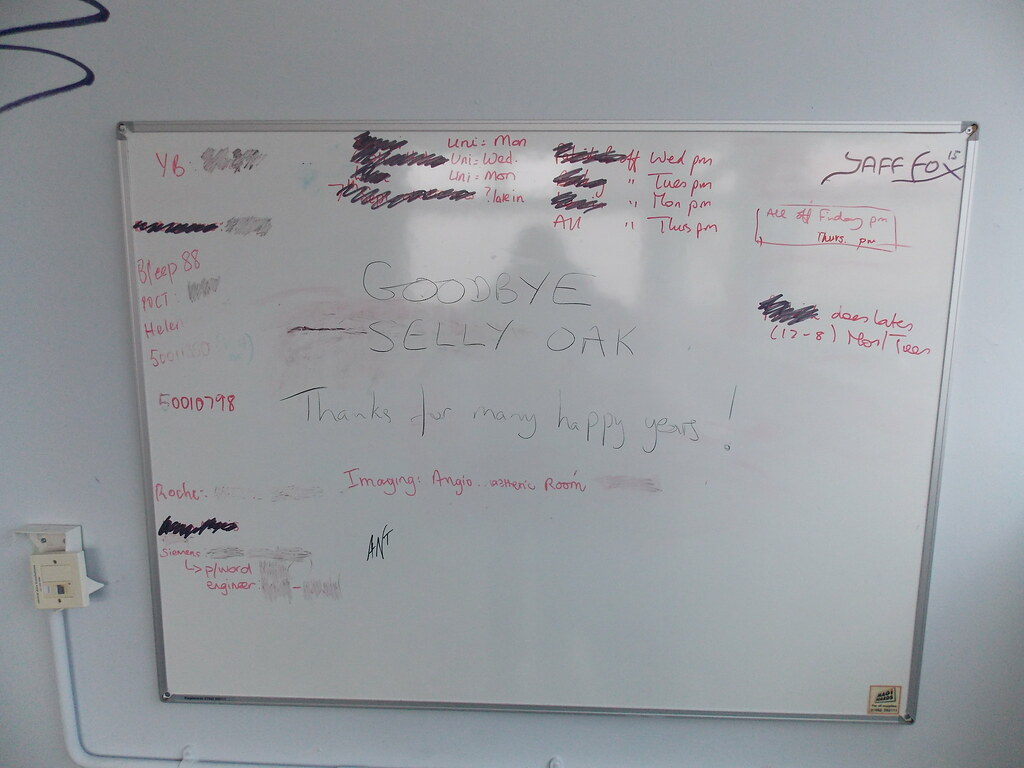
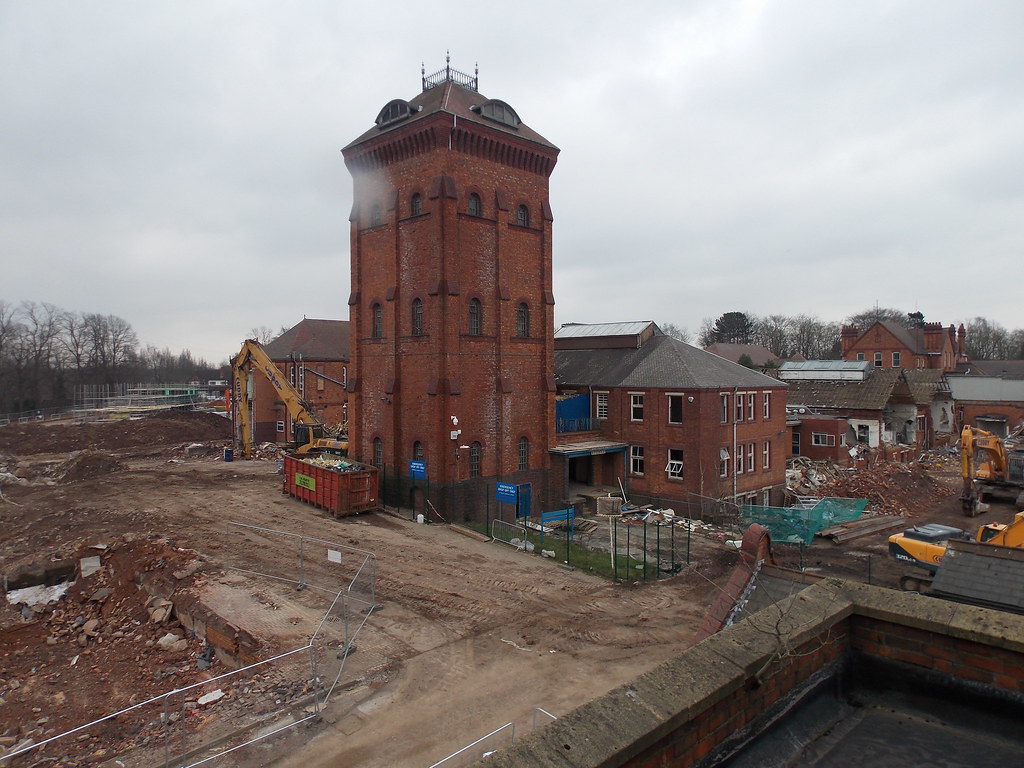
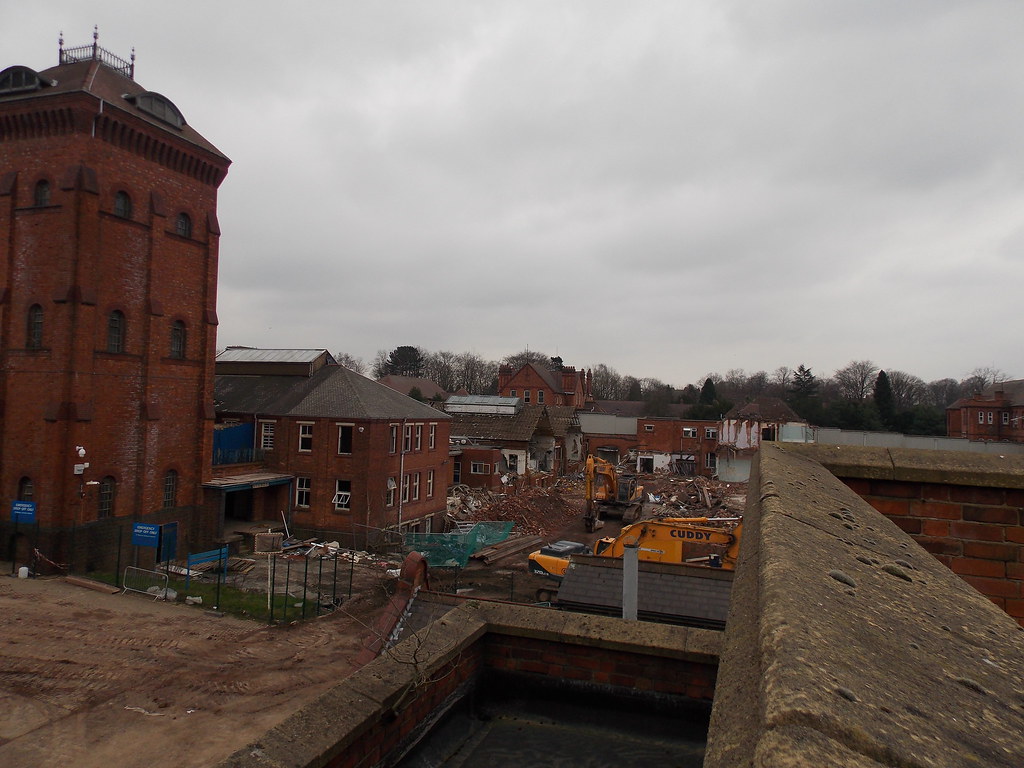
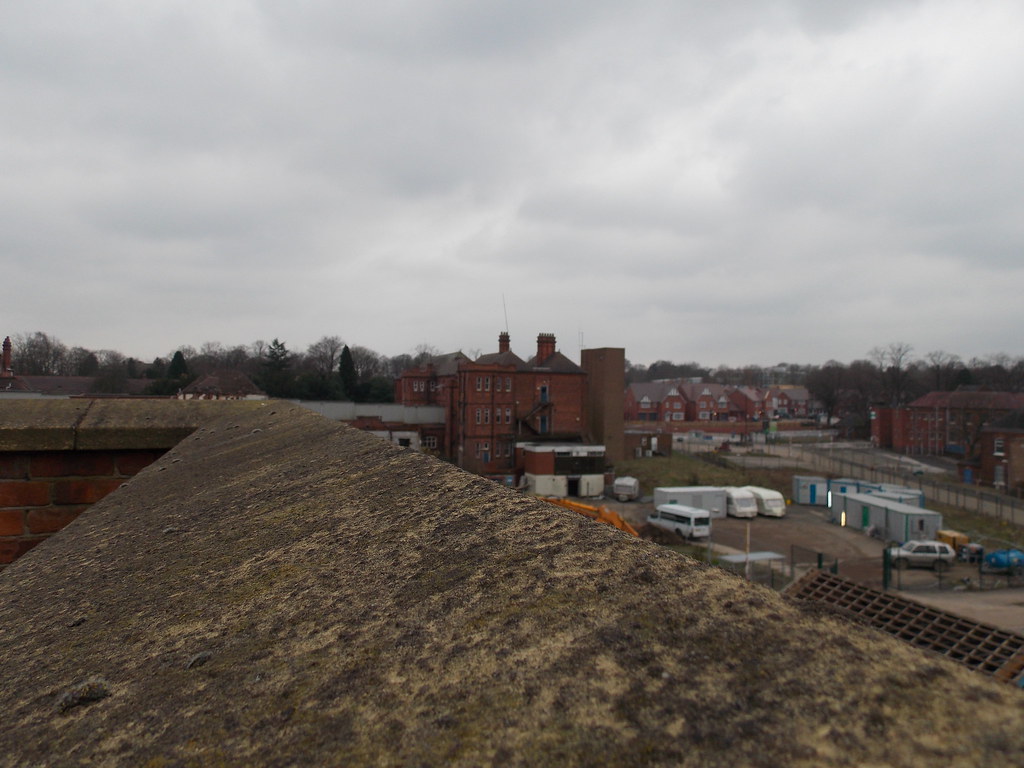
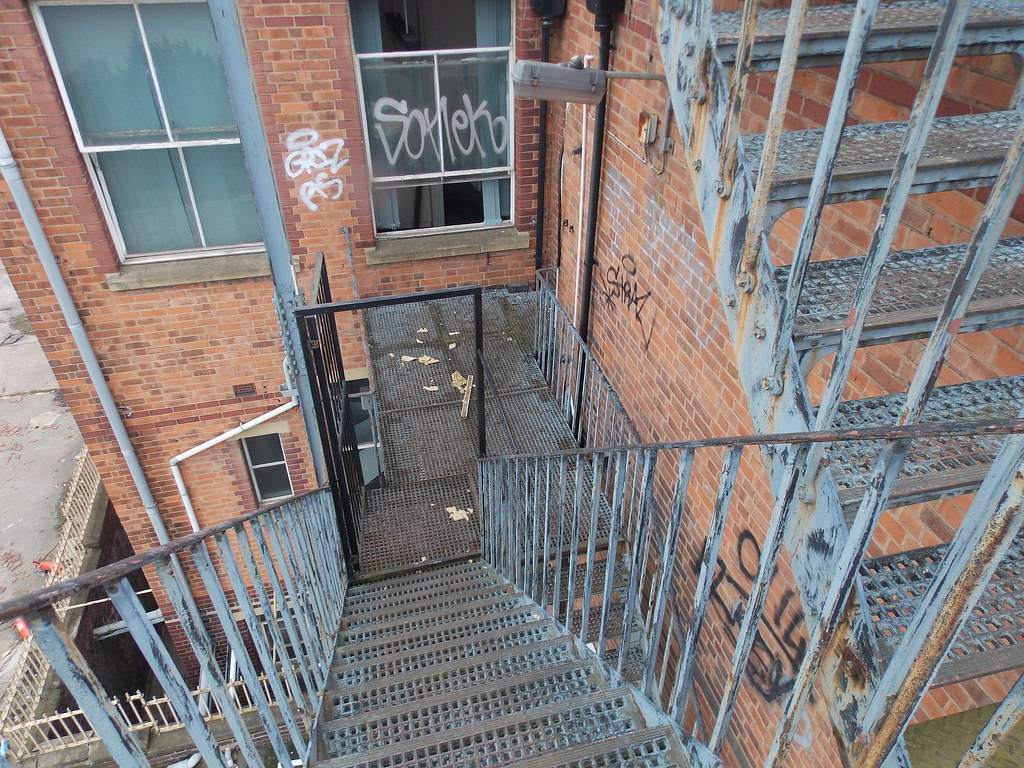
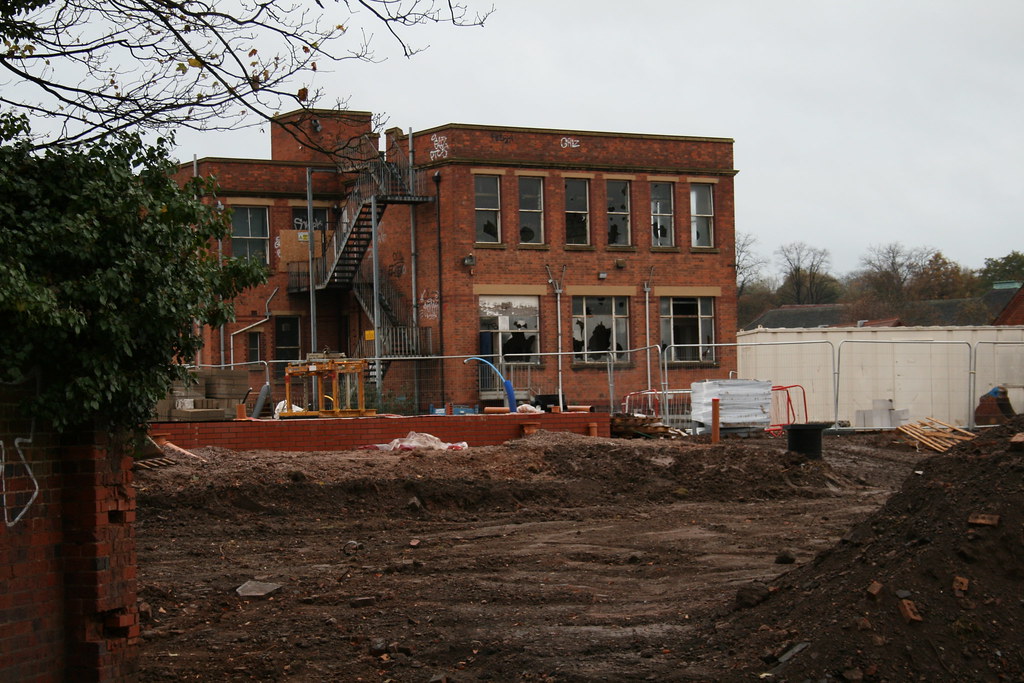
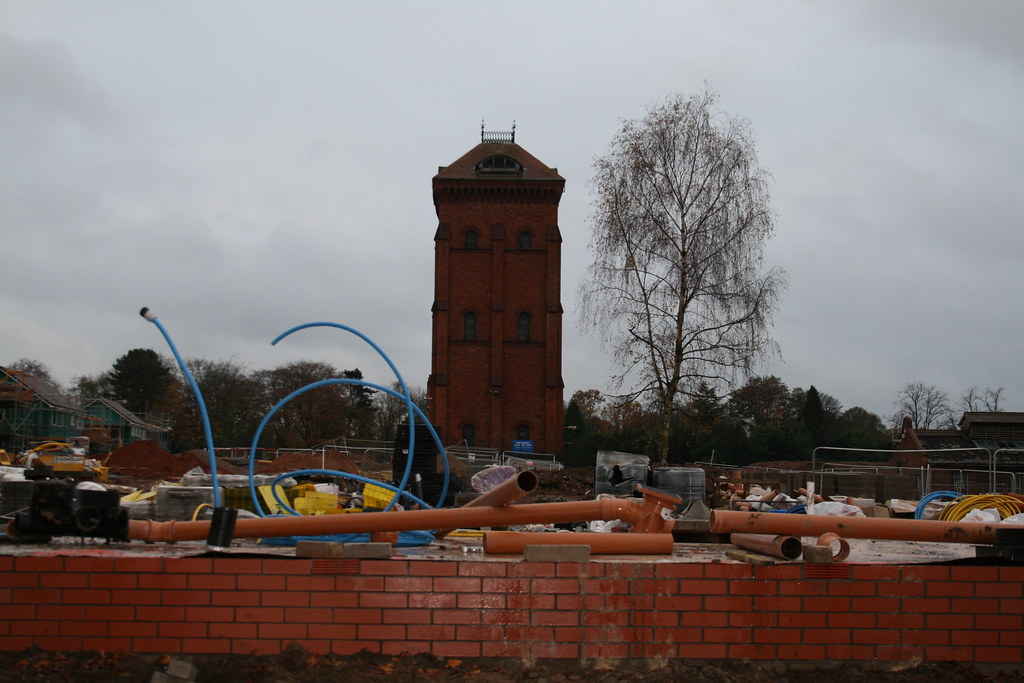
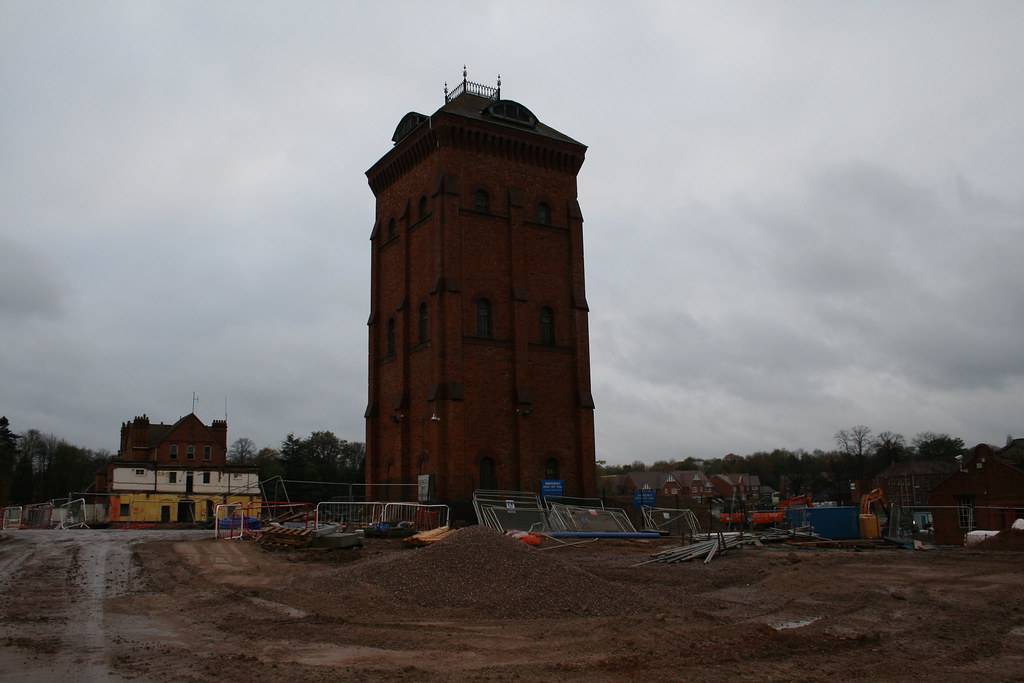
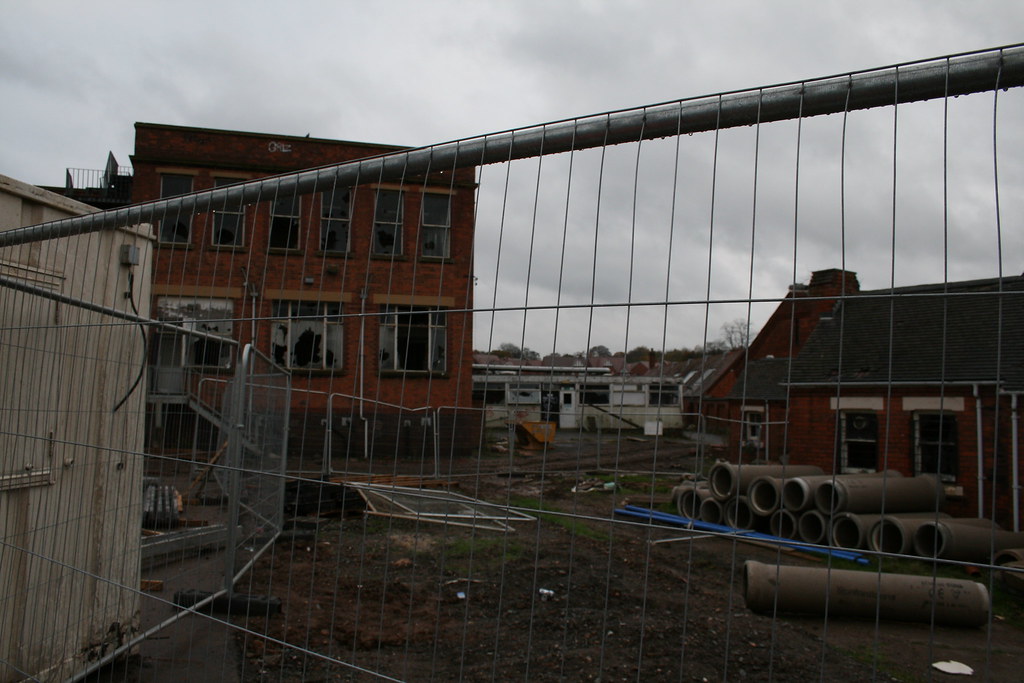
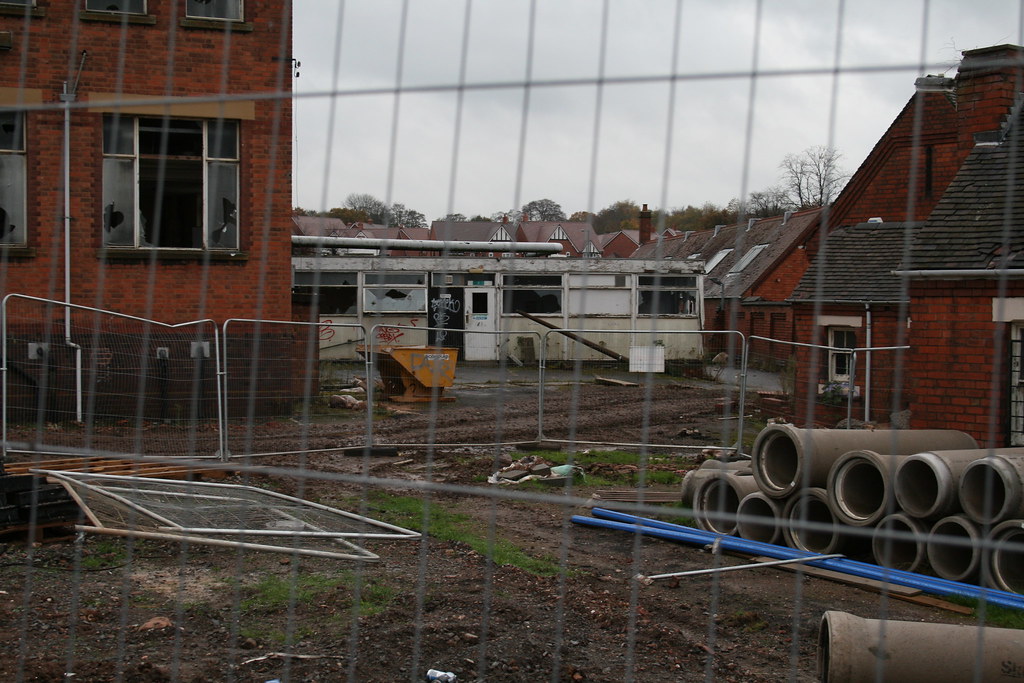
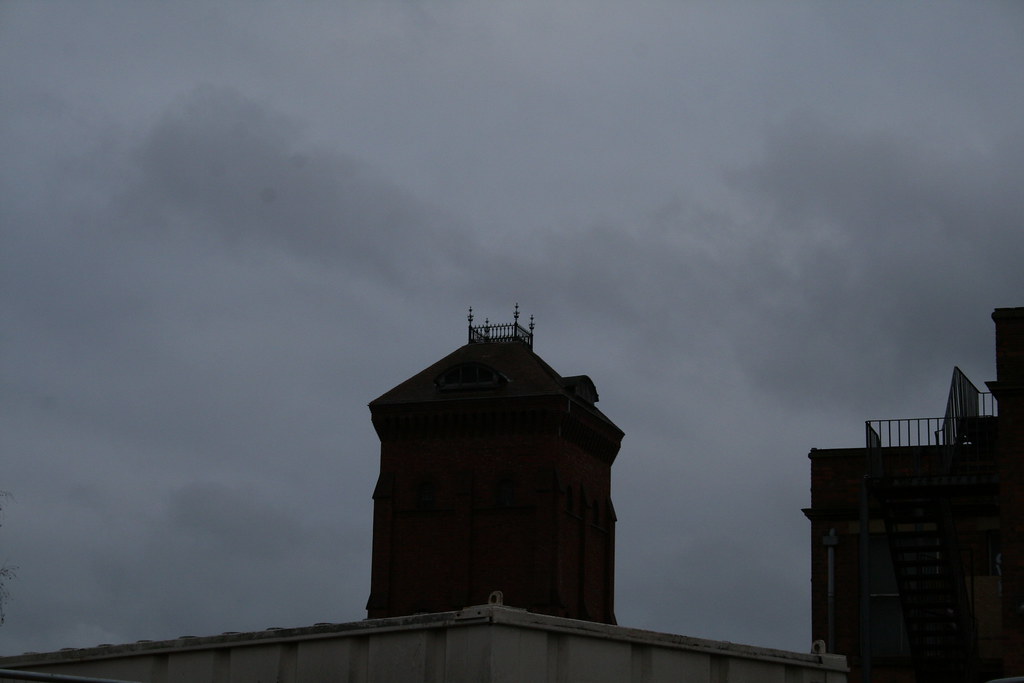
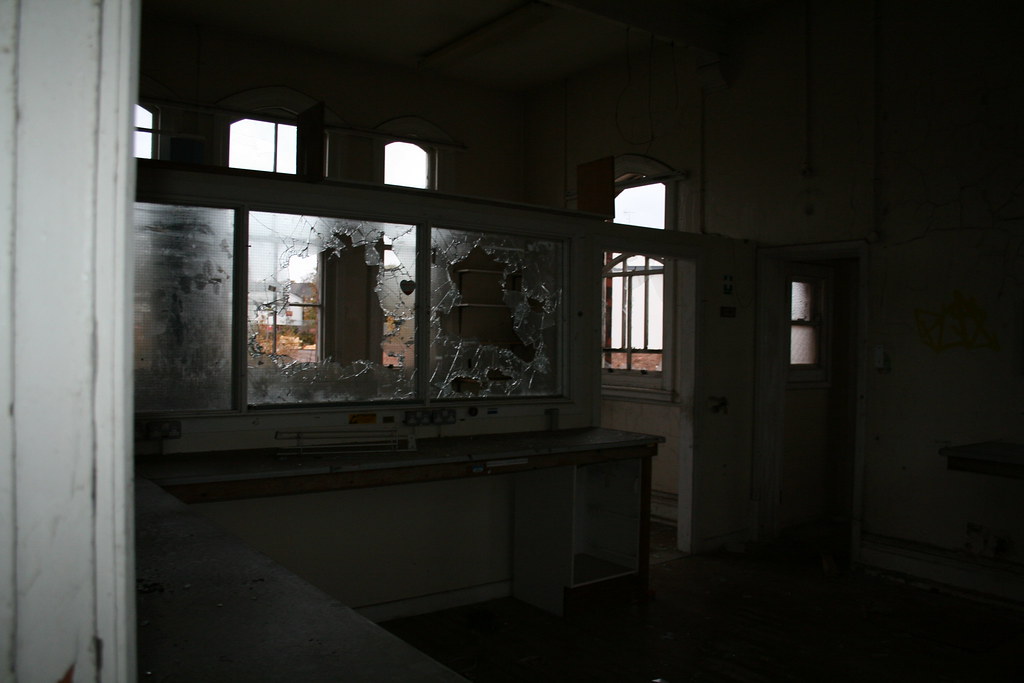
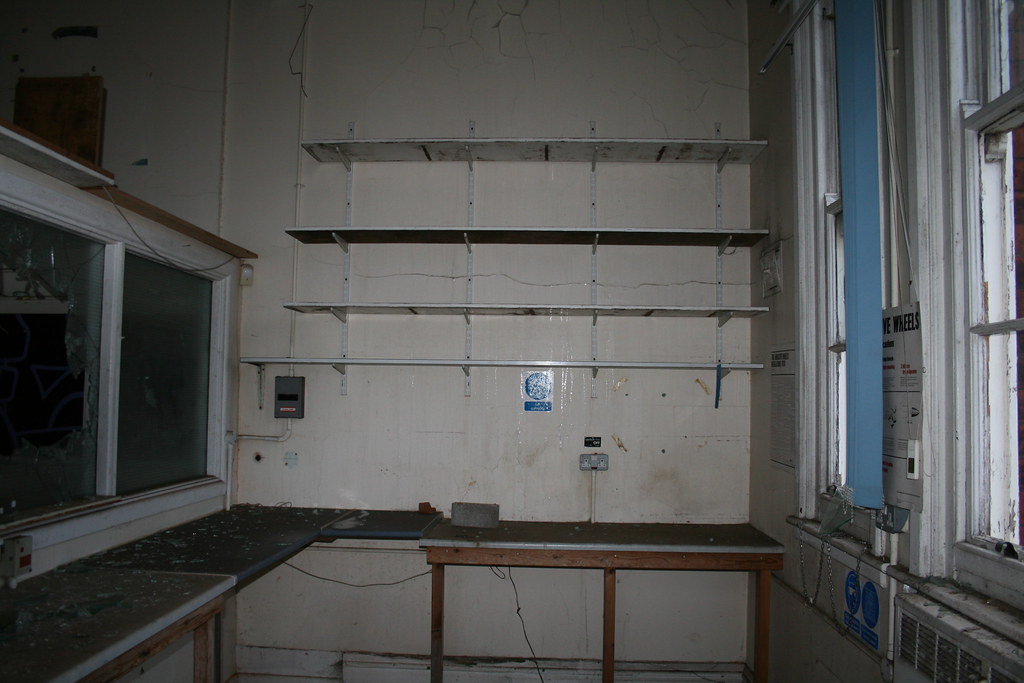
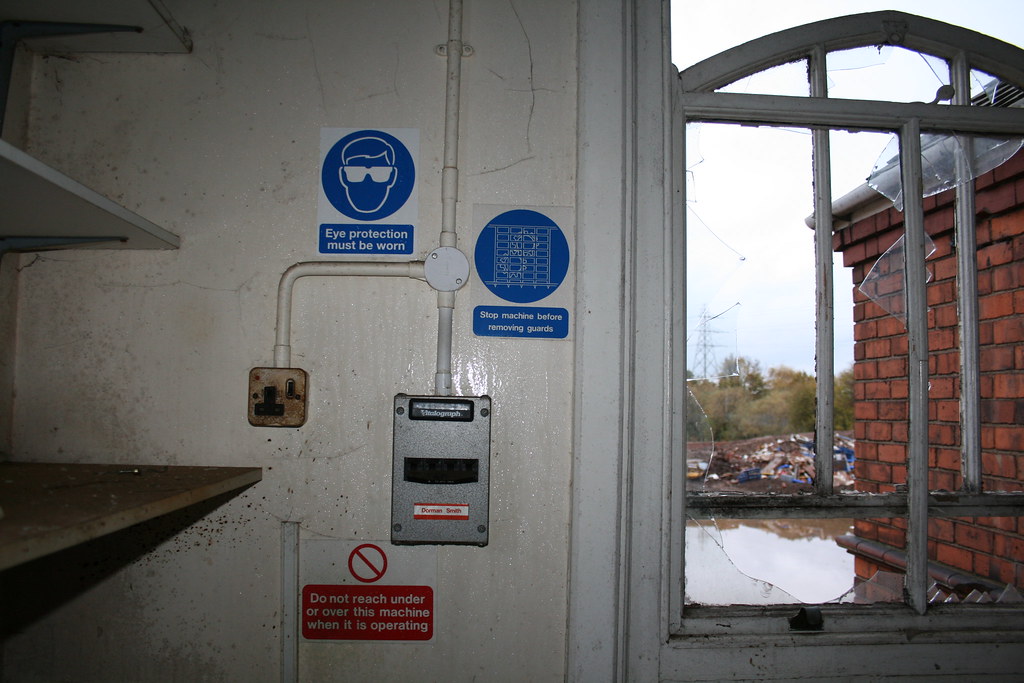
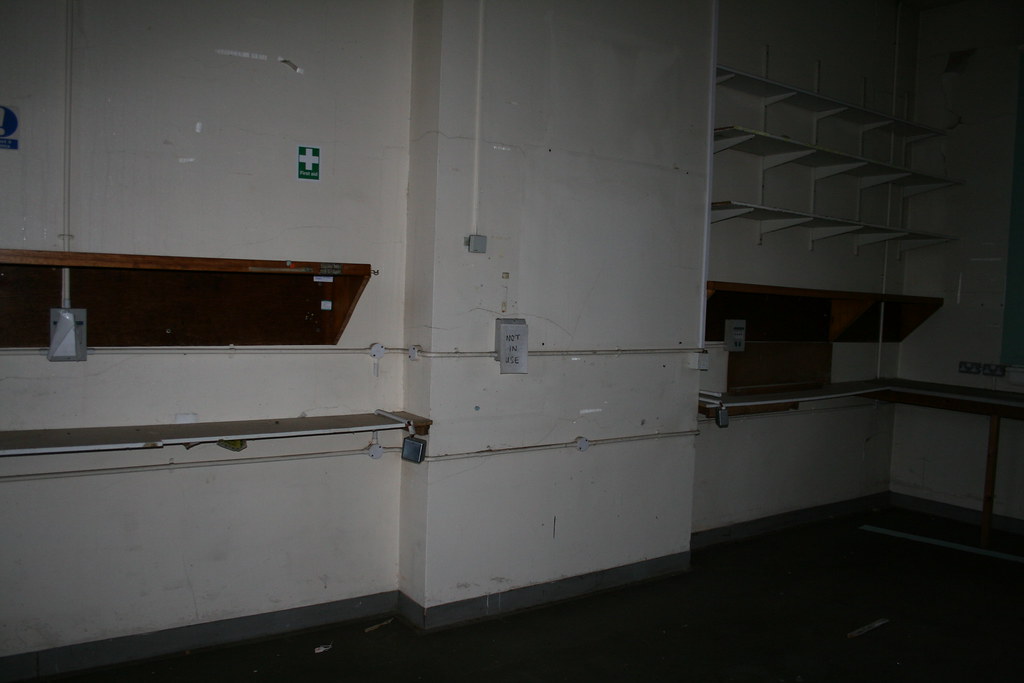
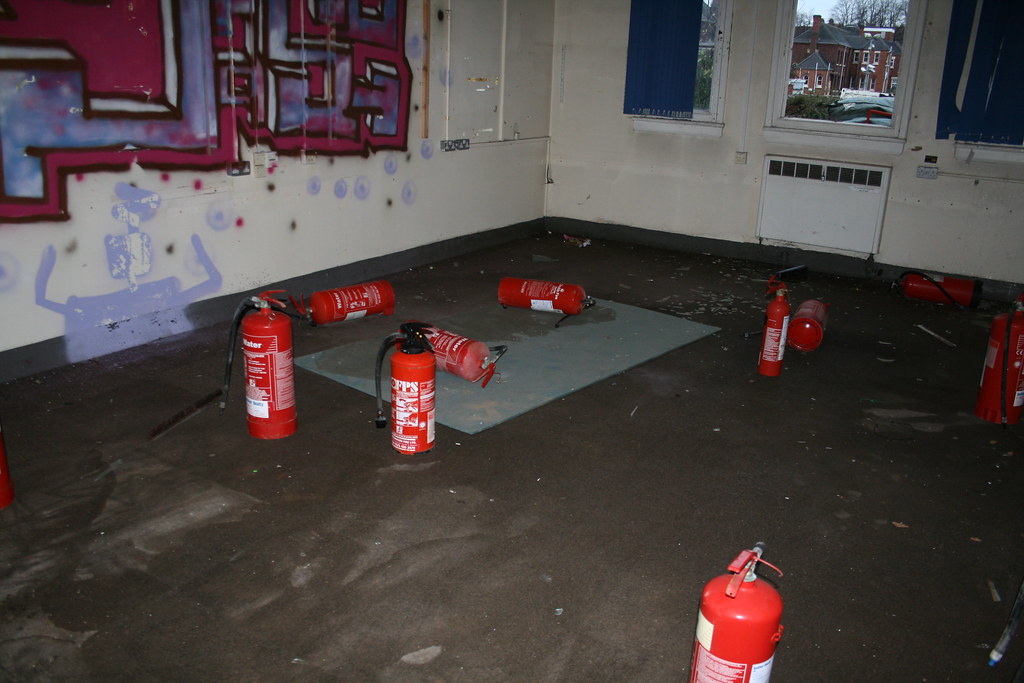
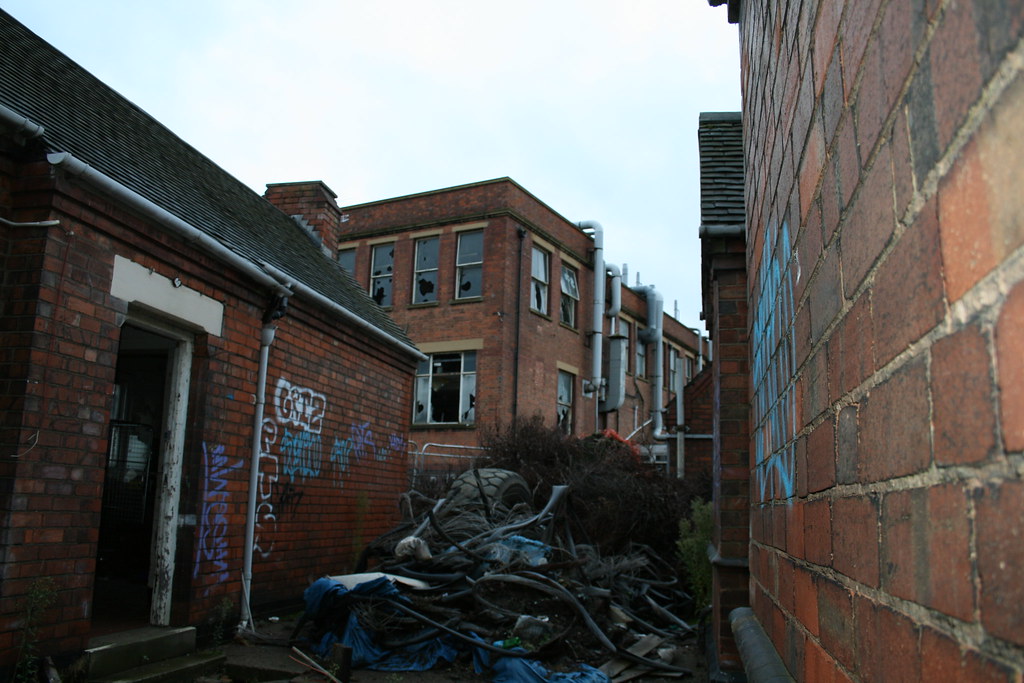
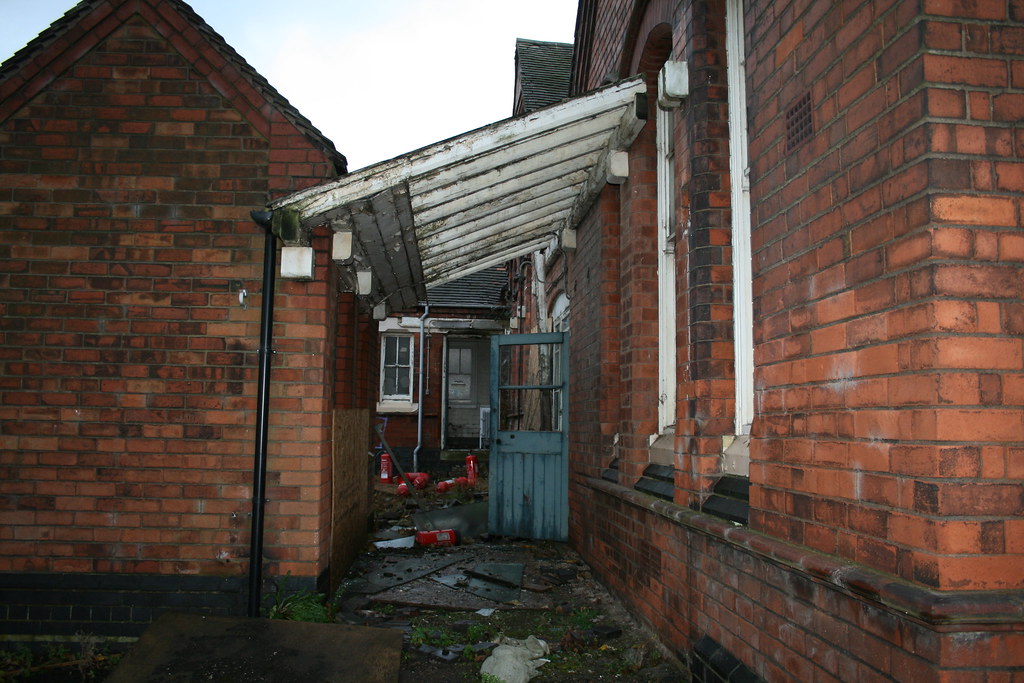
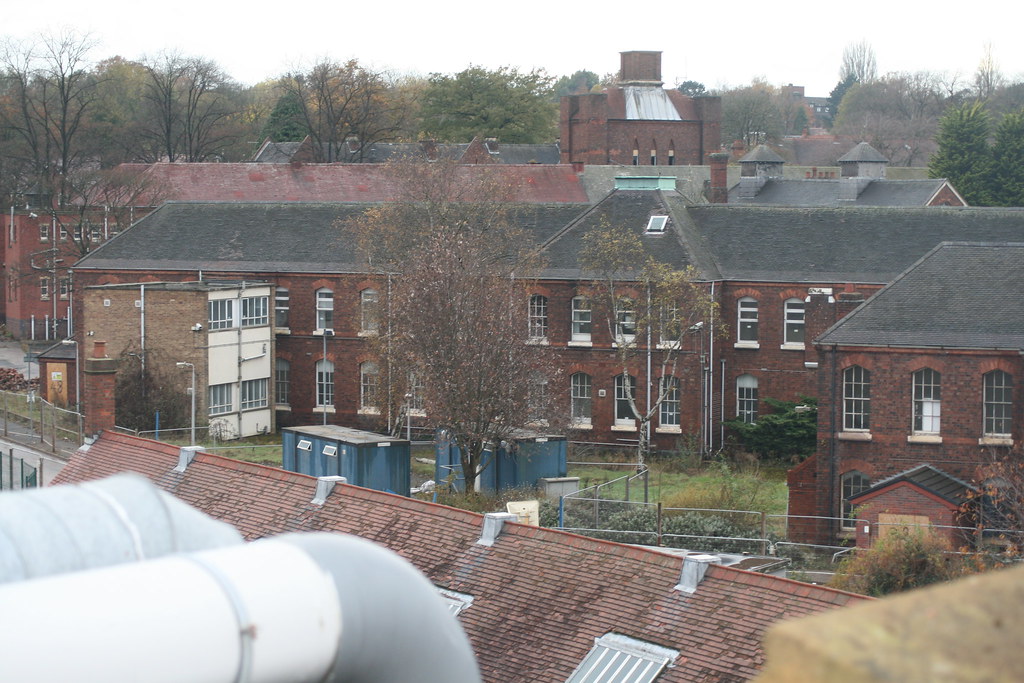
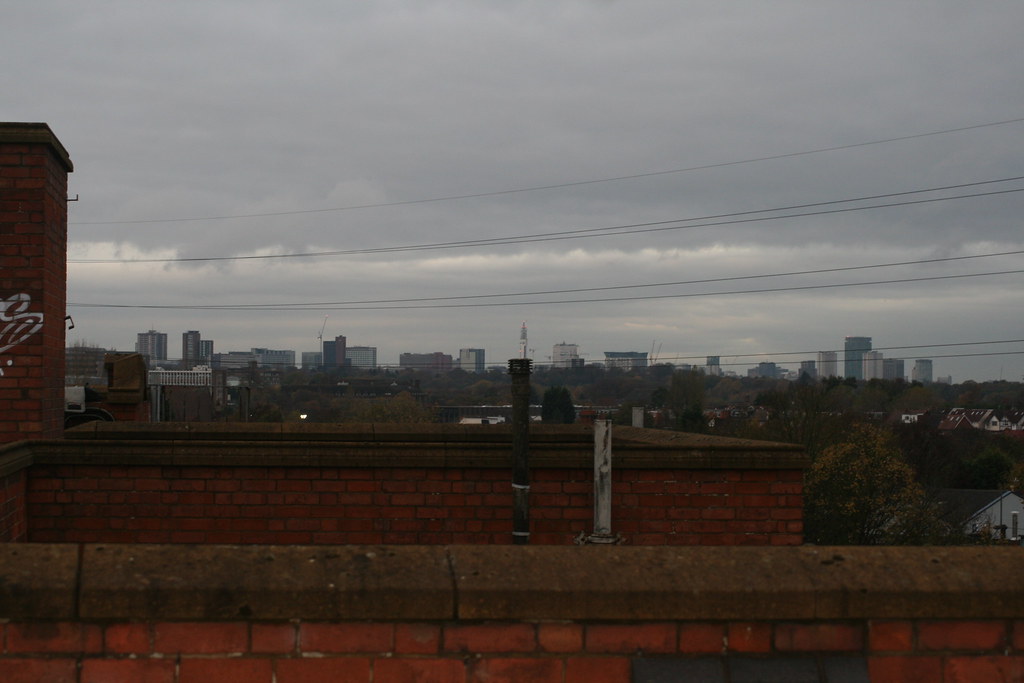
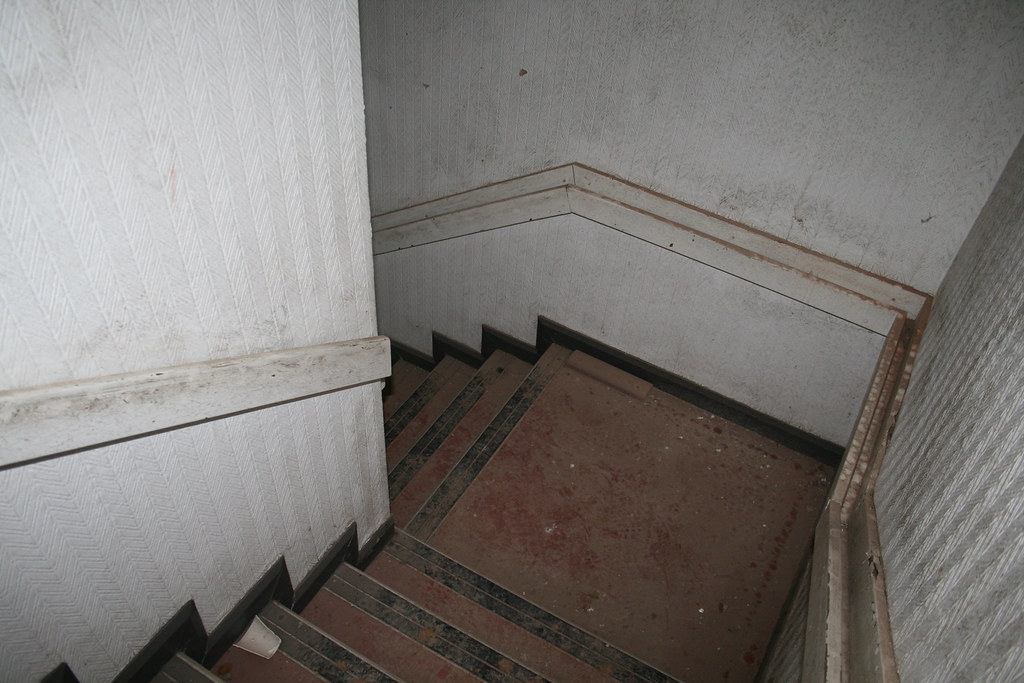
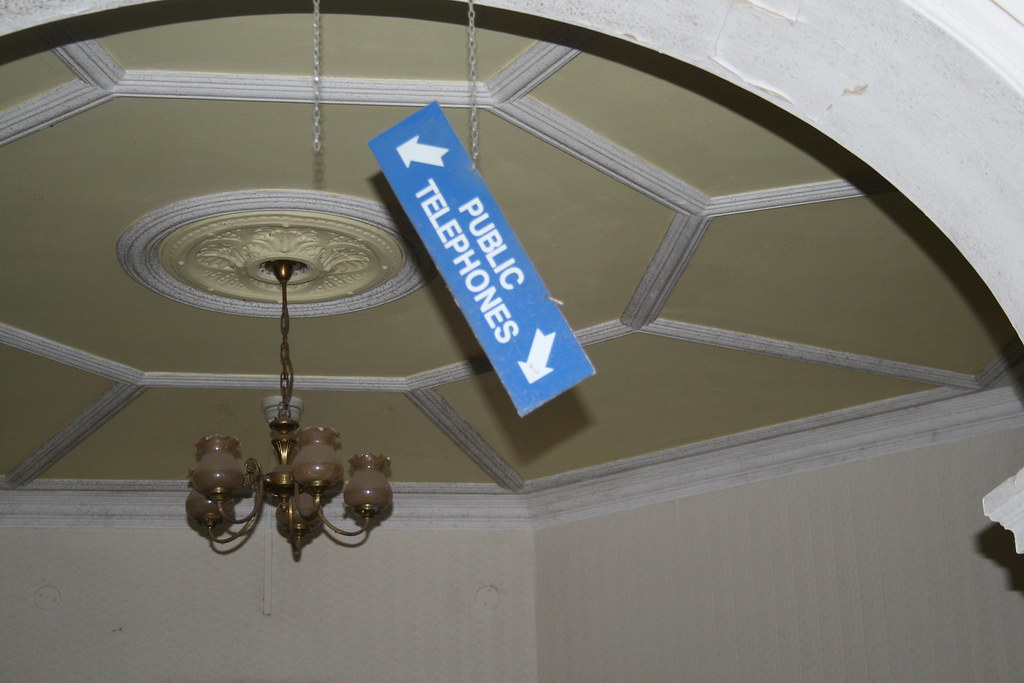
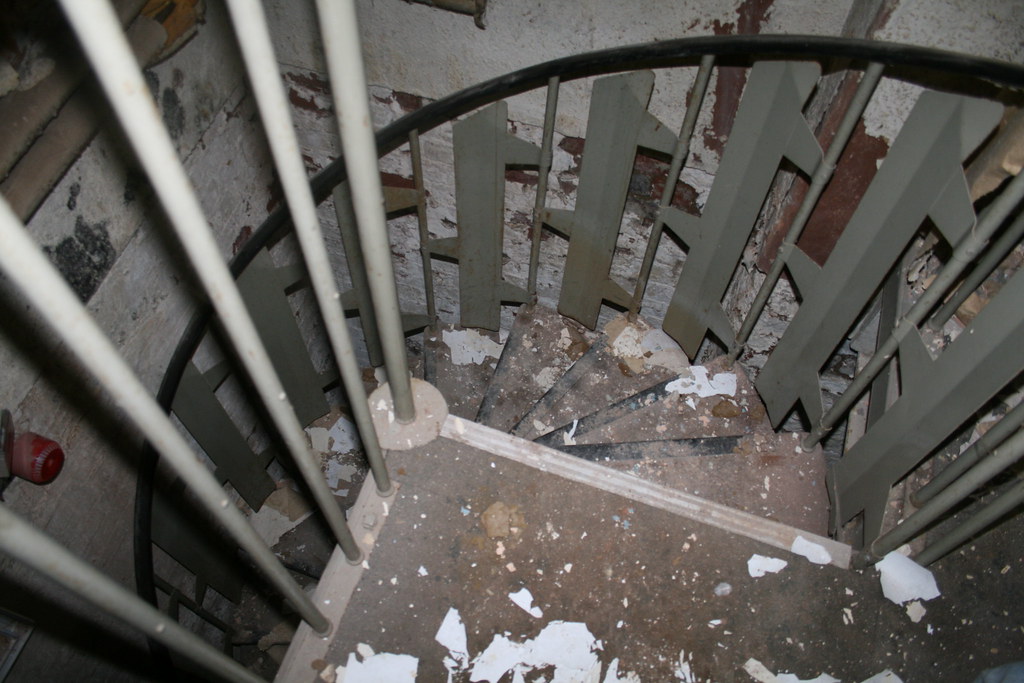
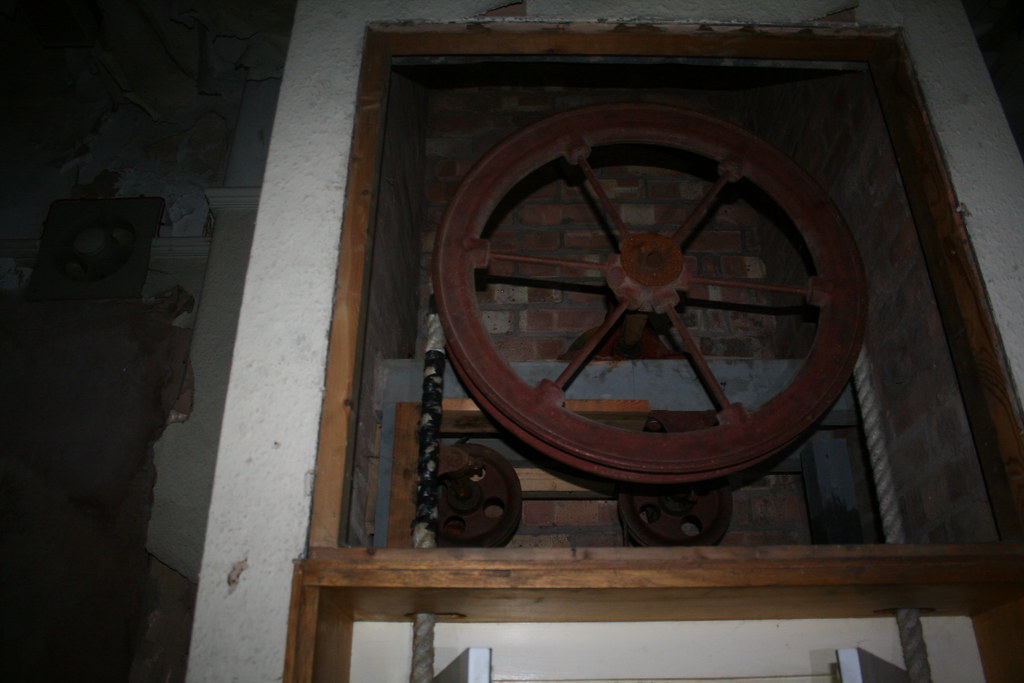
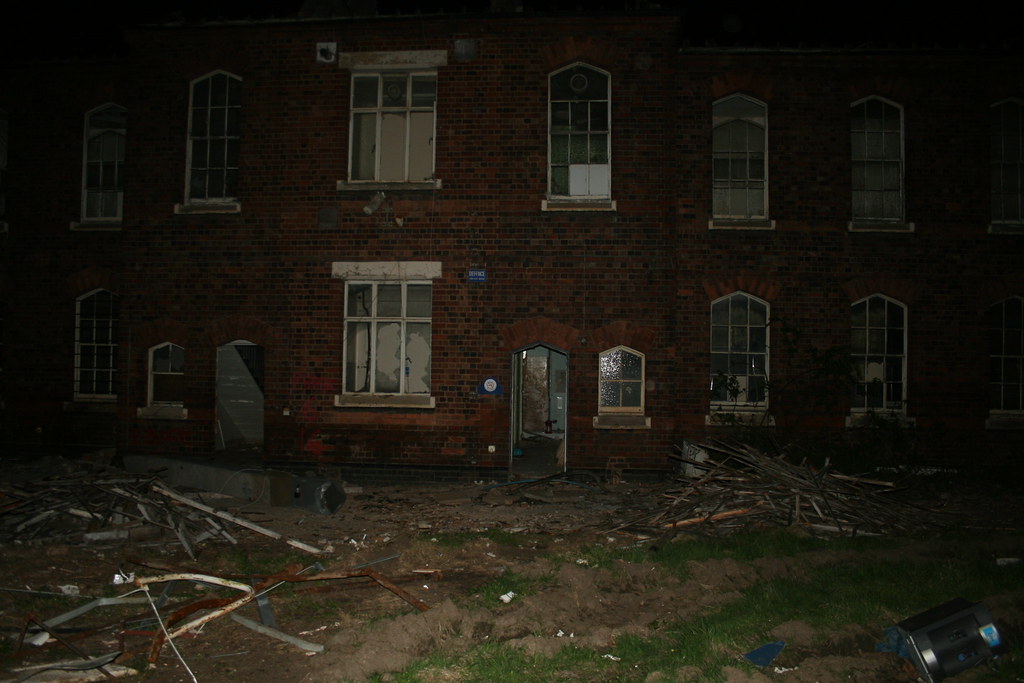
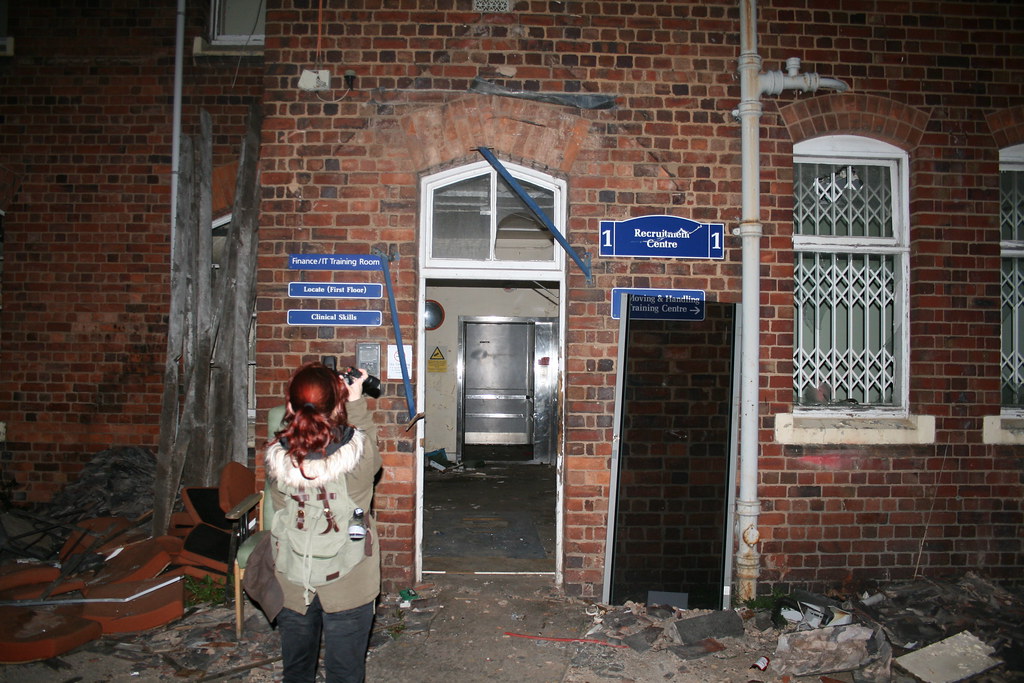
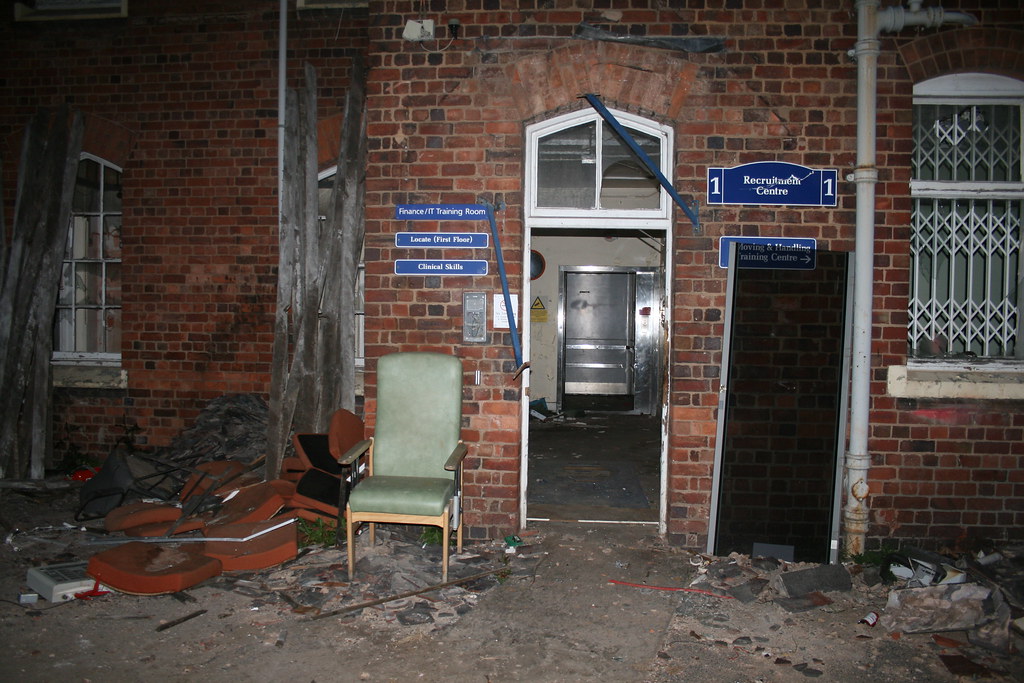
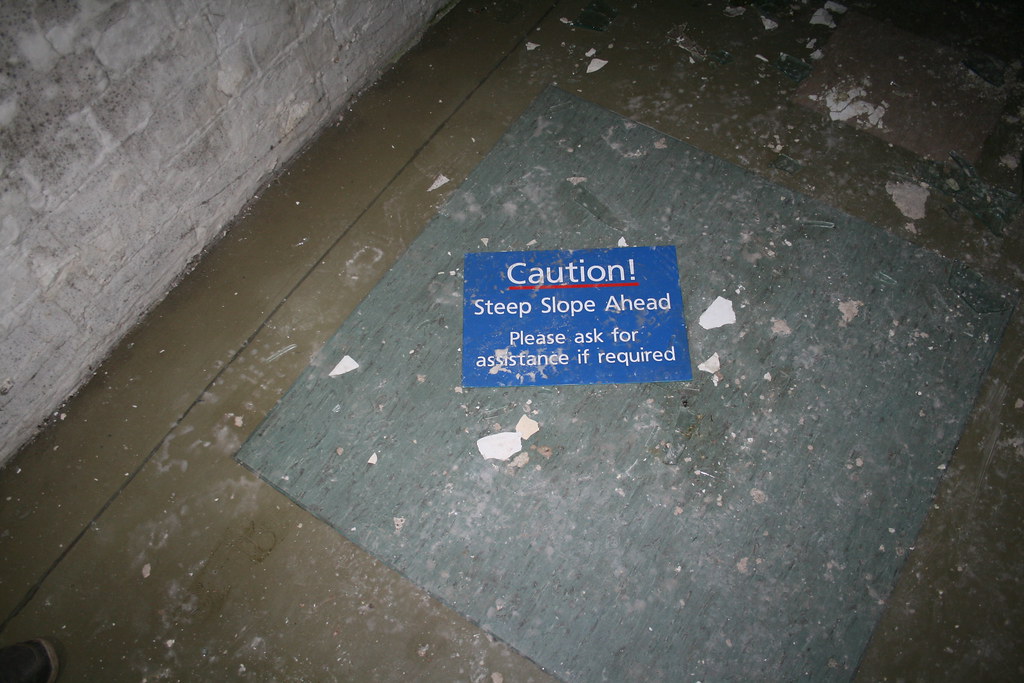
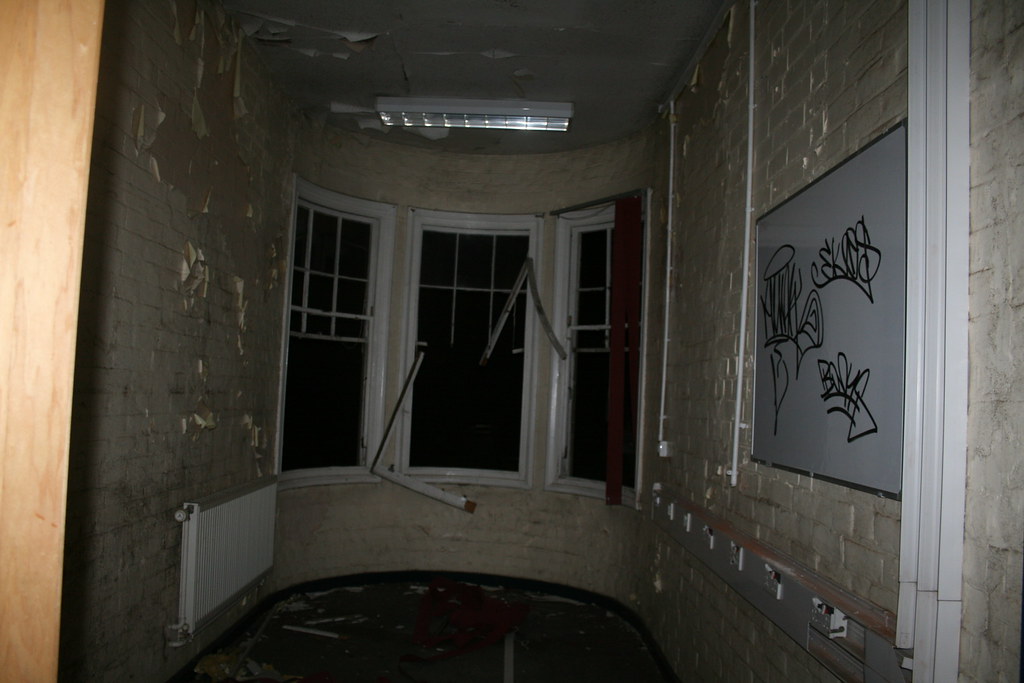
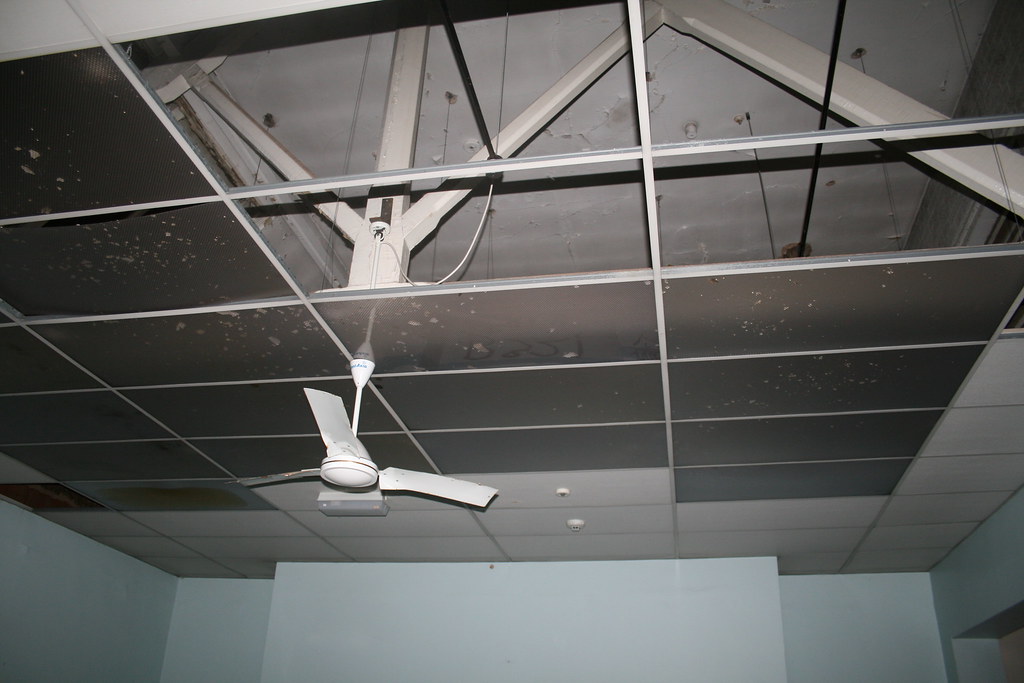
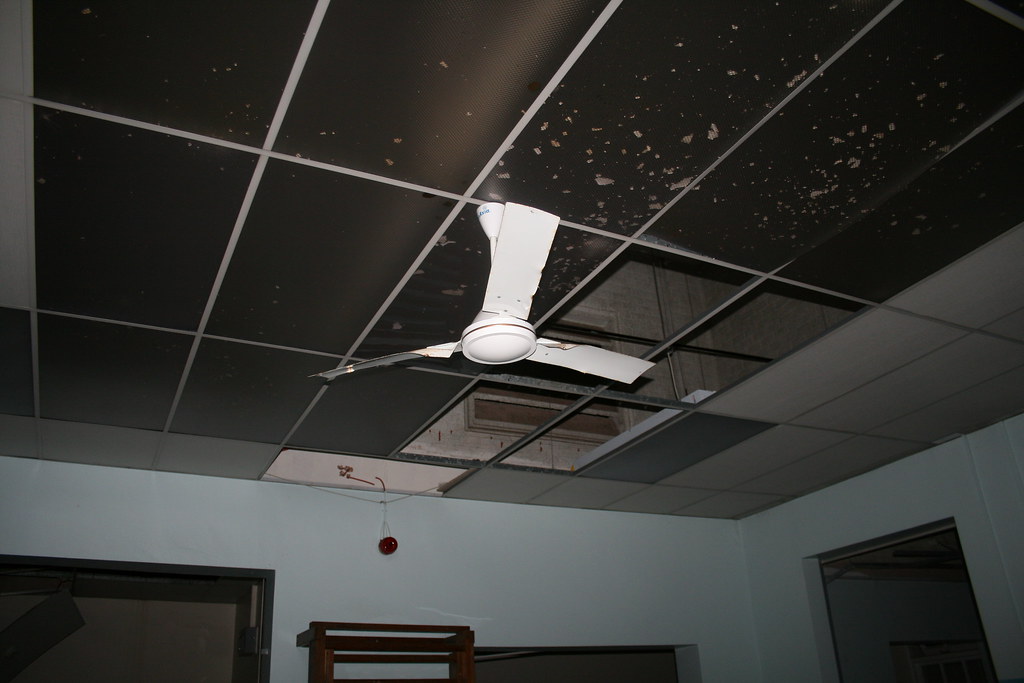
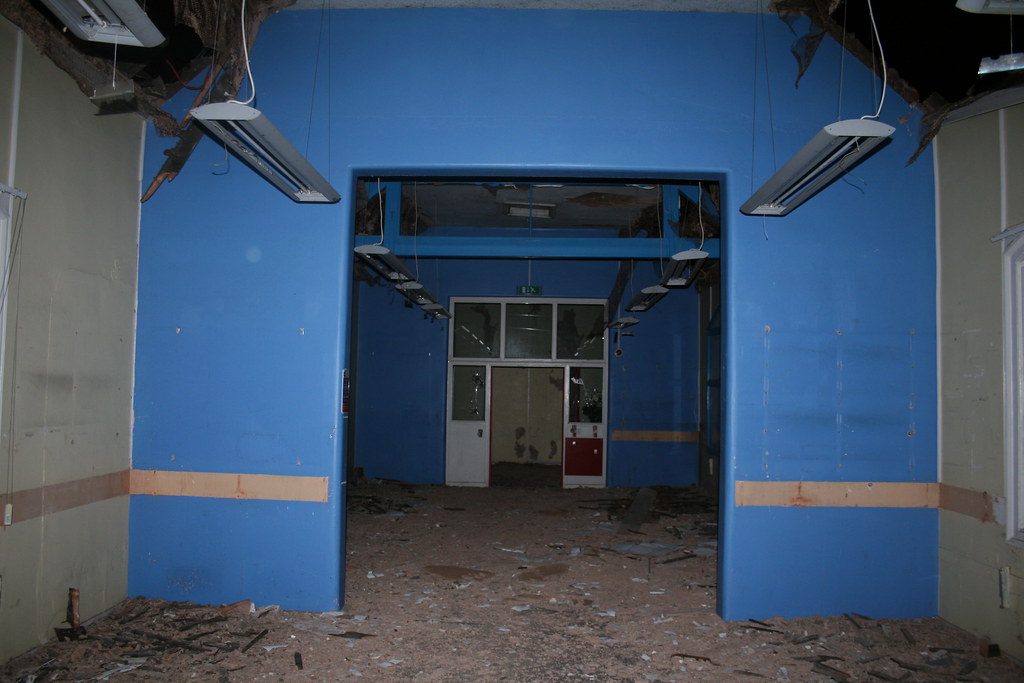
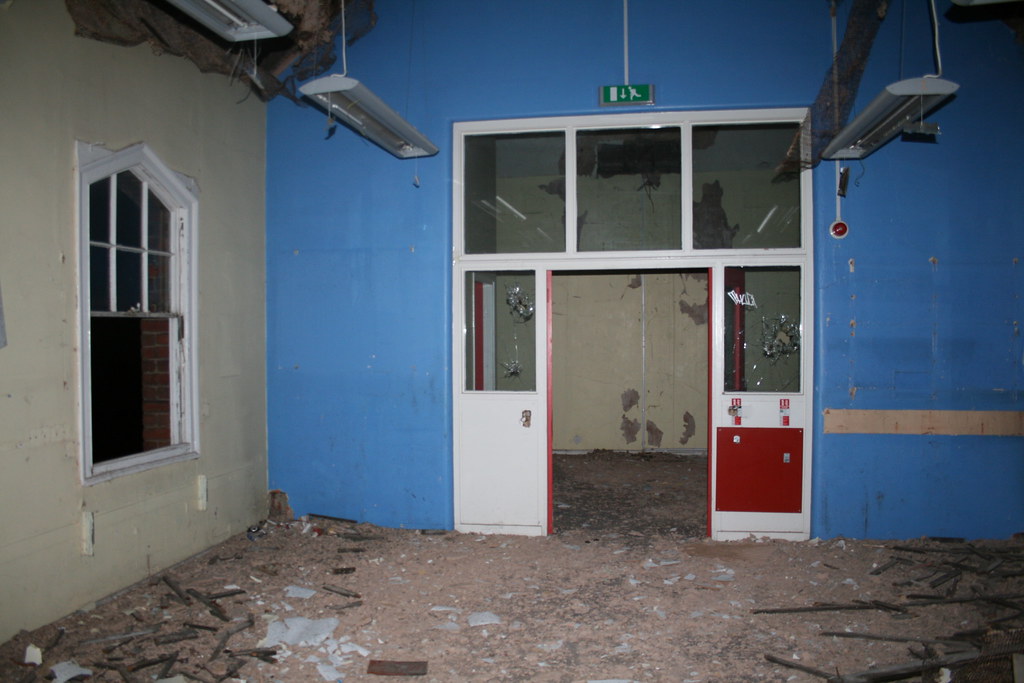
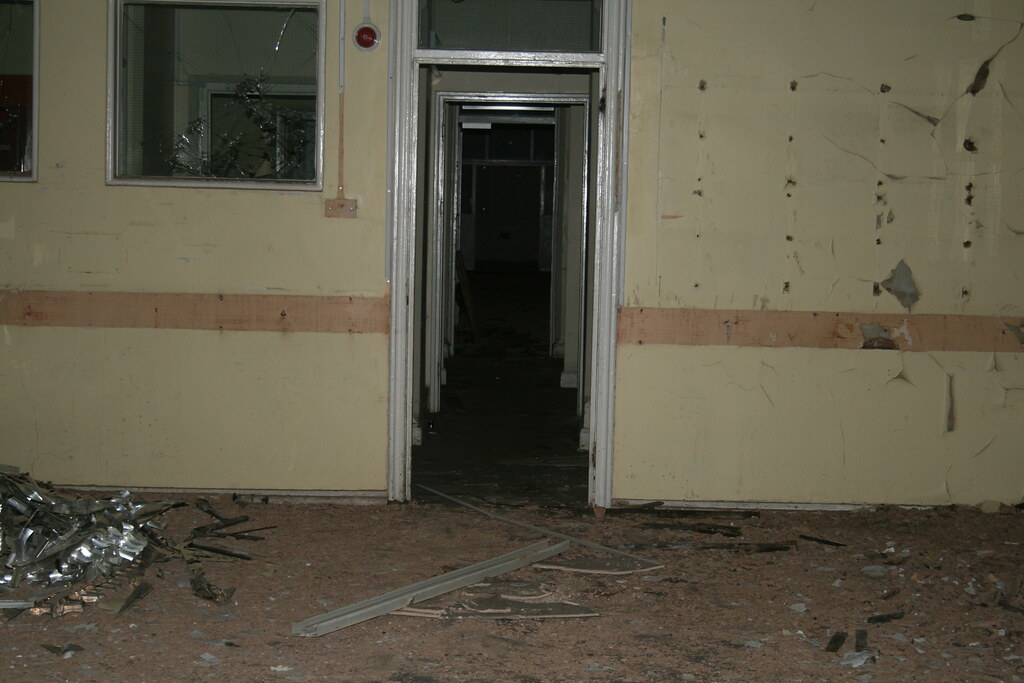
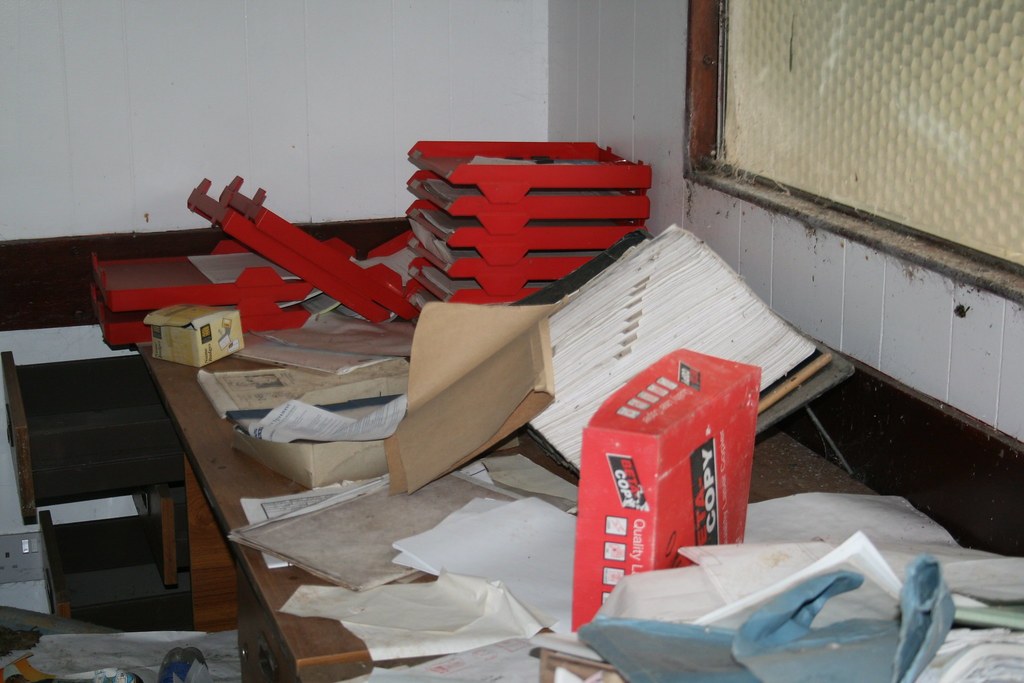
Exploring the abandoned Selly Oak Hospital (2015/2016) before demolition.
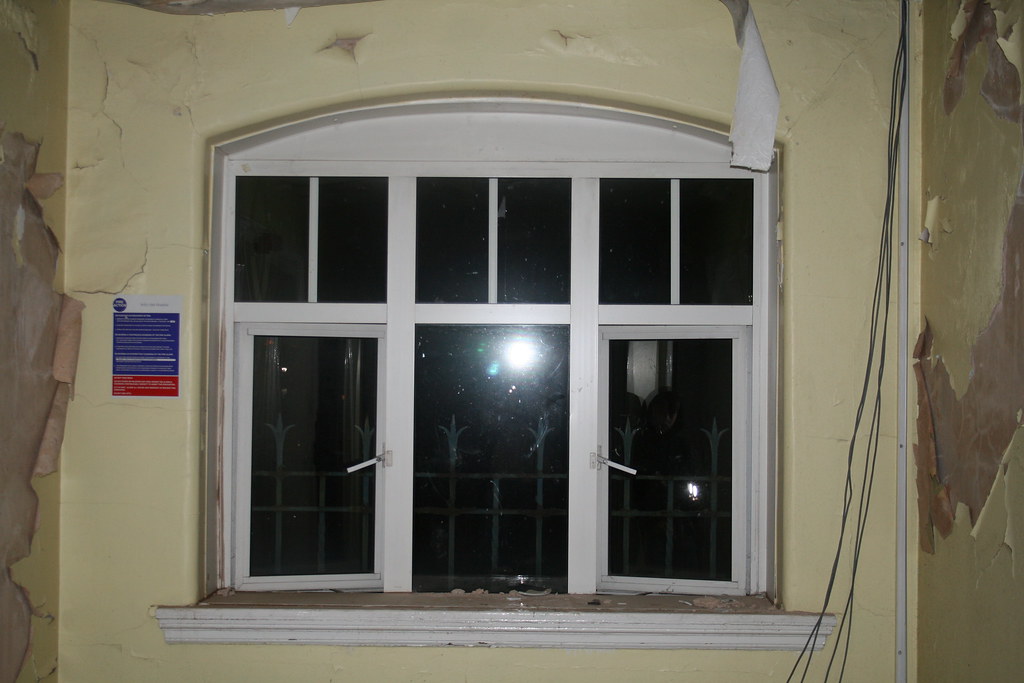
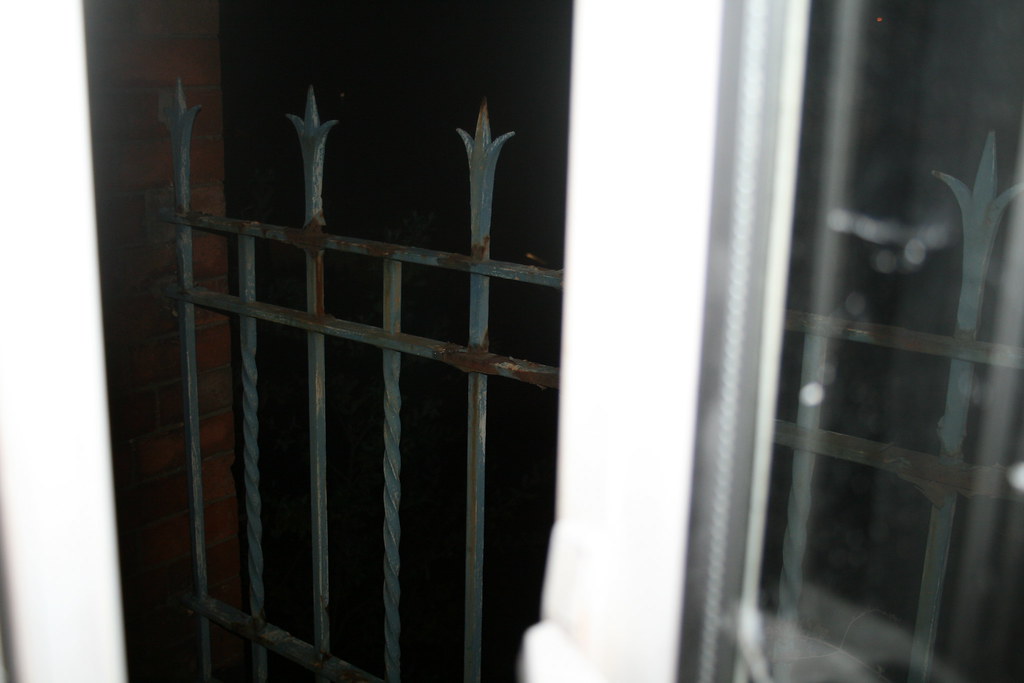
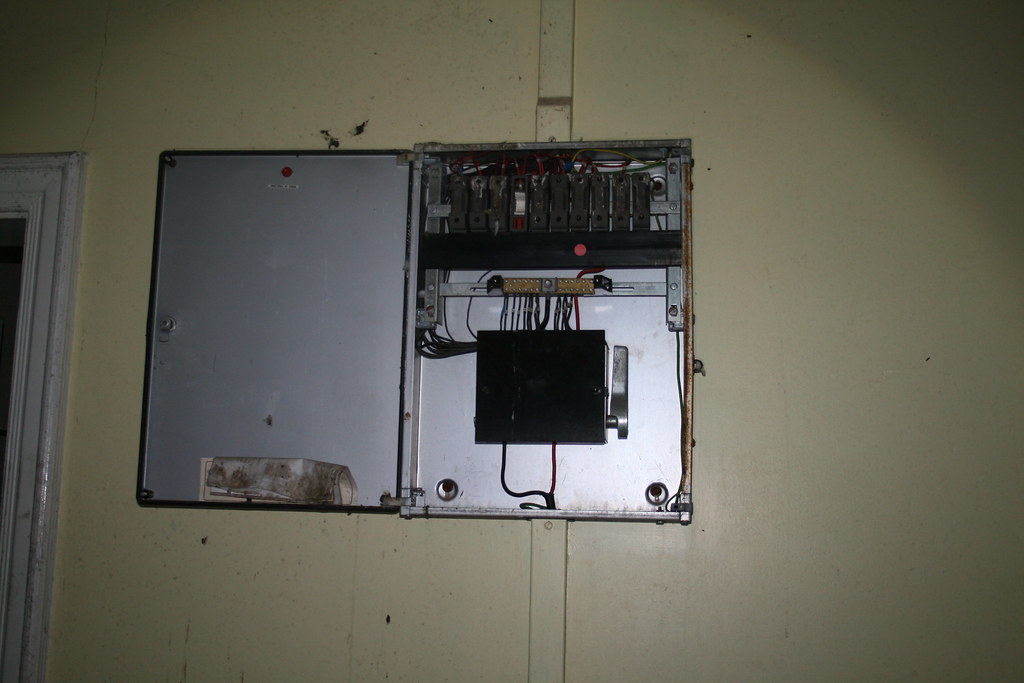
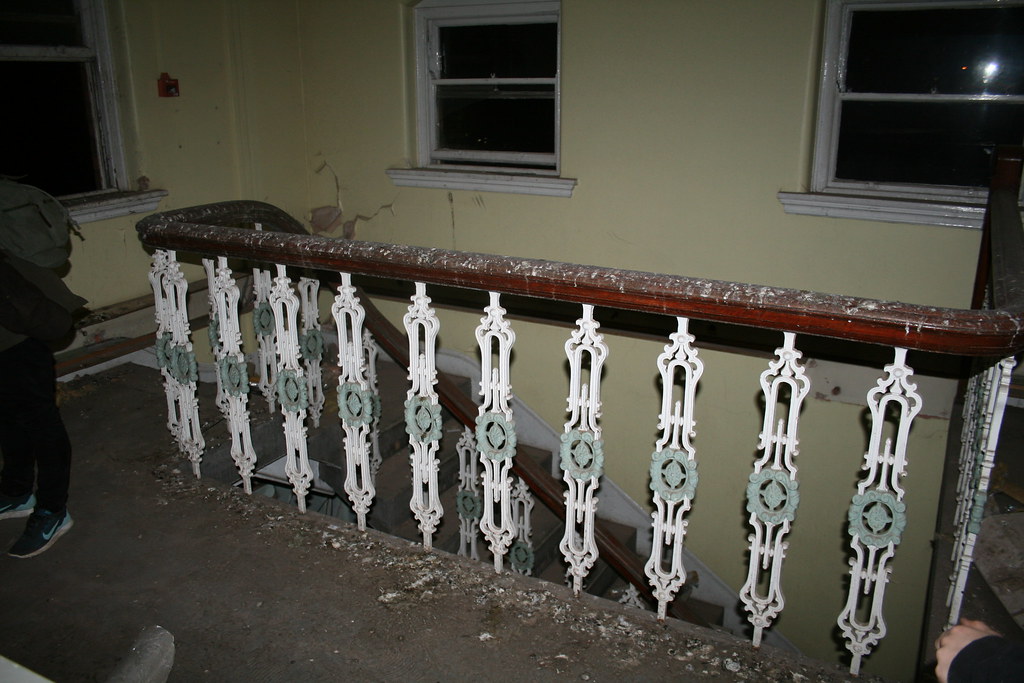
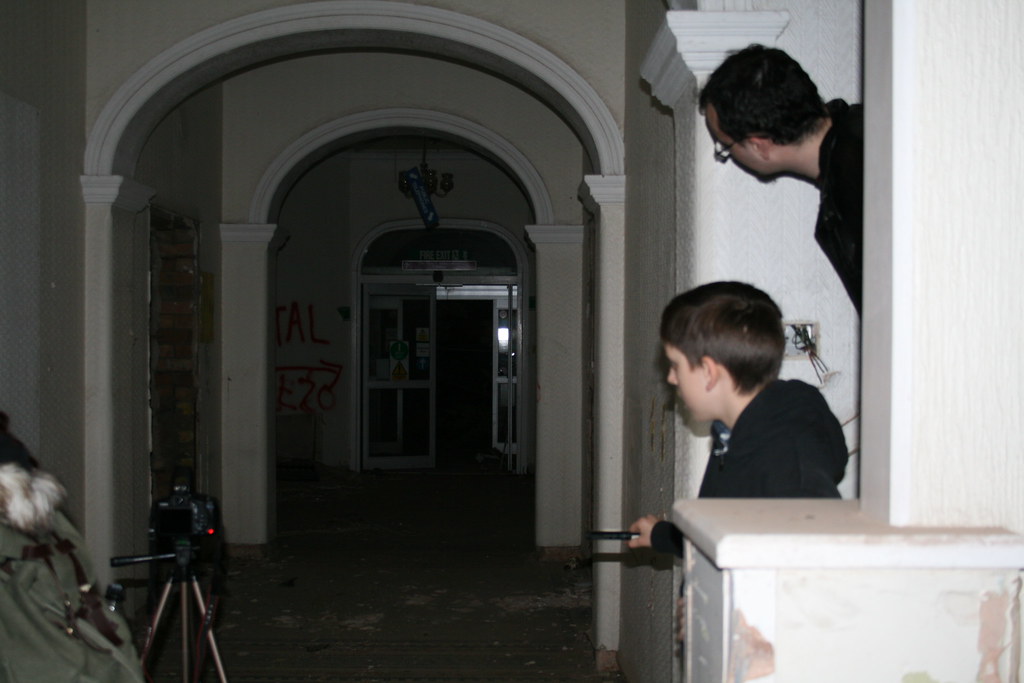
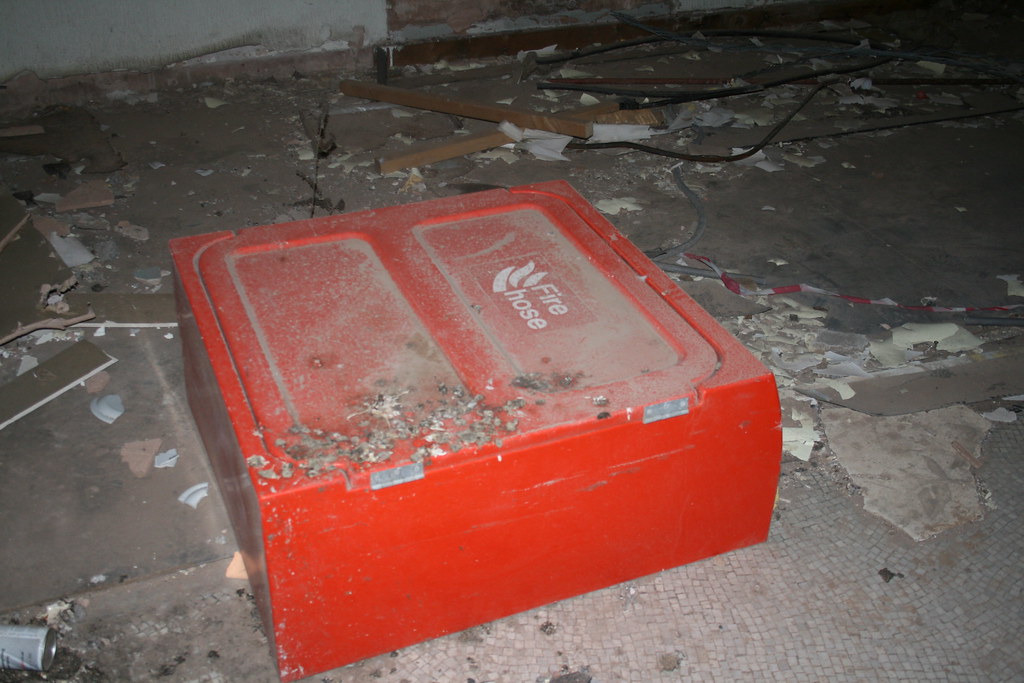
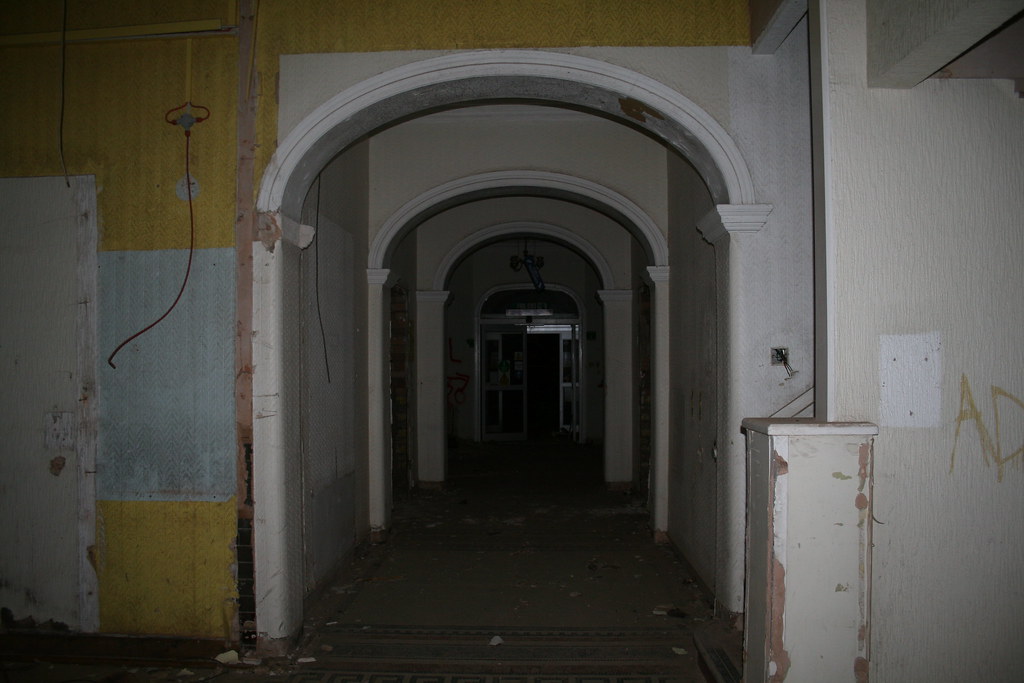
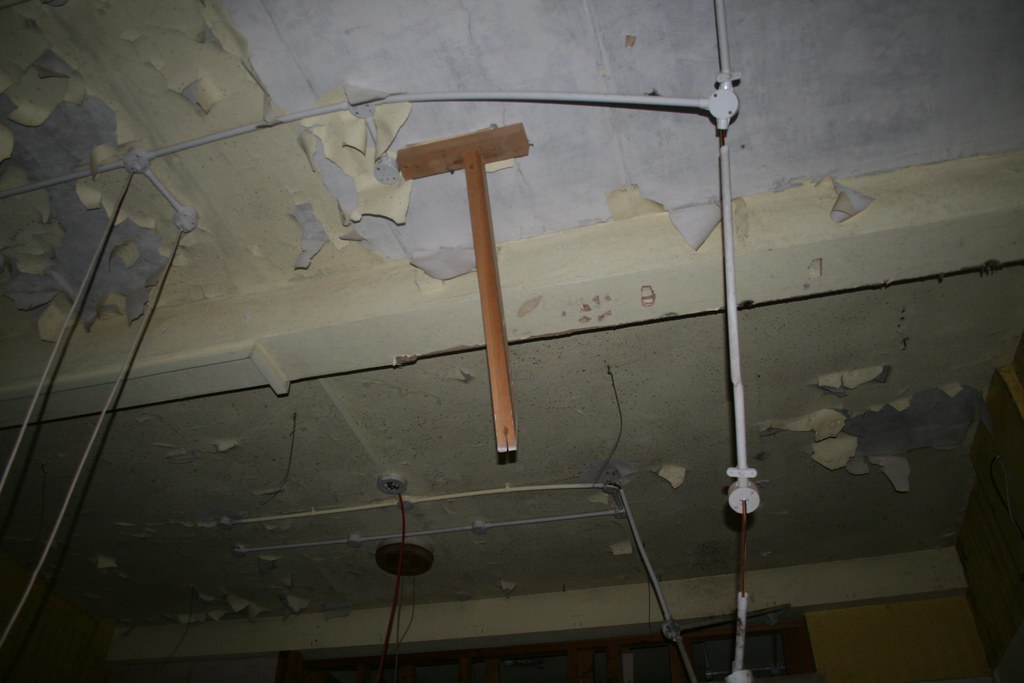
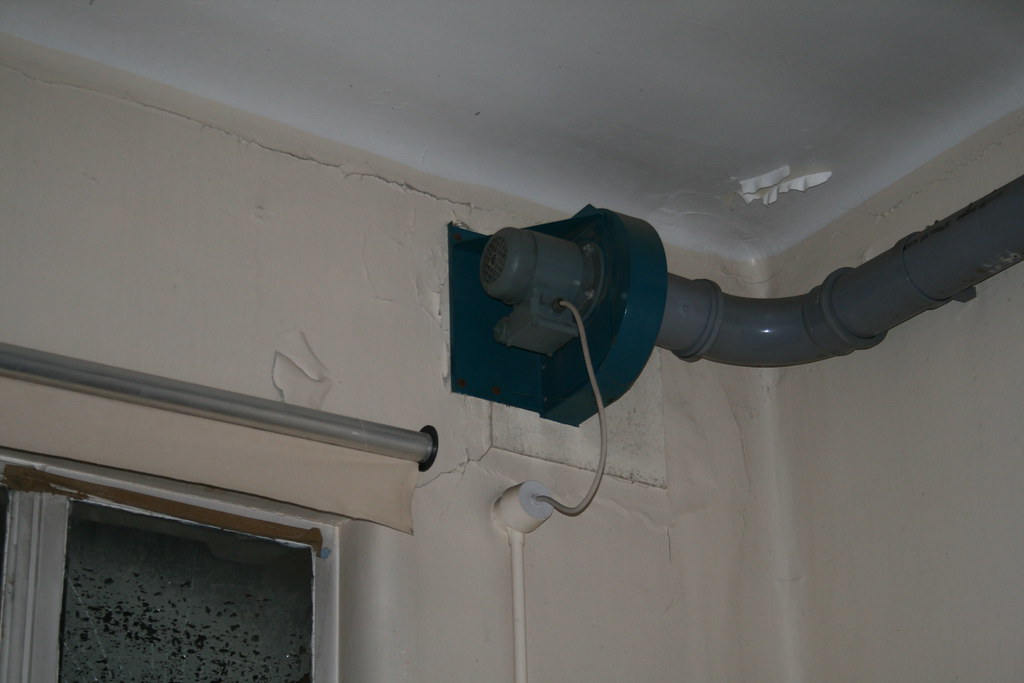
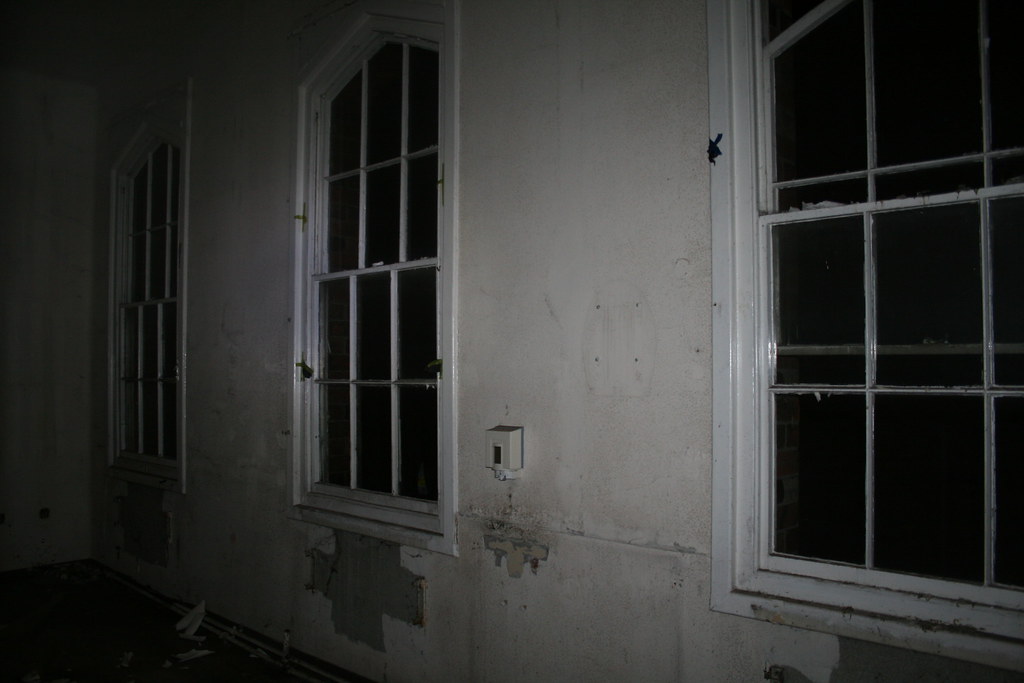
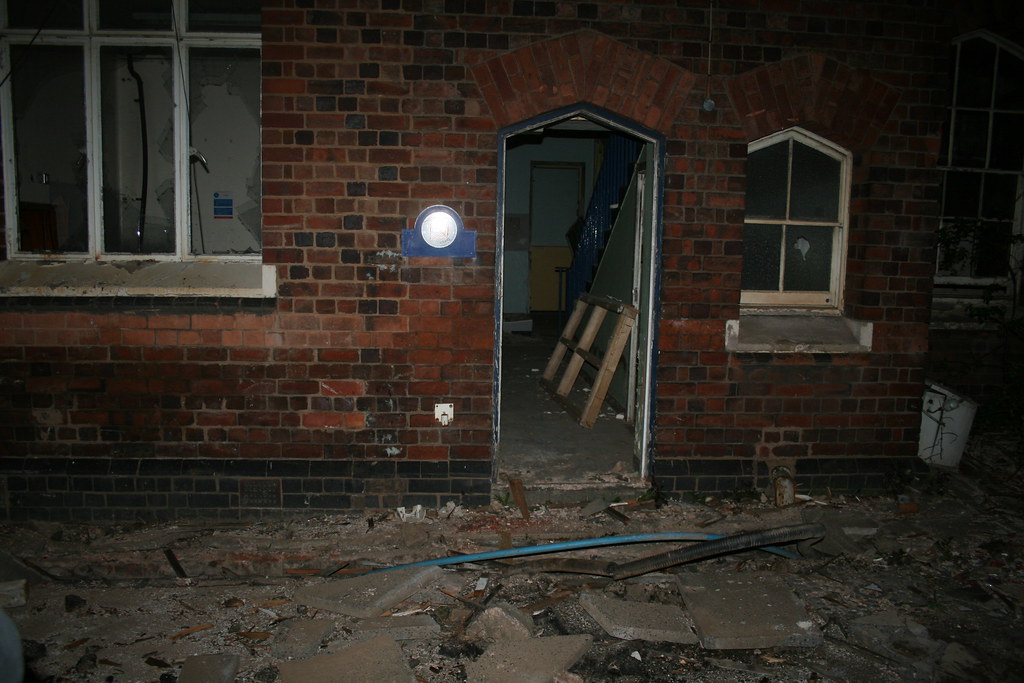
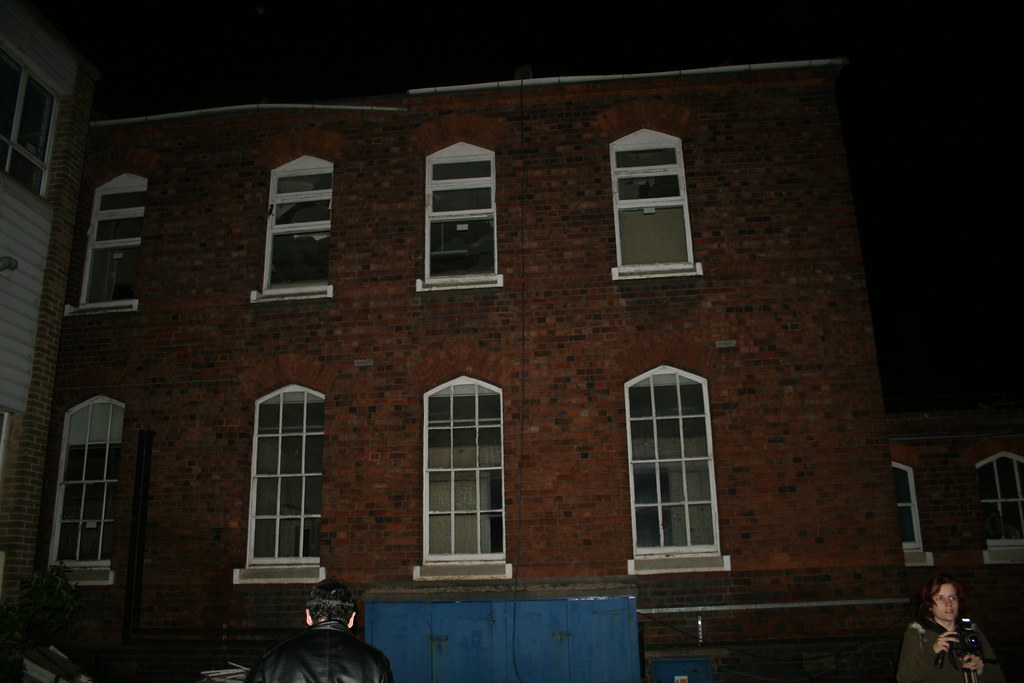
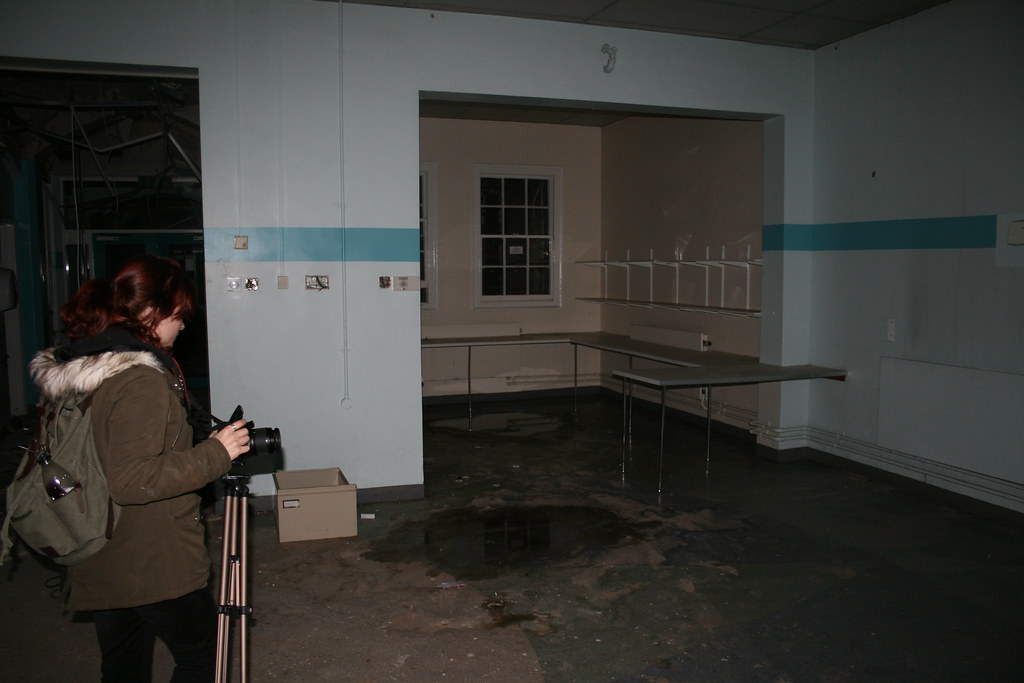
Thanks to Jellyfish for the photos below!
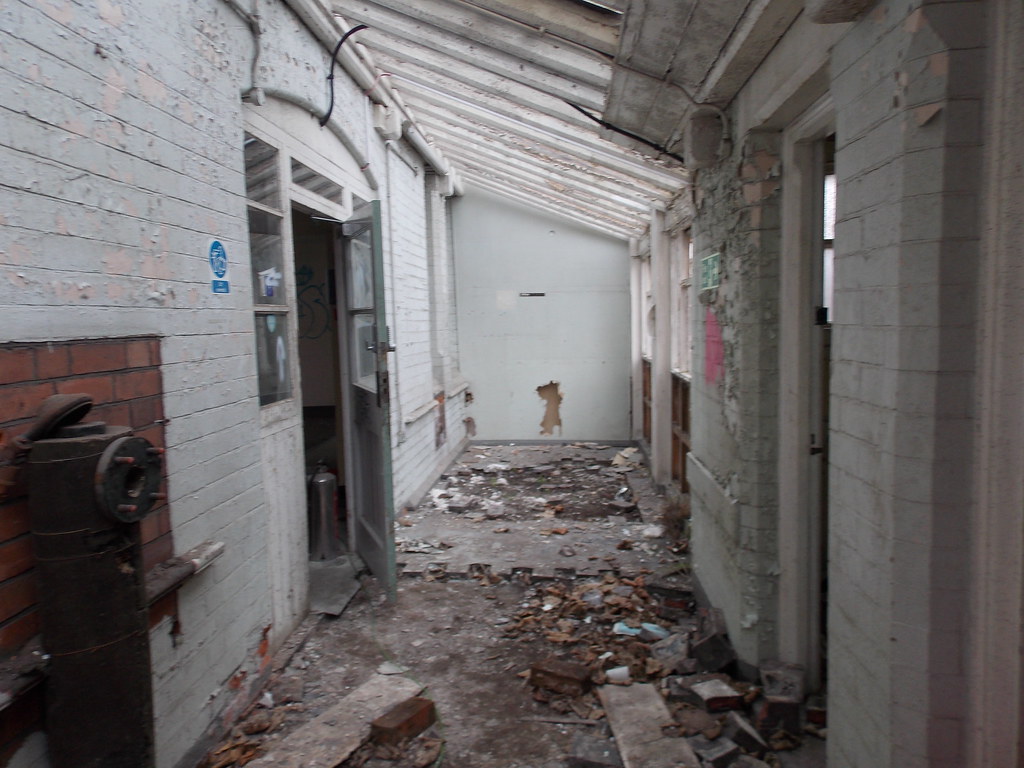
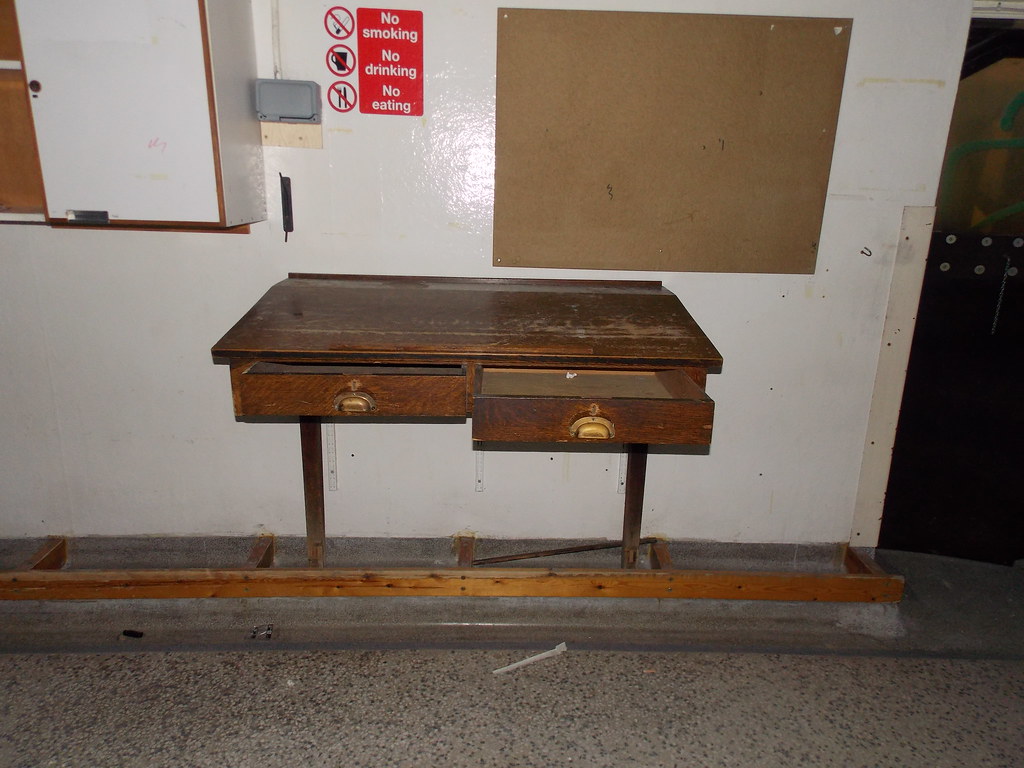
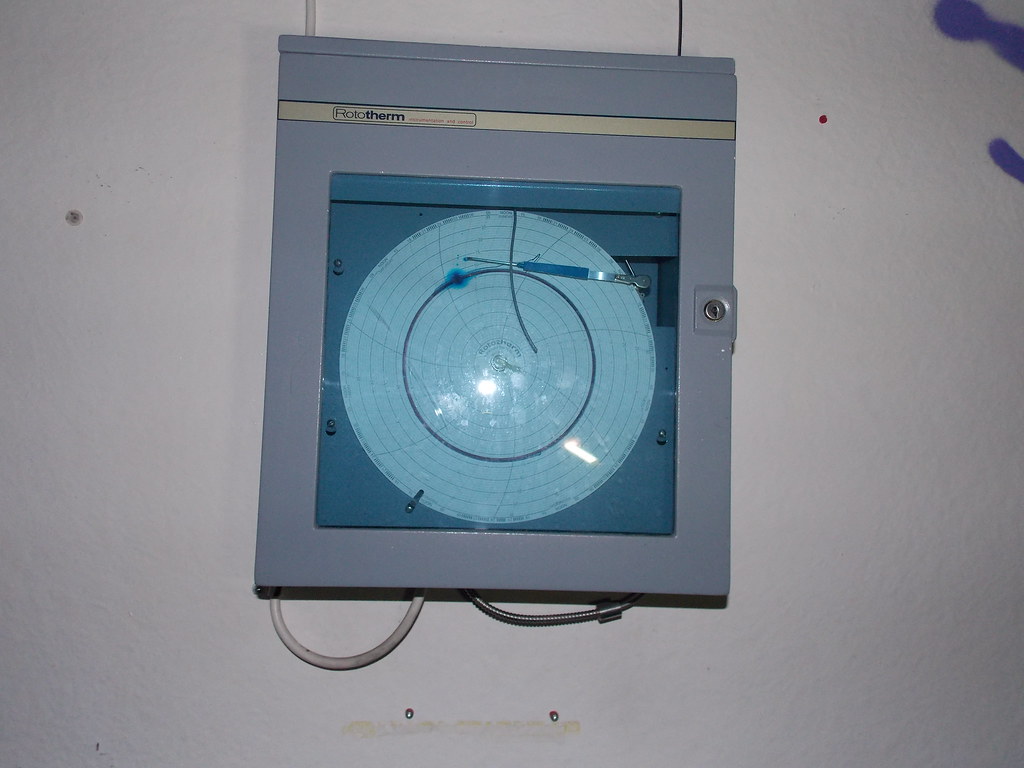
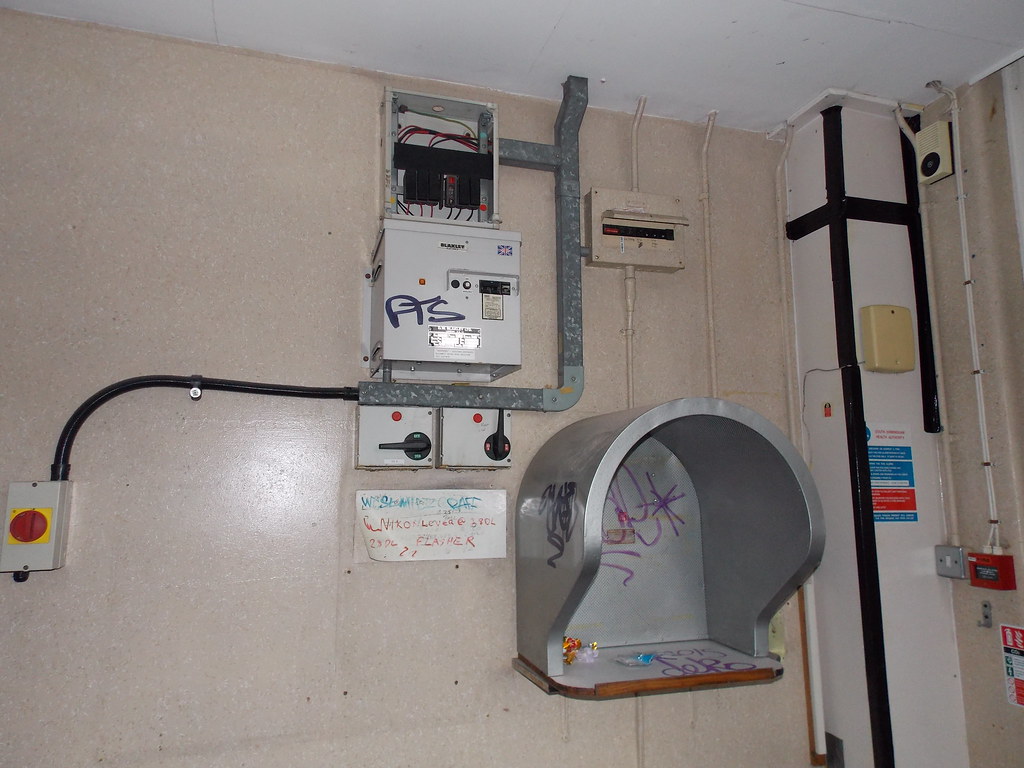
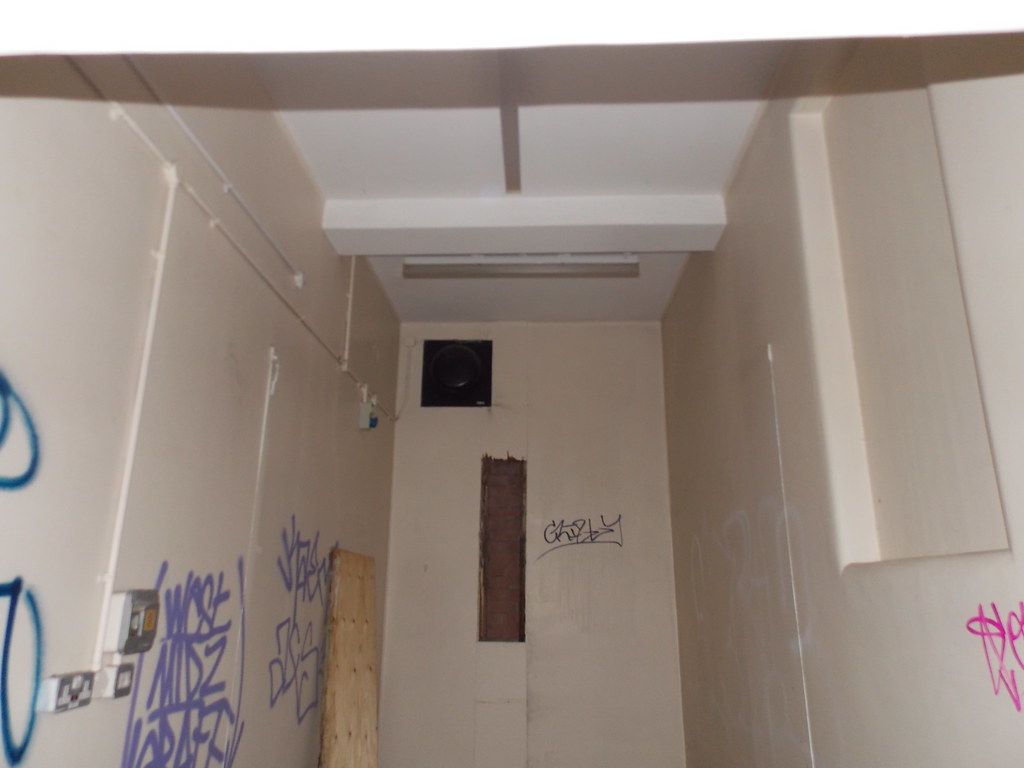
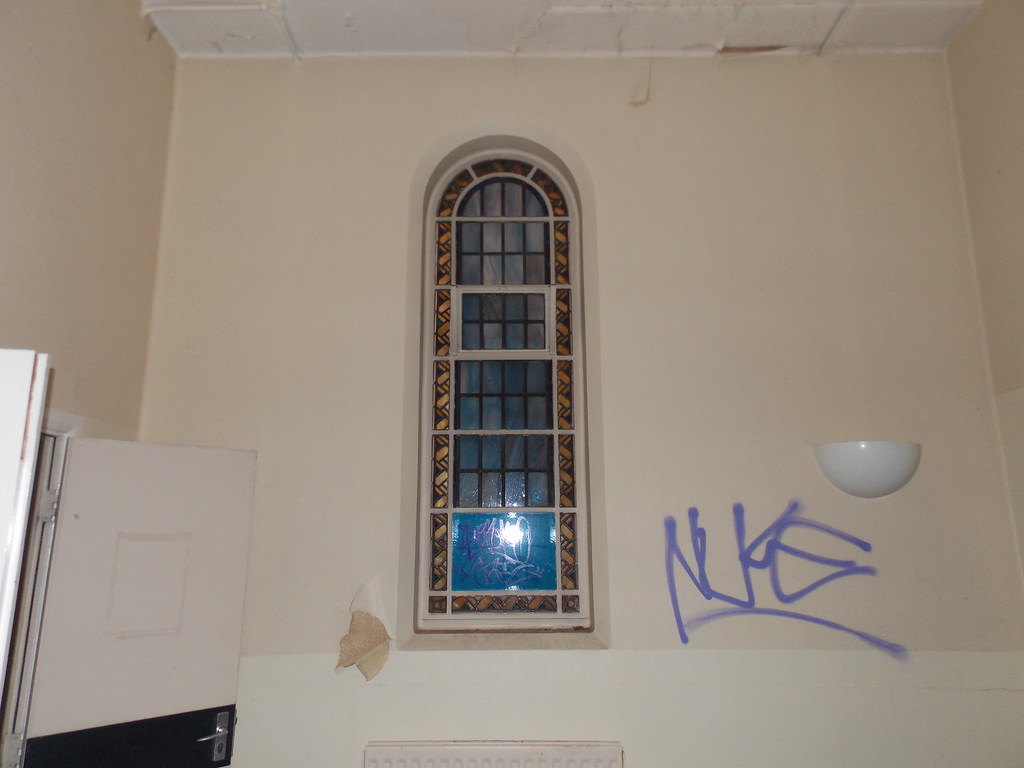
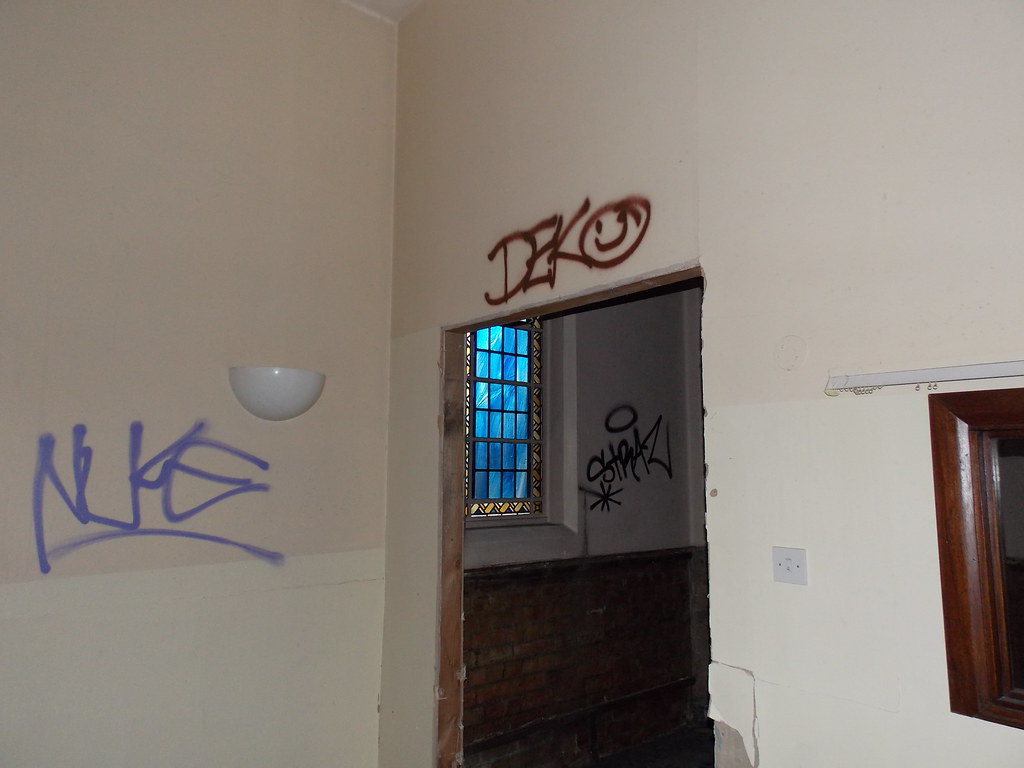
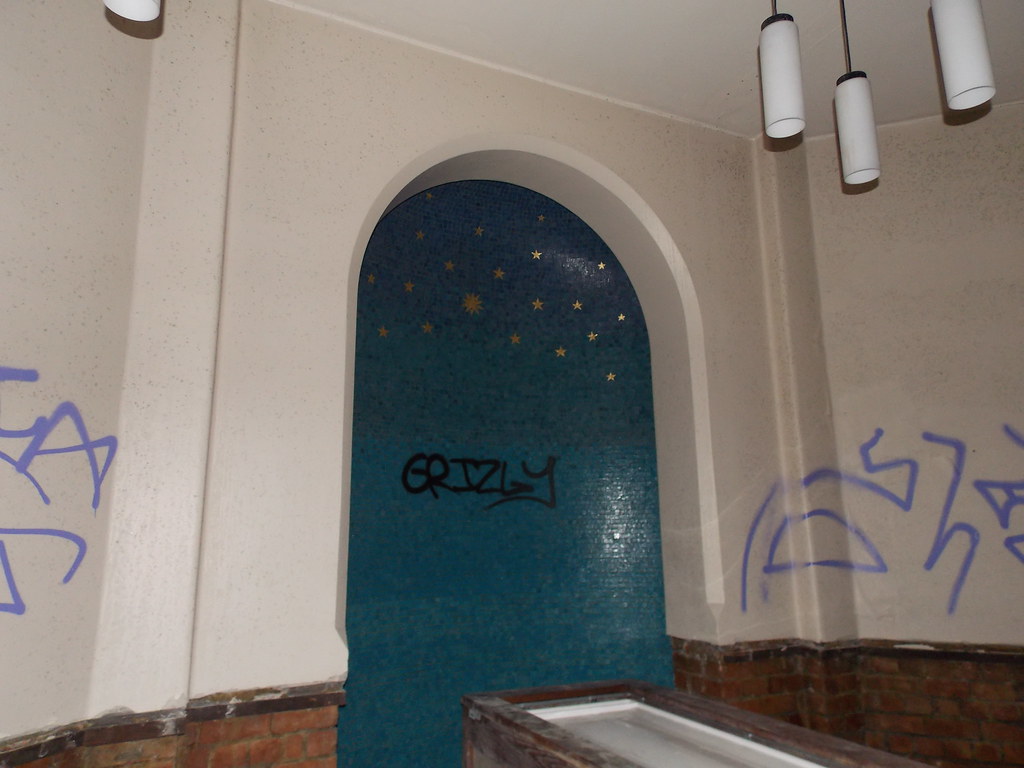
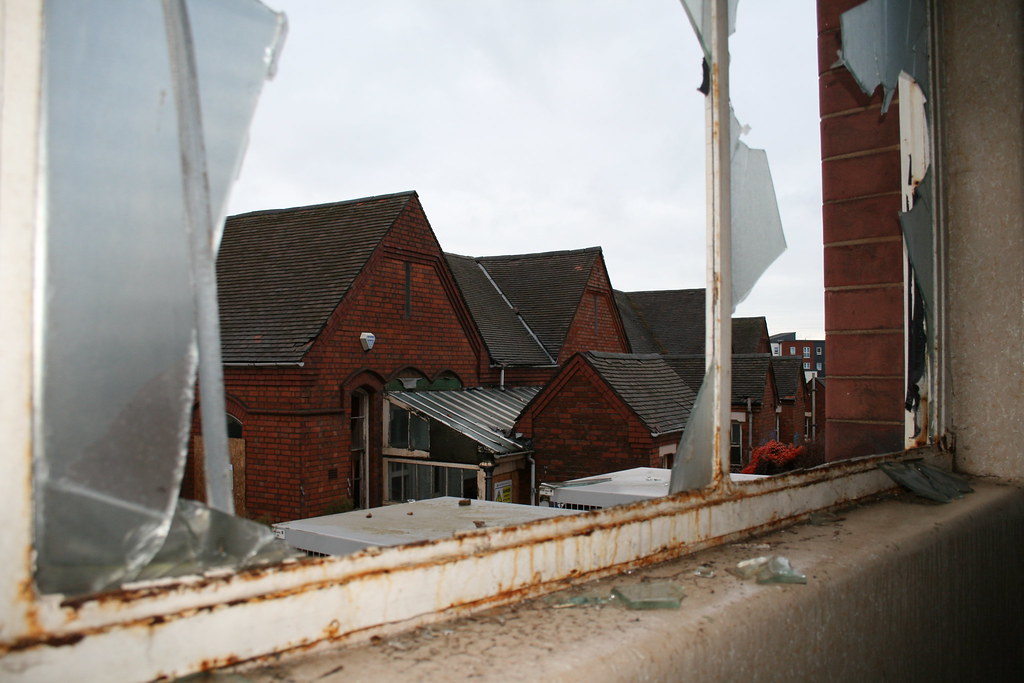
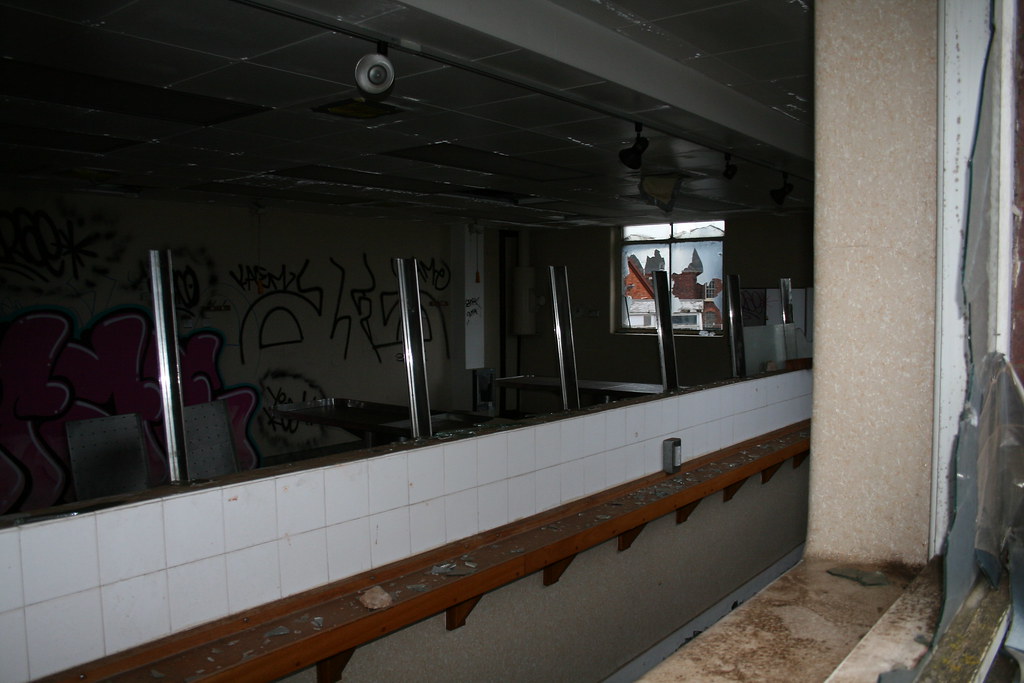
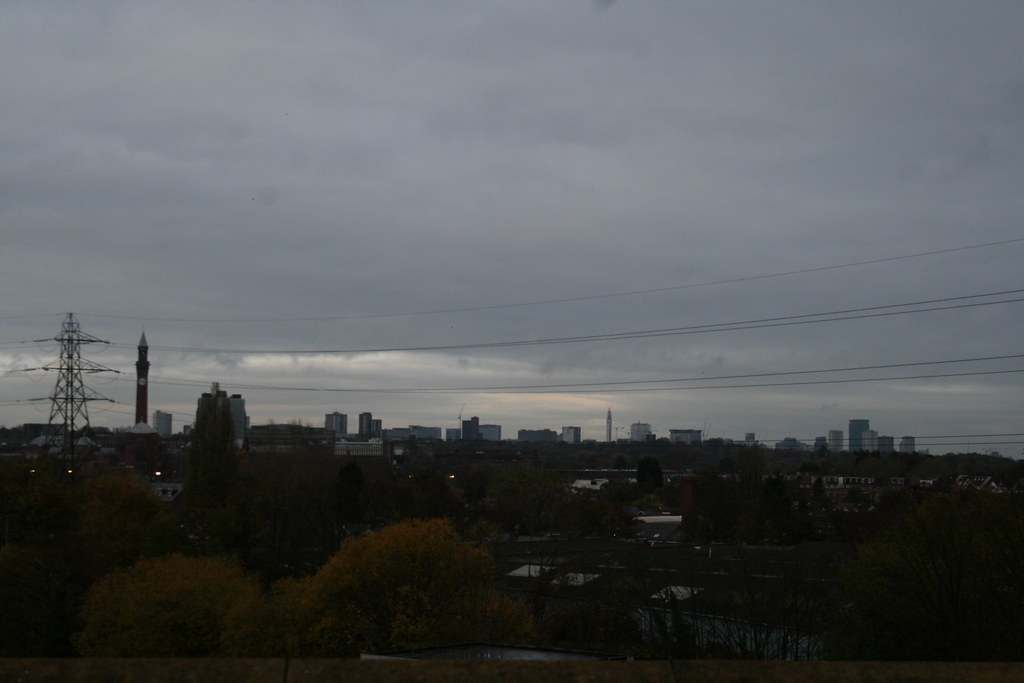
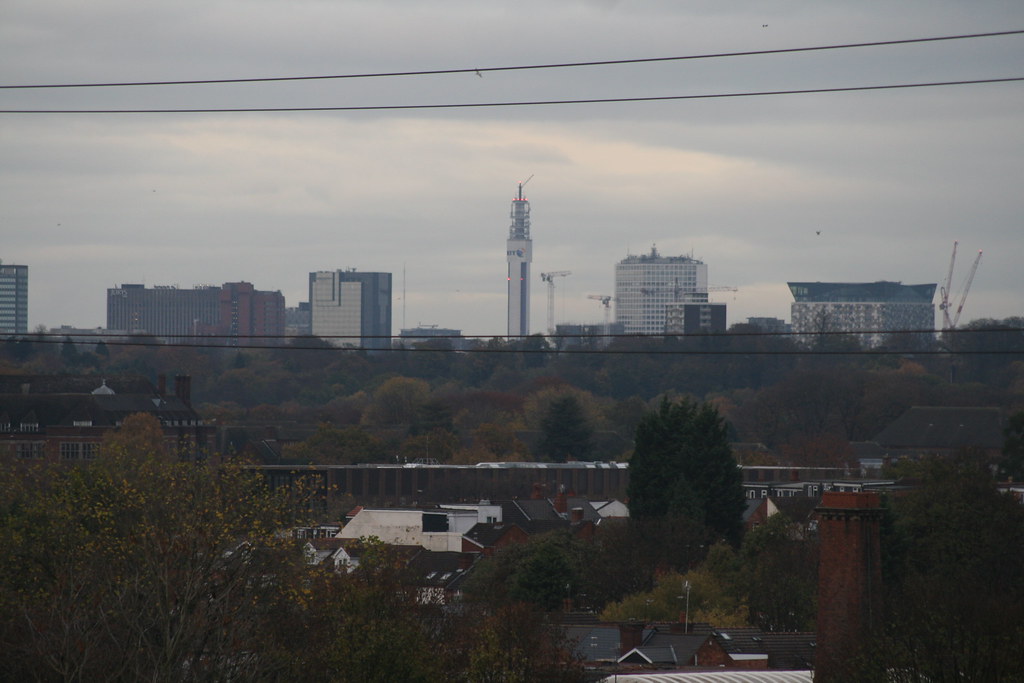
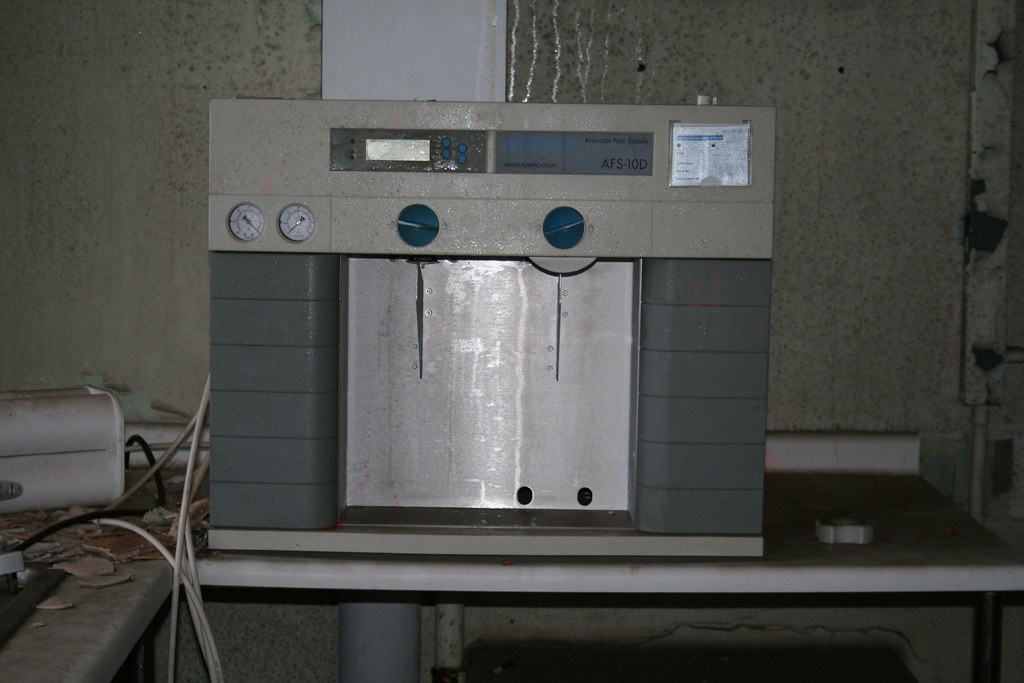
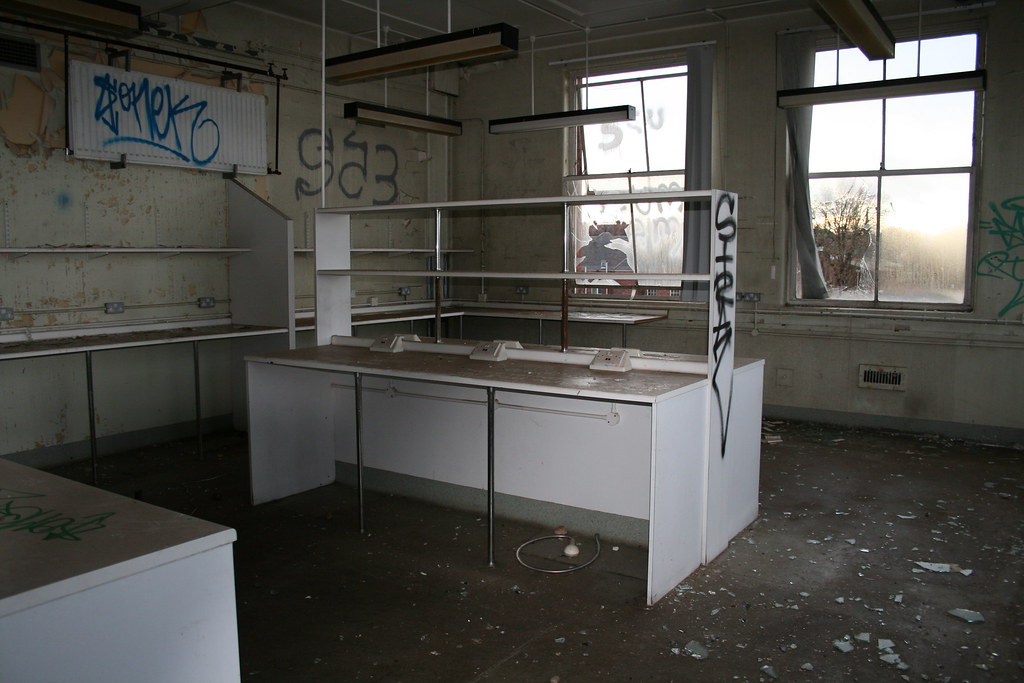
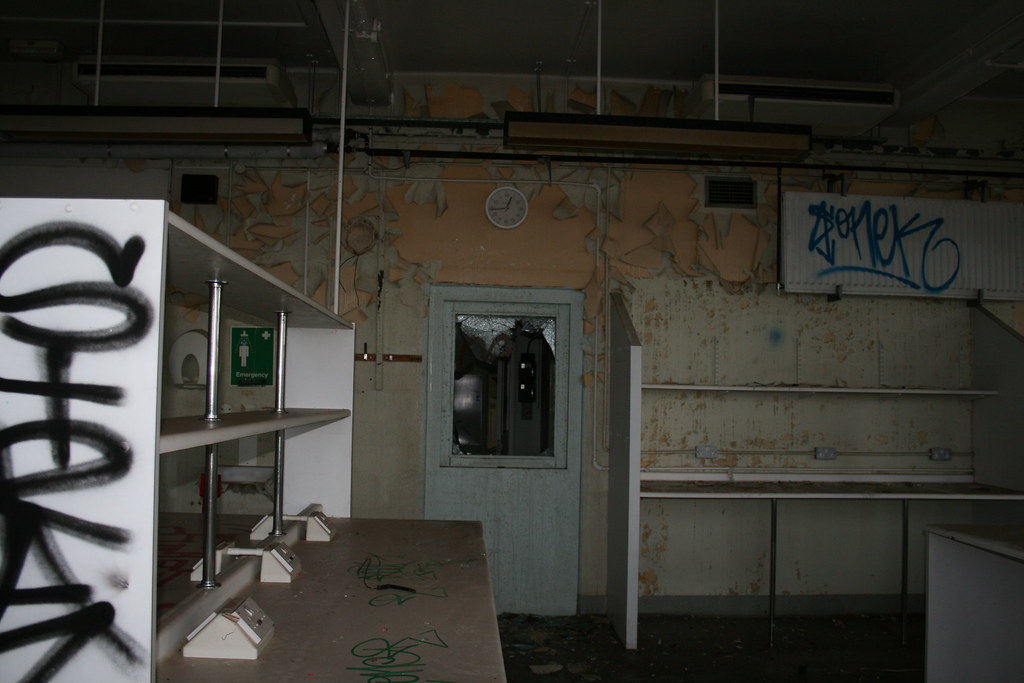
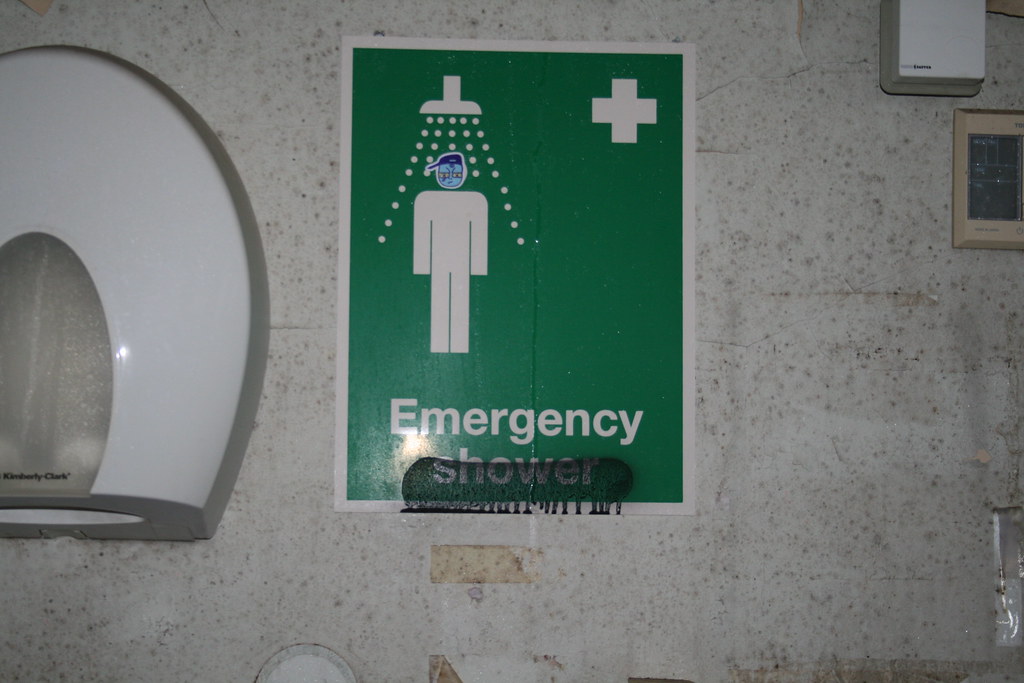
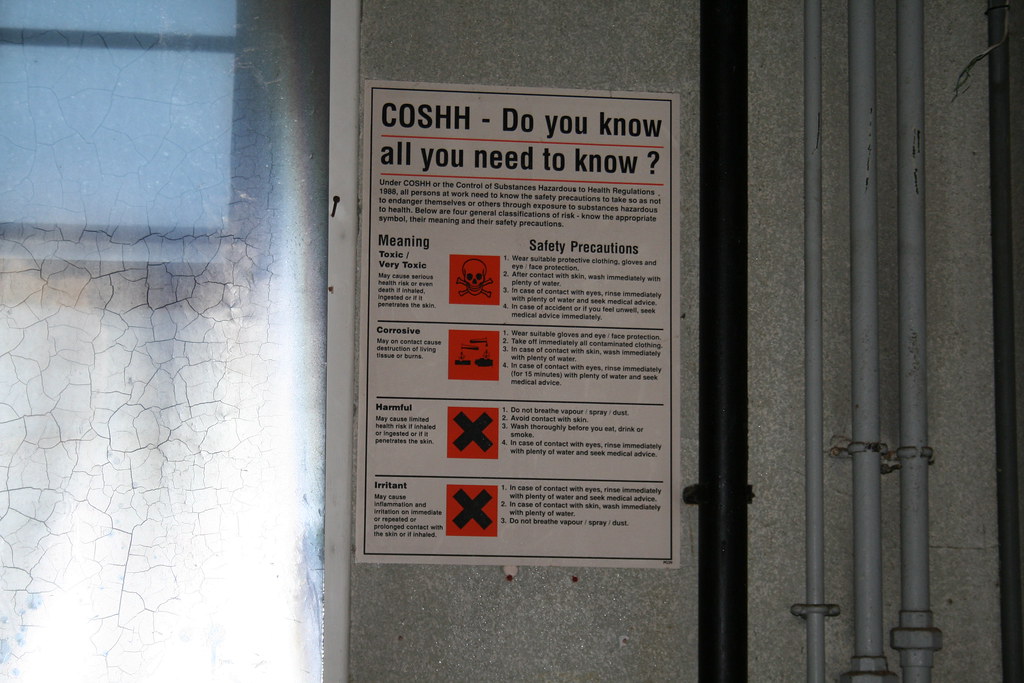
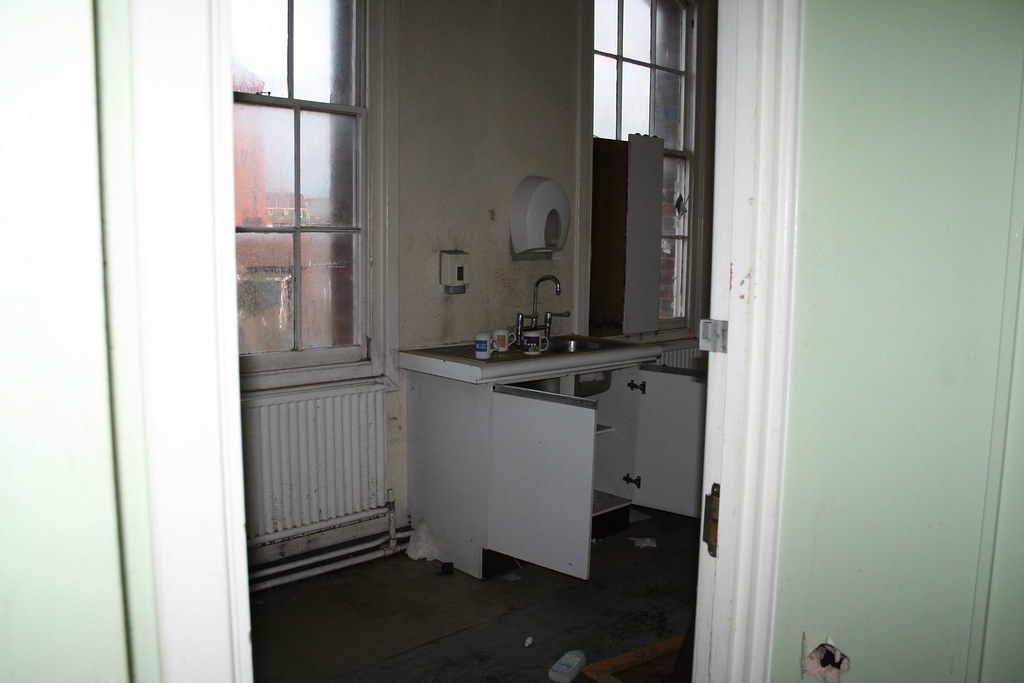
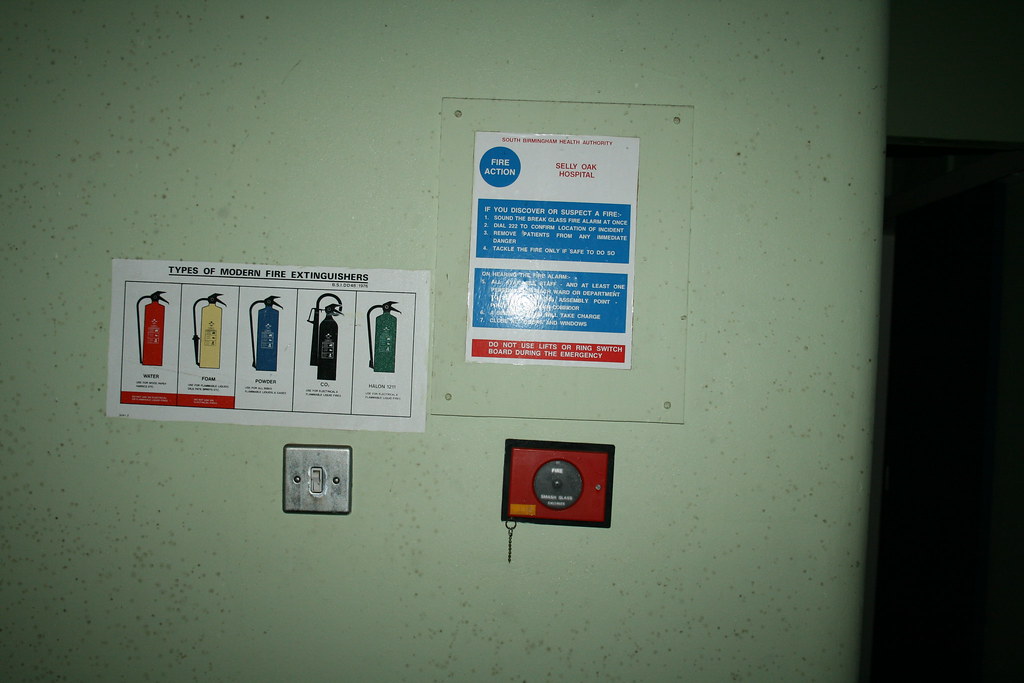
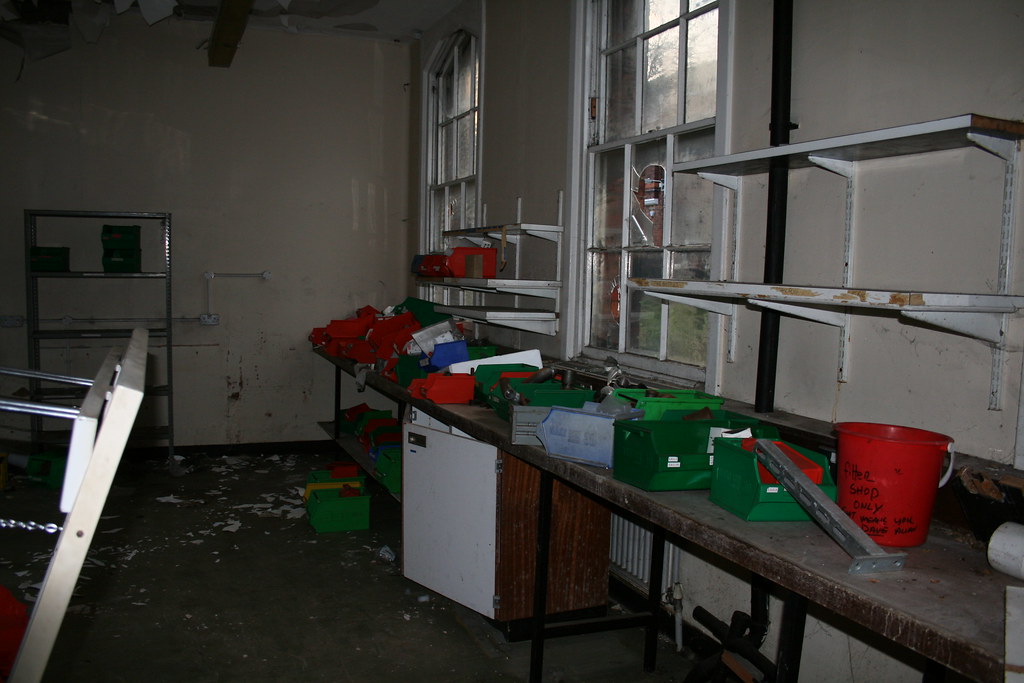
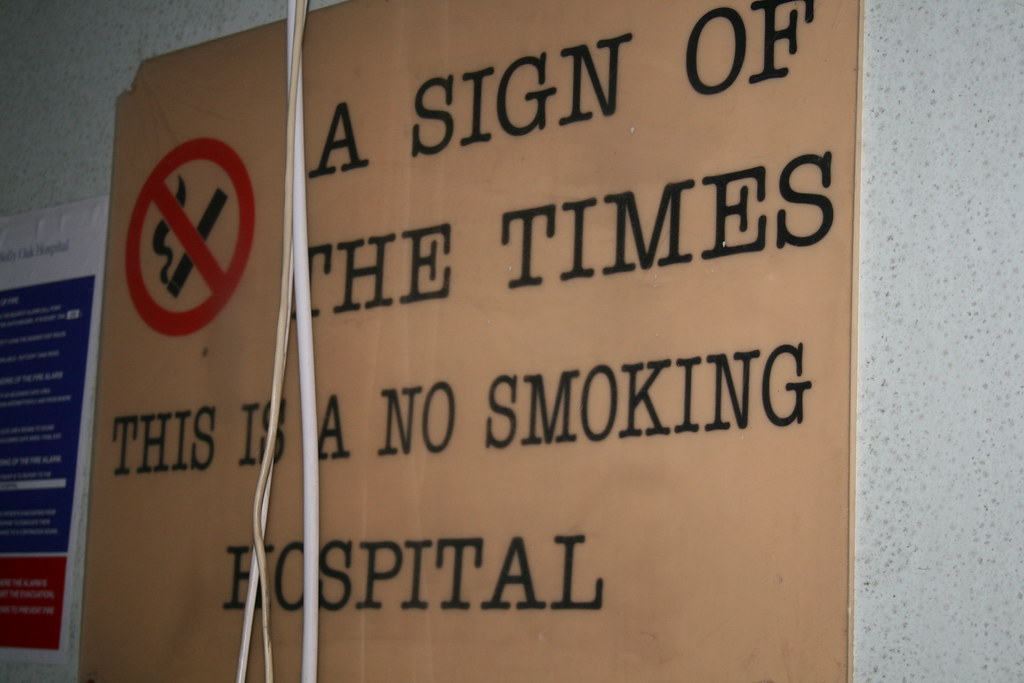
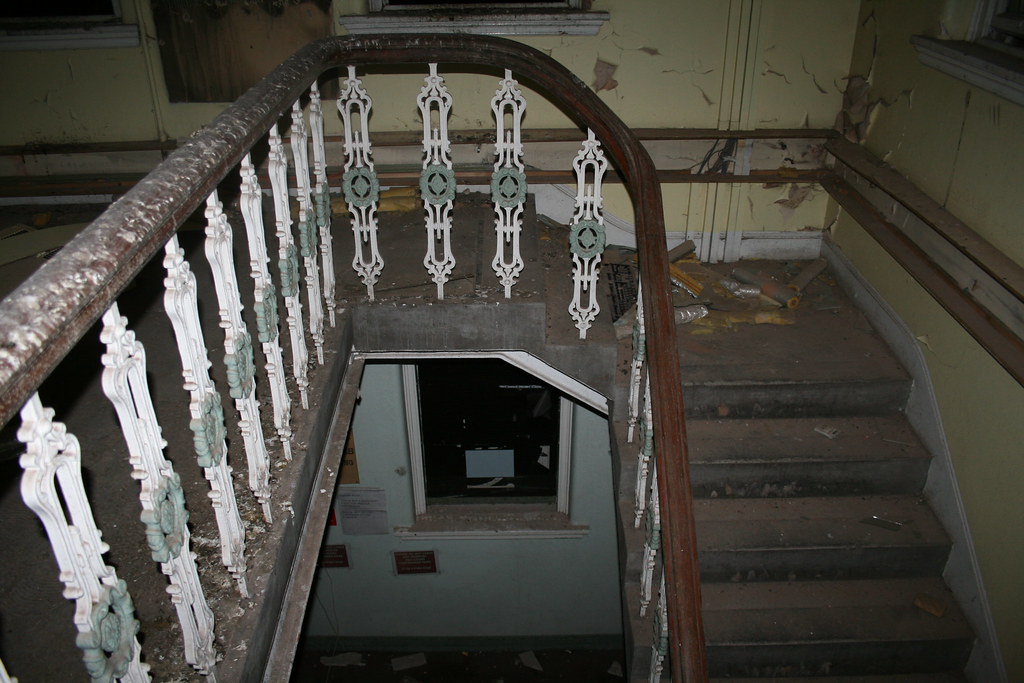
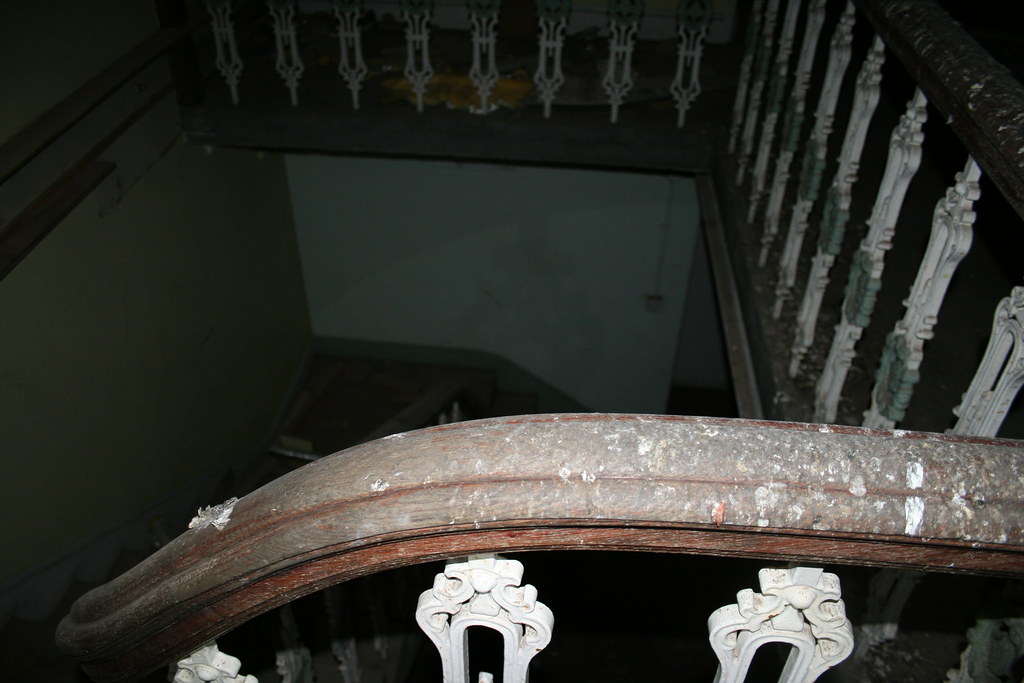
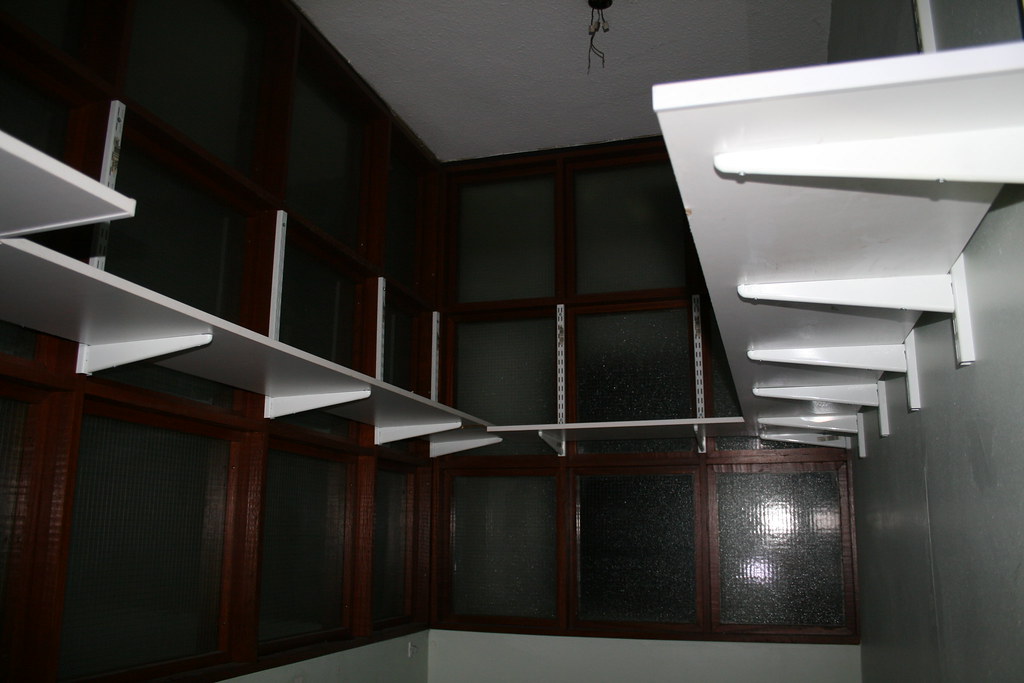
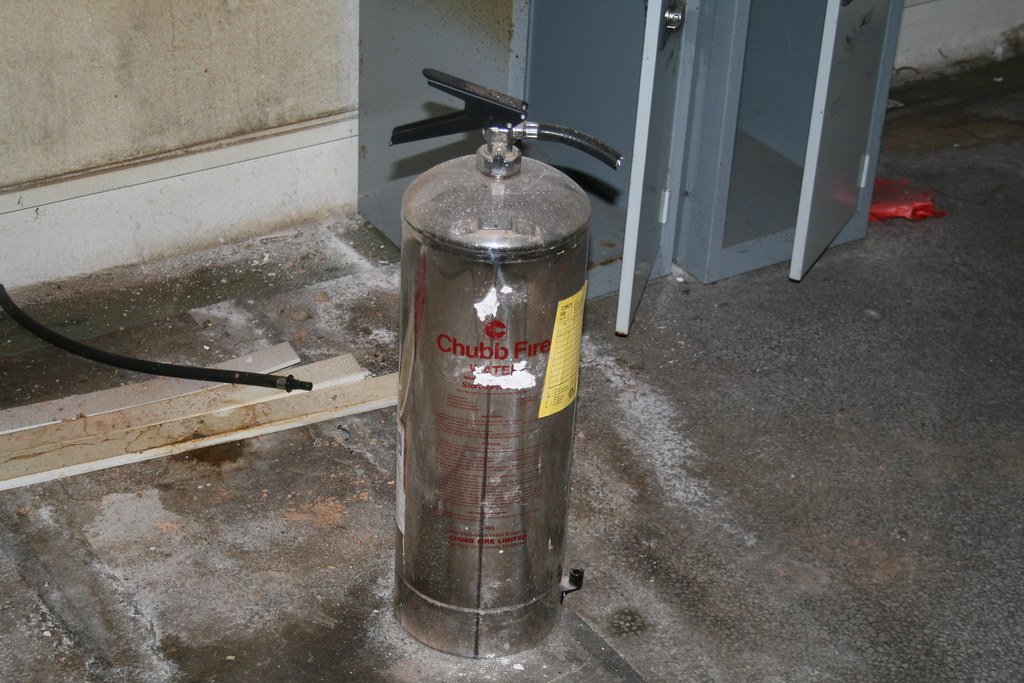
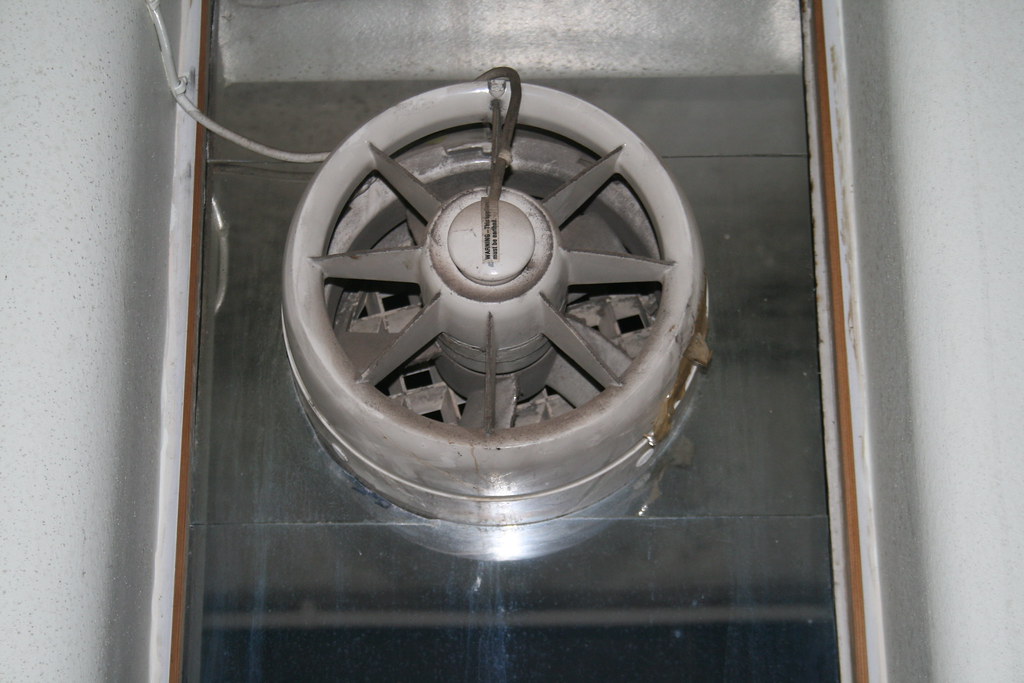
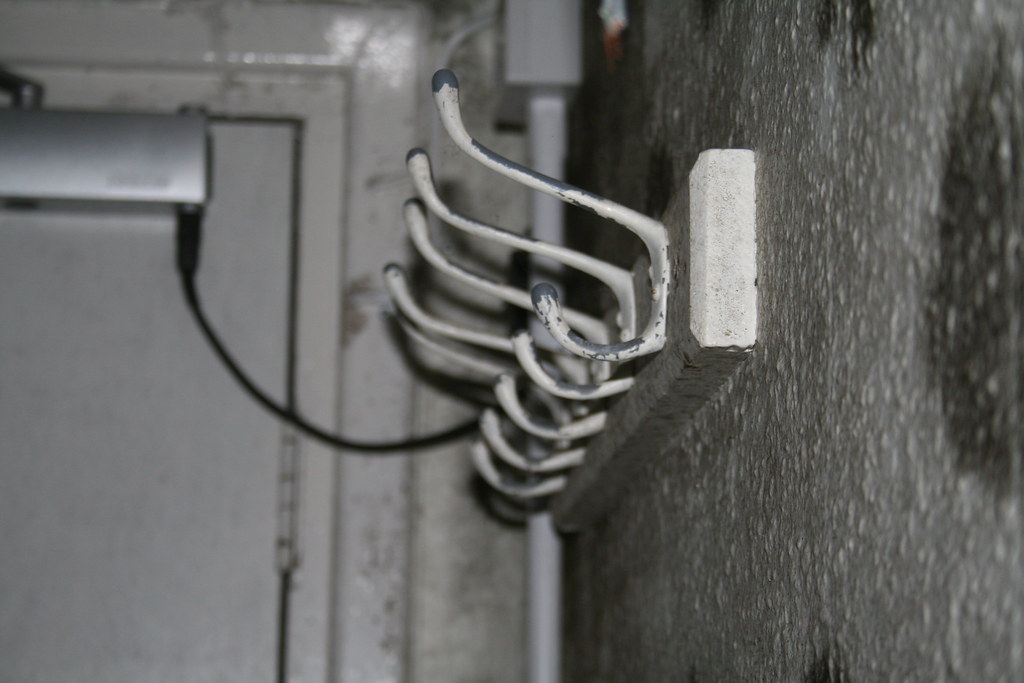
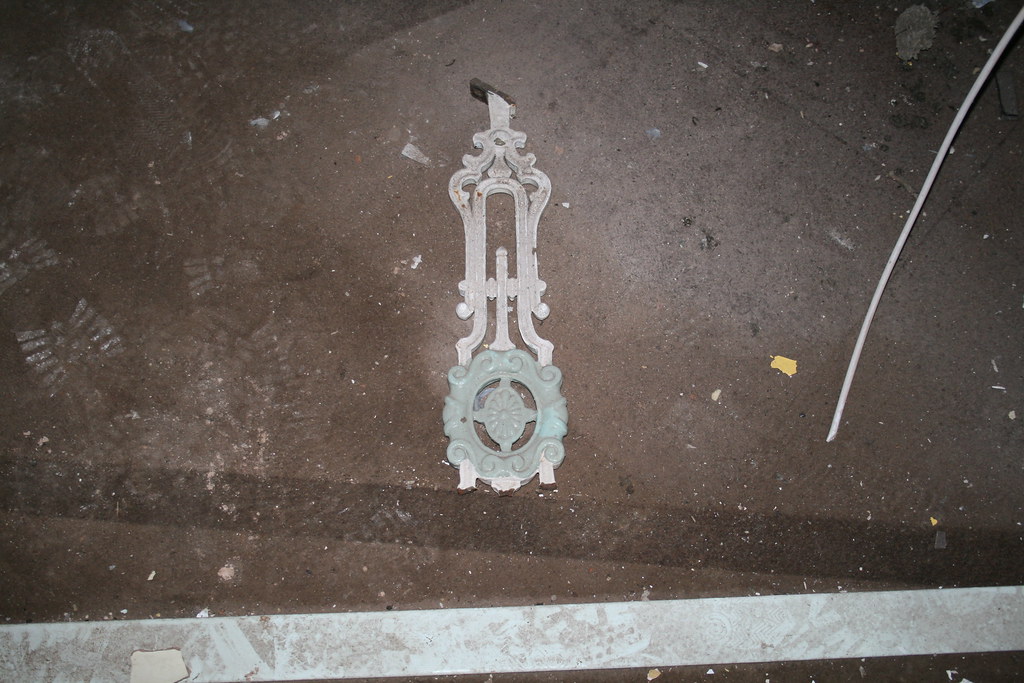
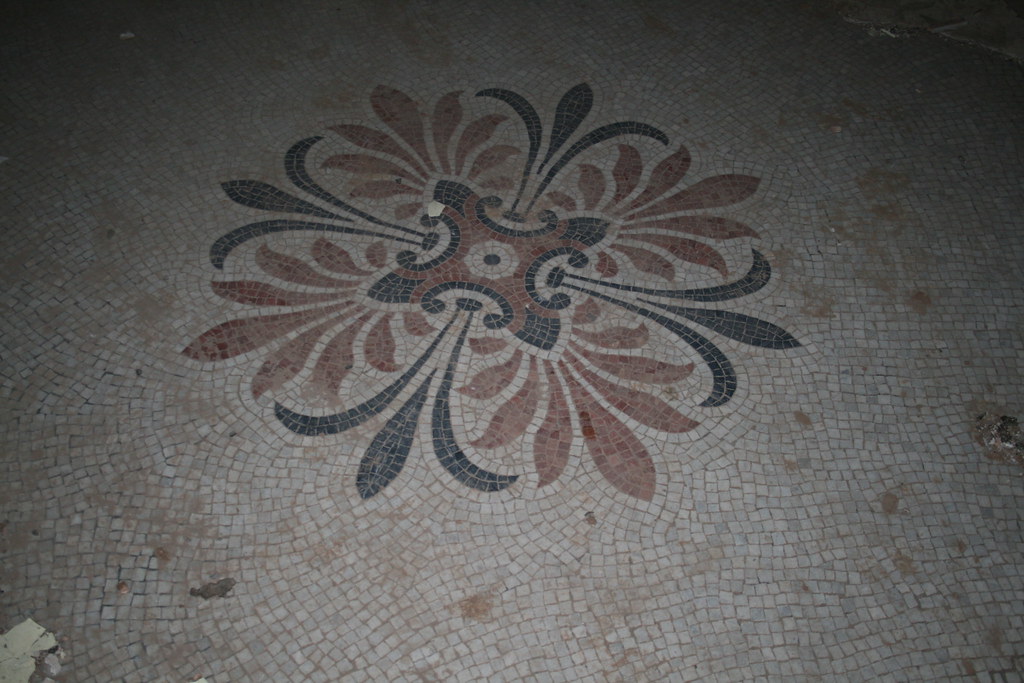
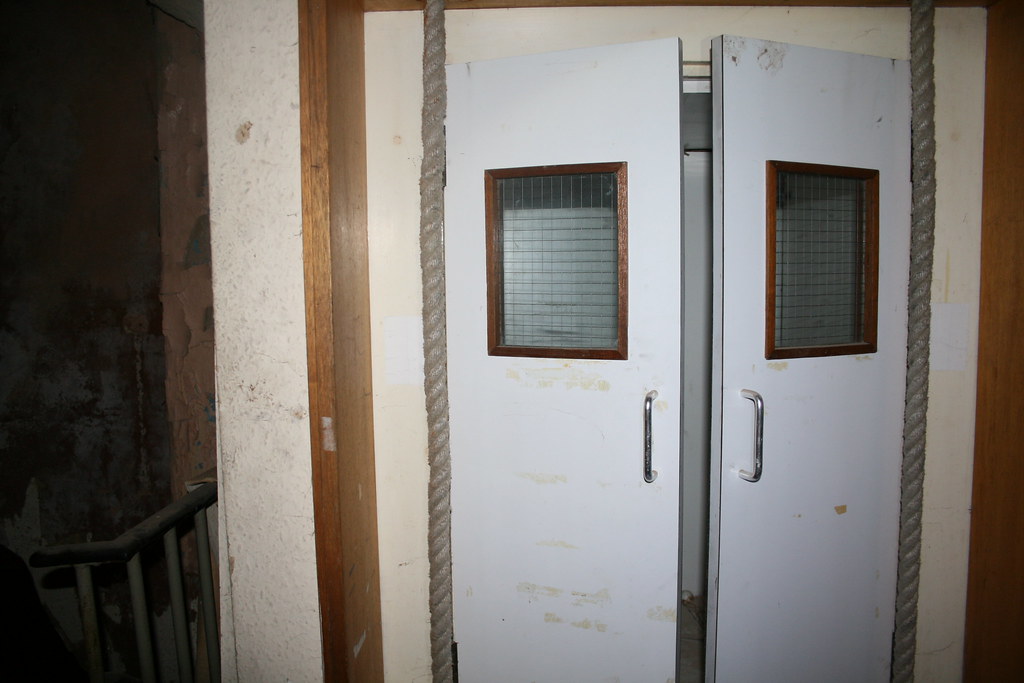
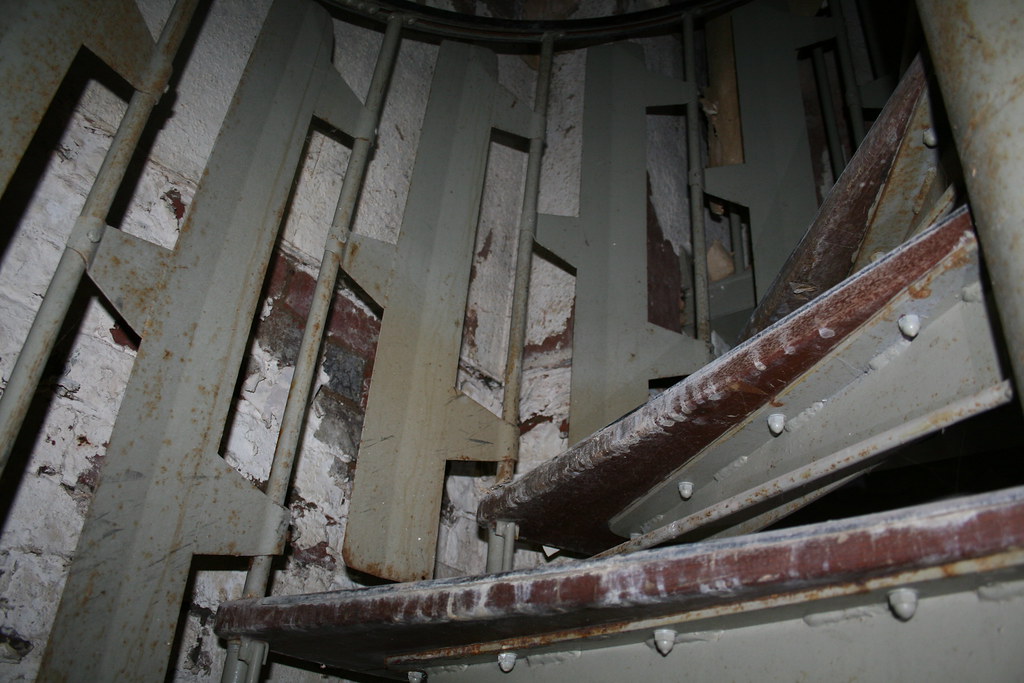
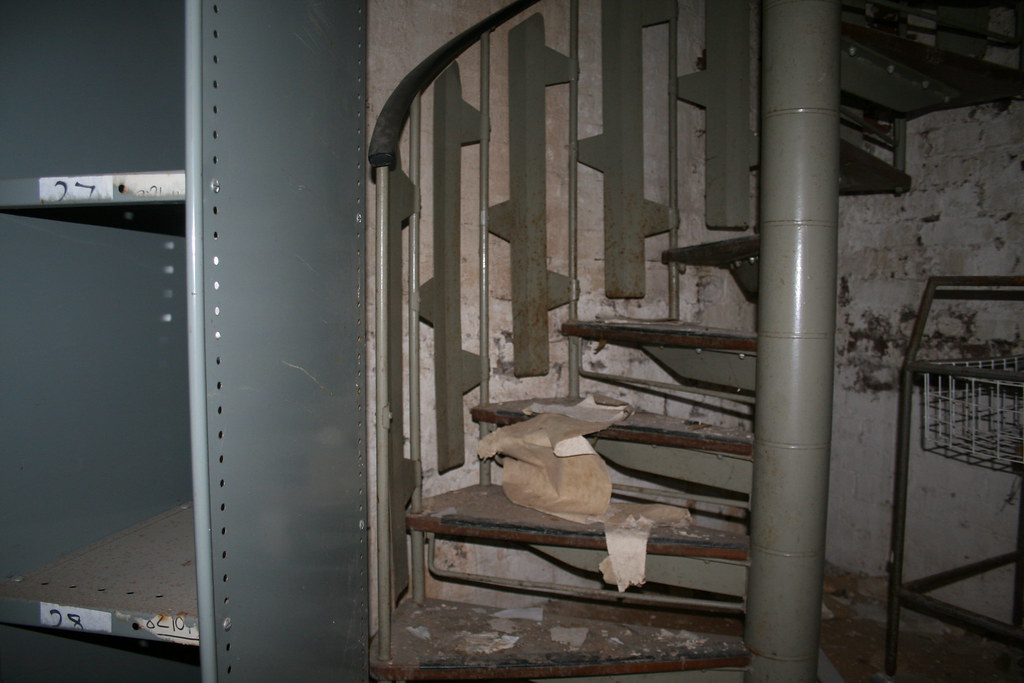
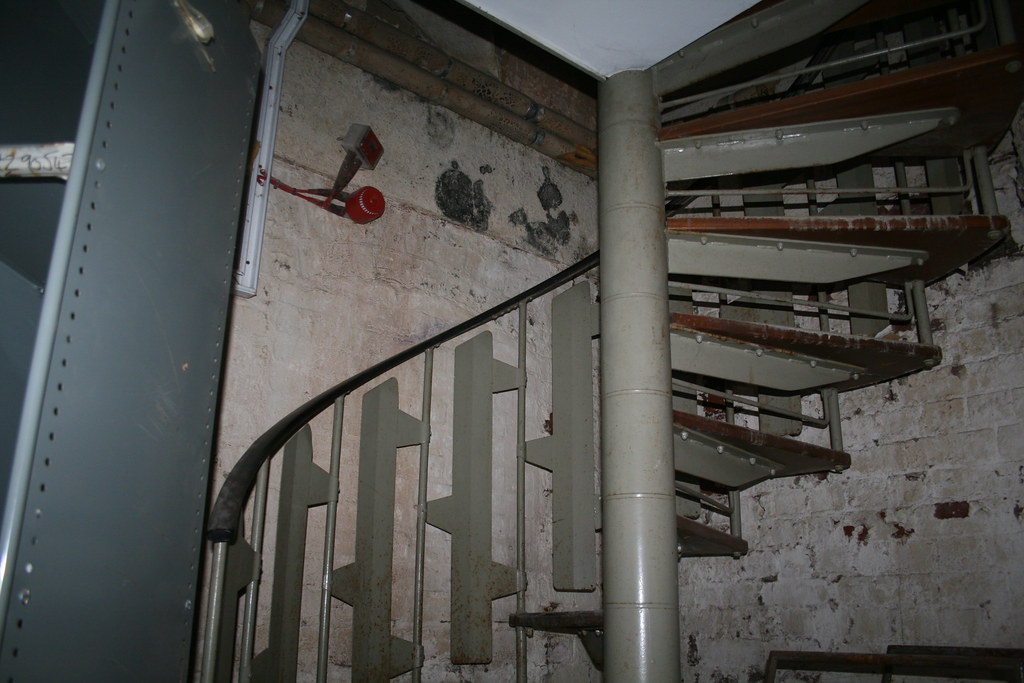
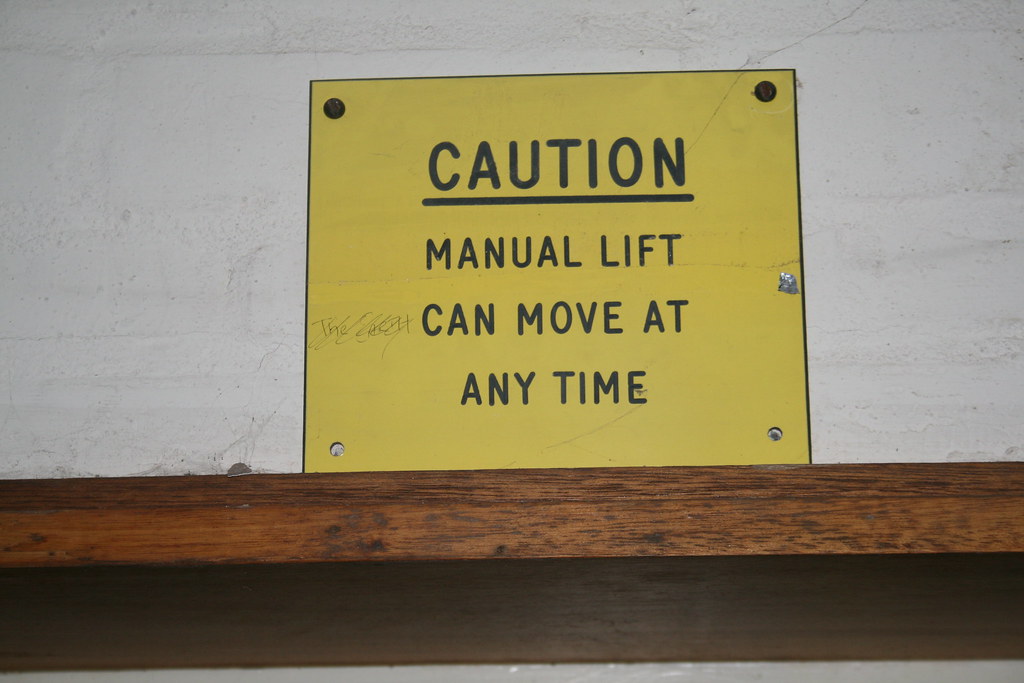
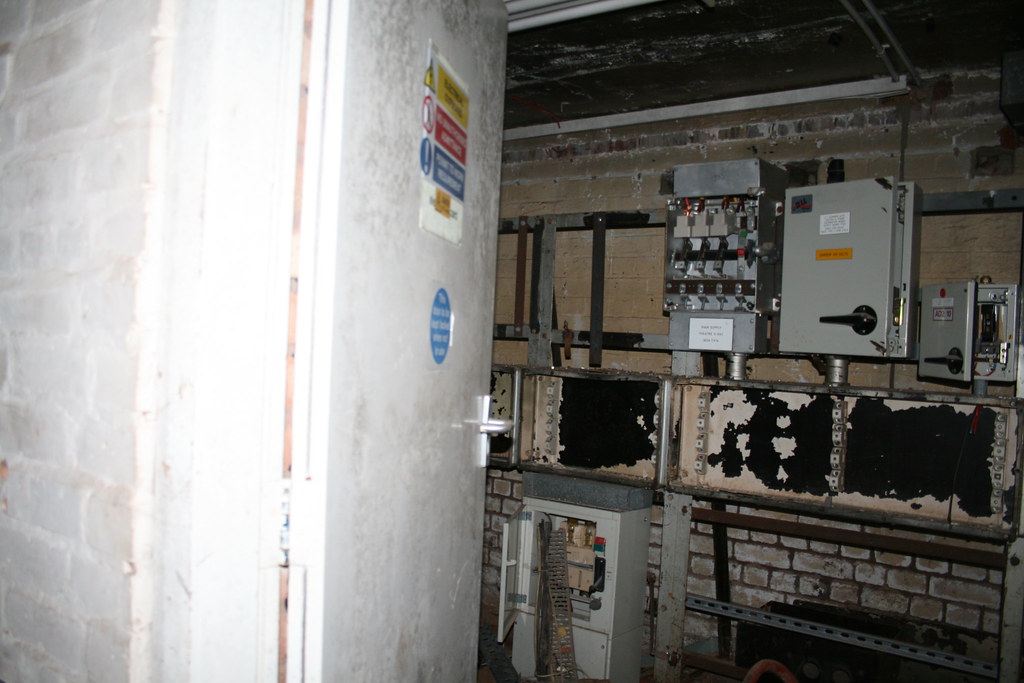
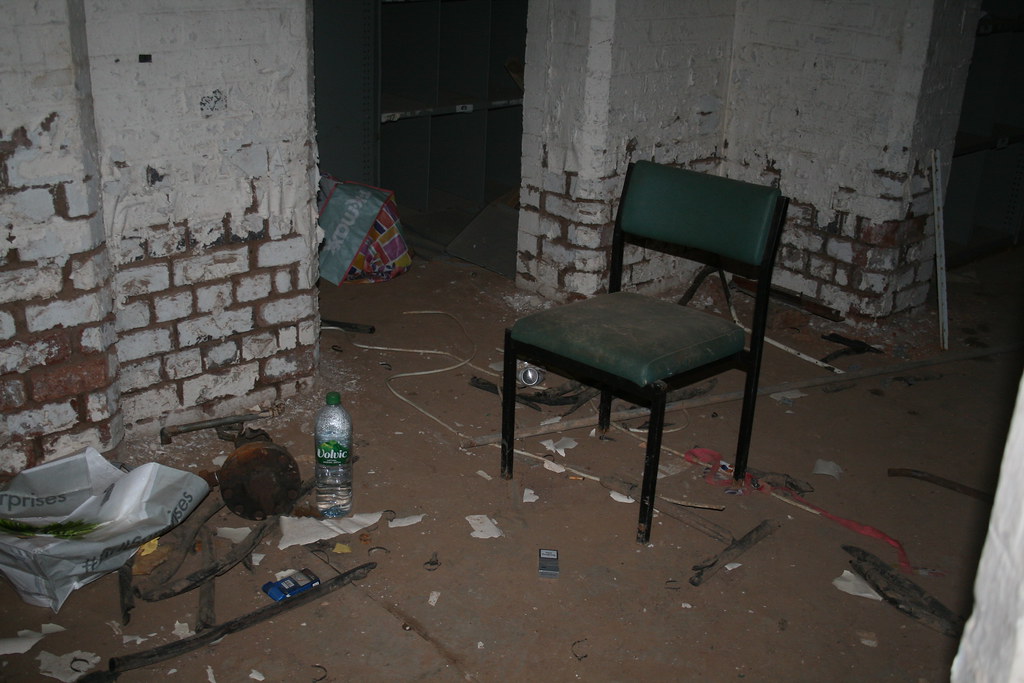
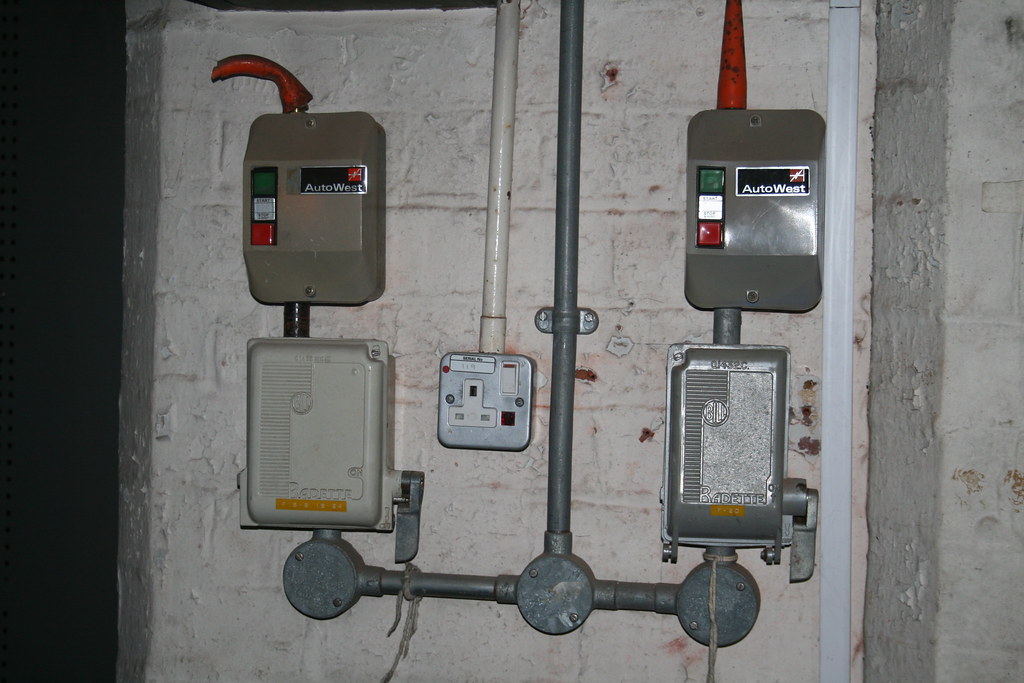
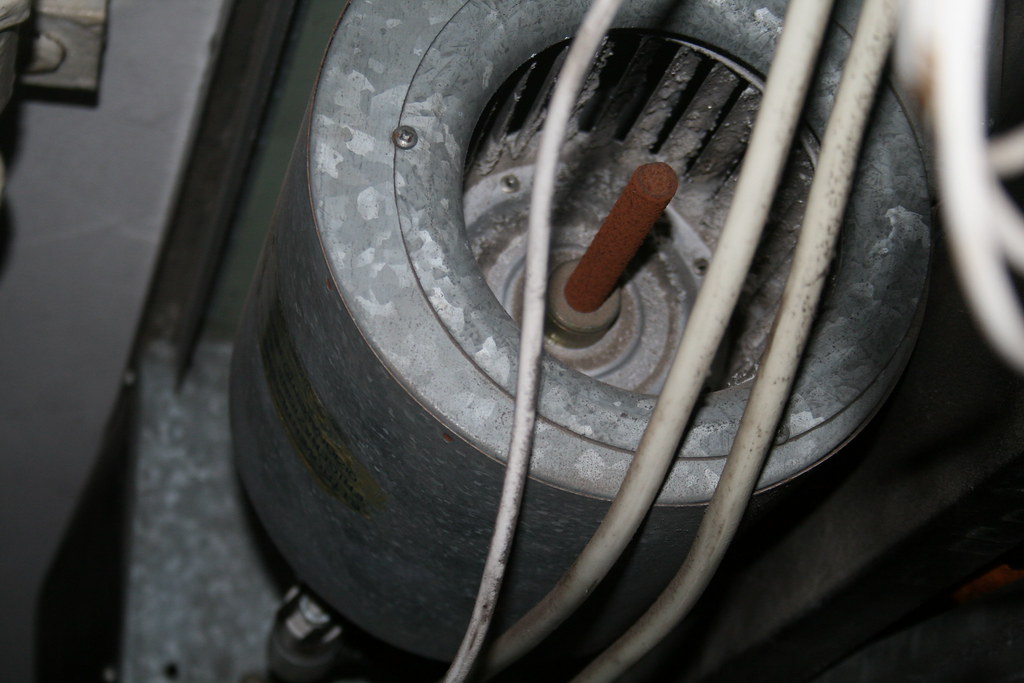
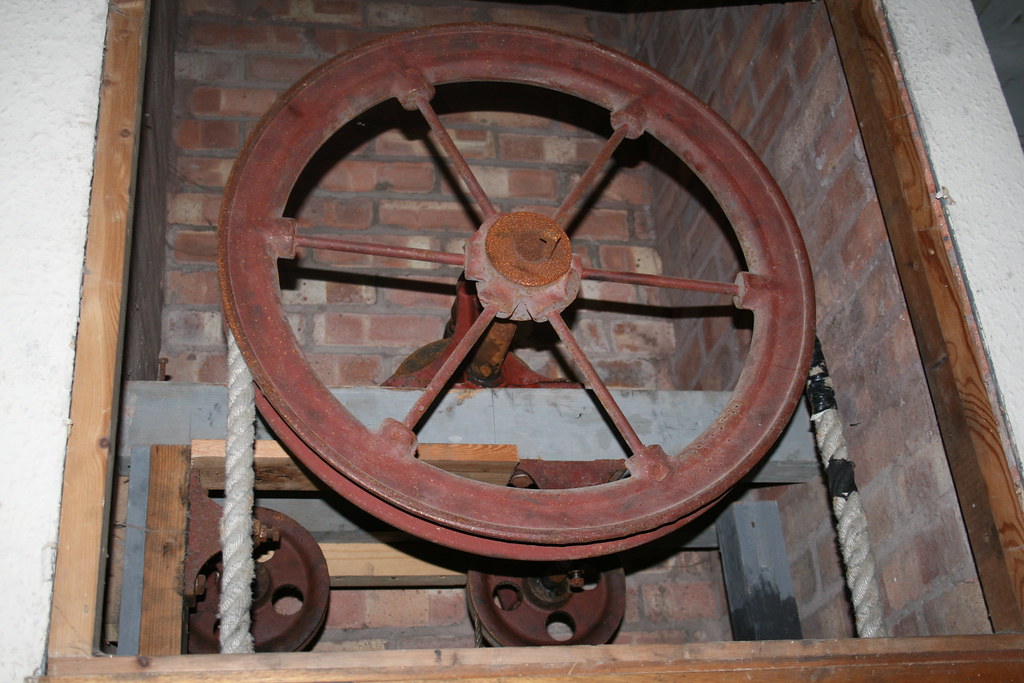
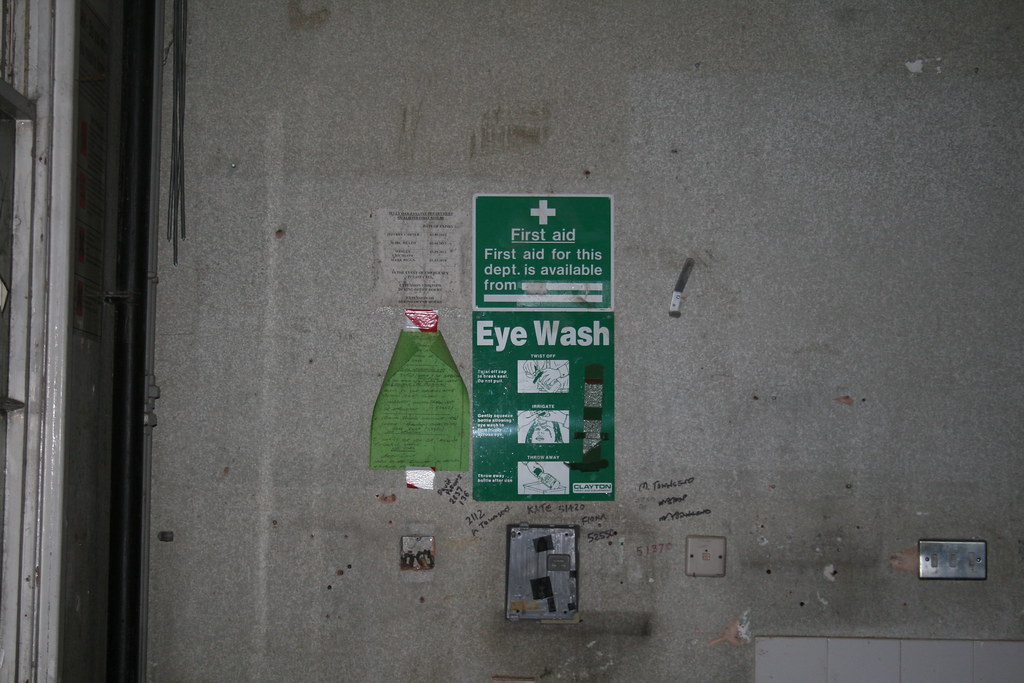
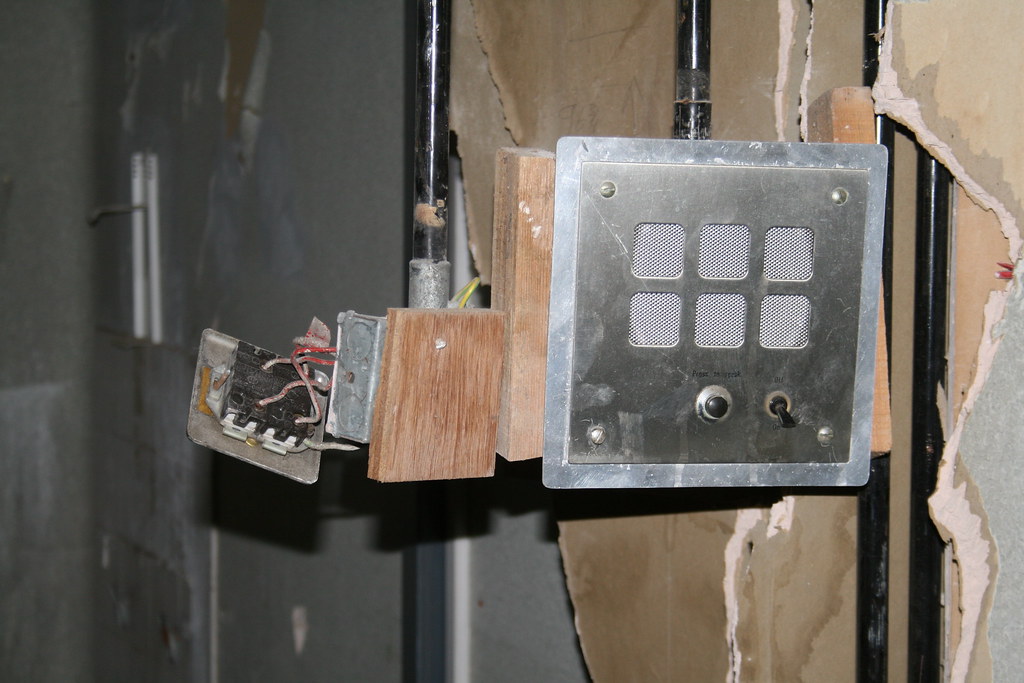
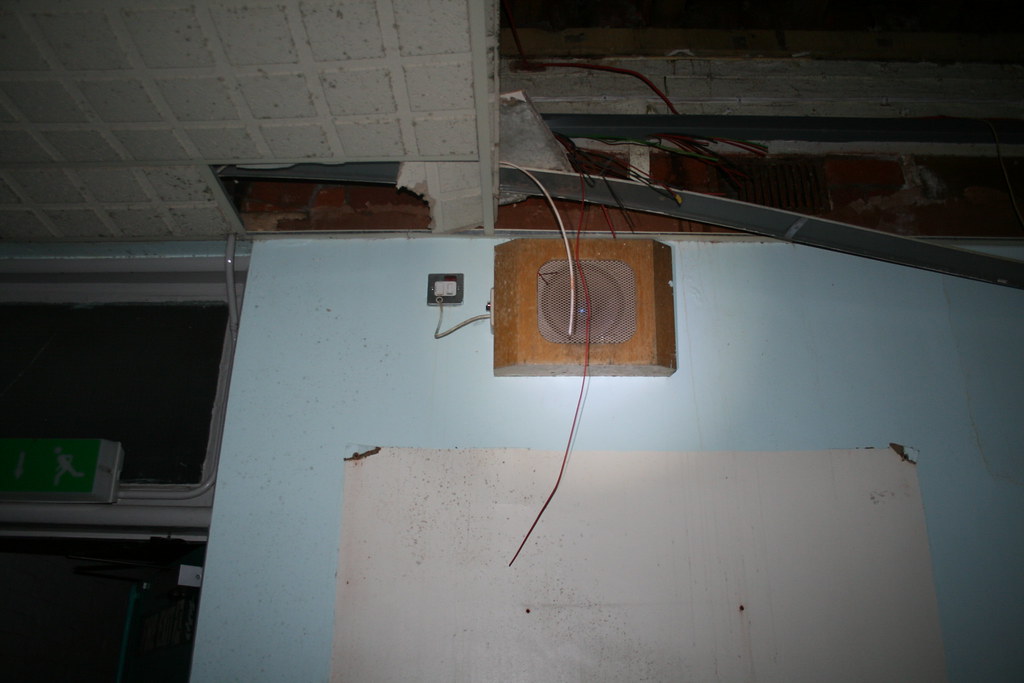
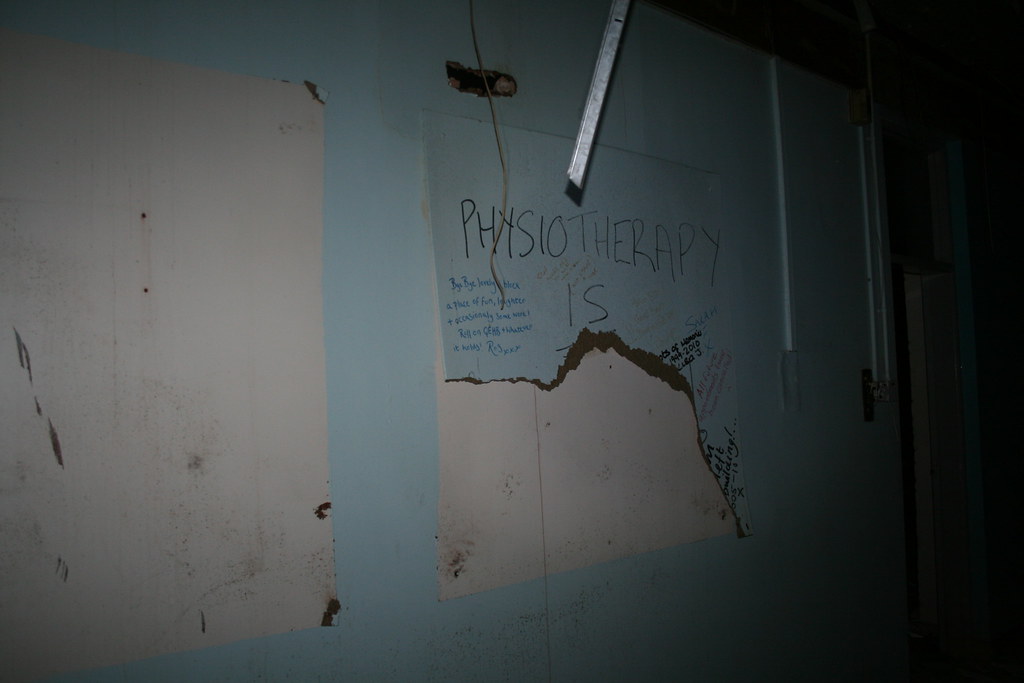
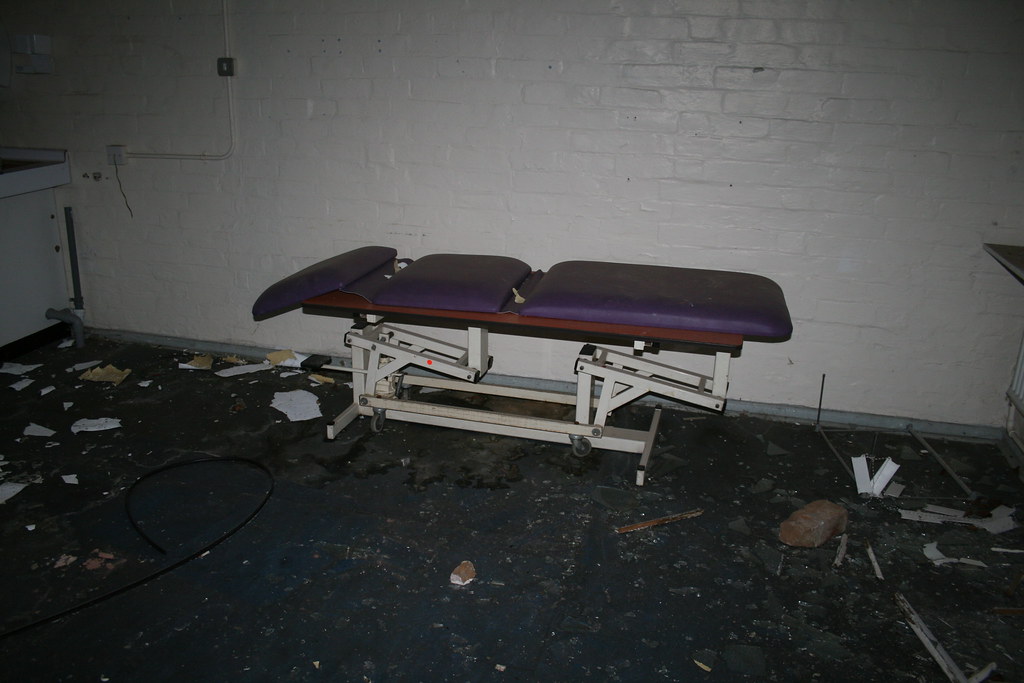
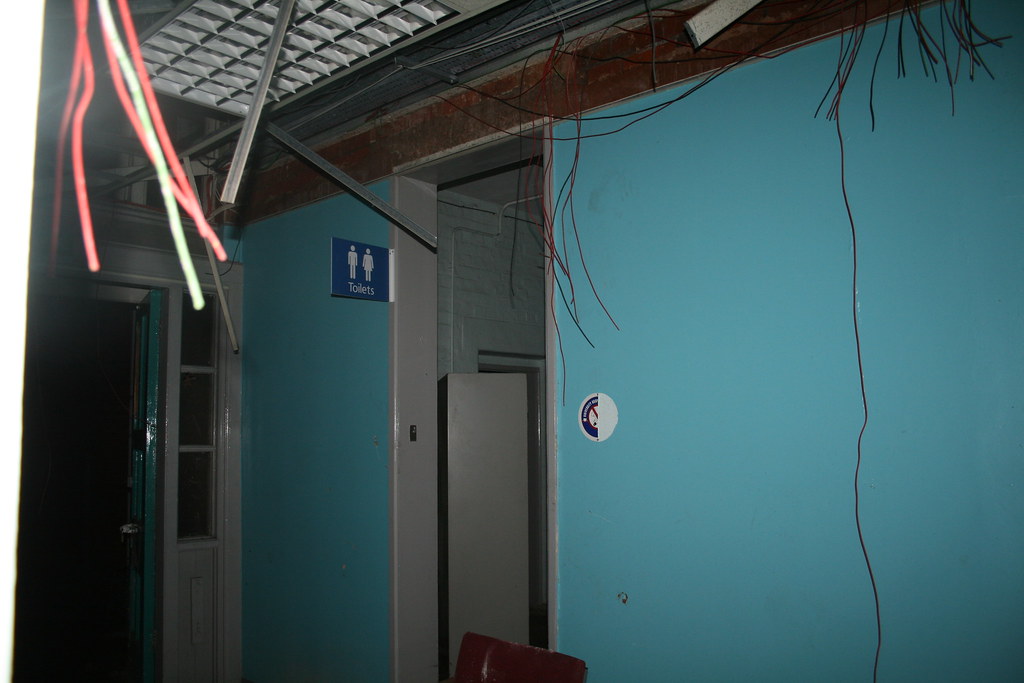
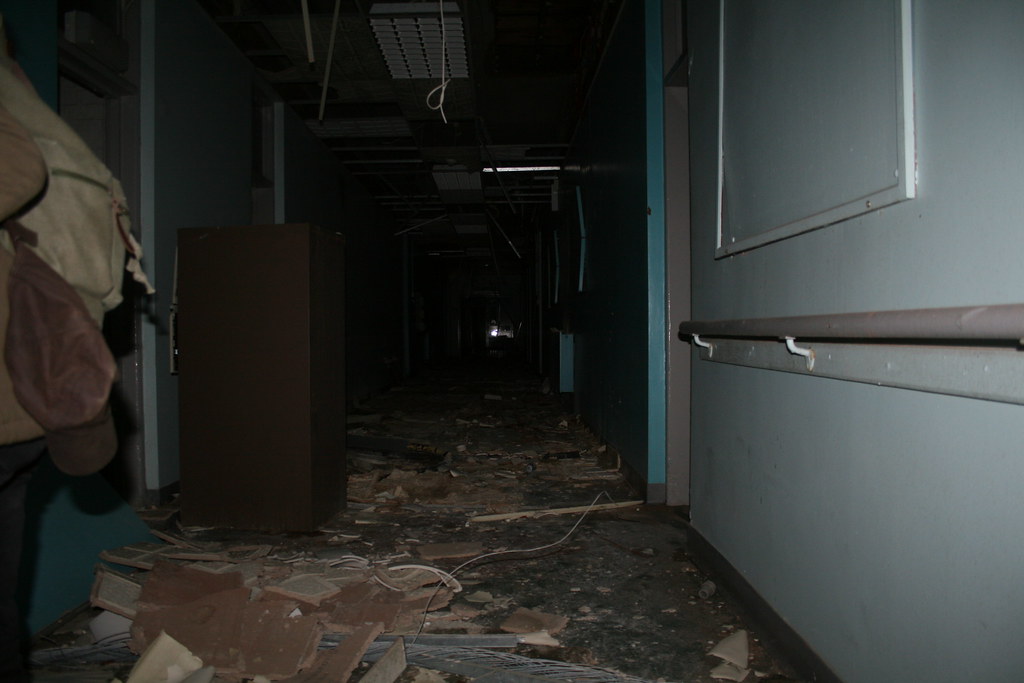
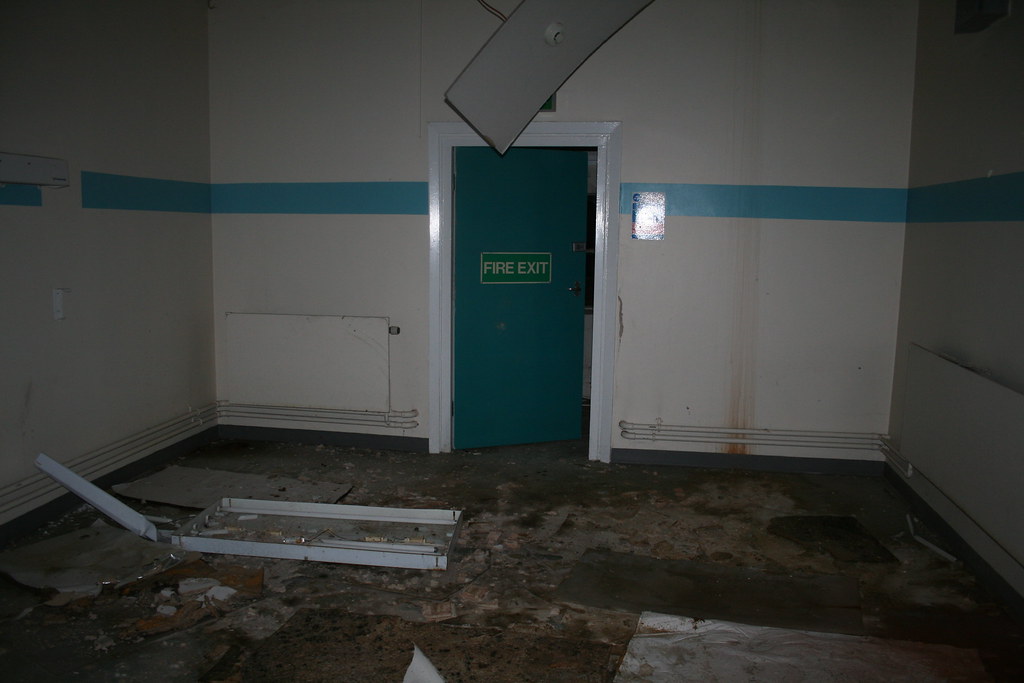
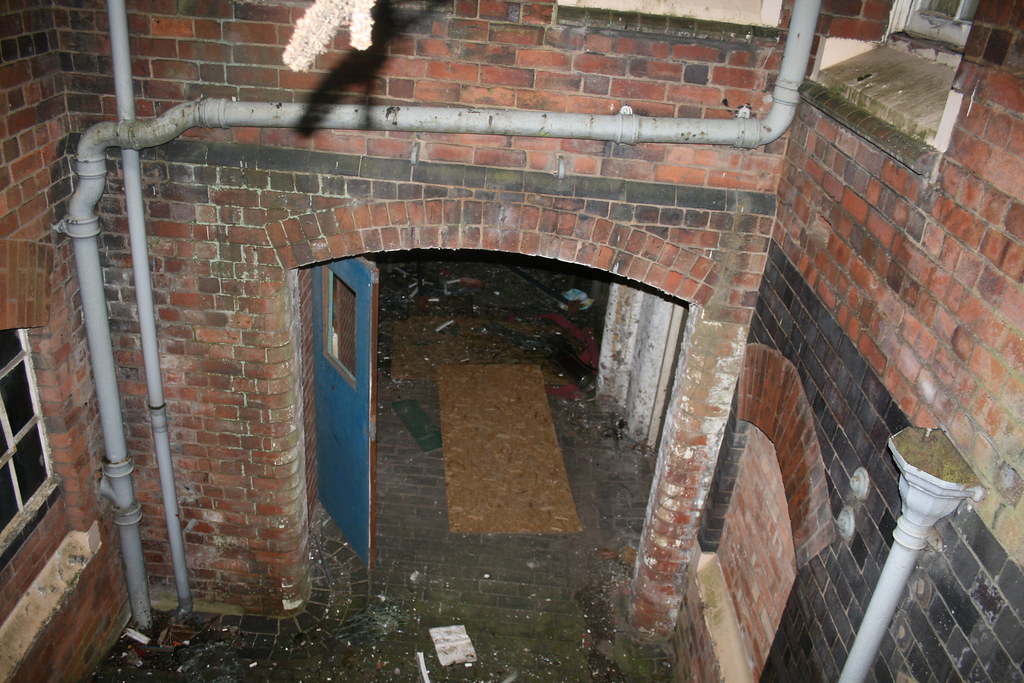
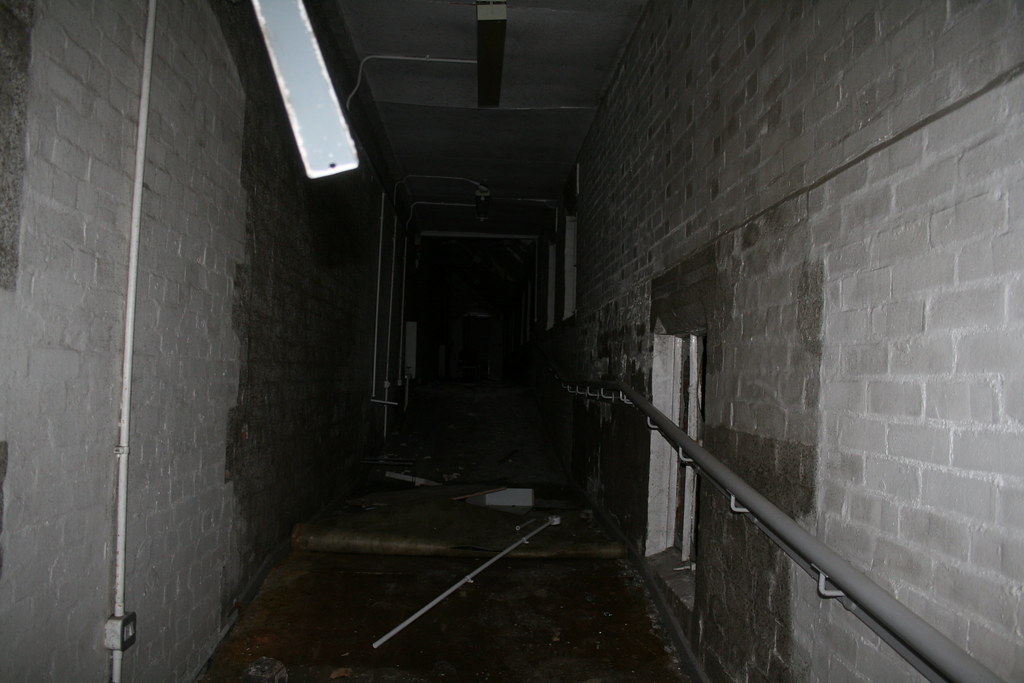
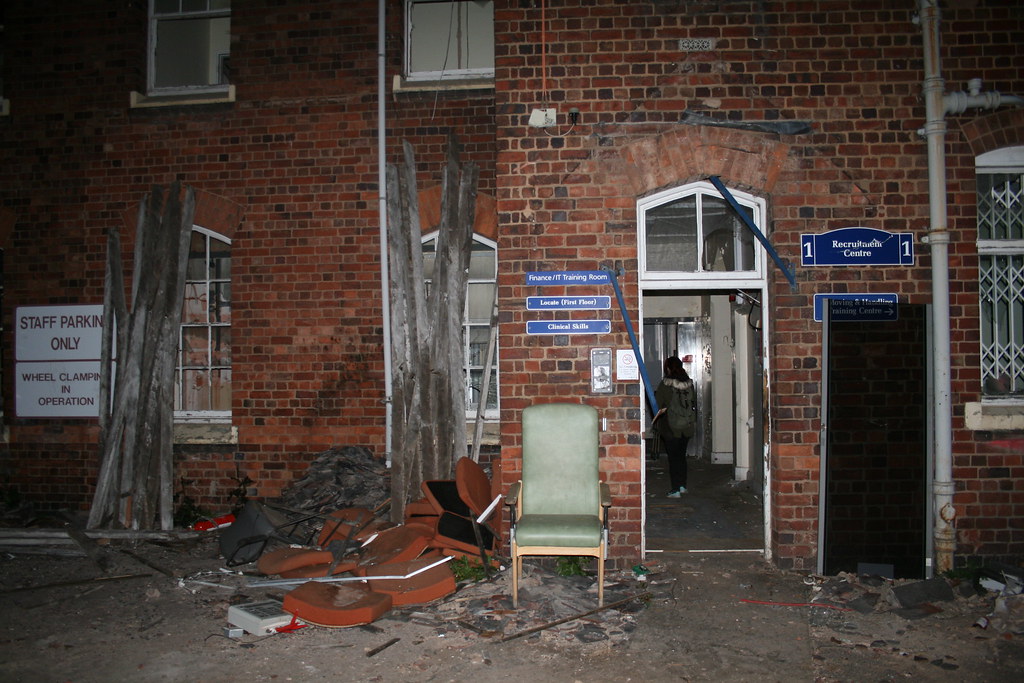
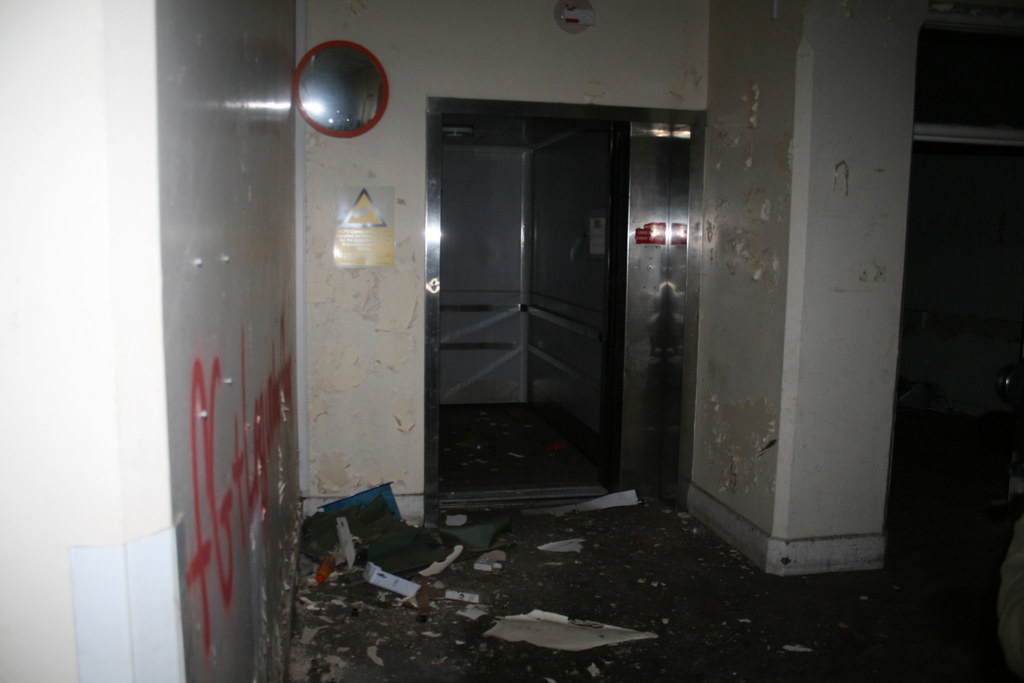
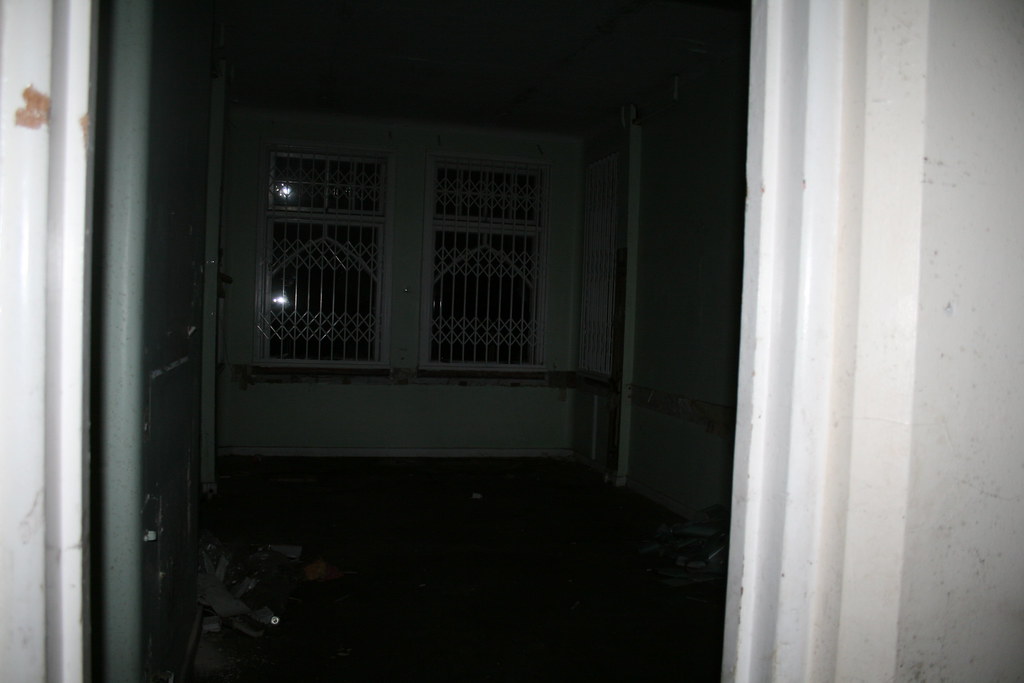
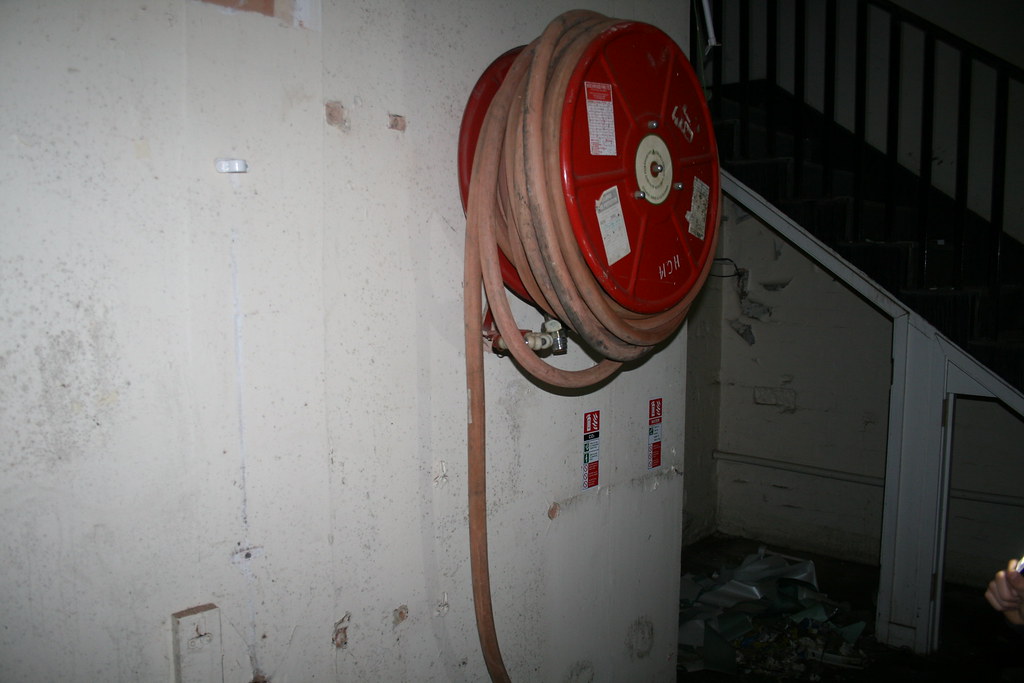
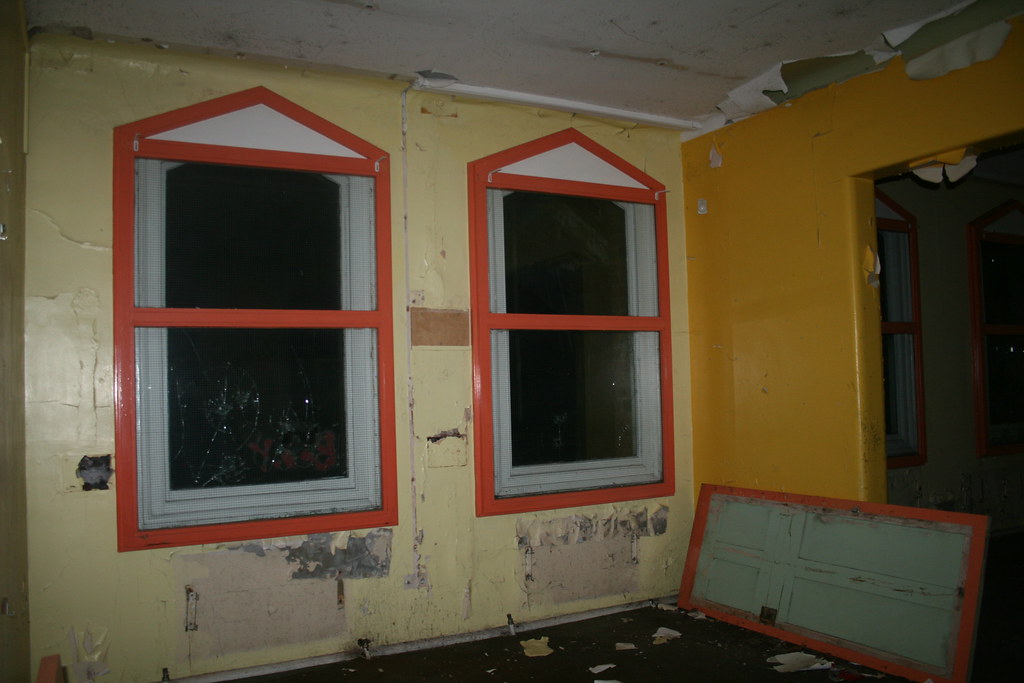
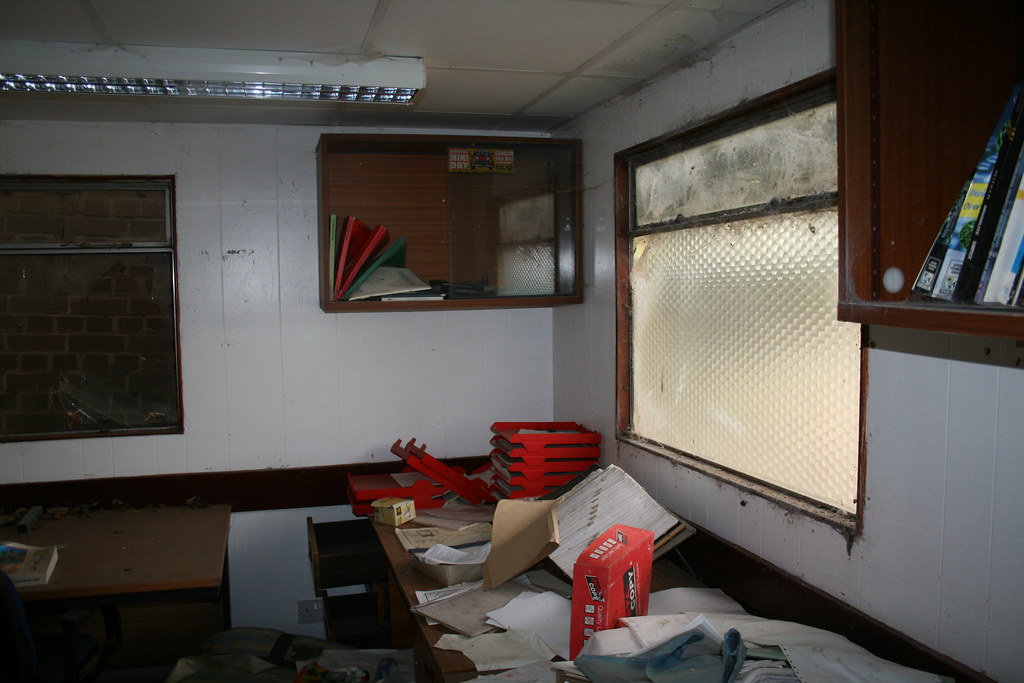
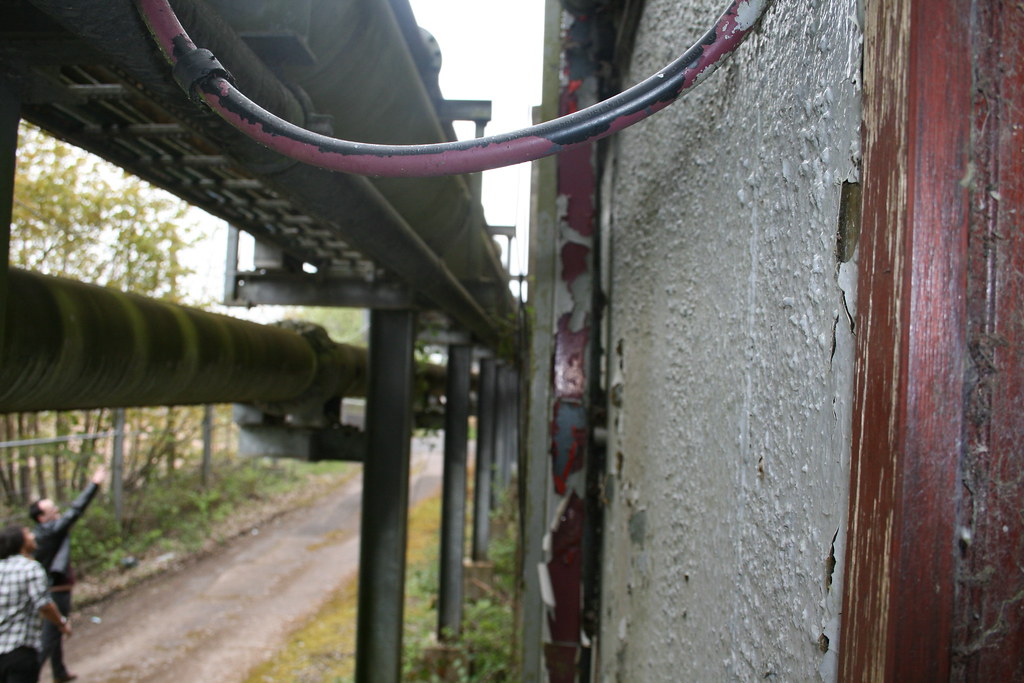
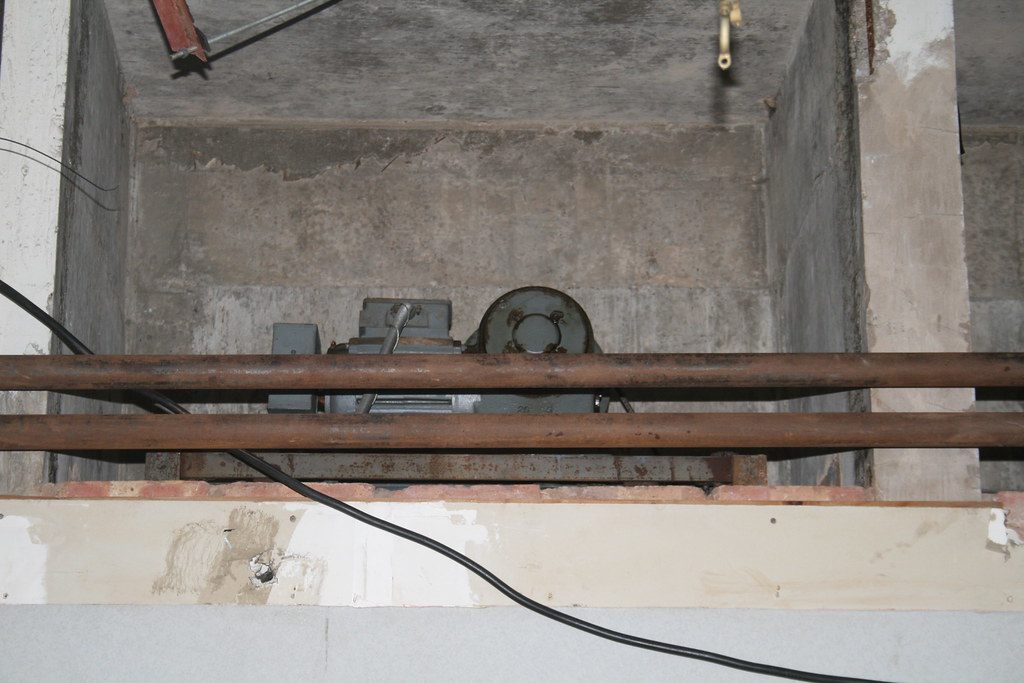
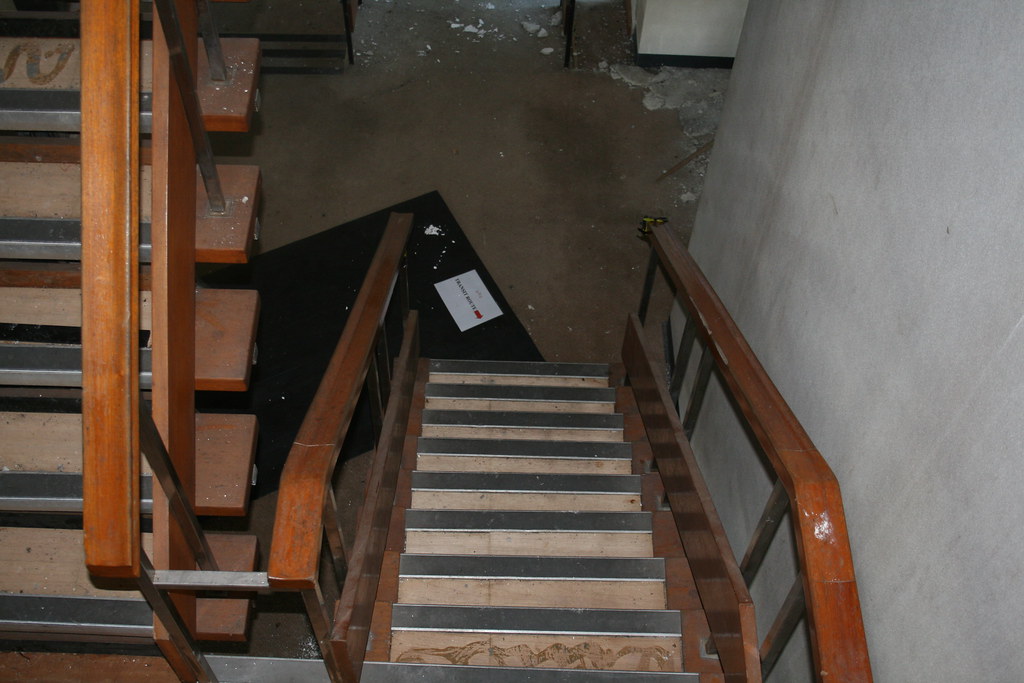
Back in 2015/2016, myself, Jellyfish, and Gibo went on a few visits to the abandoned Selly Oak Hospital not long after it moved to the new Queen Elizabeth Hospital. The first couple of times we tried to explore this place, we were met with security almost immediately.
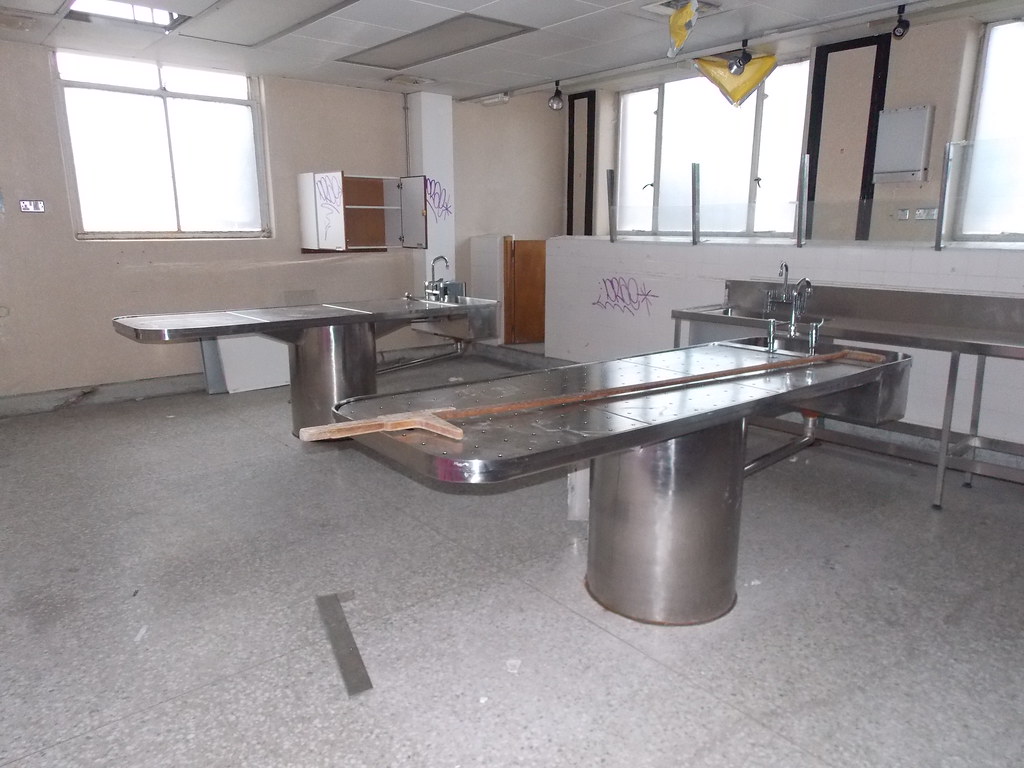
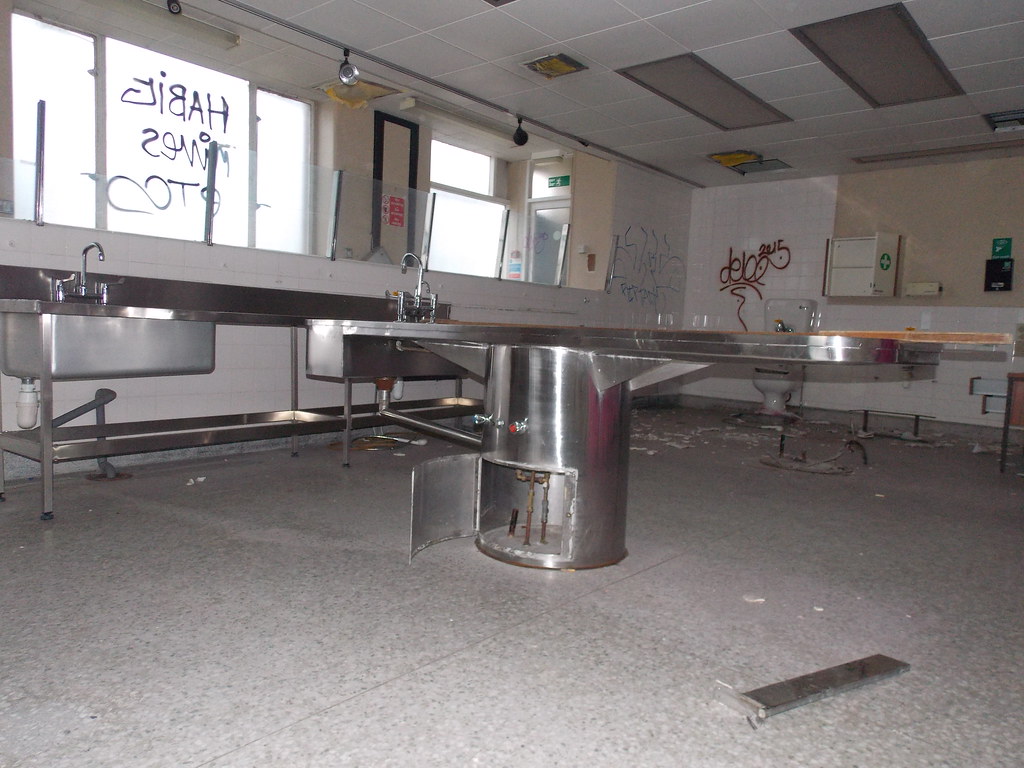
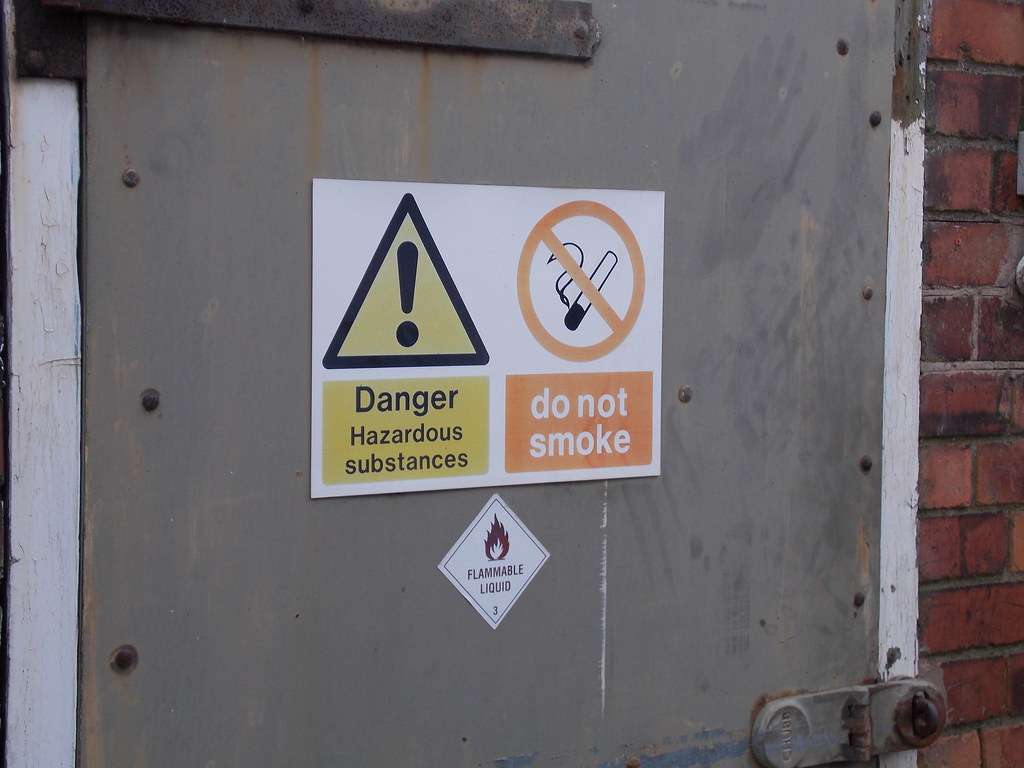
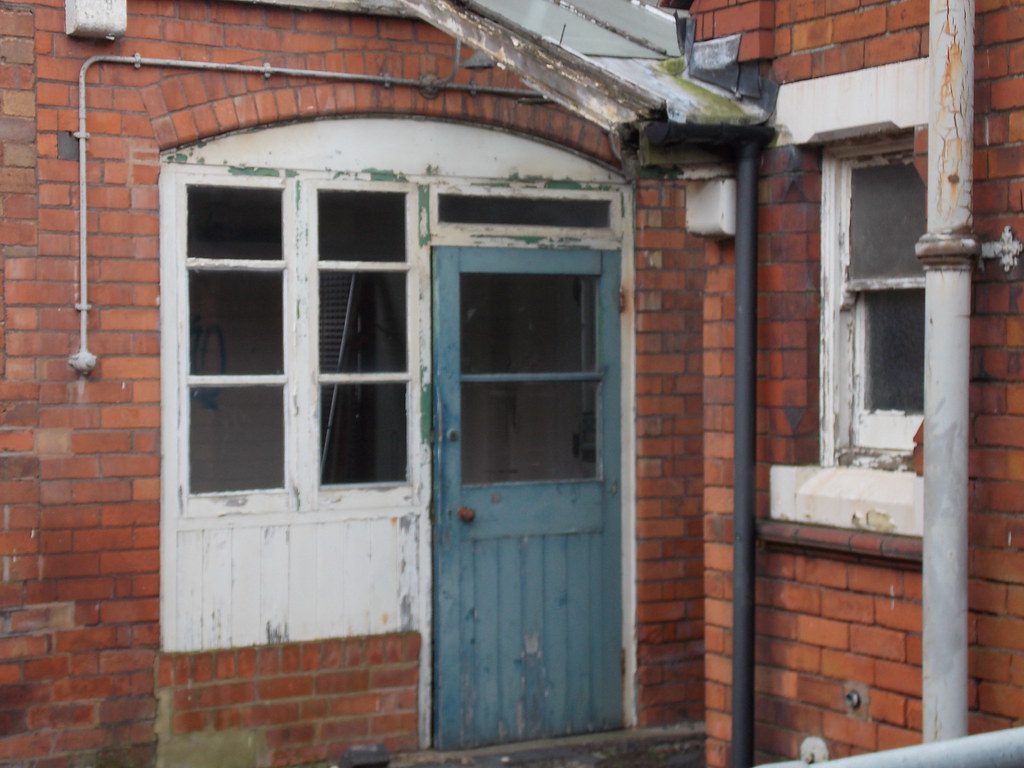
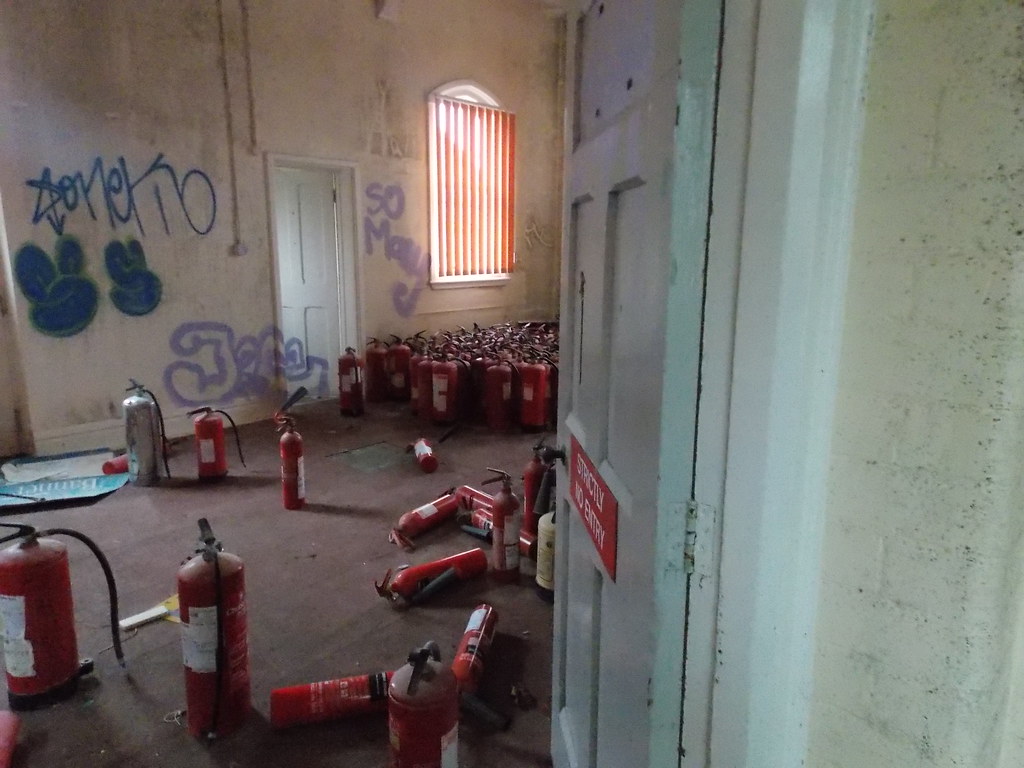
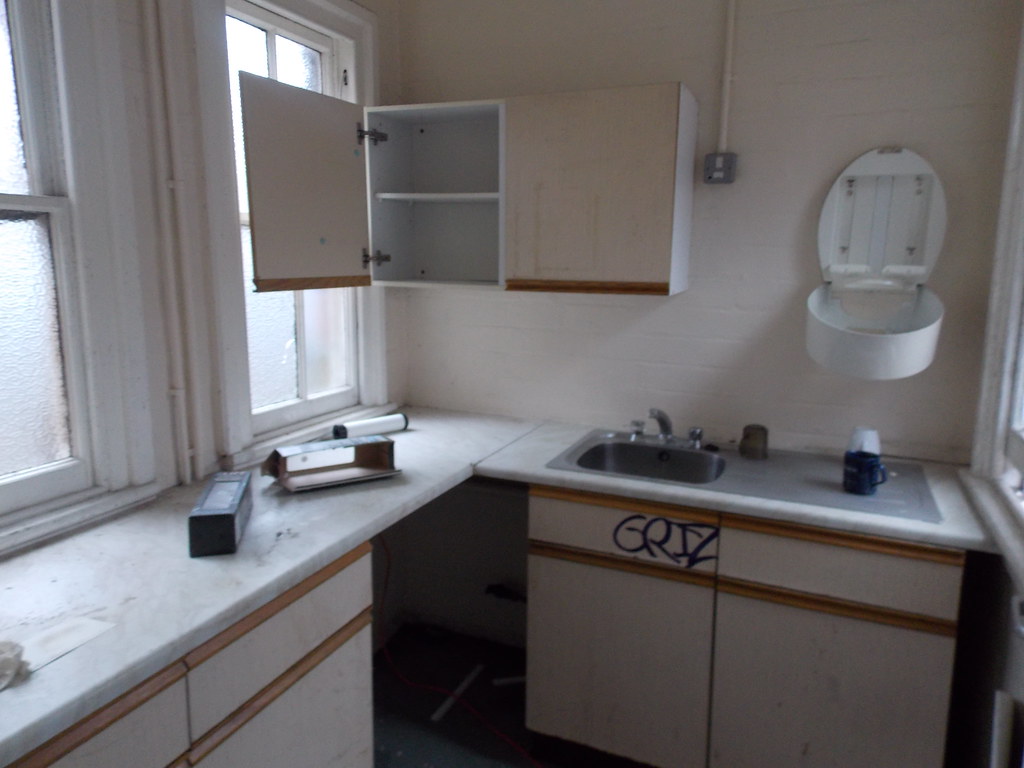
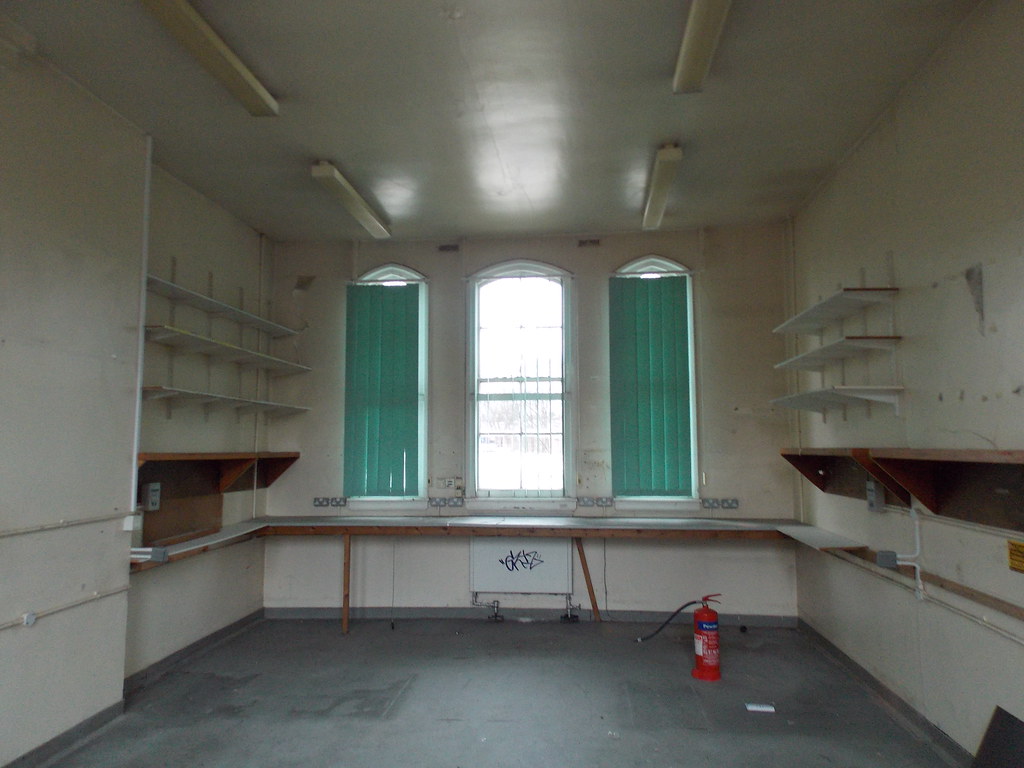
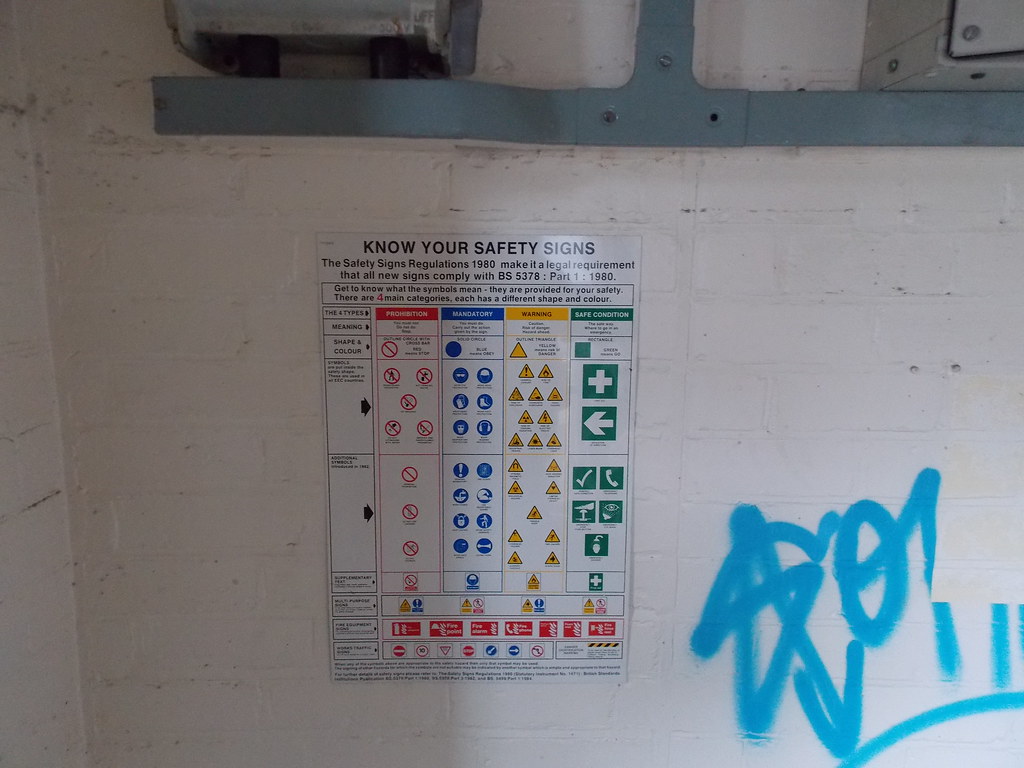
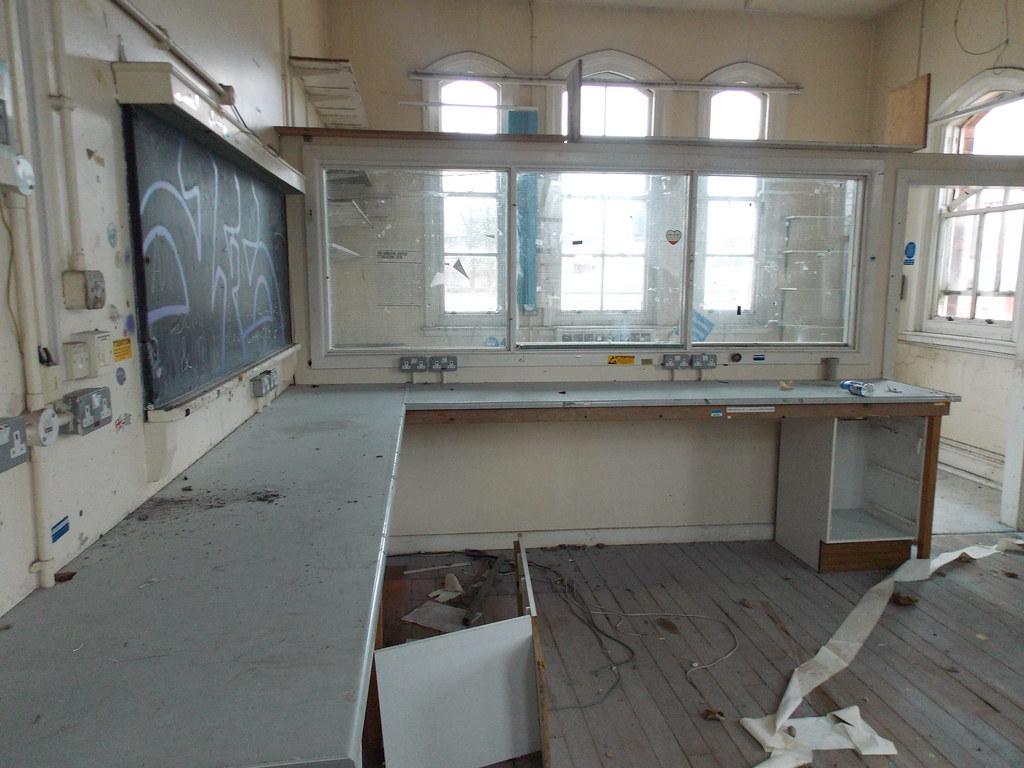
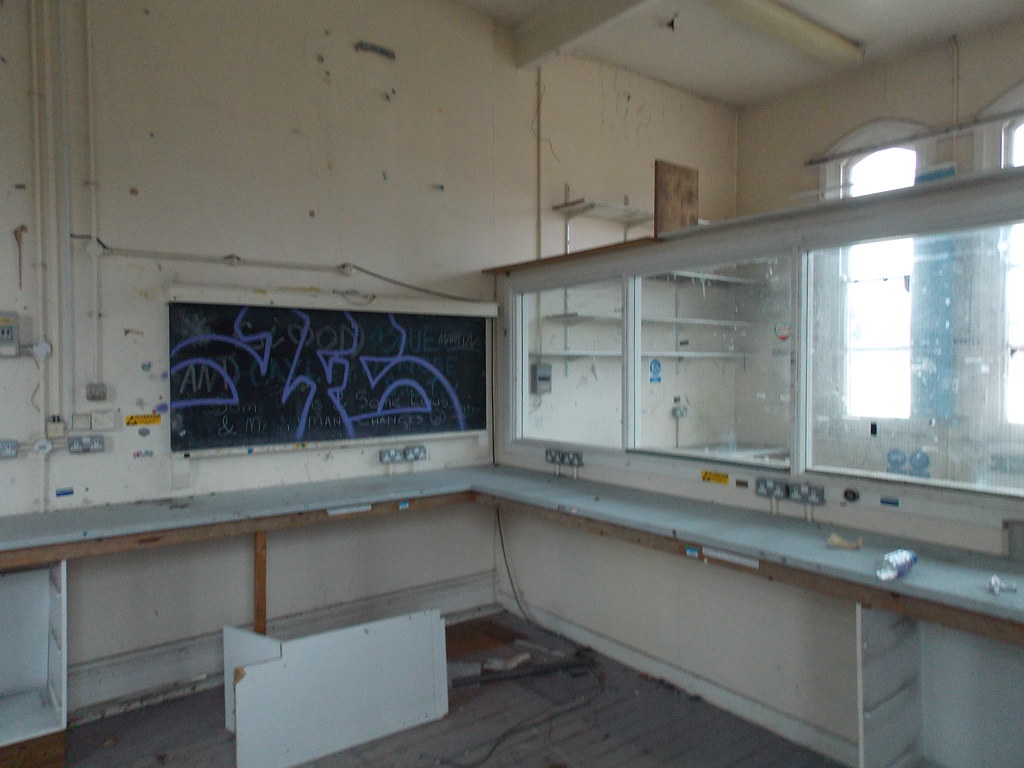
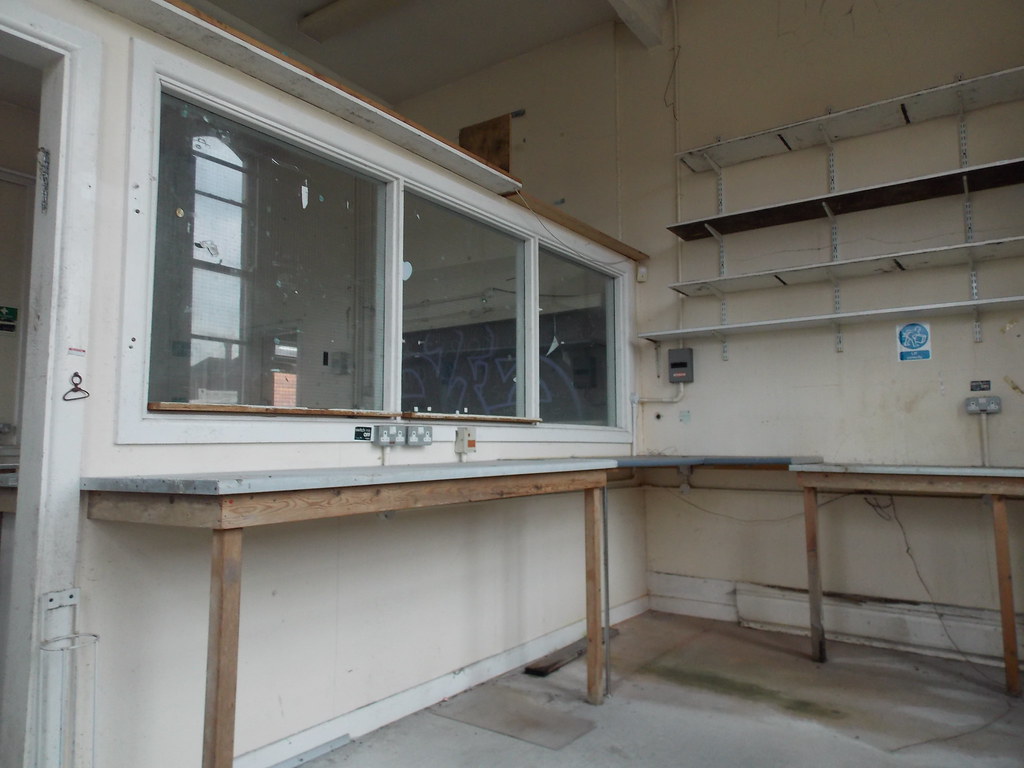
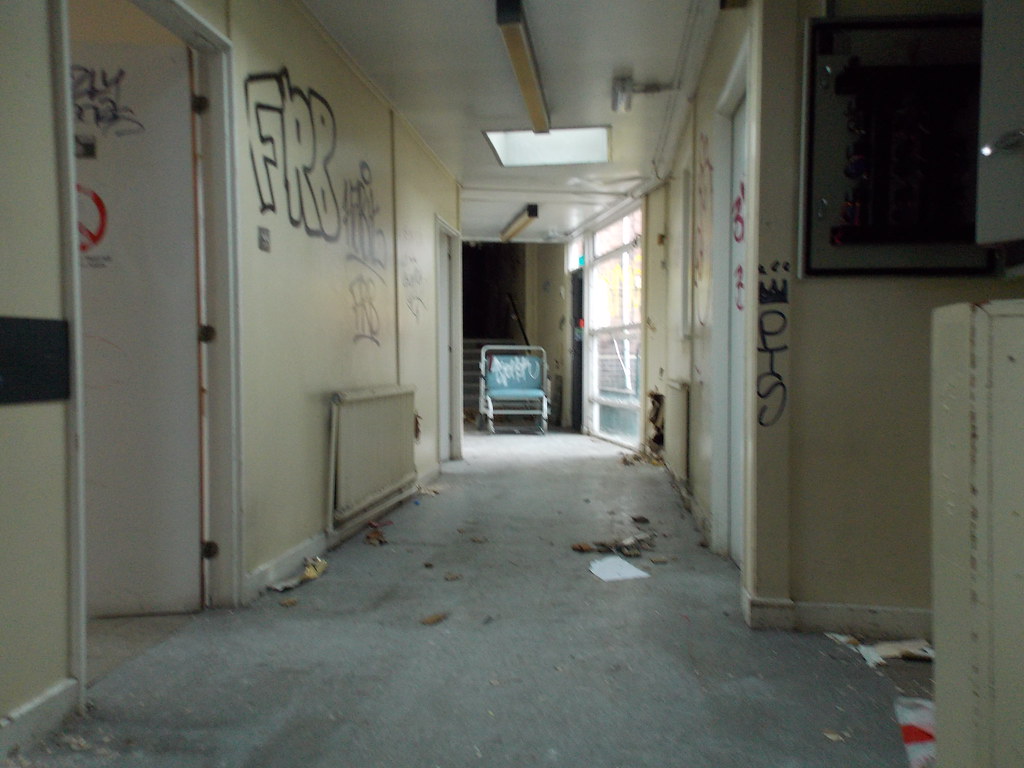
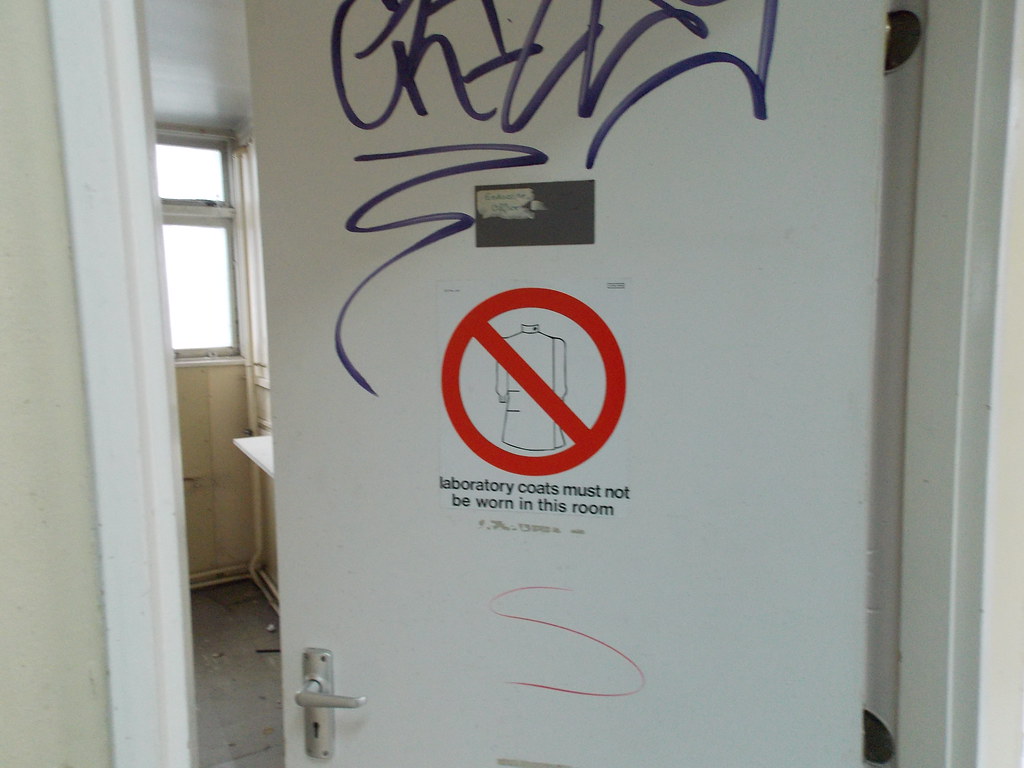
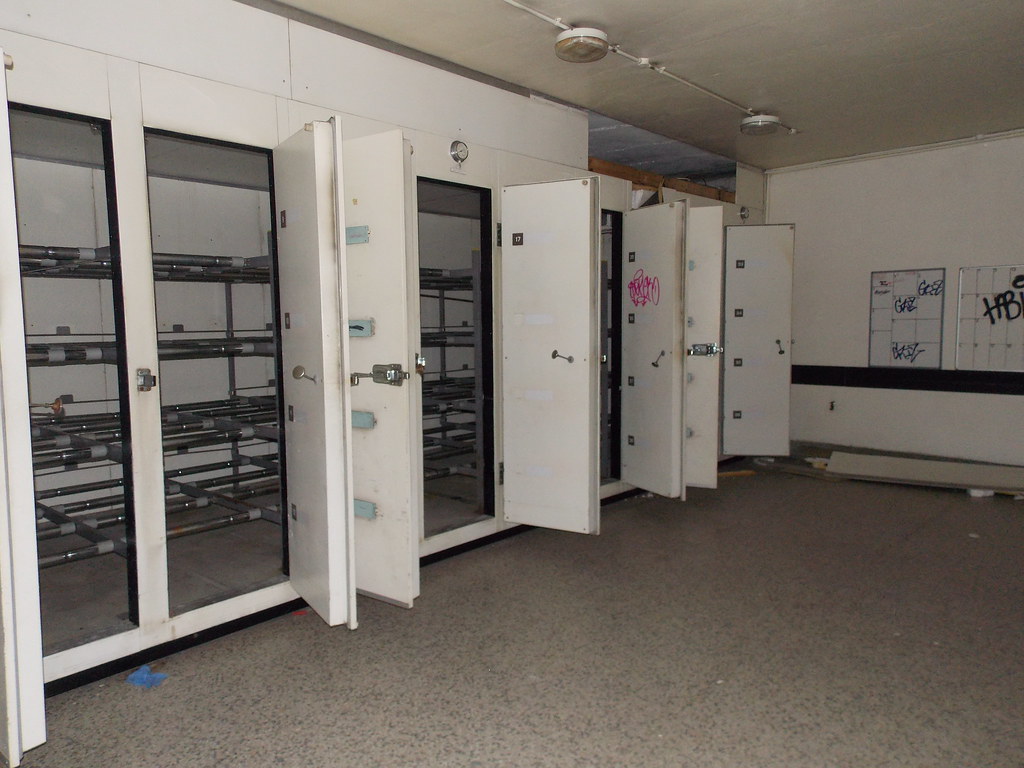
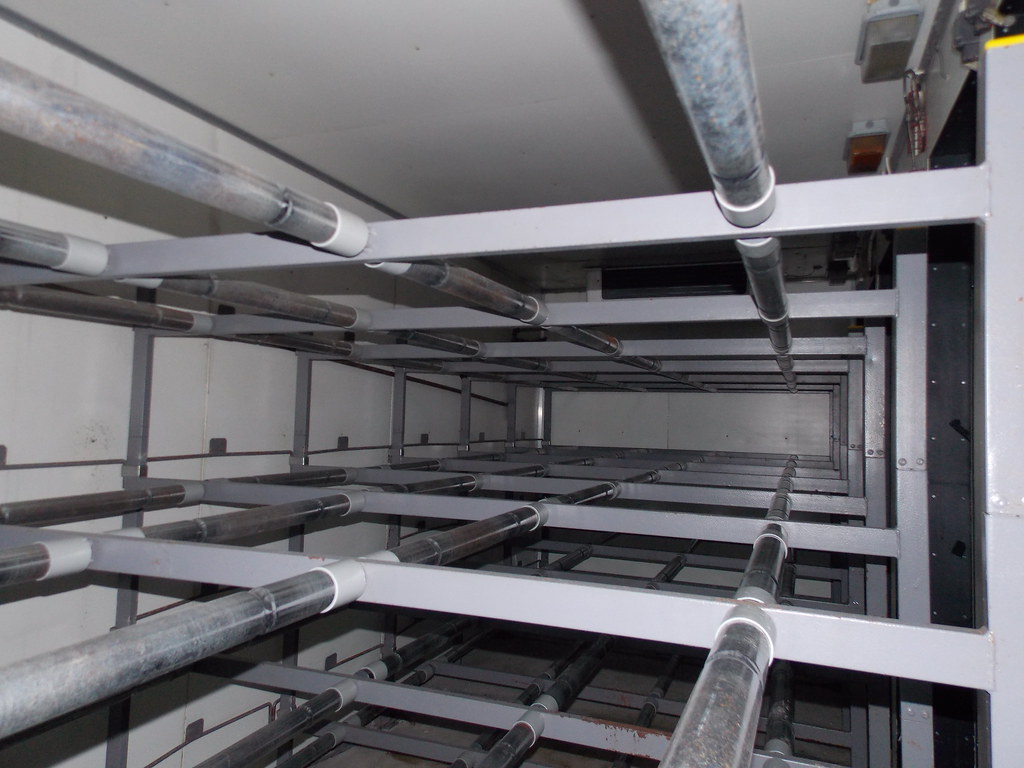
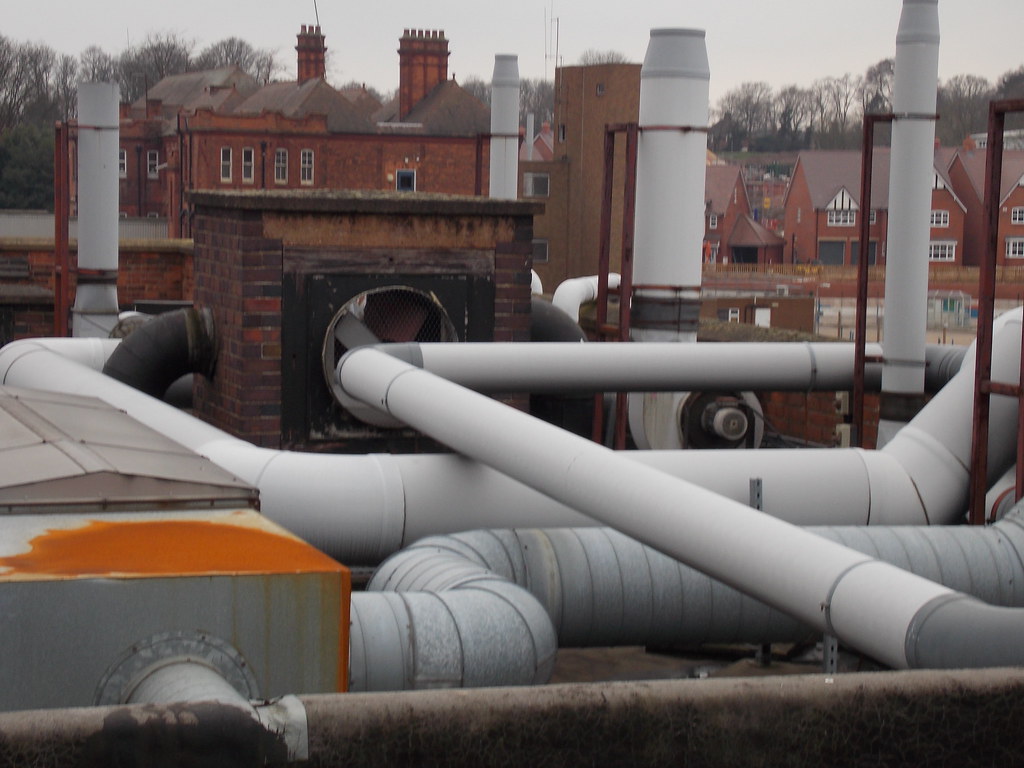
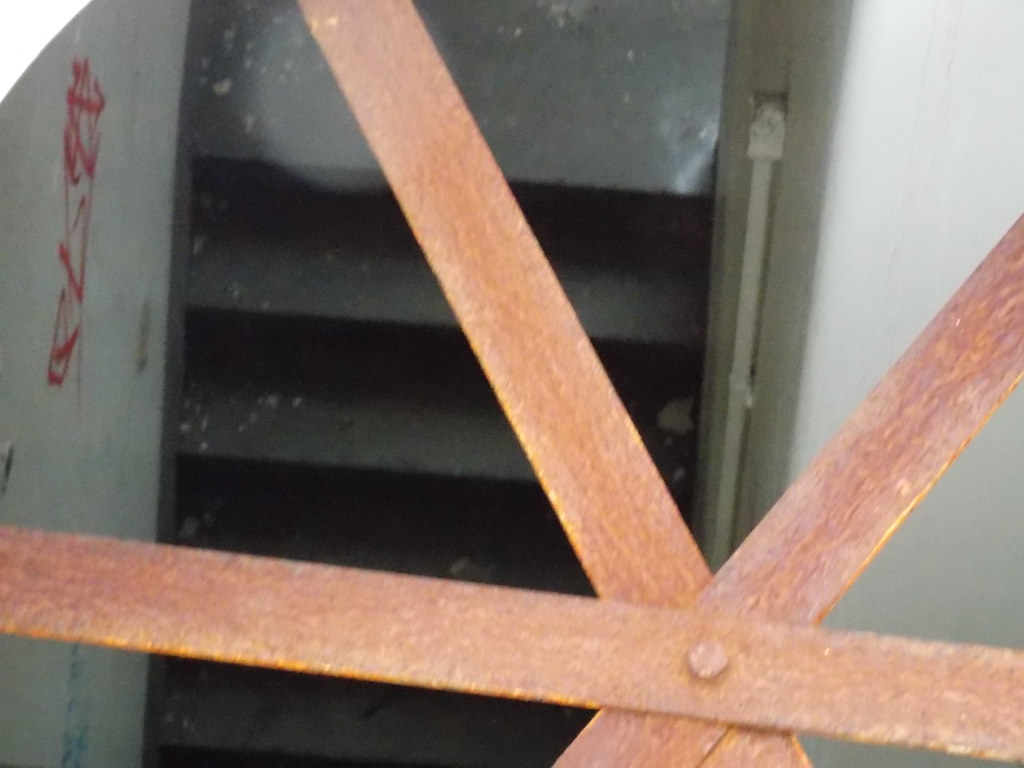
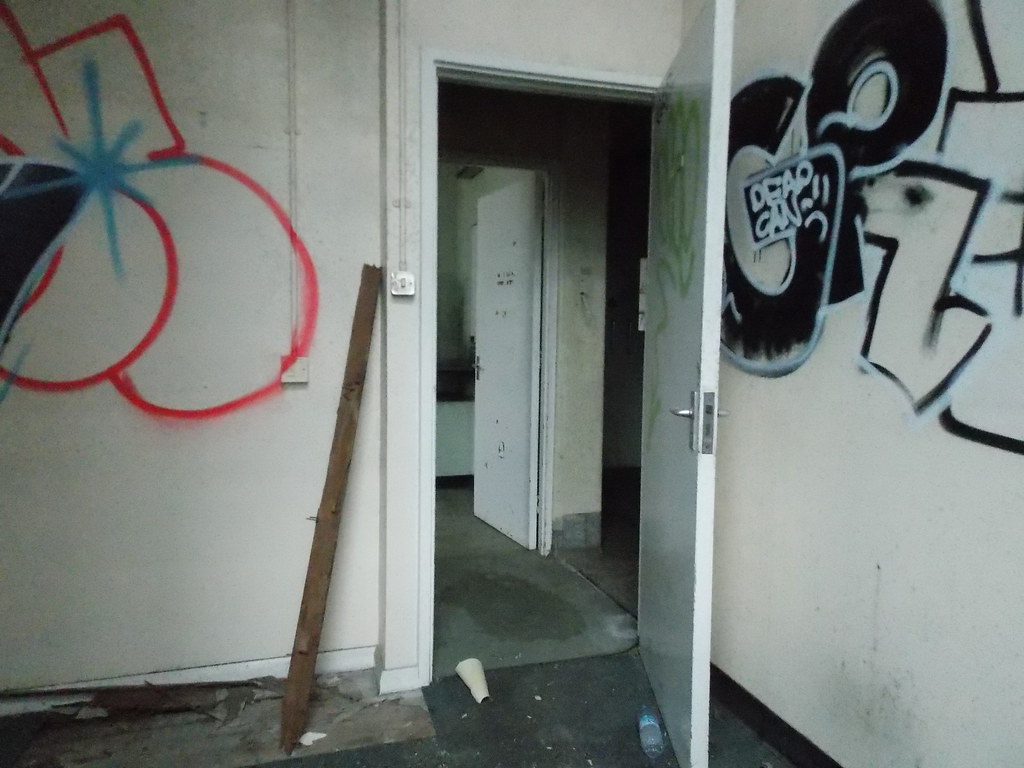
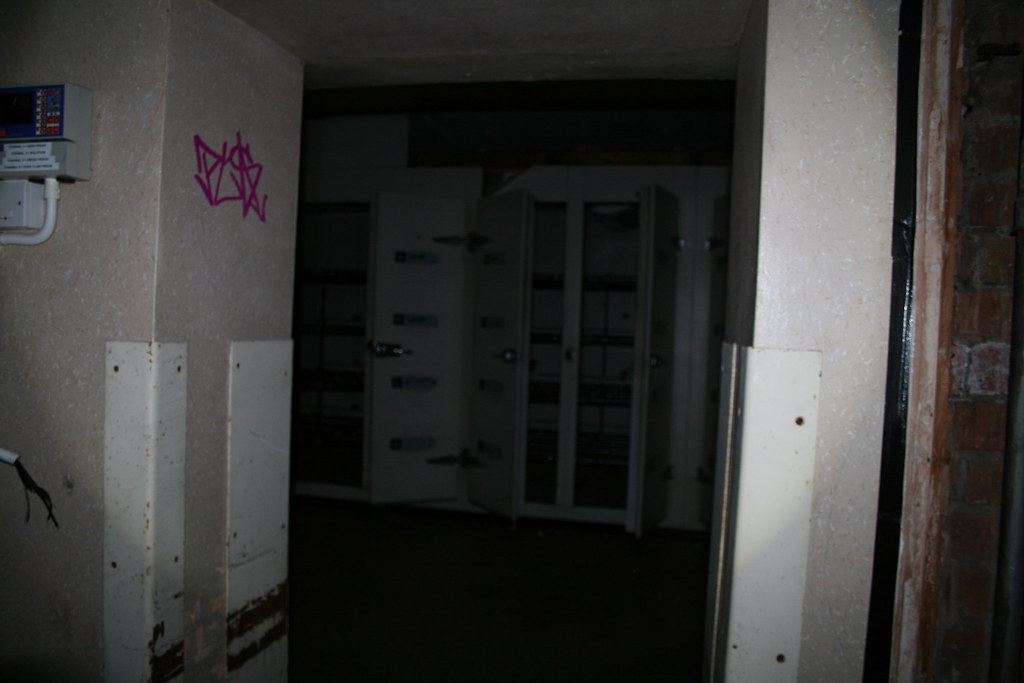
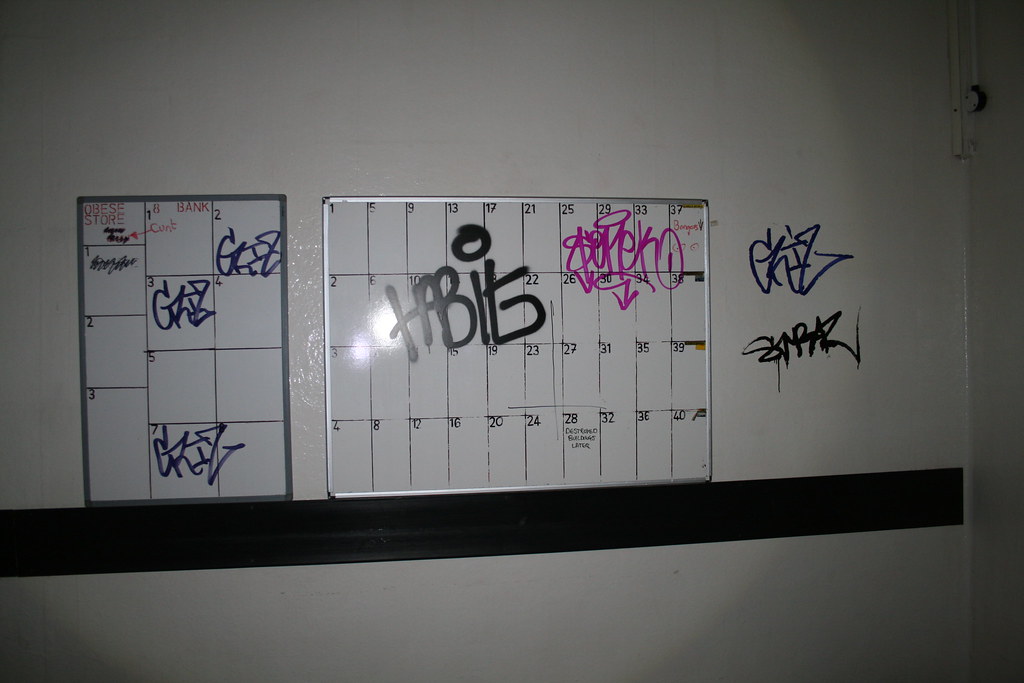
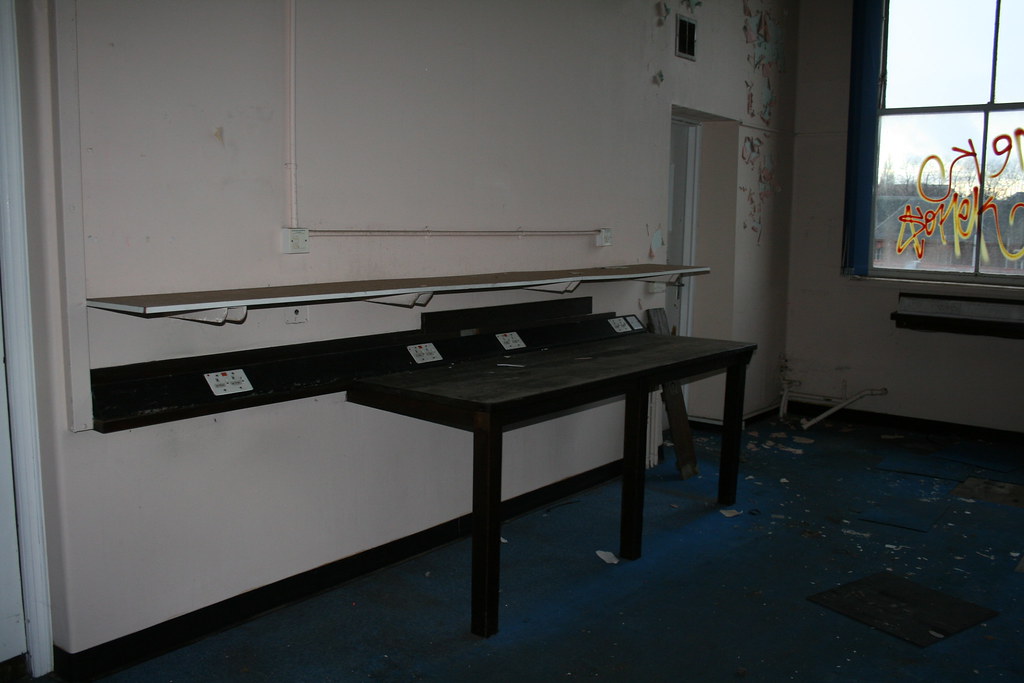
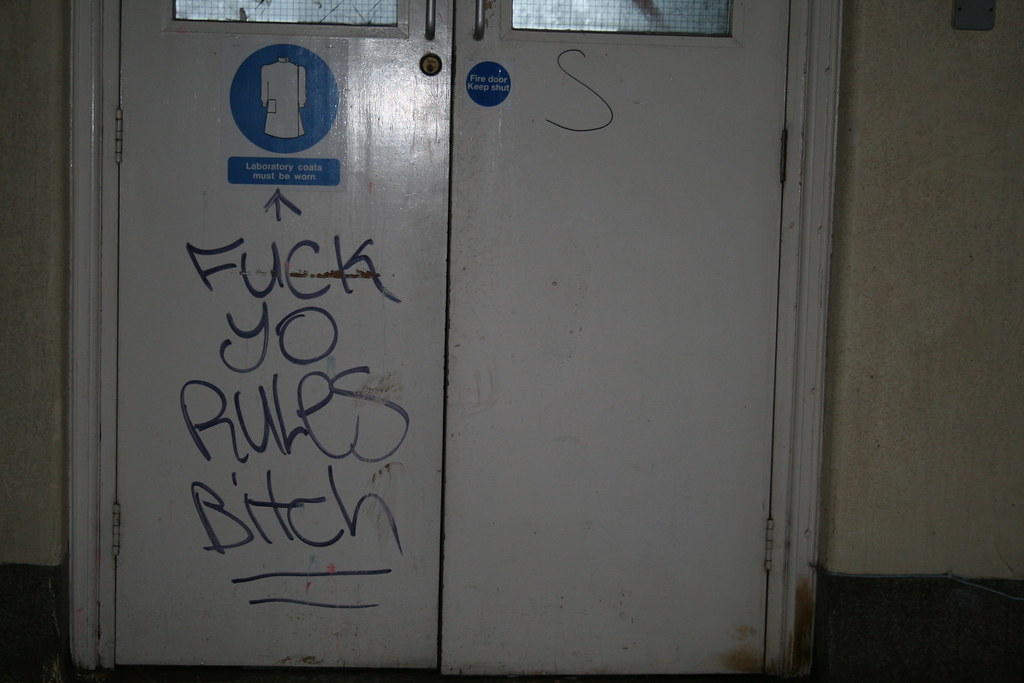
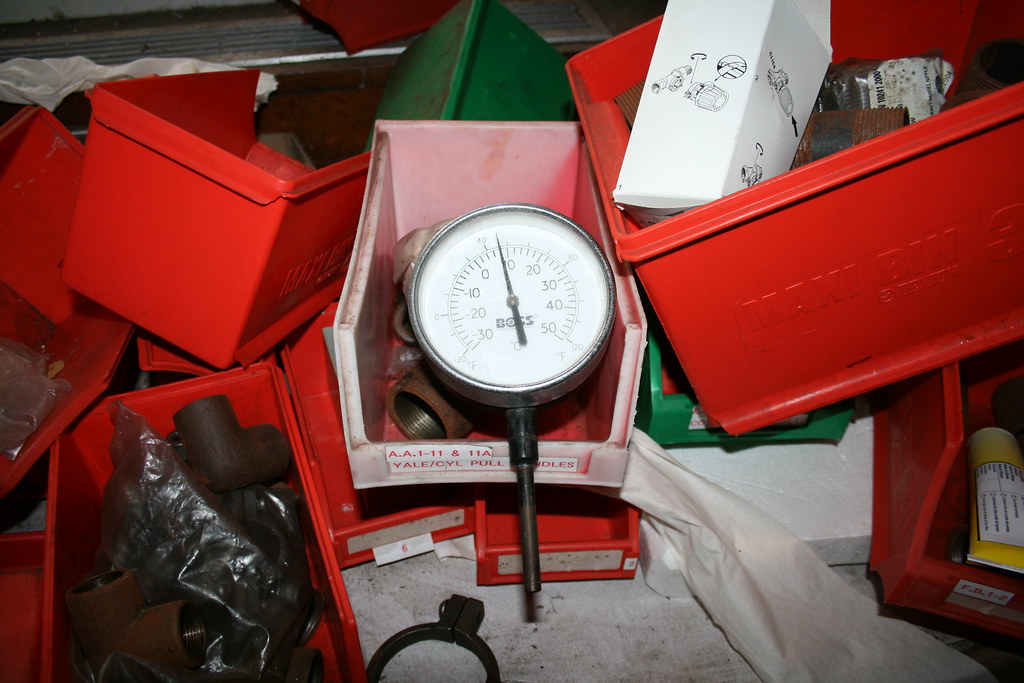
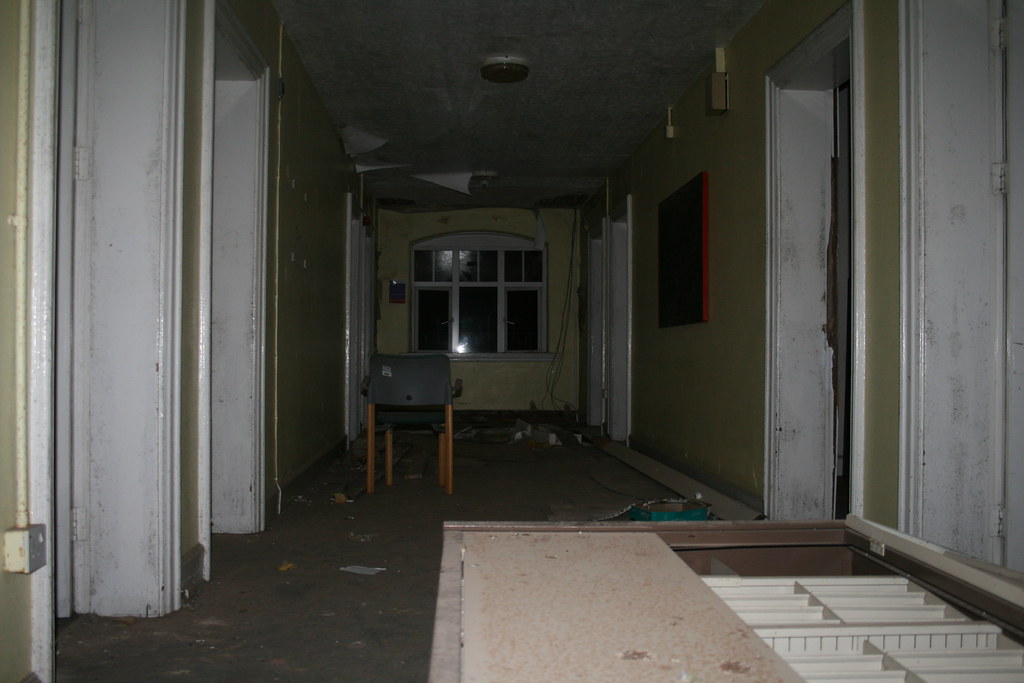
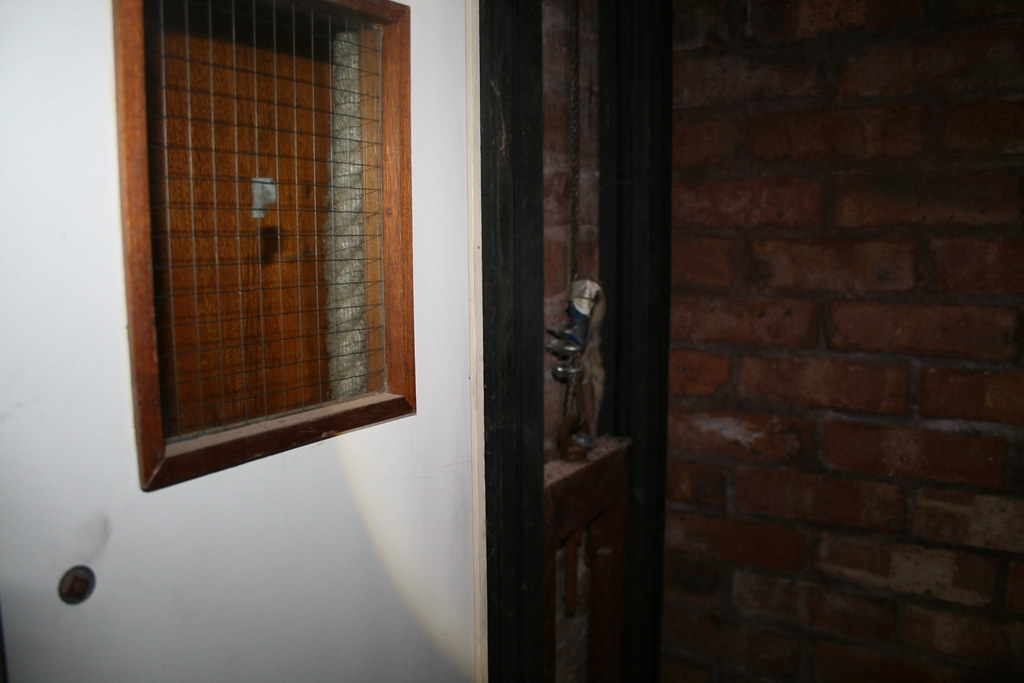
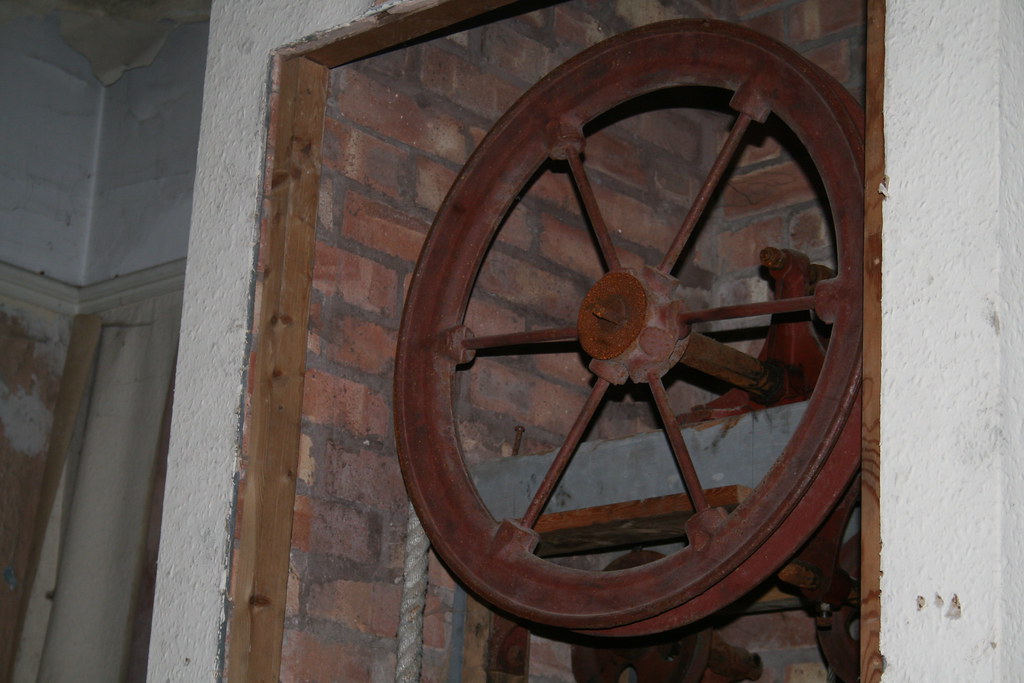
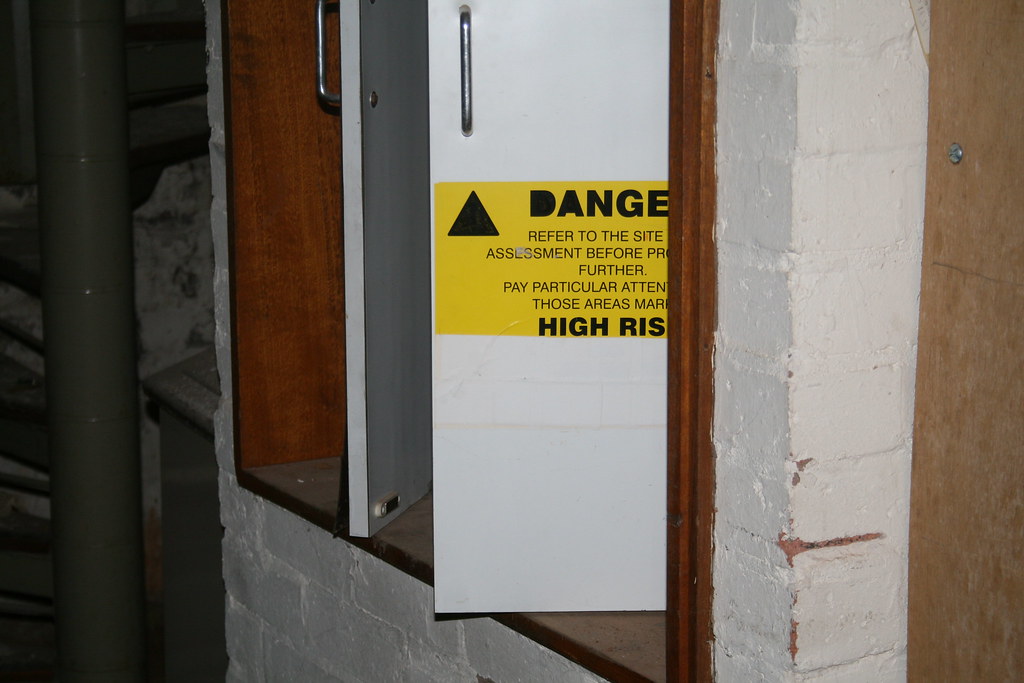
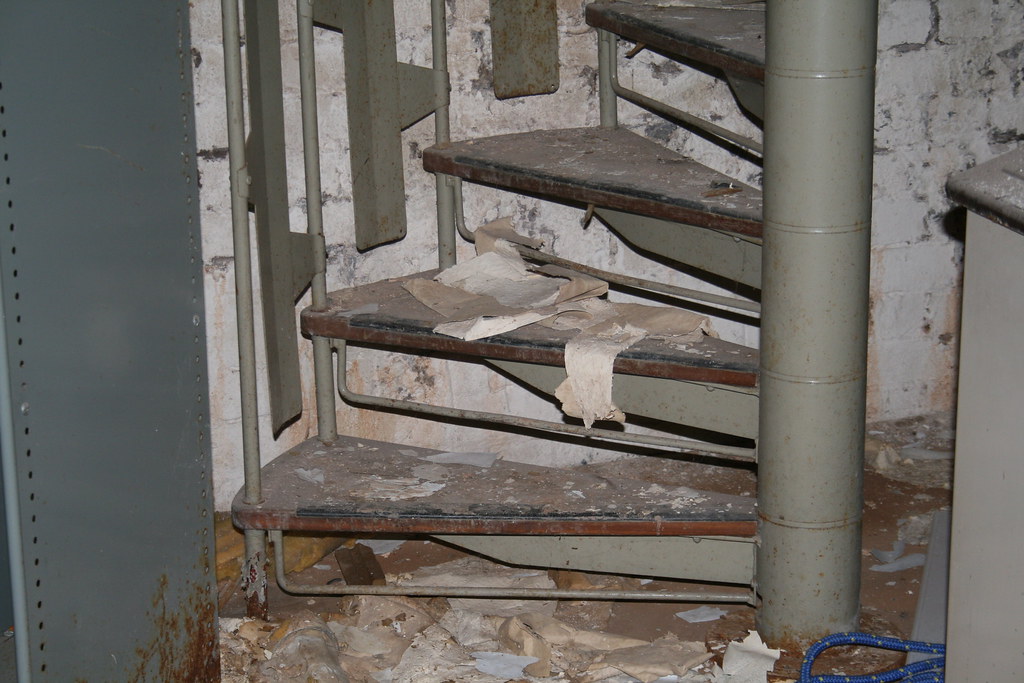
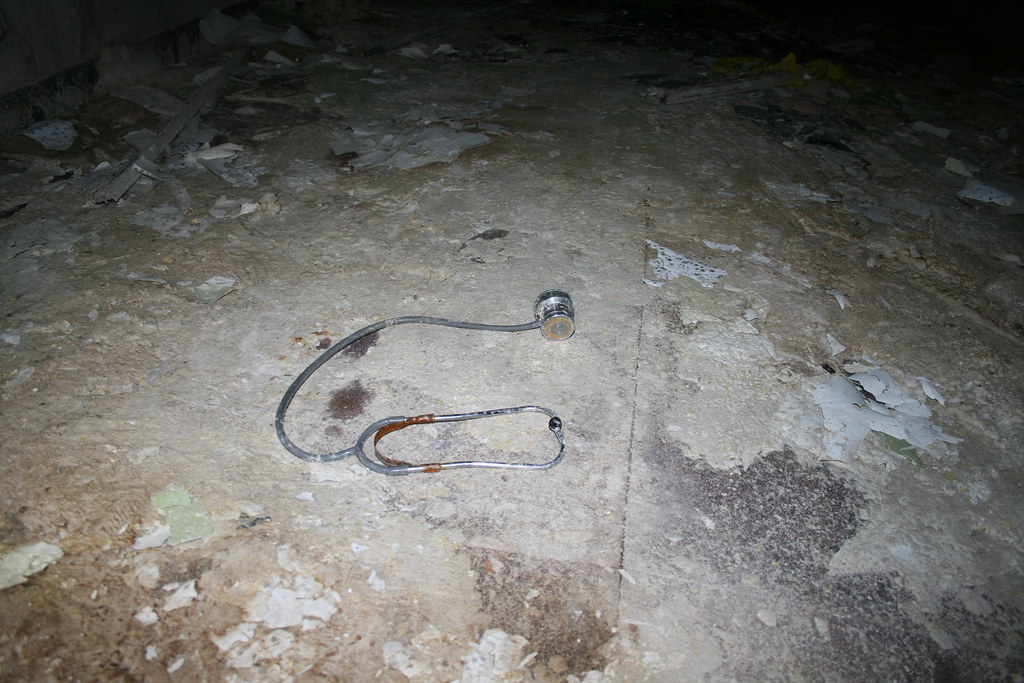
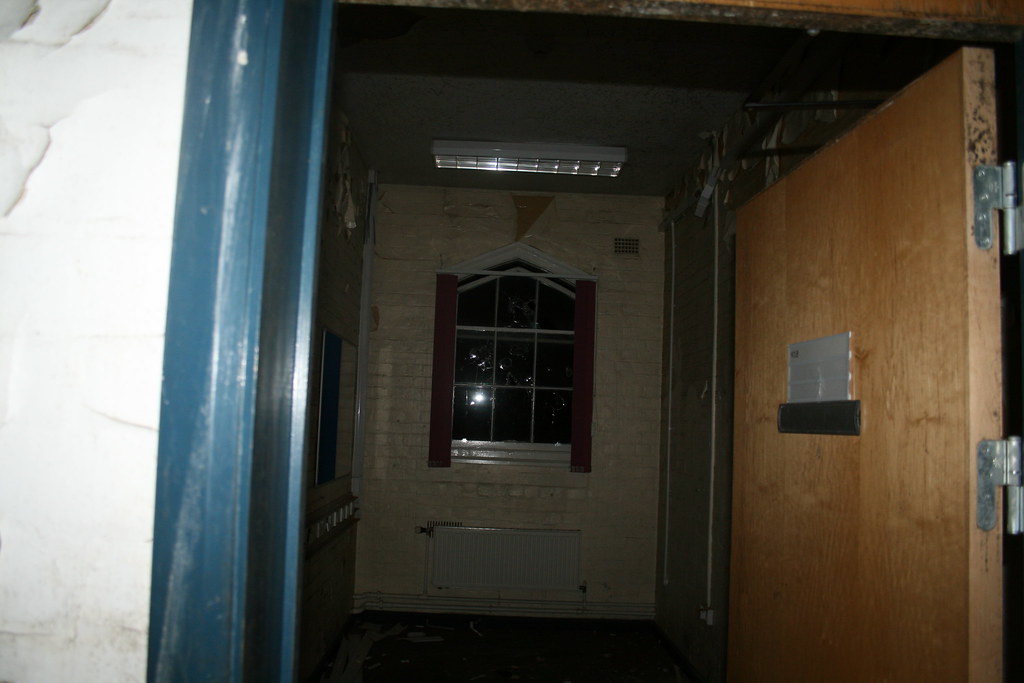
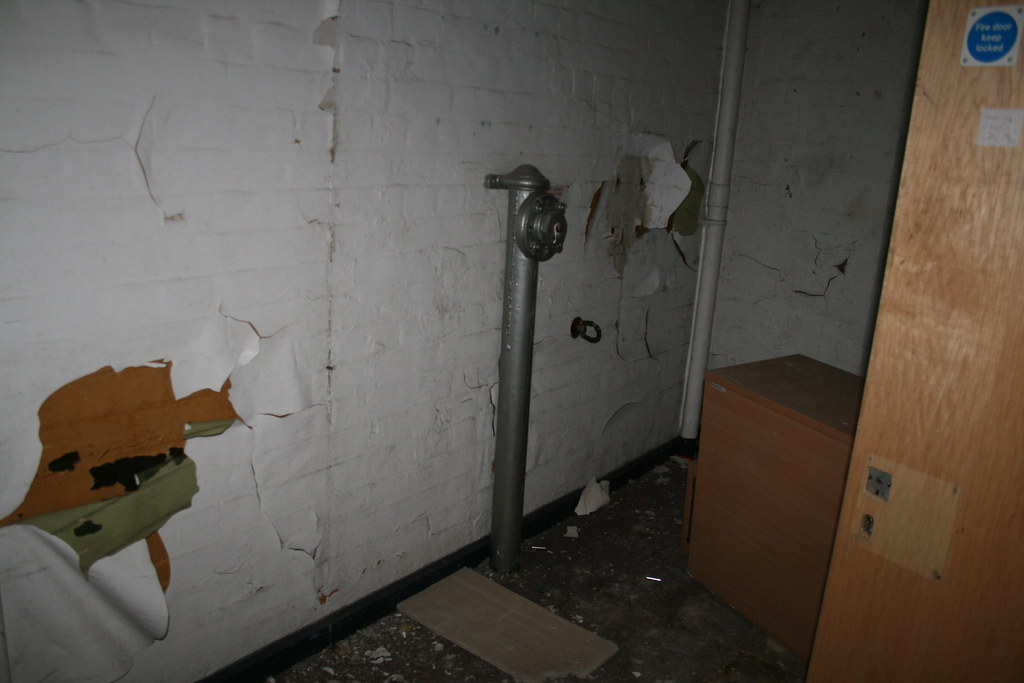
Eventually, we managed to sneak past the security and the security devices on site and made our way into the disused buildings. Not much was left behind by the time we managed to get inside to explore, but what was left behind was crazy!
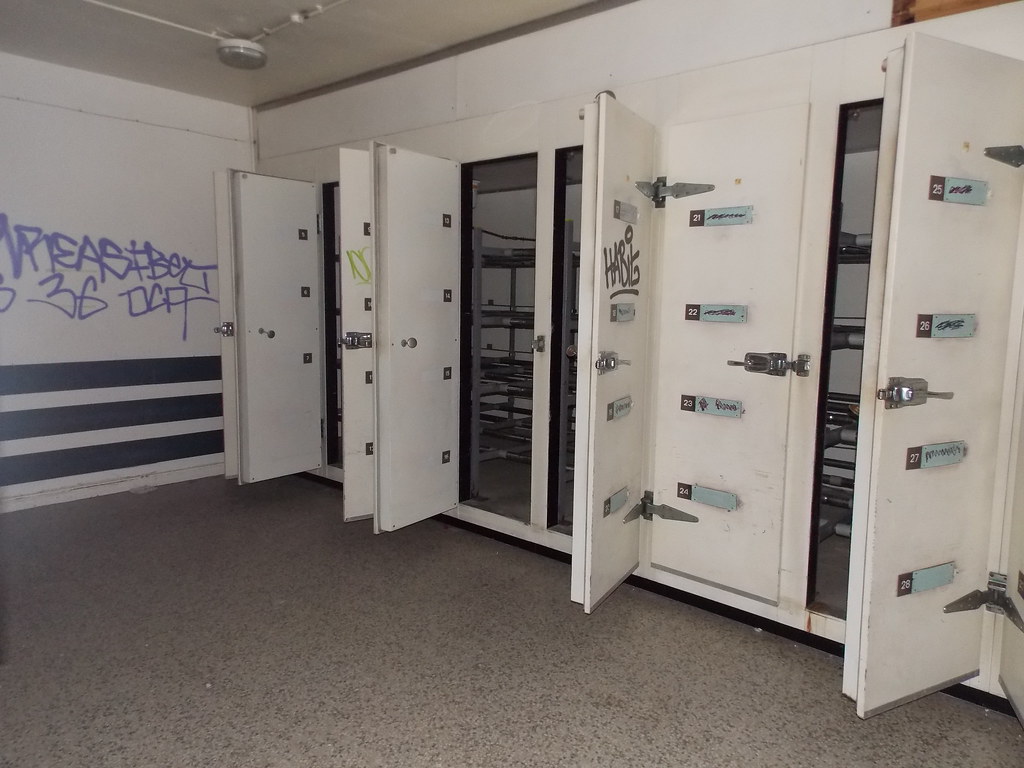
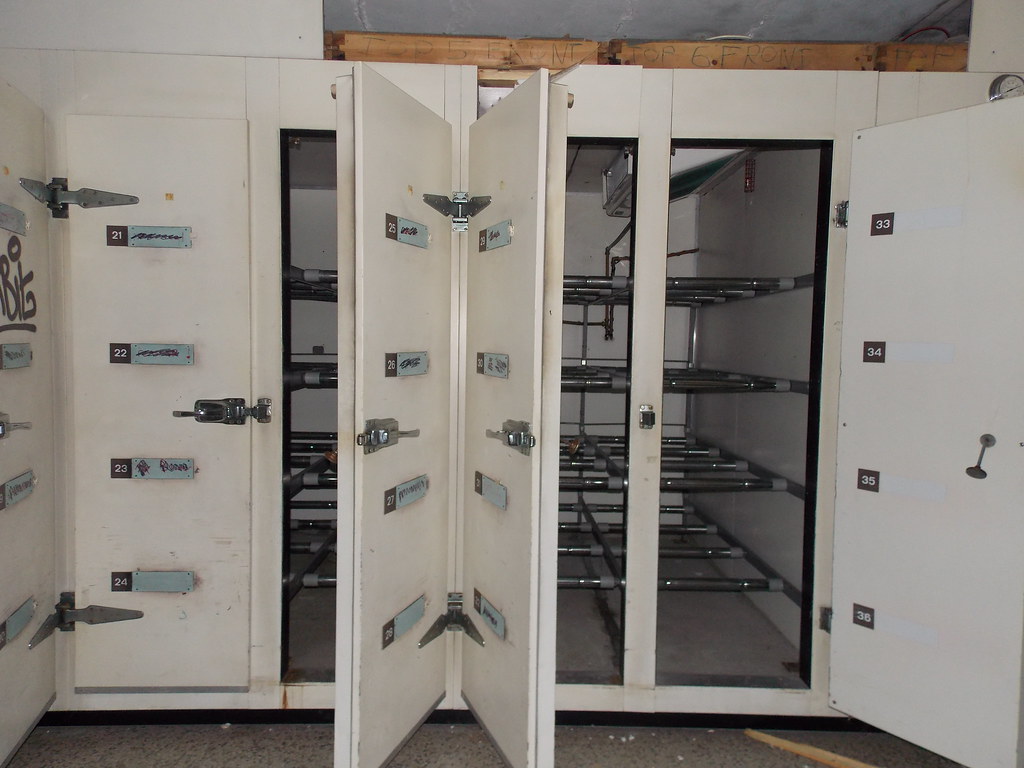
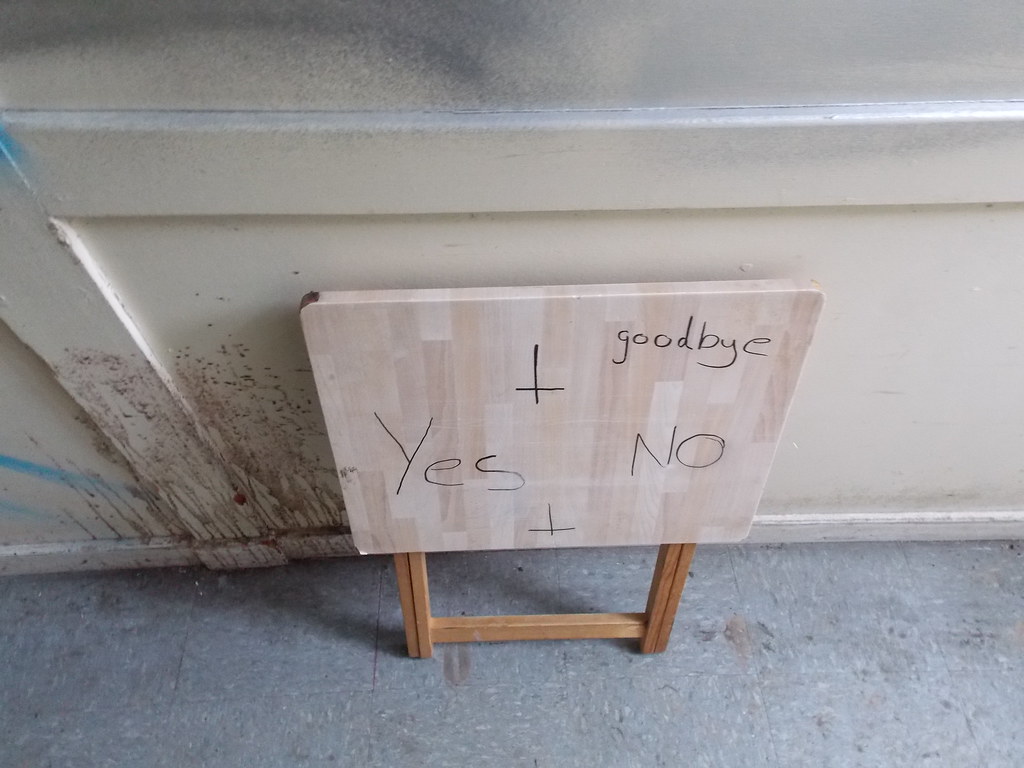
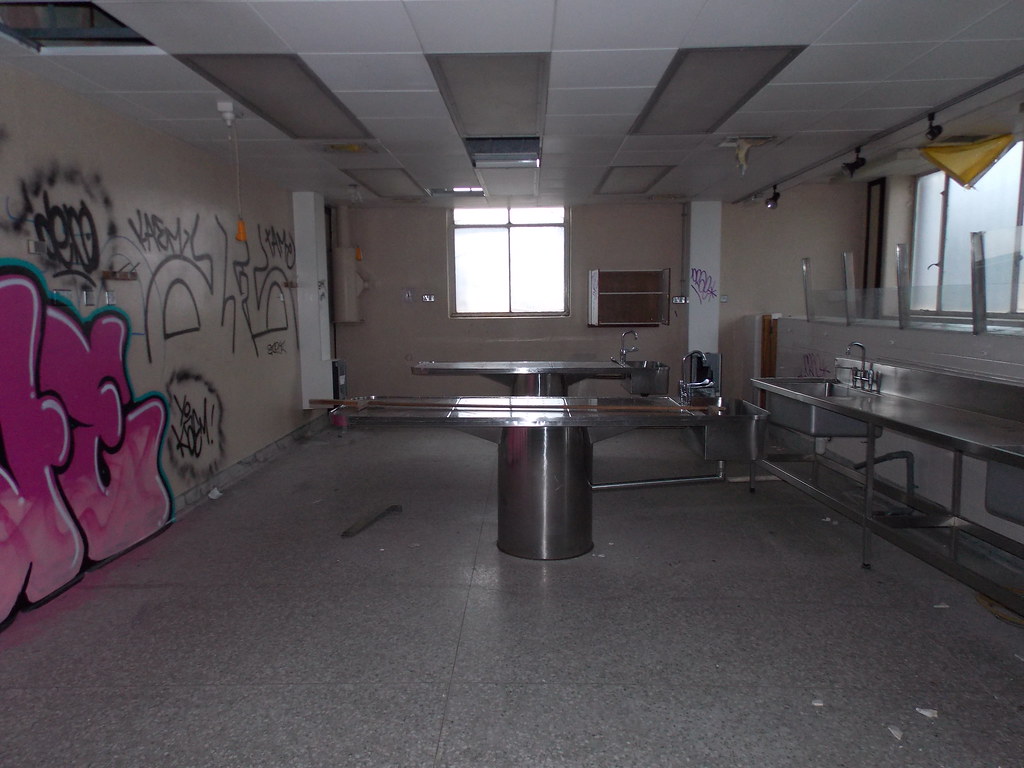
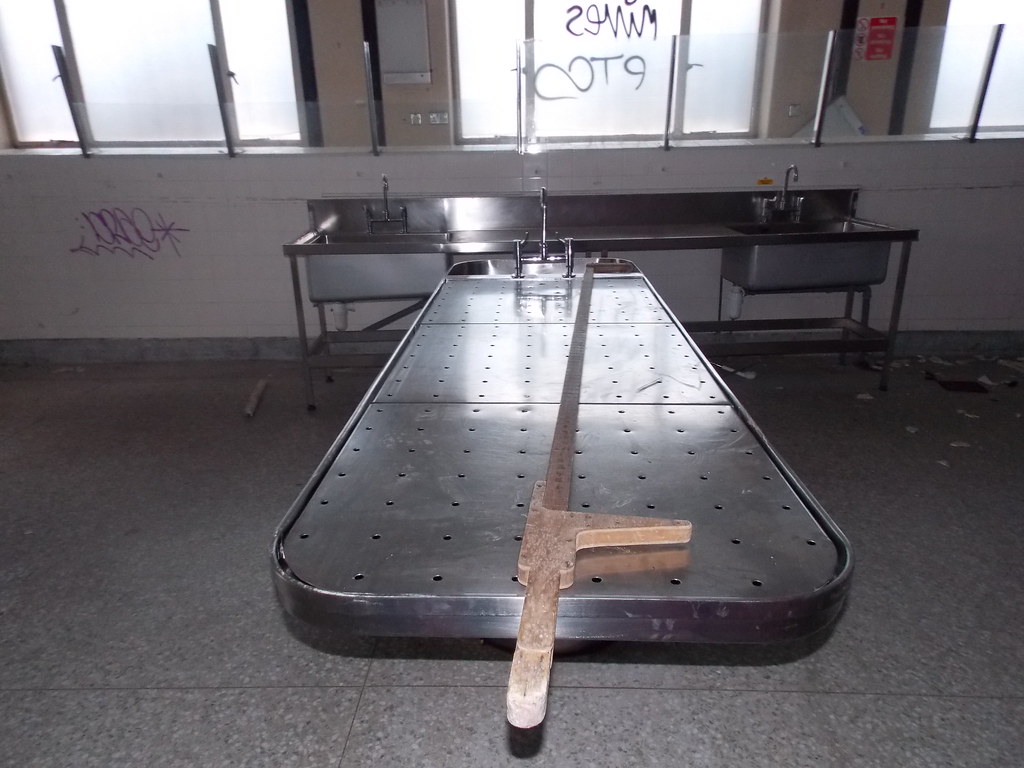
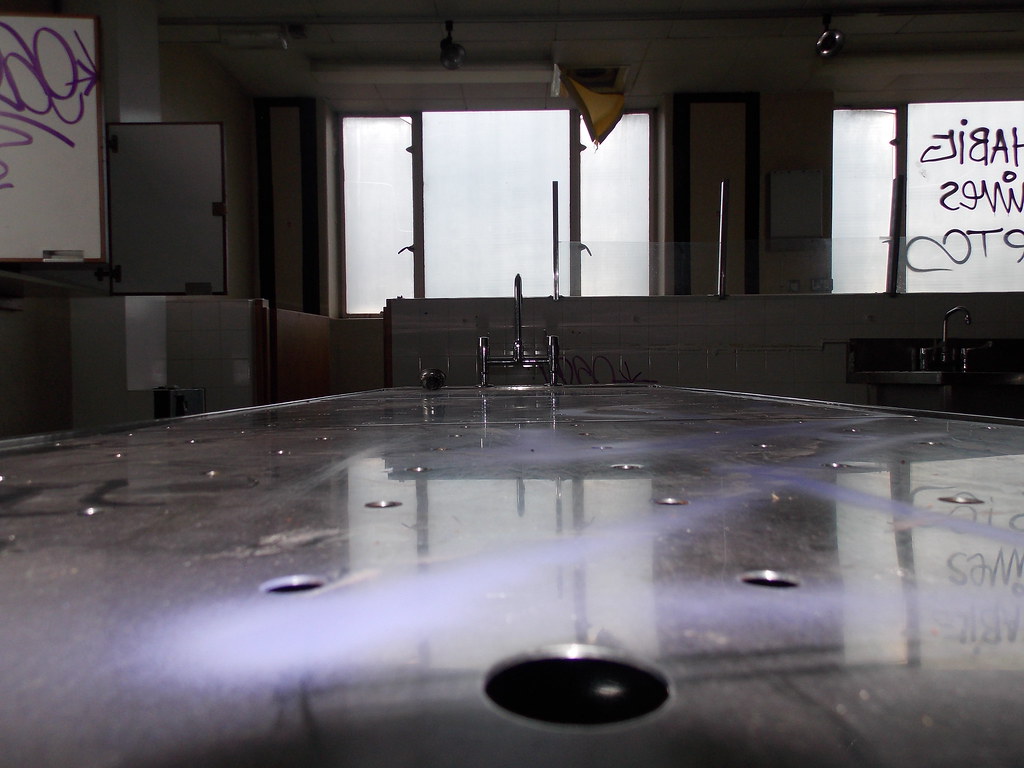
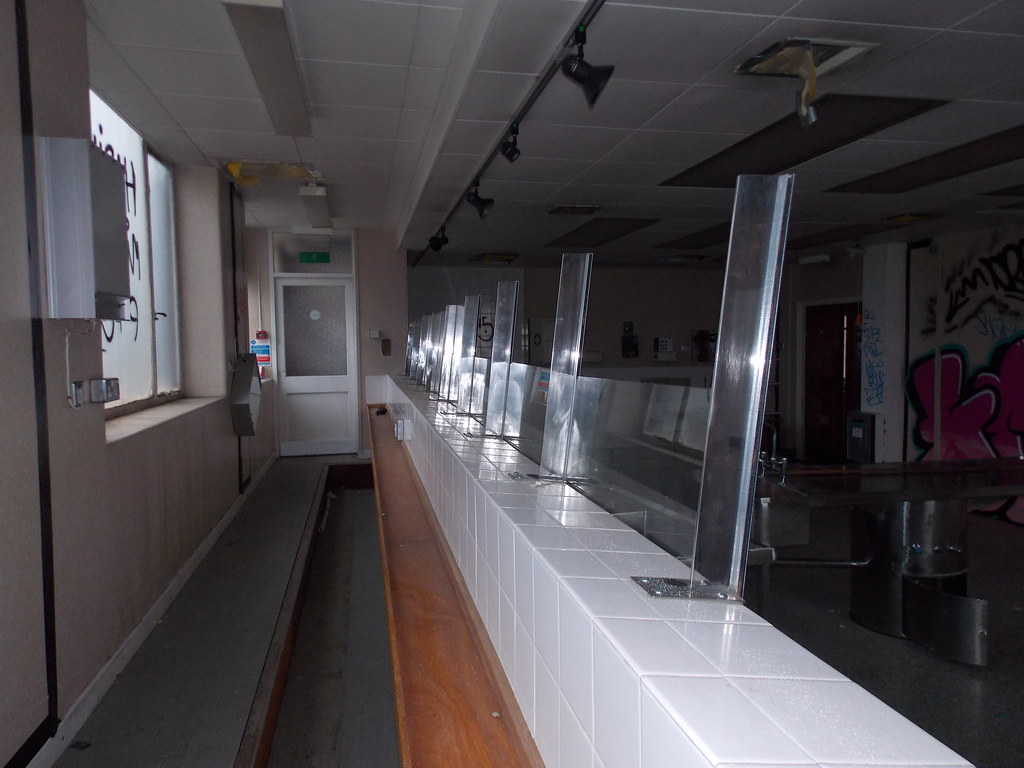
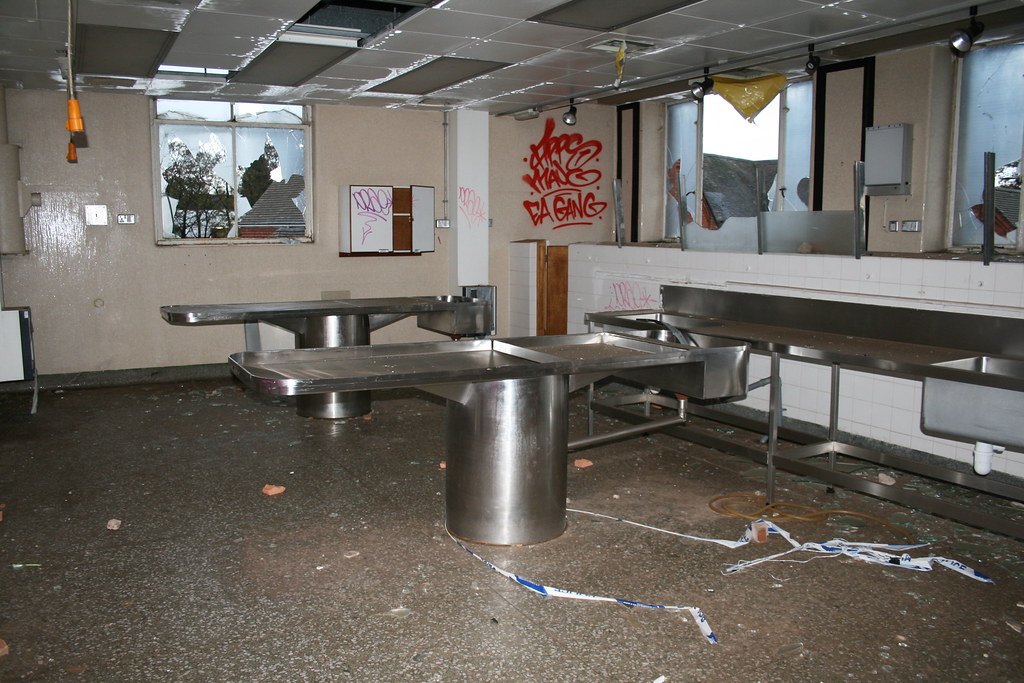
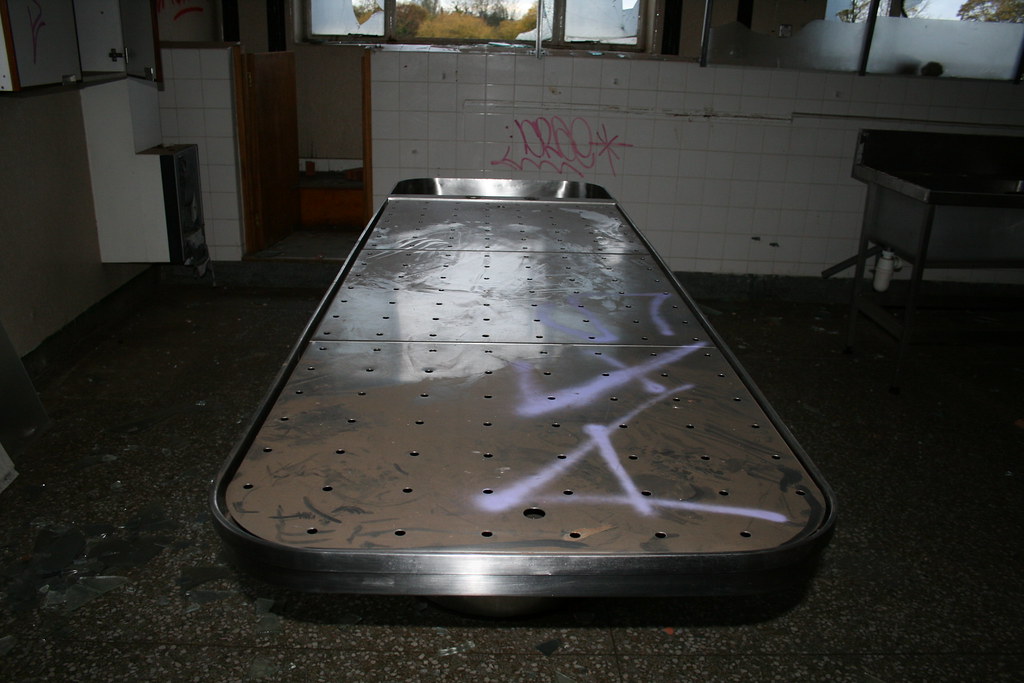
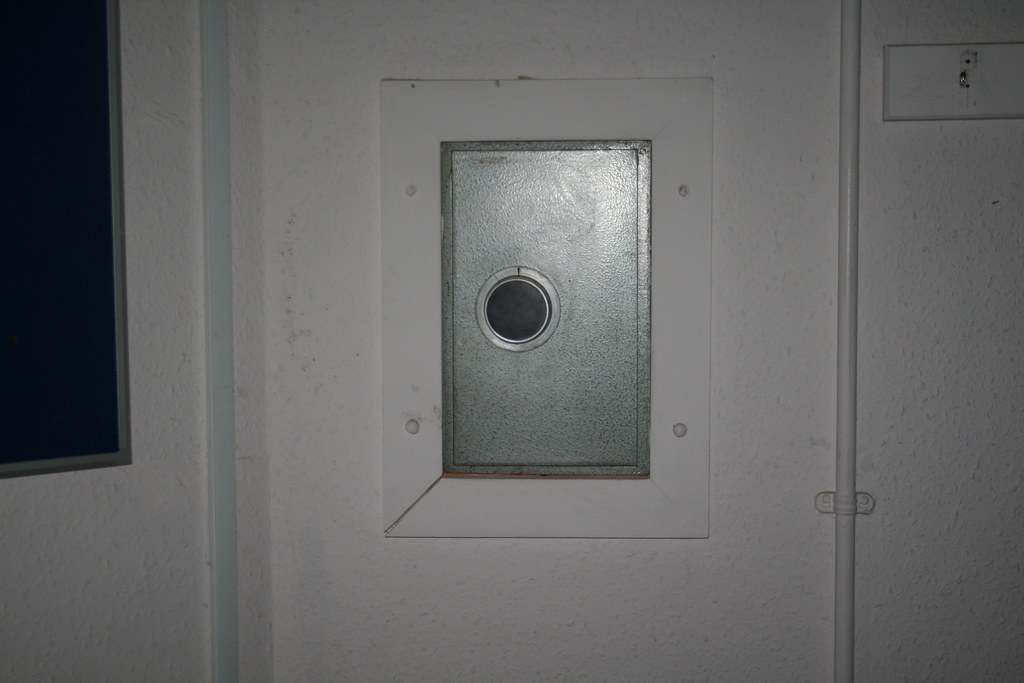
The freakiest part of the explore was when we managed to gain access to the morgue. The utensils and stainless steel bed were still there, and the morgue slab had a Ouija board left on top. That’s when the explore really started getting freaky.
Here’s some history on the now-demolished Selly Oak Hospital.
Origins — From Workhouse to Infirmary
The site originally housed the King’s Norton Union Workhouse, built under the Poor Law Amendment Act 1834 to care for the very poor. Designed by Edward Holmes, it opened around 1870/1872 and could house a few hundred inmates.
In 1897, a purpose-built workhouse infirmary was added (designed by Daniel Arkell), with around 300 beds. It was one of the early infirmaries lit entirely by electric light — unusual at the time.
Transition to Hospital
By 1902–1908, the complex expanded with a new entrance and a large nurses’ home called Woodlands.
In 1911, the workhouse and infirmary were renamed Selly Oak Hospital as King’s Norton became part of Birmingham and the Poor Law system was reorganised.
Over the inter-war years, the hospital modernised: operating theatres, labs, wards, and services expanded, reflecting the shift from a Poor Law institution to a general hospital.
NHS Era and Growth
When the National Health Service was founded in 1948, Selly Oak Hospital and its associated buildings (formerly the workhouse and infirmary) joined the NHS and became a general hospital under Birmingham City Council.
In later decades, it became part of University Hospitals Birmingham NHS Foundation Trust (from 1997) and was linked administratively with the nearby Queen Elizabeth Hospital.
Special Roles and Recognition
From 2001, the hospital was home to the Royal Centre for Defence Medicine, providing specialist care and rehabilitation for military personnel injured in operations in Iraq and Afghanistan.
The hospital also developed strong reputations for trauma and burns care and offered numerous general and specialist services to the West Midlands.
Closure and Aftermath
With the opening of the new Queen Elizabeth Hospital Birmingham starting in 2010, services progressively transferred from Selly Oak.
The hospital formally closed in late 2011/2012, ending its healthcare role after more than a century as a medical institution.
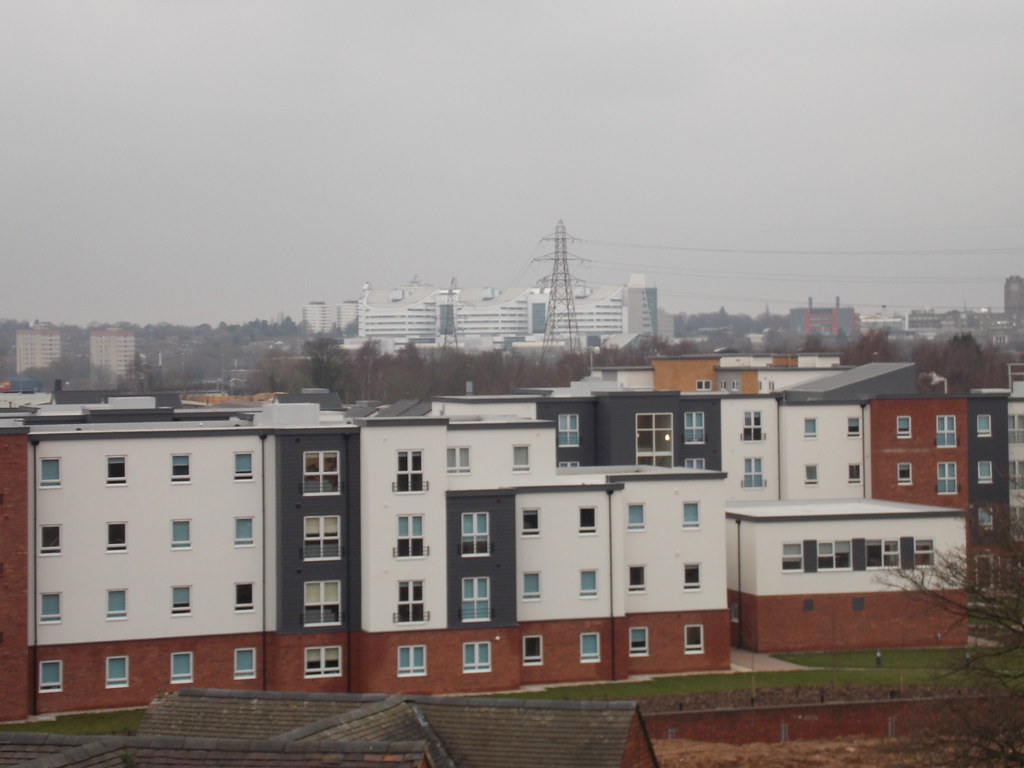
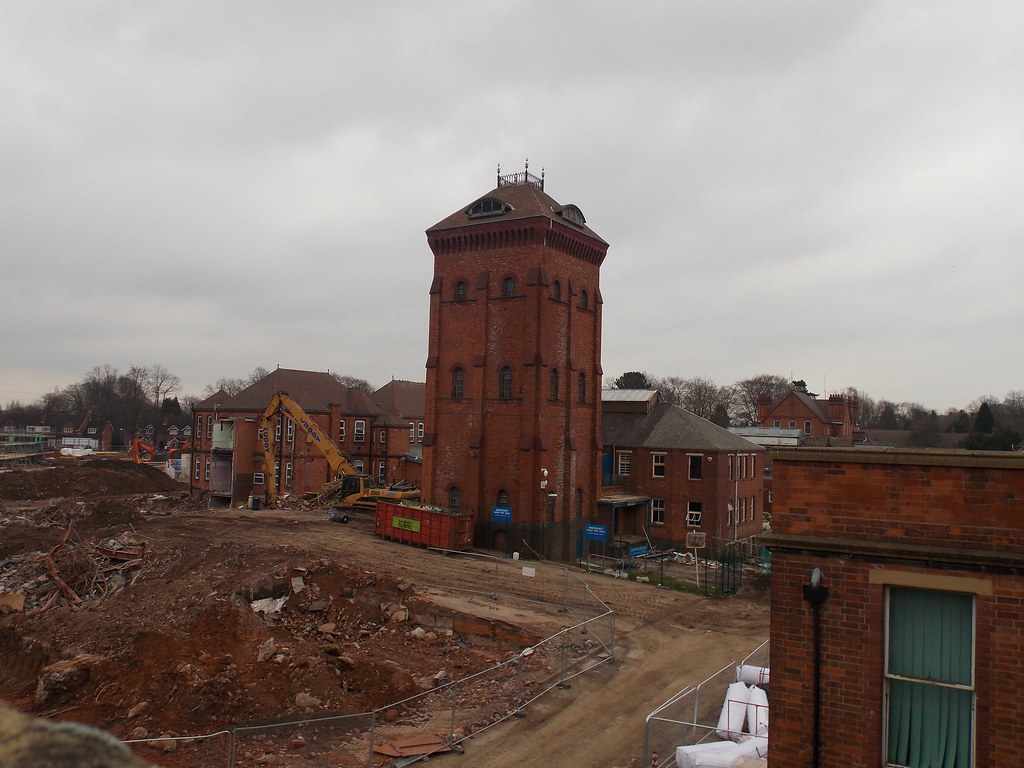
In 2015, the Trust sold the site for redevelopment. Plans were made for around 650 homes, and many of the old buildings have since been demolished or repurposed.
#SellyOakHospital
#BirminghamHistory
#AbandonedPlaces
#UrbanExplorationUK
#LostHospitals