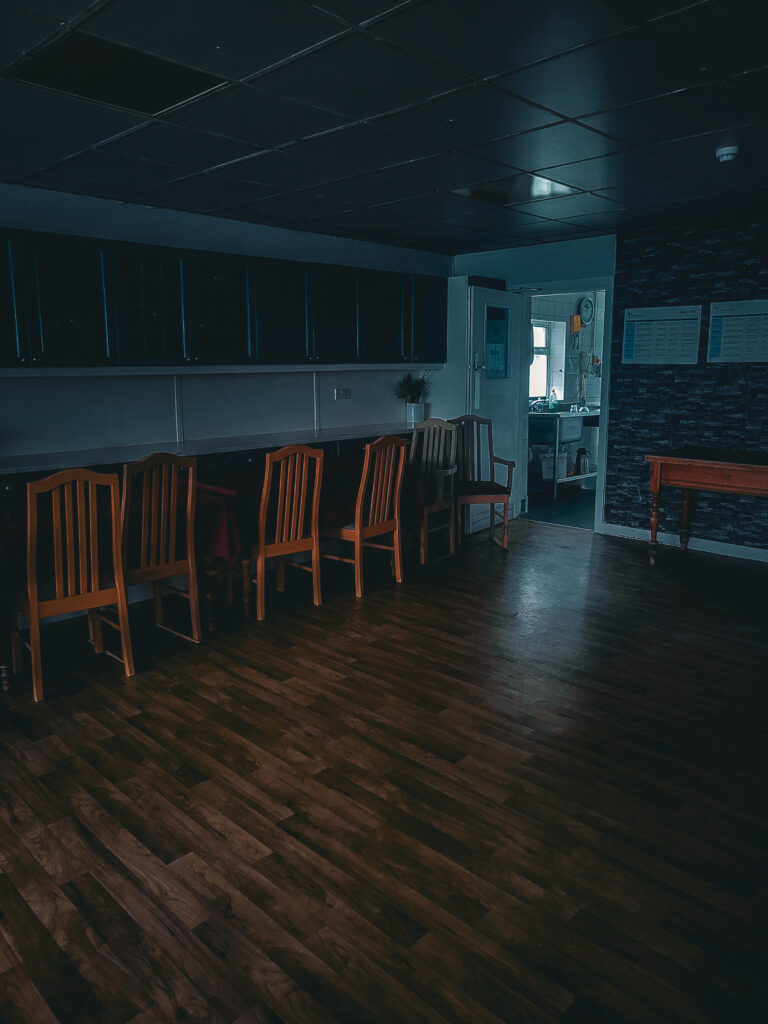
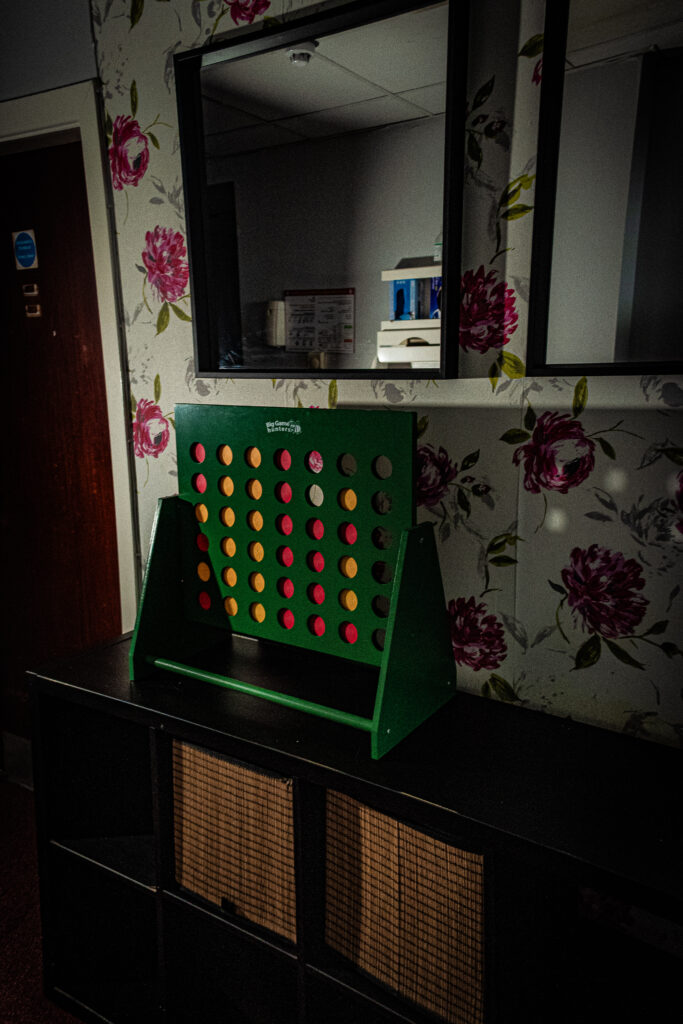
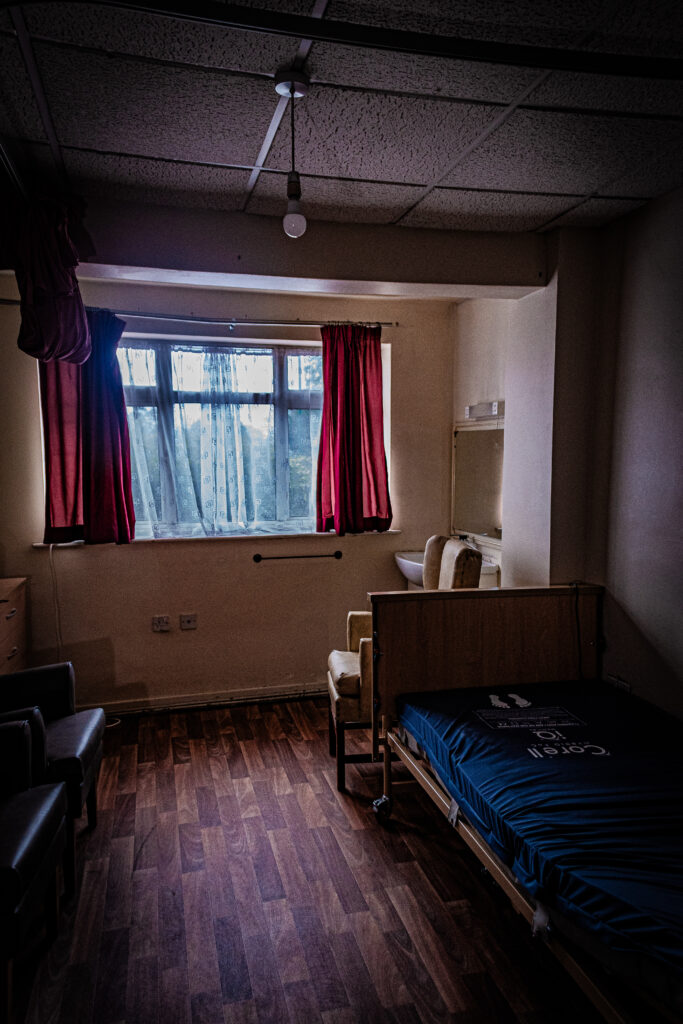
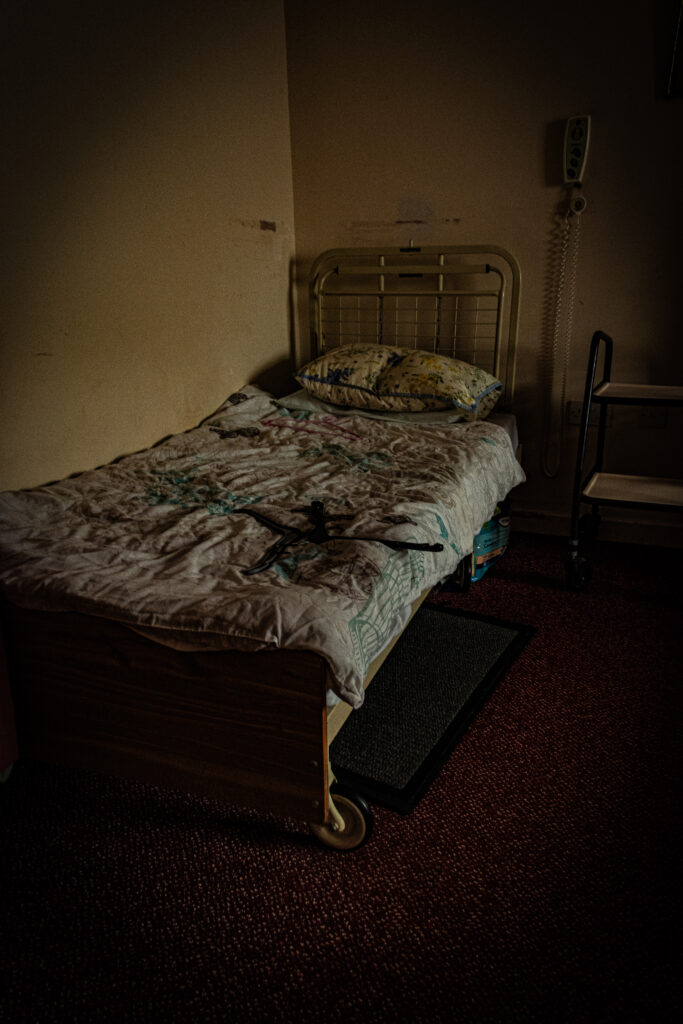
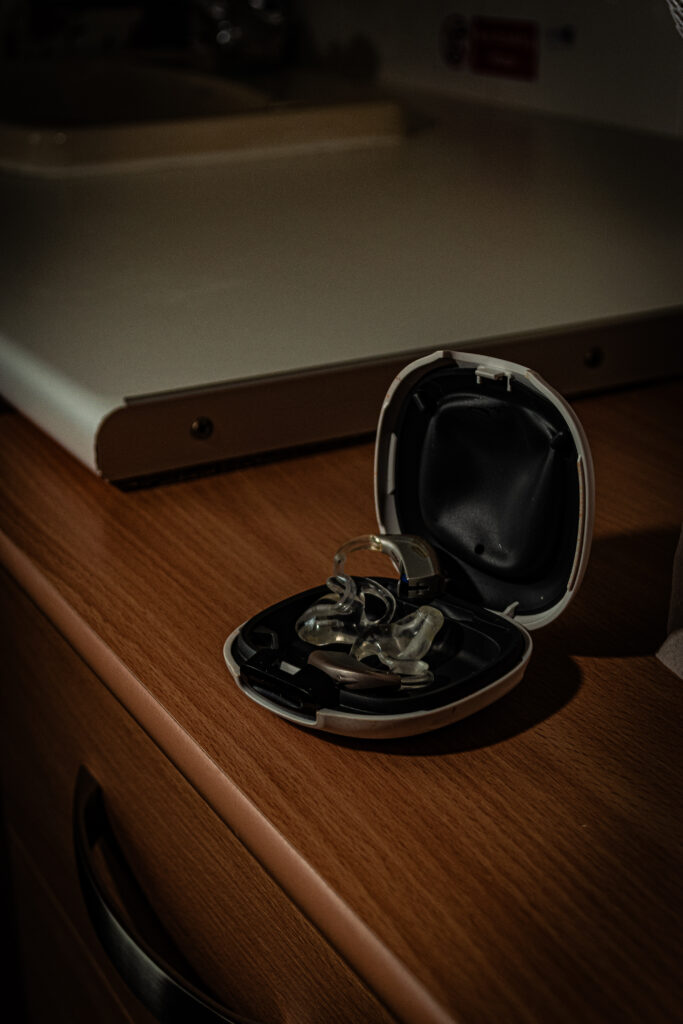
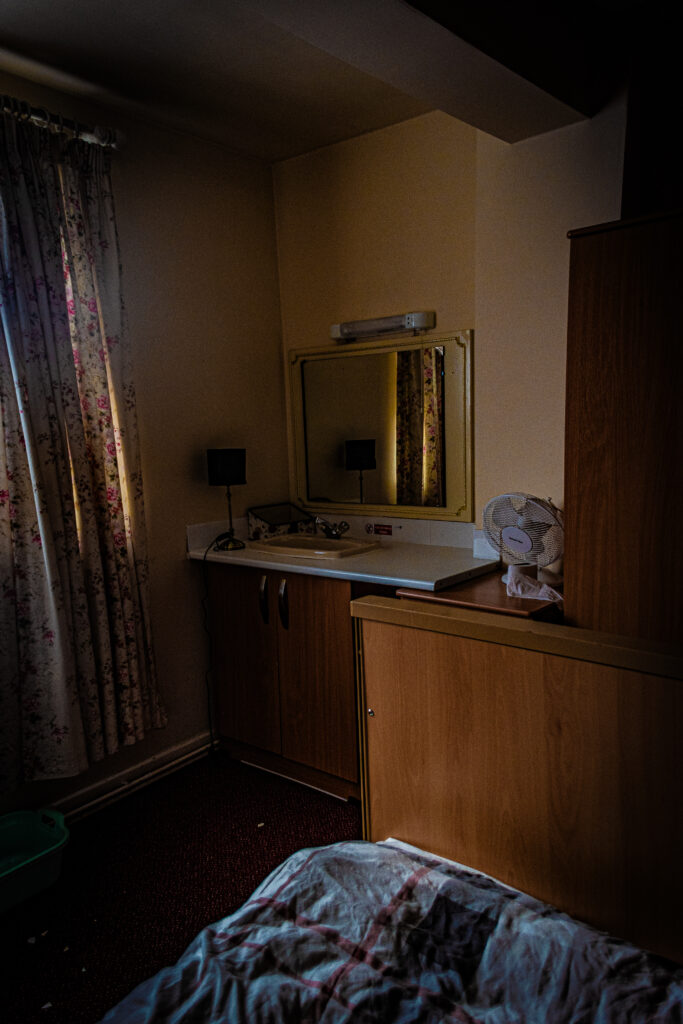
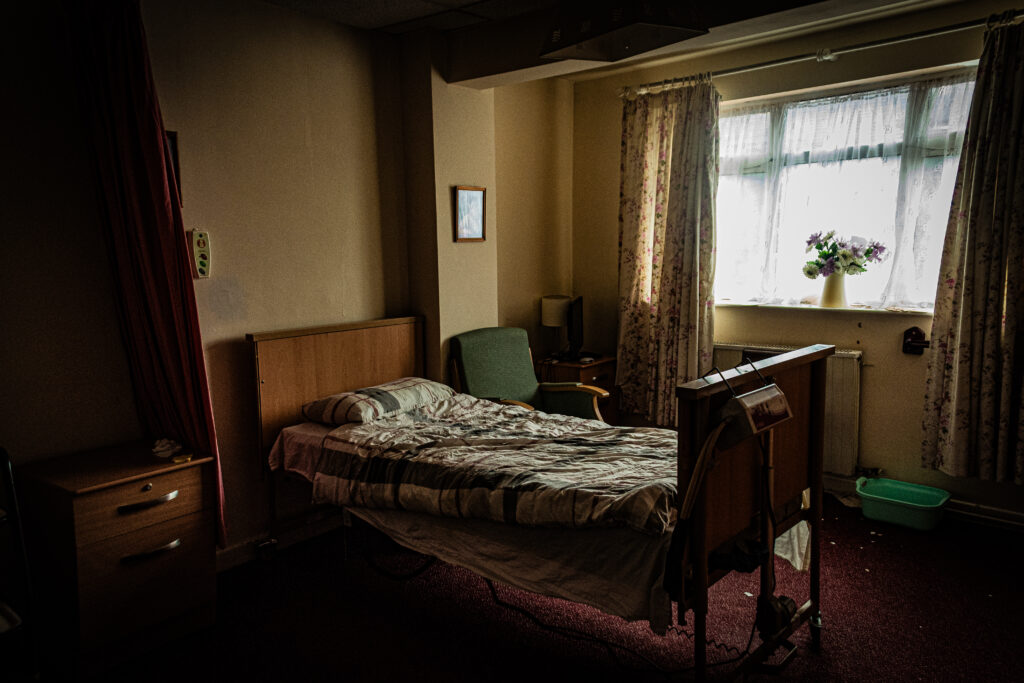
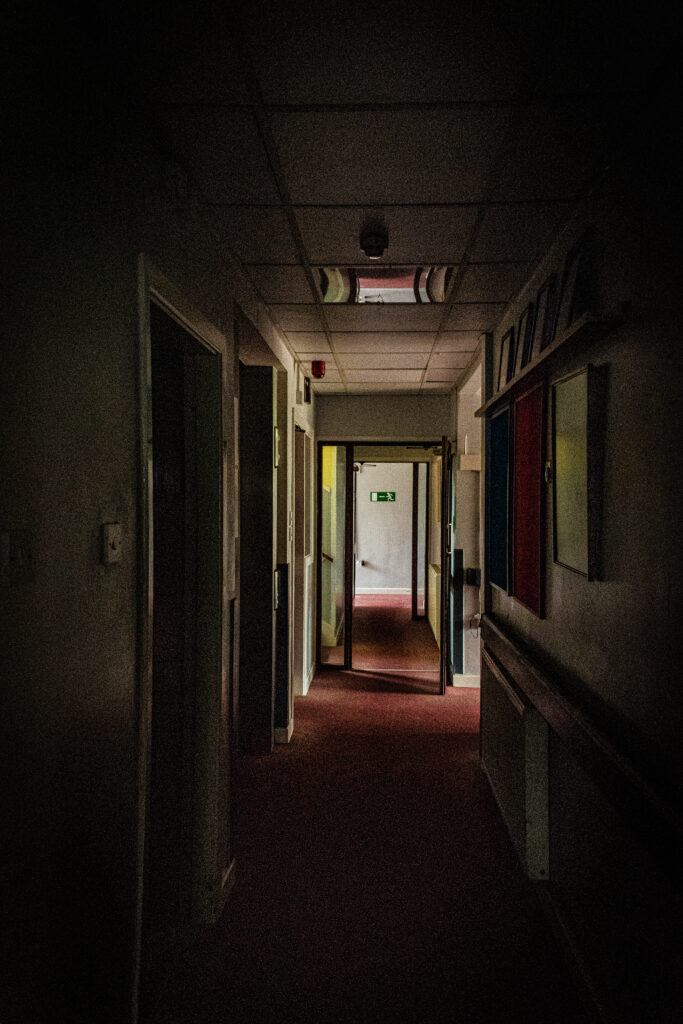
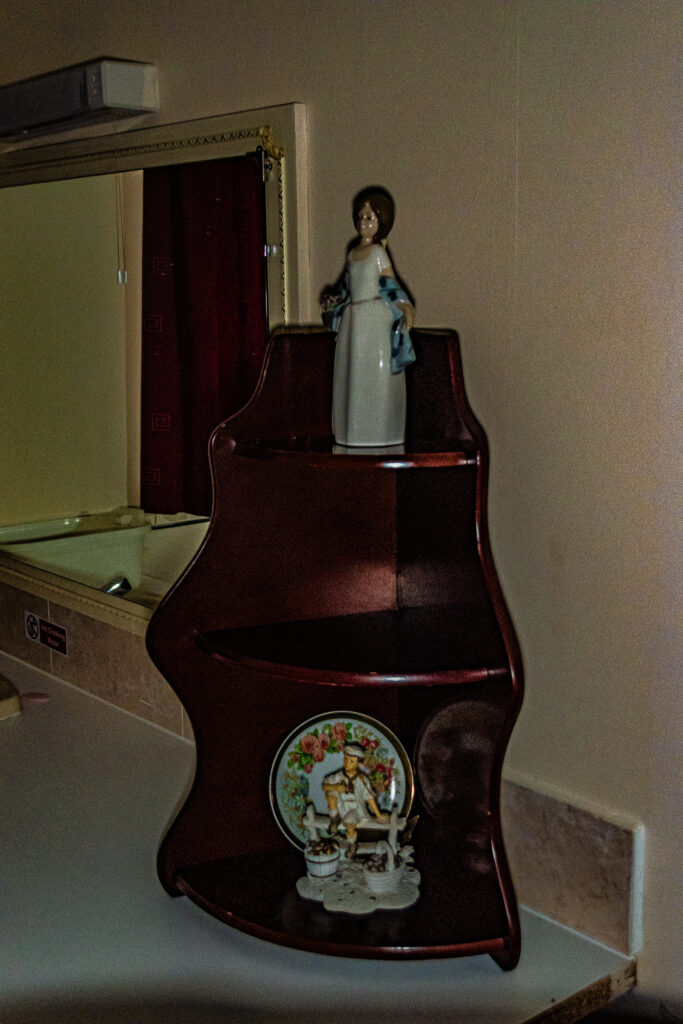
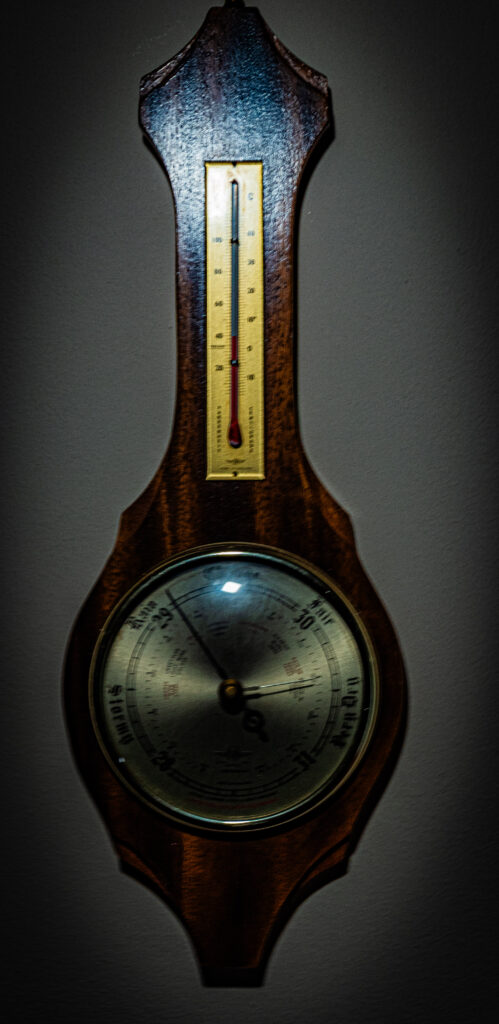
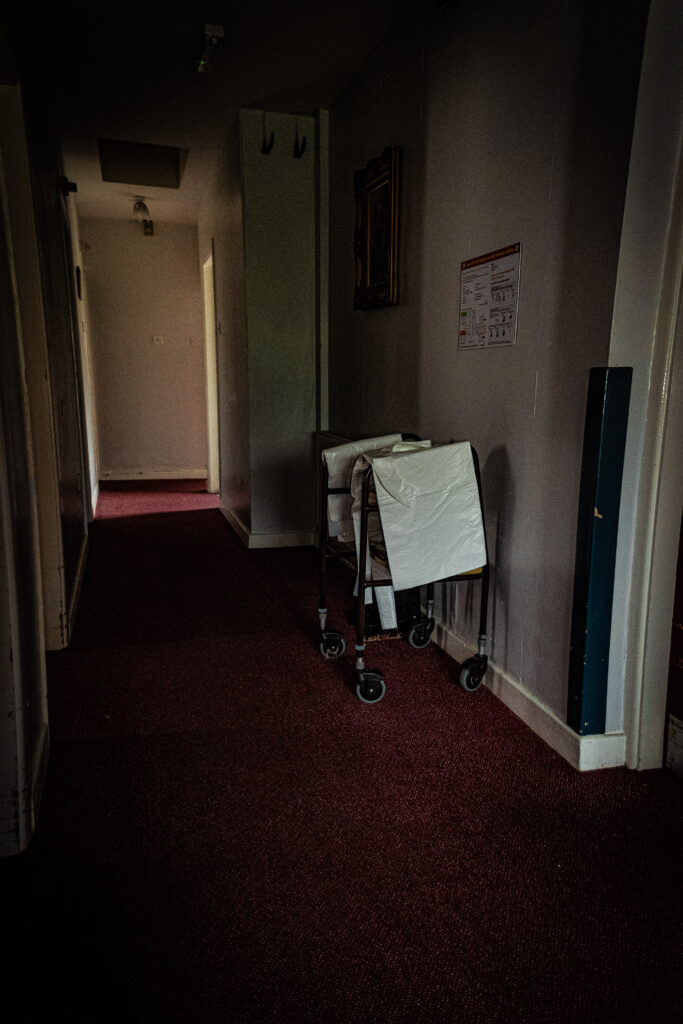
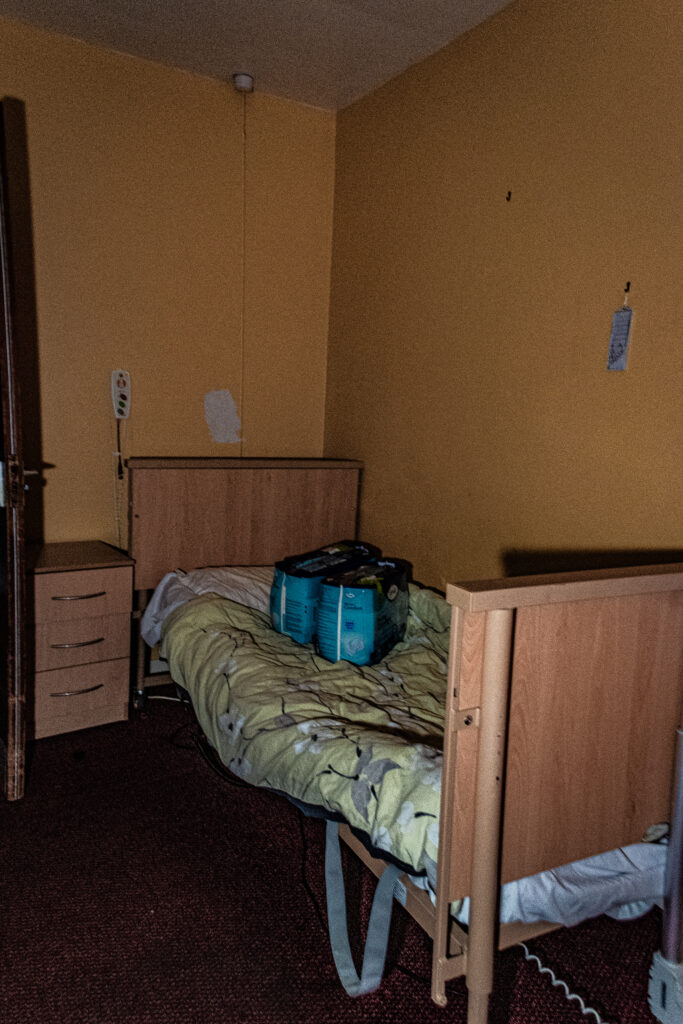
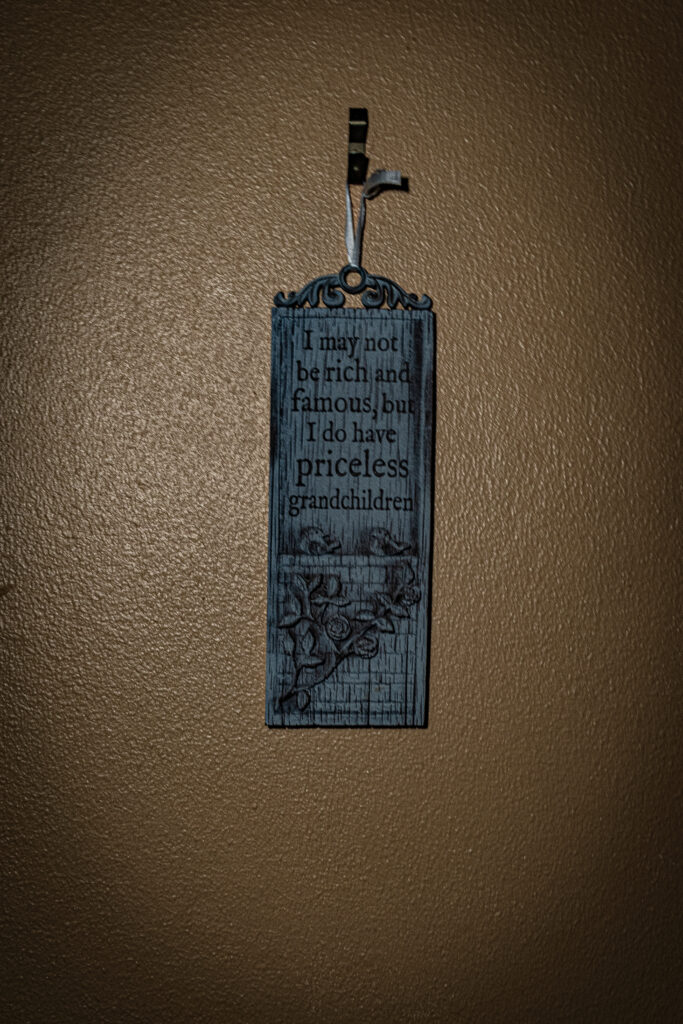
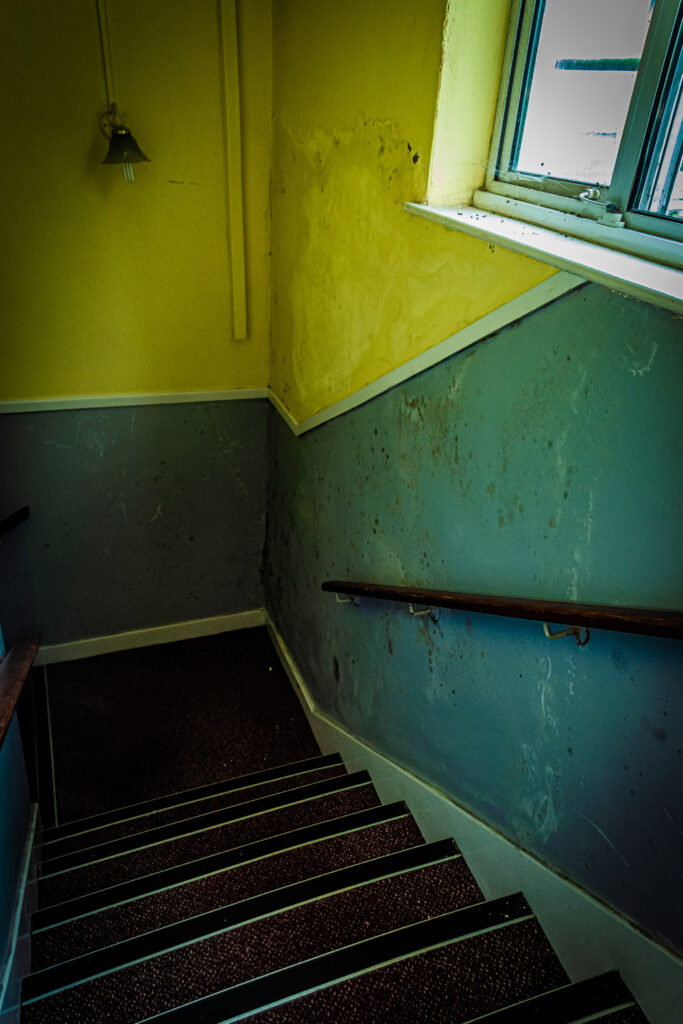
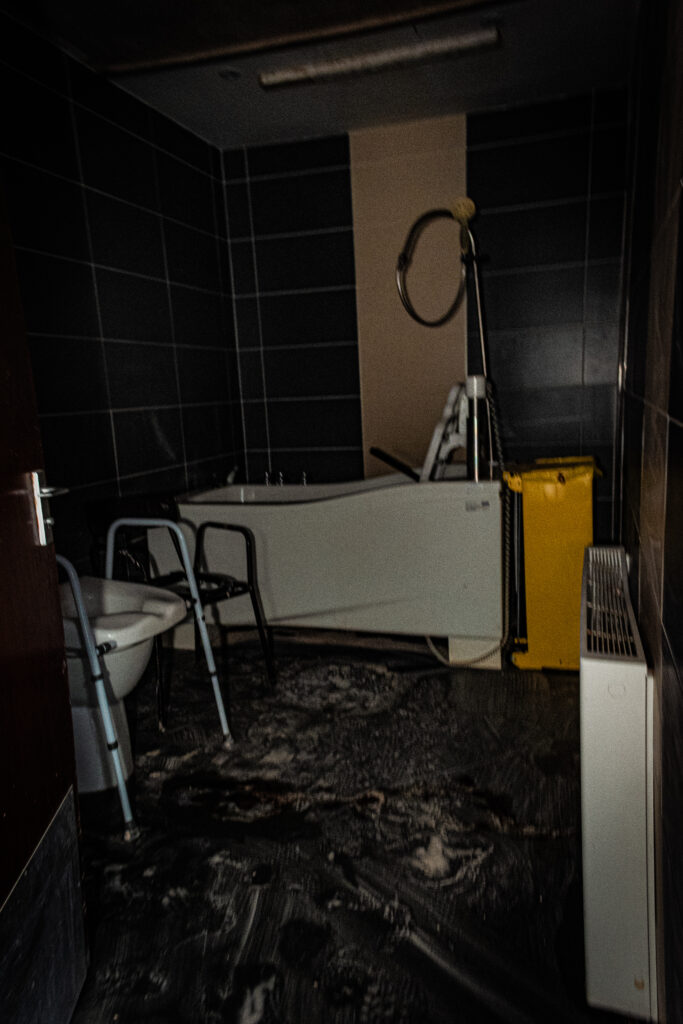
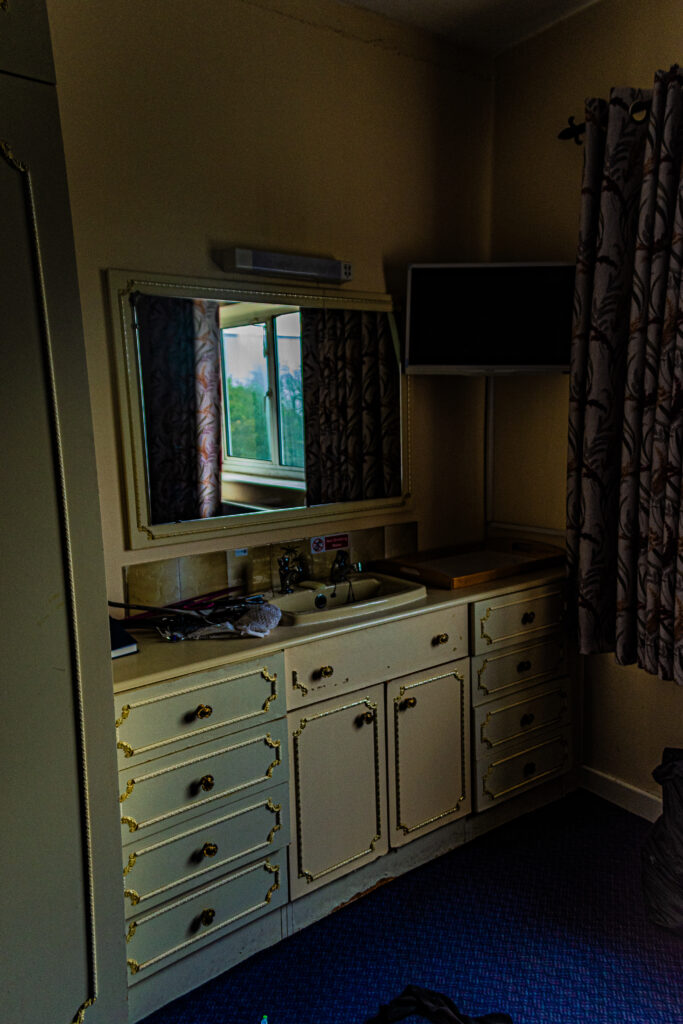
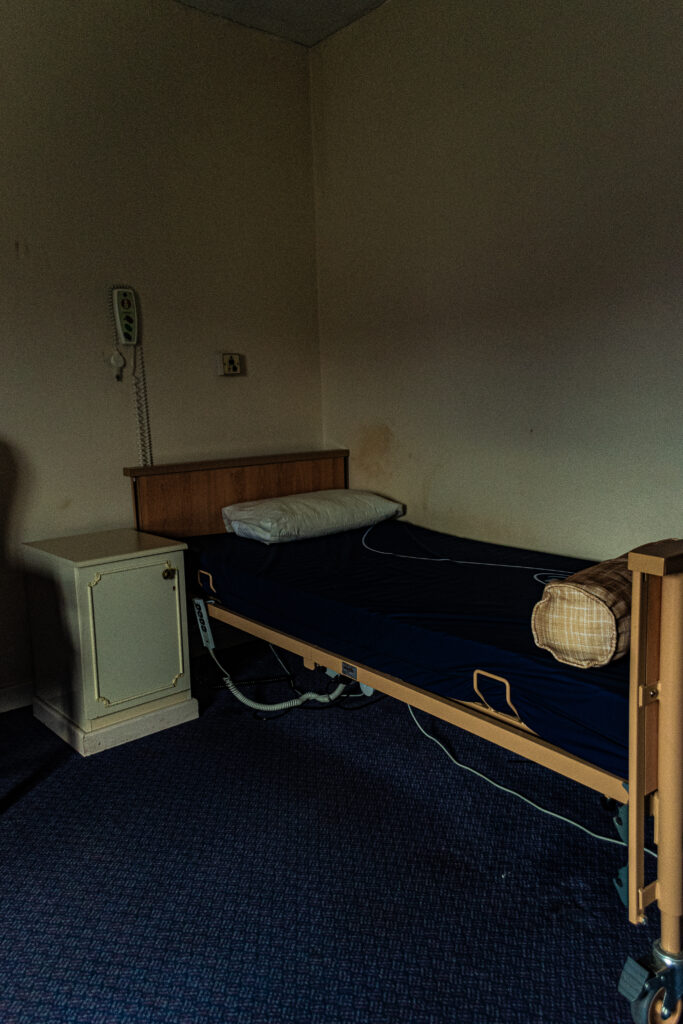
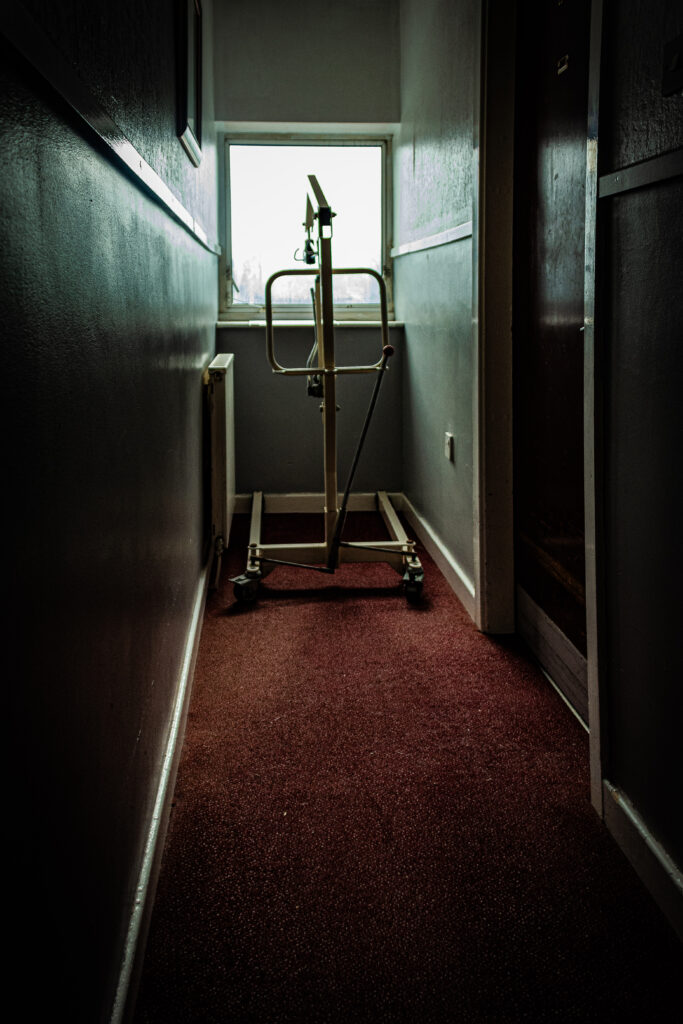
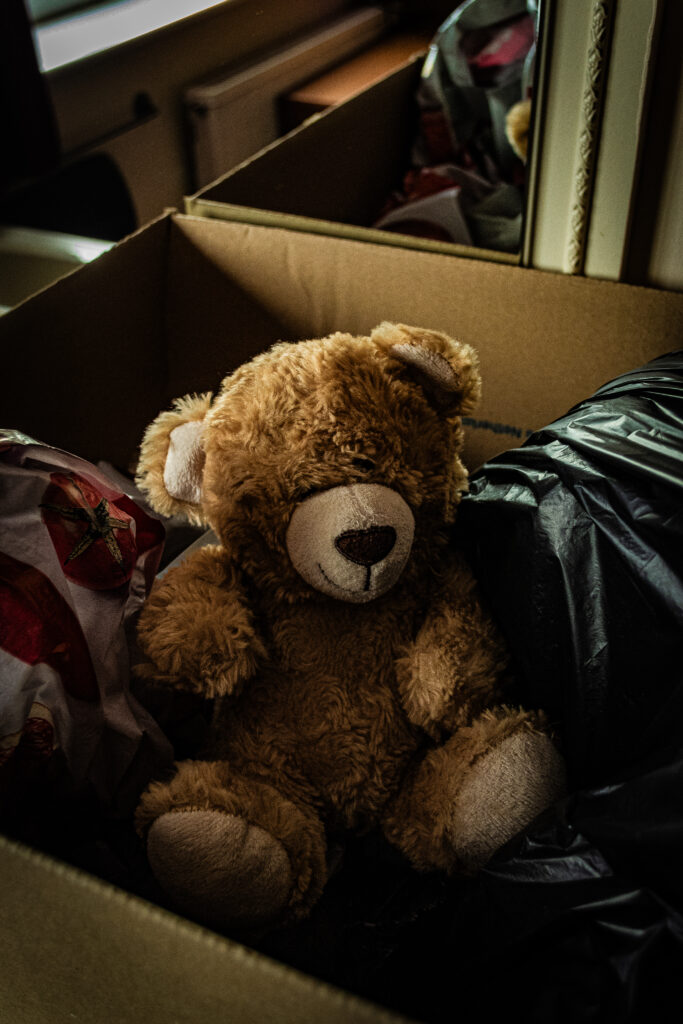
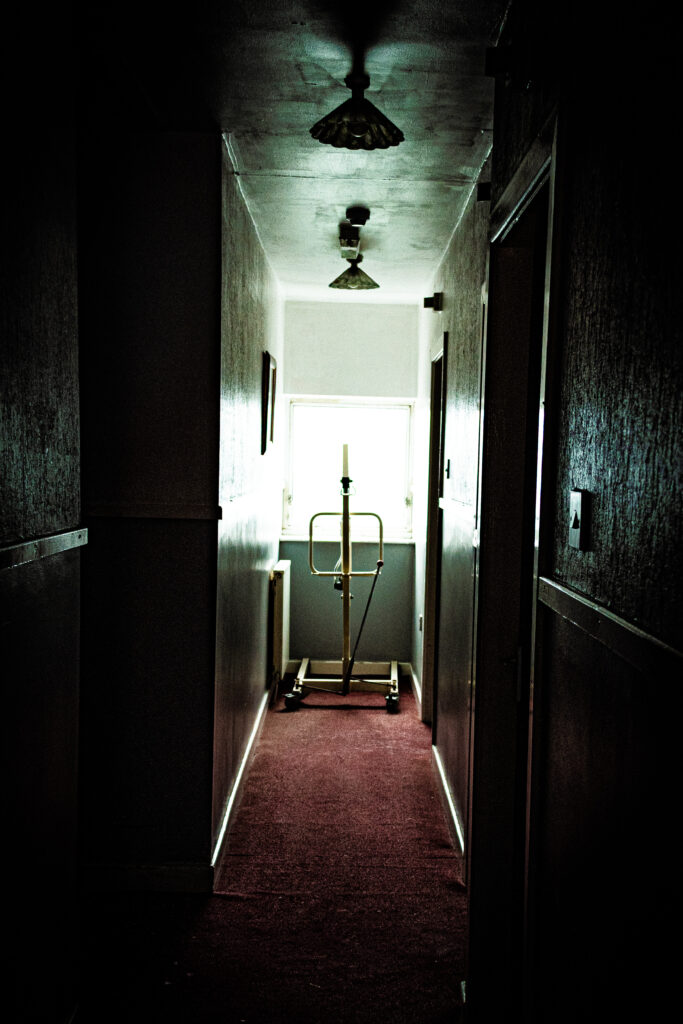
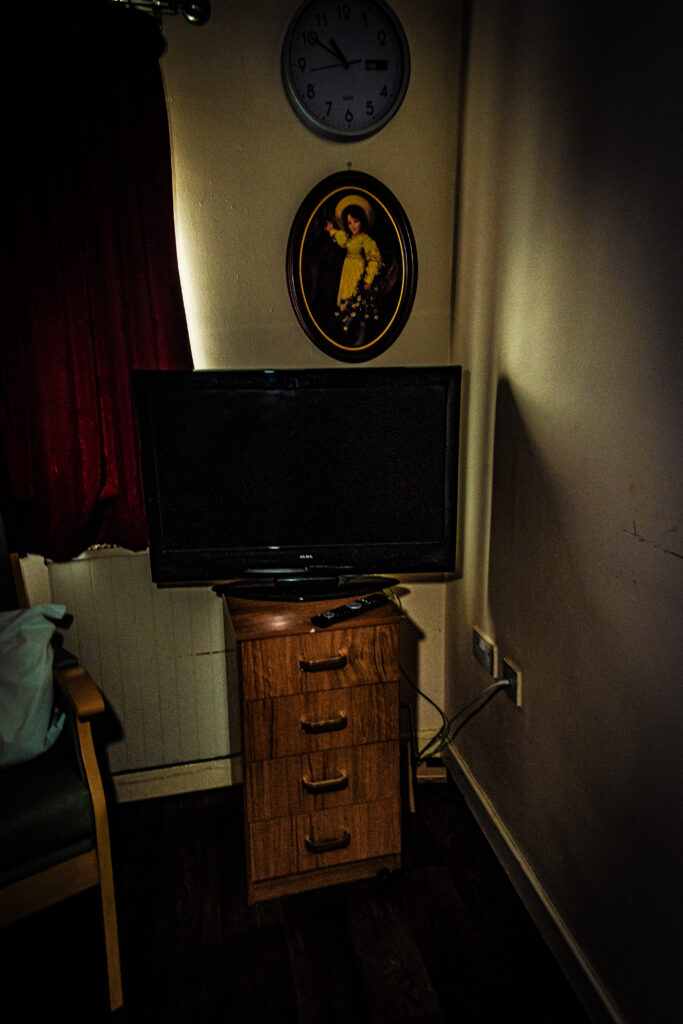
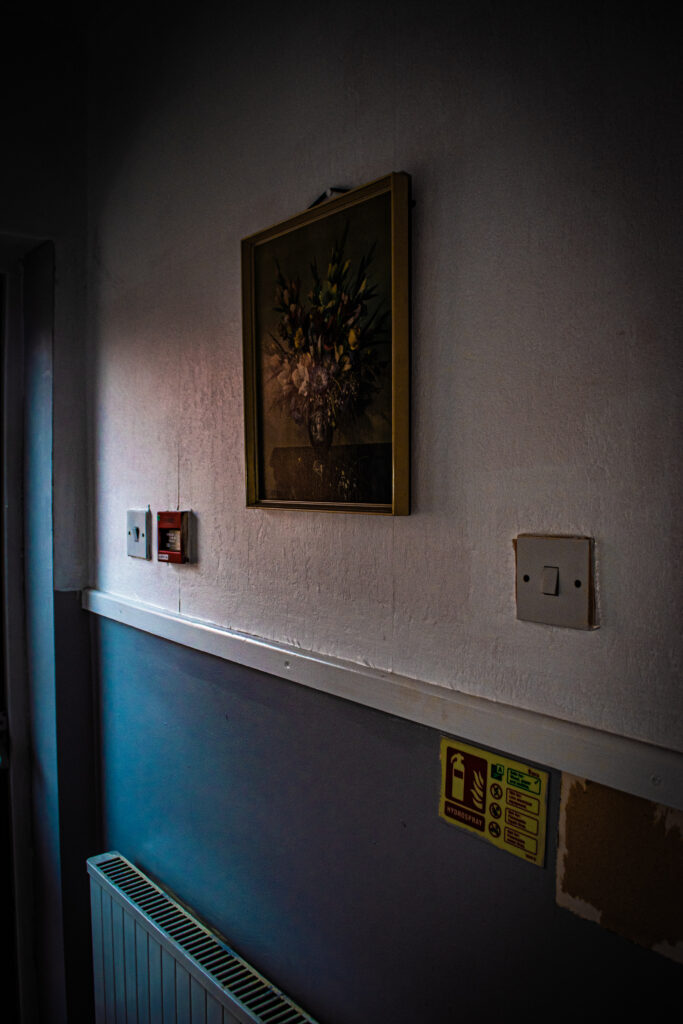
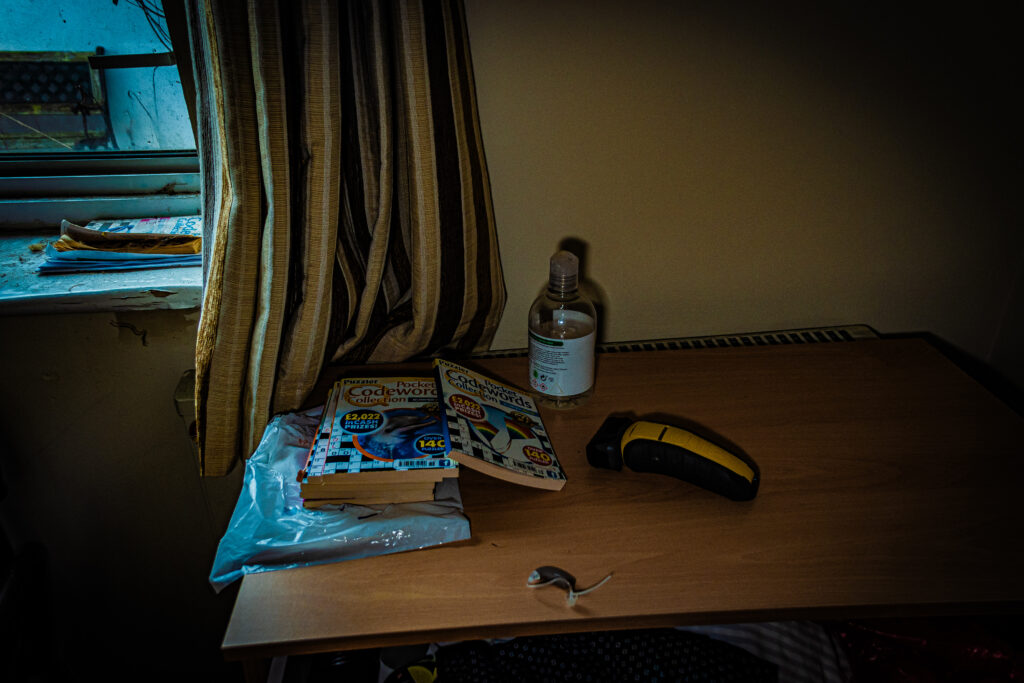
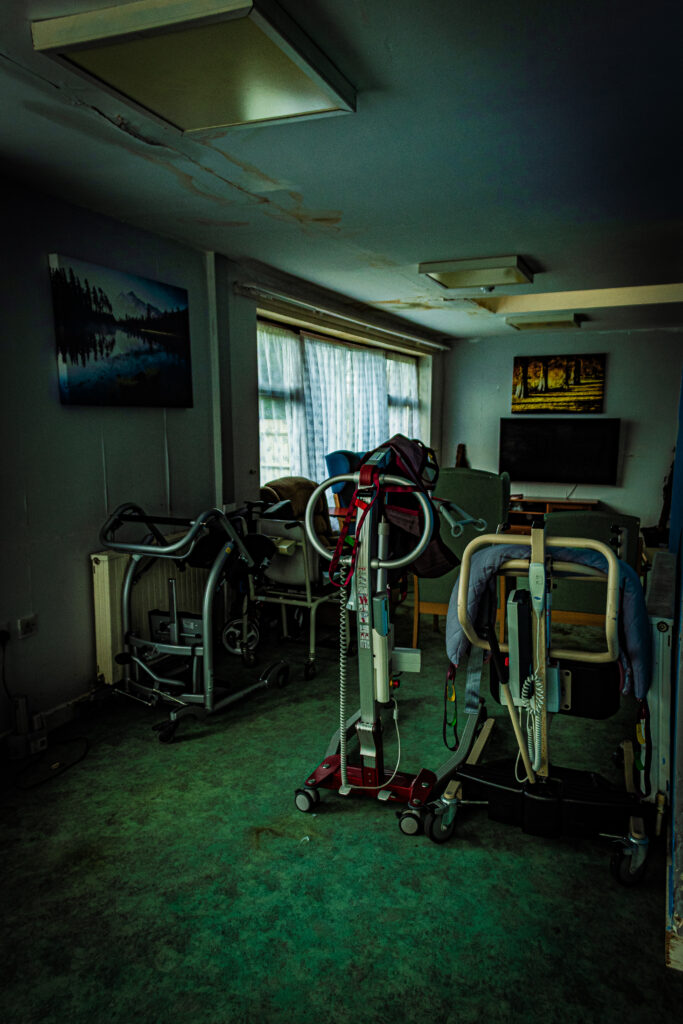
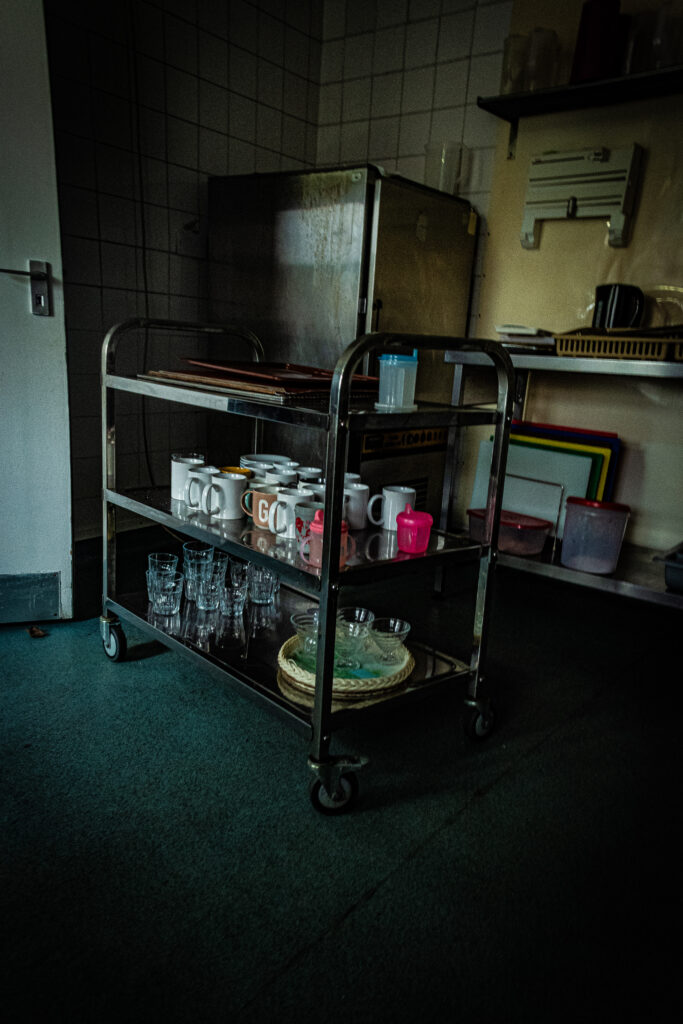
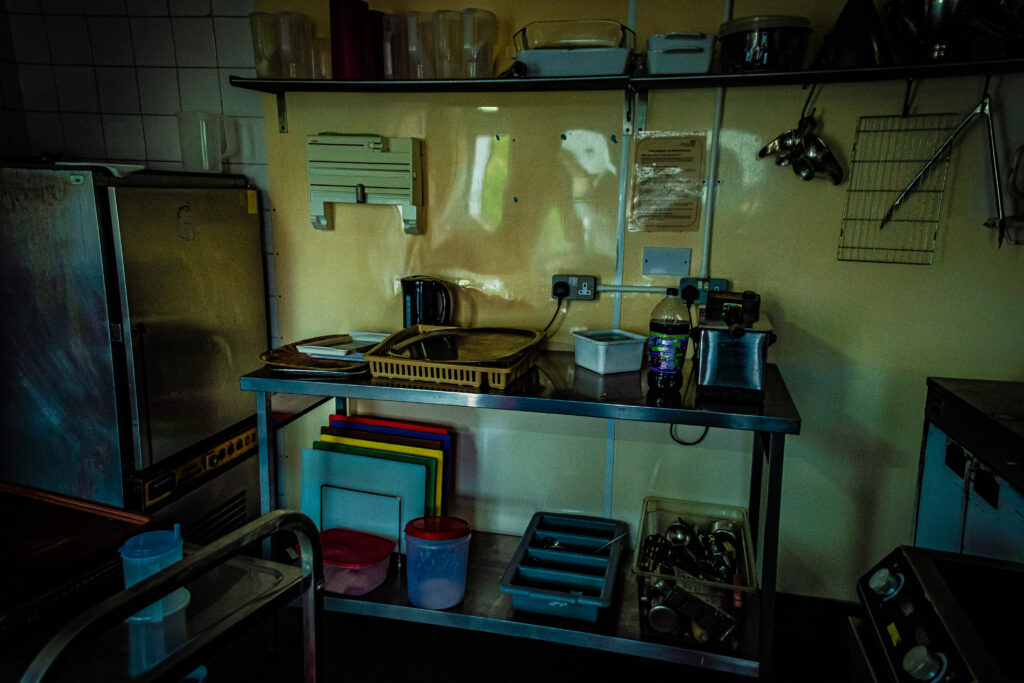
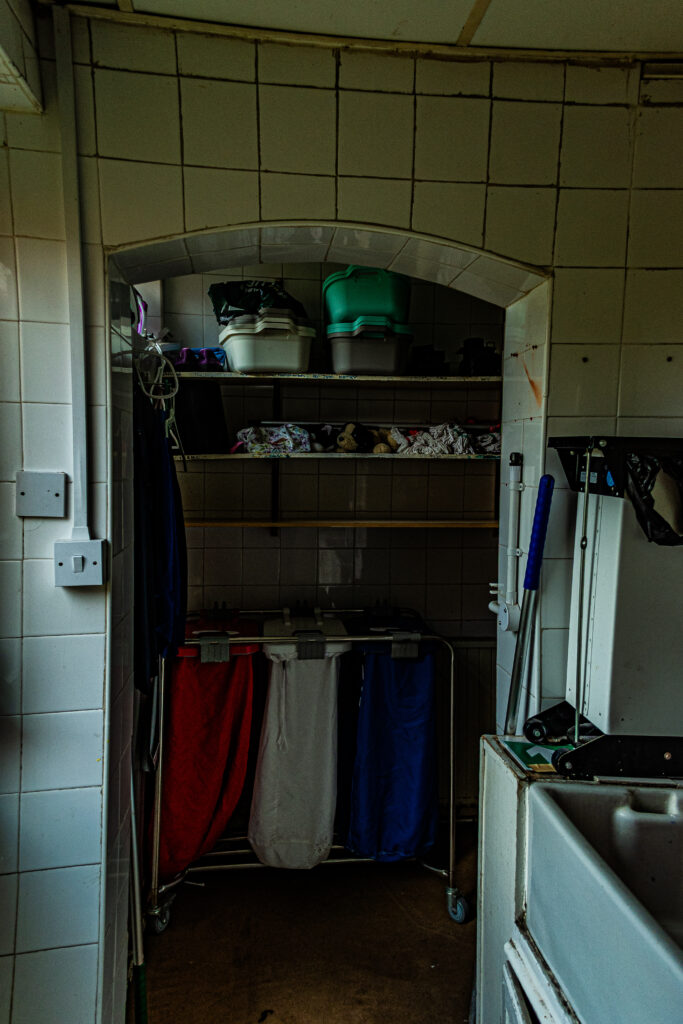
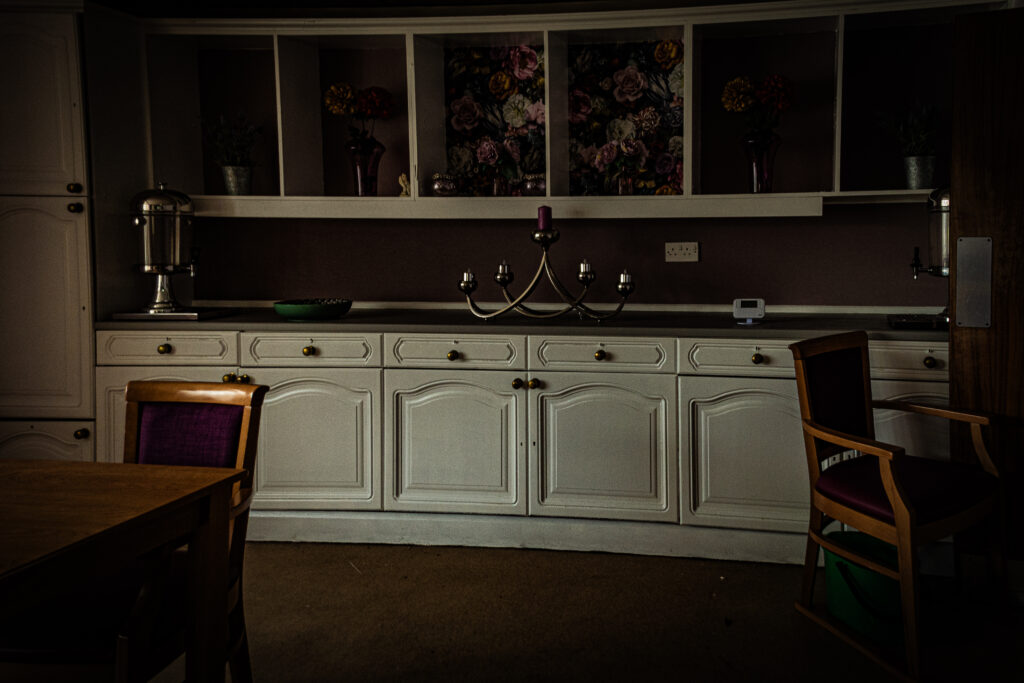
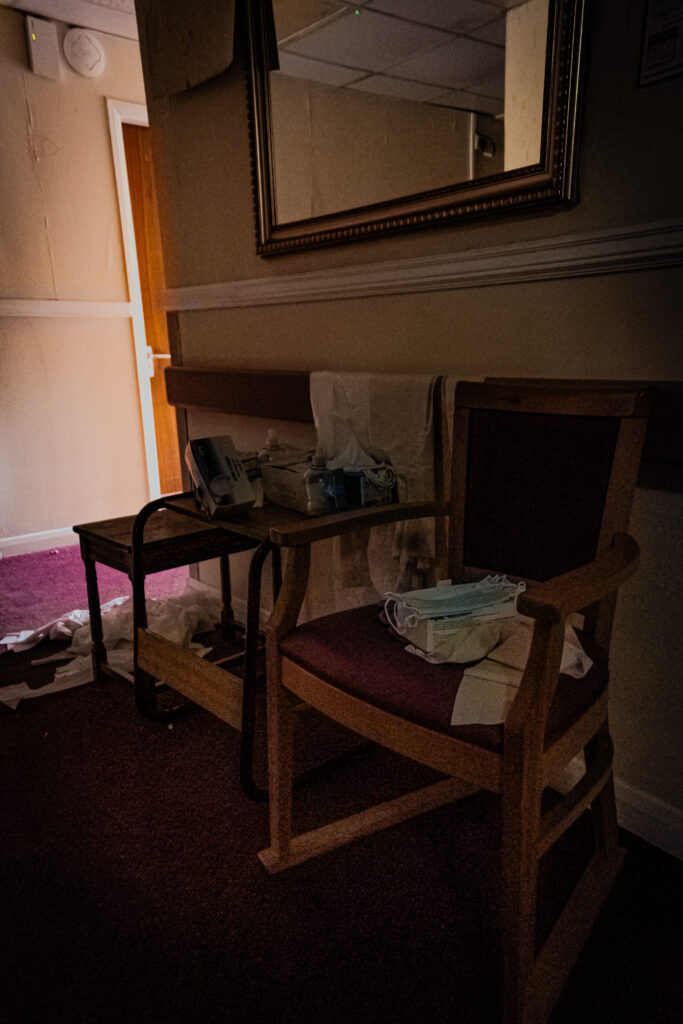
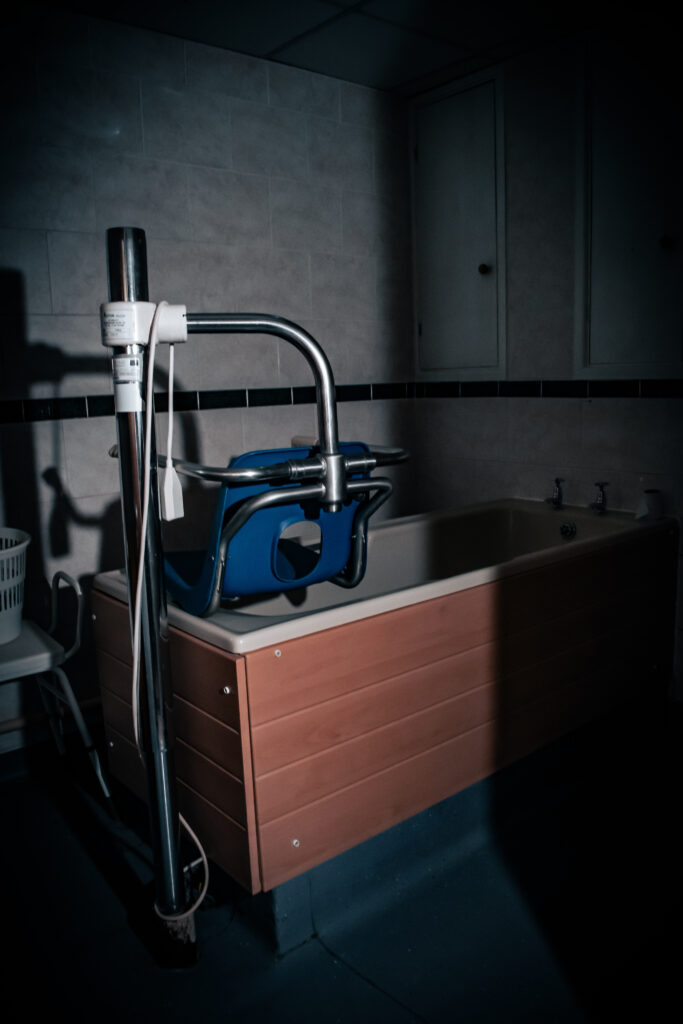
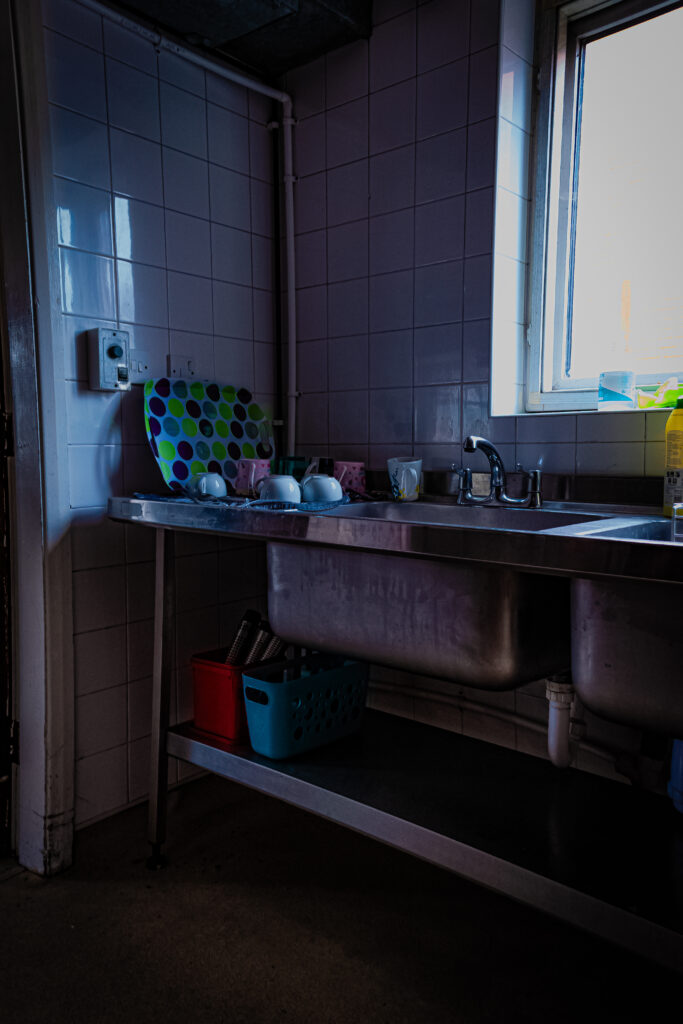
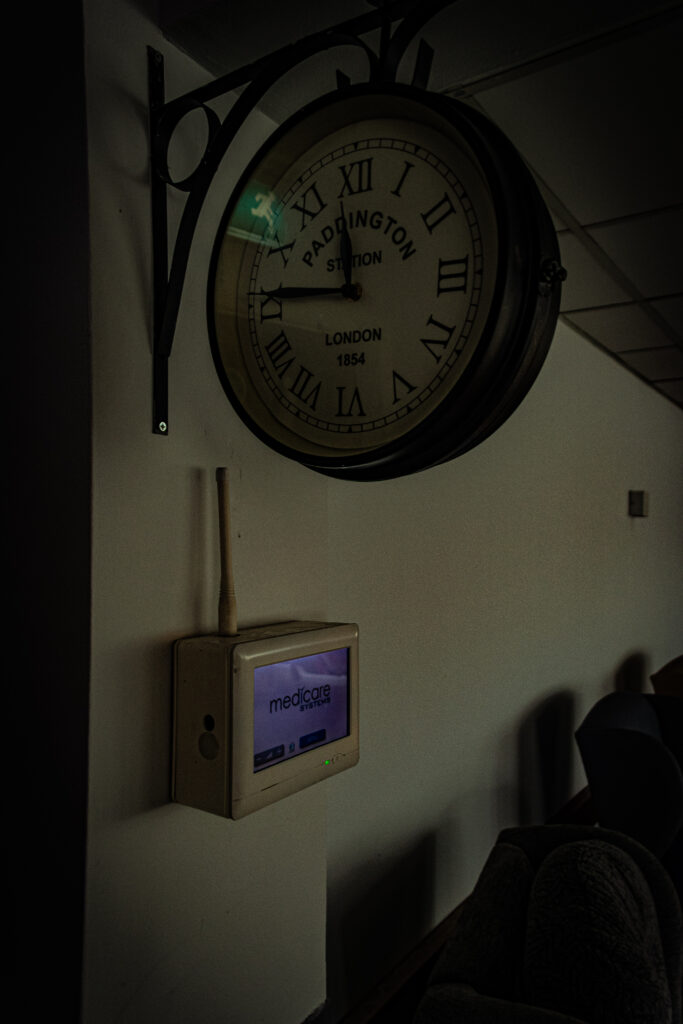
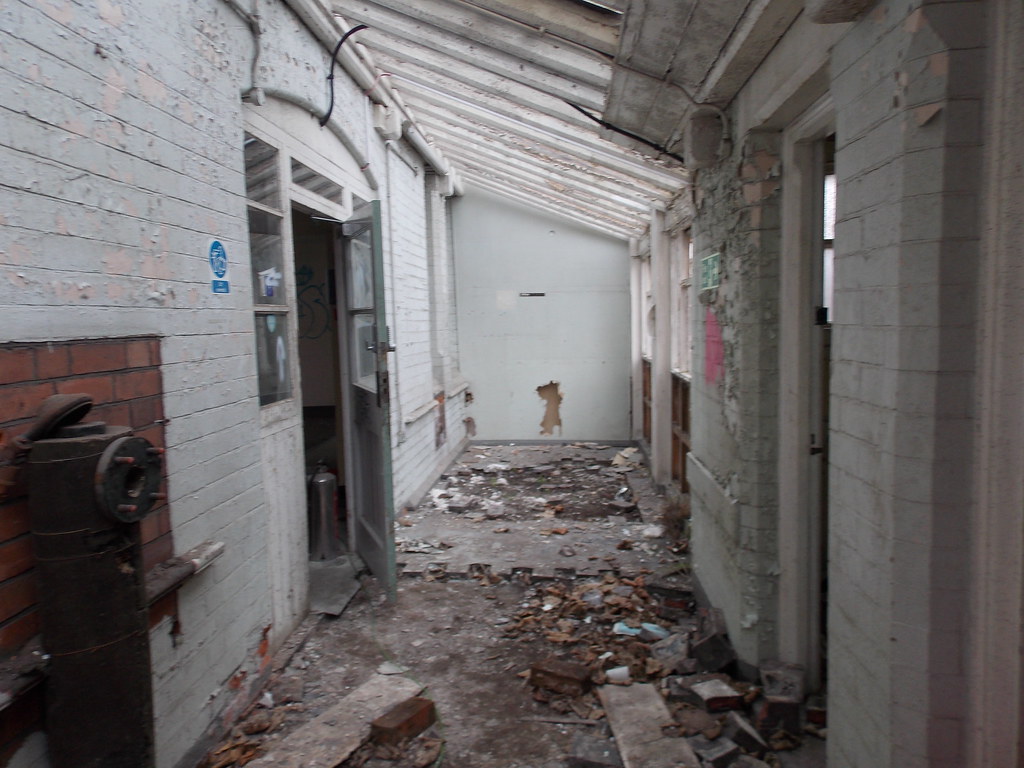
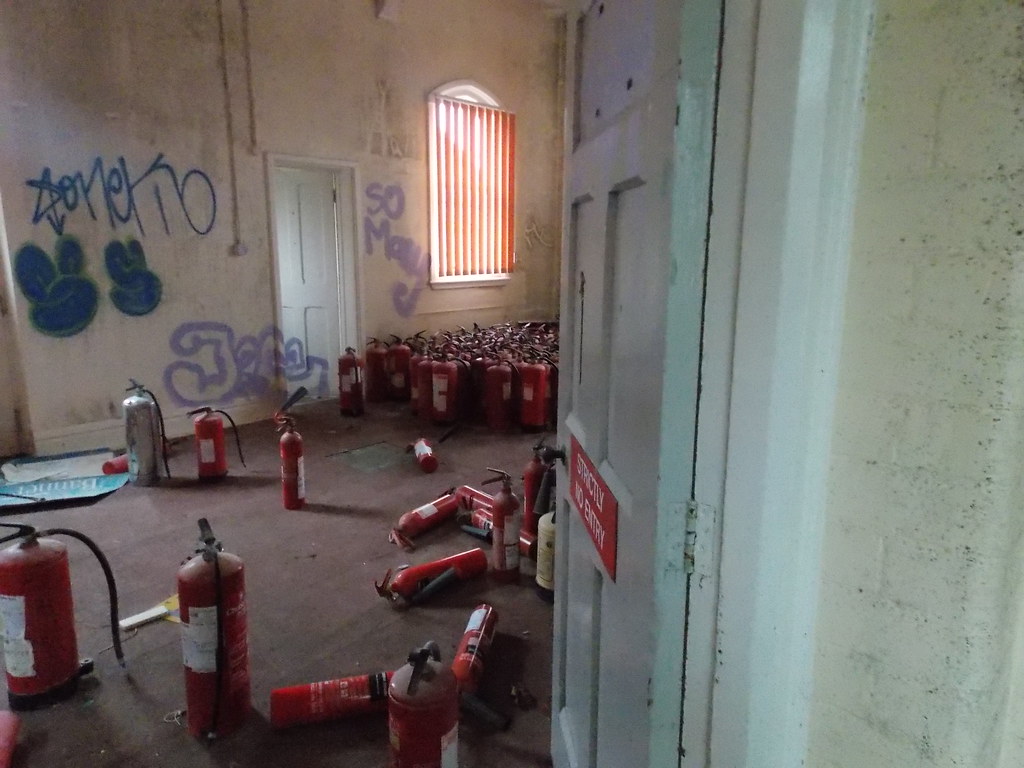
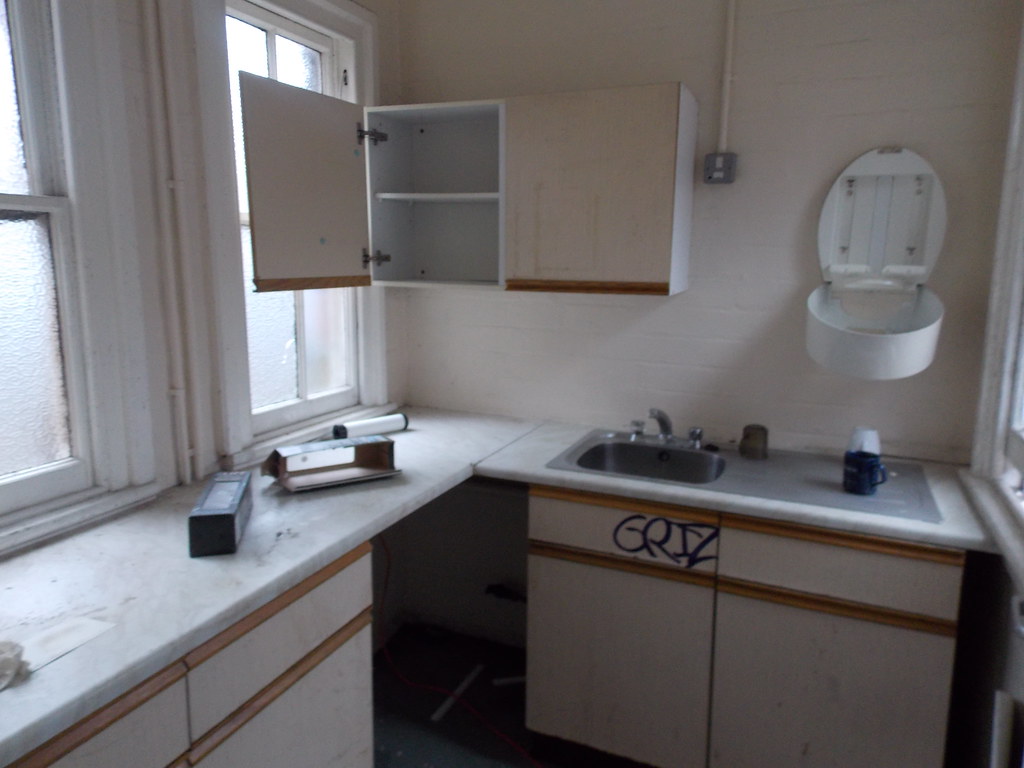
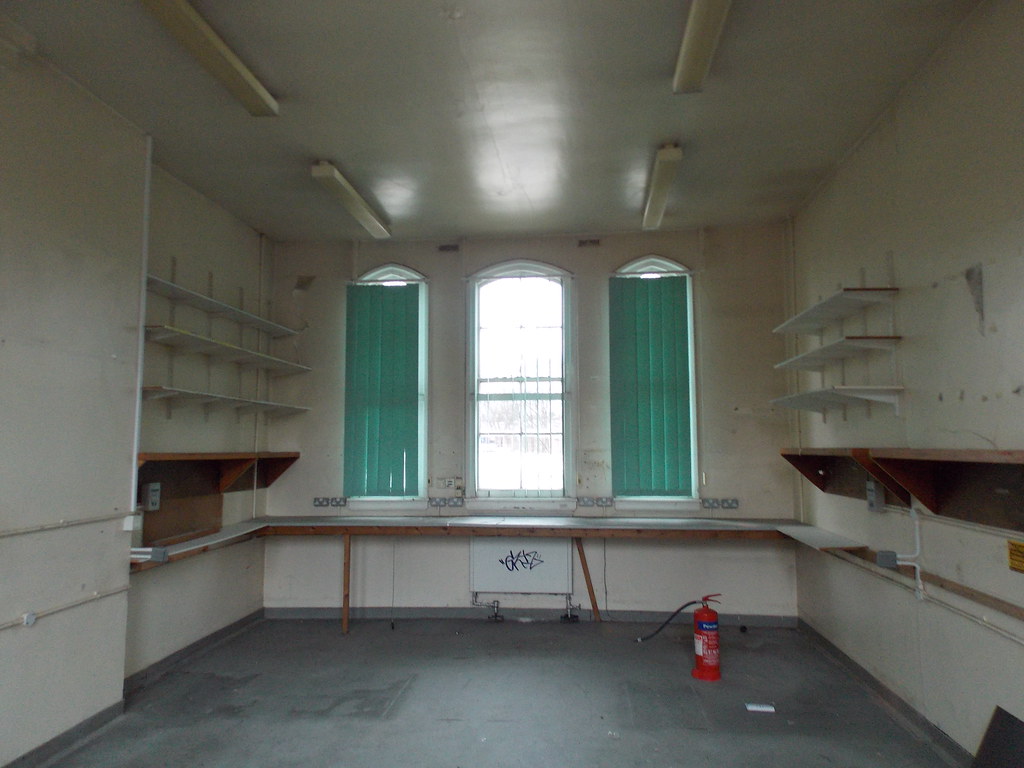
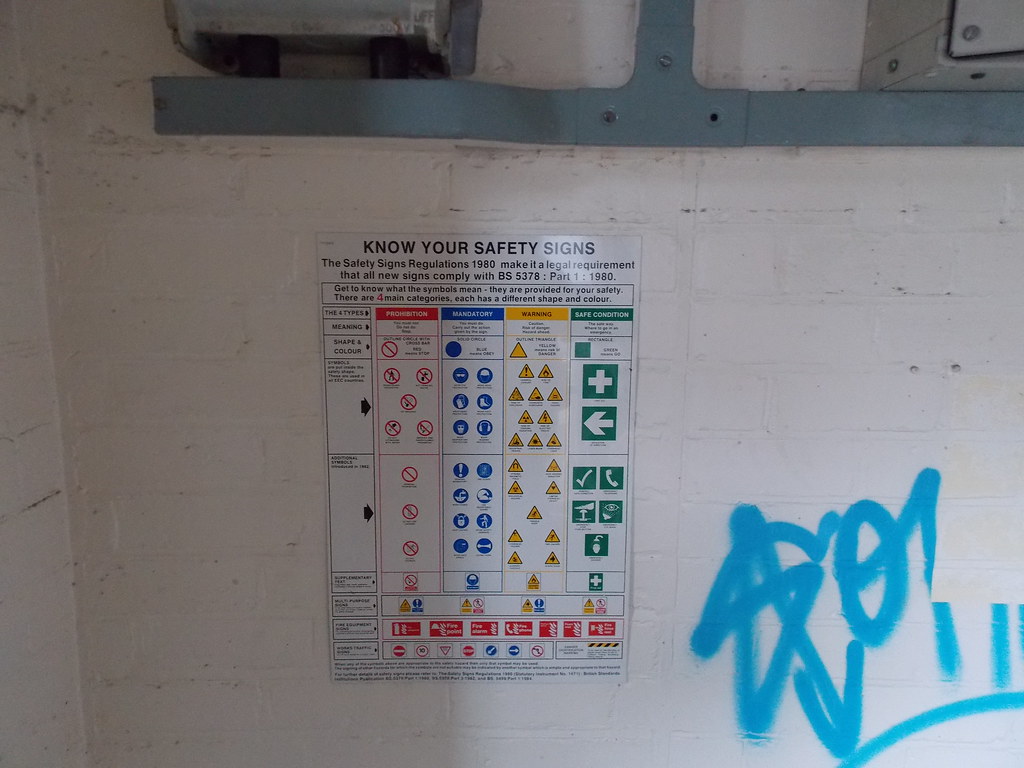
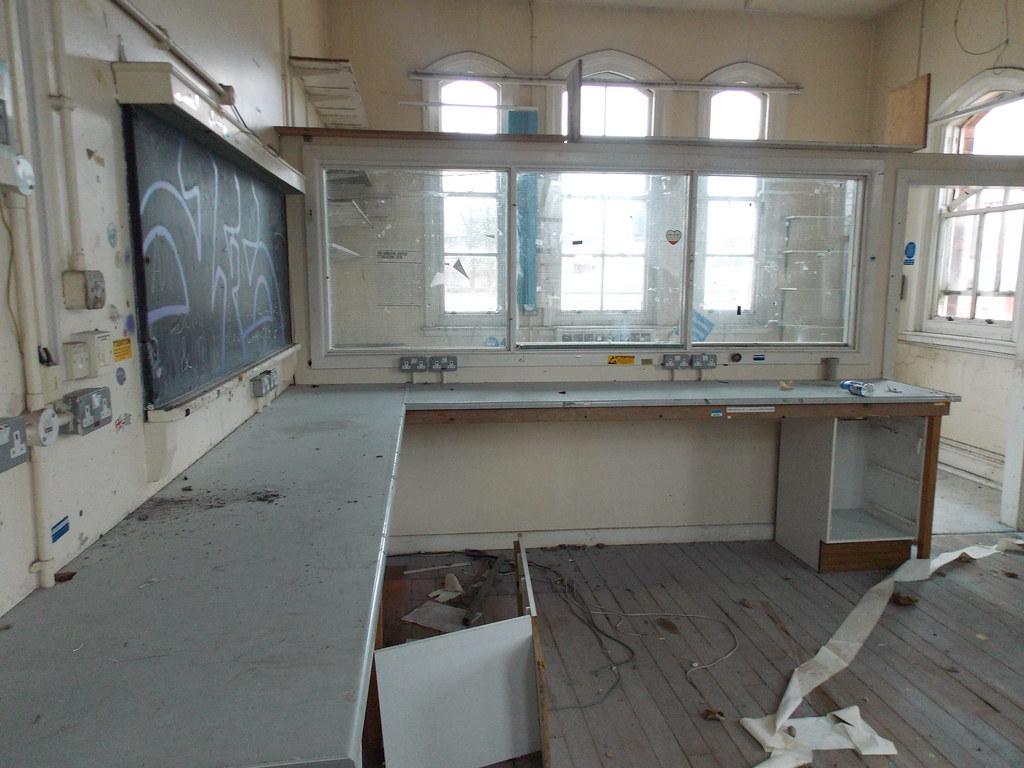
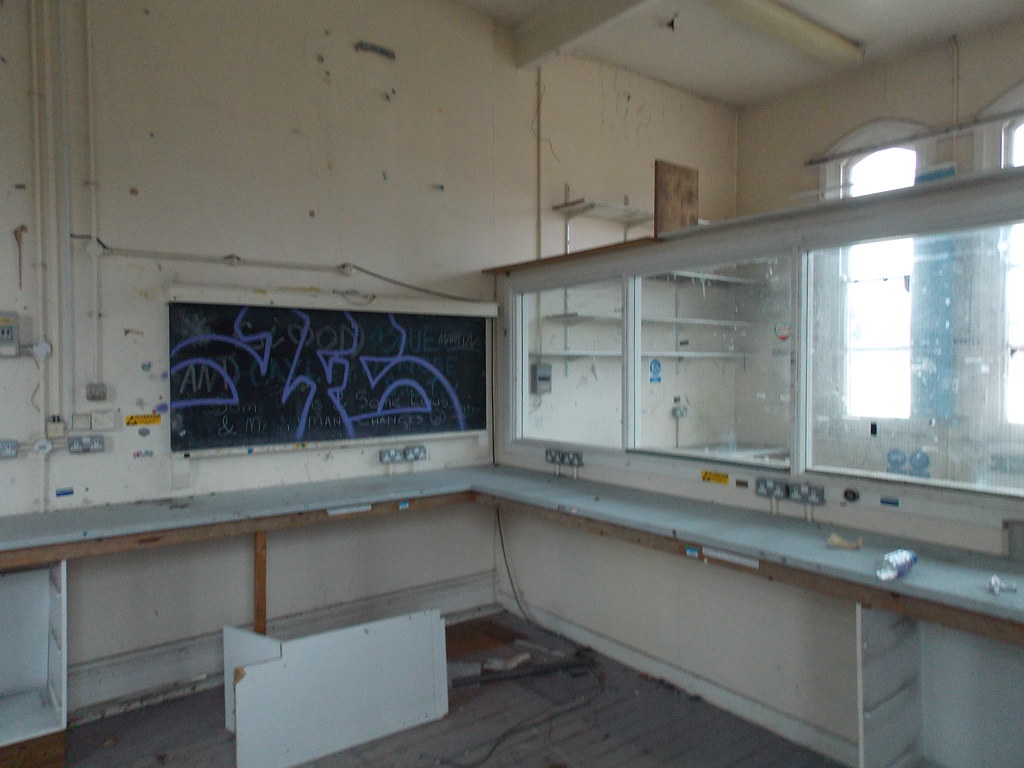
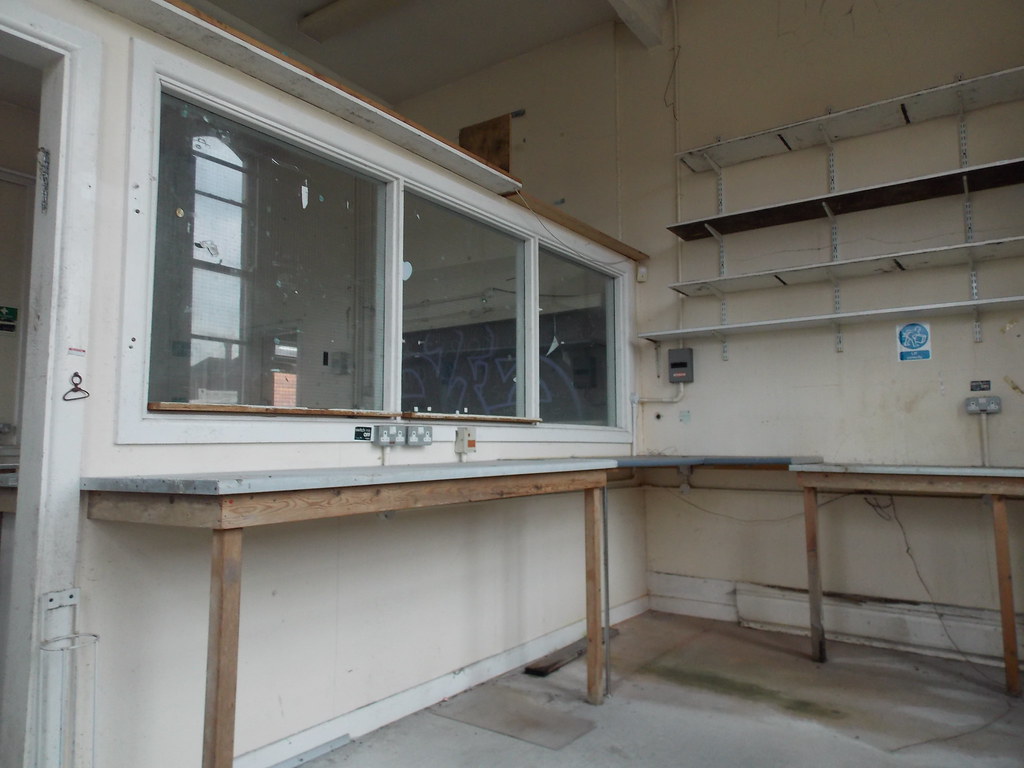
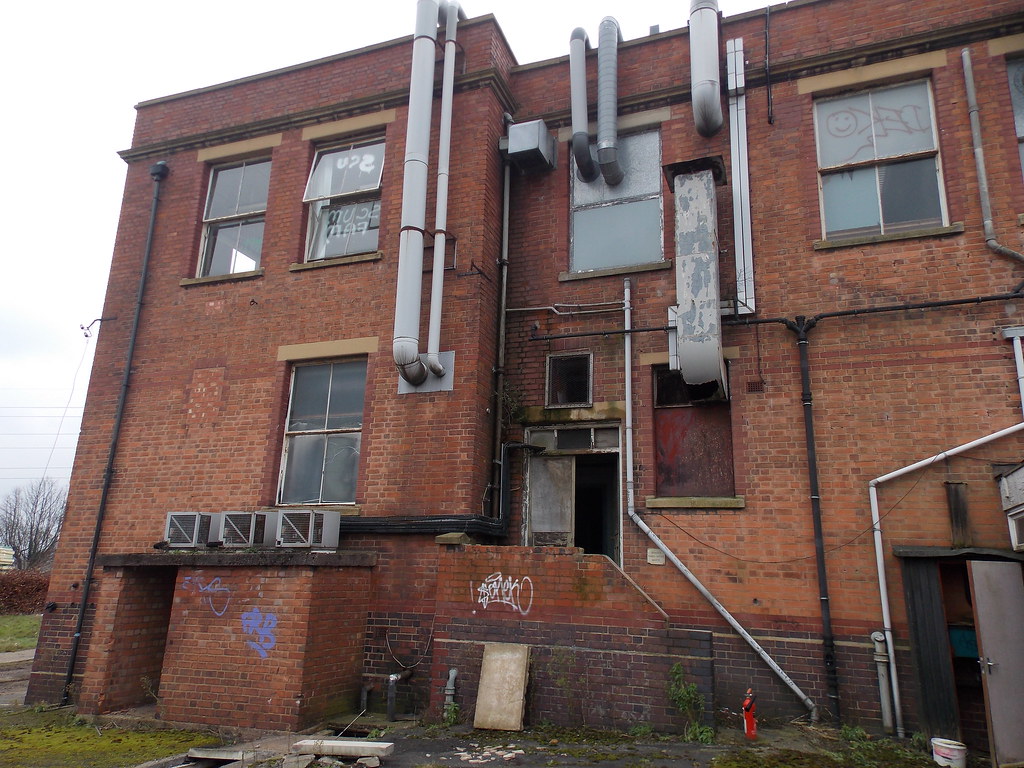
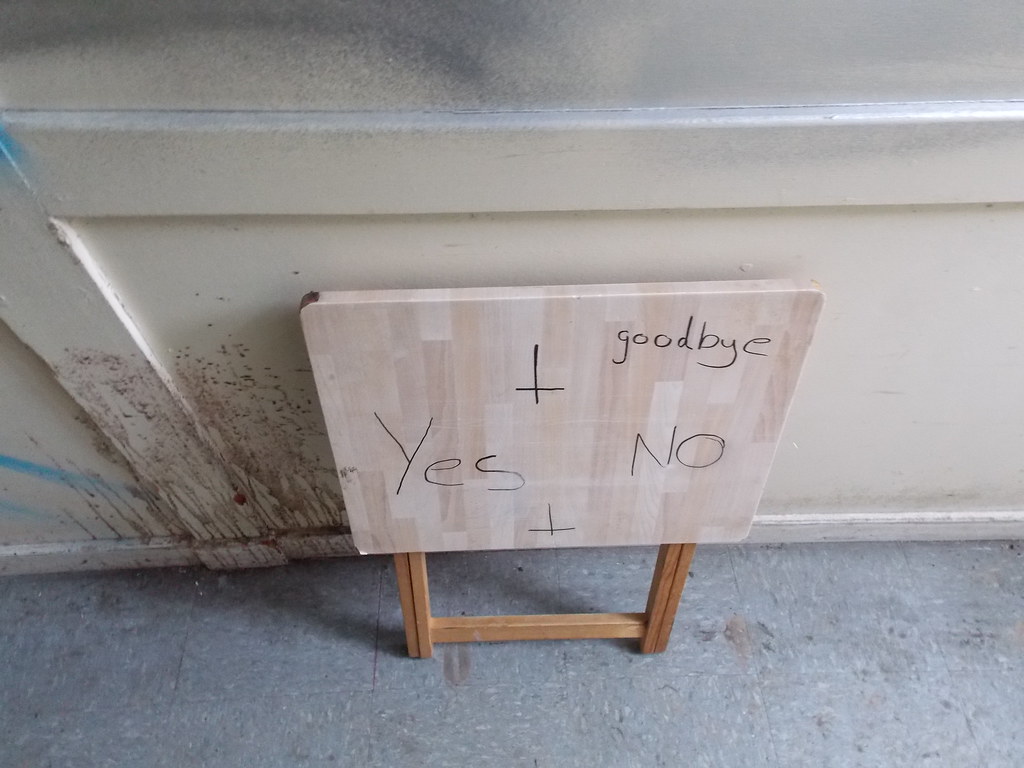
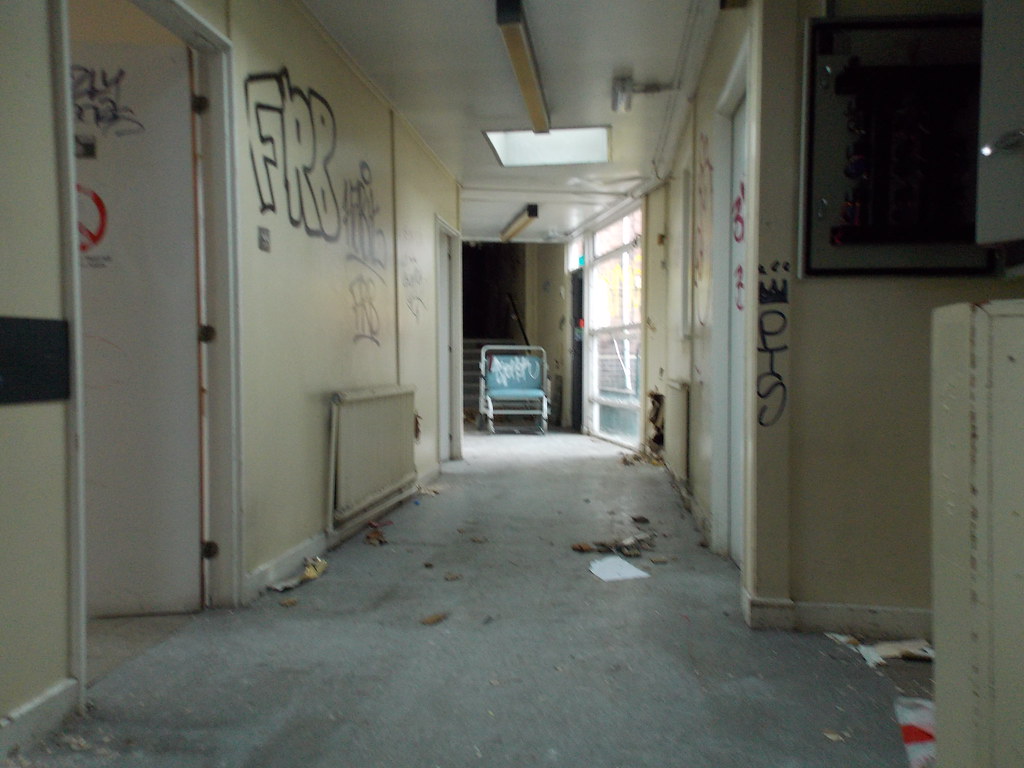
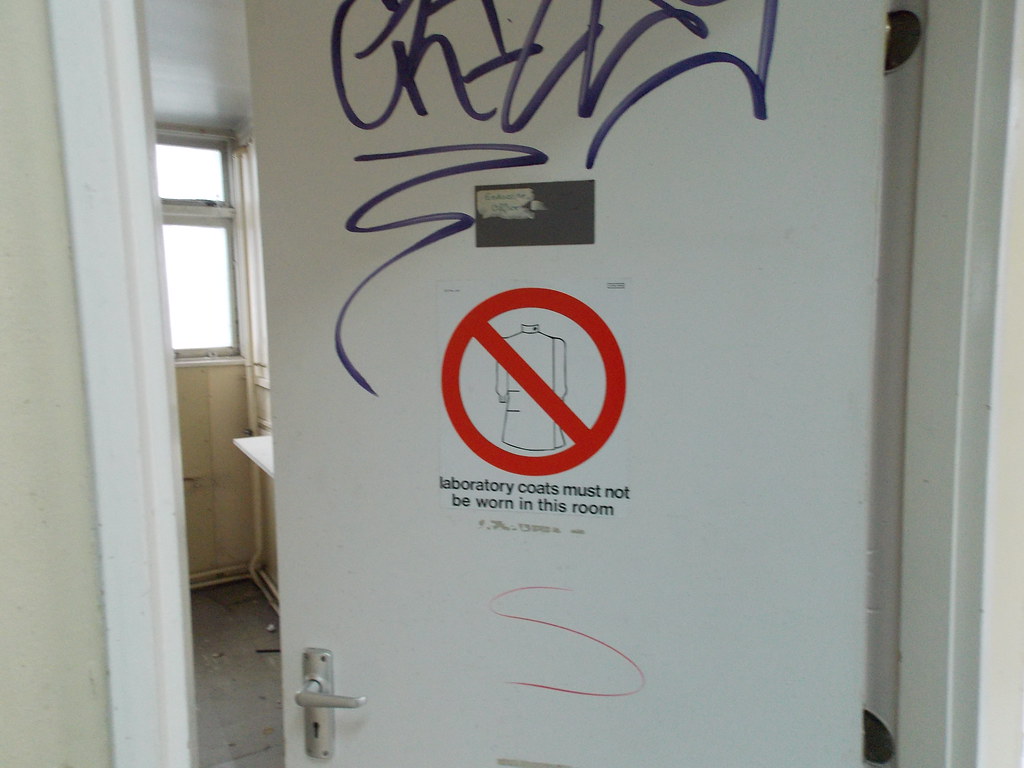
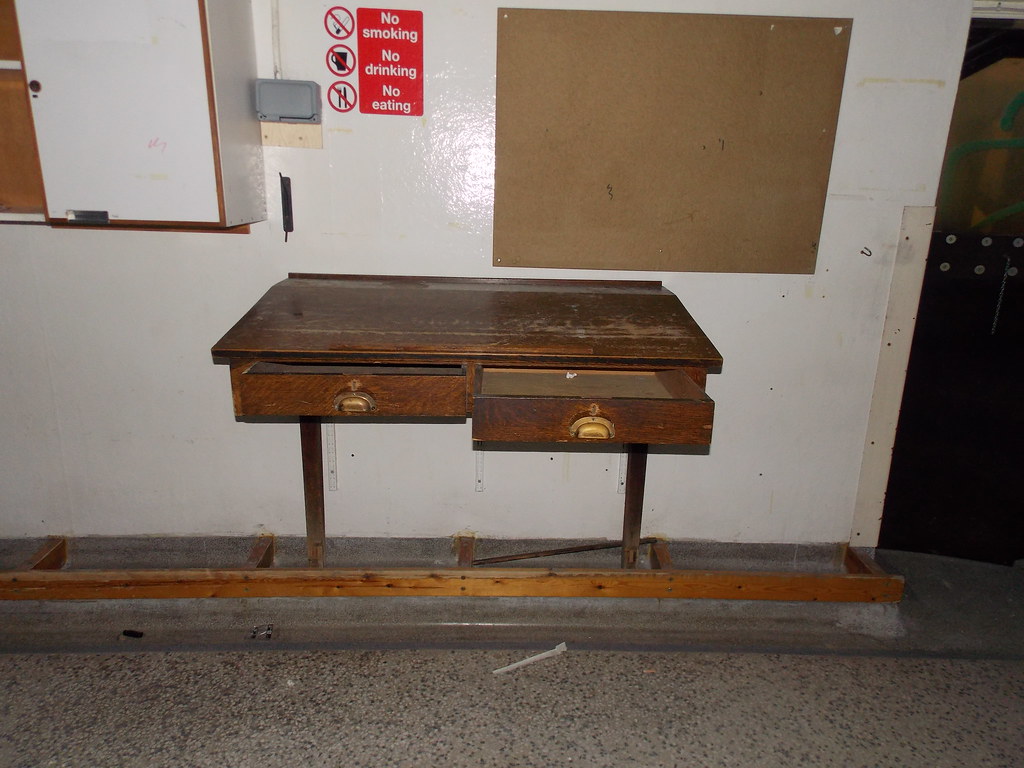
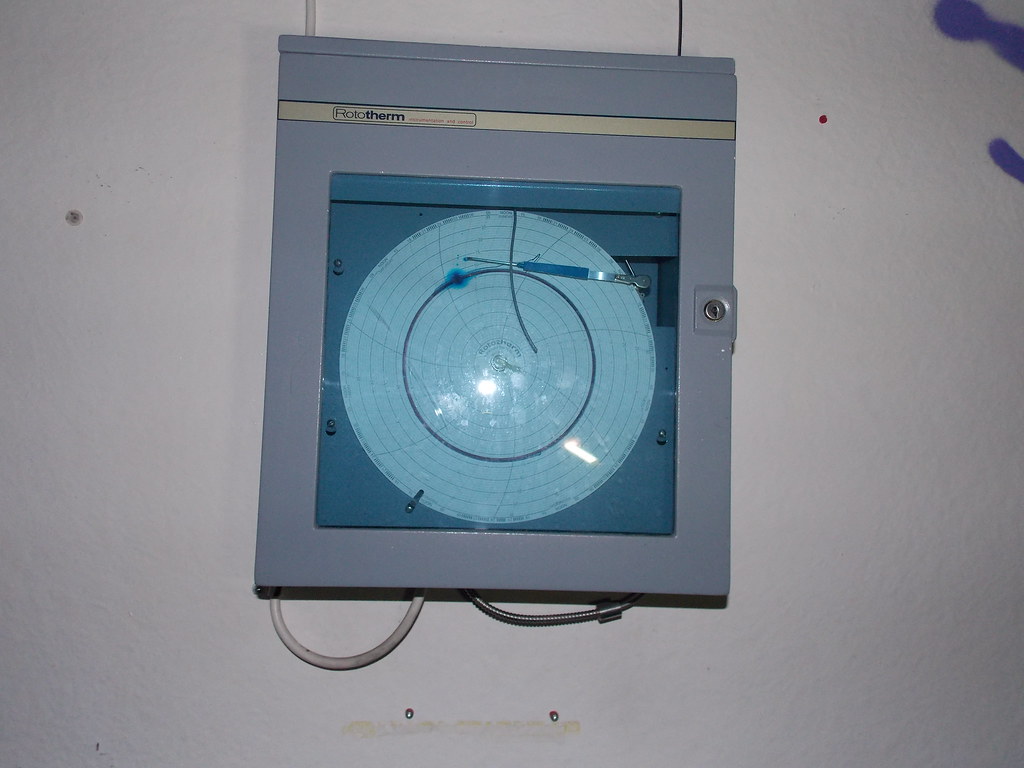
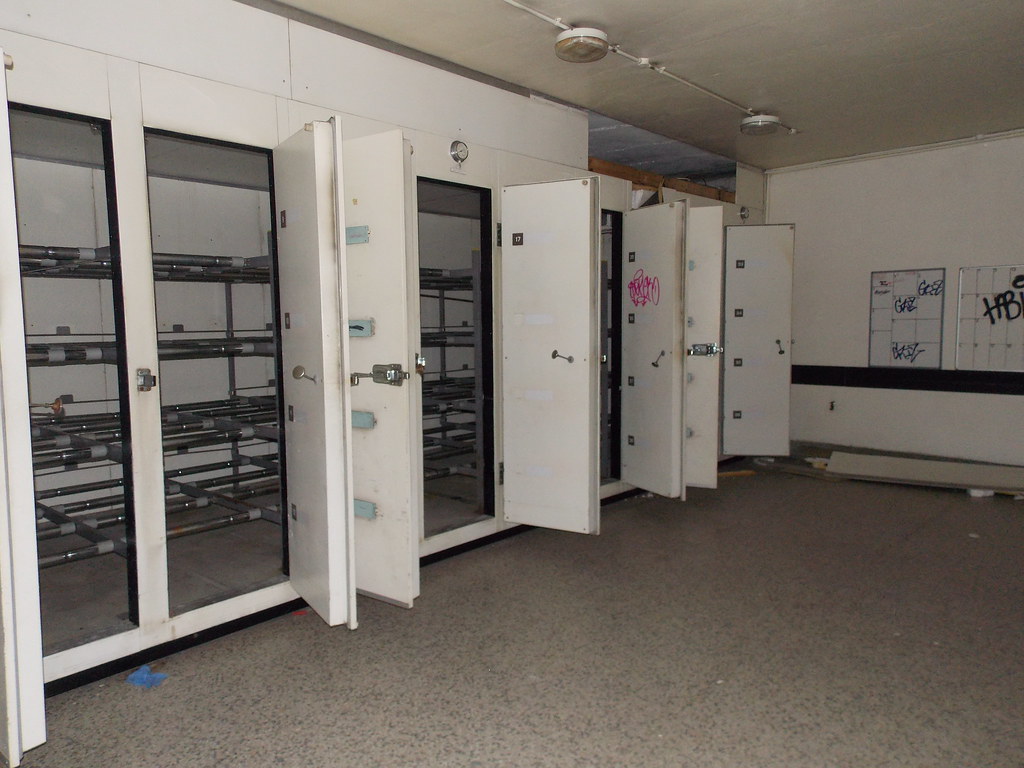
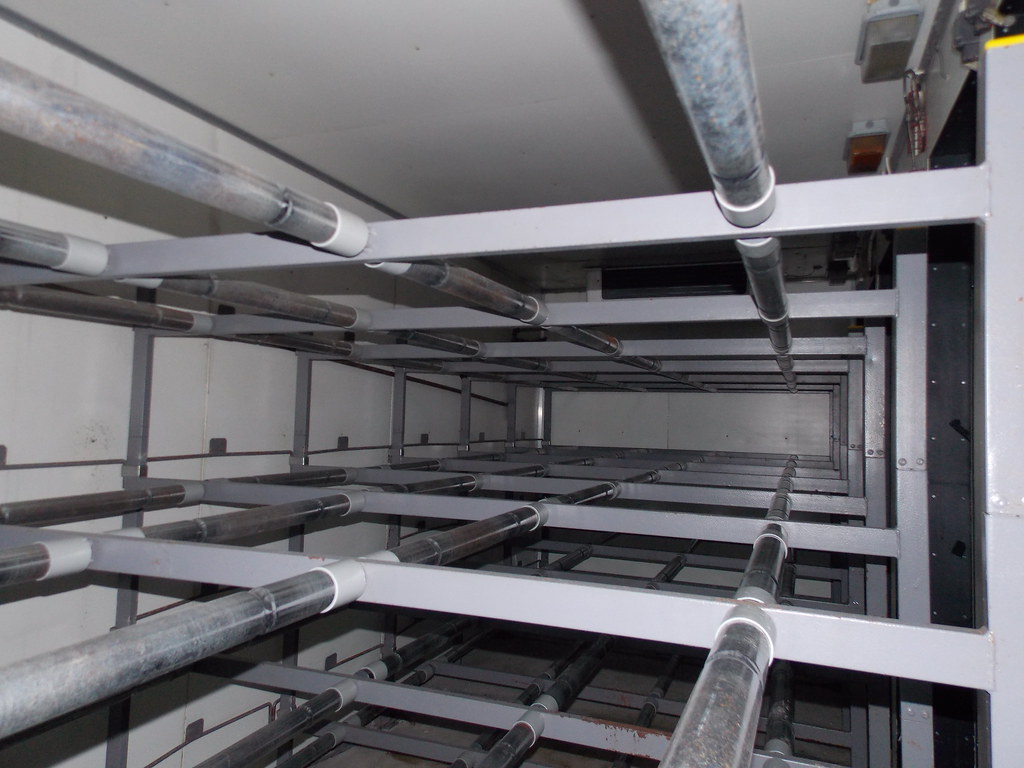
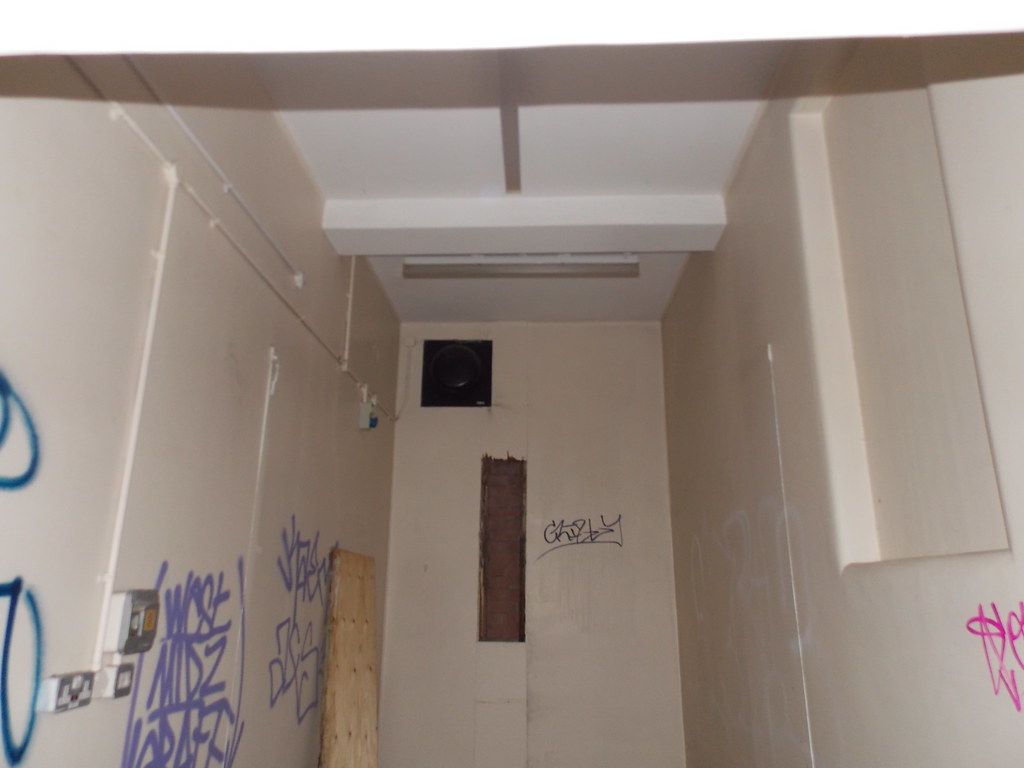
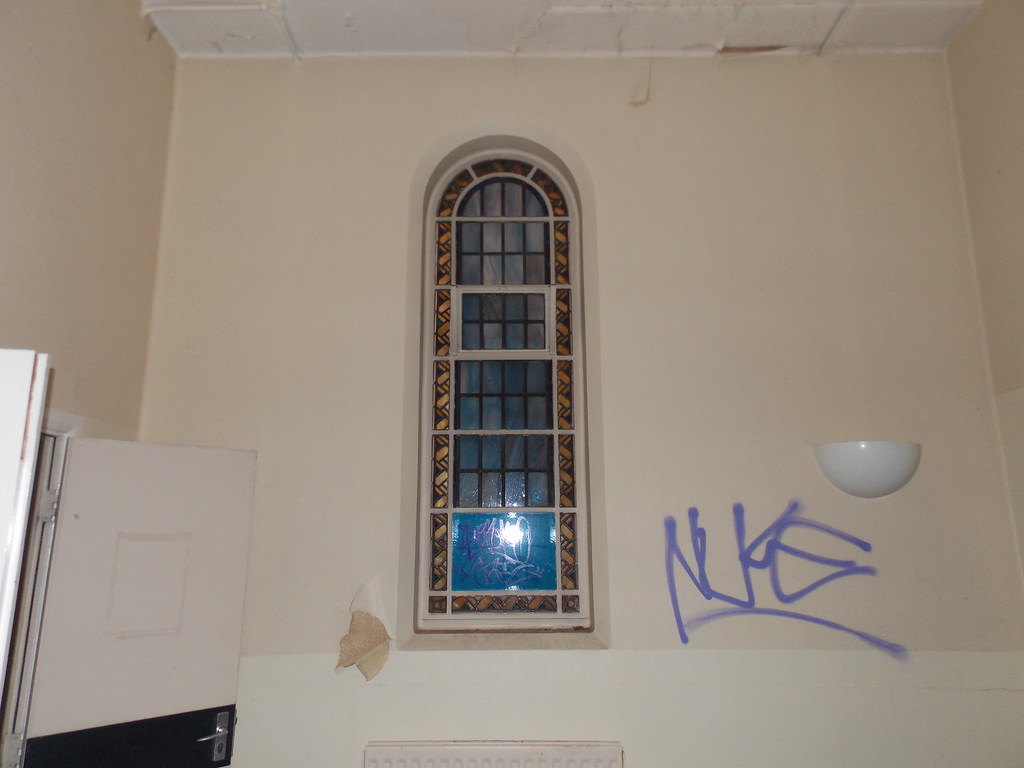
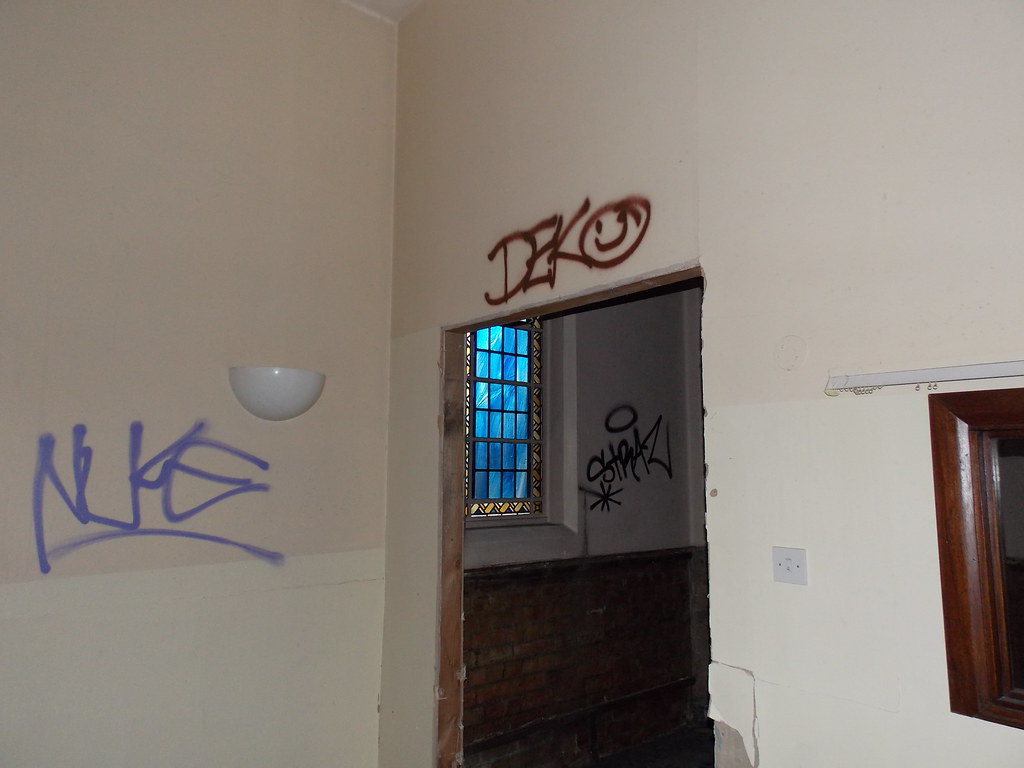
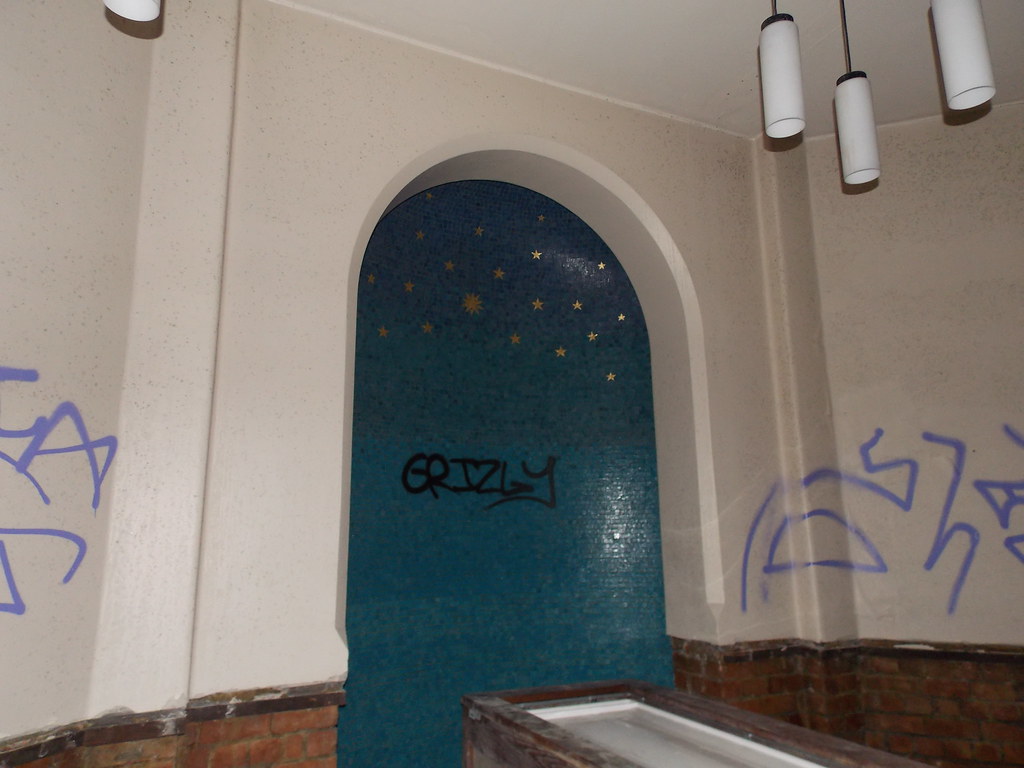
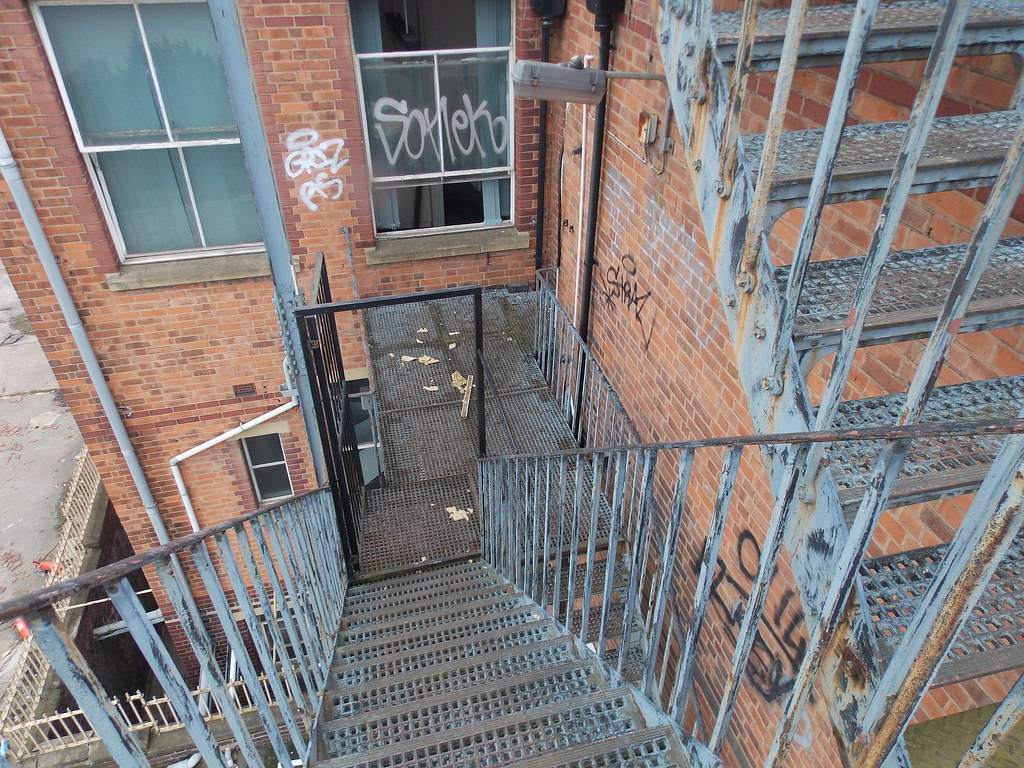
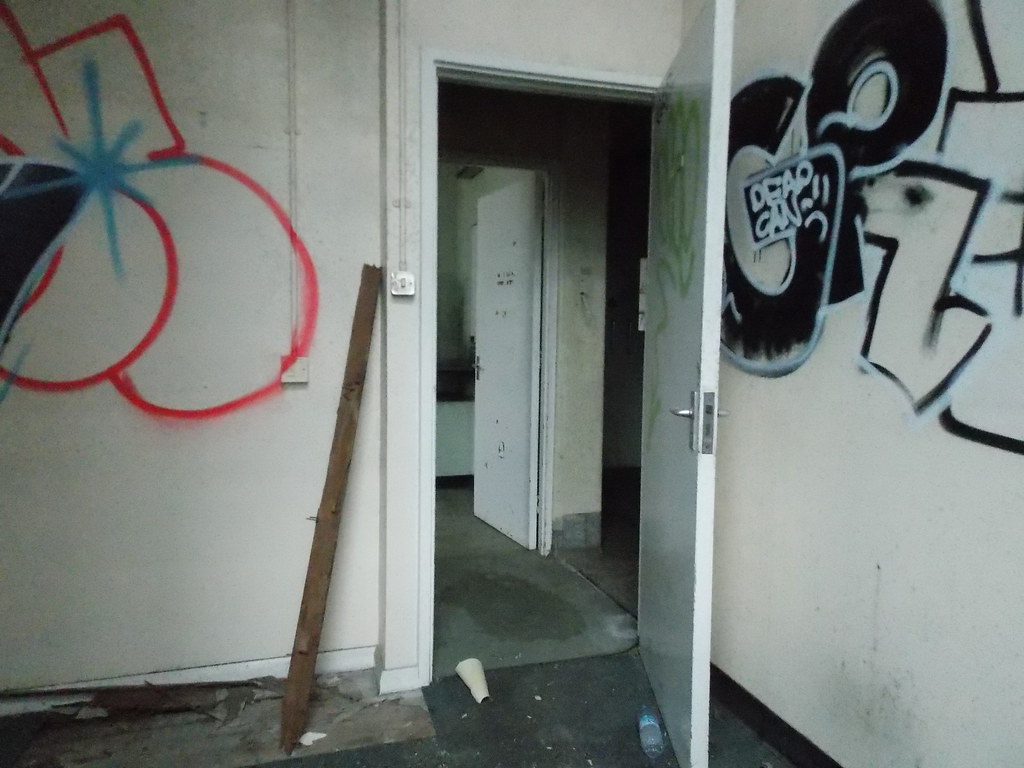
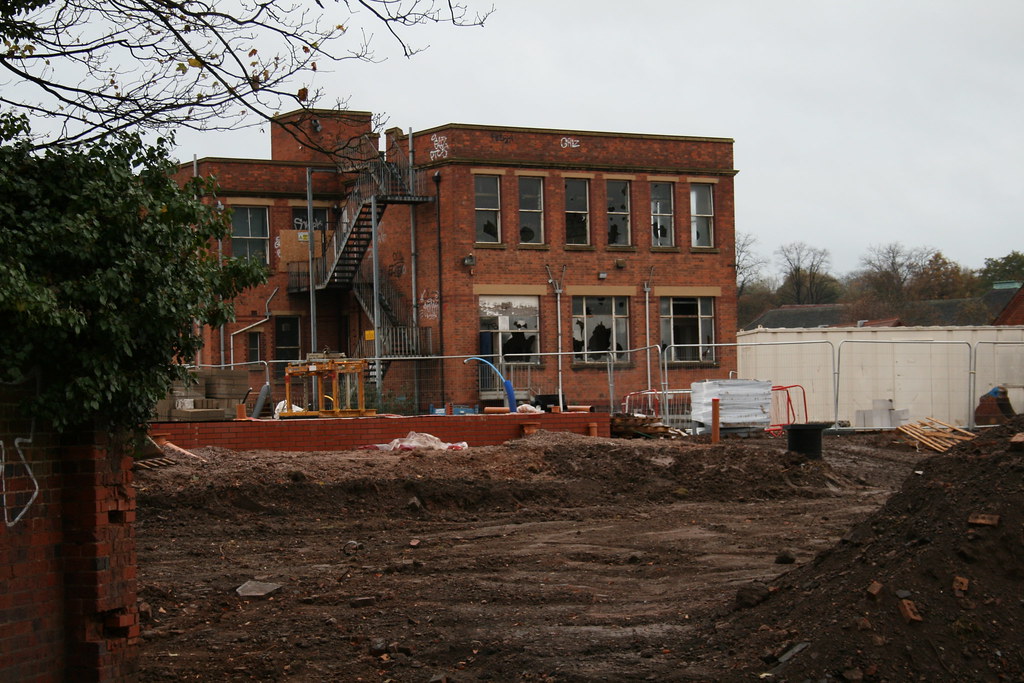
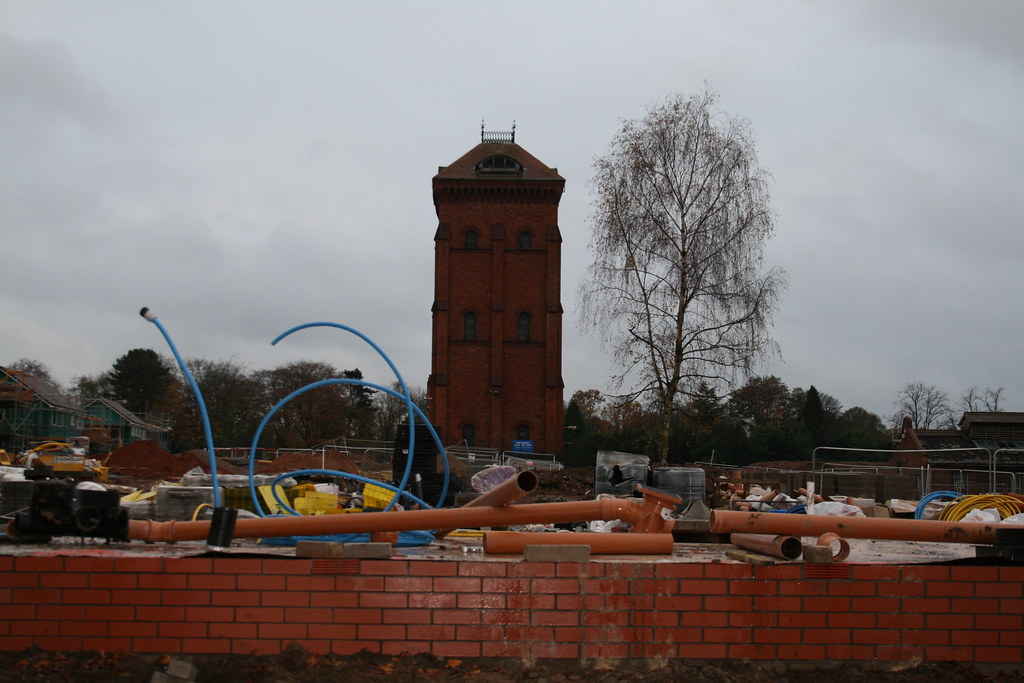
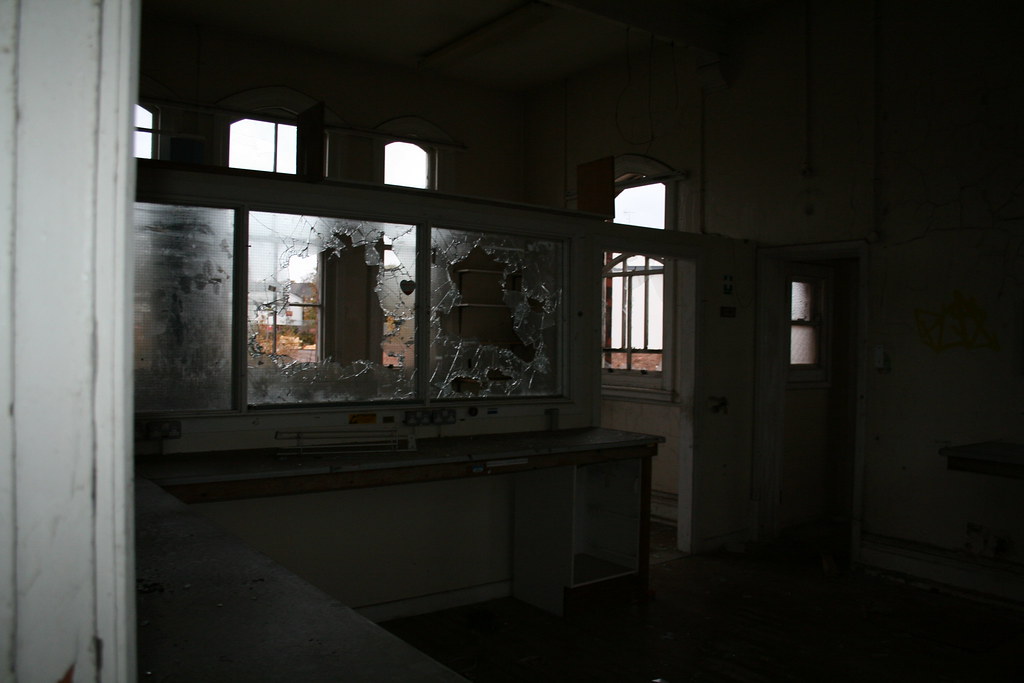
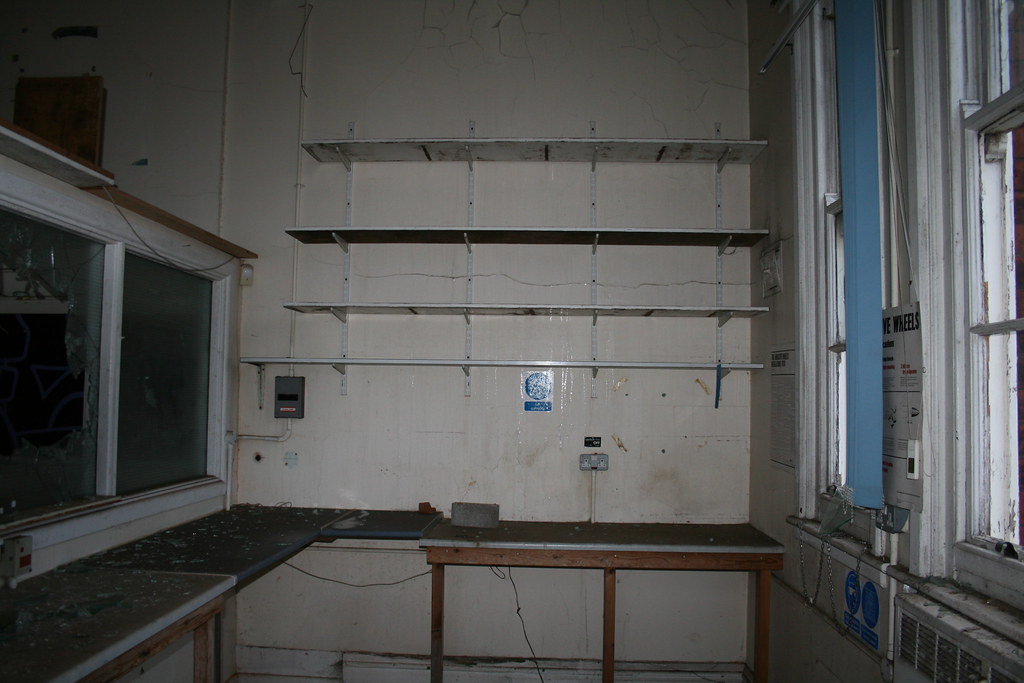
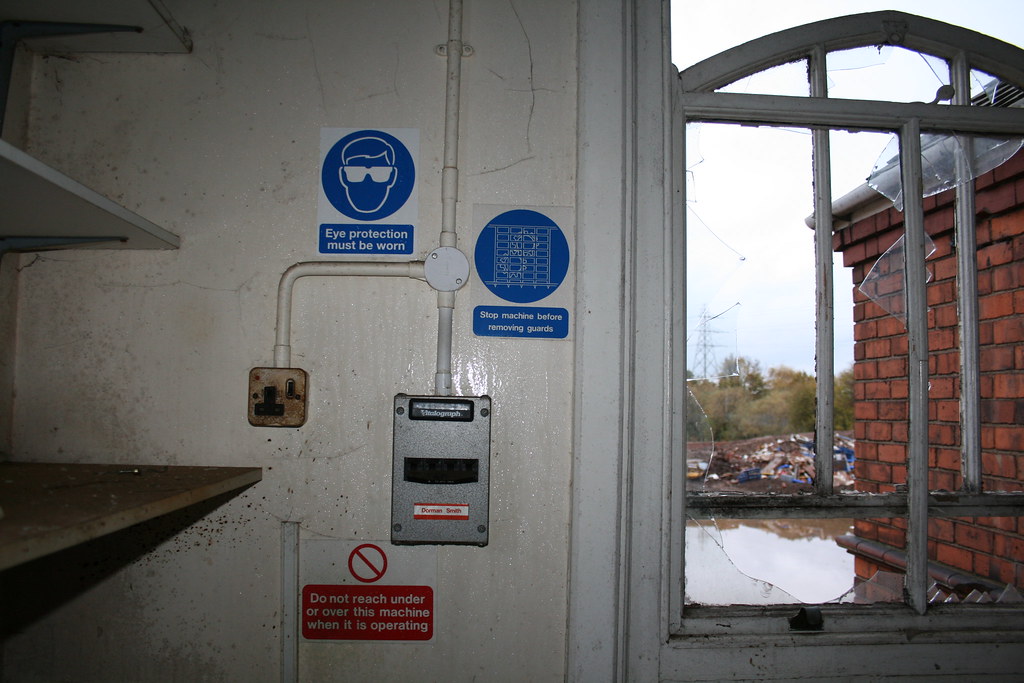
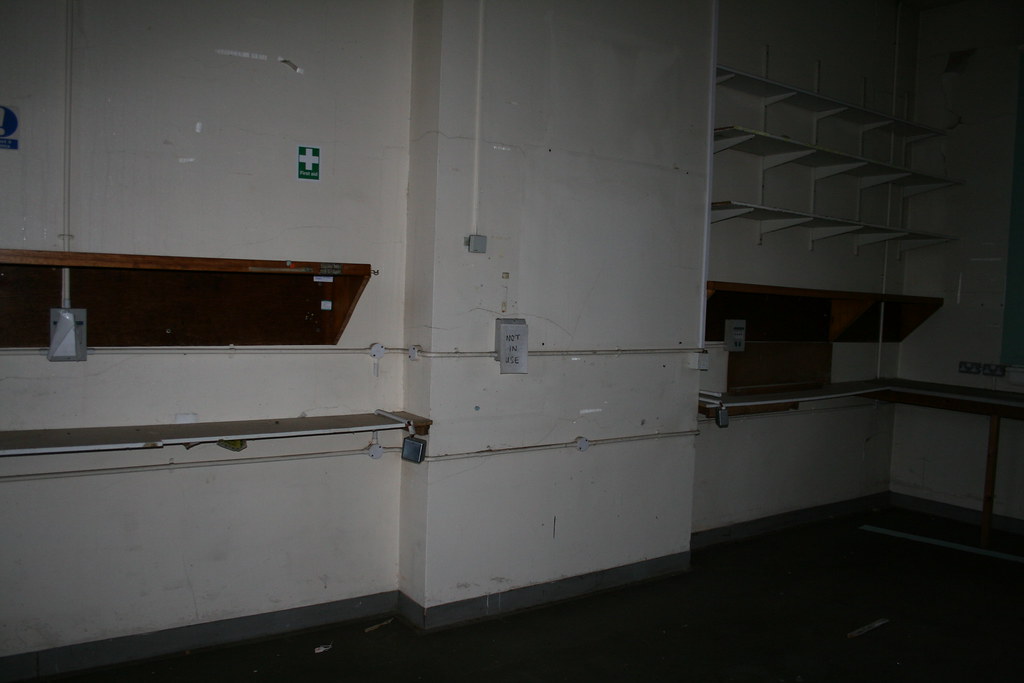
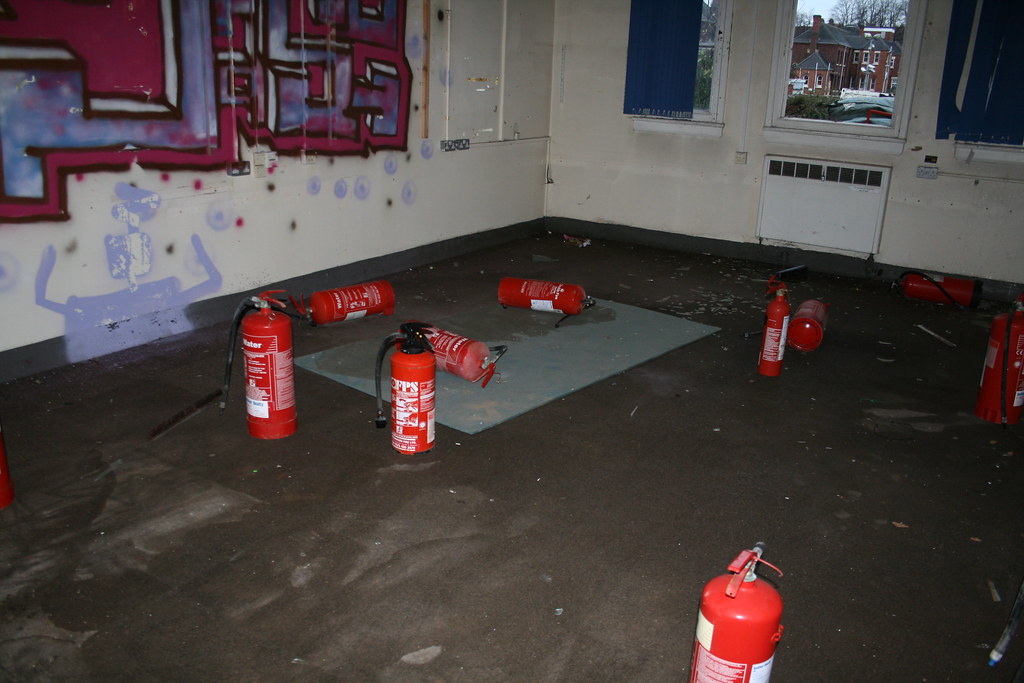
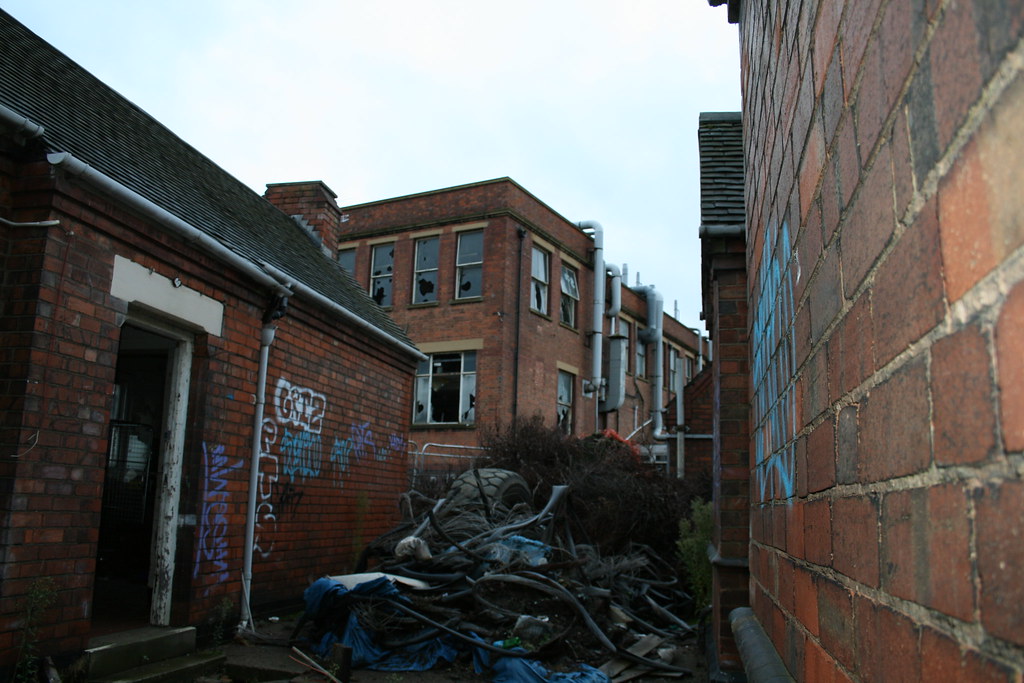
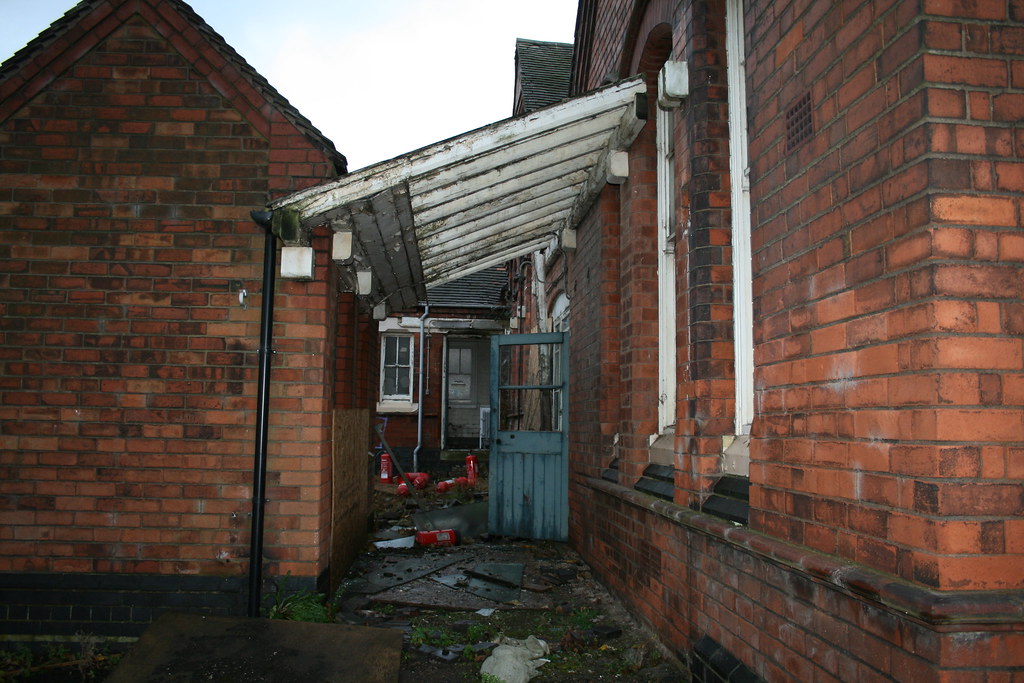
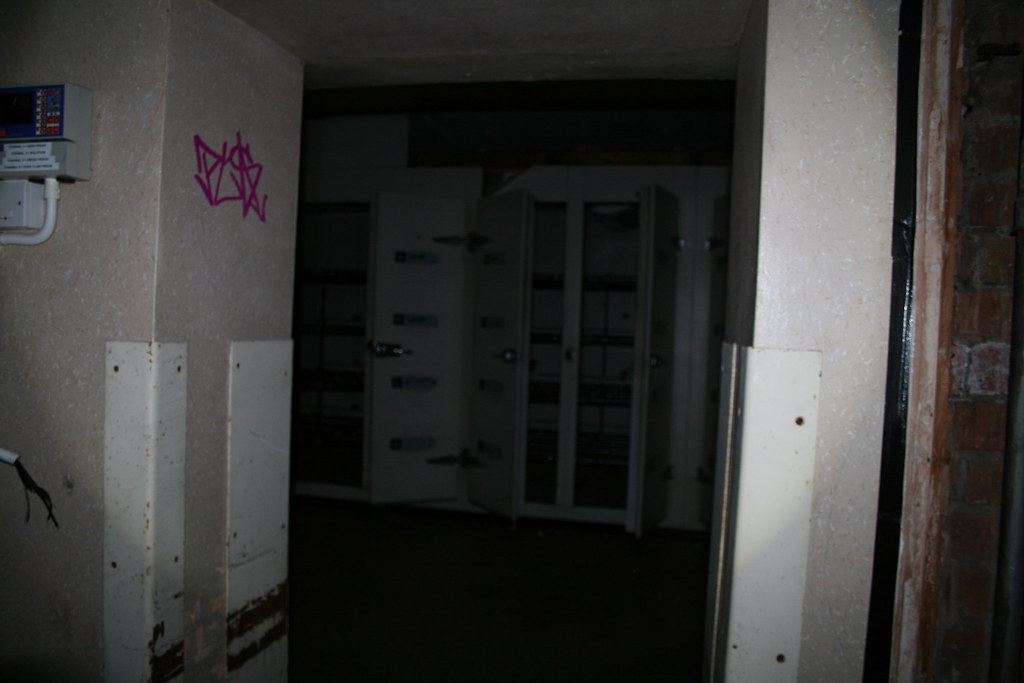
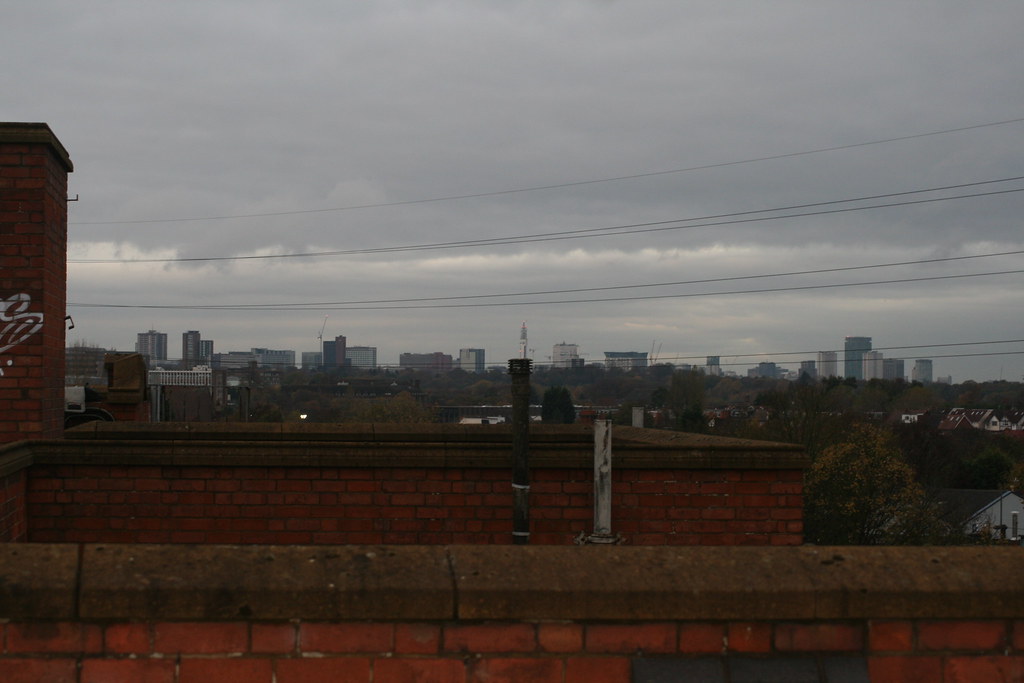
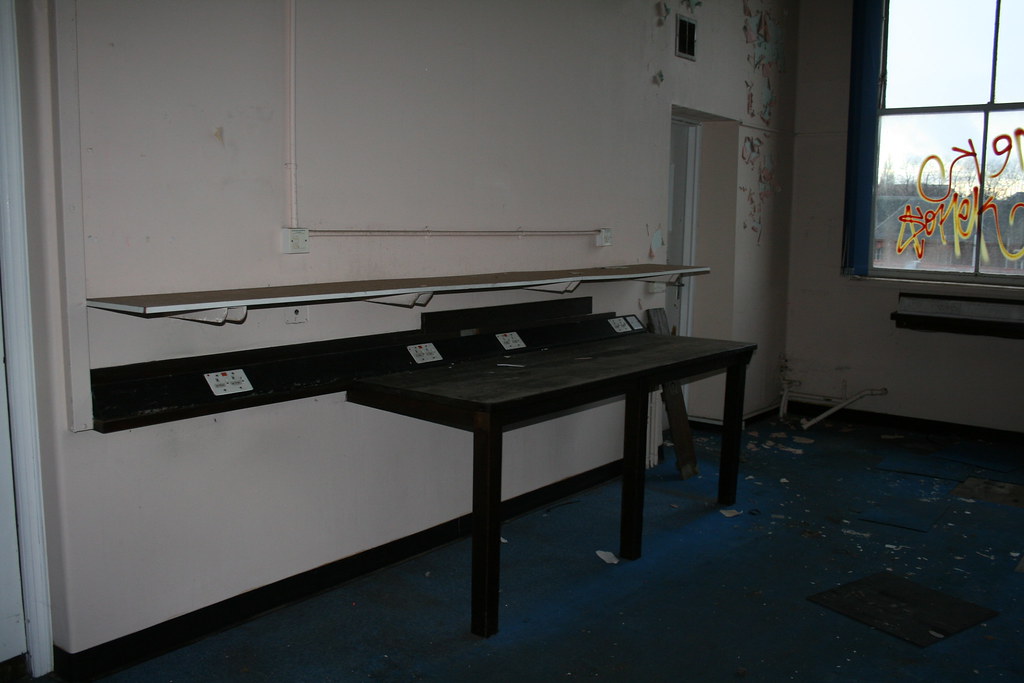
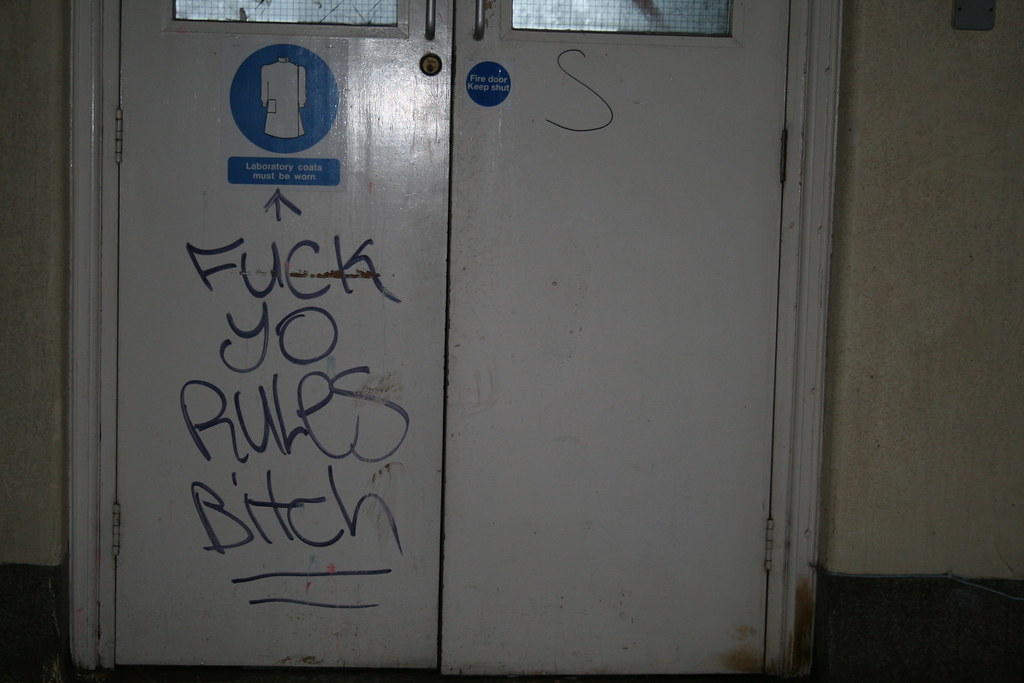
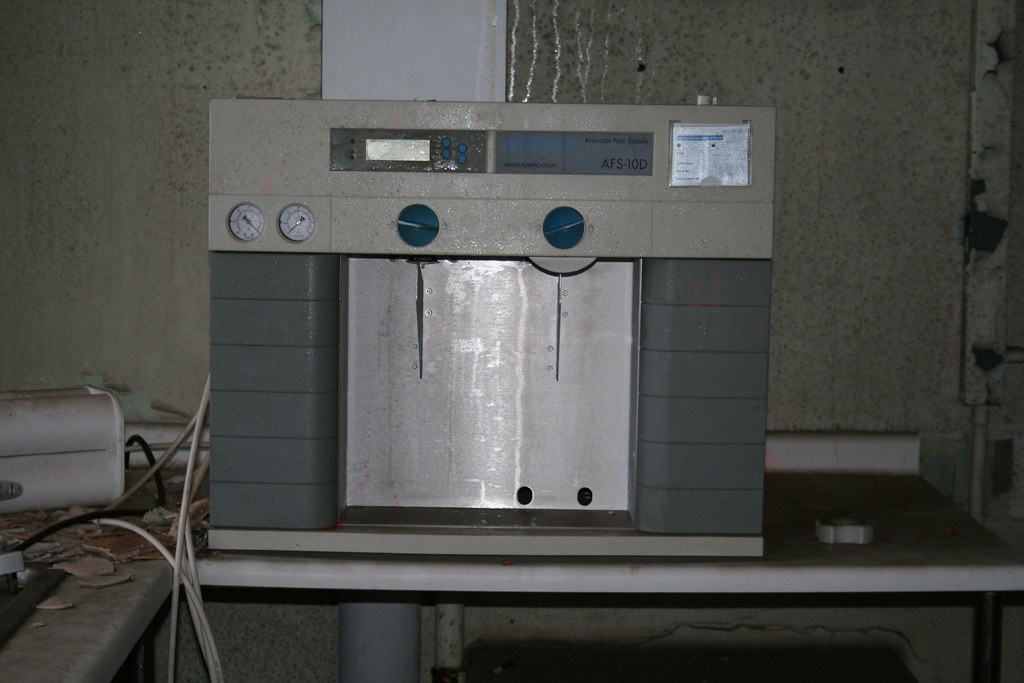
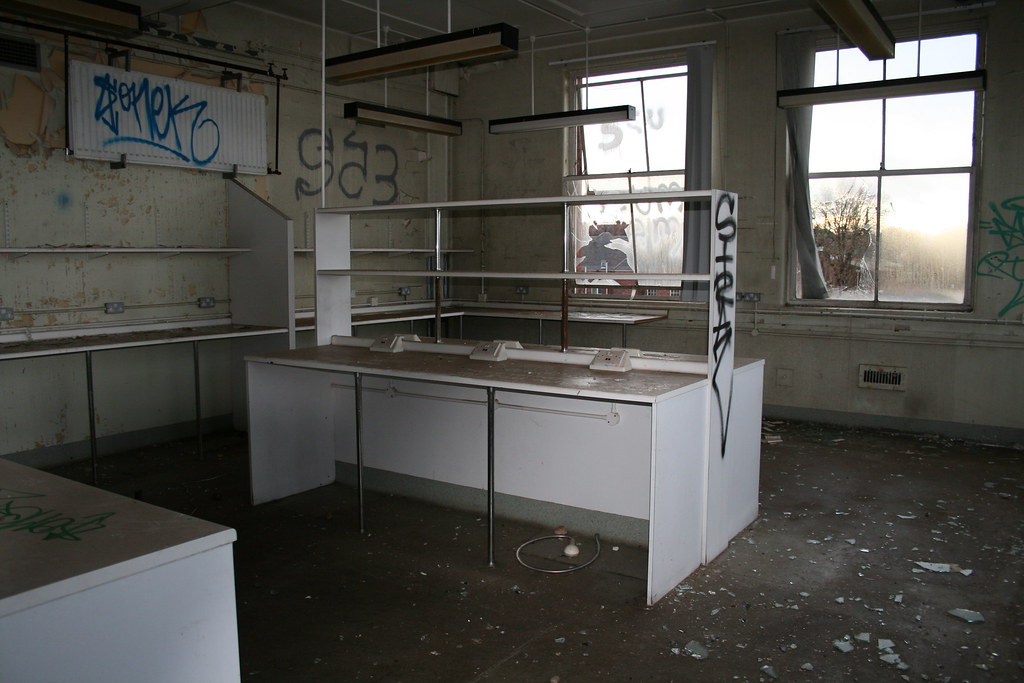
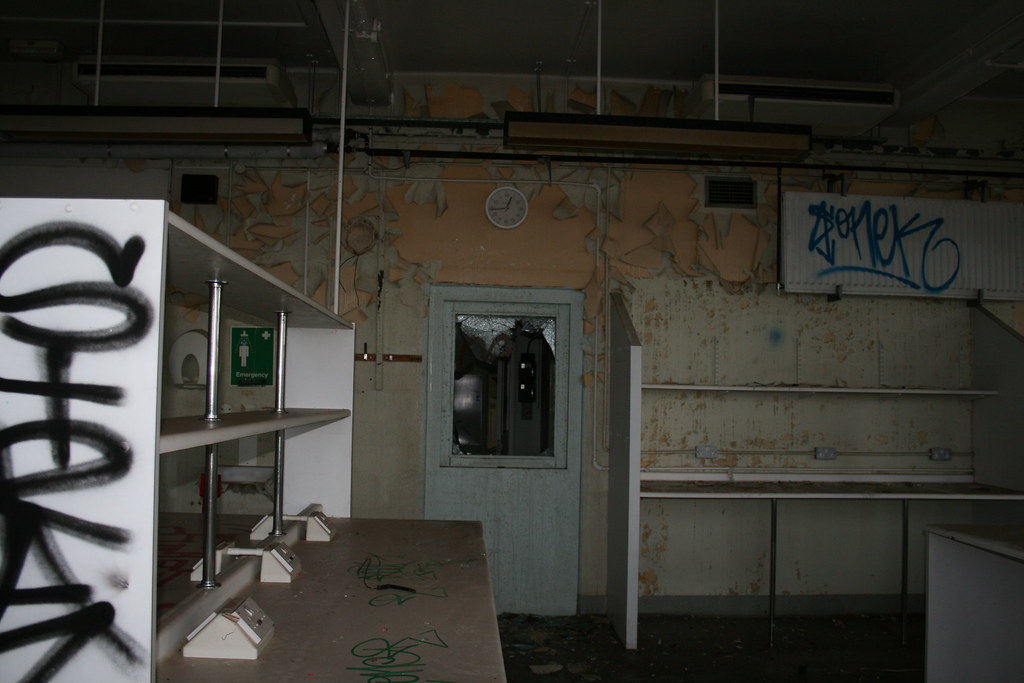
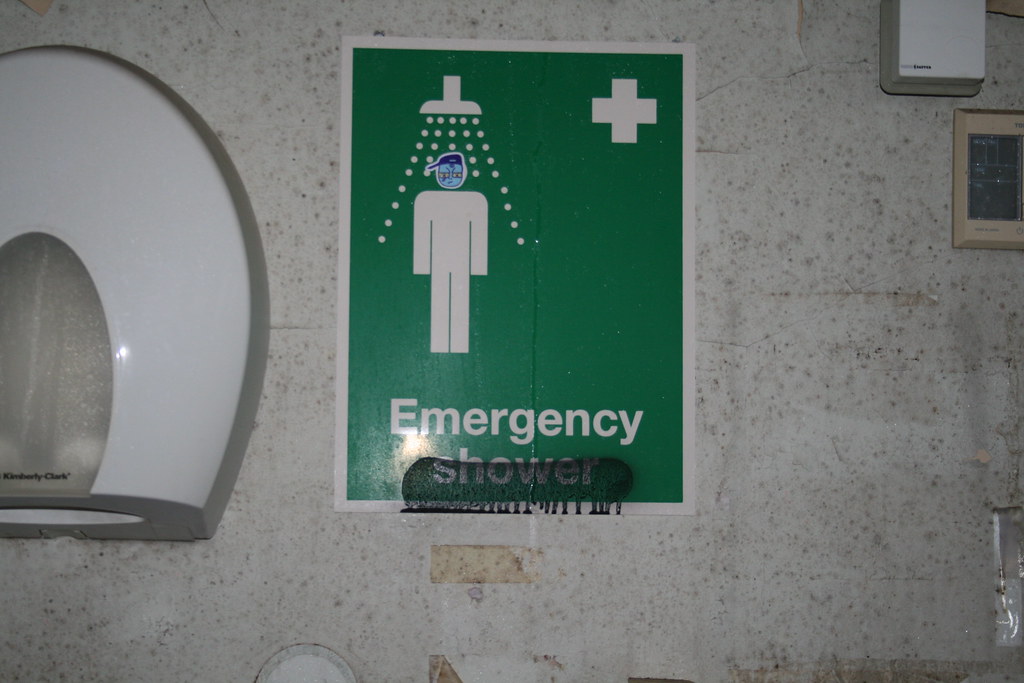
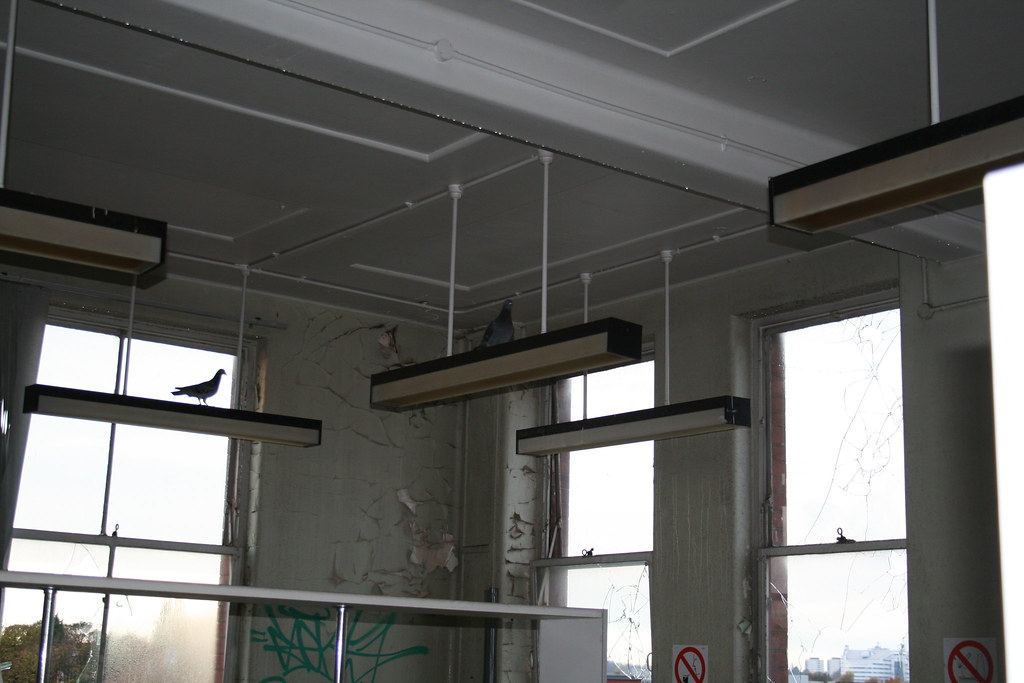
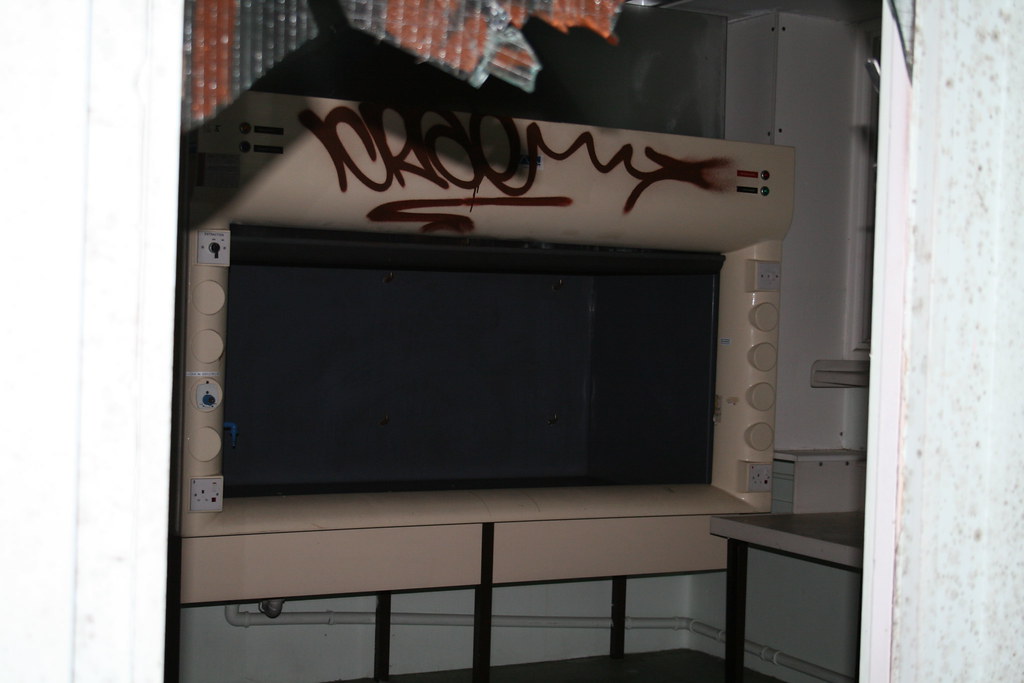
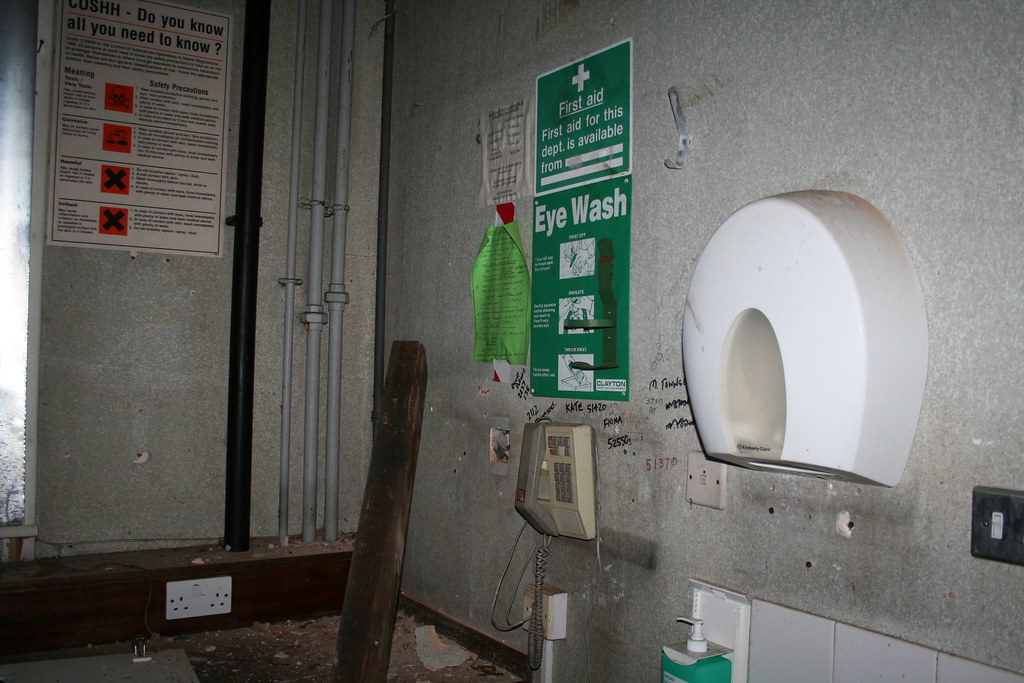
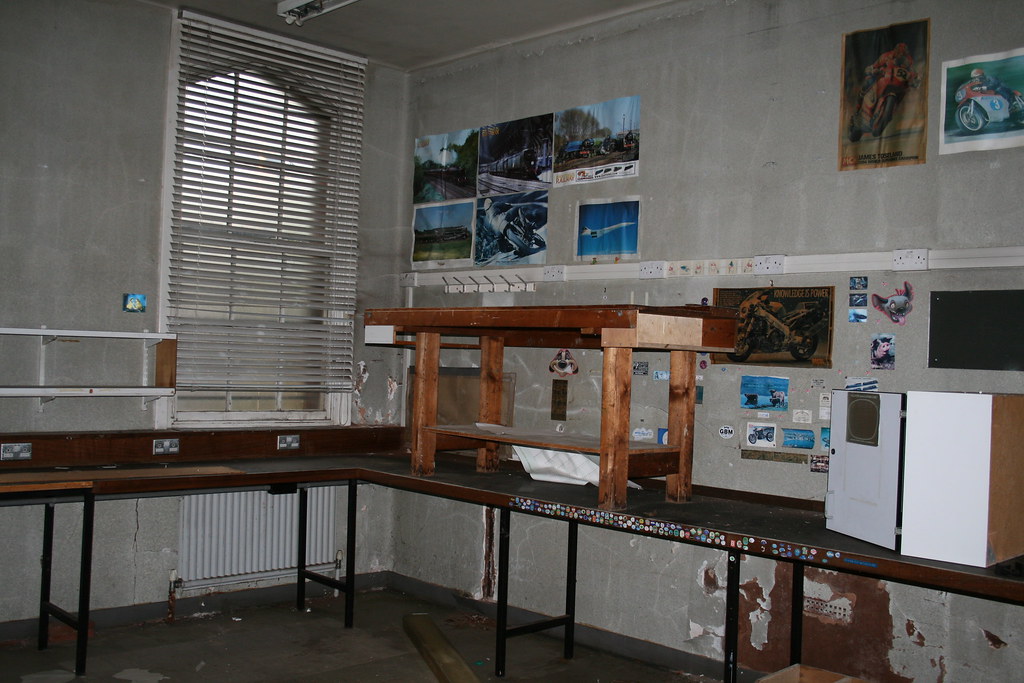
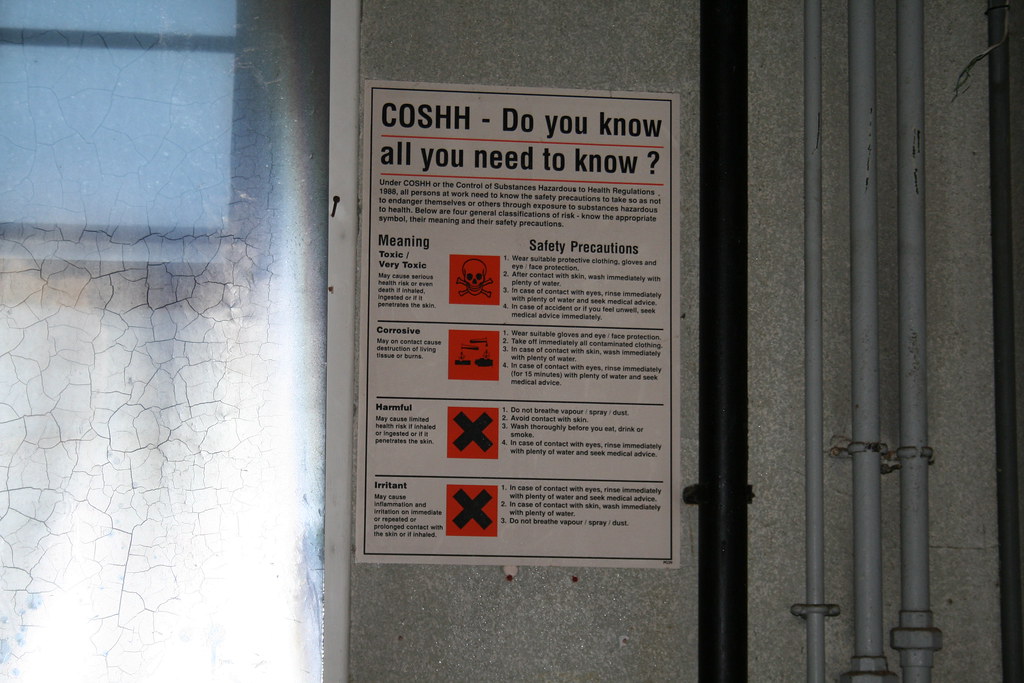
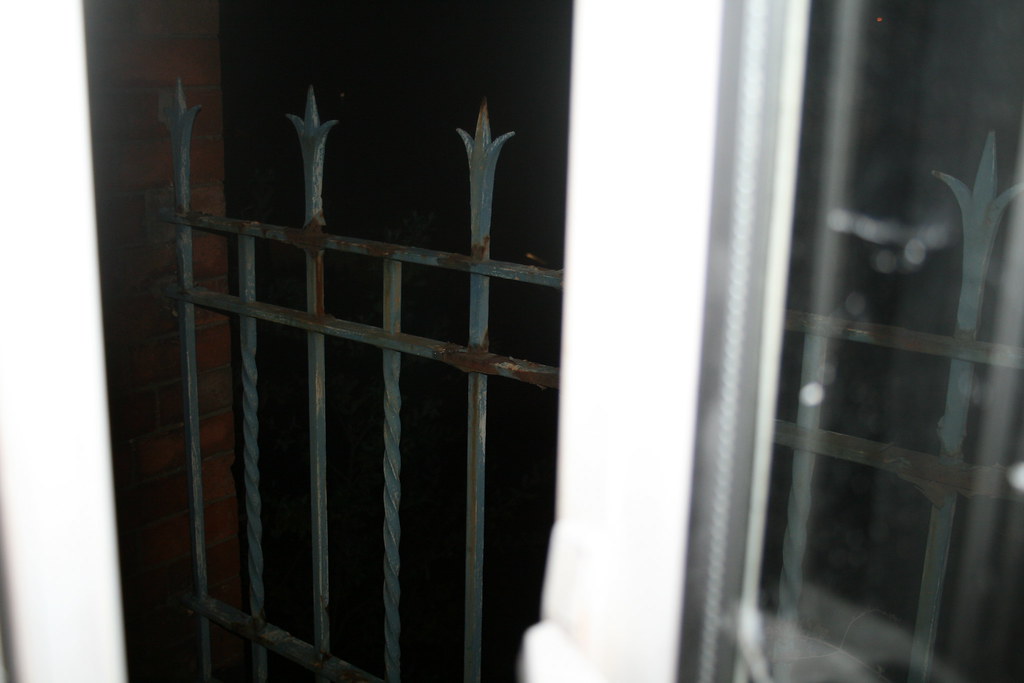
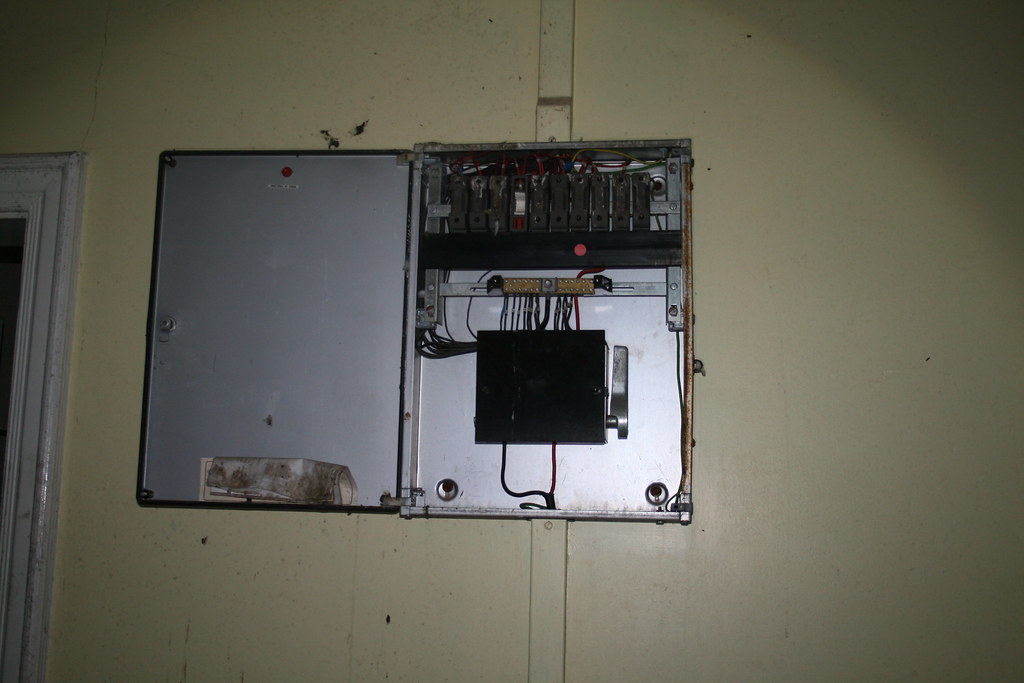
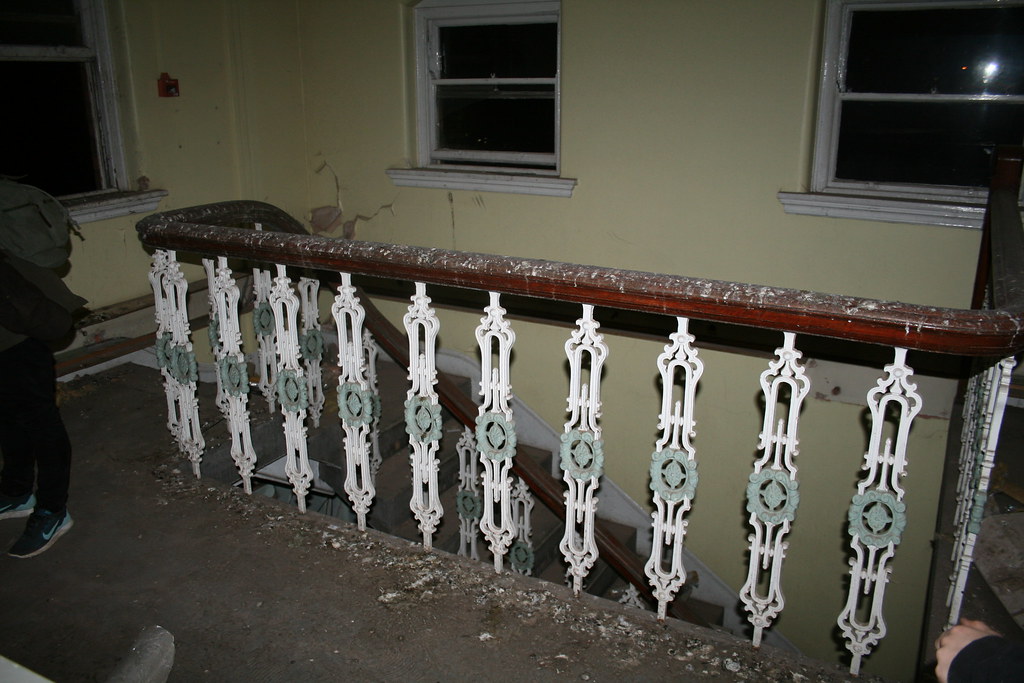
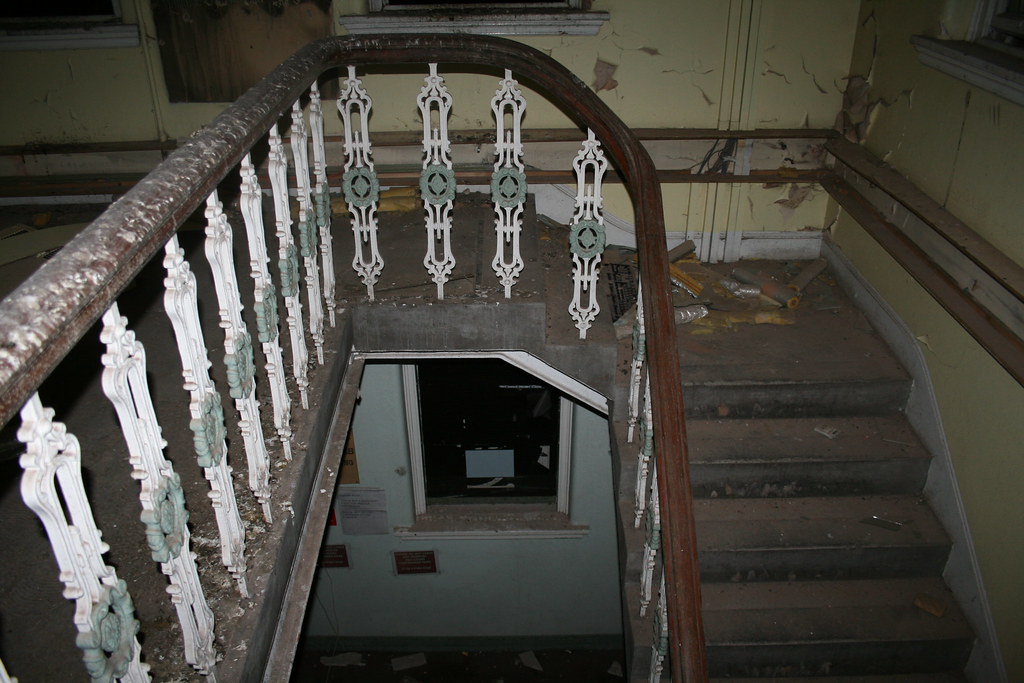
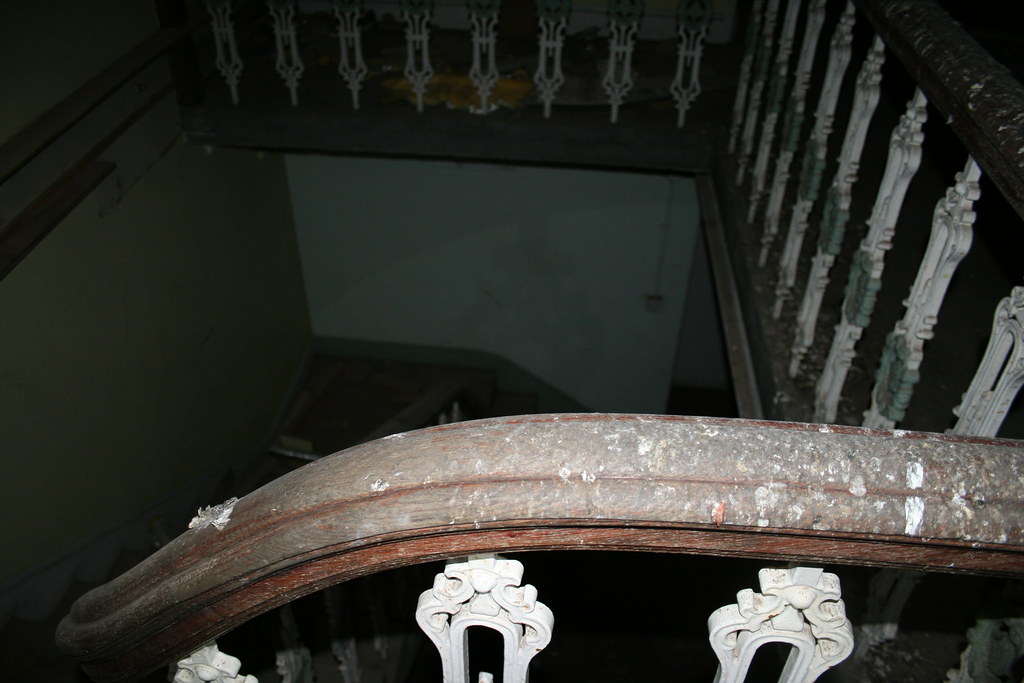
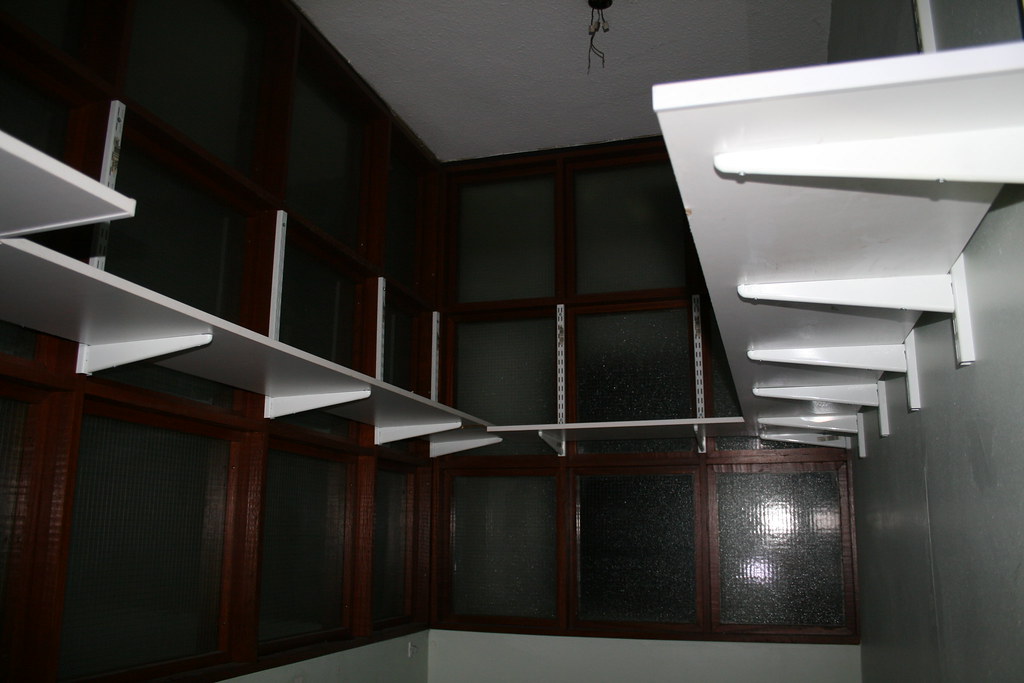
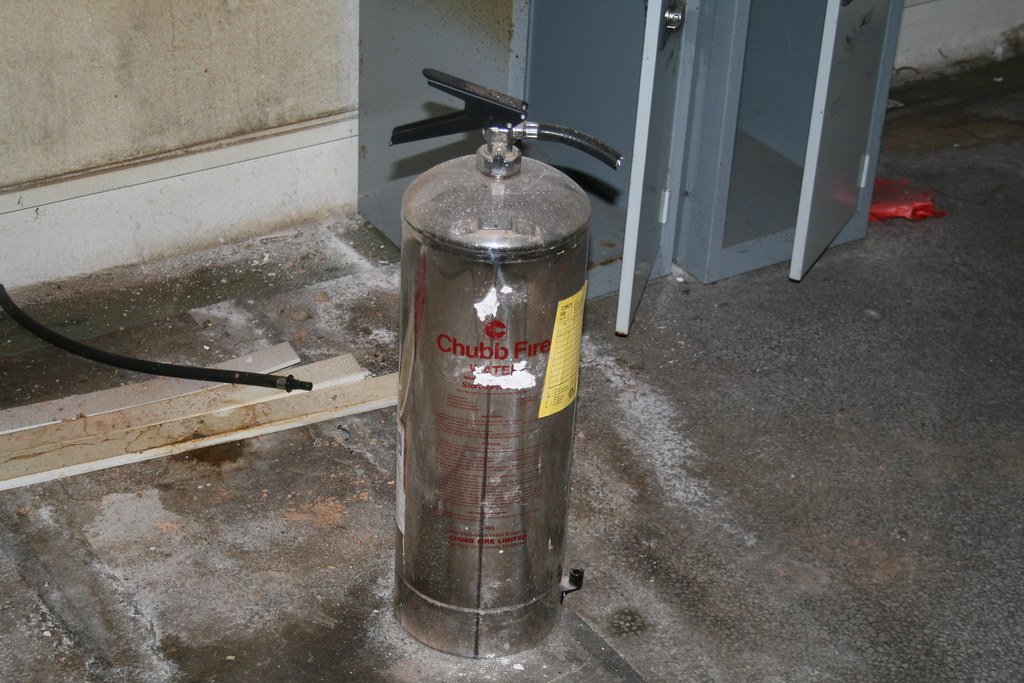
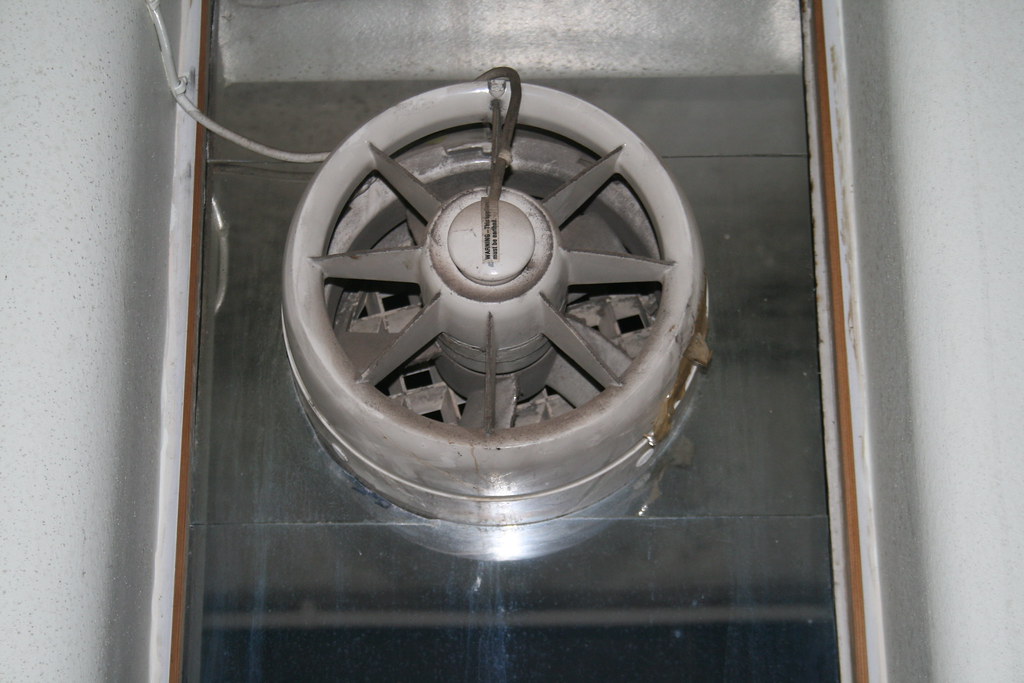
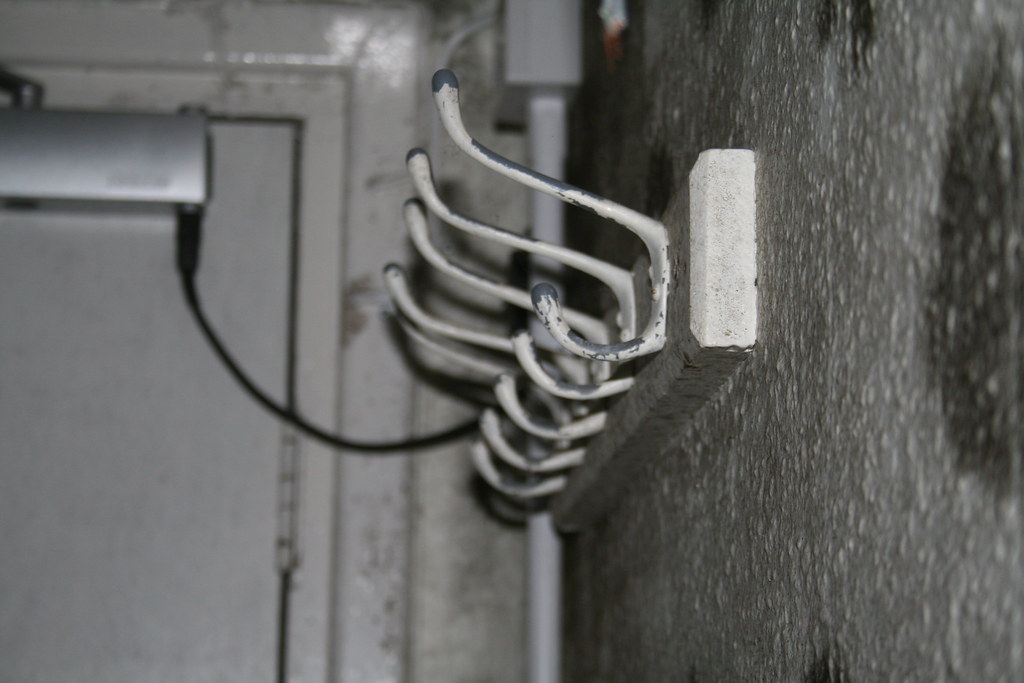
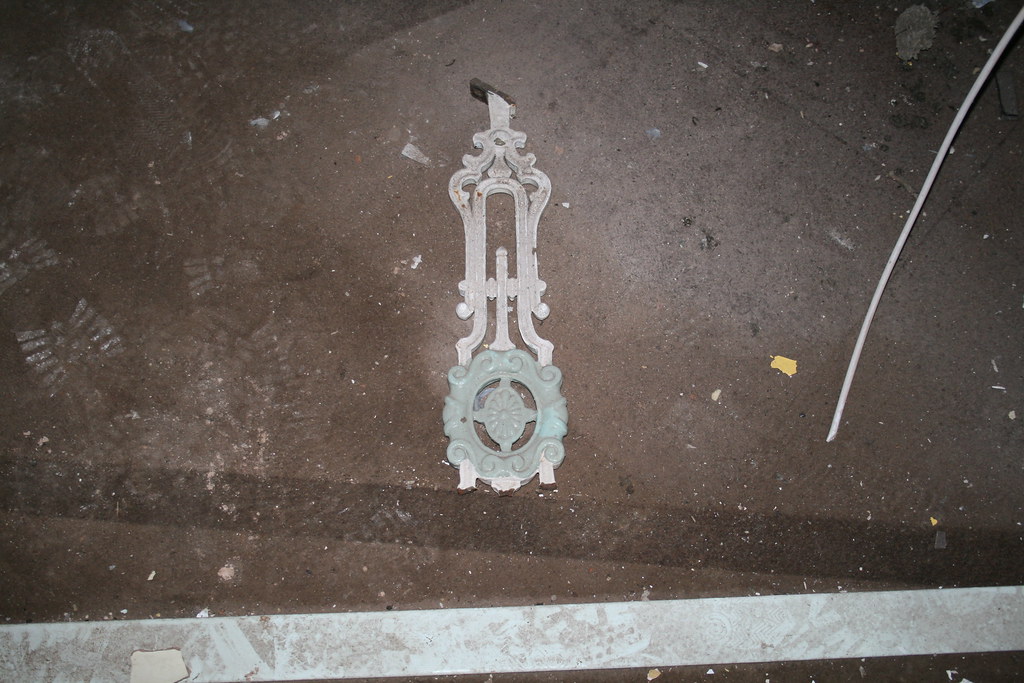
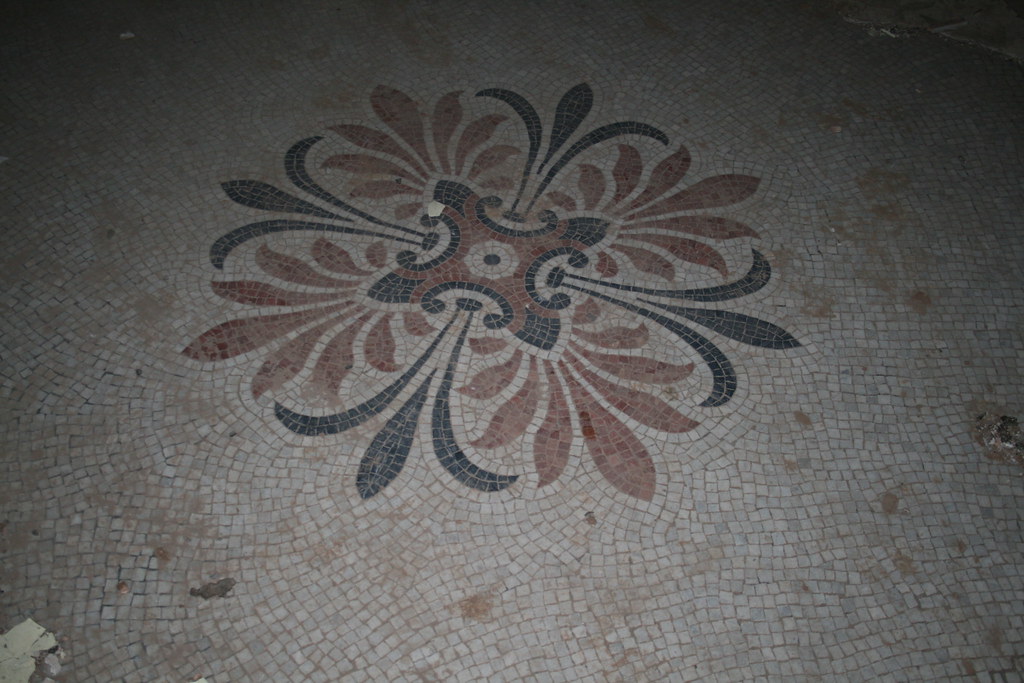
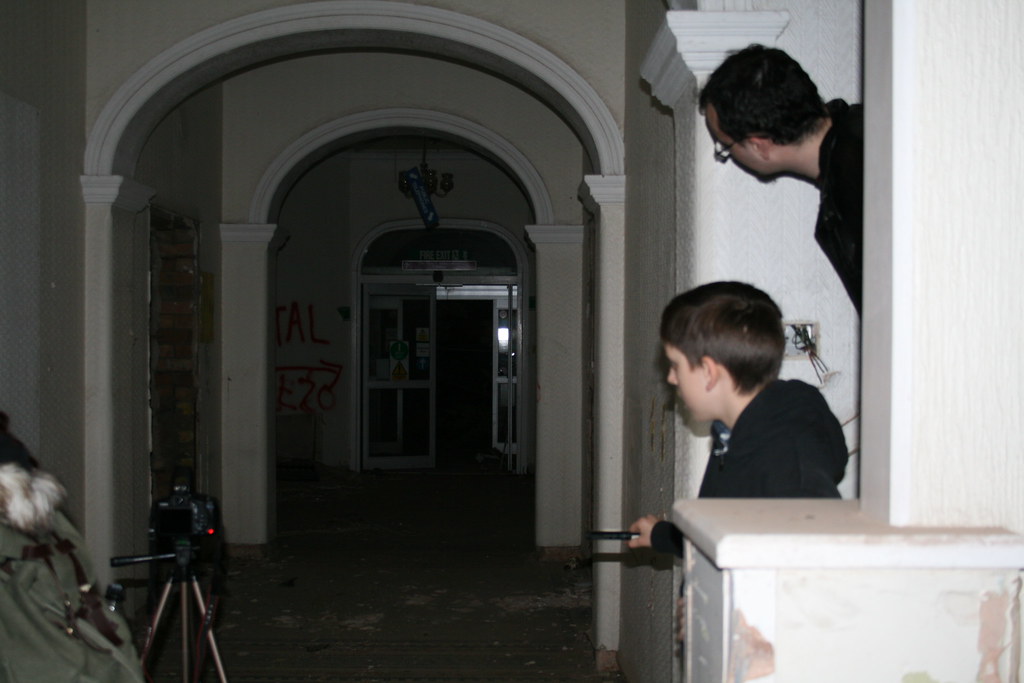
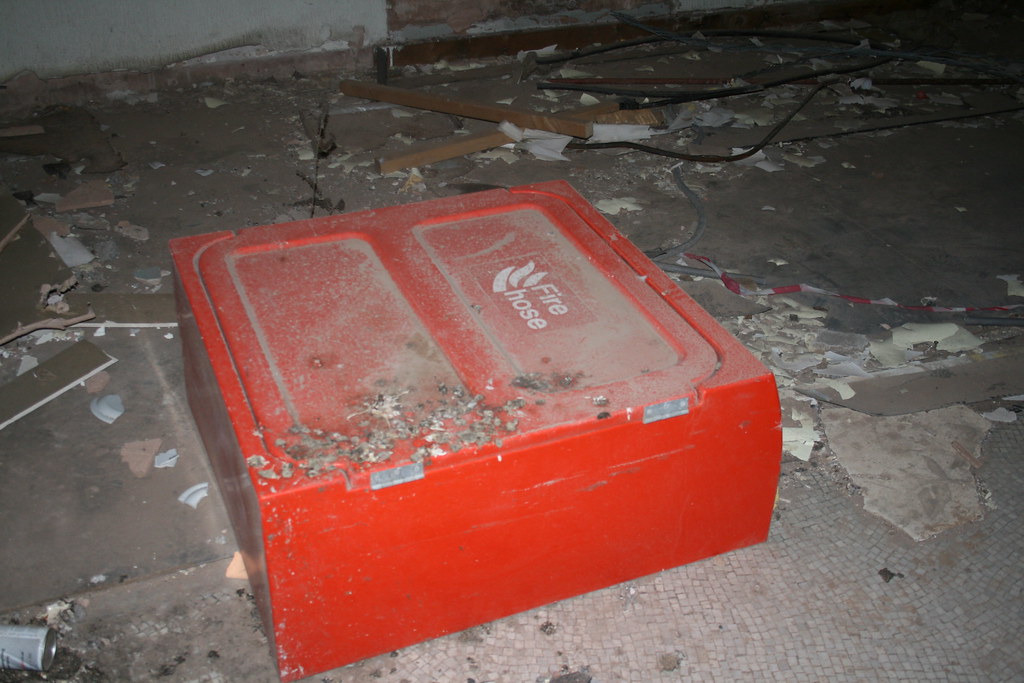
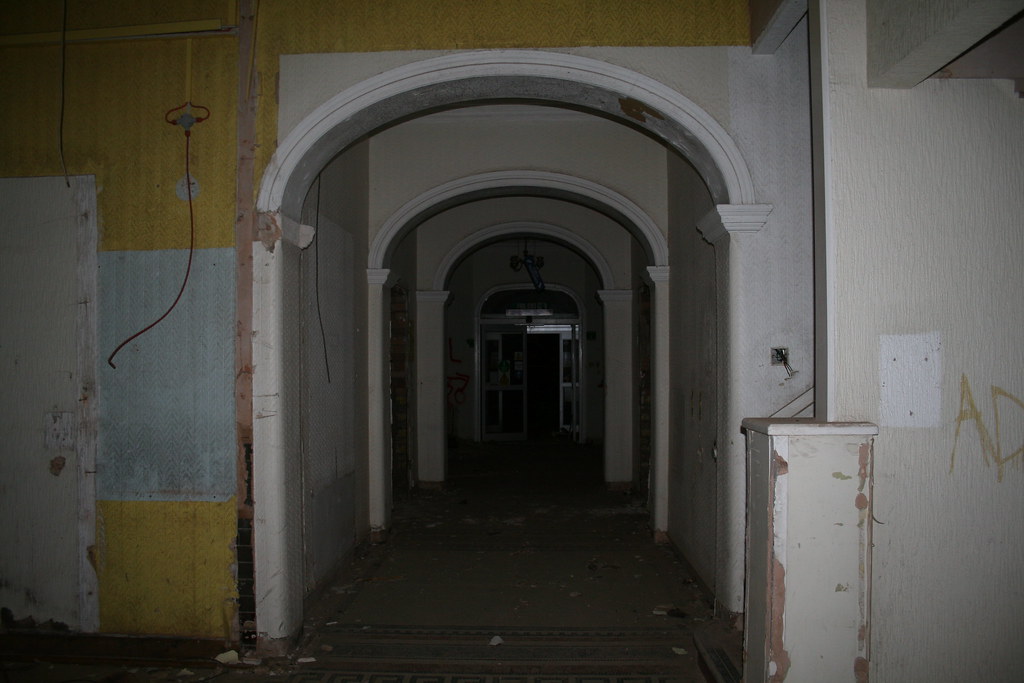
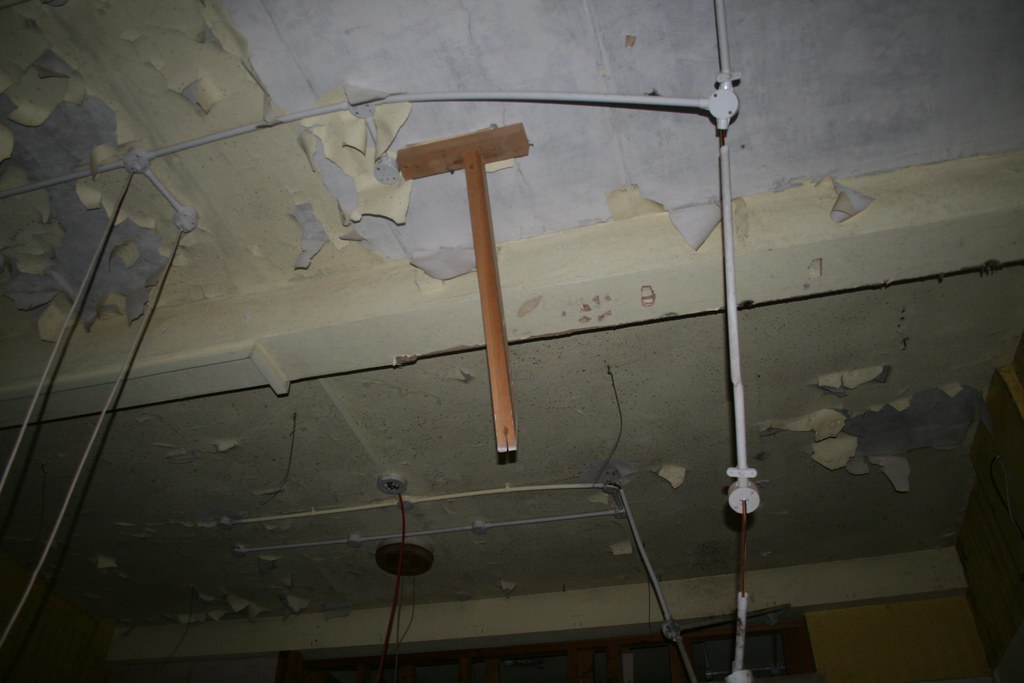
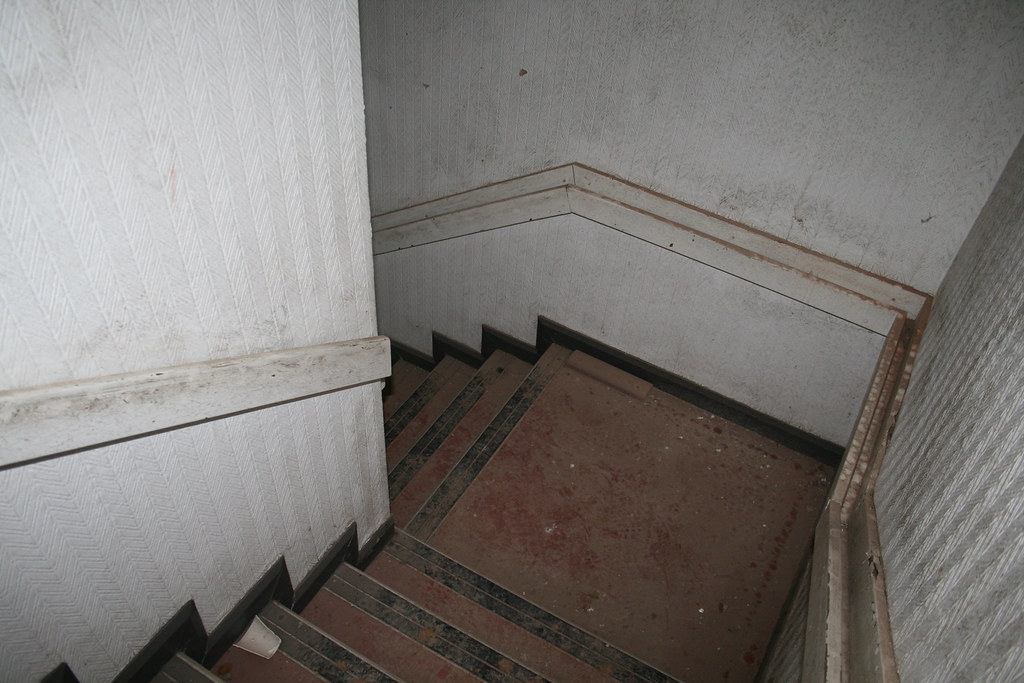
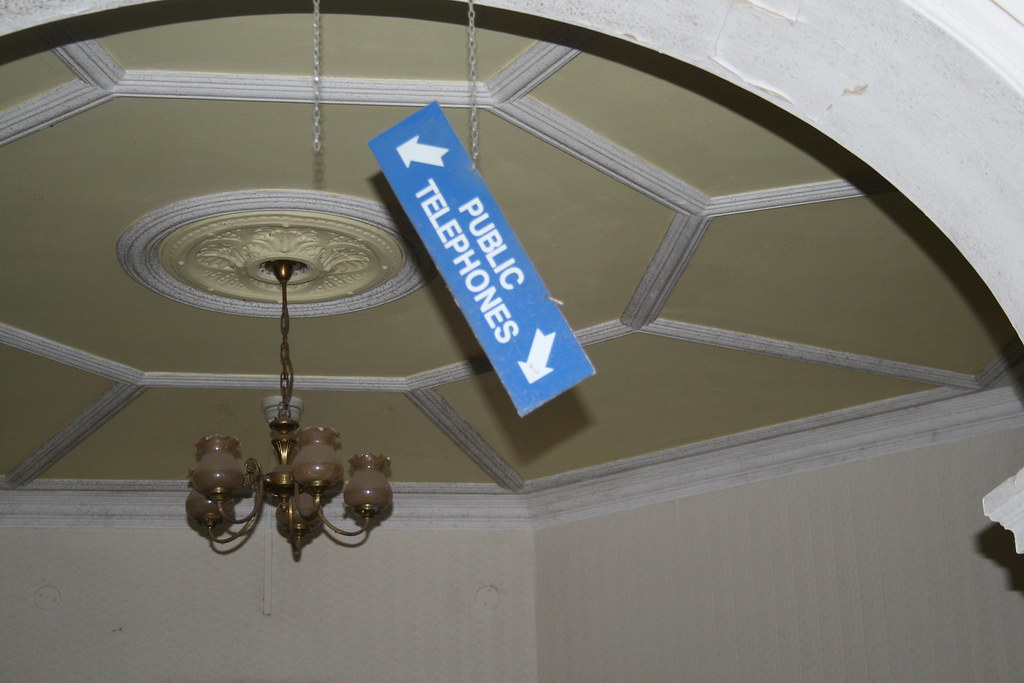
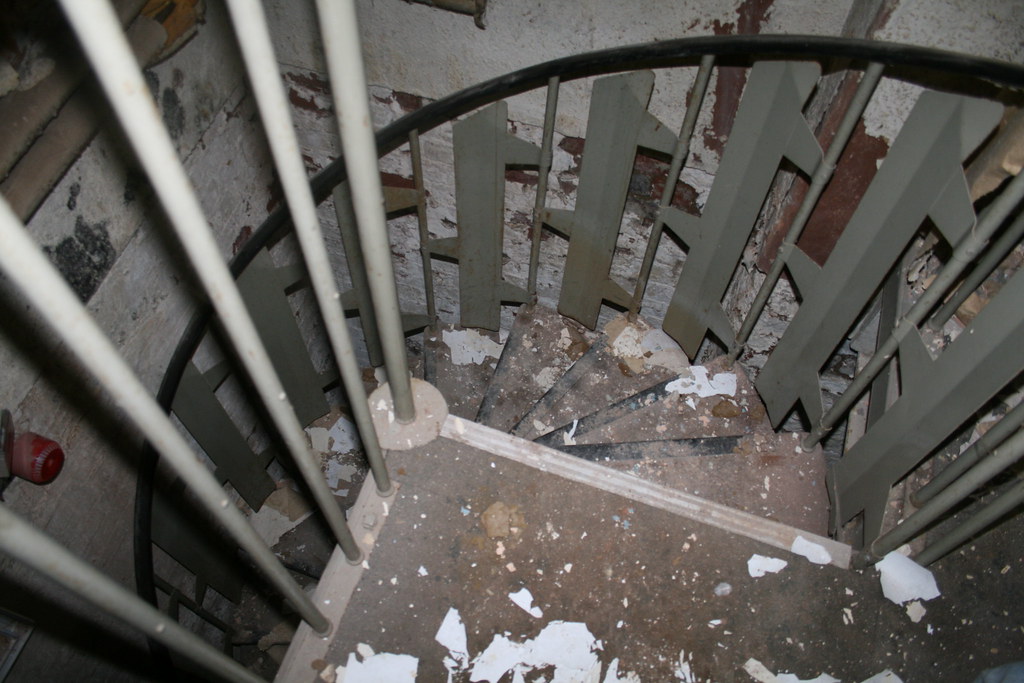
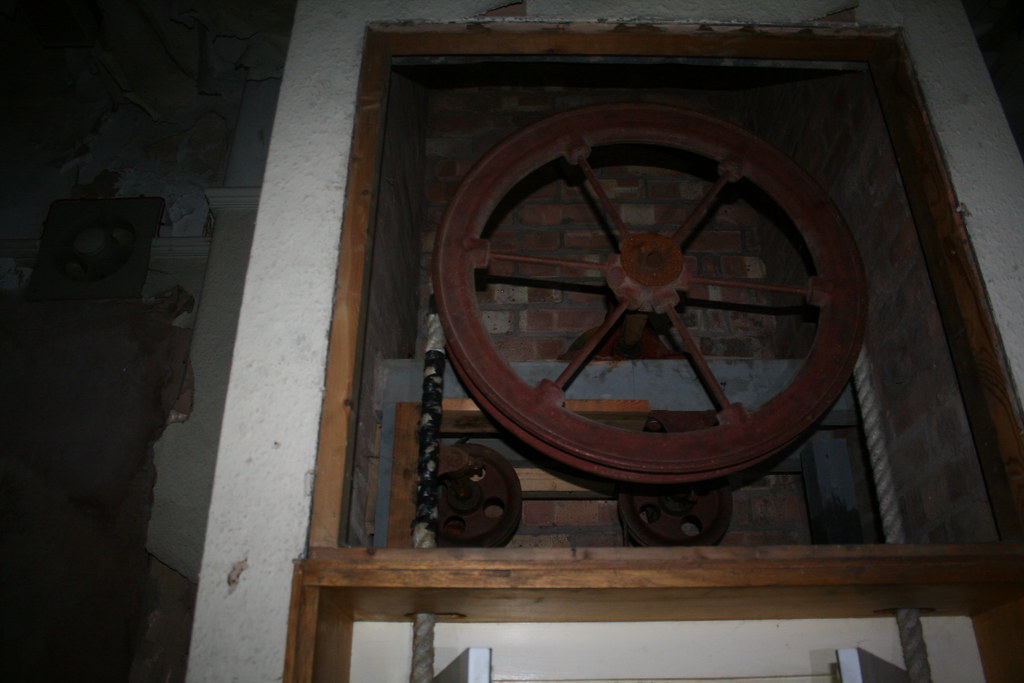
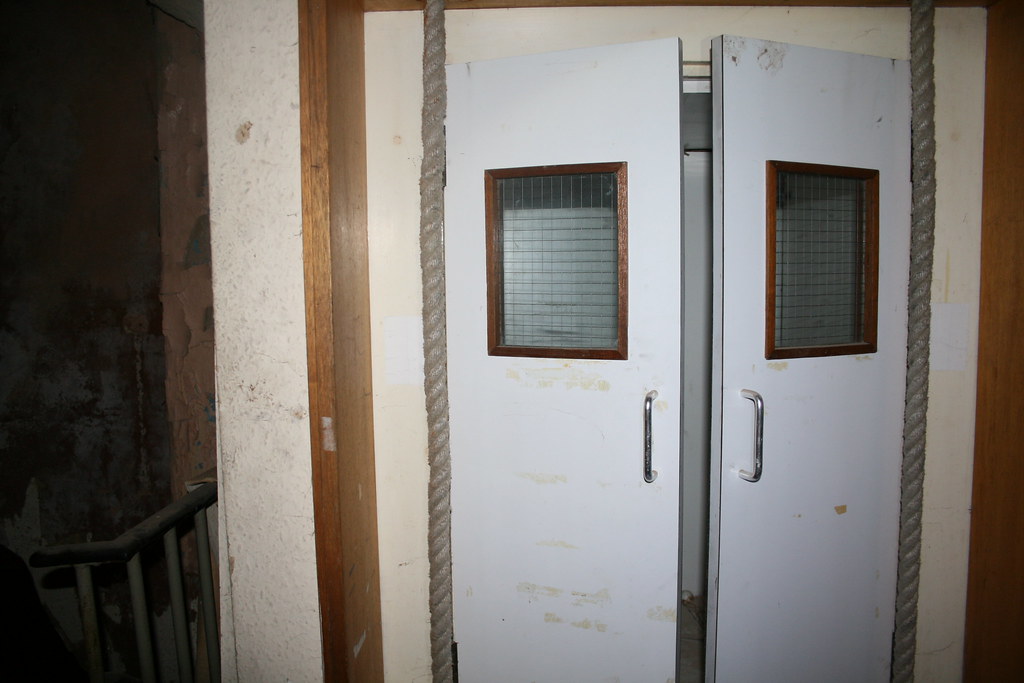
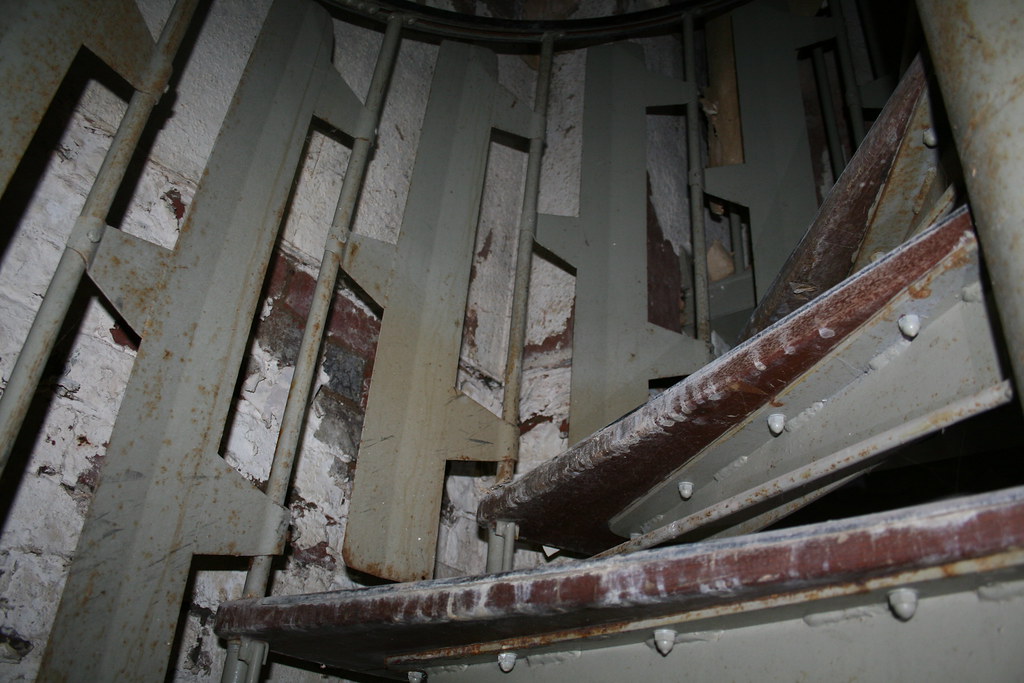
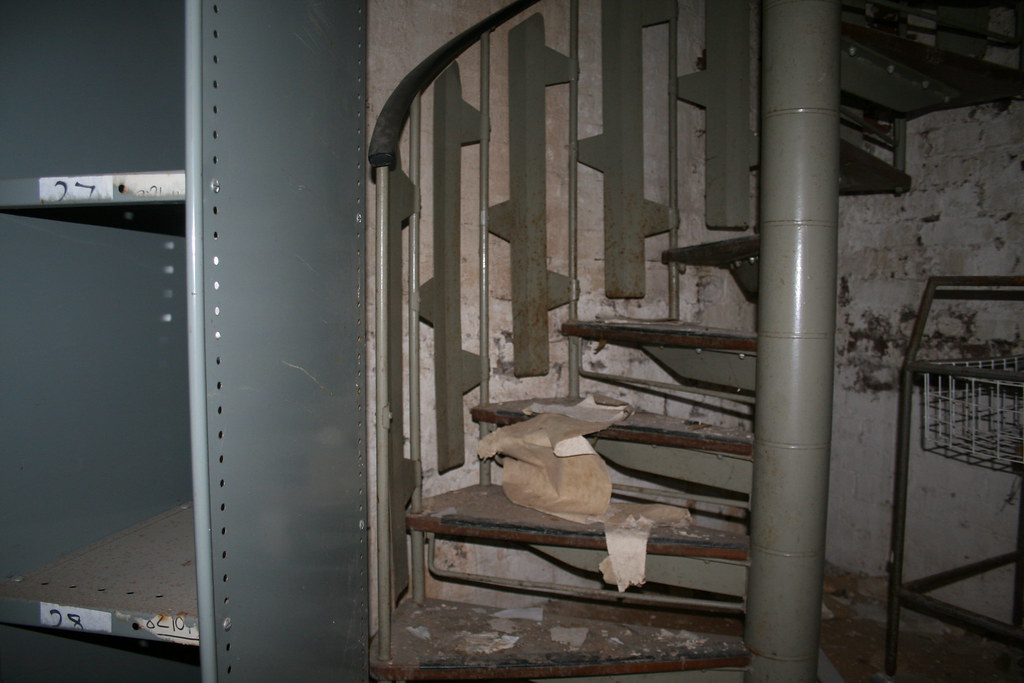
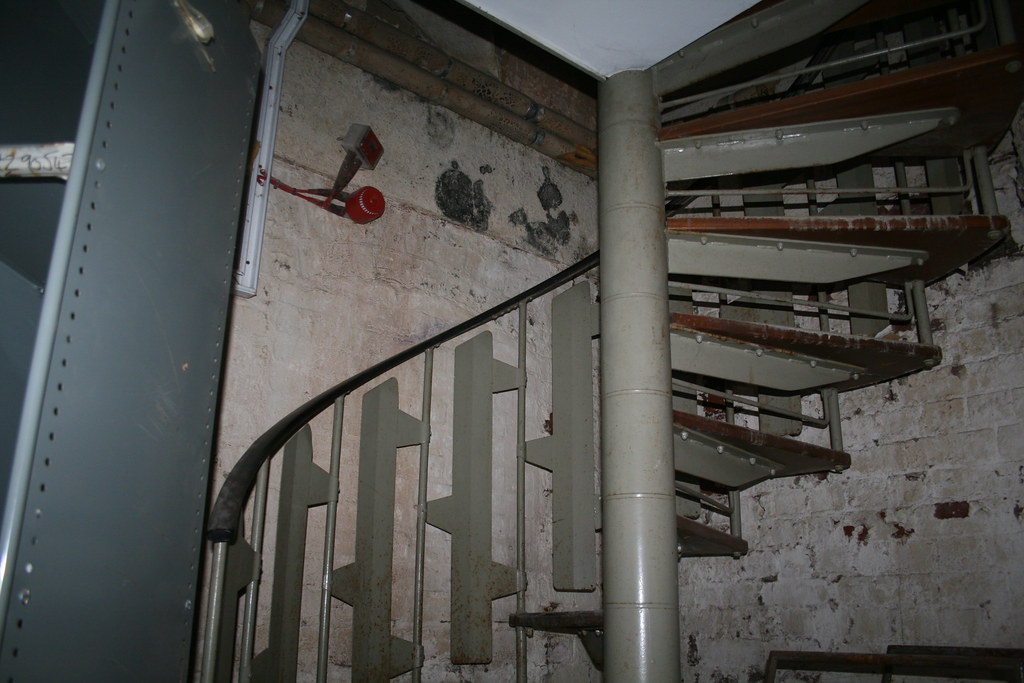
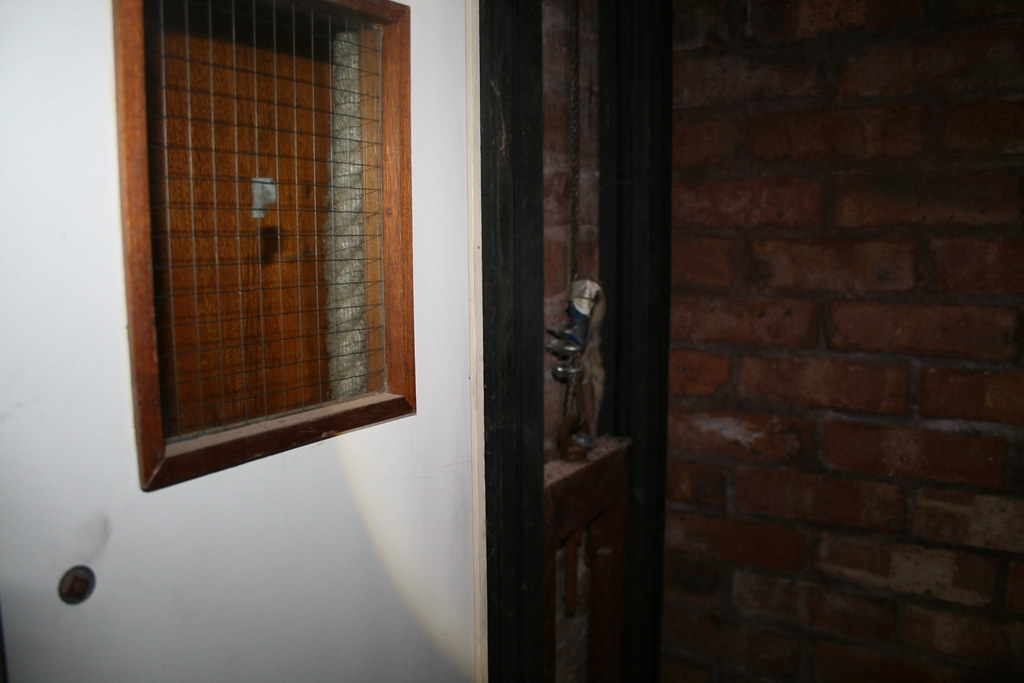
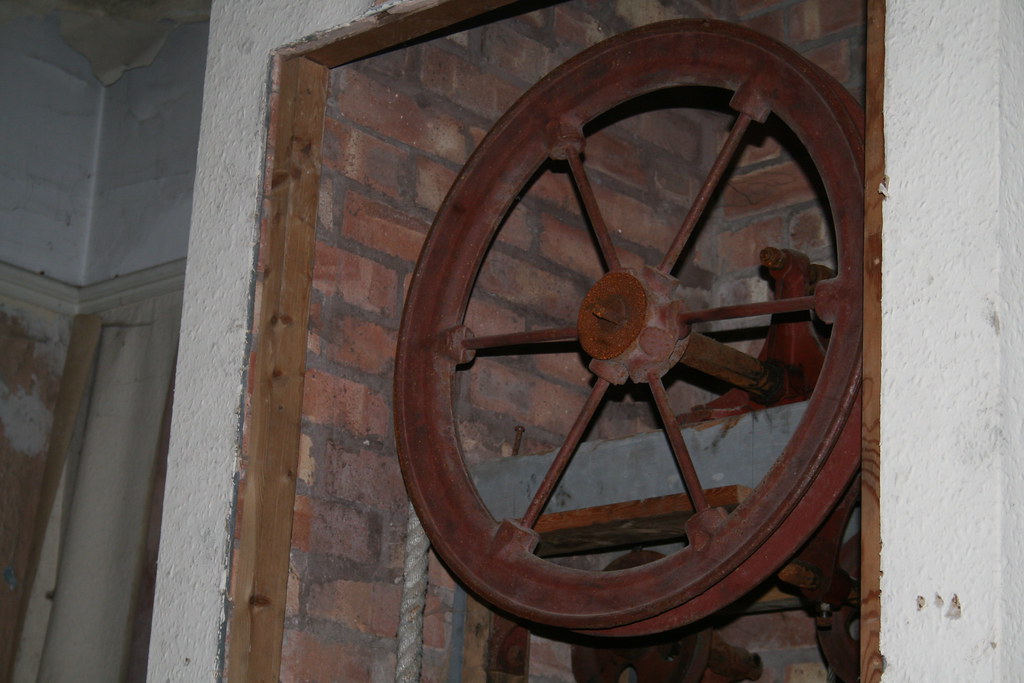
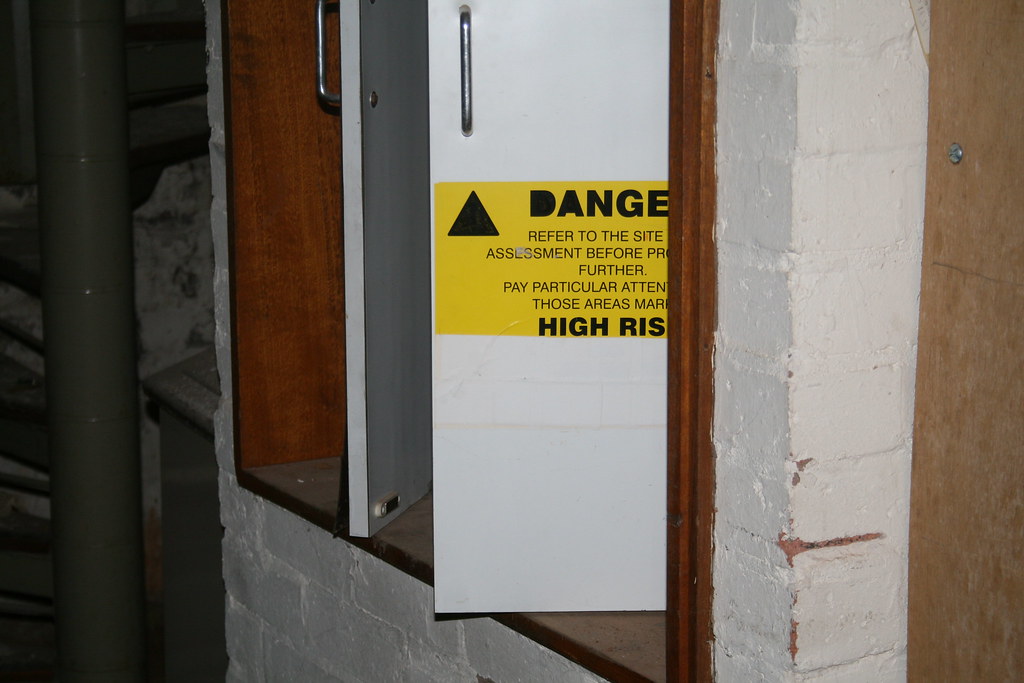
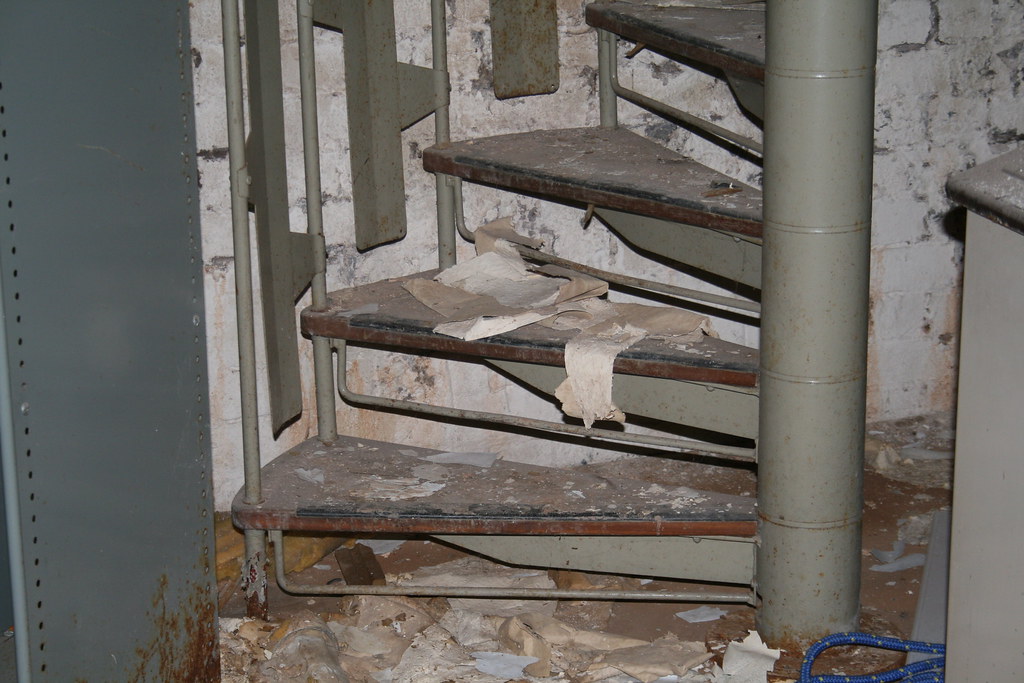
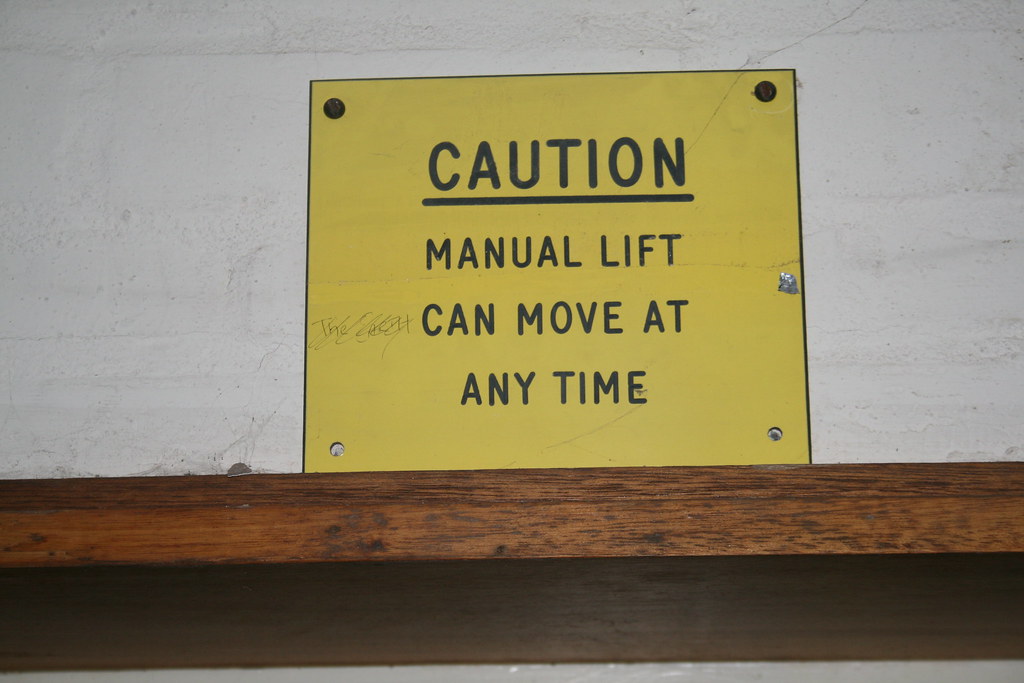
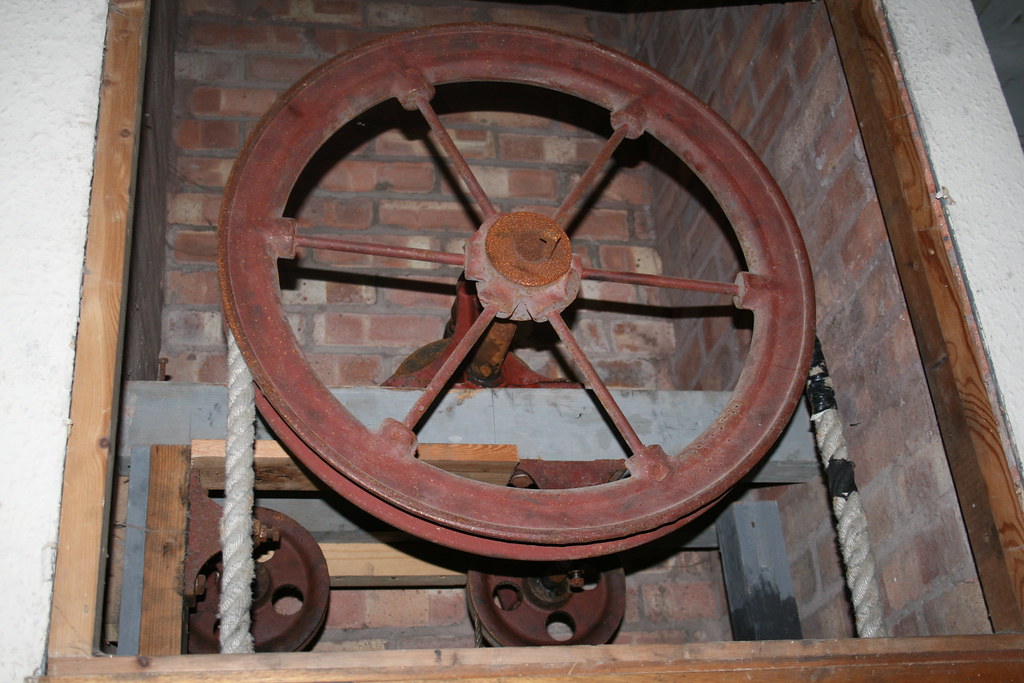
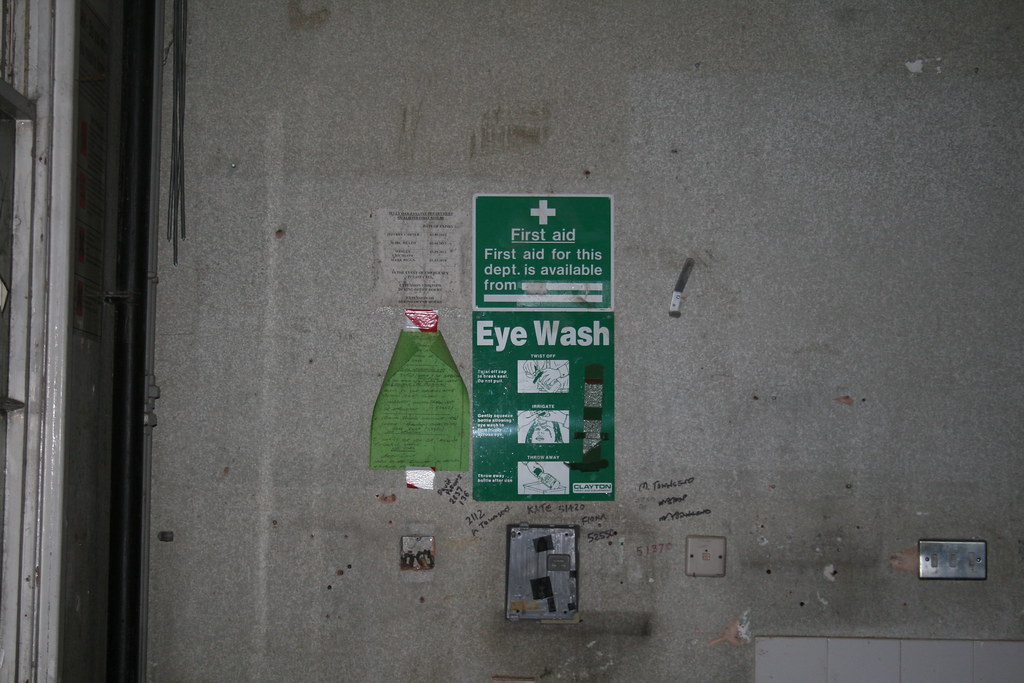
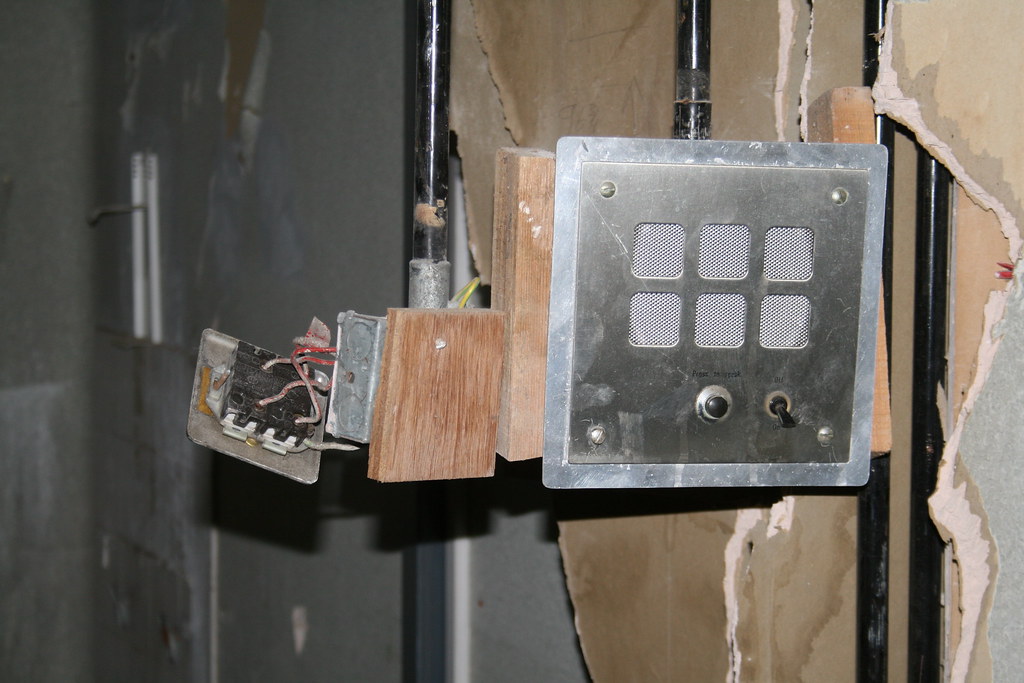
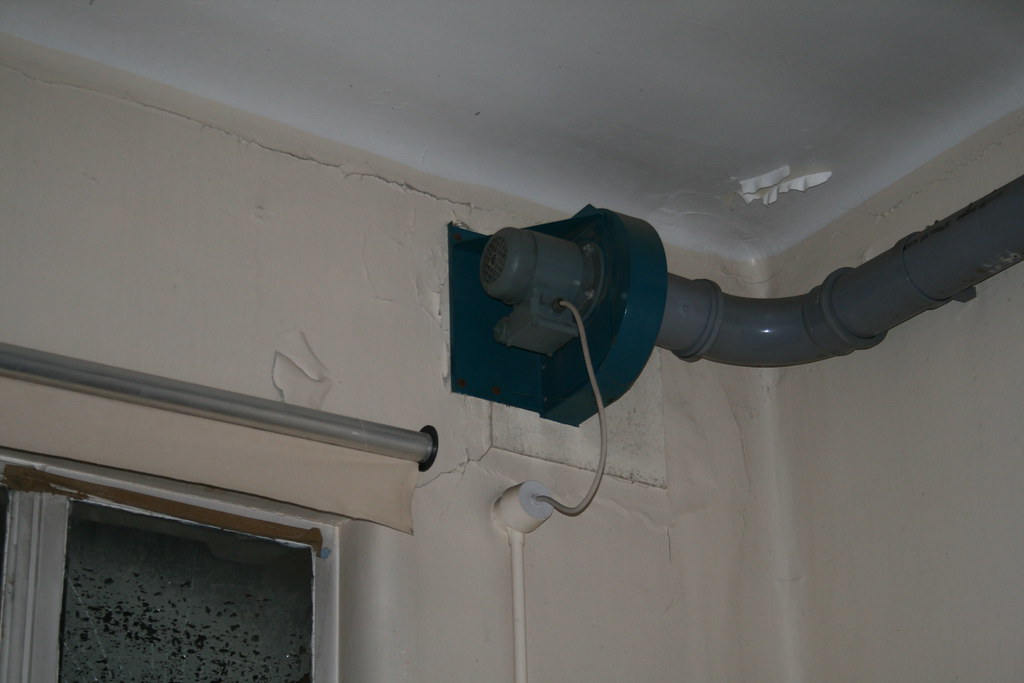
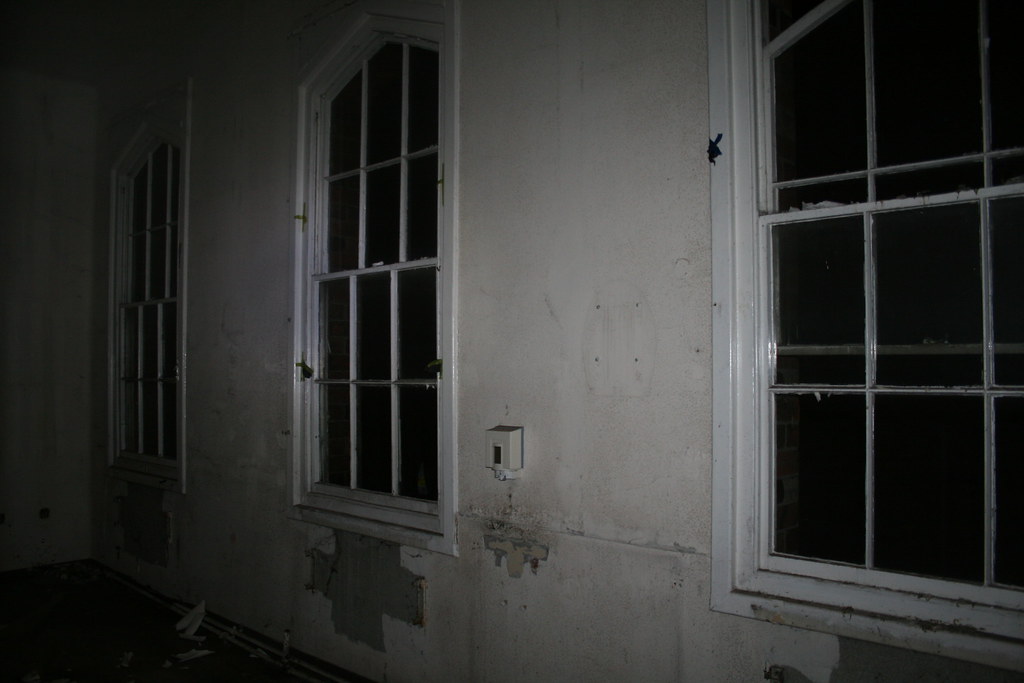
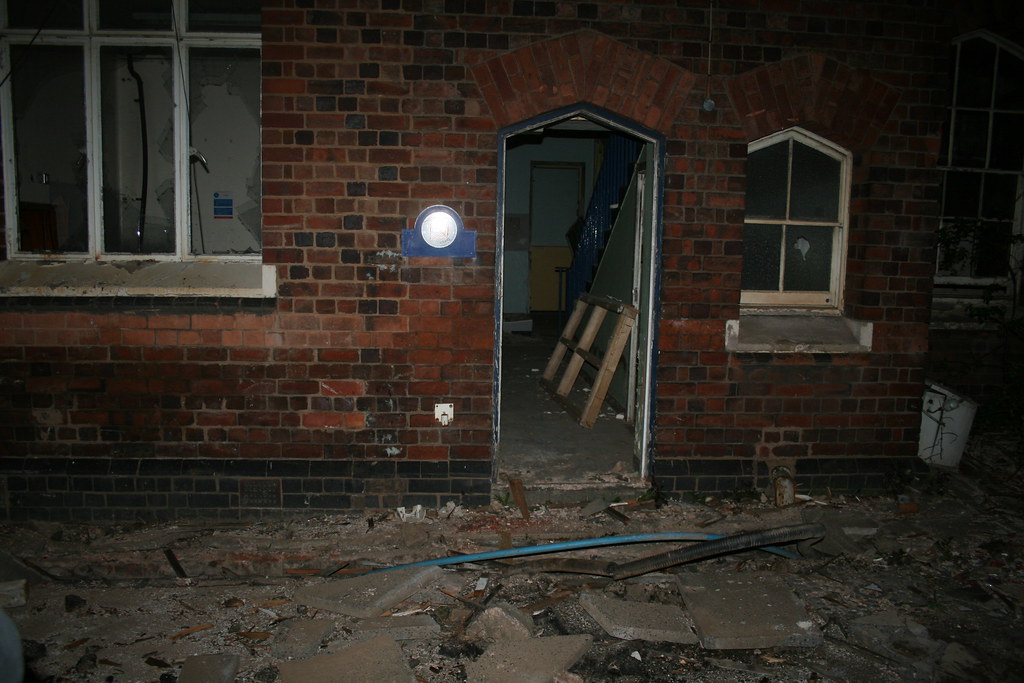
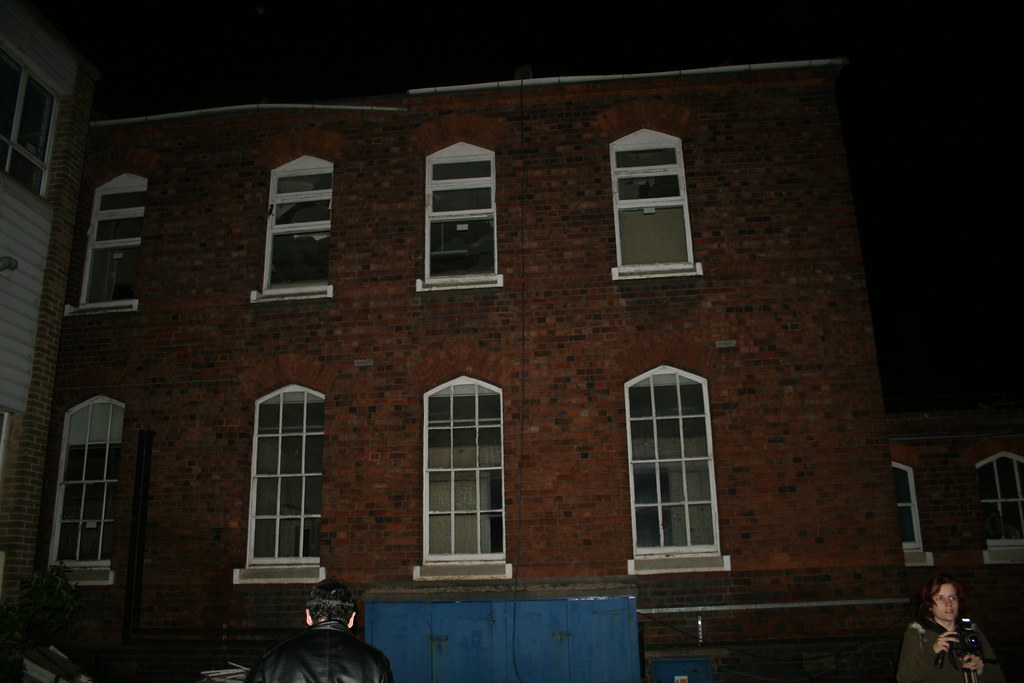
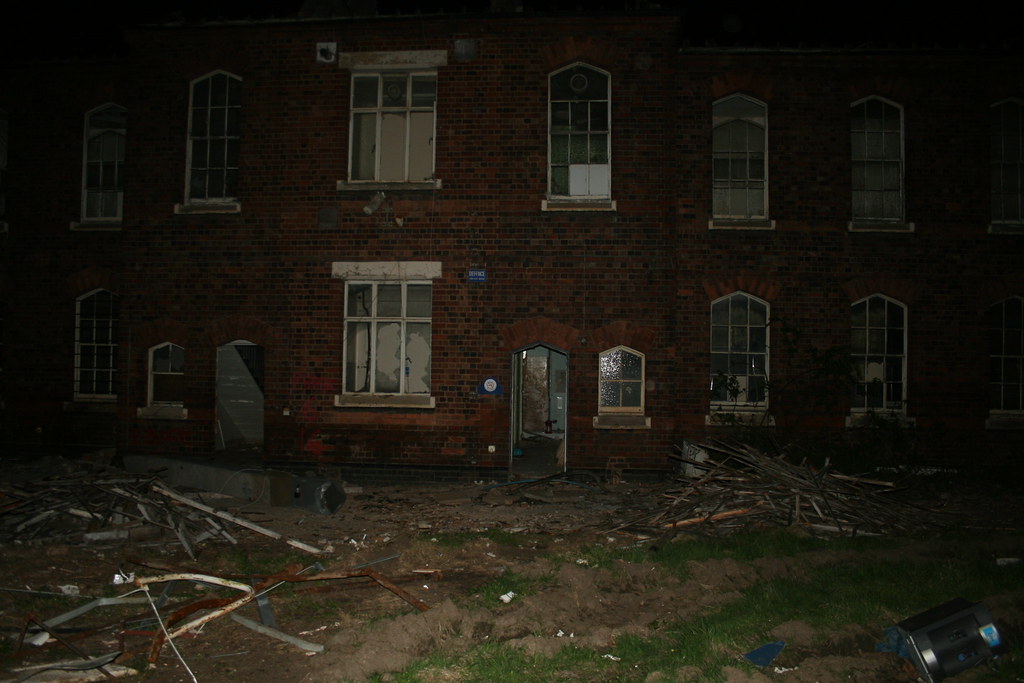
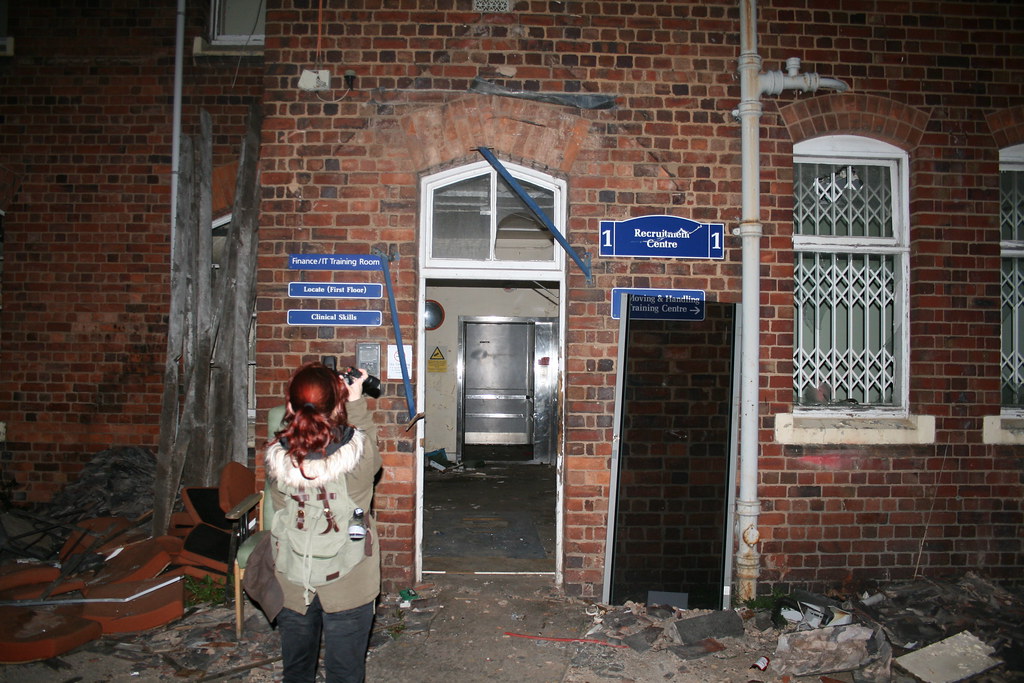
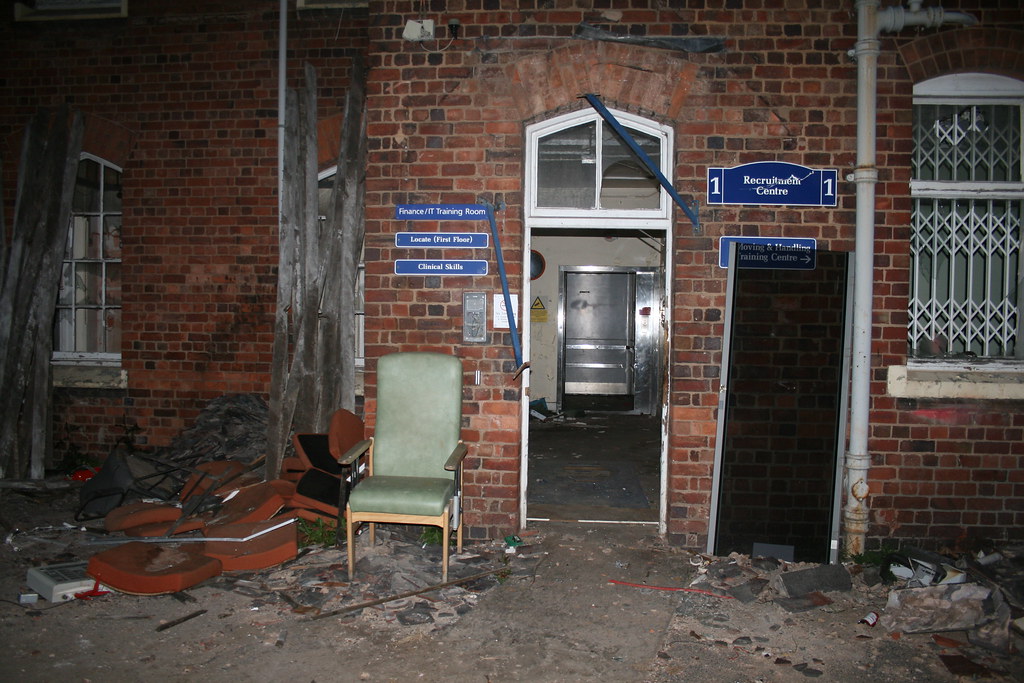
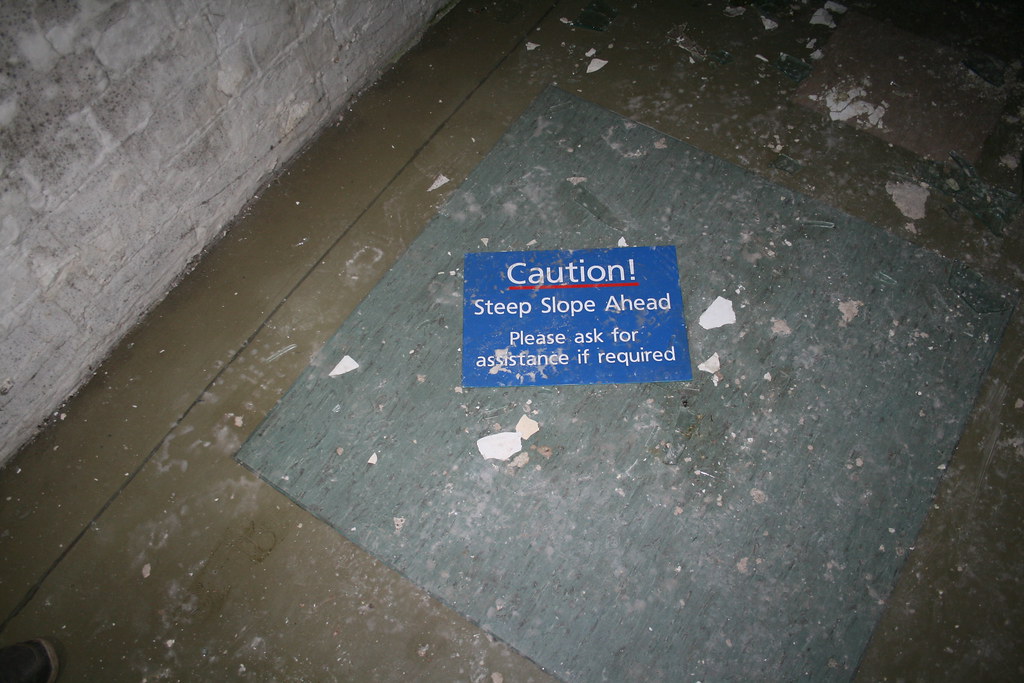
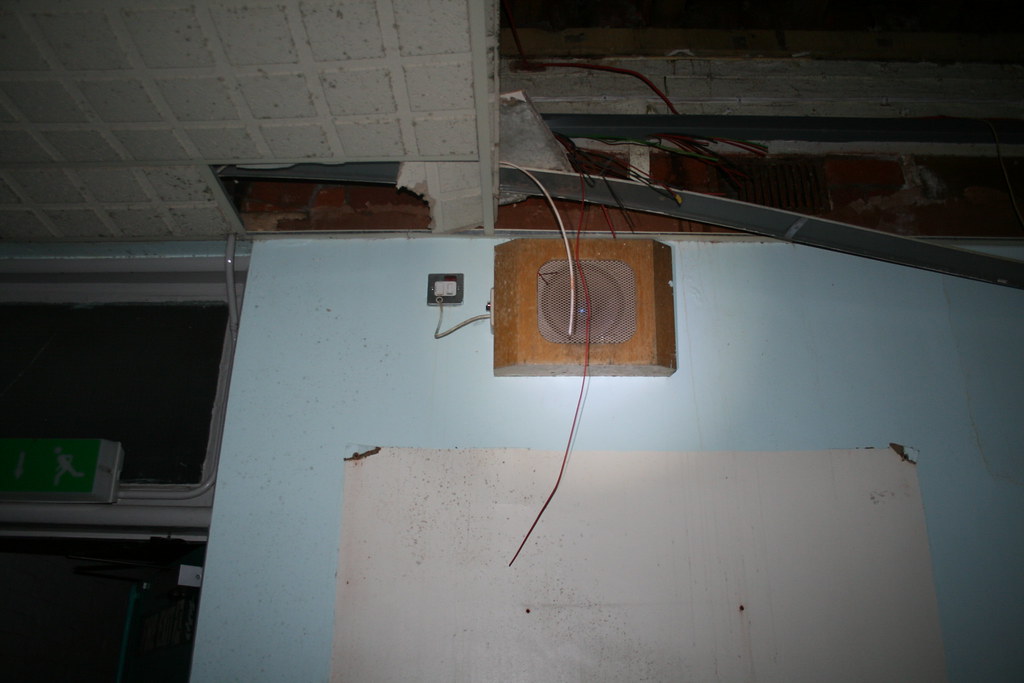
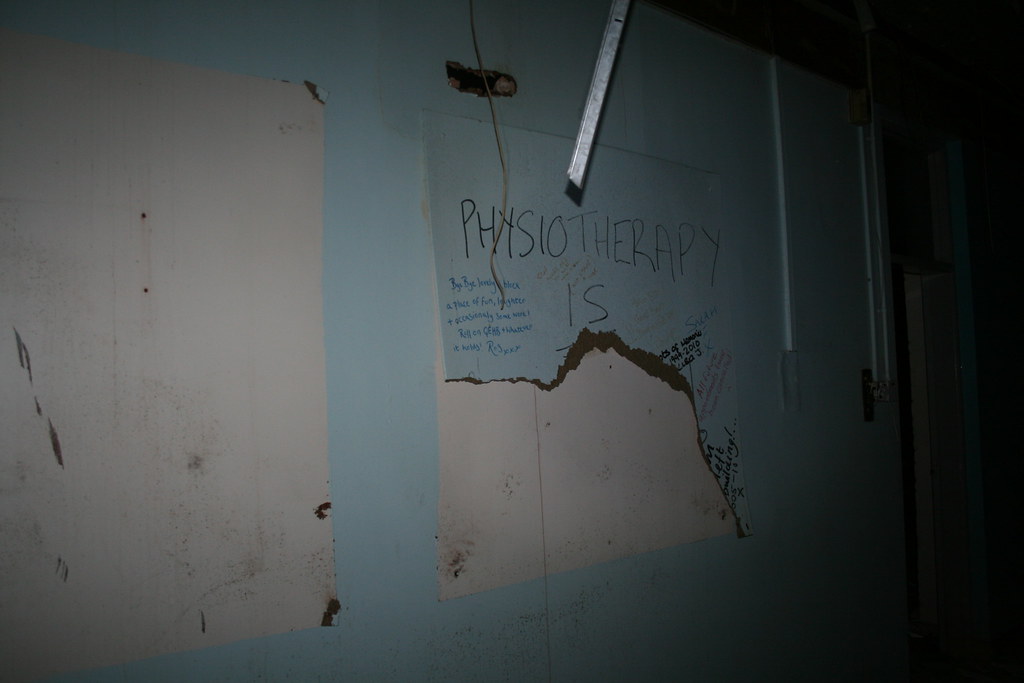
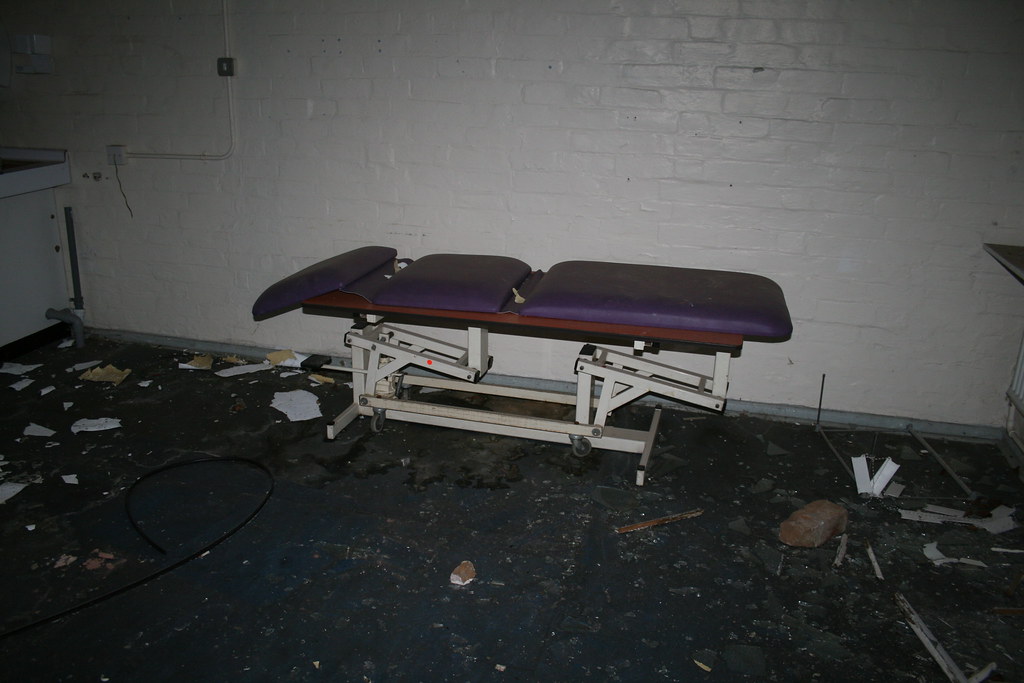
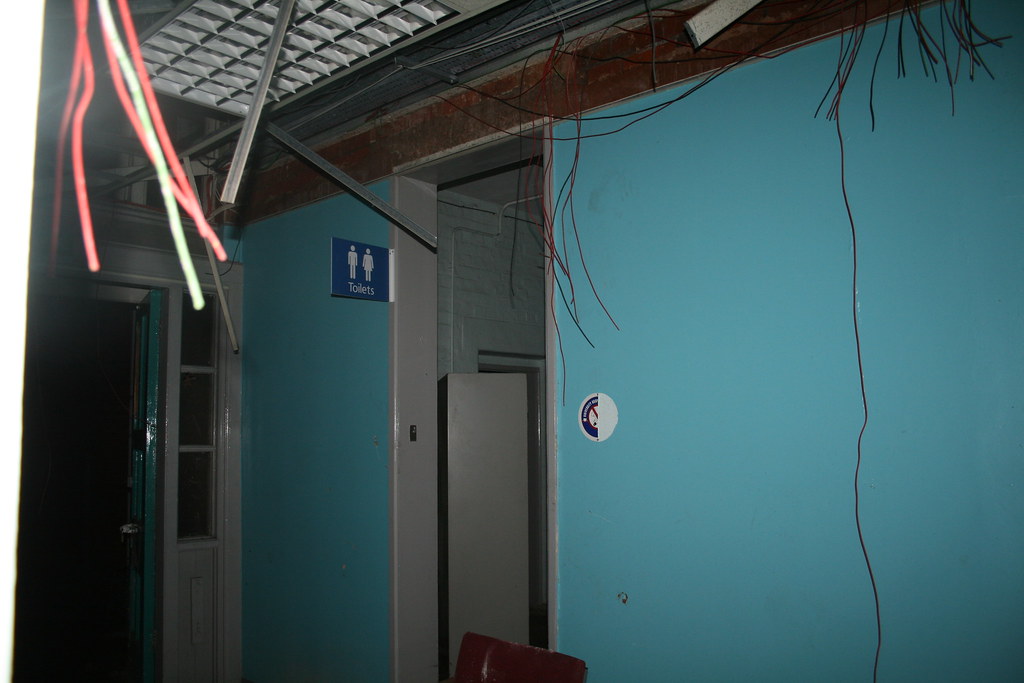
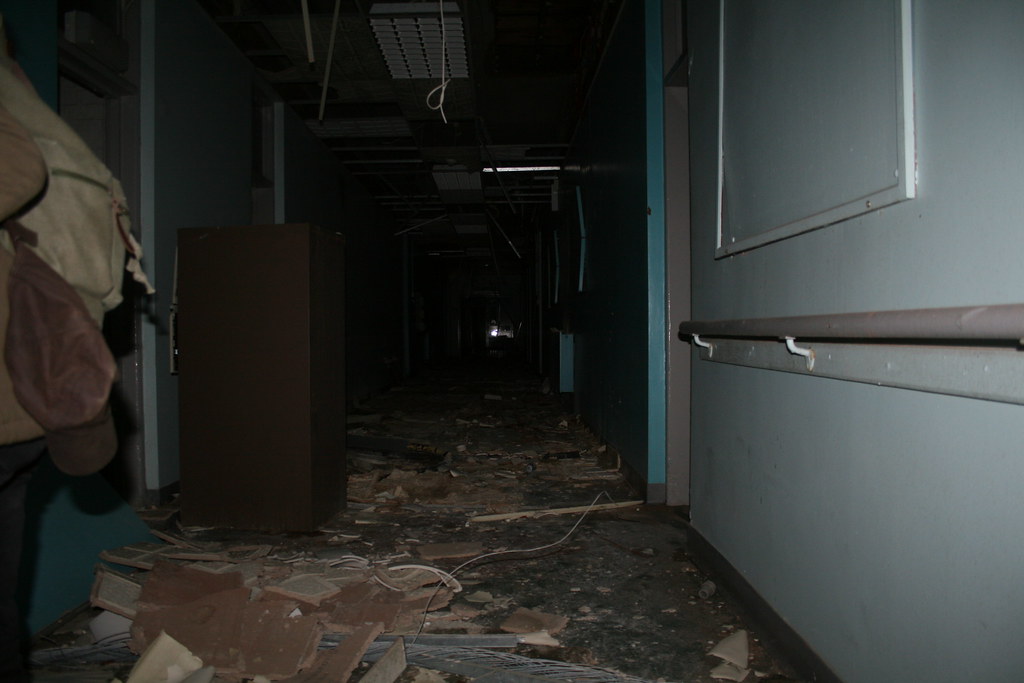
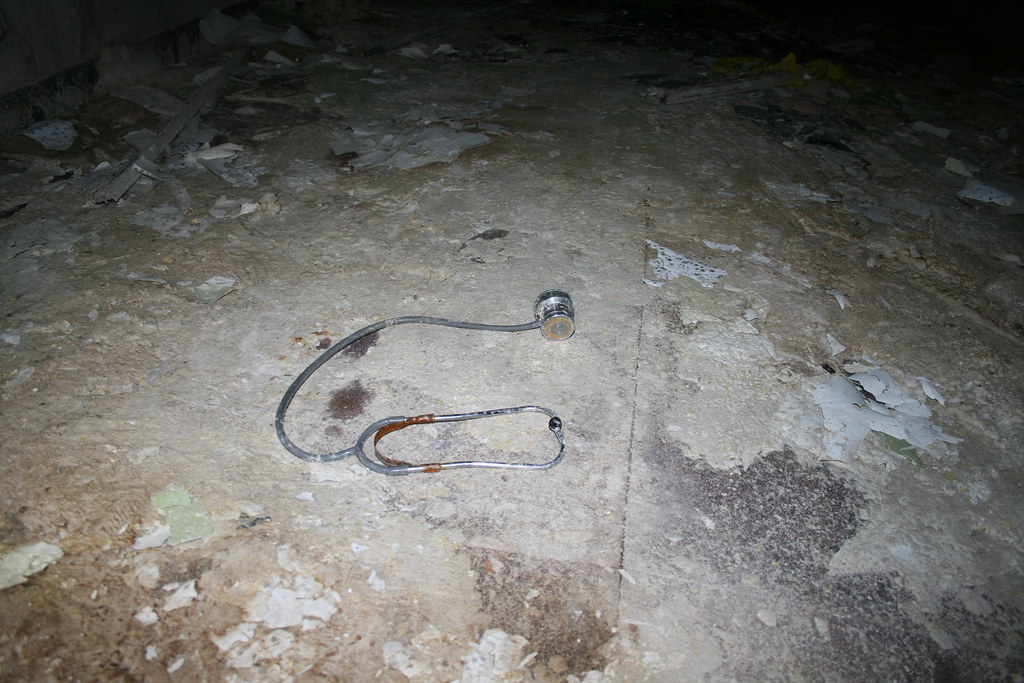
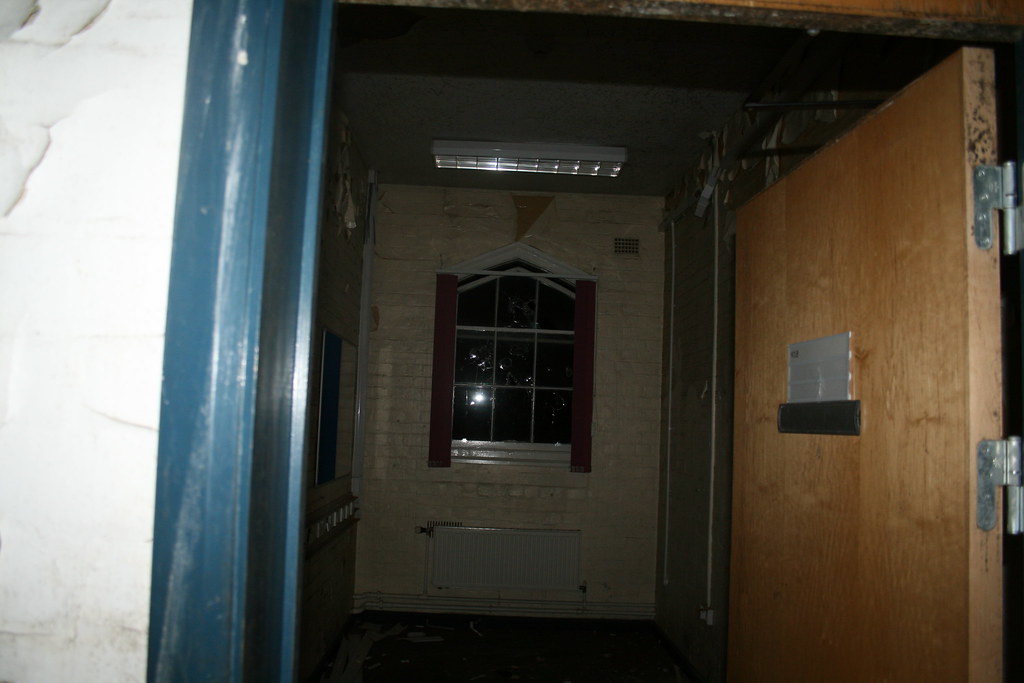
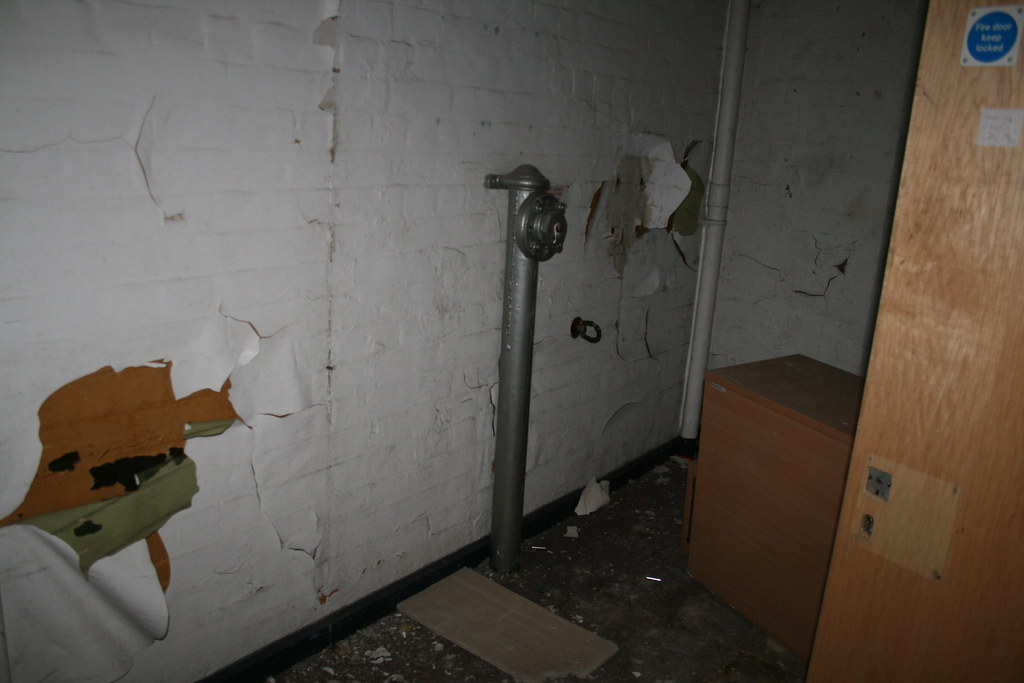
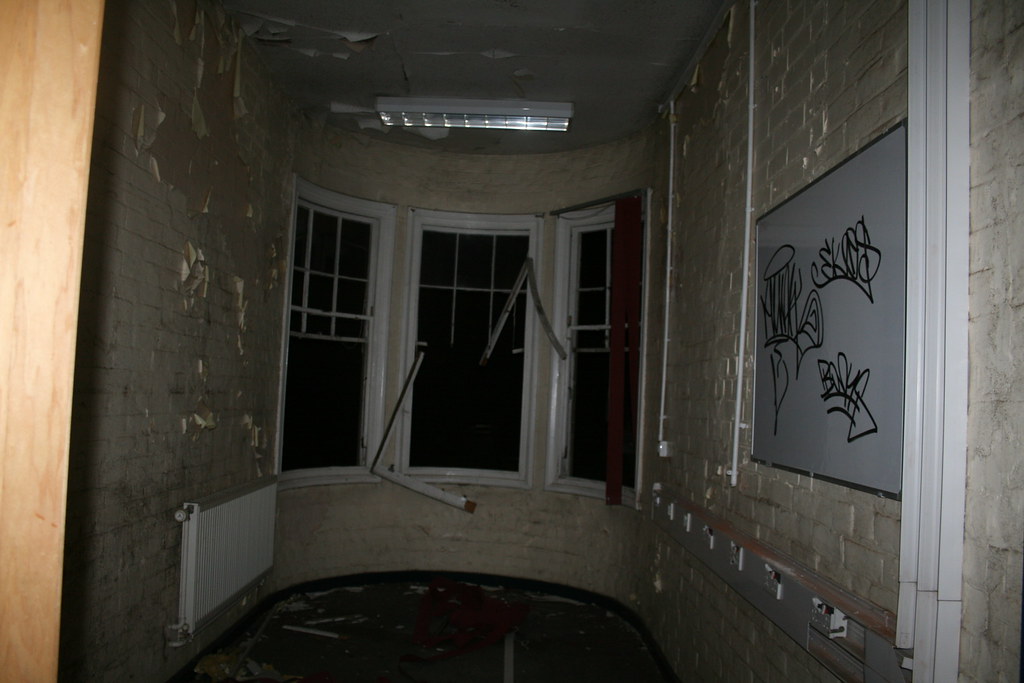
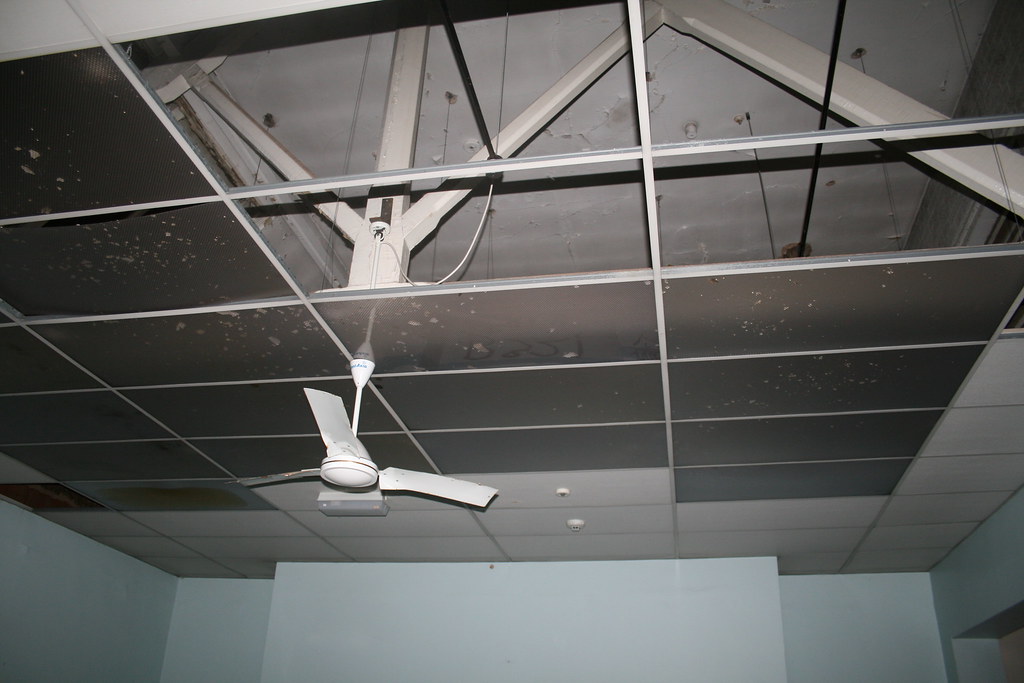
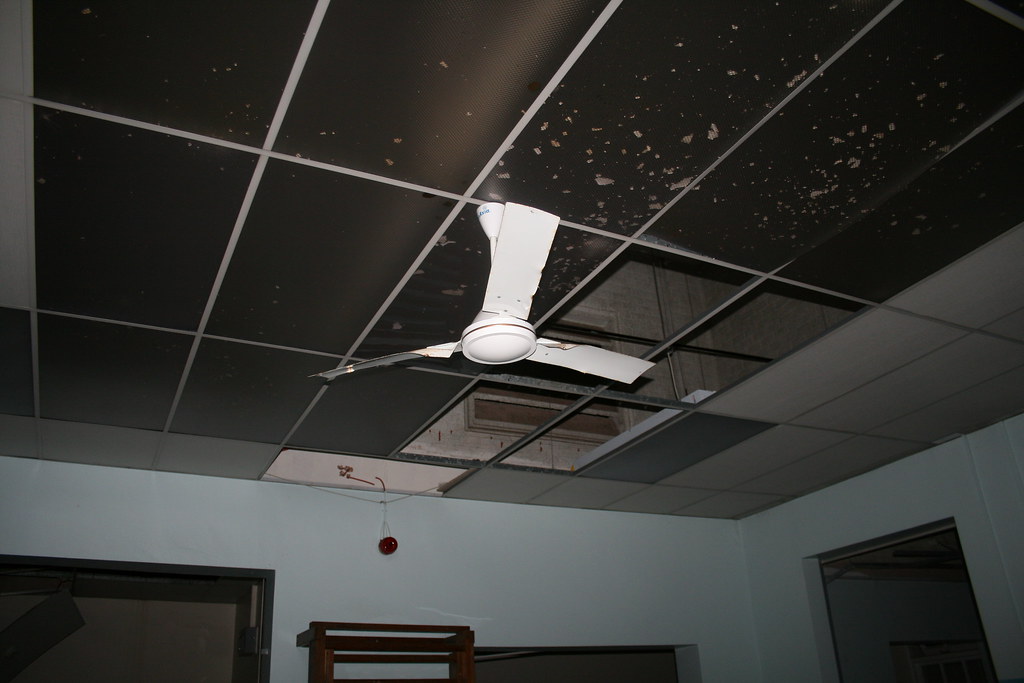
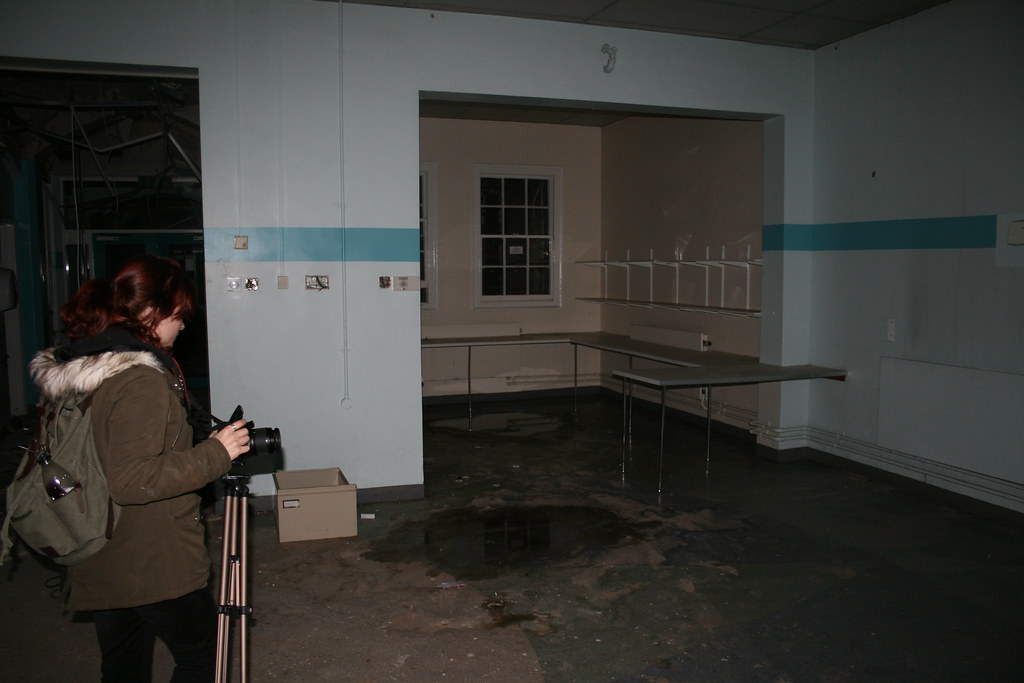
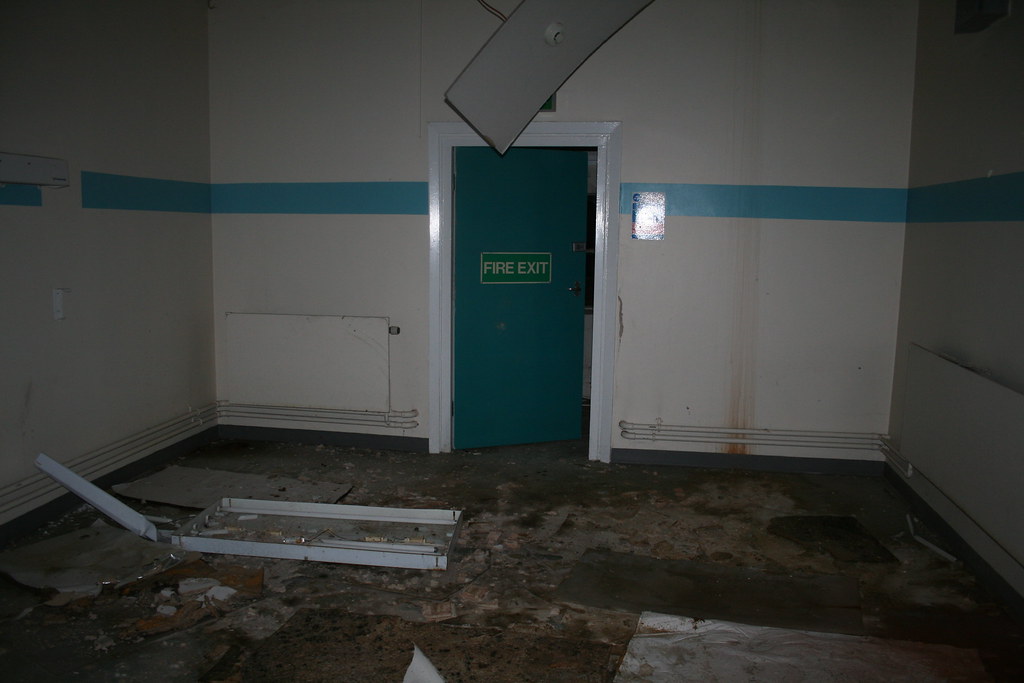
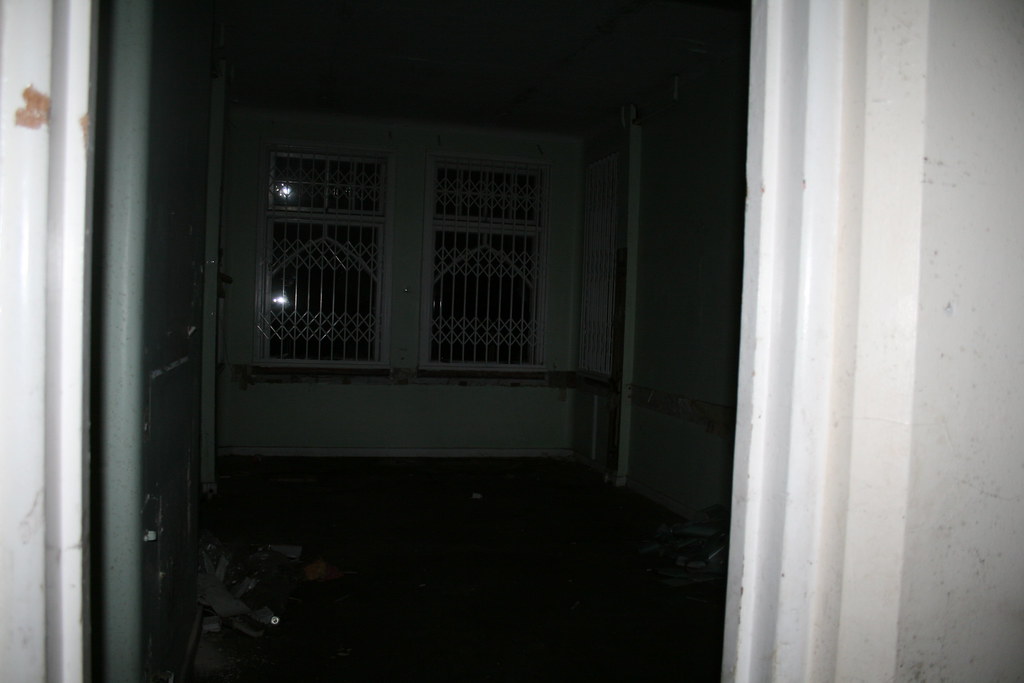
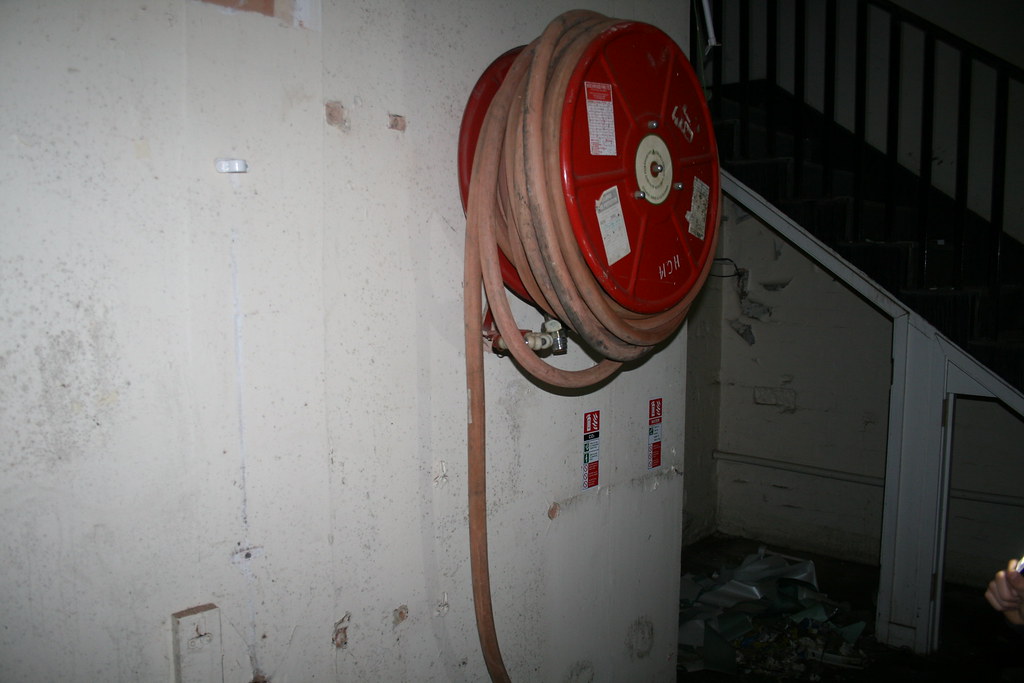
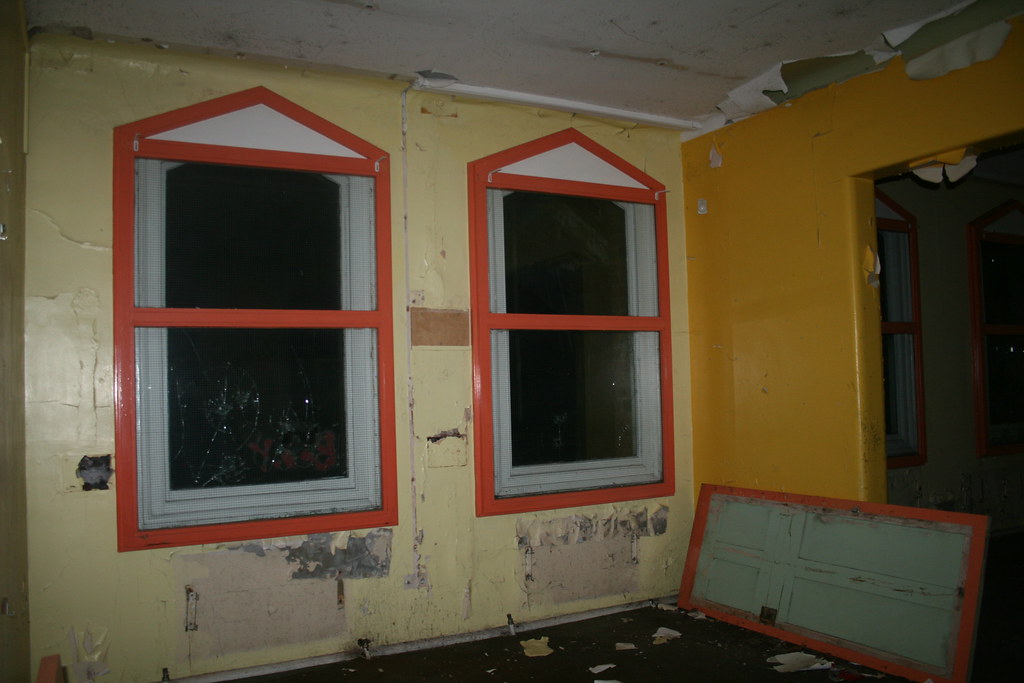
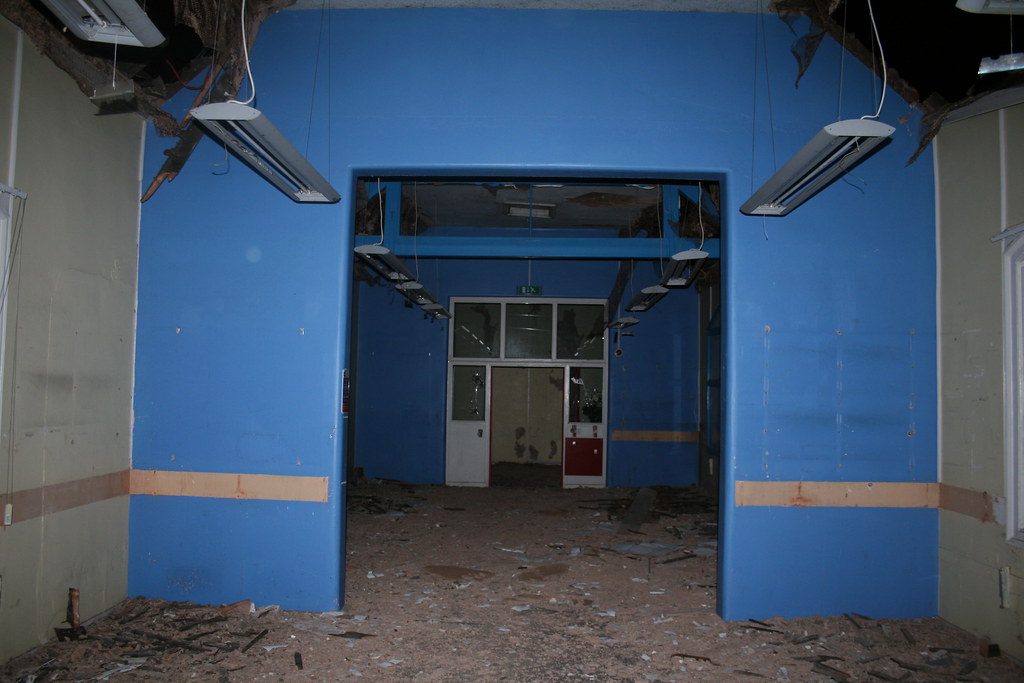
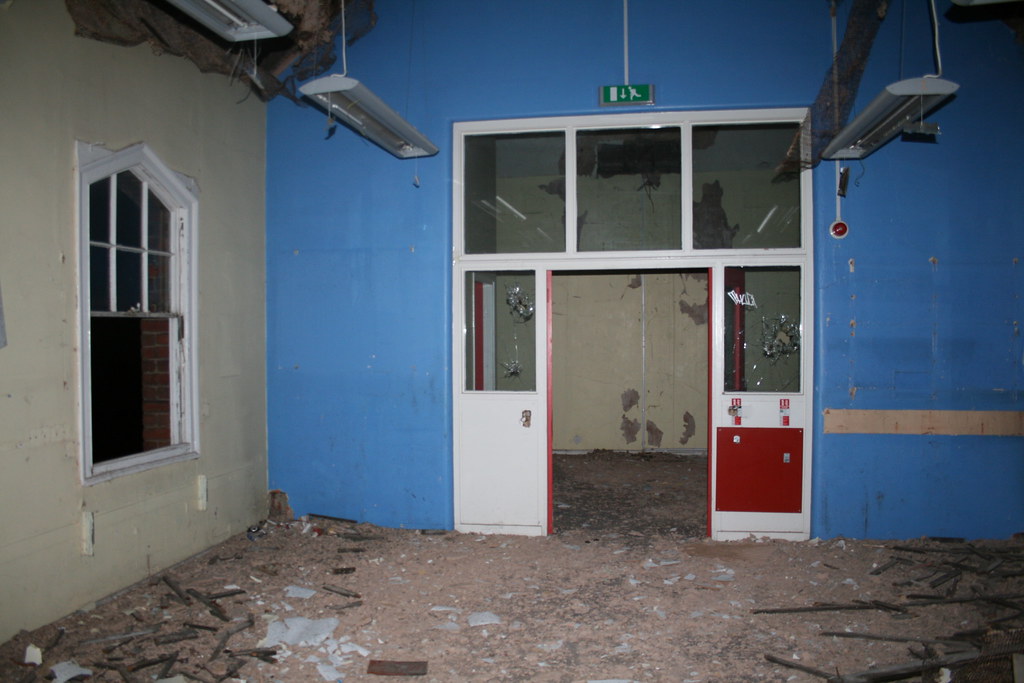
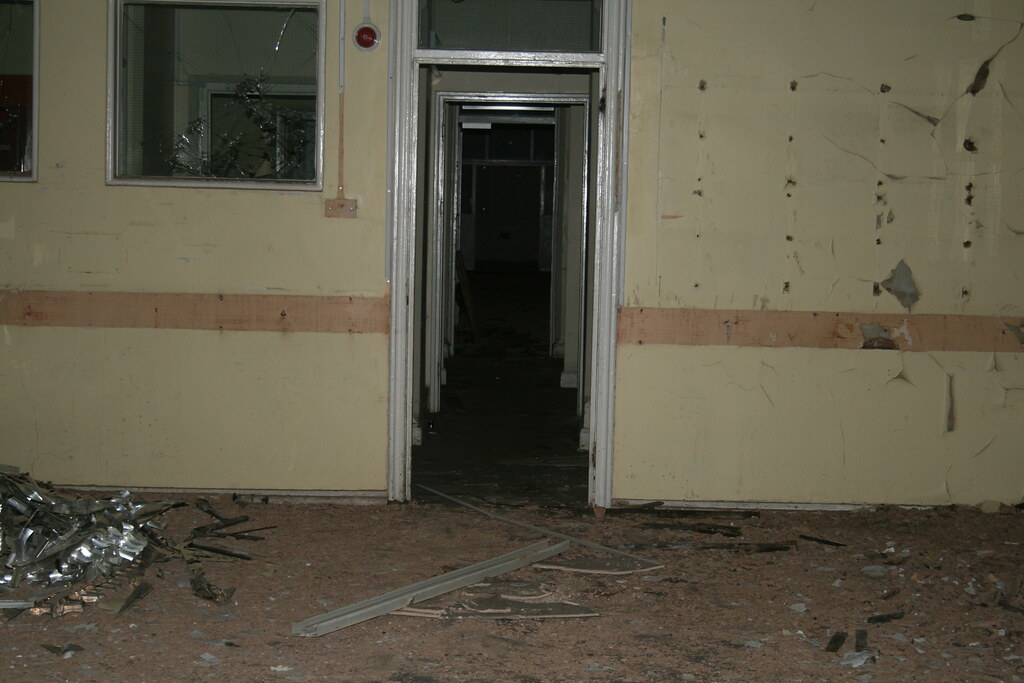
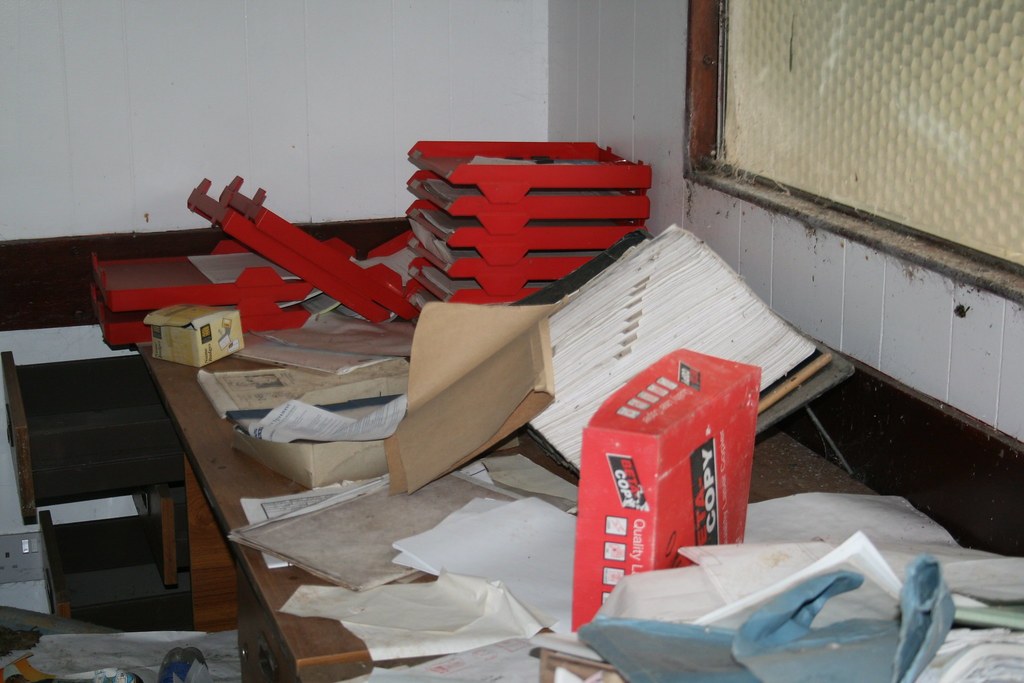
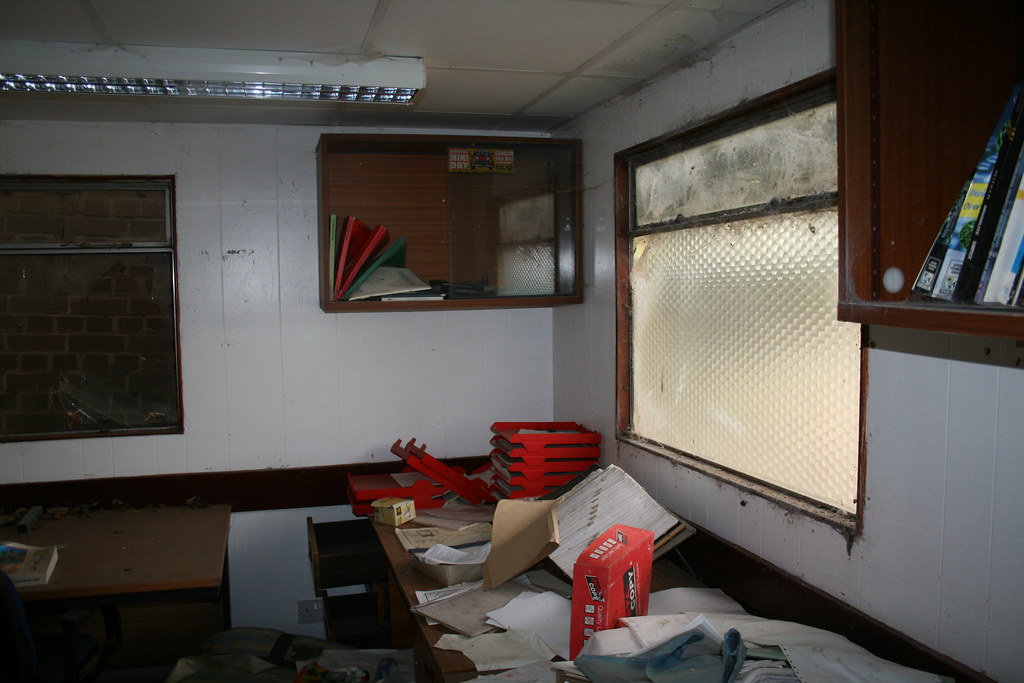
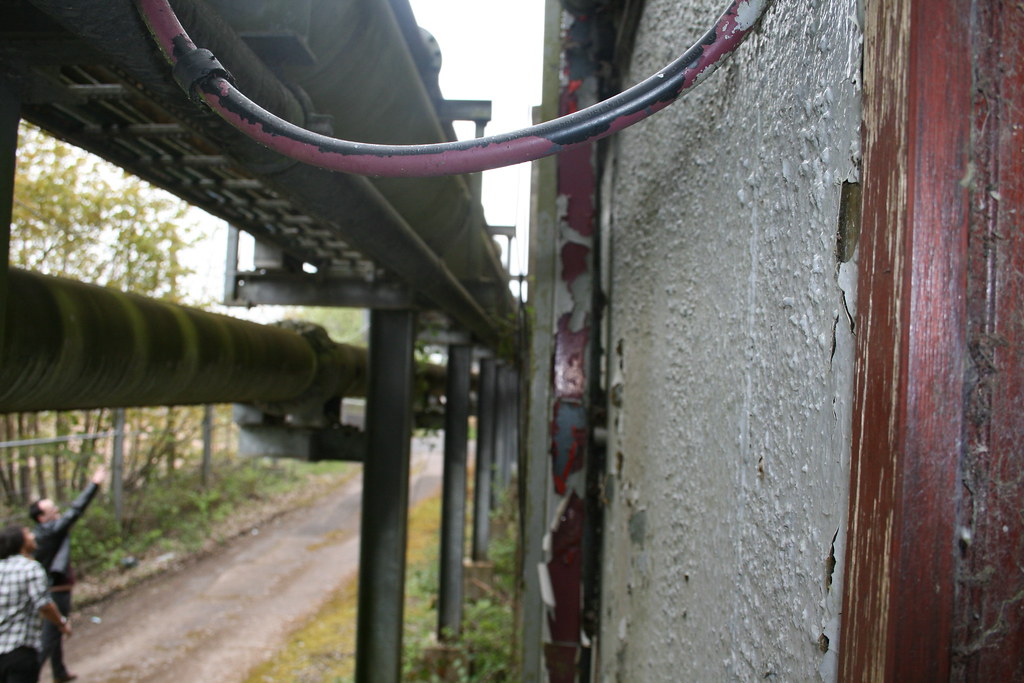
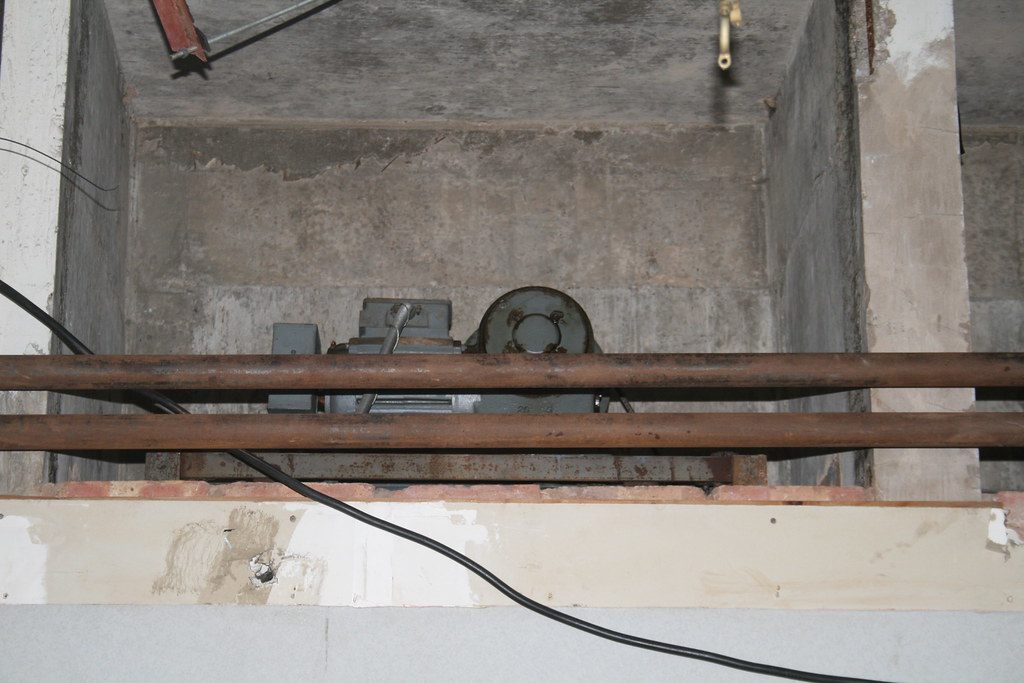
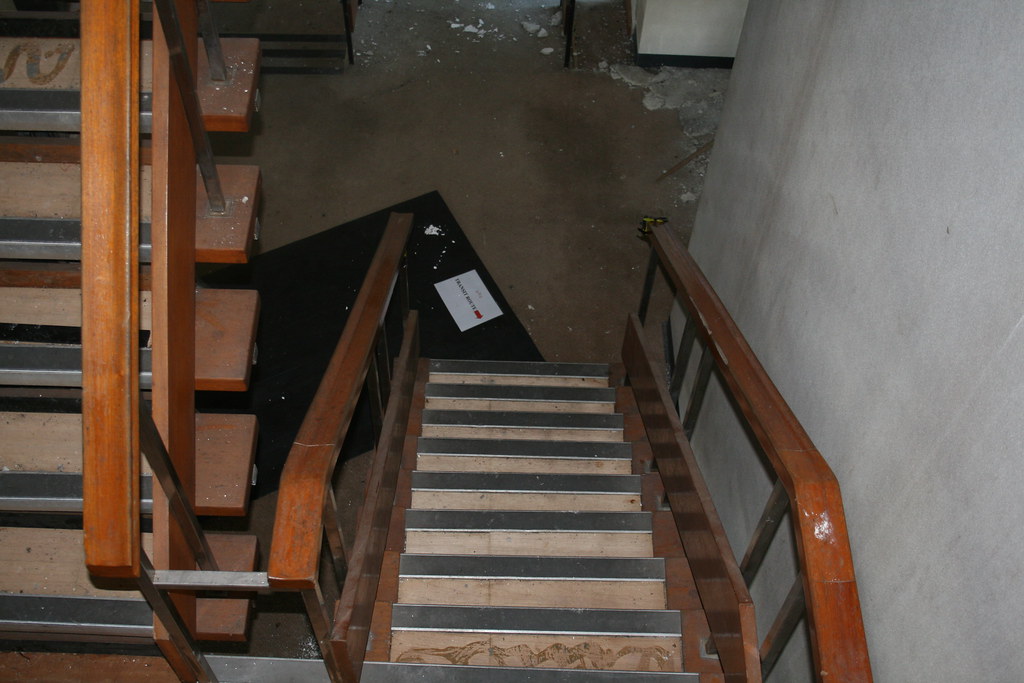
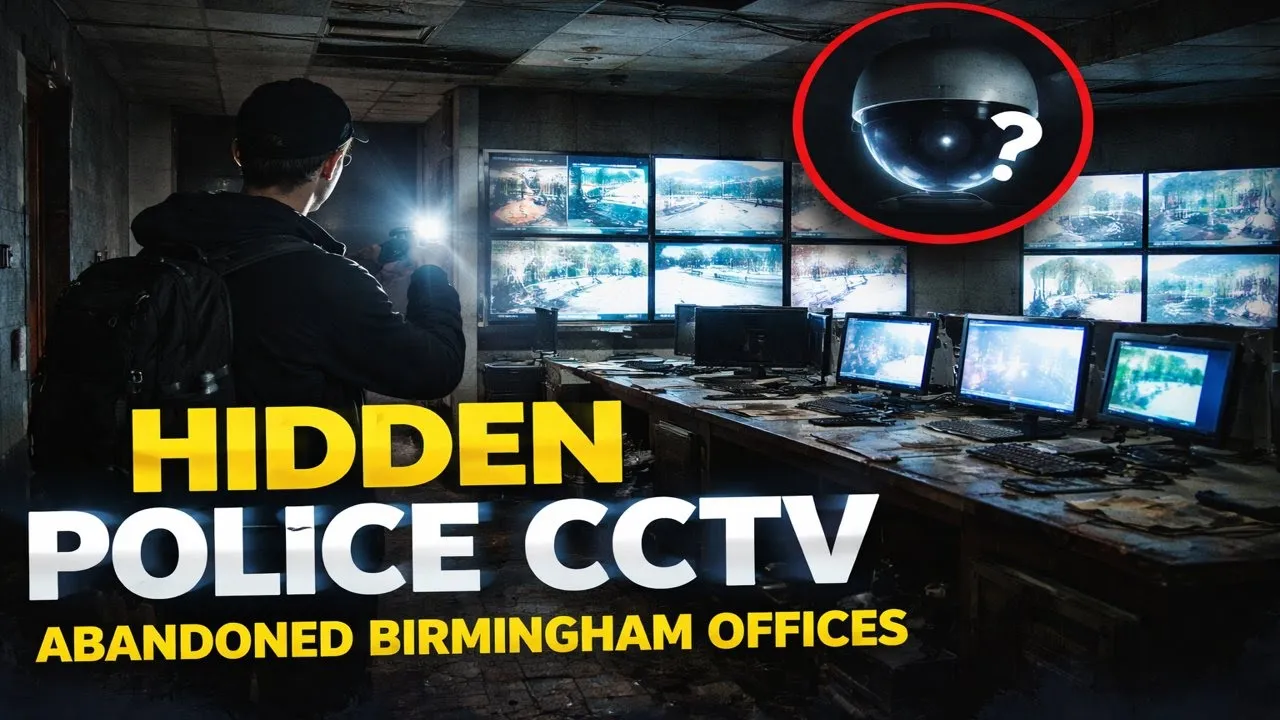
Deep in the heart of Birmingham, we step inside a long-abandoned office block… but this explore takes a shocking turn.
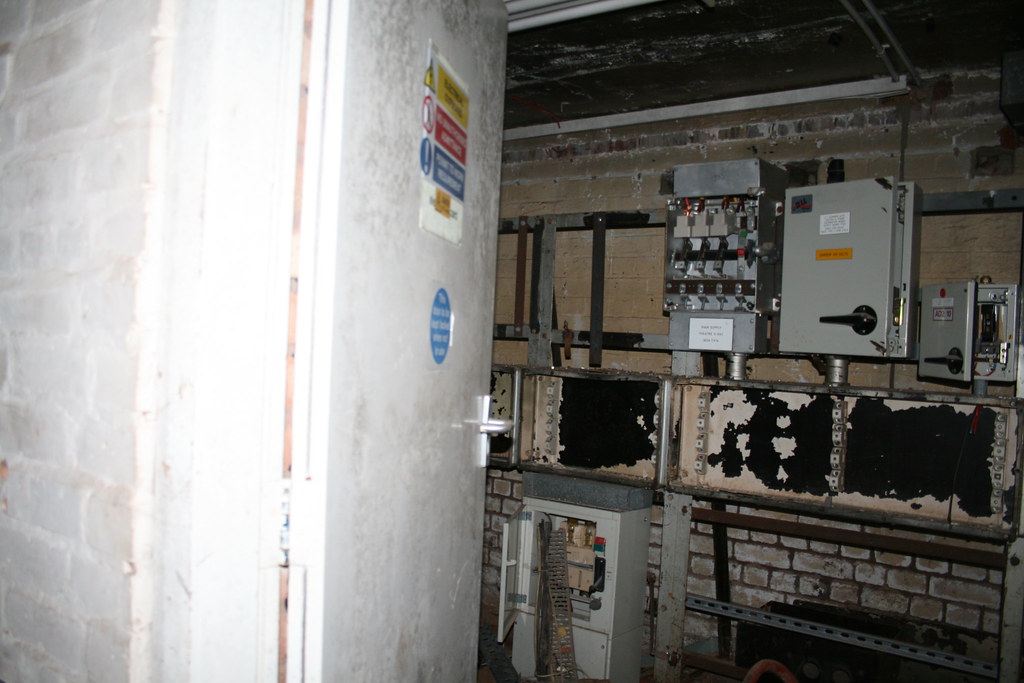
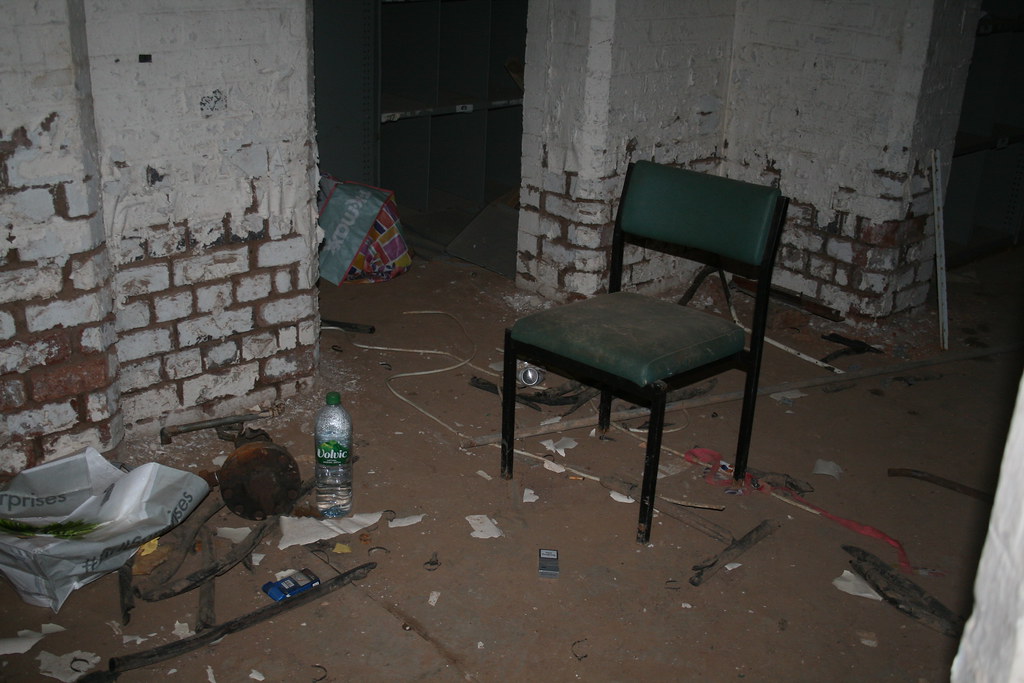
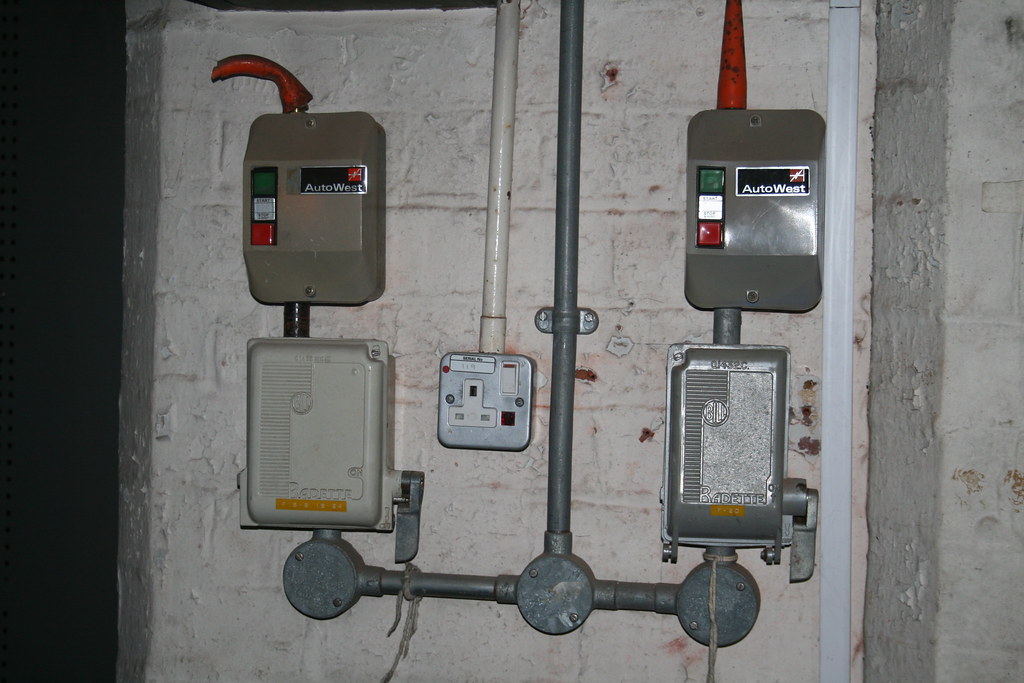
Hidden away behind locked doors and forgotten corridors, we uncover a fully-fledged police CCTV operations room, left exactly as it was when it shut down. Monitors, control desks, and evidence of surveillance work still remain — raising serious questions about why it was abandoned and what it once watched 👀
This explore offers a rare look into a forgotten side of Birmingham’s surveillance history, untouched for years and frozen in time. As always, we explore responsibly — take nothing but photos, leave nothing but footprints.
⚠️ Disclaimer: This video is for documentary and educational purposes only. Filmed with respect for the location.
📍 Location: Birmingham, UK
📸 Follow Dee Explores for more abandoned places, hidden locations, and real urban exploration
👉 Don’t forget to LIKE, COMMENT, and SUBSCRIBE if you enjoy real urbex content — it genuinely helps the channel grow.
These empty rooms and long corridors tell a story that never truly made the headlines. A story of neglect, unanswered questions, and a sudden closure that left more behind than just furniture and files.
Walking through this building feels heavy. You can almost sense the lives that once passed through here — the routines, the voices, the moments of hope, and the moments of fear. Now, only dust, shadows, and echoes remain as time slowly reclaims what’s left.
Some of the most unsettling places aren’t designed to scare — they were designed to protect.
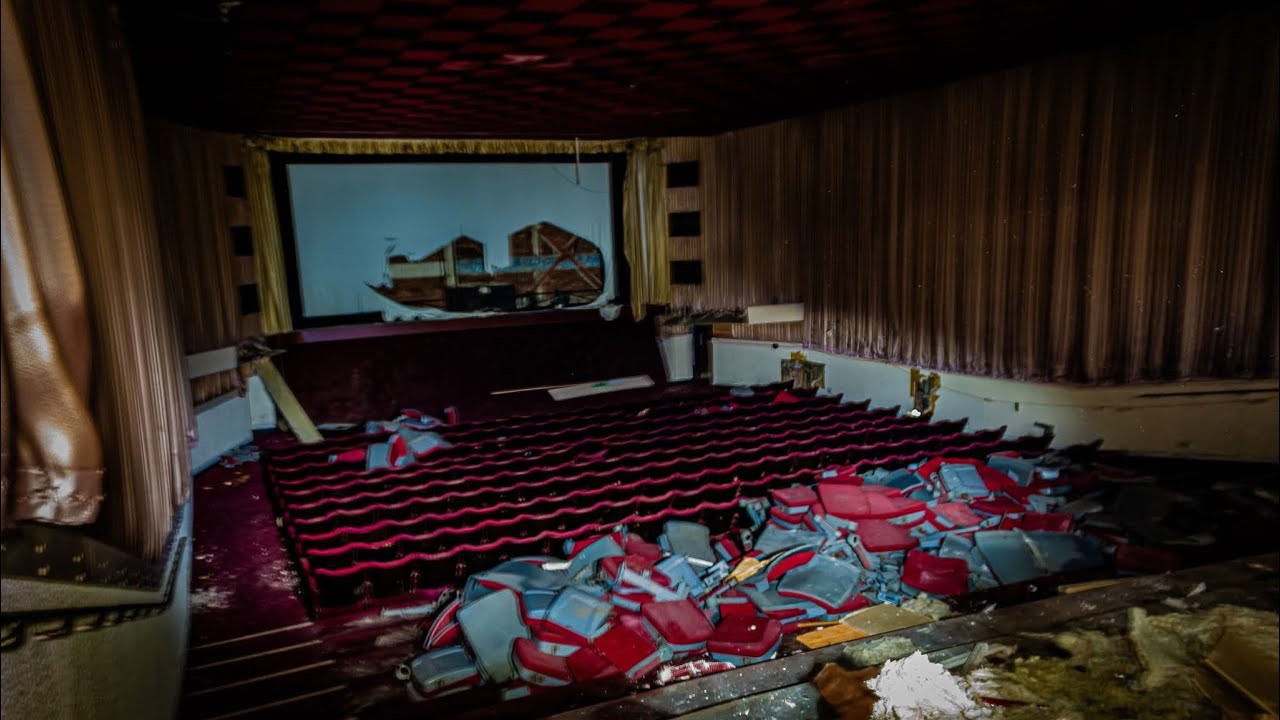
Once a grand palace of entertainment, this forgotten cinema first opened its doors in the early 20th century, welcoming generations of moviegoers with its stunning architecture and the magic of the silver screen. From the golden age of Hollywood to the rise of modern blockbusters, it stood as a beacon of cinematic history—until the curtains closed for the final time in 2002. The last films to grace its screens were Monsters, Inc. and Lord of the Rings: The Fellowship of the Ring, but after that final showing, the lights went out, and the doors were locked forever.
Now, it remains frozen in time, with film reels gathering dust, projectors standing still, and ticket stubs scattered like echoes of its past. Join us as we step into this haunting time capsule, where the ghosts of cinema’s golden years still linger in the shadows.
If you love urban exploration and abandoned places, make sure to LIKE this video, COMMENT your thoughts, and SUBSCRIBE for more incredible explorations! Don’t forget to turn on NOTIFICATIONS so you never miss an adventure!
Join me as I explore forgotten, abandoned, and off-limits locations, uncovering the hidden stories behind the places time forgot. From eerie ghost towns to decaying mansions, underground tunnels, and mysterious ruins, I take you on thrilling adventures into the unknown.
🔦 Expect exciting urban exploration content, haunted locations, and incredible lost history captured on camera. Whether it’s an abandoned asylum, a forgotten factory, or a secret underground bunker, every location has a story to tell.
⚠️ Urban exploration can be dangerous and is done at your own risk. Always respect property laws and never vandalize locations. #DeeExplores #UrbanExploration #Urbex #AbandonedPlaces #exploringtheunknown
Comments Off on Abandoned Kings Cinema West Bromwich | Projectors, Film Reels & Snacks Left Behind!InUncategorised
We were told this Oxford college had been abandoned… but the moment we stepped inside, something felt very wrong.
What should have been an empty, forgotten building turned into one of our most intense explorations yet — security was still inside, lights were on, and every sound echoed through the corridors. This place may have been left to decay, but it definitely wasn’t empty.
From hidden staircases to decaying lecture halls, this abandoned Oxford college holds secrets it clearly wasn’t ready to give up. One wrong move and this explore could have ended very differently.
⚠️ This video is filmed for historical and documentary purposes only.
📸 Take nothing but photos, leave nothing but footprints.
If you enjoy real urban exploration, abandoned places, and high-risk explores — make sure to like, comment, and subscribe for more.
We step through the grounds of a once-prestigious country estate — a place where silence now hangs heavier than luxury ever did. Long driveways curve through overgrown parkland, hinting at a past shaped by wealth, power, and privilege. Every footstep feels measured, as if the building itself is watching… remembering.
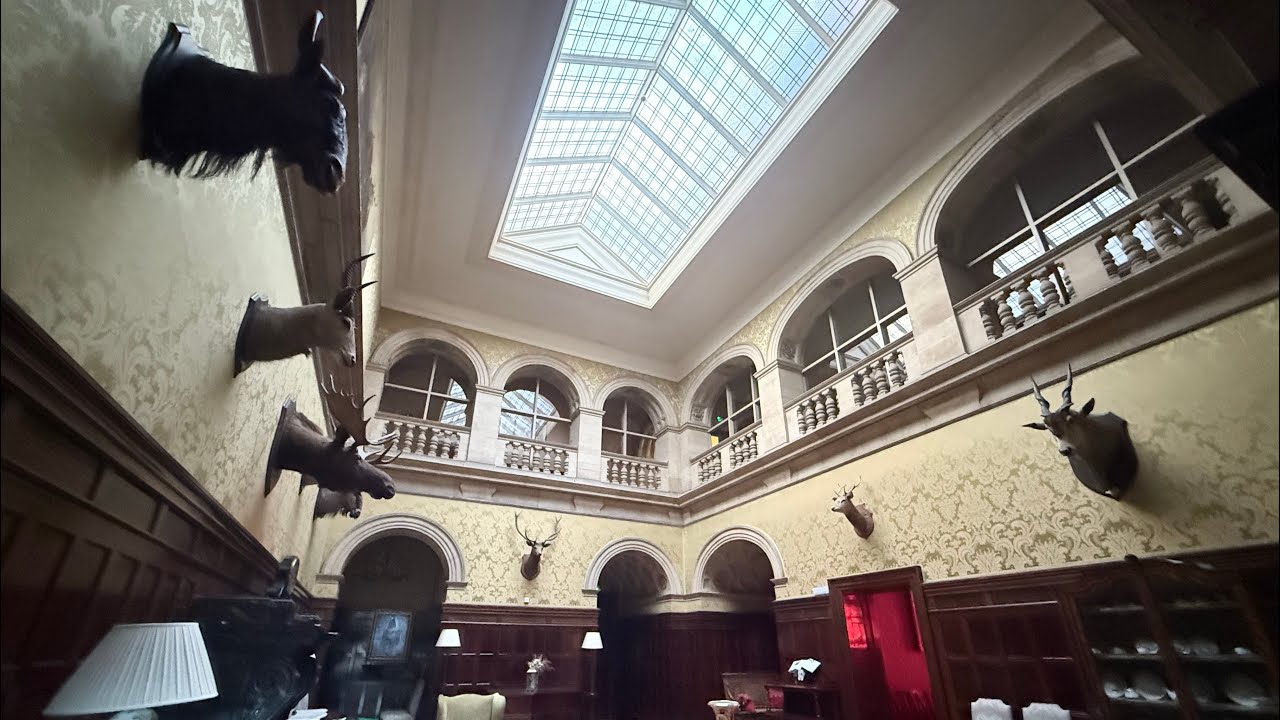
Inside, time has stalled. Grand rooms that once hosted lavish gatherings now sit frozen, their elegance fading but not forgotten. Peeling paint, dust-covered furniture, and abandoned corridors tell a quieter story than any guestbook ever could. The contrast is striking — opulence versus decay, refinement versus neglect.
Natural light spills through tall windows, illuminating details easily missed: intricate plasterwork, sweeping staircases, and the bones of a place built to impress. You can almost imagine the echoes of conversation, the clink of glasses, the soft rhythm of life that once filled these halls.
As we explore deeper, the atmosphere changes. Corridors narrow. Service areas appear. The behind-the-scenes reality of running such a vast estate is revealed. This wasn’t just a place to stay — it was a machine, powered by staff, tradition, and routine.
Outside once more, the grounds stretch endlessly, reclaiming what was once carefully controlled. Nature is slowly undoing centuries of human ambition, reminding us that no matter how grand a place may be, nothing is permanent.
This exploration isn’t about vandalism or thrill-seeking — it’s about preservation through documentation. Capturing a moment in time before it disappears forever.
The History
To understand how this estate came to exist, we need to go back centuries.
Local records identify a house on this site as early as the Domesday survey in the late 11th century. In 1402, the property passed into the hands of the Sherard family, who would remain here for nearly five hundred years.
Significant architectural development began in the early 1500s under Thomas Sherard. In 1633, a major fire led to extensive rebuilding of what later became known as the Old Wing.
Throughout the 17th and 18th centuries, the estate continued to evolve:
Around 1670, a major wing was constructed for Bennet Sherard, later Baron Sherard
In the late 1700s, the surrounding parkland was redesigned by Lancelot “Capability” Brown, shaping the rolling landscape seen today
In 1719, the family was elevated to the Earls of Harborough — a title that lasted until 1859.
After the earldom ended, the estate was sold in 1885. Two years later, it was purchased by John Gretton, who transformed the house once again, expanding it into the grand late-Victorian country residence expected of the era.
By the mid-20th century, the estate entered a very different chapter. Parts of the grounds were opened to the public, featuring a miniature railway and even a lion reserve — attractions that drew visitors throughout the 1960s and 1970s. The miniature steam railway survives today as a rare heritage feature.
A pivotal change came in 1988 when the house was purchased by an American restaurateur and hotelier, who converted it into a country house hotel. Interiors were restored, and the estate entered a new era of luxury hospitality.
During the 1990s and early 2000s, development continued:
A golf course and expanded country sports
New spa and wellness facilities integrated into historic buildings
In August 2022, ownership changed again, with plans to expand luxury and wellbeing offerings. However, financial difficulties followed, leading to the cessation of trading in October 2024 and the liquidation of the operating company.
Today, the future of the estate remains uncertain — but the historic mansion and surrounding parkland stand as enduring reminders of centuries of ambition, wealth, and change.
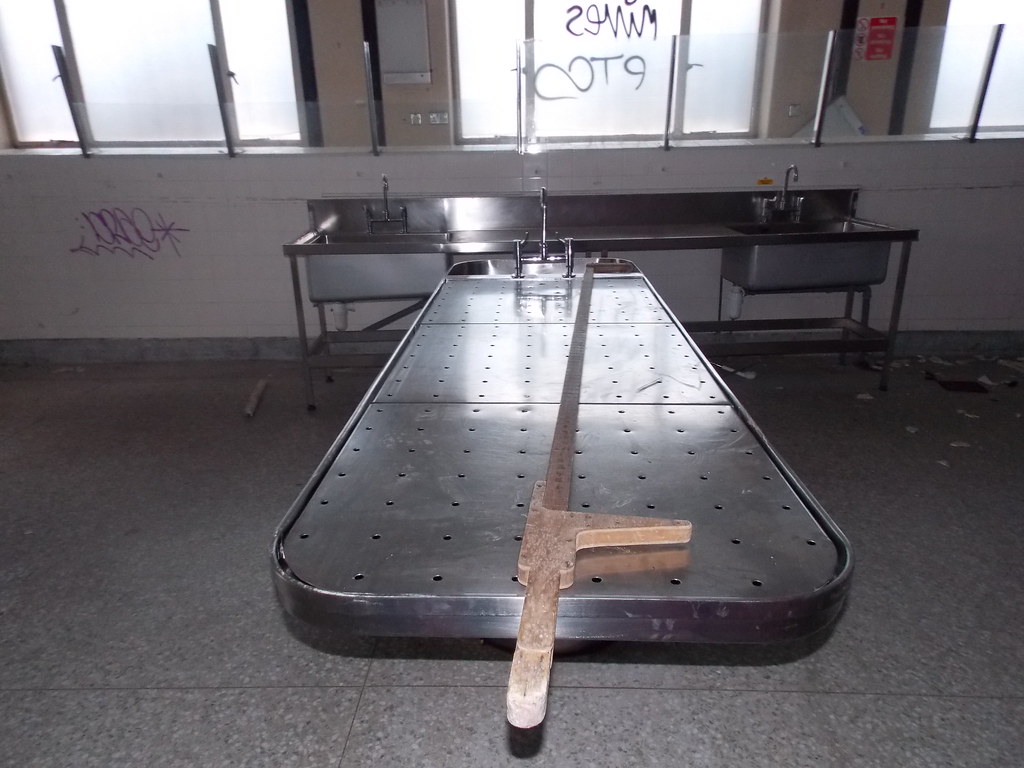
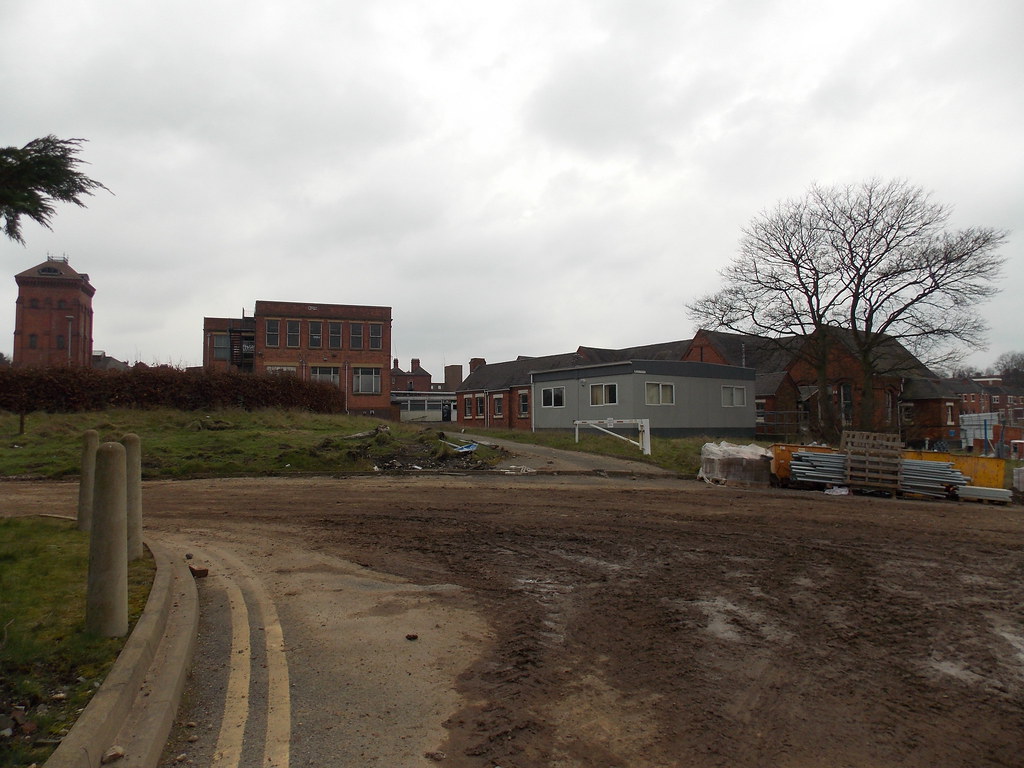
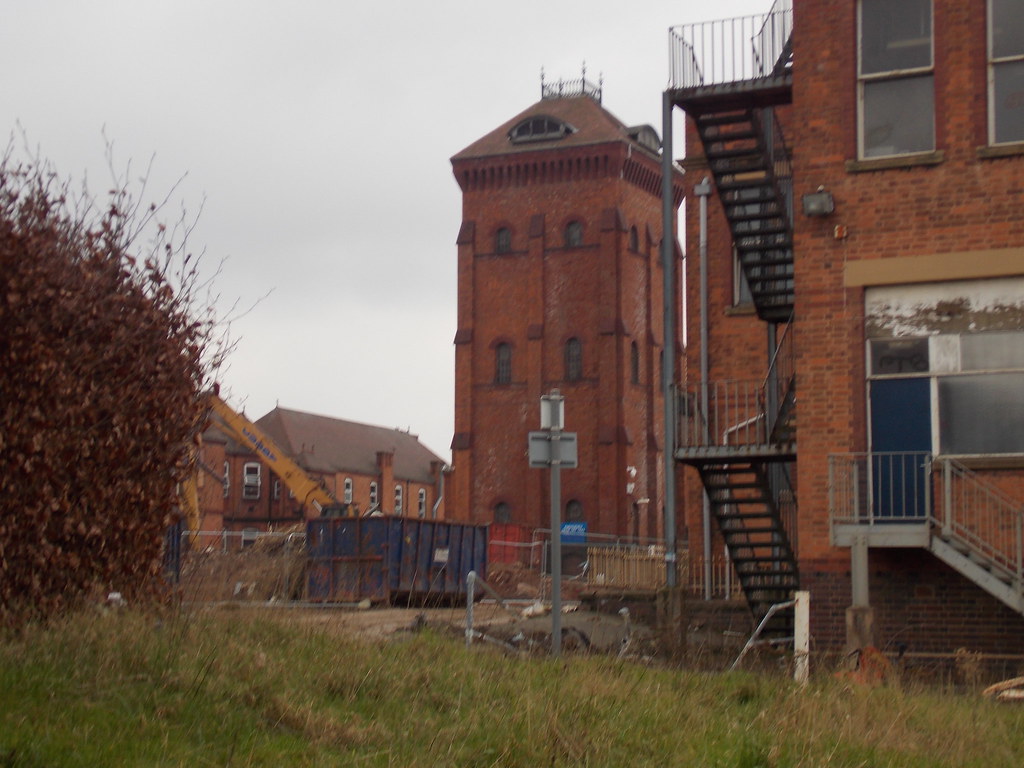
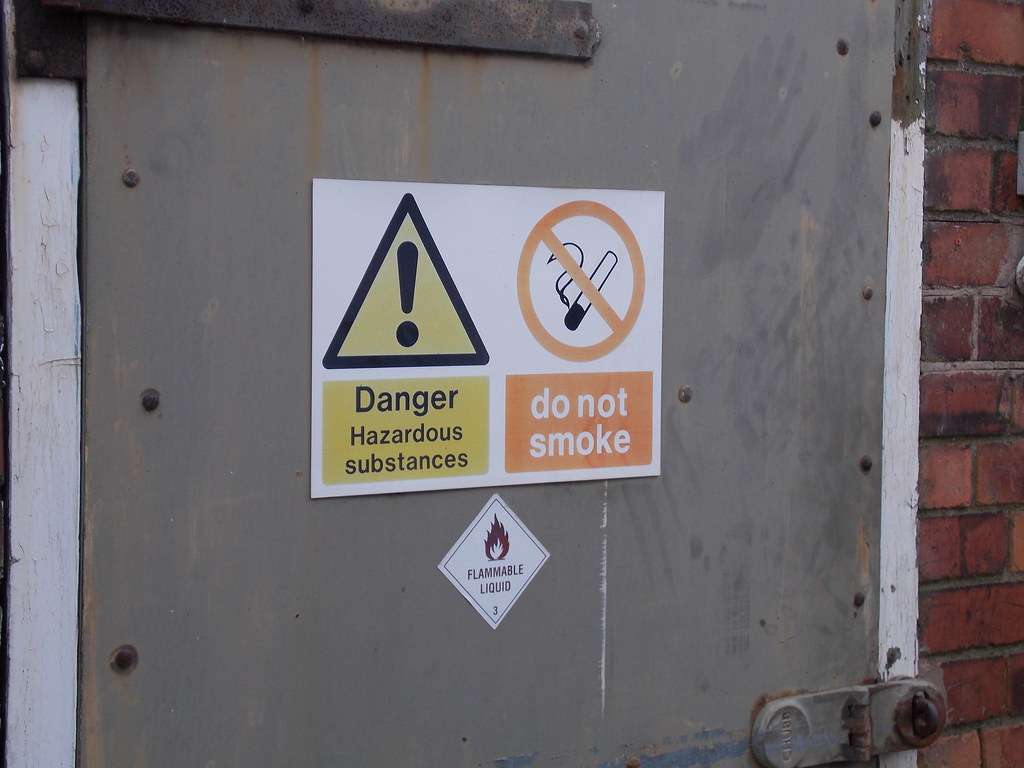
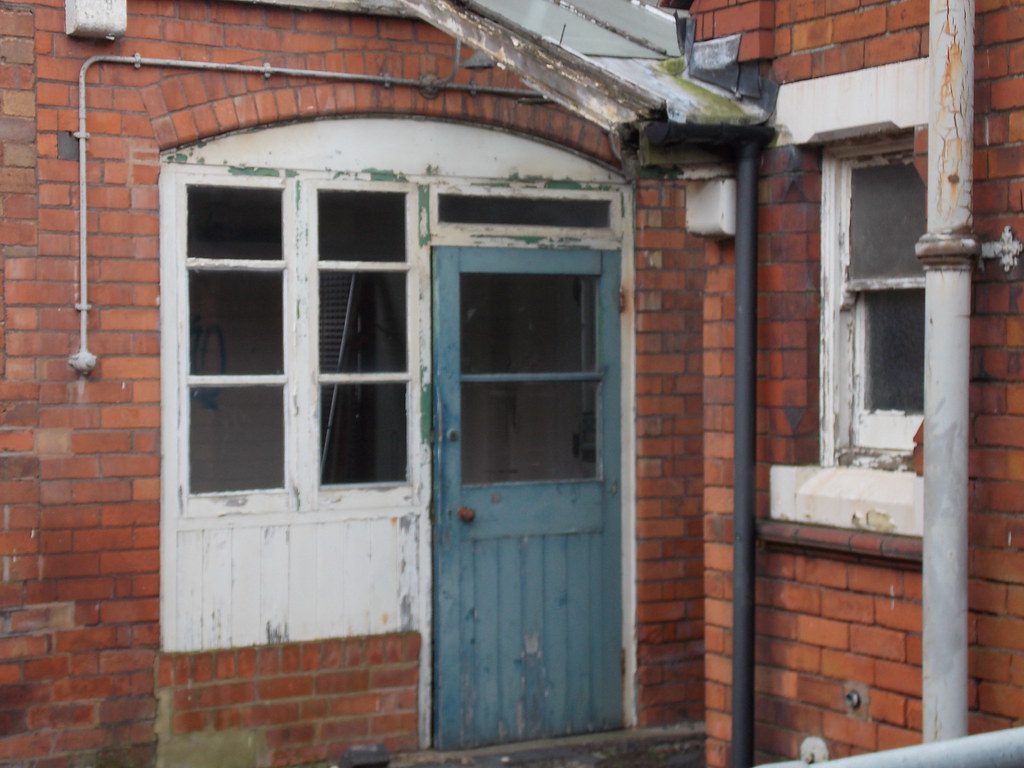
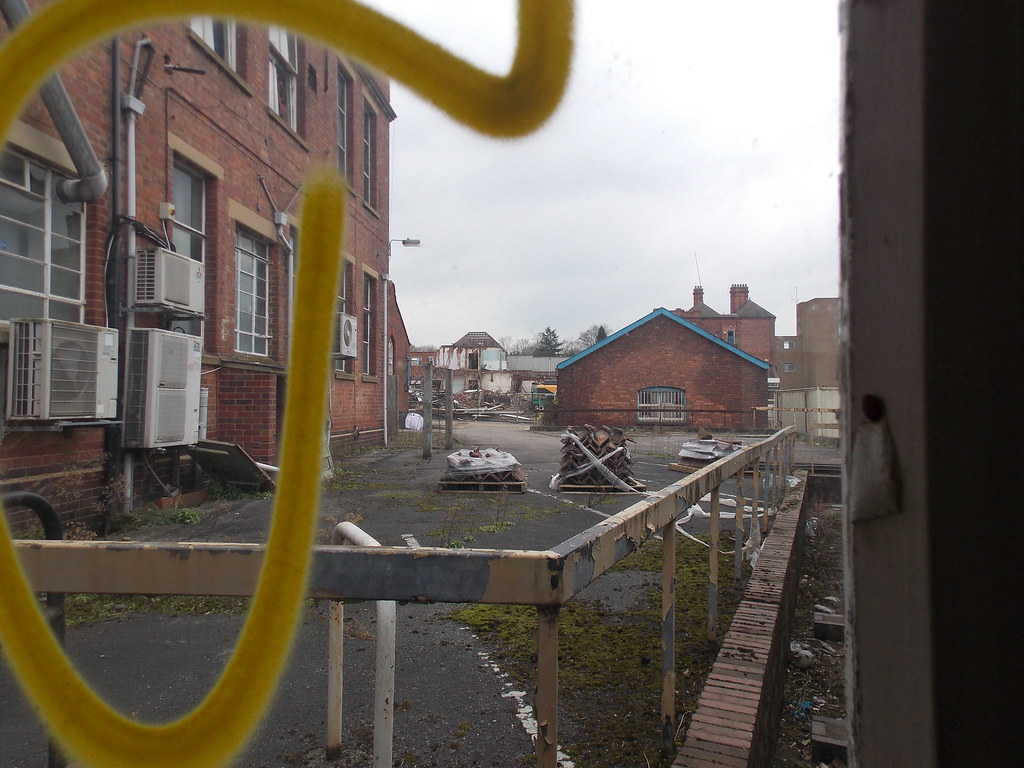
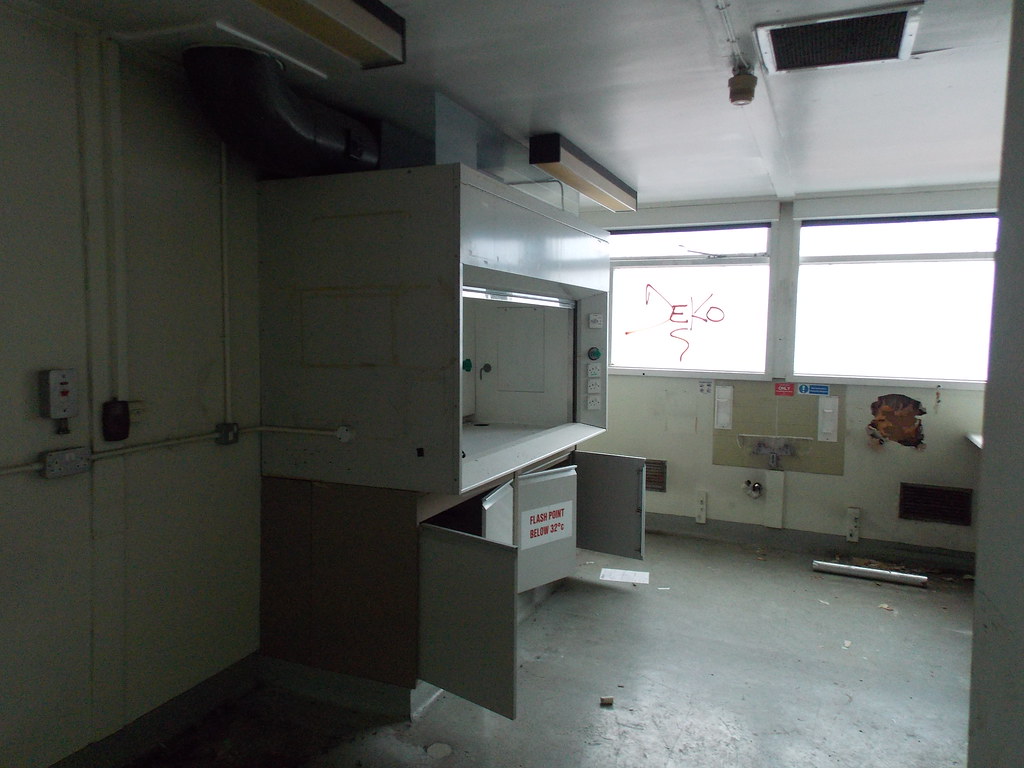
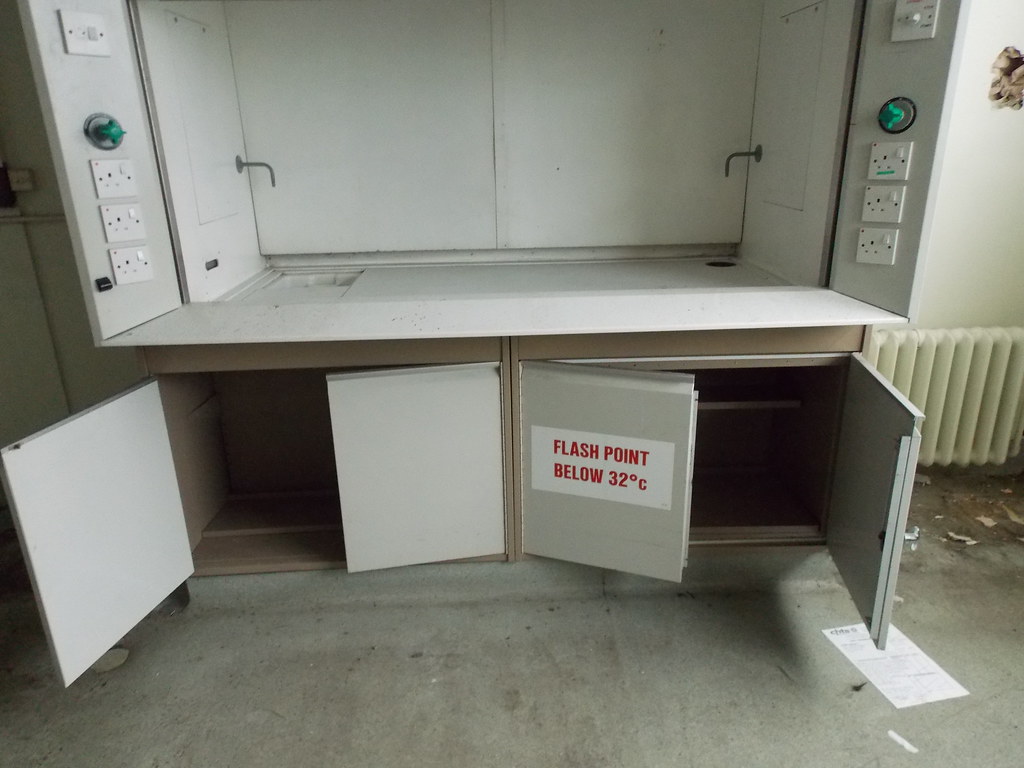
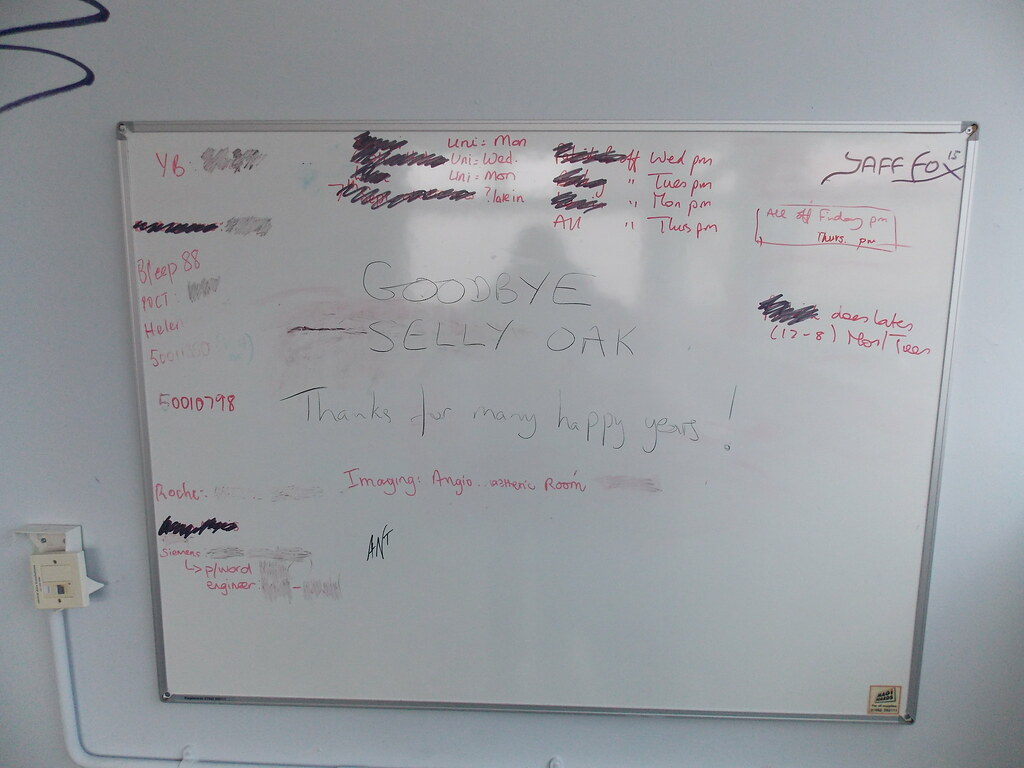
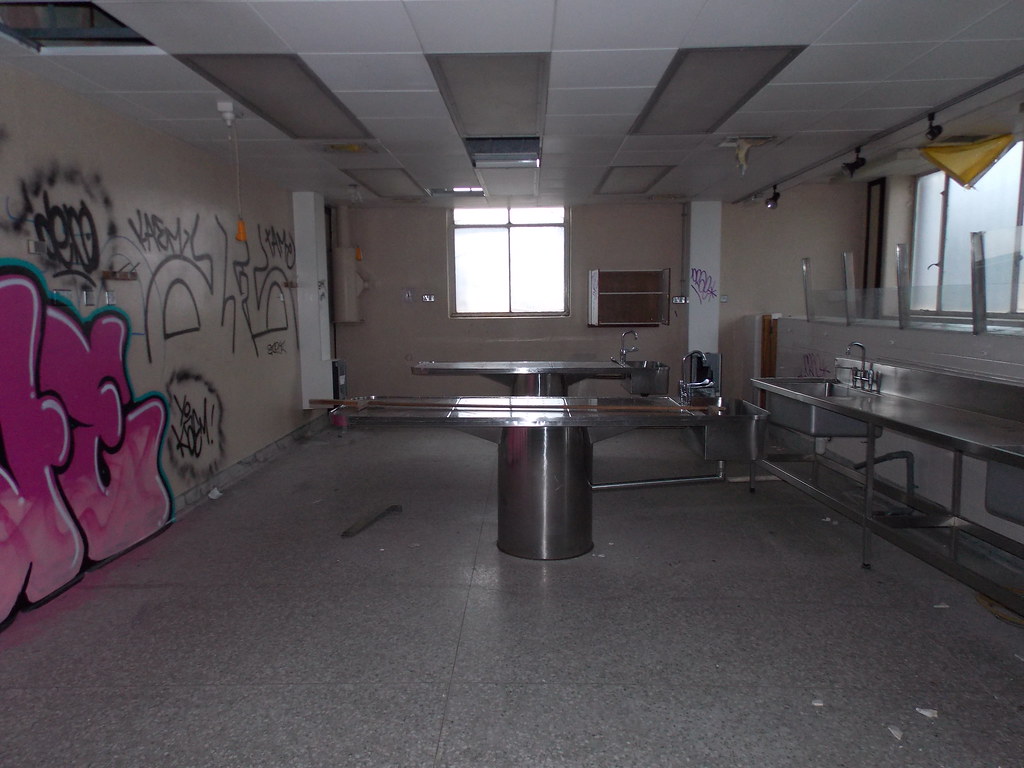
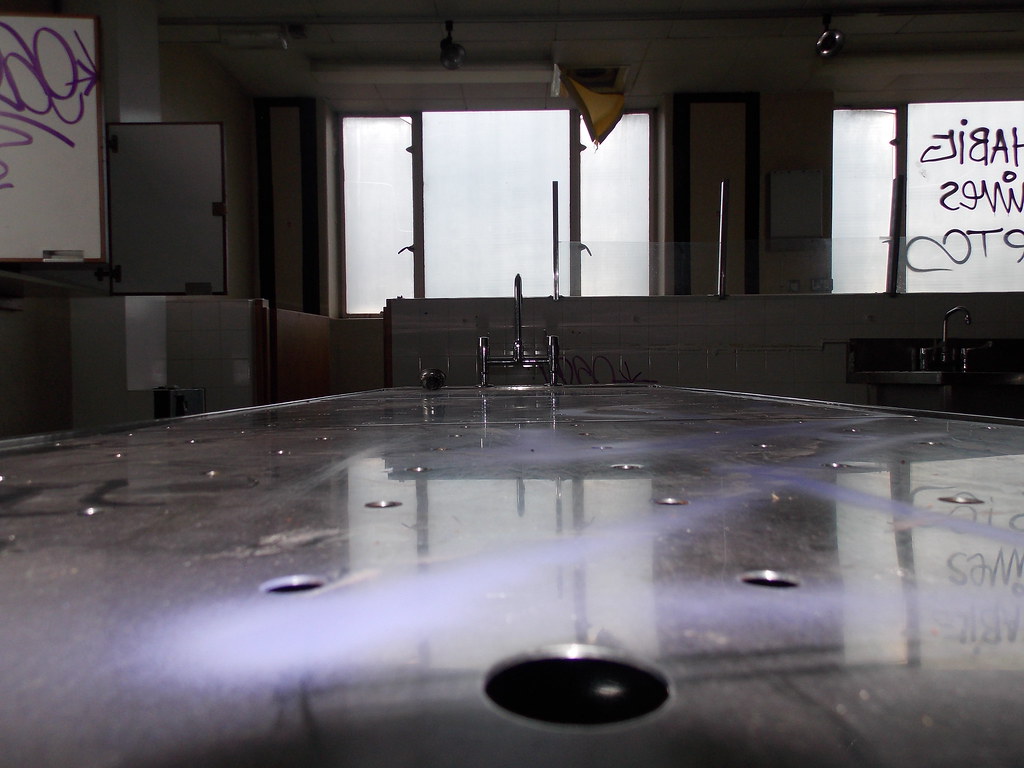
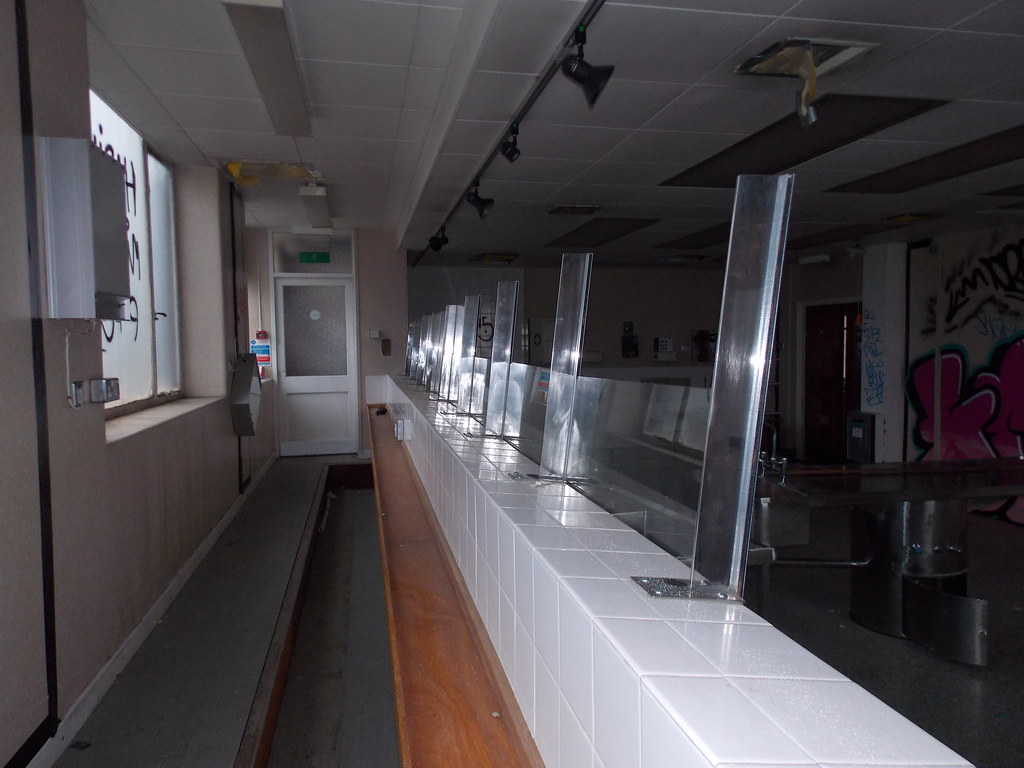
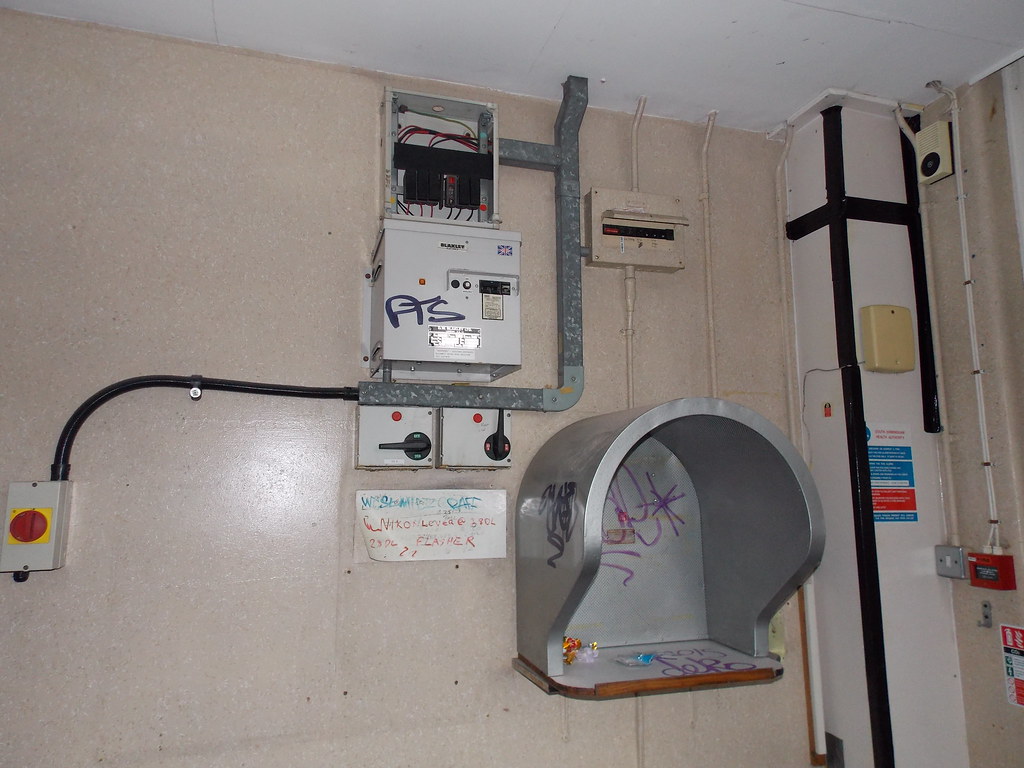
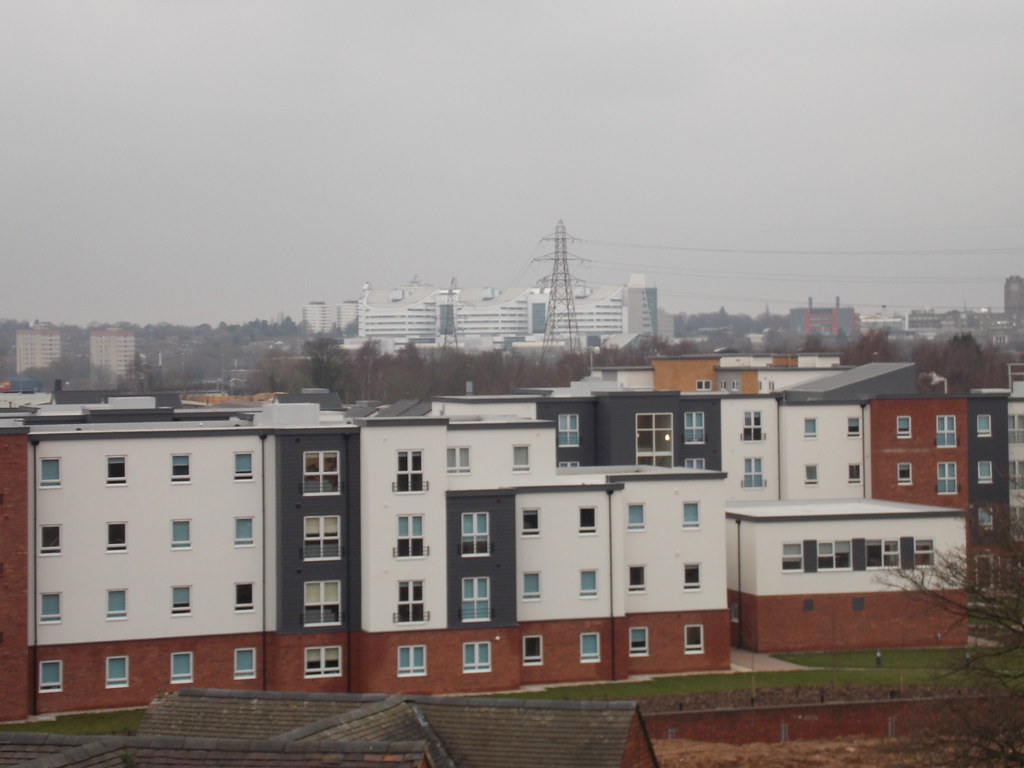
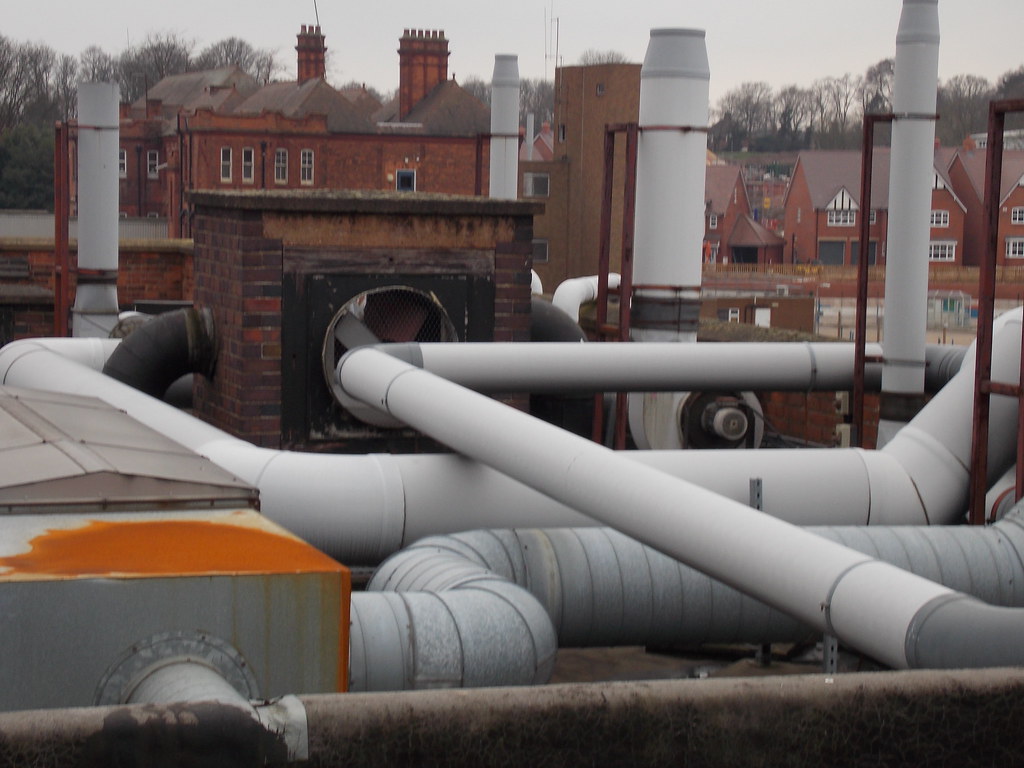
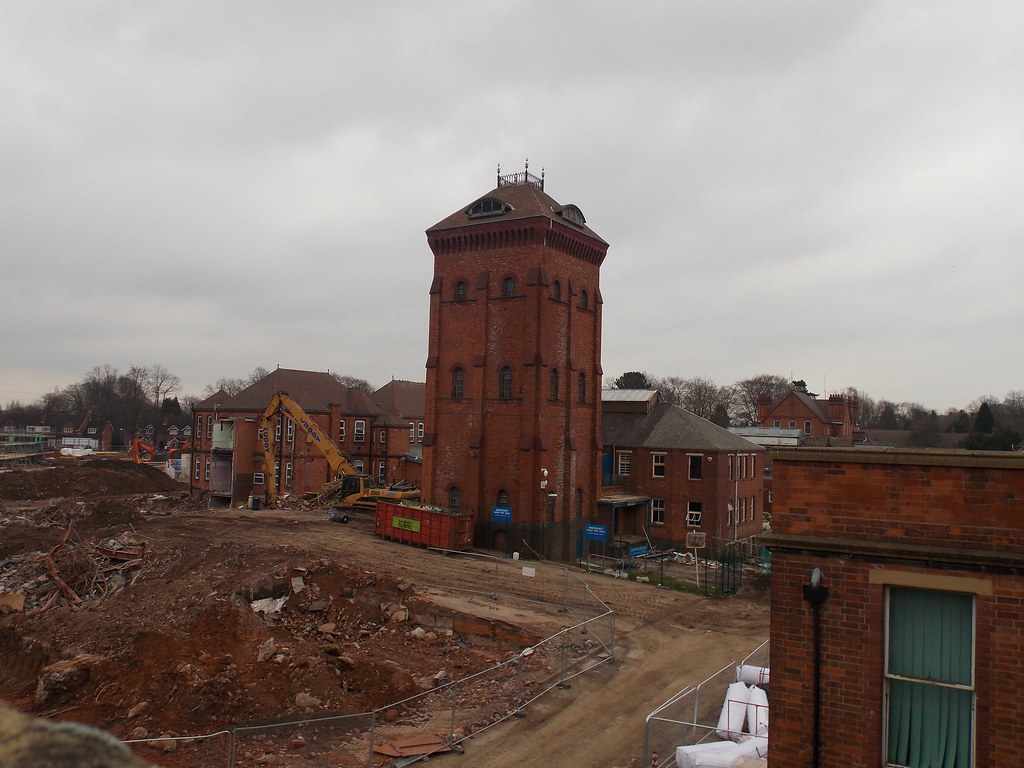
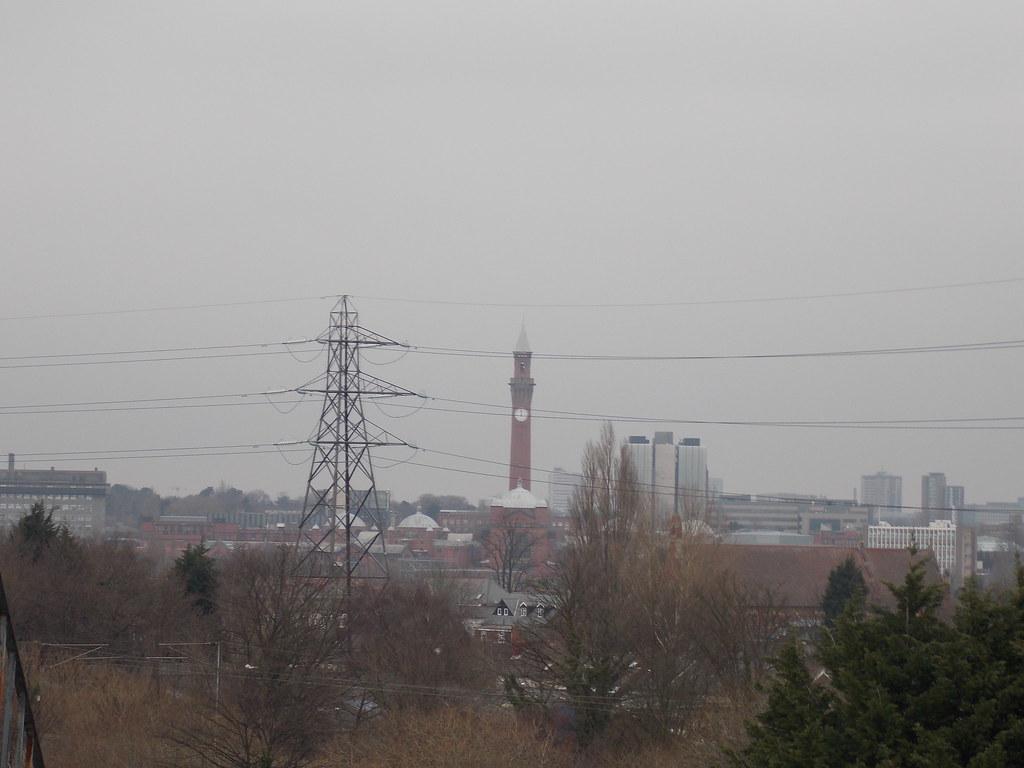
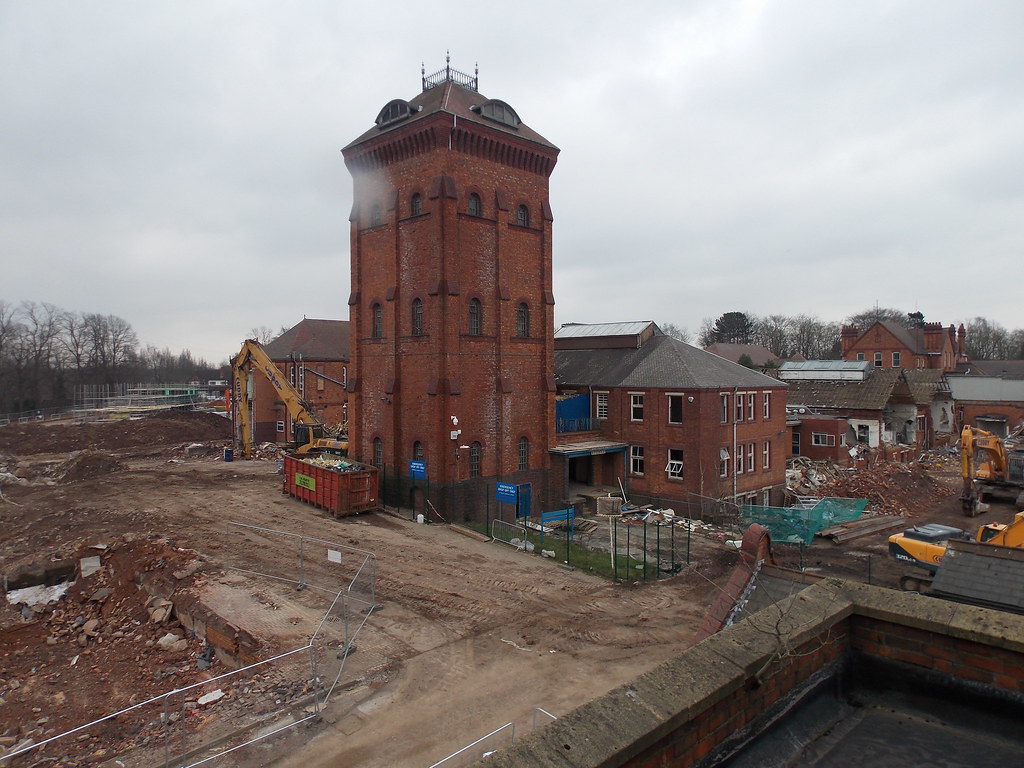
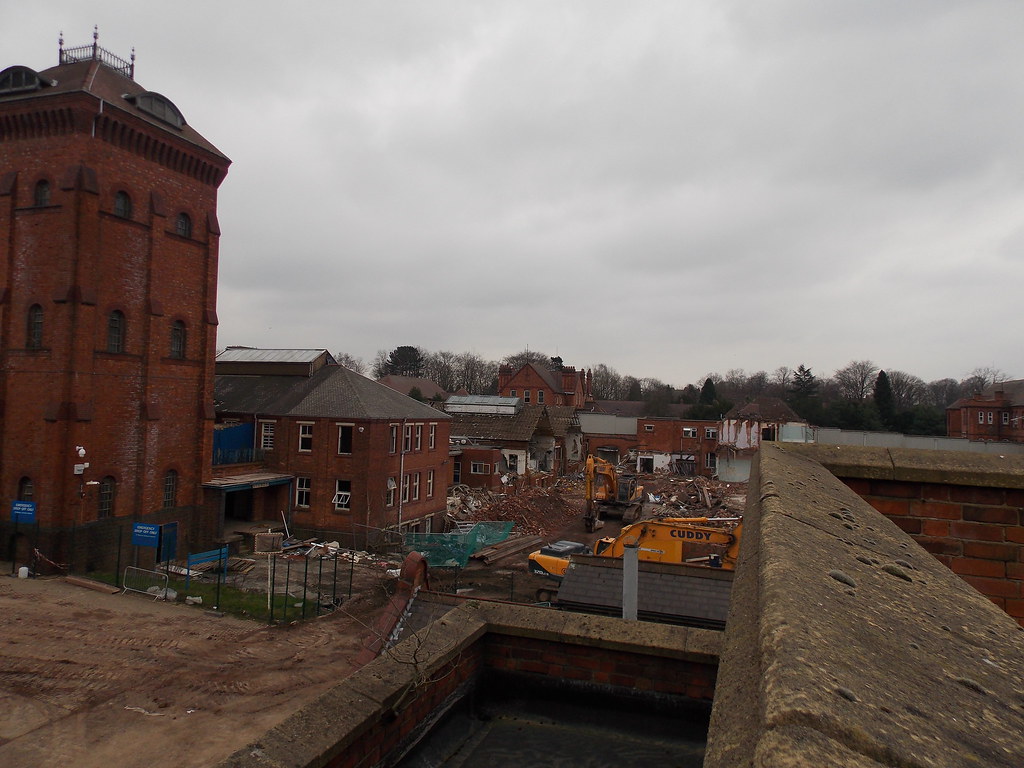
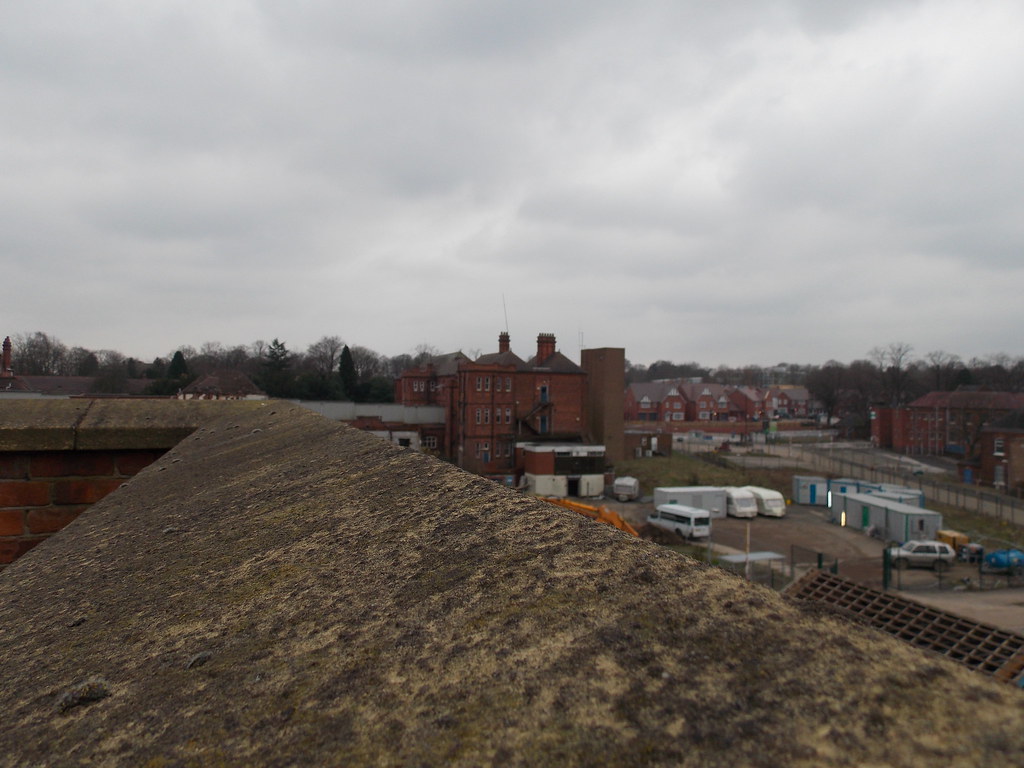
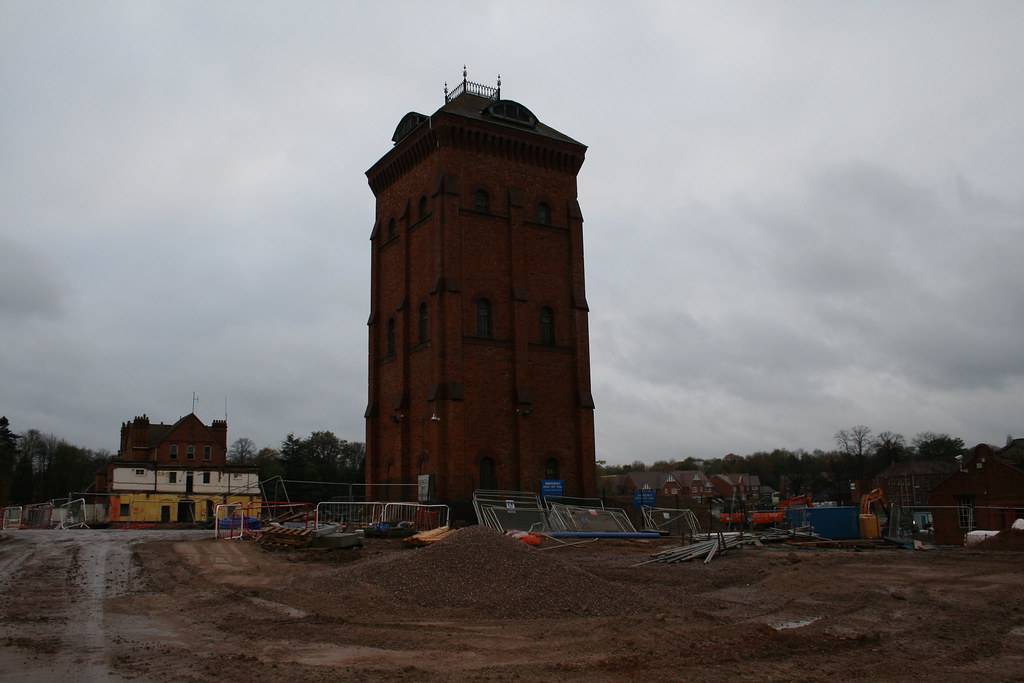
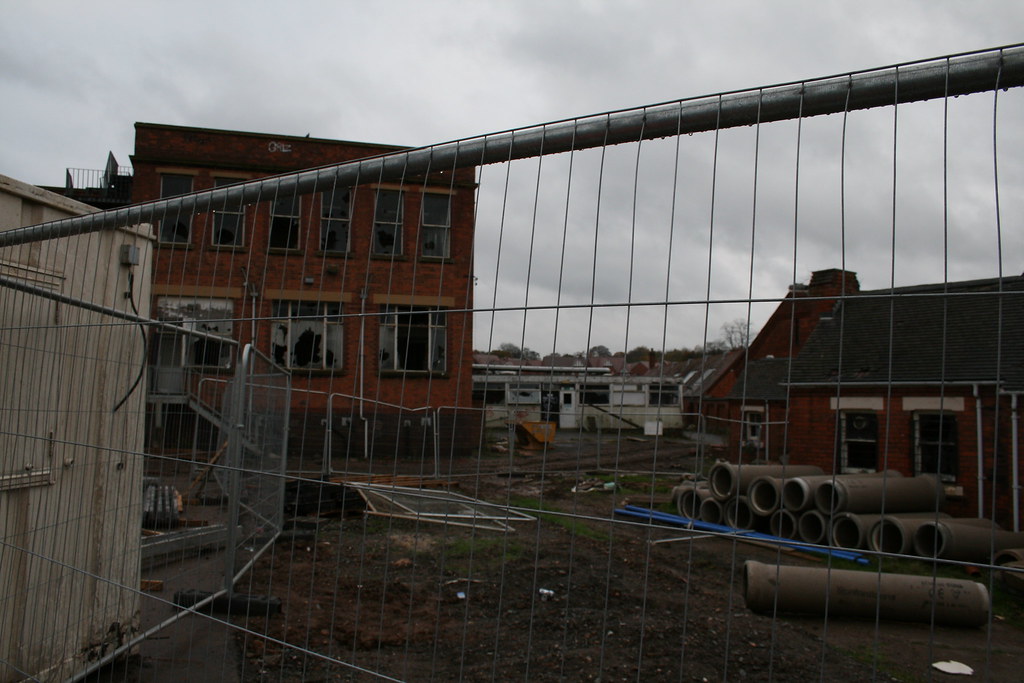
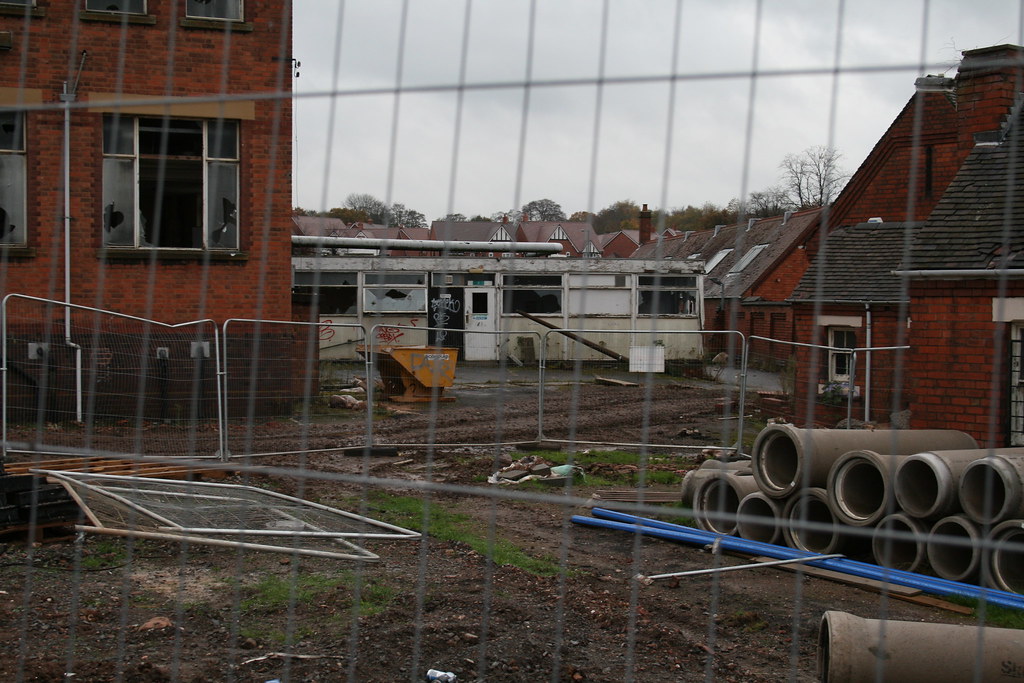
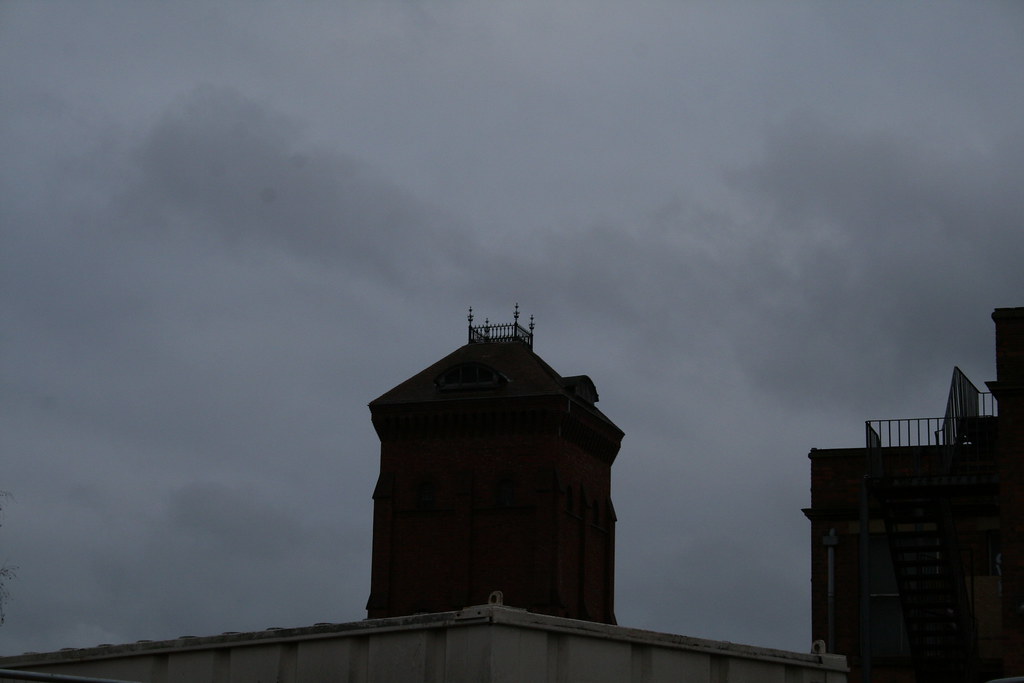
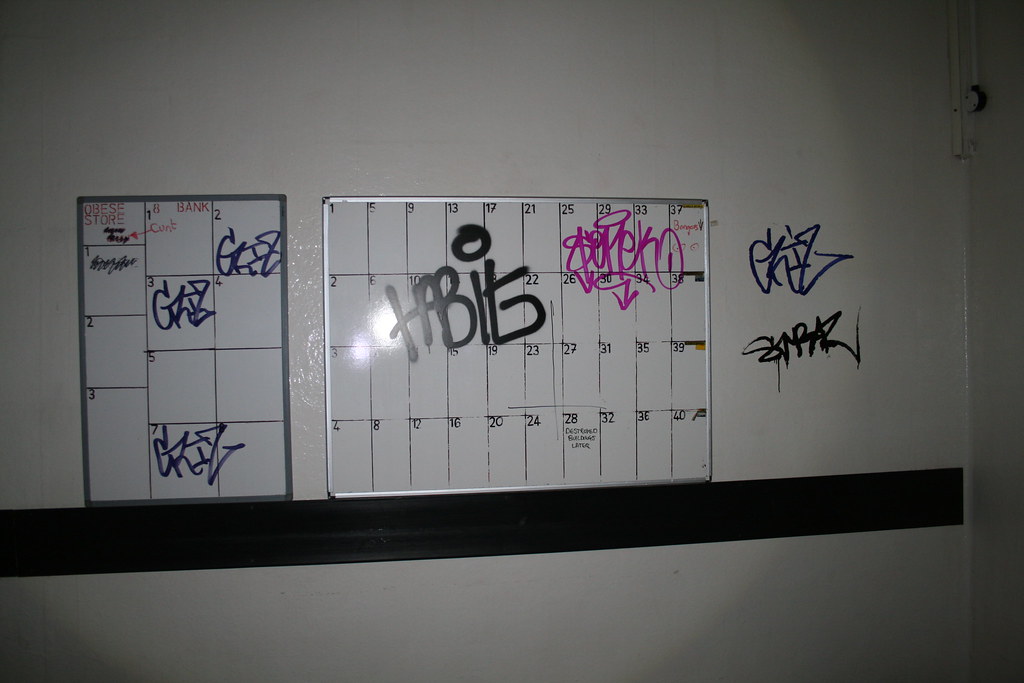
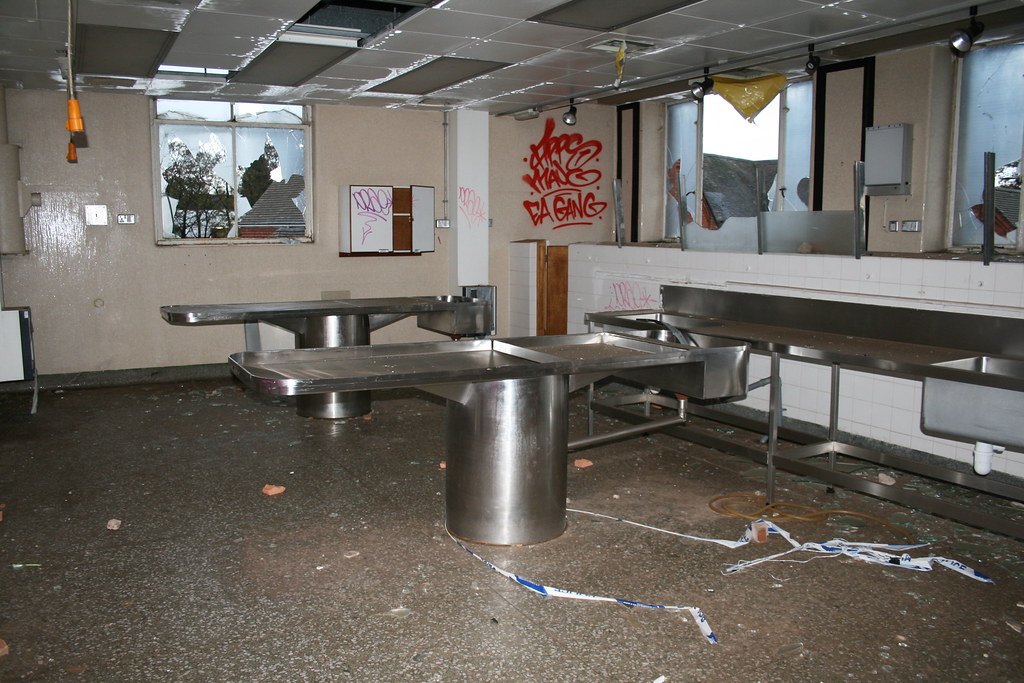
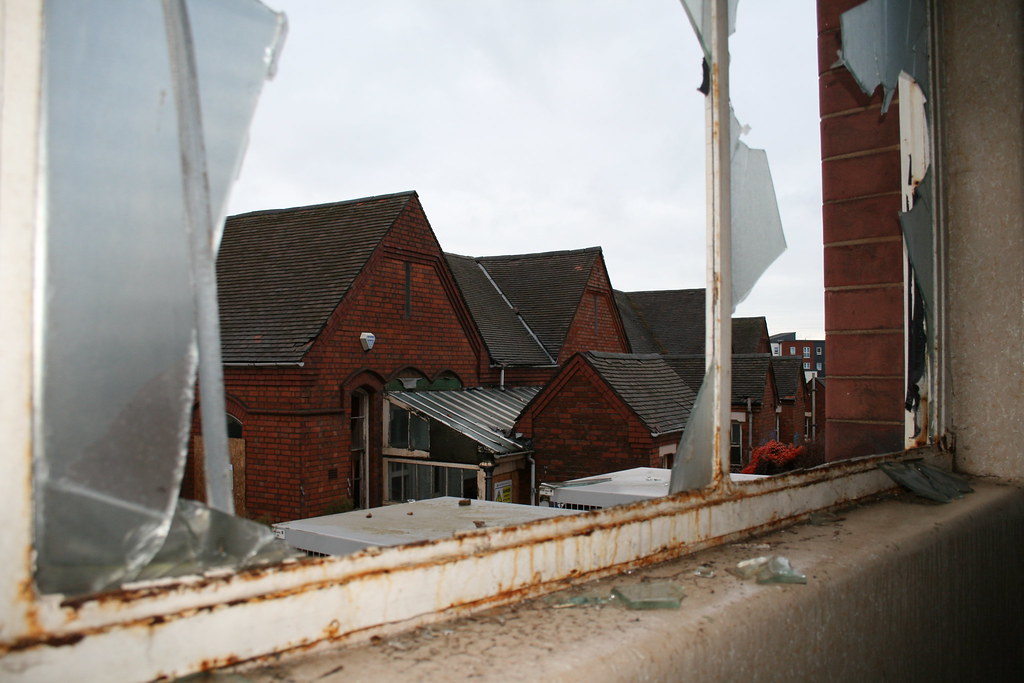
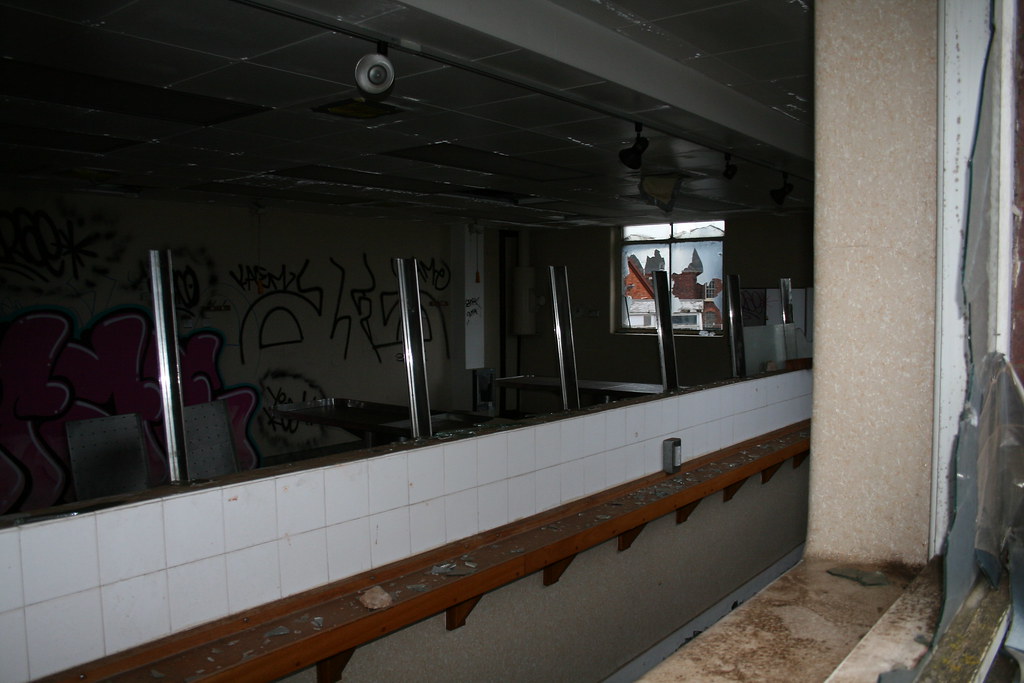
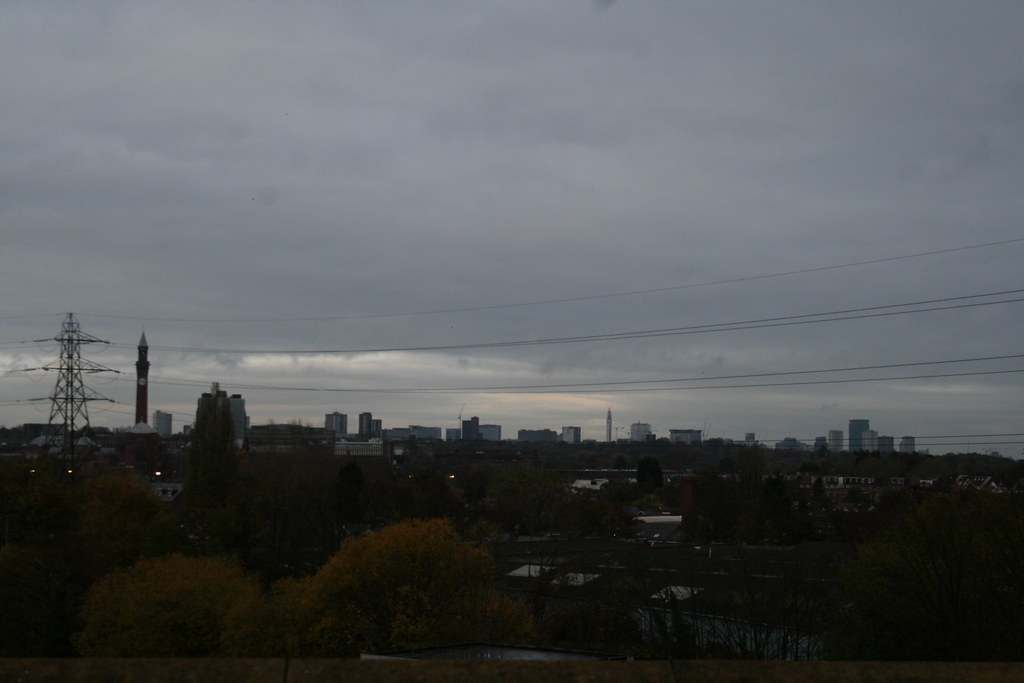
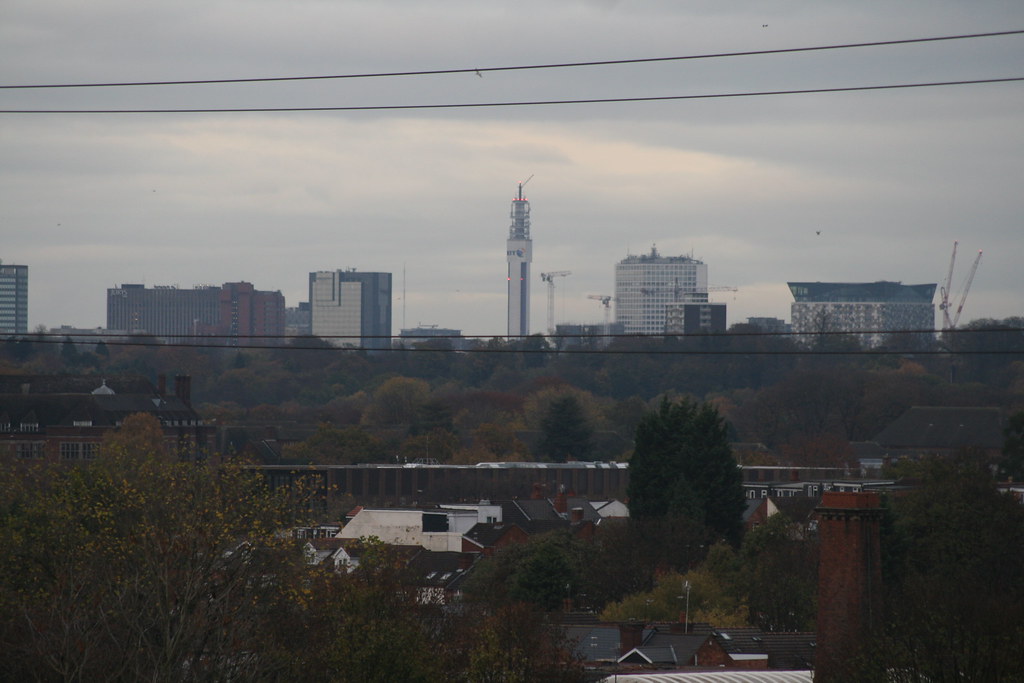
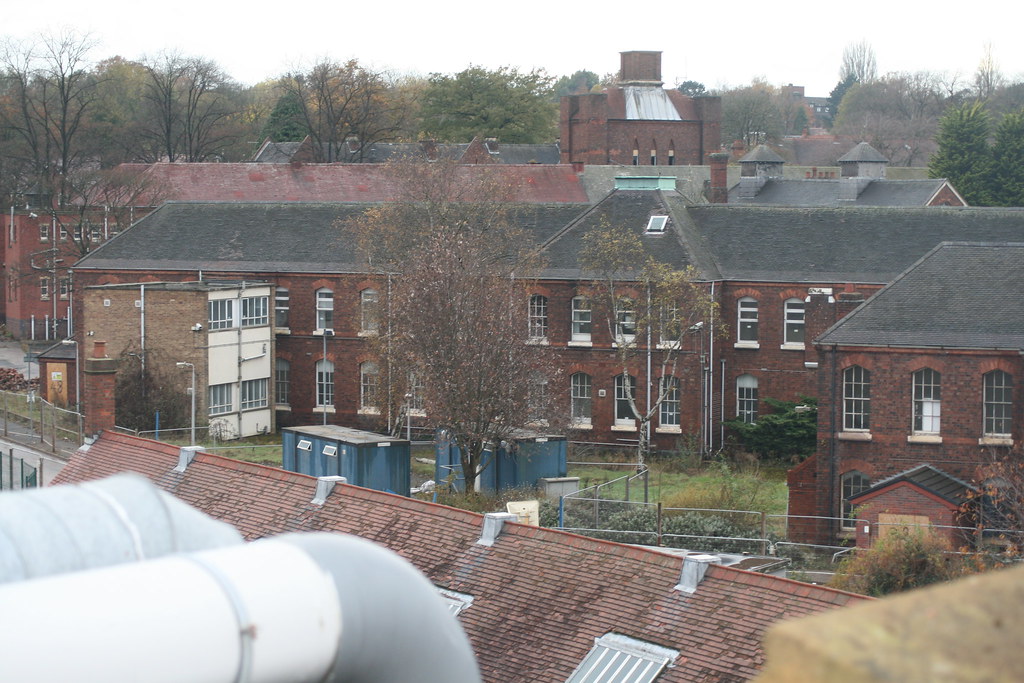
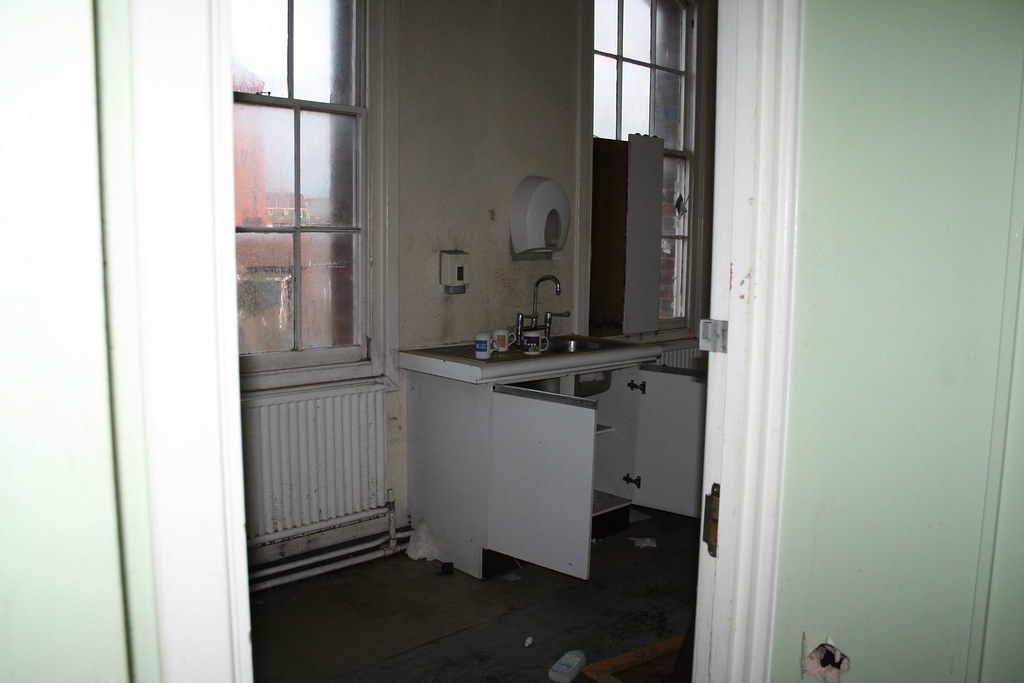
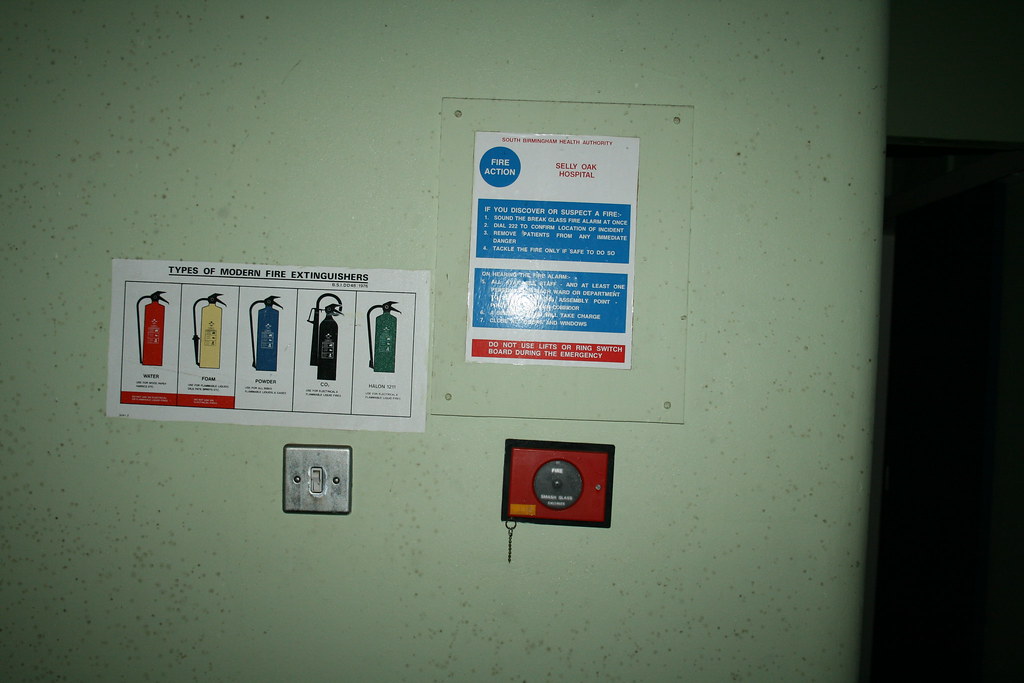
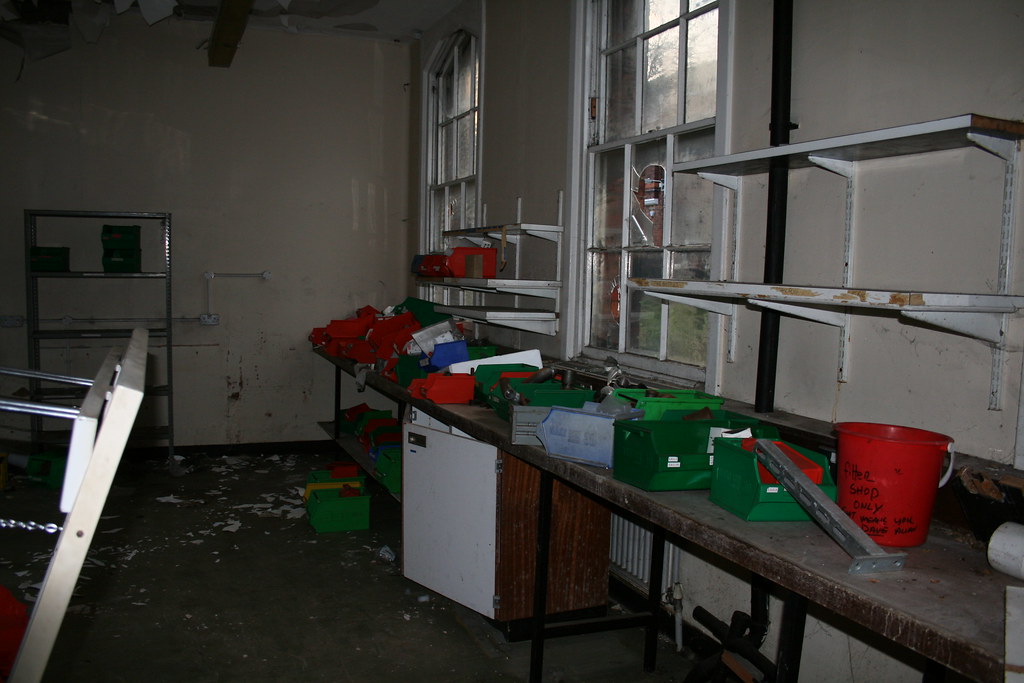
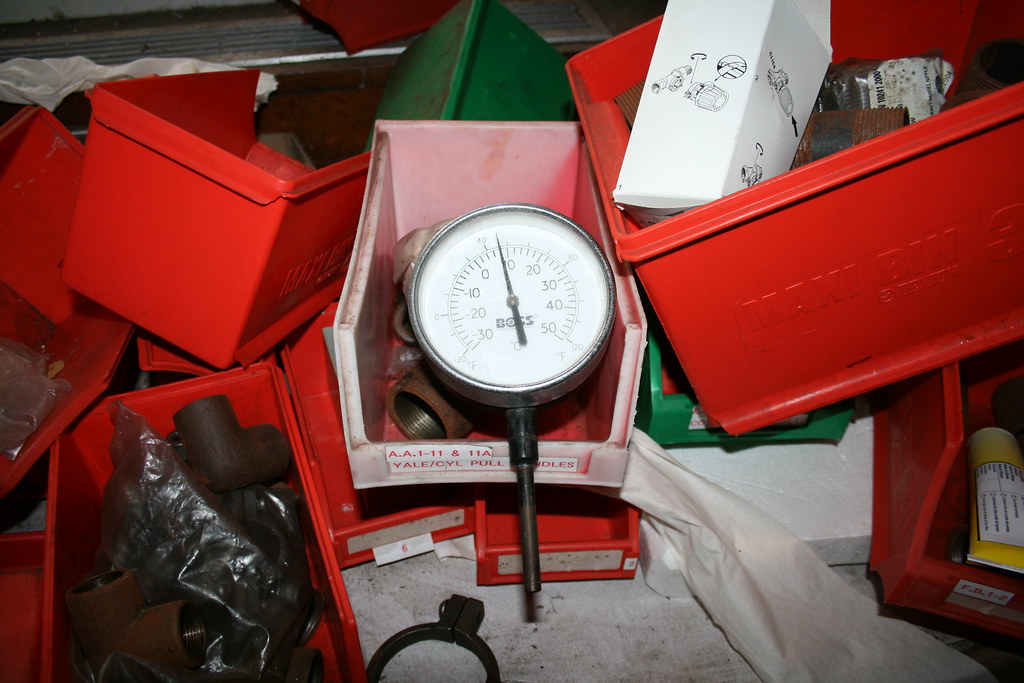
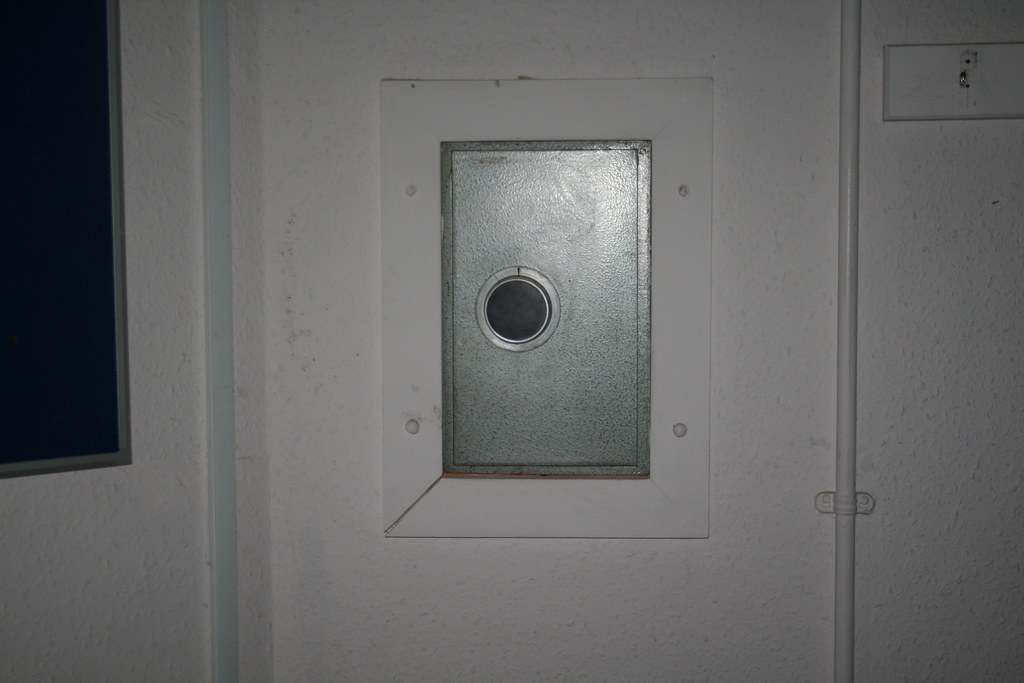
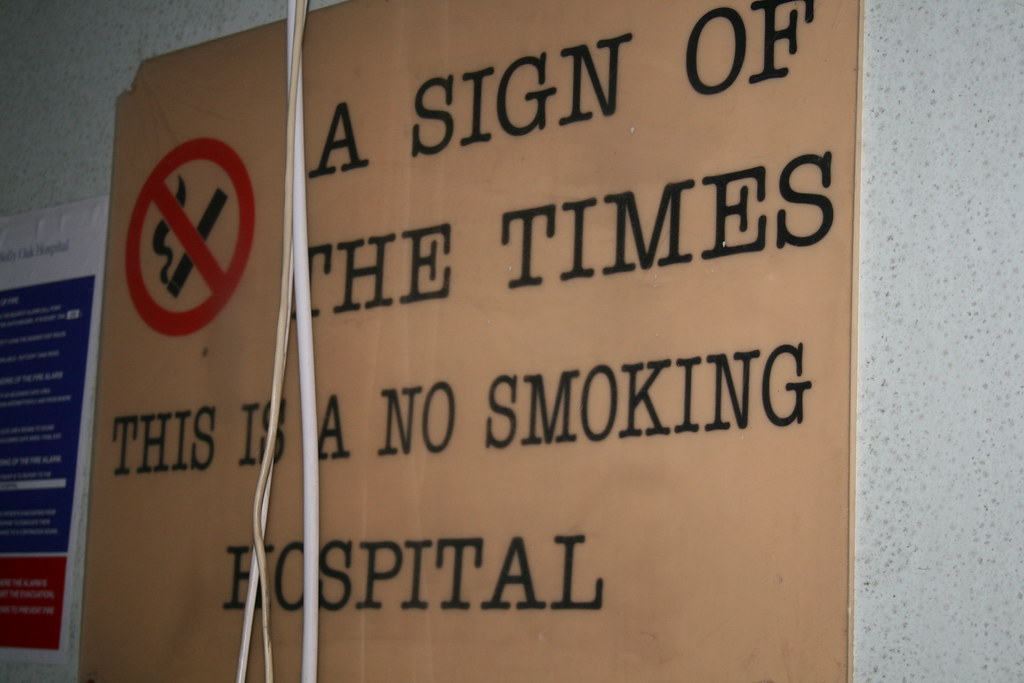
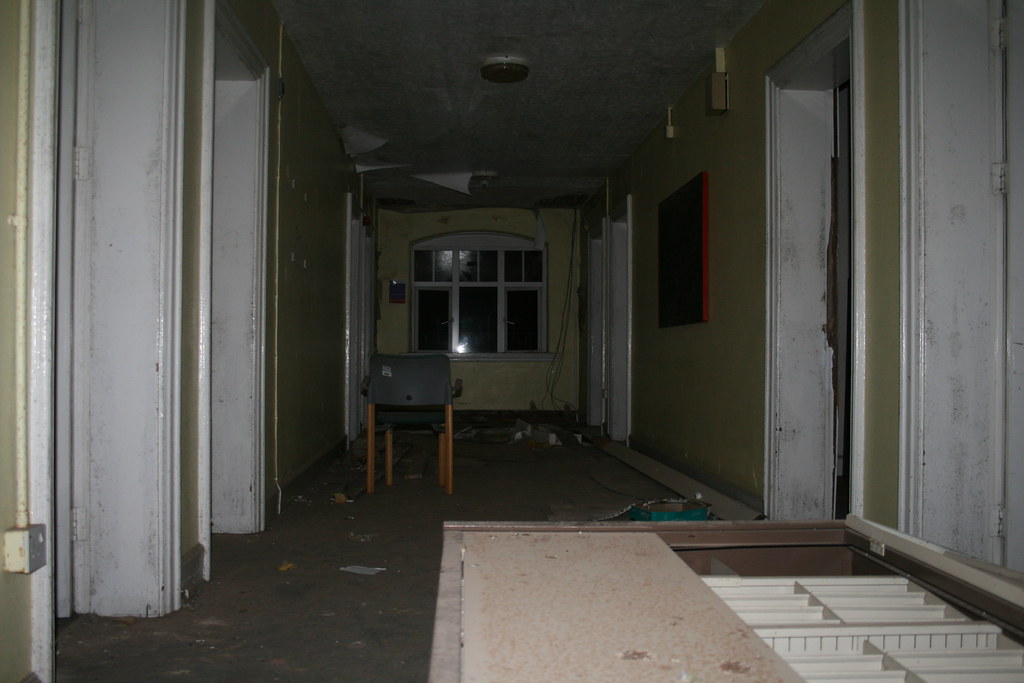
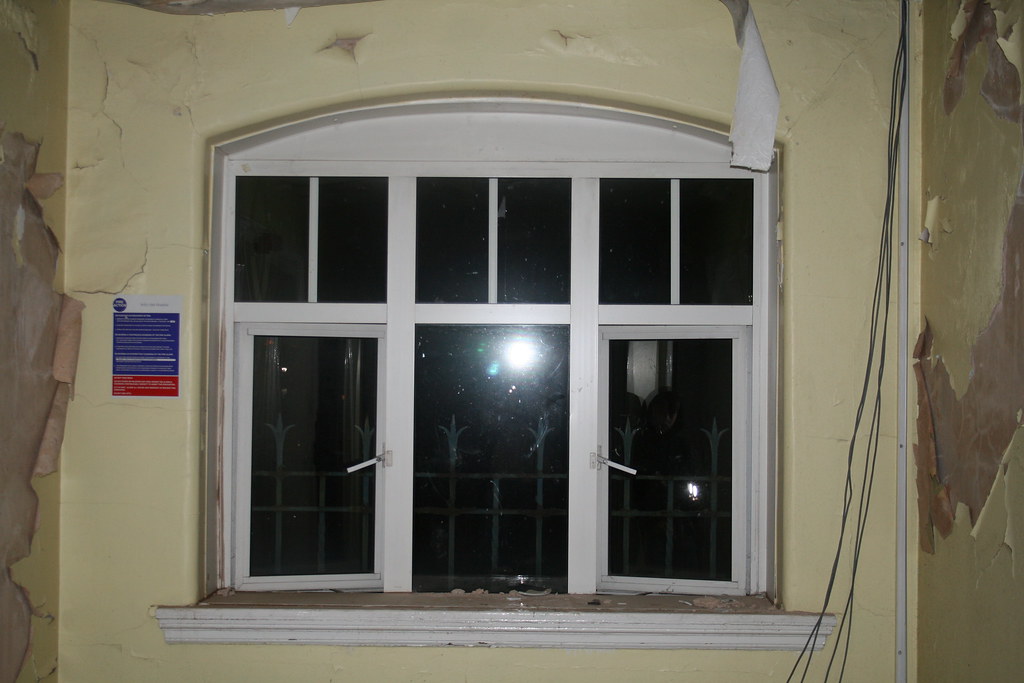
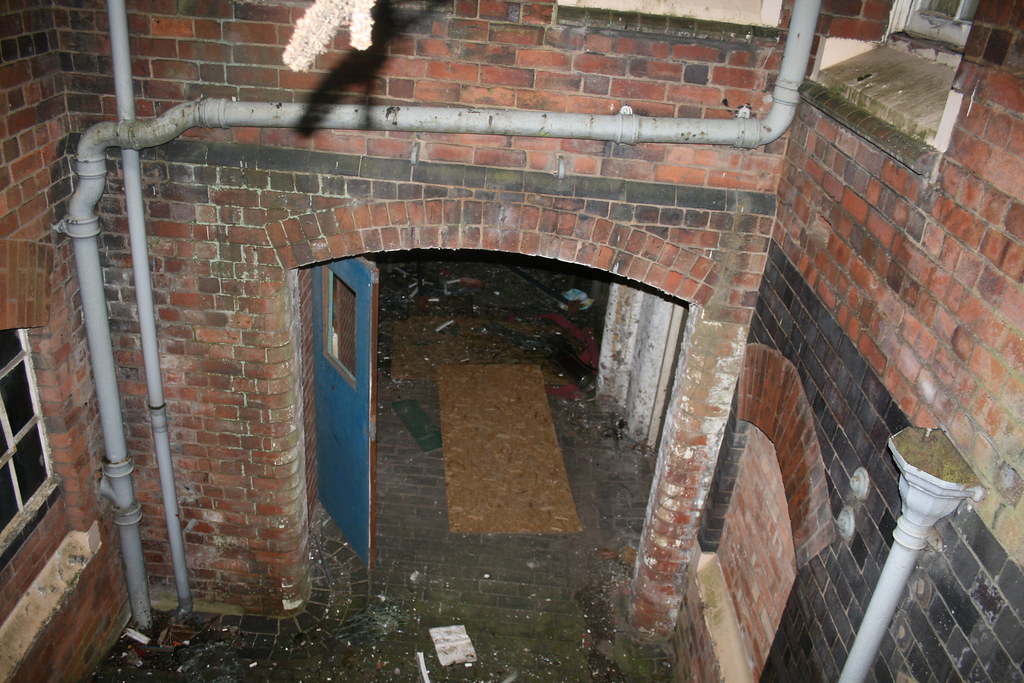
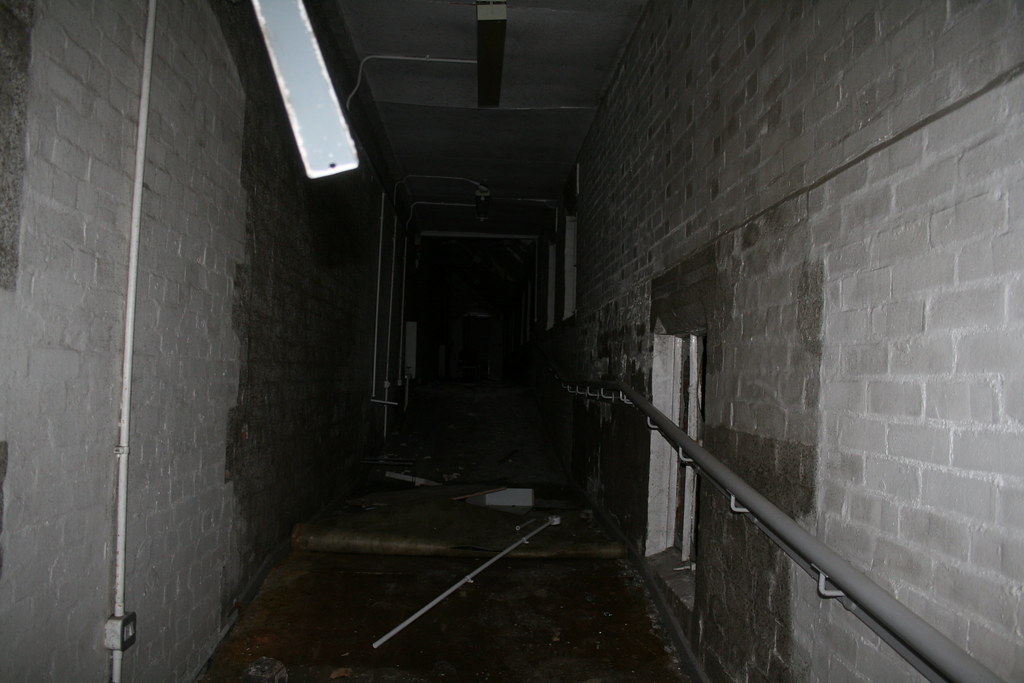
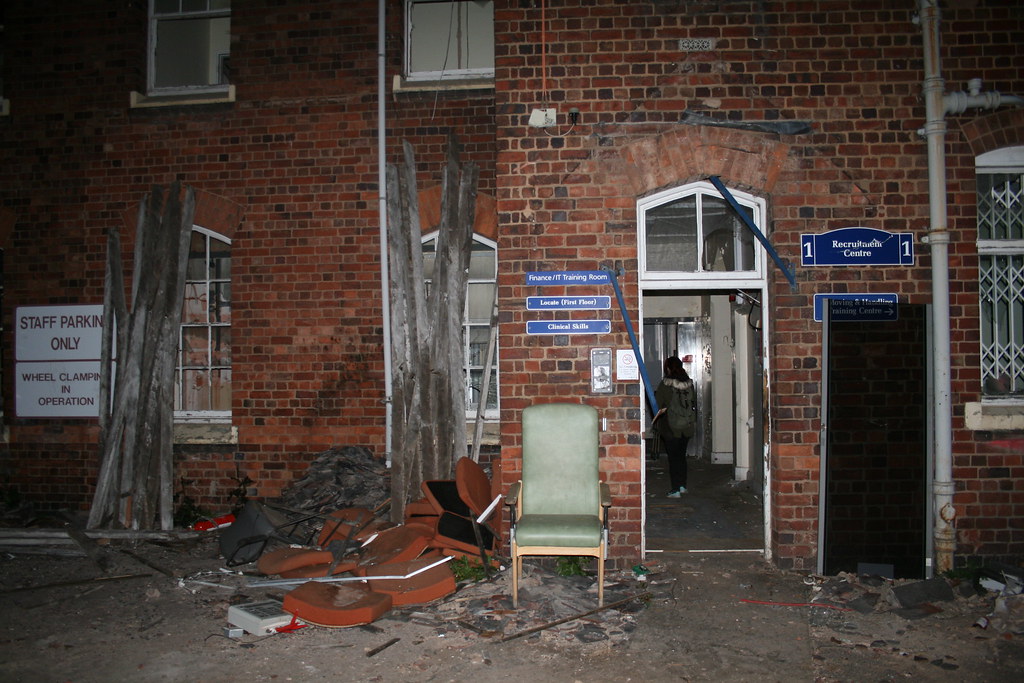
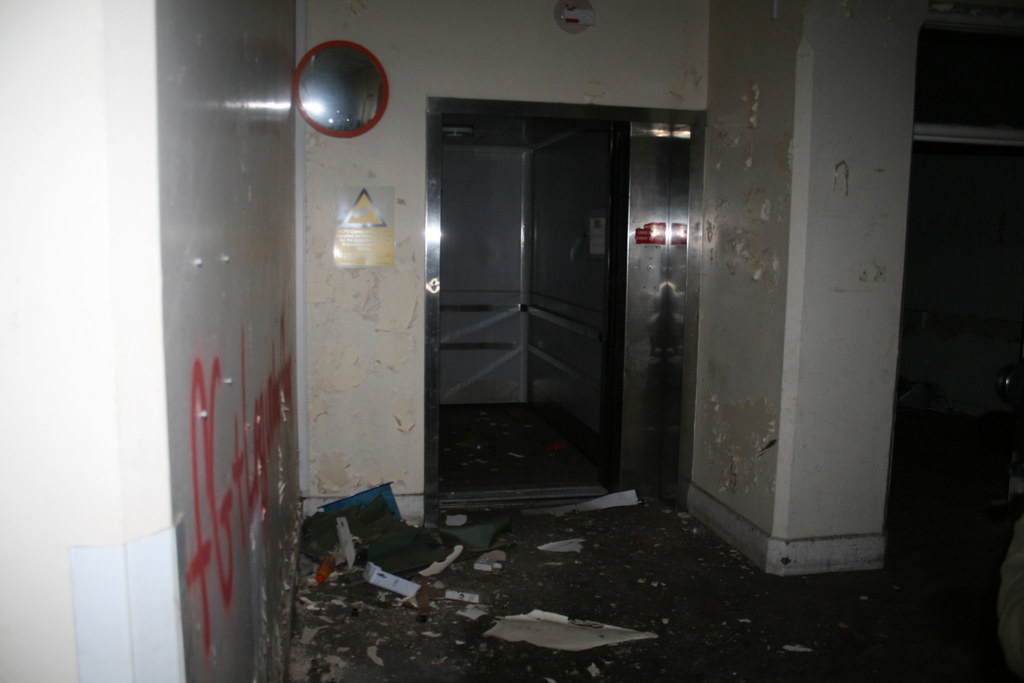
Exploring the abandoned Selly Oak Hospital (2015/2016) before demolition. Thanks to Jellyfish for the photos below!
Back in 2015/2016, myself, Jellyfish, and Gibo went on a few visits to the abandoned Selly Oak Hospital not long after it moved to the new Queen Elizabeth Hospital. The first couple of times we tried to explore this place, we were met with security almost immediately.
Eventually, we managed to sneak past the security and the security devices on site and made our way into the disused buildings. Not much was left behind by the time we managed to get inside to explore, but what was left behind was crazy!
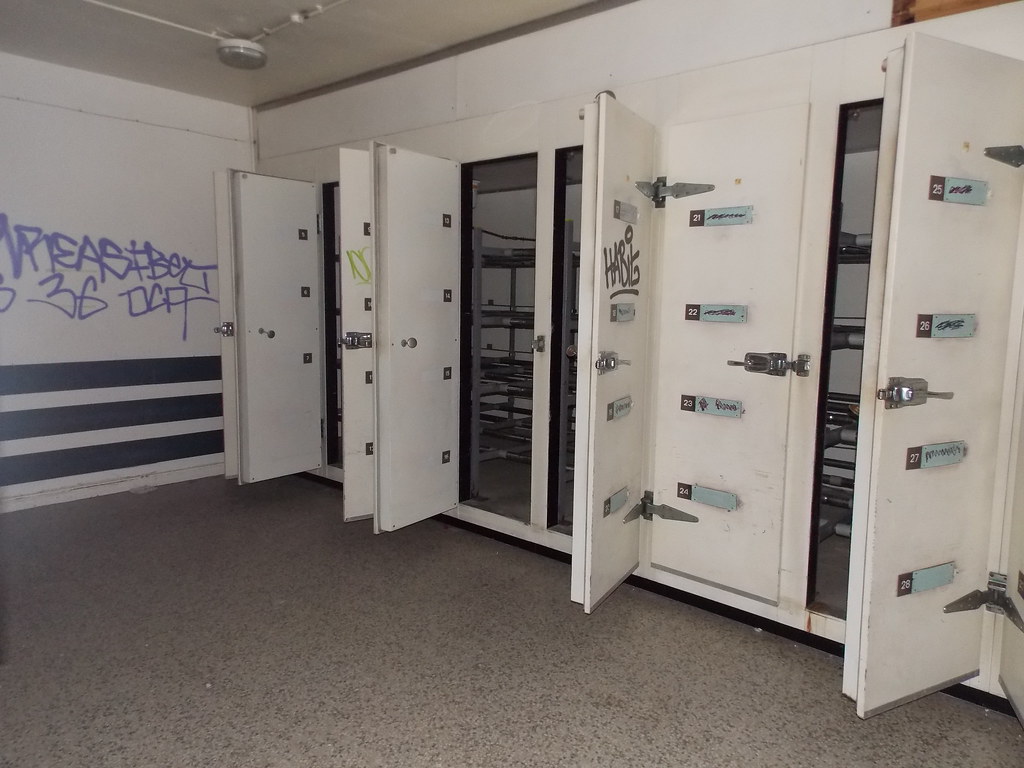
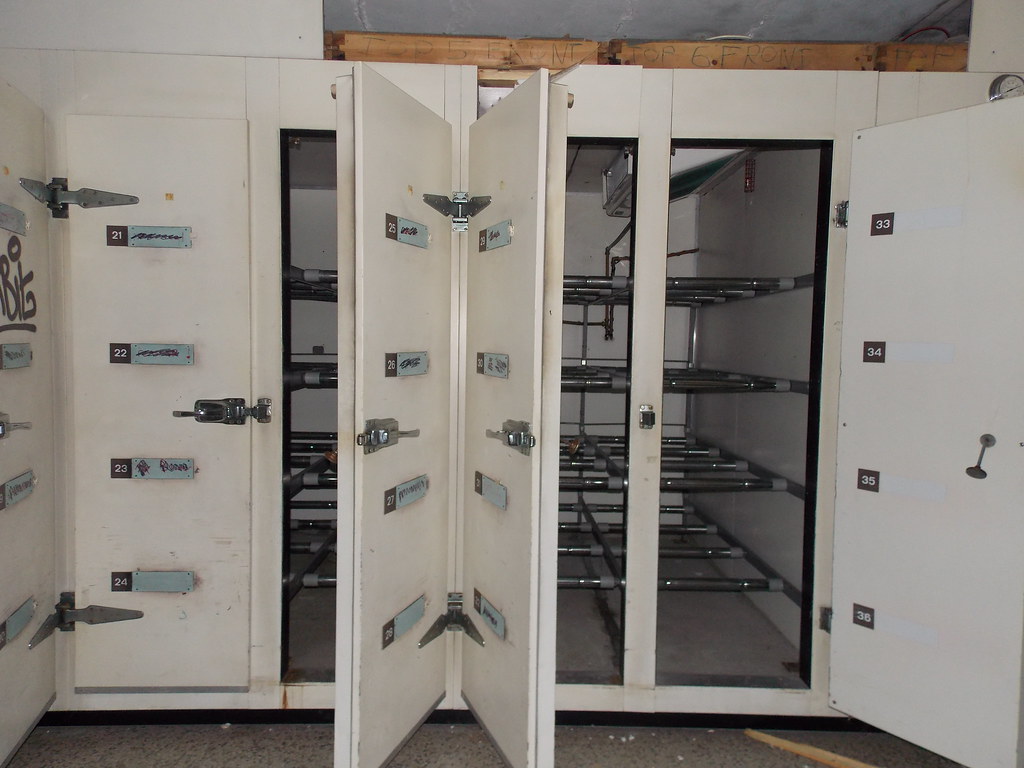
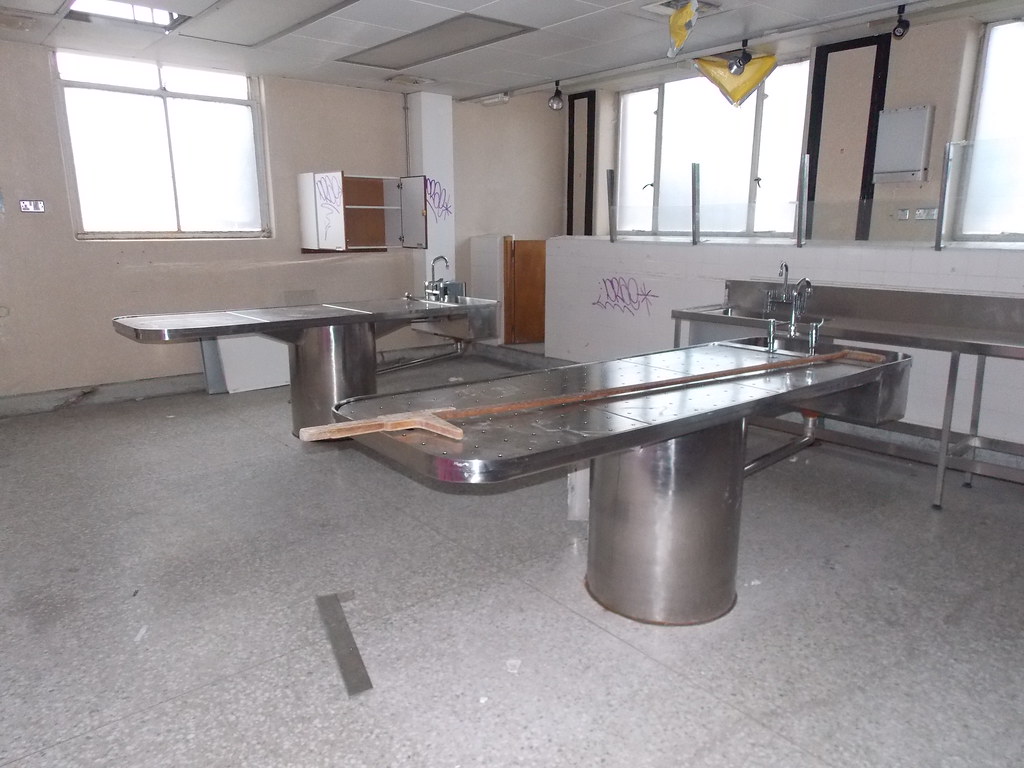
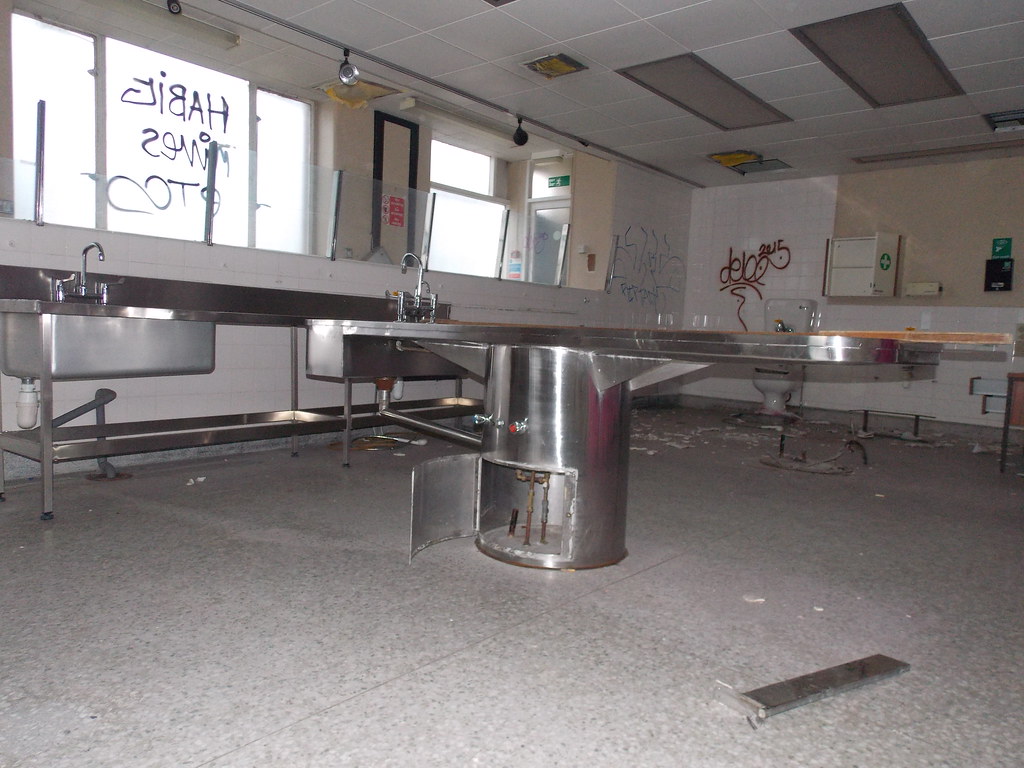
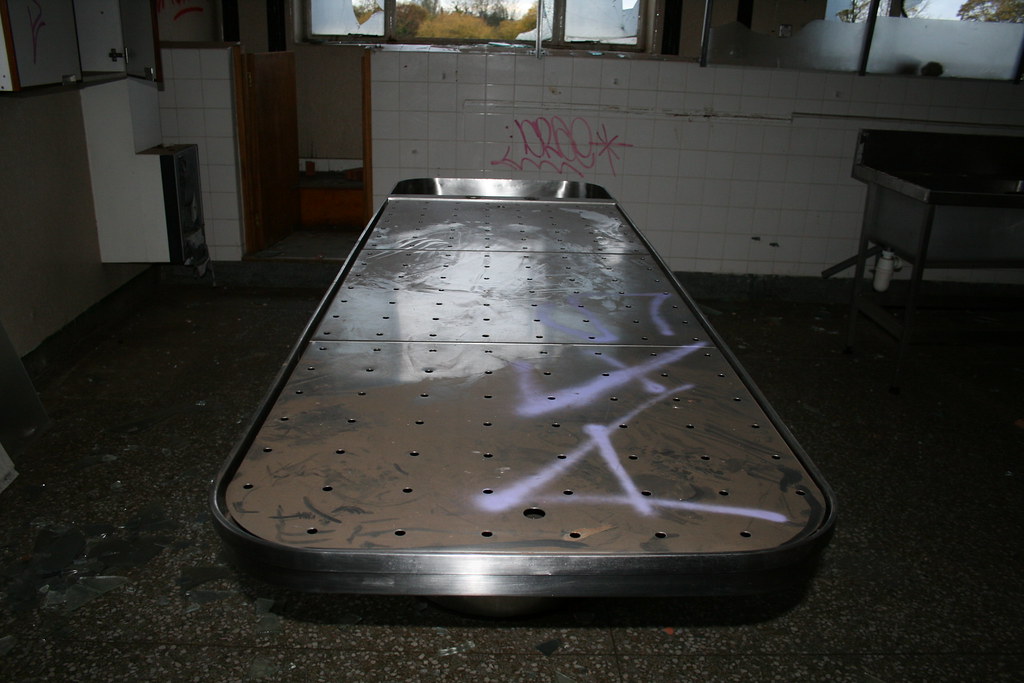
The freakiest part of the explore was when we managed to gain access to the morgue. The utensils and stainless steel bed were still there, and the morgue slab had a Ouija board left on top. That’s when the explore really started getting freaky.
Here’s some history on the now-demolished Selly Oak Hospital.
Origins — From Workhouse to Infirmary The site originally housed the King’s Norton Union Workhouse, built under the Poor Law Amendment Act 1834 to care for the very poor. Designed by Edward Holmes, it opened around 1870/1872 and could house a few hundred inmates.
In 1897, a purpose-built workhouse infirmary was added (designed by Daniel Arkell), with around 300 beds. It was one of the early infirmaries lit entirely by electric light — unusual at the time.
Transition to Hospital By 1902–1908, the complex expanded with a new entrance and a large nurses’ home called Woodlands.
In 1911, the workhouse and infirmary were renamed Selly Oak Hospital as King’s Norton became part of Birmingham and the Poor Law system was reorganised.
Over the inter-war years, the hospital modernised: operating theatres, labs, wards, and services expanded, reflecting the shift from a Poor Law institution to a general hospital.
NHS Era and Growth When the National Health Service was founded in 1948, Selly Oak Hospital and its associated buildings (formerly the workhouse and infirmary) joined the NHS and became a general hospital under Birmingham City Council.
In later decades, it became part of University Hospitals Birmingham NHS Foundation Trust (from 1997) and was linked administratively with the nearby Queen Elizabeth Hospital.
Special Roles and Recognition From 2001, the hospital was home to the Royal Centre for Defence Medicine, providing specialist care and rehabilitation for military personnel injured in operations in Iraq and Afghanistan.
The hospital also developed strong reputations for trauma and burns care and offered numerous general and specialist services to the West Midlands.
Closure and Aftermath With the opening of the new Queen Elizabeth Hospital Birmingham starting in 2010, services progressively transferred from Selly Oak.
The hospital formally closed in late 2011/2012, ending its healthcare role after more than a century as a medical institution.
In 2015, the Trust sold the site for redevelopment. Plans were made for around 650 homes, and many of the old buildings have since been demolished or repurposed.
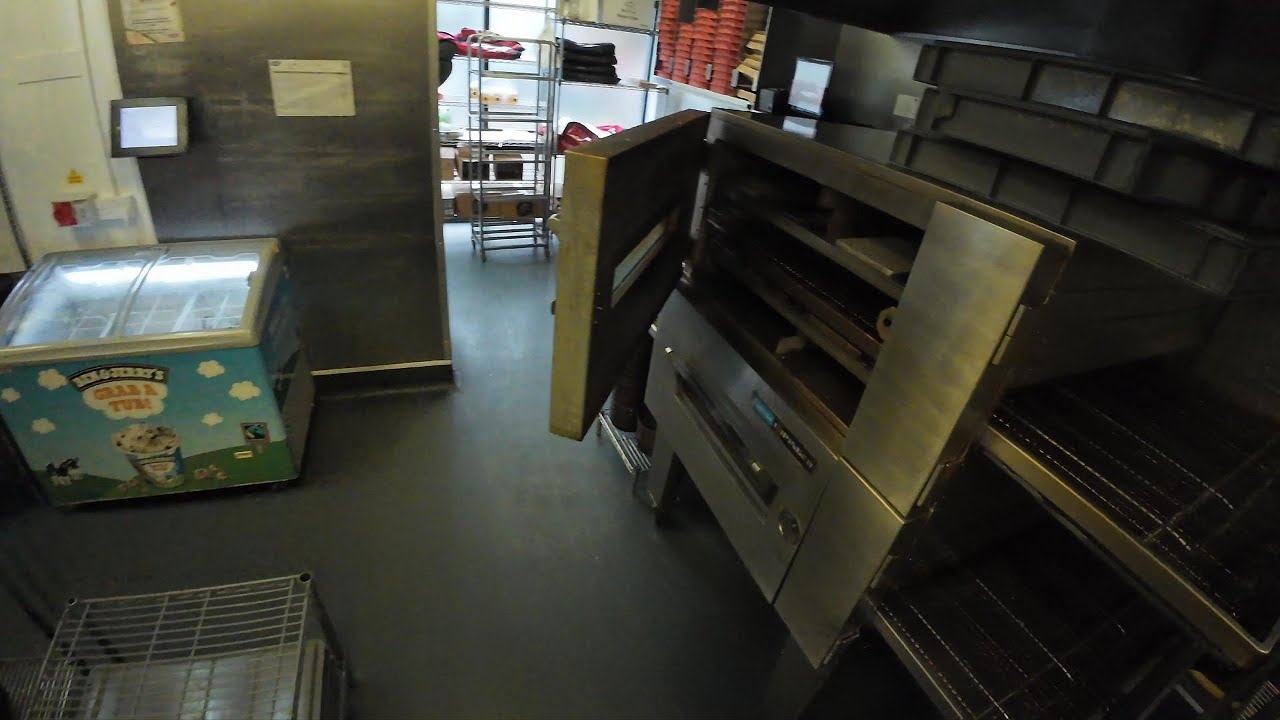
A once-busy Pizza Hut in Coventry… now completely silent 🍕 In this video, we explore a recently closed-down Pizza Hut, frozen in time with traces of its past still inside. From the dining area to behind-the-scenes spaces, this is a look at what happens when a popular fast-food spot shuts its doors for good.
⚠️ Filmed responsibly — take nothing but photos, leave nothing but footprints. Join me as I explore forgotten, abandoned, and off-limits locations, uncovering the hidden stories behind the places time forgot. From eerie ghost towns to decaying mansions, underground tunnels, and mysterious ruins, I take you on thrilling adventures into the unknown.
🔦 Expect exciting urban exploration content, haunted locations, and incredible lost history captured on camera. Whether it’s an abandoned asylum, a forgotten factory, or a secret underground bunker, every location has a story to tell.
👉 Subscribe and hit the 🔔 bell to join the adventure!
⚠️ Urban exploration can be dangerous and is done at your own risk. Always respect property laws and never vandalize locations. #DeeExplores #UrbanExploration #Urbex #AbandonedPlaces #ExploringTheUnknown

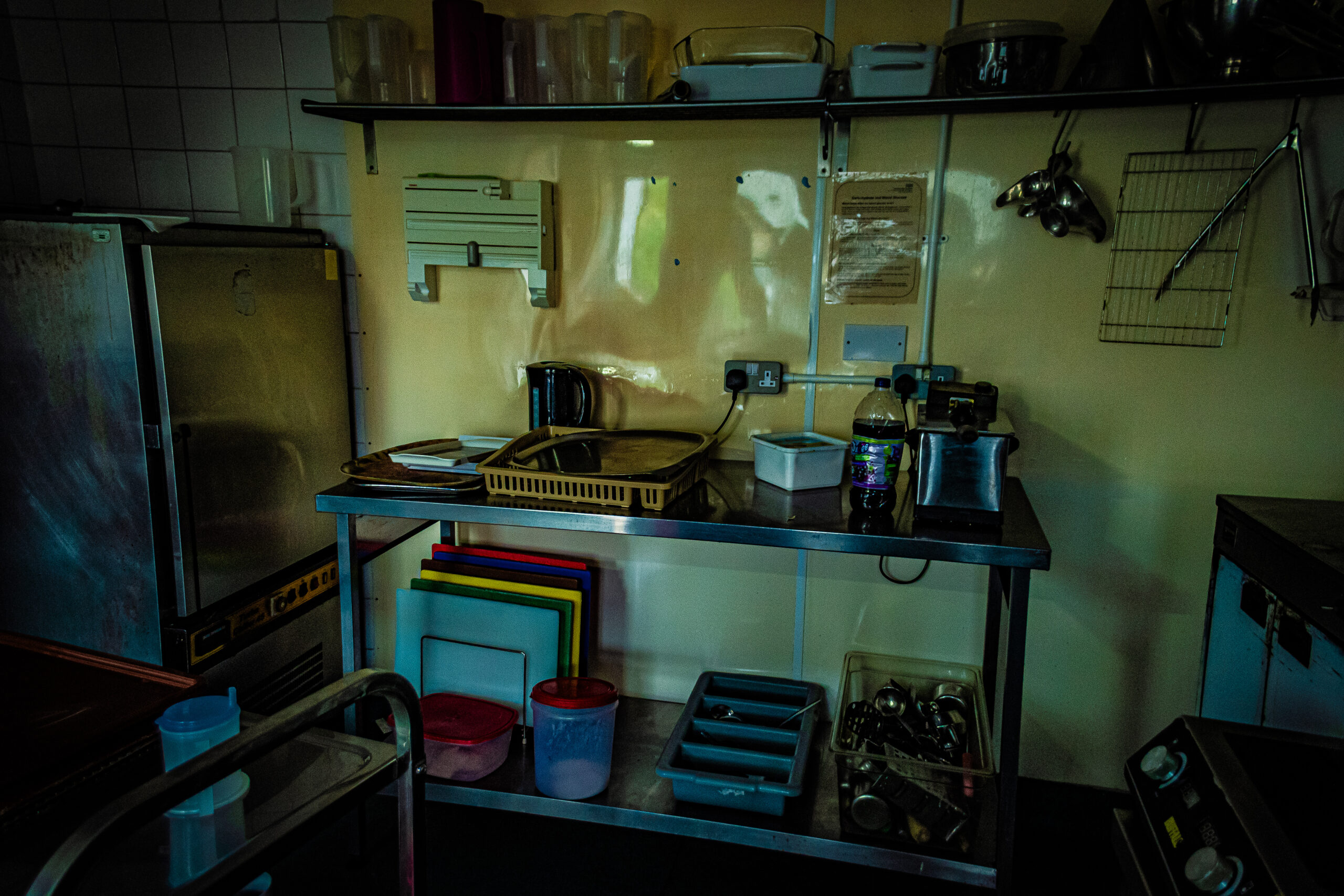
 Huge thanks to Mod Dan 2 for the photos